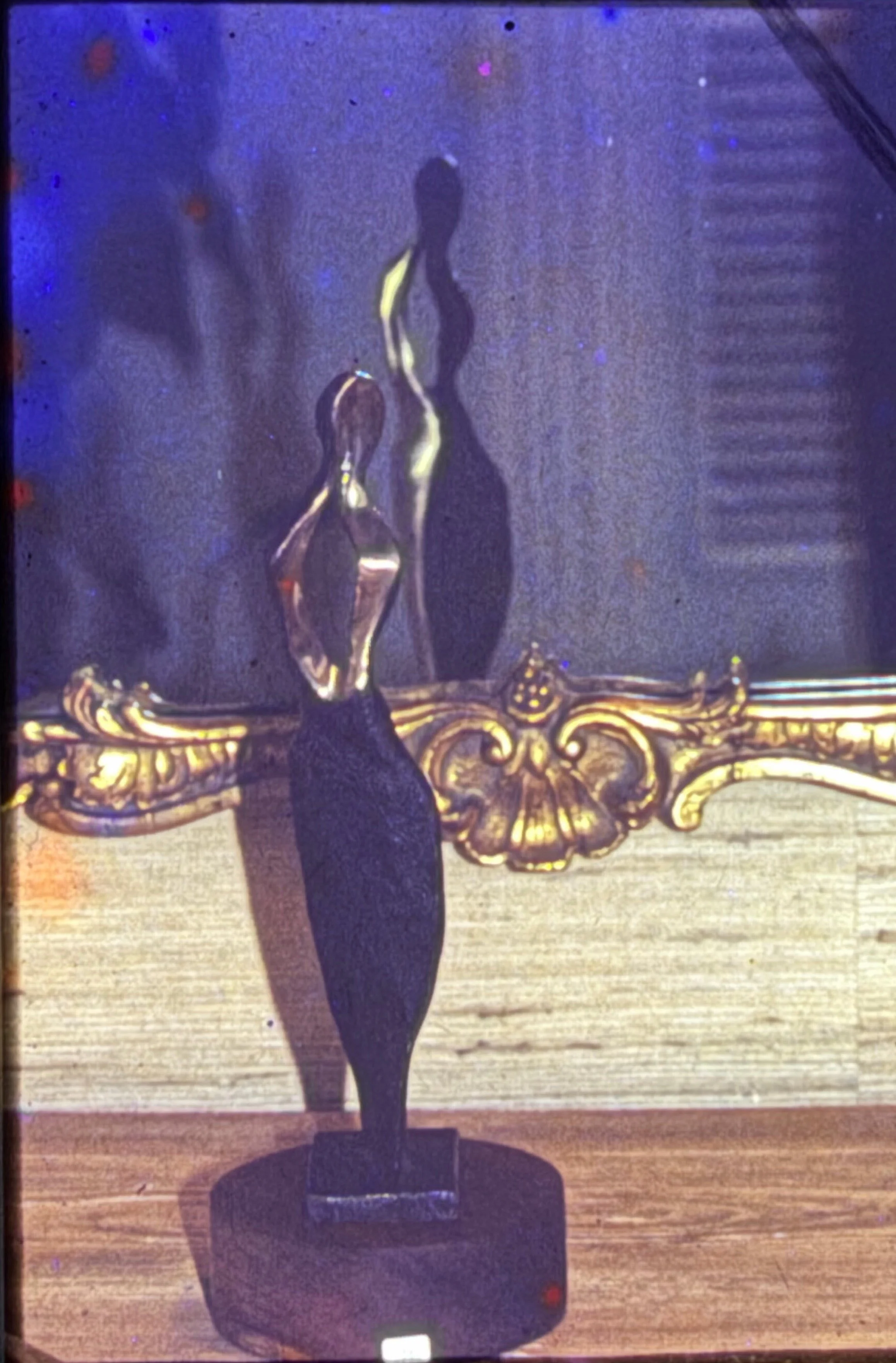
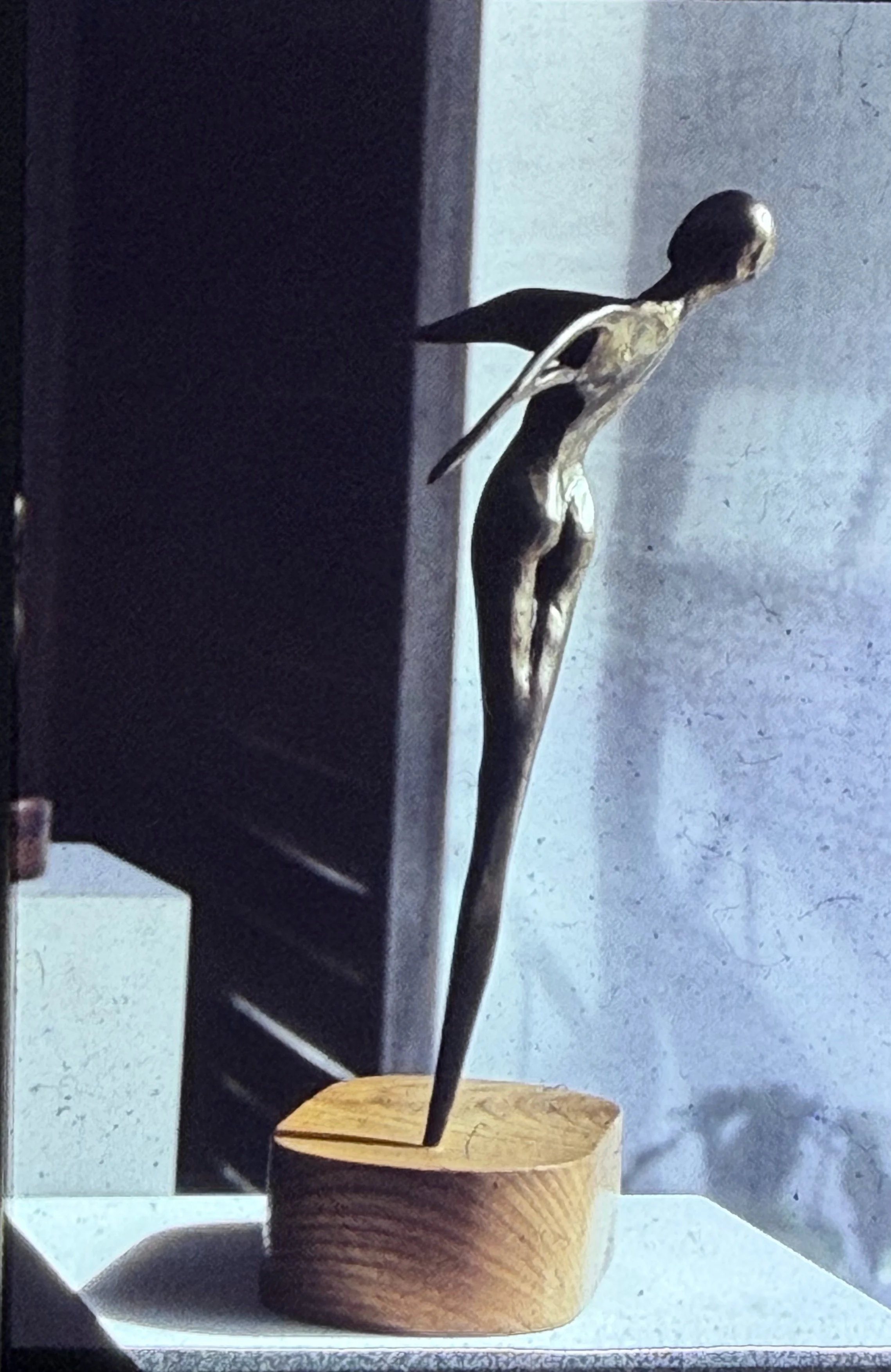
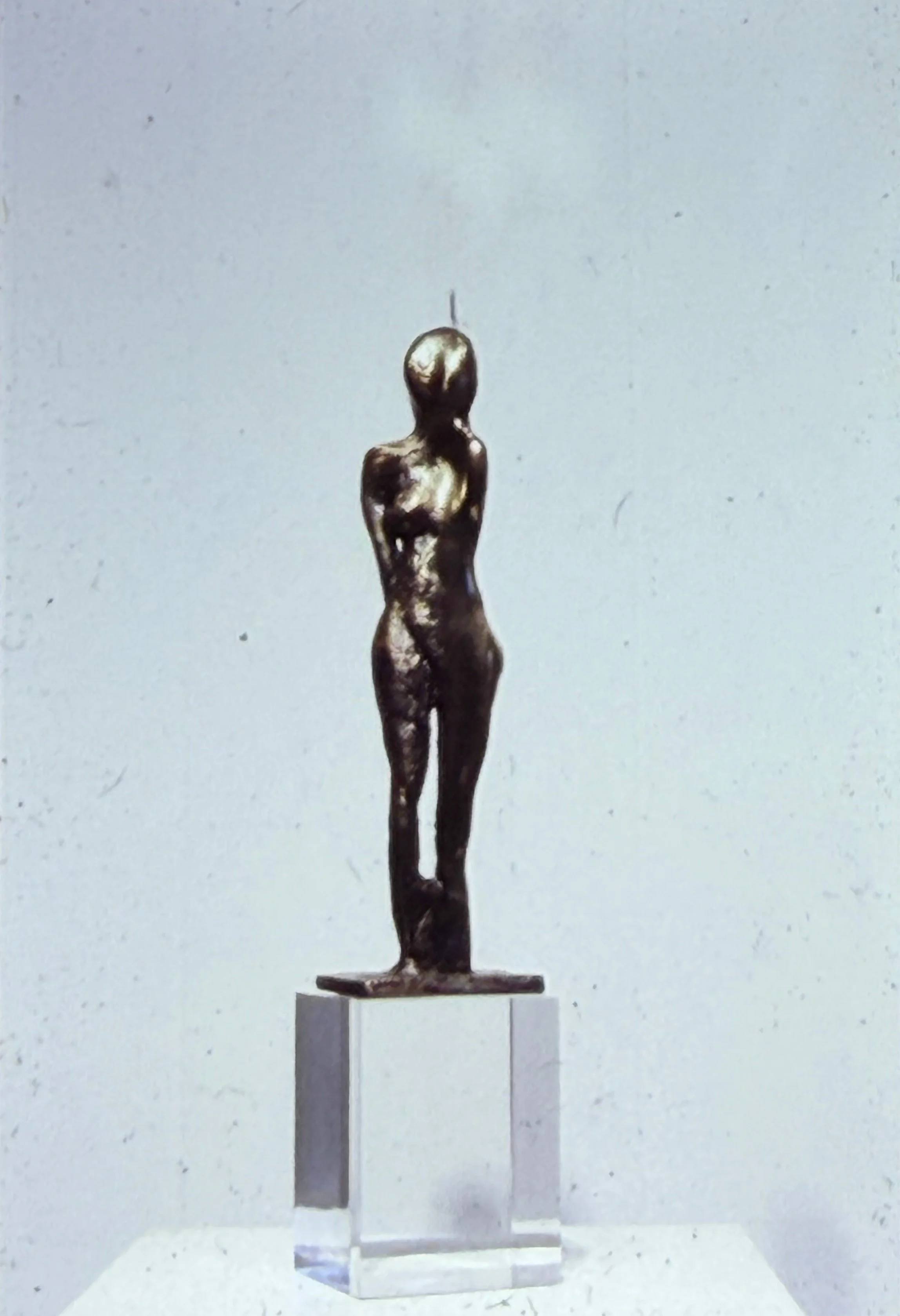
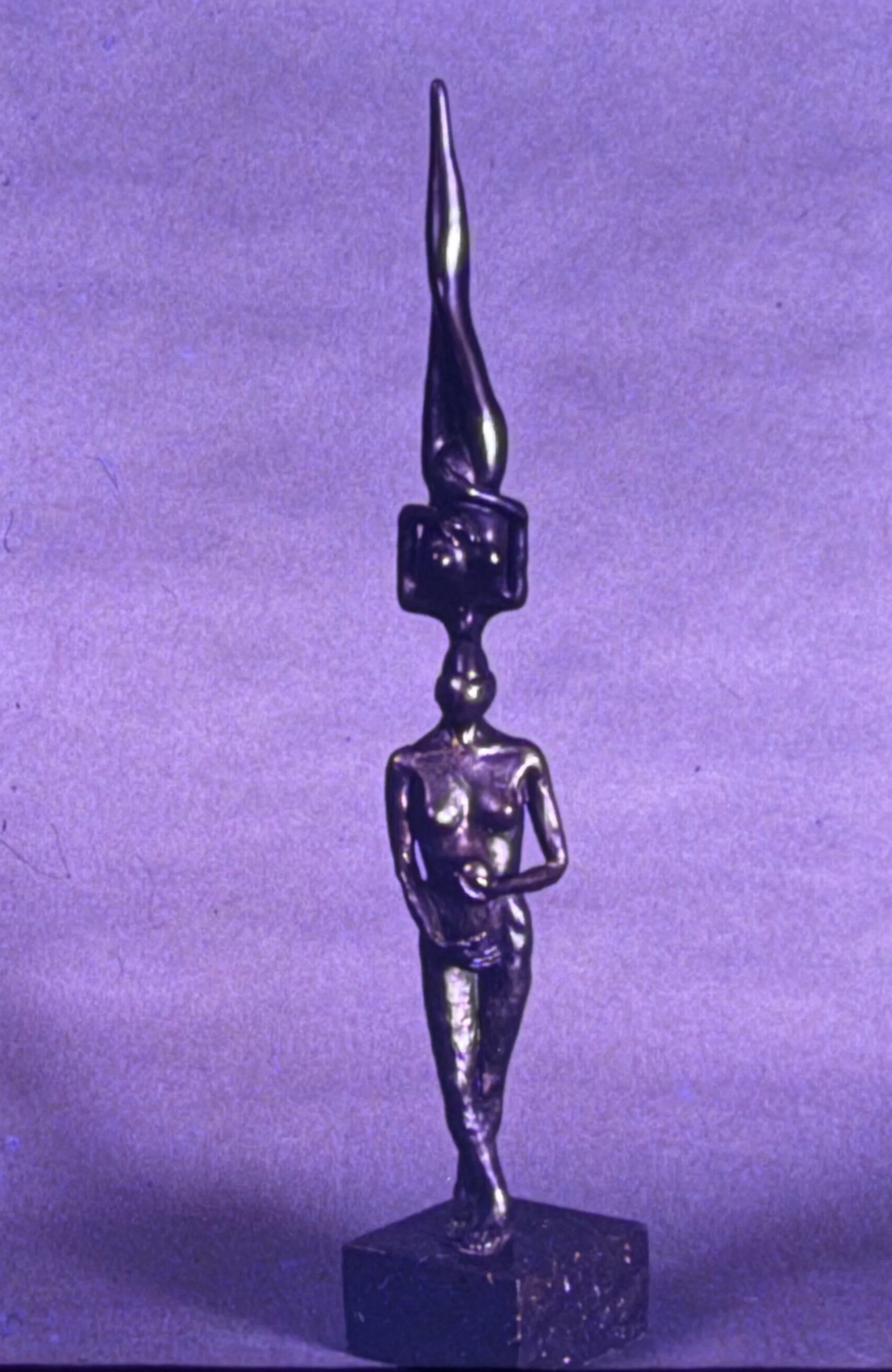
Human Figures
The use of bronze to depict the human figure began in the ancient world, with some of the earliest known examples appearing in Mesopotamia and Egypt. However, it was in ancient Greece, around the 5th century BCE, that bronze sculpture reached a high level of artistic and technical achievement. Greek artists developed the lost-wax casting method, which allowed them to create detailed and lifelike human forms. Bronze offered strength and flexibility, making it possible to capture movement and natural poses in ways that stone could not.
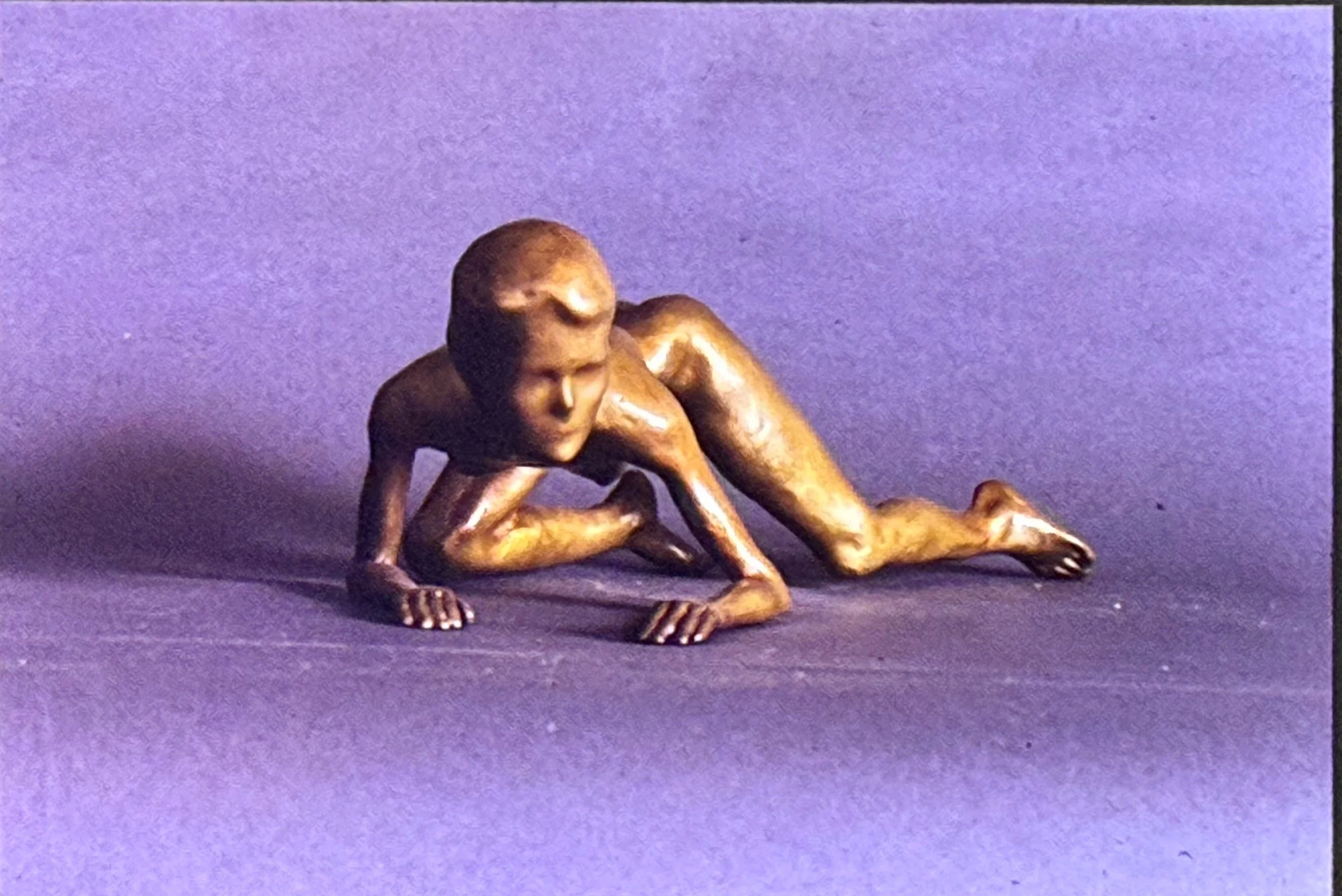
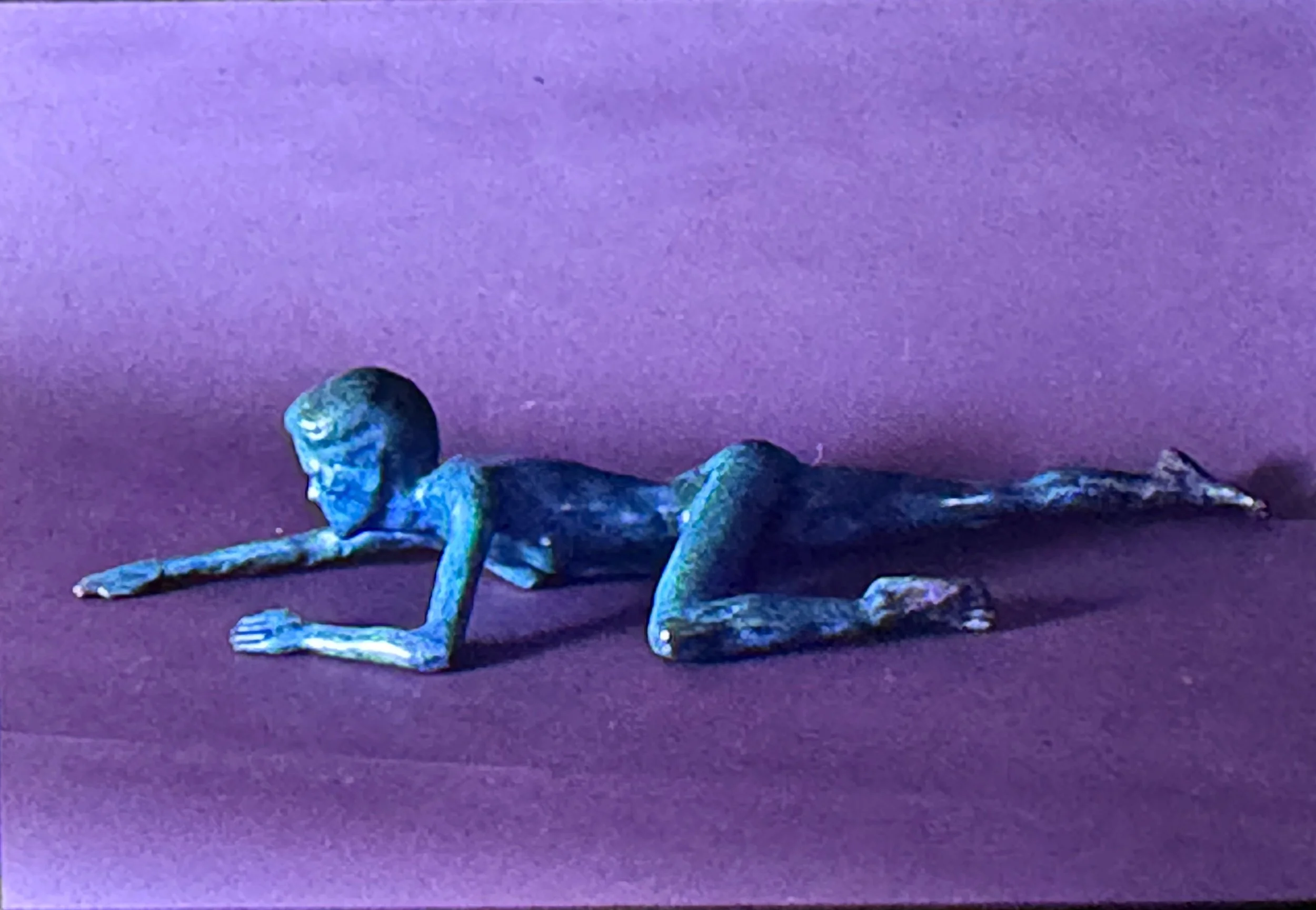
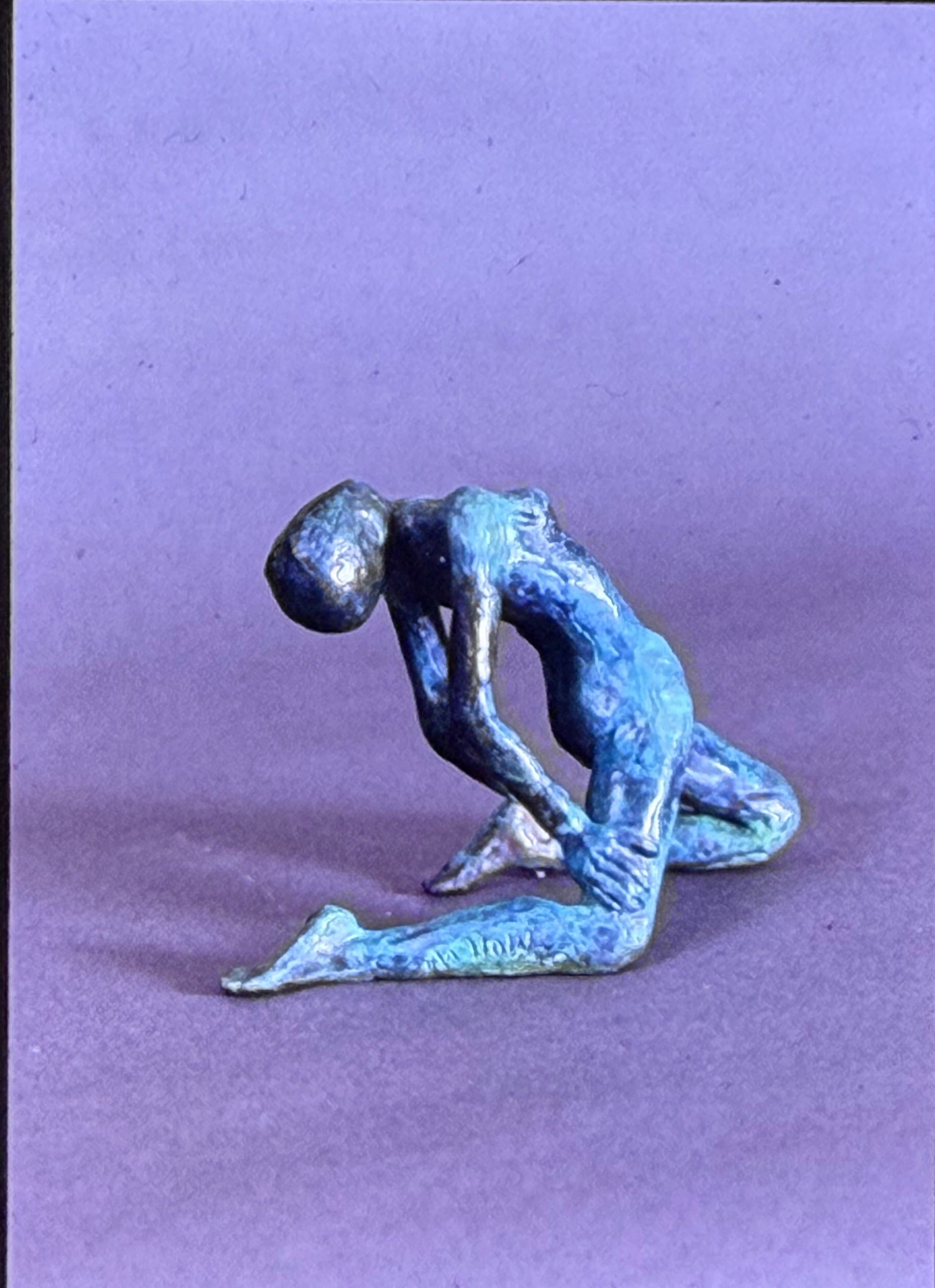
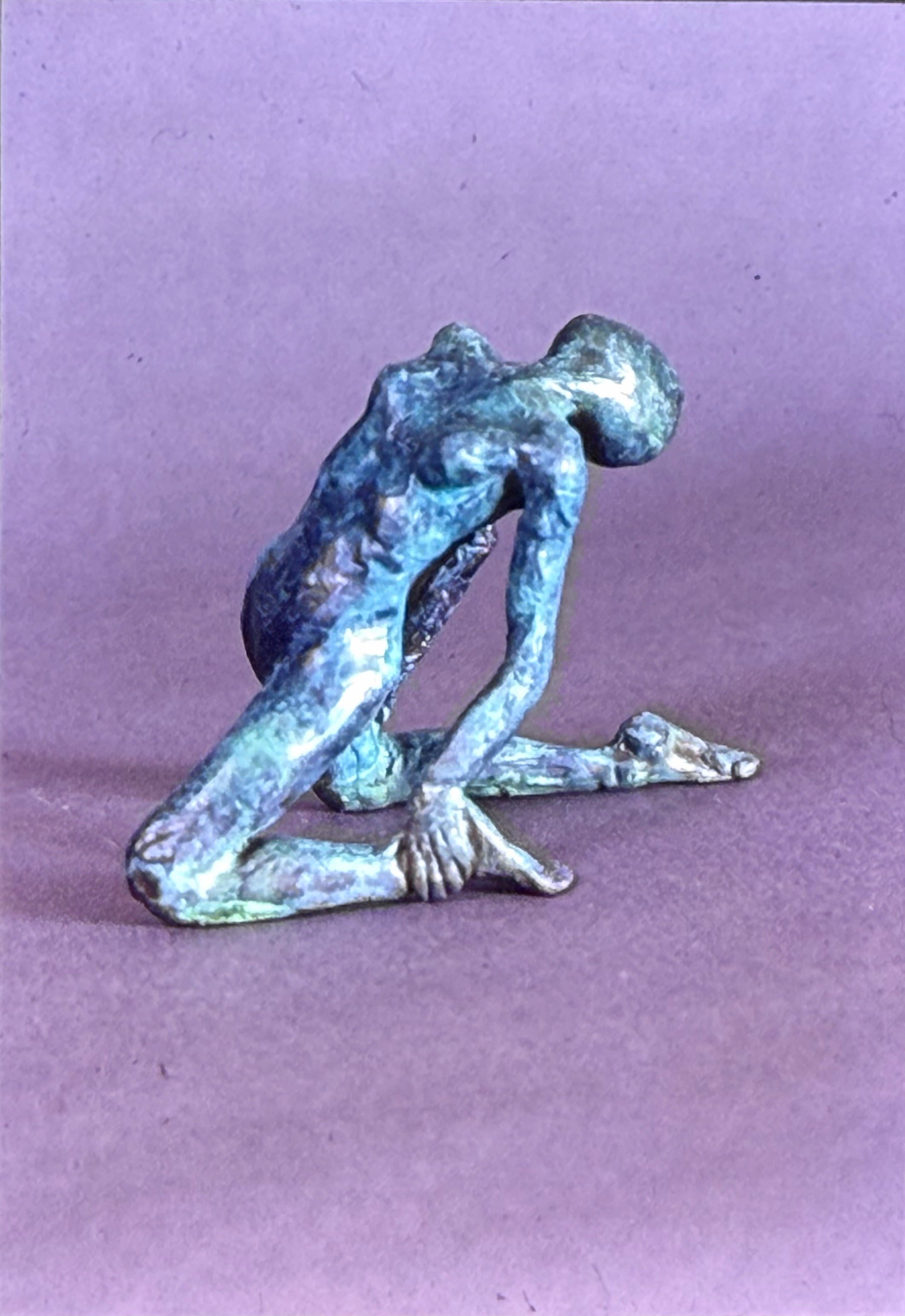
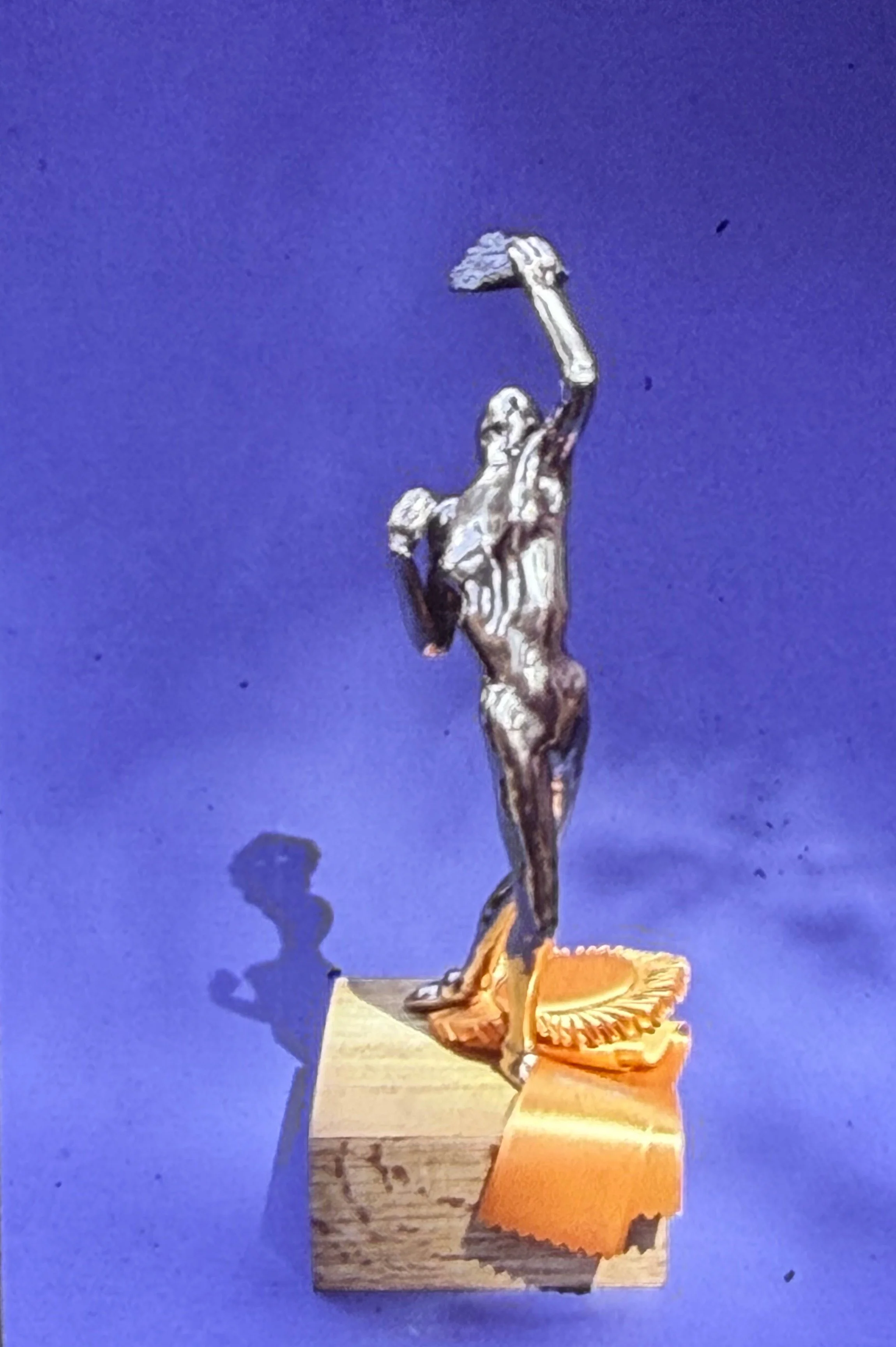
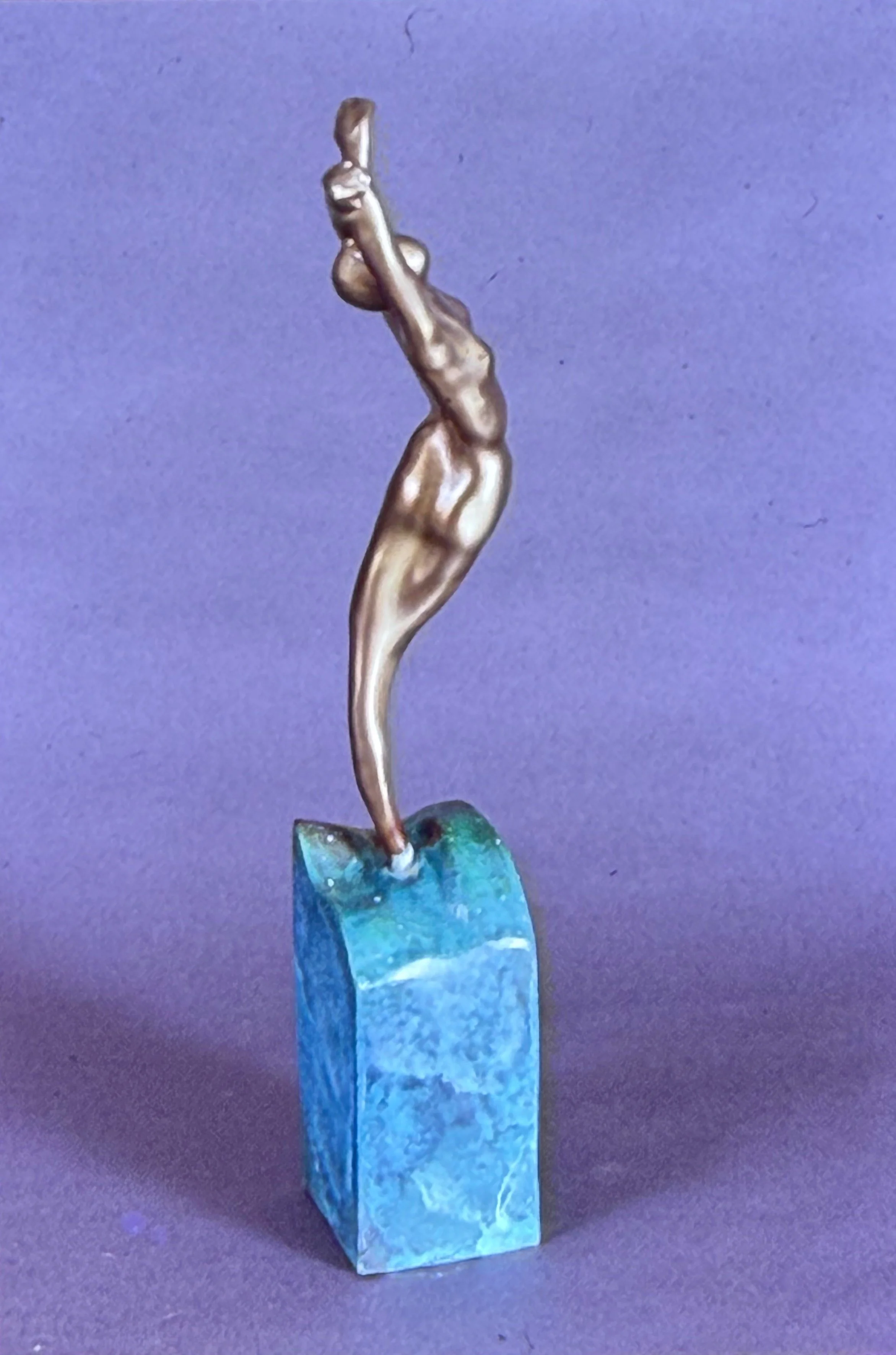
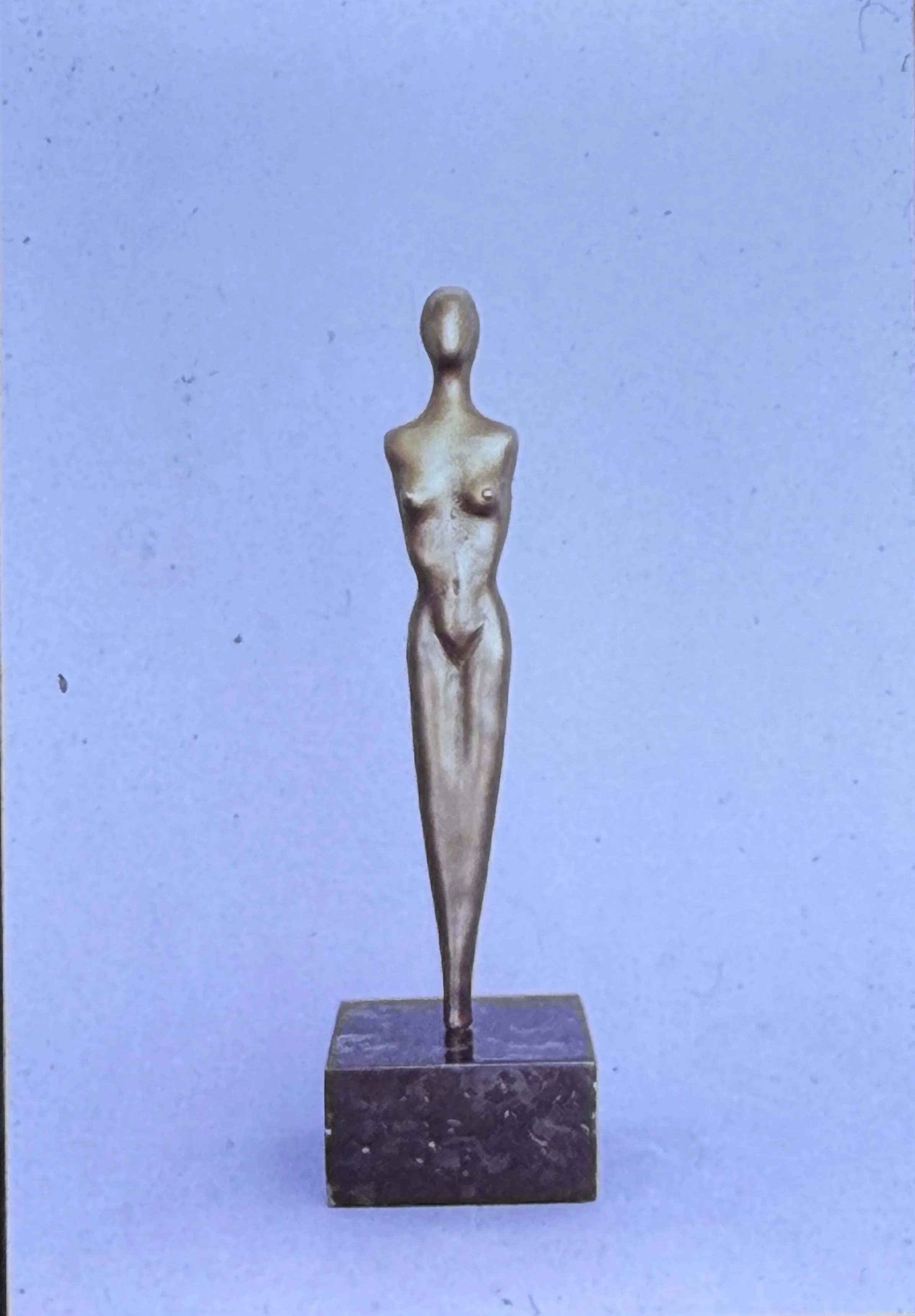
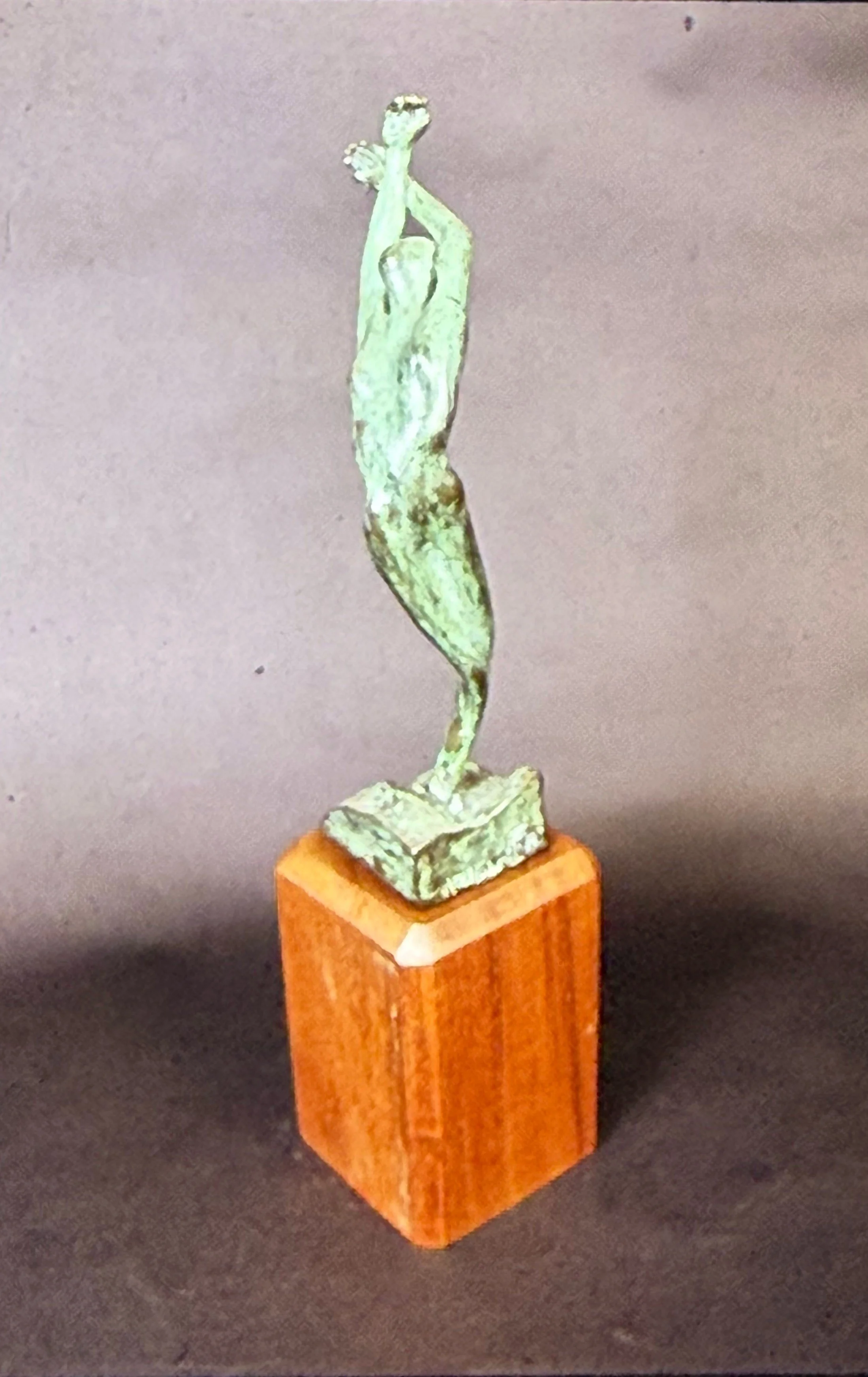
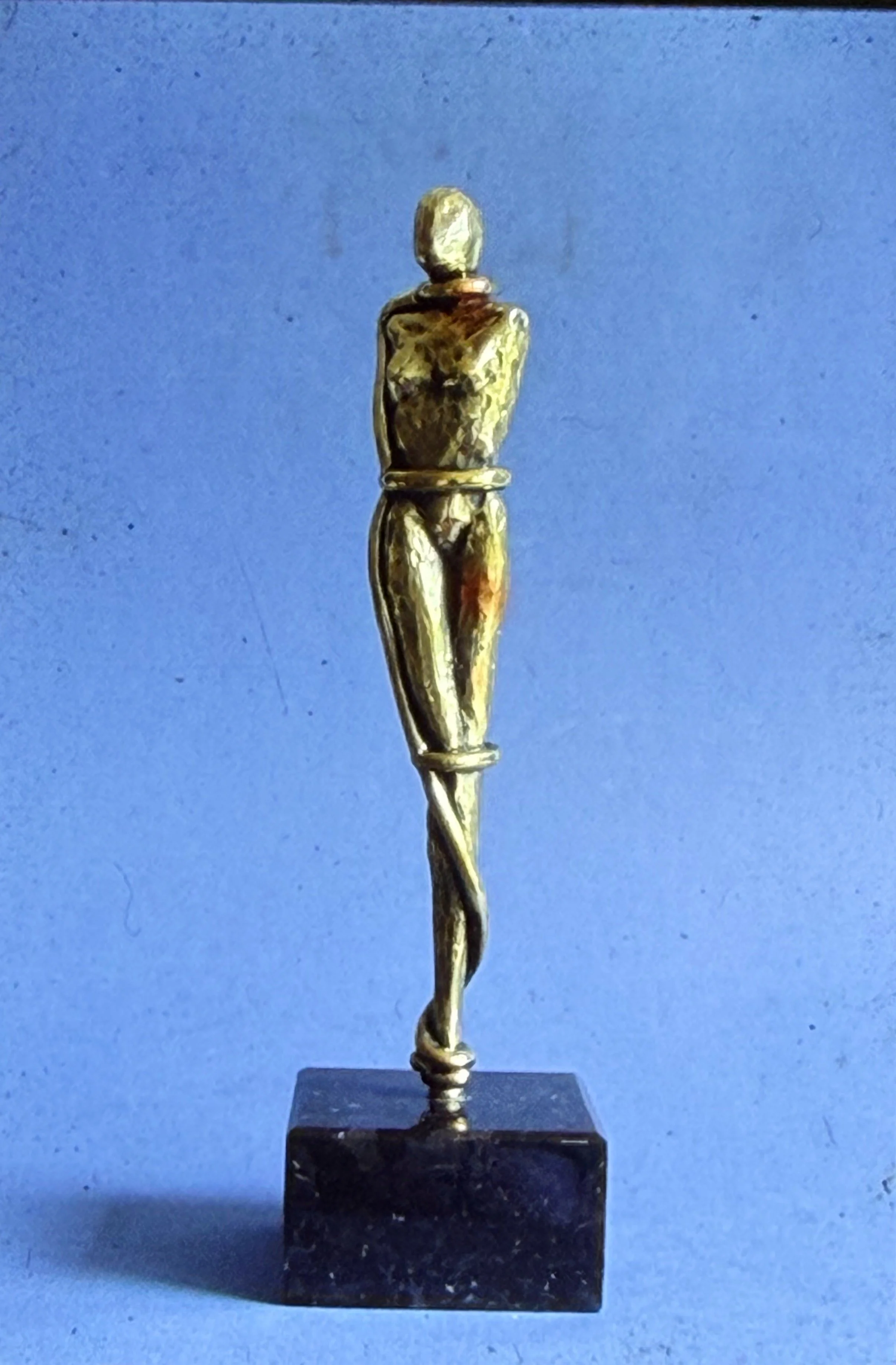
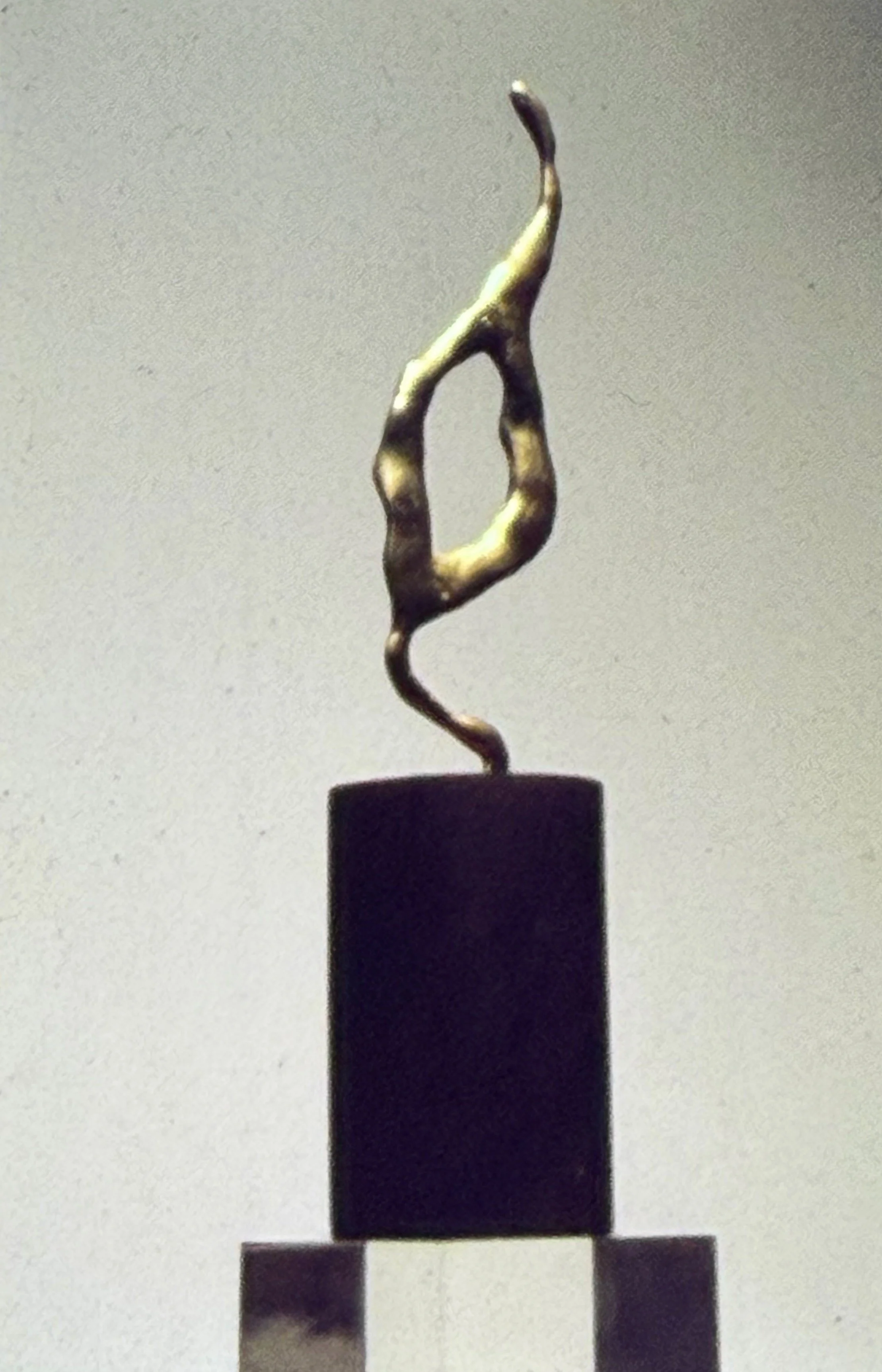
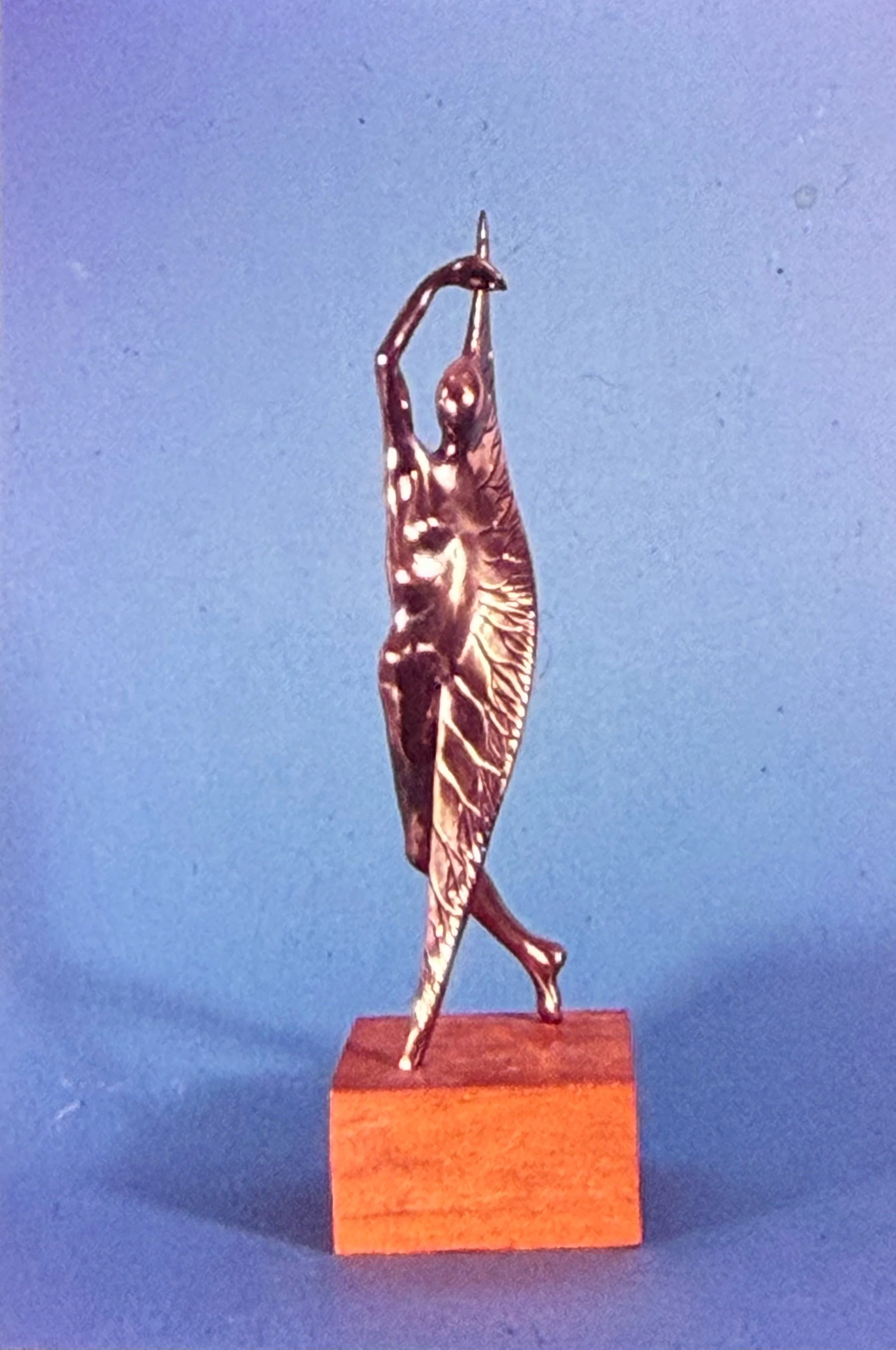
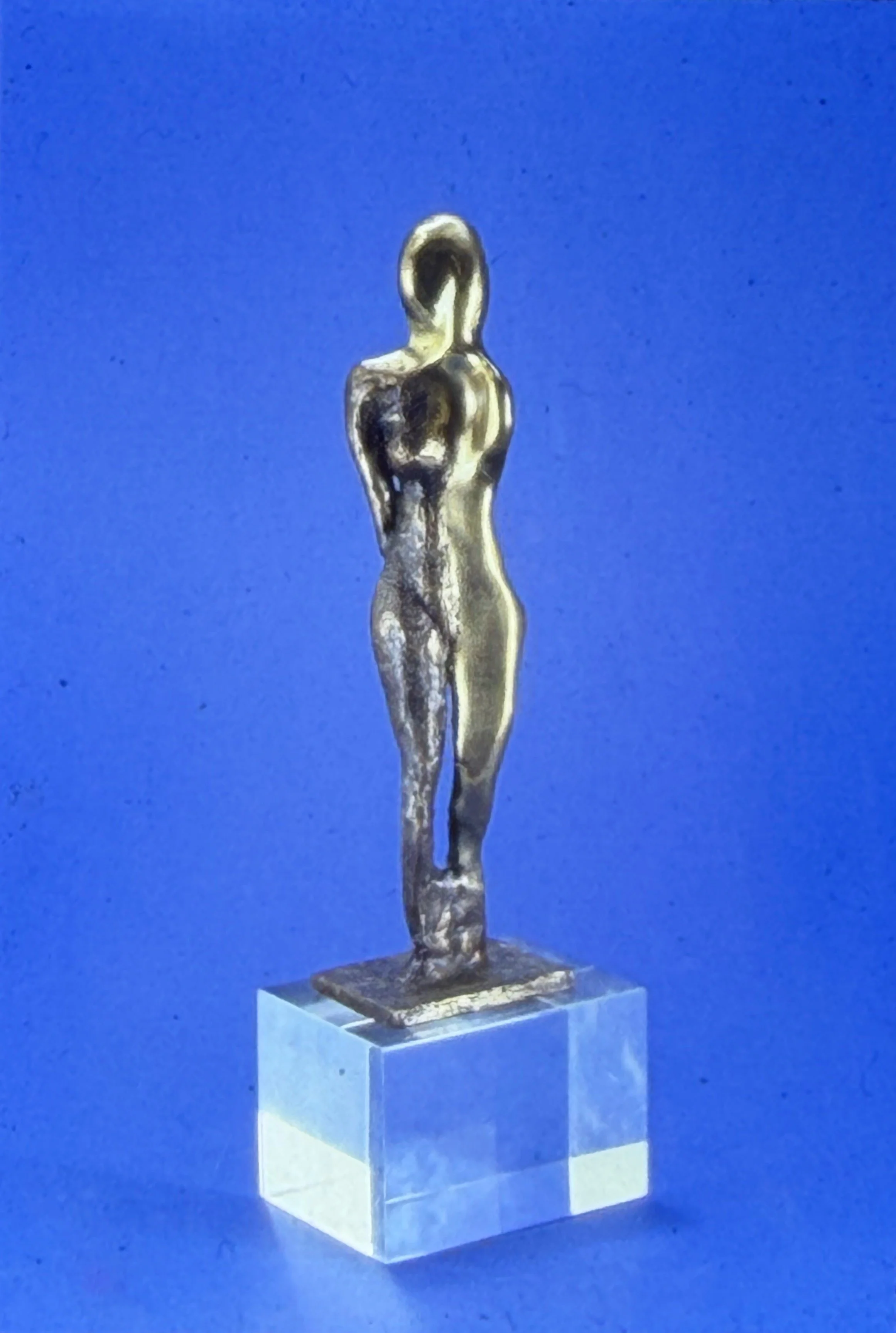
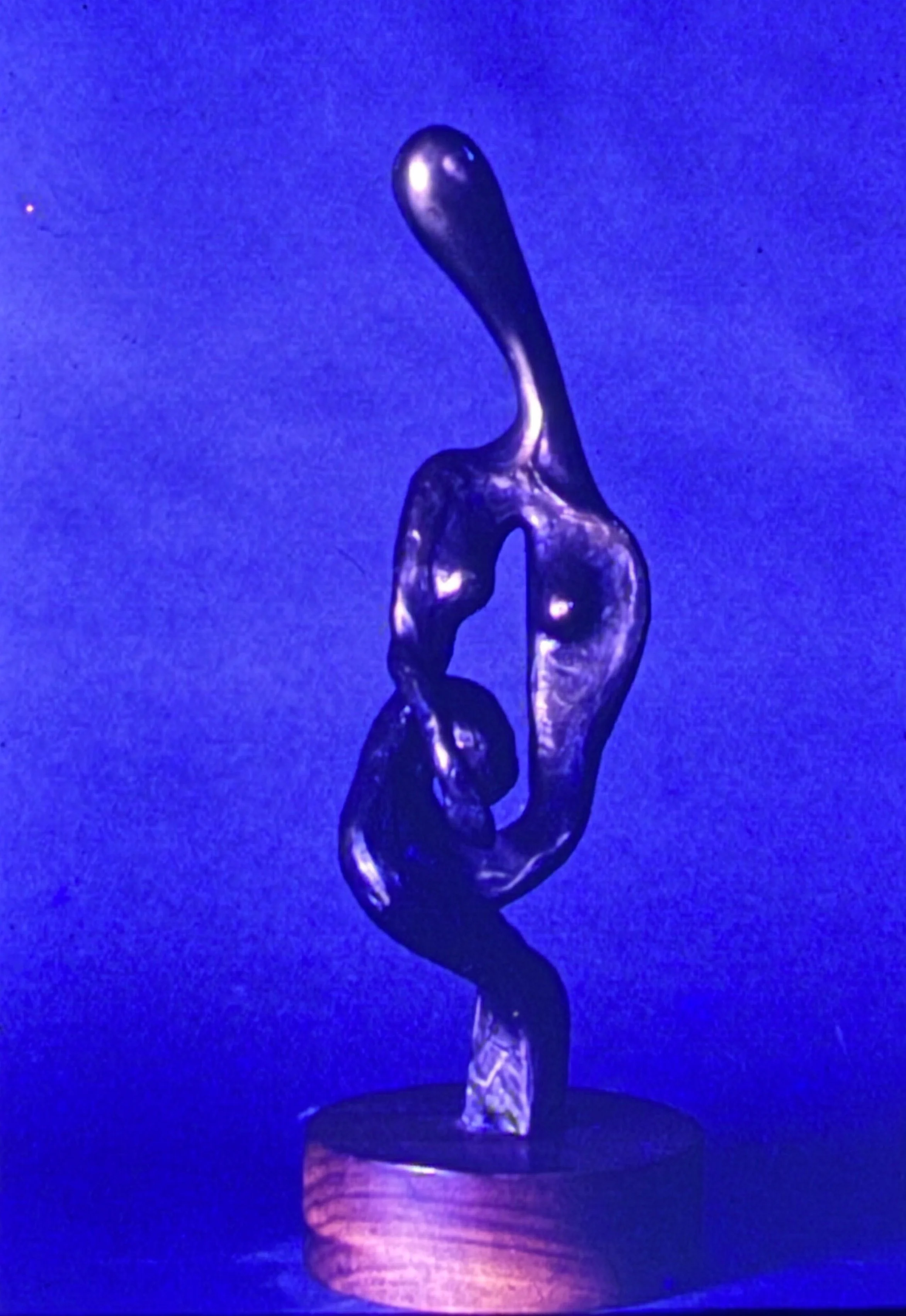
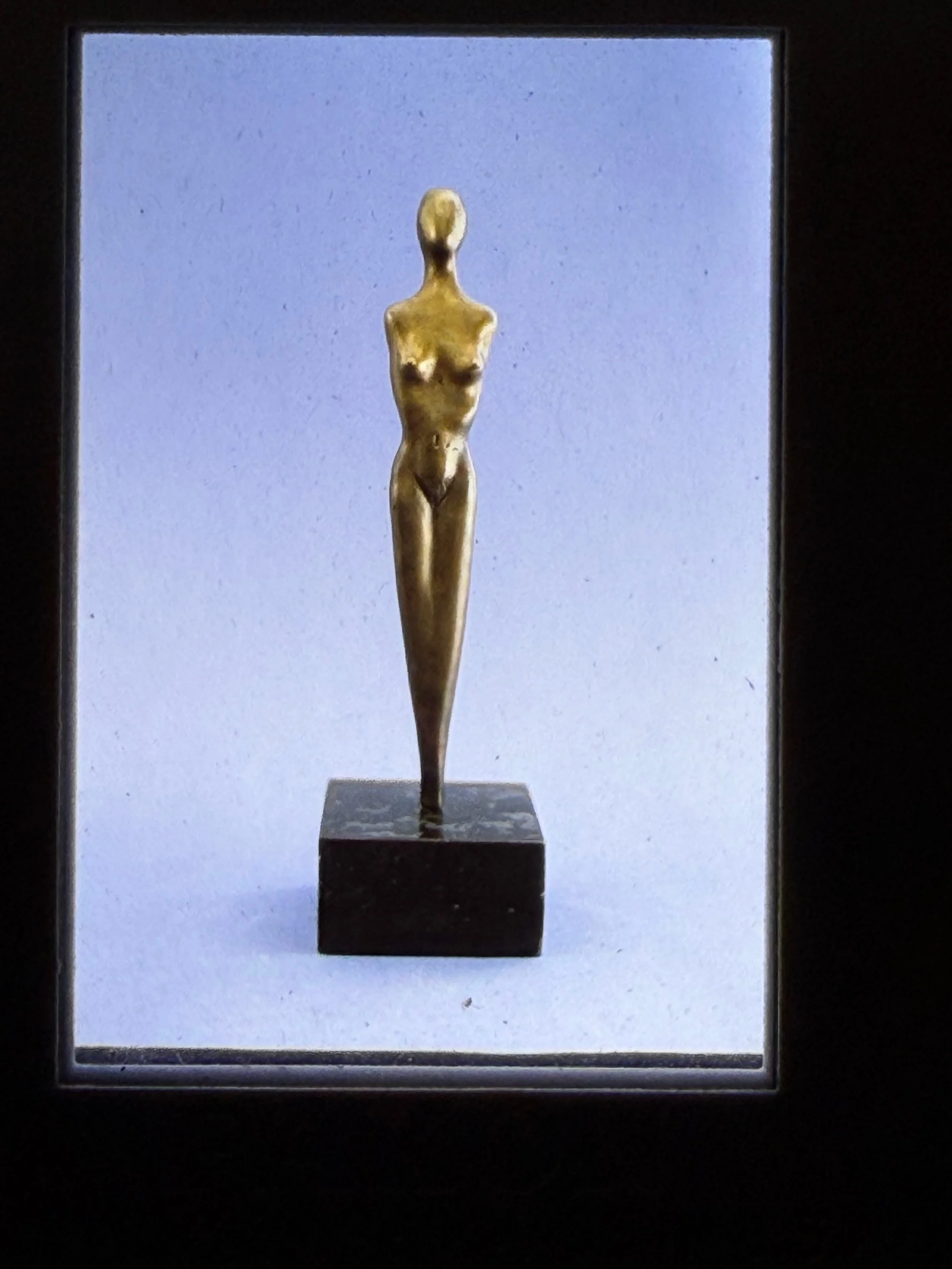
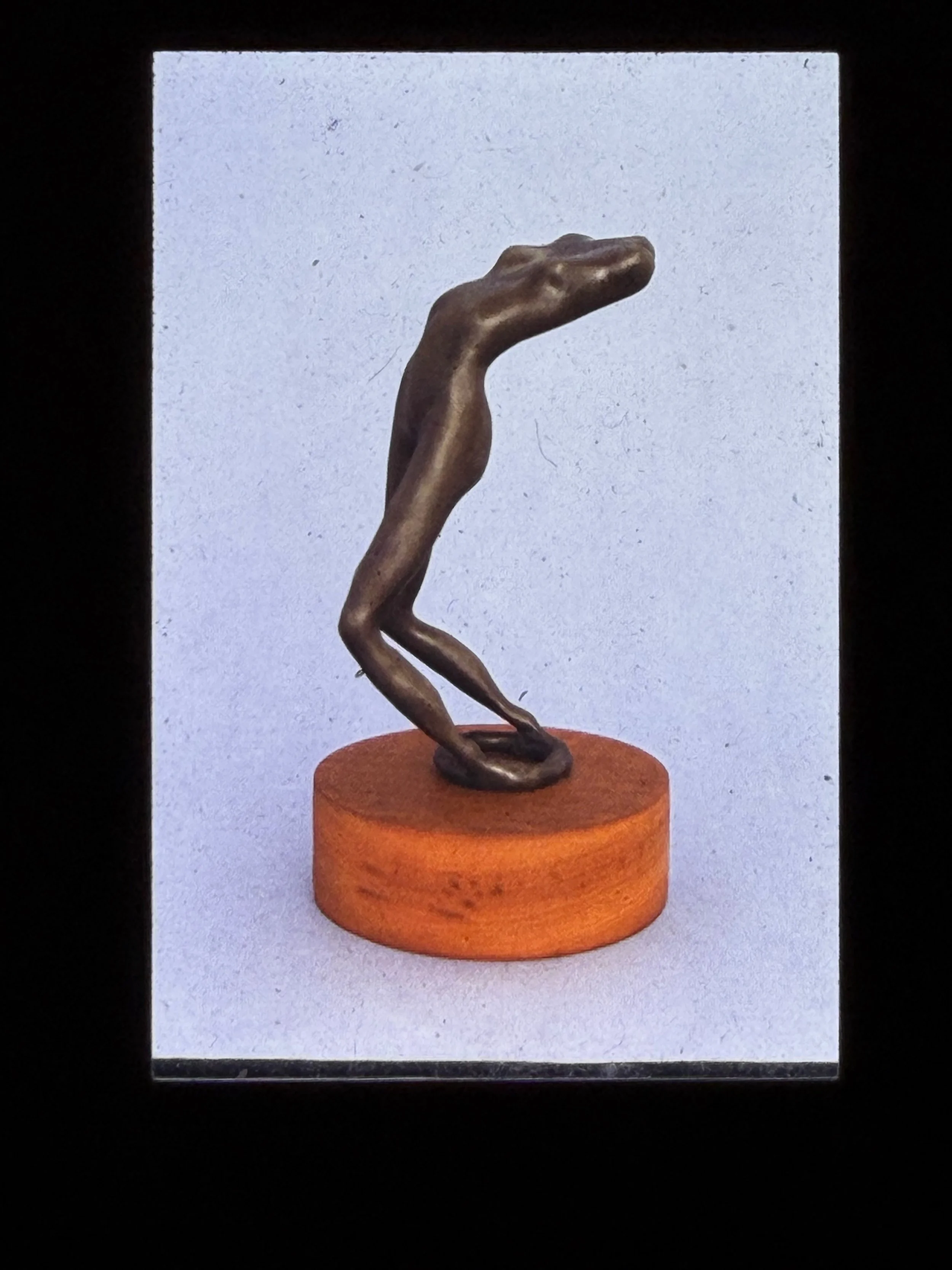
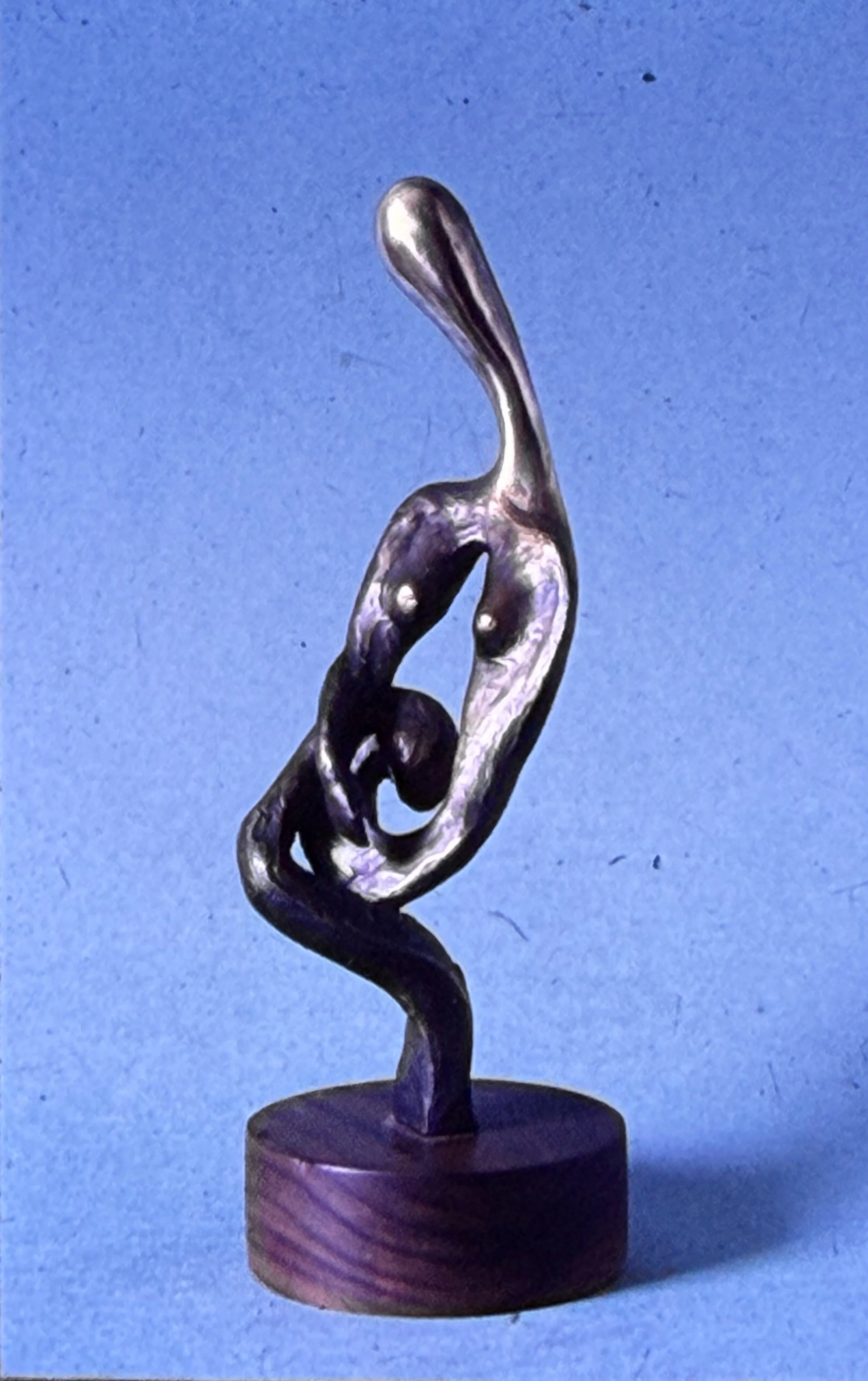
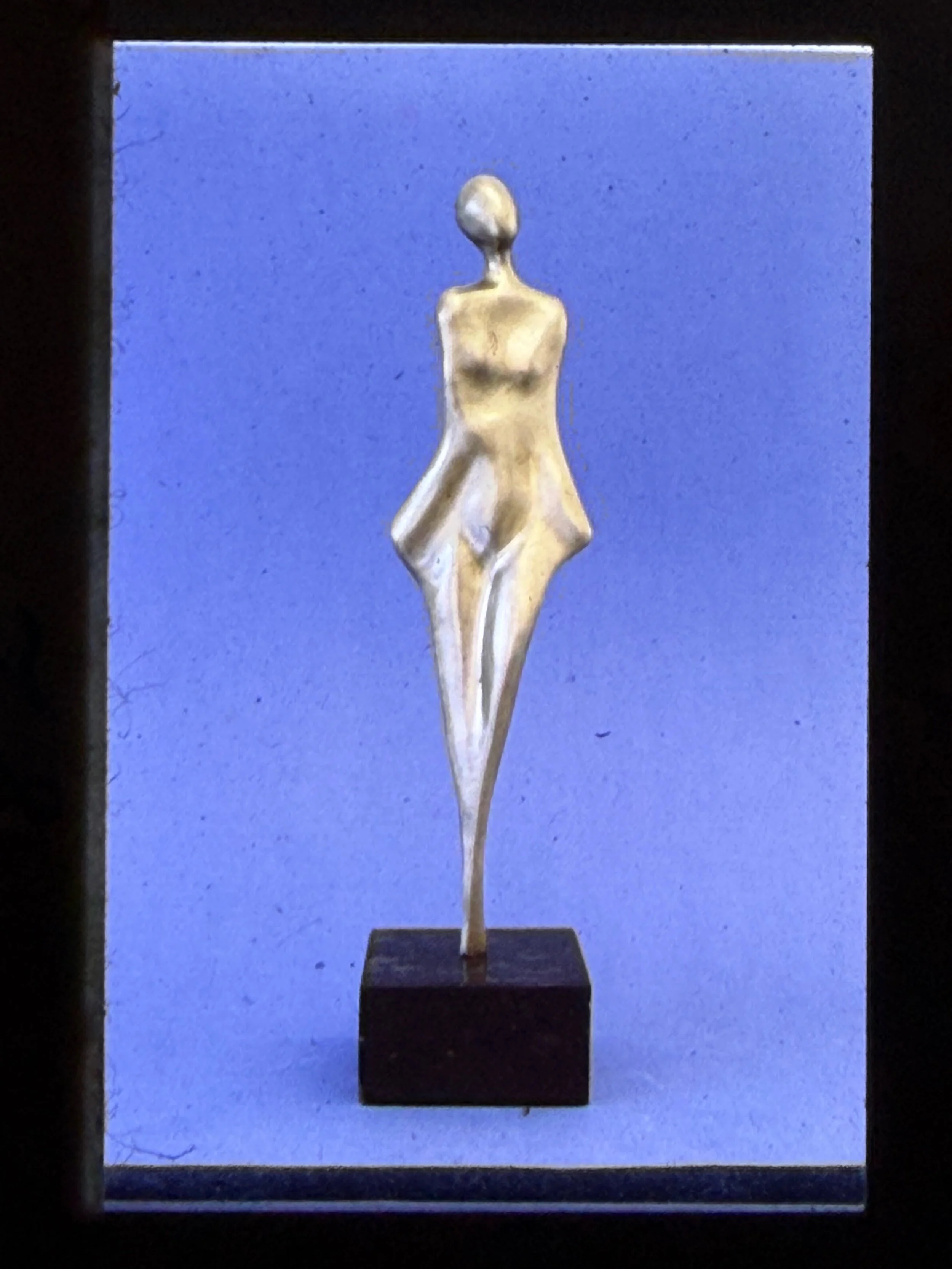
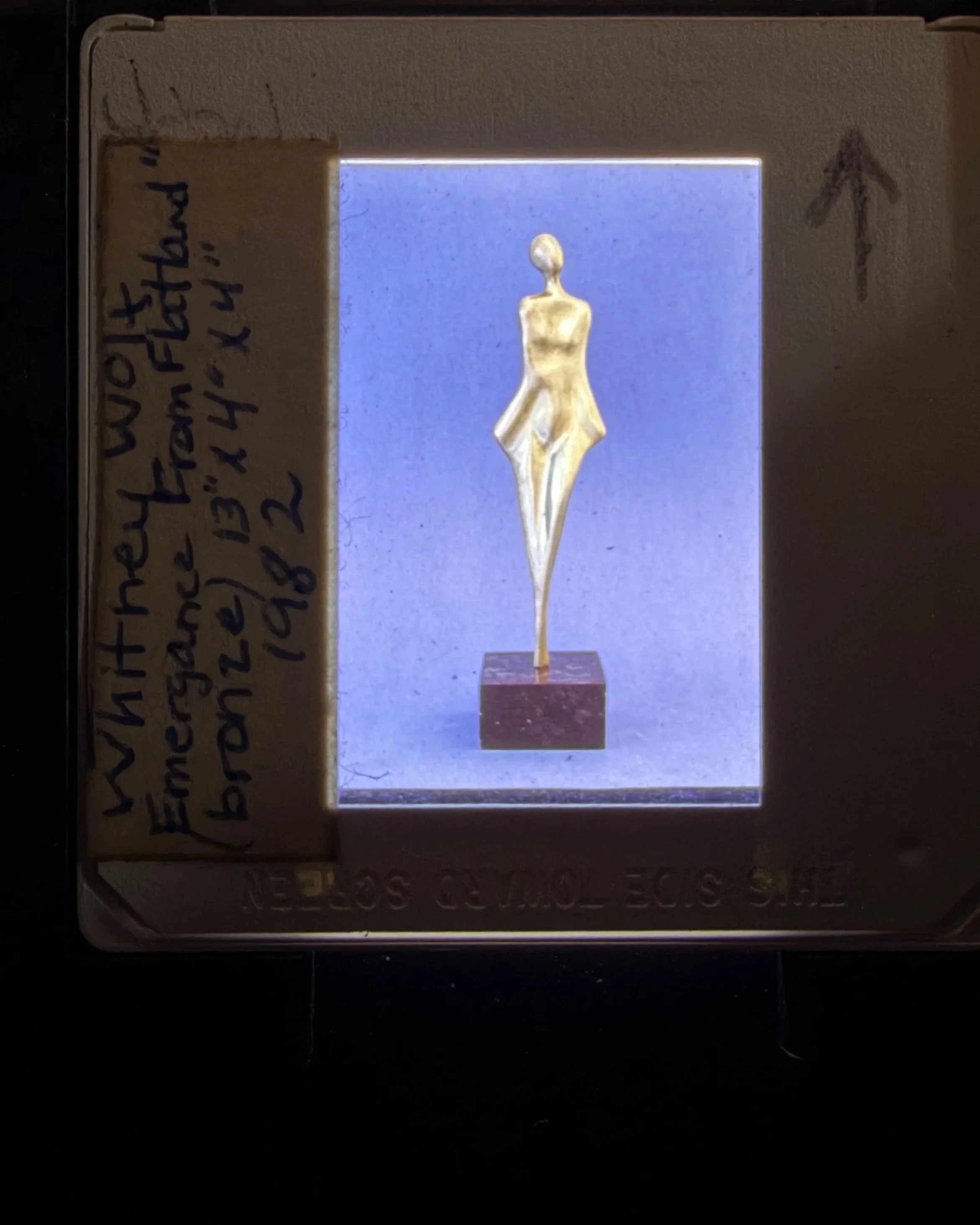
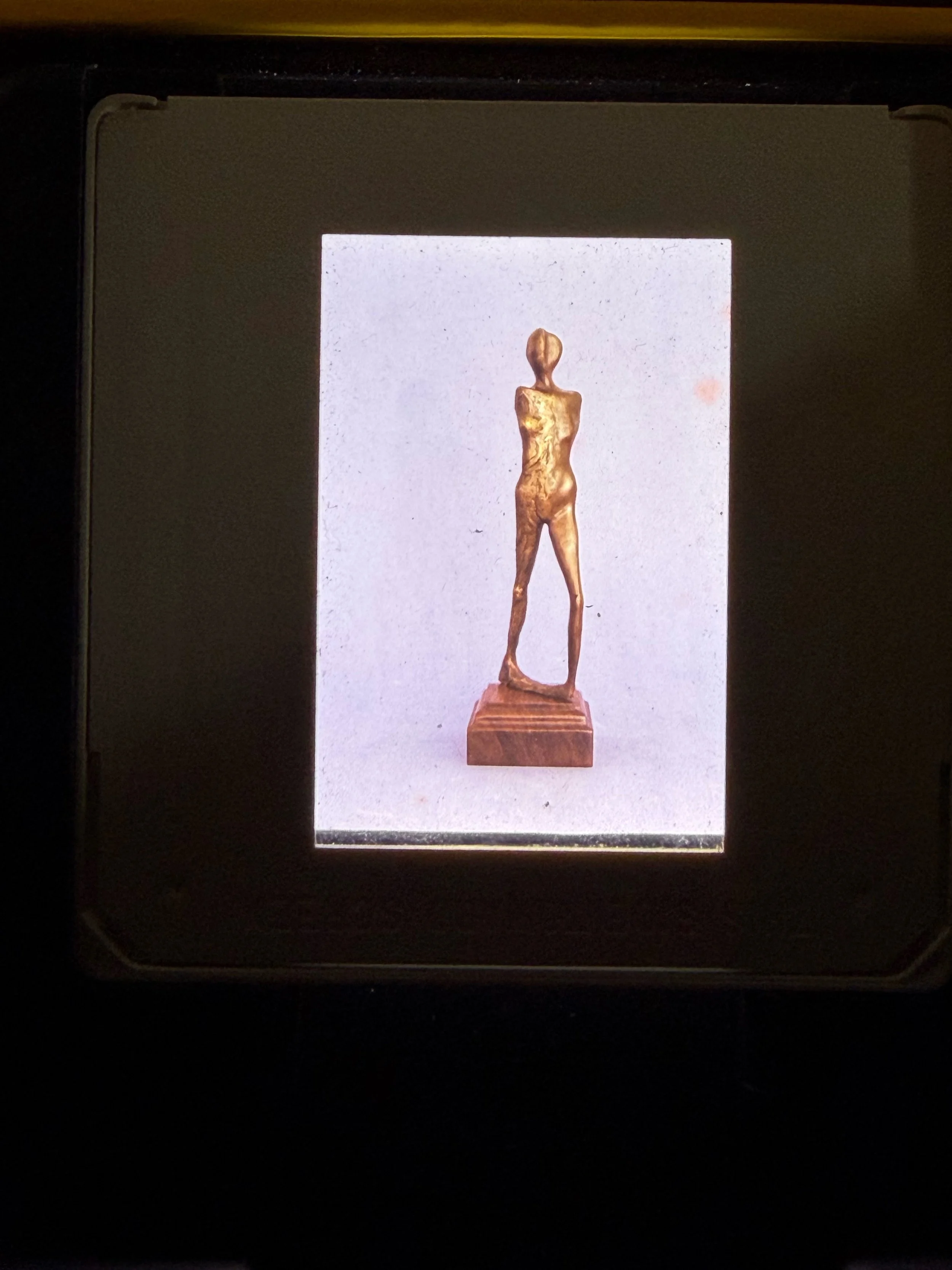
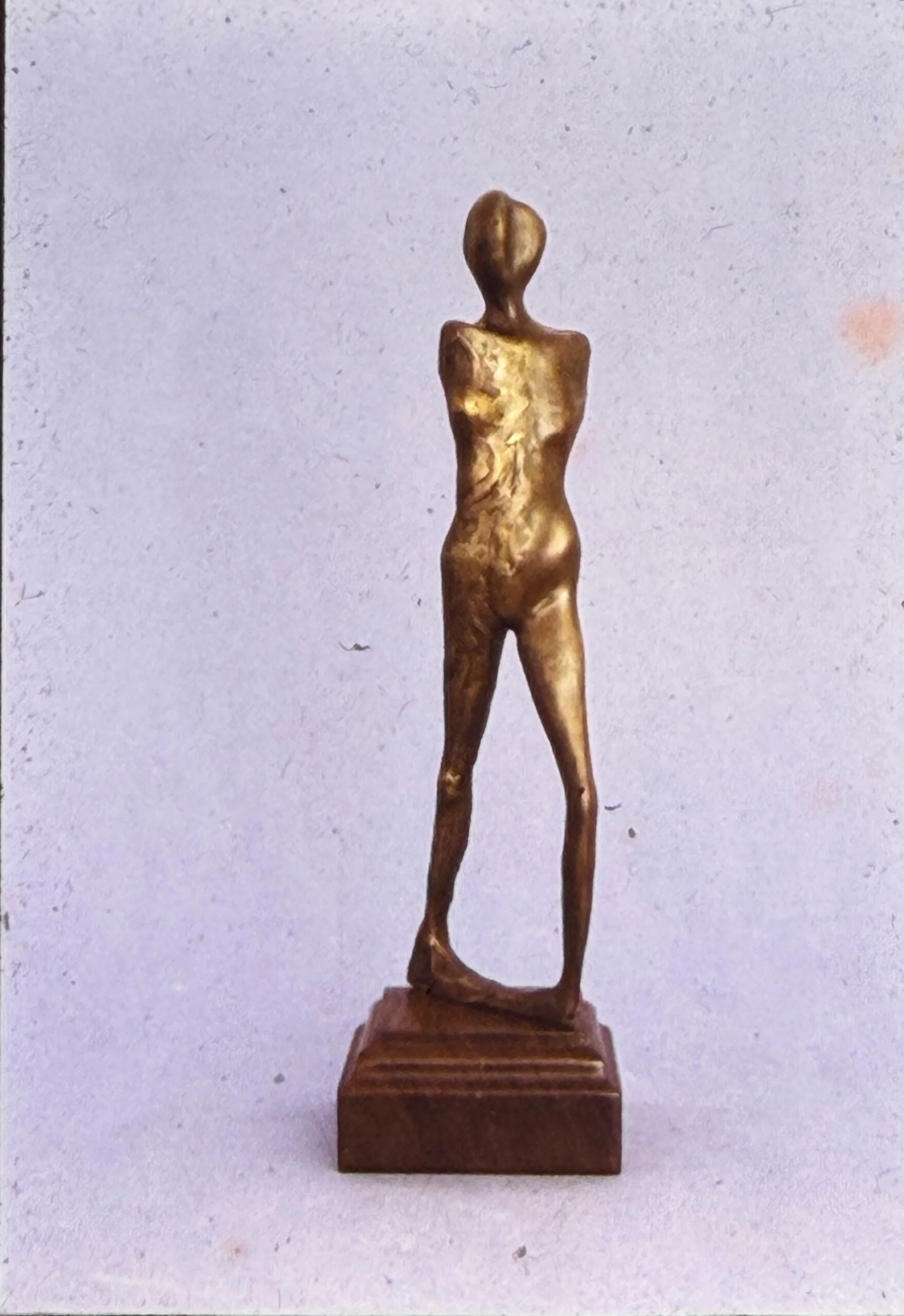
Whitney Wolf II’s work with the human figure became deeply tied to his control over the process of bronze casting. Rather than relying on outside fabricators, he moved into the role of both artist and maker by operating his own foundry. This allowed him to shape not only the form of the figure, but every stage of its transformation from raw material into finished sculpture.
In the early 1980s, while working at the Maitland Art Center and Research Studios, Wolf helped establish one of the first fine art bronze foundries in Central Florida. In this environment, he worked as an instructor, studio research artist, and foundry operator. The foundry became both a teaching space and a place of experimentation, where traditional casting methods were studied and adapted through contemporary practice. By building and maintaining this facility, he placed himself within a long historical lineage of sculptors who understood casting as an essential part of their work rather than a separate trade.
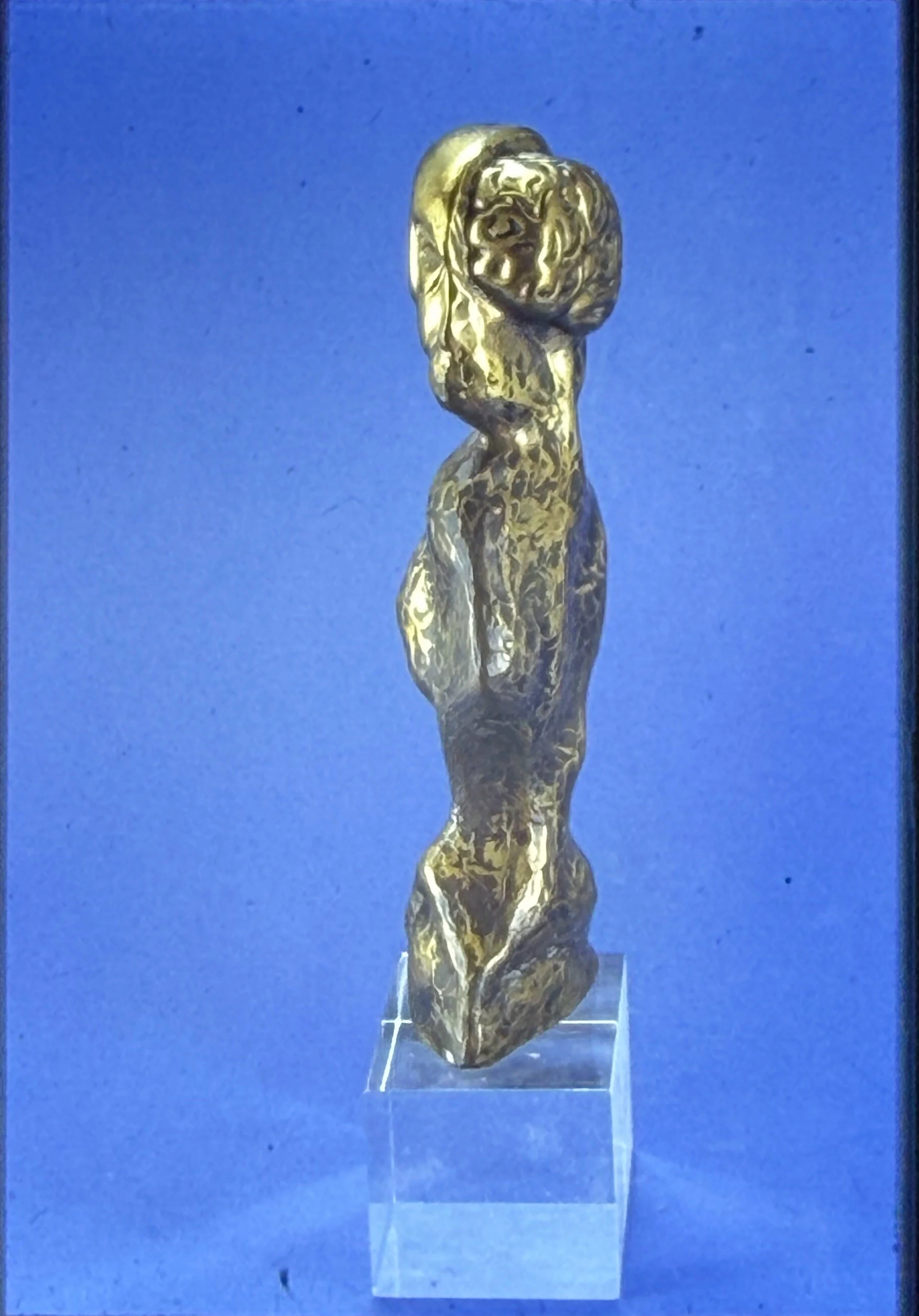
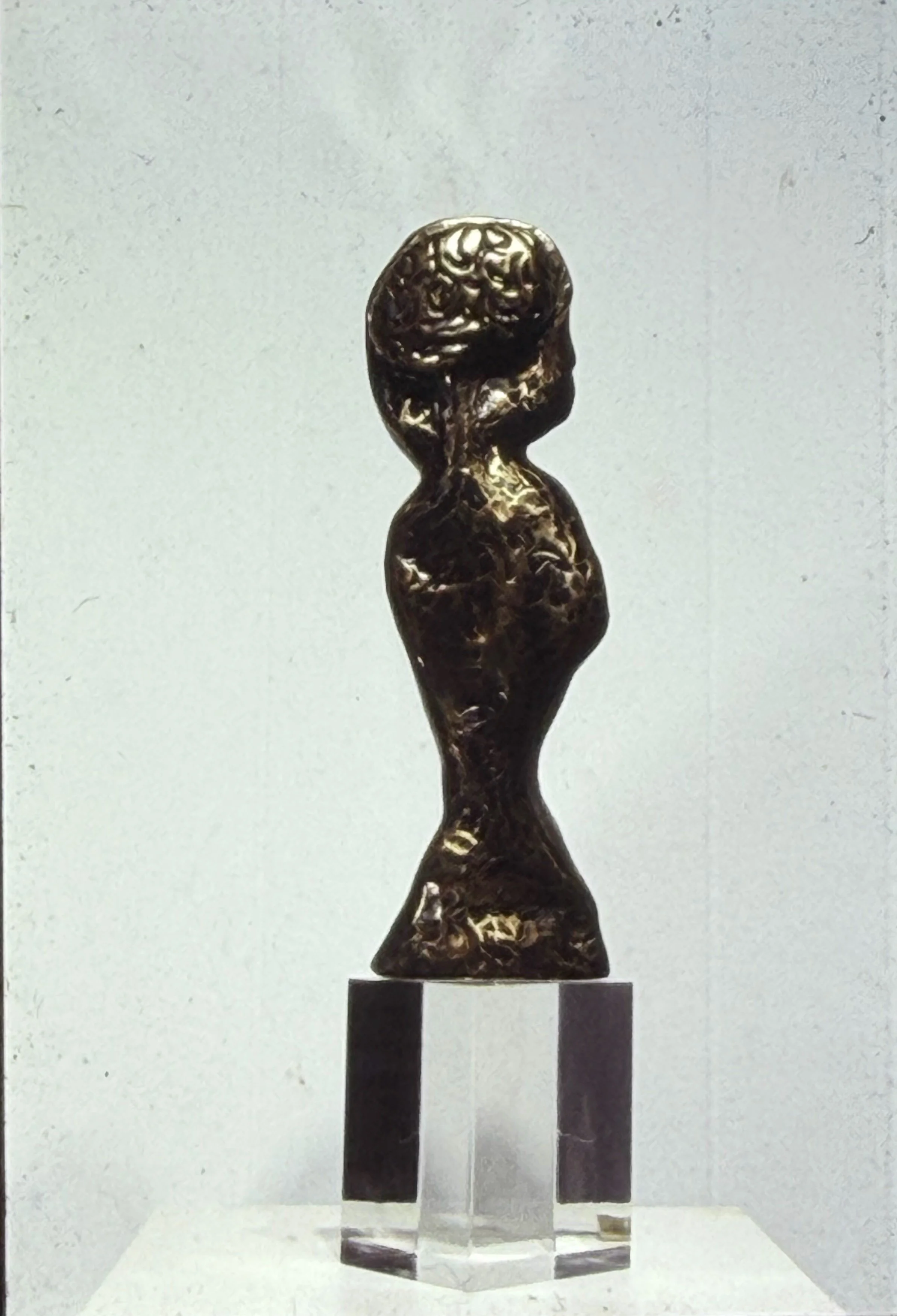
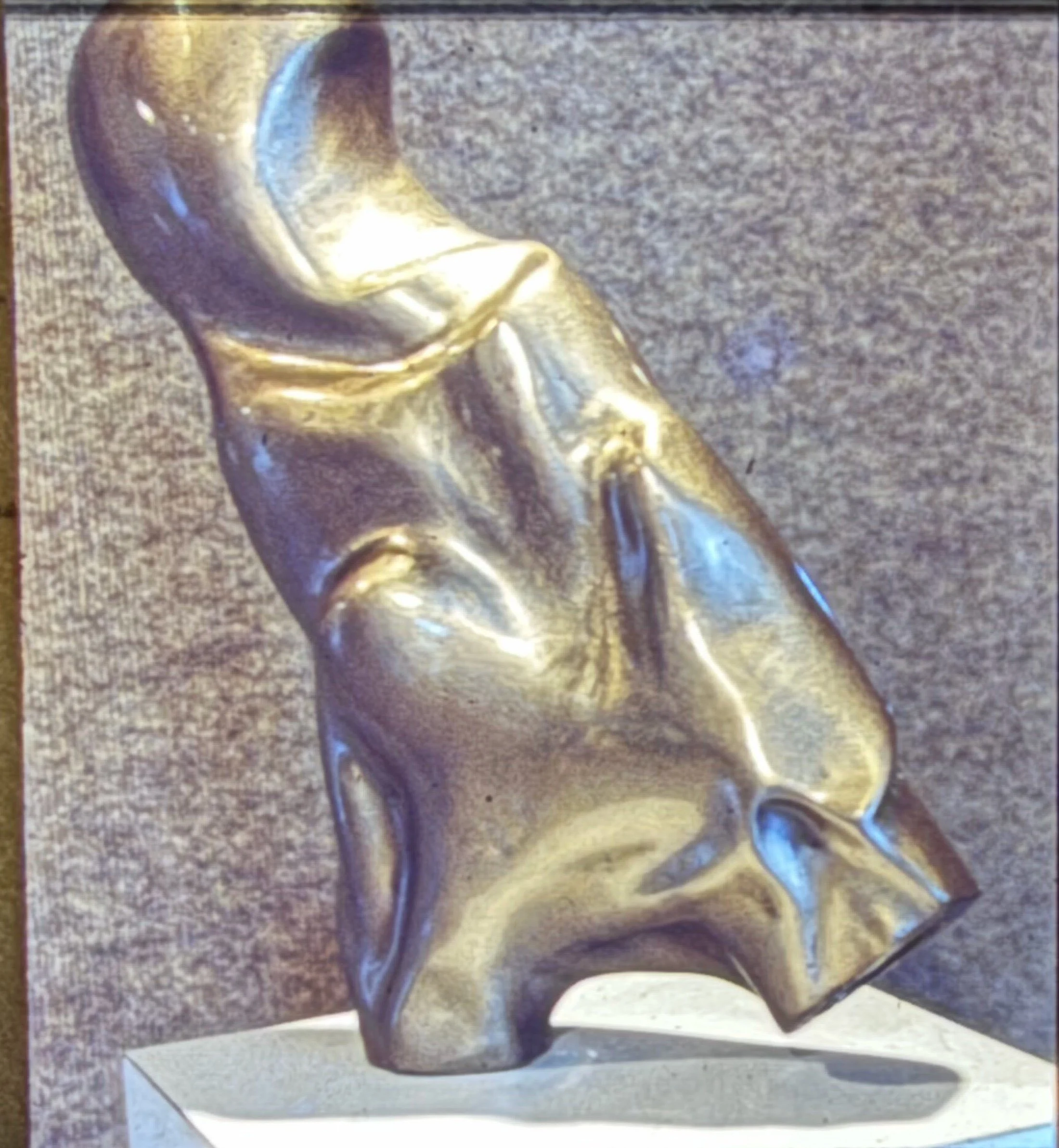
Bronze casting is a demanding and physical process. It involves creating a mold, heating metal to extreme temperatures, and pouring molten bronze into a form where it cools and solidifies. Wolf worked directly within this process, overseeing the stages of mold making, wax modeling, burnout, and metal pour. This hands on involvement meant that each sculpture carried the marks of its own making. The surface of the bronze was not treated as something to hide, but as evidence of transformation, heat, pressure, and time.
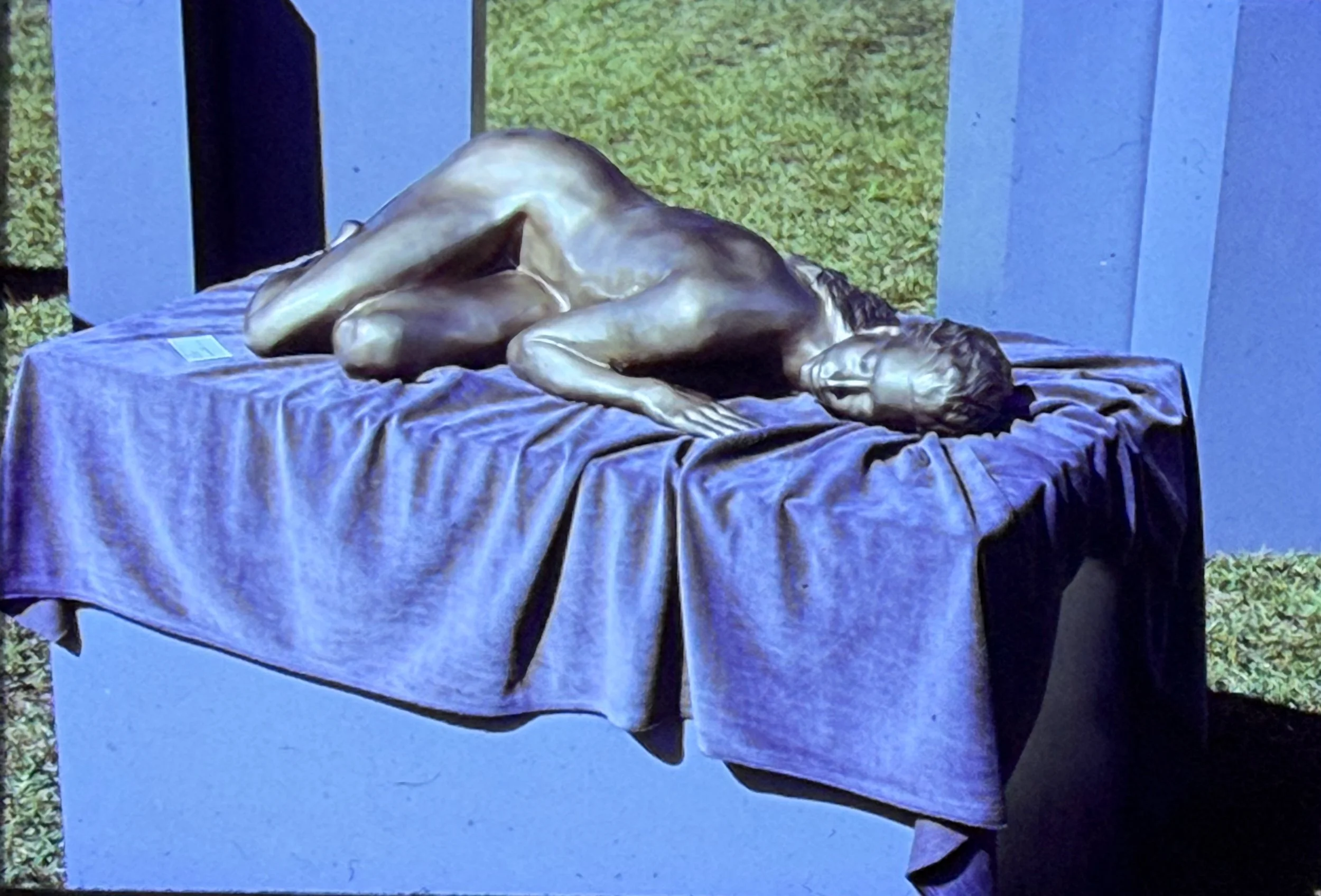
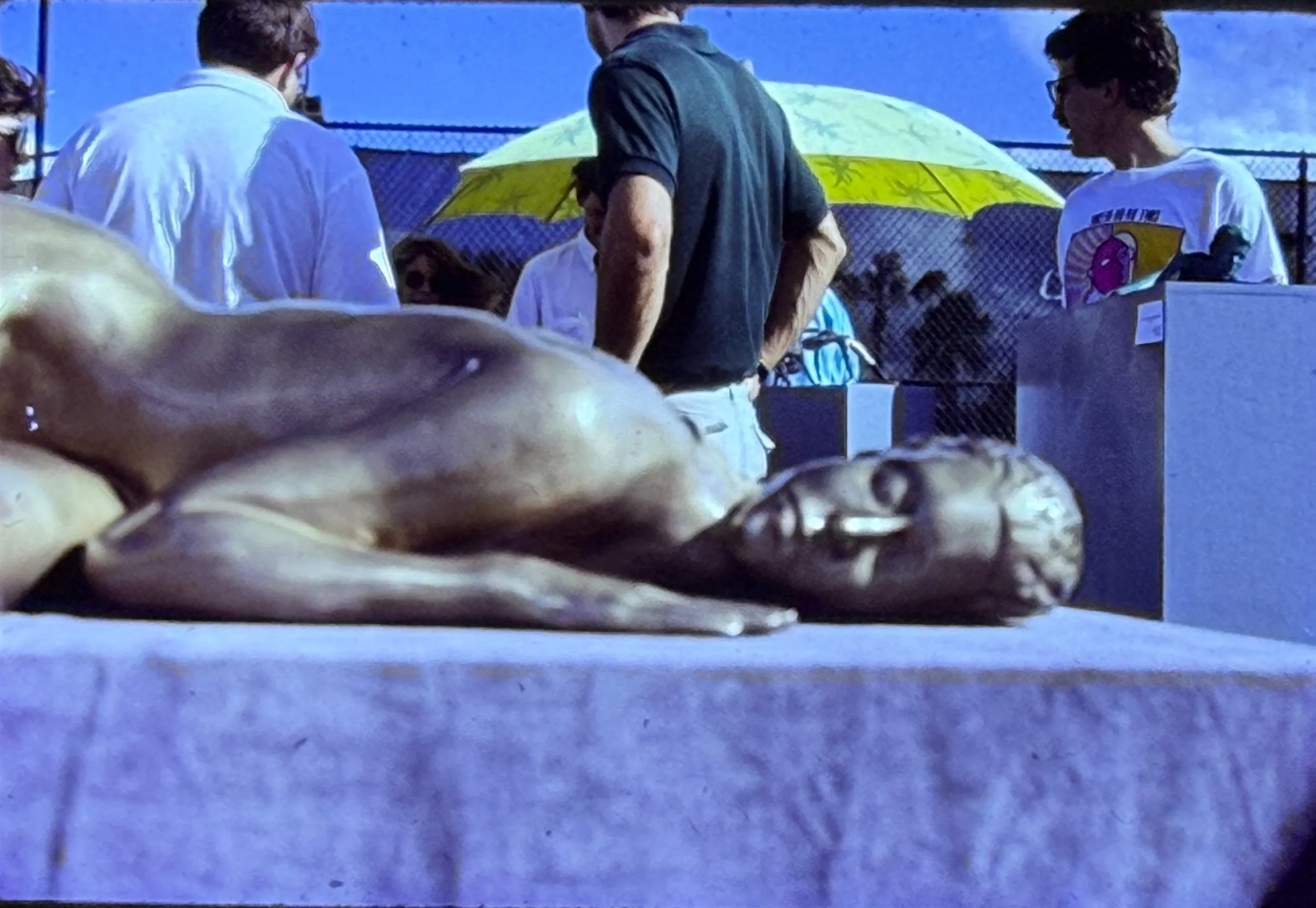
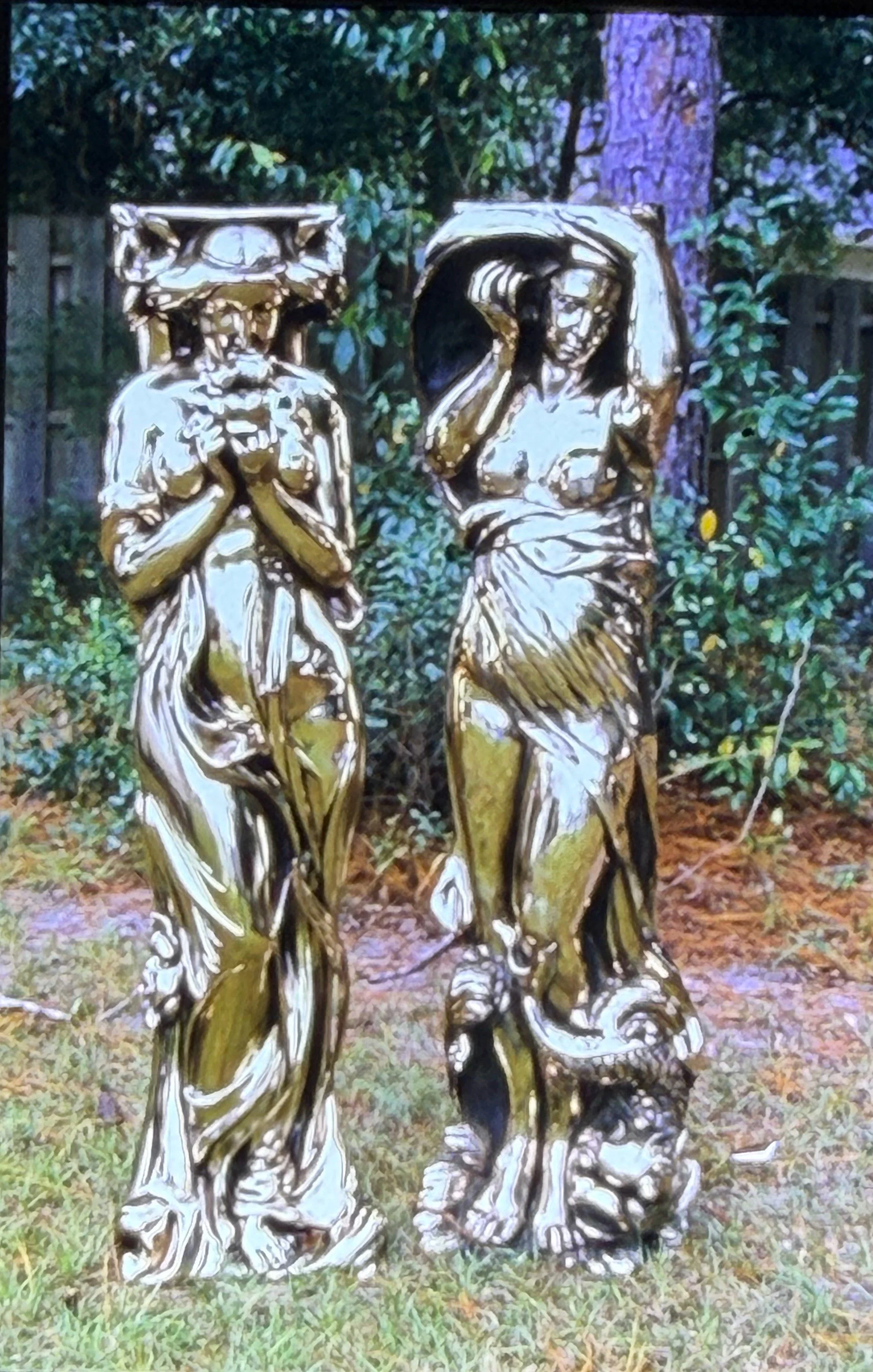
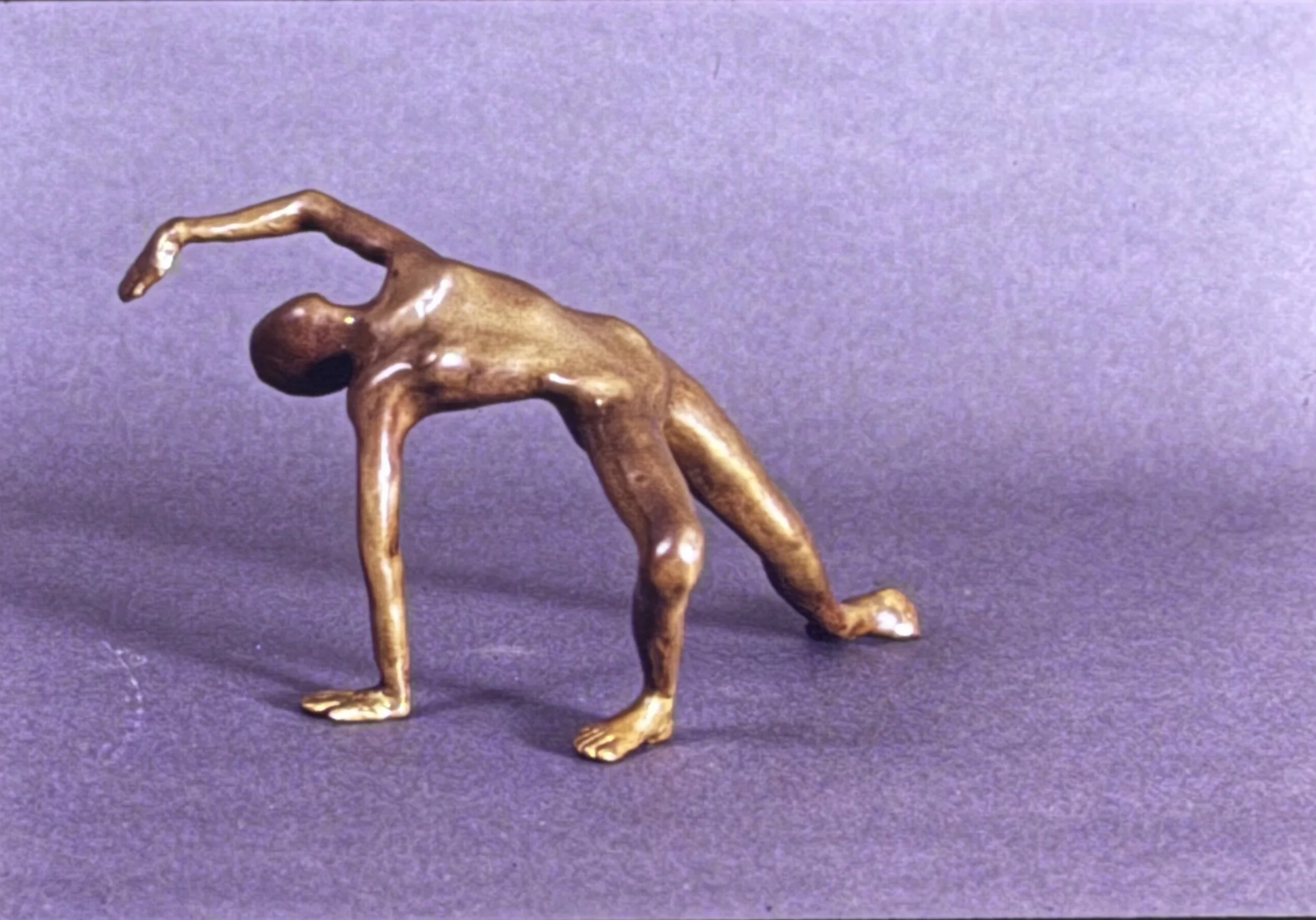
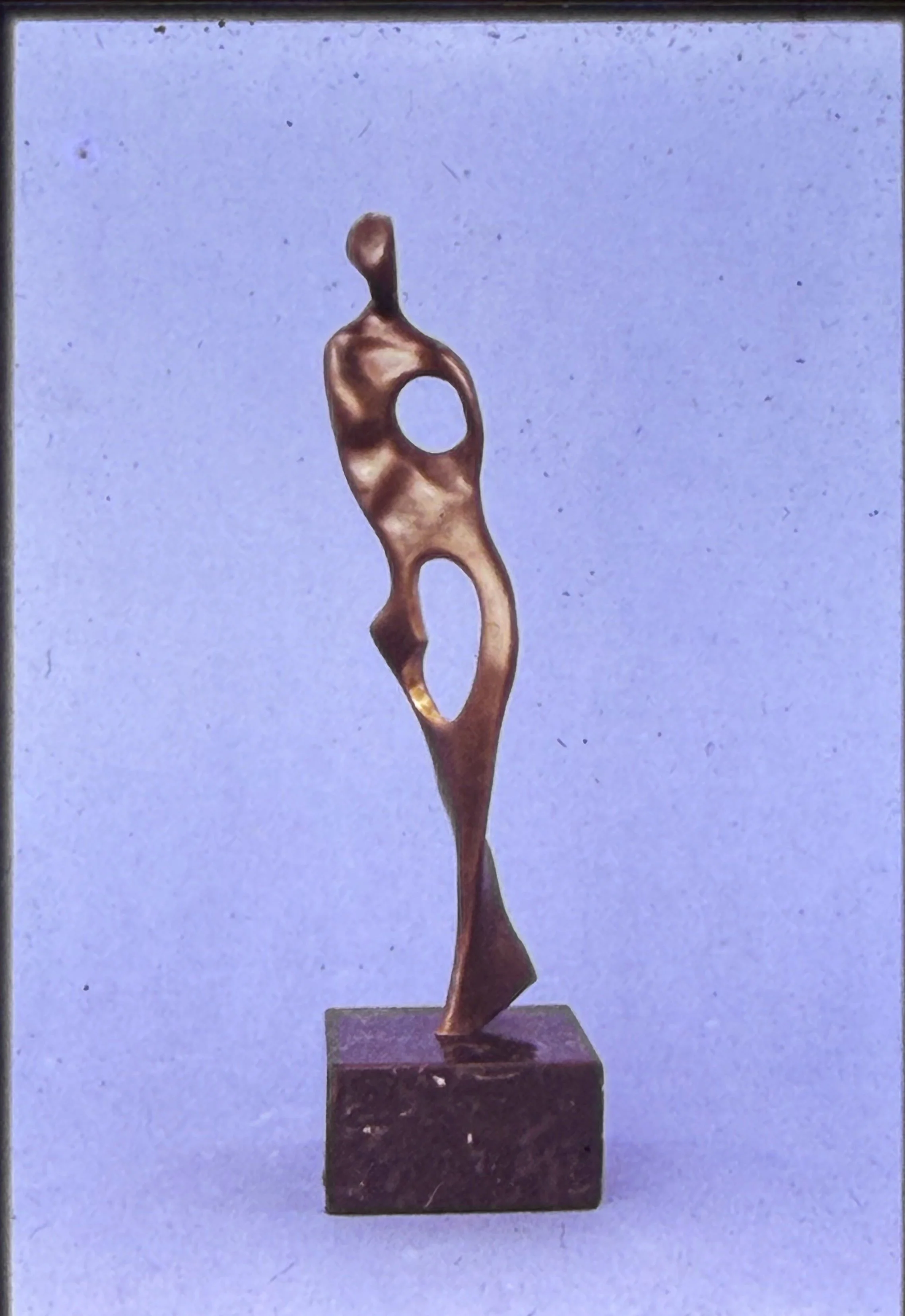
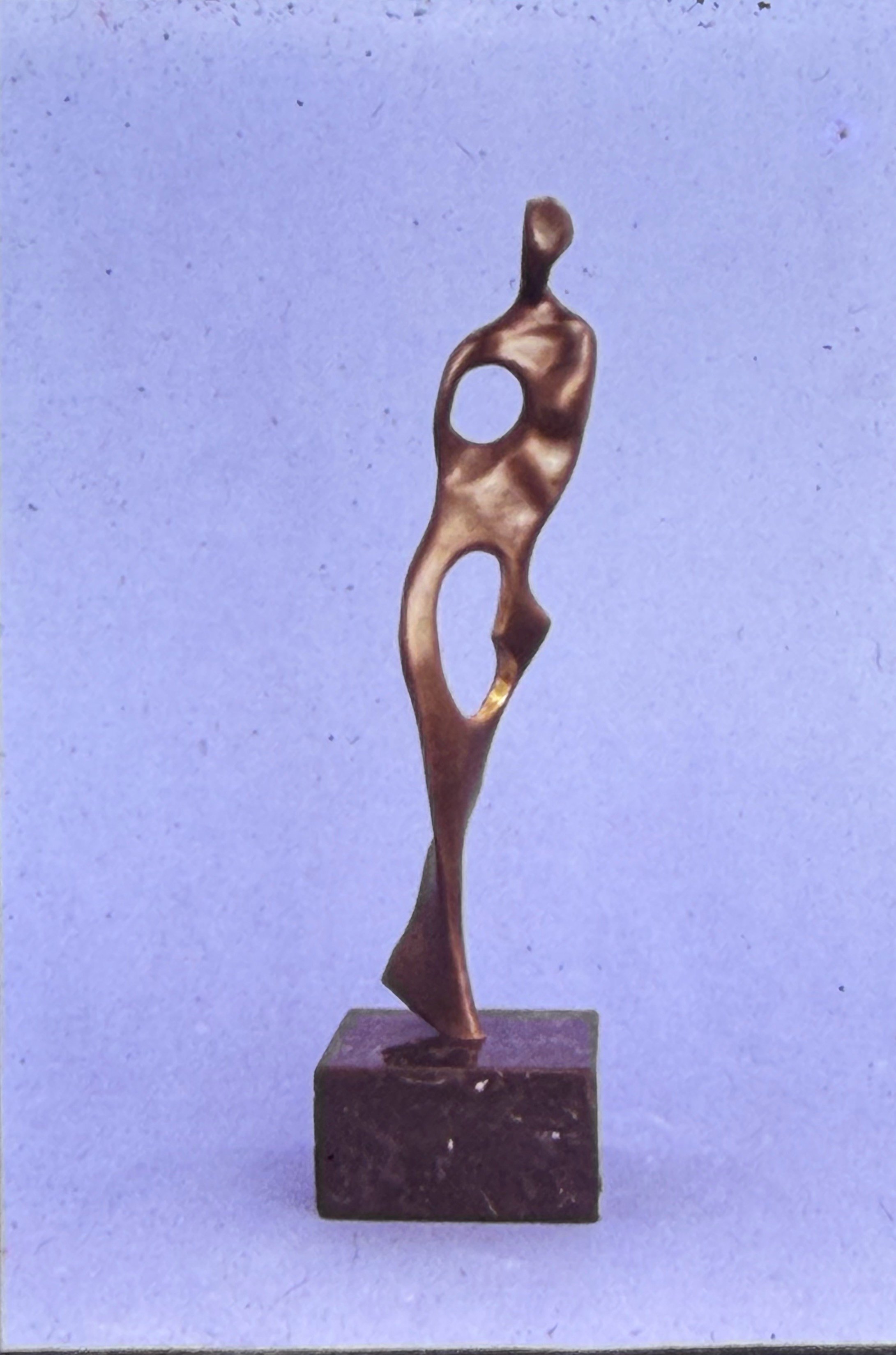
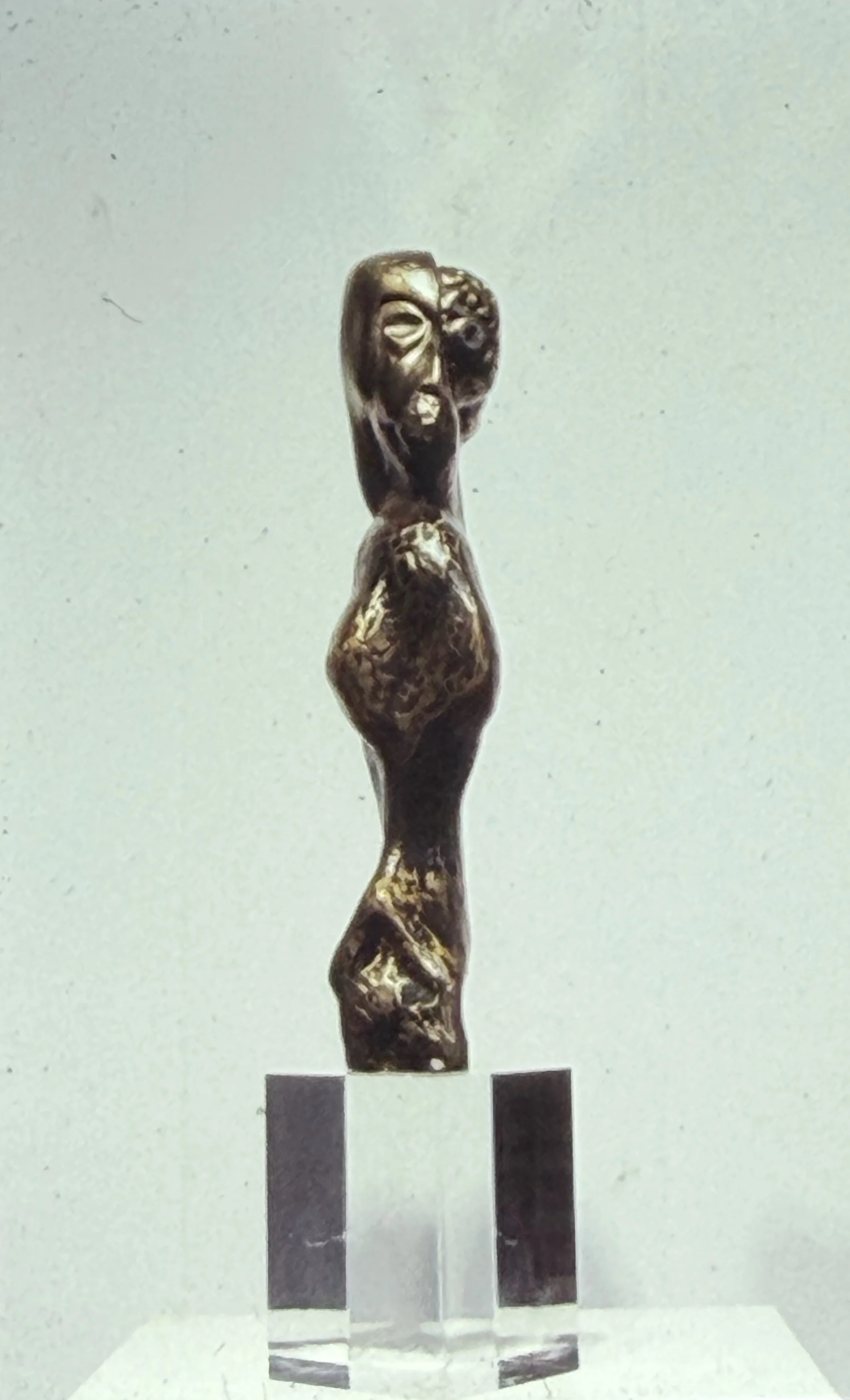
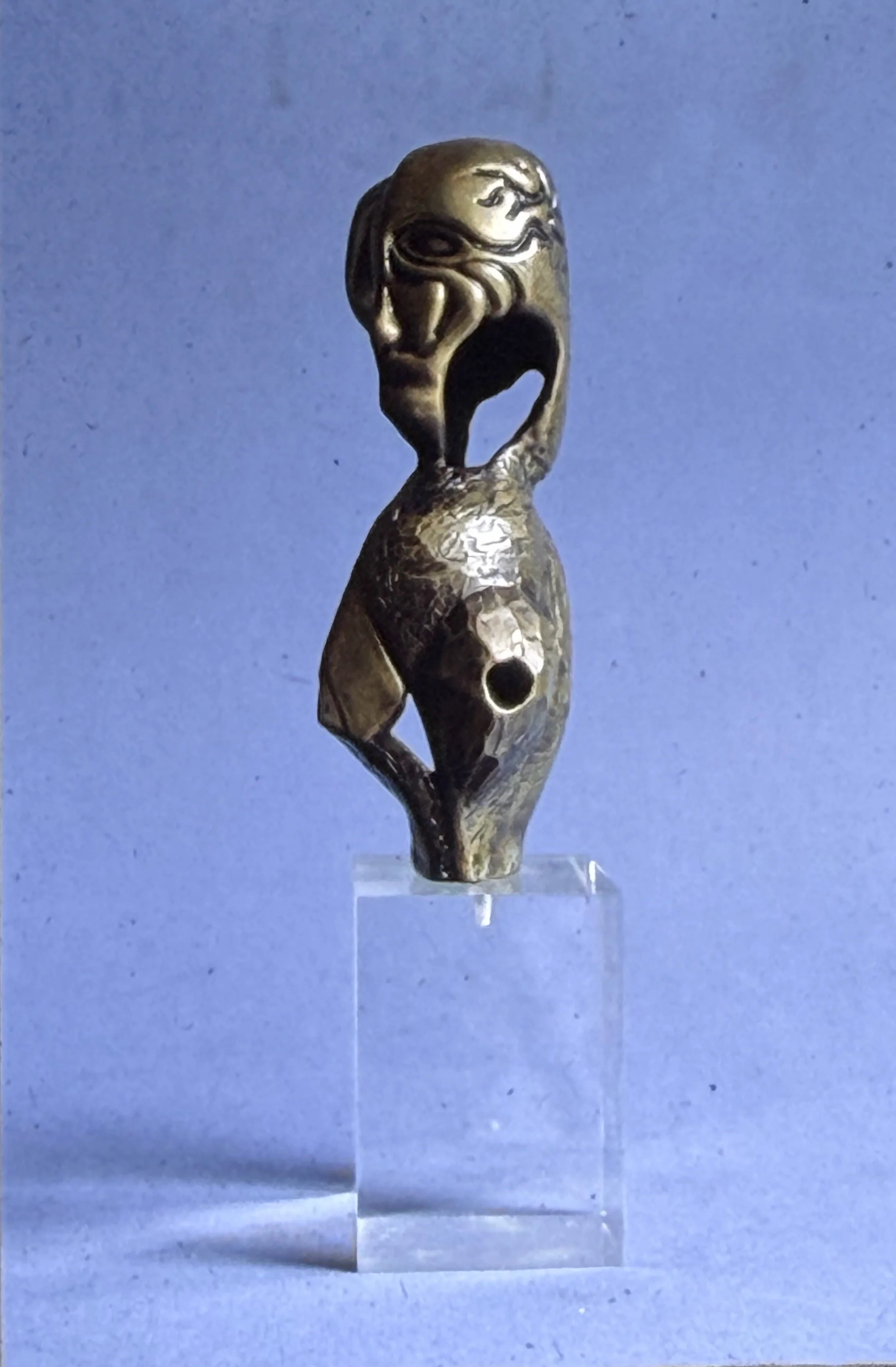
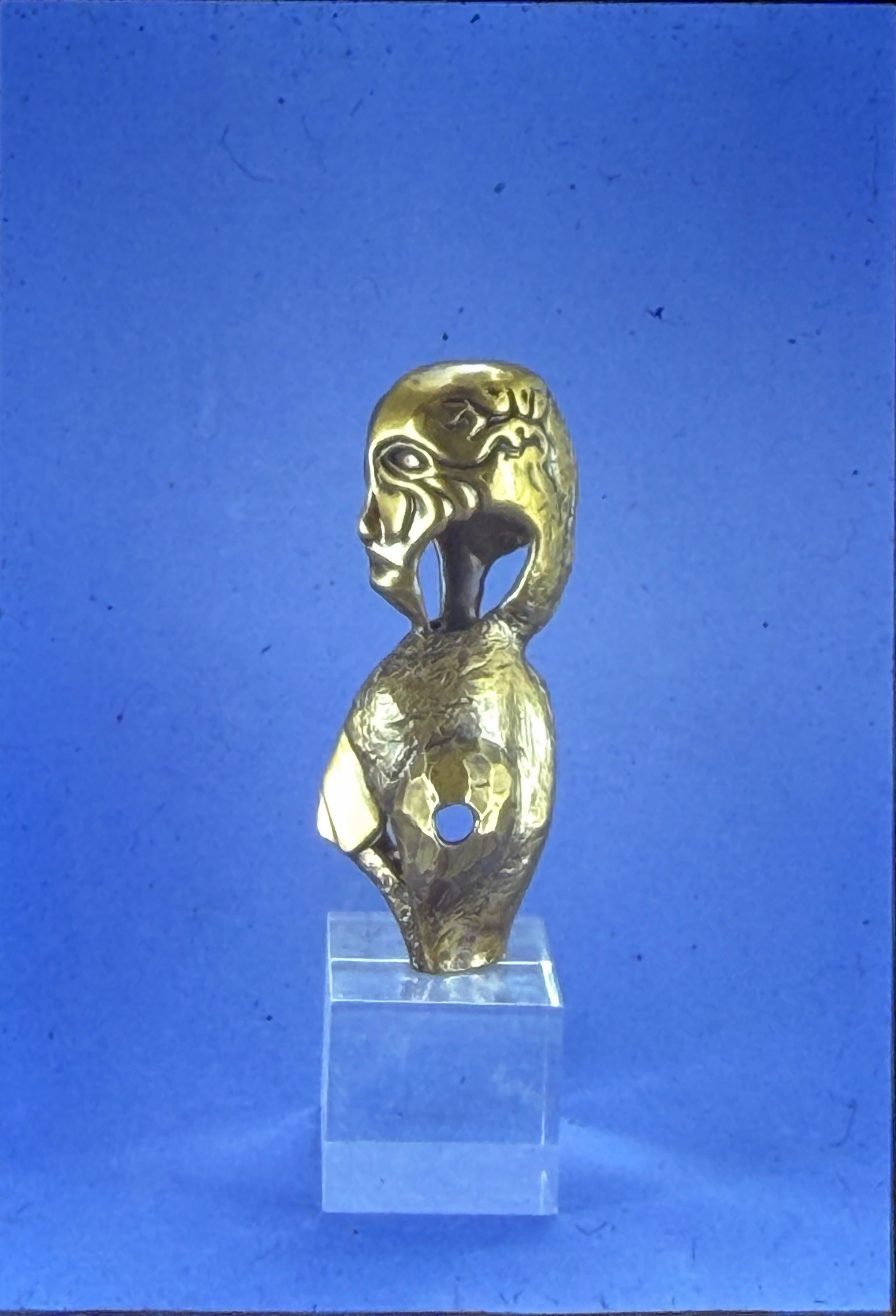
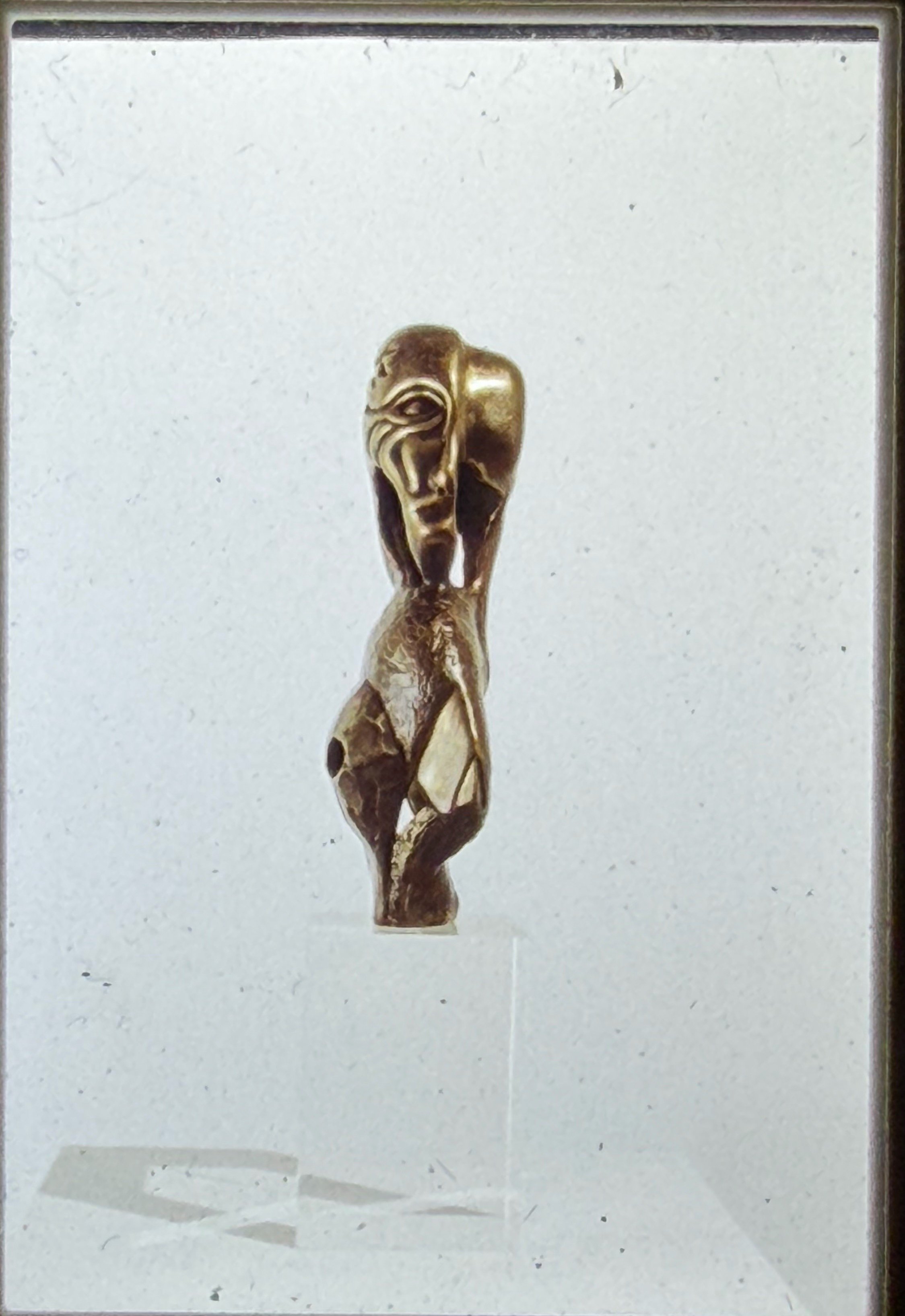
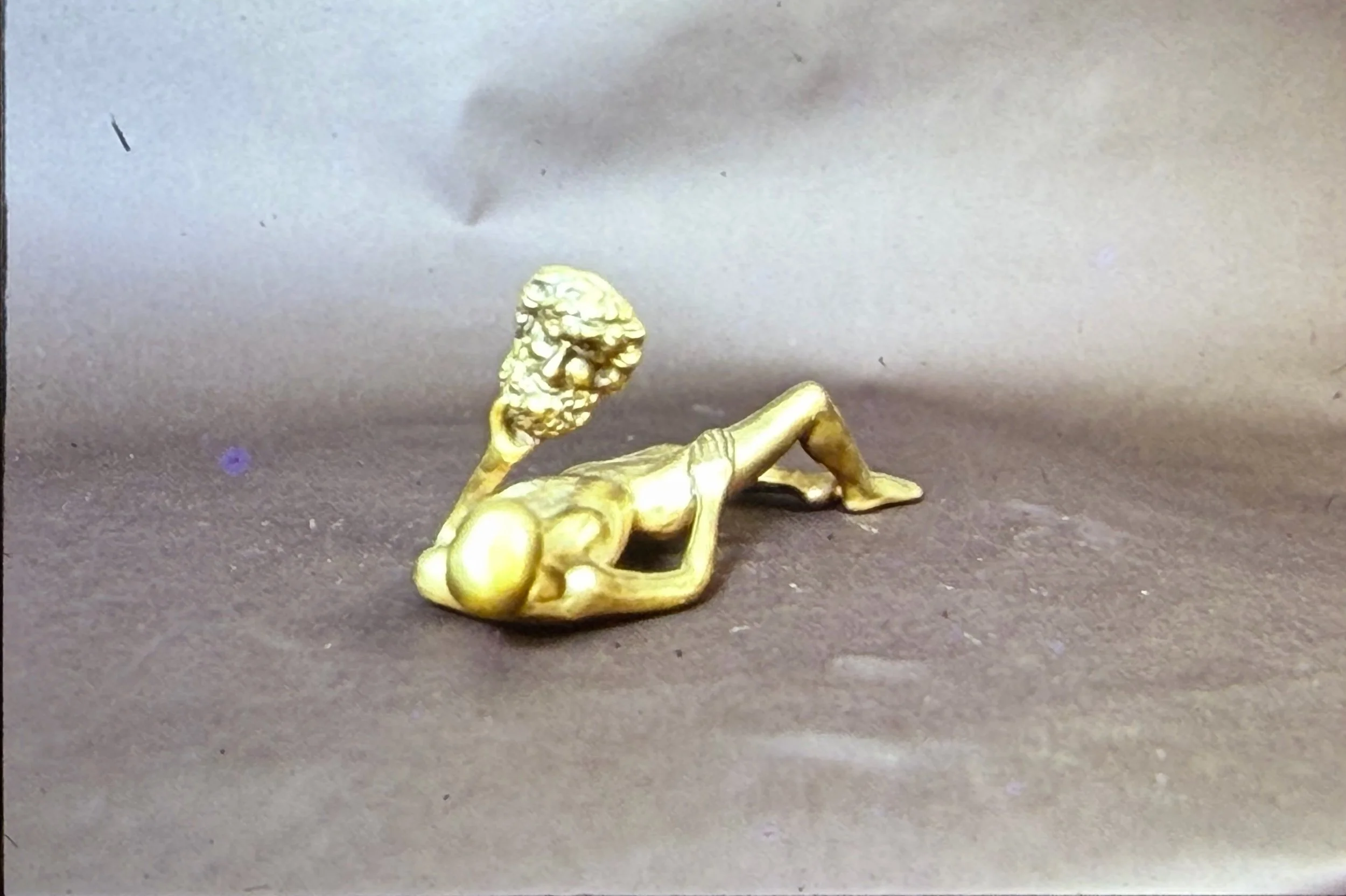
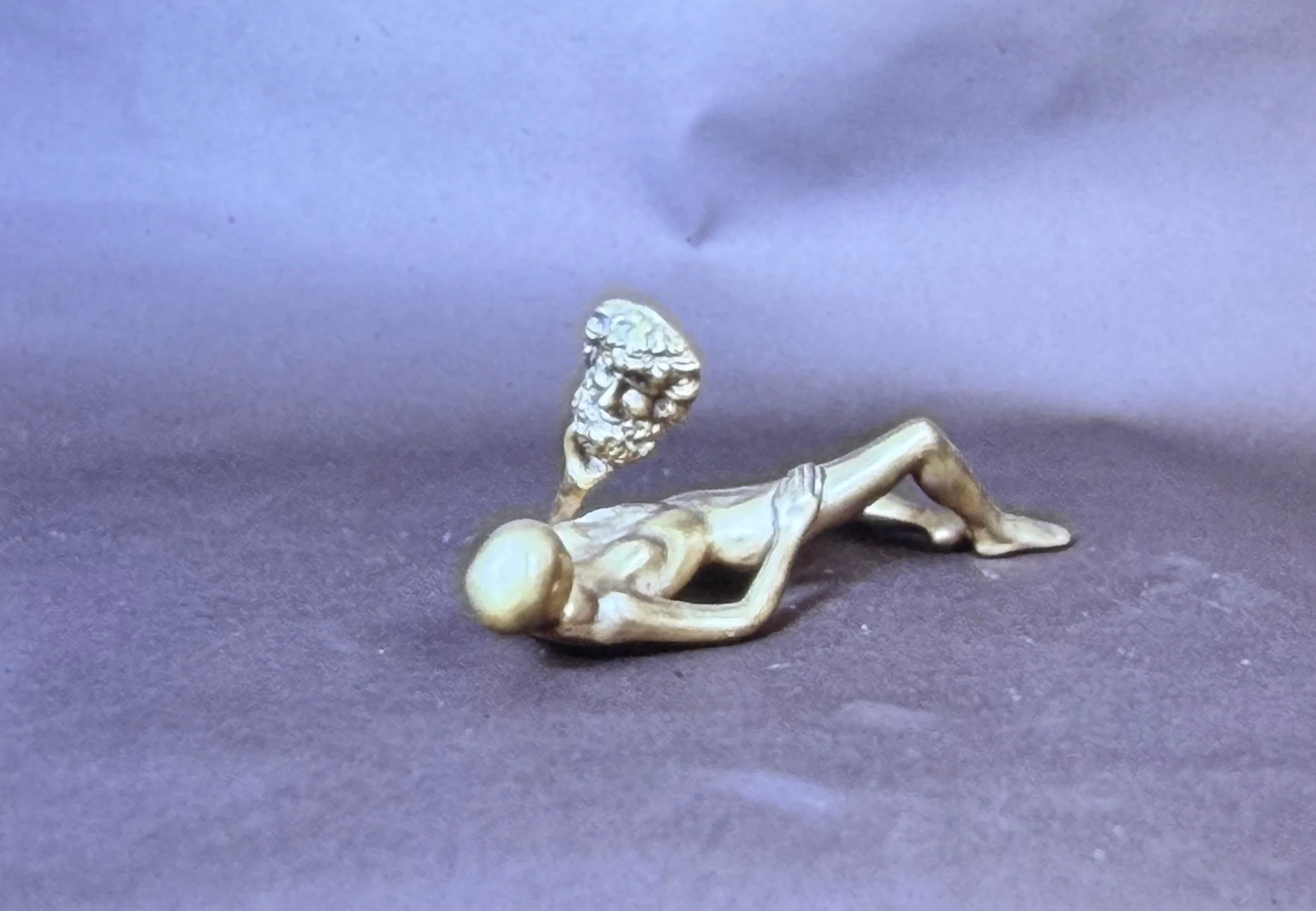
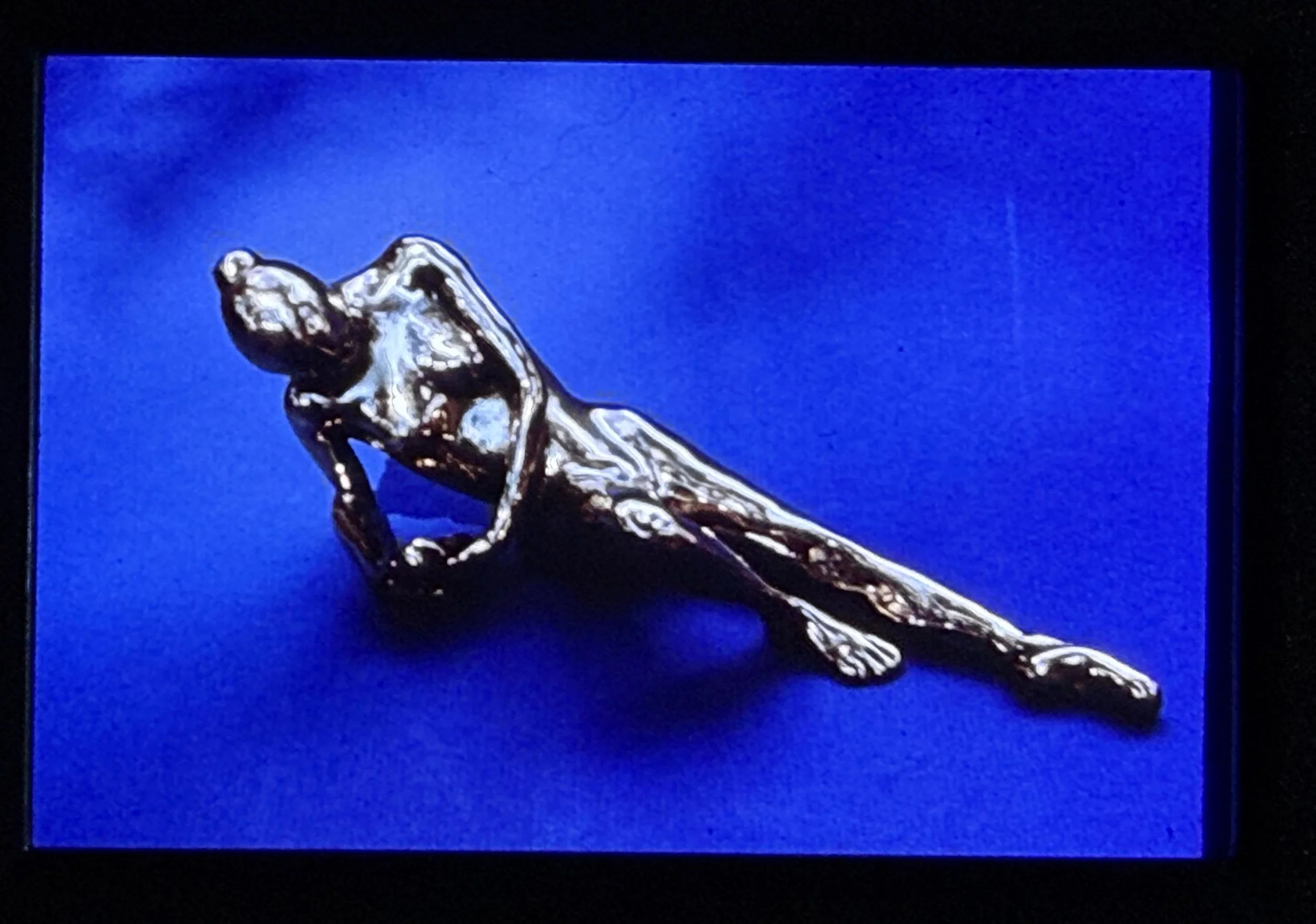
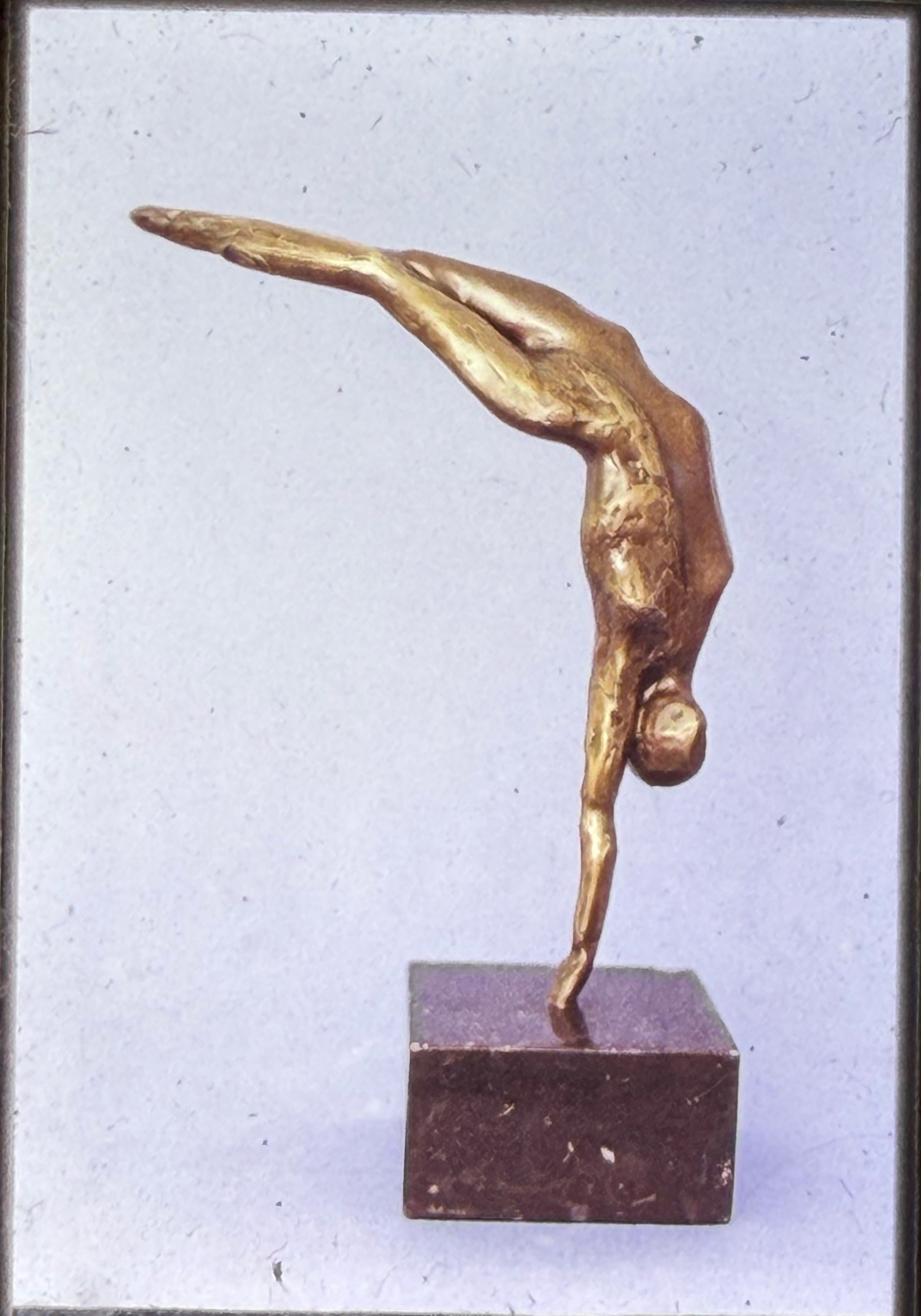
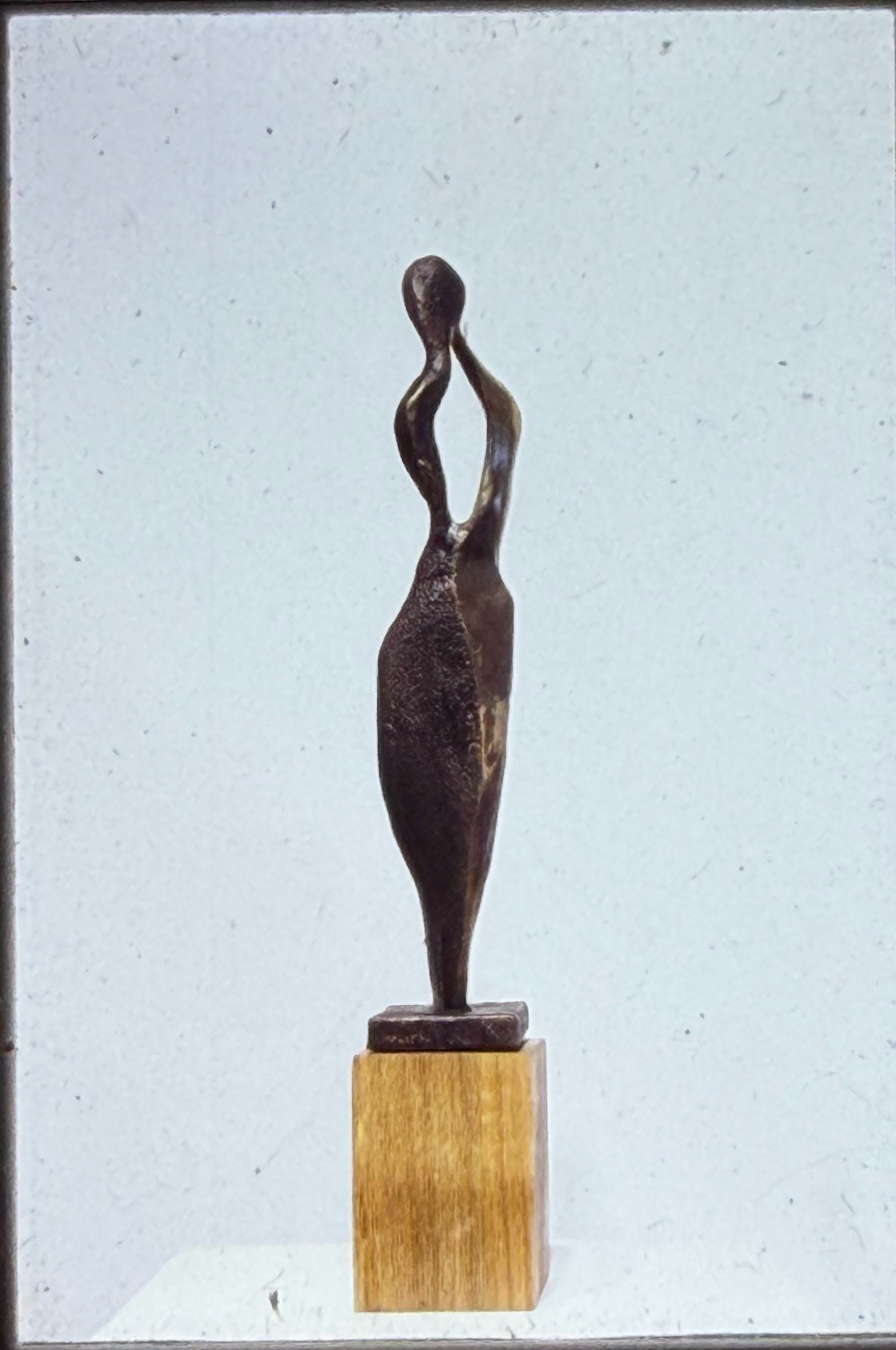
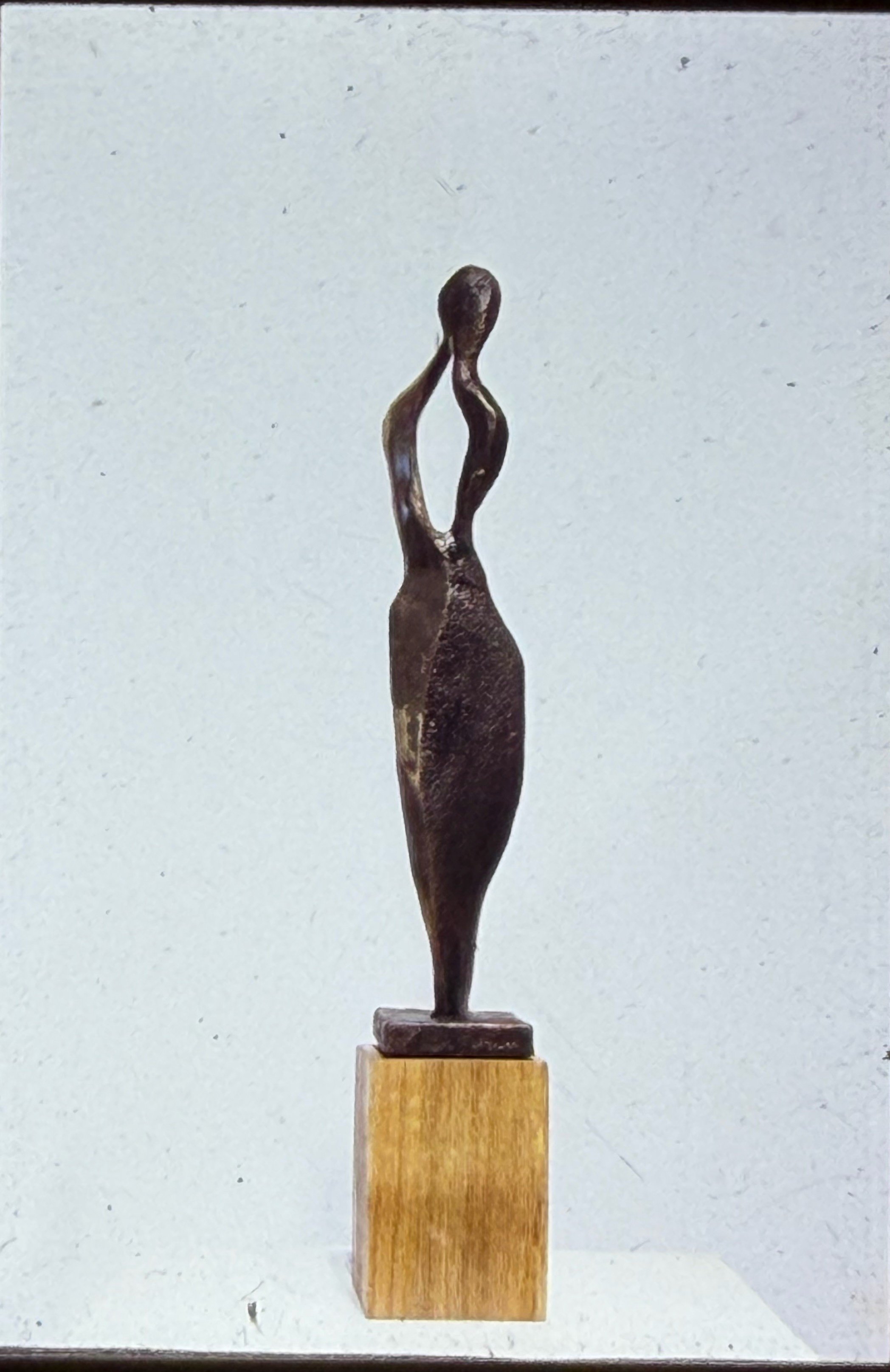
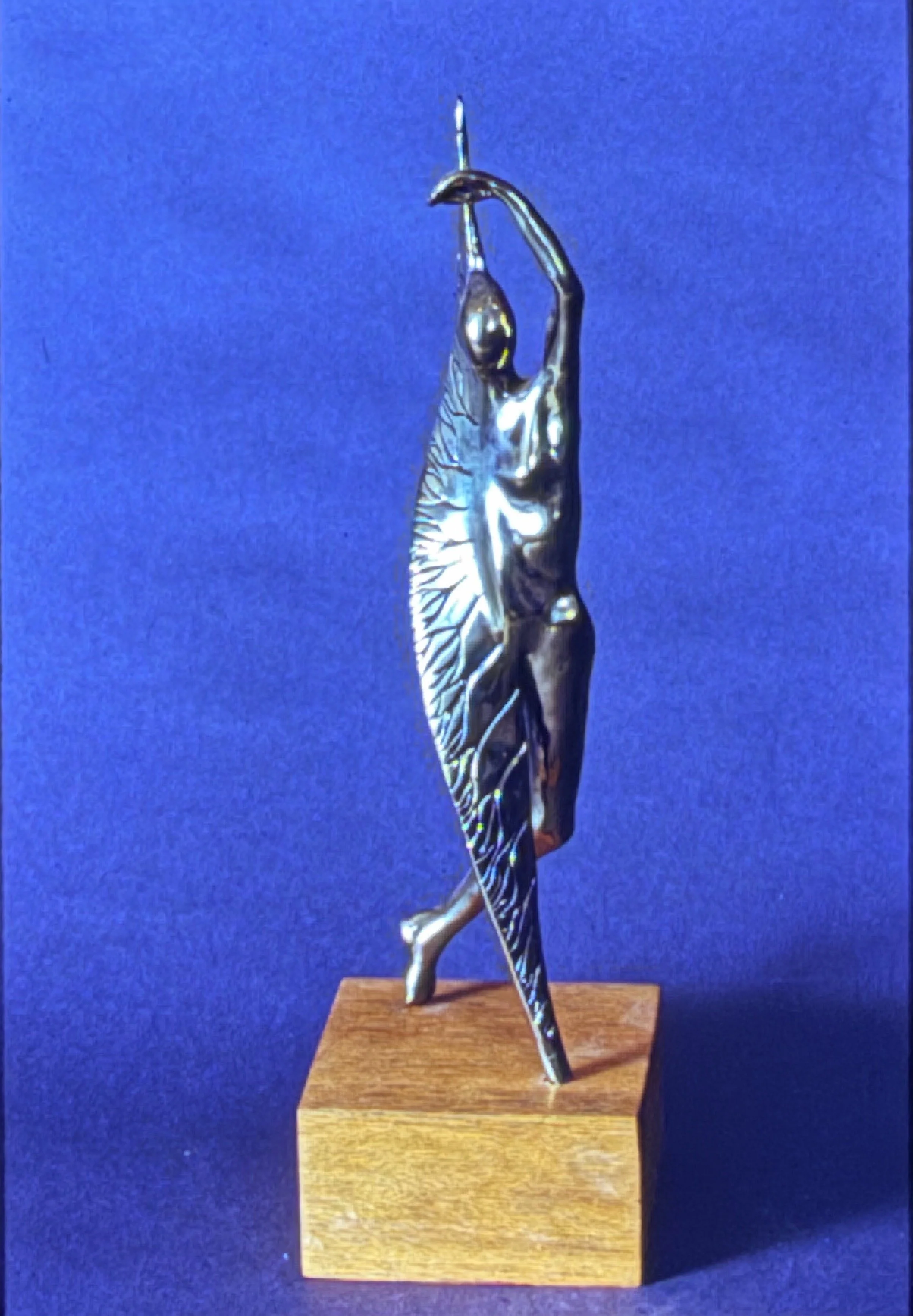
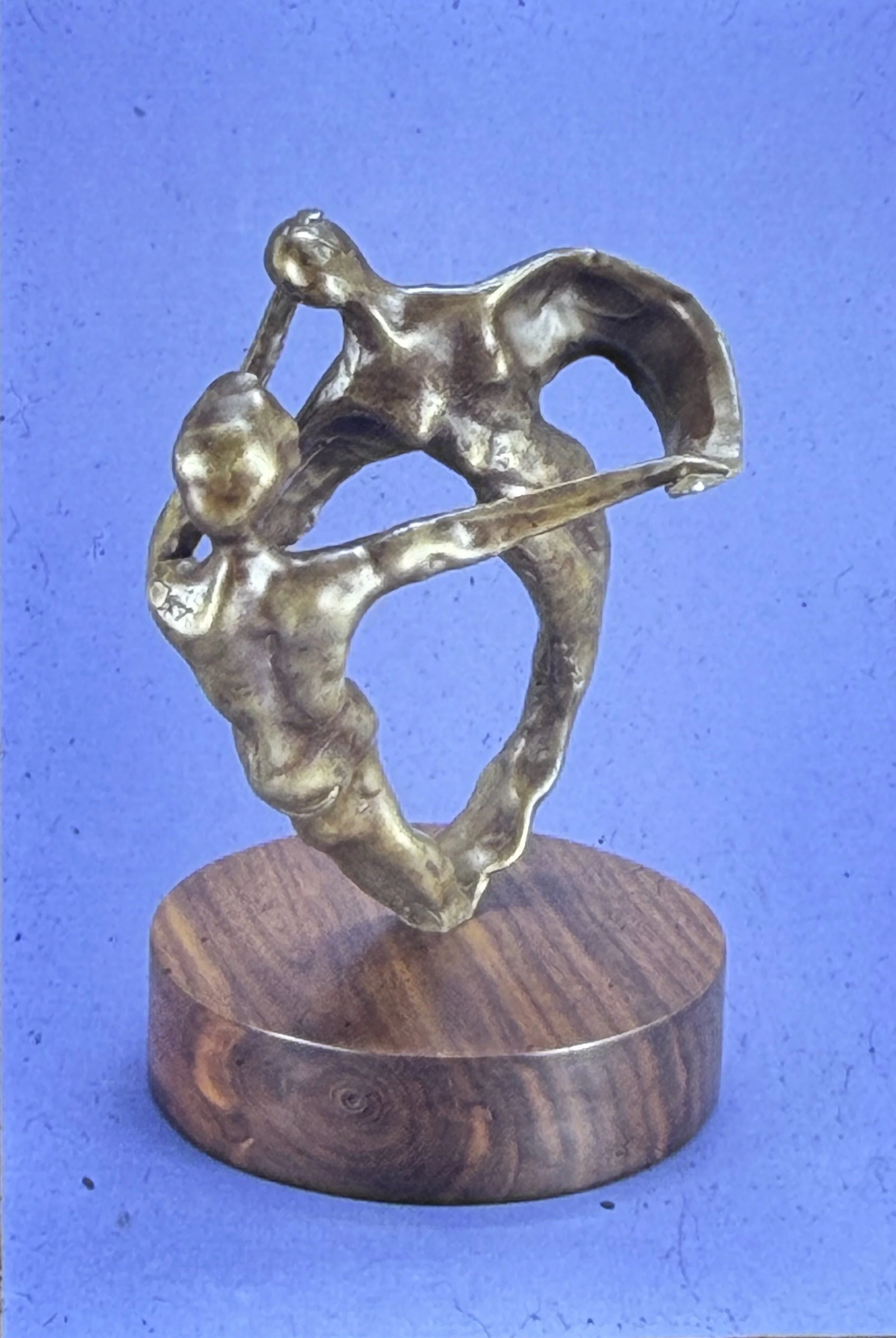
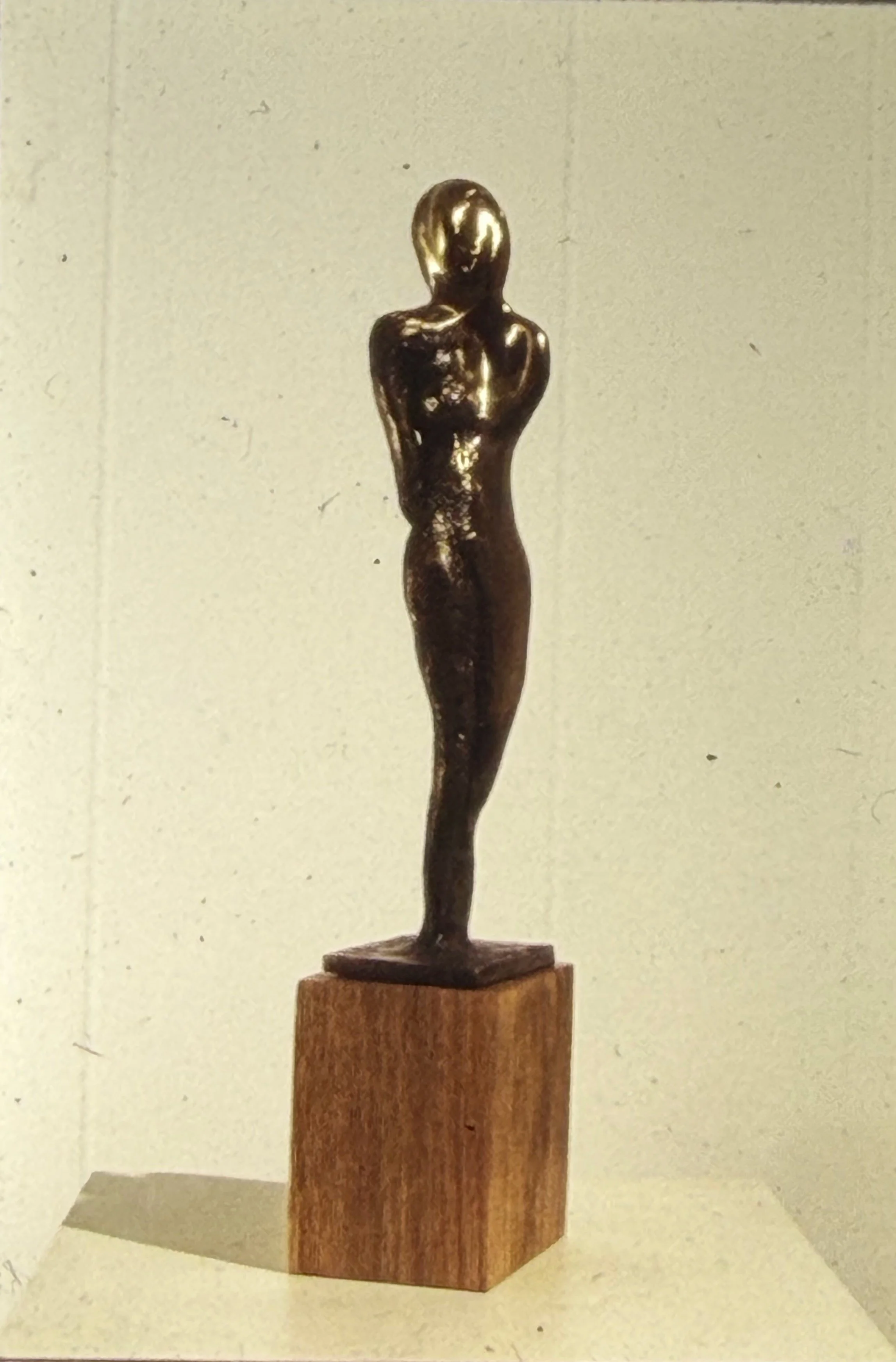
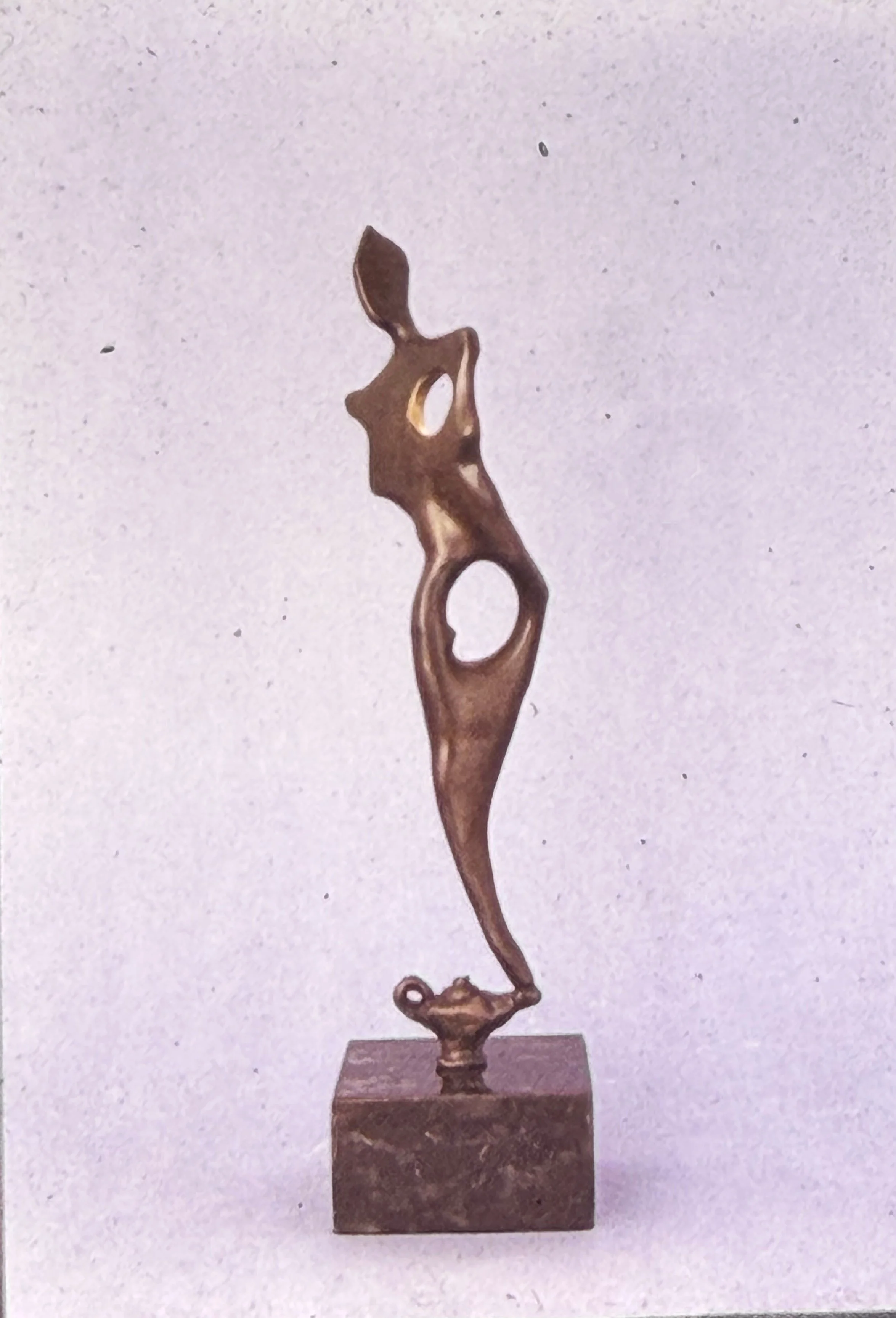
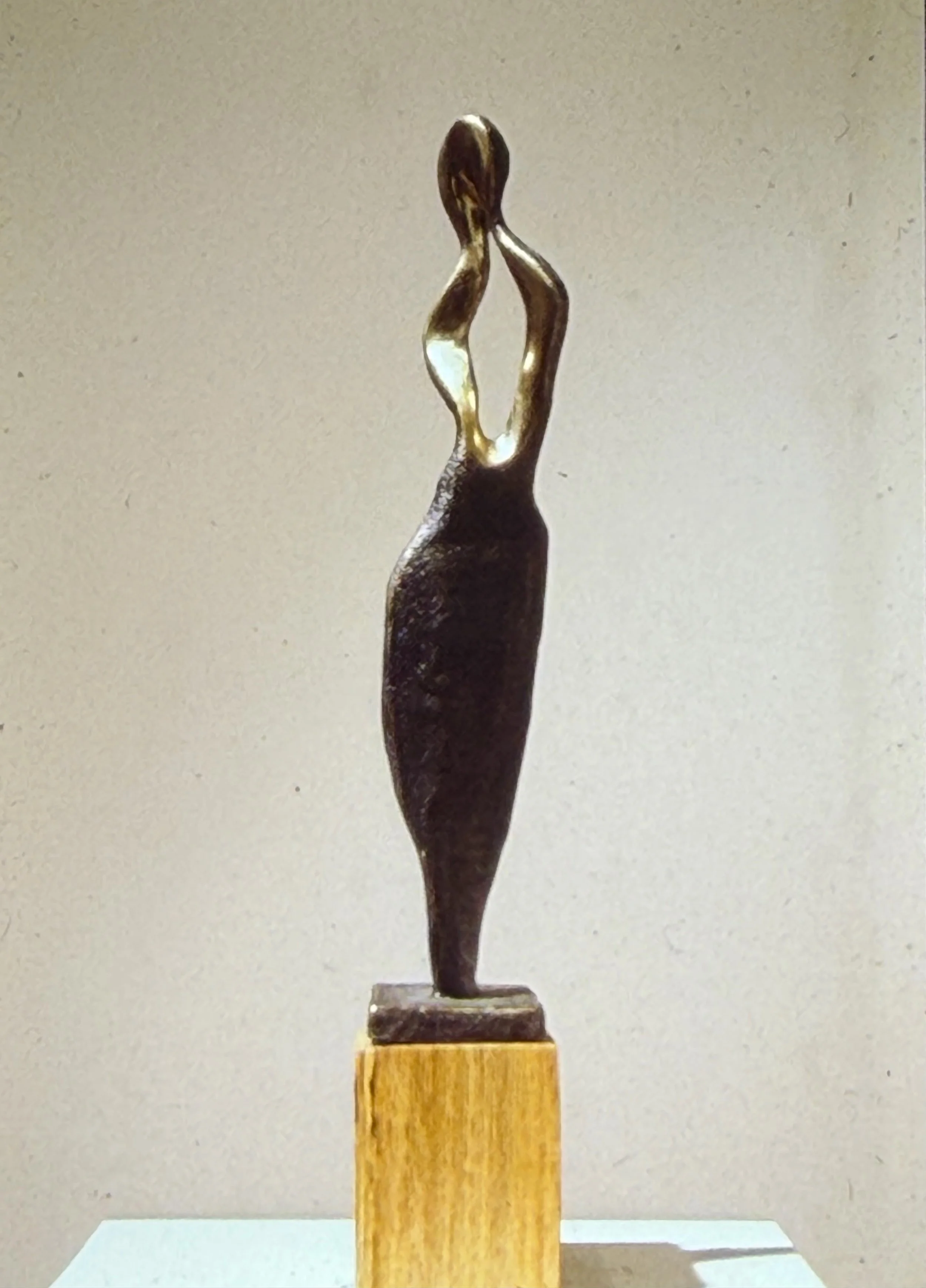
By casting his own figures and busts, Wolf maintained a direct relationship between concept and material. The human body, which had long been a subject of representation in art, became in his work a site of physical change. The act of pouring molten metal into a mold parallels the shaping of the human form itself, suggesting ideas of formation, erosion, and endurance. His figures often reflect this connection, with surfaces that appear worked, textured, and affected by forces beyond simple control.
Owning and operating a foundry also gave Wolf independence. He was not limited by the constraints of outside production or standard techniques. Instead, he could experiment with scale, form, and finish in ways that aligned with his philosophical approach. The foundry became an extension of his studio, where ideas about the human condition were worked out through material process.