Whitney Wolf II
MFA
Visual Culture
Vermont College of
Norwich University
2000
MA
Visual Arts Education
University of
Central Florida
1984
BA
Philosophy
University of
Central Florida
1976
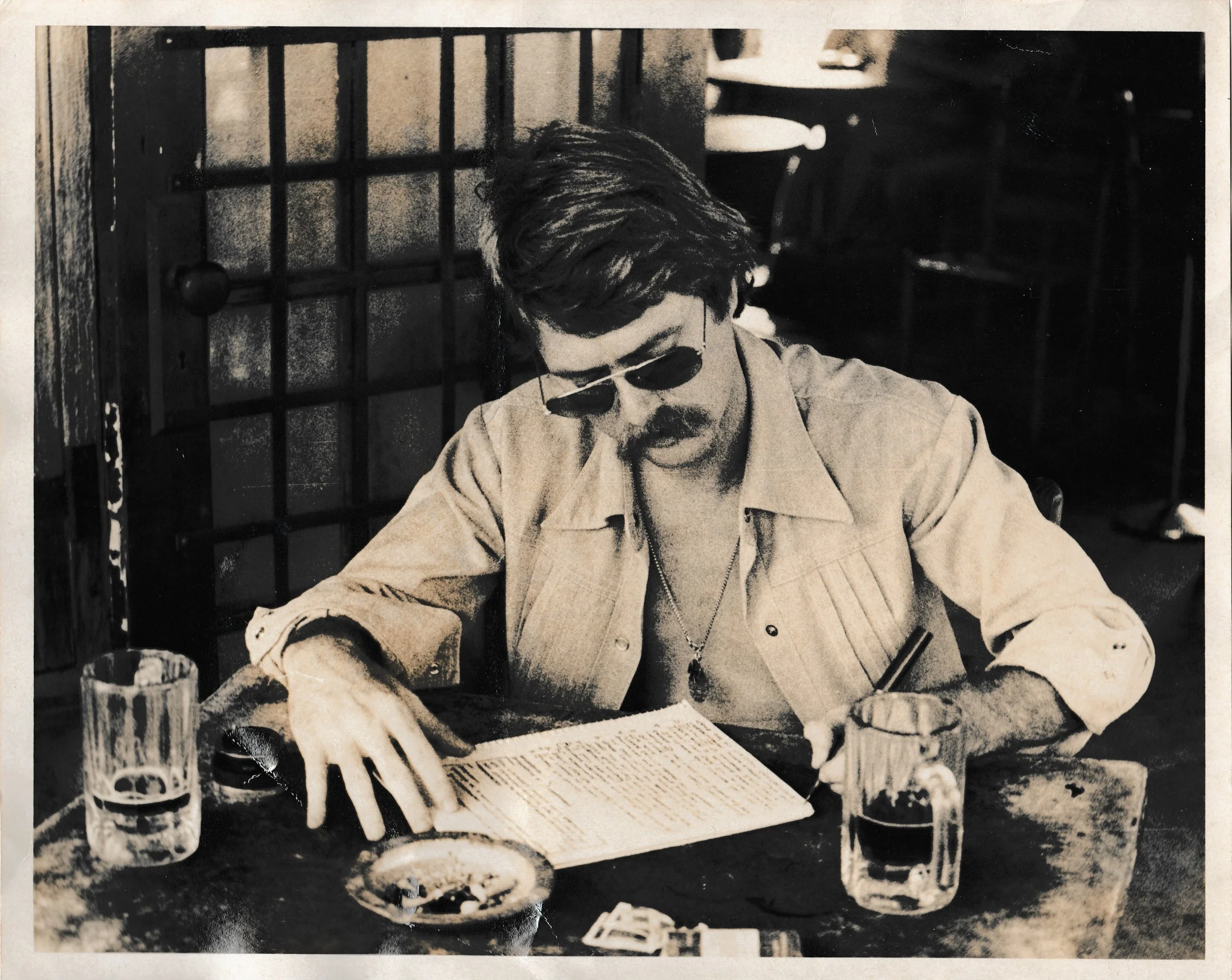
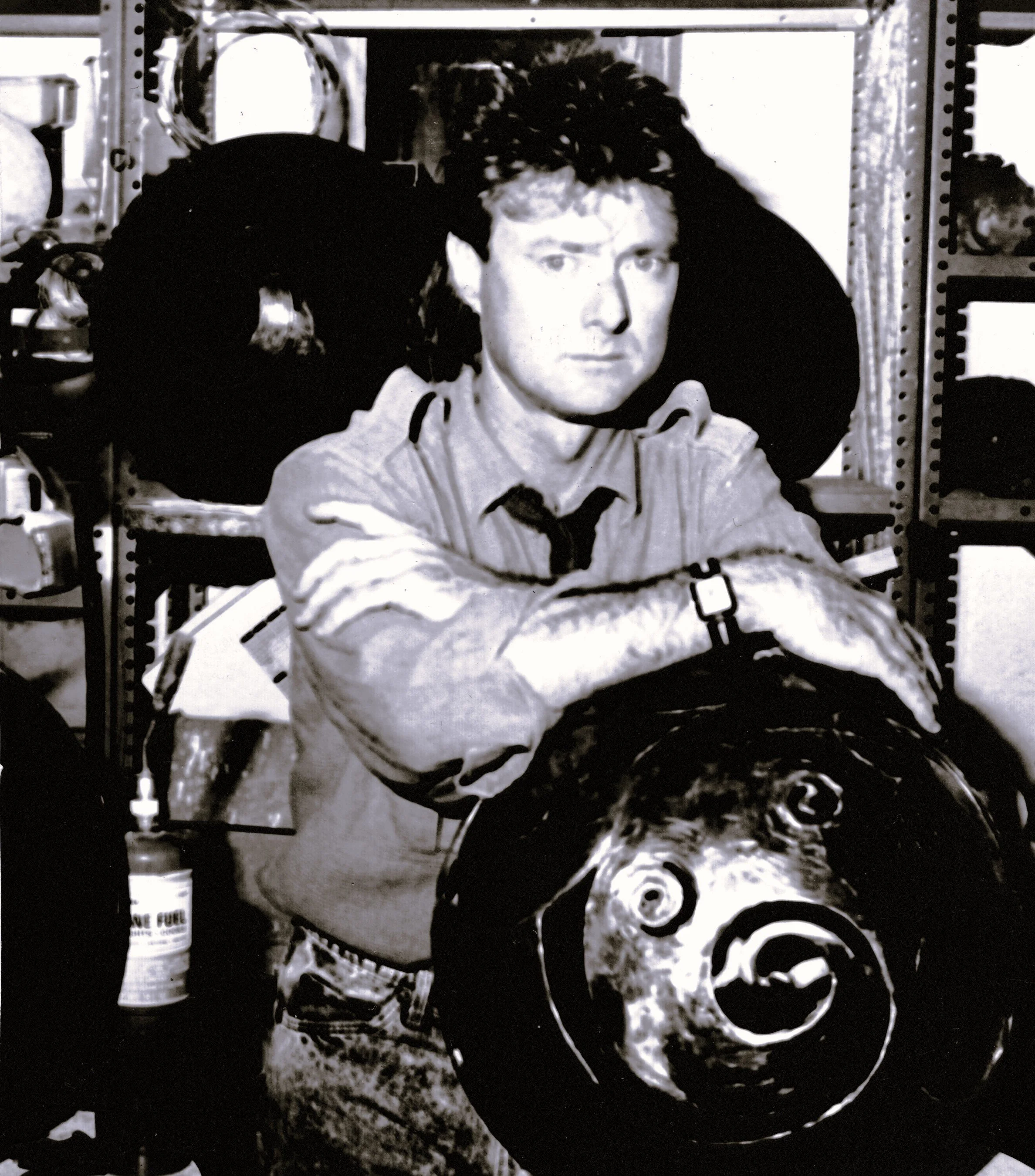
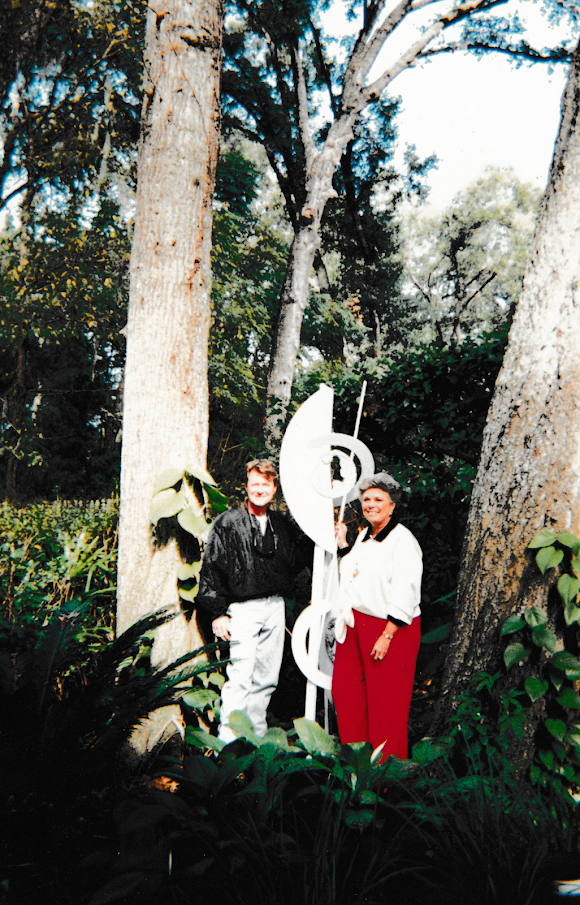
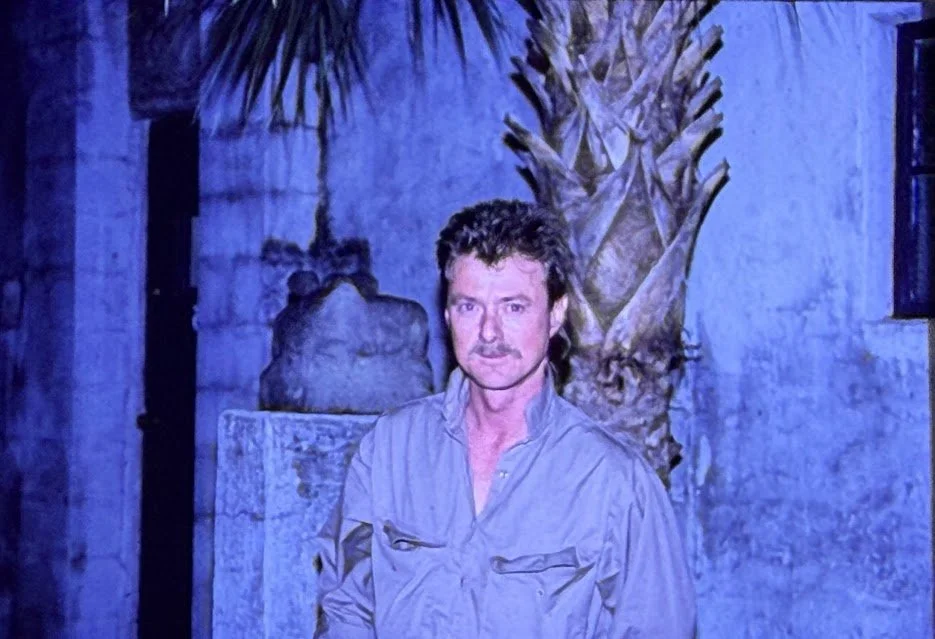
Whitney William Wolf II is a Florida-based educator, philosopher, artist, and sculptor. Born in 1948, he grew up in Central Florida and experienced a restless and unconventional youth, often traveling and living outside traditional expectations. His father encouraged him to pursue engineering, but Wolf chose philosophy instead, a decision that shaped the intellectual direction of his work. His early life was also influenced by a connection to the family of Jack Kerouac. Through his mother’s friendship with Kerouac’s sister, Caroline, Wolf spent time around the Kerouac family as a child and was exposed to creative and nontraditional ways of thinking.
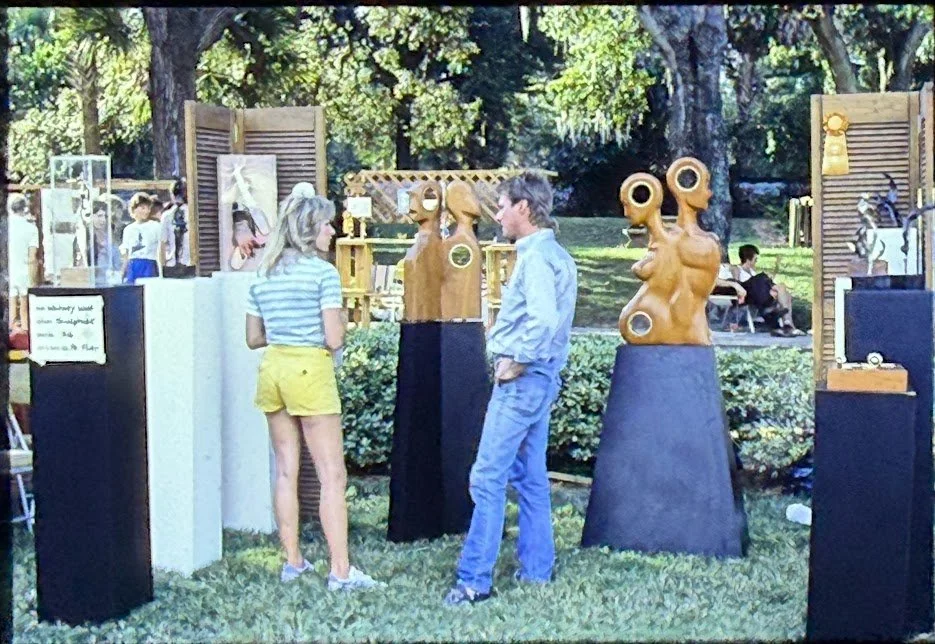
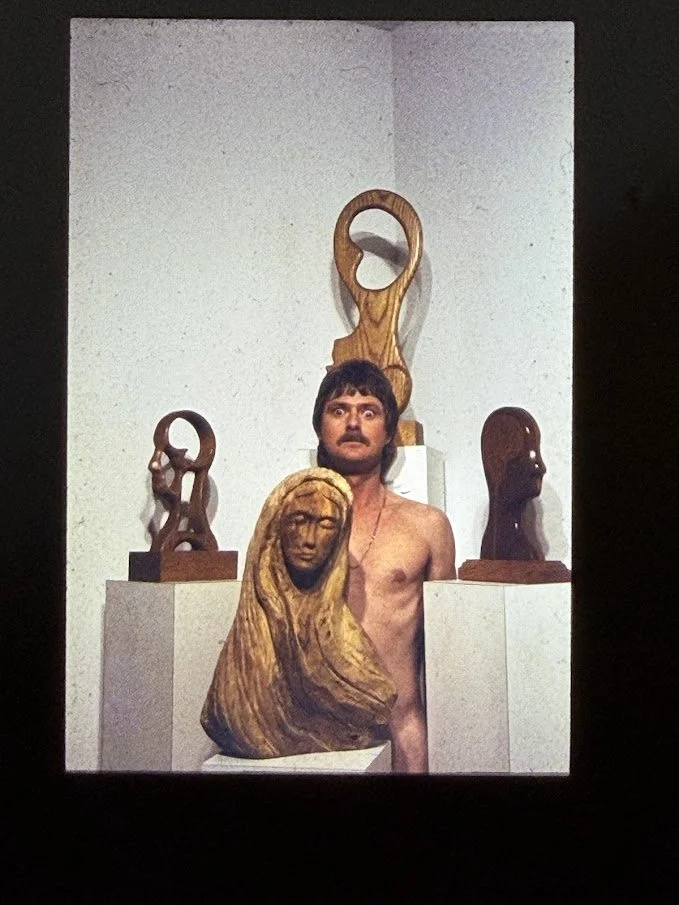
Wolf began his artistic career in the 1970s, painting and working in wood carving, furniture, and mixed-media sculpture. His early work combined wood with metal and wire, exploring structure, balance, and the relationship between organic and industrial materials. During the late 1970s, he continued his studies in art history, three-dimensional design, and sculpture between 1977 and 1980, developing both technical skill and conceptual focus. He was closely associated with the Crealdé School of Art in Winter Park from 1978 to 1982, where he served as an artist in residence and instructor. This period established his long-standing balance between studio practice and a thoughtful, critical approach to teaching.
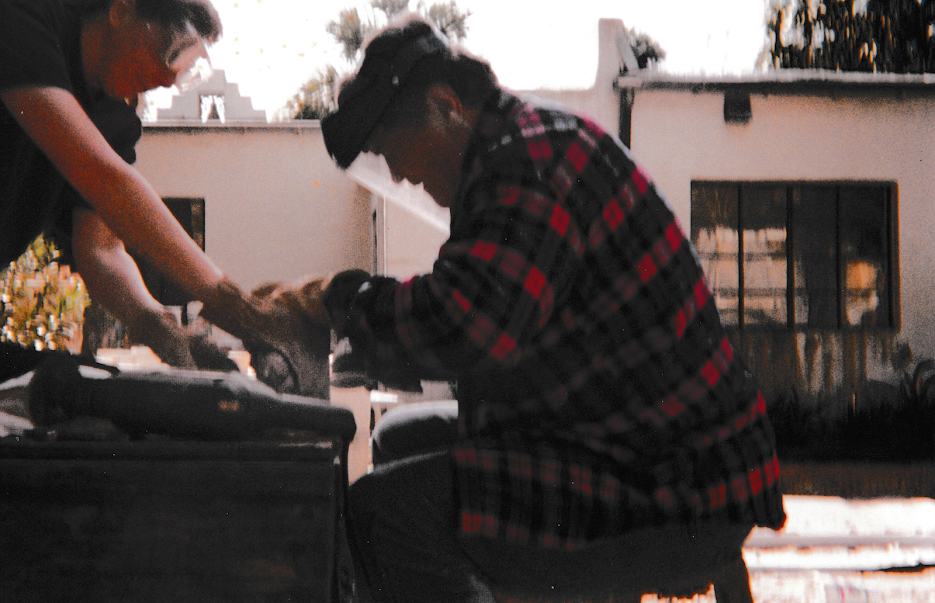
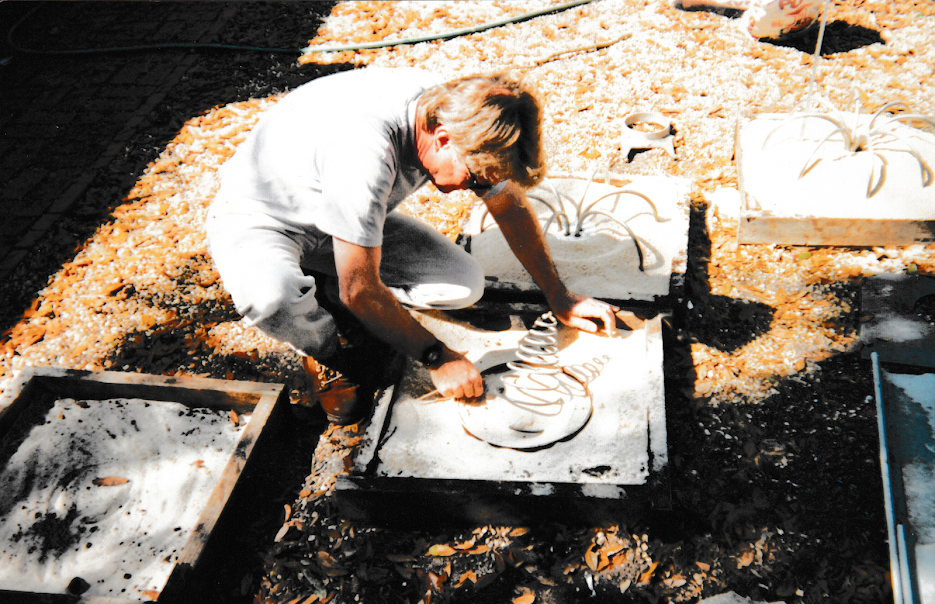
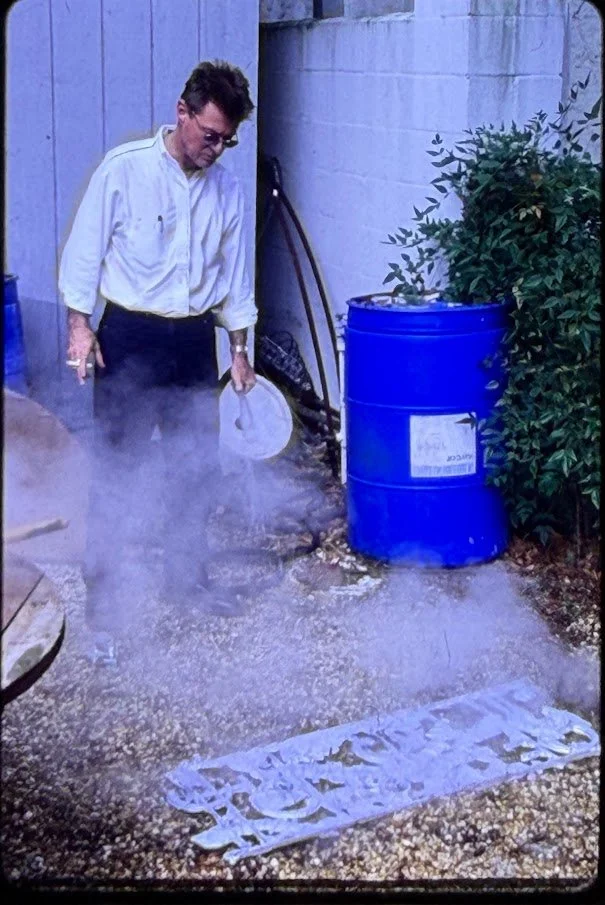
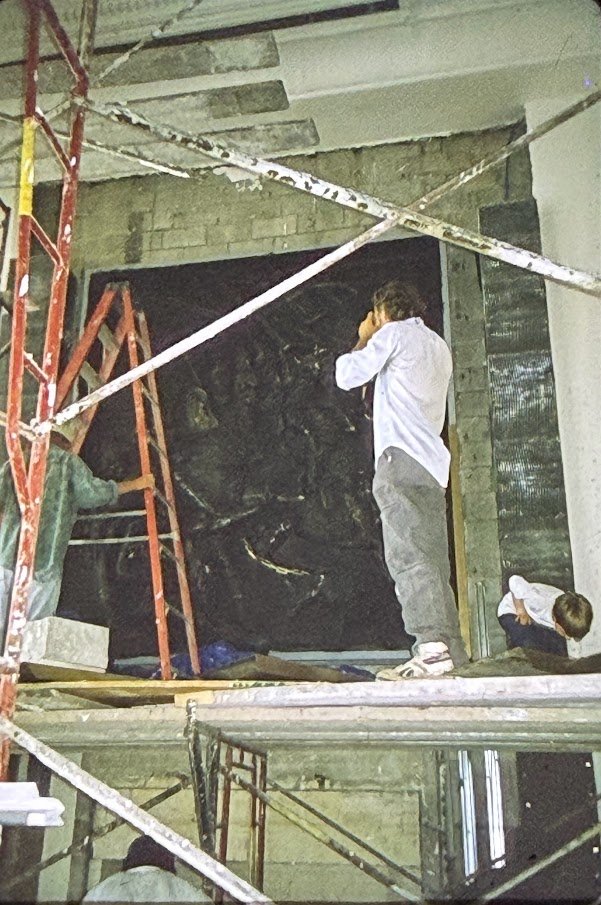
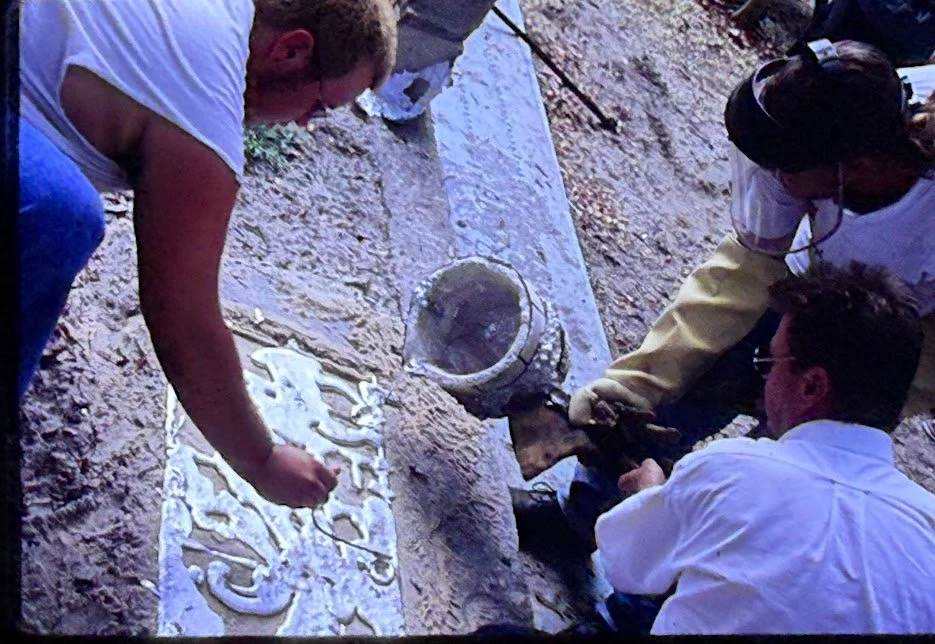
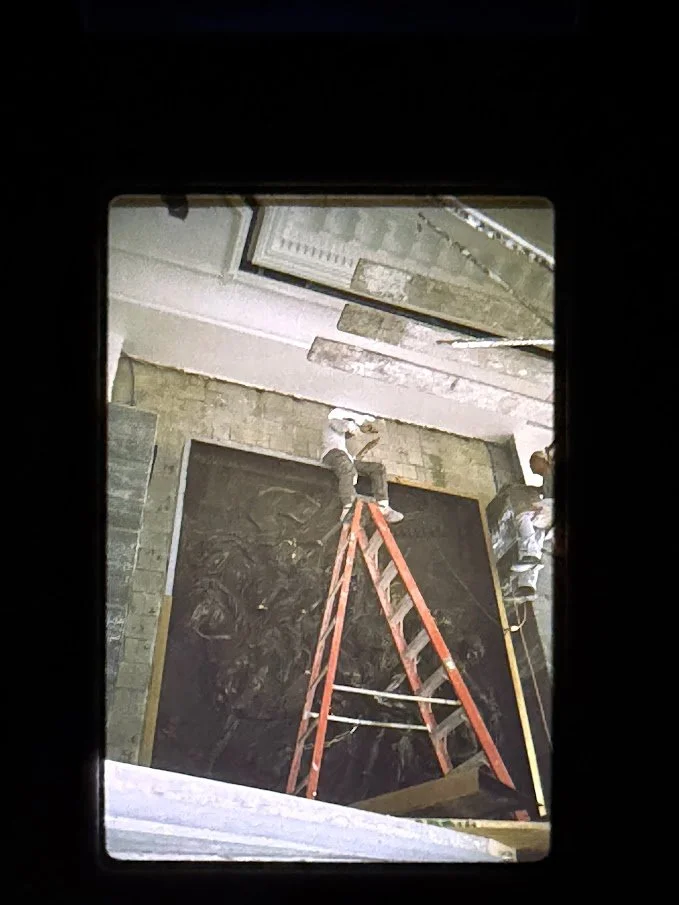
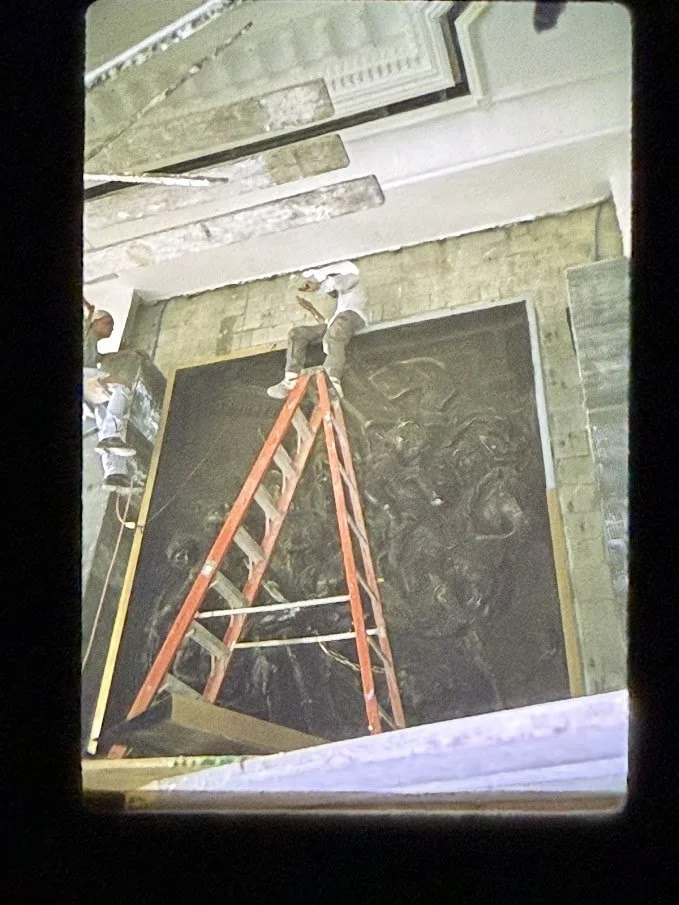
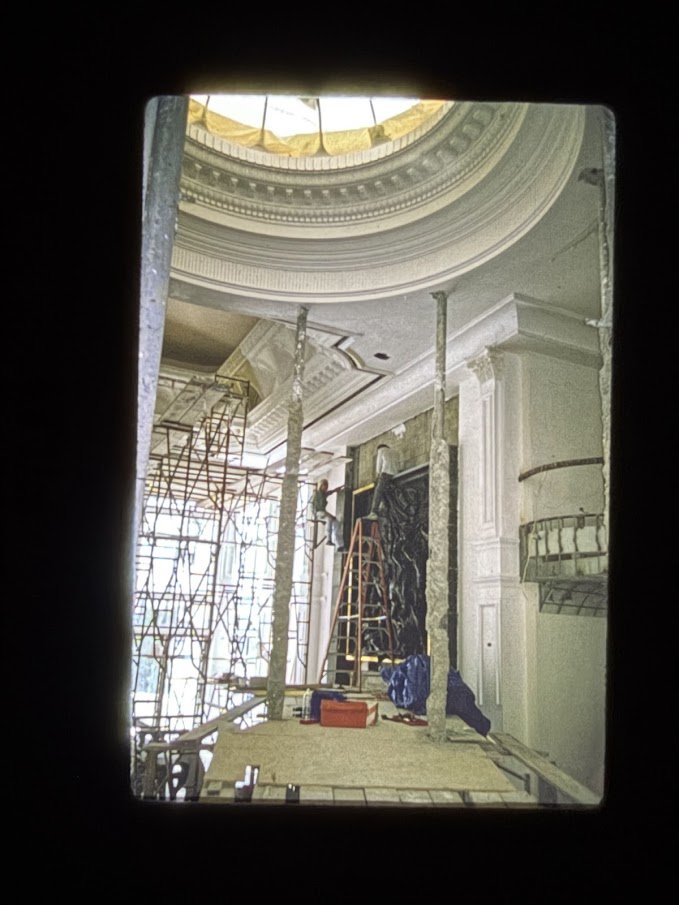
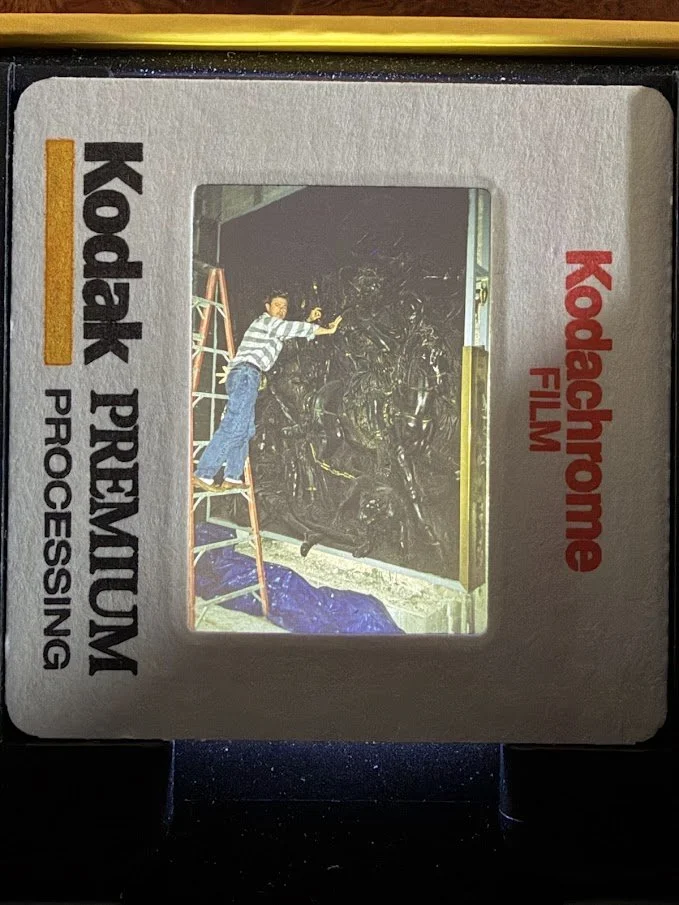
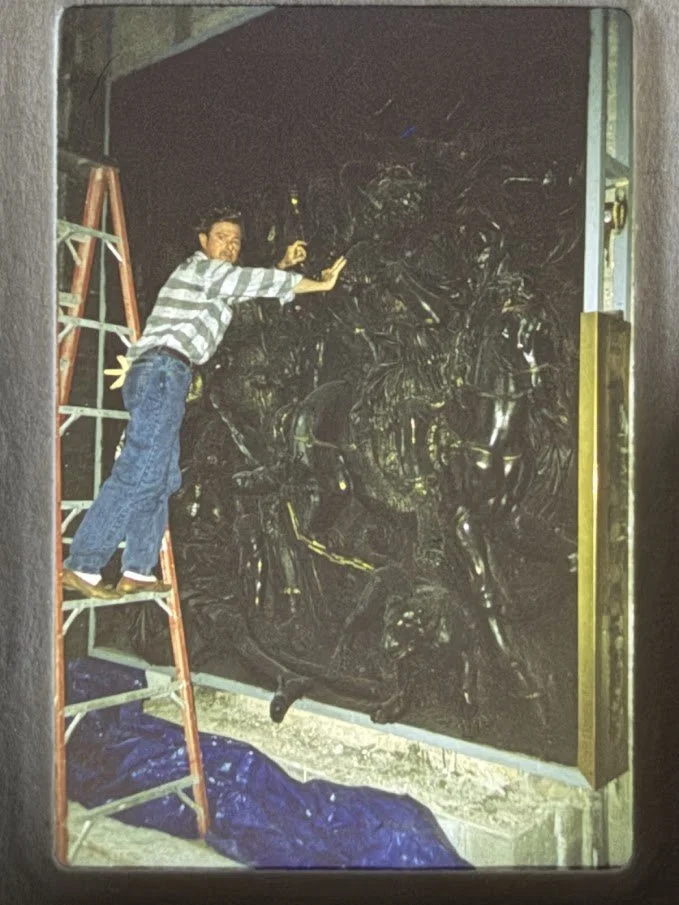
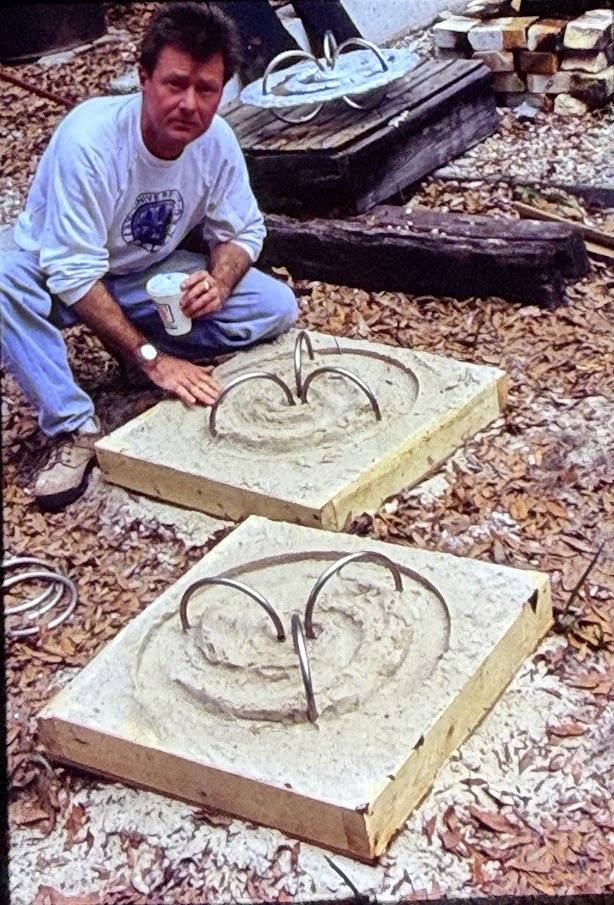
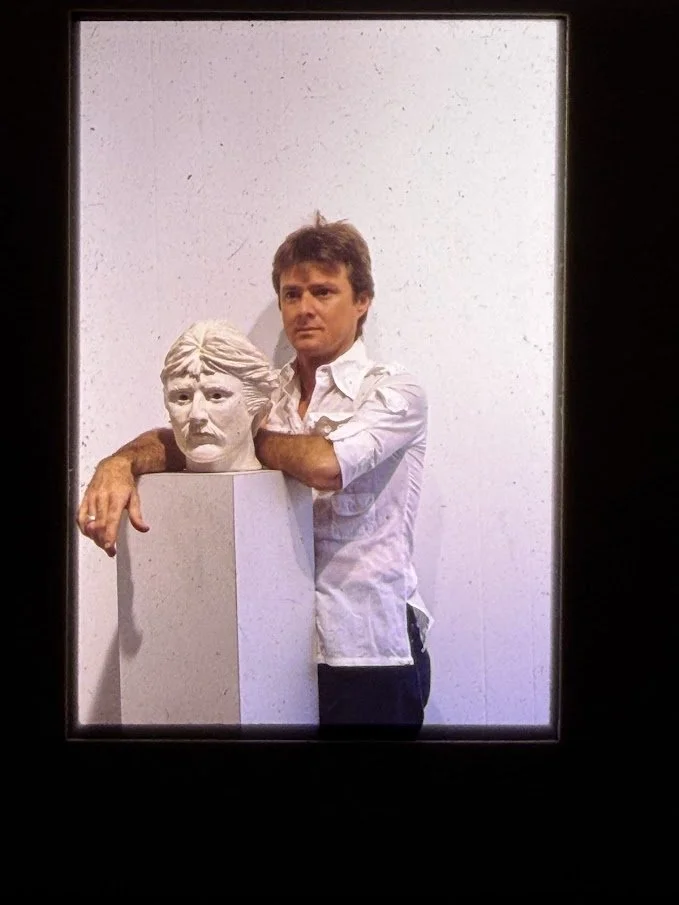
A significant transition came in 1980, when Wolf studied ceramic shell bronze casting with Frank Colson in Sarasota. Two years later, he received a fellowship with Duane Hanson at the Atlantic Center for the Arts in New Smyrna Beach. In the early 1980s, his focus shifted toward bronze casting and public sculpture. He began producing portrait busts, memorials, and participating in large-scale restoration work. By the mid-1980s, his practice expanded into major public commissions, including work for the Orlando Science Center, Trinity Preparatory School, and the City of Winter Park.
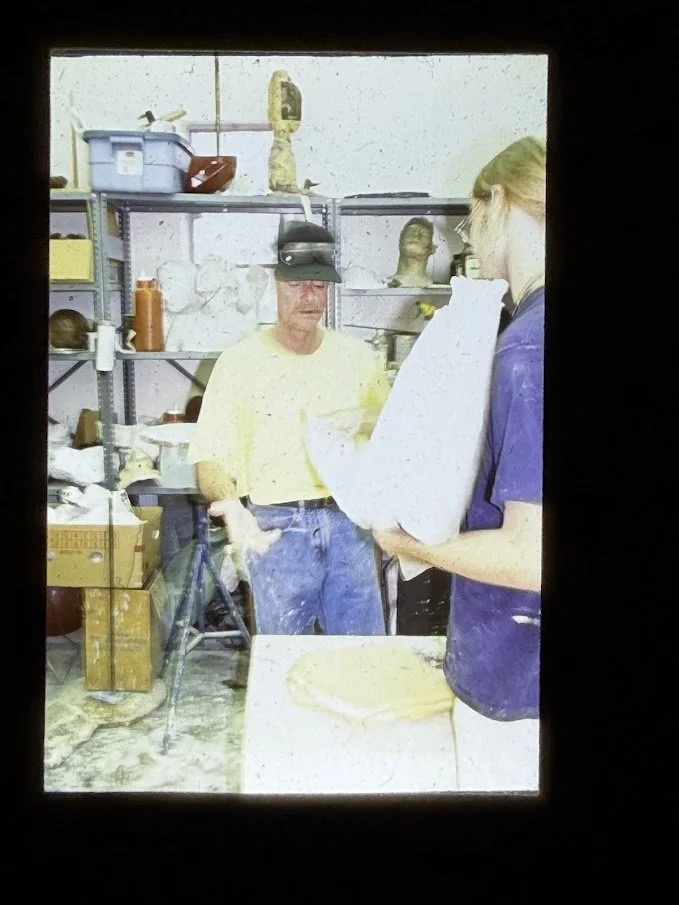
In 1983, Wolf became an instructor, studio research artist, and foundry operator at the Maitland Art Center and Research Studios. He remained active there for decades and helped establish the first fine art bronze foundry in Central Florida. He earned his Master of Arts in Visual Arts Education from the University of Central Florida in 1984. Alongside his studio work, he maintained a strong teaching career, serving as an upper division art instructor at Trinity Preparatory School from 1986 to 1996, and later teaching at Valencia Community College and Seminole Community College.
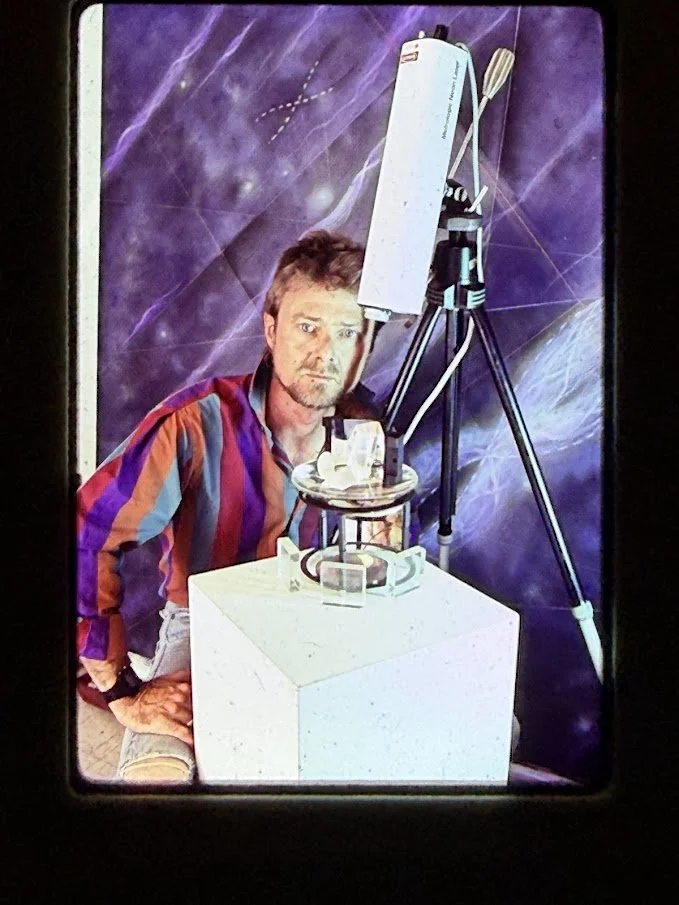
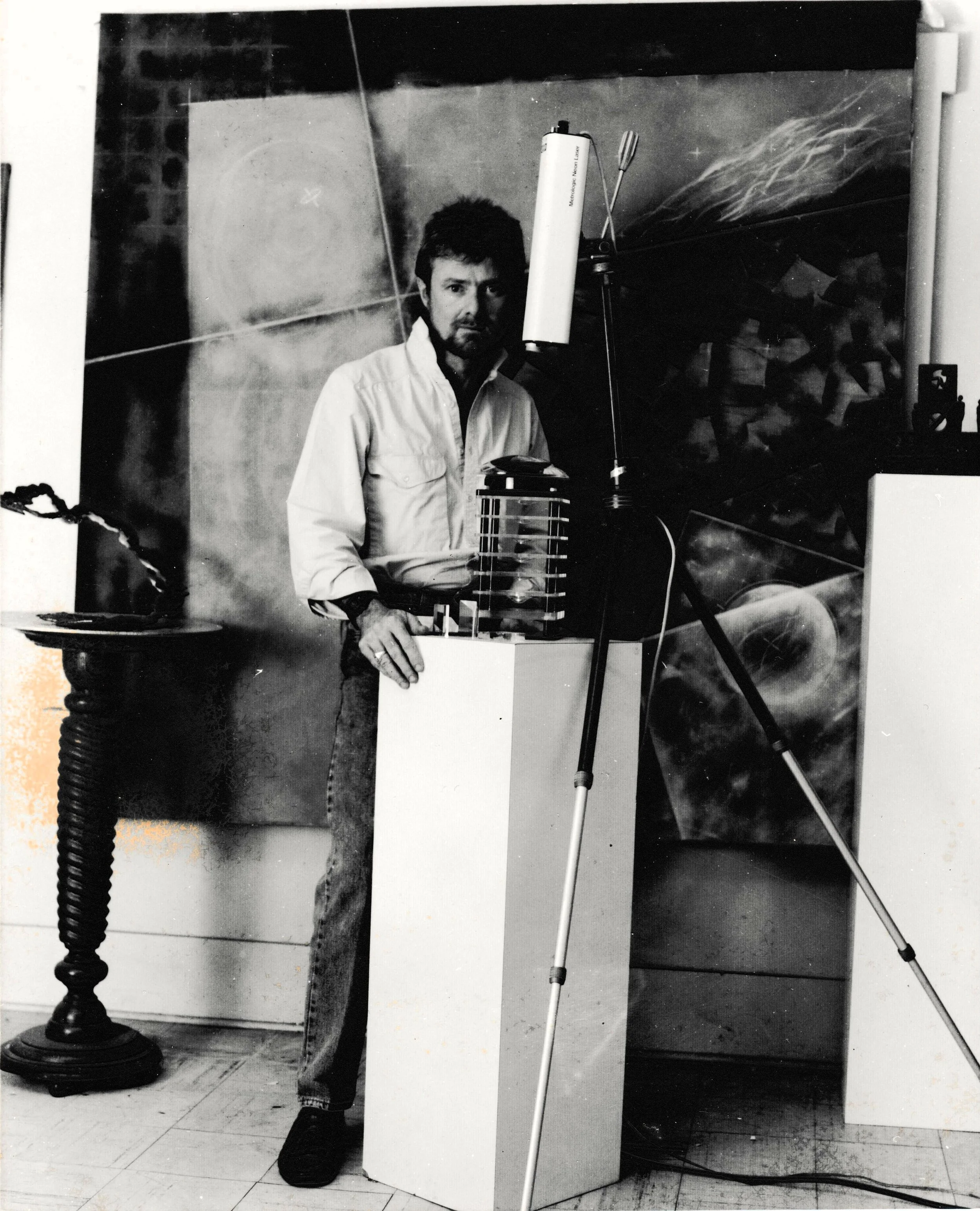
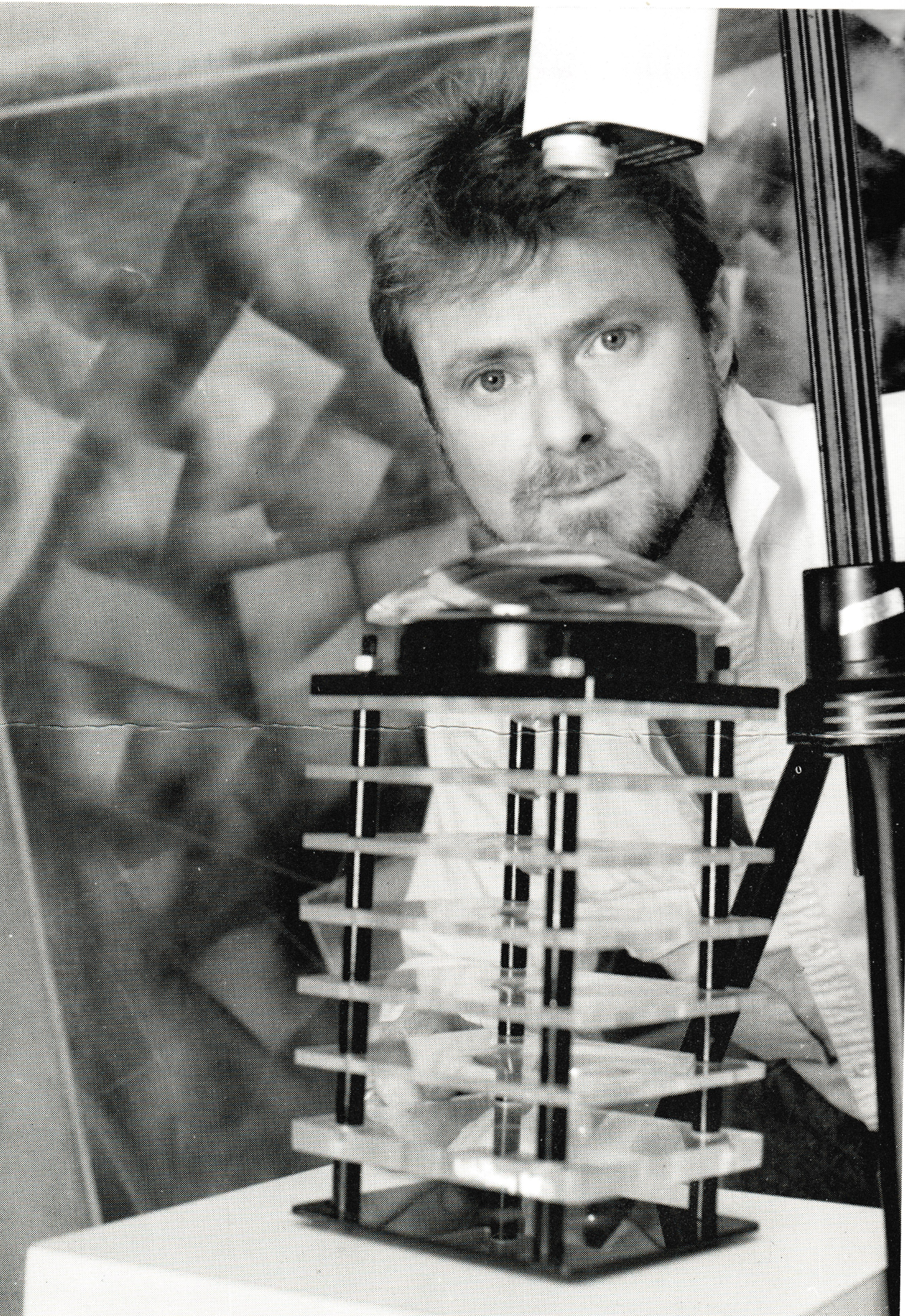
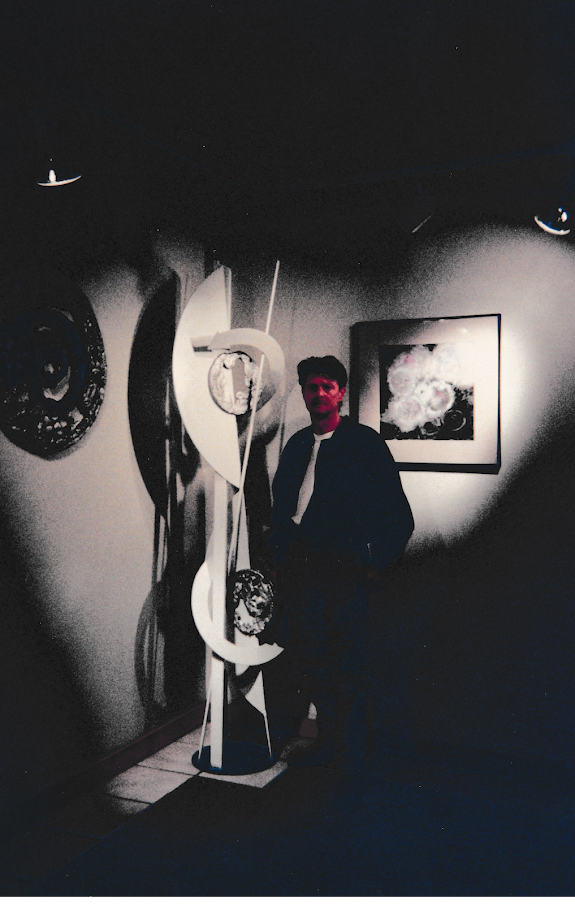
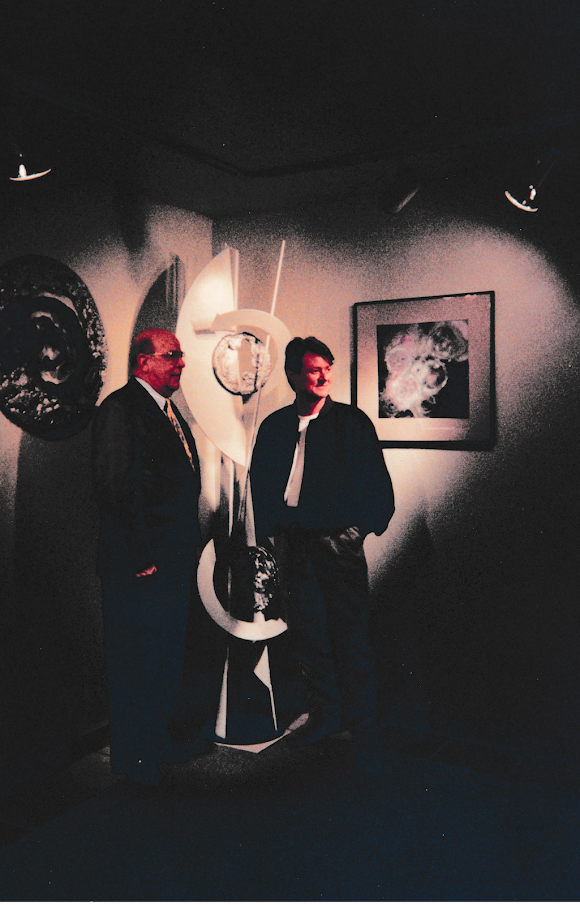
Throughout the 1990s, Wolf’s exhibitions grew in scale and conceptual depth. Works such as Multiverse (1990) and The Death of Art… to be Continued (1995) reflect his increasing engagement with scientific ideas, spatial perception, and the limits of representation. His work was widely exhibited and received attention in regional publications and media. By the late 1990s and early 2000s, exhibitions such as Multiverse II: Toward a Quantum Reality and Consilience show his continued exploration of the relationship between art and science.
In 2000, Wolf completed his Master of Fine Arts in Visual Culture at Vermont College of Norwich University, where he studied under his mentor Dr. Steven Kurtz. In the years that followed, his work developed into a sustained investigation of scientific themes, especially quantum theory and biogenetics. This period also marked the beginning of his activism, as he addressed issues such as genetic modification in food, biodiversity, and theories of extinction through his artwork.
In recent years, Wolf has chosen a more reclusive path, focusing on what he defines as the aesthetic experience. He approaches this idea philosophically, describing it as a state of disinterested contemplation of phenomena, whether natural or constructed. He views art as play, a release of energy that invites the viewer to look again and to reconsider perception itself. This philosophy became central in his “Energy and Attention” phase, where he transformed gold plated copper materials originally intended for early computer systems into works that explore signal, consciousness, and the movement of thought.
Across more than five decades, Wolf’s work has moved steadily toward a single question. Not simply what art is, but how it functions as a bridge between perception and reality. His career reflects a continuous attempt to visualize the unseen forces that shape existence. Across his career, he has argued that art is not something static, but an energetic field in motion. In this sense, Wolf’s work does not conclude. It is immortal here in the archives.
Wolf Phases
-
Group Invitational
Stetson University
Deland, FloridaOne Person Exhibition
Seminole State College
Sanford, Florida -
One Person Exhibition
Sweetwater 500 Club
Lakeland, FloridaTwo Person Exhibition
Galleries International
Winter Park, Florida“American Myth and Transcendence”
Crealde School of Art
Winter Haven, FloridaAnnual Faculty Exhibition
Crealde School of Art
Winter Haven, Florida -
“Pushing the Edge”
Group Invitational
Winter Haven, FloridaOne Person Exhibition
Edyth Bush Theatre
Orlando, Florida -
Purchase Award in Juried Exhibition
Polk County Museum
Lakeland, FloridaJudge’s Selection Award
Winter Park Autumn Art Festival
Winter Park, Florida“Pushing the Edge”
Group Invitational
Winter Haven, FloridaOne Person Exhibition
Edyth Bush Theatre
Orlando, Florida -
Juried Exhibition
Polk County Museum
Lakeland, FloridaCollectors Choice Group Invitational
Maitland Art Center
Maitland, FloridaPhilip Crosby Award of Distinction
Winter Park Autum Art Festival
Winter Park, FloridaAward of Merit in Juried Competition
Maitland Art Center
Lakeland, Florida -
Winter Park Autumn Art Festival
Rollins College
Winter Park, Florida -
"Strings, Waves, and Visual Arbitration”
Wolf Studios
Winter Park, Florida -
“Lasers and Holography: Group Exhibition”
Orlando Science Center
Orlando, Florida -
“Space and Spatial Places”
Carnegie Arts Center
Cincinnati, Ohio“Multiverse”
Orlando Science Center
Orlando, Florida -
Invitational Art Festival
Palm Beach Polo Club
Palm Beach, Florida -
“Paper Dolls: Conceptual Performance”
Orlando Museum of Art
Orlando, Florida -
“Contemporary American Art Containers: Juried Exhibition”
Orlando Museum of Art
Orlando, Florida“The Death of Art… To Be Continued: One Person Installation”
Orlando Museum of Art
Orlando, Florida -
“Familiar Faces”
Scott Laurent Gallery
Winter Park, FloridaInvitation Exhibition
Orlando Museum of Art
Orlando, Florida“Chaos Revisualized”
Wolf Studios
Winter Park, Florida“Teacher by Day, Artist by Night: Group Exhibition”
Orlando Museum of Art
Orlando, Florida -
Group Exhibition
Maitland Art Center
Maitland, Florida“On the Road: Group Exhibition”
Harold and Maude’s
Orlando, FloridaGroup Exhibition
Scott Laurent Gallery
Winter Park, Florida -
Group Exhibition
Scott Laurent Gallery
Winter Park, Florida“Multiverse II: Toward a Quantum Reality”
Osceola Center for the Arts
Kissimmee, Florida -
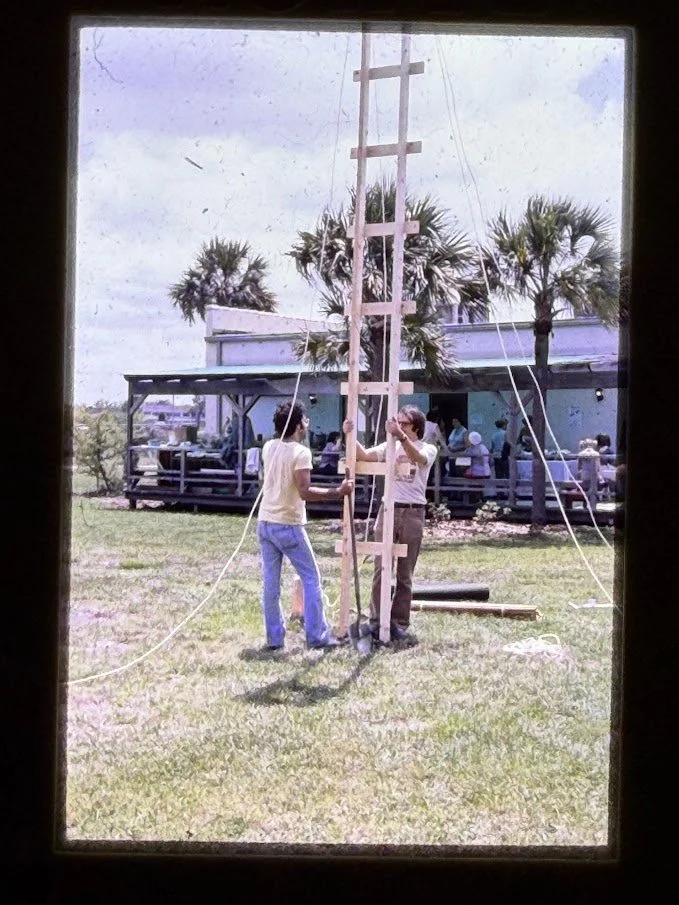
“Outdoor Sculpture Installation”
Osceola Center for the Arts
Kissimmee, Florida
“First Thursdays: Group Exhibition”
Orlando Museum of Art
Orlando, Florida -
“MFA Exhibition”
Vermont College of Norwich University
Montpelier, Vermont -
“Consilience”
Wolf Studios
Winter Park, Florida“Toward A New Reality”
Avalon Gallery
Winter Park, Florida“First Thursdays: Group Exhibition”
Orlando Museum of Art
Orlando, Florida -
“Biodiversity”
Wolf Studios
Winter Park, Florida“Group Exhibition: First Thursdays”
Orlando Museum of Art
Winter Park, Florida -
“Bronze & Metals: Group Exhibition”
Avalon Gallery
Winter Park, Florida“The Warehouse Project”
Winter Park, Florida“Seminole County Art Teachers Exhibition”
Seminole State College Gallery
Sanford, Florida“Artists Who Teach Their Students”
Leslie Boyd Gallery
Orlando, Florida -
“Metal on the Road”
Leslie Boyd Gallery
Orlando, Florida“Integration of Art and Science”
Orlando Museum of Art
Orlando, Florida“Maitland Artists”
Orlando Museum of Art
Orlando, Florida -
“Works in Progress- Conceptual Performance”
Orlando Museum of Art
Orlando, Florida -
H1N1 Lectures
Full Time Art Professor -
Butterflies + Bees Population Decline
Retired Teaching Early 2020 -
Hermit Status
Energy & Attention Gold Collection