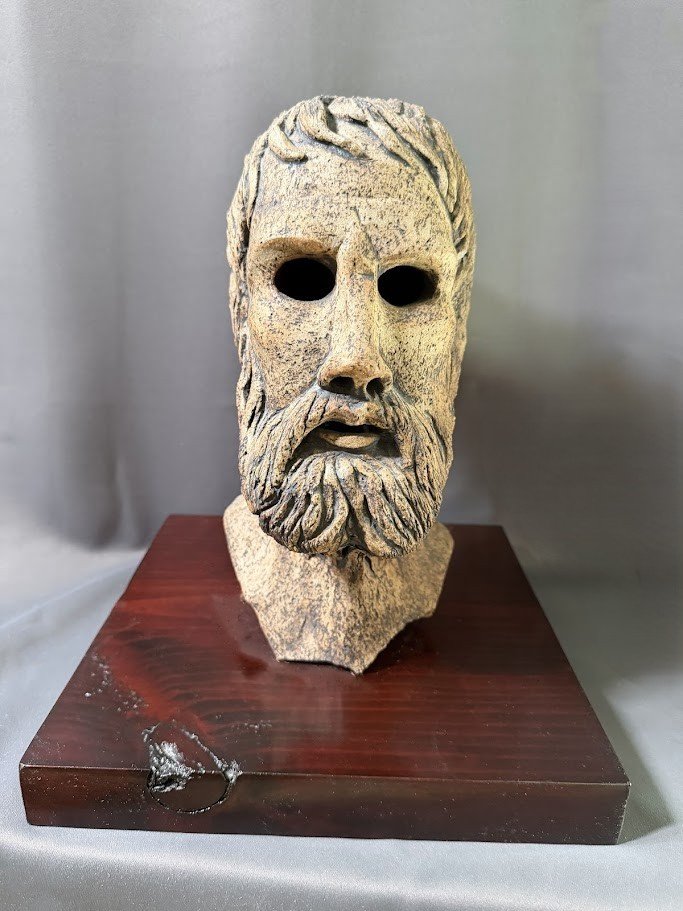
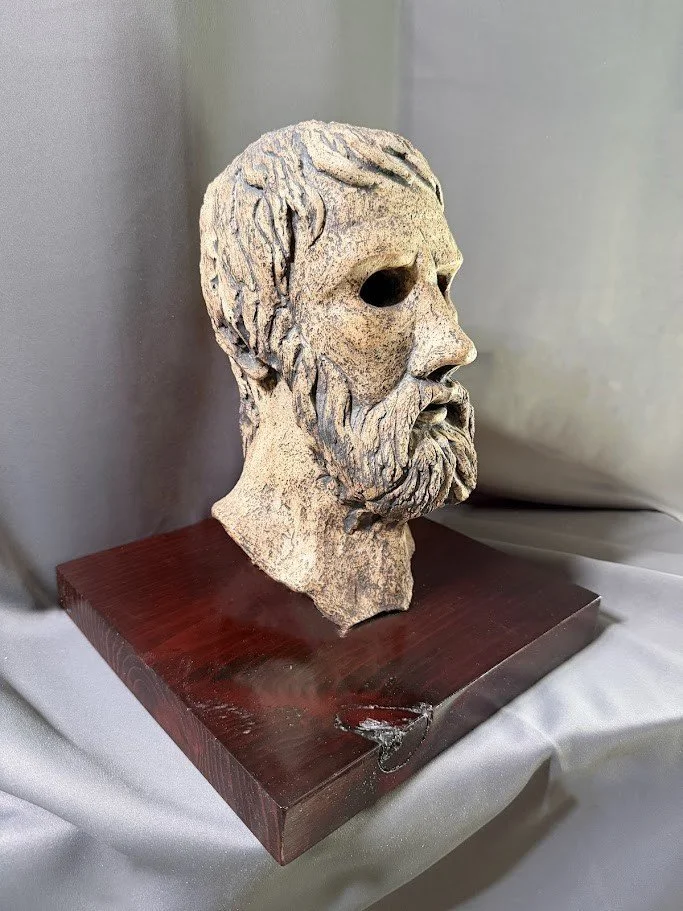
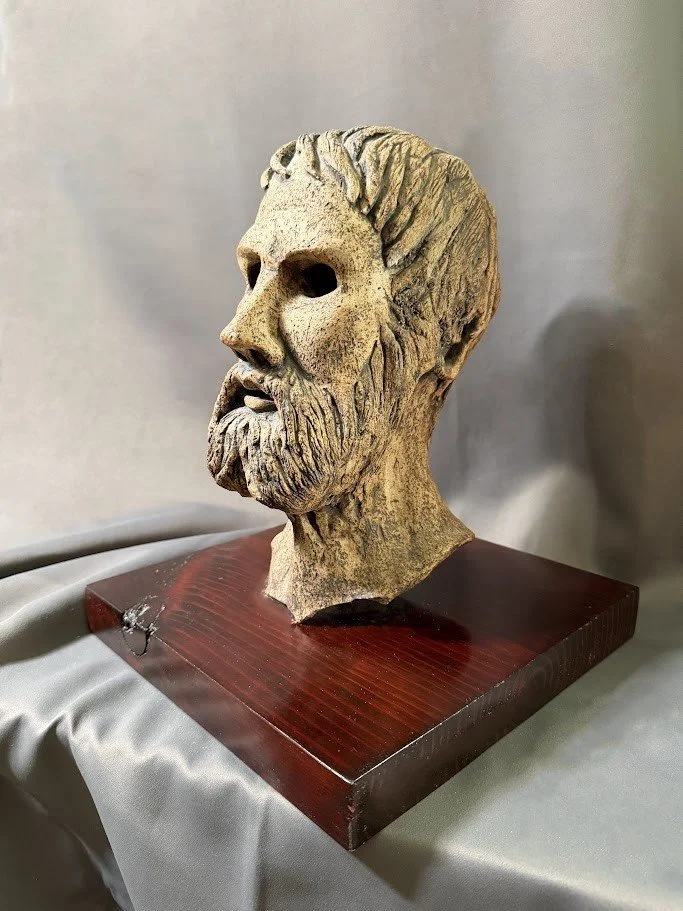
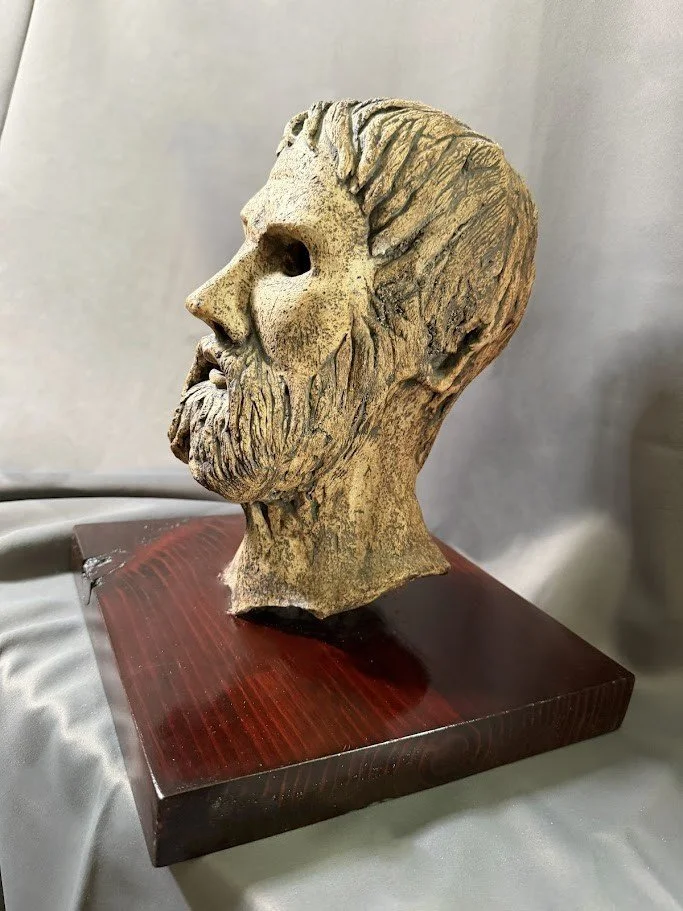
Classical Heads
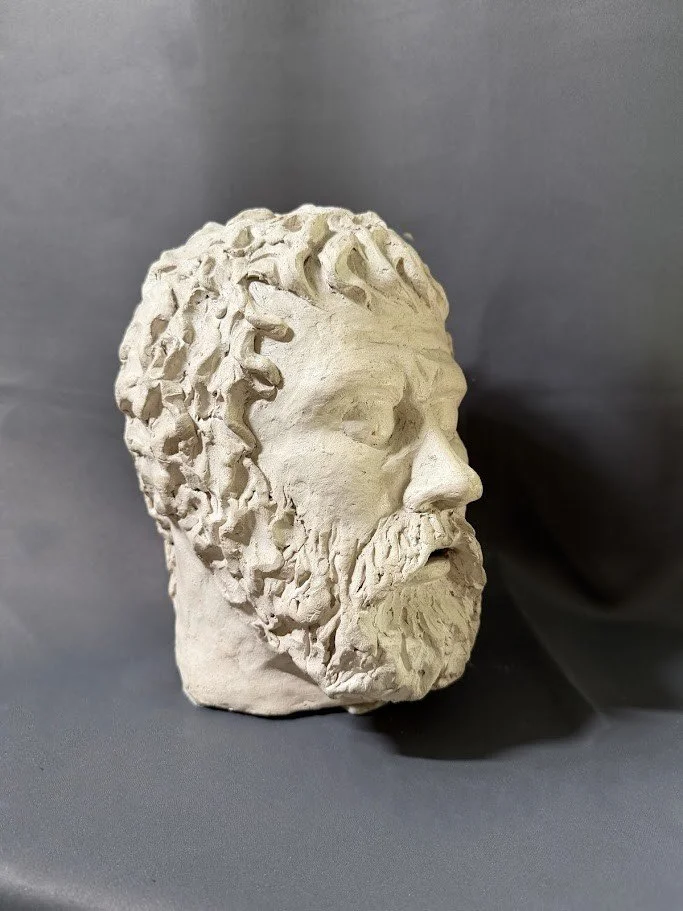
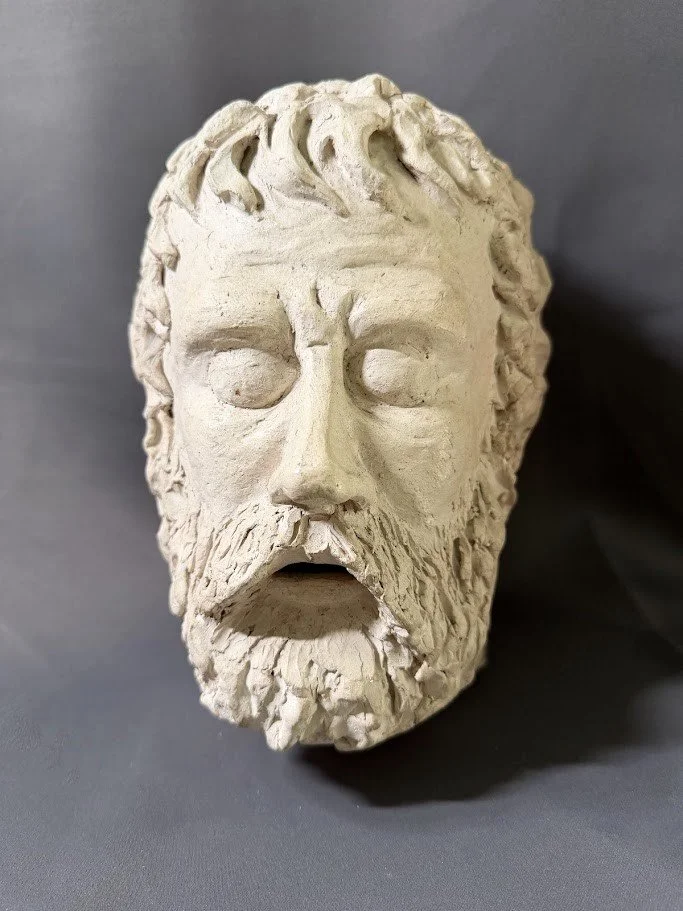
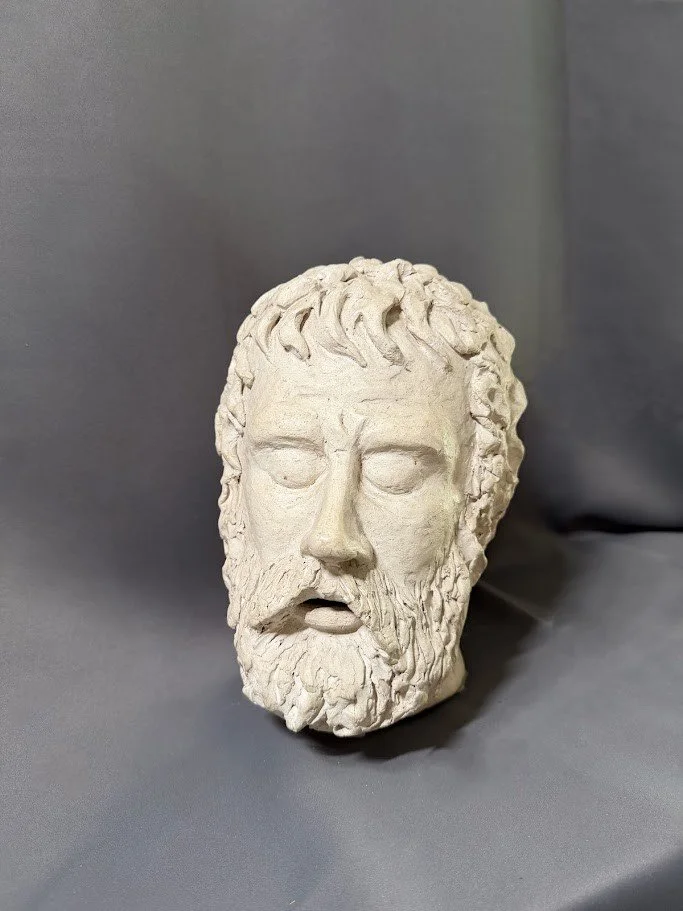
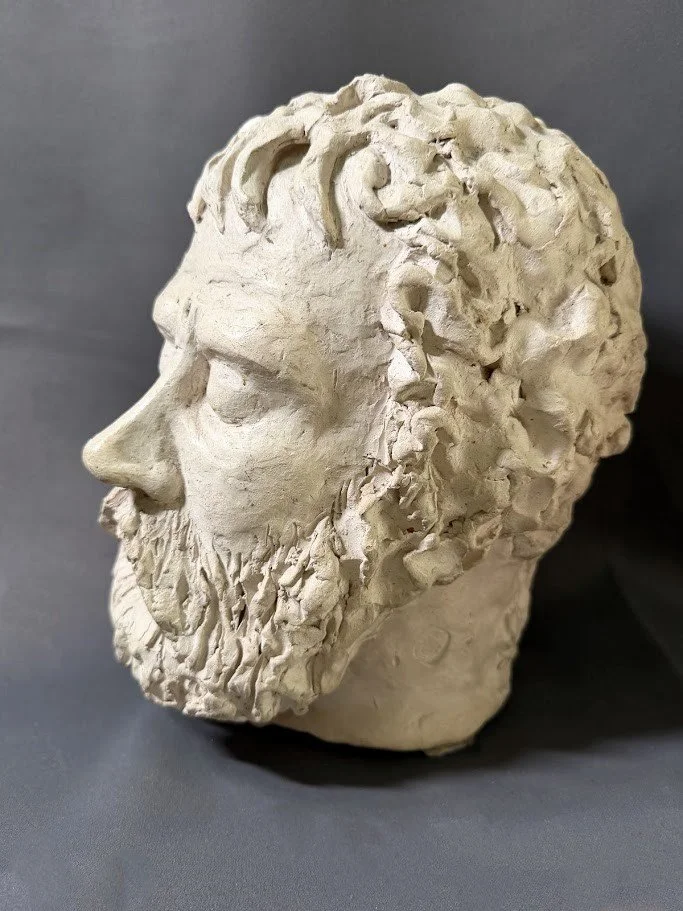
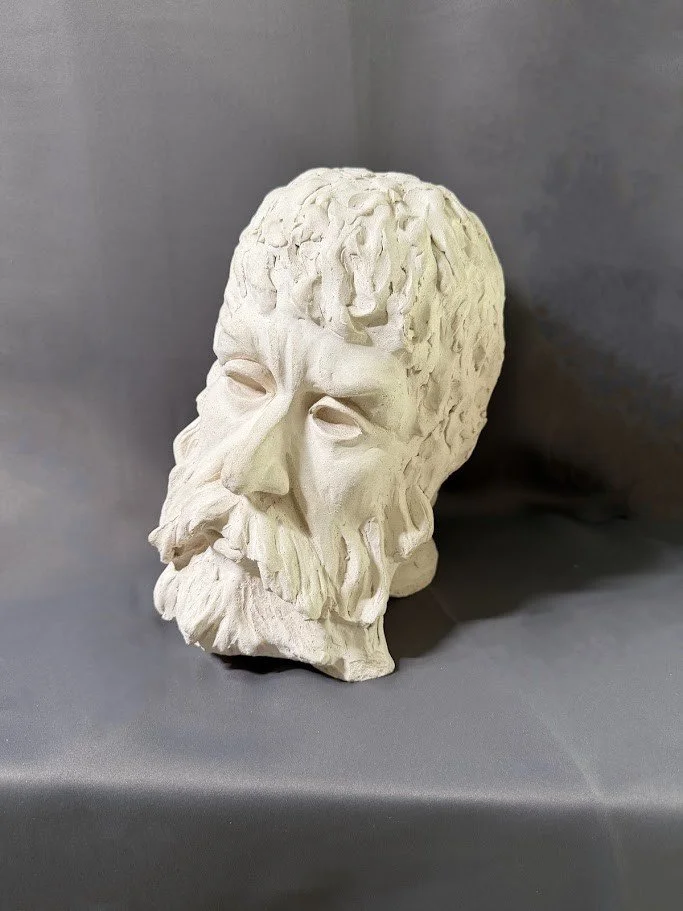
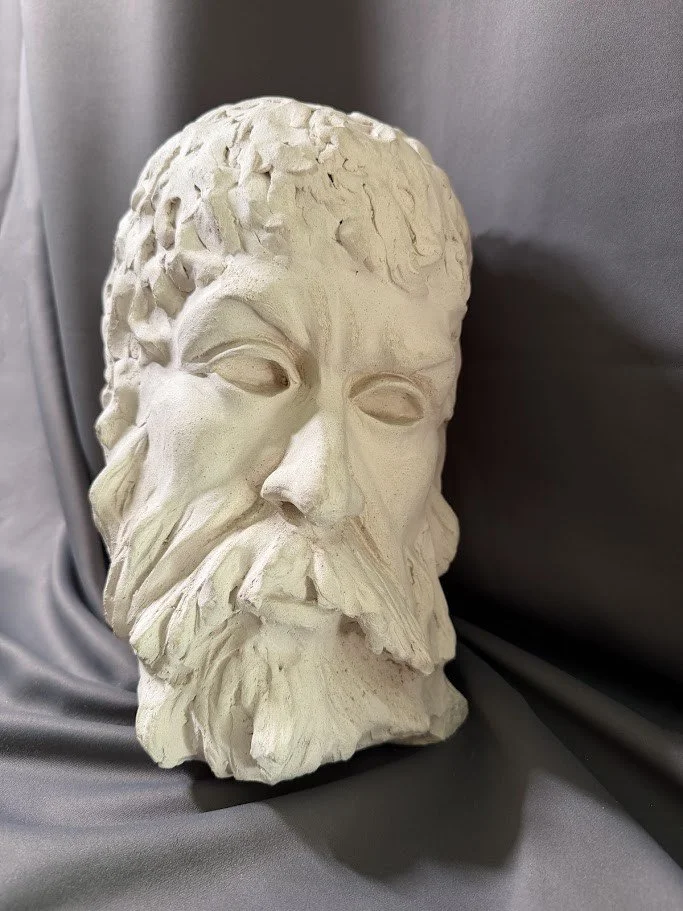
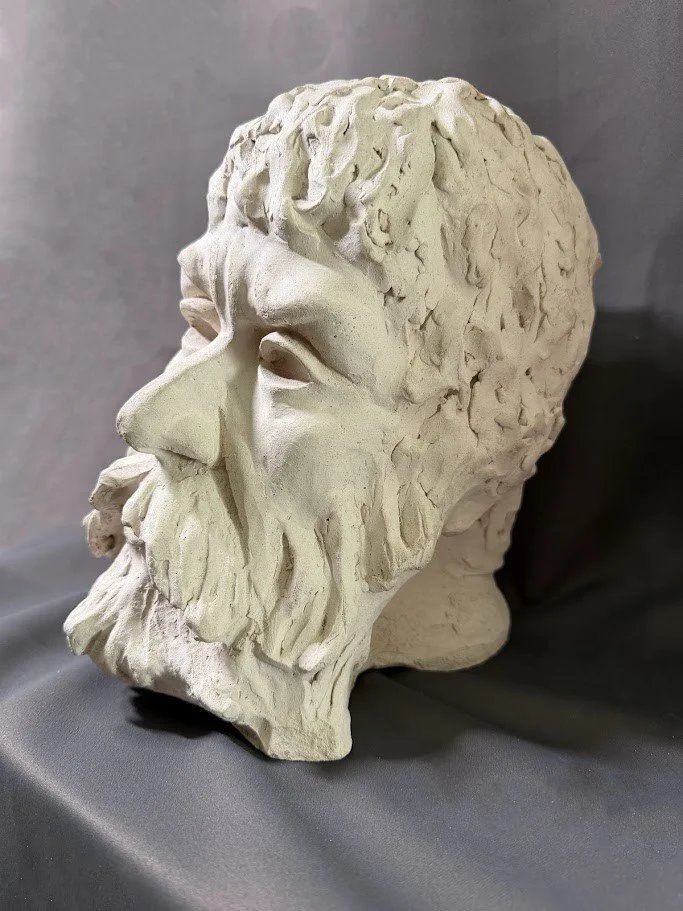
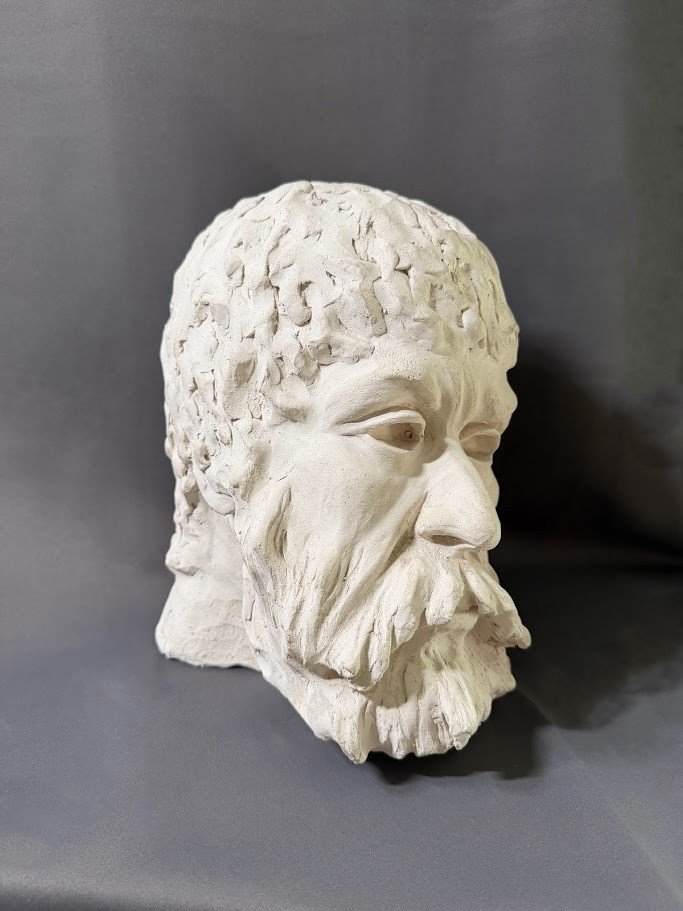
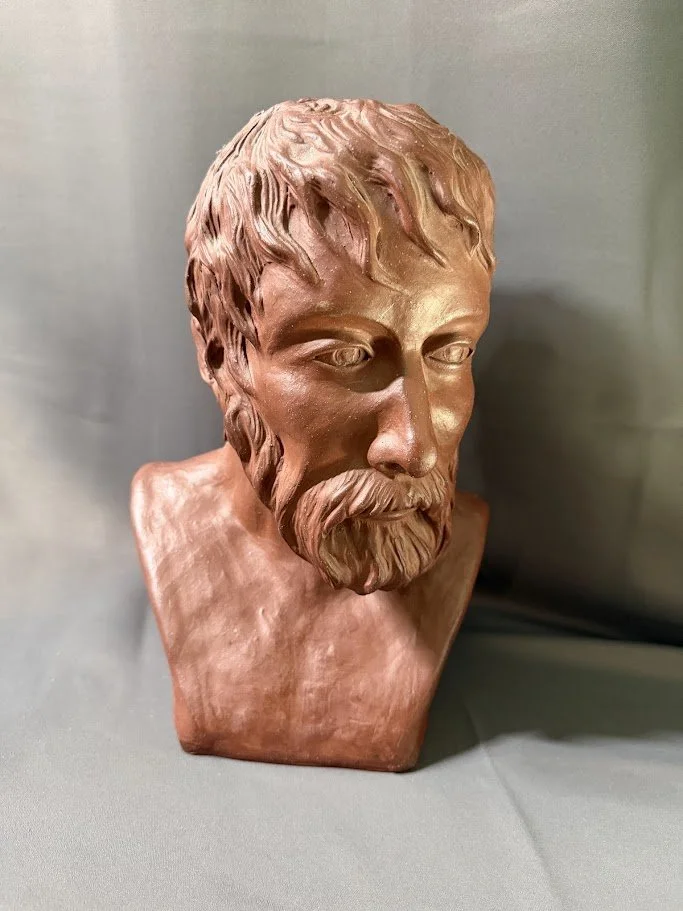
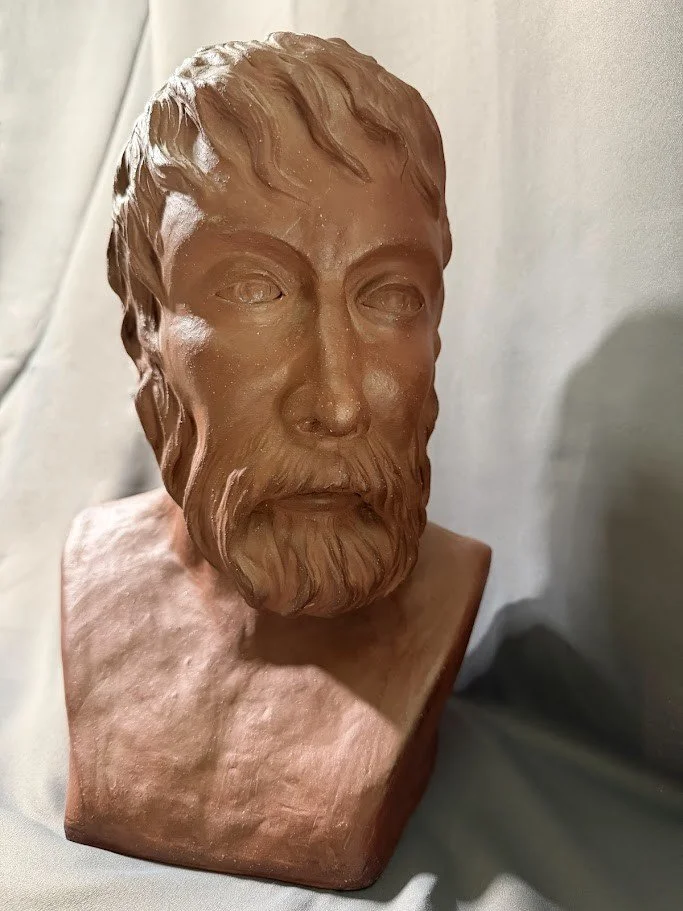
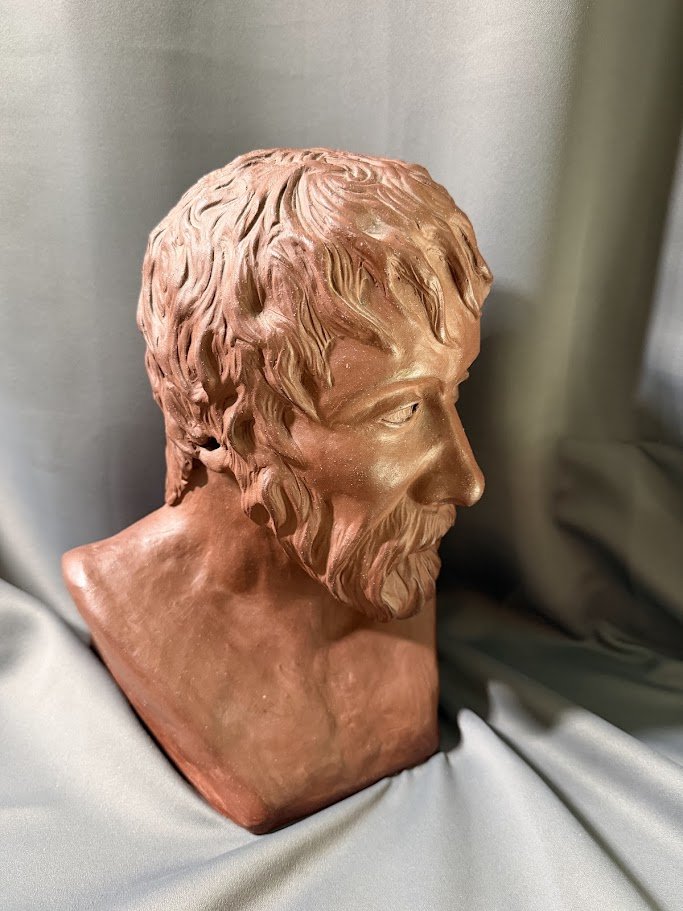
The tradition of classical heads and philosopher busts began in ancient Greece during the 5th and 4th centuries BCE. Greek artists moved away from stiff and symbolic figures and focused on the natural human form. They believed the face could reveal a person’s inner character, not just outward appearance. Philosophers such as Socrates were often shown with deep lines, heavy brows, and full beards to suggest wisdom and thought. These sculptures were not meant to idealize perfection, but to express the life of the mind.
The Romans later expanded this idea and made it more direct and realistic. By the 1st century BCE, they developed the bust, which focused on the head and shoulders. Roman artists emphasized age and experience, carving wrinkles and imperfections into the face. This approach grew from their tradition of preserving ancestors through wax death masks. Figures such as Seneca the Younger were presented as serious individuals shaped by time. These busts were displayed in homes and public spaces as a way to honor memory and intellect.
During the Renaissance, artists returned to these classical forms. Sculptors such as Michelangelo studied ancient works and revived the use of marble heads to represent human thought and identity. These sculptures became important teaching tools in art academies and were used to study anatomy, proportion, and expression. Over time, classical heads came to represent knowledge, philosophy, and the enduring presence of the human mind.
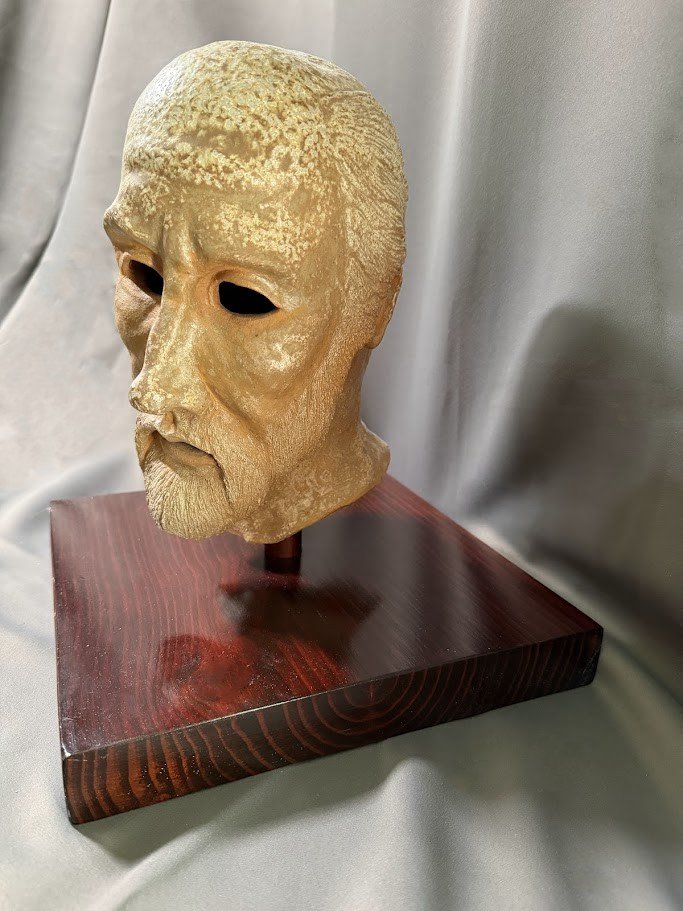
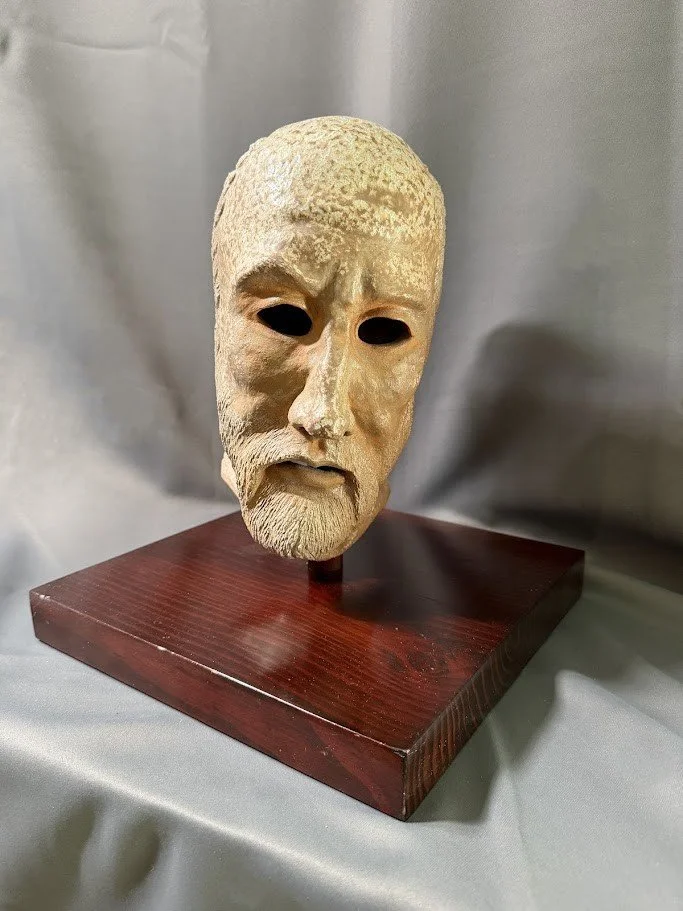
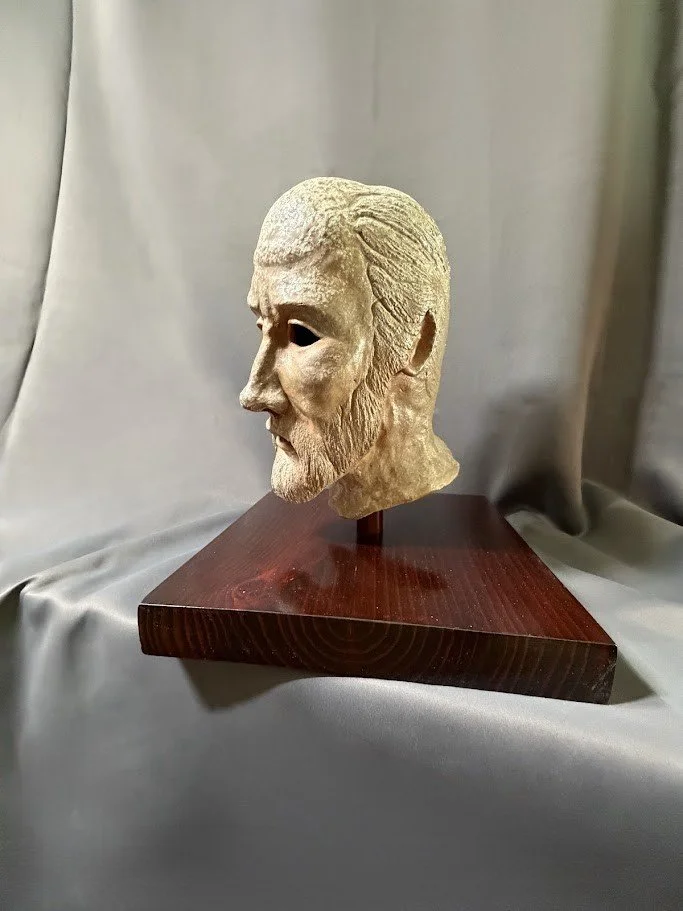
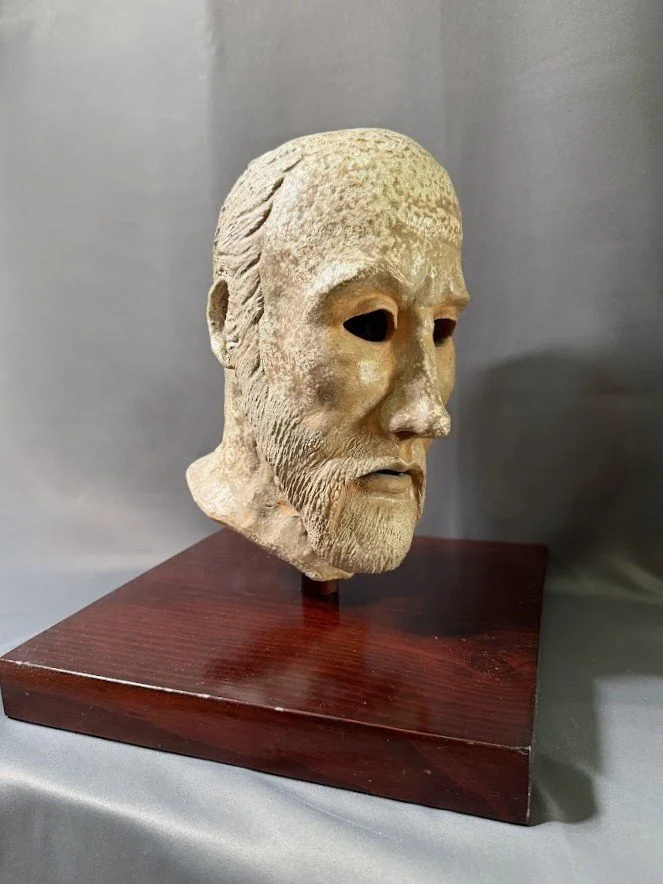
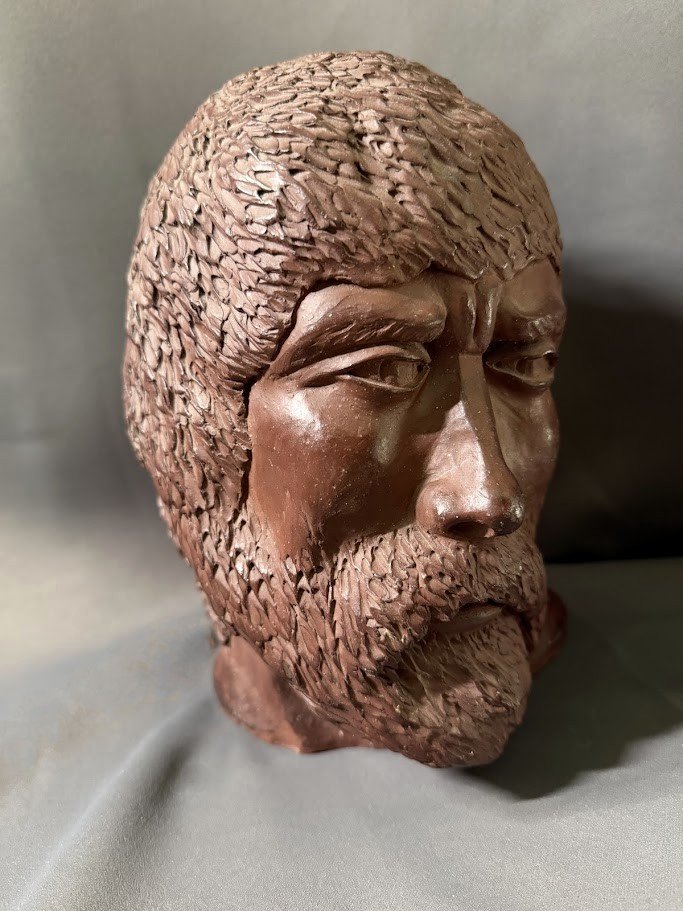
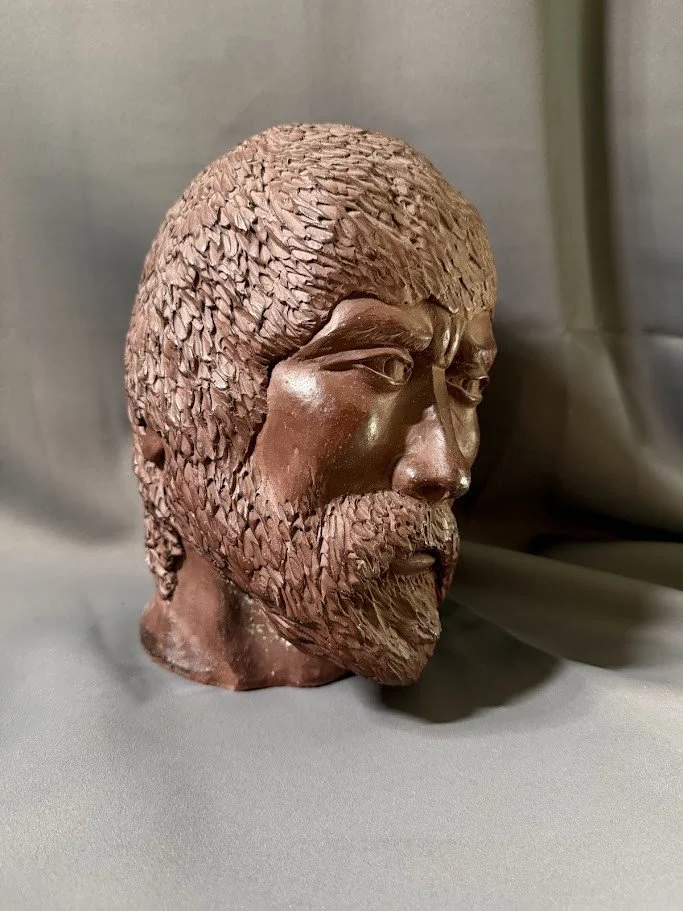
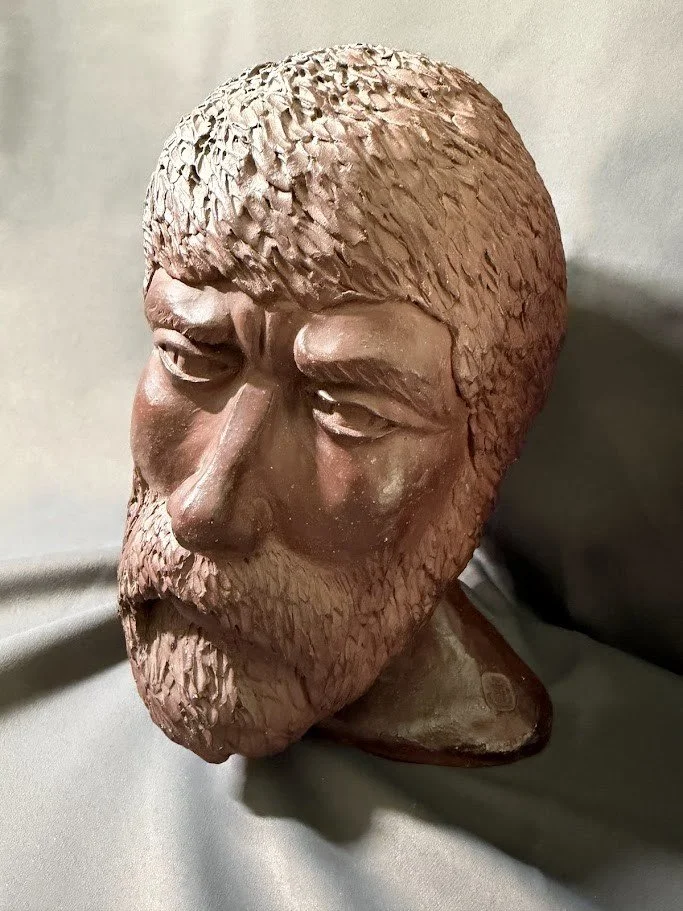
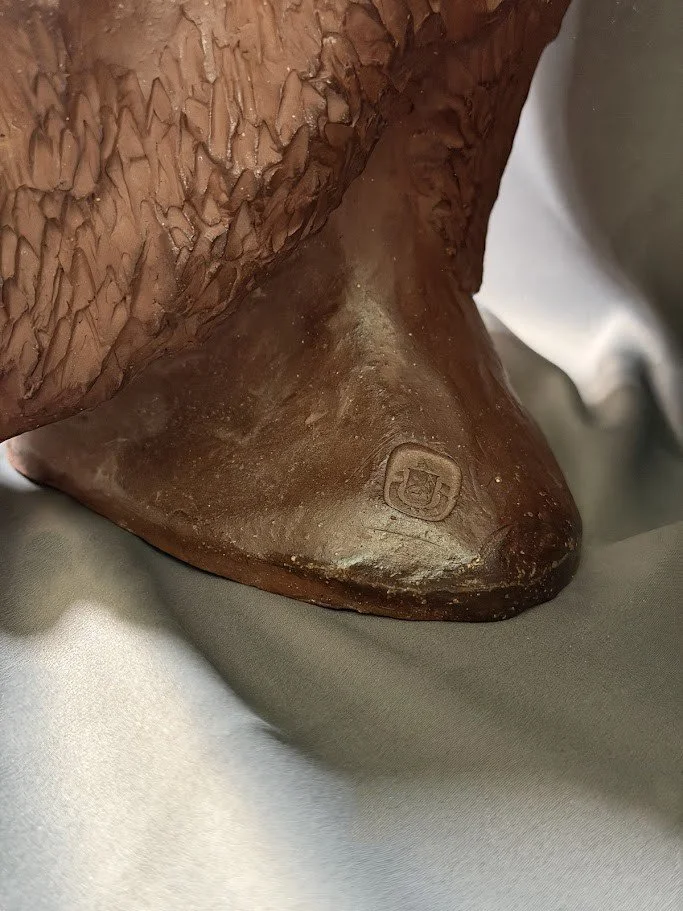
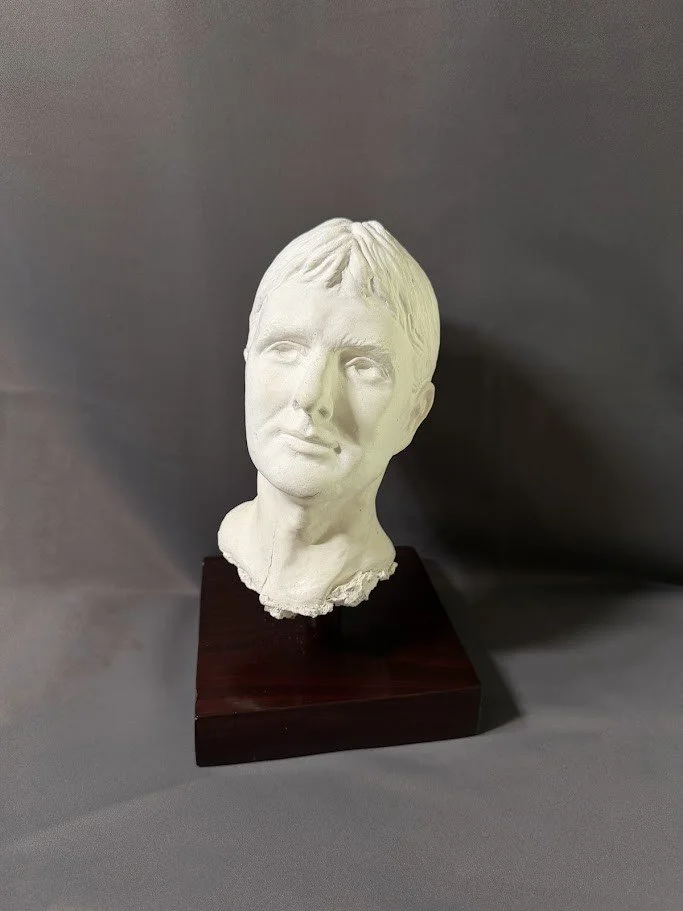
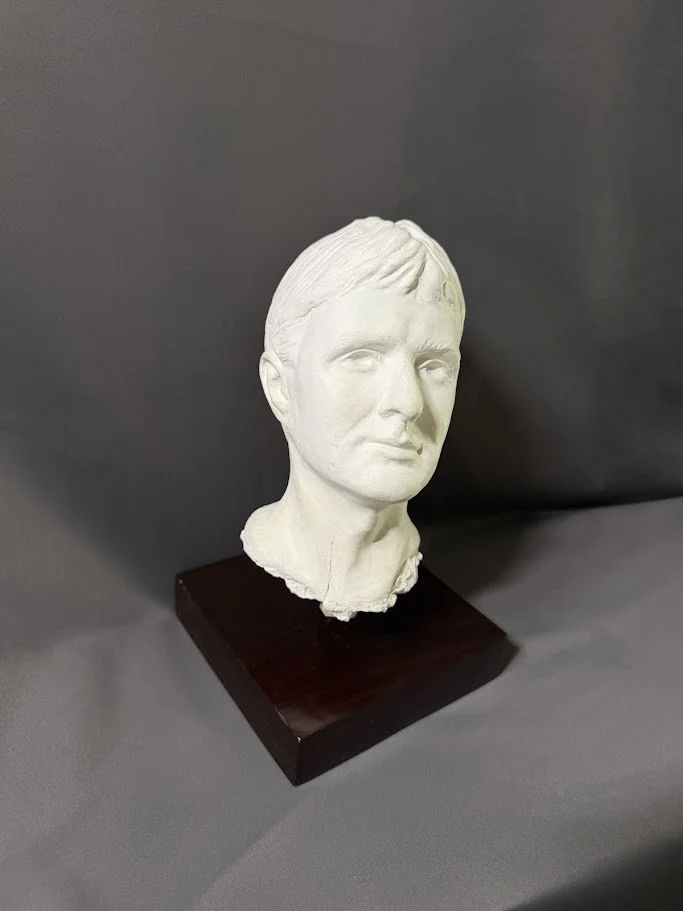
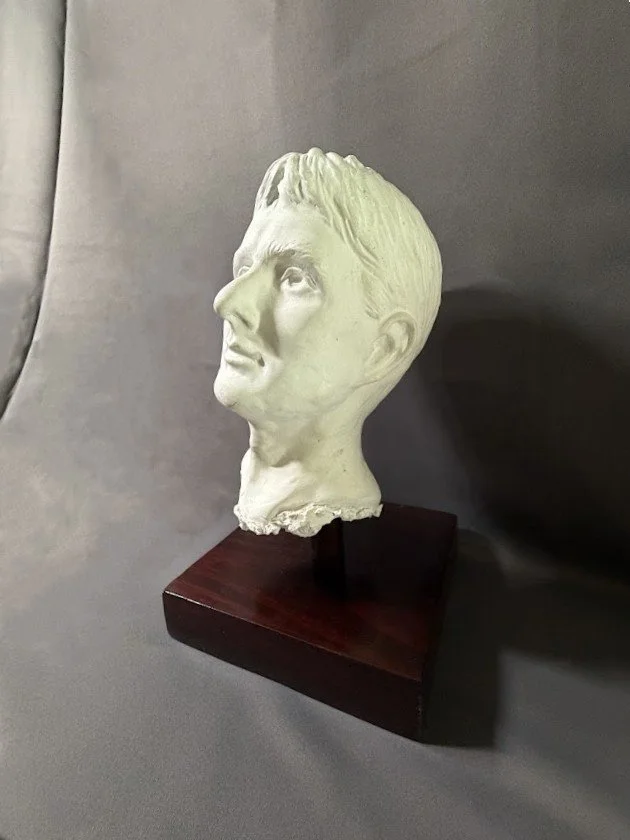
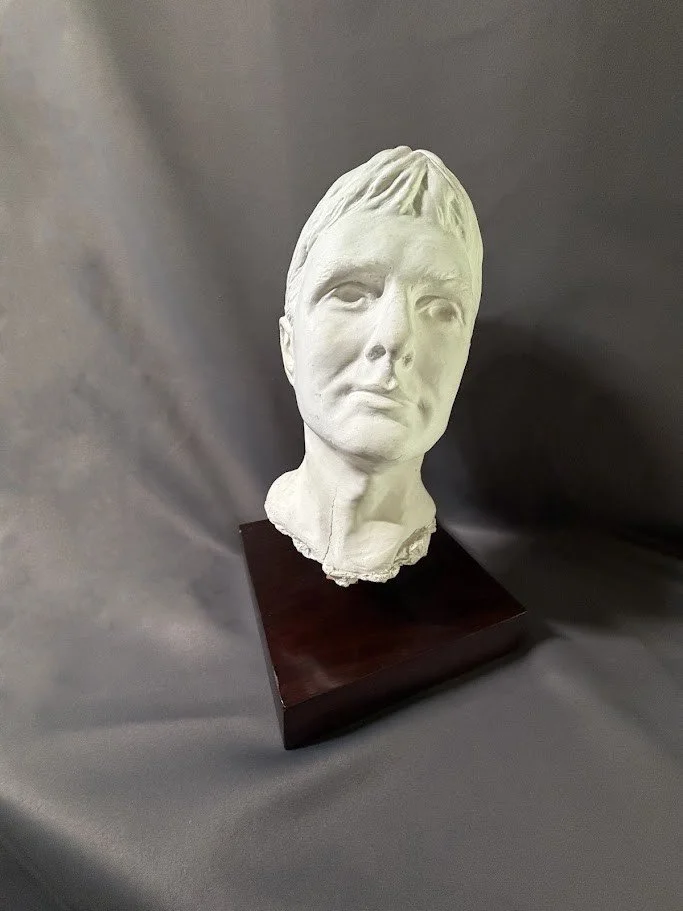
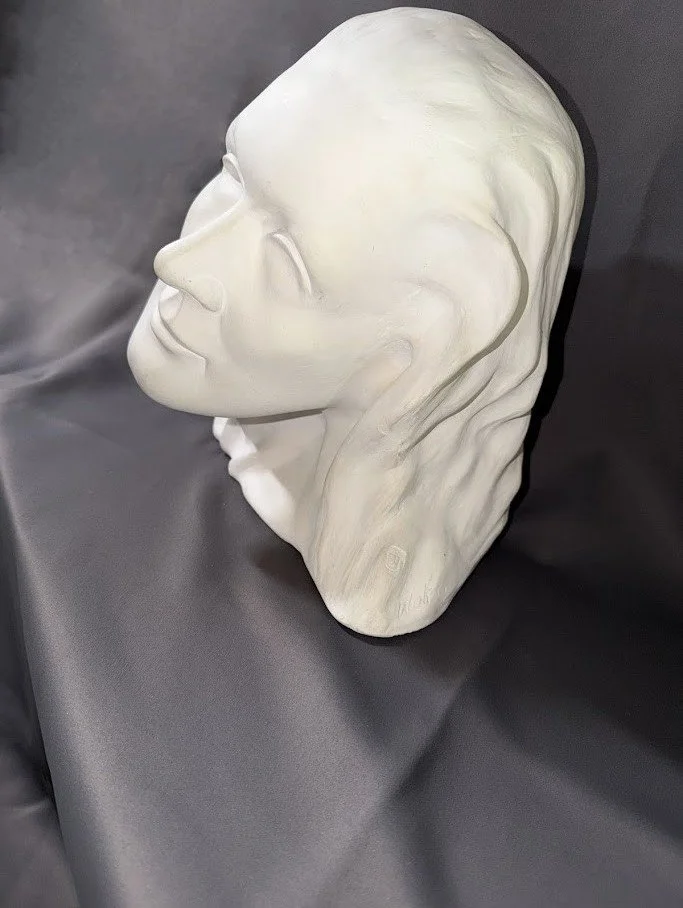
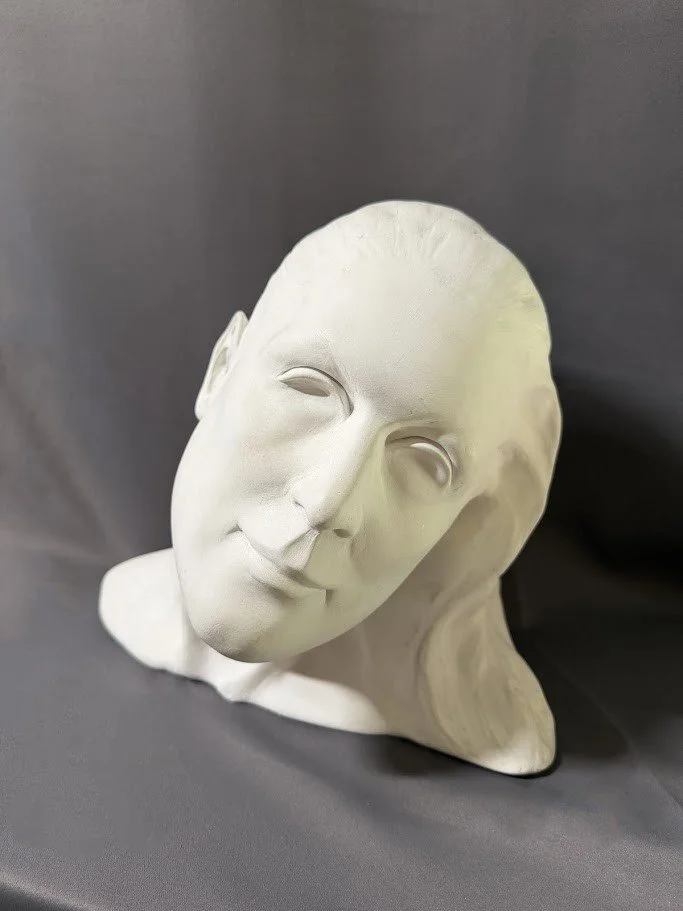
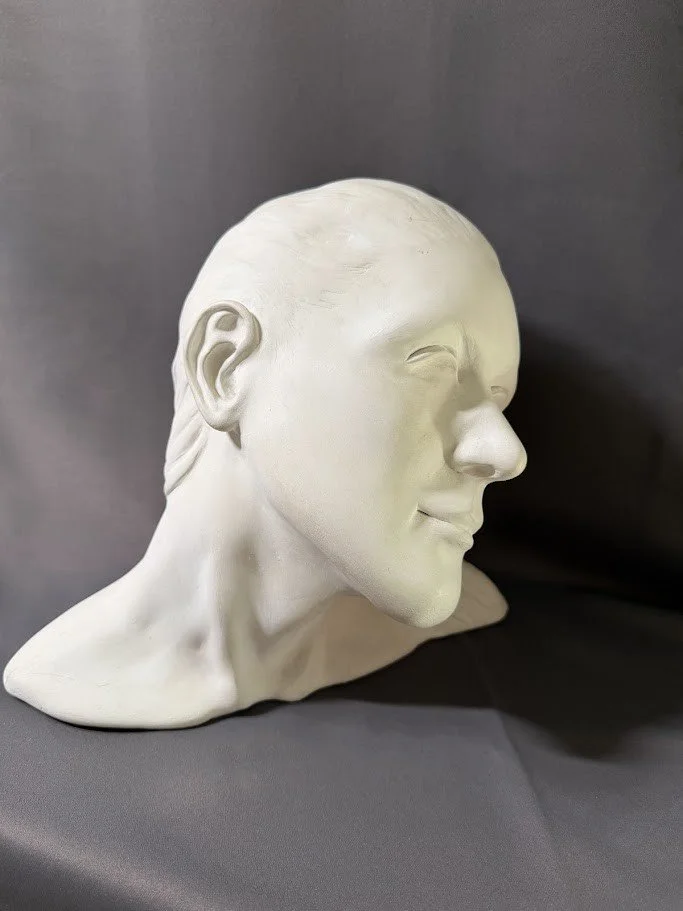
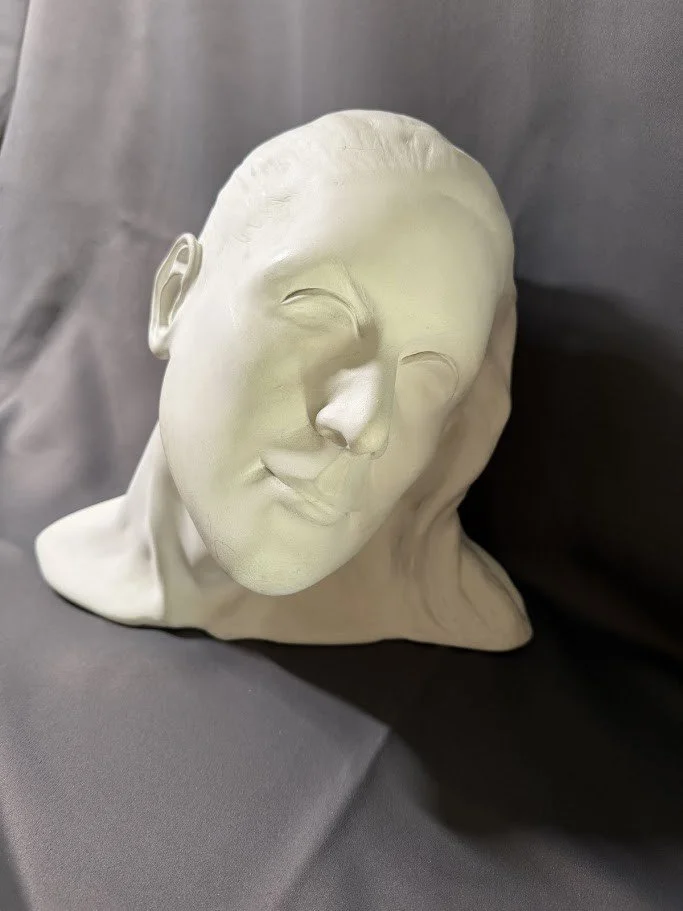
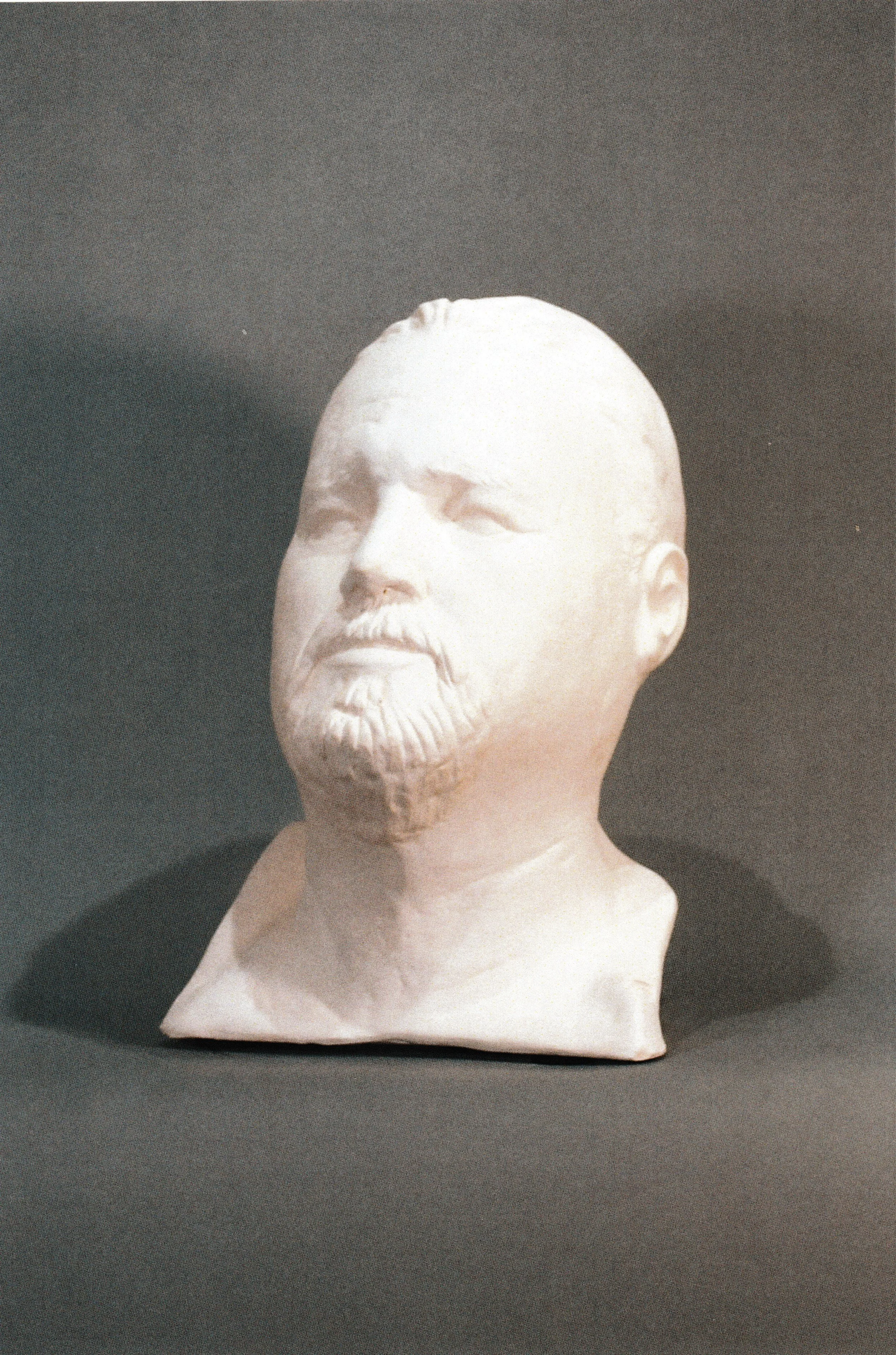
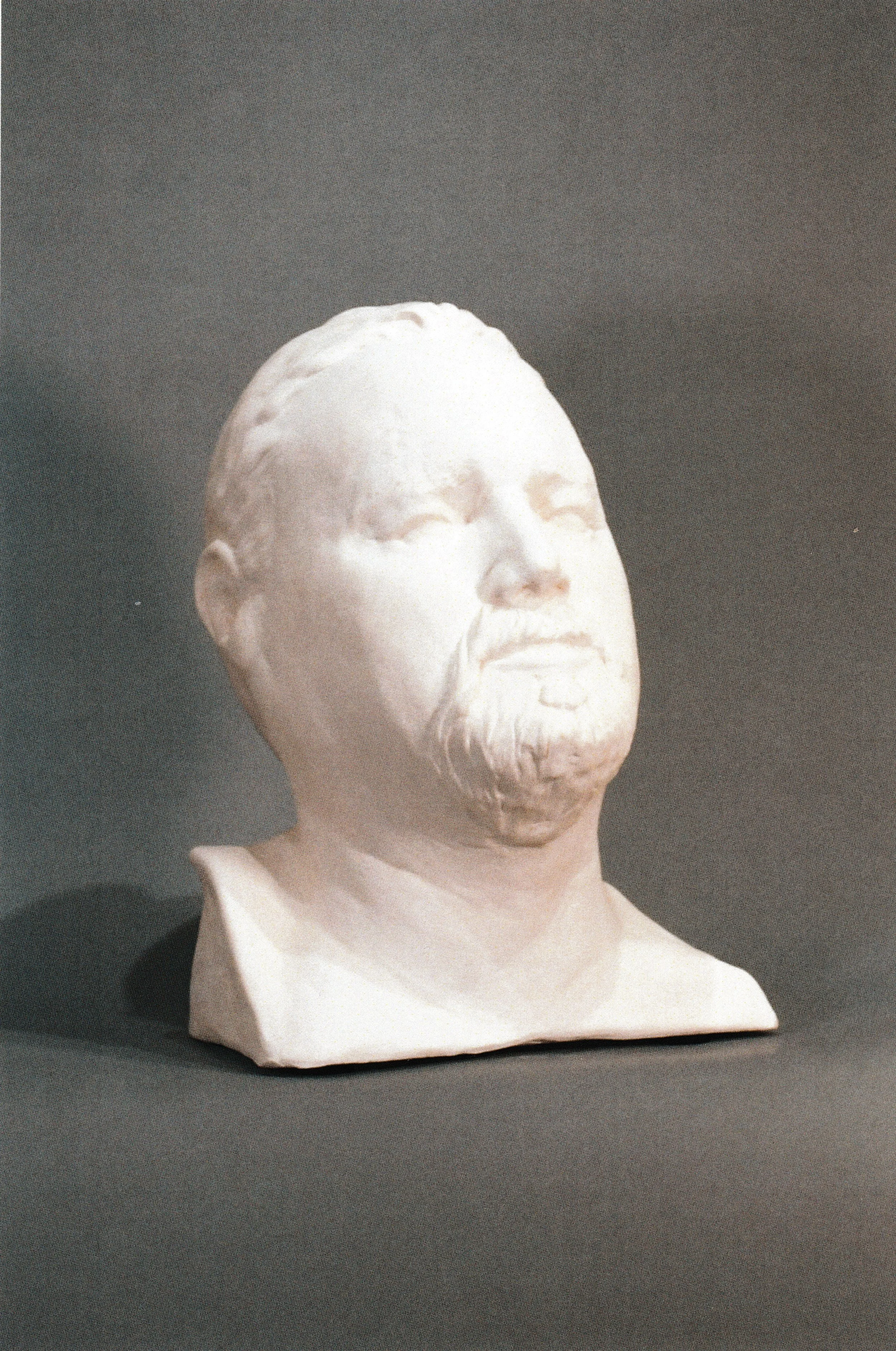
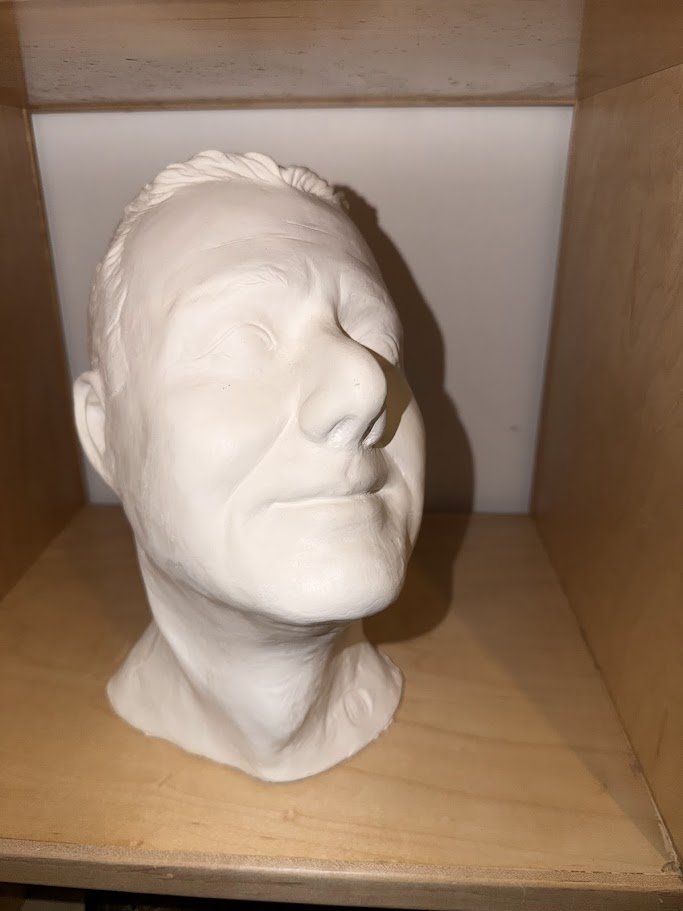
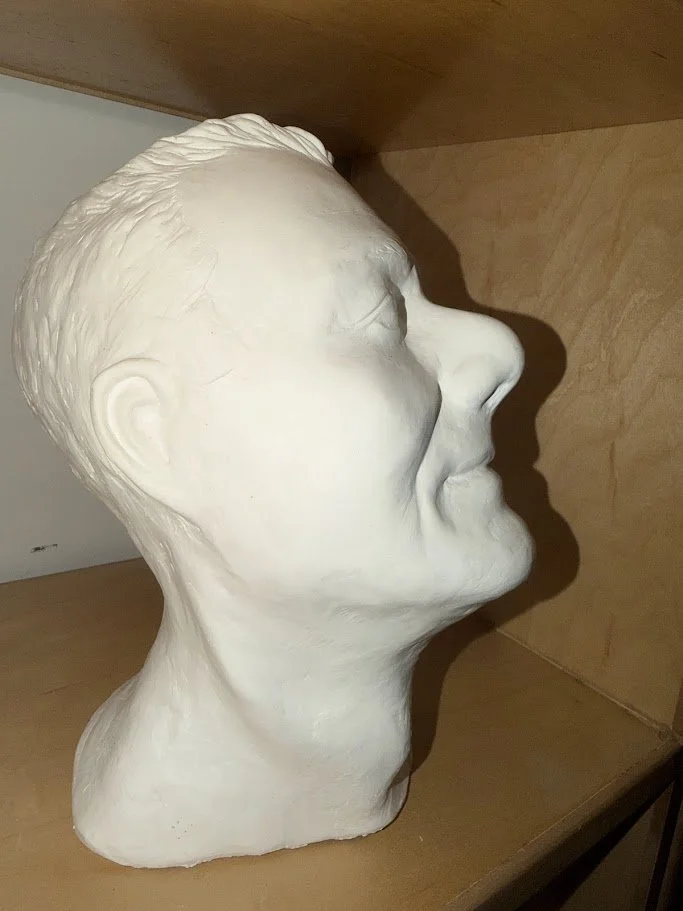
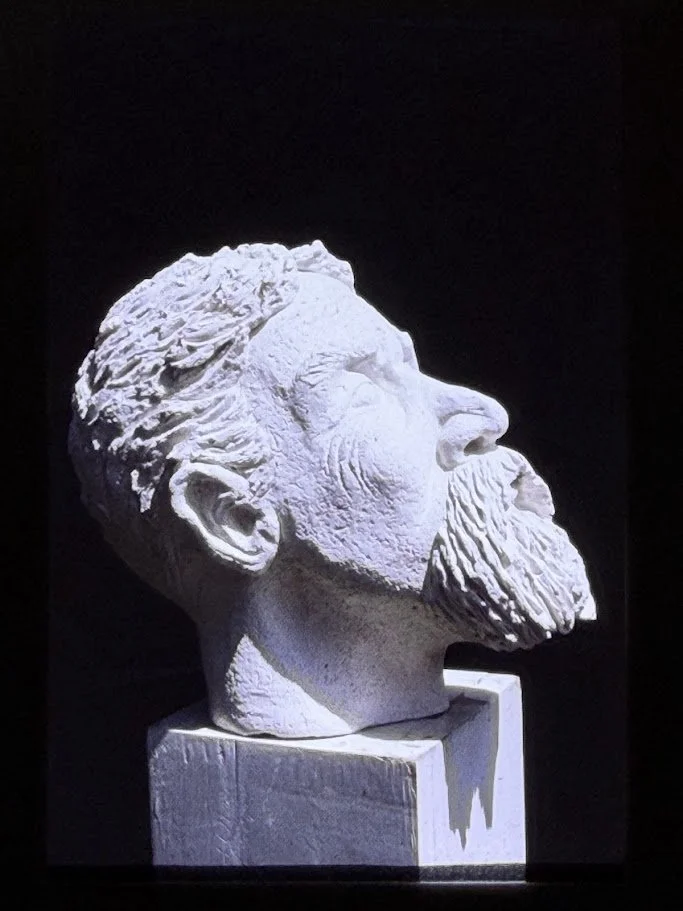
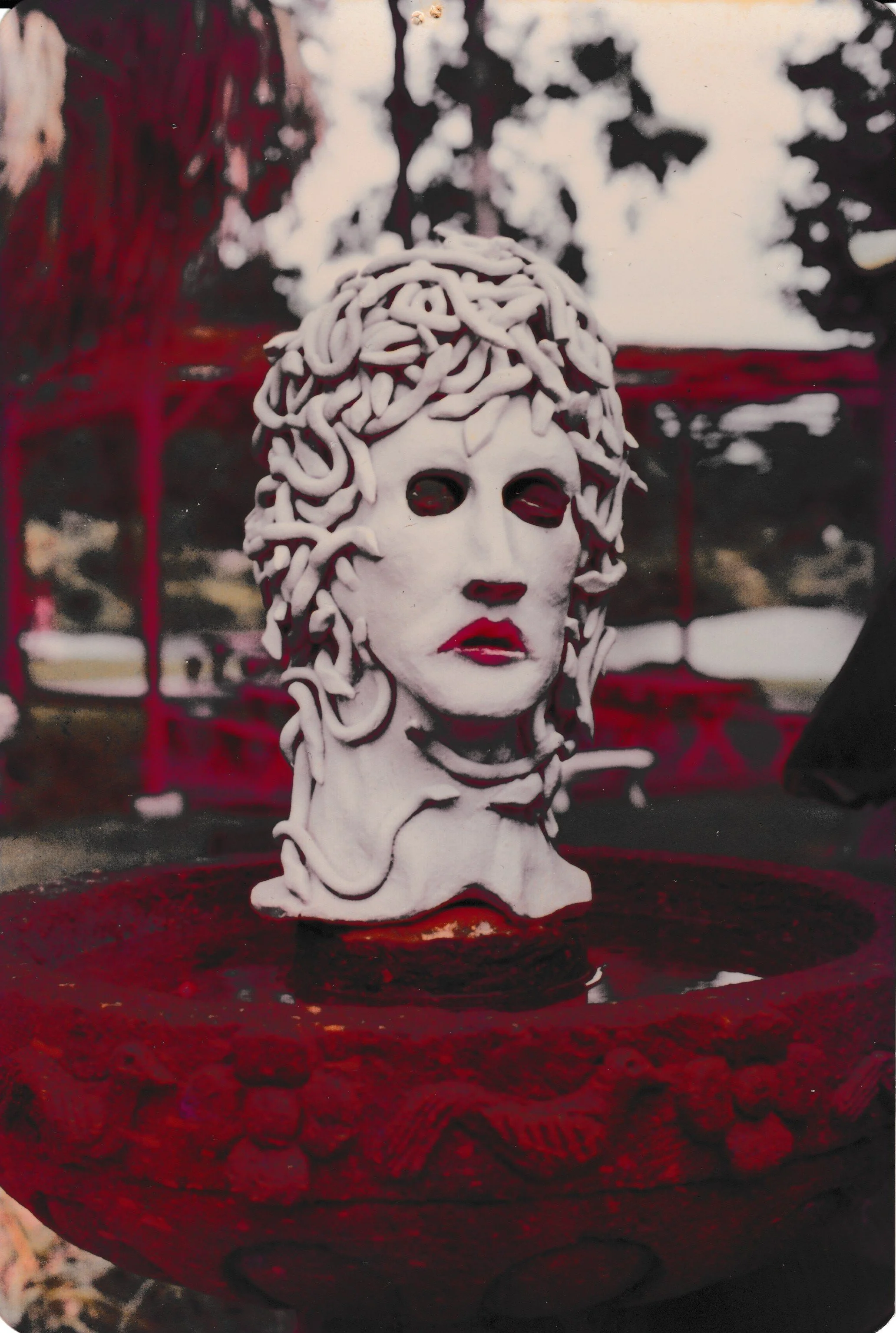
In the 1970s, Whitney Wolf II began working within this long tradition of sculpting the human head, but he approached it through modern materials and ideas. At a time when many artists were moving away from classical forms, he returned to the head as a way to explore deeper questions about human existence. His early work focused on bronze, a material associated with permanence and transformation, linking his practice to earlier sculptural traditions.
A defining moment in his development came in the early 1980s, when he trained under the renowned Duane Hanson at the Atlantic Center for the Arts in New Smyrna Beach. Hanson, known for his lifelike human figures, emphasized observation, presence, and the physical reality of the human form. This experience deepened Wolf’s understanding of the figure and reinforced his interest in the human head as a site of meaning, not only as a likeness, but as a record of lived experience.
Wolf’s interest in metal and casting connected him to the historical process of creating busts, where heat, pressure, and transformation shape a lasting image. He worked with foundry techniques that echoed older traditions while bringing a contemporary perspective. Rather than simply recreating appearance, his heads explored themes of time, decay, and the human condition.