Bronze Busts
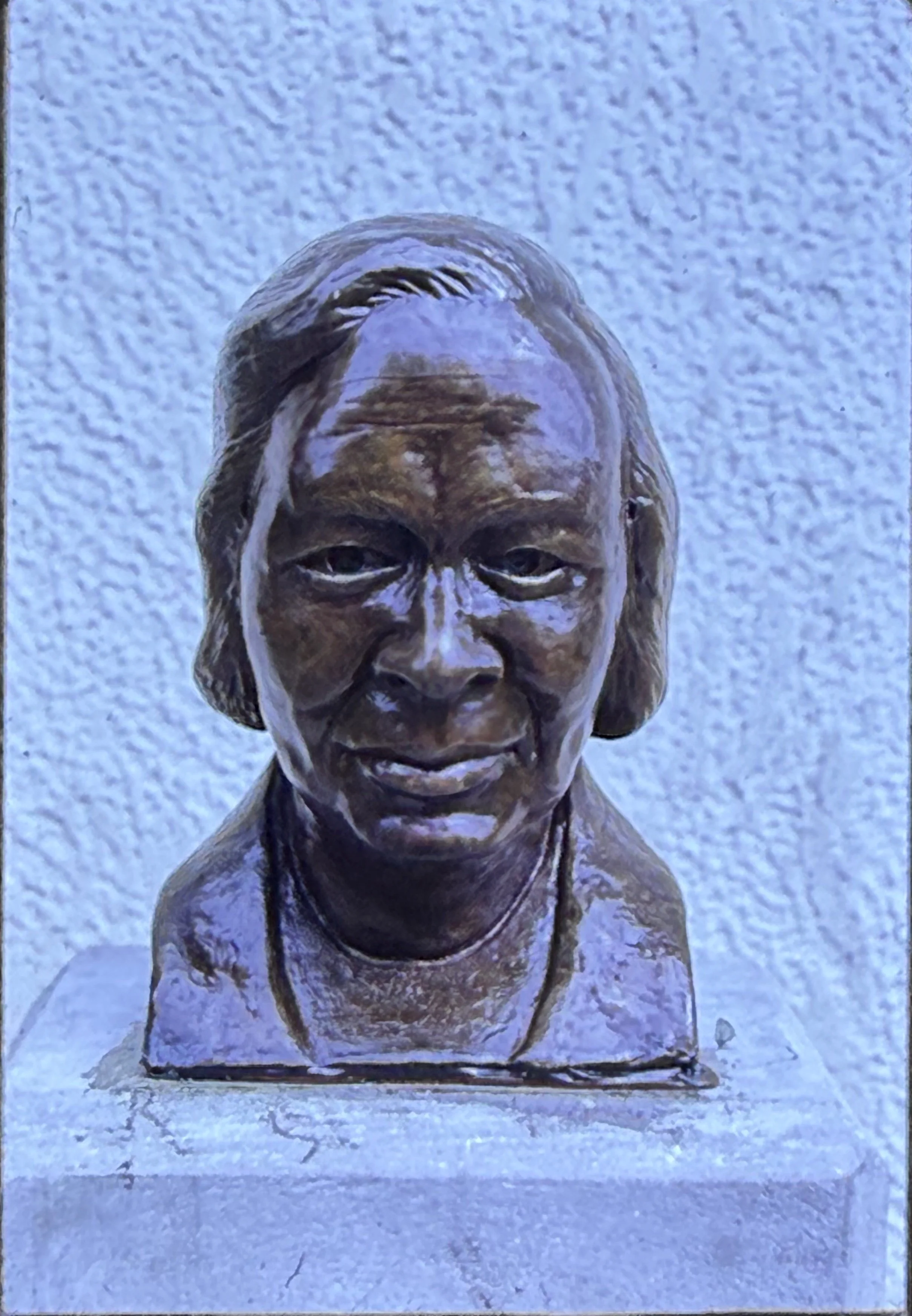
Bronze busts, which focus on the head and upper torso, have their roots in the ancient Mediterranean world. While early civilizations such as Egypt and Mesopotamia used metal for small figures, it was in ancient Greece, around the 5th century BCE, that bronze casting became a refined art.
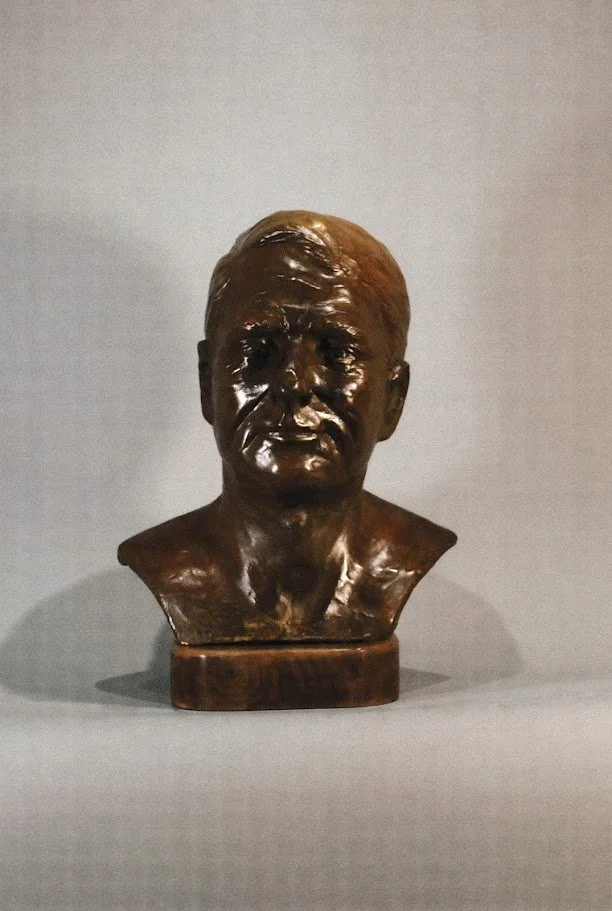
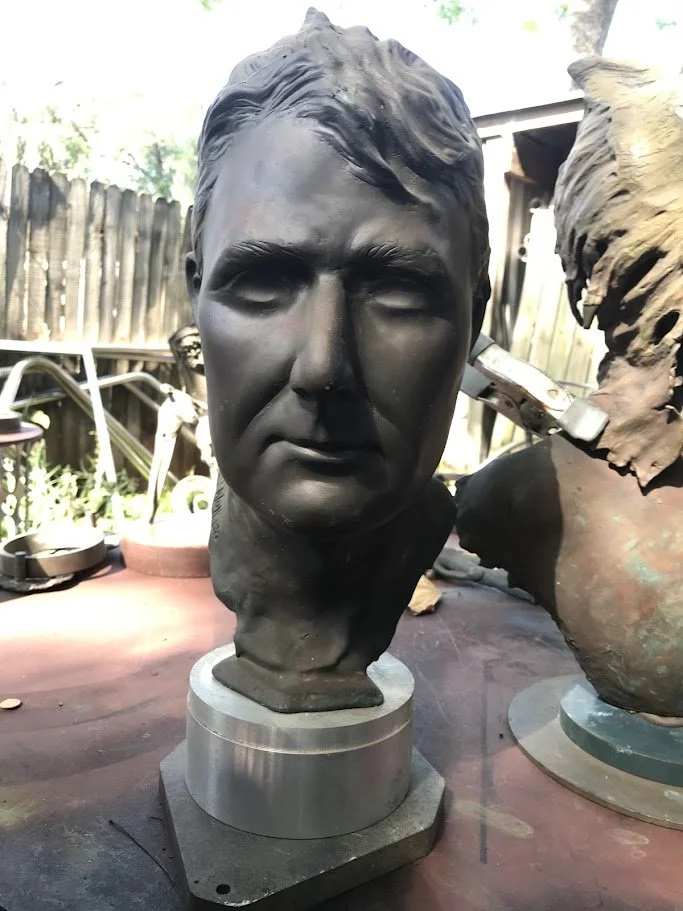
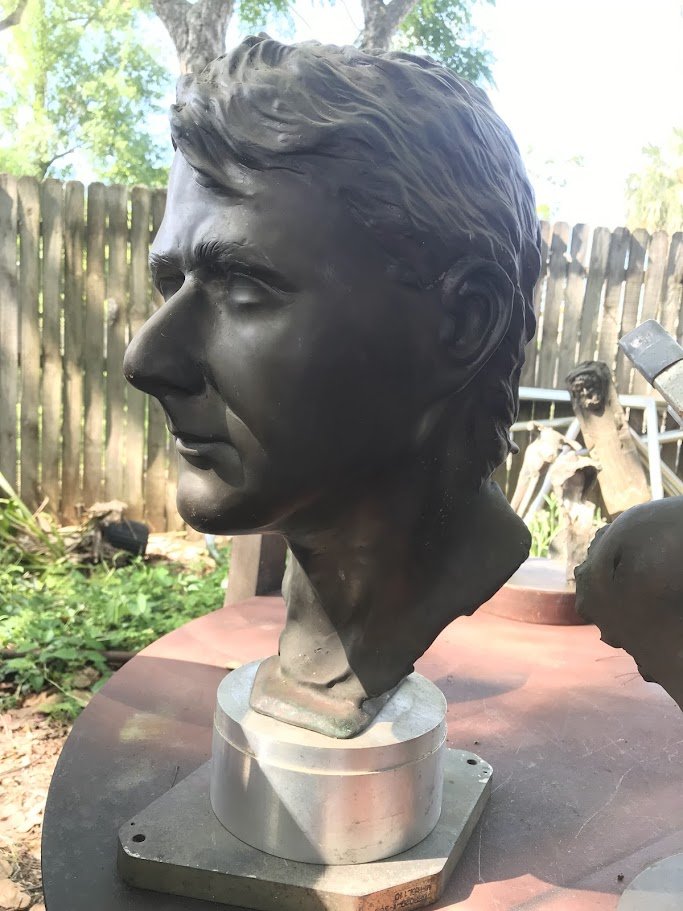
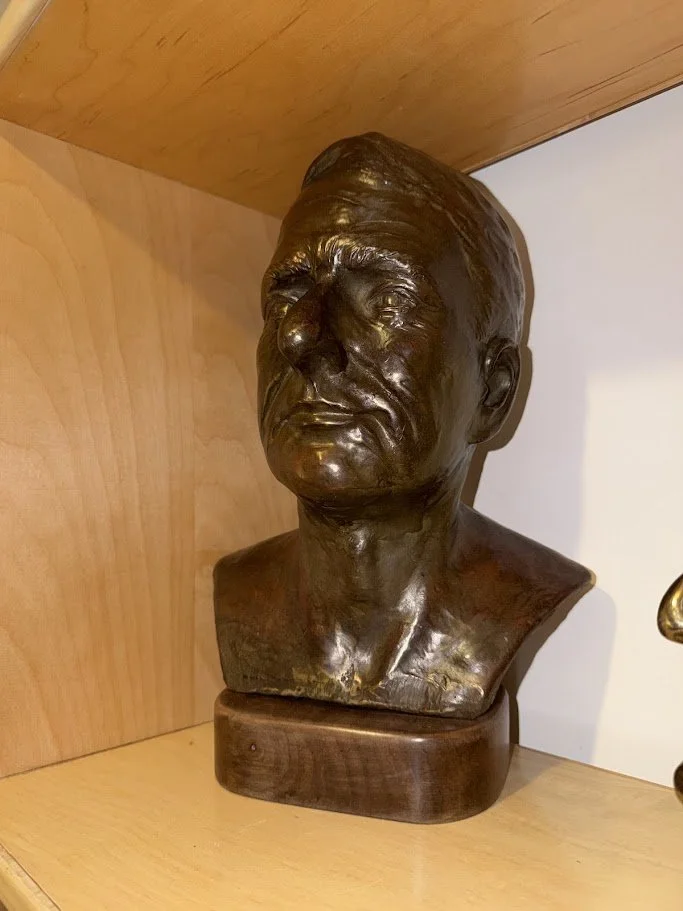
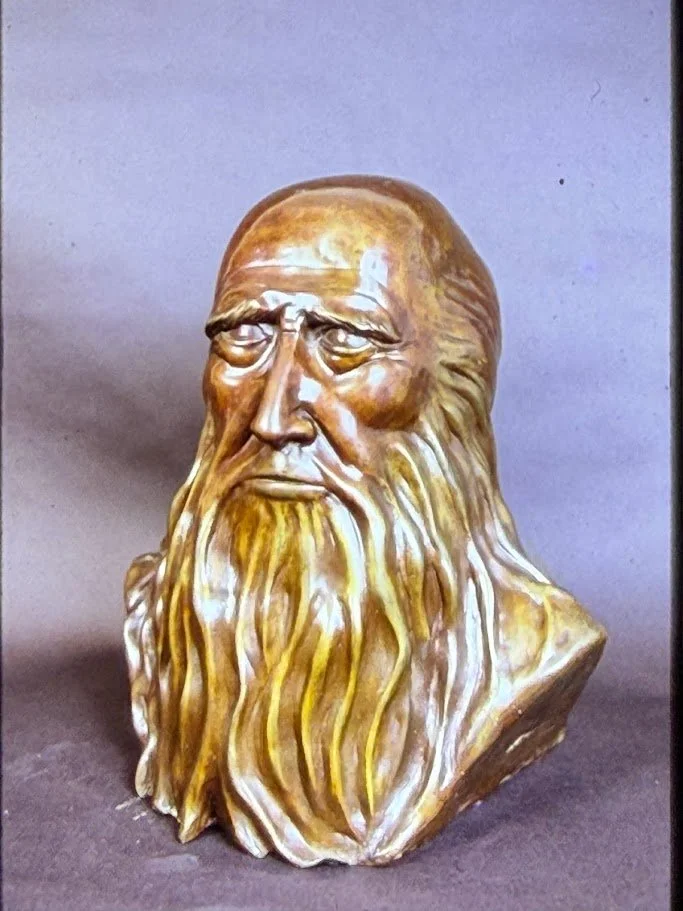
The Romans expanded the use of the bust and made it one of the most important sculptural forms in their culture. By the 1st century BCE, bronze busts were used to honor political leaders, philosophers, and family ancestors. Roman artists favored realism, often showing wrinkles, aging, and individual features. This style, known as verism, came from earlier traditions of preserving faces through wax masks. Bronze allowed for both durability and fine detail, making it ideal for recording identity and legacy.
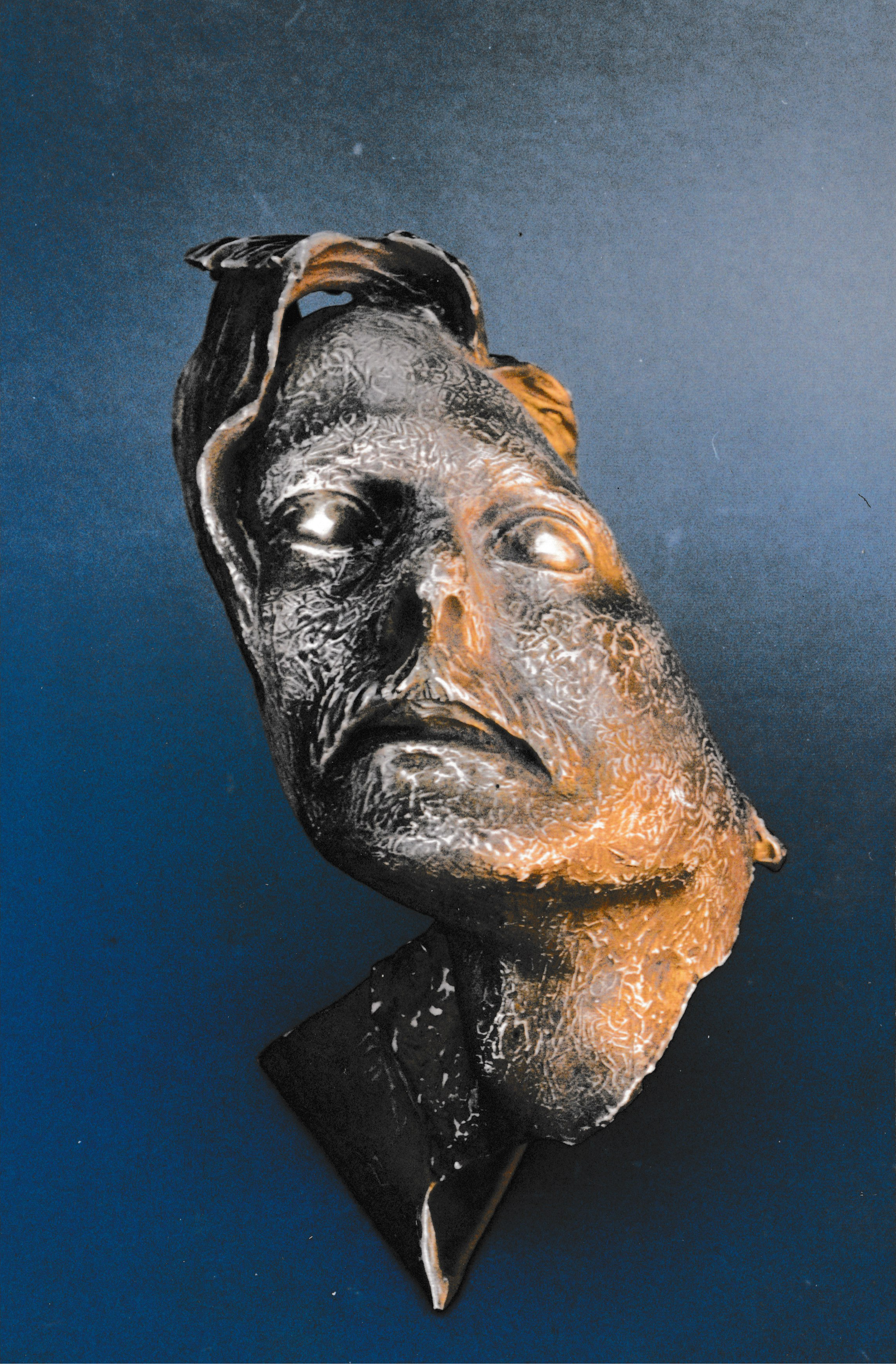
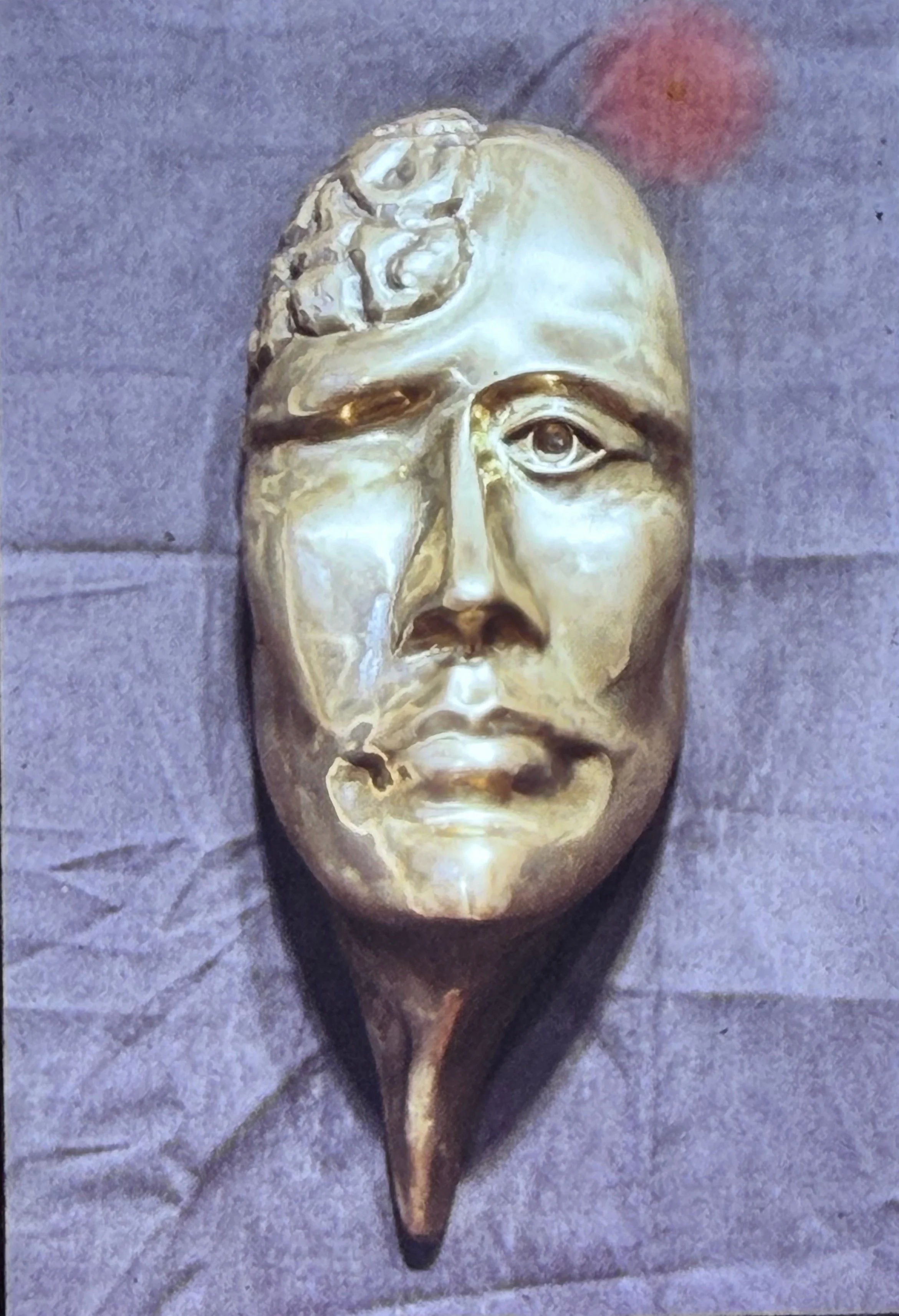
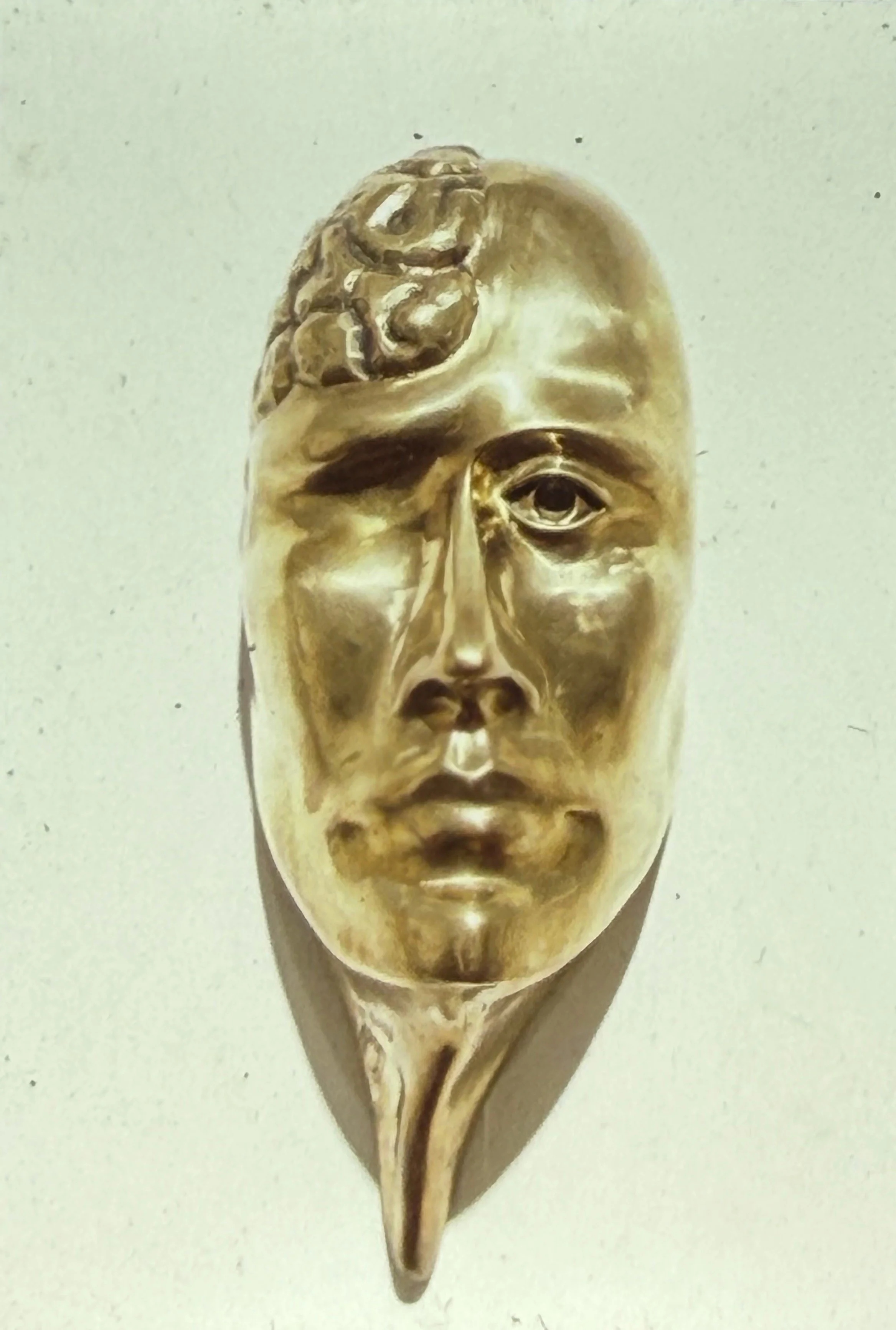
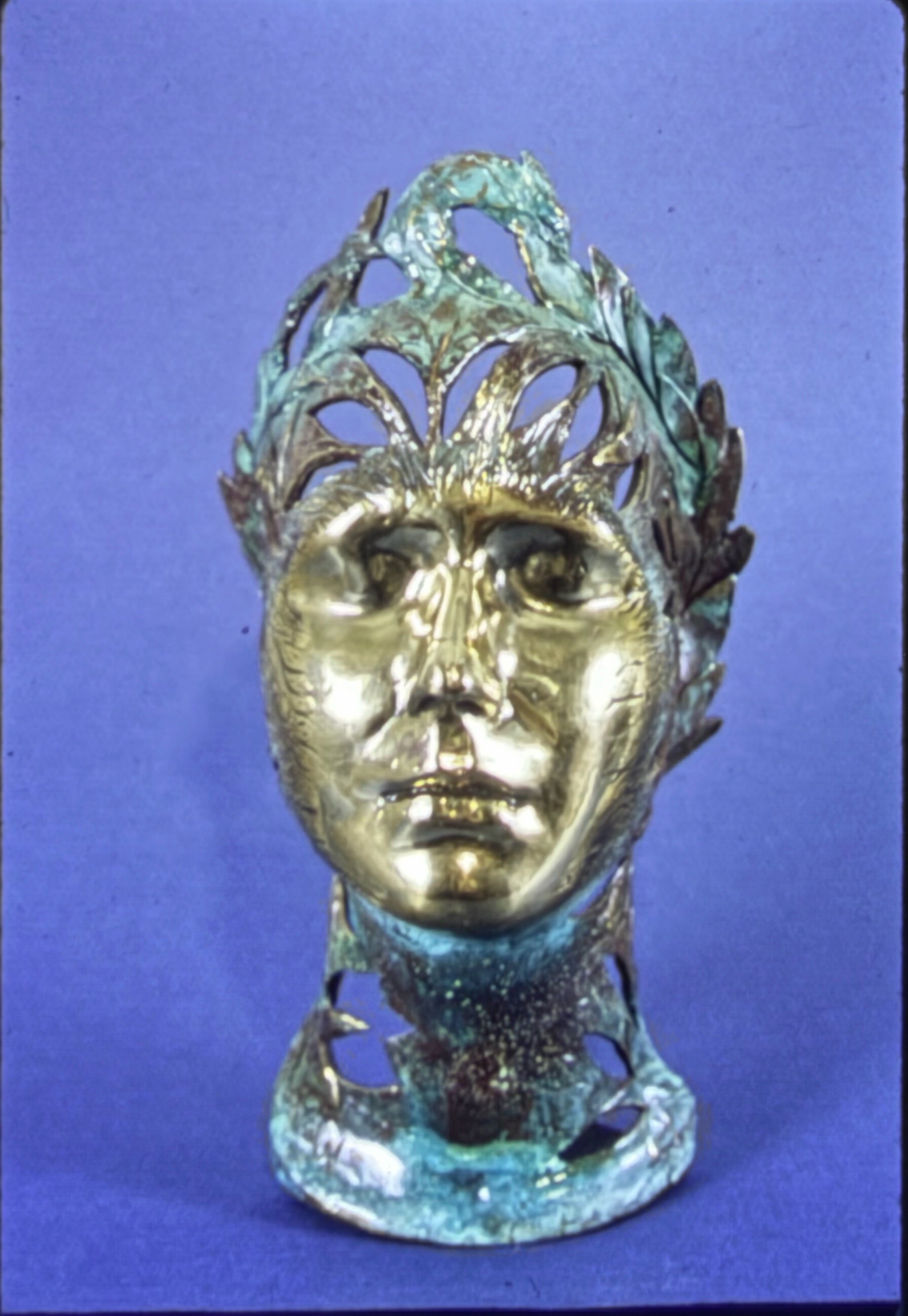
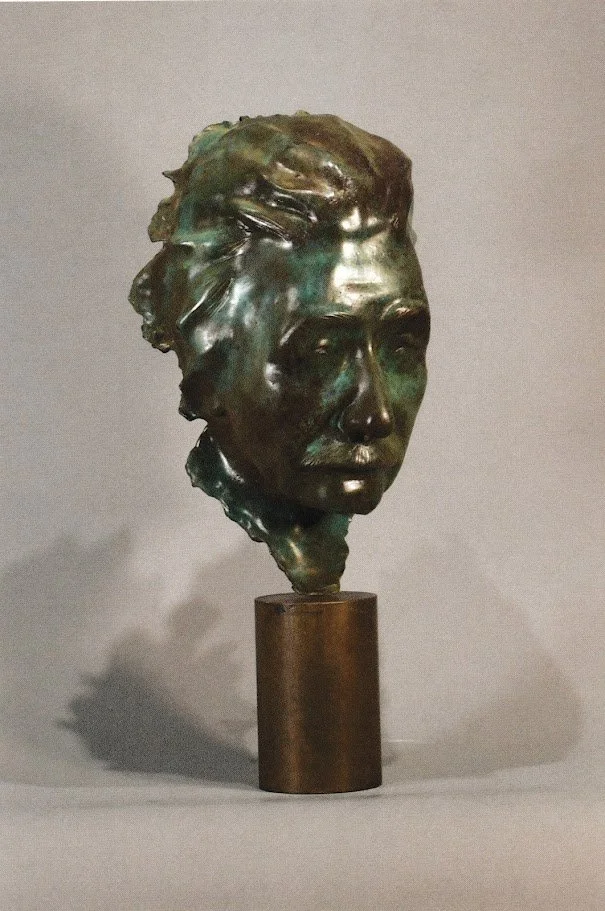
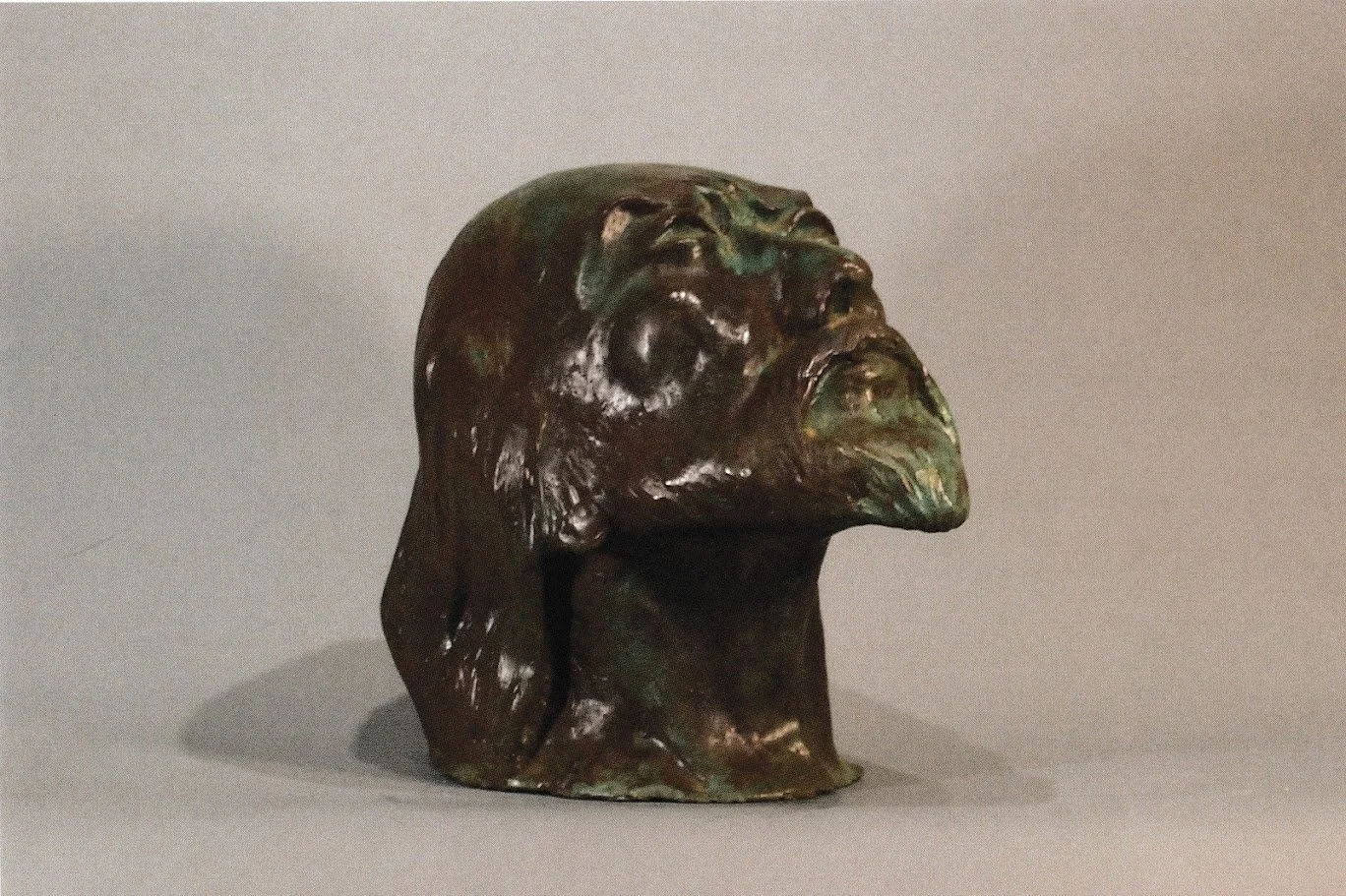
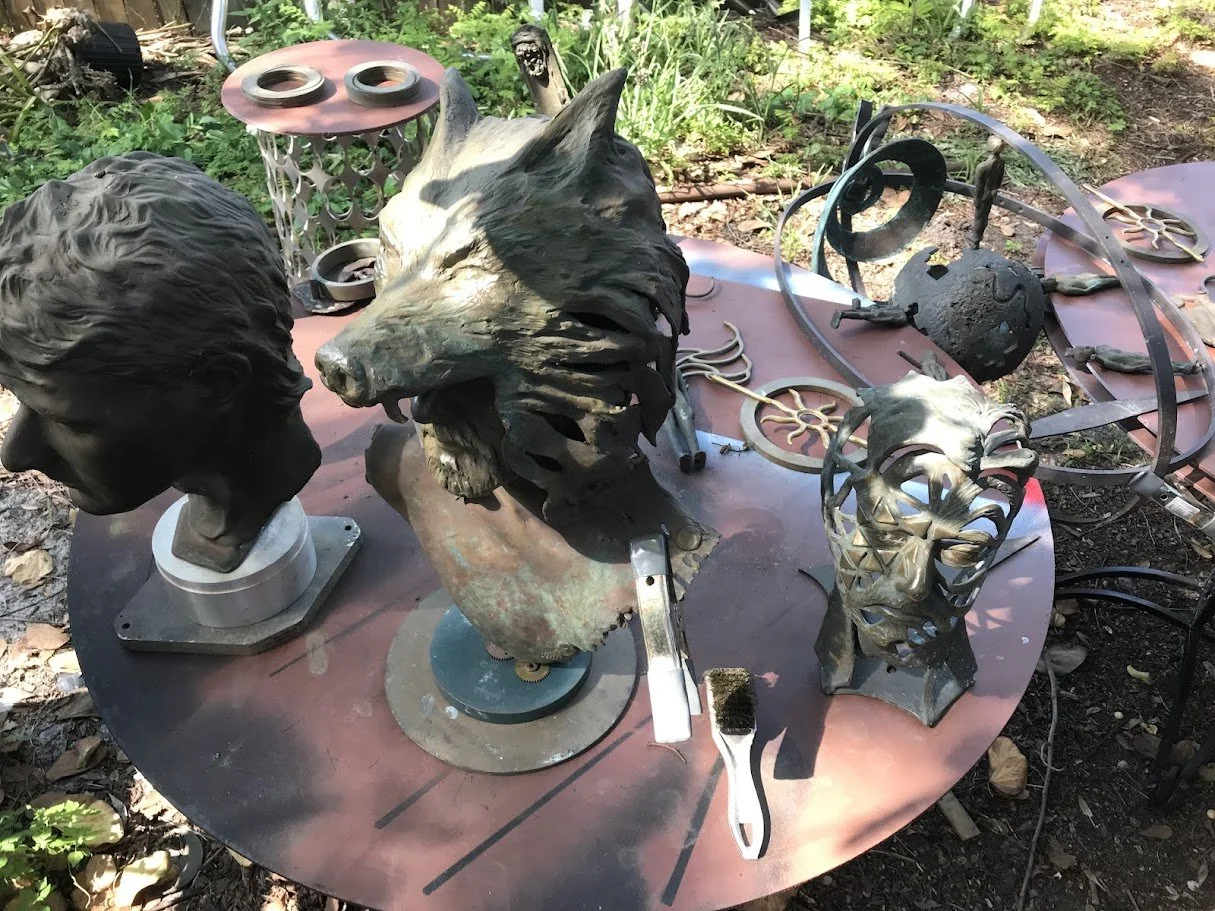
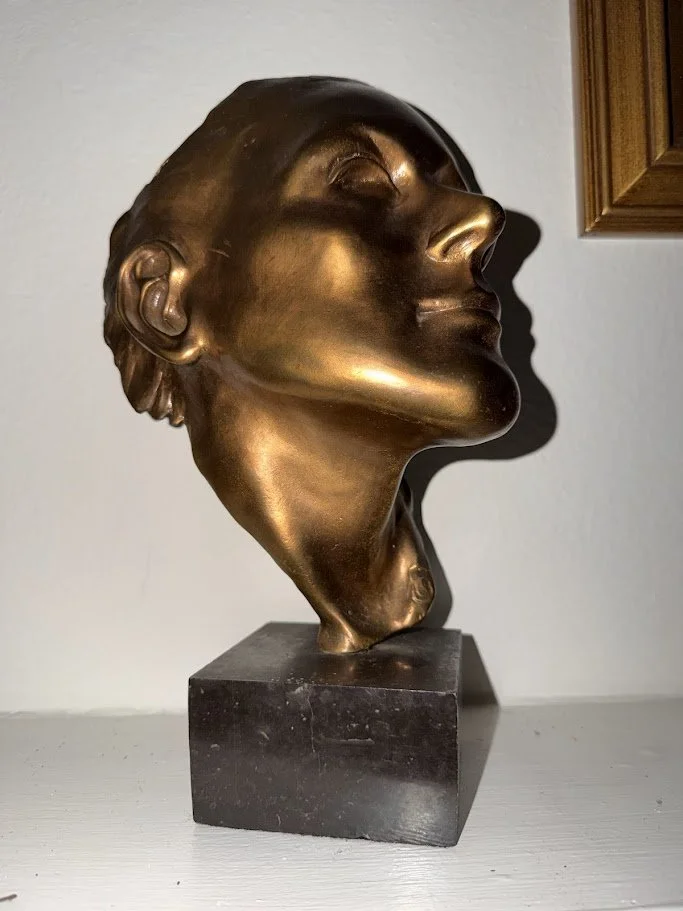
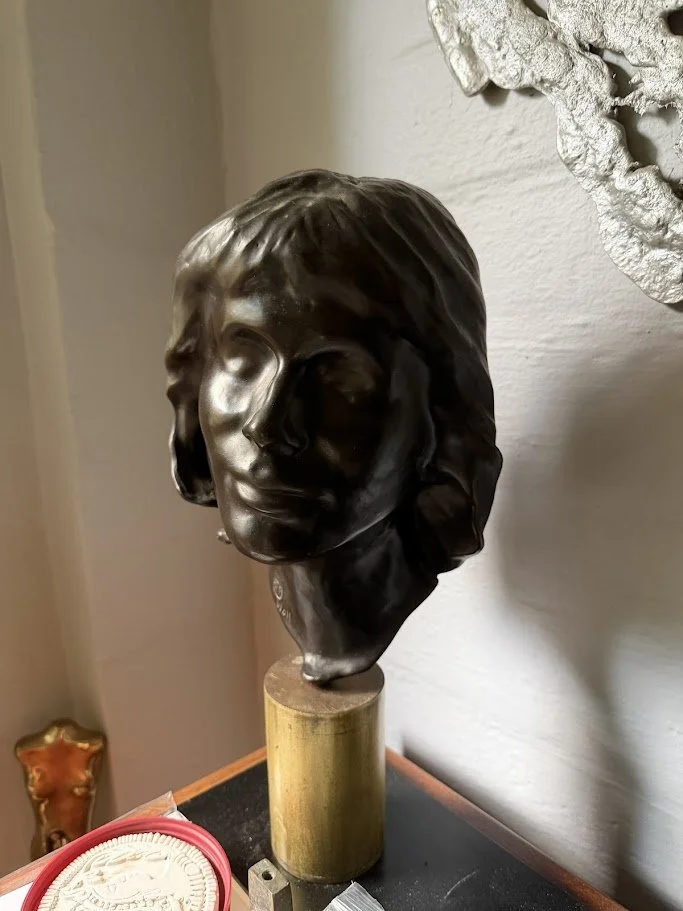
In the 20th century, bronze busts began to move away from strict realism and traditional portraiture. Artists no longer focused only on capturing a perfect likeness. Instead, they used the human head as a way to explore deeper ideas about identity, psychology, and time. Forms became more abstract, and surfaces were often rough, broken, or uneven. These changes allowed the bust to suggest movement, emotion, and transformation rather than stillness. The human face remained the subject, but it was no longer fixed or idealized. It became a space where inner experience could be expressed through material.
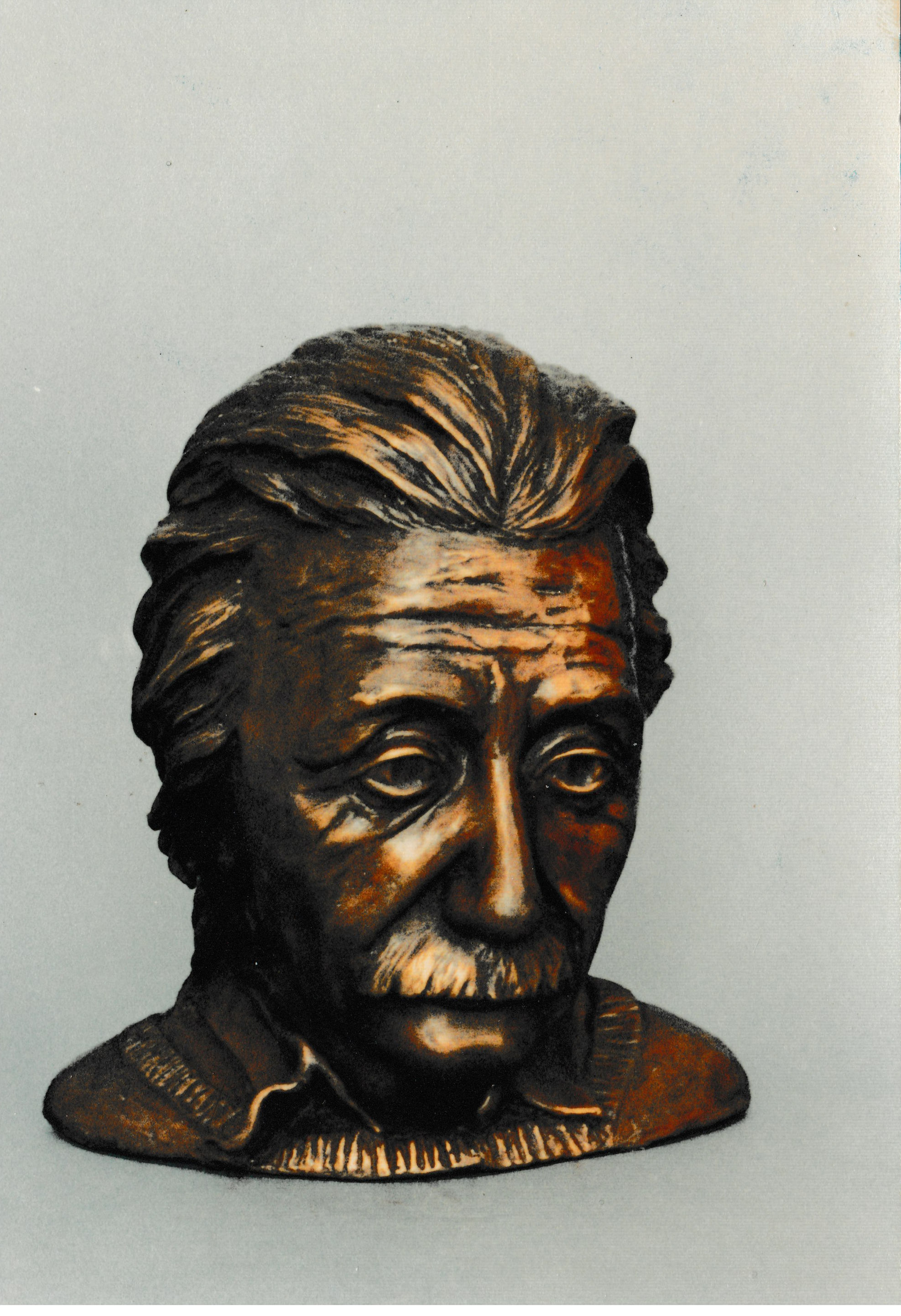
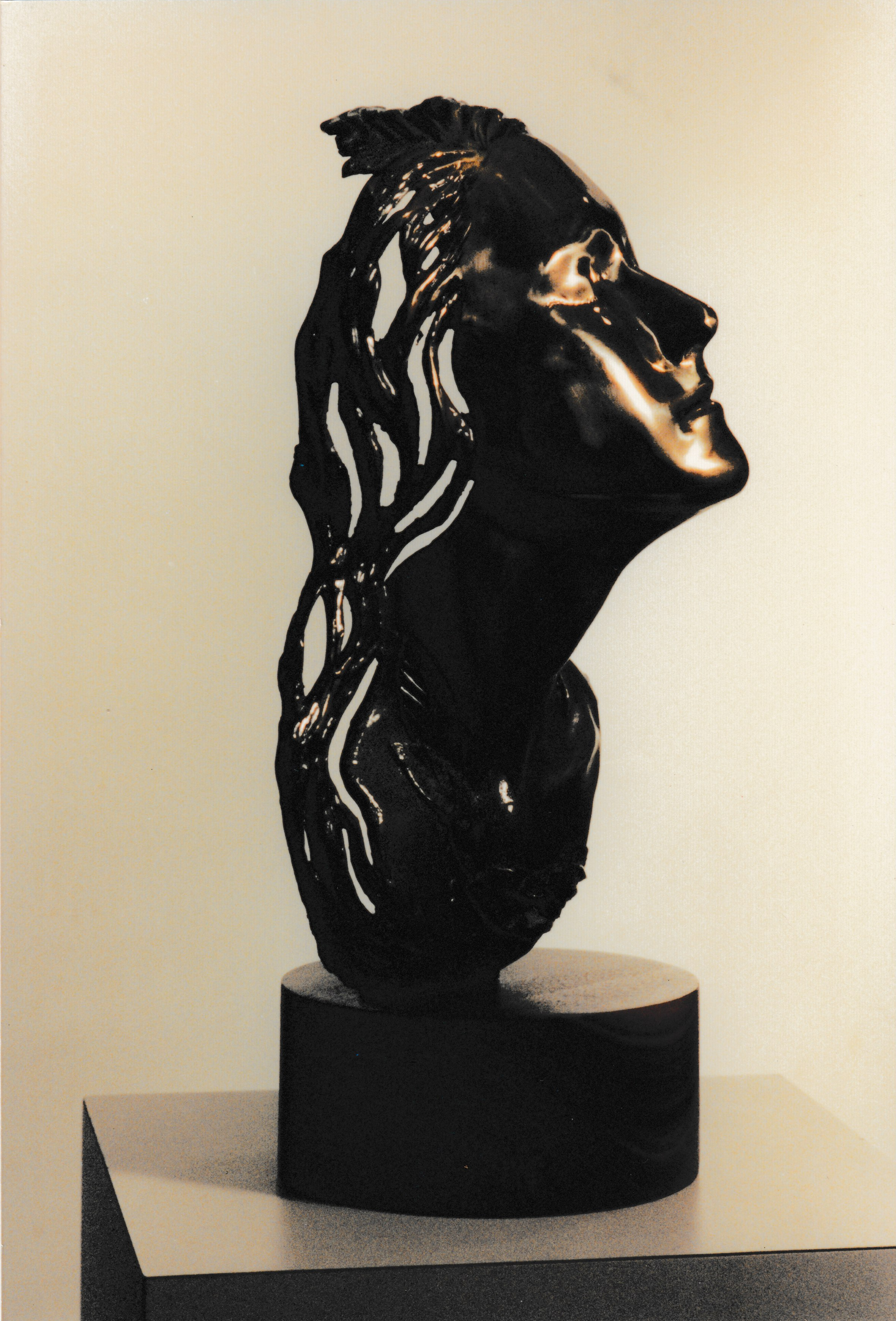
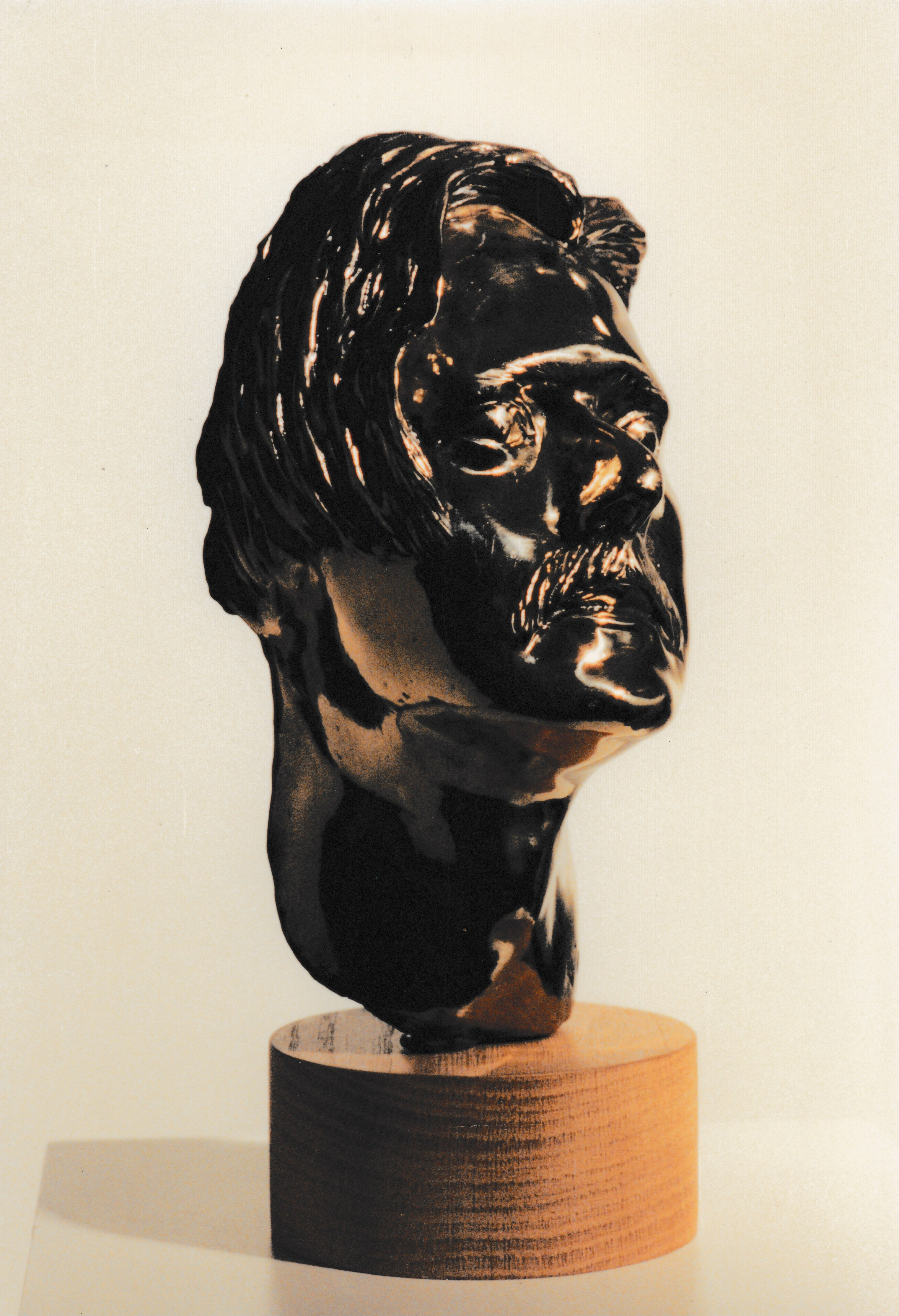
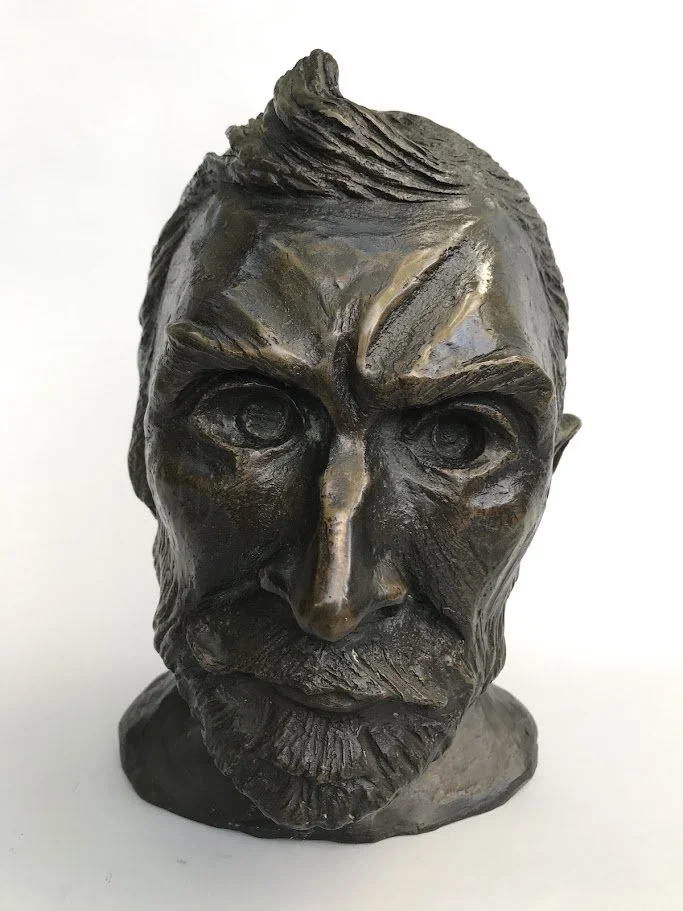
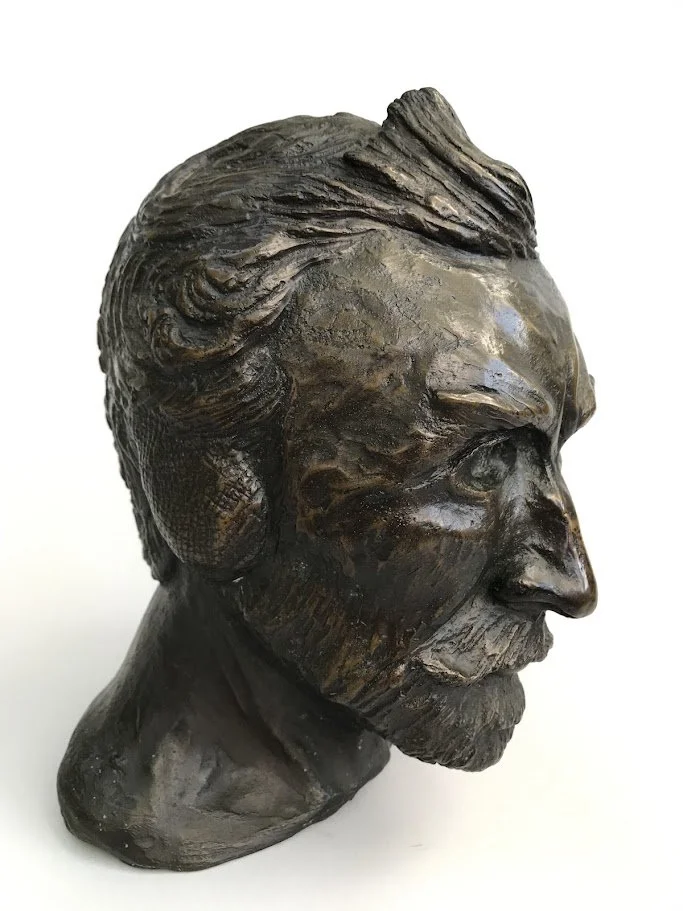
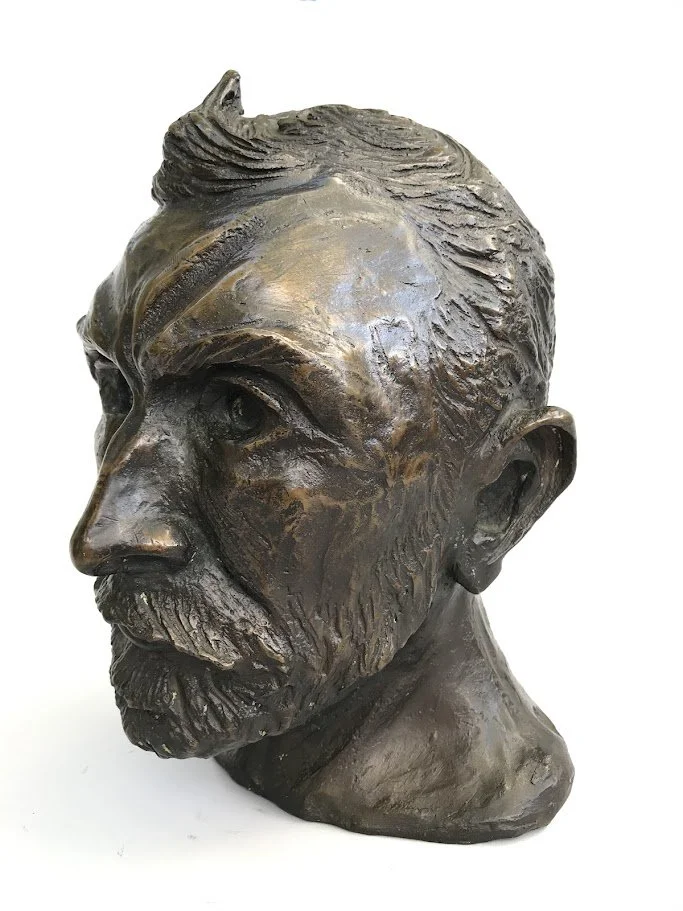
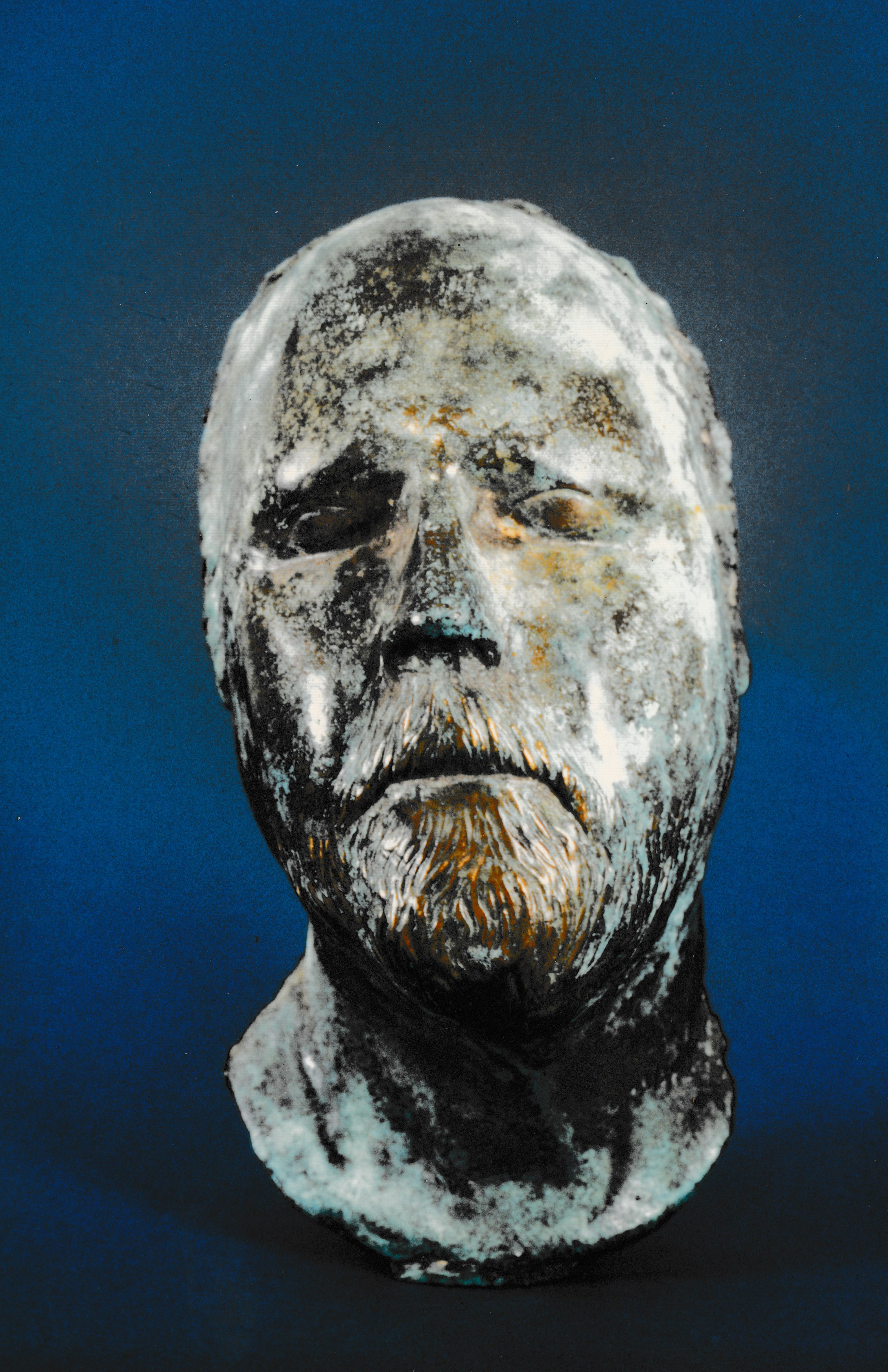
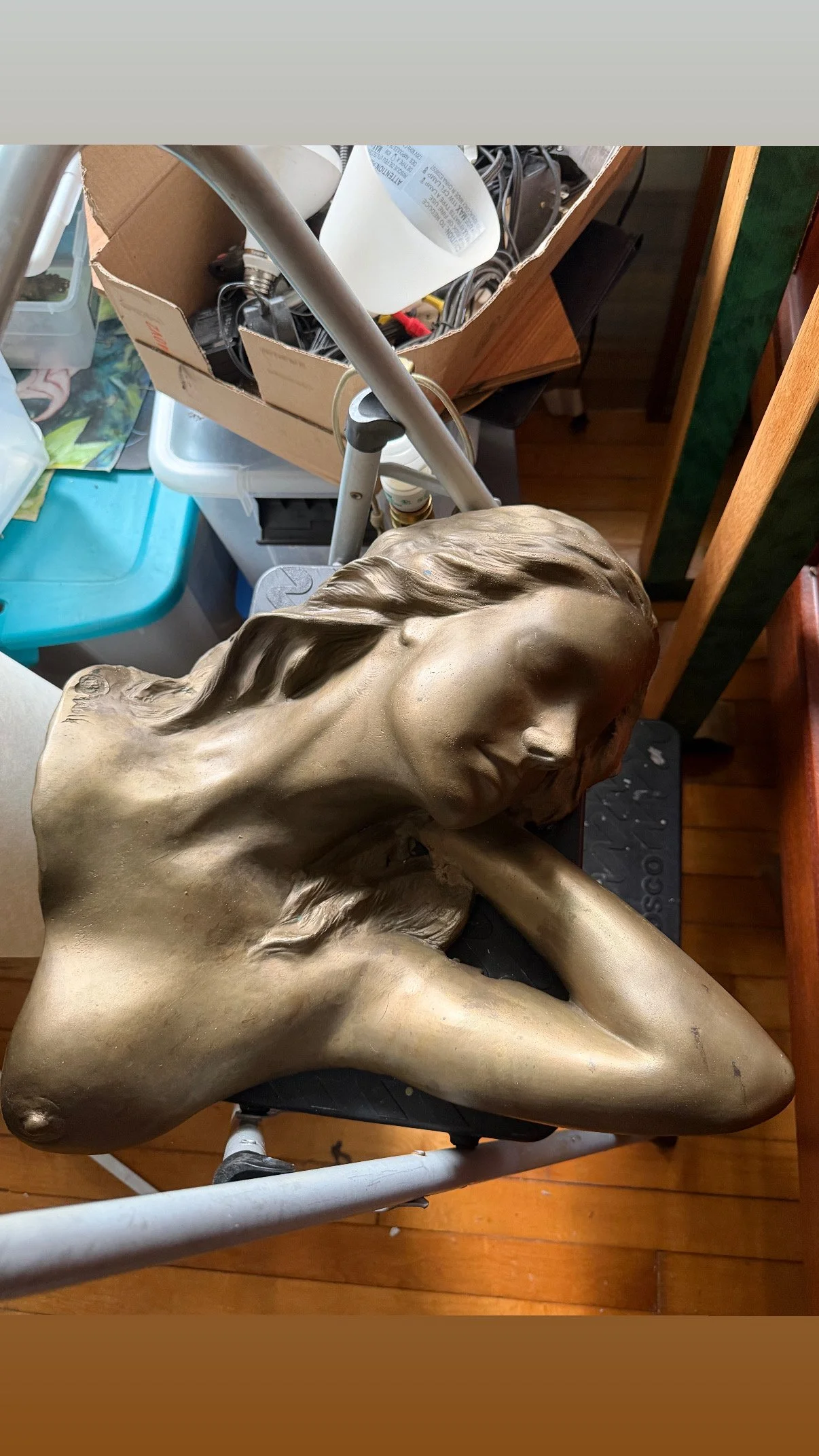
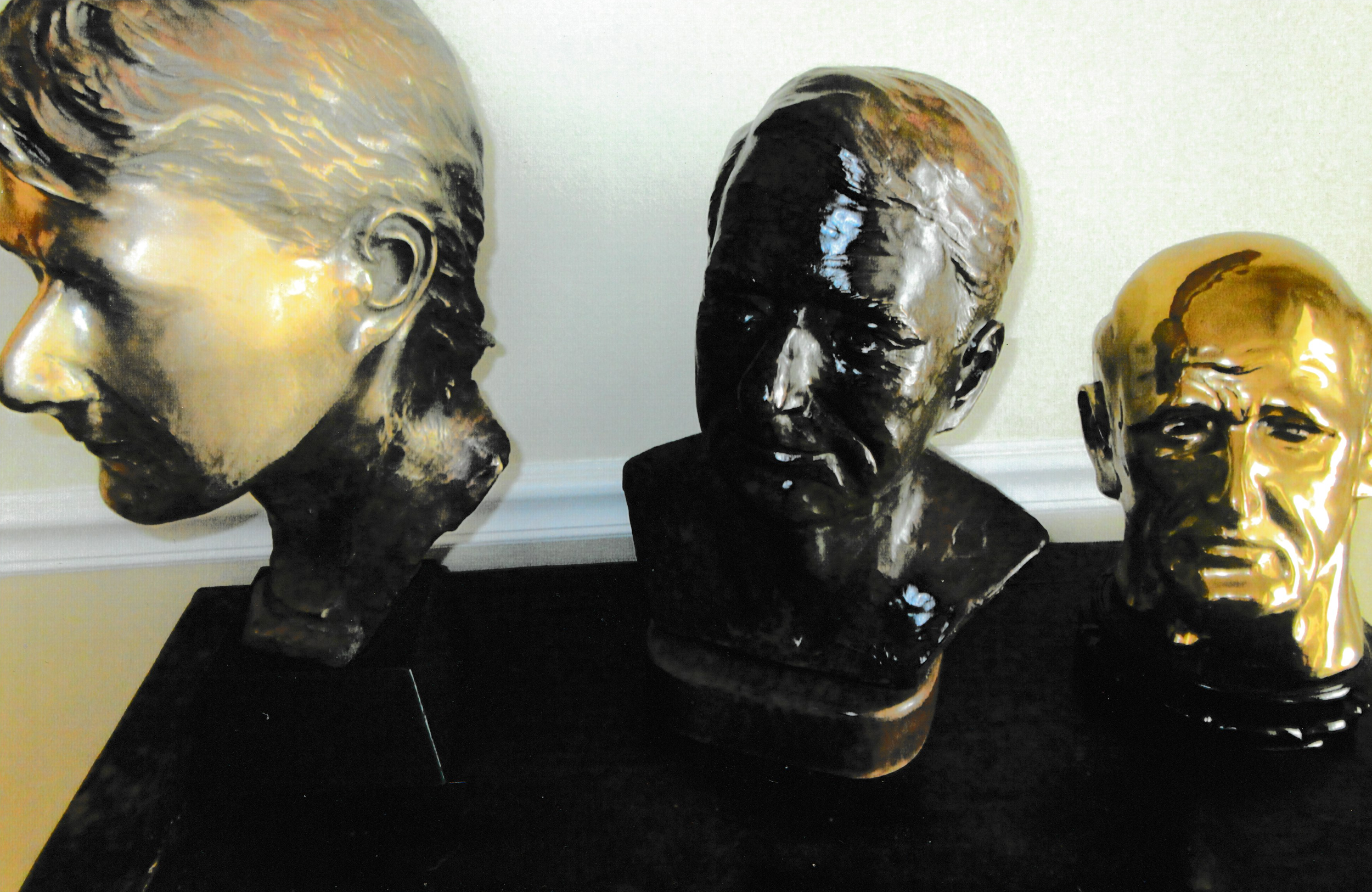
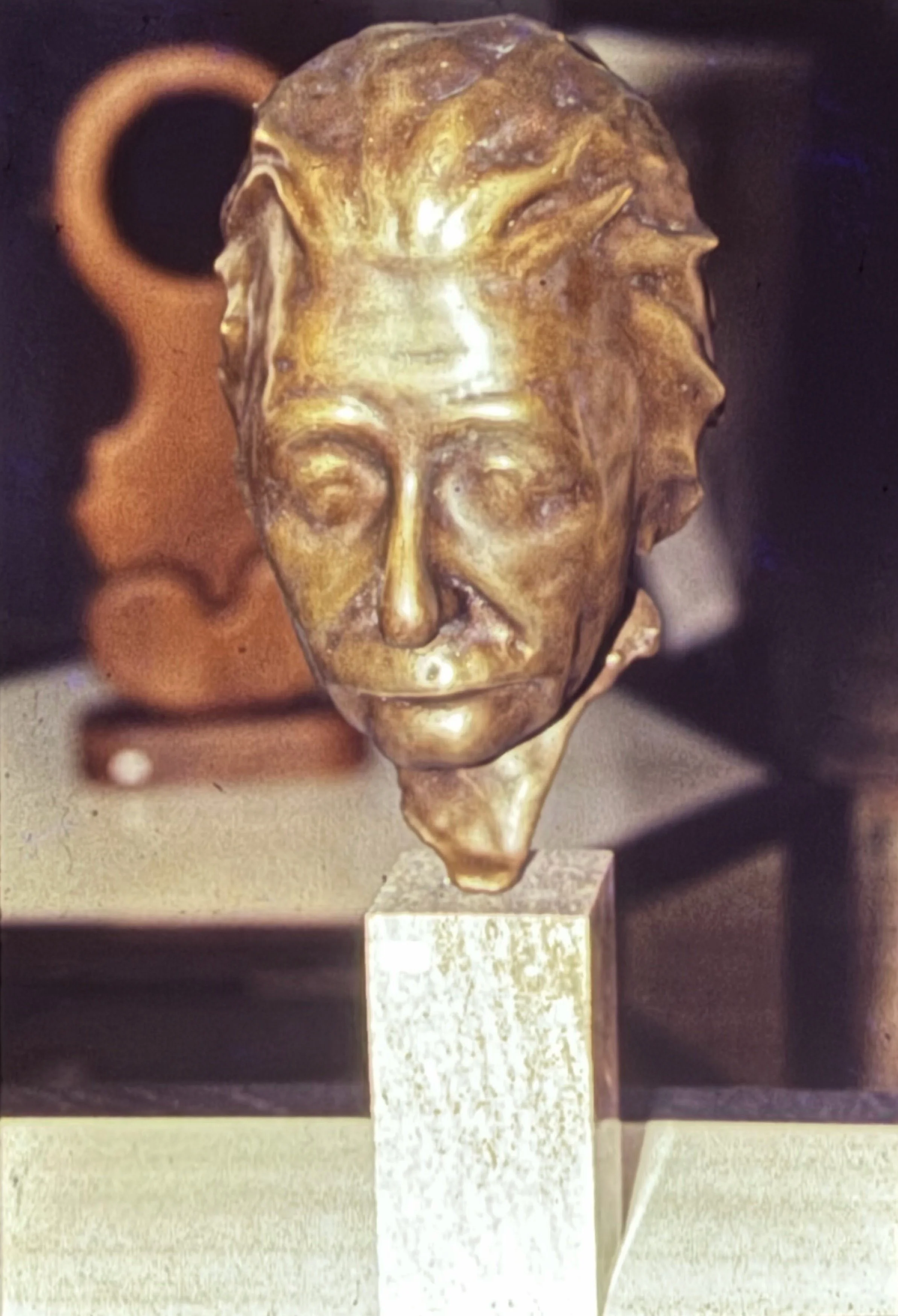
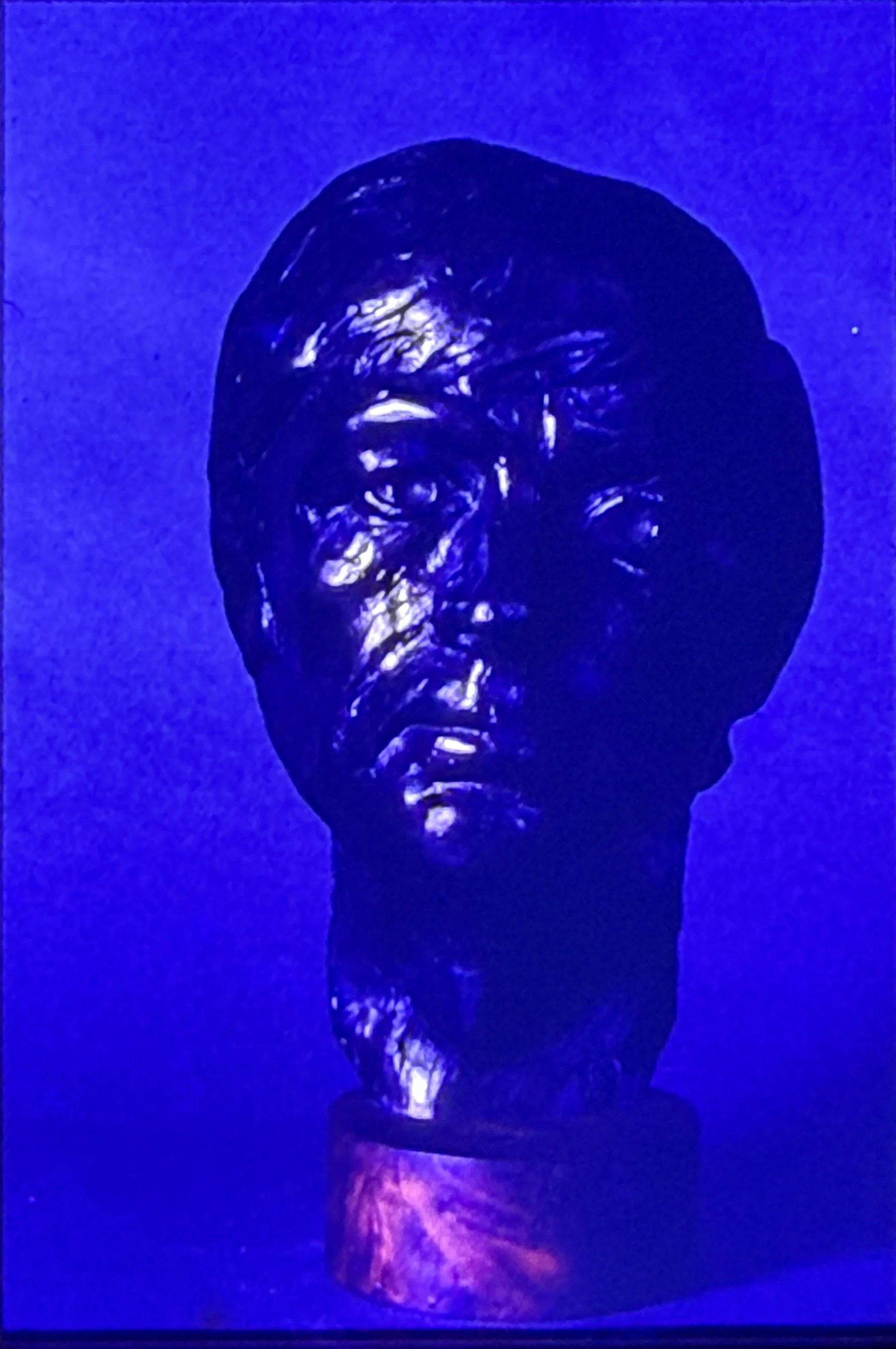
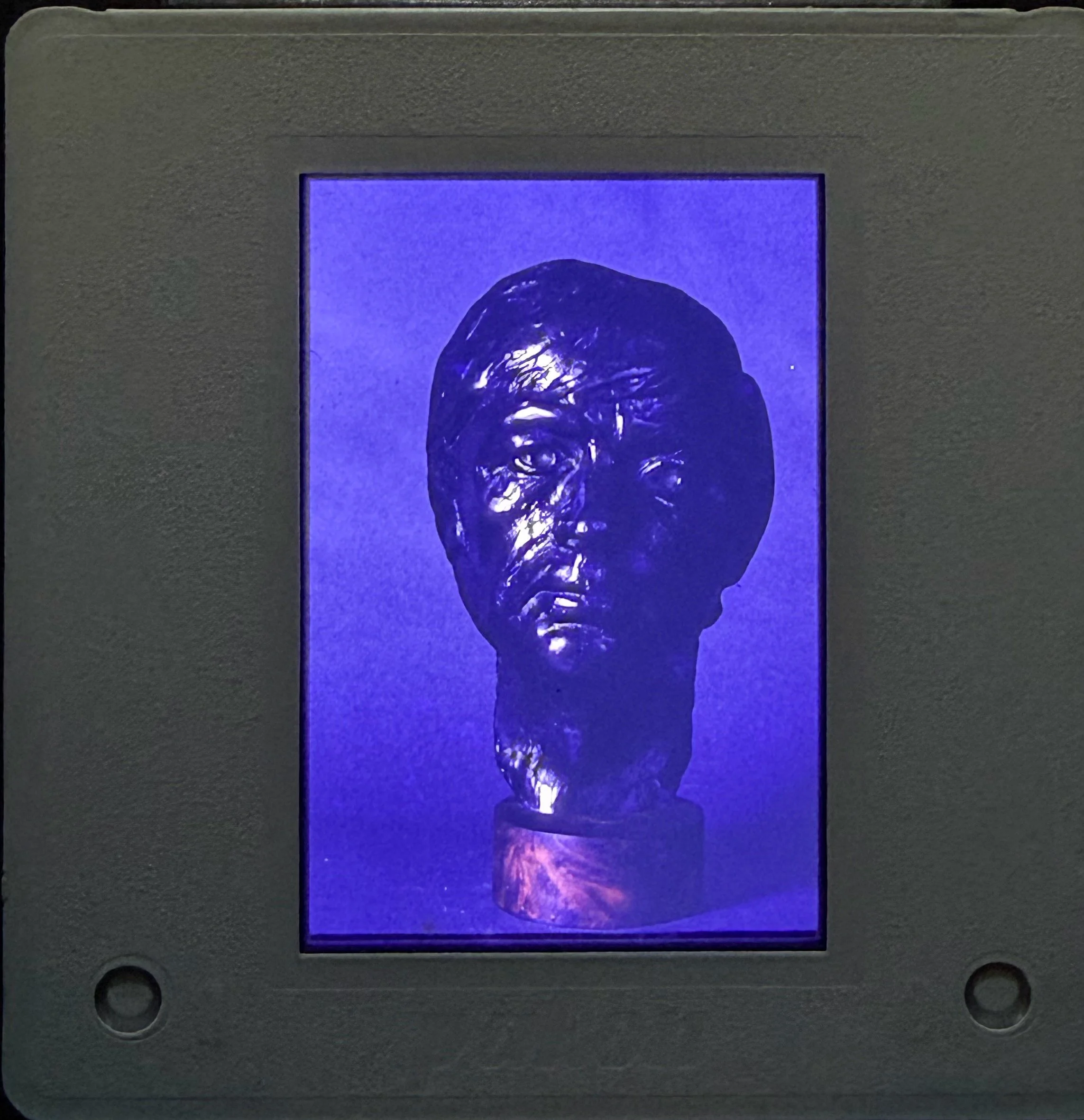
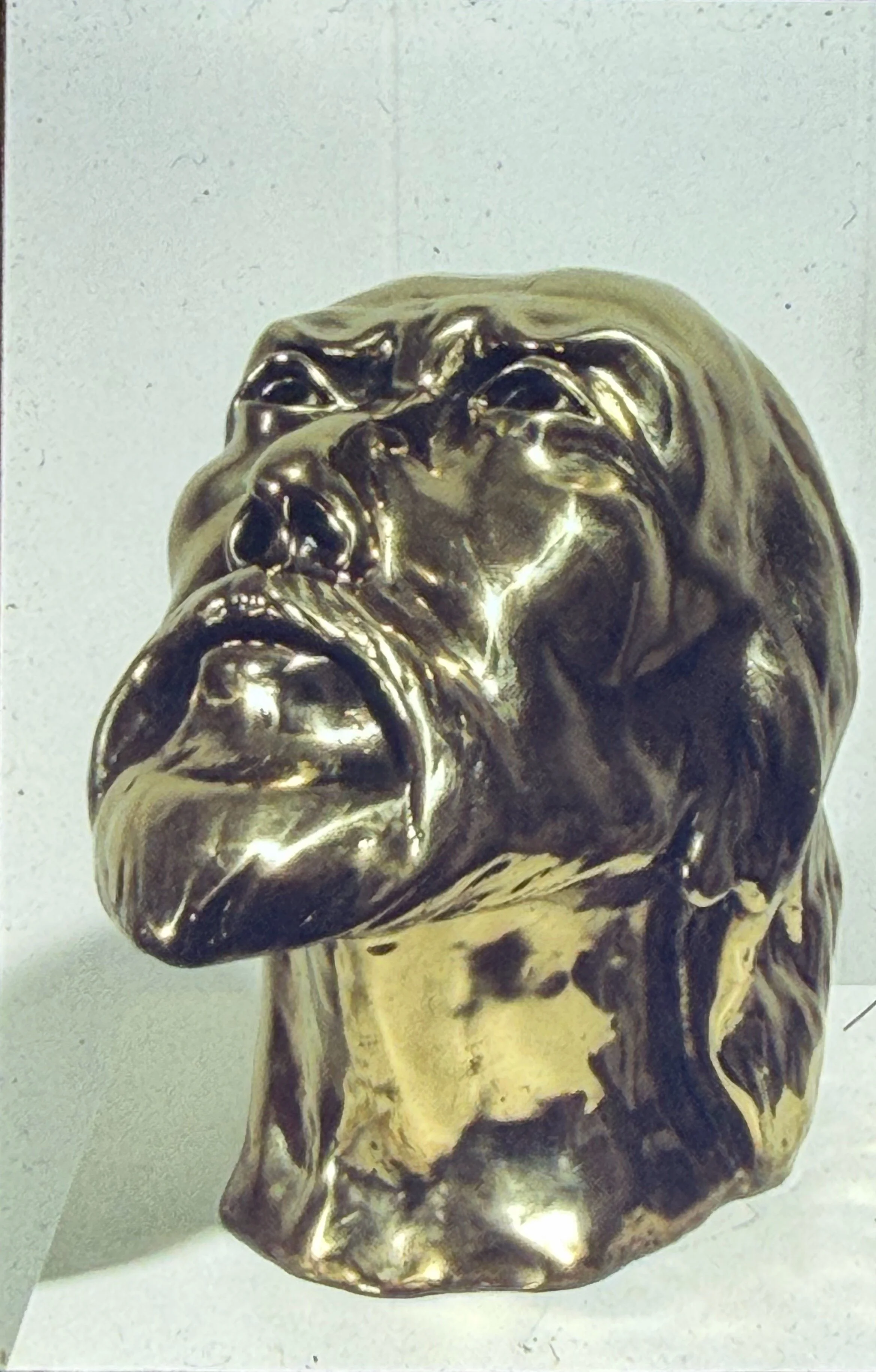
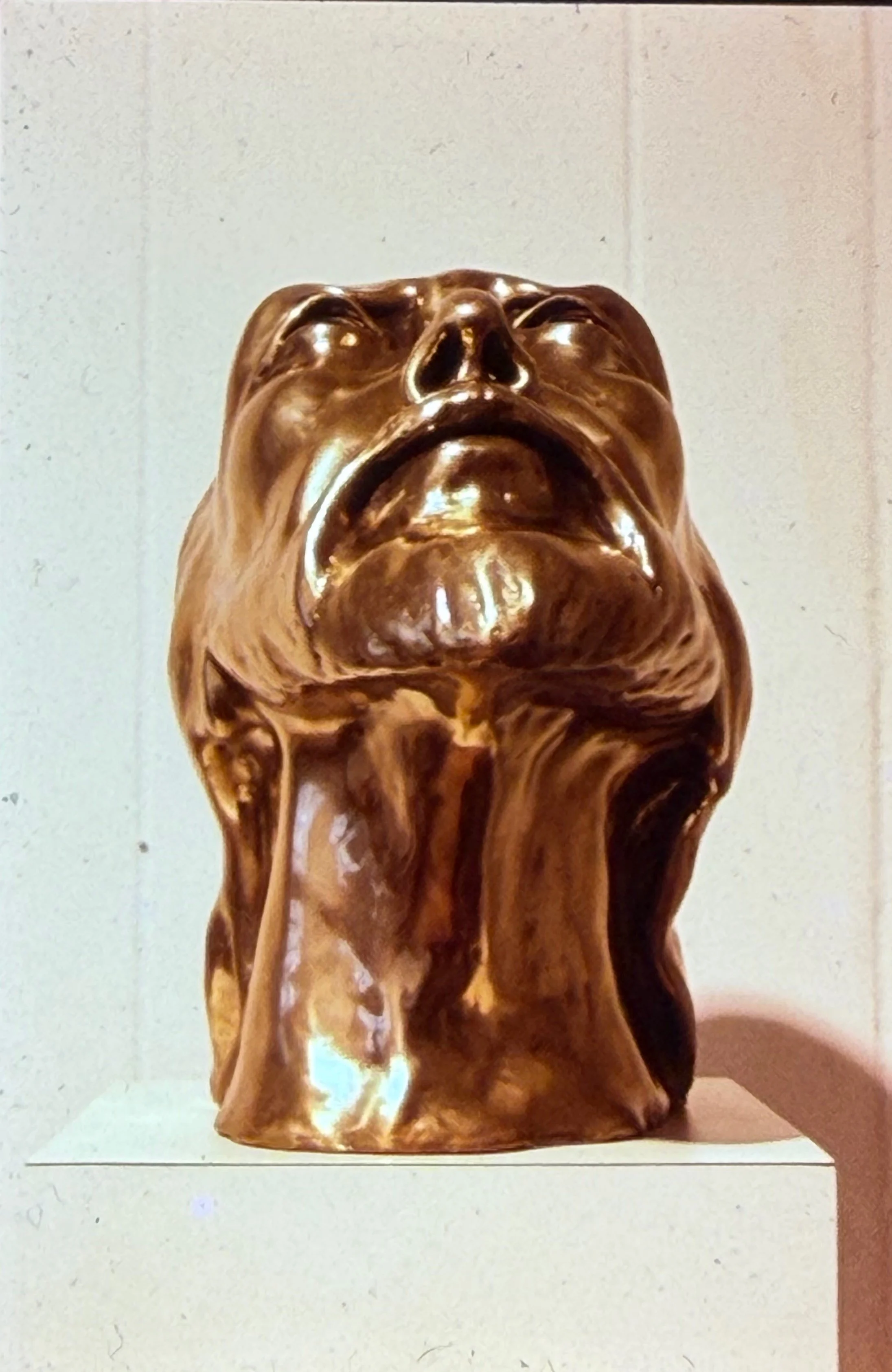
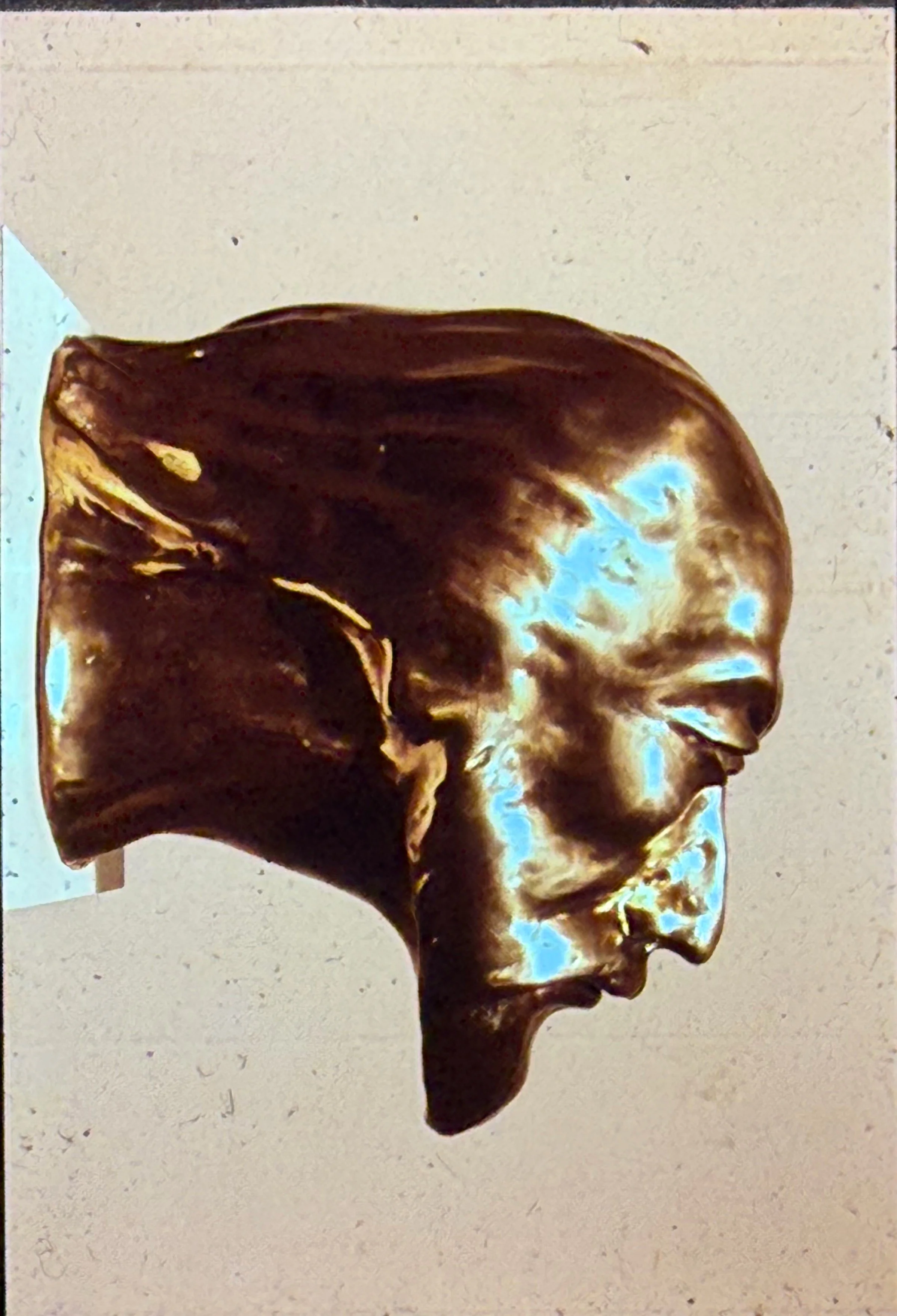
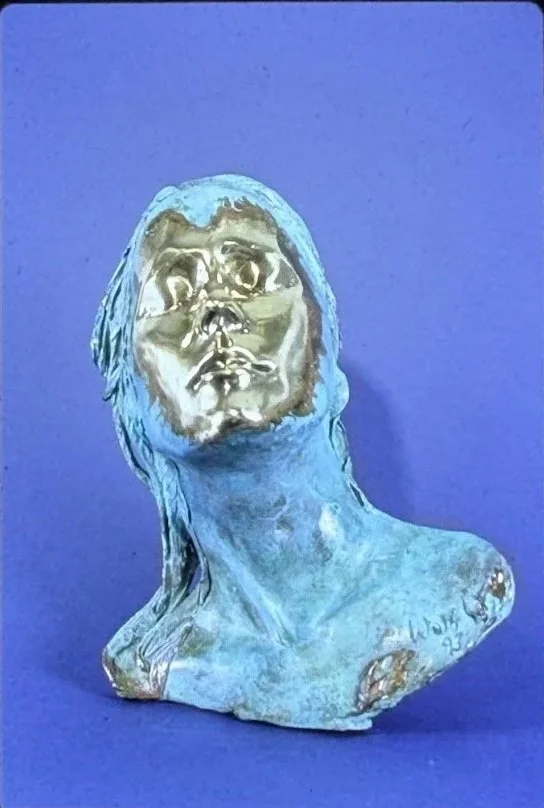
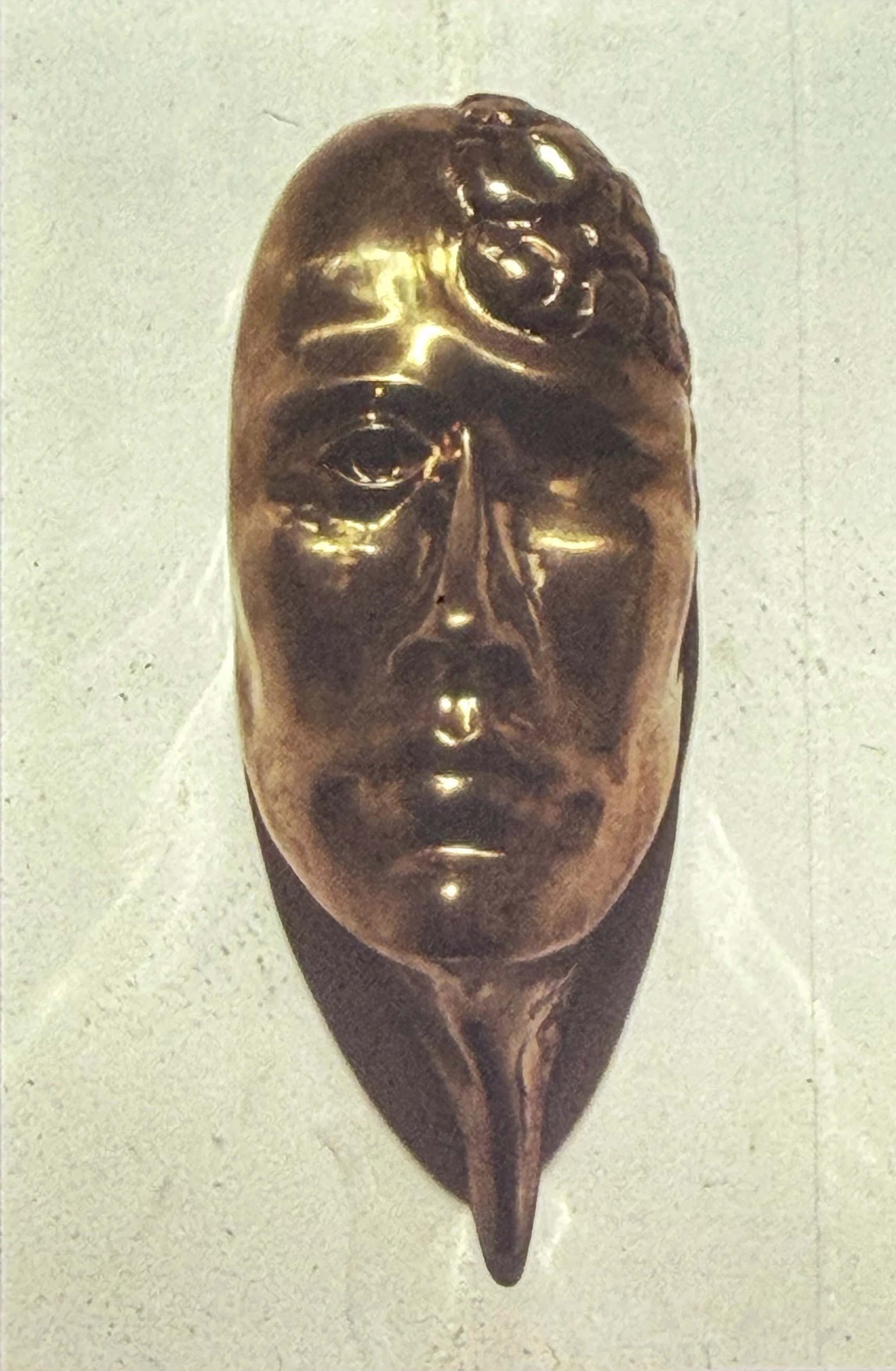
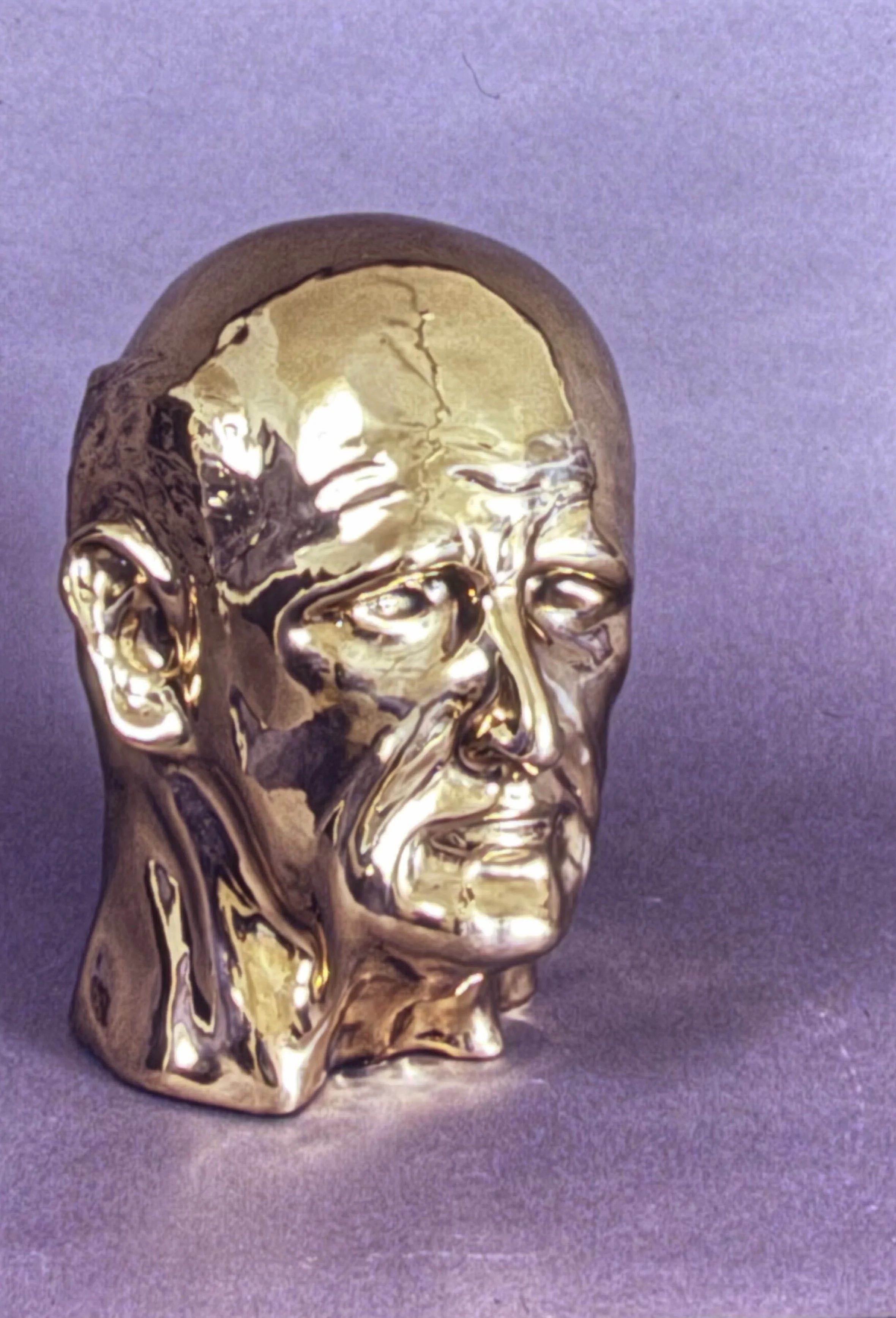
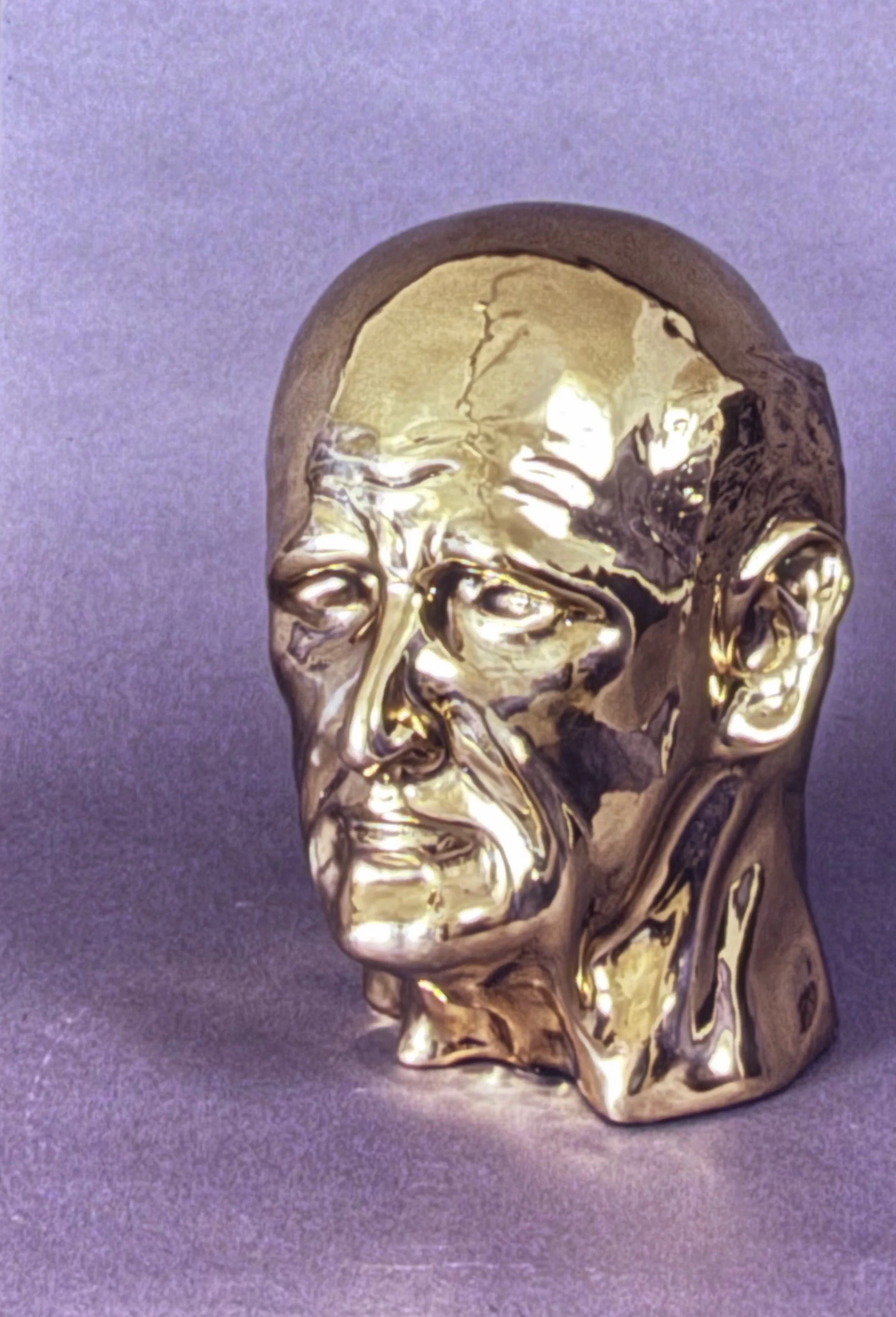
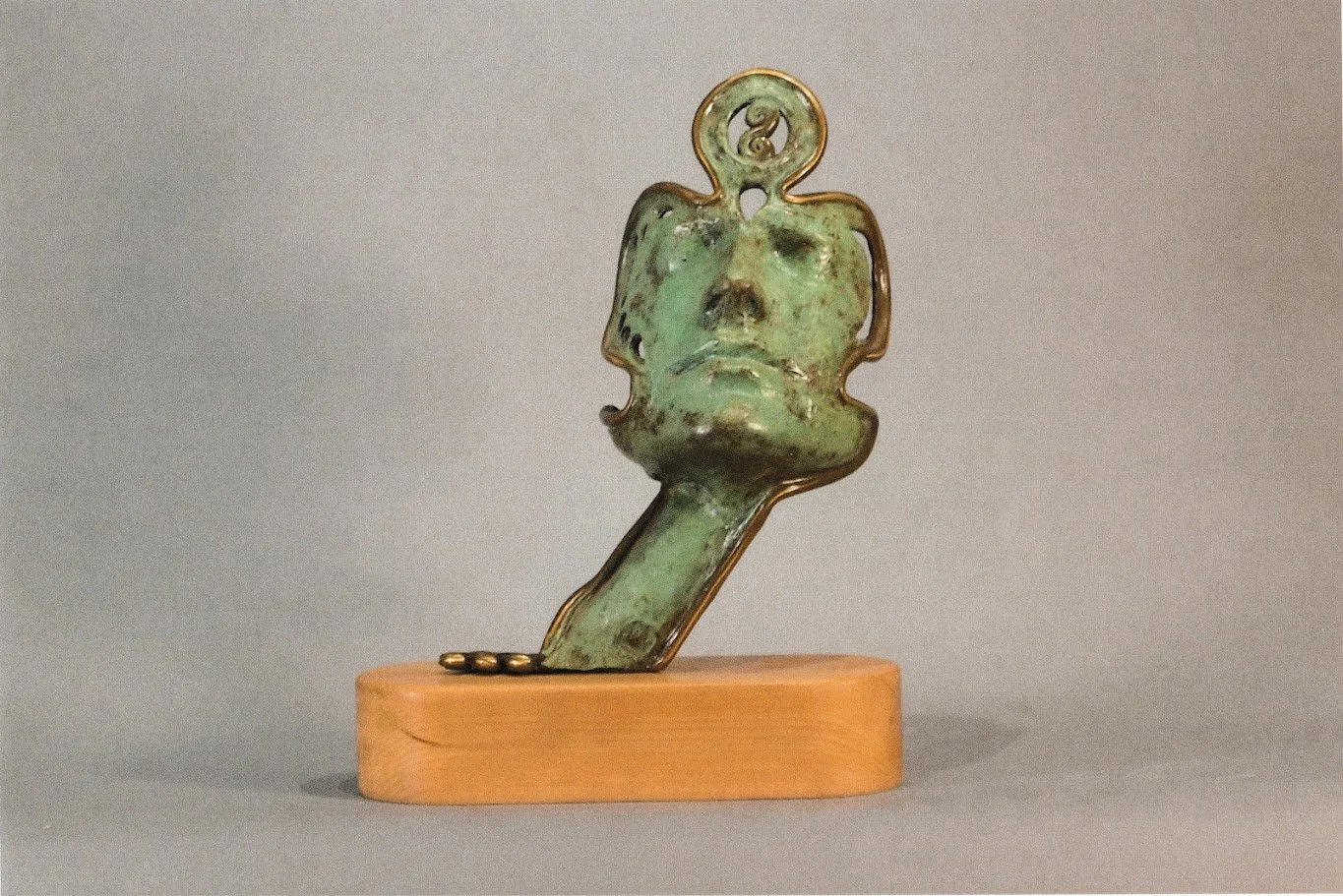
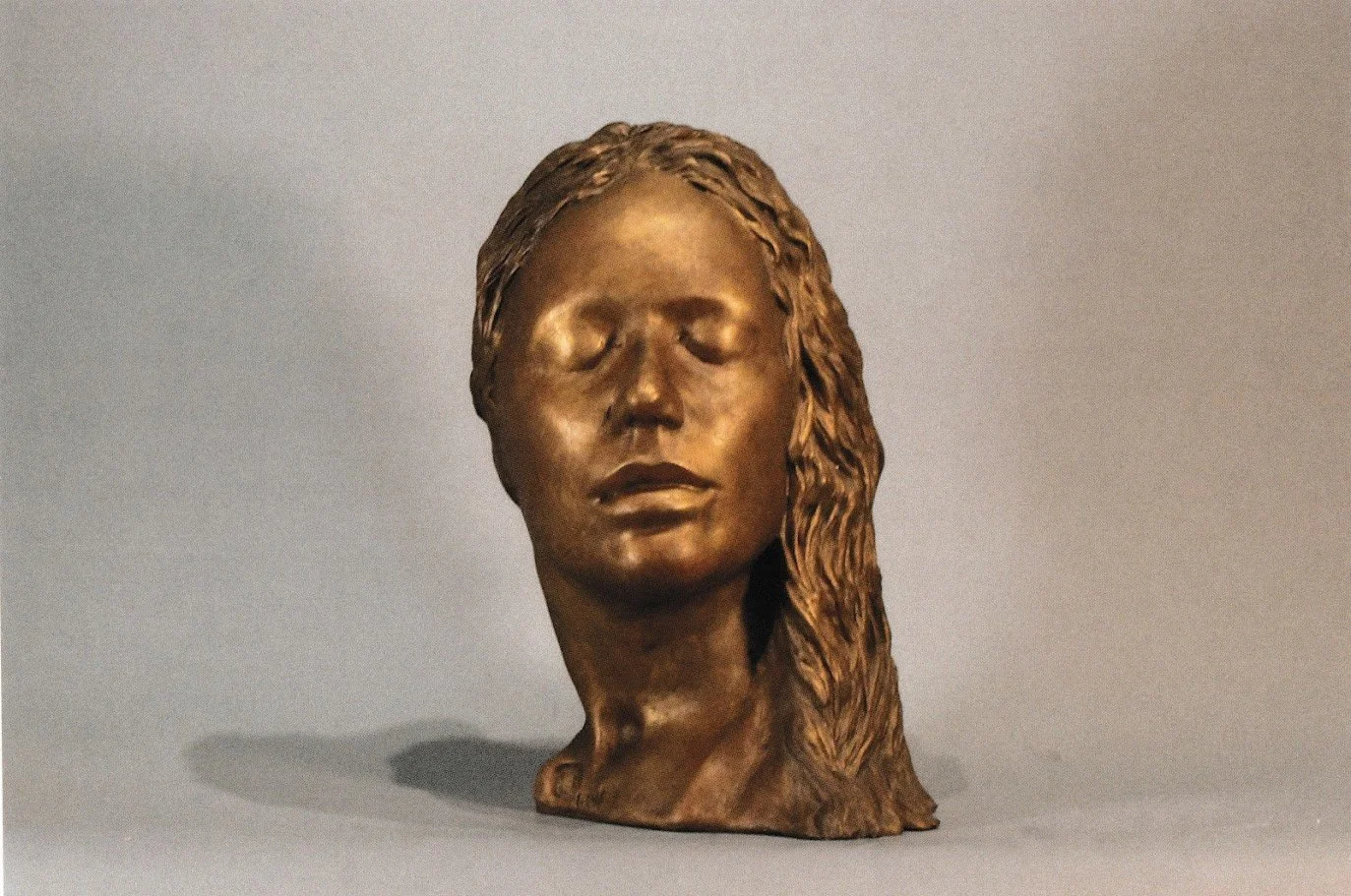
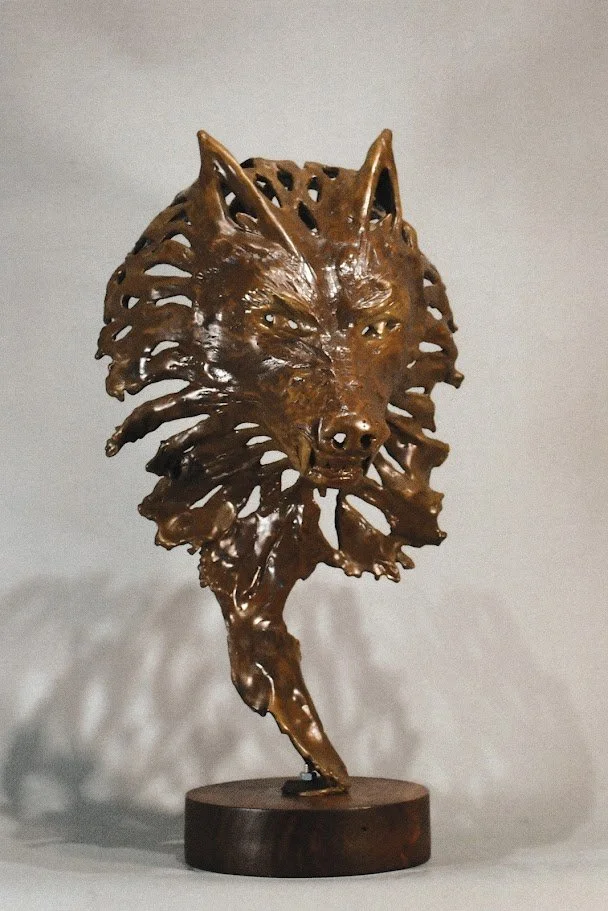
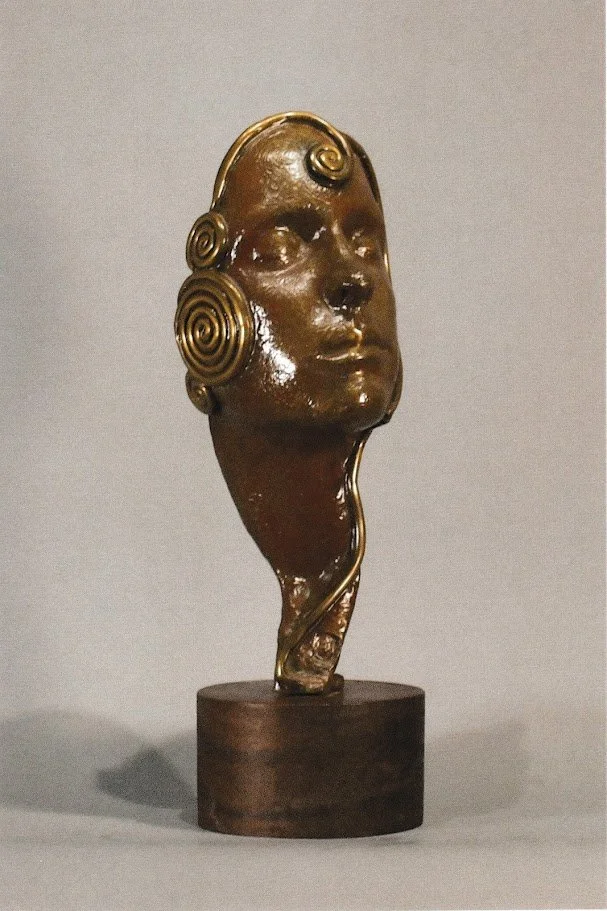
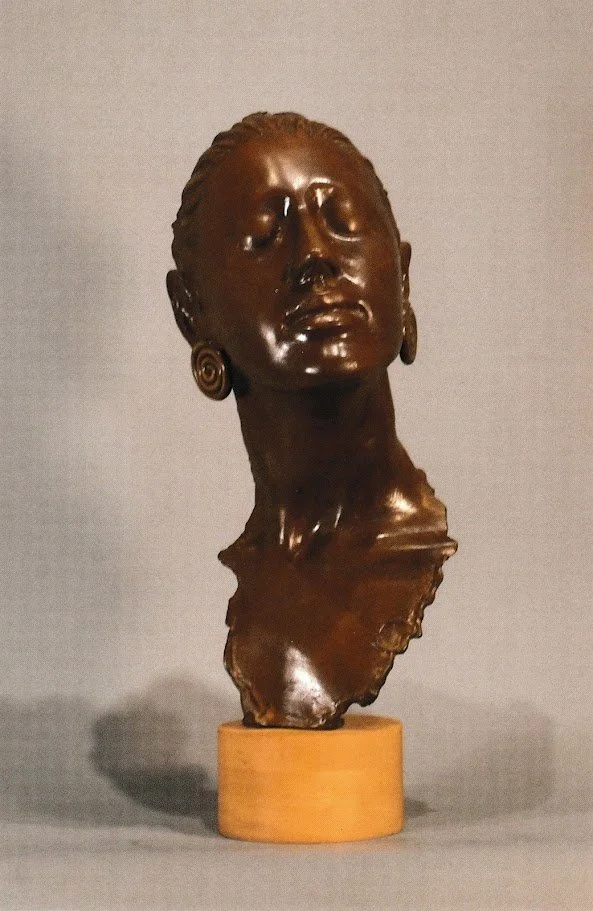
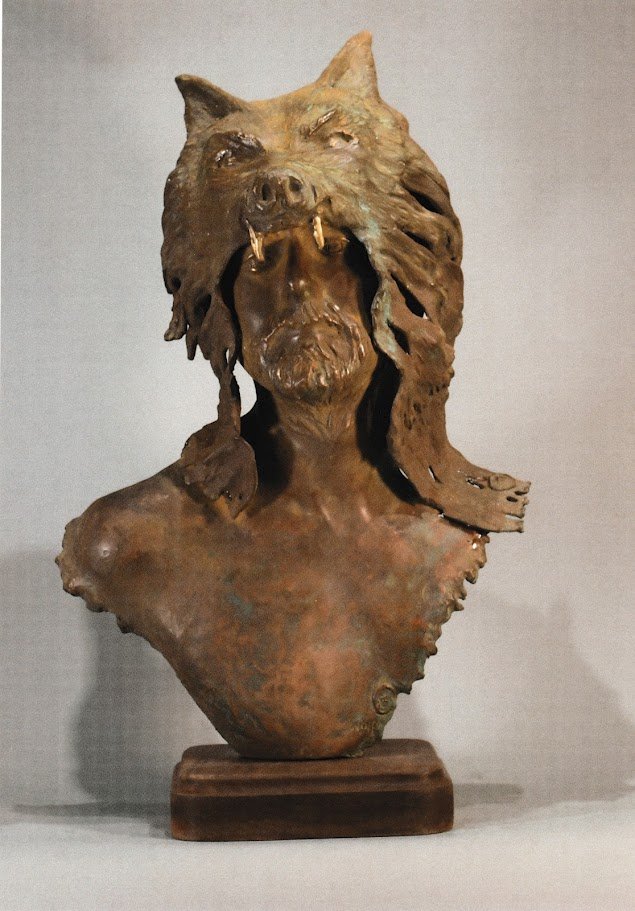
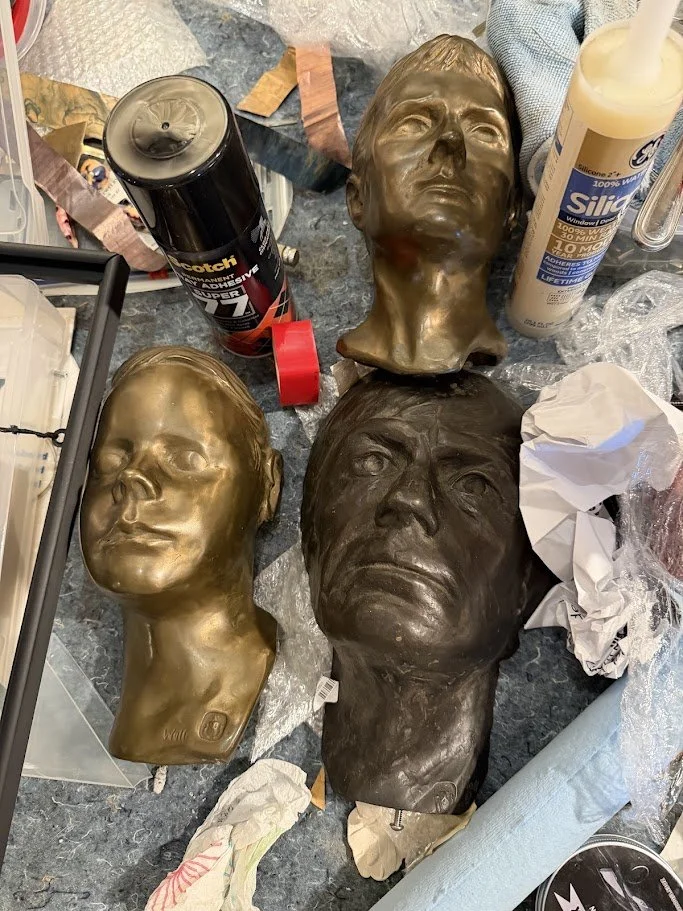
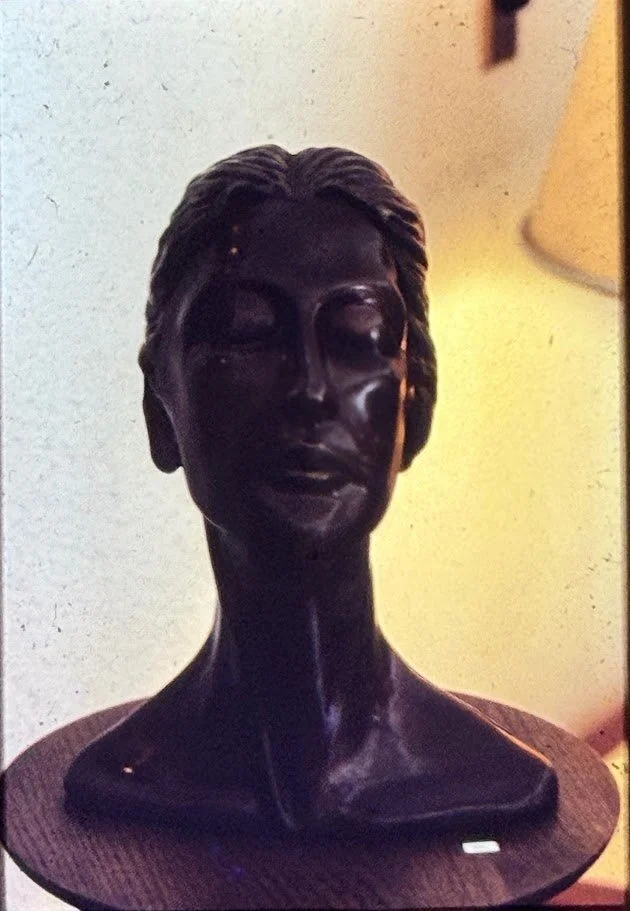
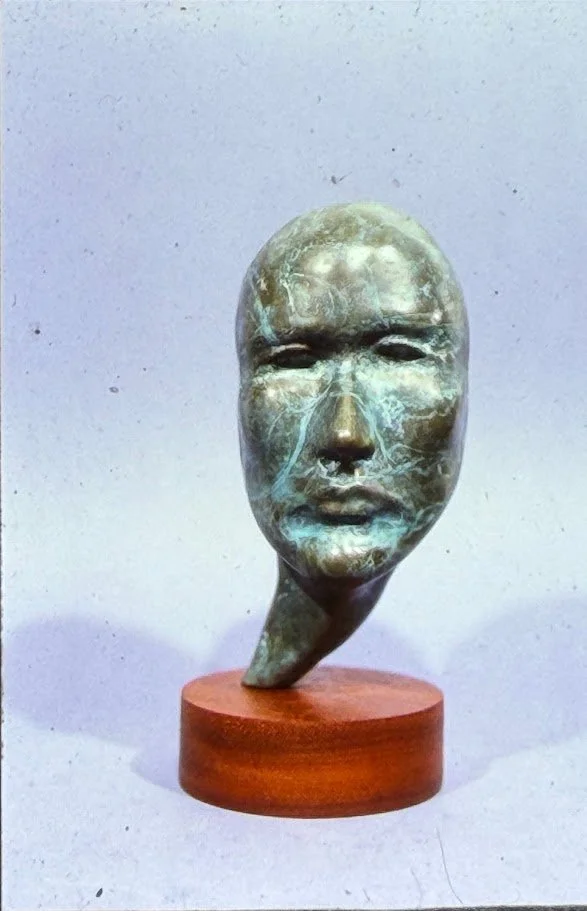
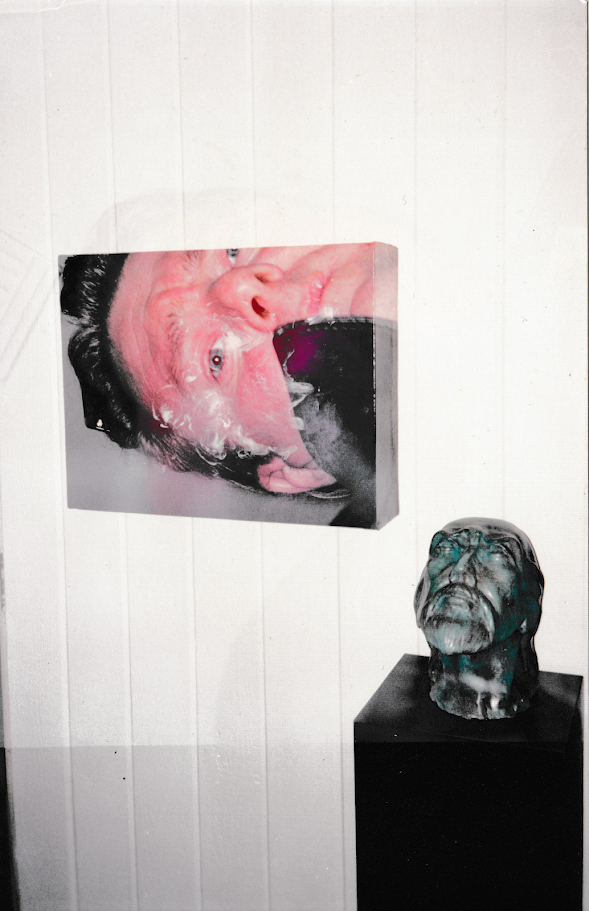
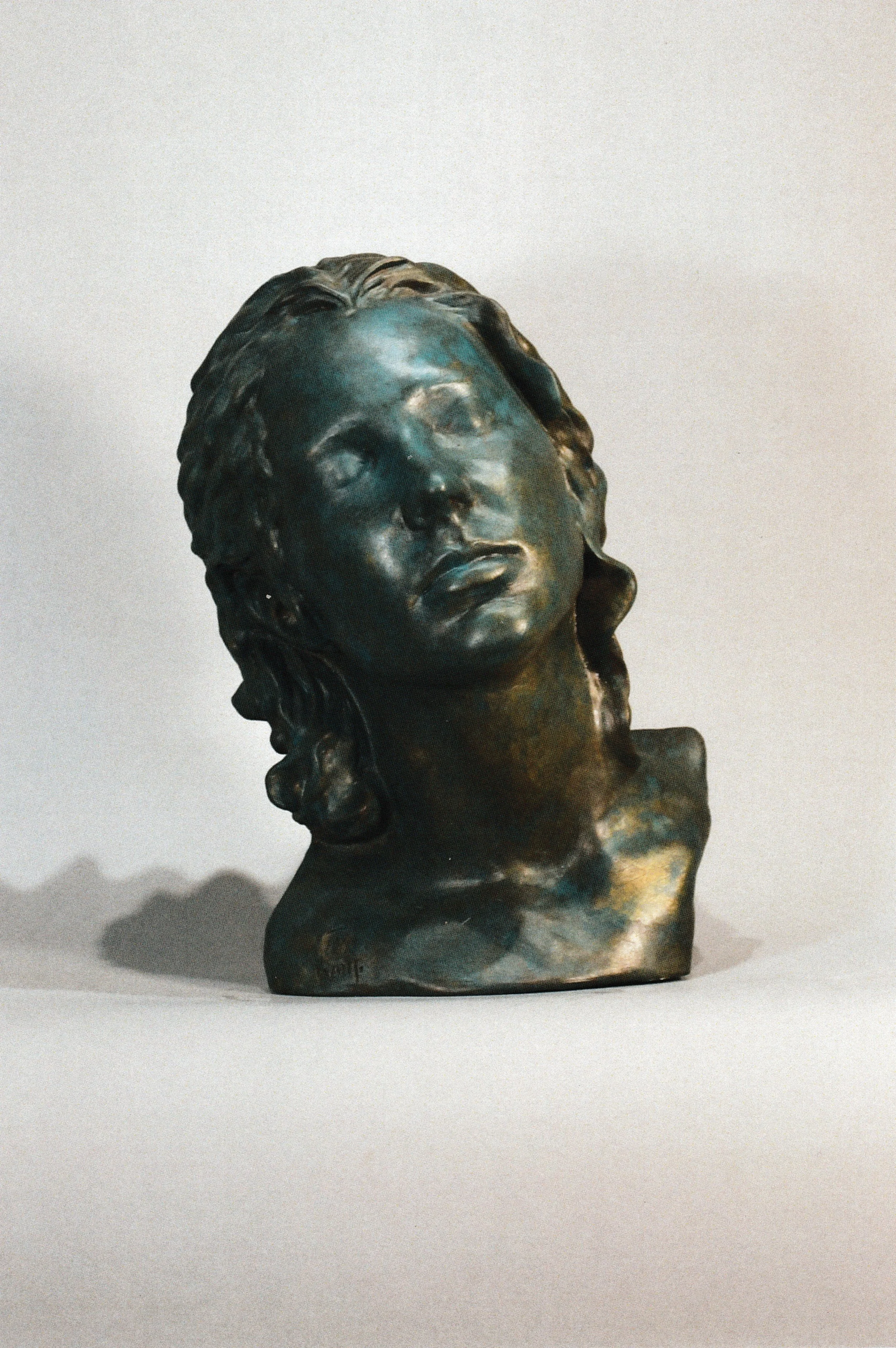
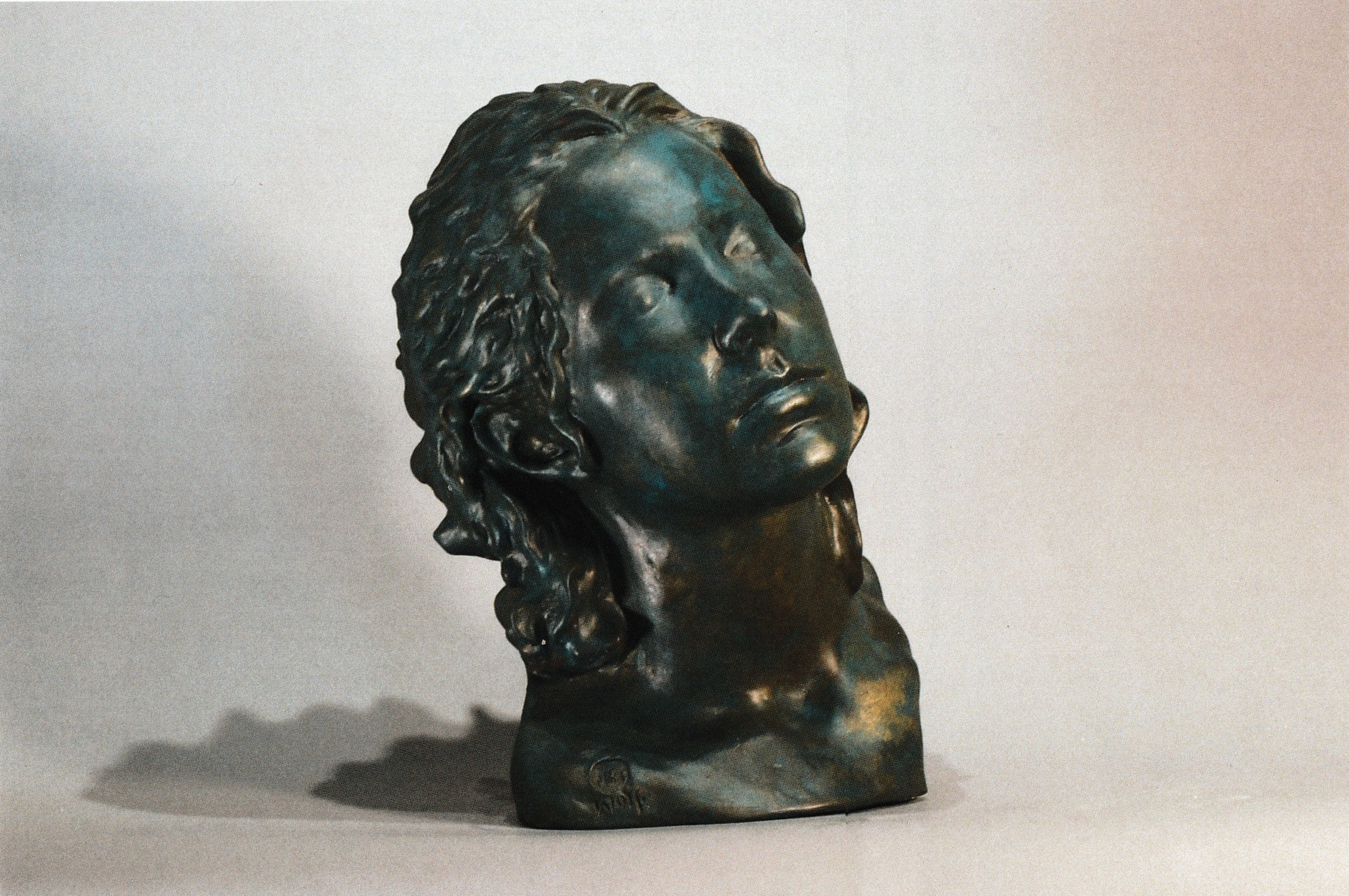
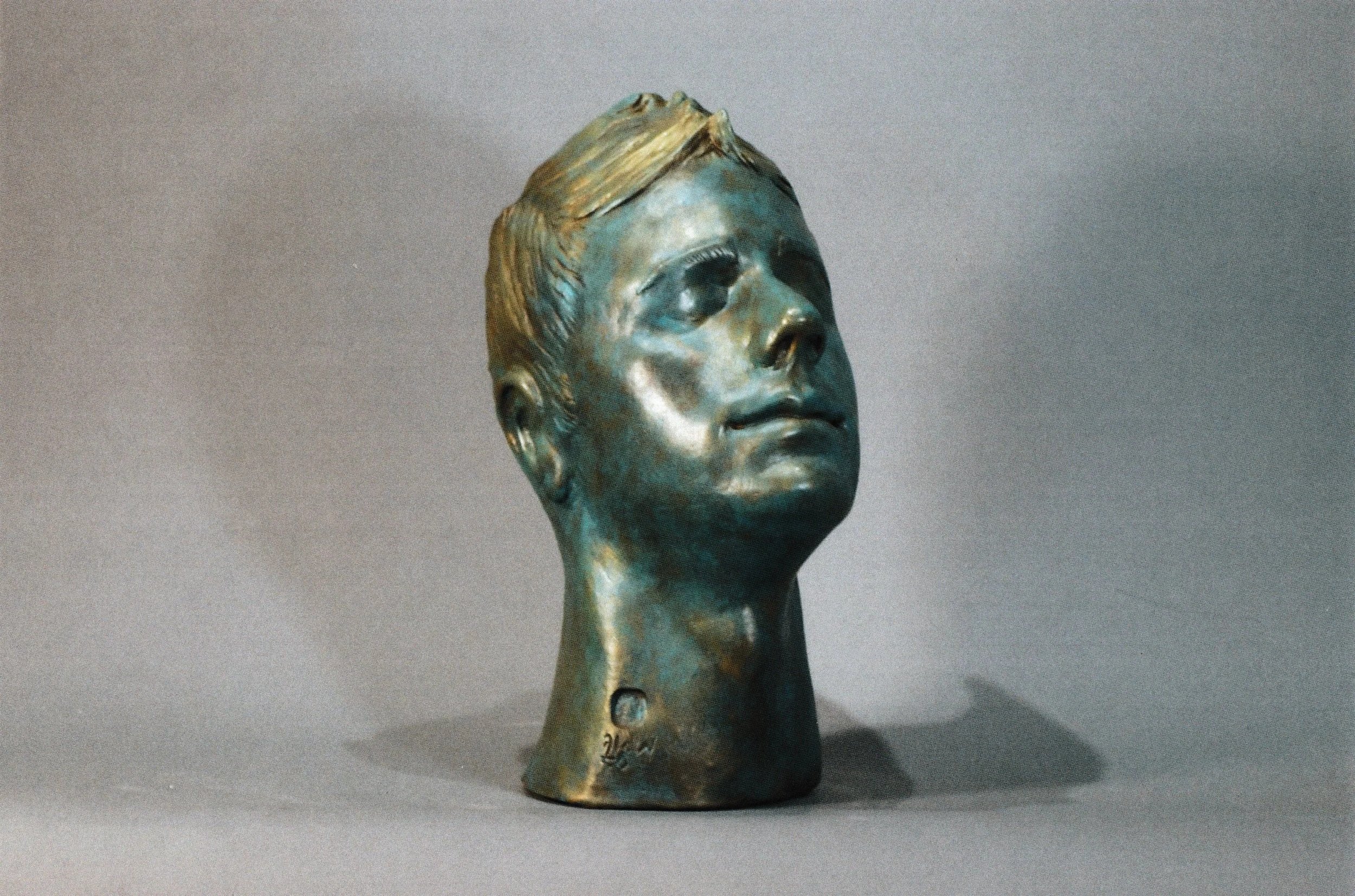
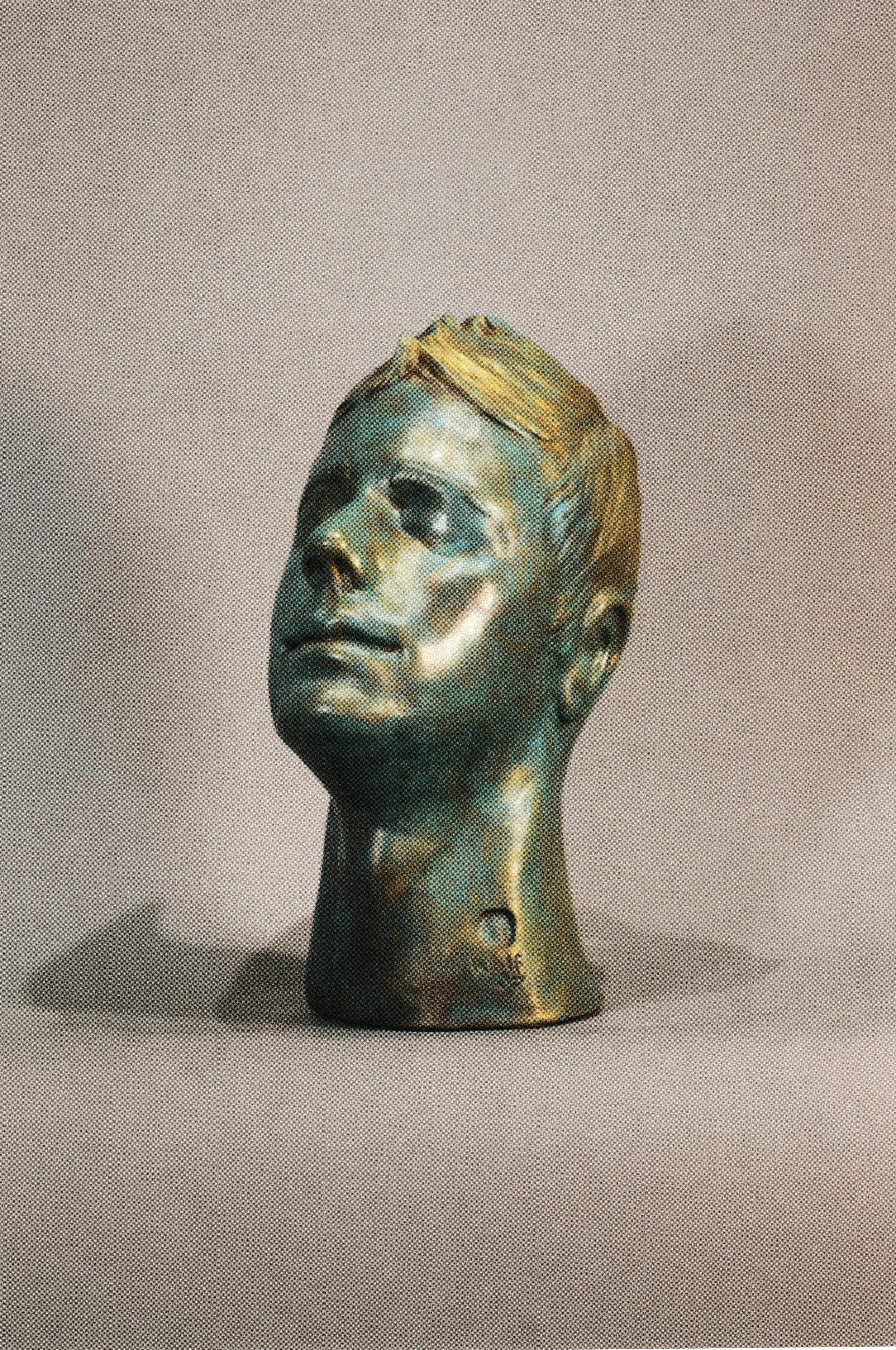
During this same shift, Whitney Wolf II entered into bronze as a medium, building on this modern approach while staying connected to its long history. His early work with bronze, particularly from the late 1970s into the early 1980s, treated the bust not simply as a portrait, but as a process. The casting itself, involving heat, pressure, and transformation, became part of the meaning. His surfaces often carried marks, textures, and variations that suggested both creation and erosion, as if the figure was forming and dissolving at the same time.
Rather than presenting a stable identity, Wolf’s bronze heads explored the idea that the human self is constantly changing. His work reflects a shift from preservation to transformation. Where earlier busts aimed to hold a person in a single moment, his approach allowed the figure to carry time within it. In this way, his foray into bronze aligns with the broader evolution of the medium, where the bust becomes less about who someone was and more about the ongoing experience of being human.