Paintings
The idea of fractals, patterns that repeat at different scales, has existed in nature long before it was defined in mathematics. Natural forms such as coastlines, clouds, trees, and plants all show this kind of repeating structure. Early human cultures recognized these patterns and used them in art, even without formal scientific language. Ancient Islamic architecture, for example, used repeating geometric designs that reflect fractal-like thinking, while Celtic knotwork and African textiles also show recursive patterning. These works reveal an early understanding that complex beauty can emerge from simple repeating forms.
The mathematical study of fractals began in the late 19th and early 20th centuries, but it was fully developed by Benoit Mandelbrot in the 1970s. He introduced the term “fractal” to describe shapes that are self-similar across different scales. With the rise of computers, these patterns could be visualized in new ways, making fractals both a scientific and artistic subject. Around the same time, scholars began to notice that artists such as Jackson Pollock had intuitively created fractal-like patterns in their work, suggesting a deep connection between natural systems and artistic expression.
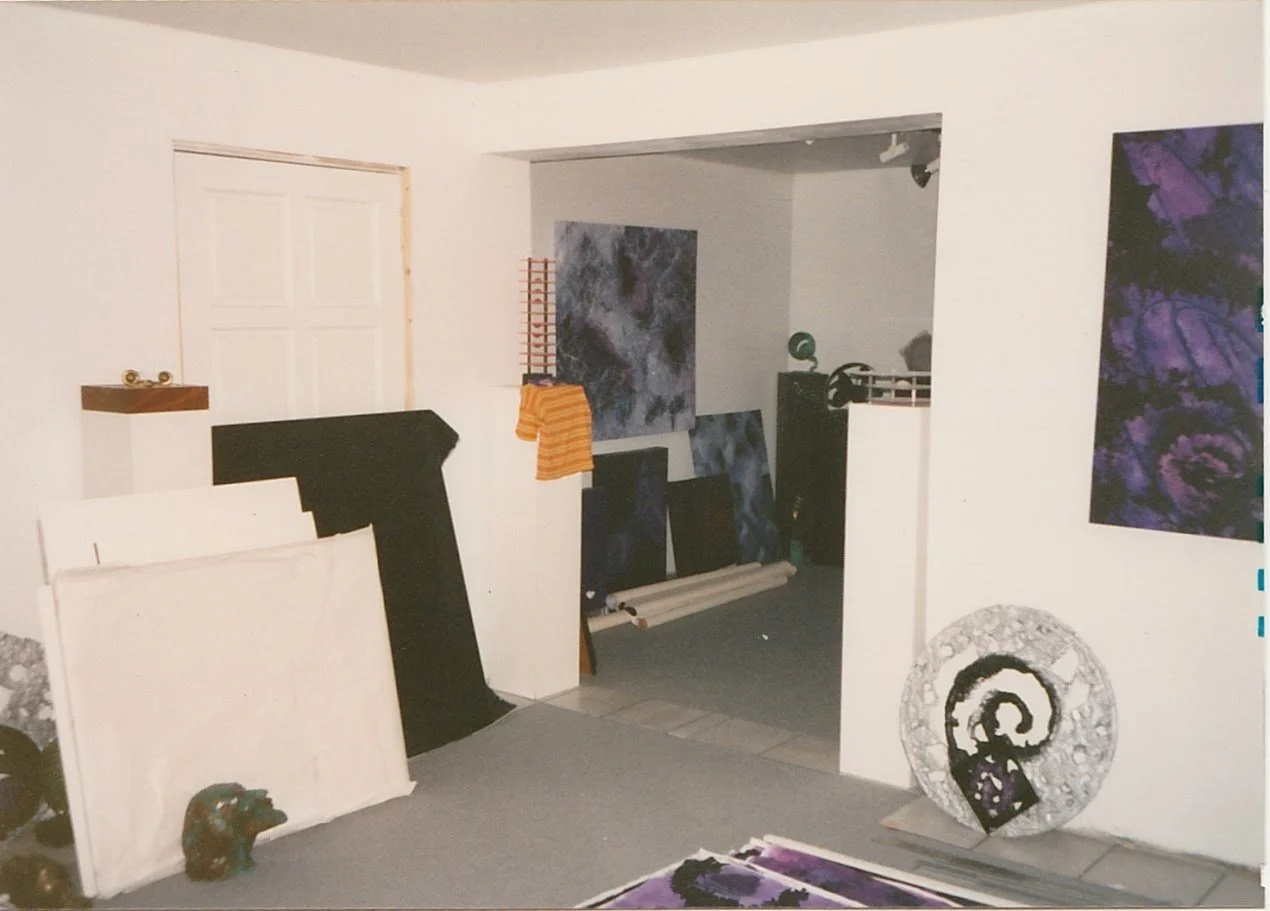
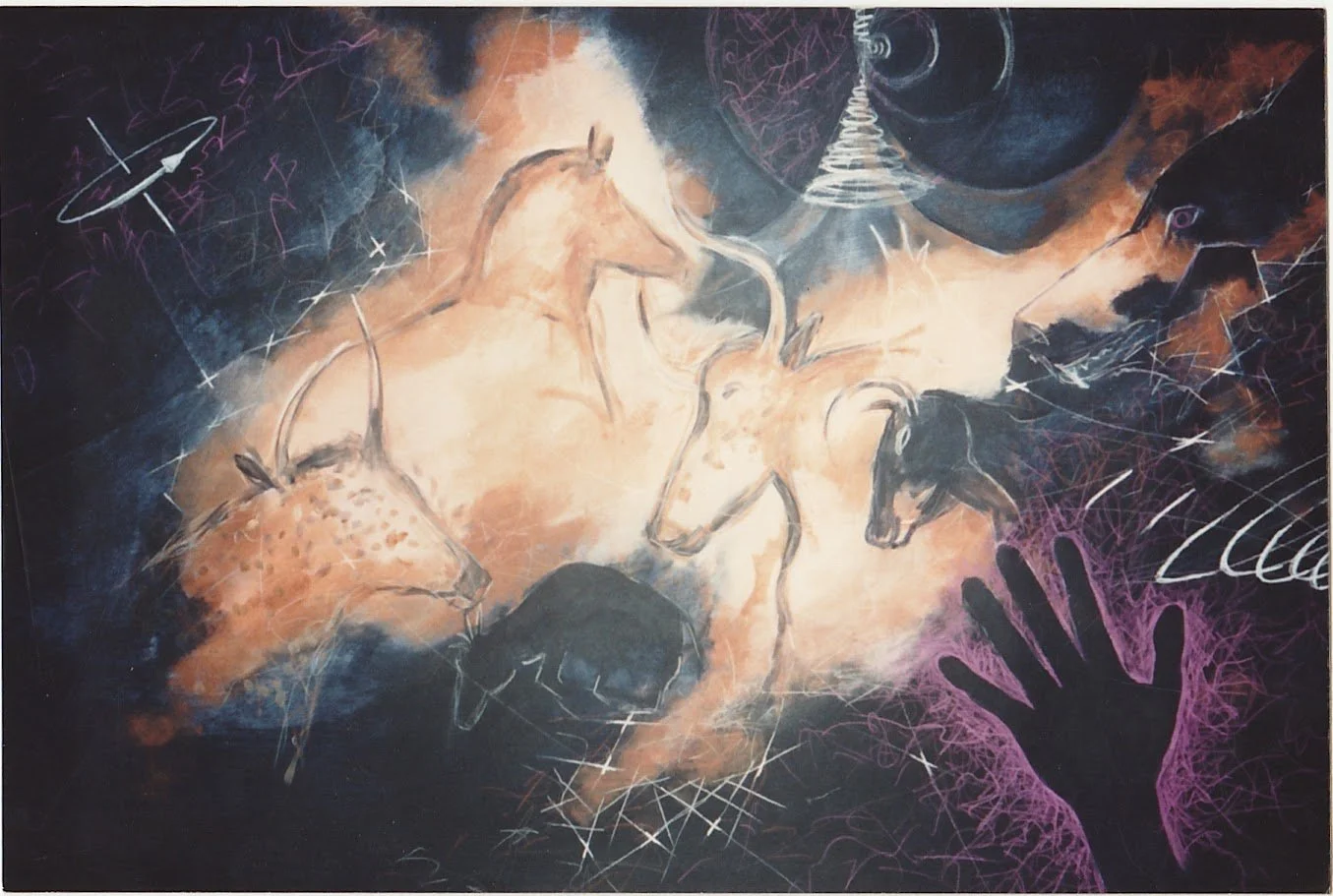
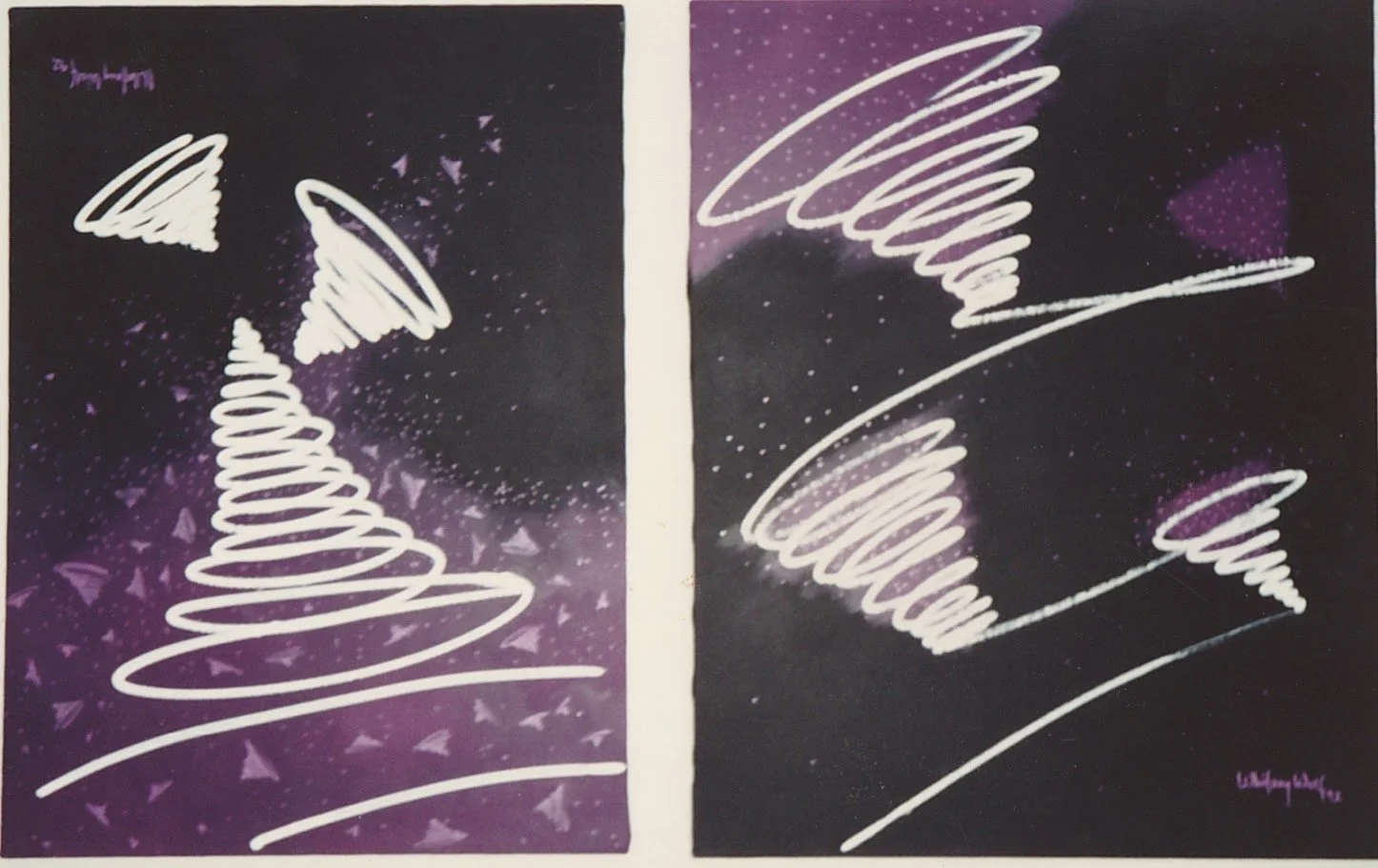
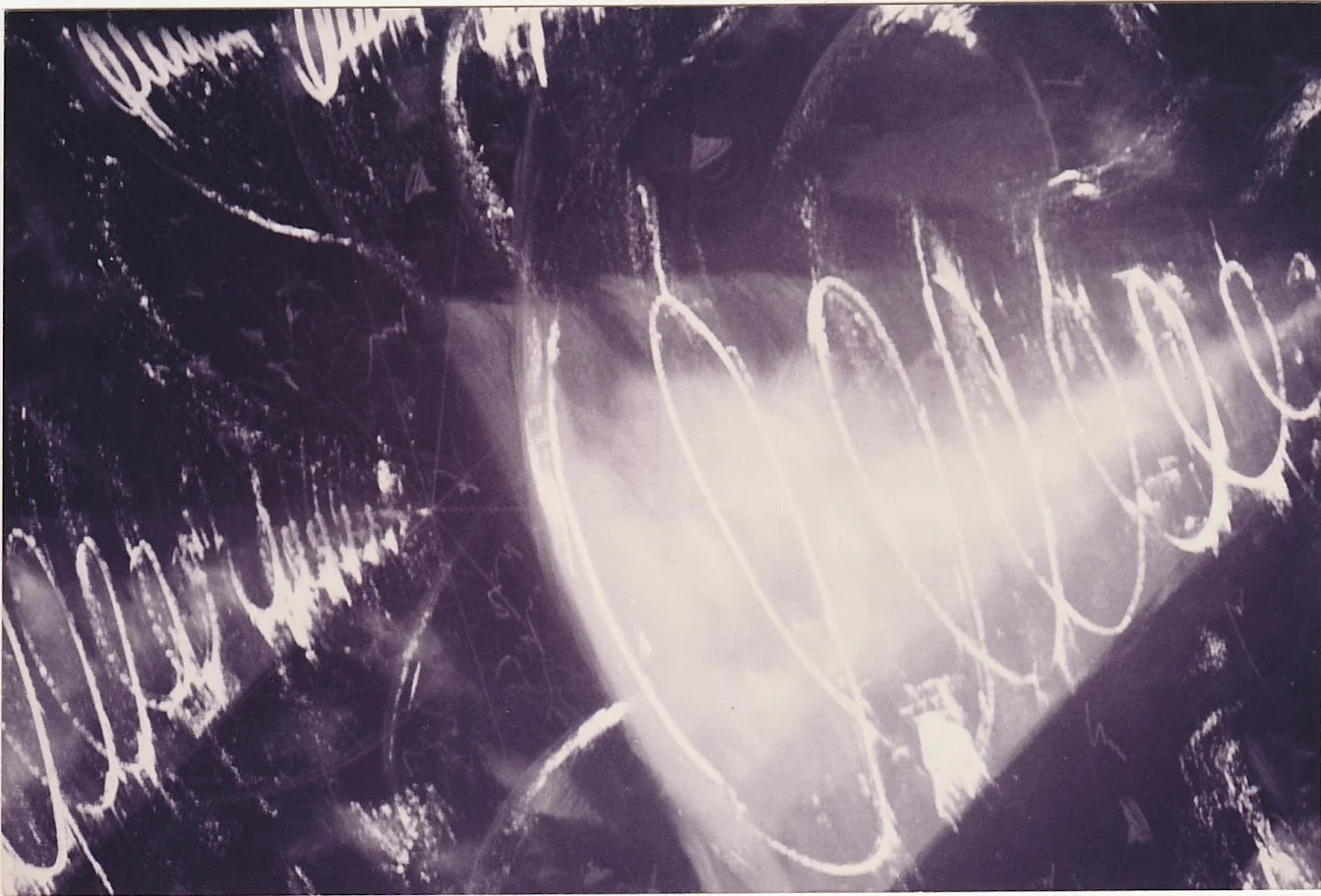
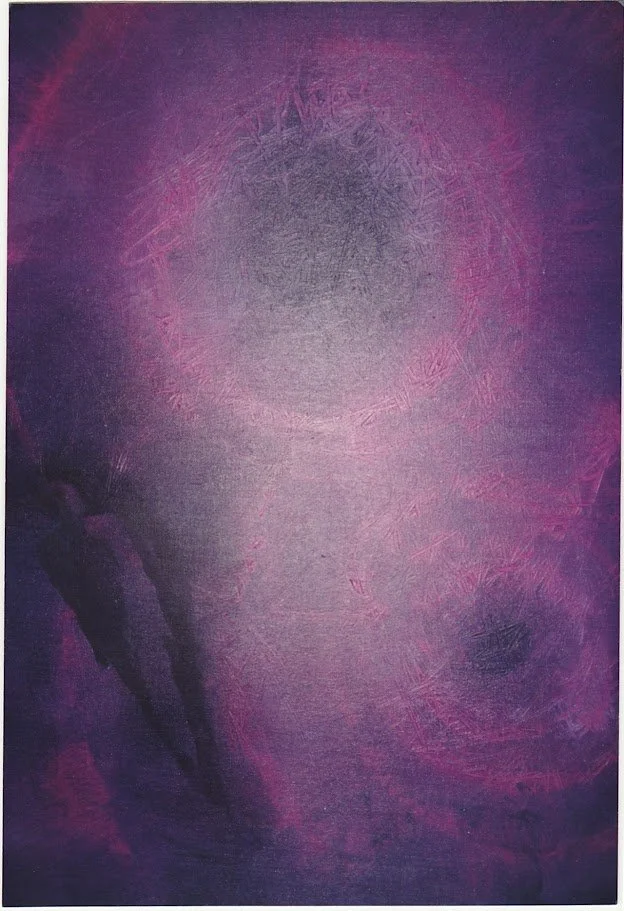
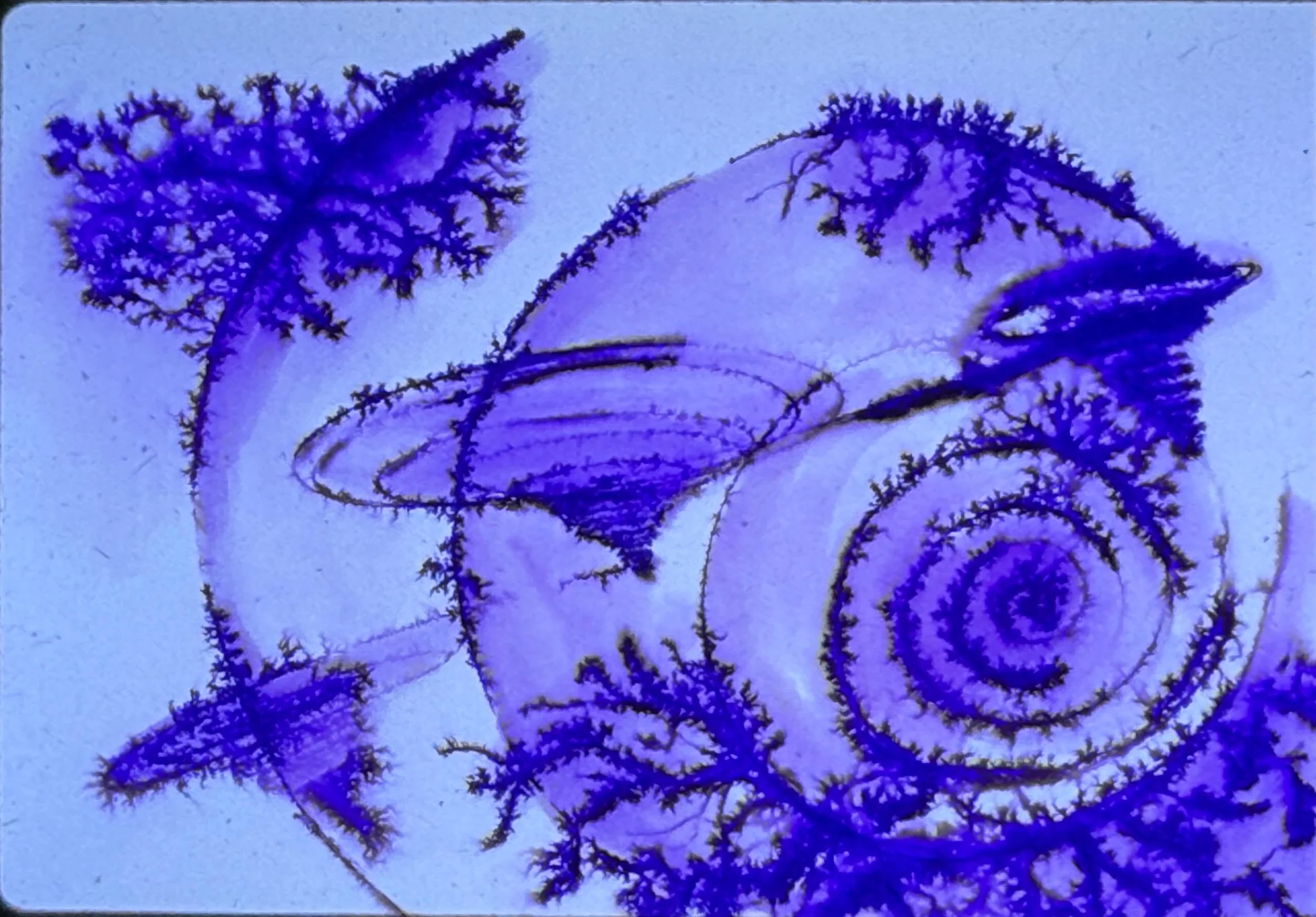
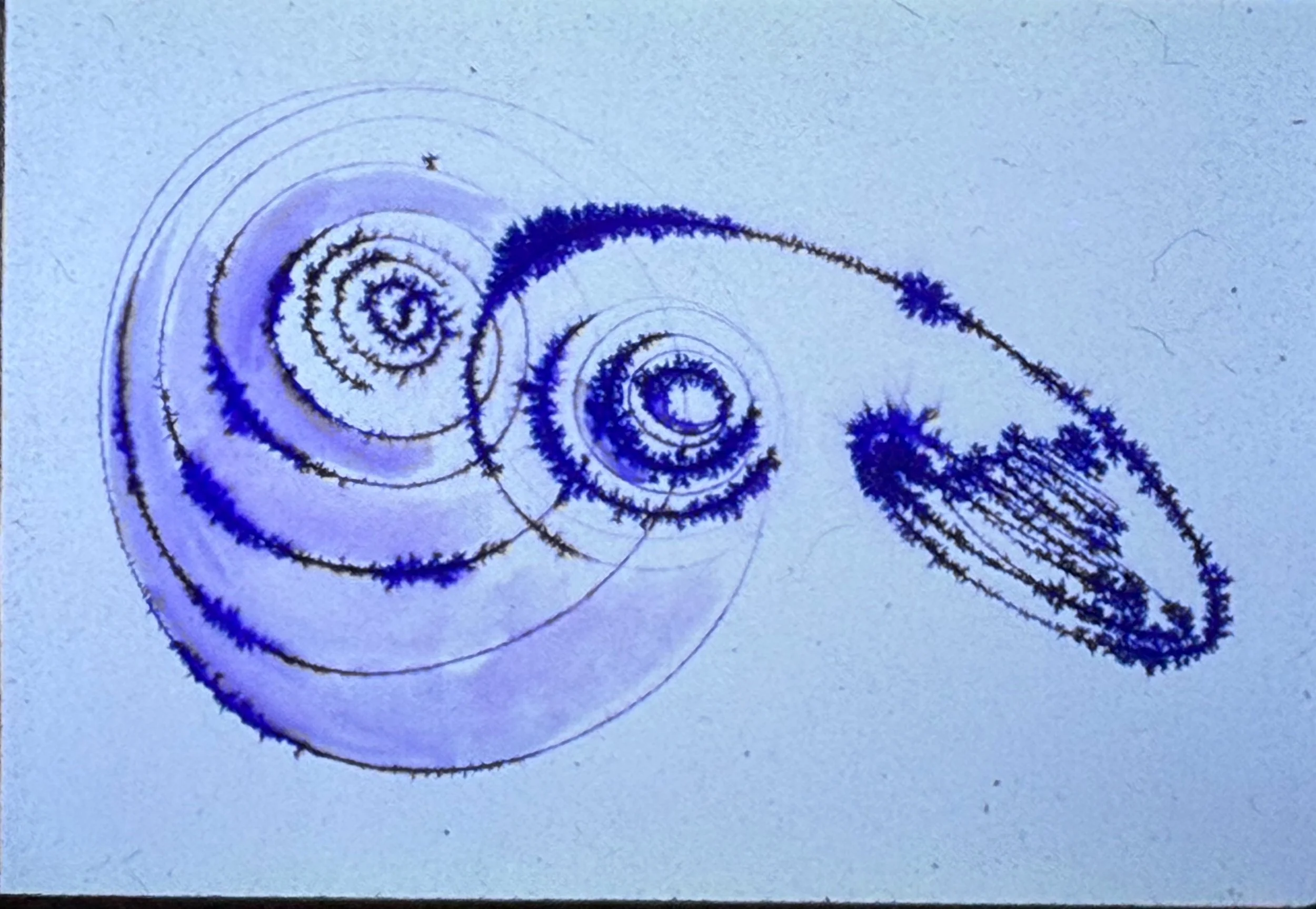
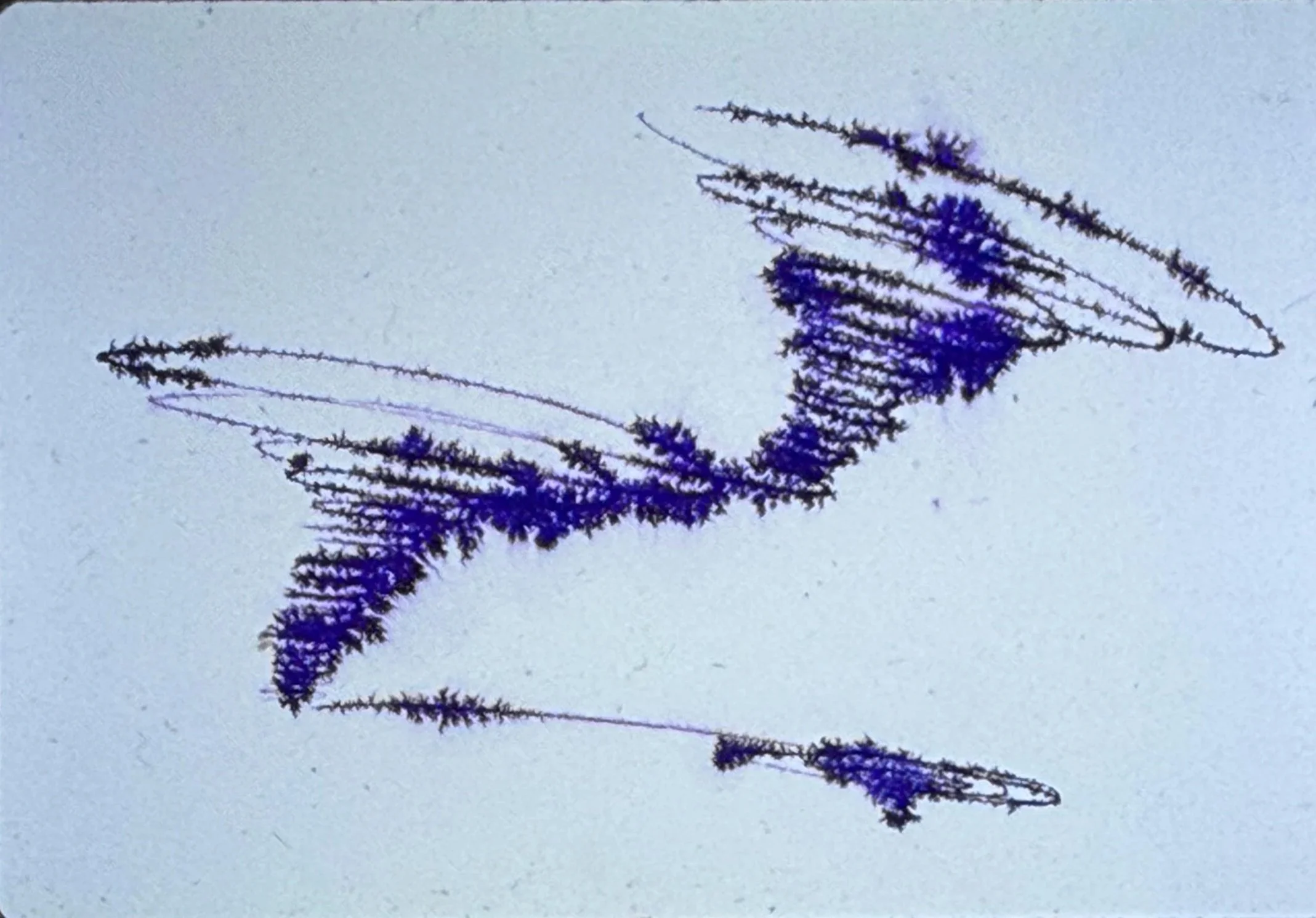
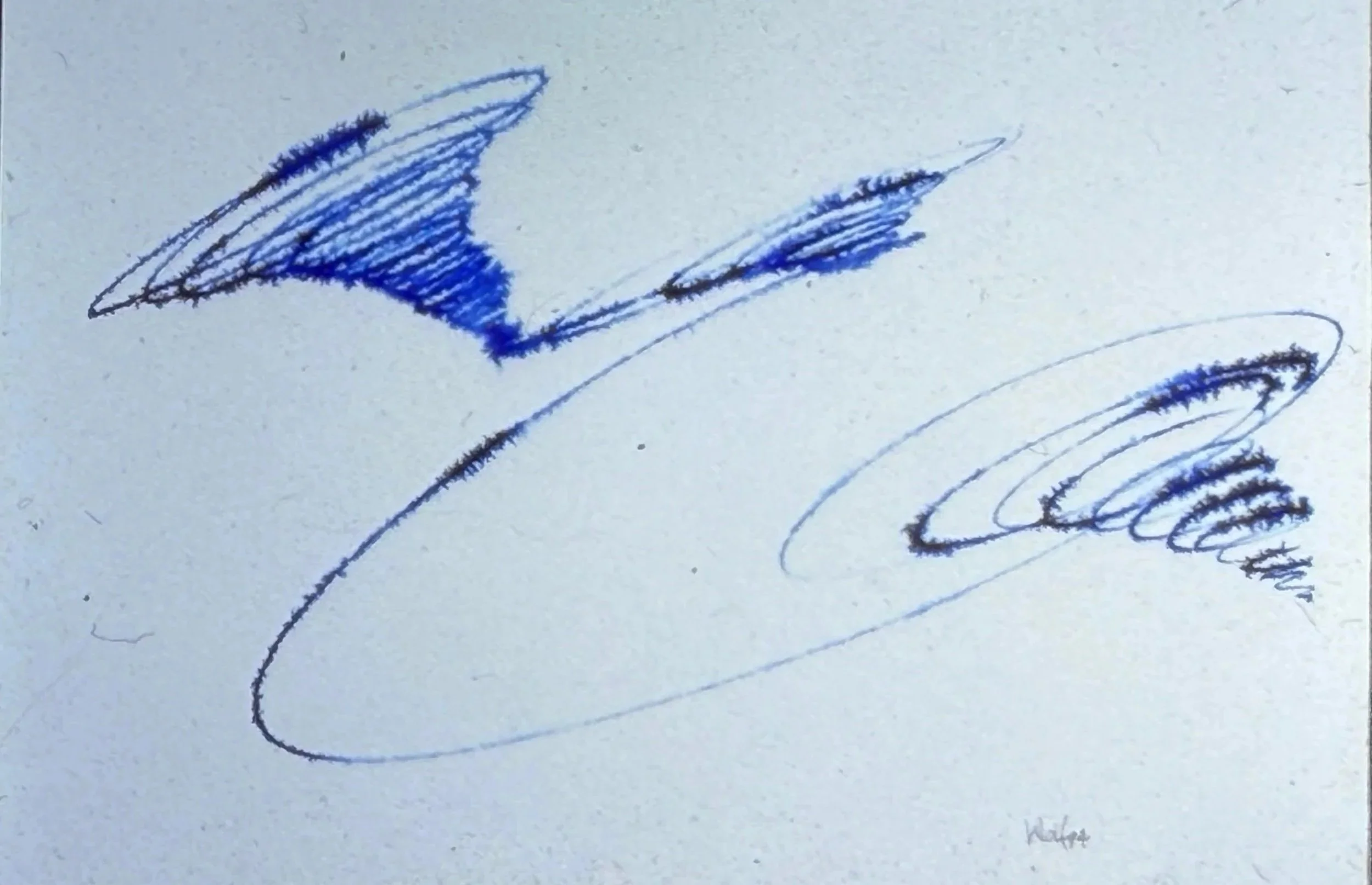
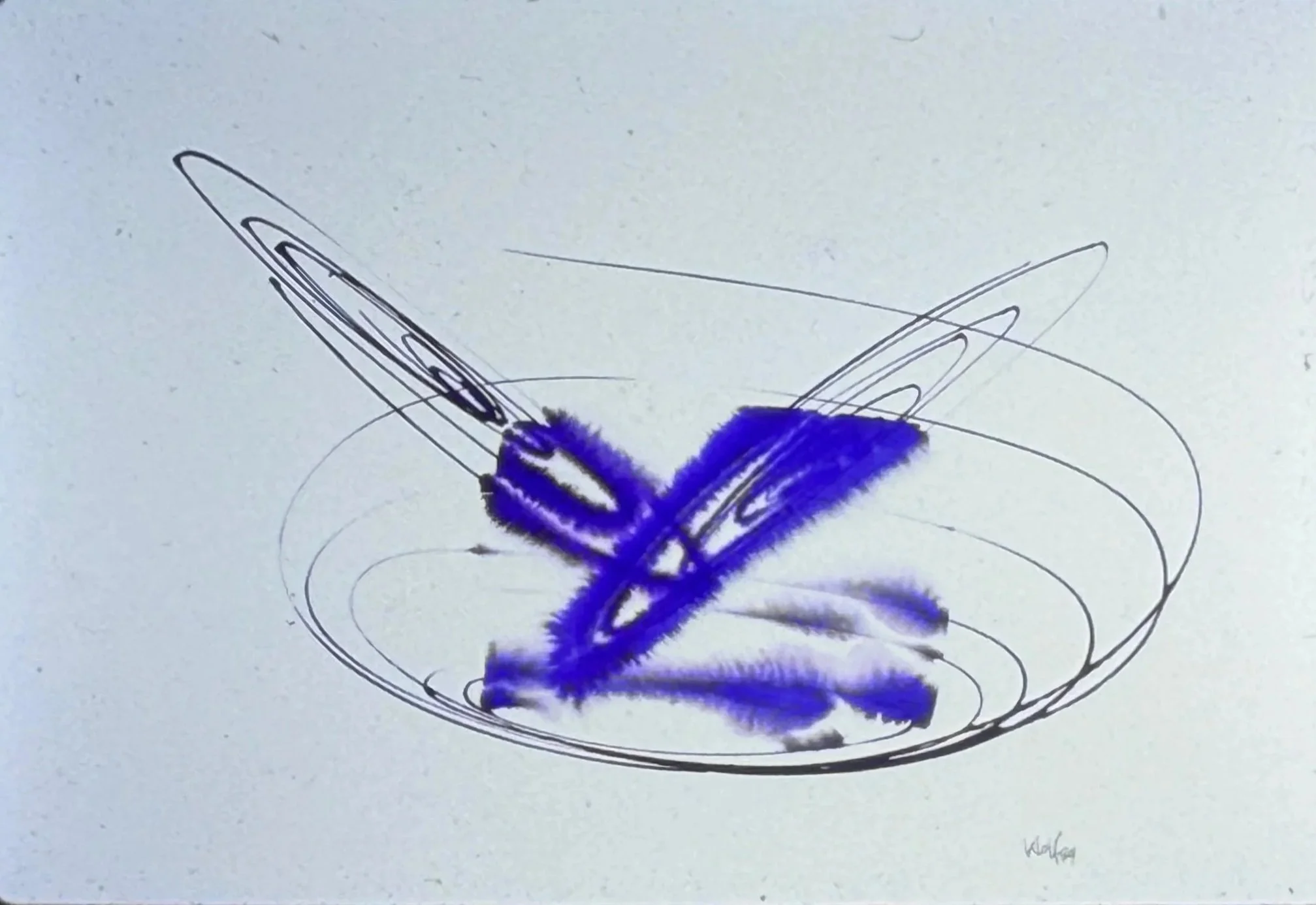
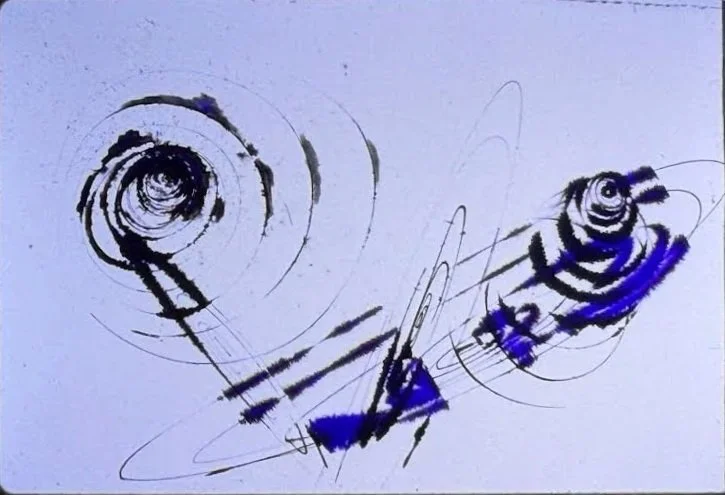
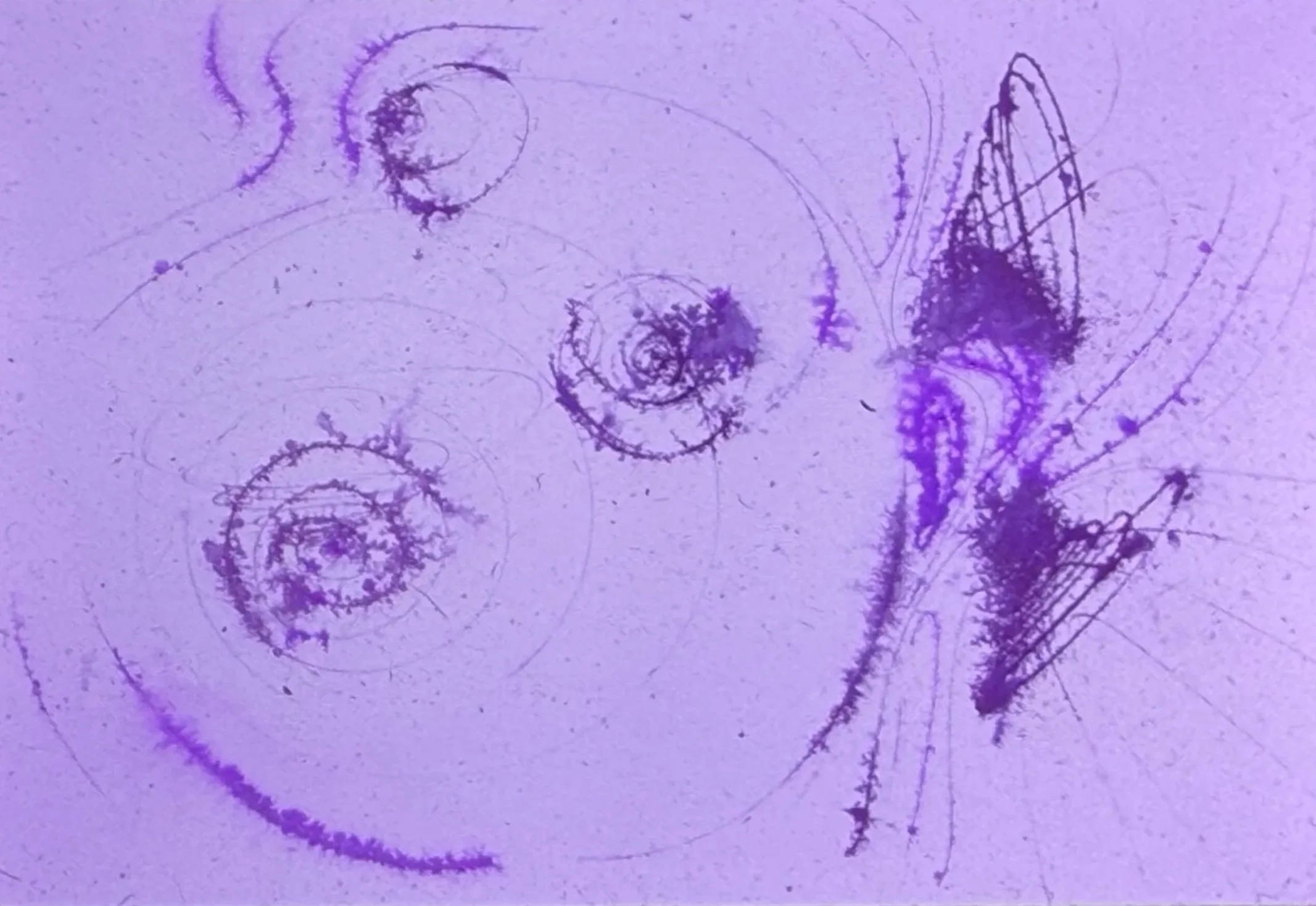
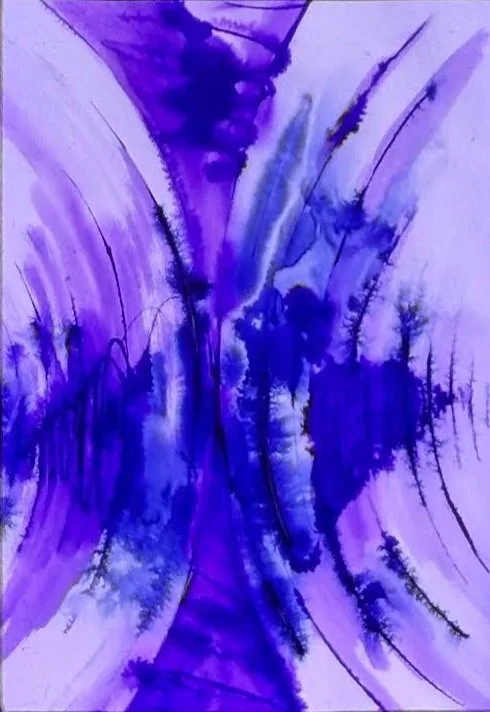
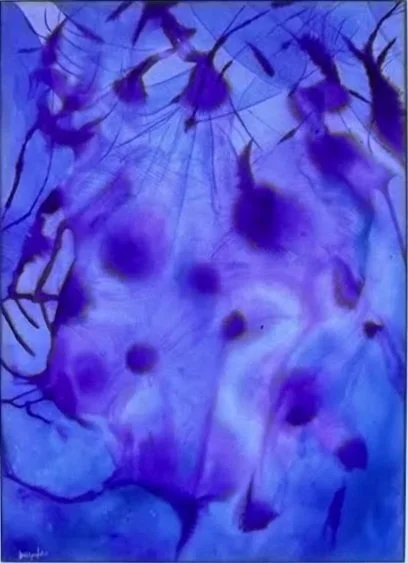
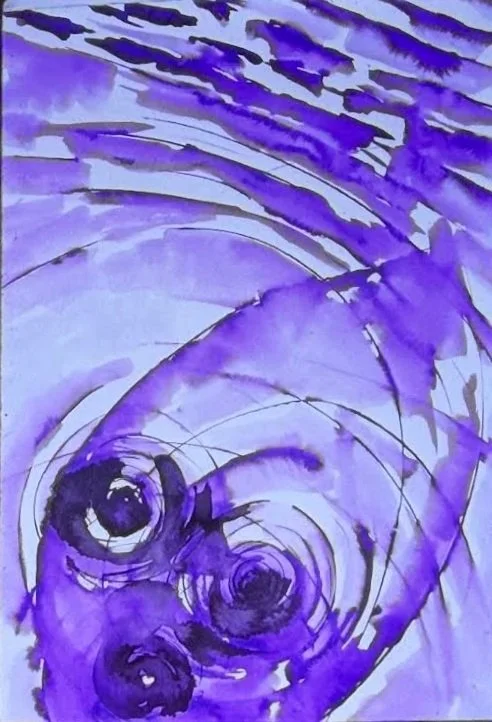
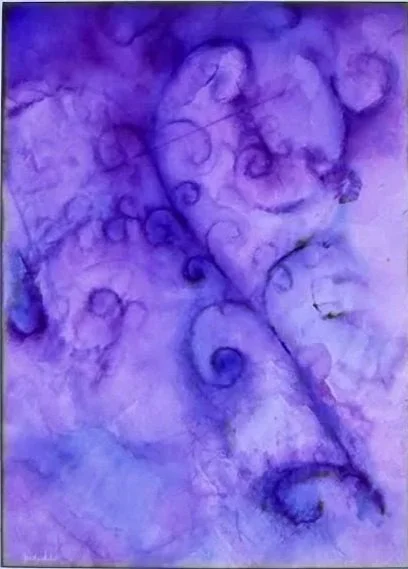
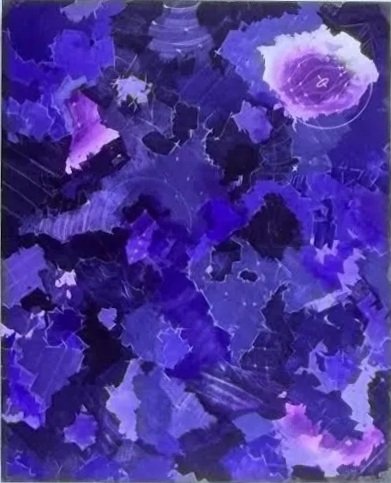
In the 1980s, Whitney Wolf II explored fractal ideas through watercolor by studying plants and natural forms. Rather than using computers, he looked directly at nature, observing how leaves, roots, and branching systems repeat similar shapes at different scales. These observations became the foundation for his paintings, where organic forms spread across the surface in layered and expanding patterns.
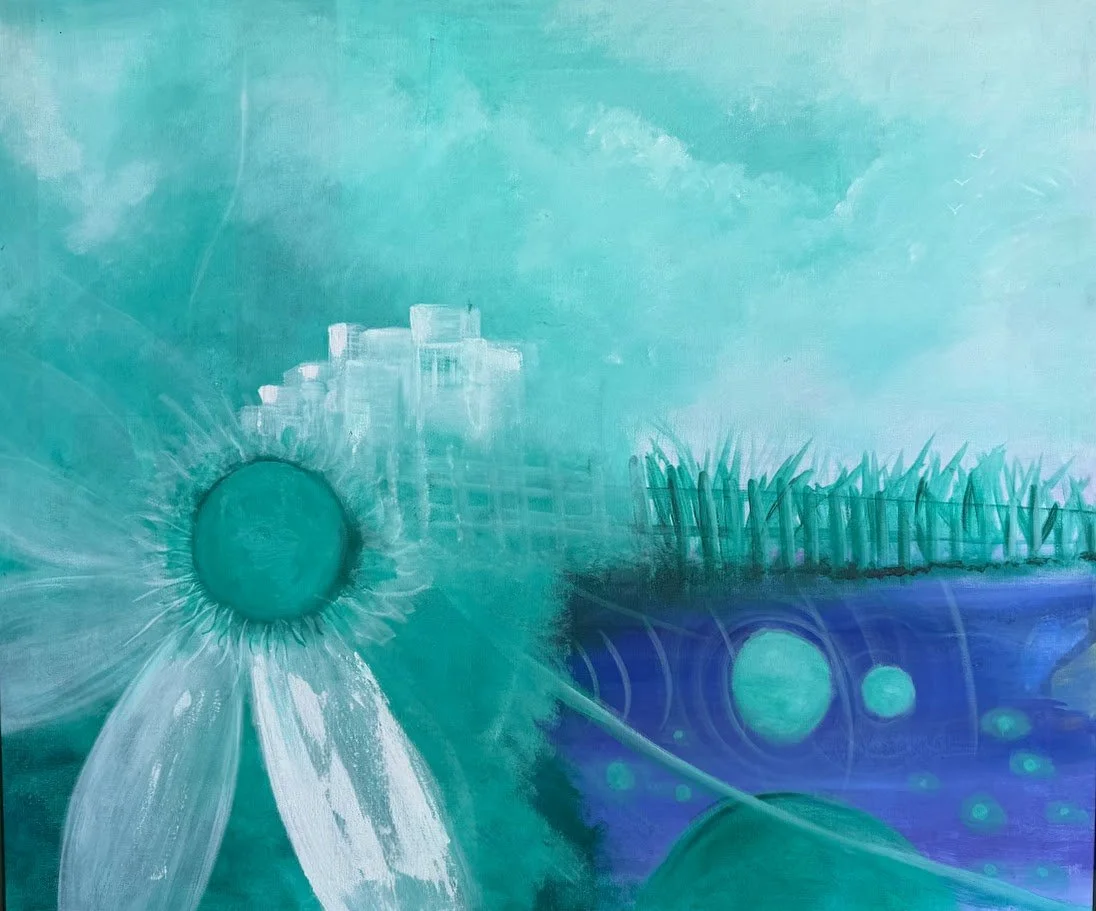
His process often involved allowing water and pigment to move freely, creating structures that echoed natural growth. The flow of watercolor itself became part of the system, producing shapes that resembled veins, cells, and networks found in living organisms. In this way, his work did not simply depict nature, but followed its logic. The paintings suggest that the same patterns seen in plants can also appear in energy, time, and the human body.
Wolf’s approach reflects a broader moment in the late 20th century when artists began to engage more directly with science. By using fractal ideas through natural observation rather than digital tools, he connected art to biology and mathematics in a tactile and immediate way. His work from this period shows how fractals can move beyond theory and become a visual language, one that links the structure of the natural world to human creativity.