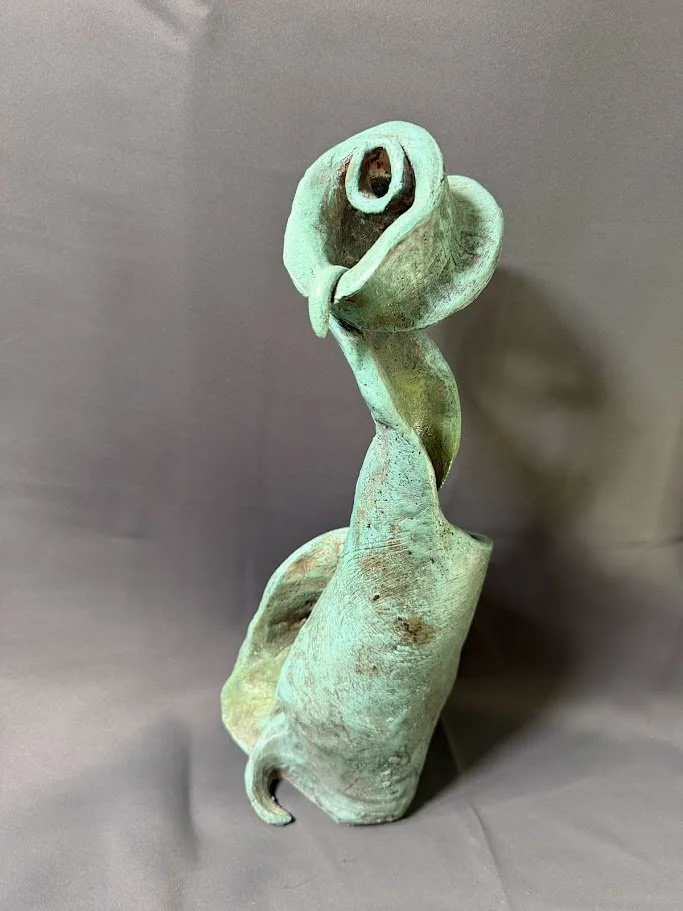
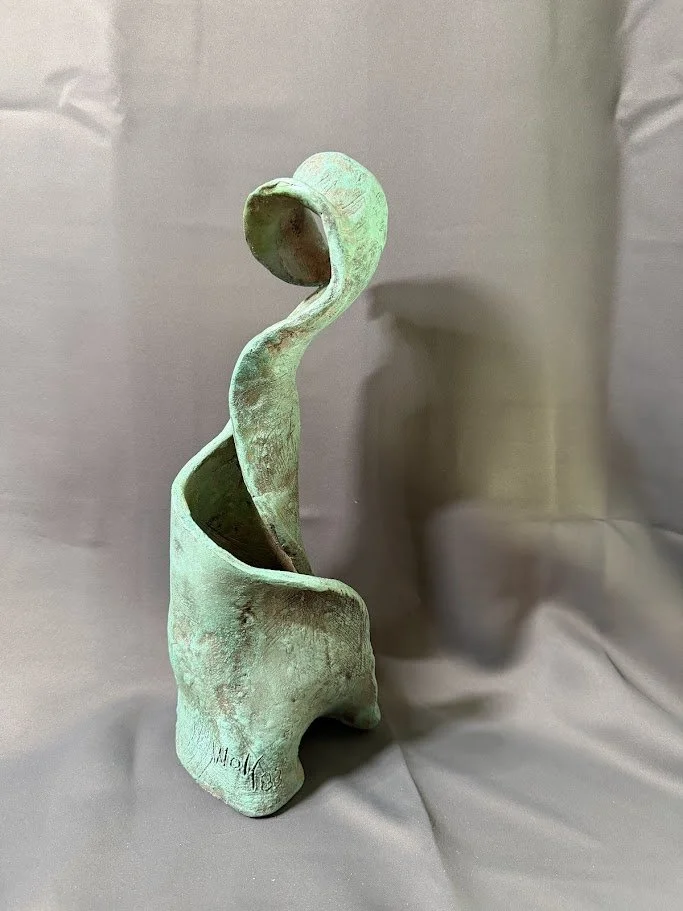
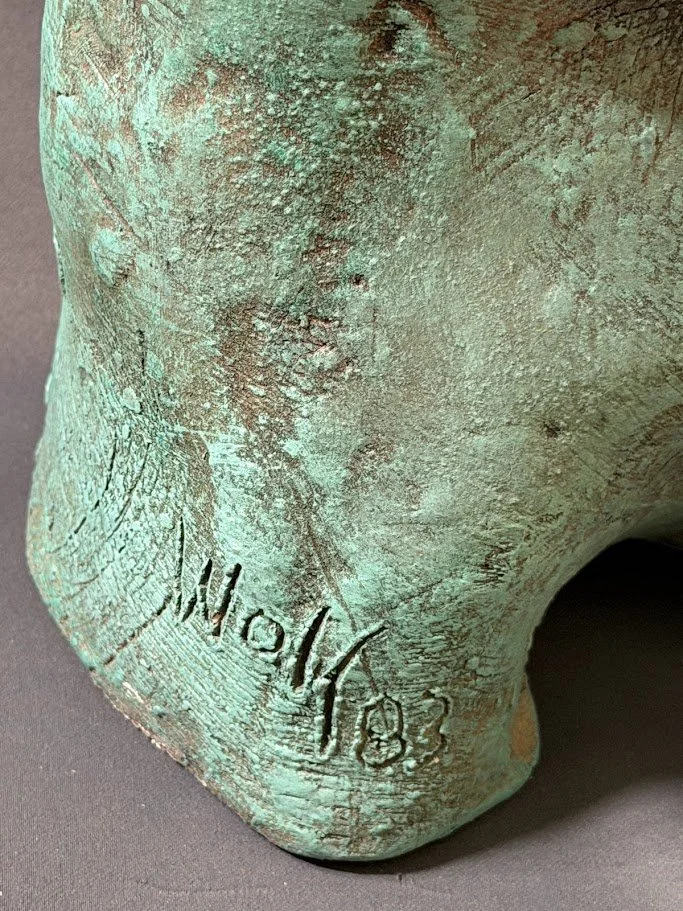
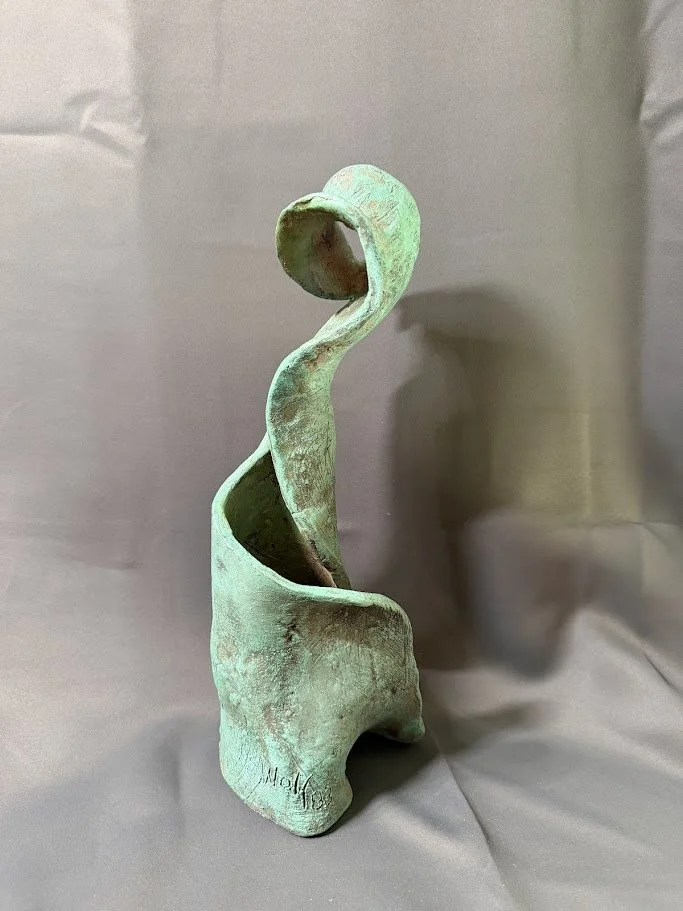
The Multiverse
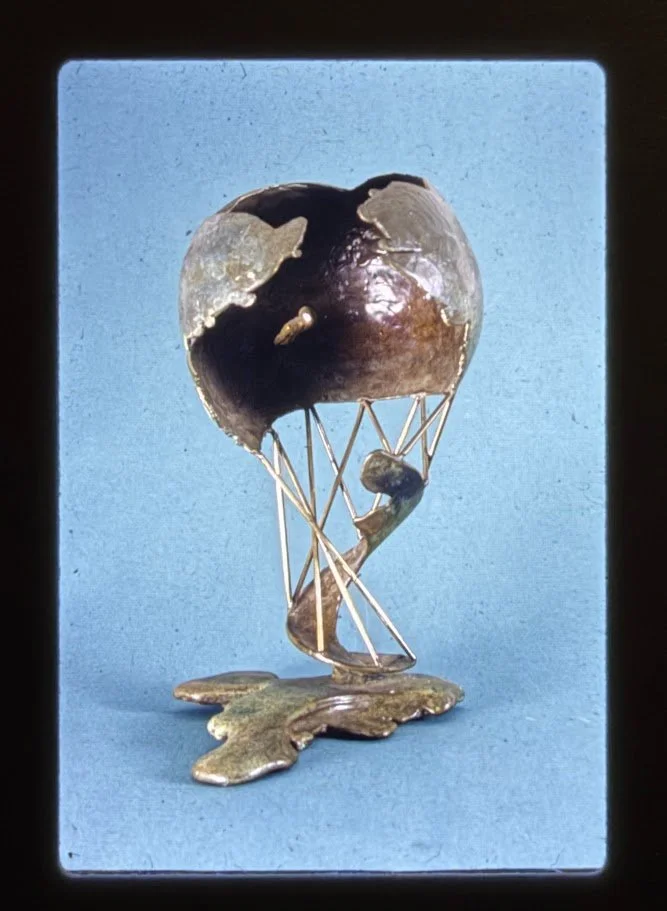
Whitney Wolf II spent decades creating sculptures from a wide range of materials, including metal, wood, ceramics, and terracotta. Beginning in the 1970s and continuing into the 2000s, his work shows a steady exploration of form, balance, and material. He did not limit himself to one medium. Instead, he moved between materials, allowing each one to guide the shape and feeling of the piece. This gave his work a sense of constant experimentation.
In his early years, wood and metal were central to his process. These materials led to more structured and balanced forms that often feel architectural. As his work developed, he began working more with ceramics and terracotta. This shift allowed for smoother curves and more organic shapes. The sculptures became less rigid and more fluid, as if they were growing or unfolding rather than being built.
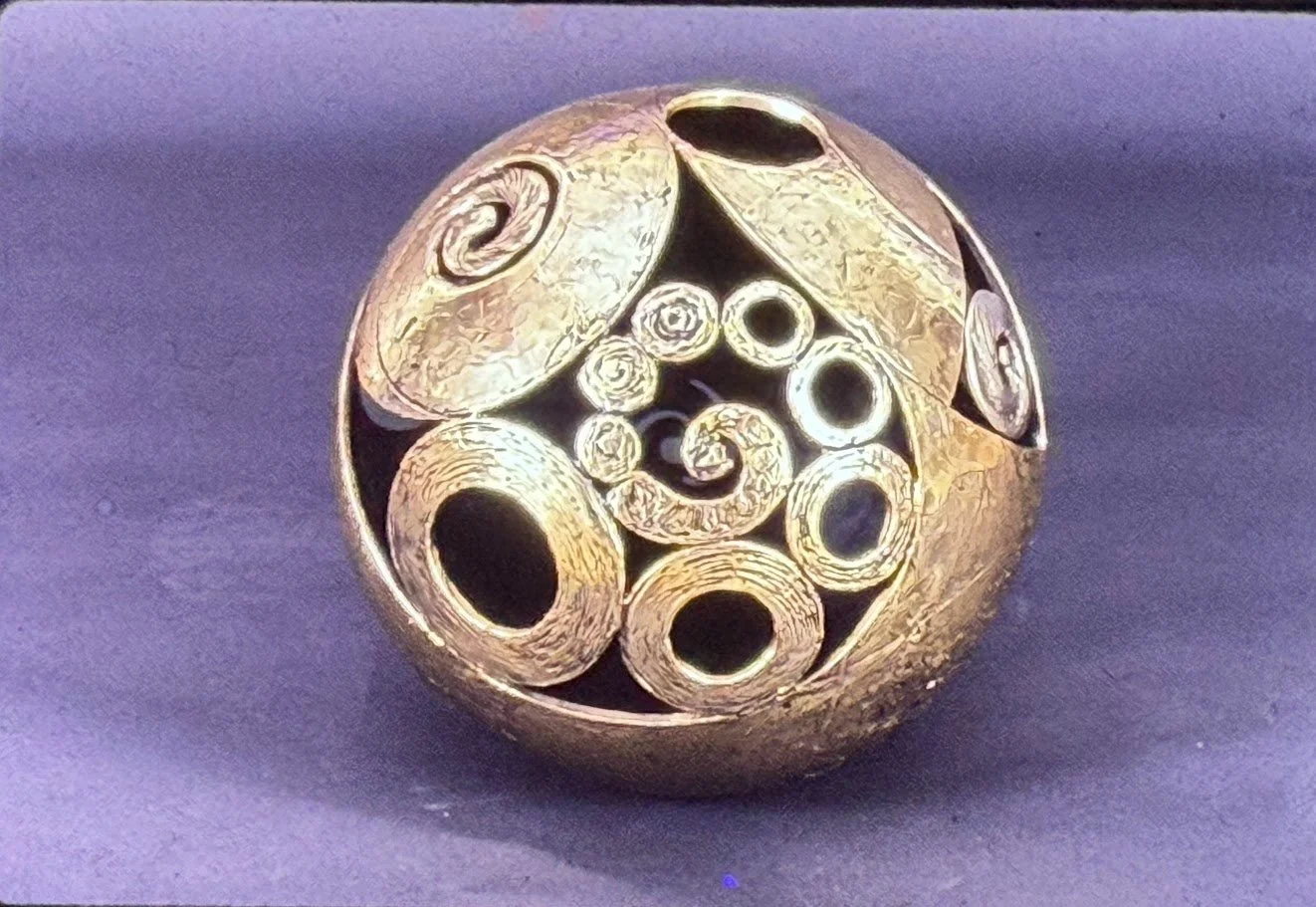
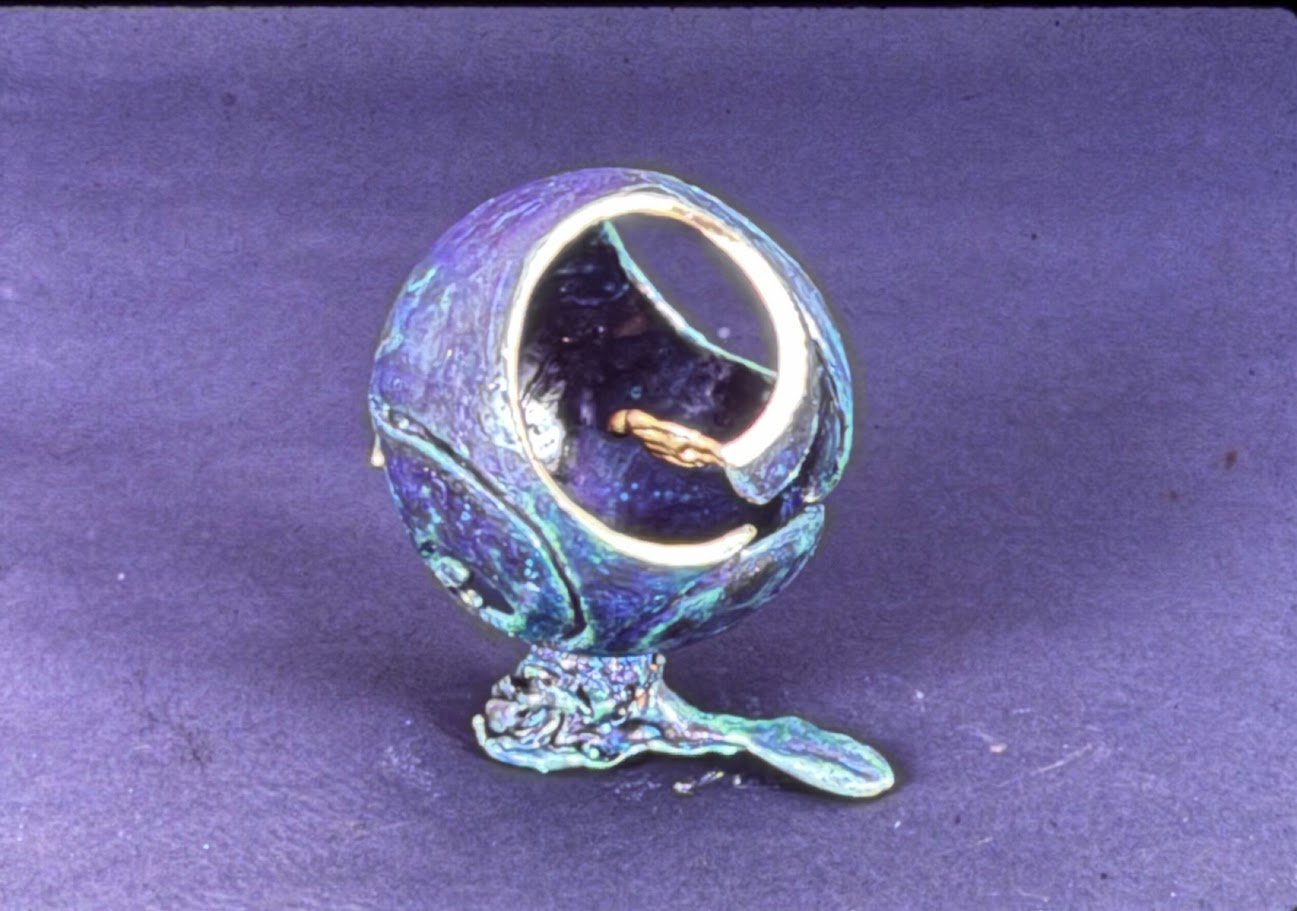
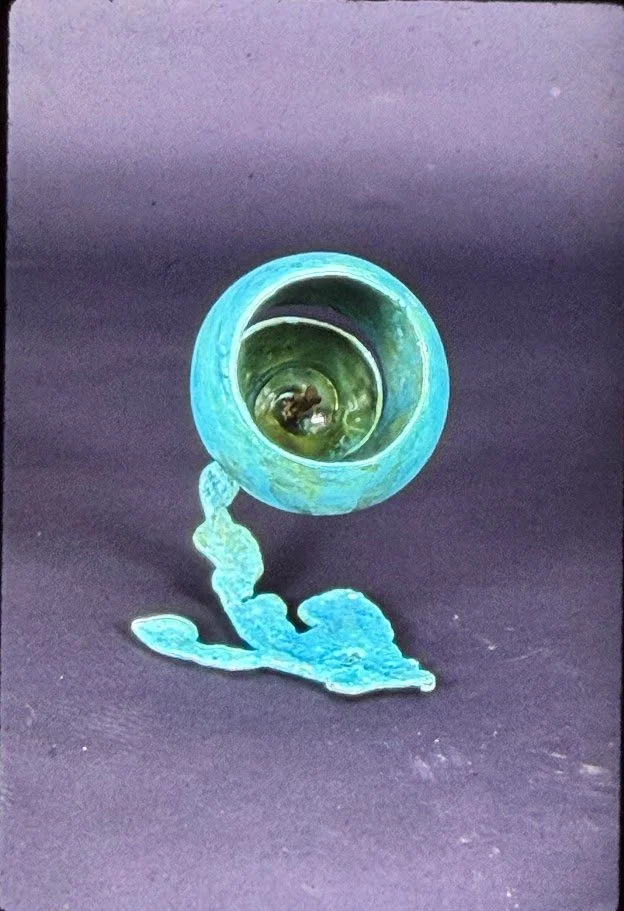
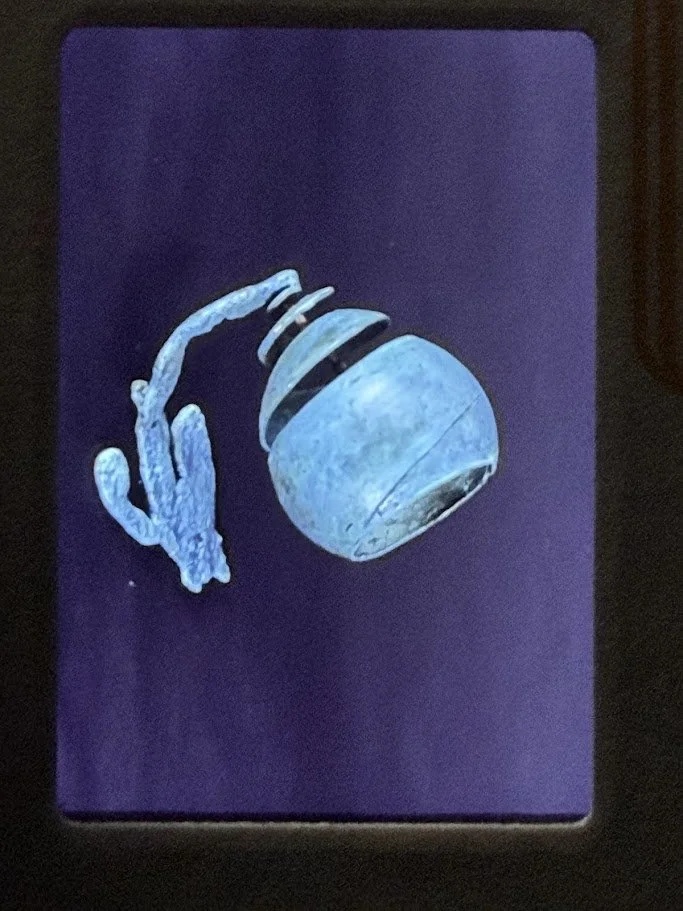
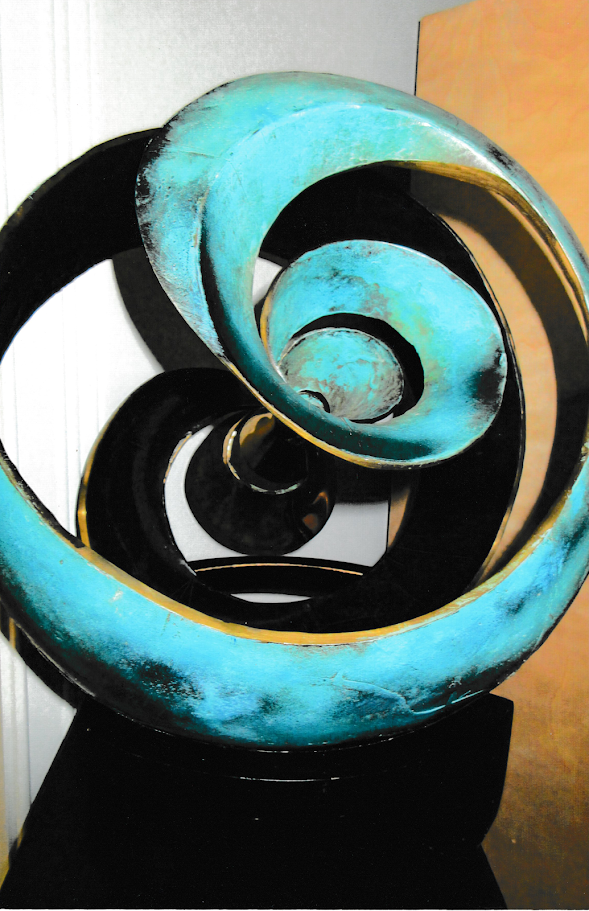
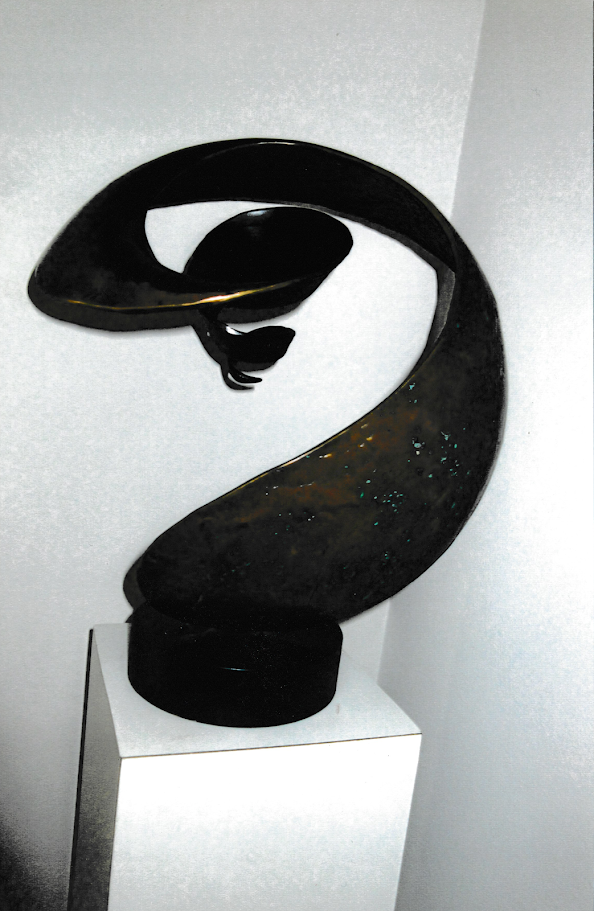
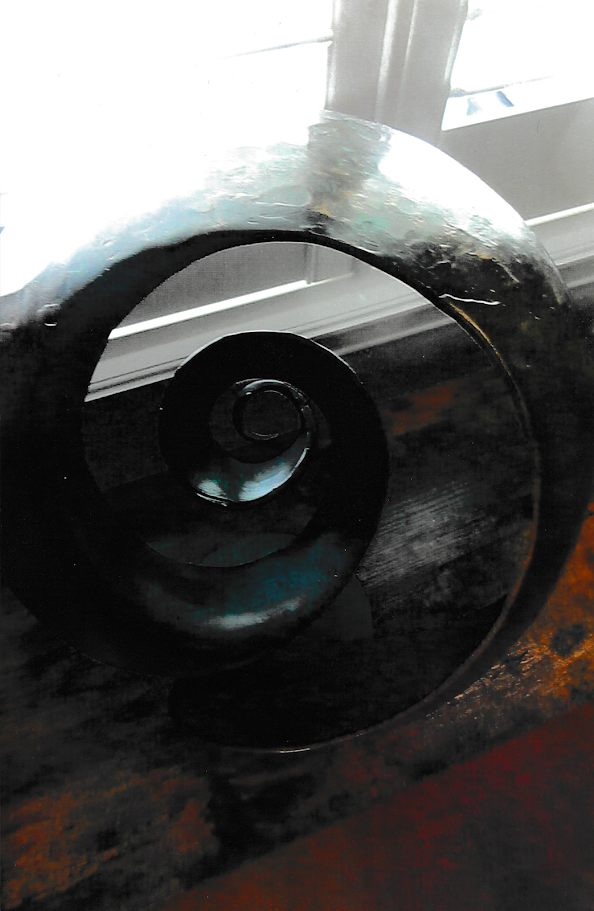
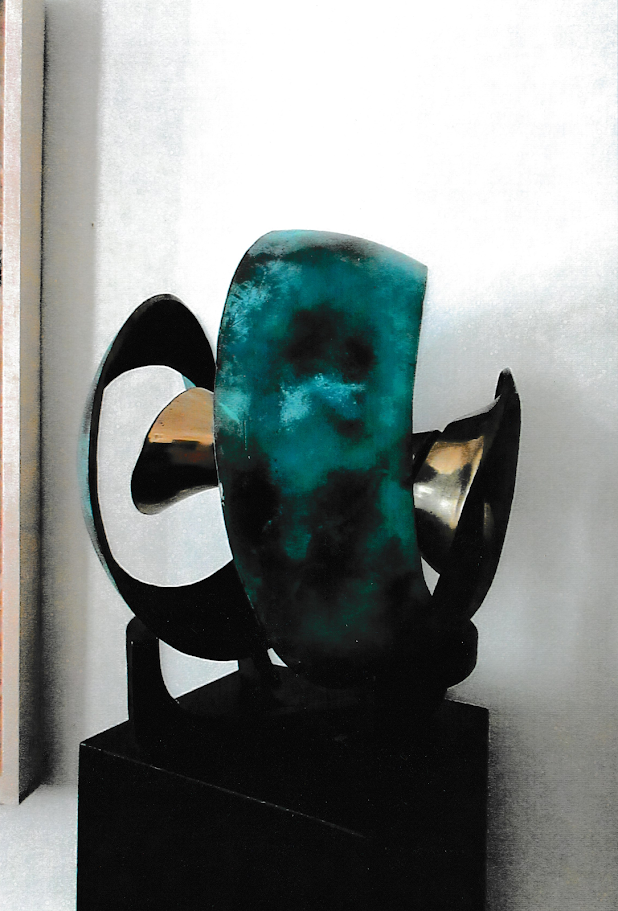
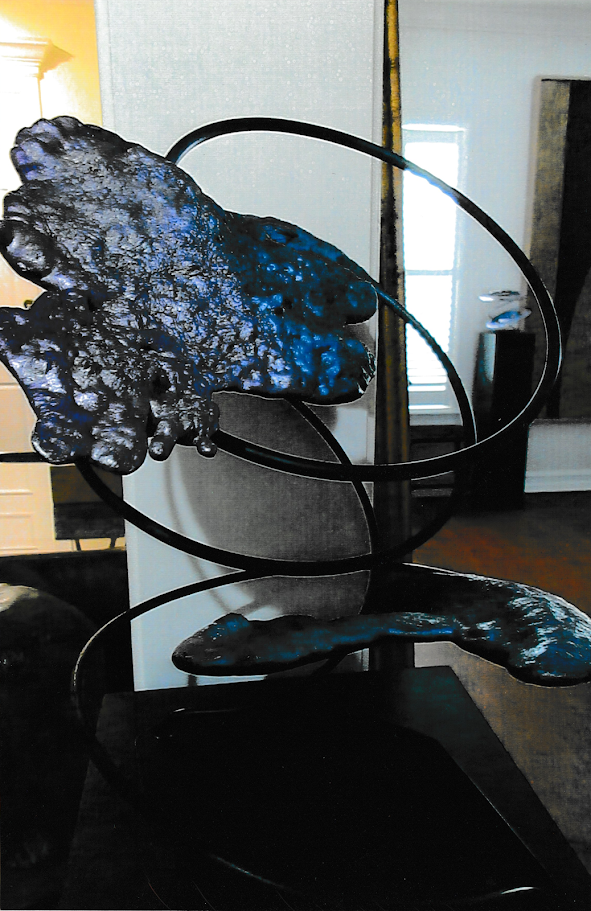
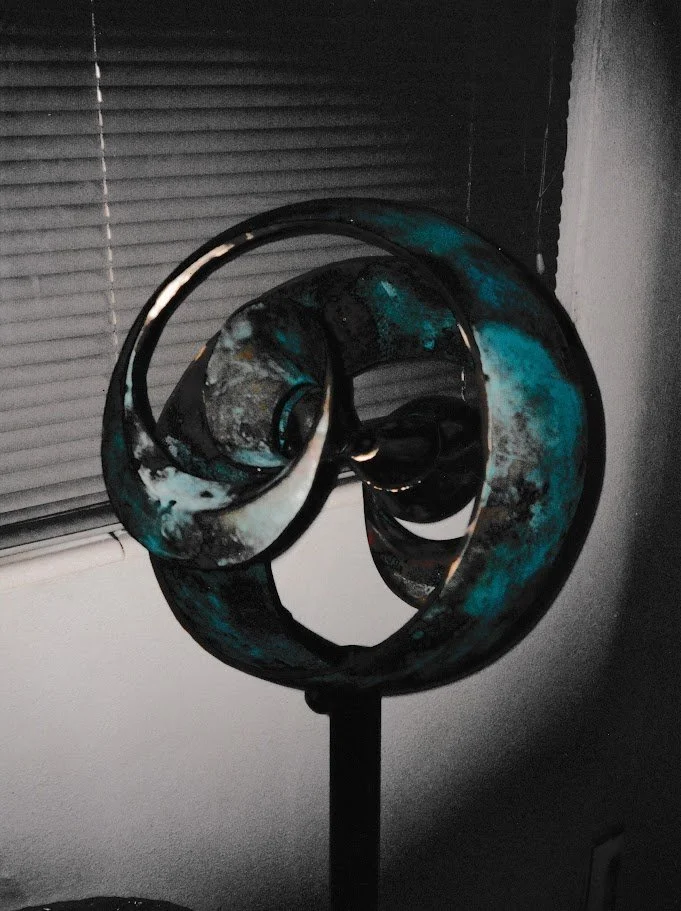
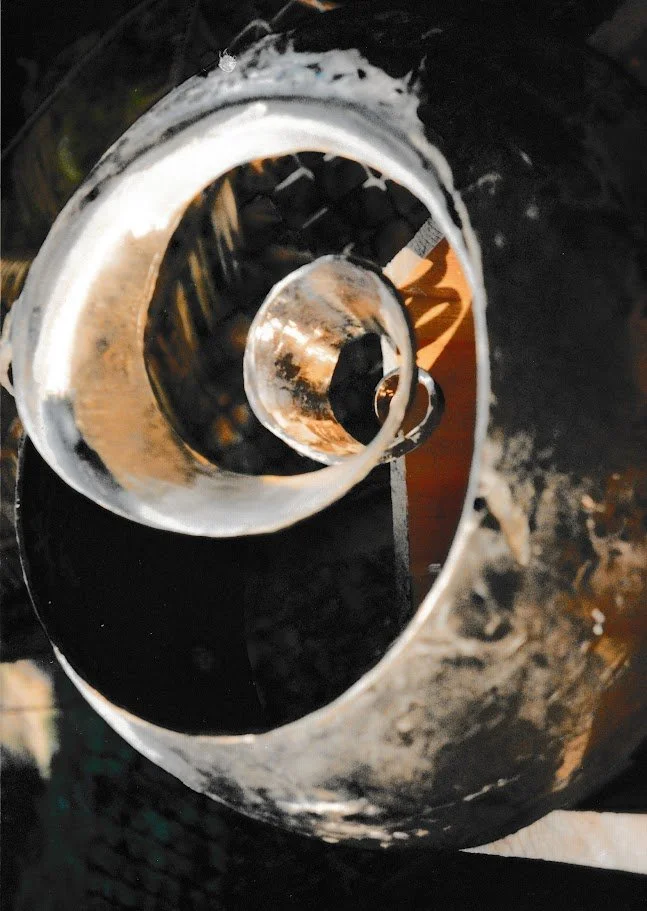
Many of his sculptures from this period can be described as abstract and otherworldly. They do not represent specific people or objects. Instead, they suggest movement, energy, and transformation. Spiral forms, looping curves, and layered surfaces appear often. These shapes give the impression of something alive or in motion. The sculptures feel as if they exist between worlds, not fully natural but not mechanical either.
This otherworldly quality is closely connected to his interest in Eastern philosophy, including Taoism and transcendental meditation. Taoism teaches the idea of flow, balance, and harmony with the natural world. It focuses on movement without force and the idea that all things are connected. These ideas can be seen in the way his sculptures curve and twist, as if following a natural path rather than a strict plan. The forms feel guided, not forced.
Transcendental meditation also influenced his approach to art. This practice focuses on stillness, awareness, and going beyond surface reality. In his sculptures, there is often a sense of quiet movement, like something happening beneath what we can see. The repeated curves and continuous forms suggest cycles, breath, and a kind of inner motion. The work invites the viewer to slow down and observe, rather than just look.
His use of patina, especially the green and blue tones on metal surfaces, adds to this feeling. These colors resemble natural aging and exposure, as if the sculptures have existed over long periods of time. This connects to ideas of time, change, and the natural process of transformation. The surfaces feel weathered, almost as if shaped by forces beyond human control.