WoodWorks
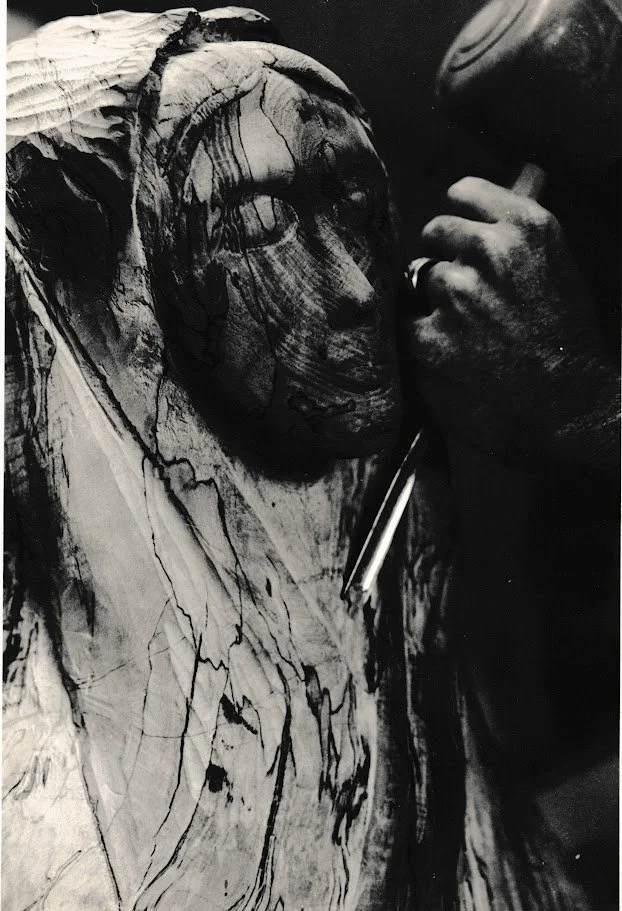
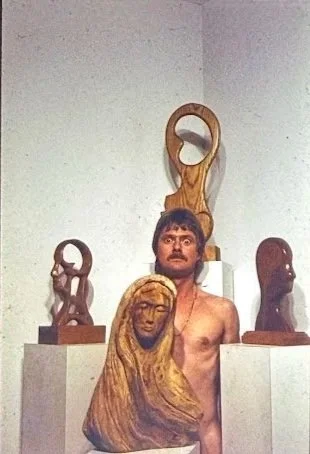
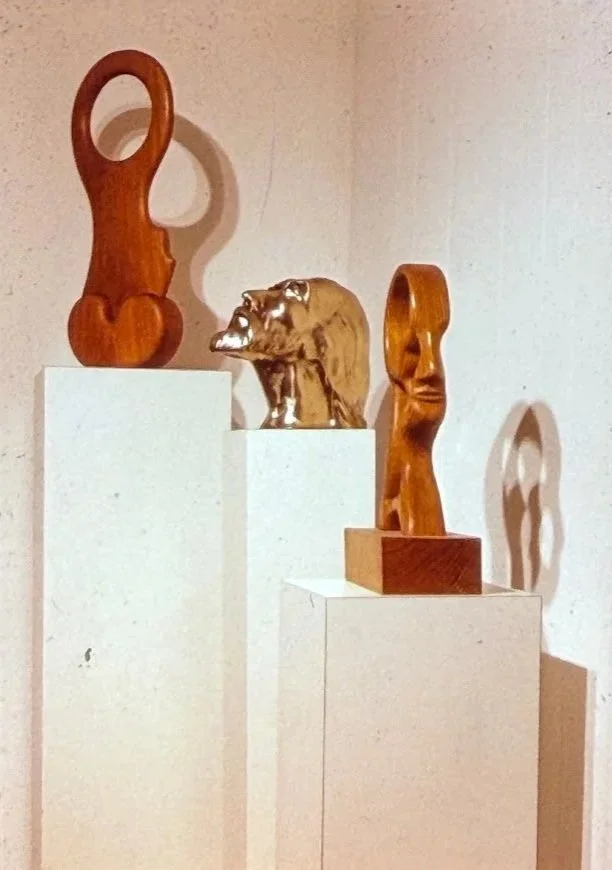
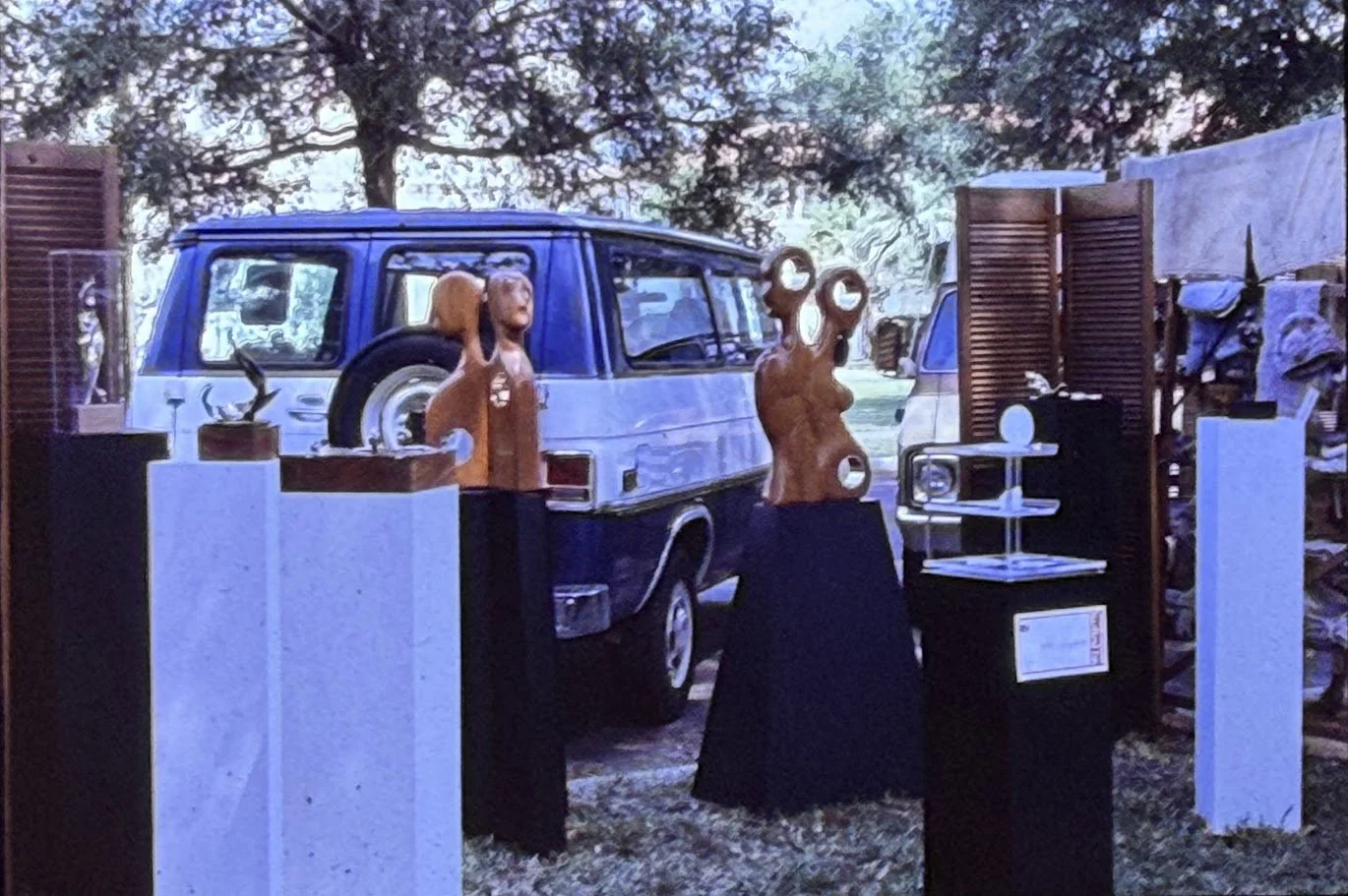
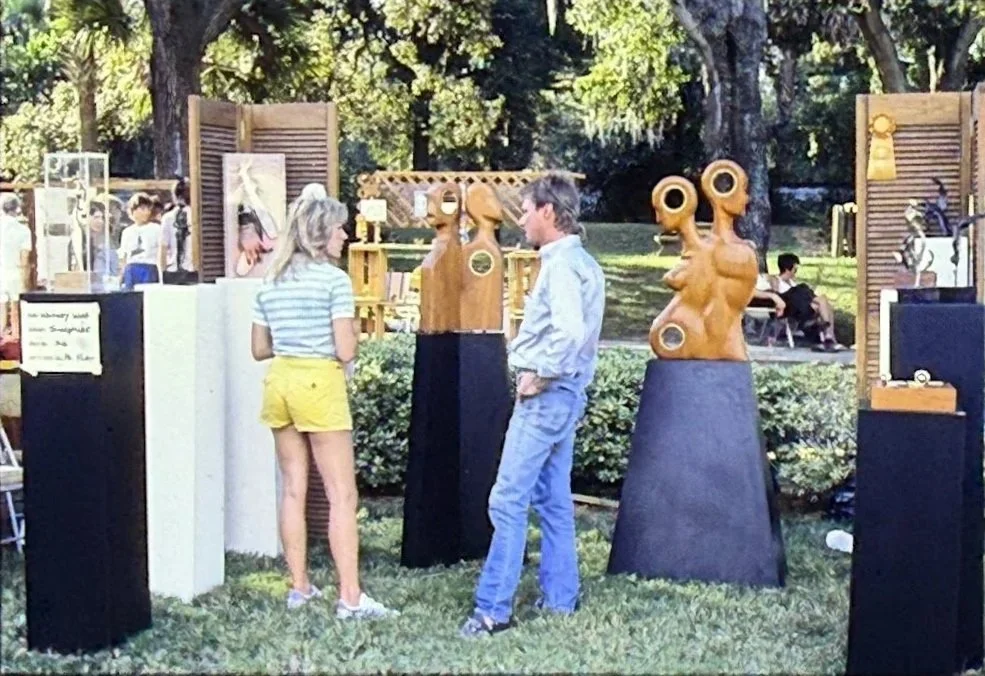
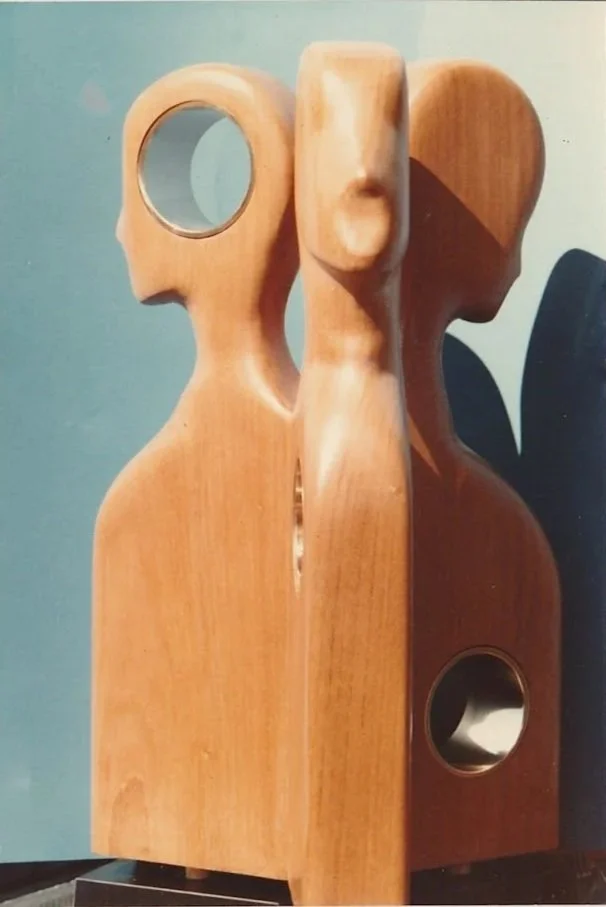
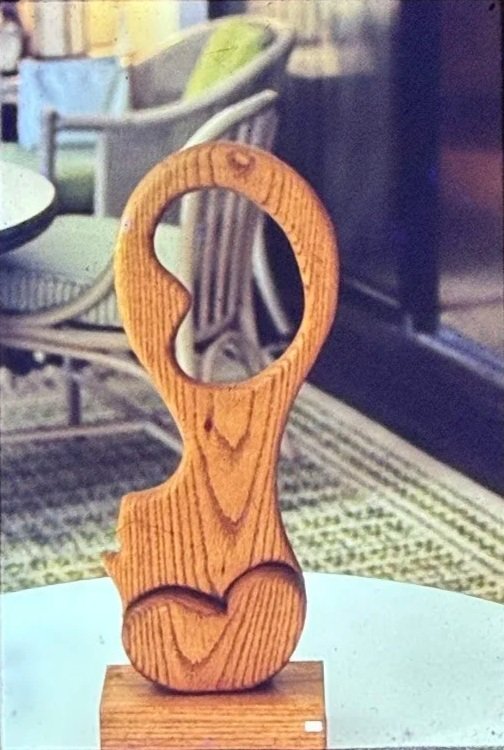
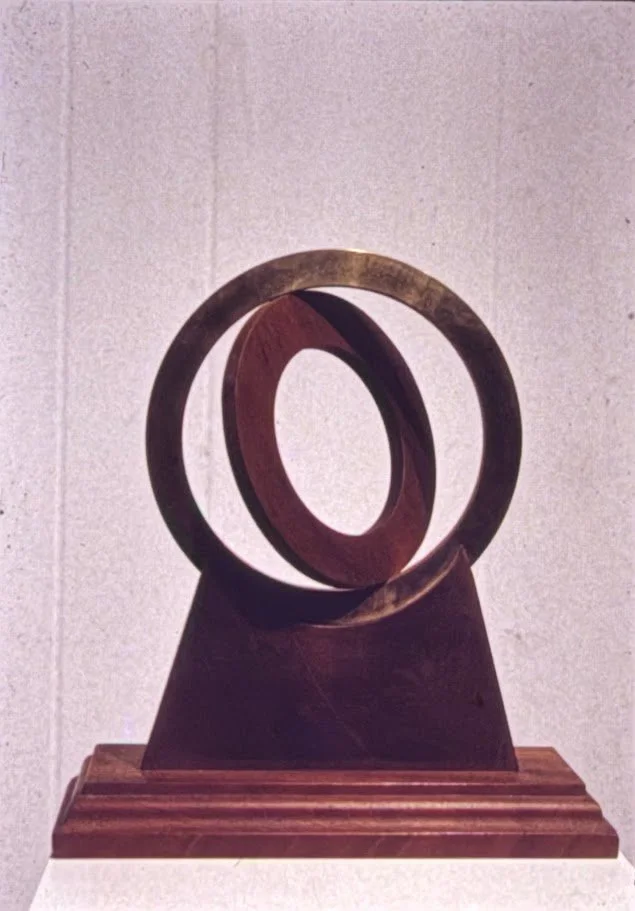
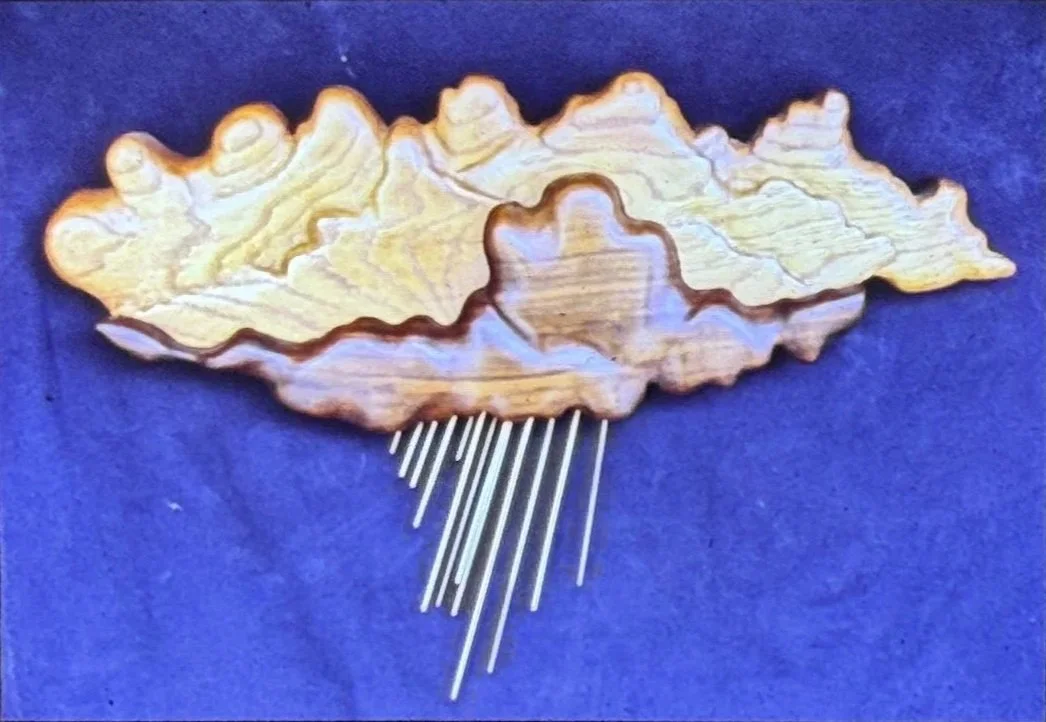
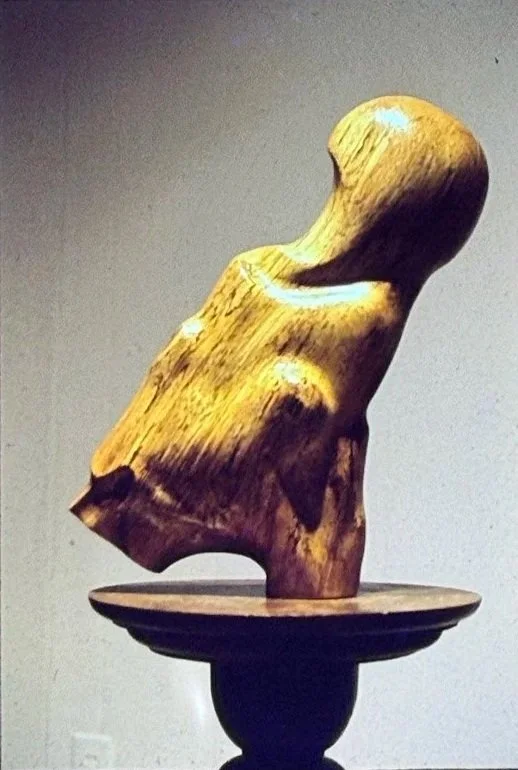
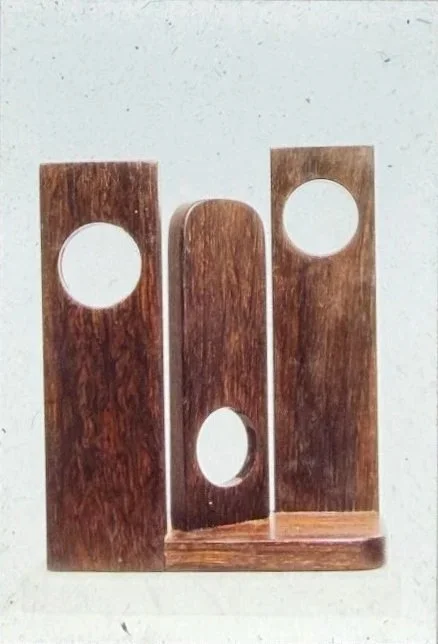
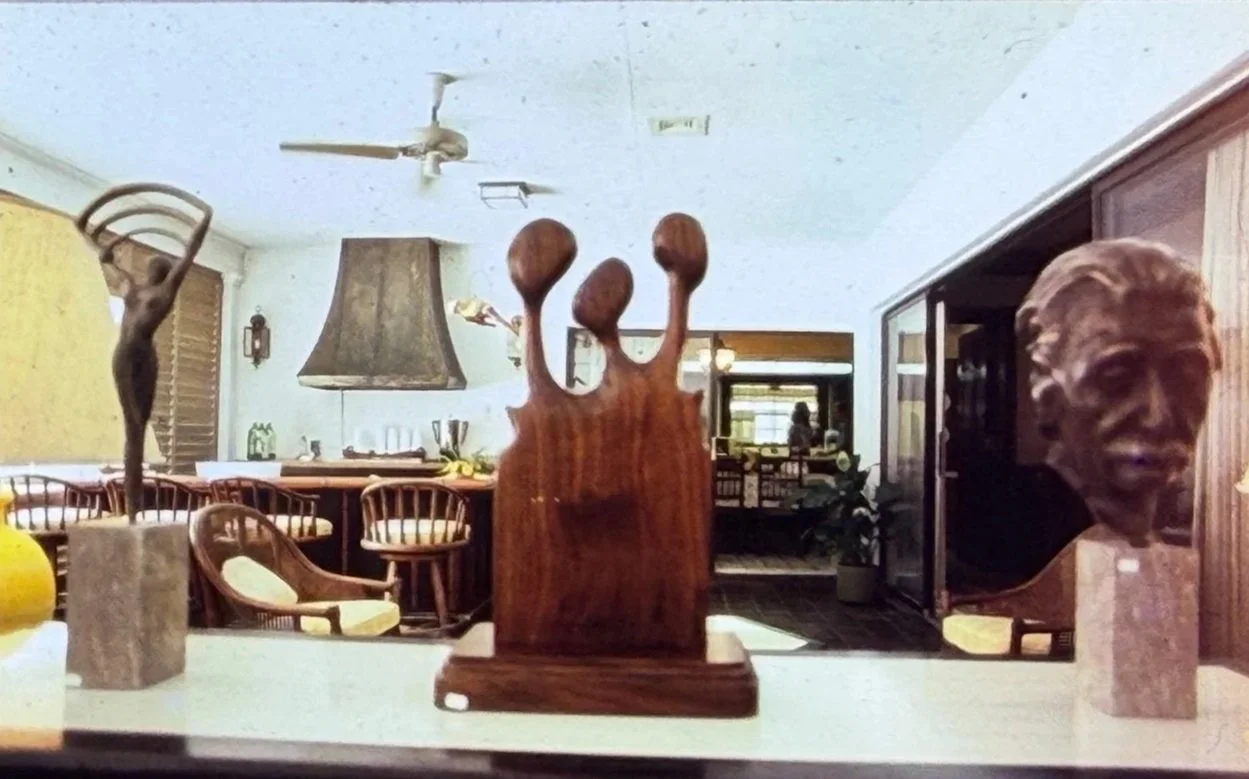
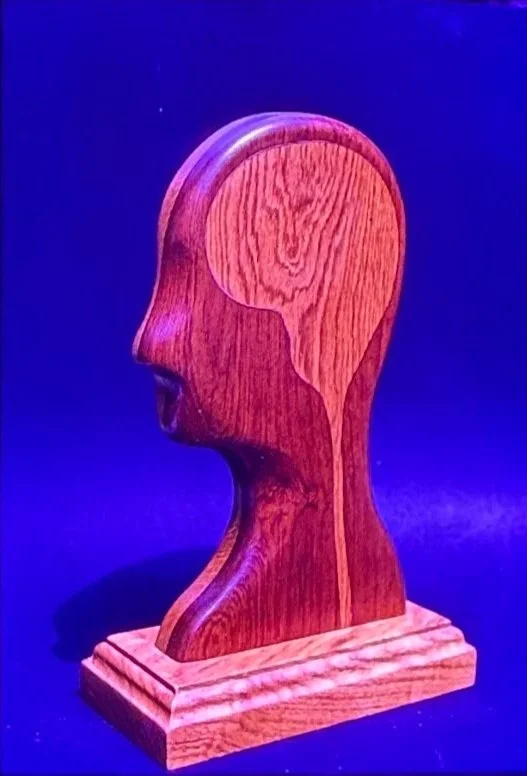
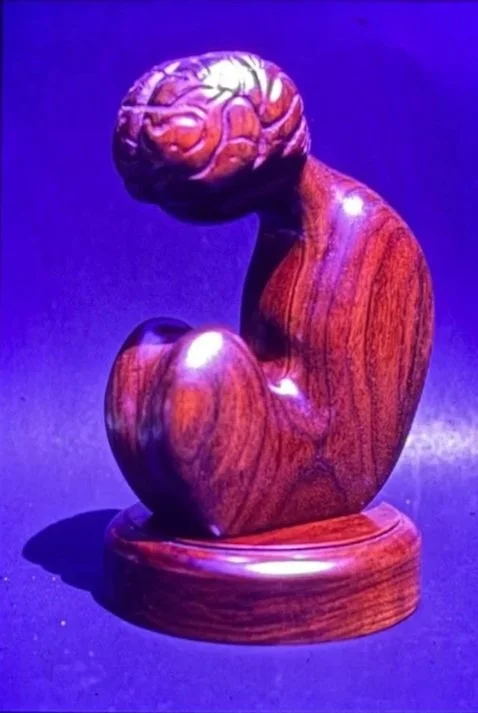
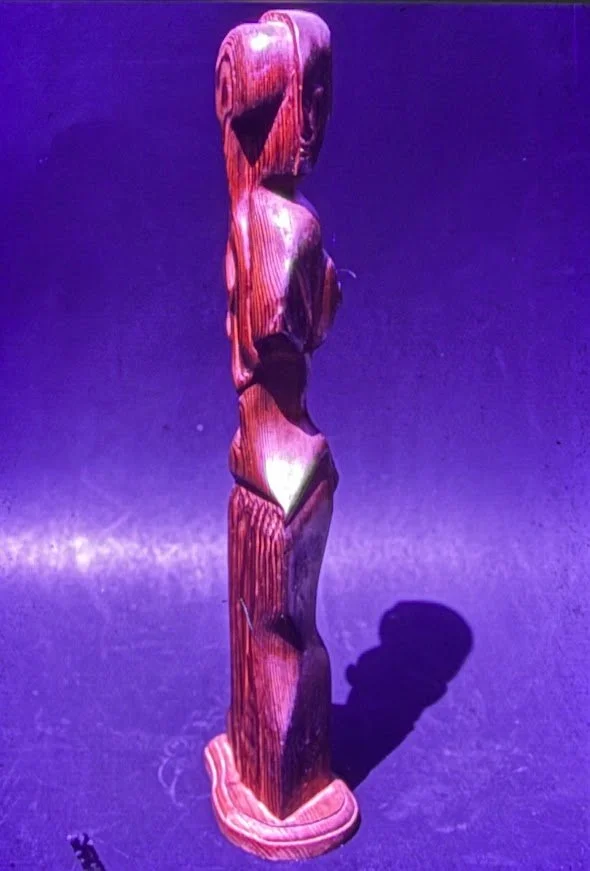
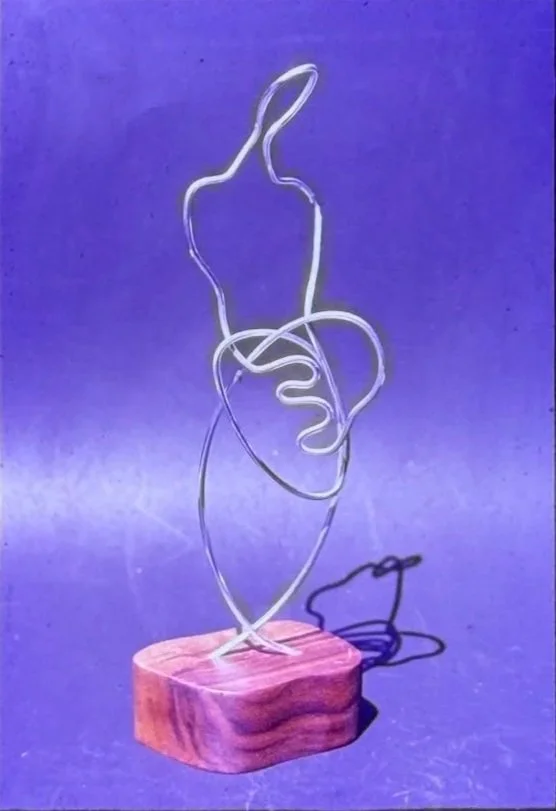
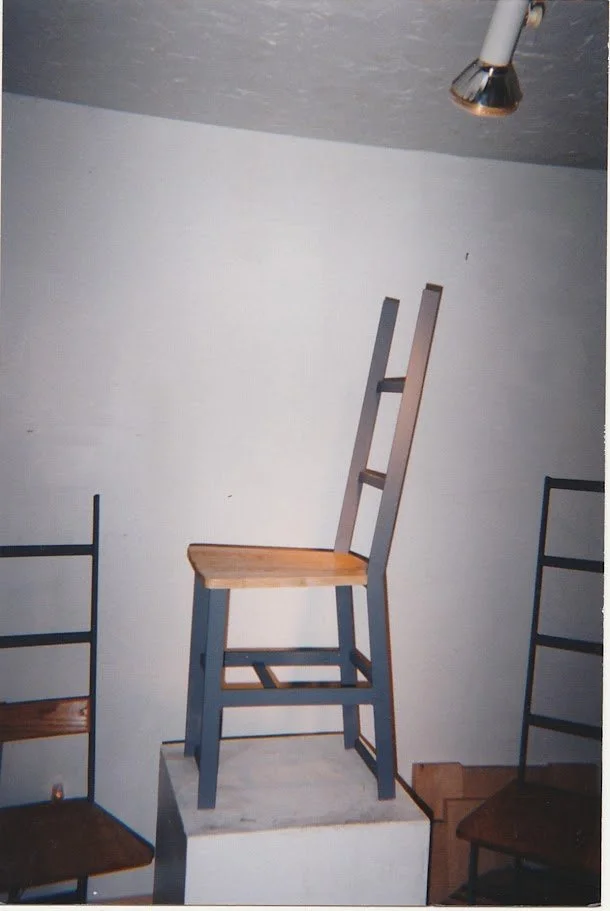
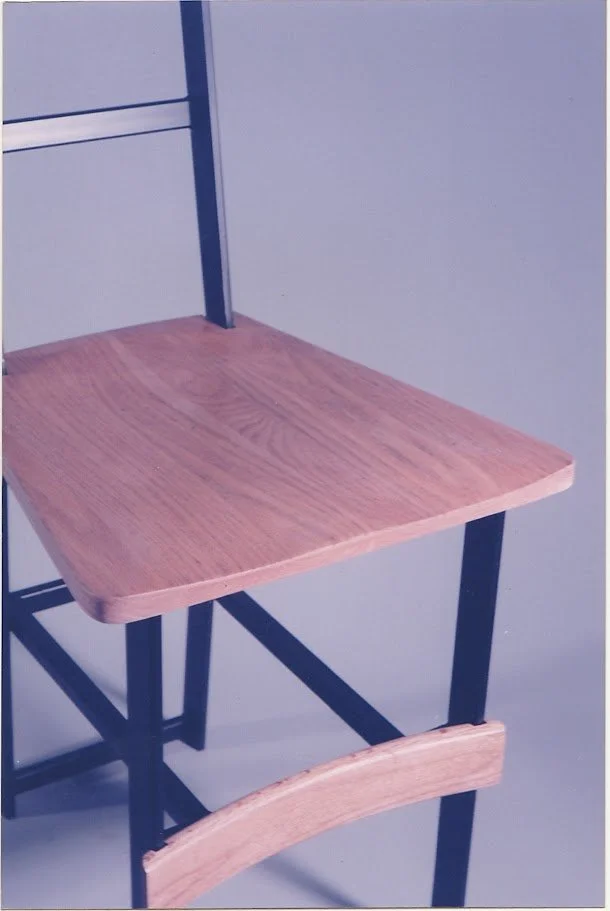
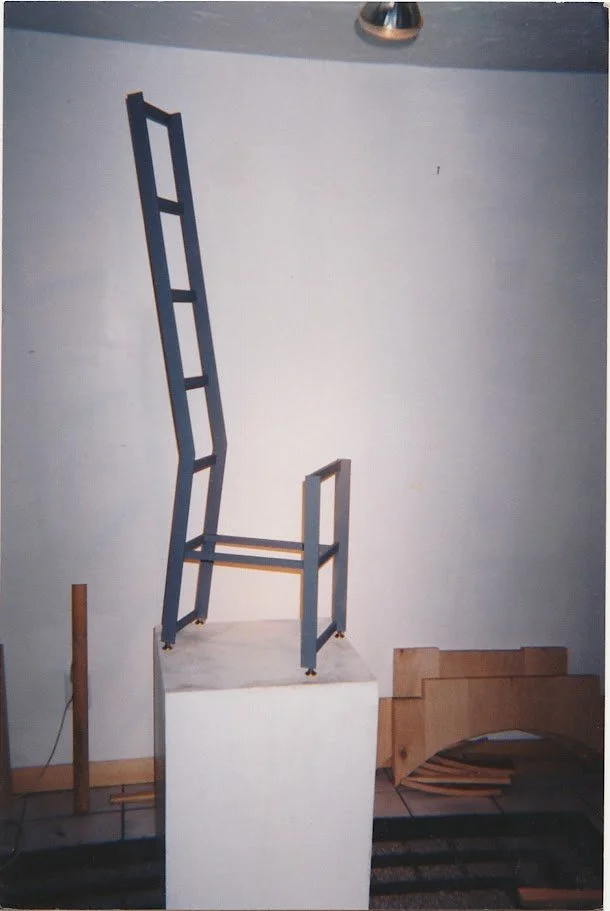
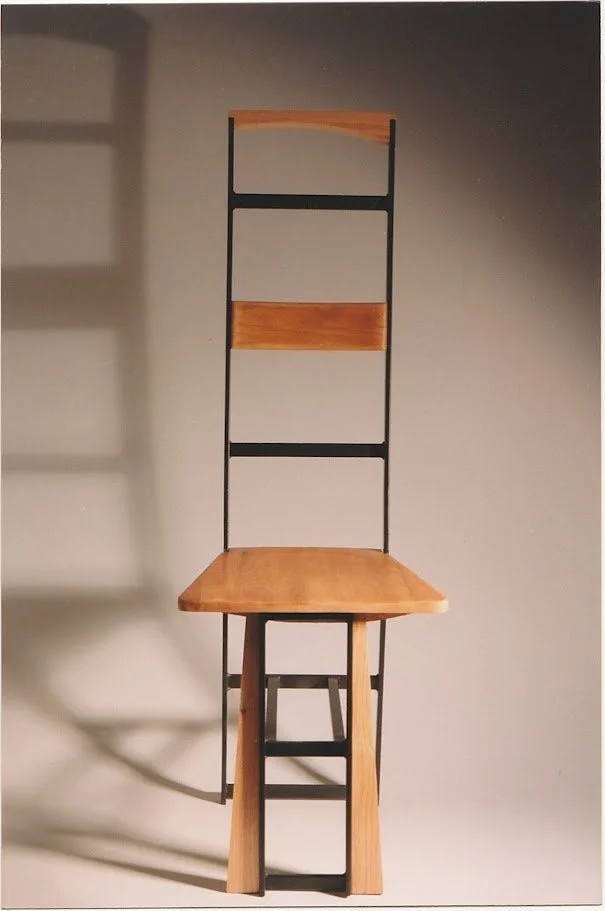
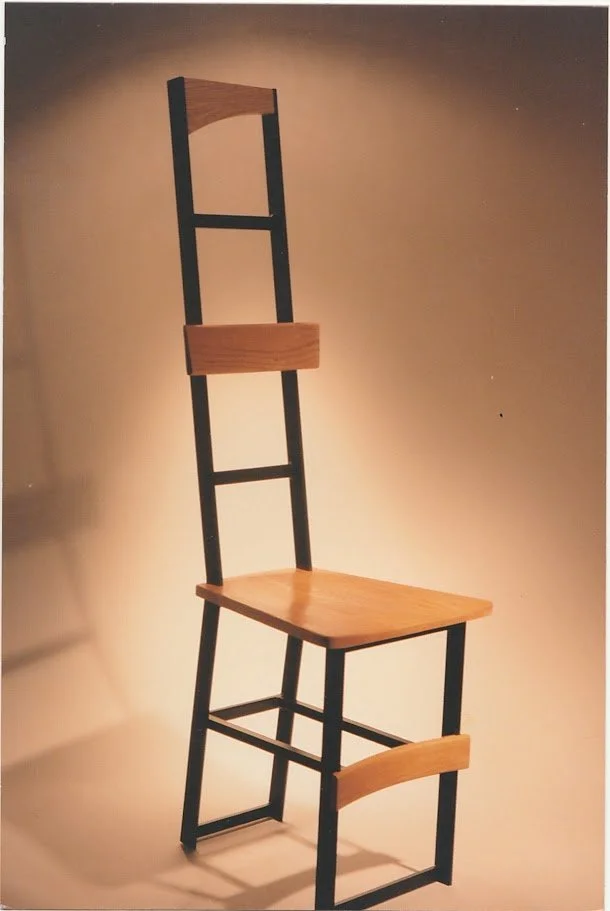
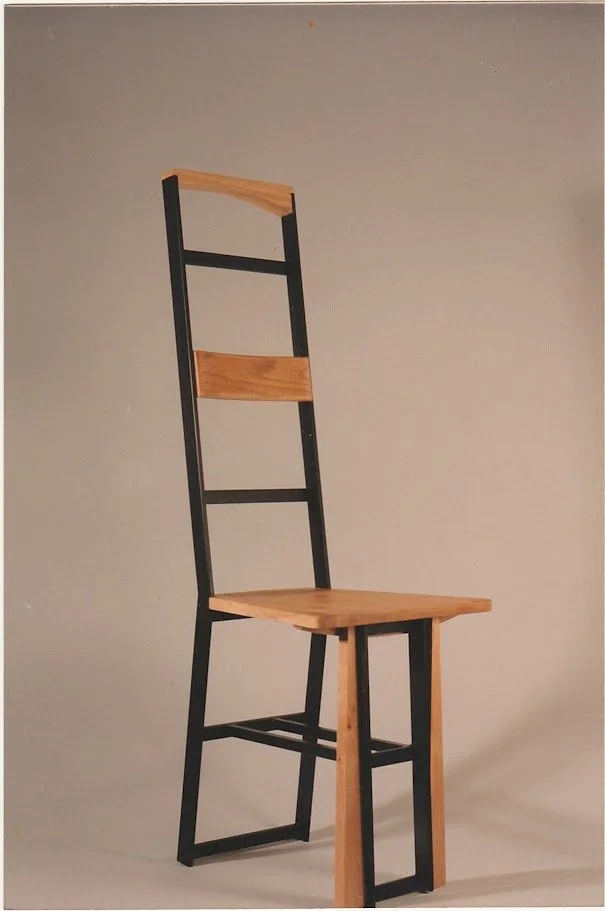
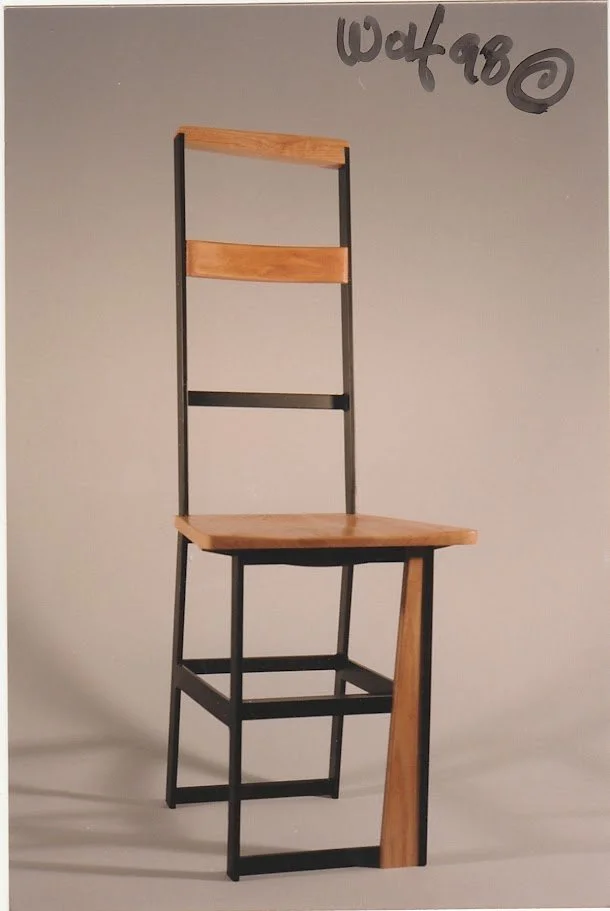
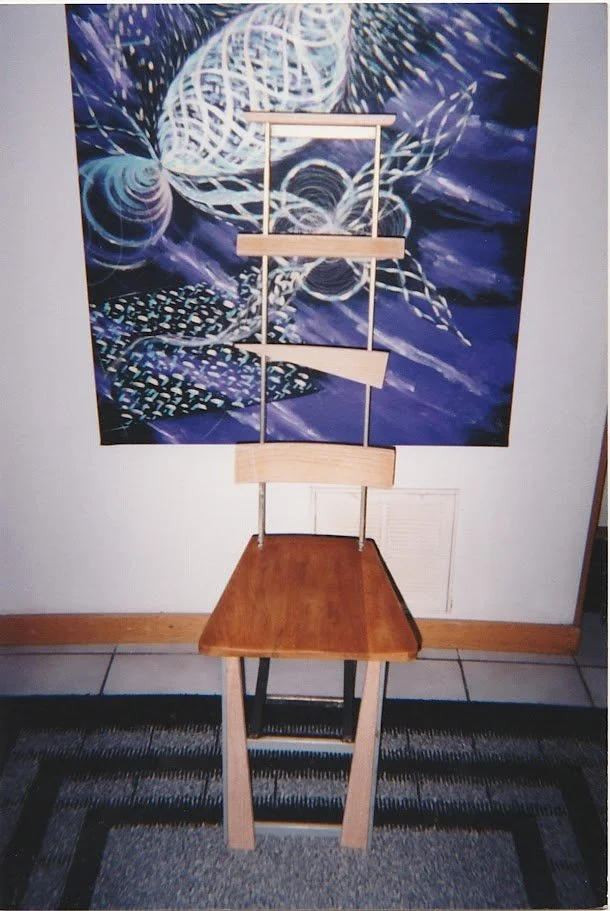
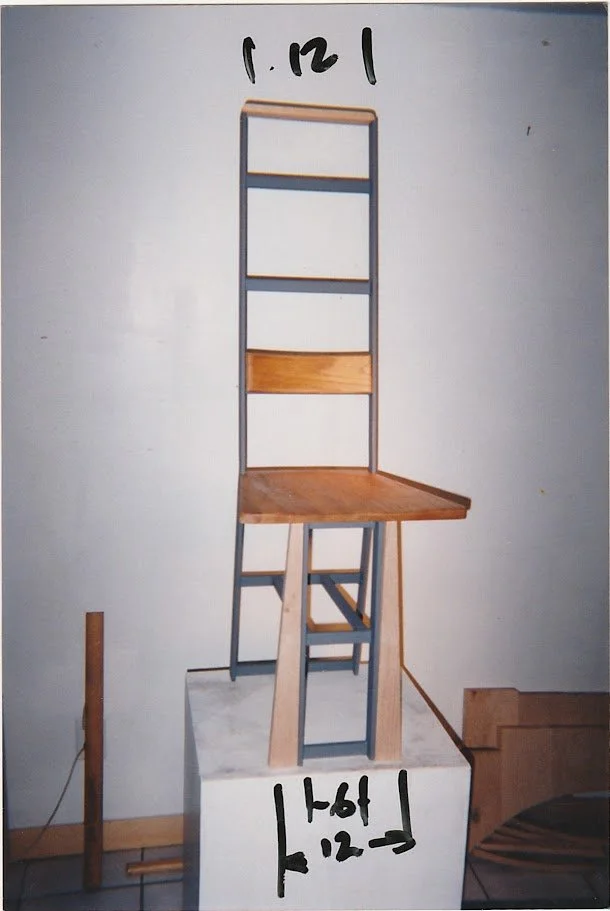
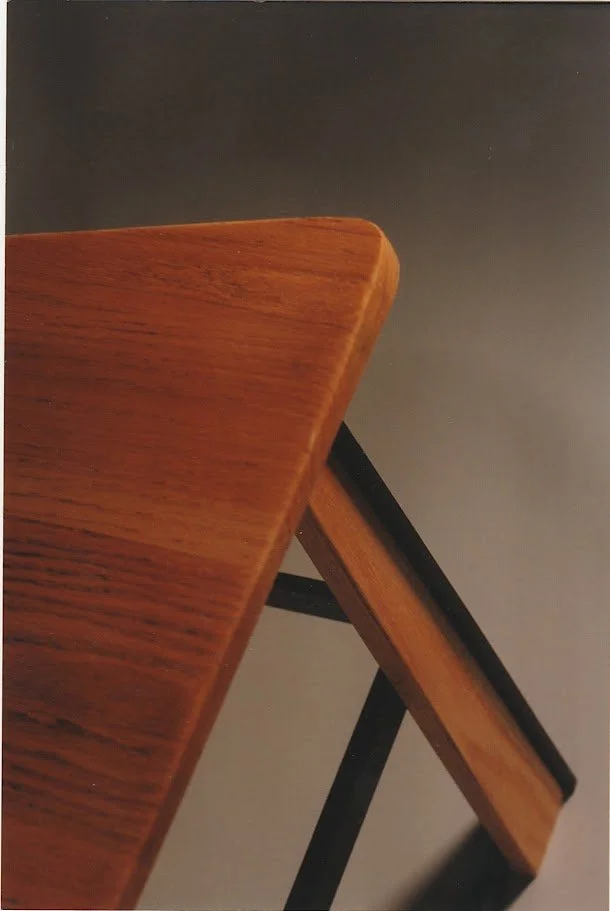
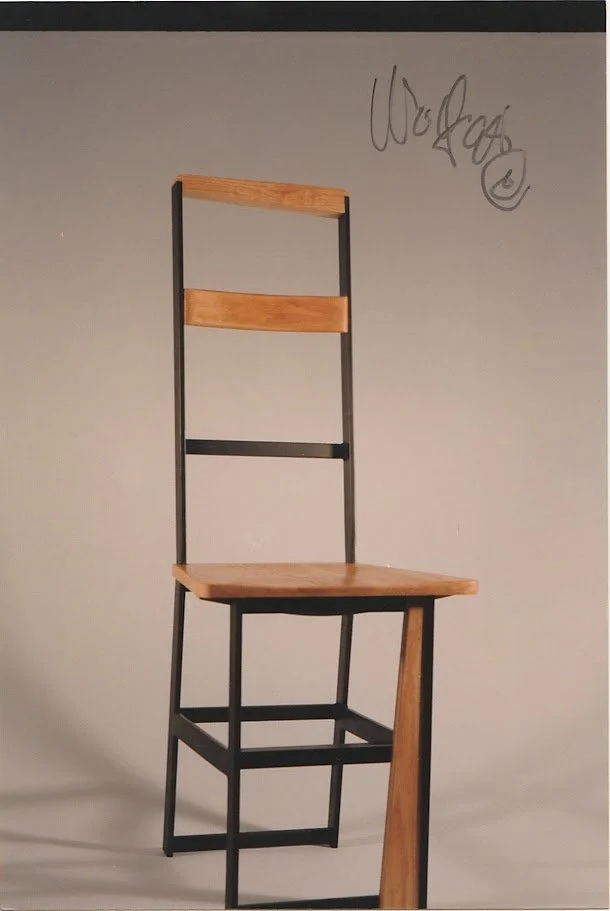
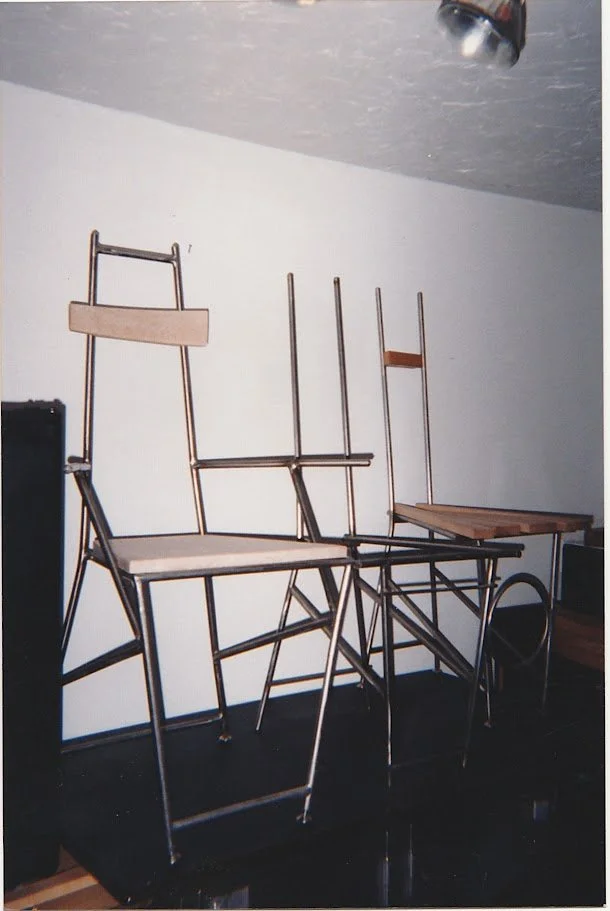
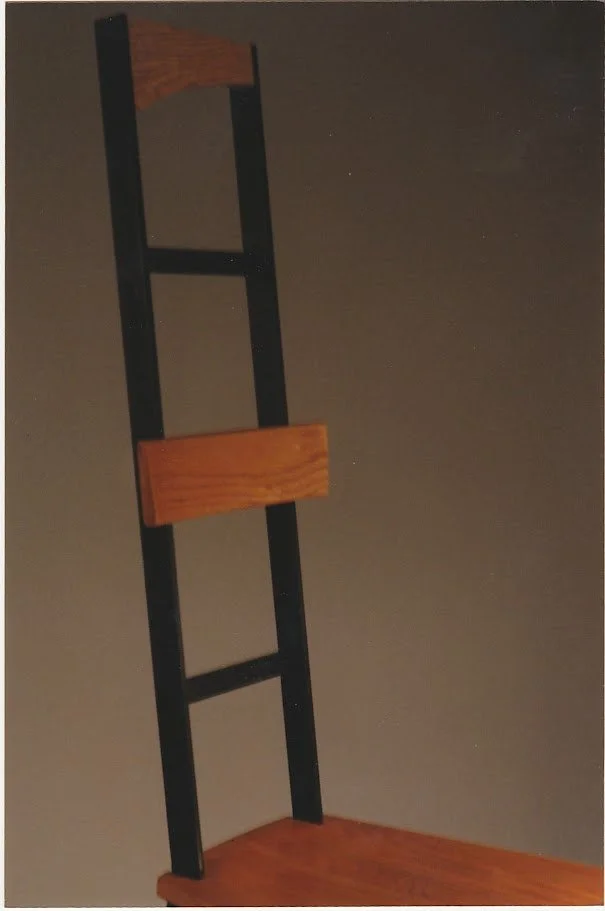
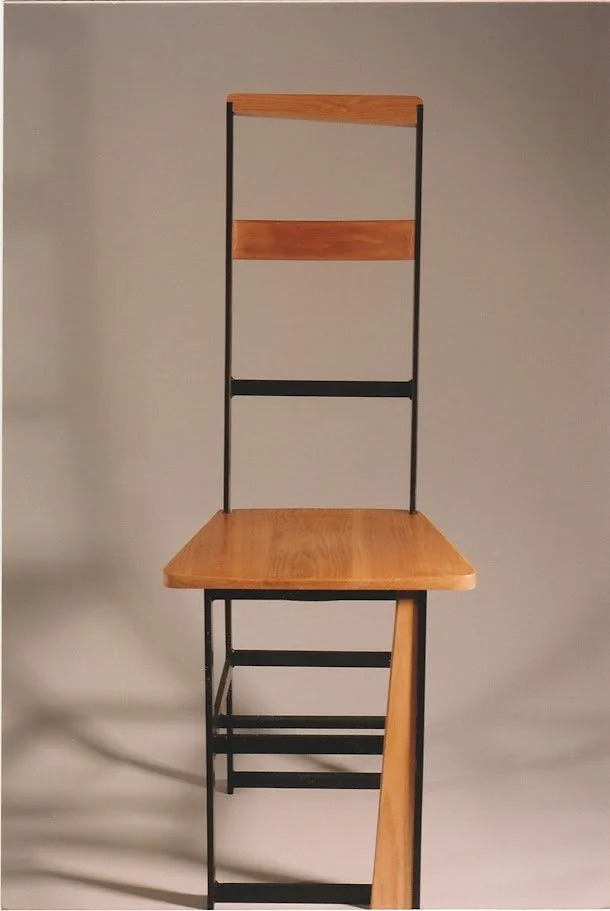
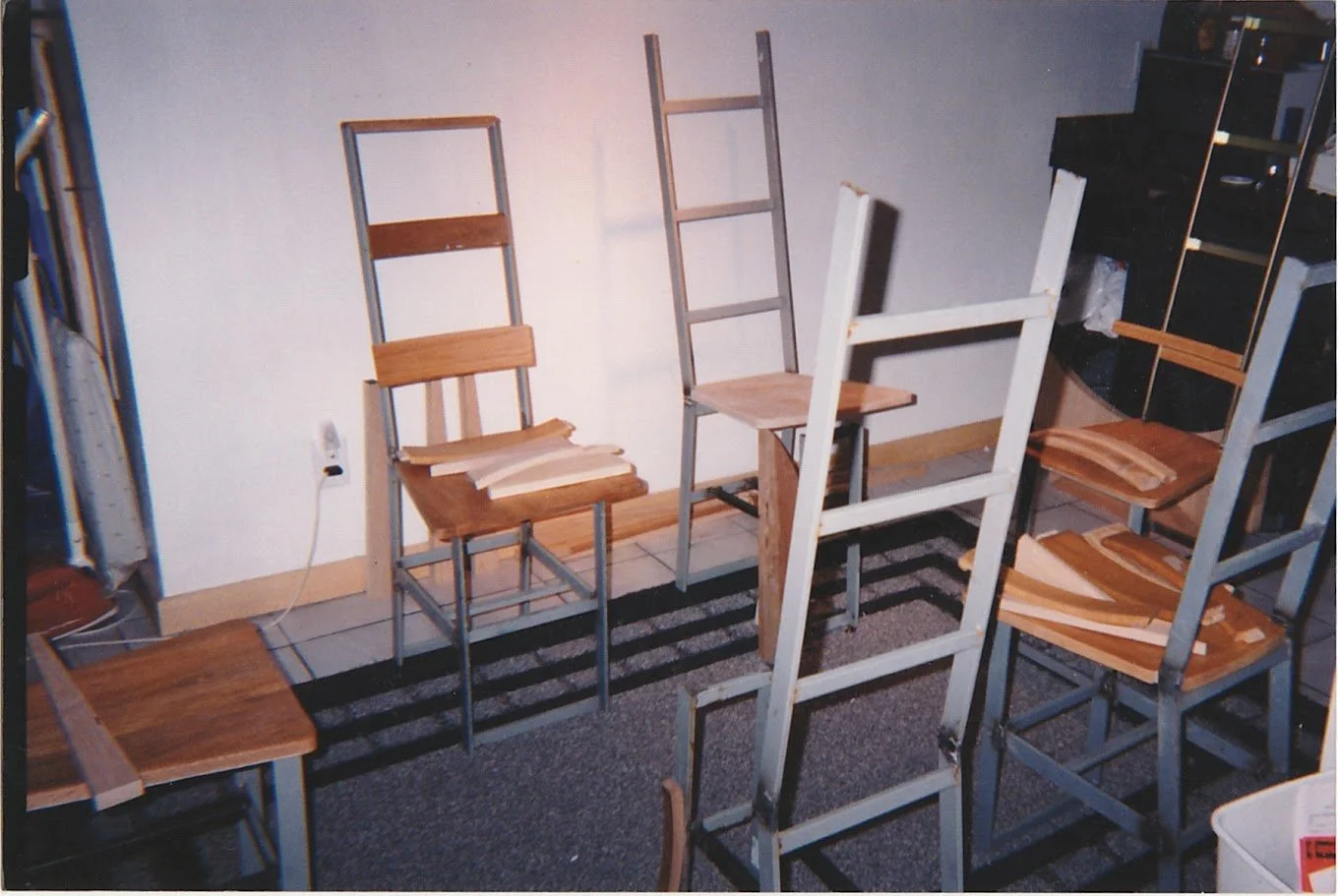
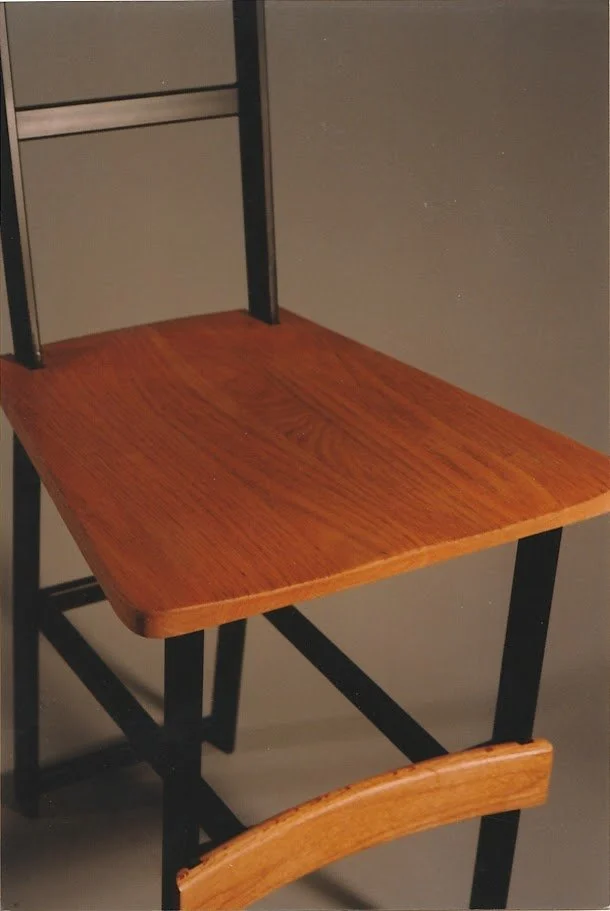
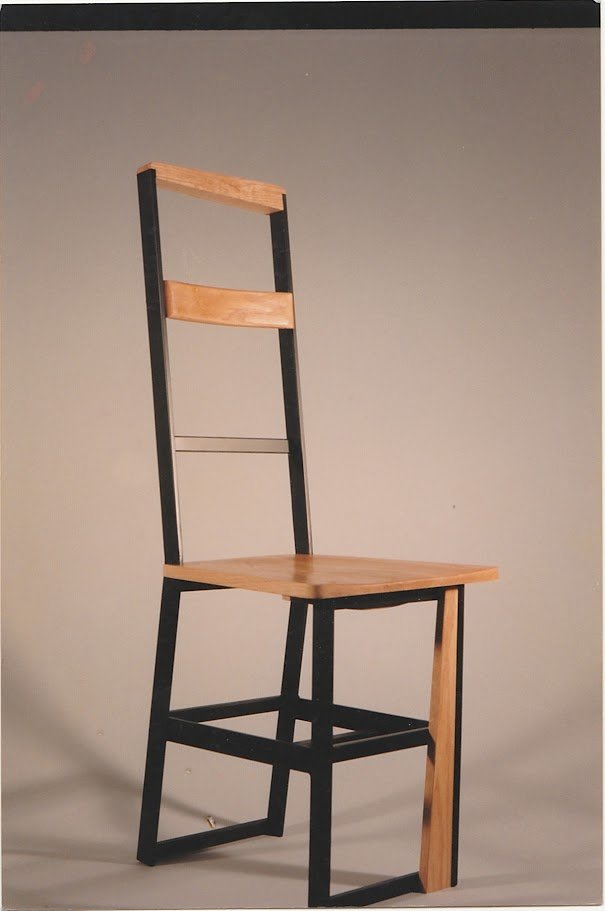
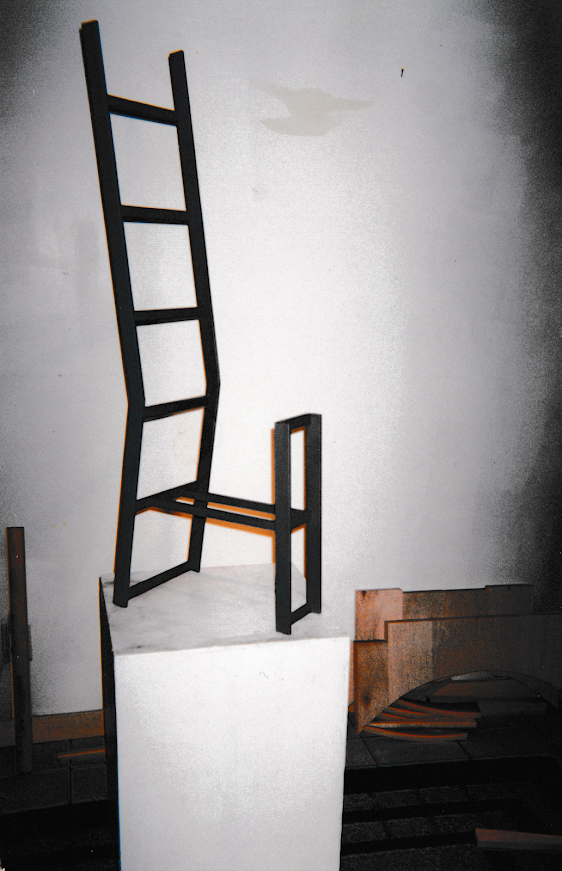
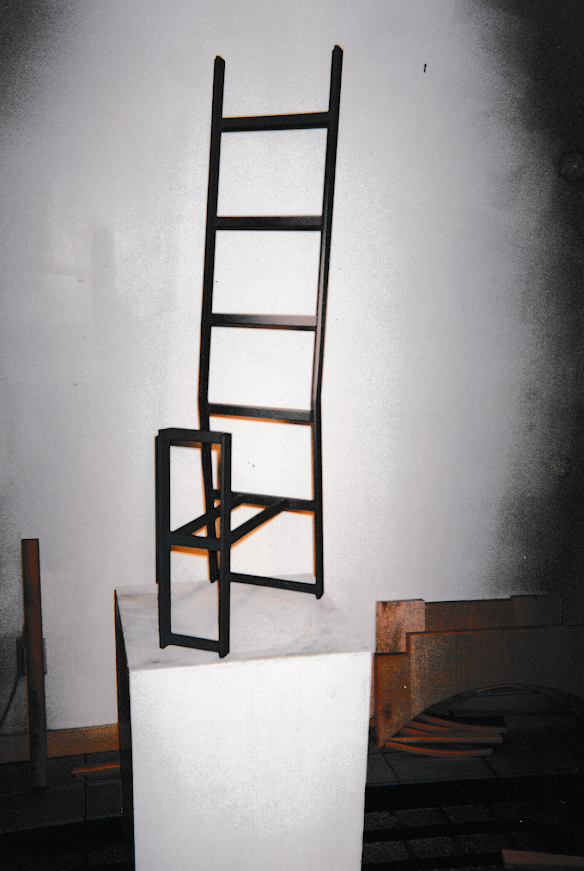
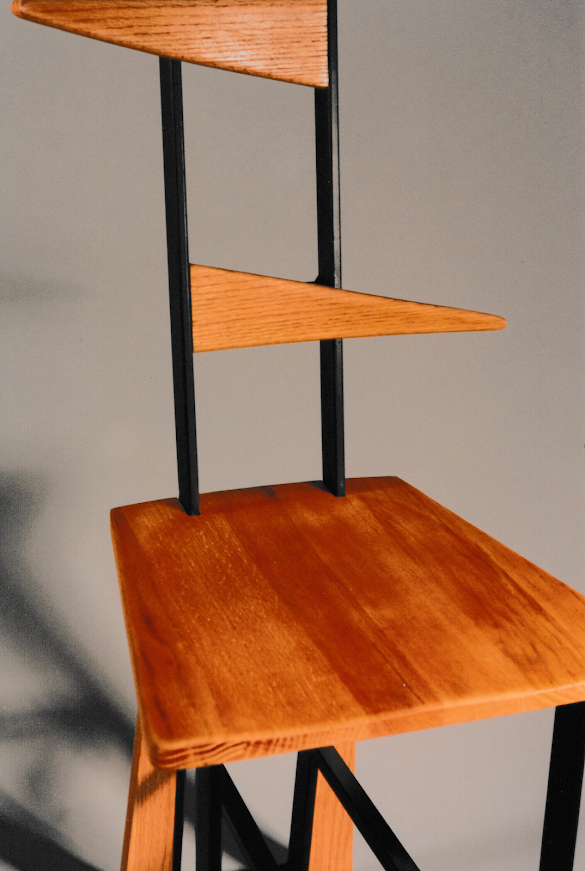
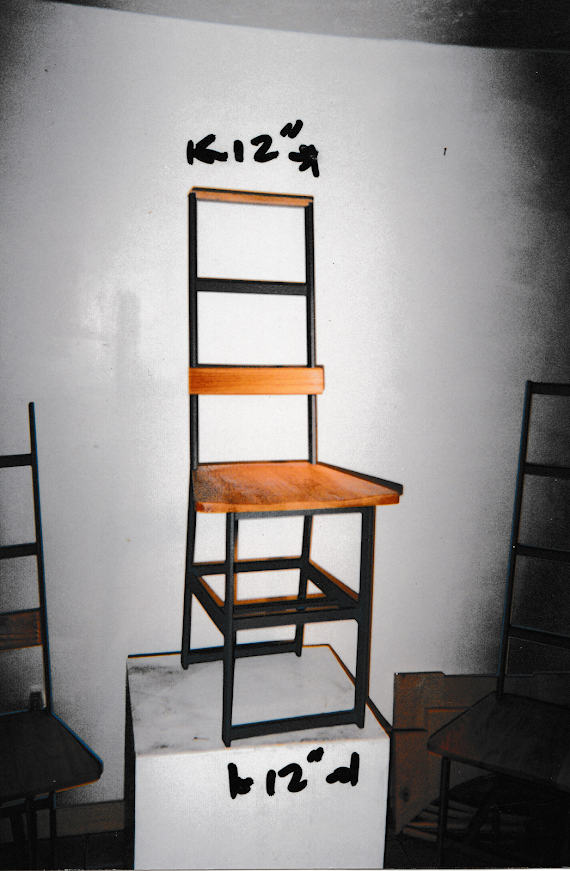
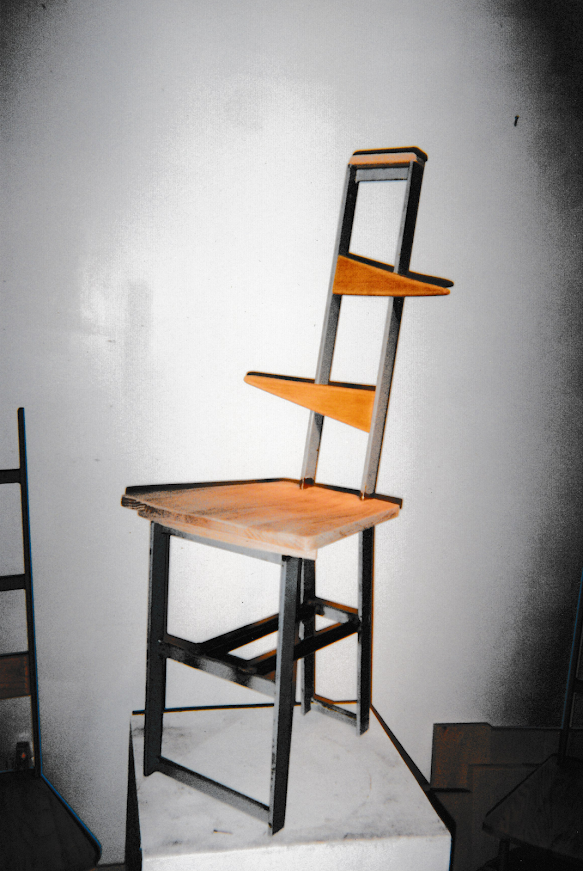
When Wolf began working in the 1970s, many artists were mixing materials and breaking traditional rules. Sculpture was no longer limited to stone or bronze. Artists started combining wood with metal, wire, and other materials. Furniture was also changing. Instead of being only useful, it became a form of art. This is the context in which Wolf was working. His early work included wood carvings, furniture made from wood and metal, and sculptures that combined wood with wire or metal. Wood was important because it is a natural material. It has grain, texture, and marks that come from its life as a tree. Artists often let these features guide the final shape. This means the material itself becomes part of the creative process.
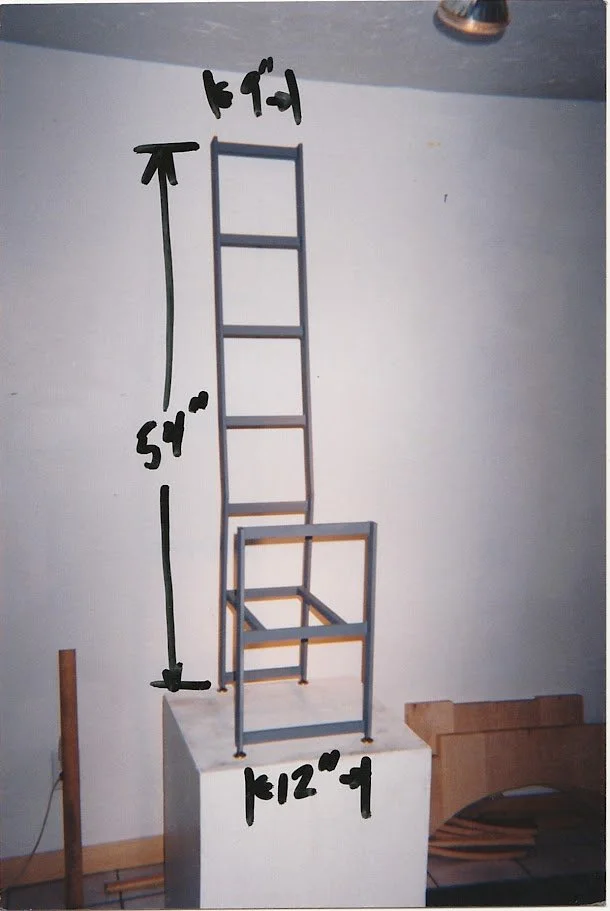
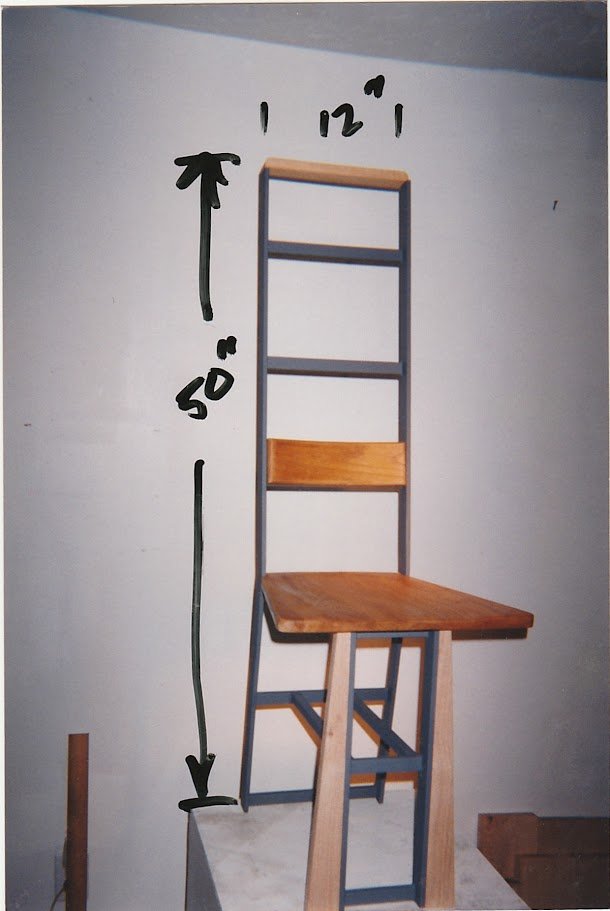
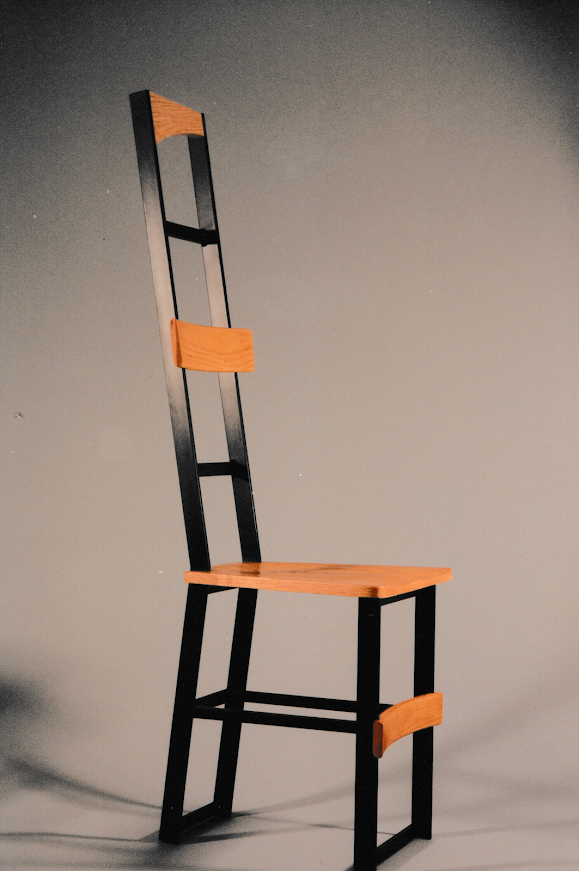
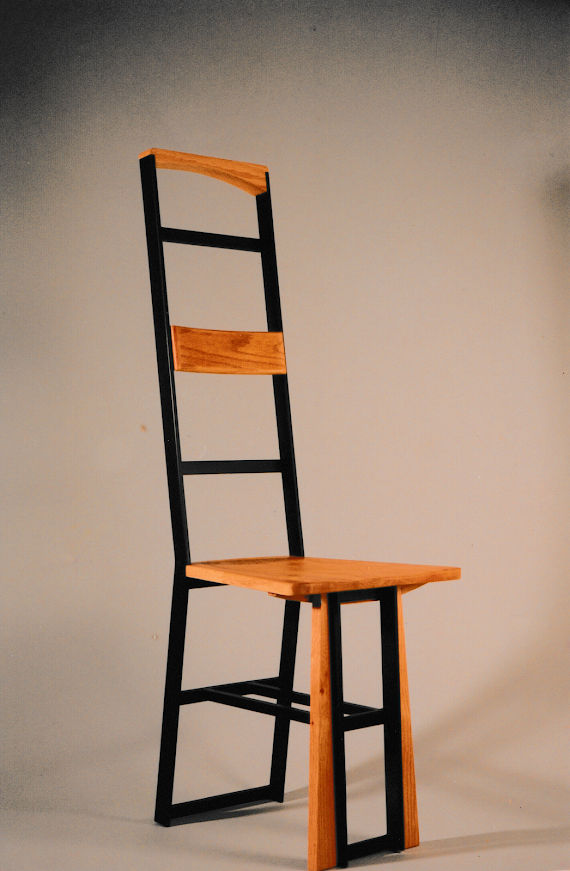
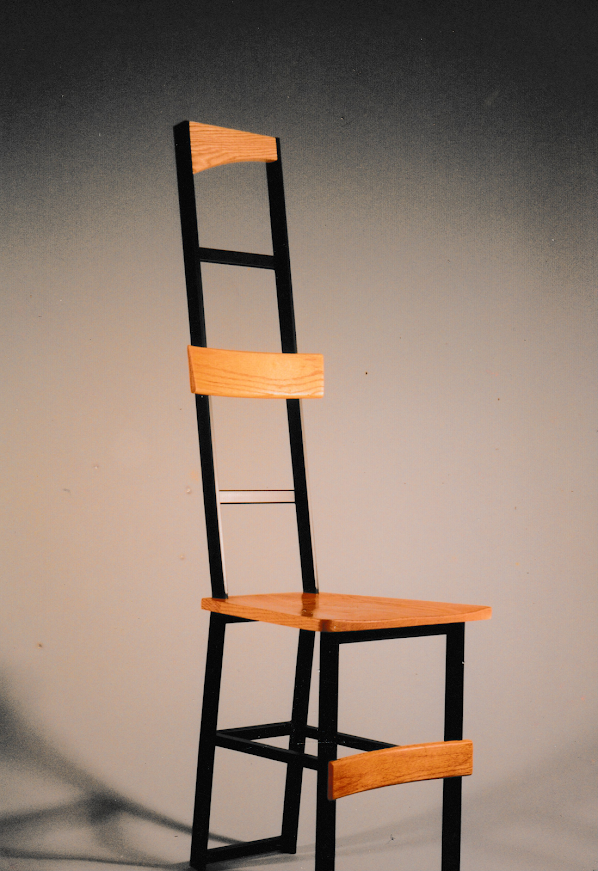
His furniture work connects to the idea that objects can relate to the human body. Chairs, tables, and structures are used by people, so they naturally reflect posture, movement, and balance. Even when abstract, they still relate to how the body exists in space. His sculptures using wood and wire or metal explore contrast. Wood feels organic and warm, while metal and wire feel rigid and structured. Wire can act like a line in space, almost like drawing in three dimensions. Metal can add strength or tension. Together, these materials create a balance between natural and industrial elements. Through these works, Wolf was also exploring the mind and body. Carving wood is a physical process that requires repetition, pressure, and control. It is both a bodily and mental act. As material is removed, a form is revealed. This can be seen as similar to uncovering thoughts or memories.
Many artists in the 1970s suggested the human body without directly showing it. Instead of clear figures, they used curves, spaces, and shapes to imply presence. Empty space within a sculpture could feel like breath or emotion. Wolf’s work likely followed this approach, focusing more on feeling than exact representation. His wood phase shows the beginning of his interest in using materials to explore deeper ideas. The combination of wood, metal, and wire allowed him to study balance, tension, and form. These early works were not just objects, but ways of thinking about what it means to exist in a body and in the world.