Photography
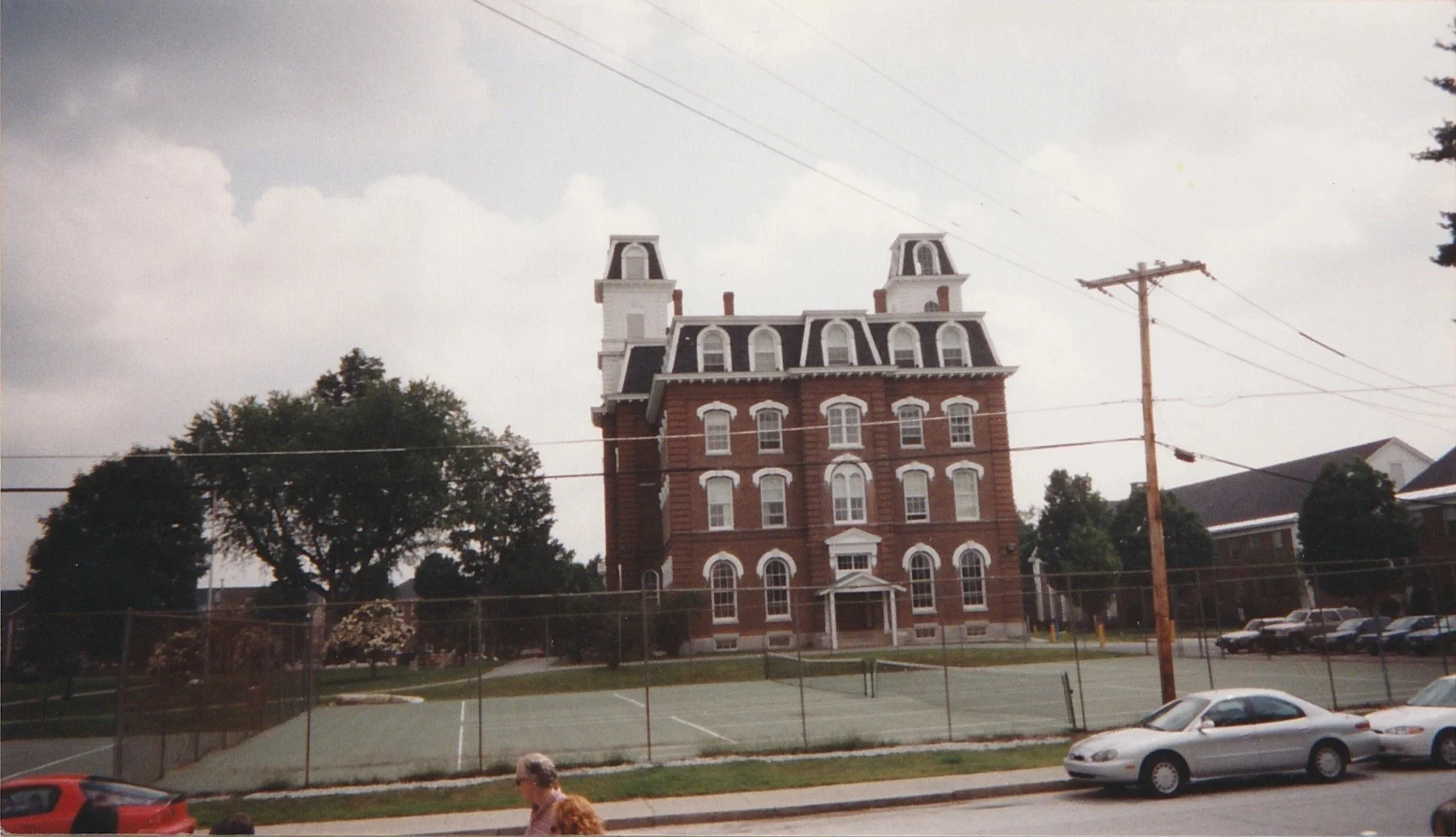
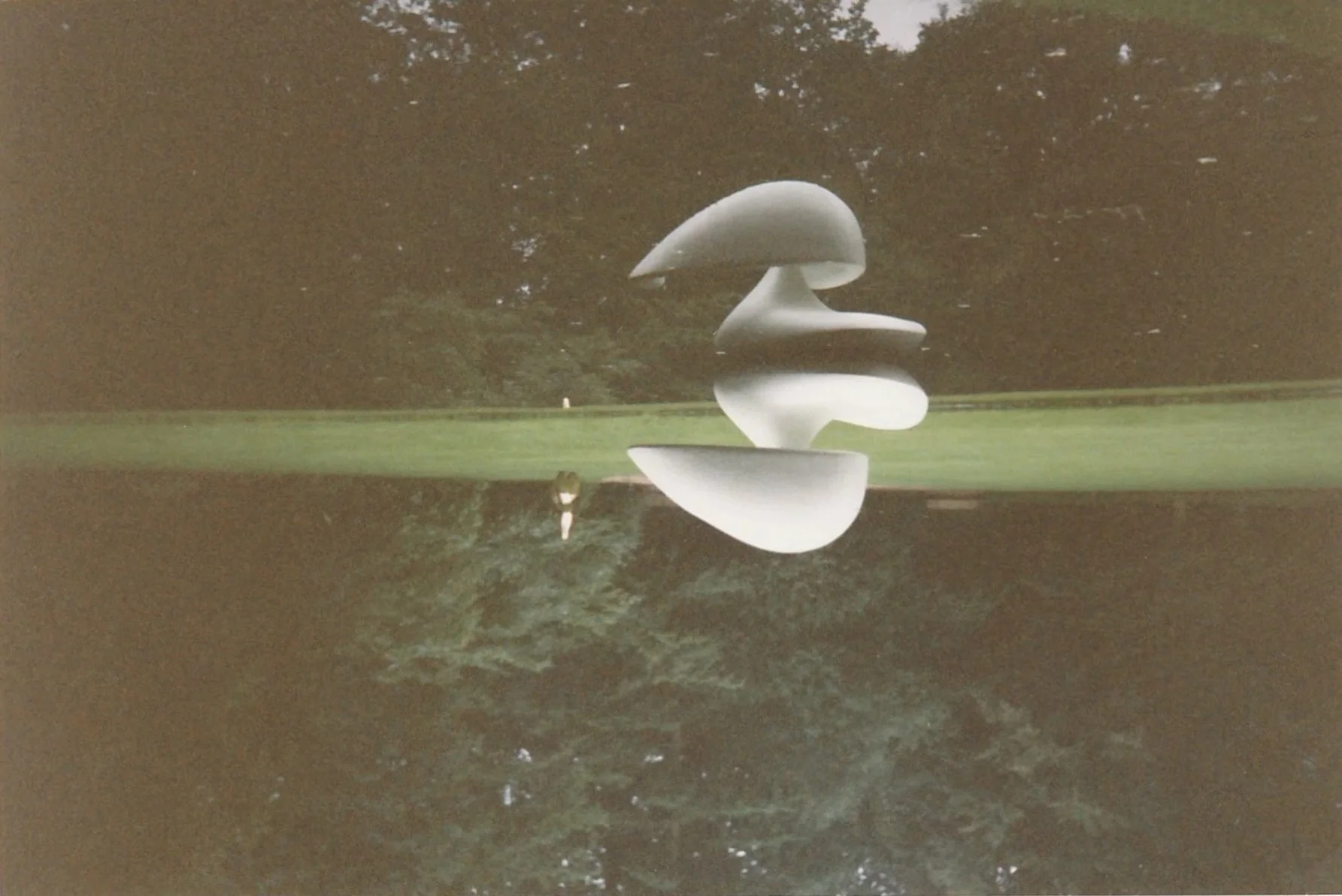
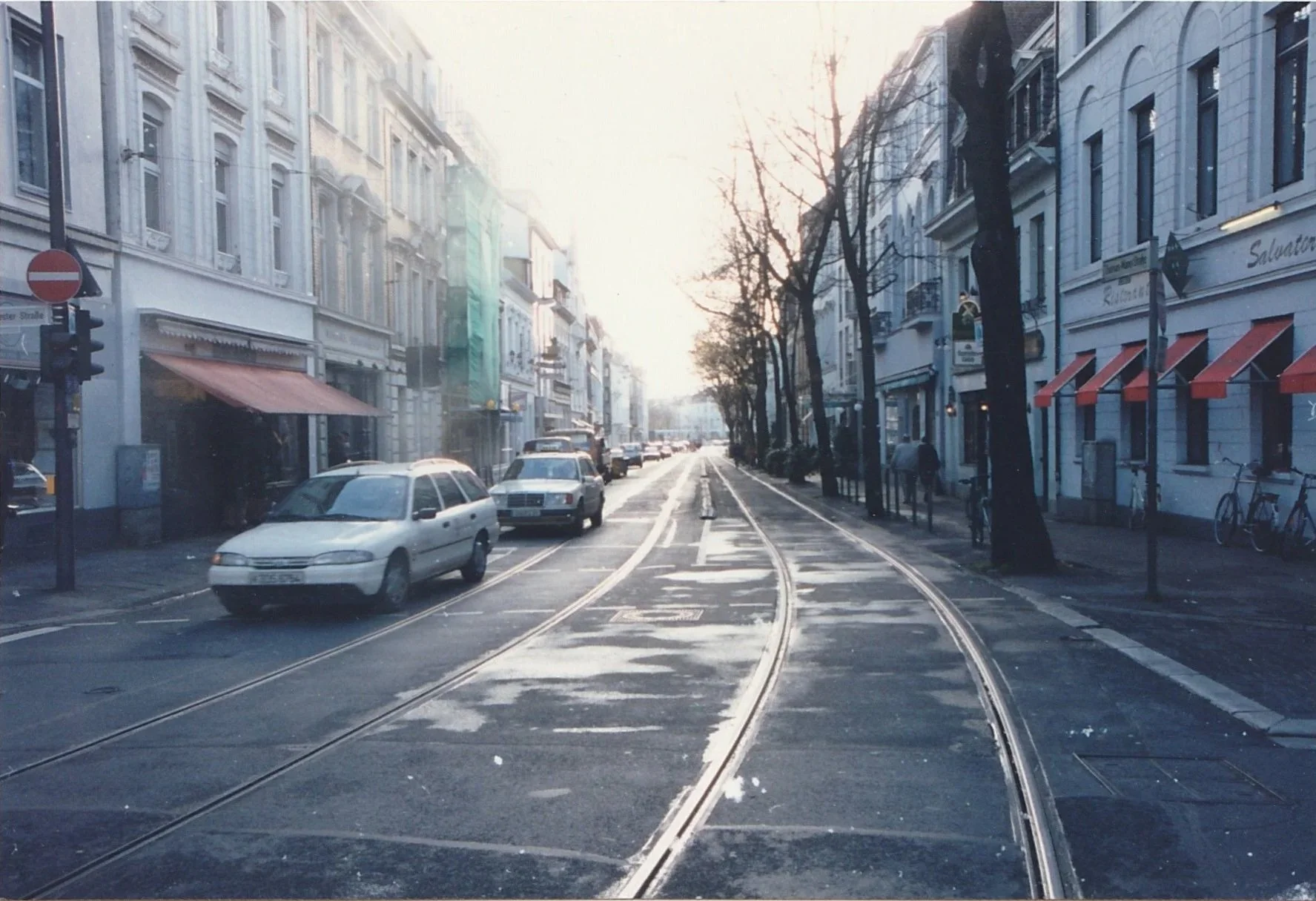
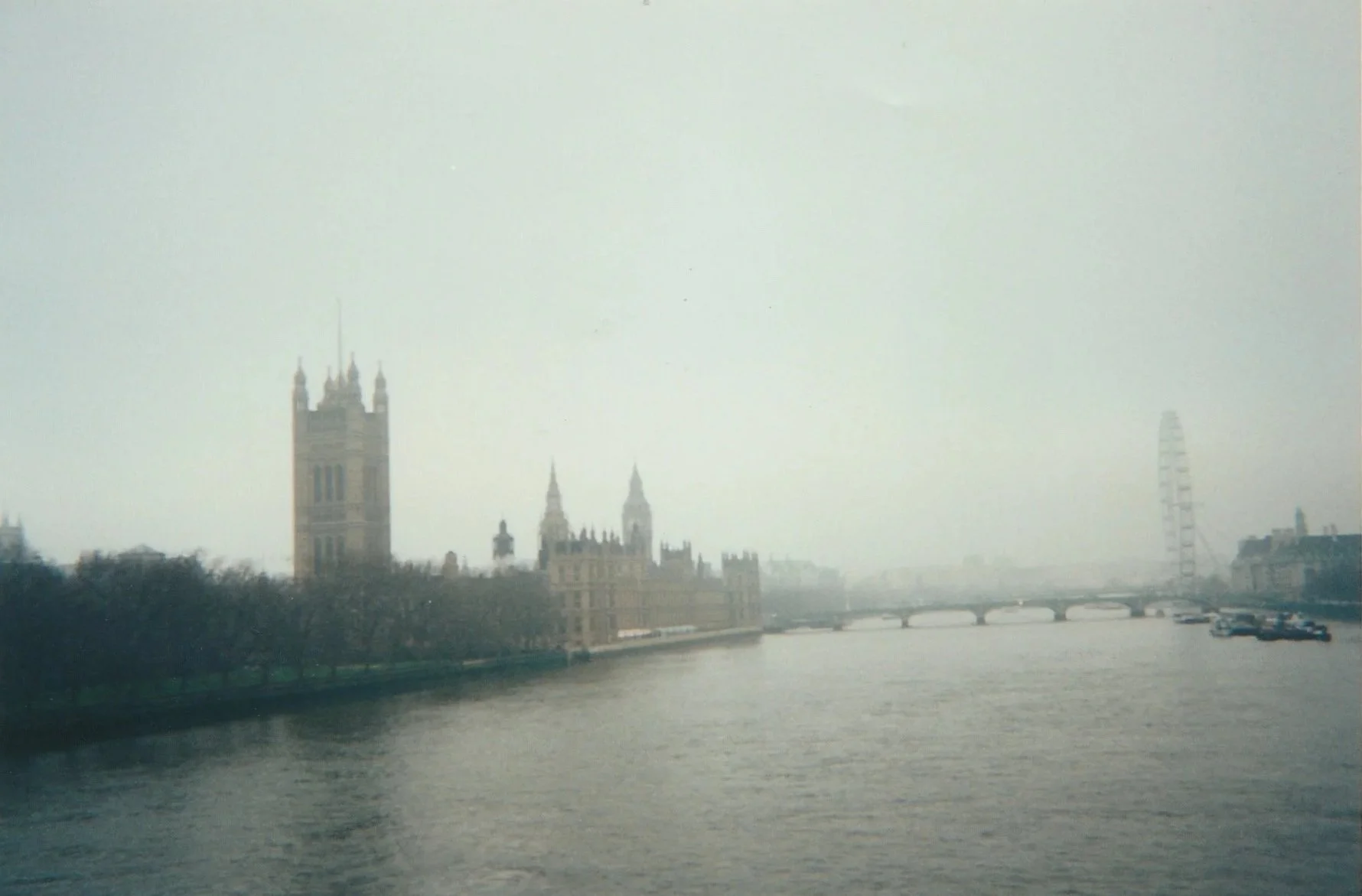
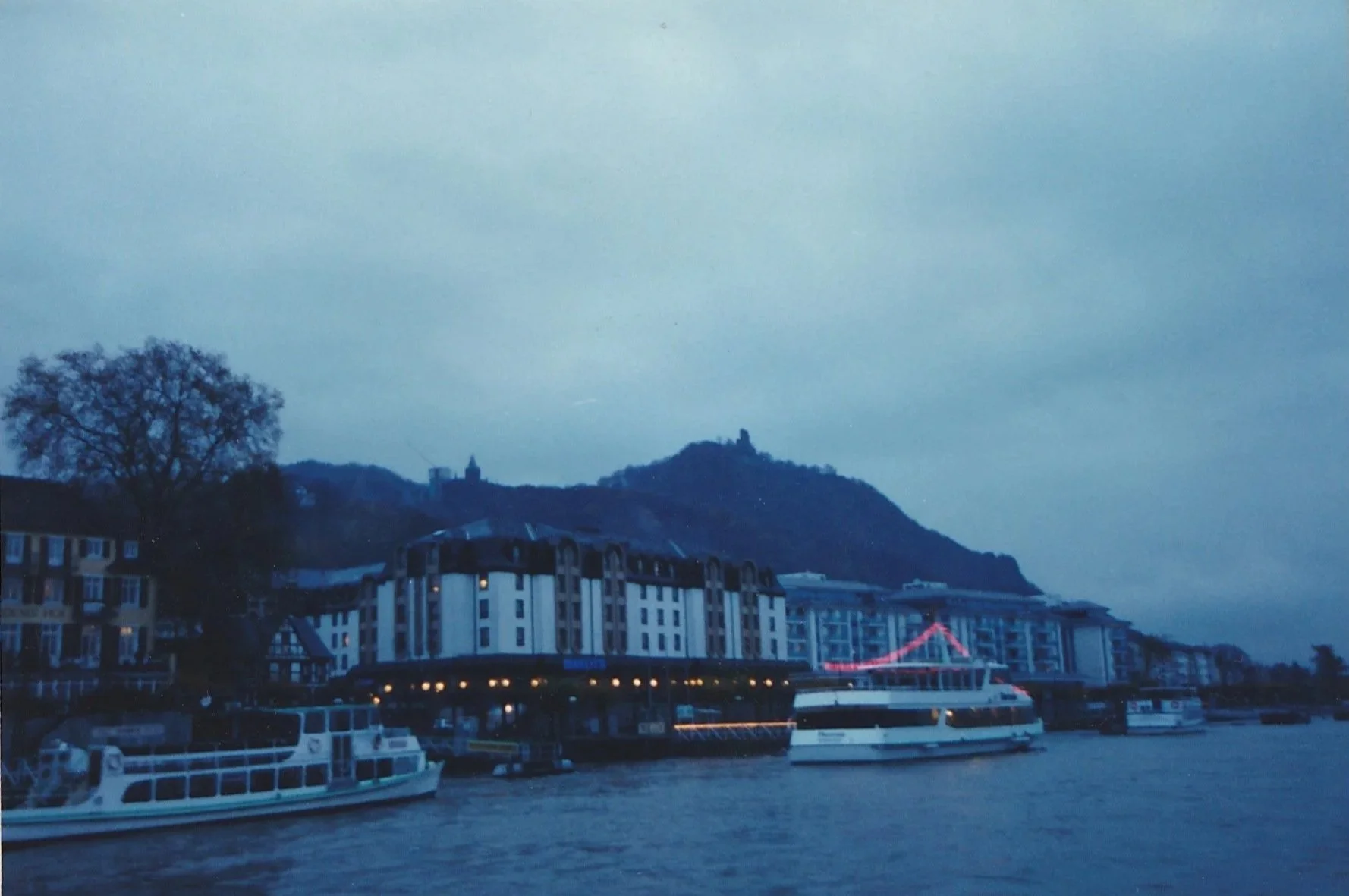
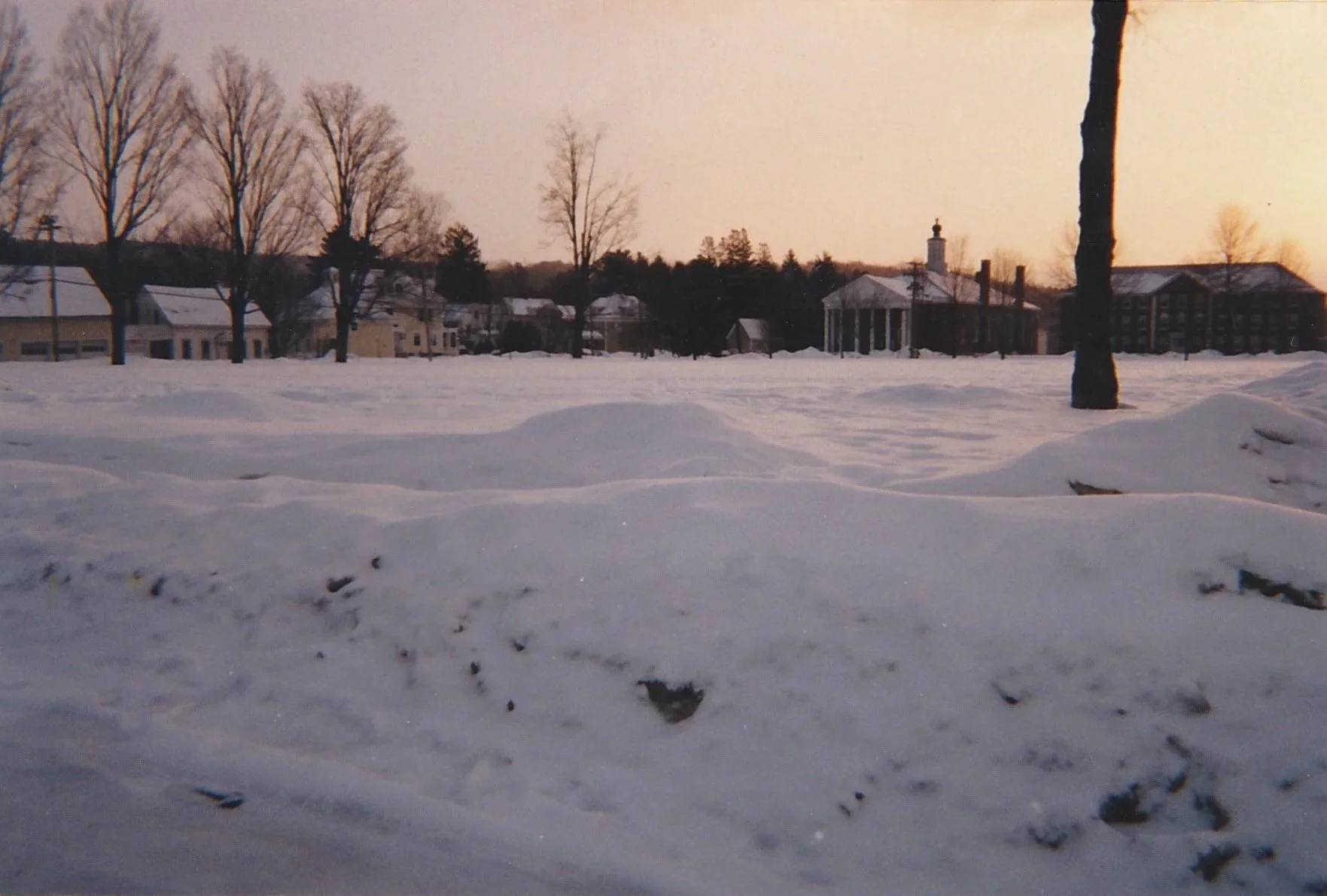
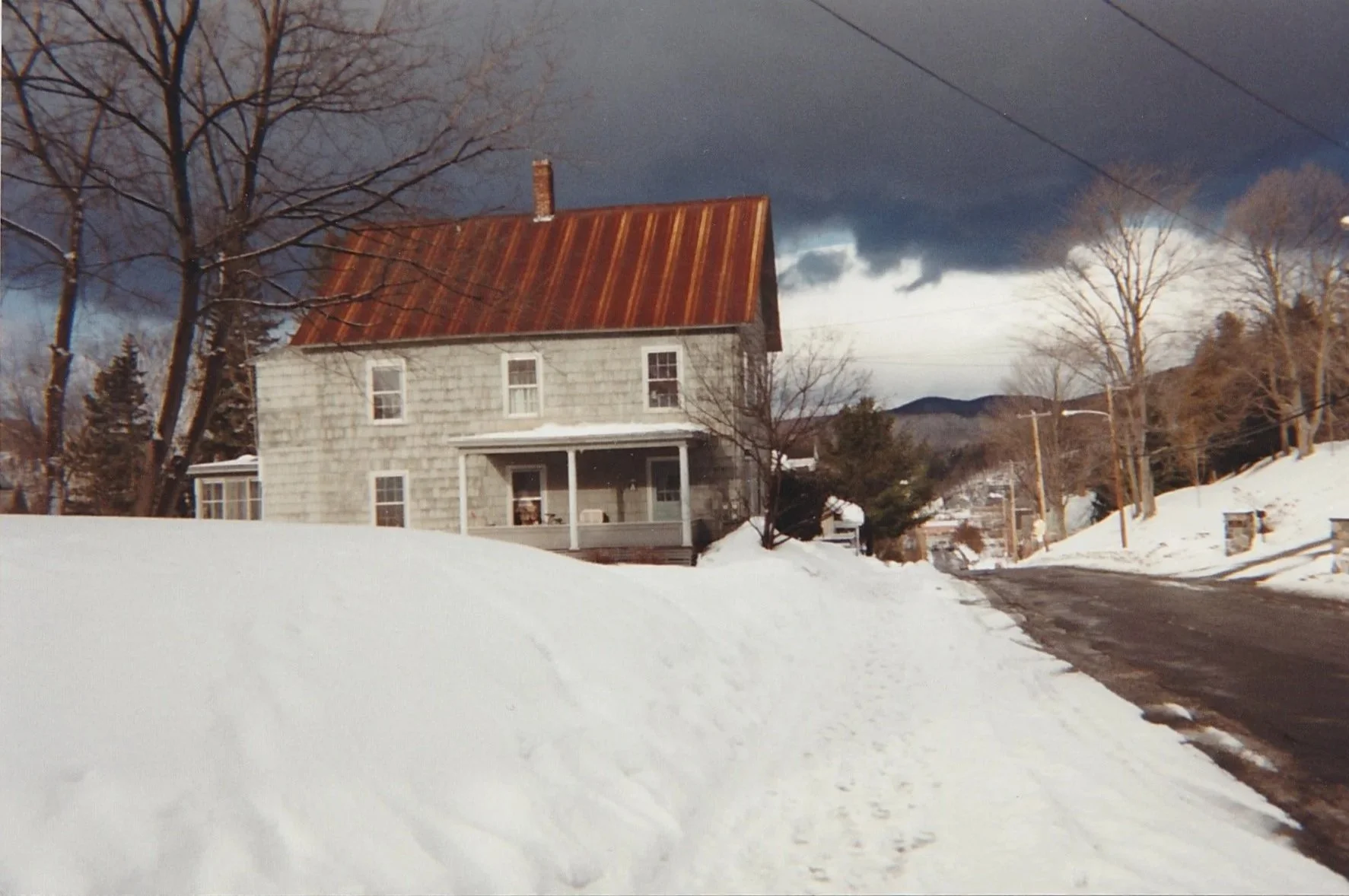
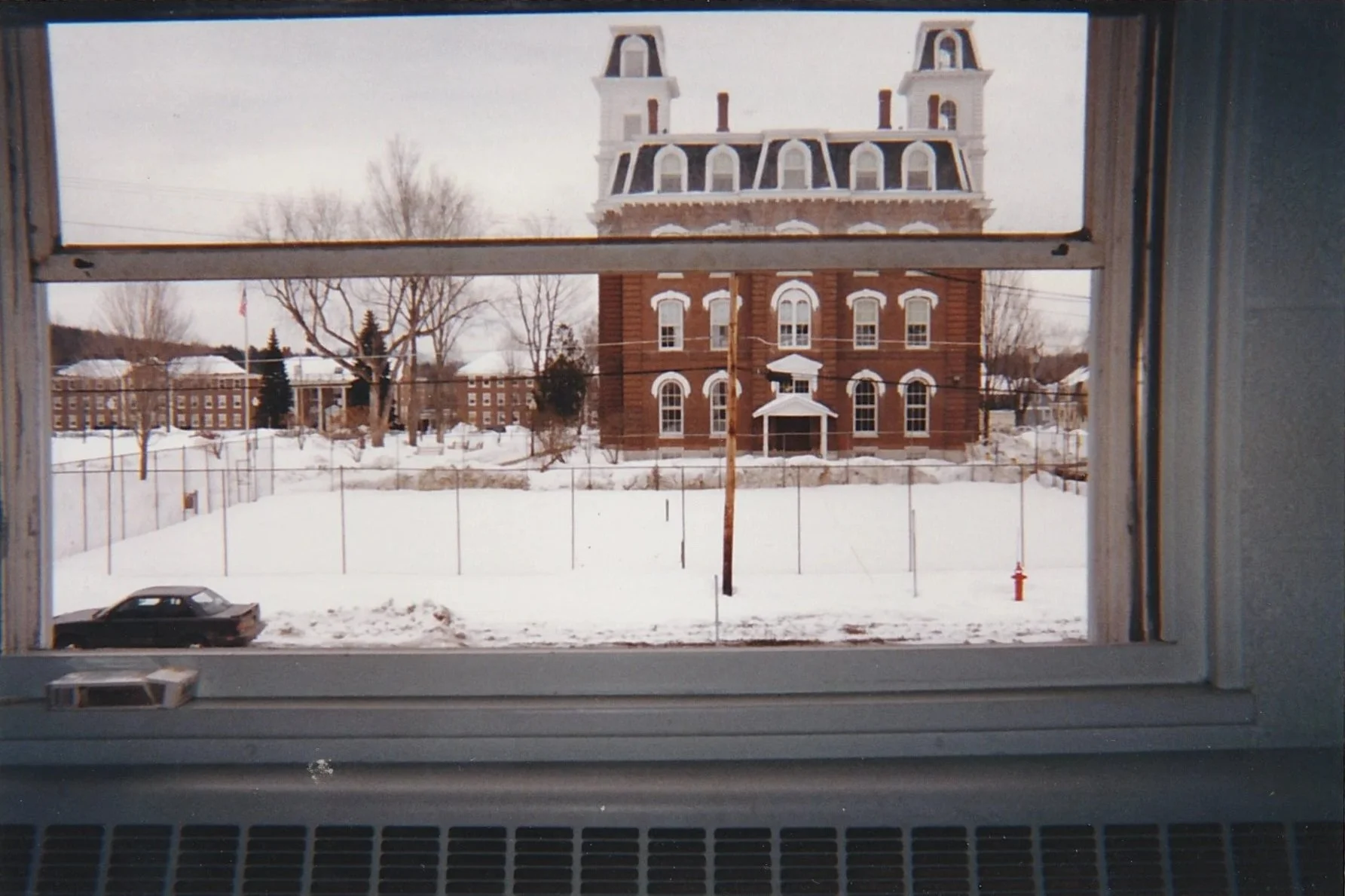
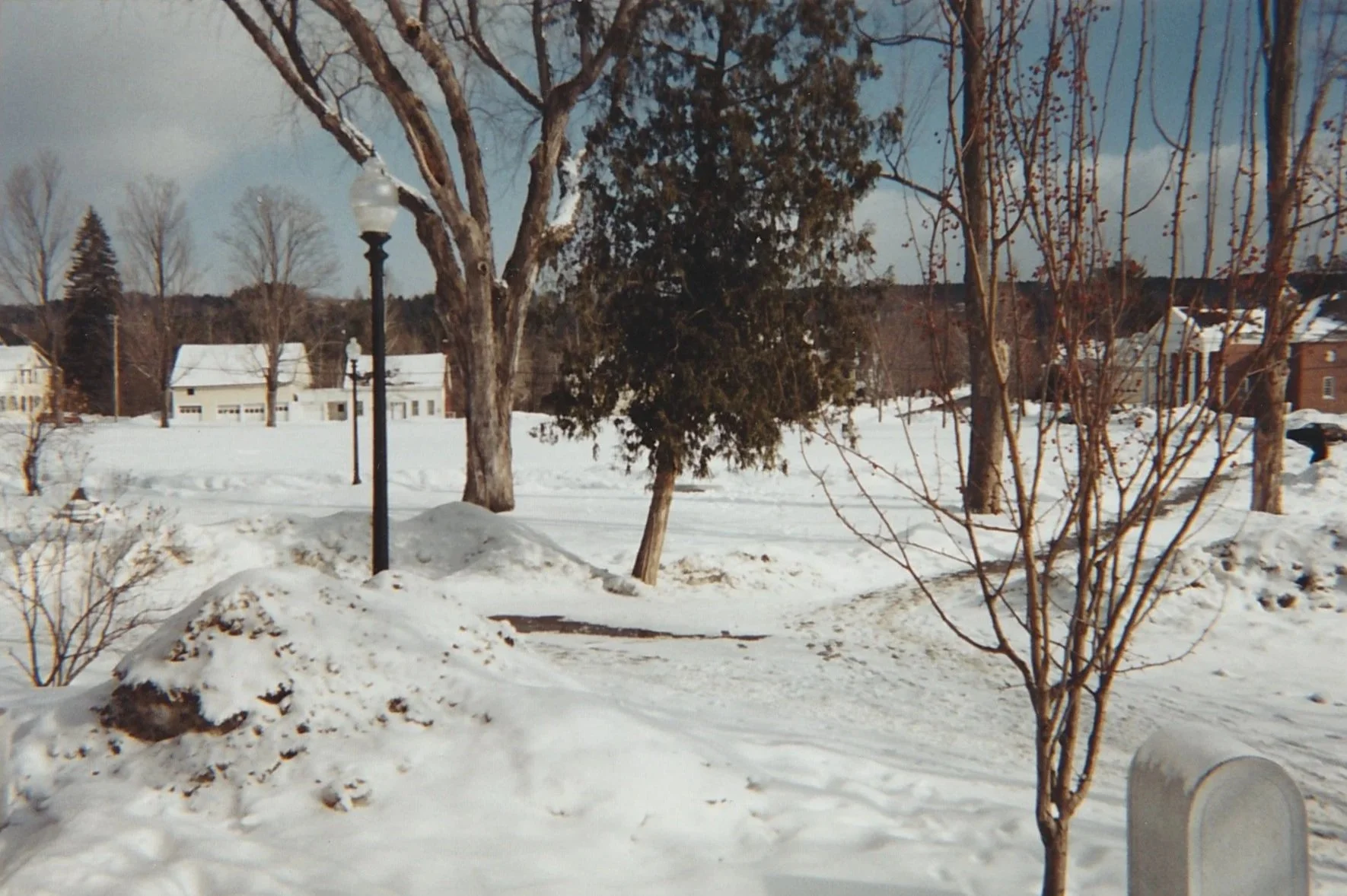
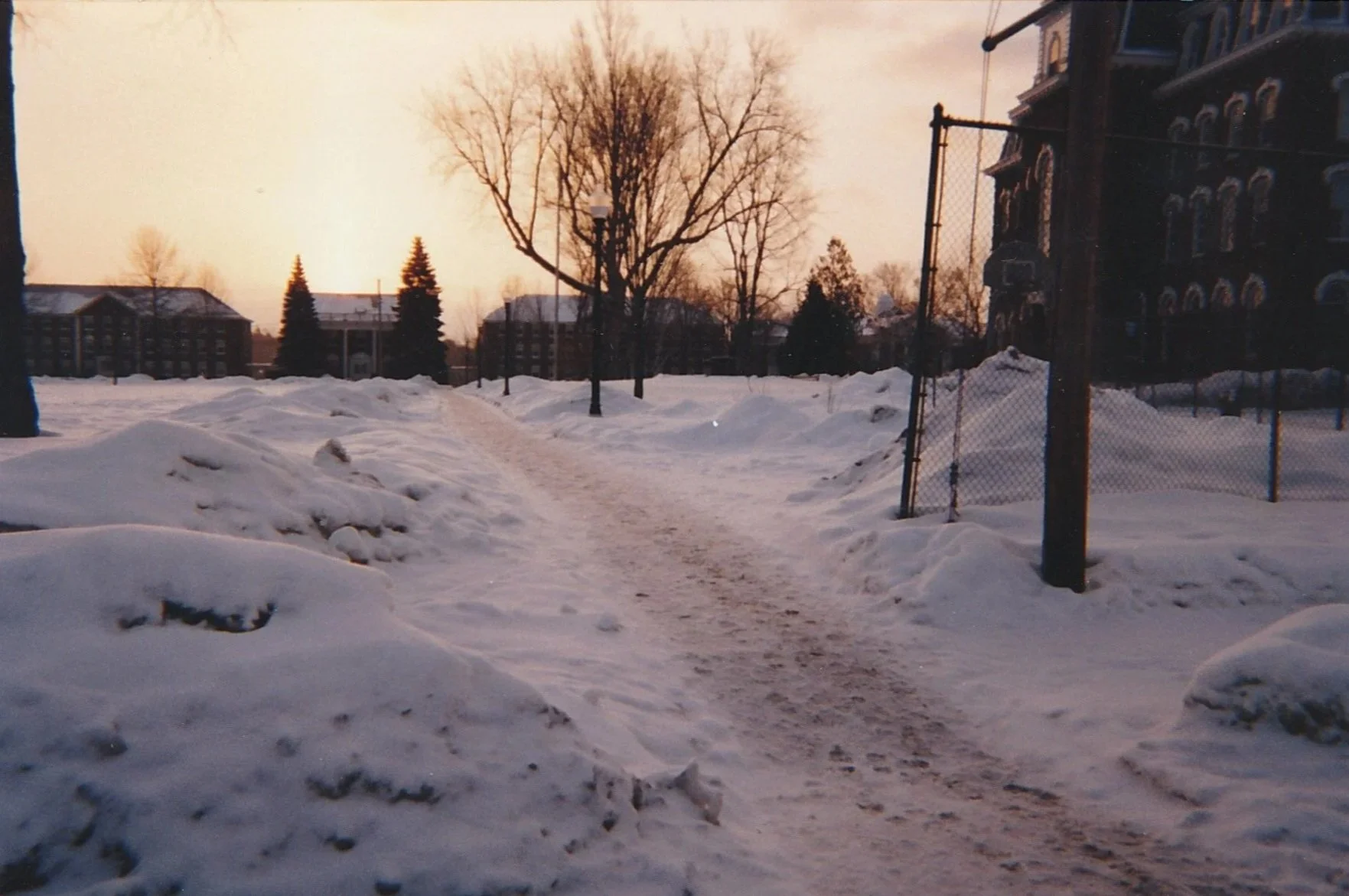
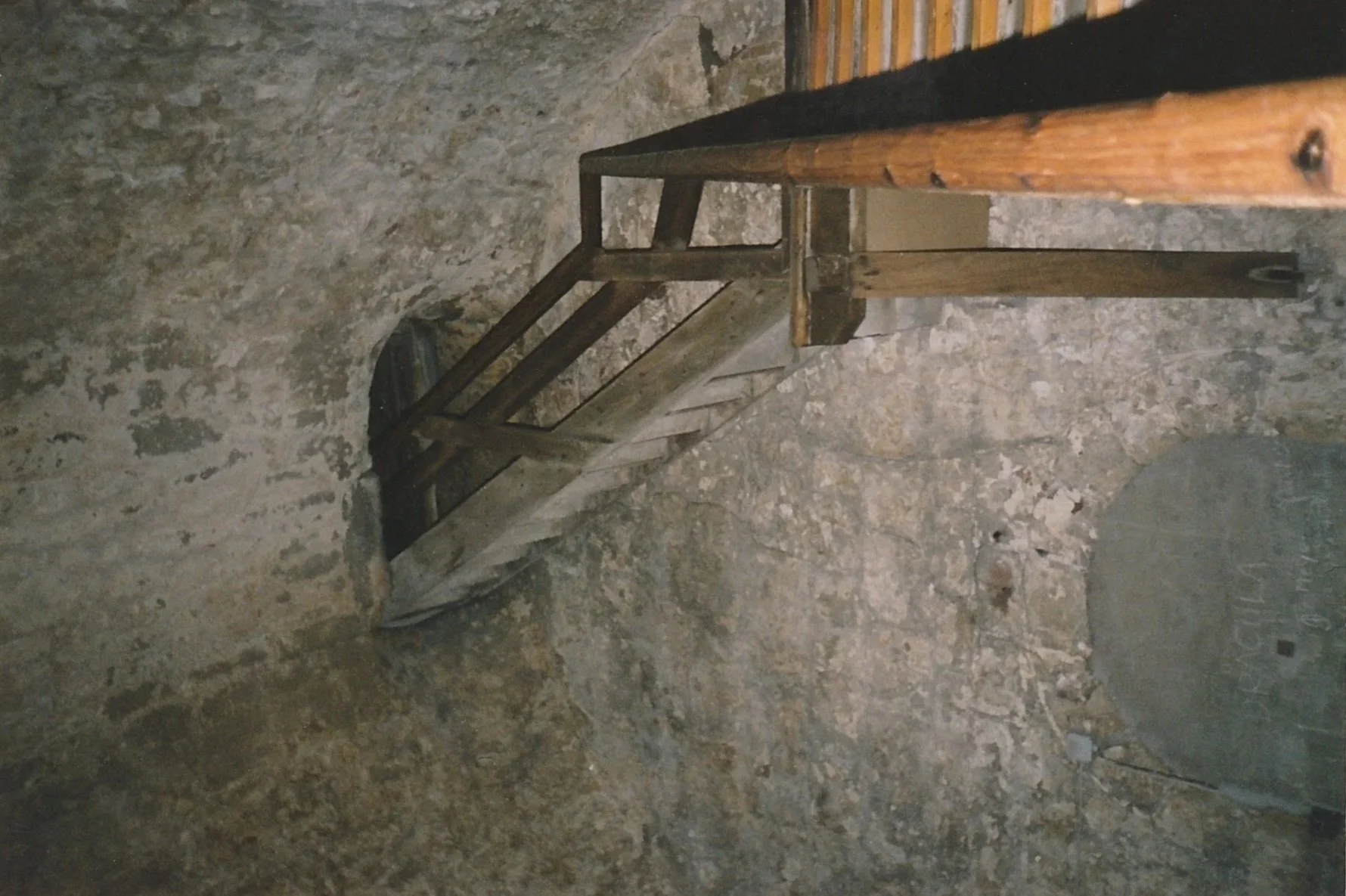
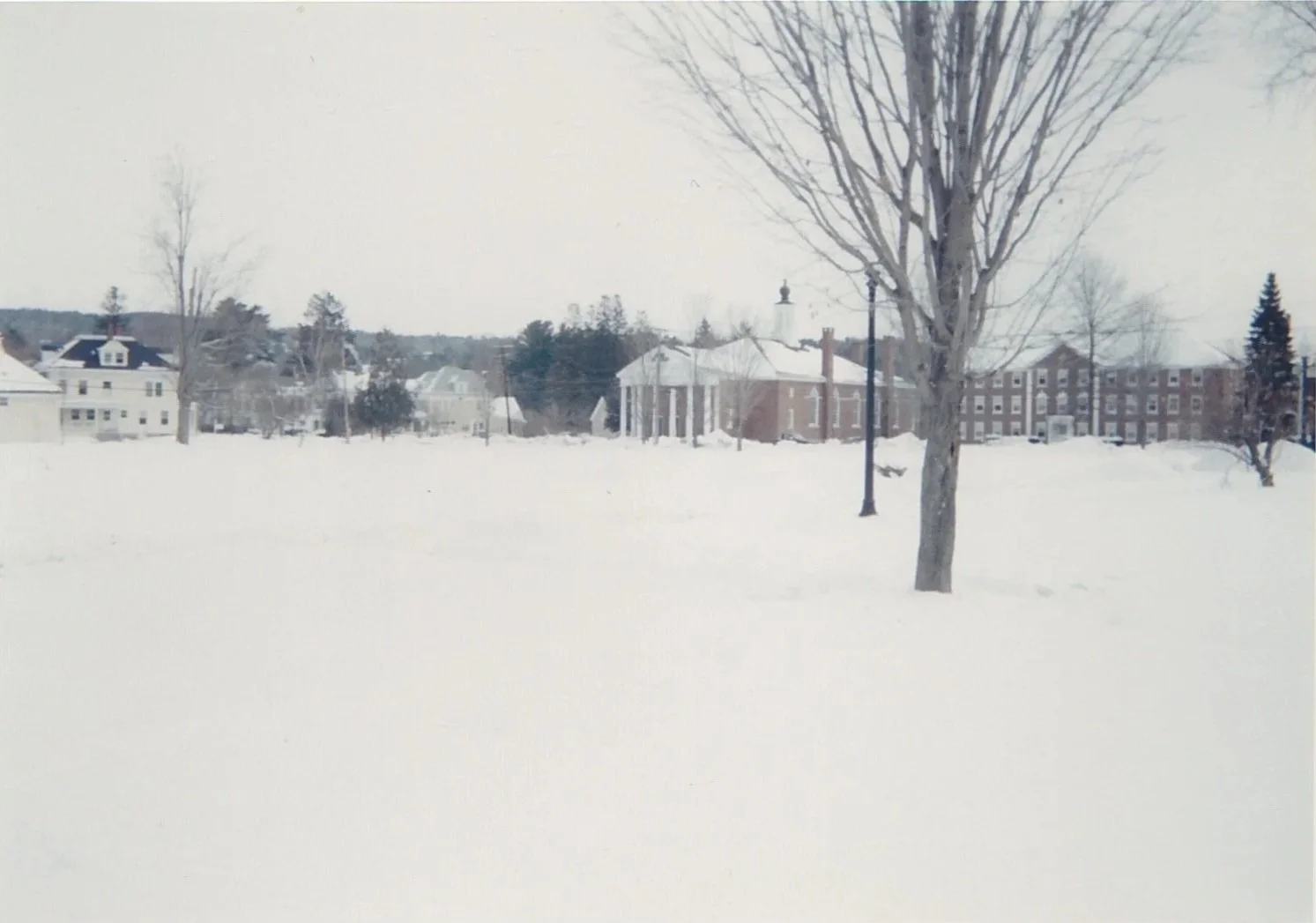
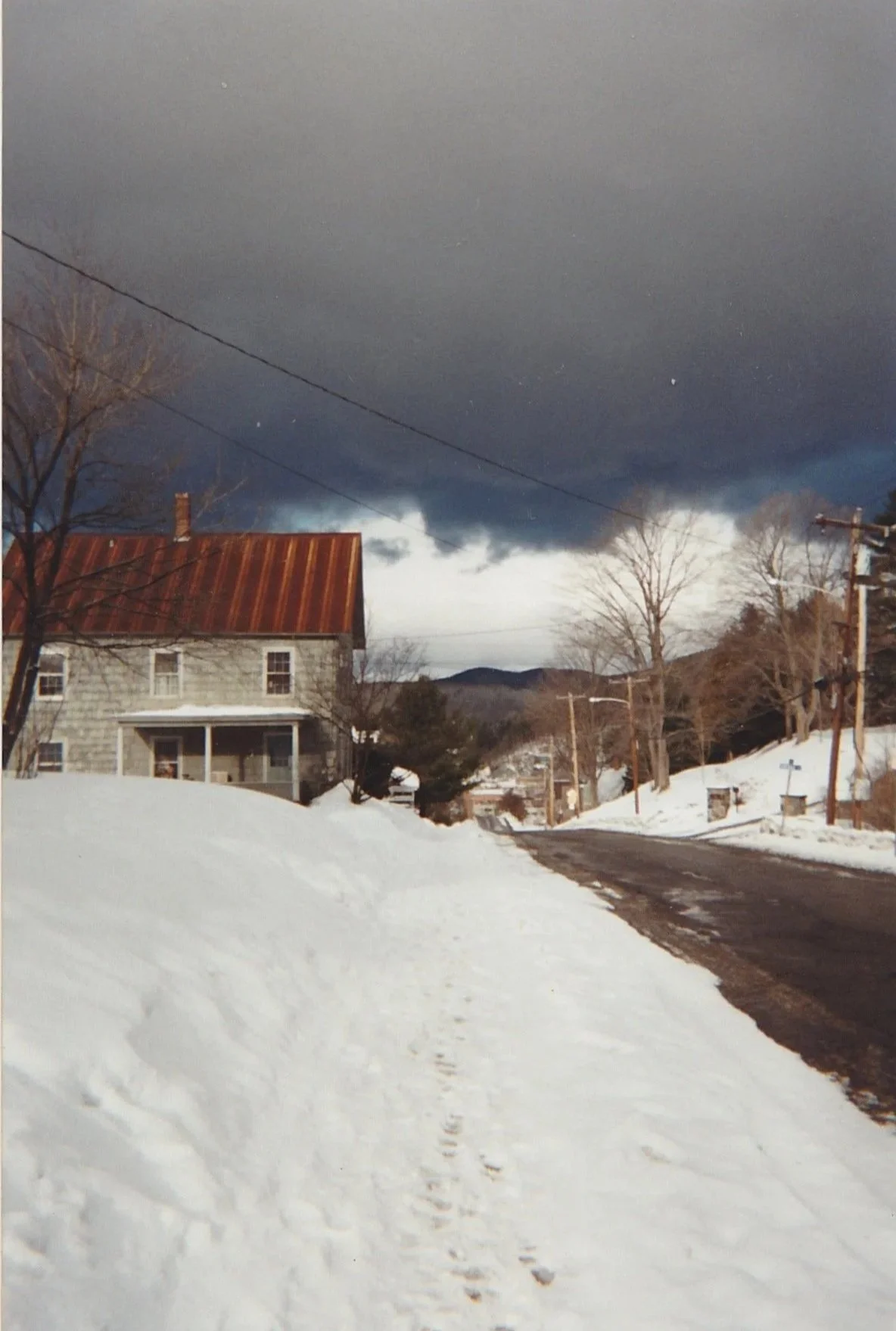
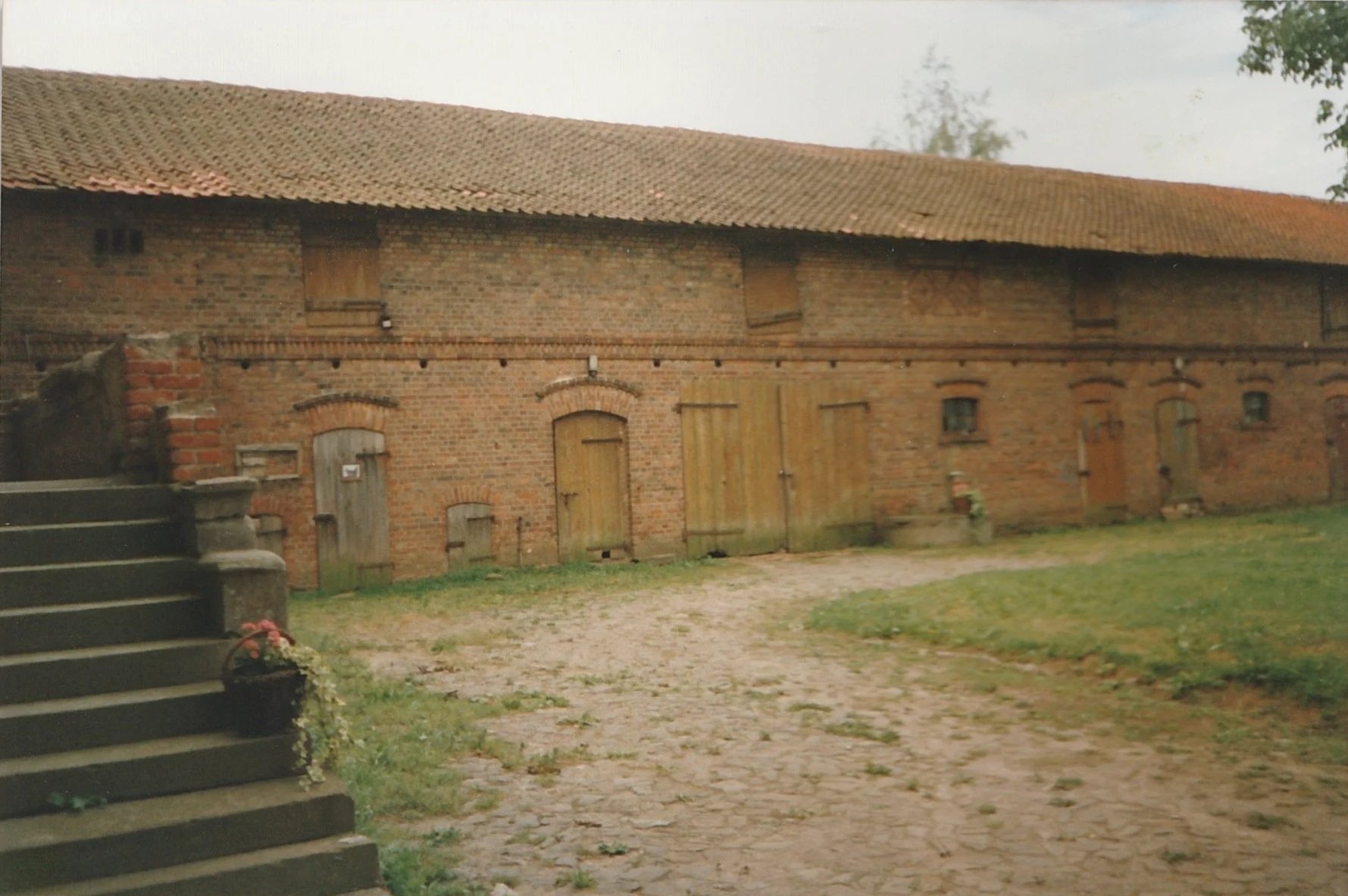
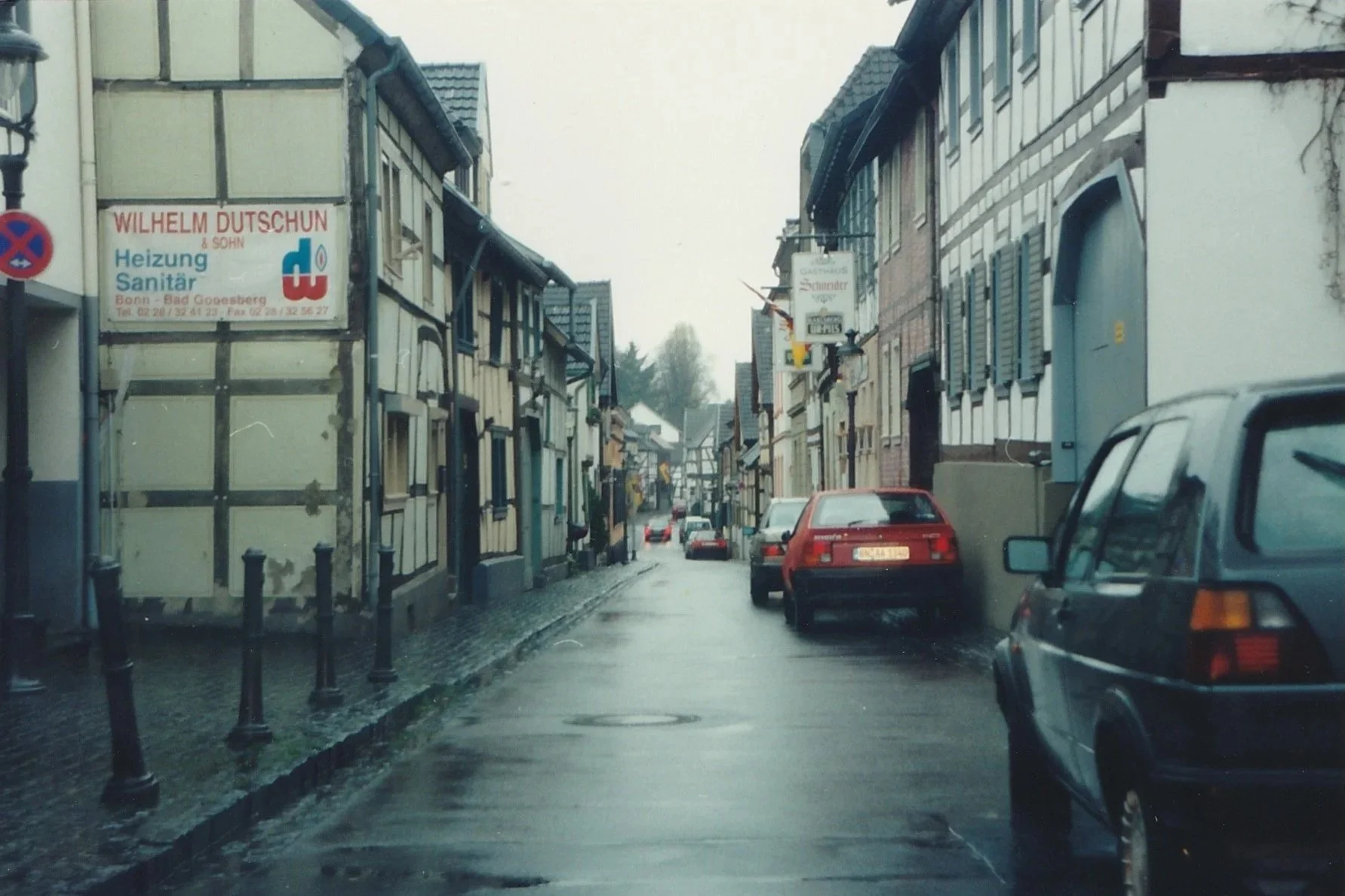
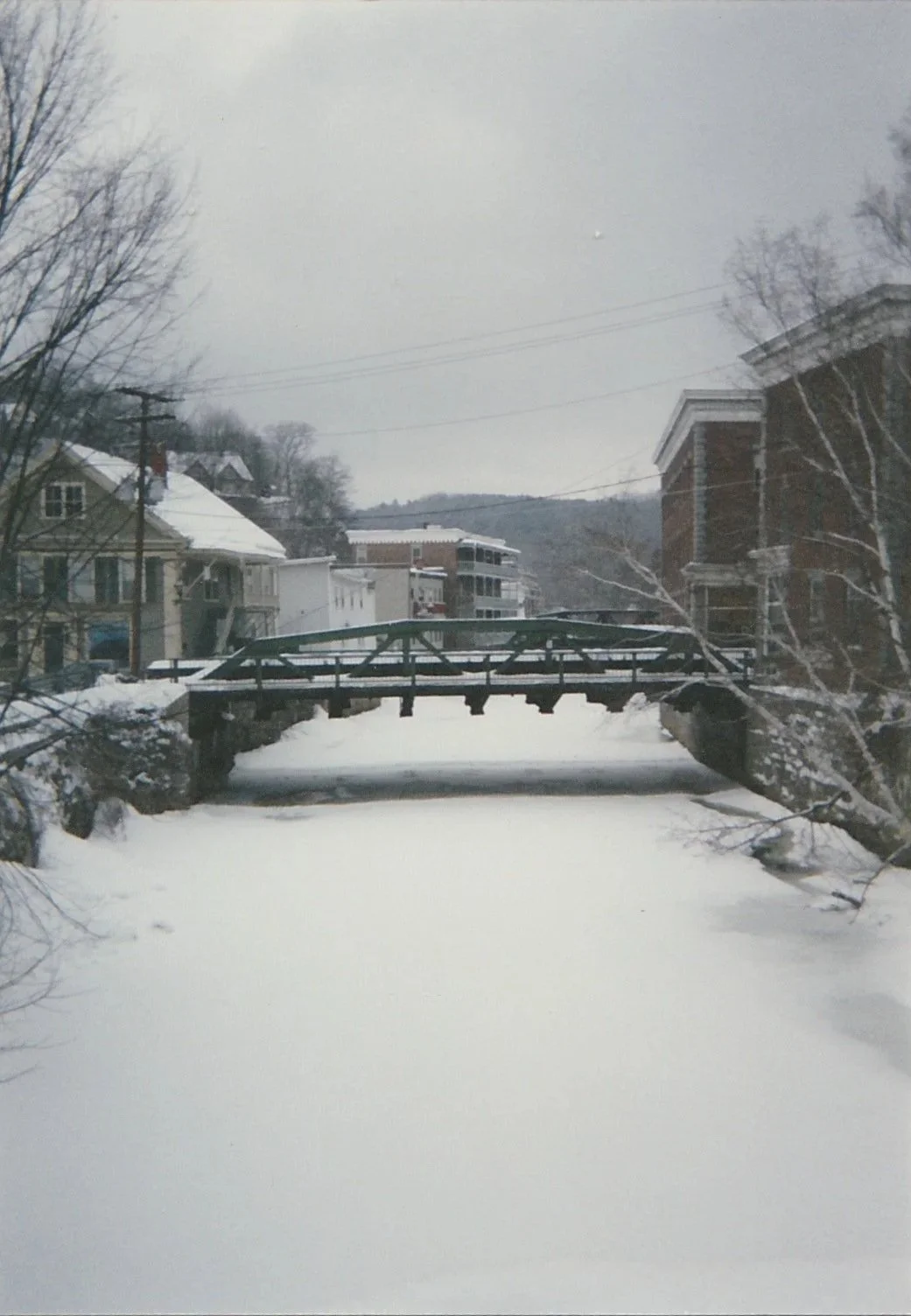
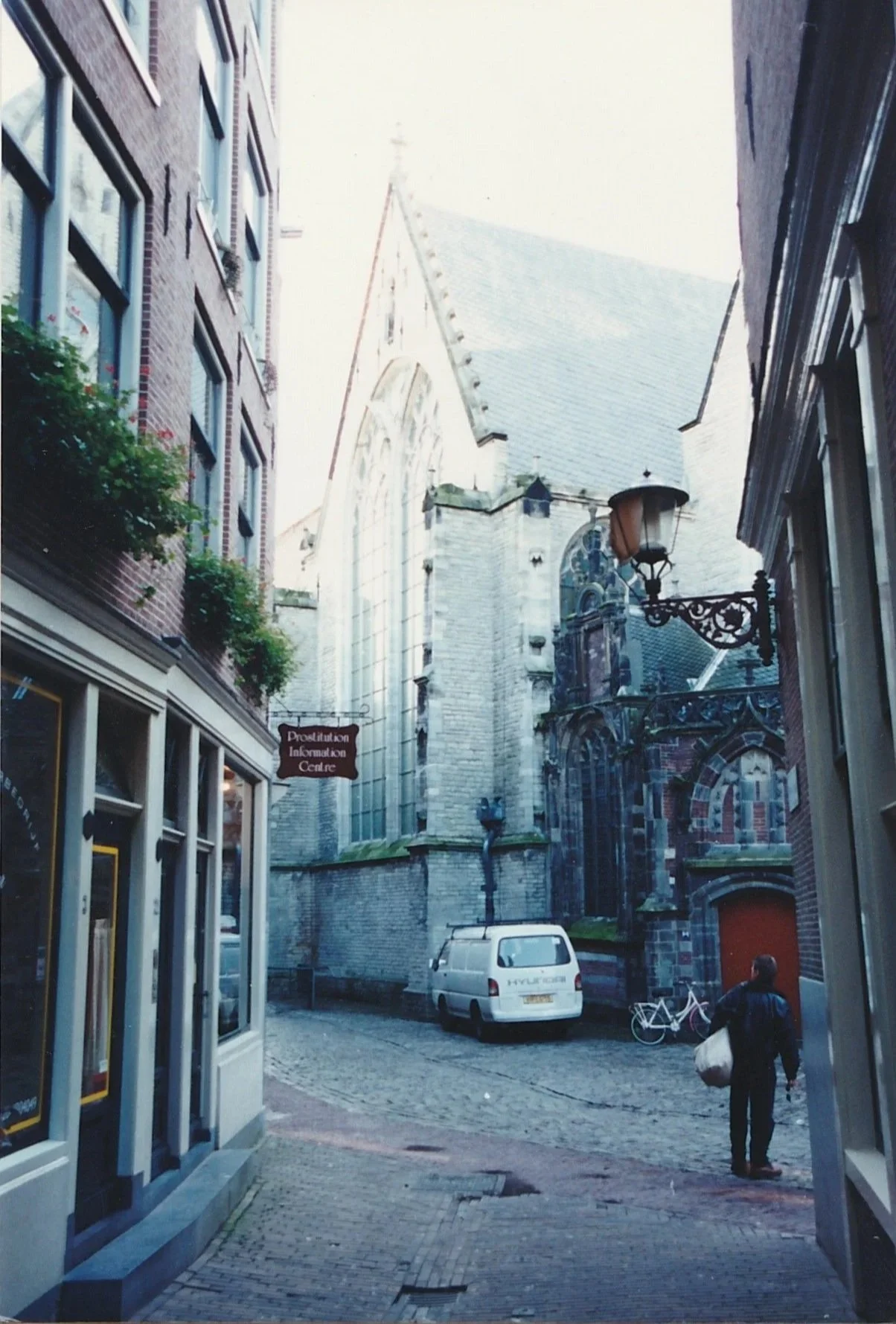
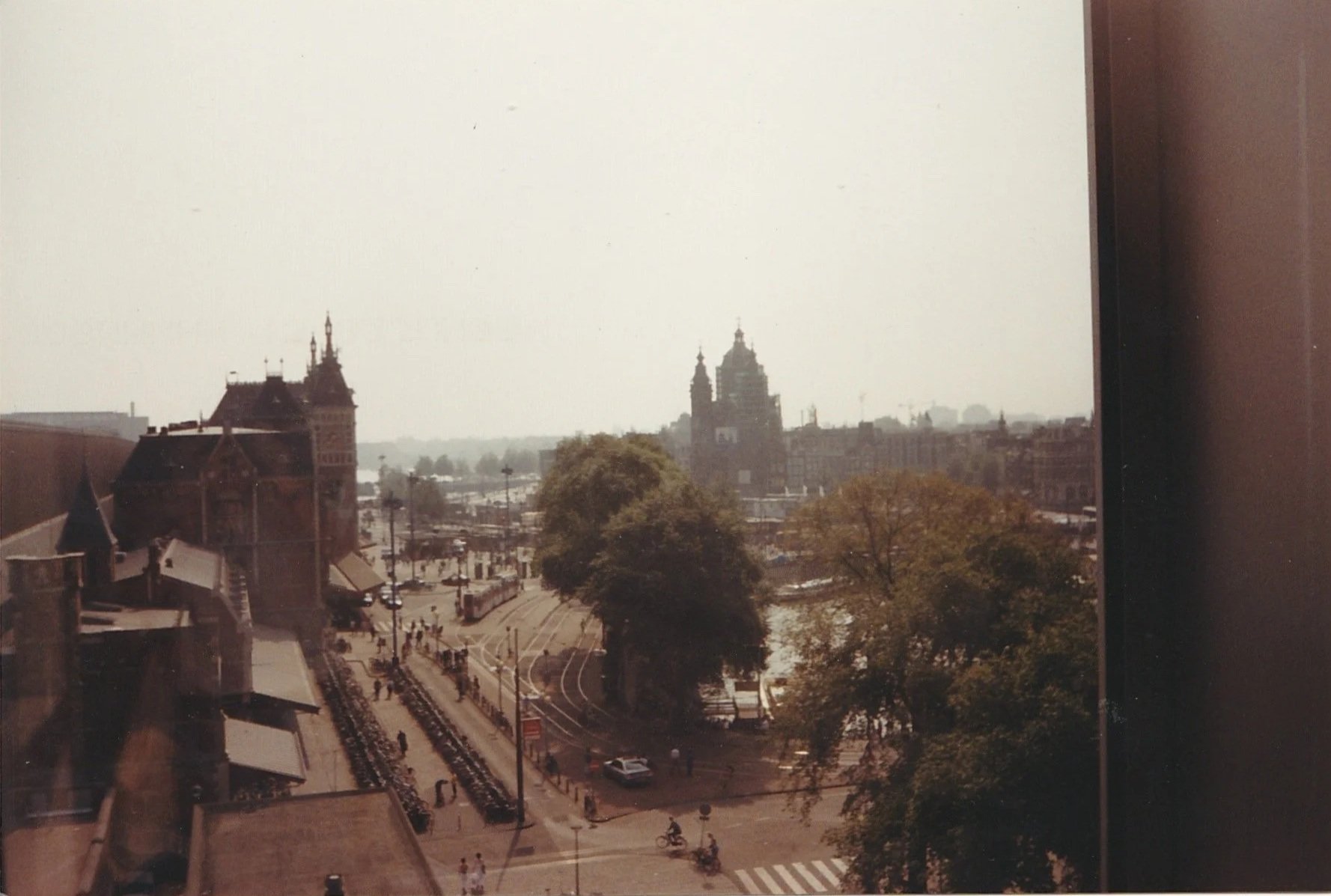
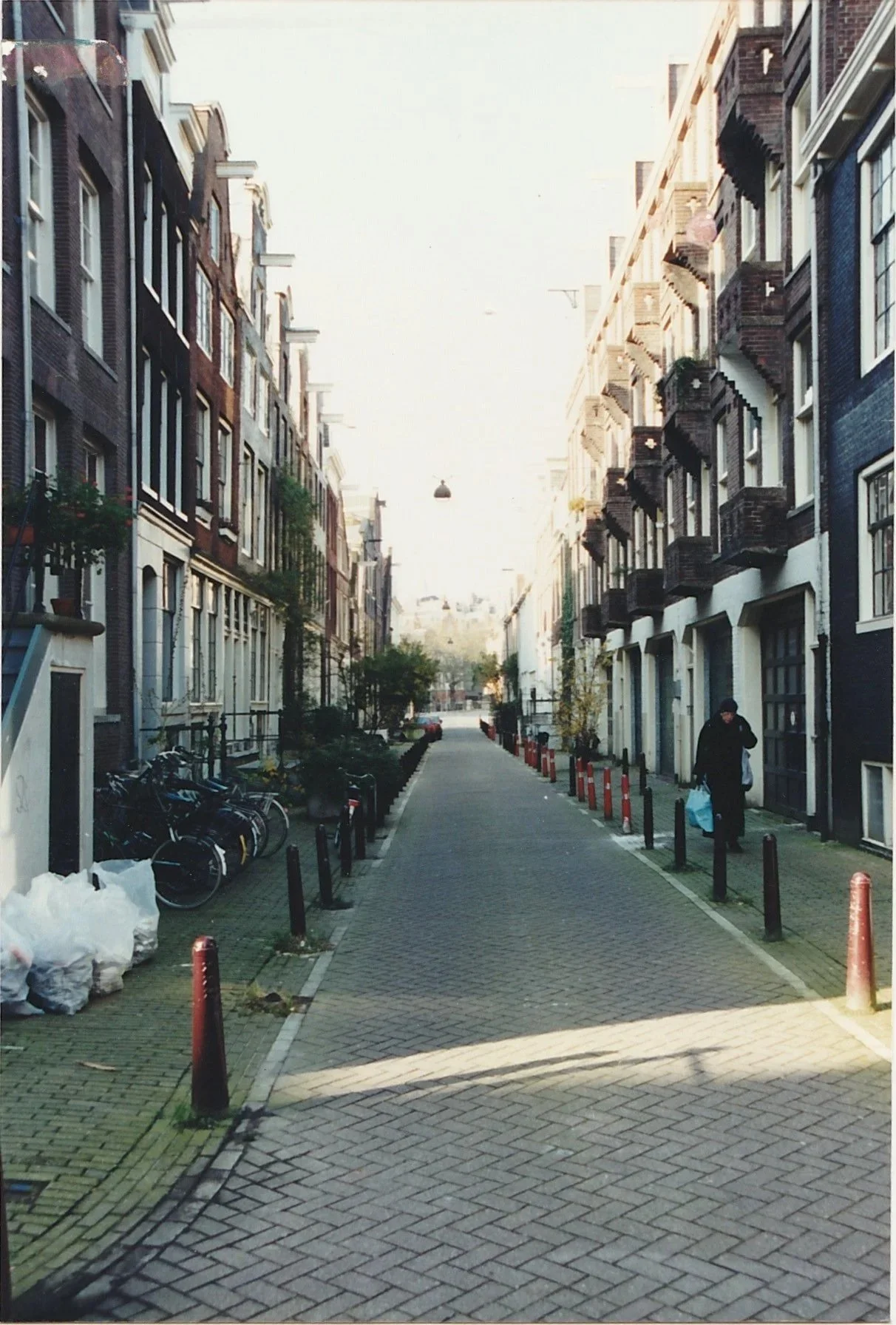
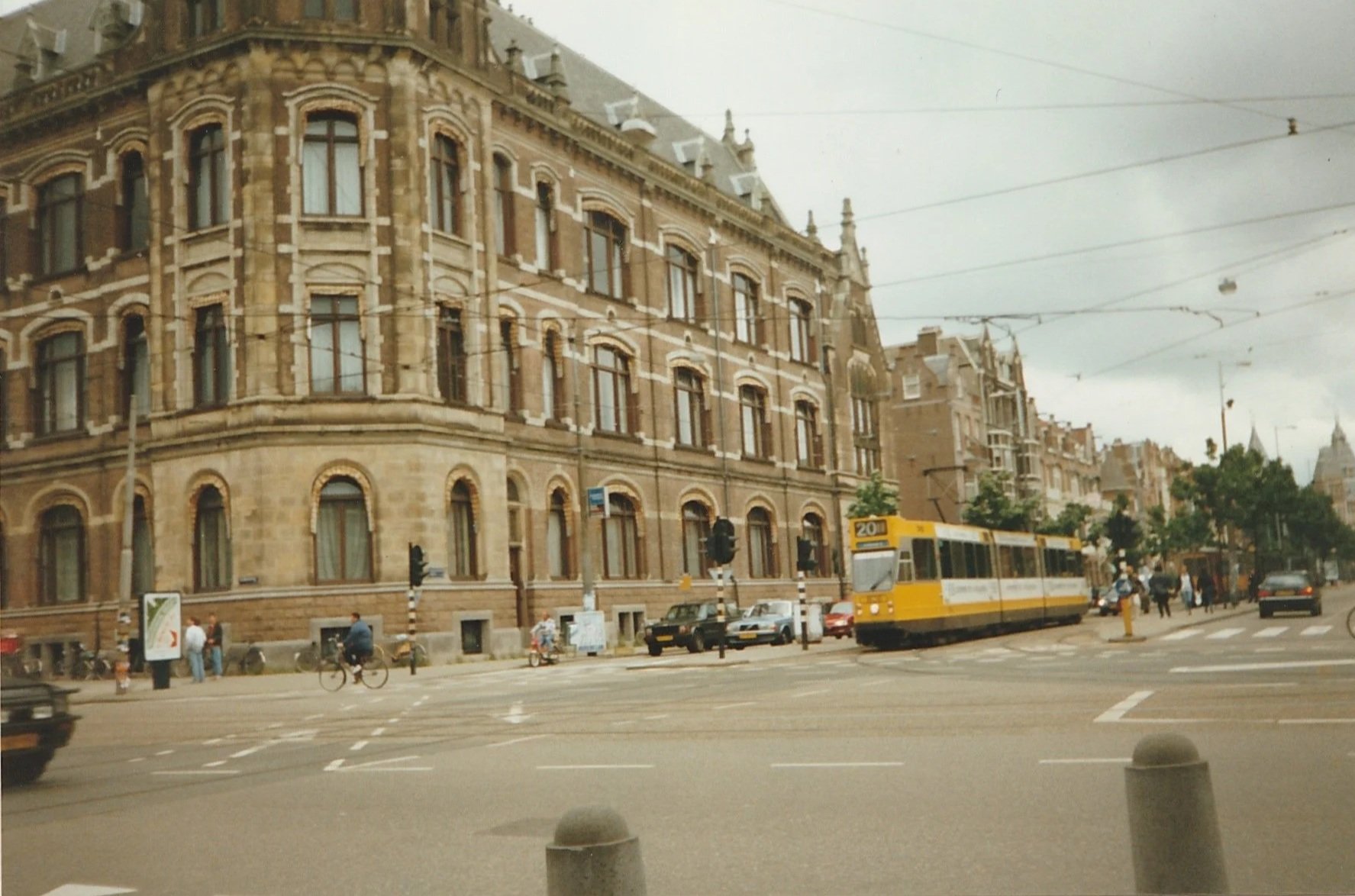
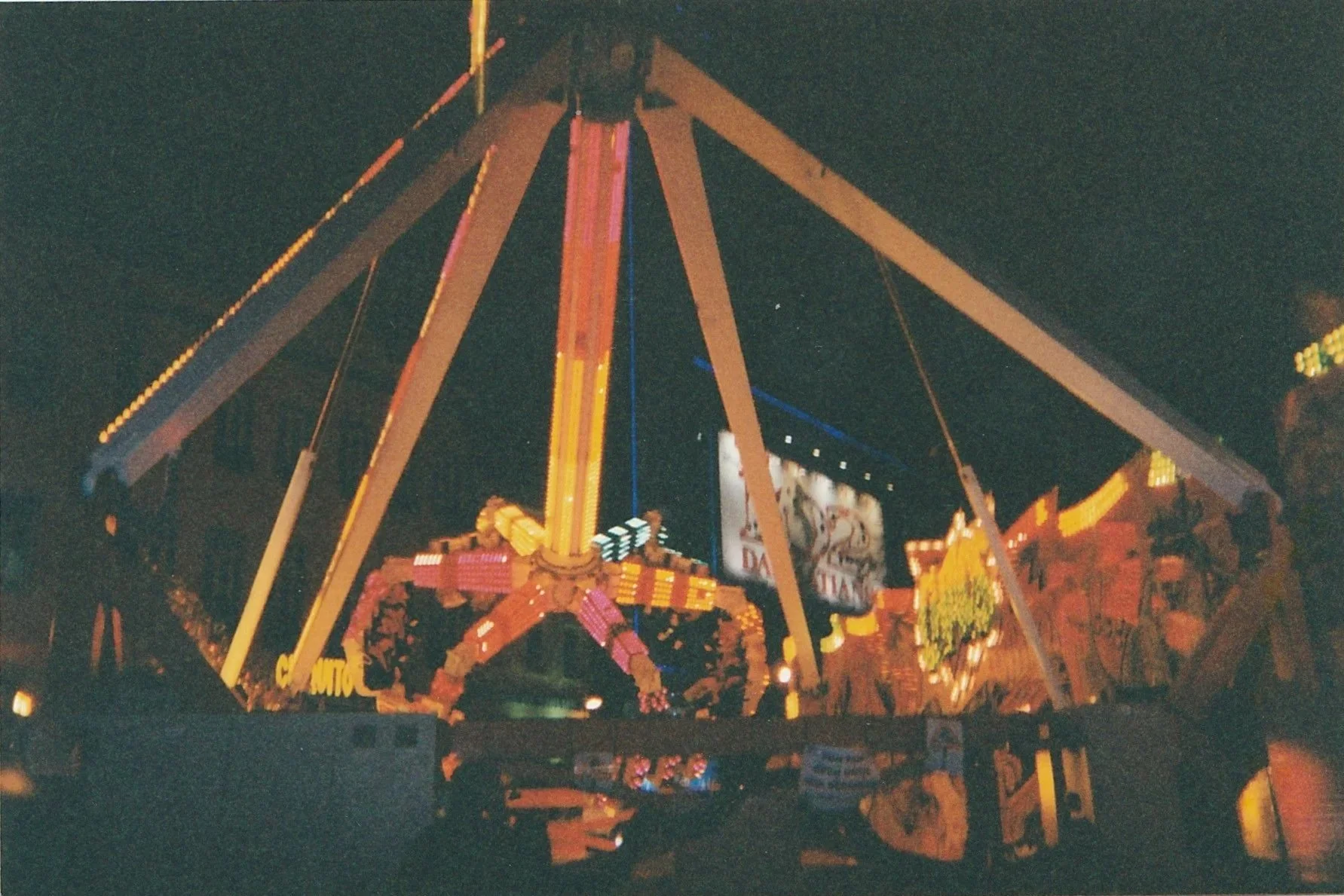
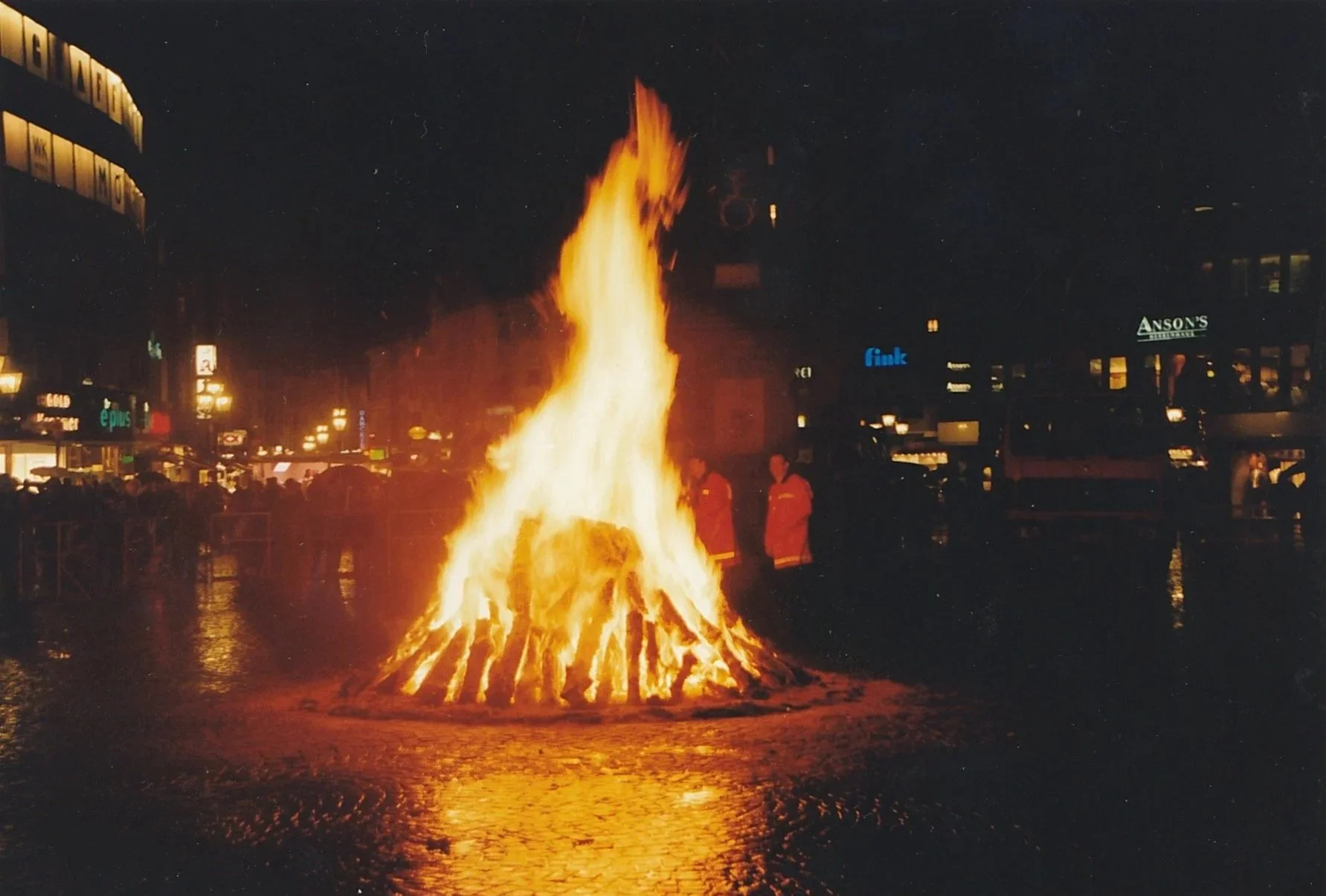
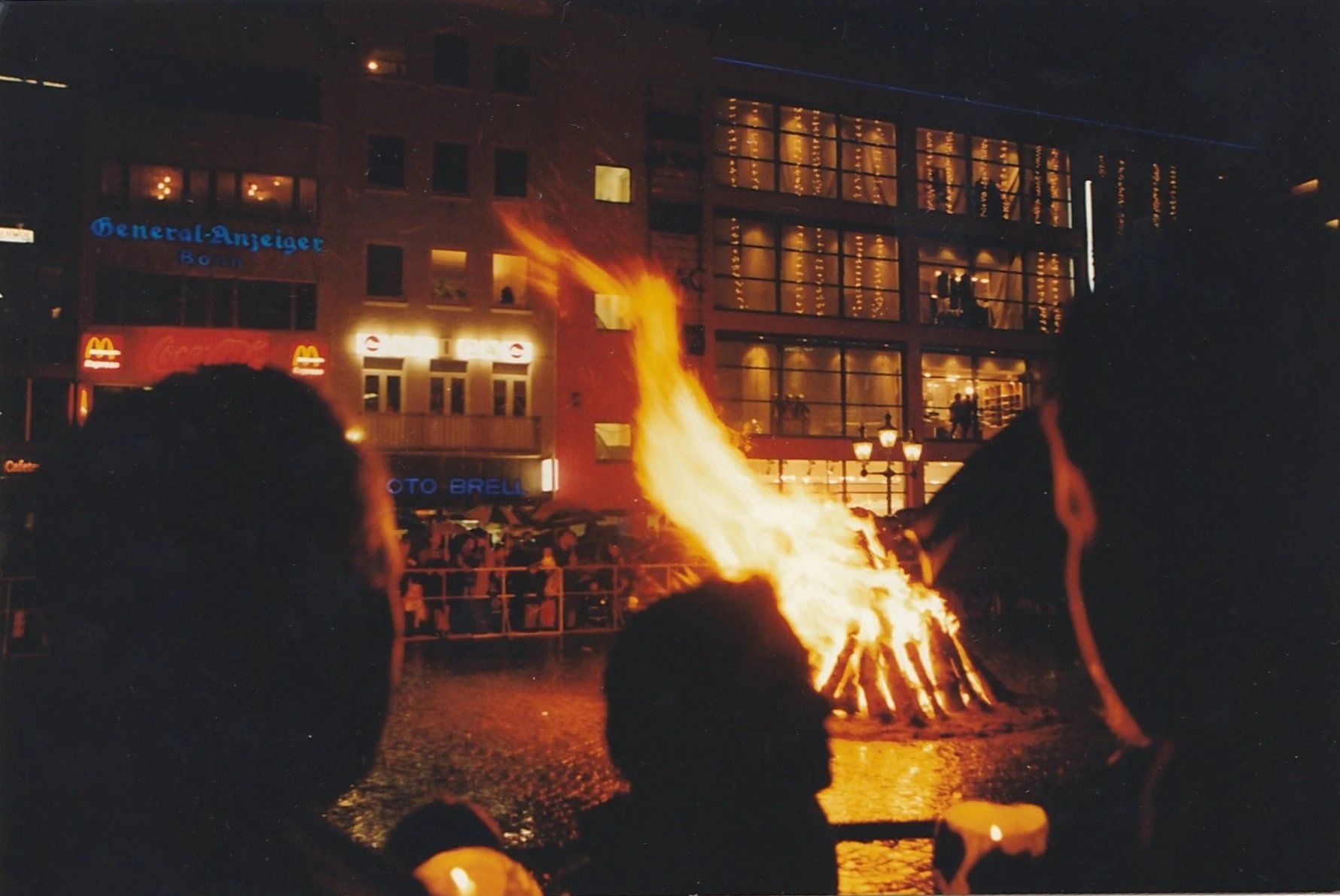
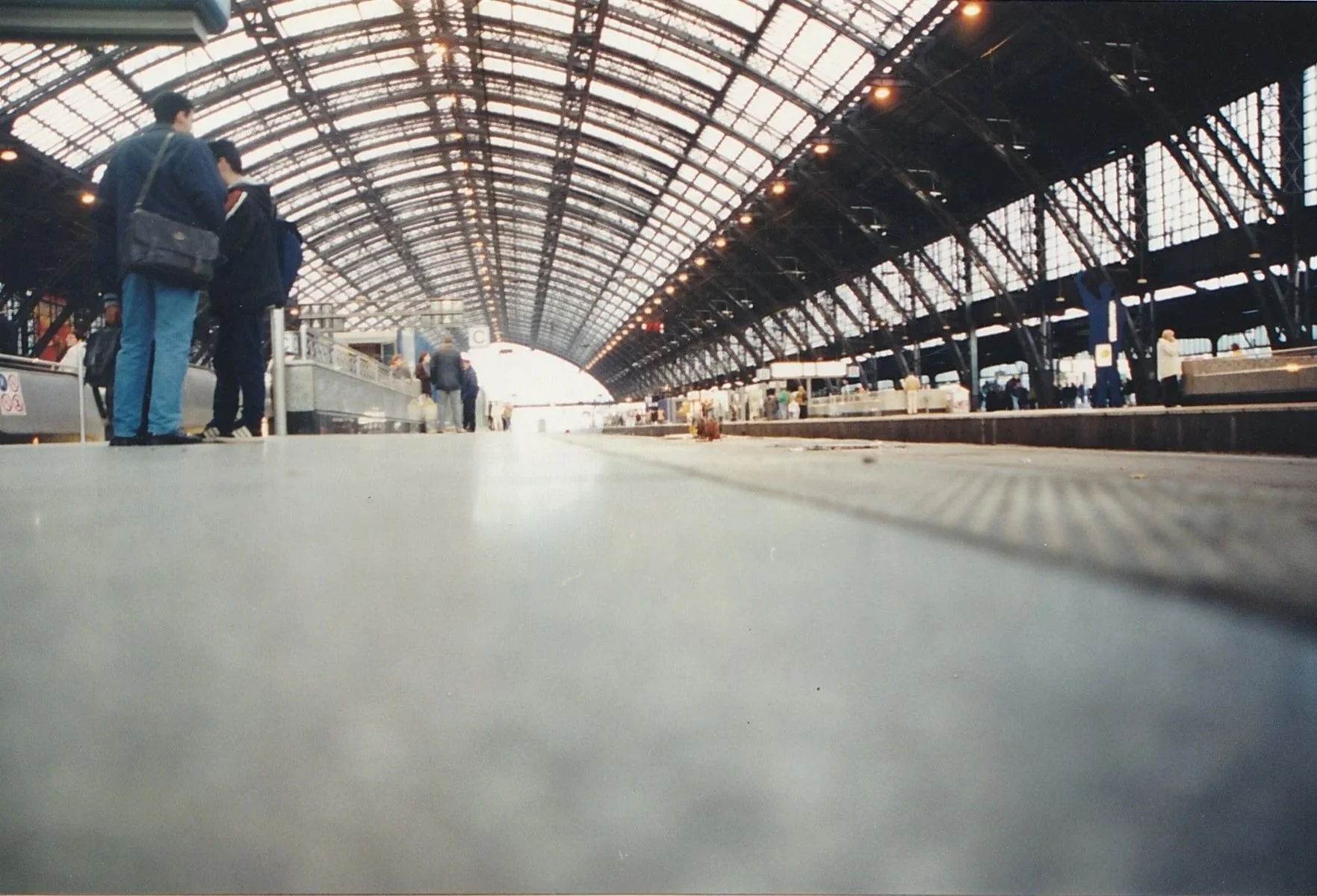
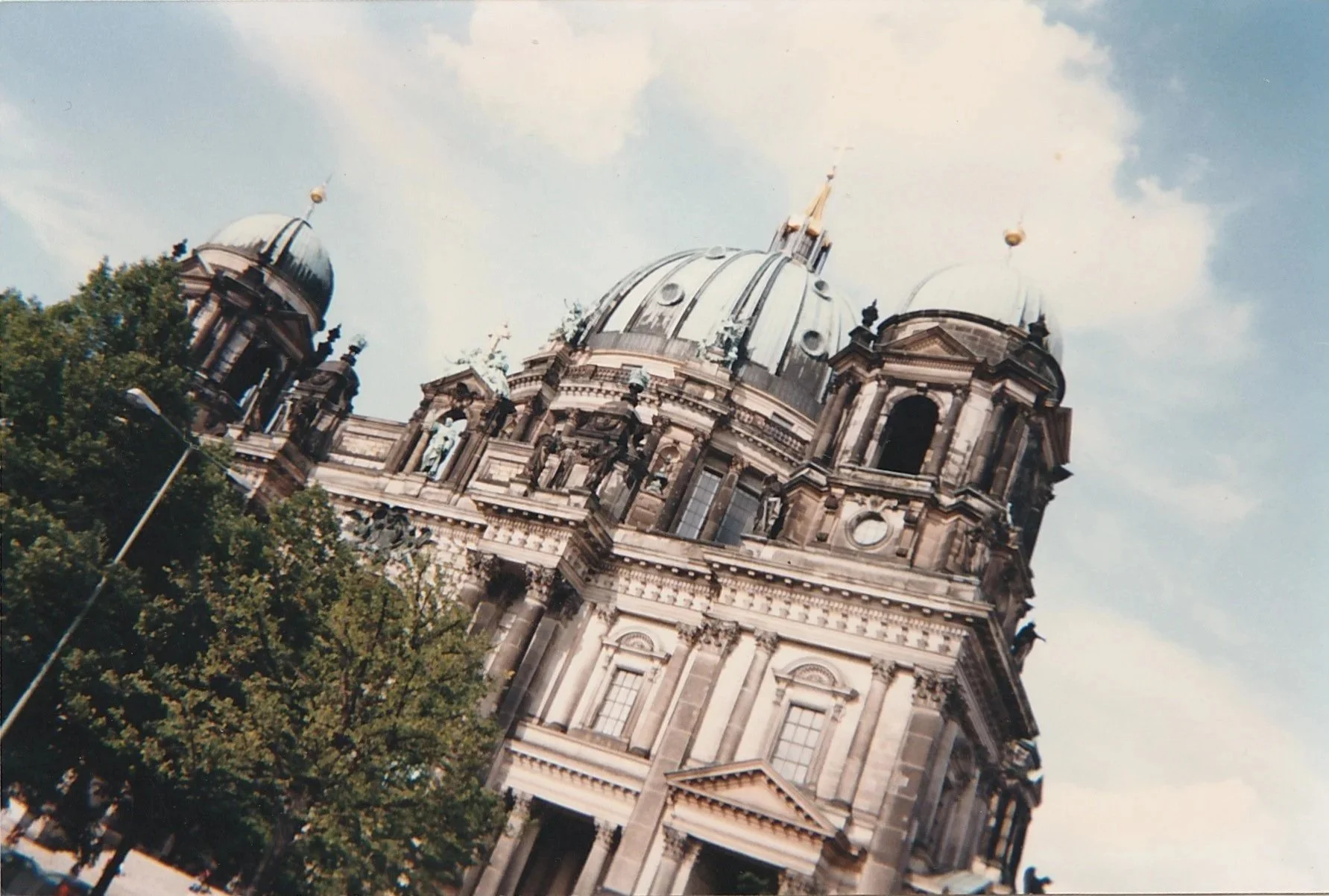
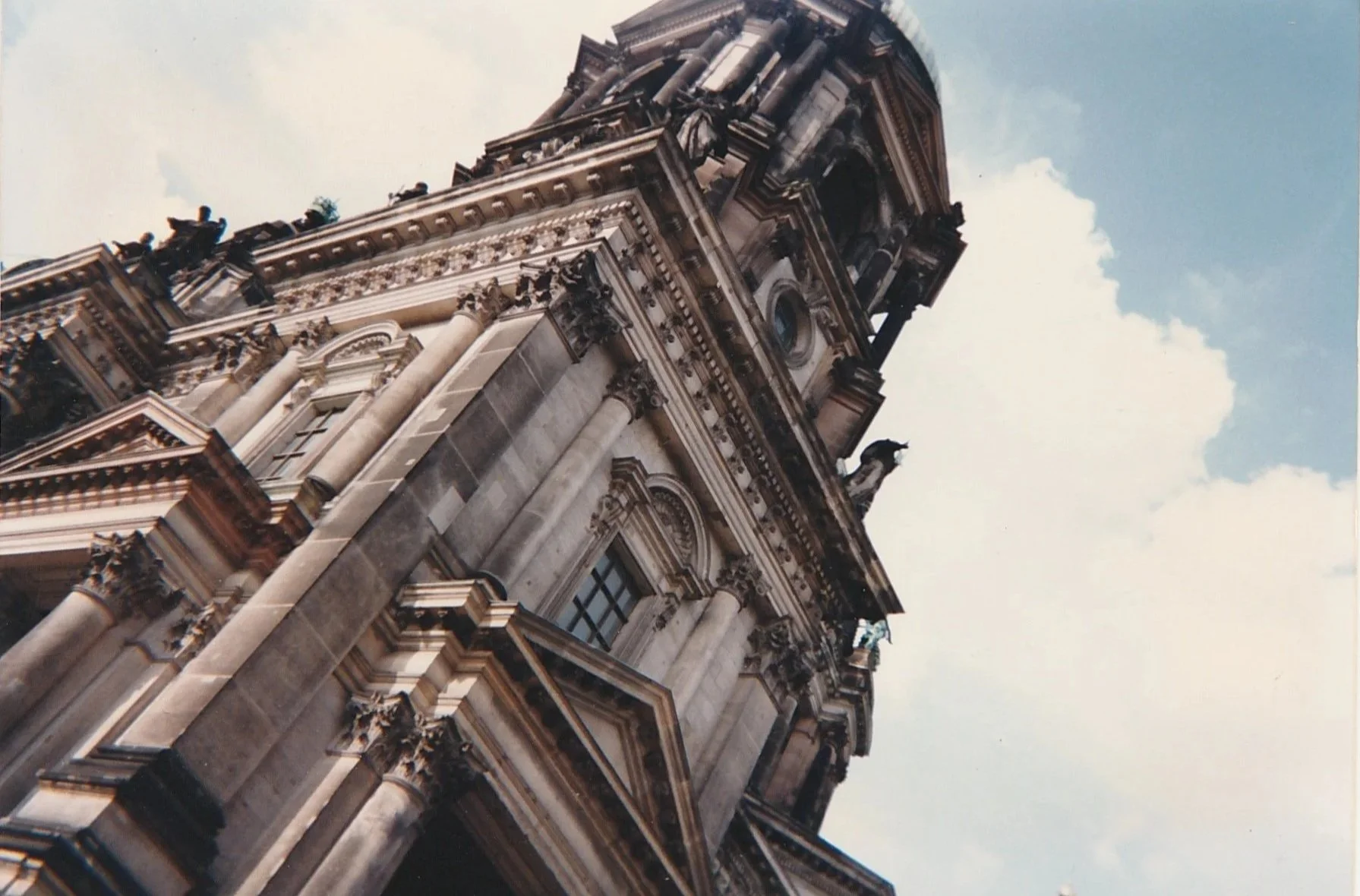
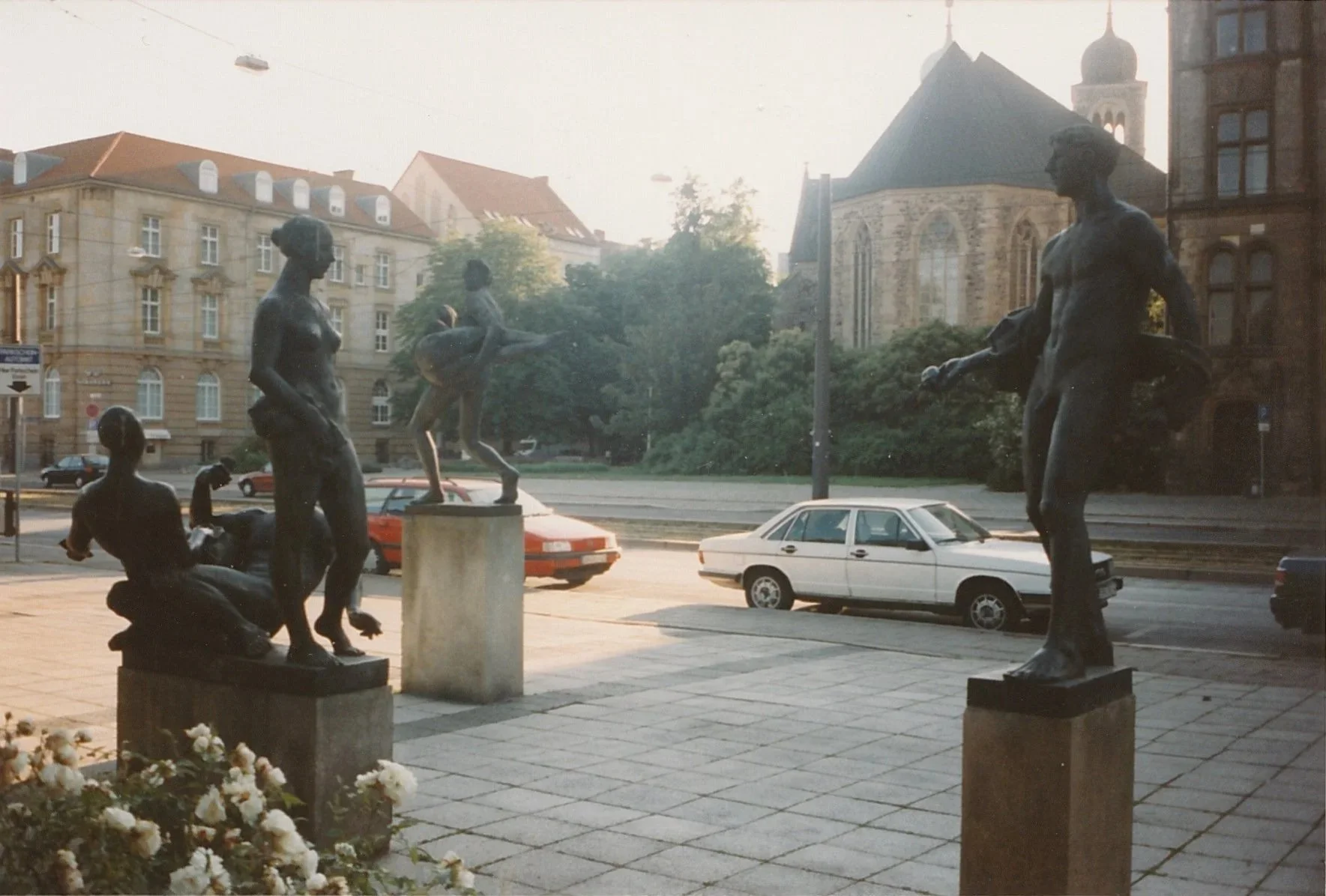
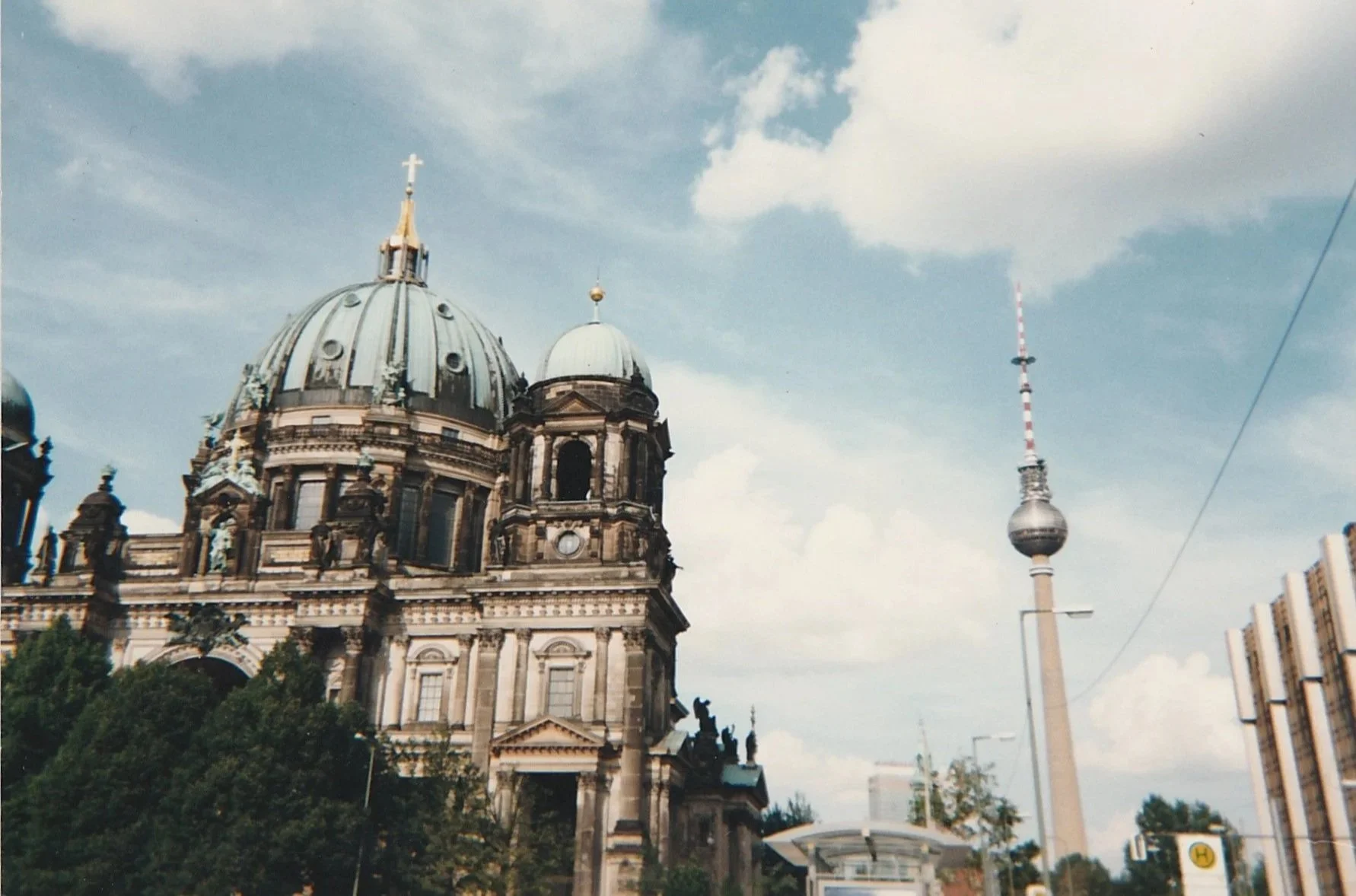
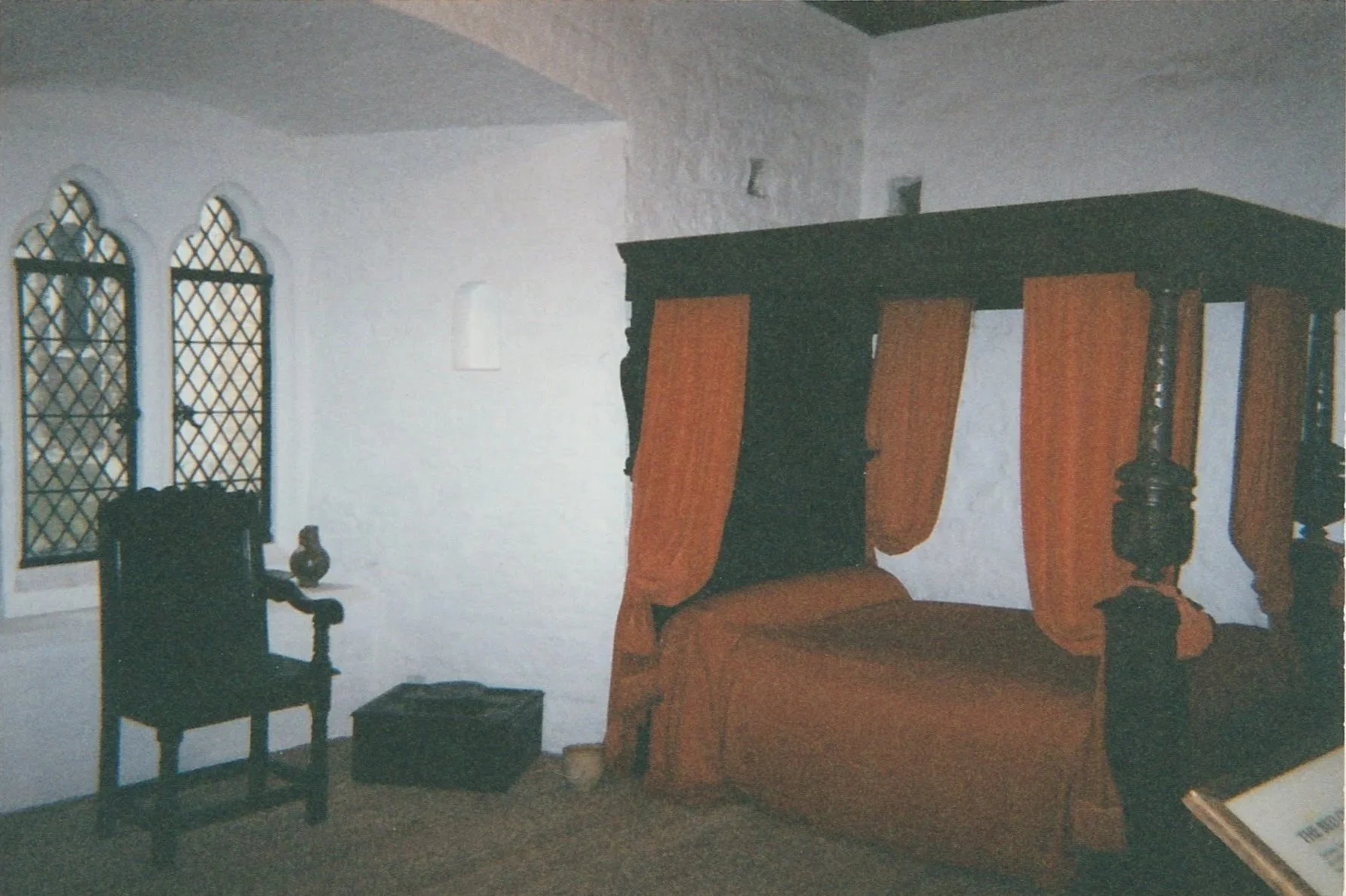
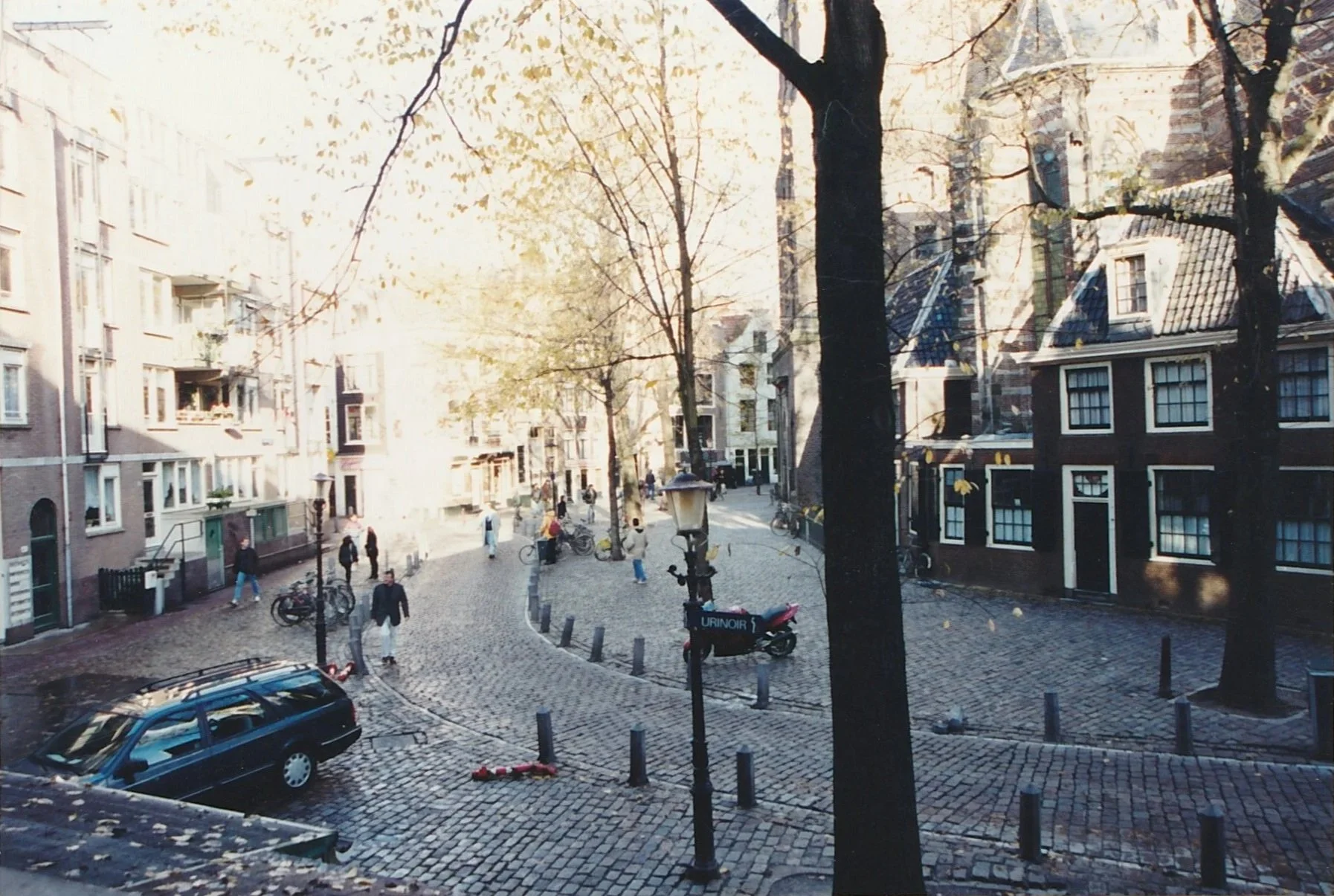
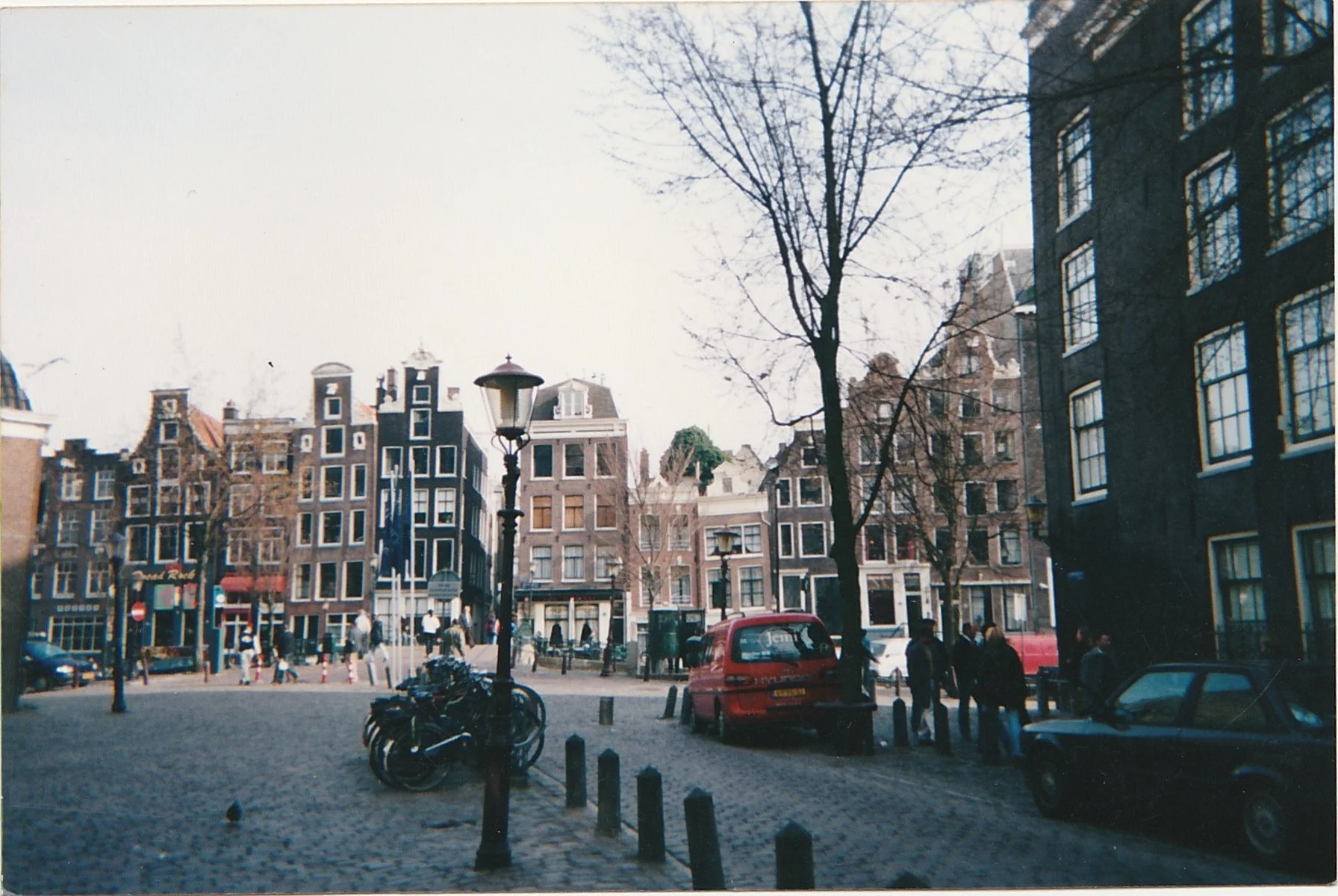
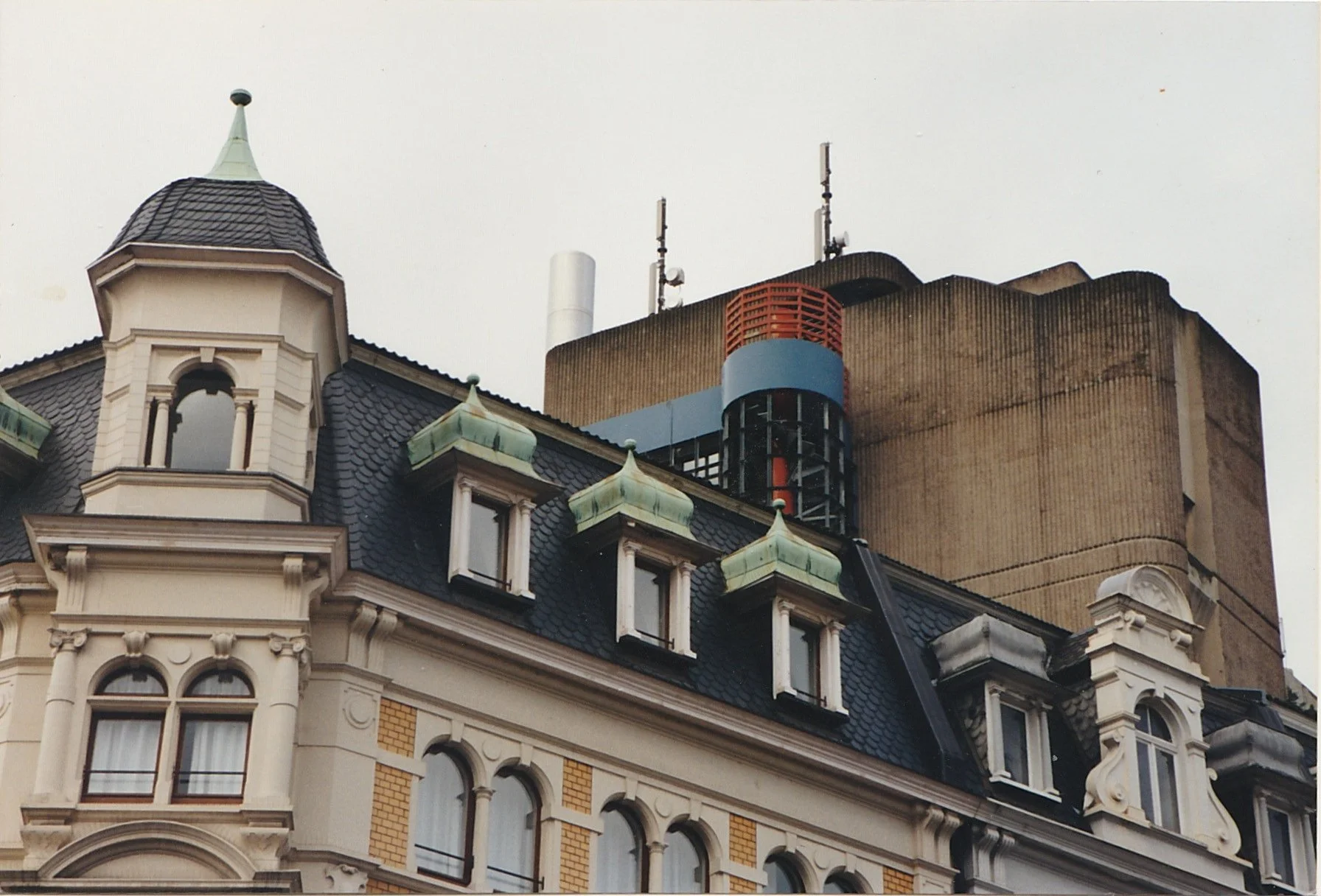
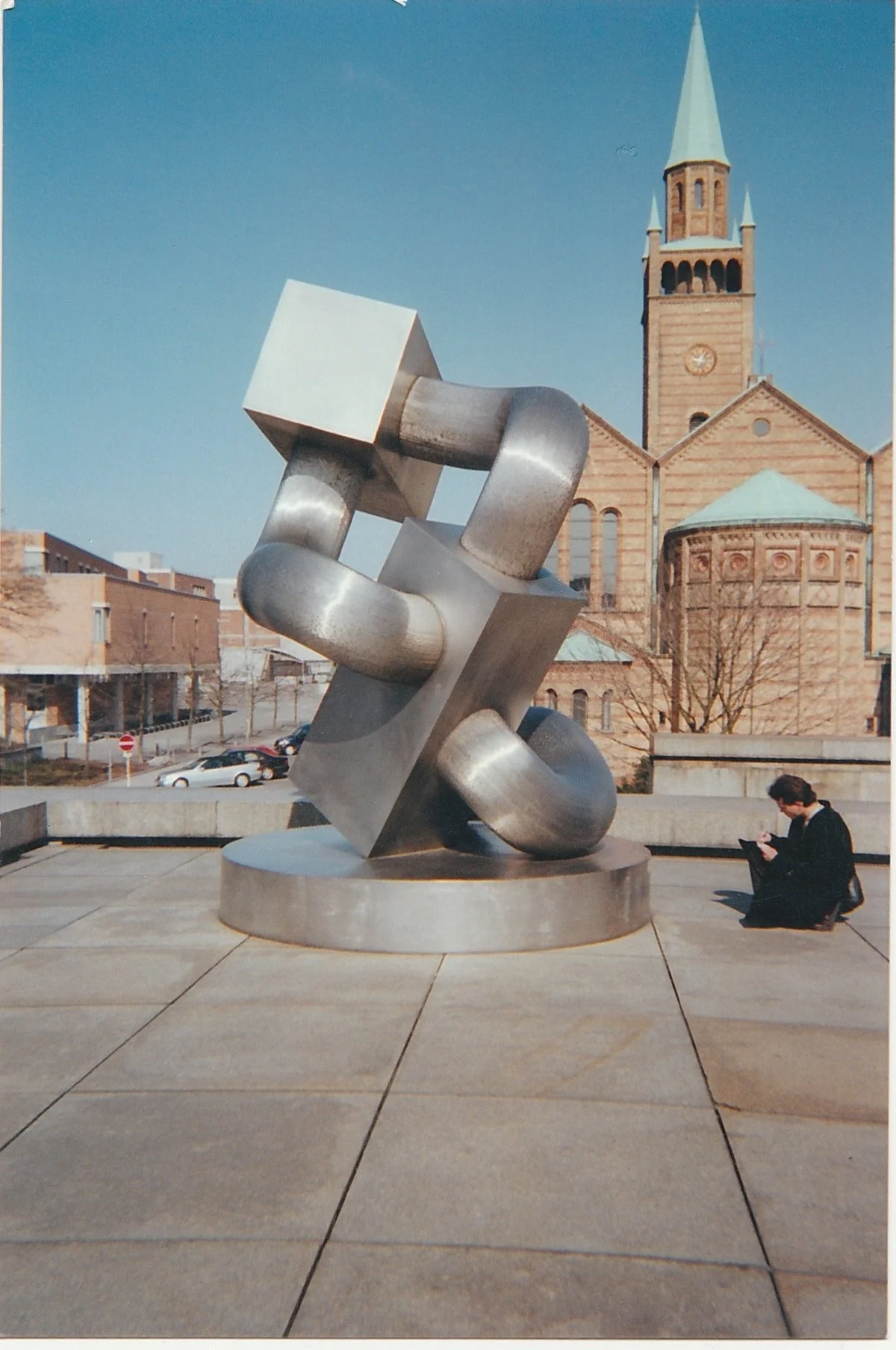
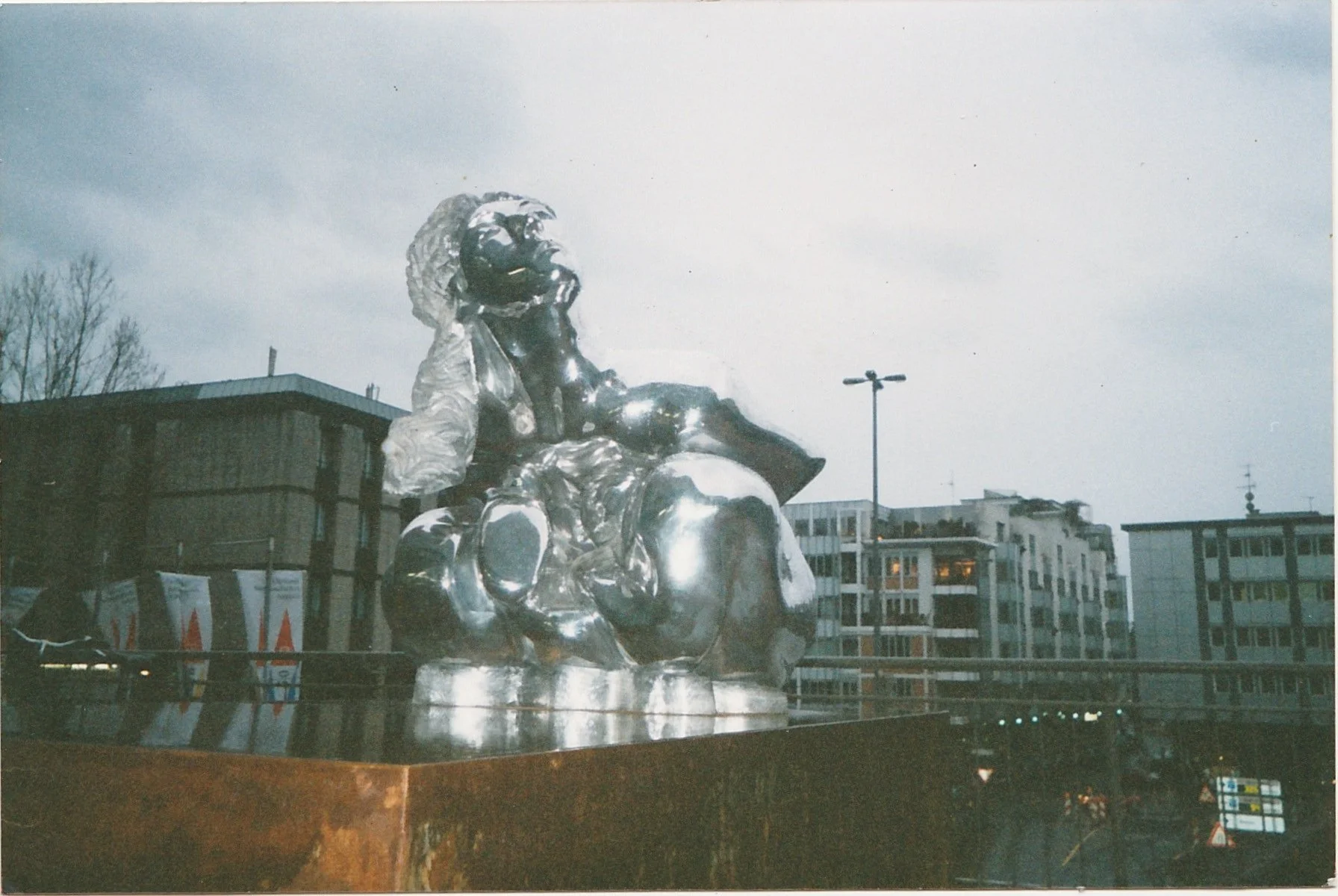
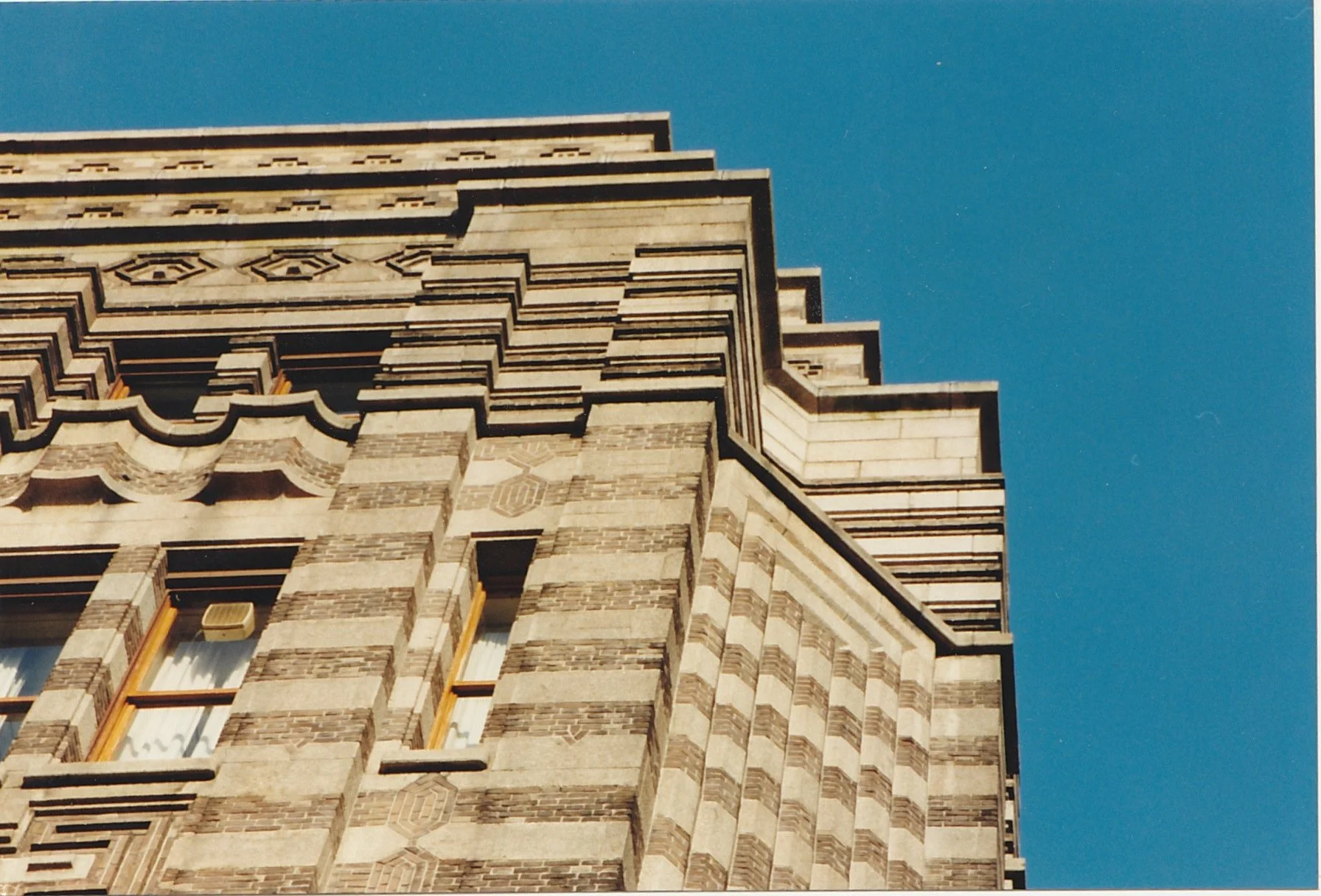
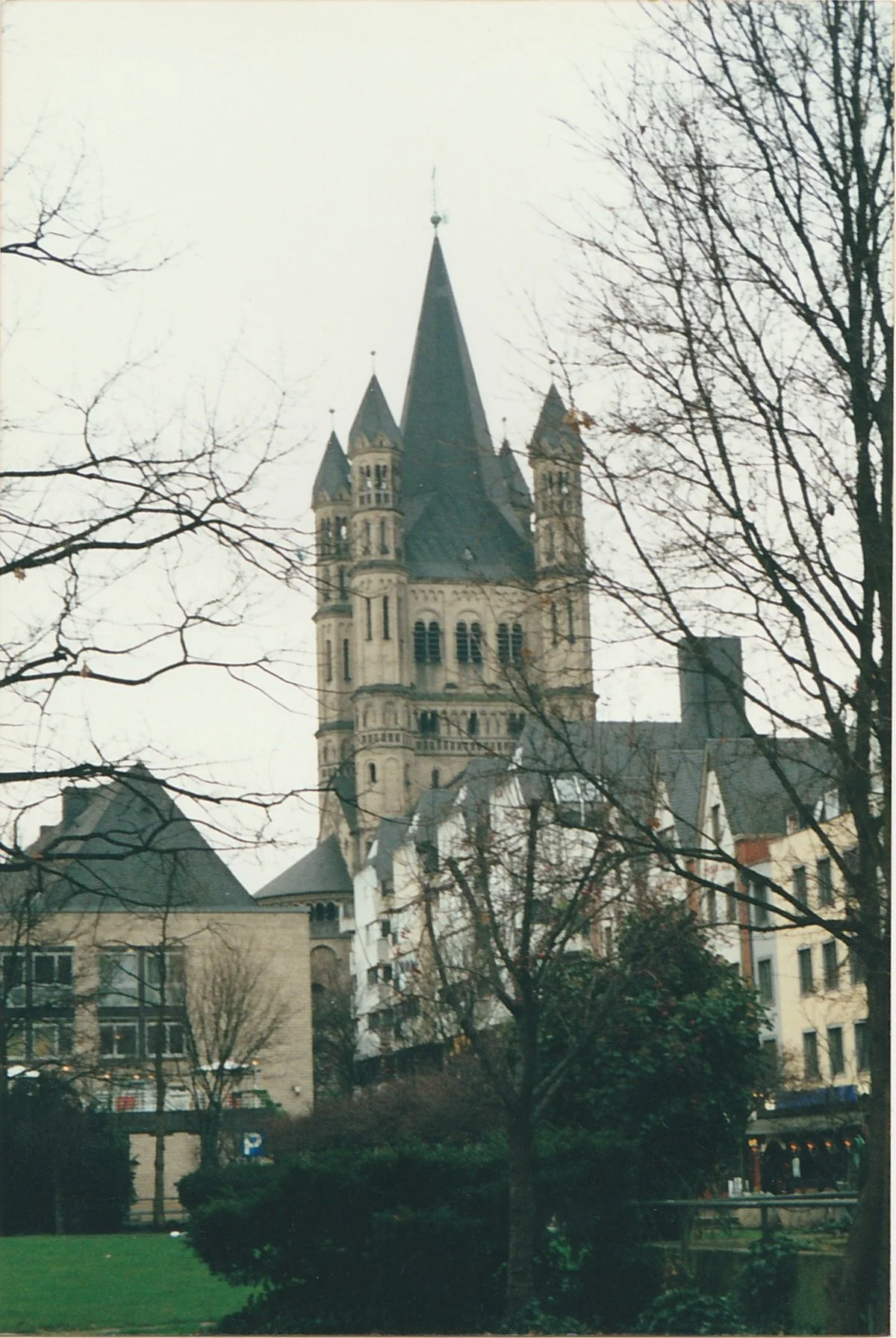
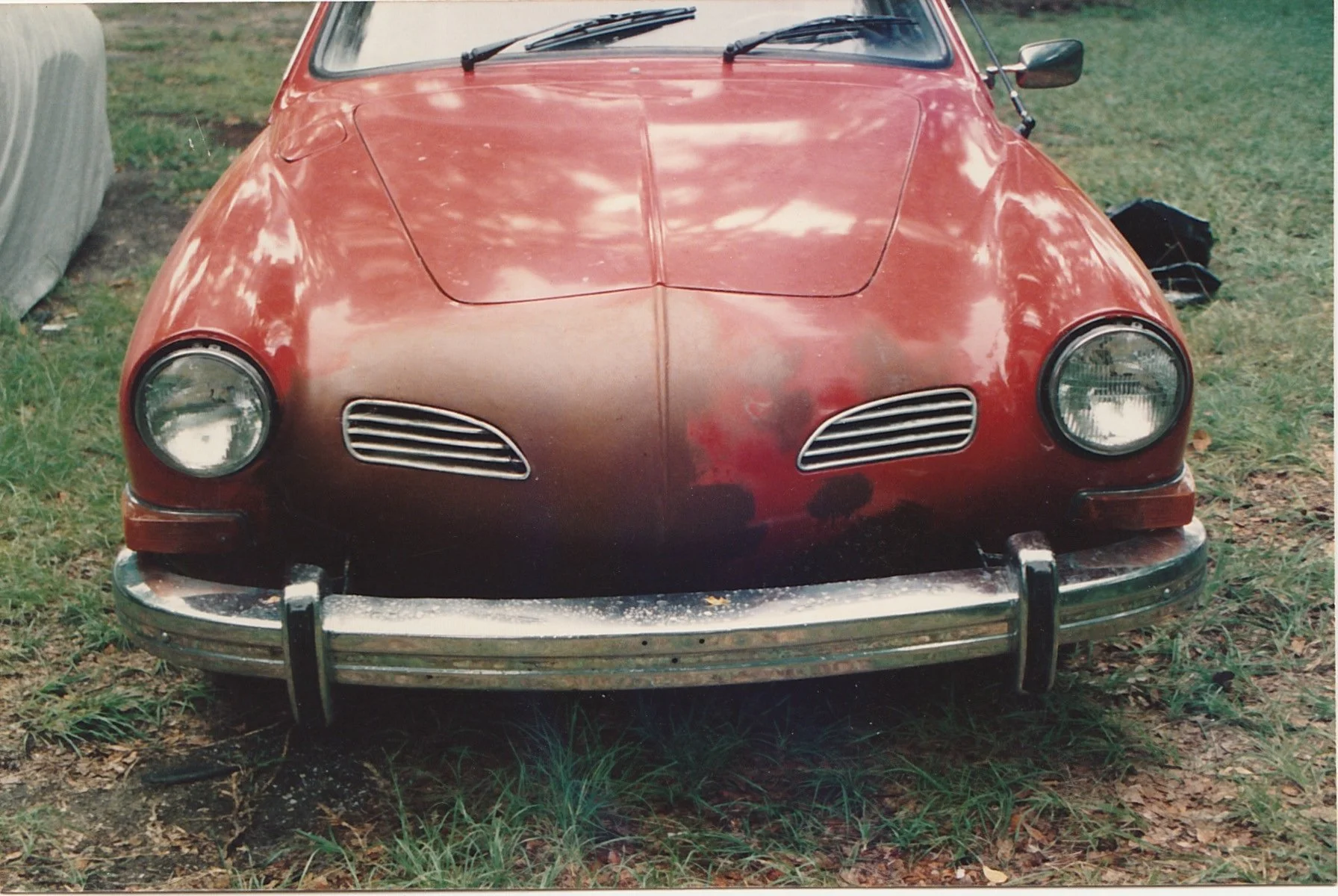
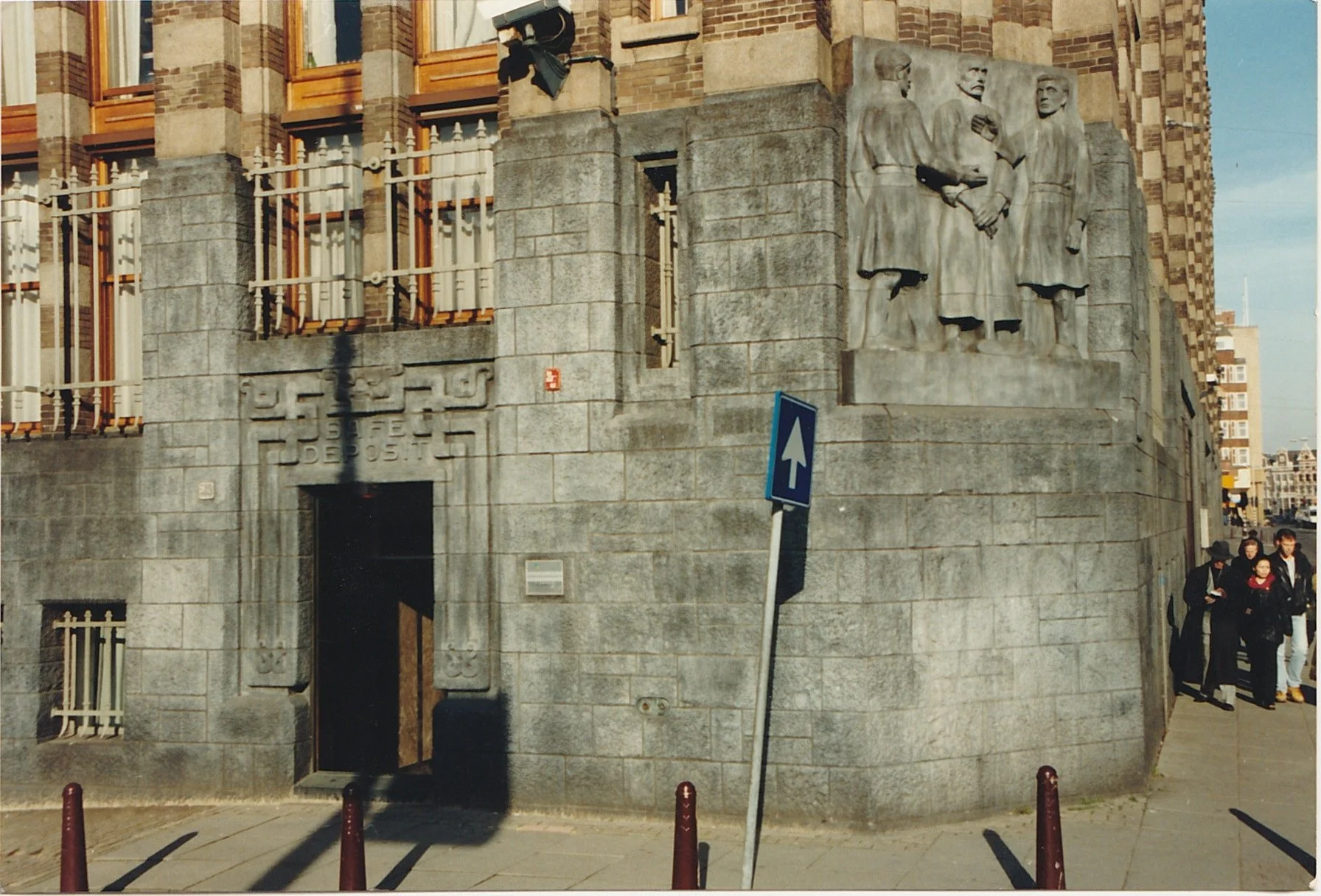
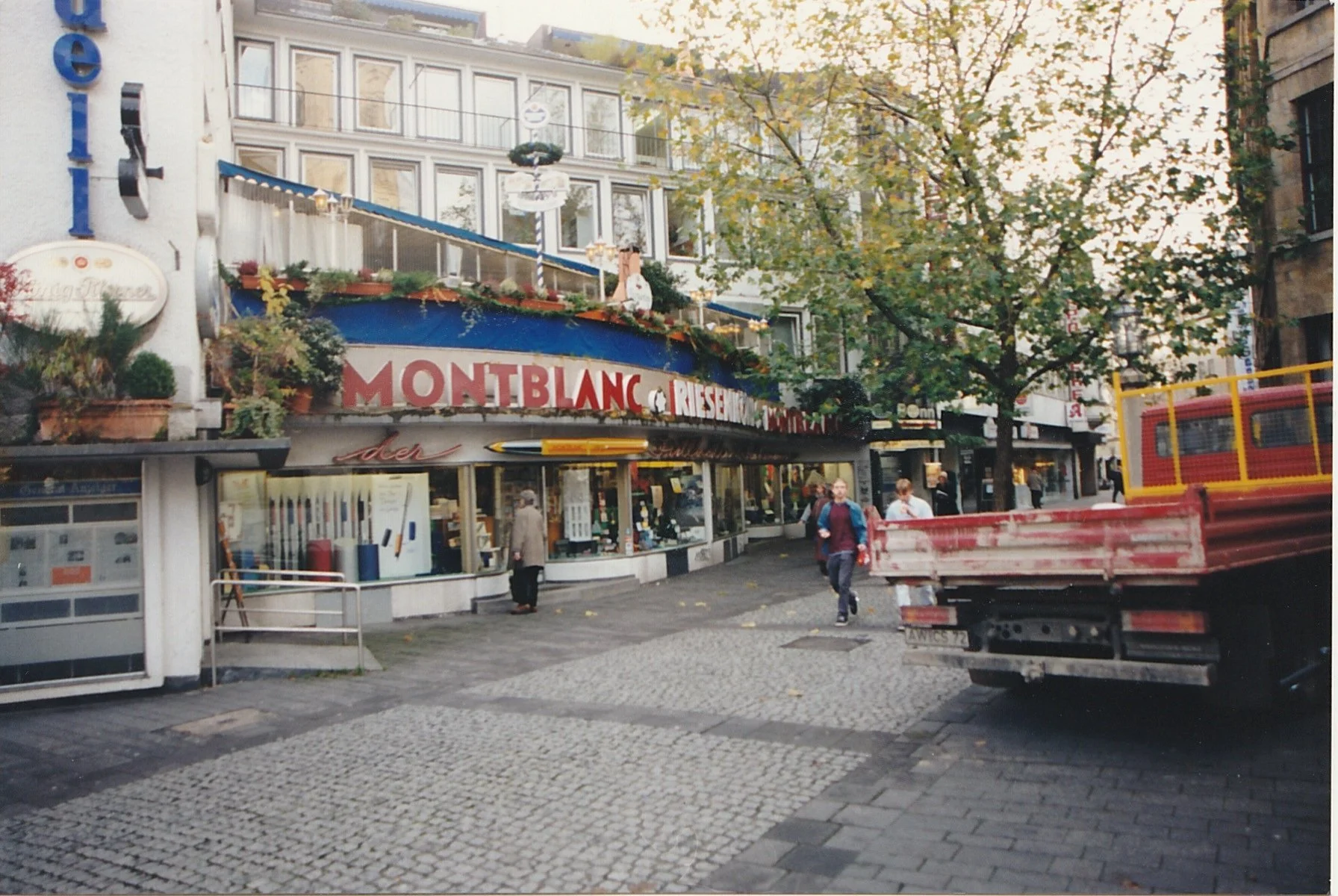
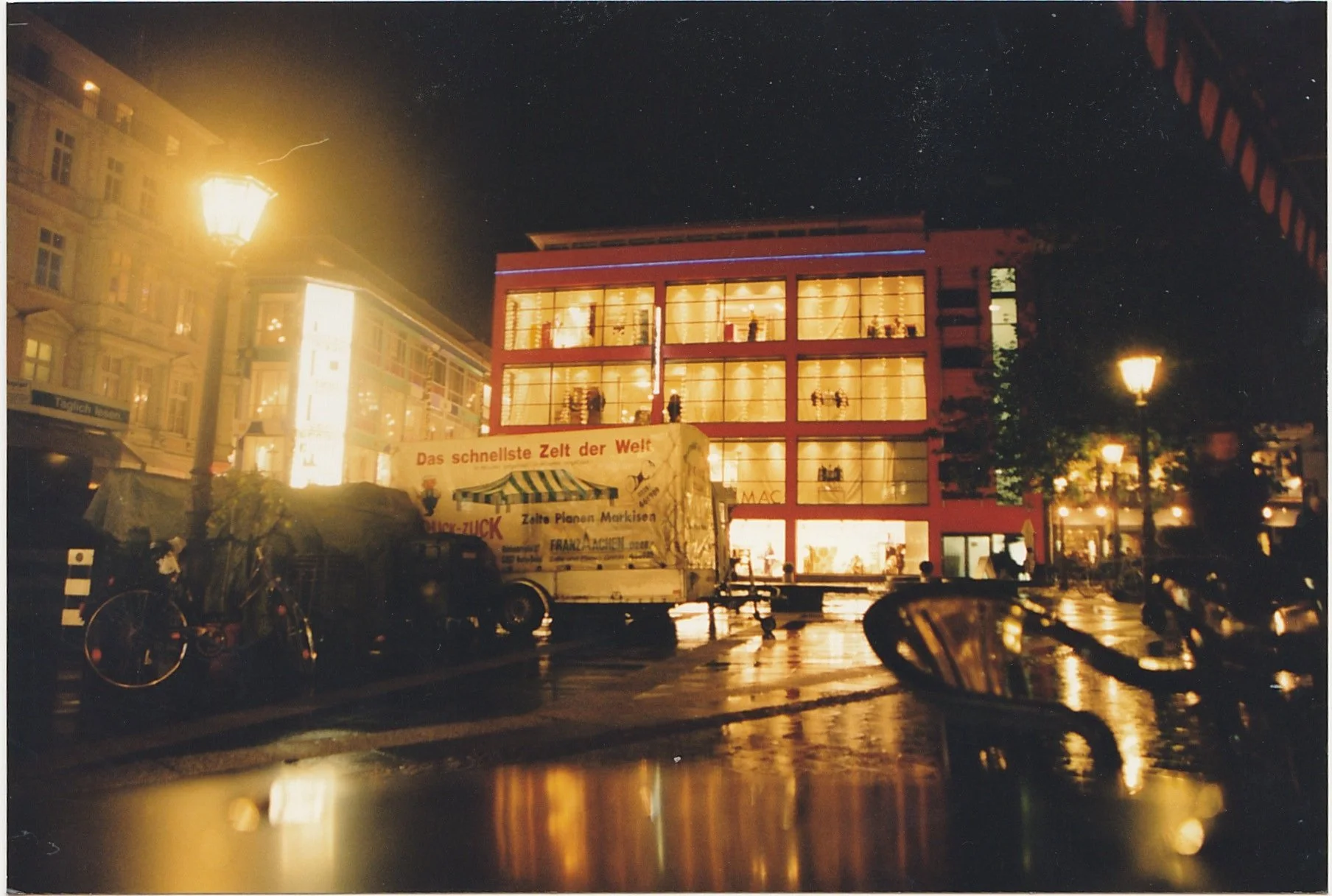
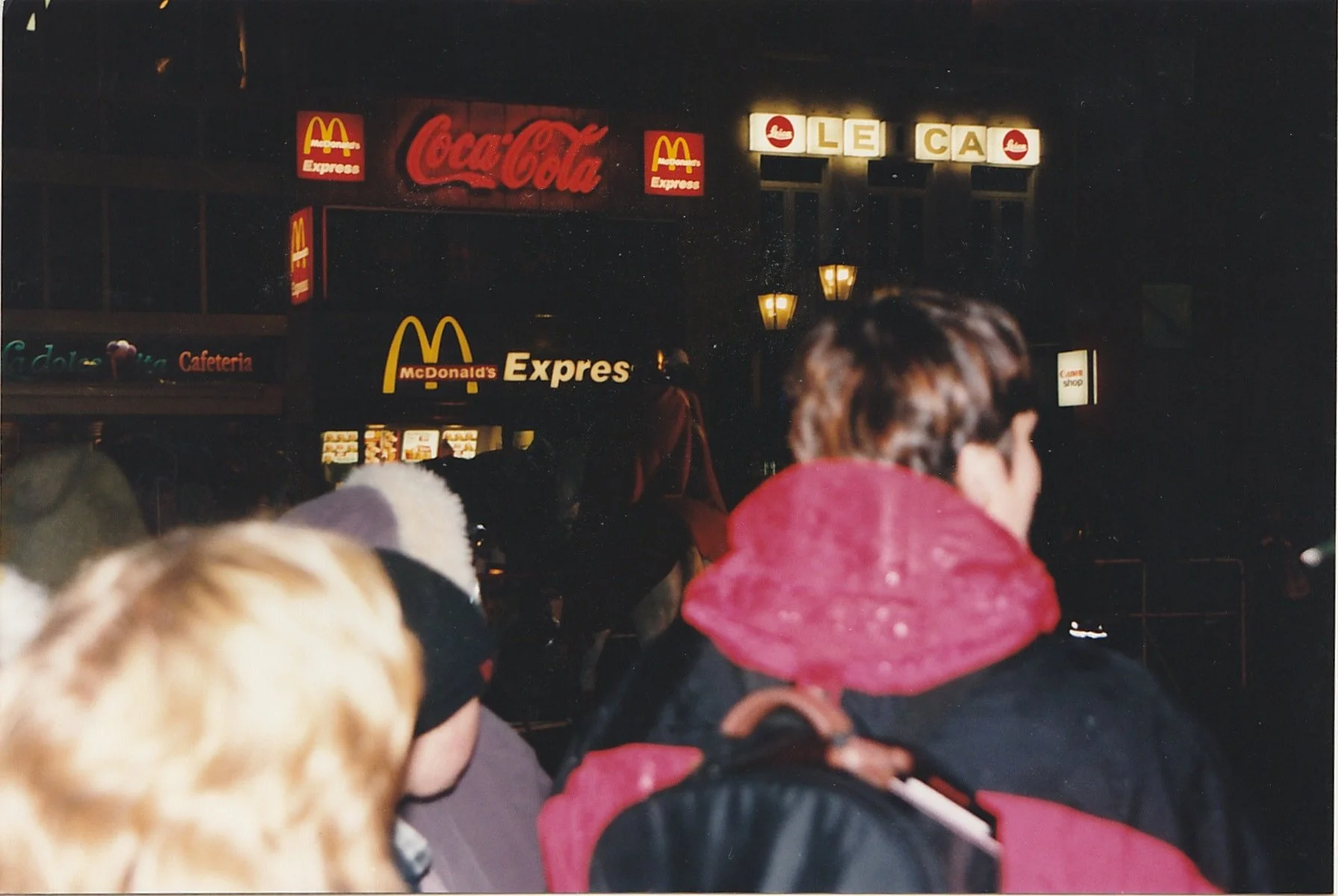
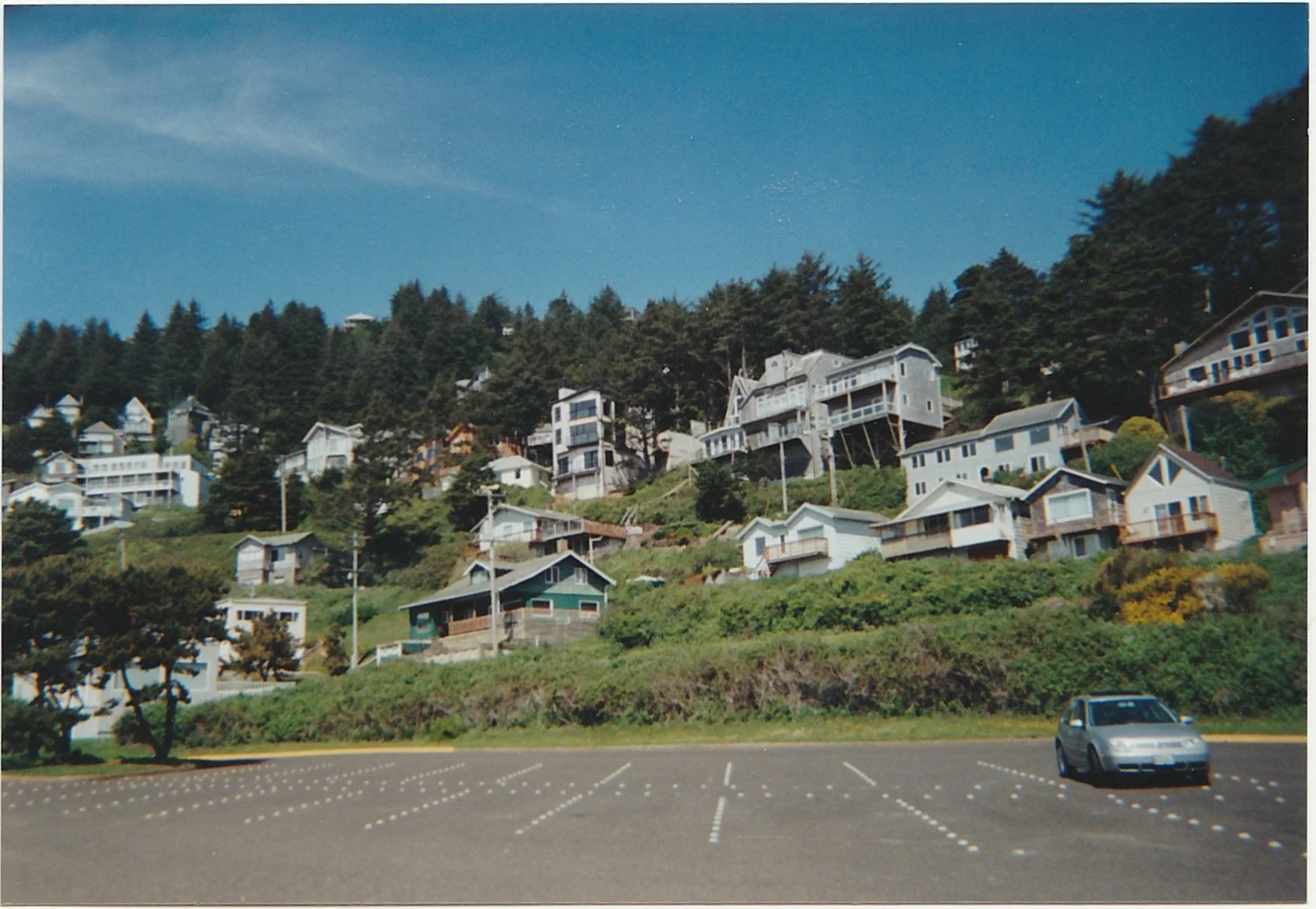
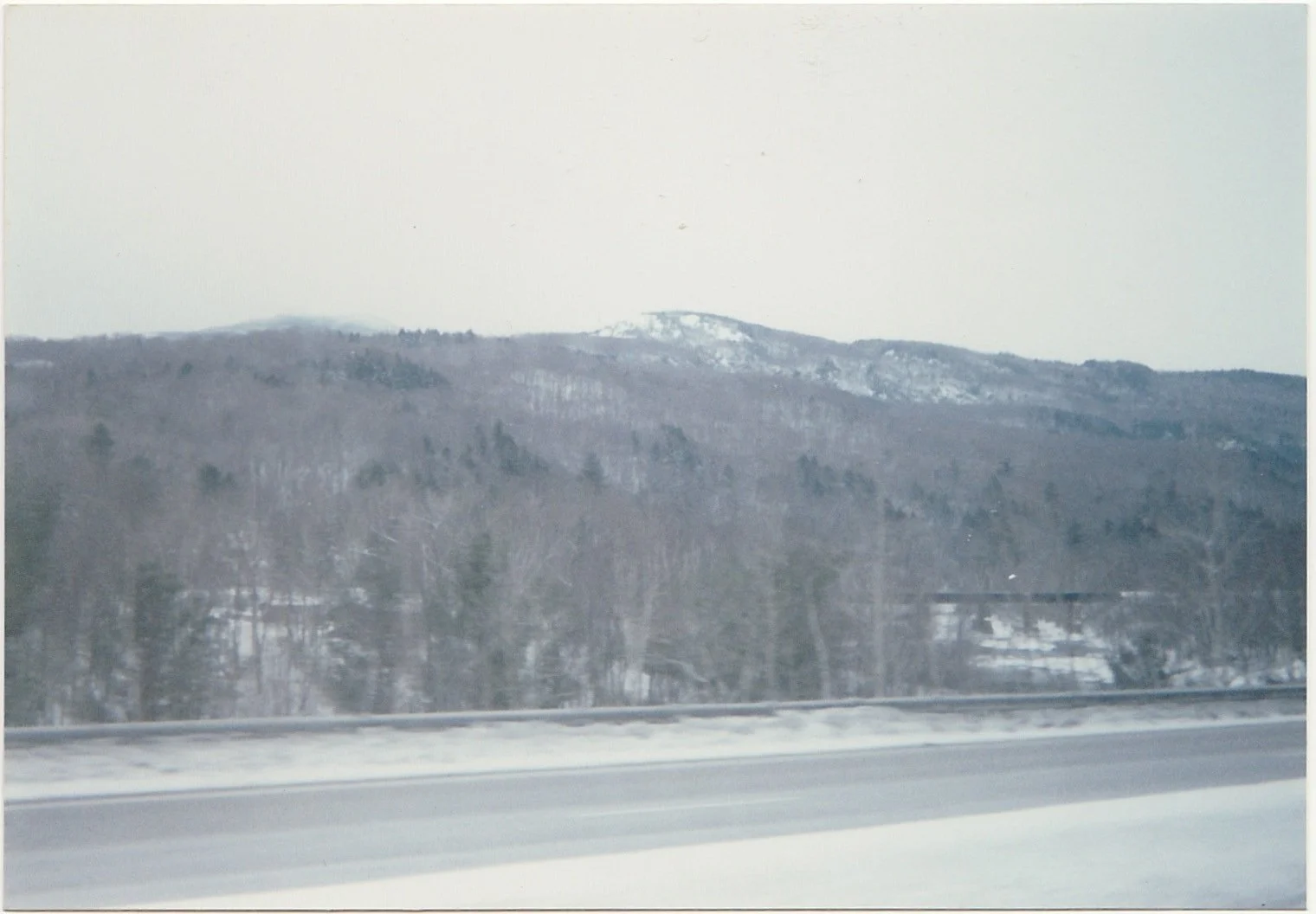
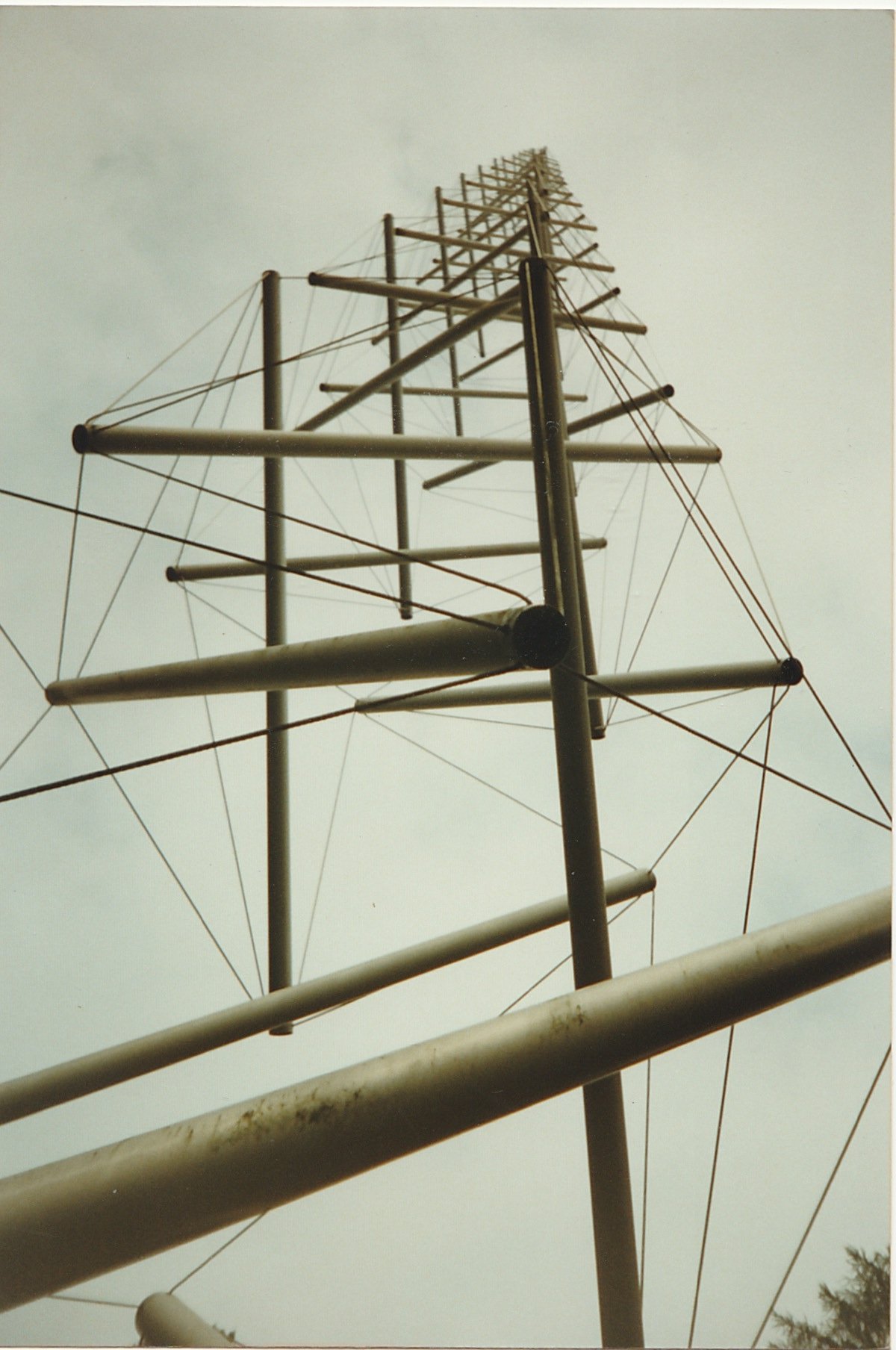
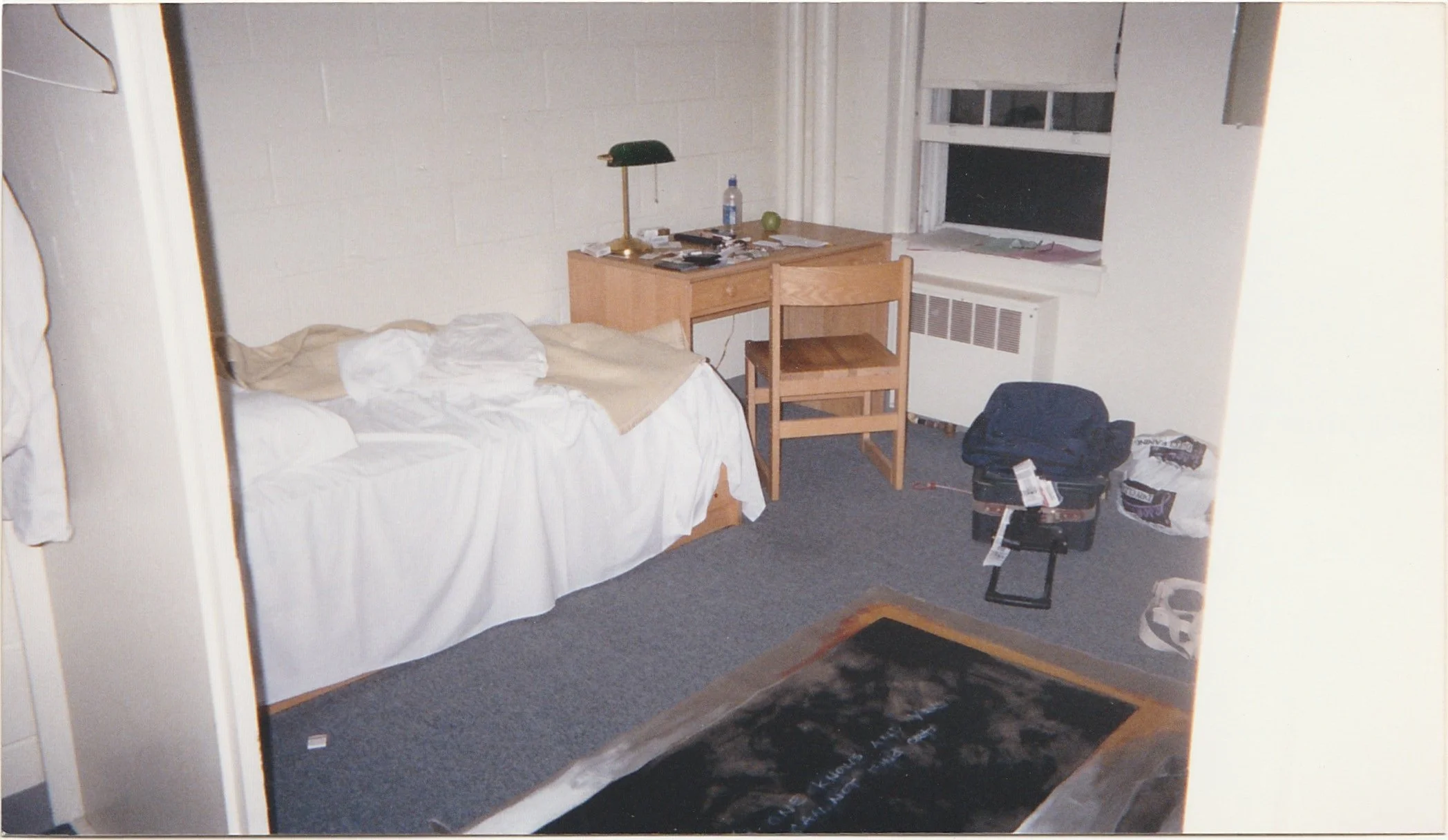
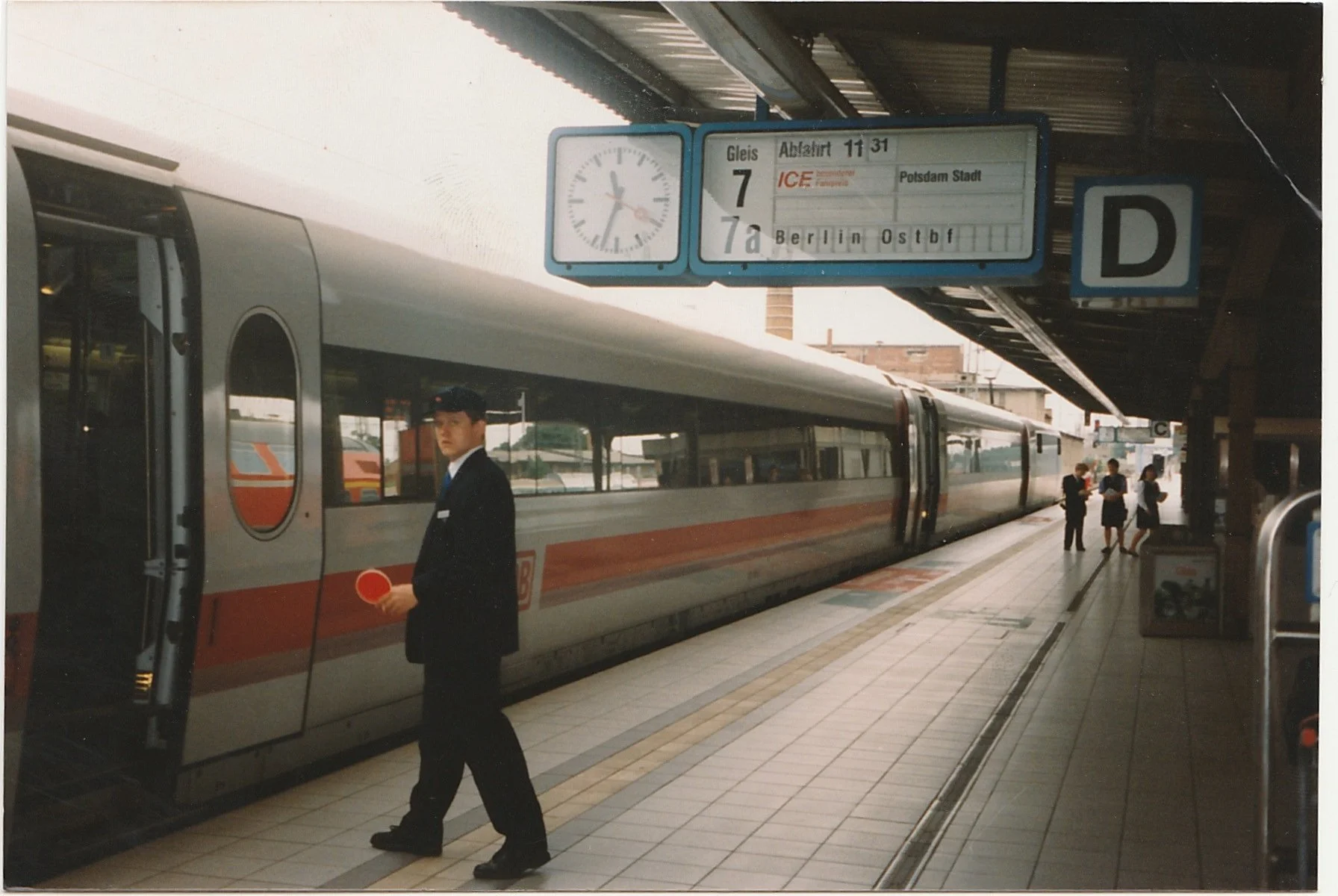
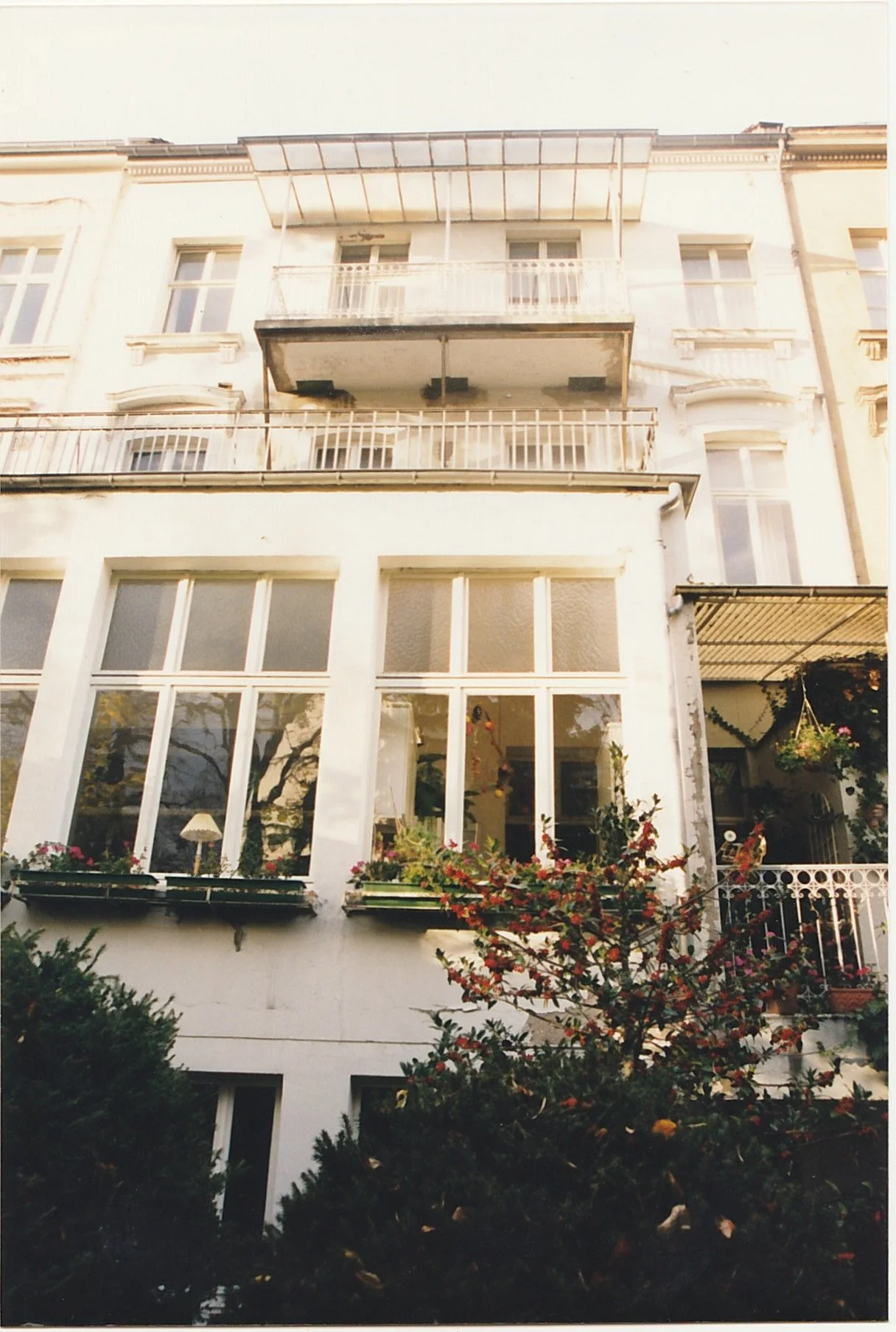
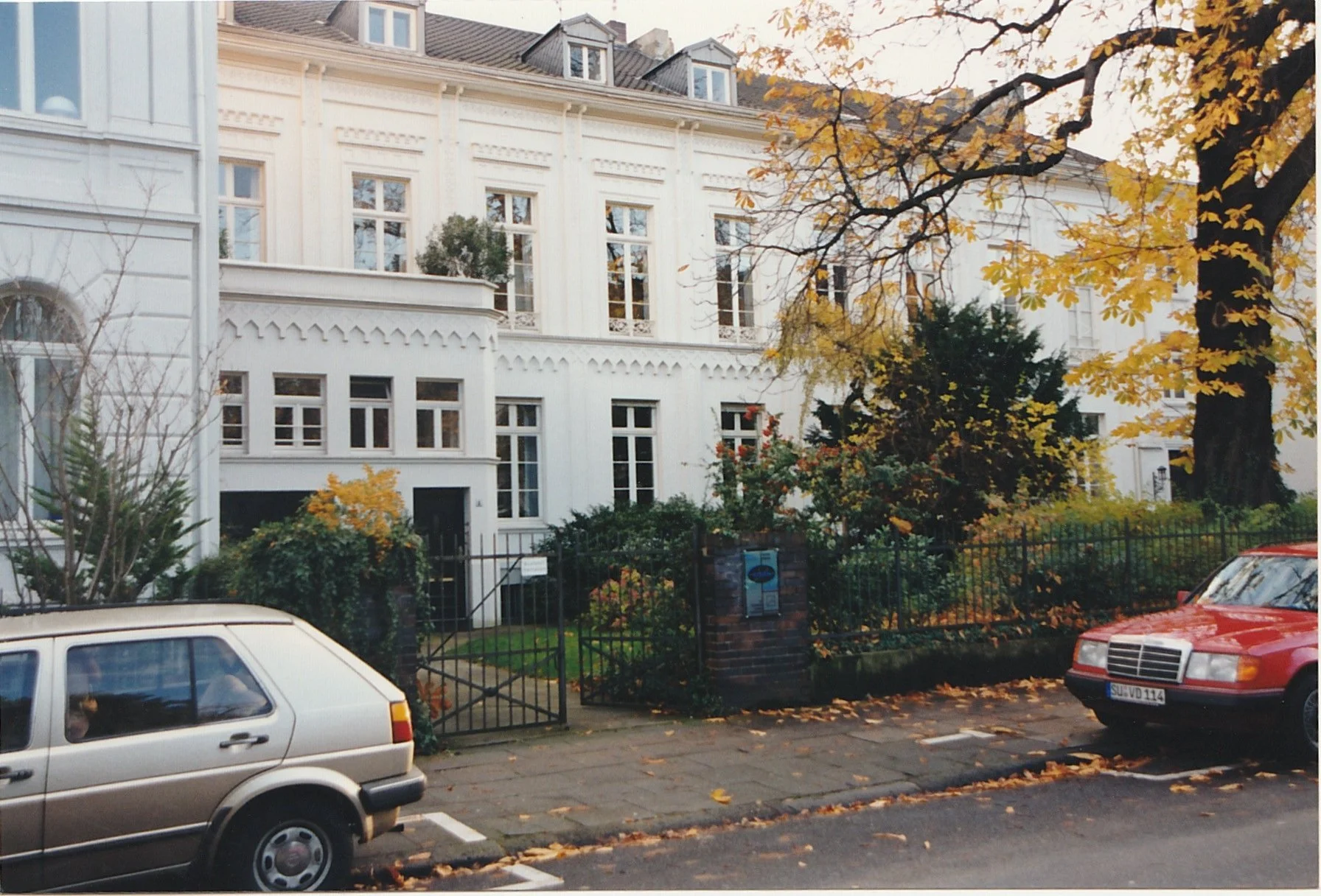
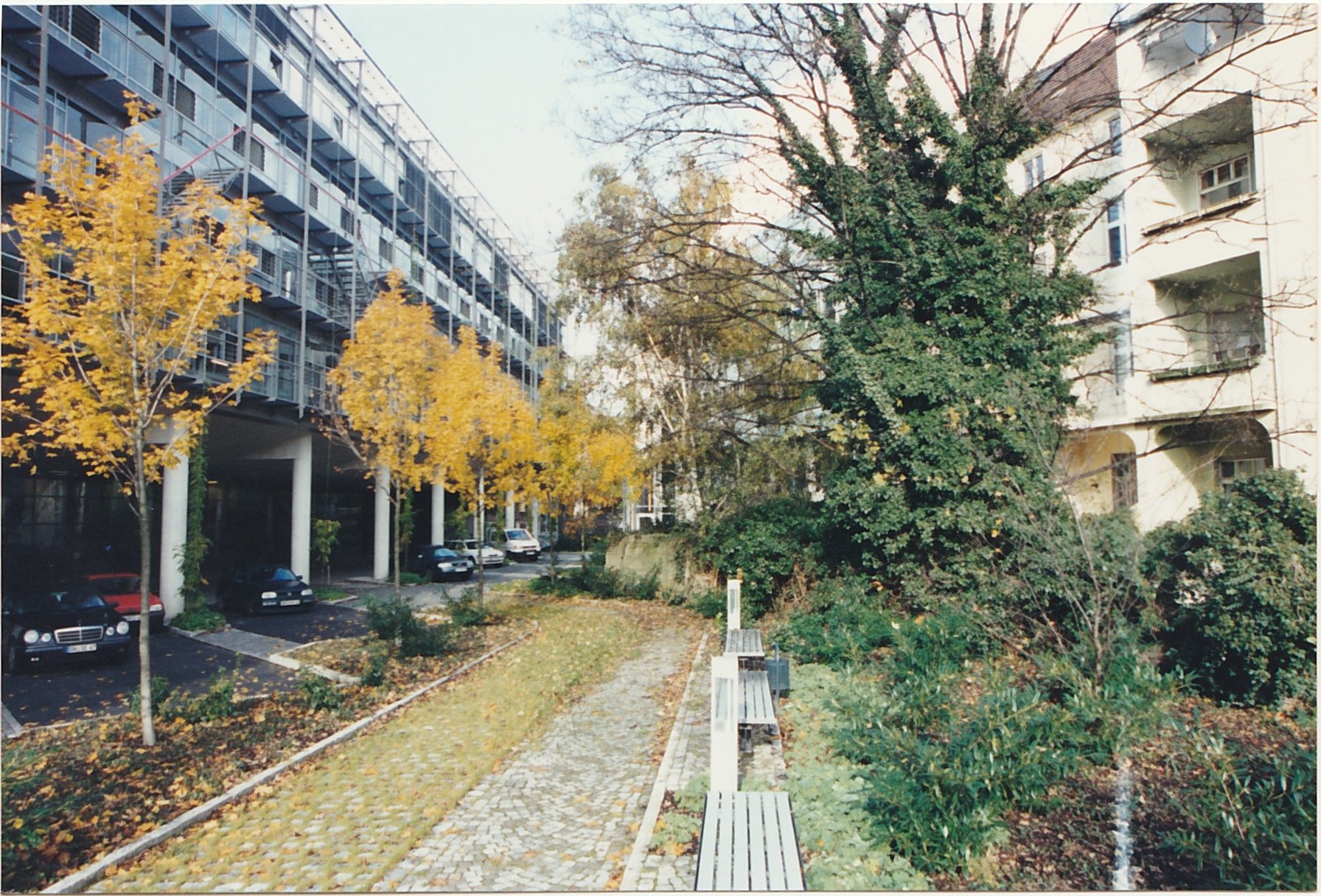
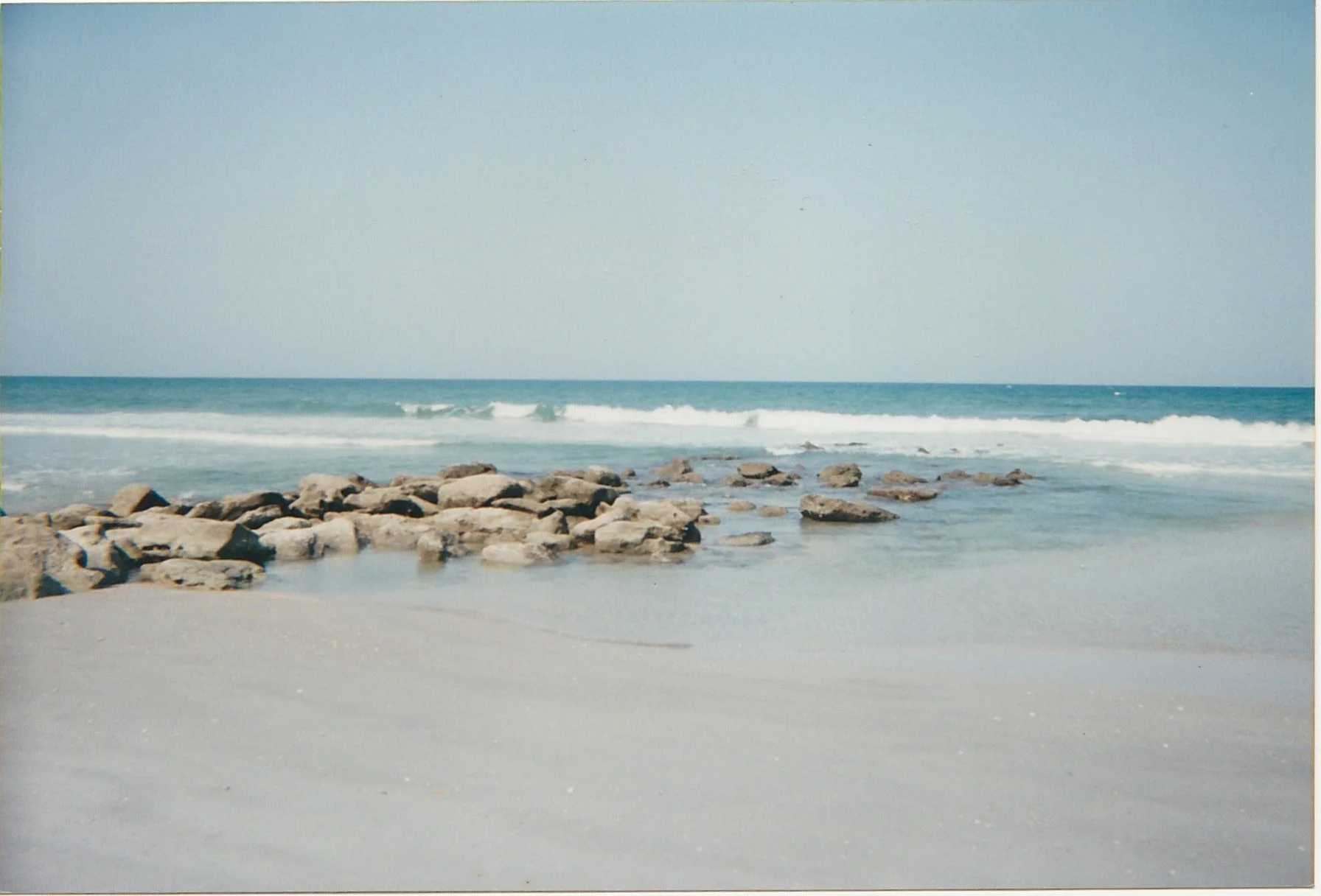
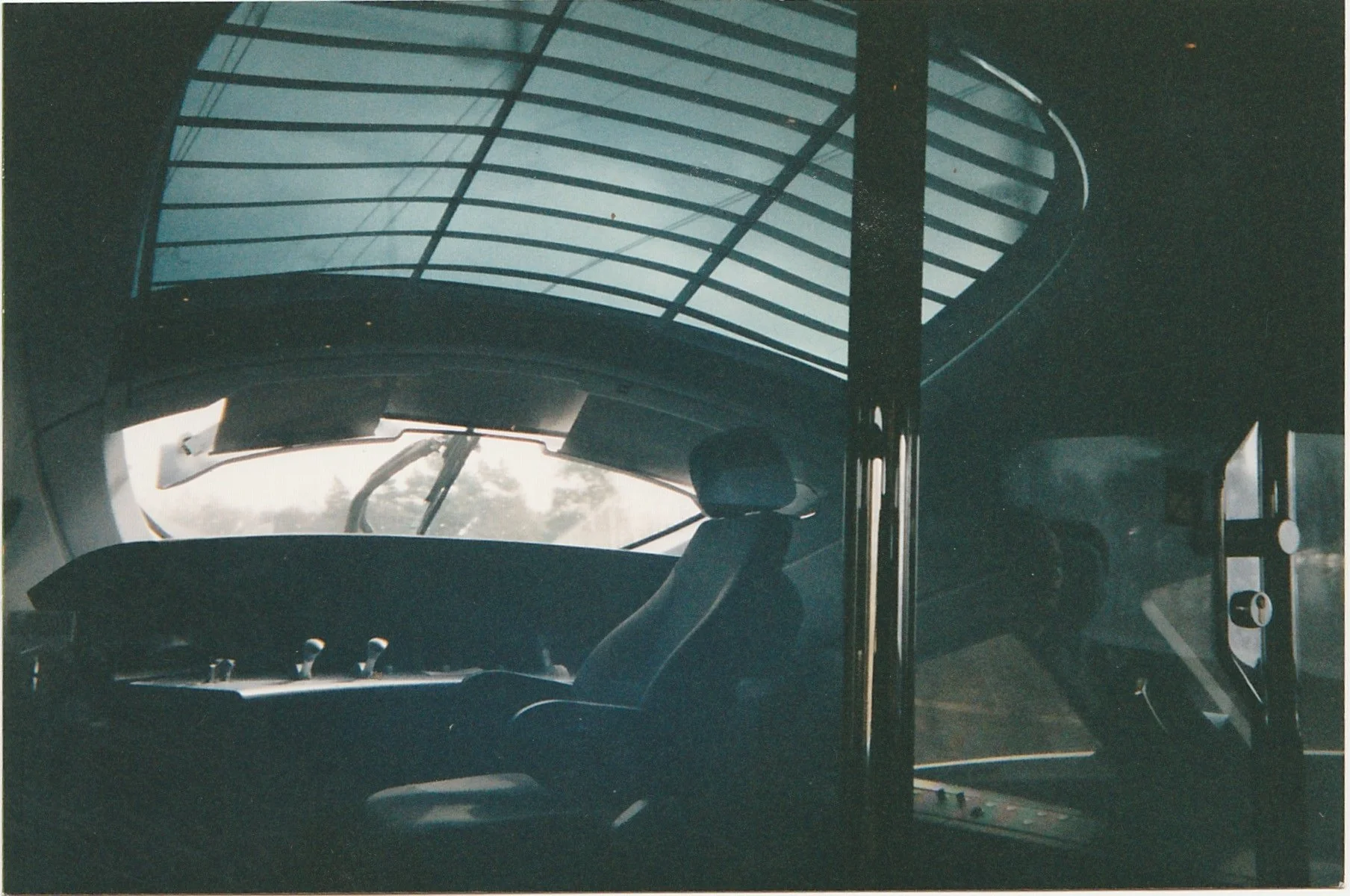
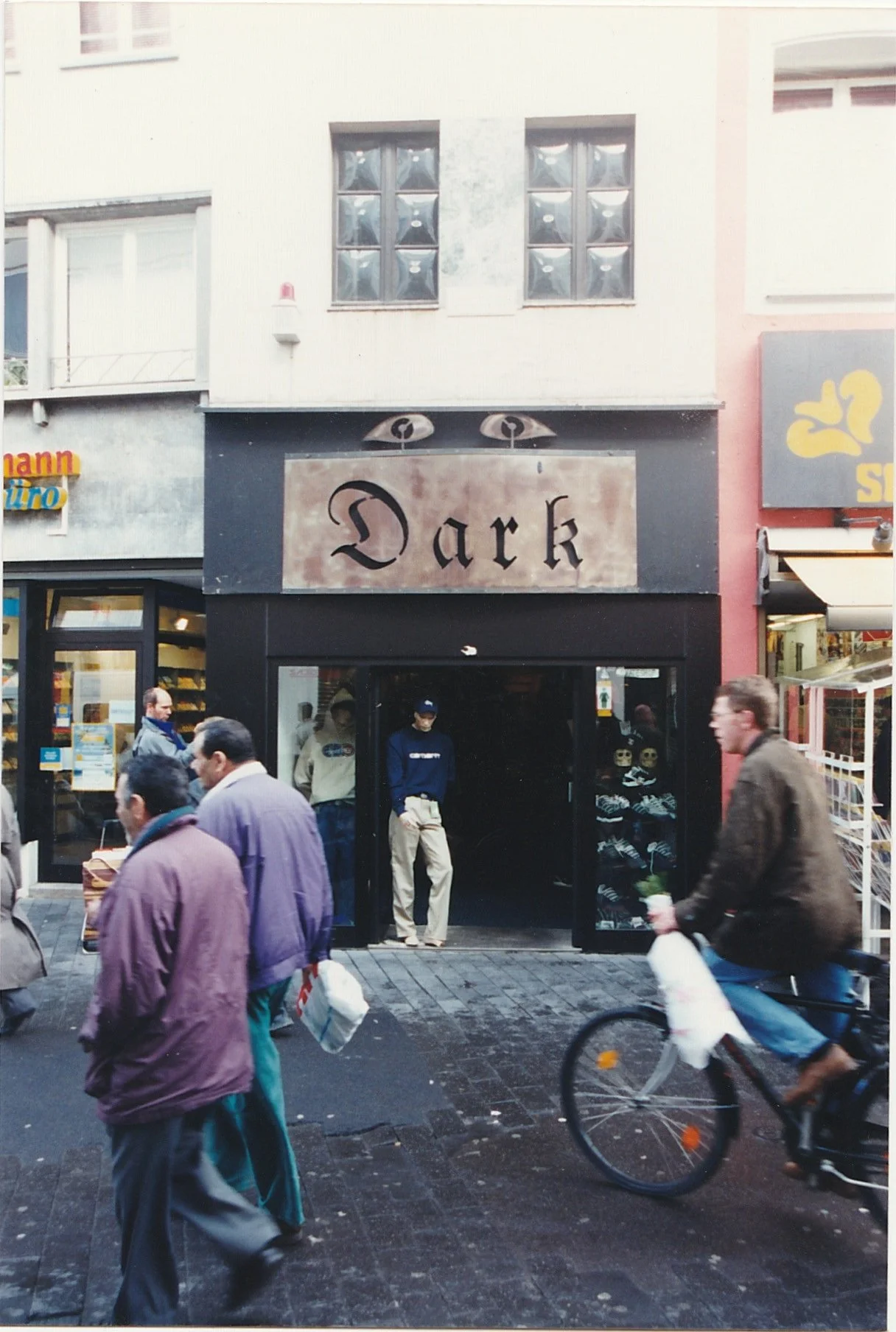
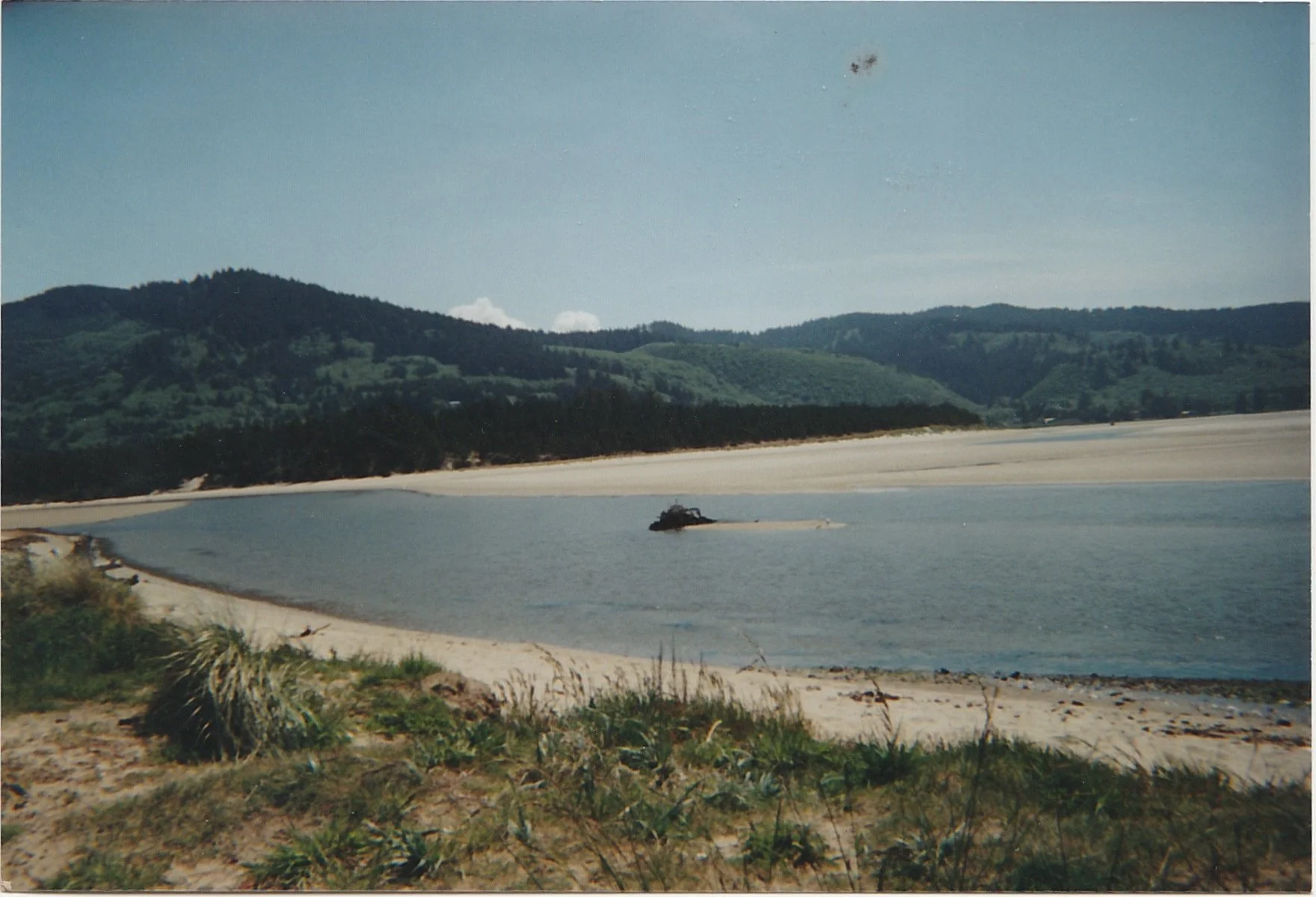
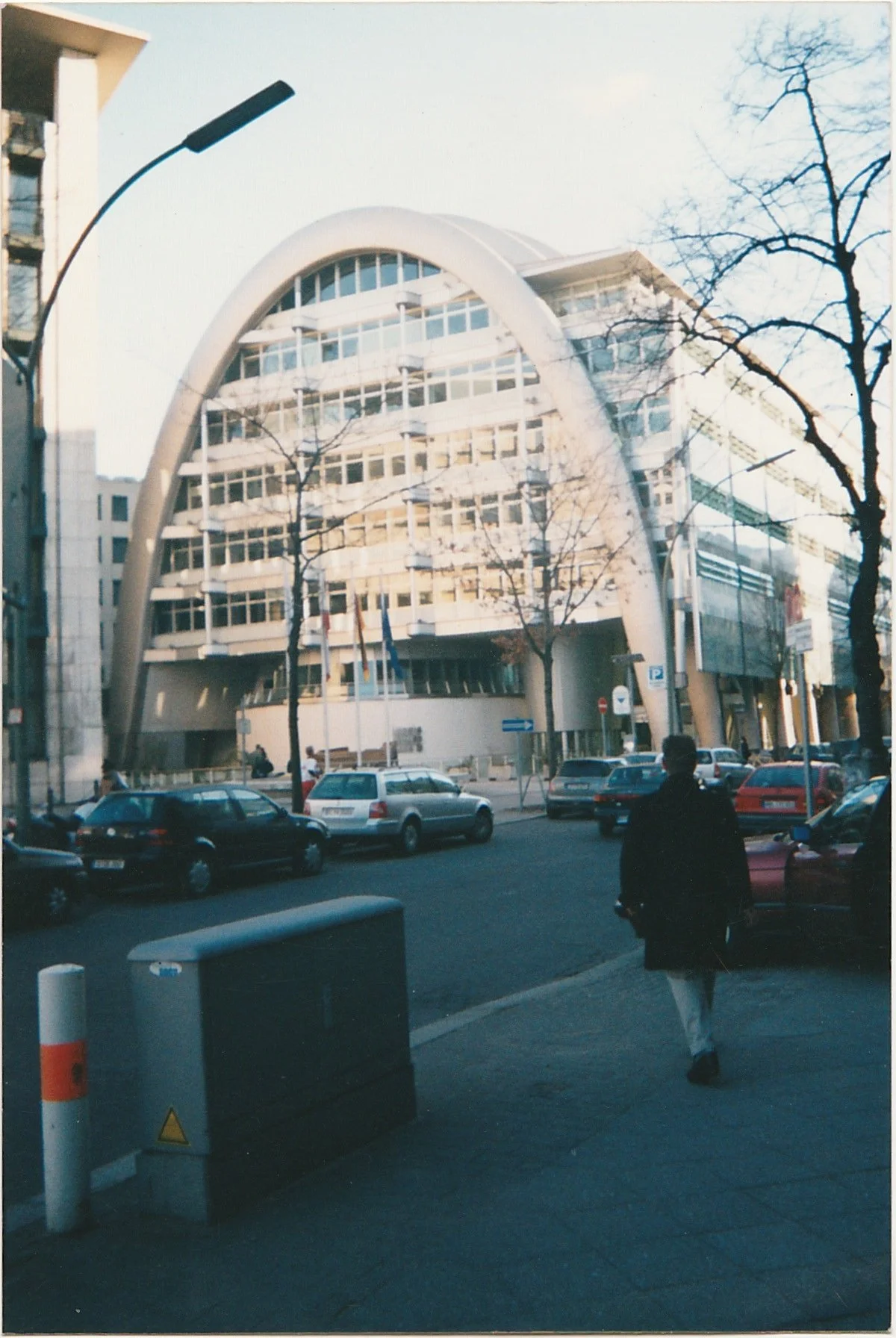
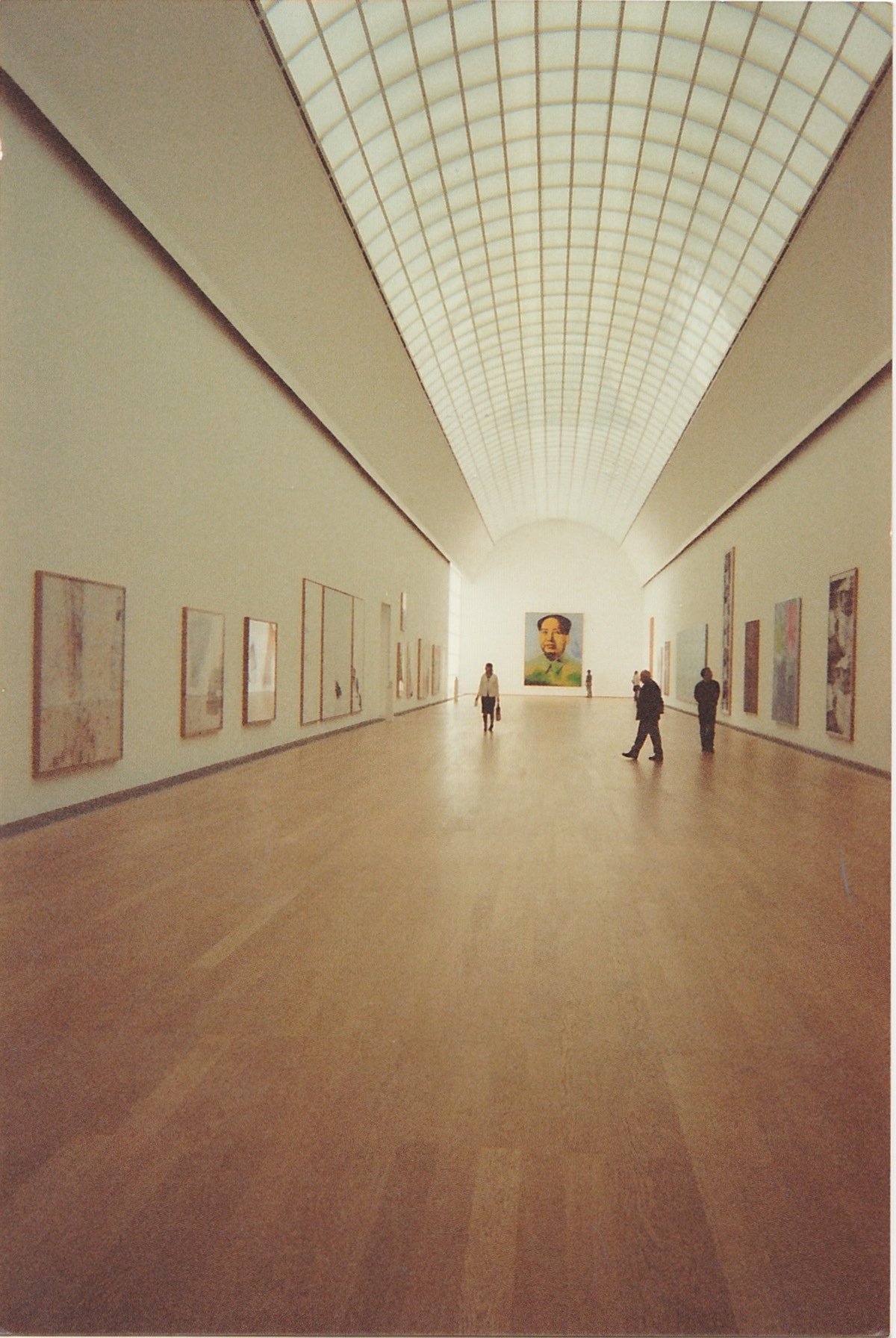
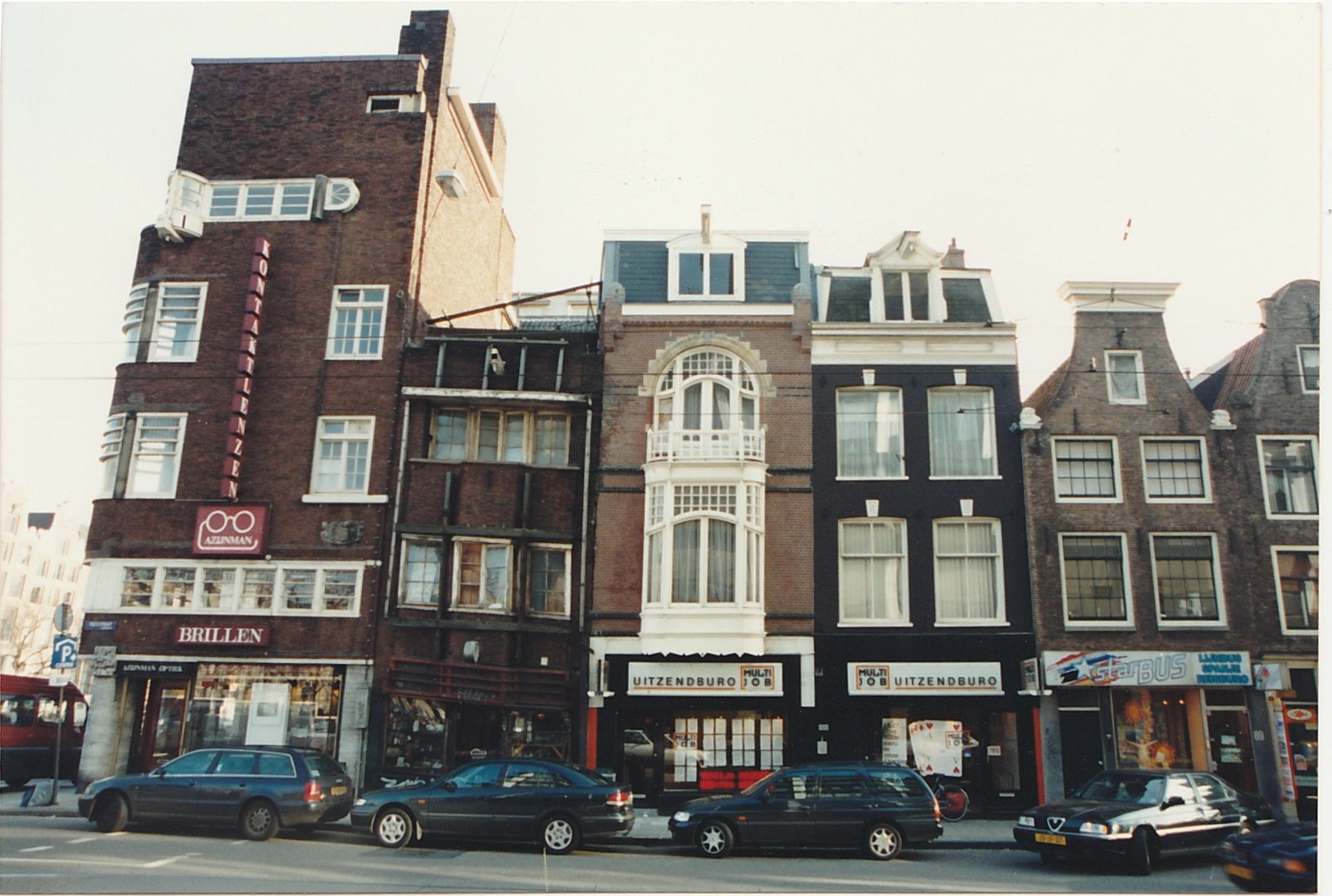
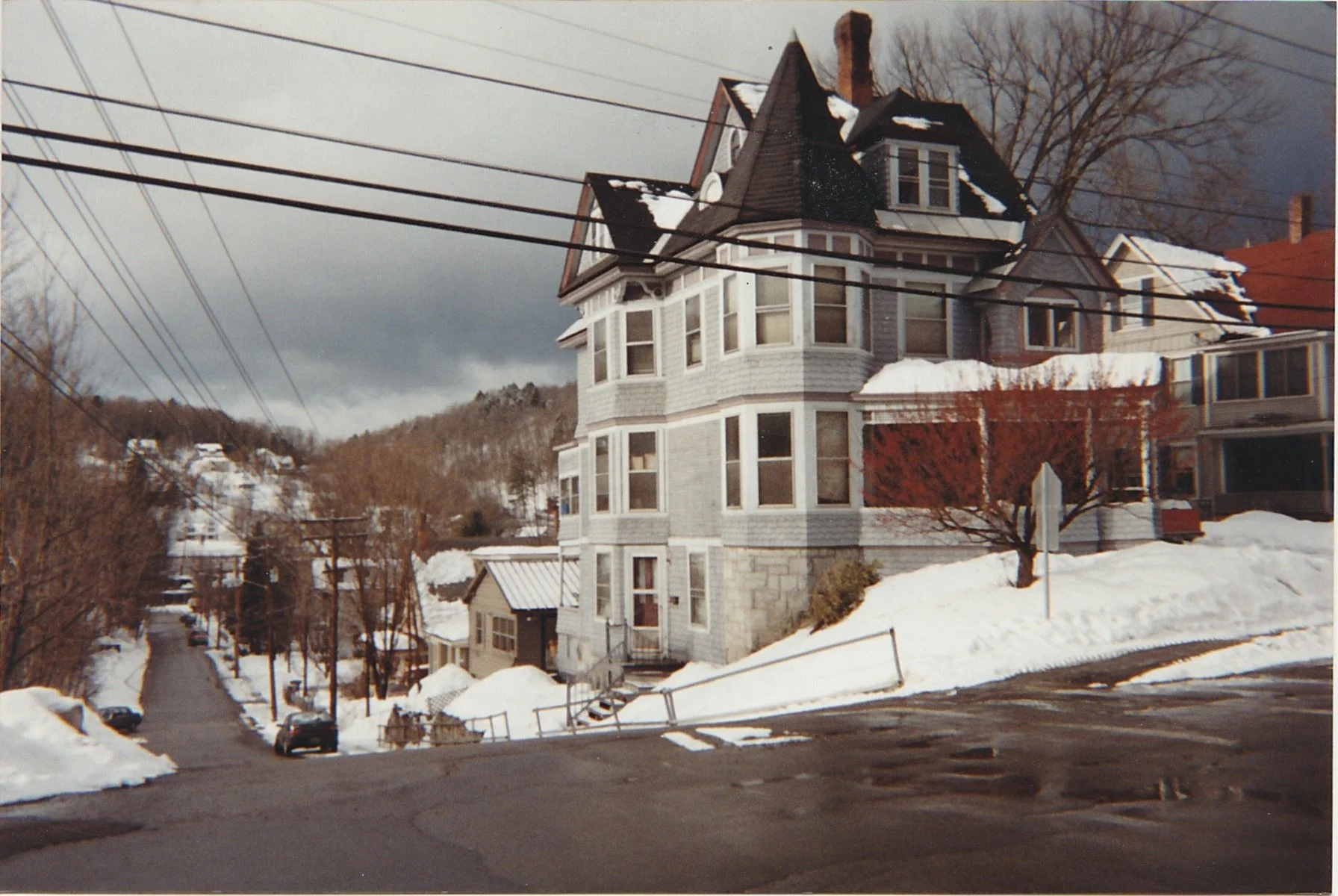
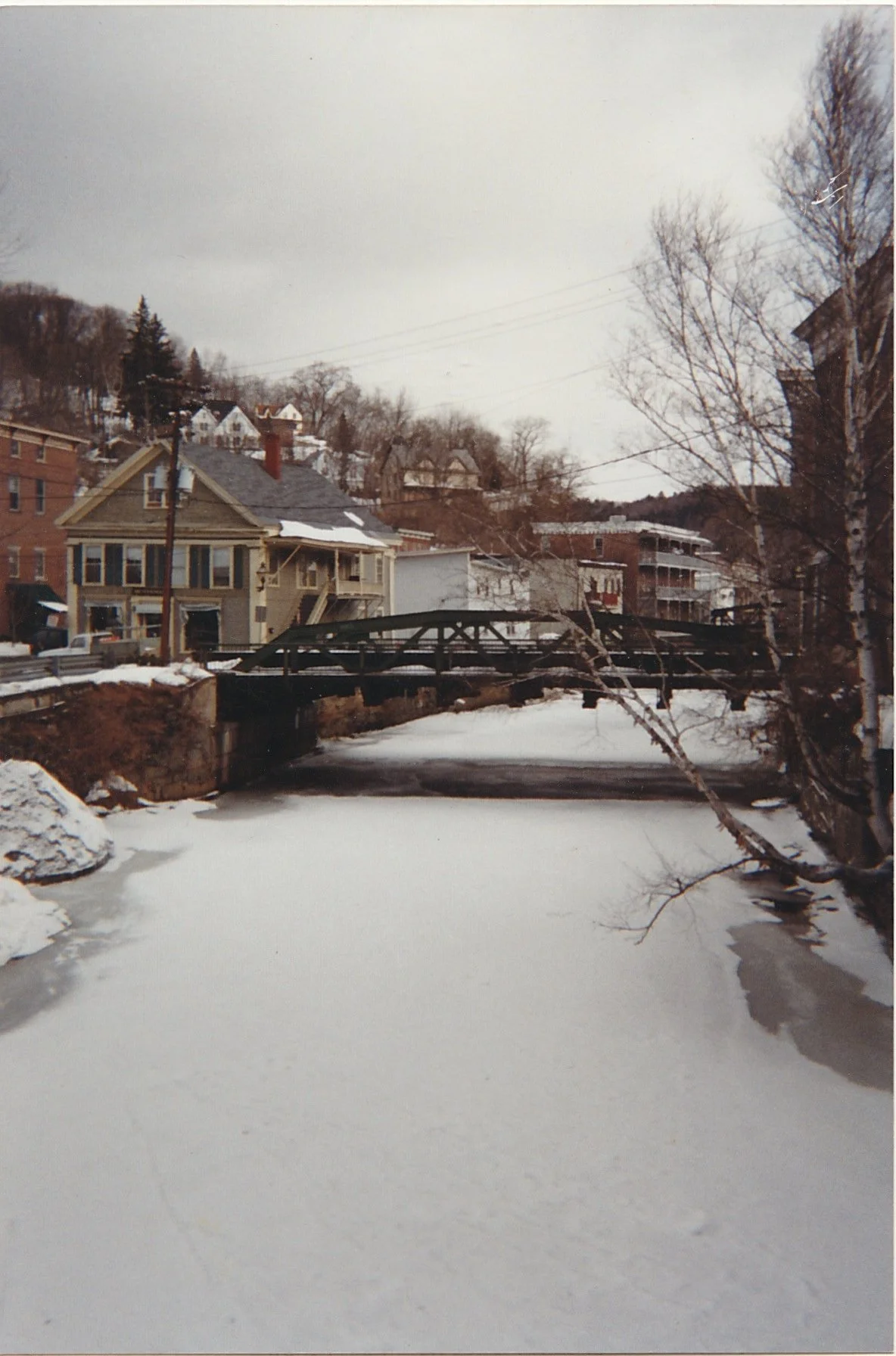
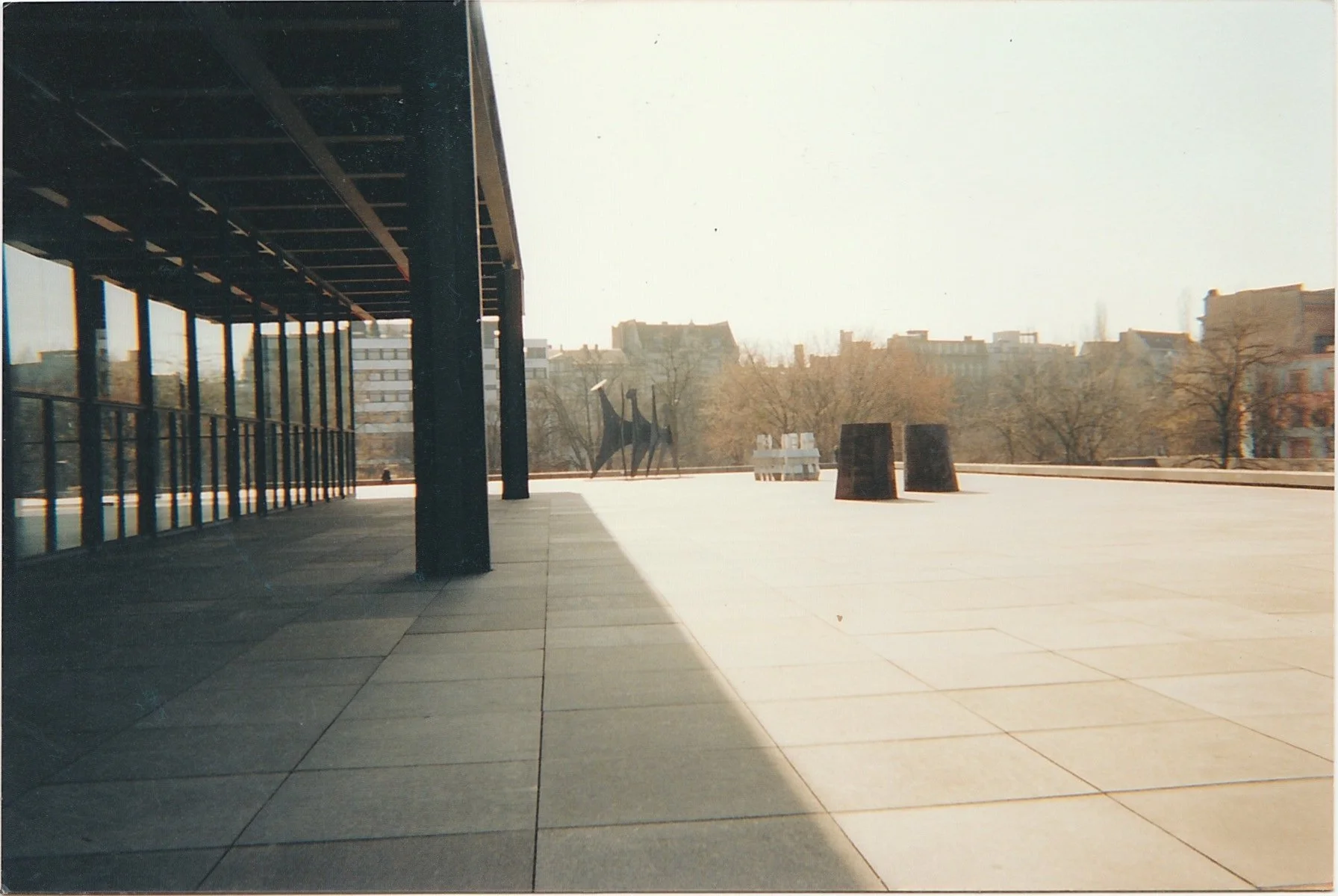
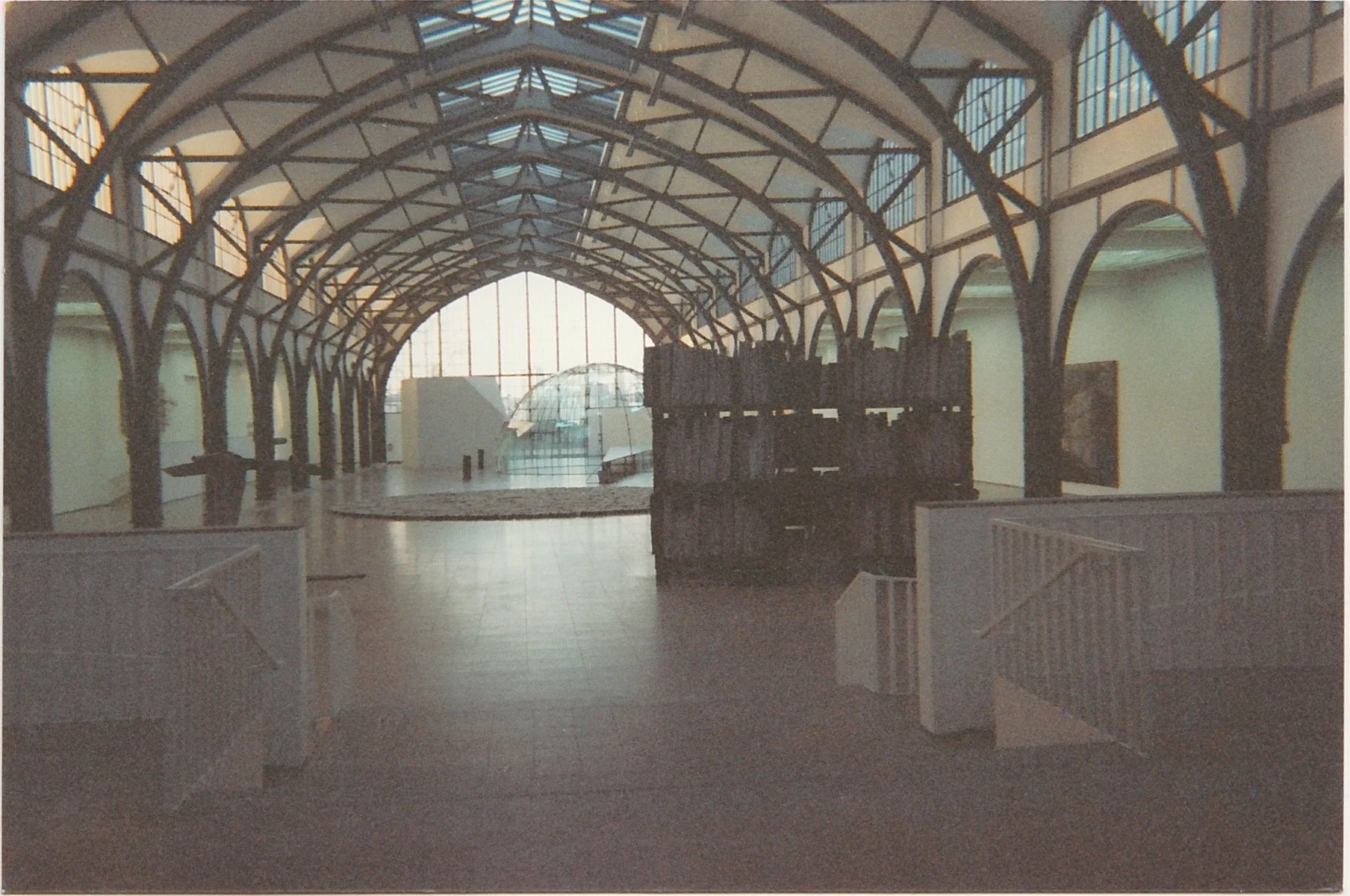
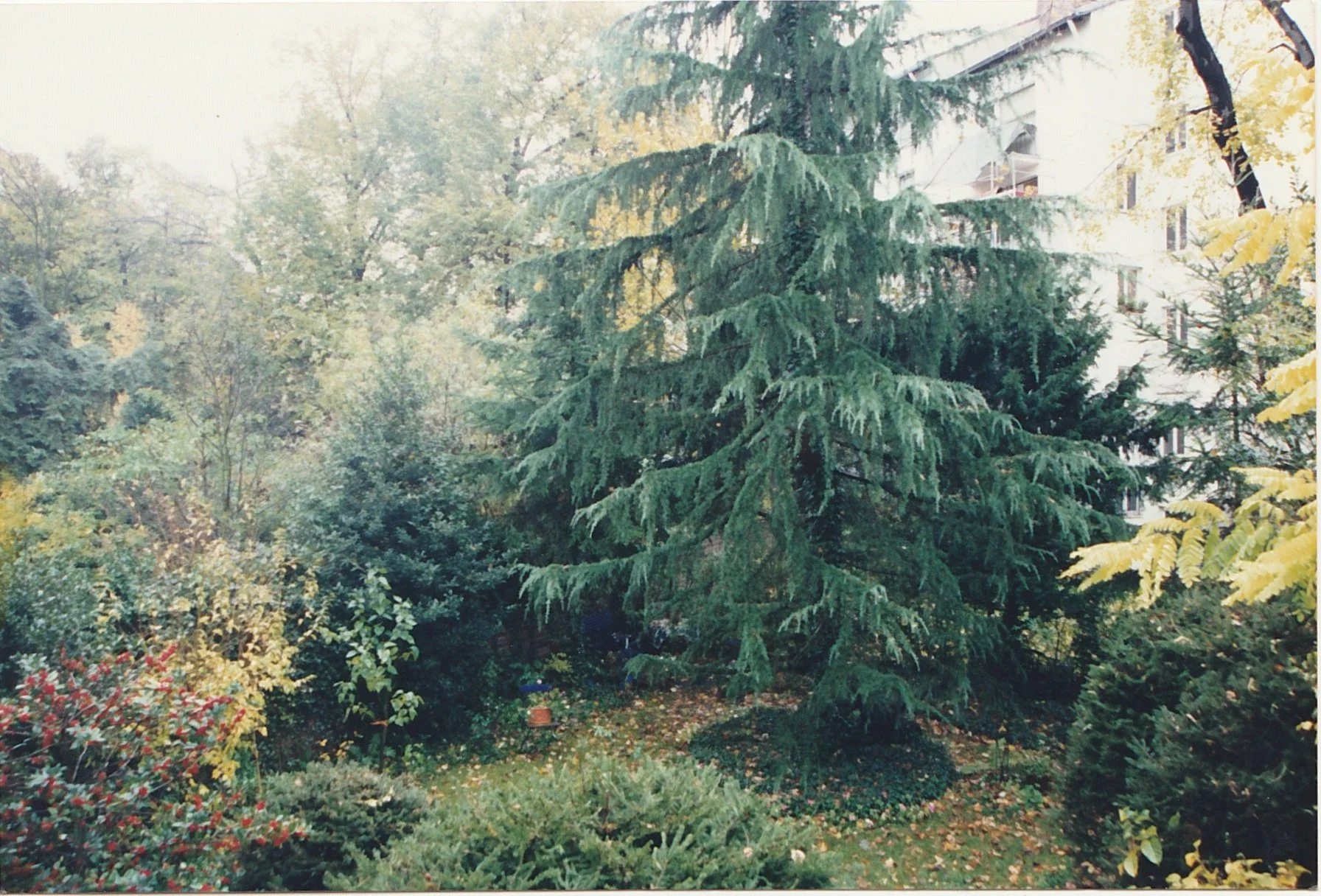
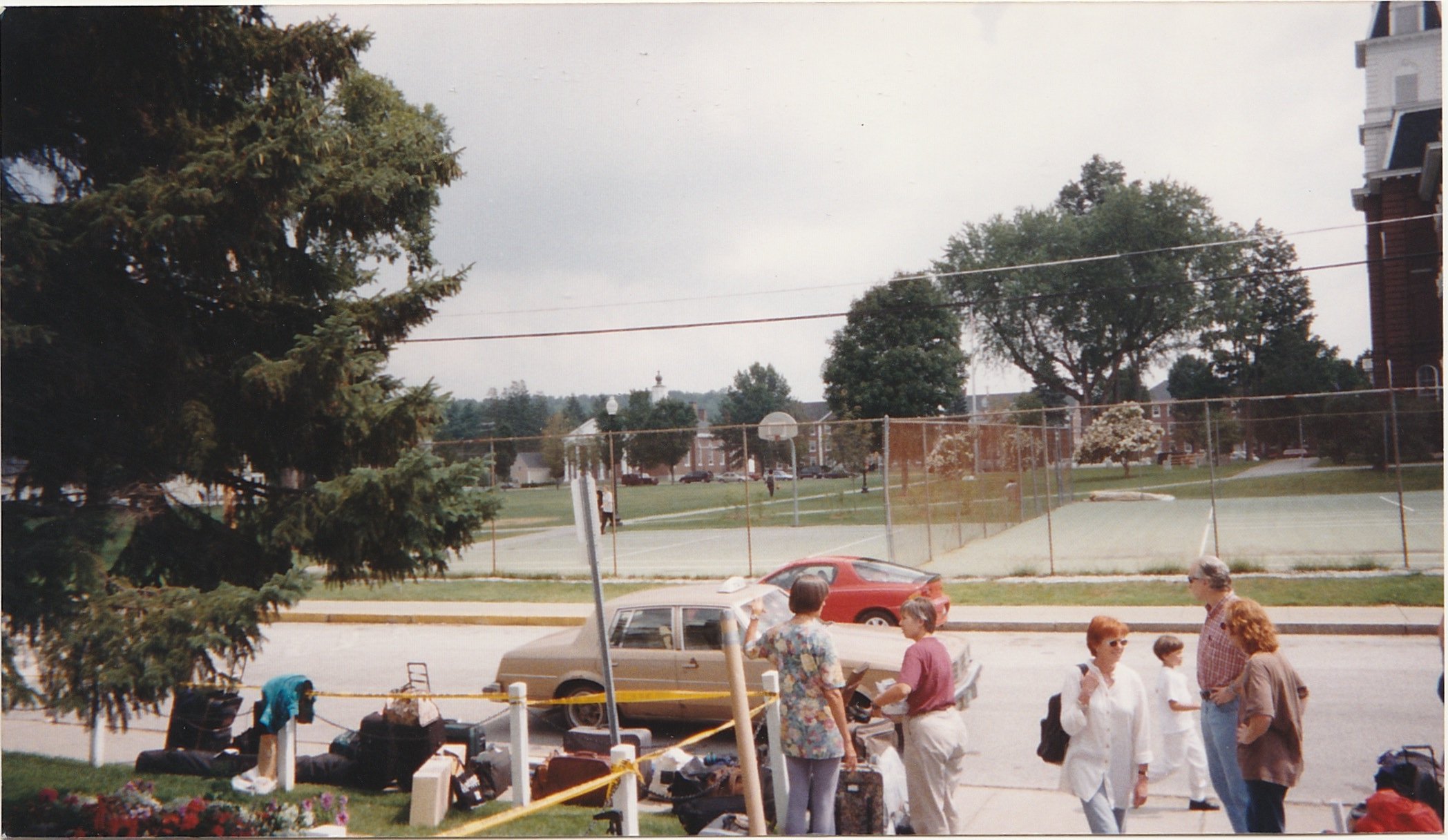
Whitney Wolf II spent much of the 1980s, 1990s, and early 2000s traveling throughout Europe and North America with a camera in hand, documenting the world during the final decades of the analog age. He spent considerable time in Germany, particularly in Berlin, photographing the architecture, transportation systems, neighborhoods, museums, and public spaces that defined everyday life before smartphones, social media, and constant digital connectivity transformed how people experience the world. Today, these photographs serve as a visual time capsule of a period that has largely disappeared.
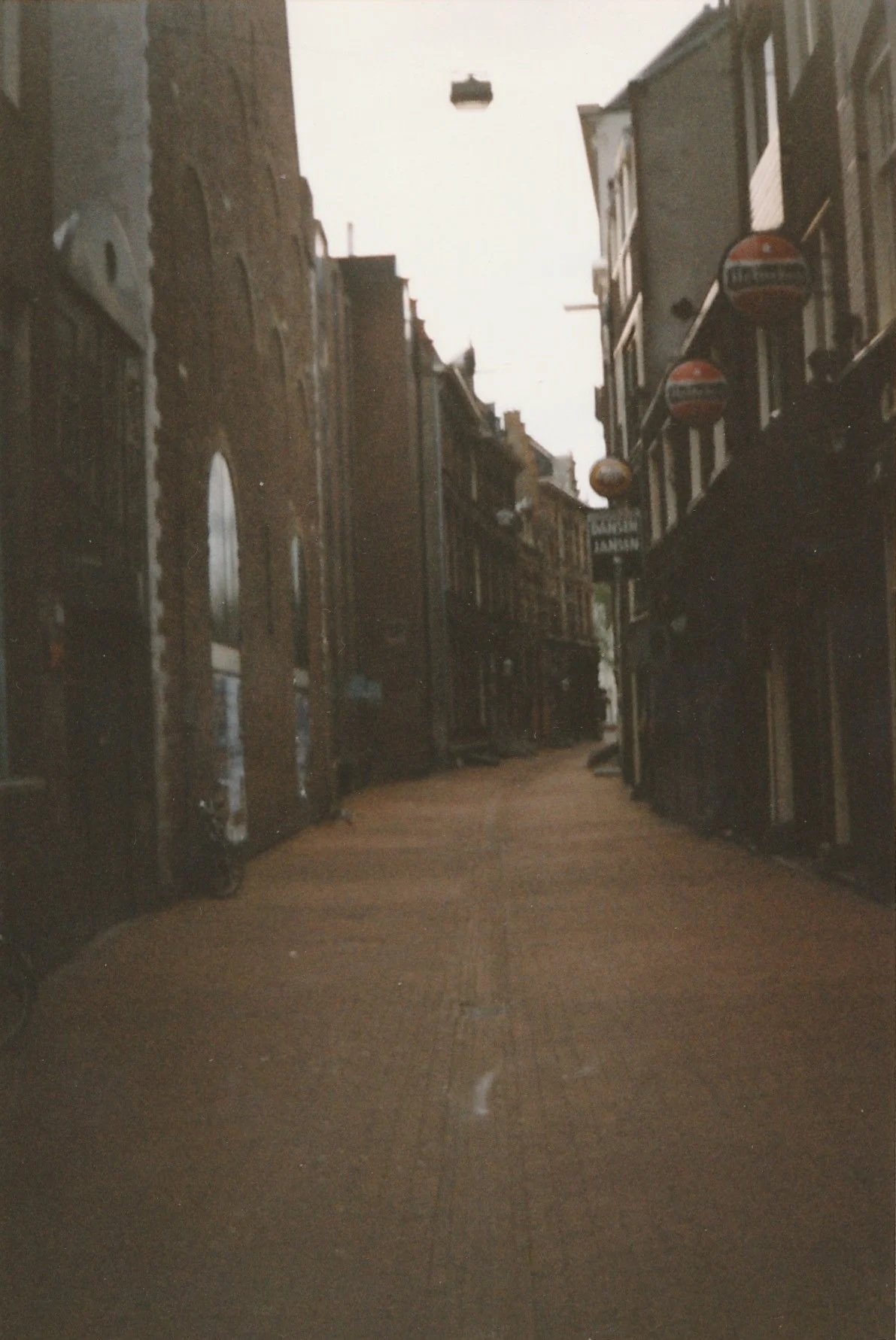
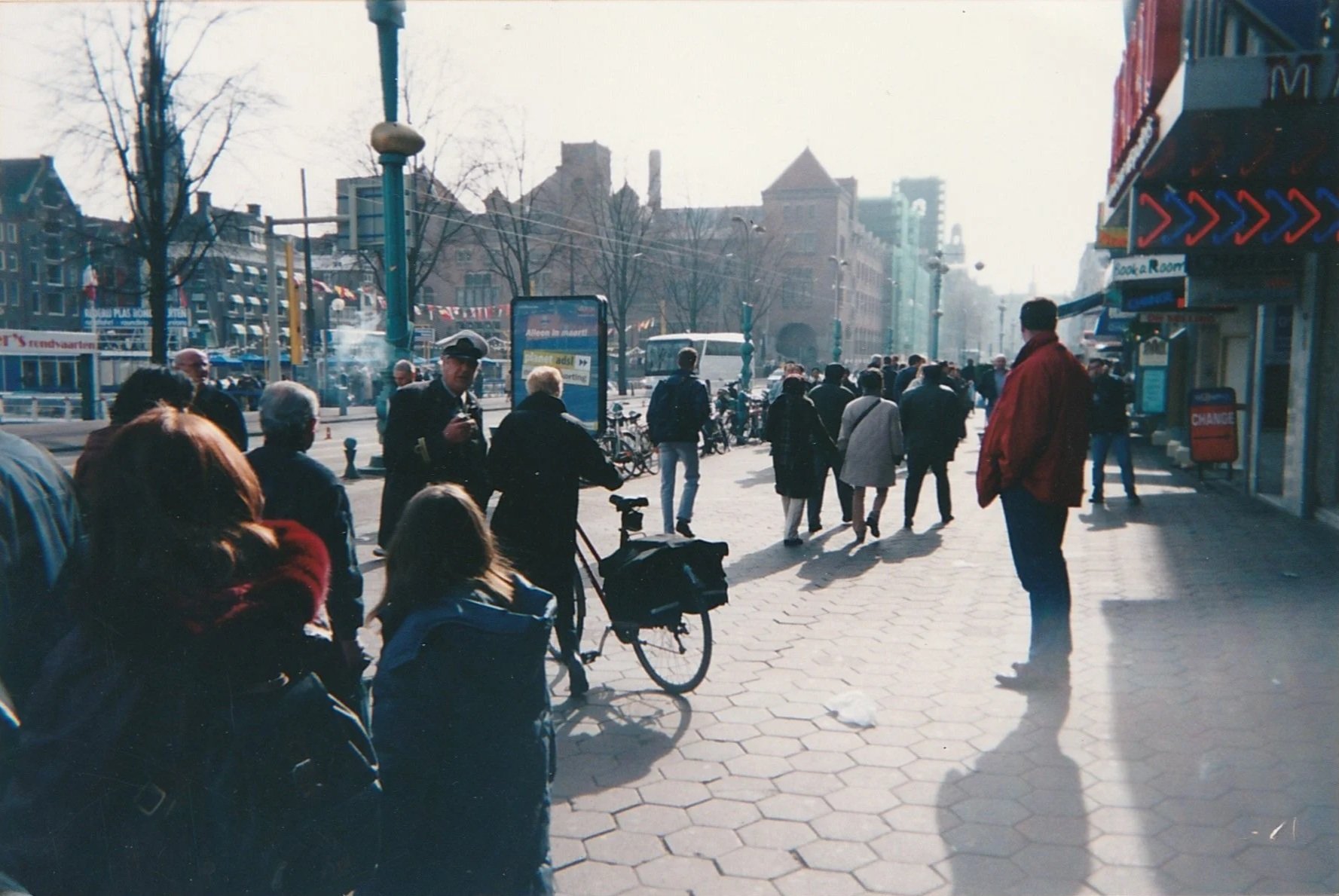
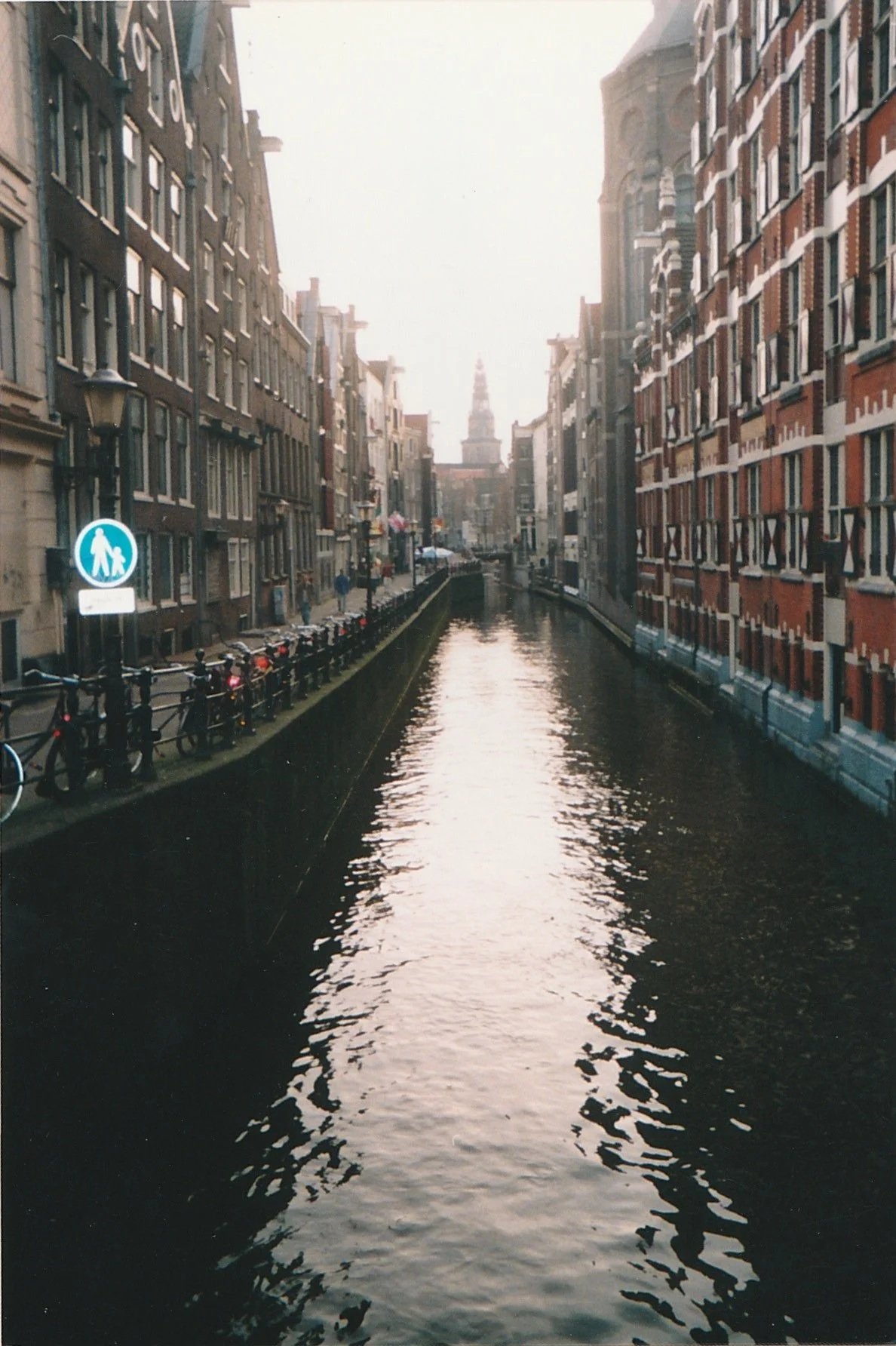
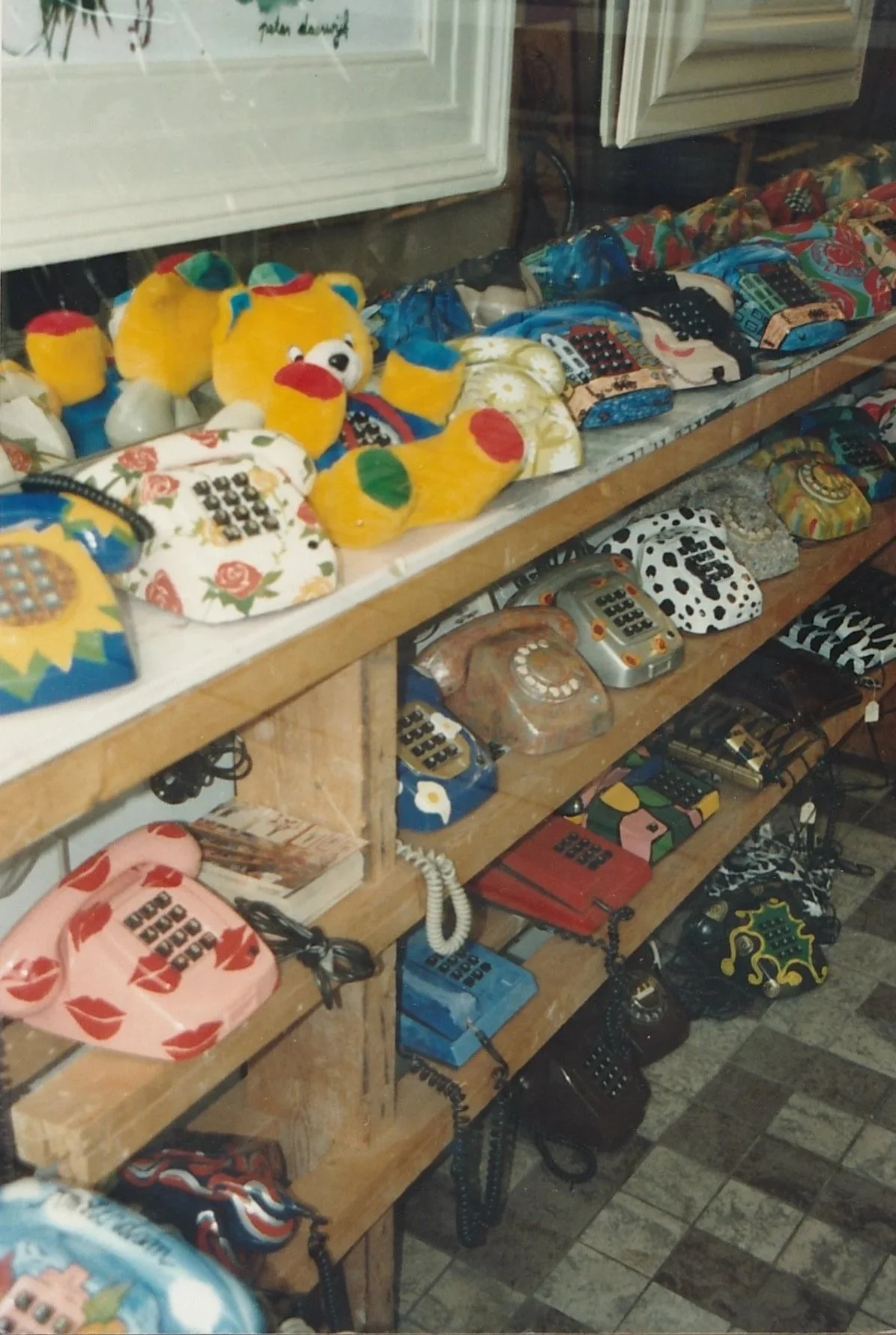
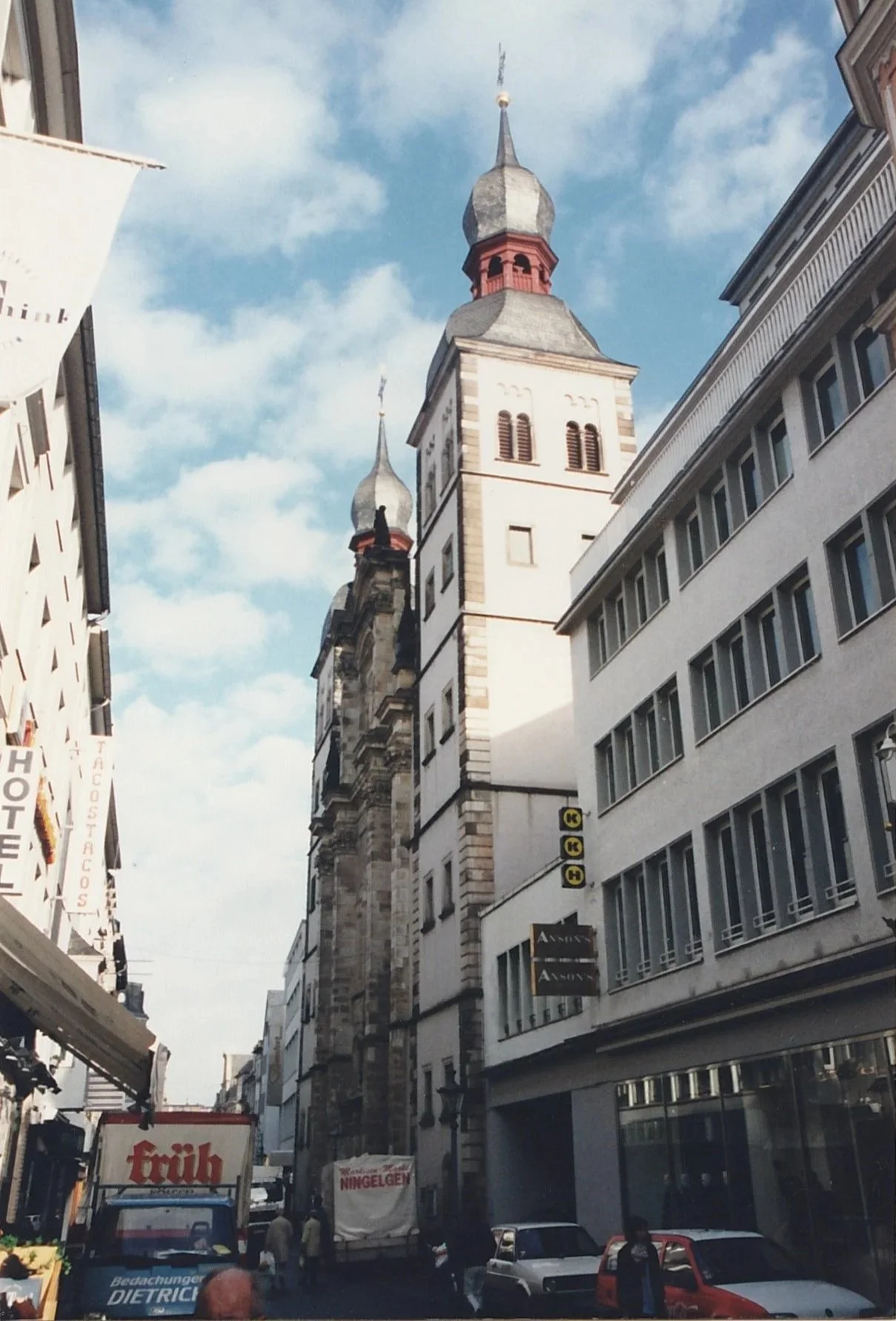
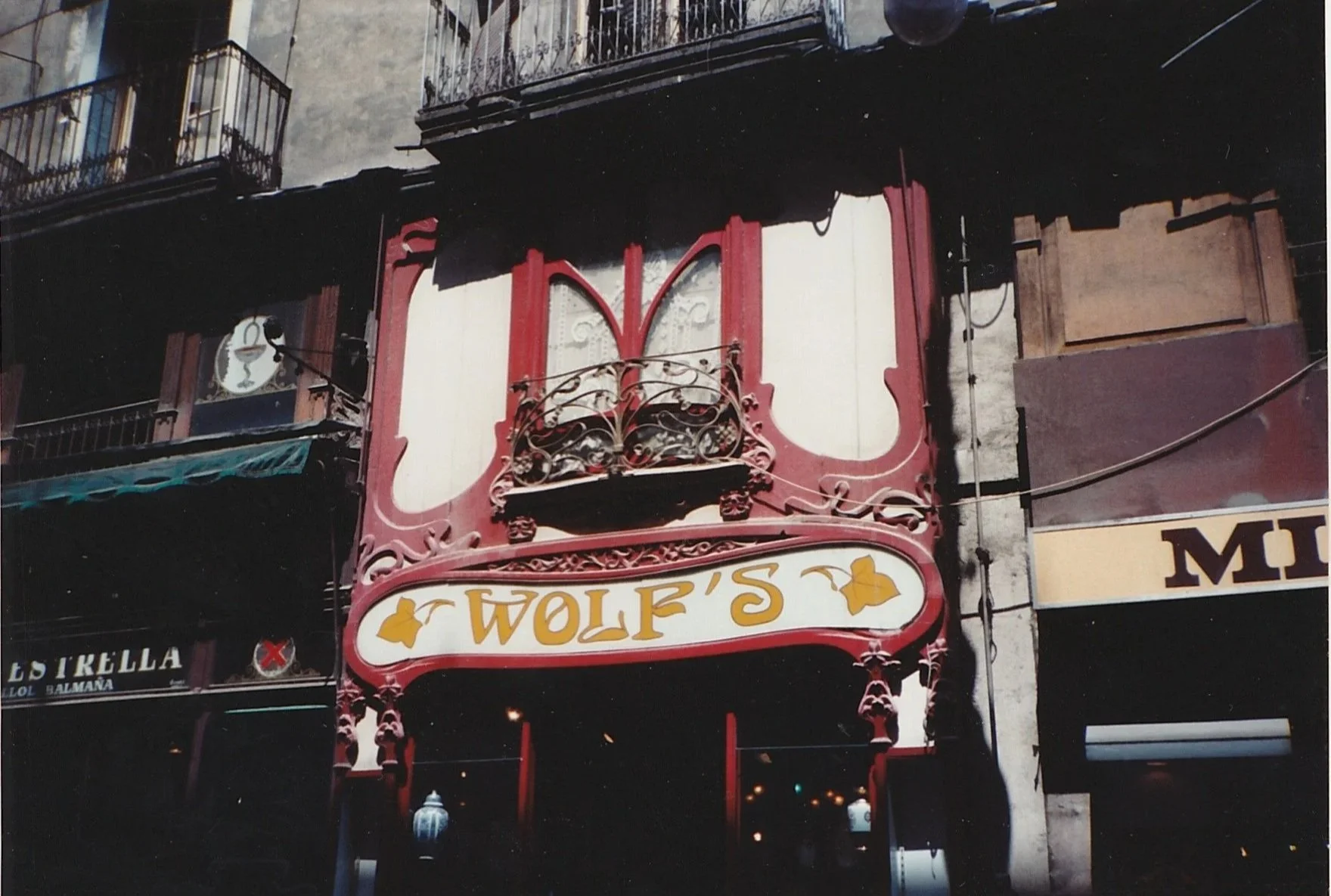
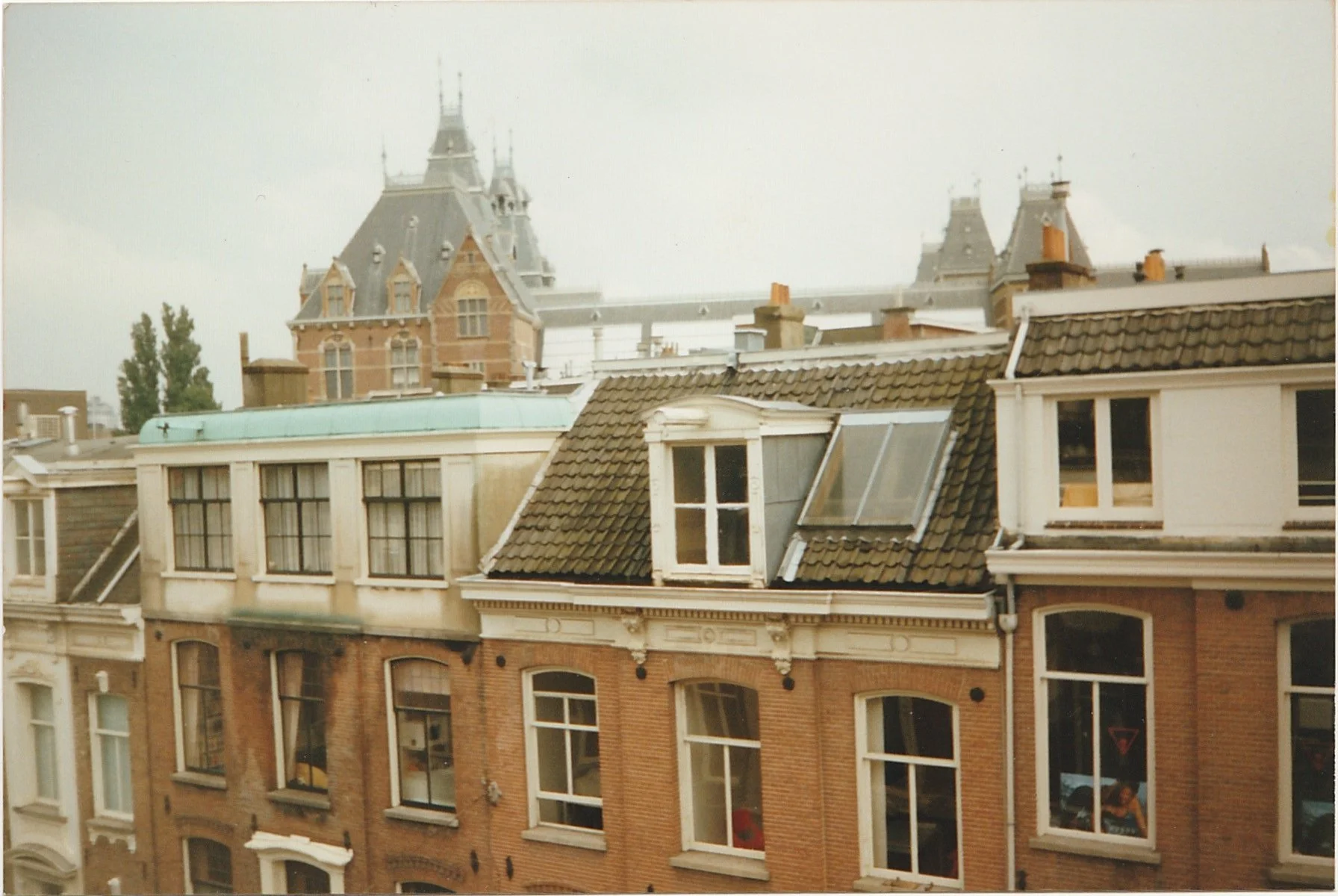
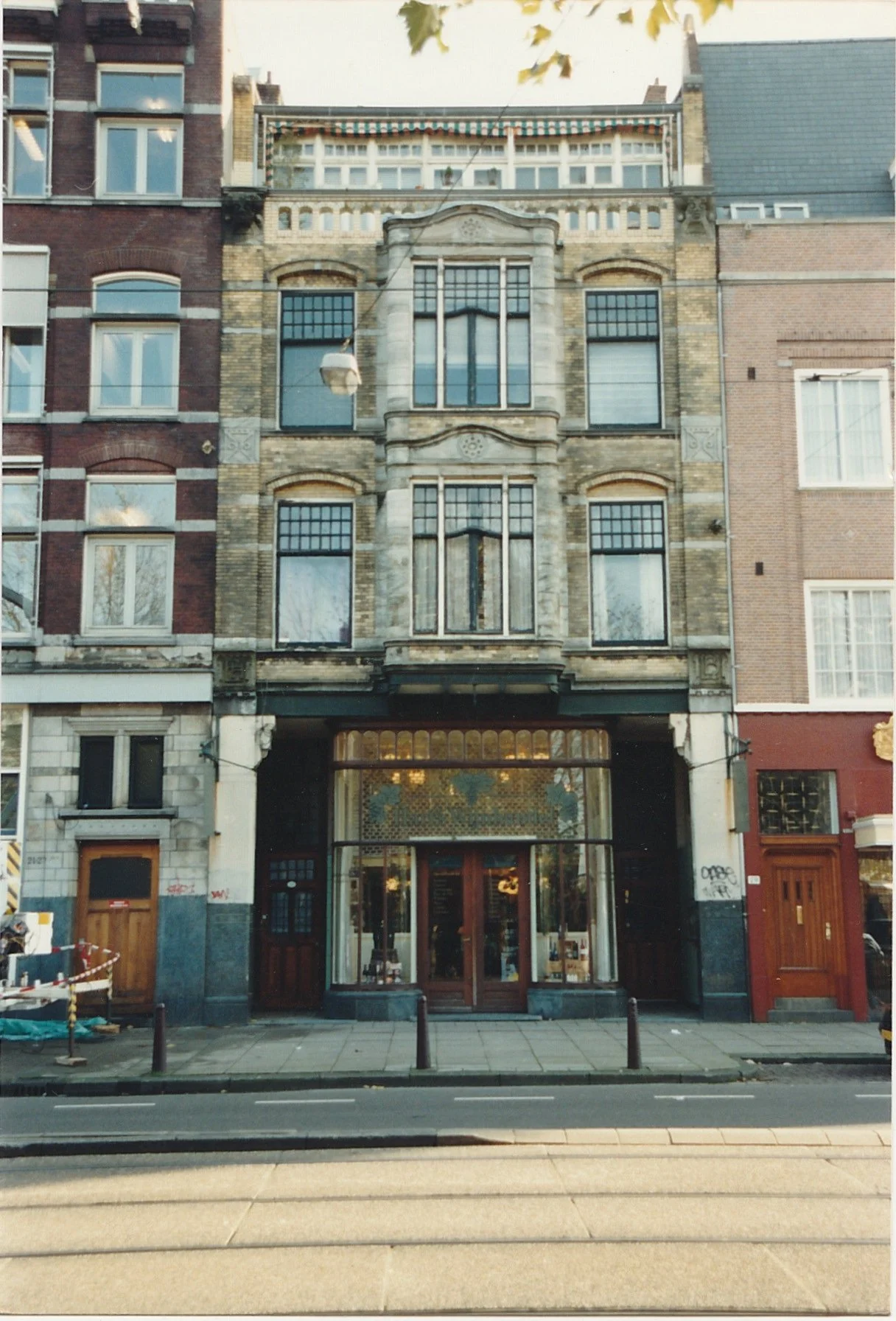
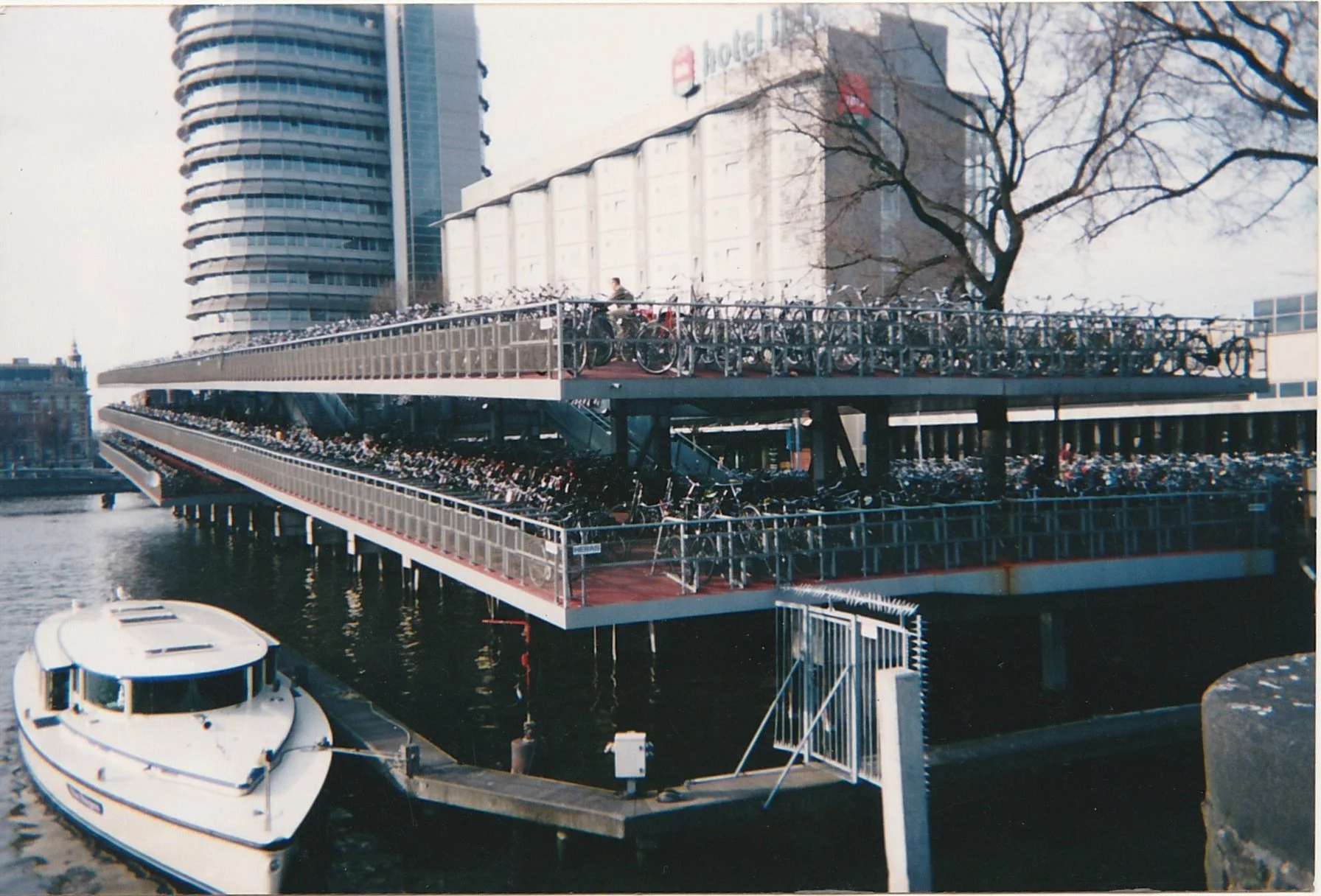
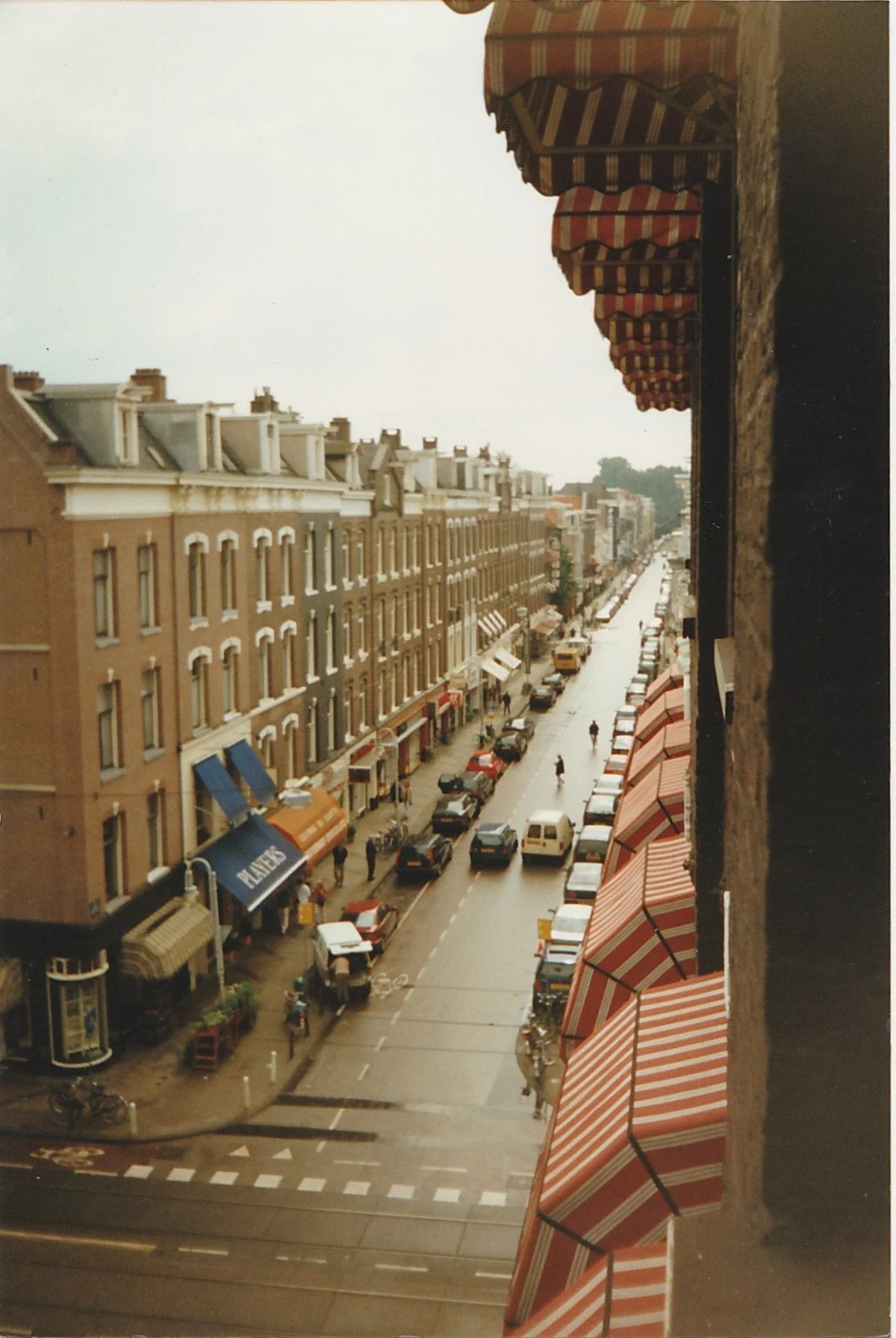
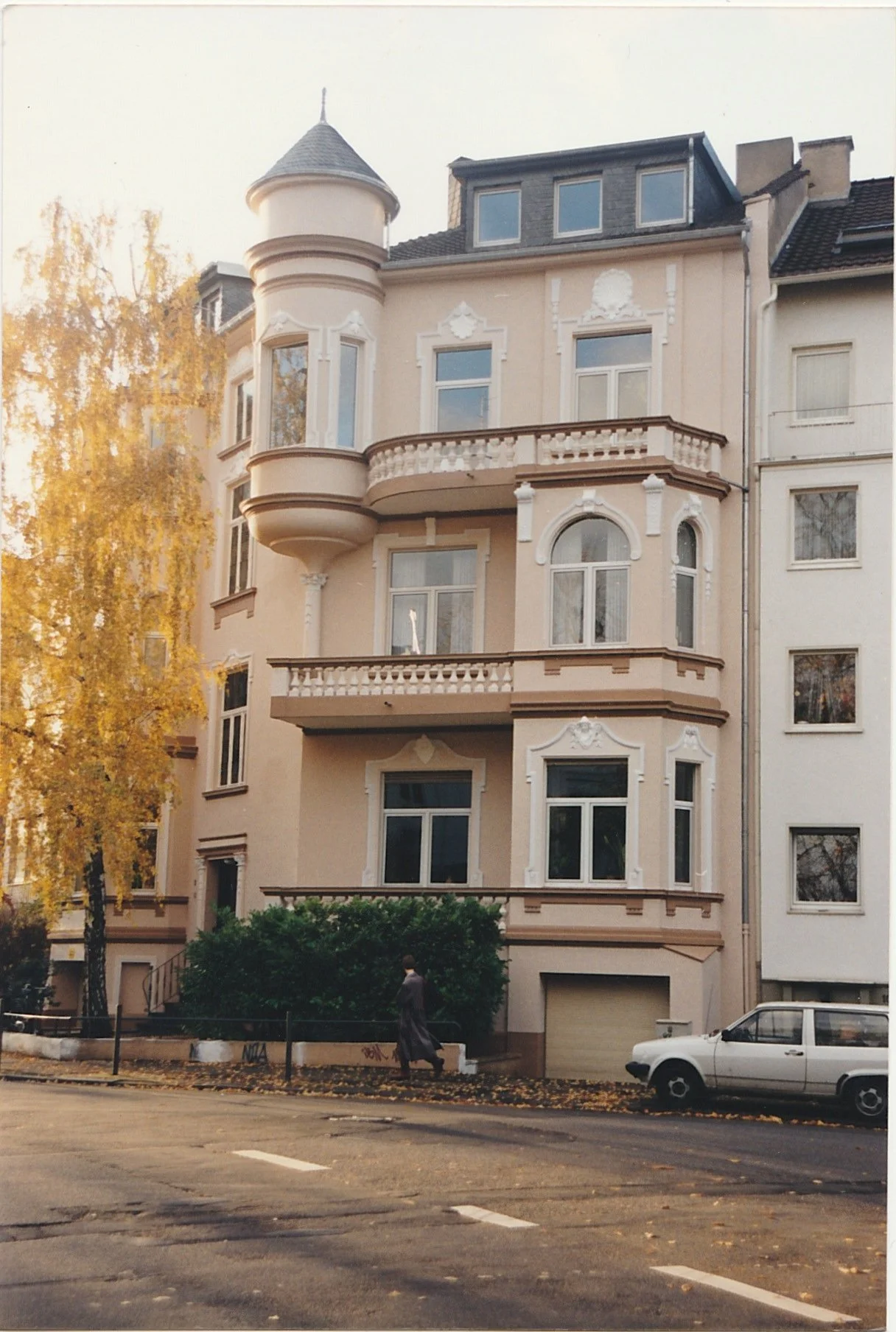
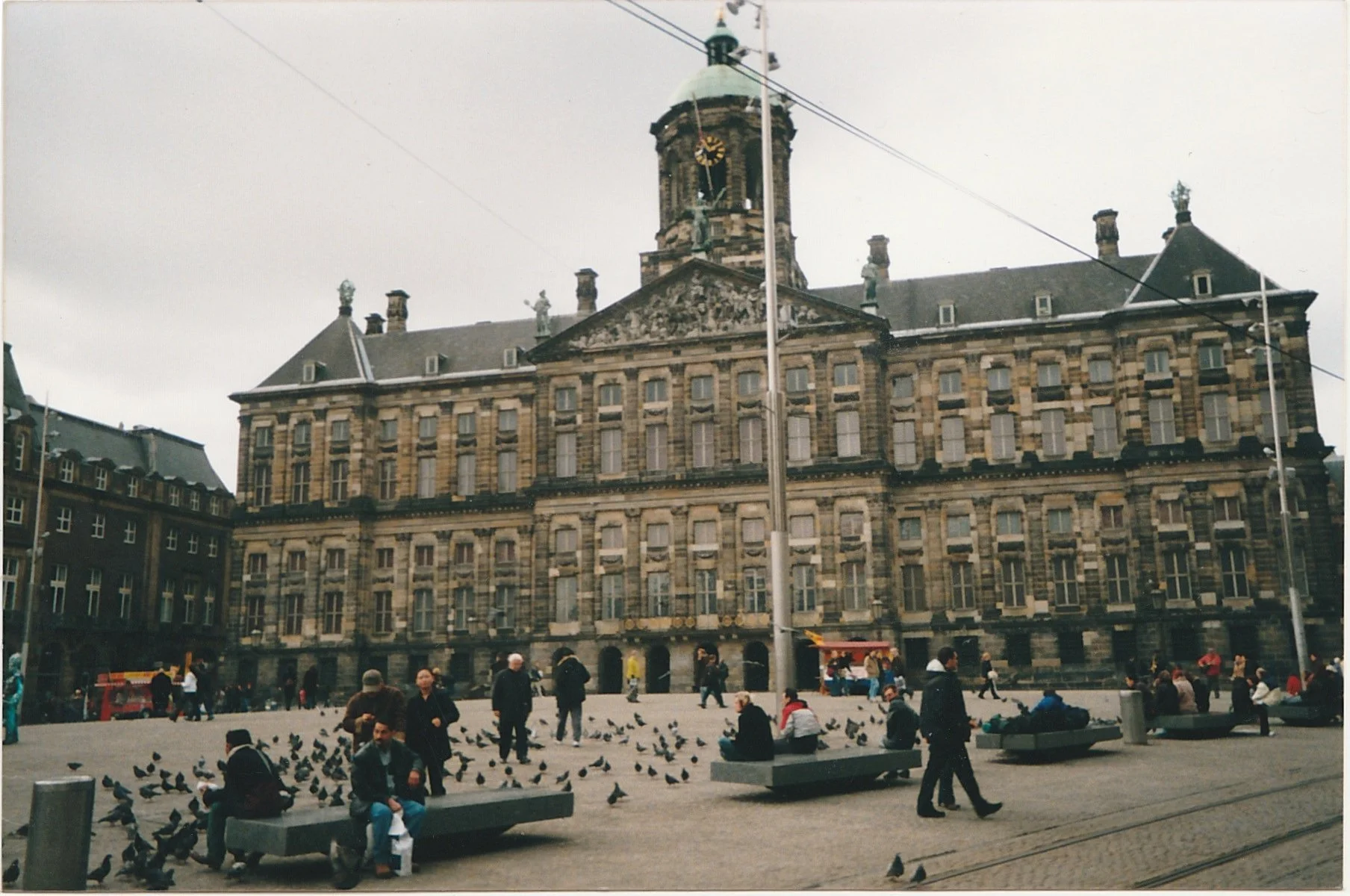
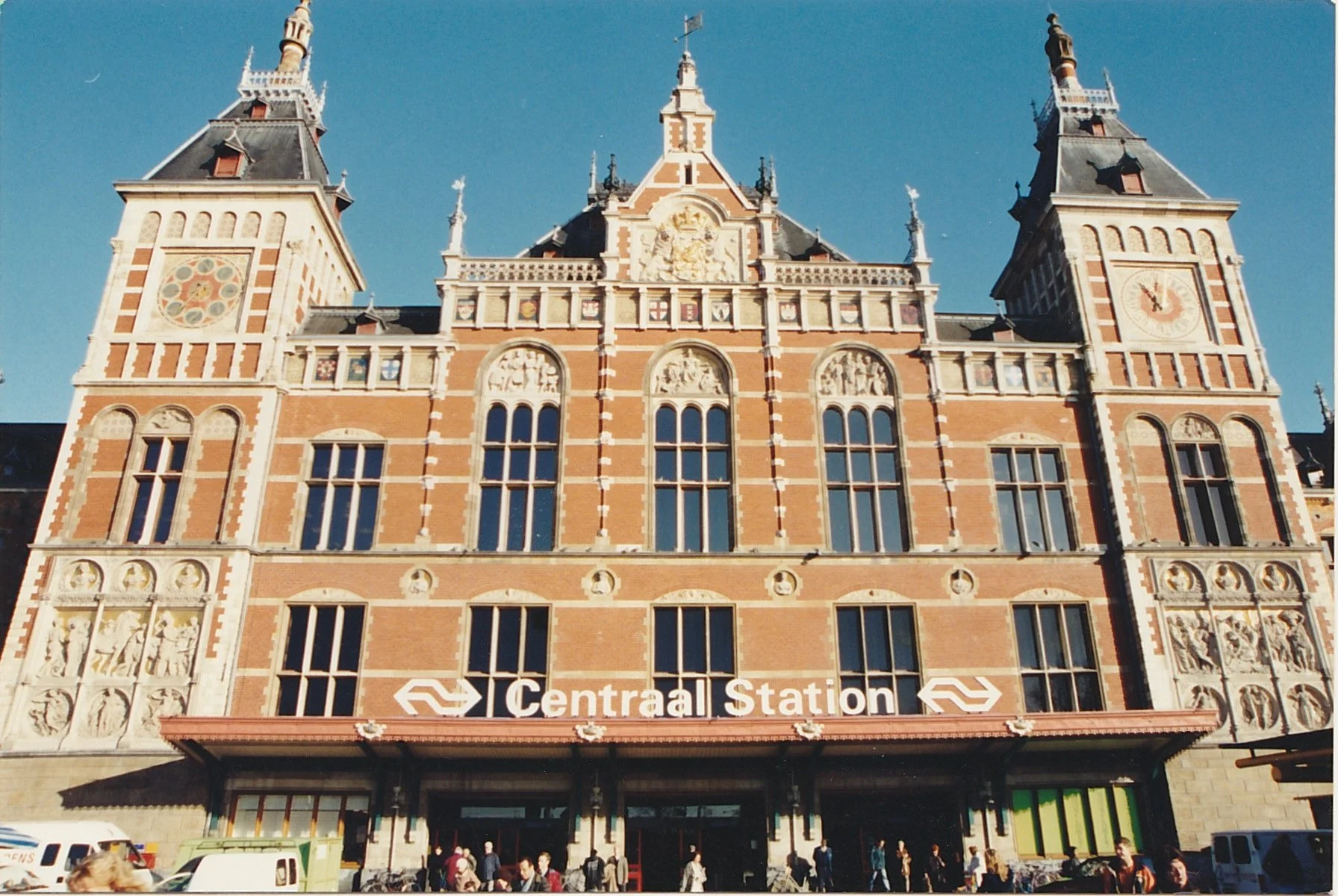
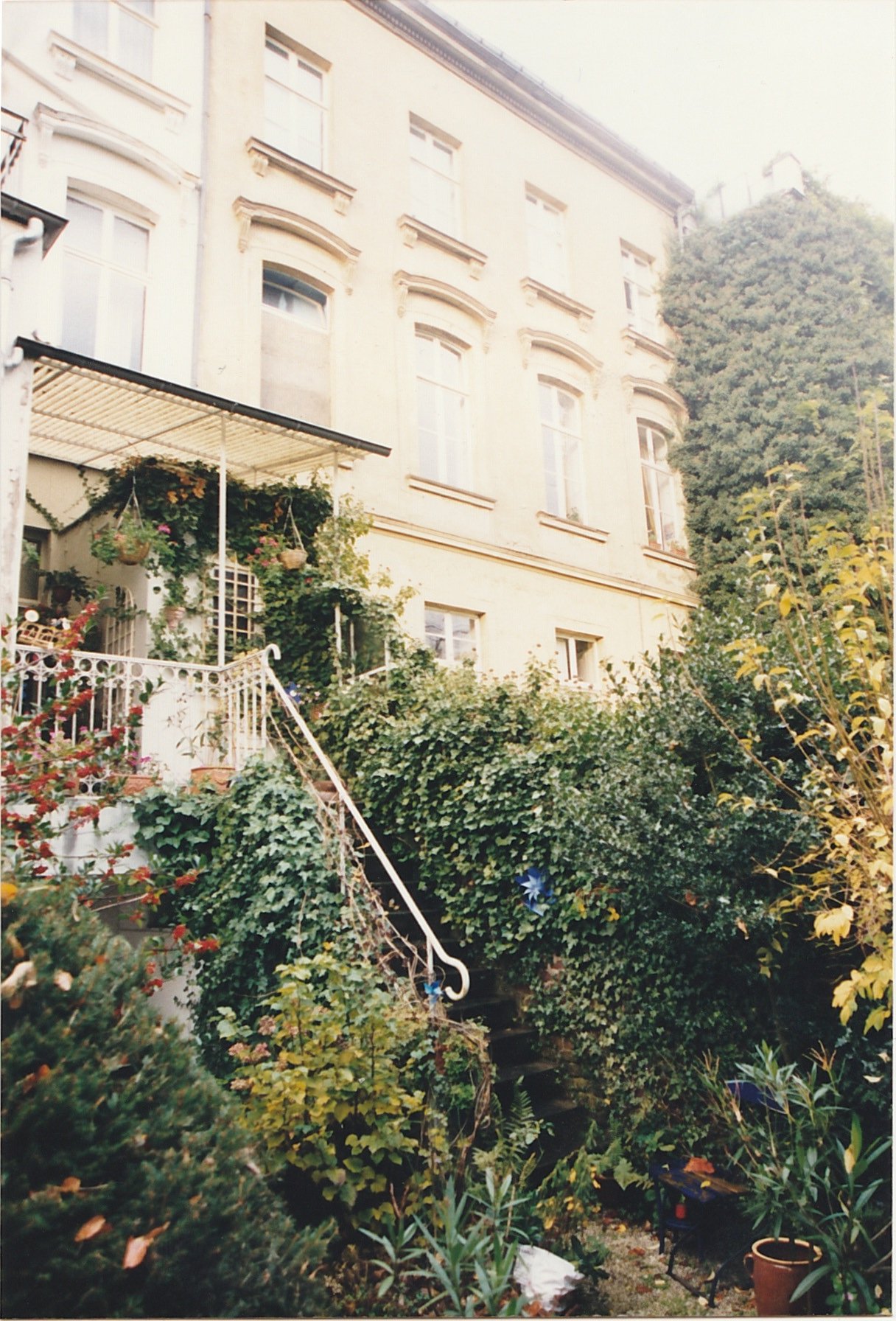
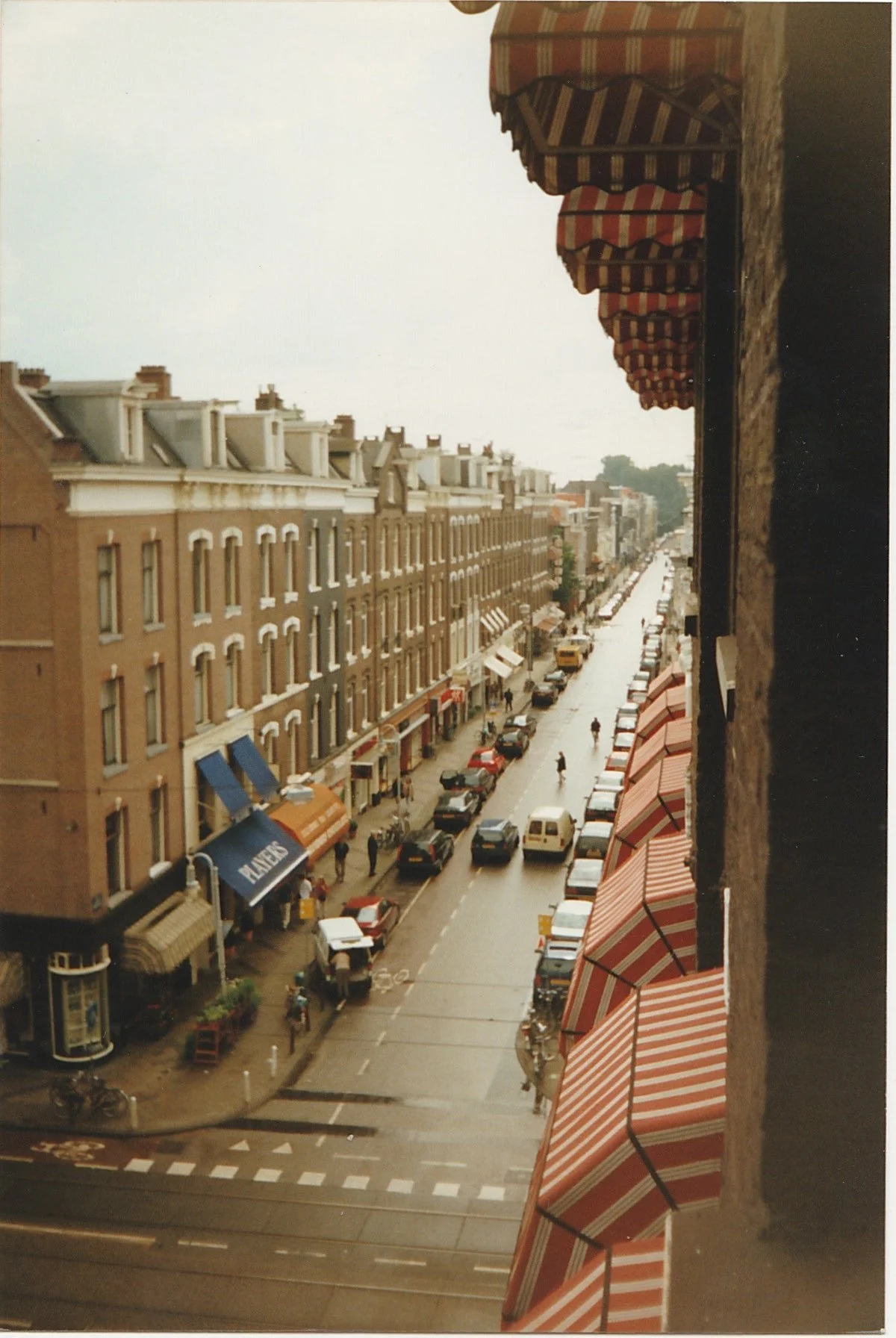
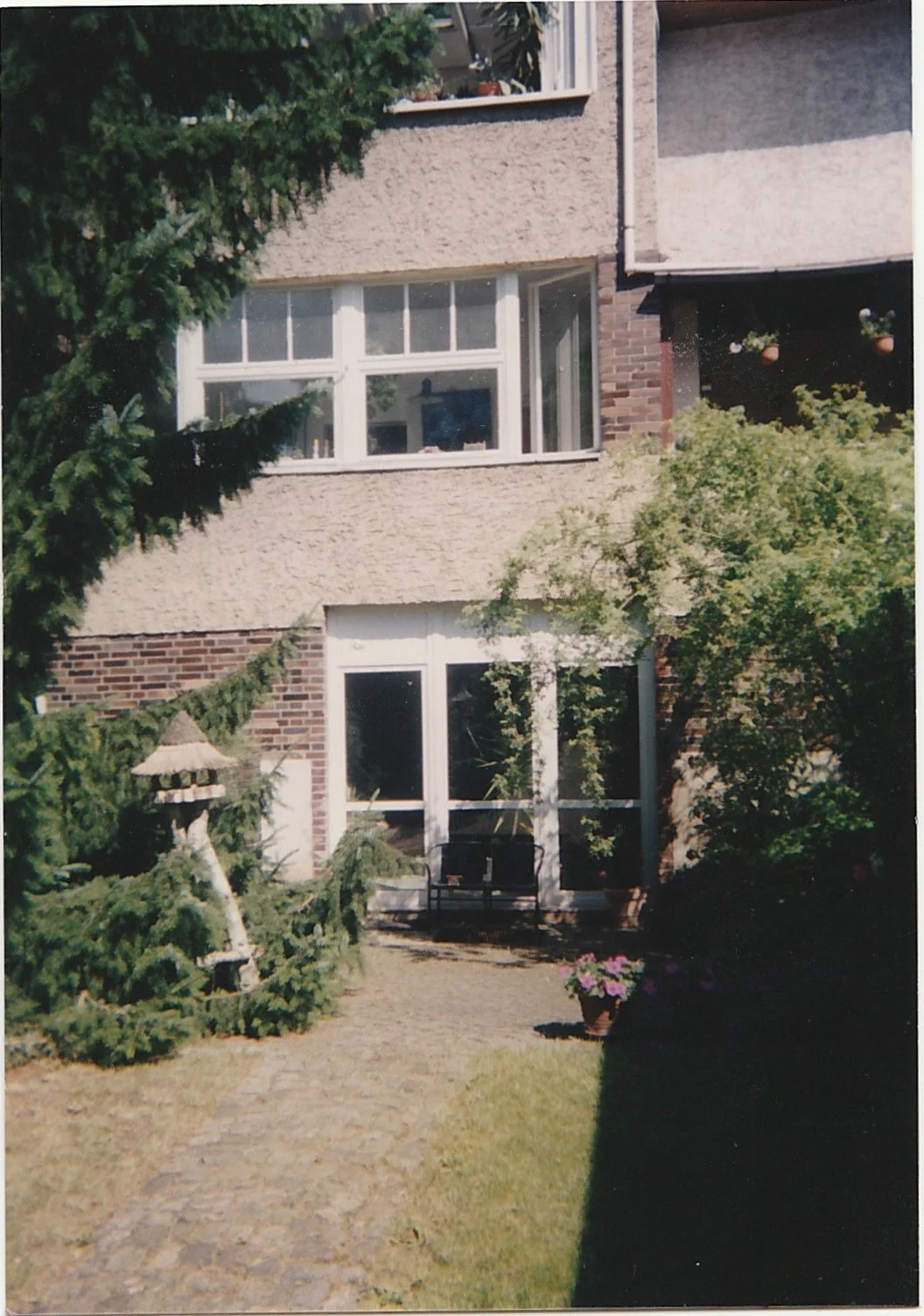
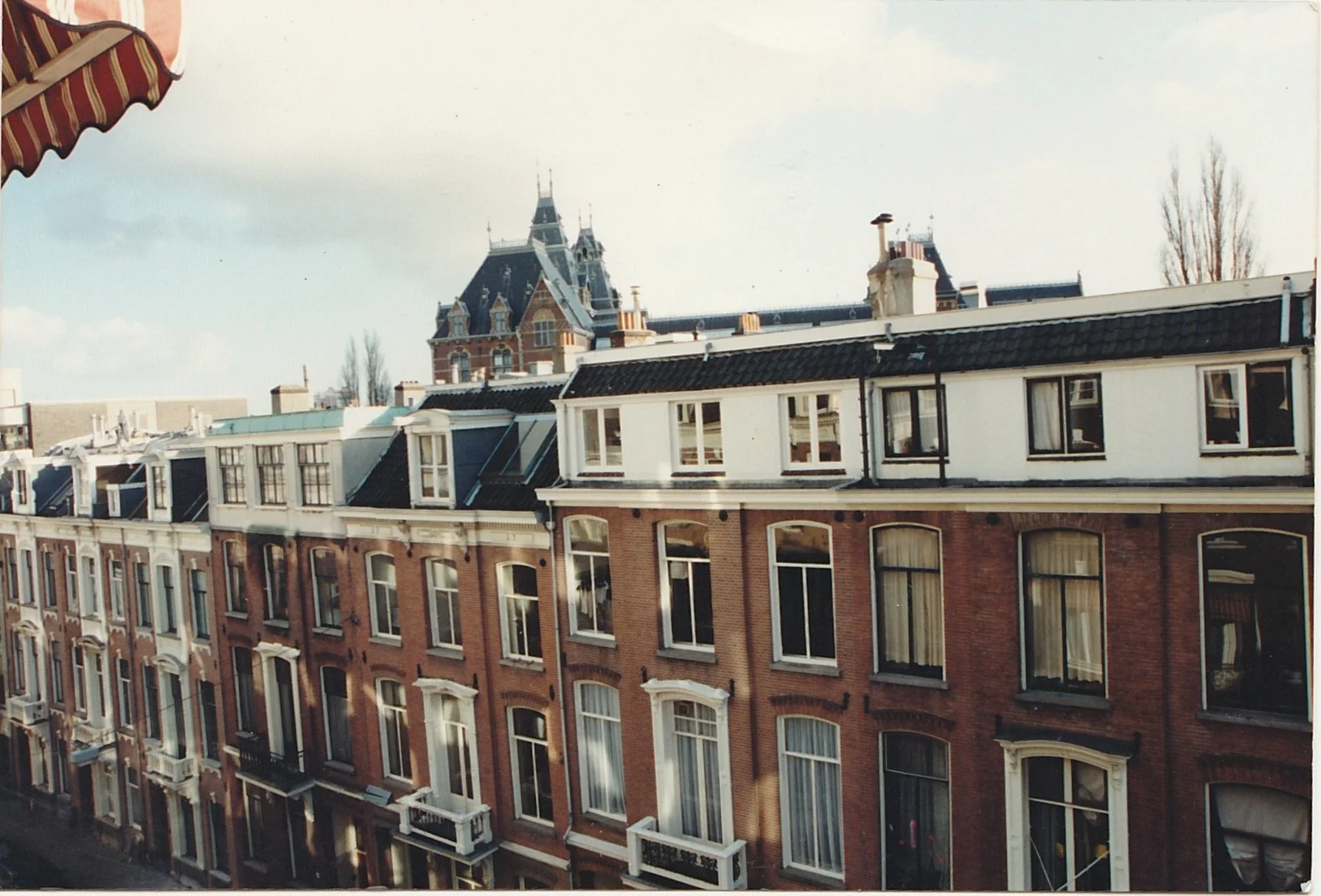
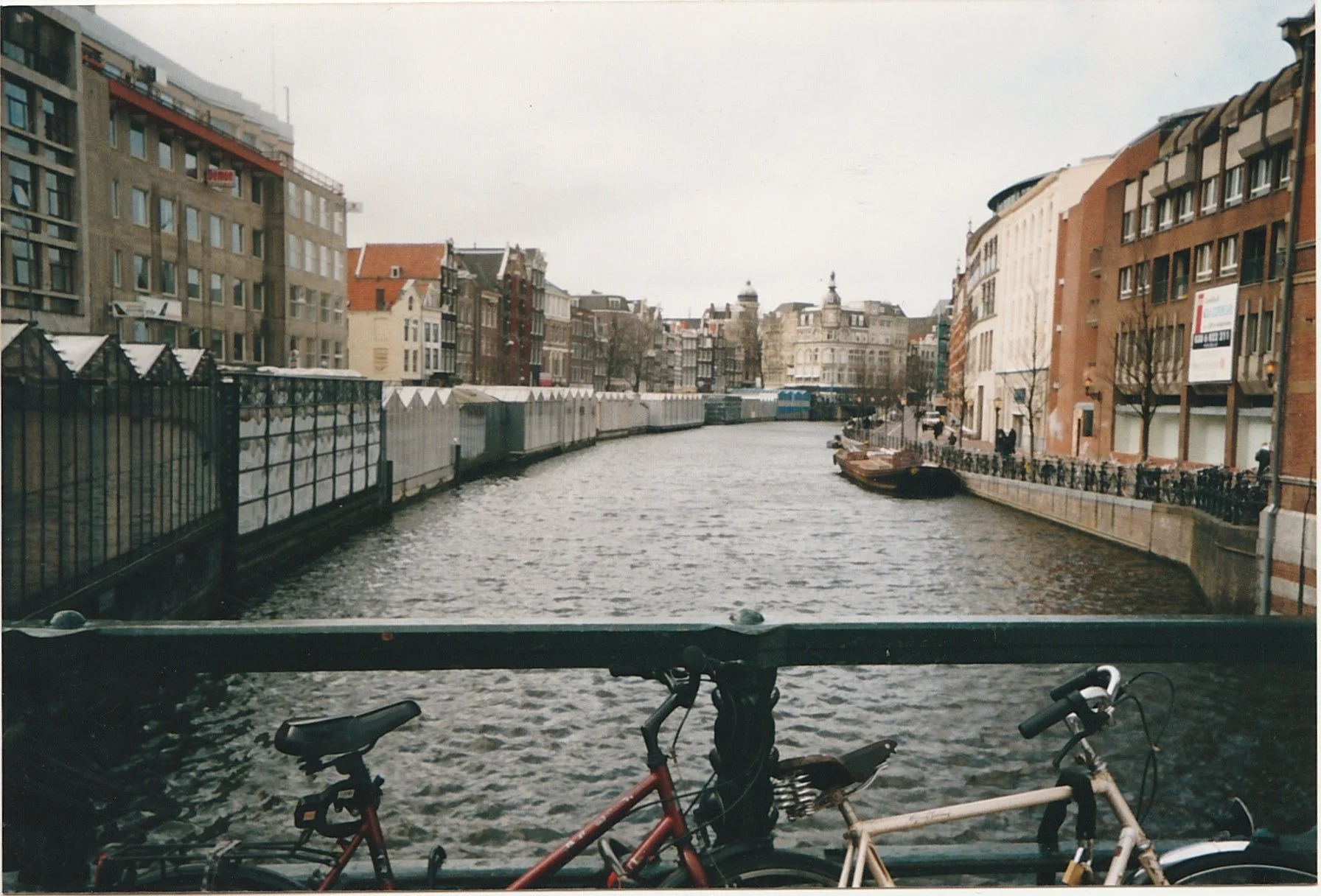
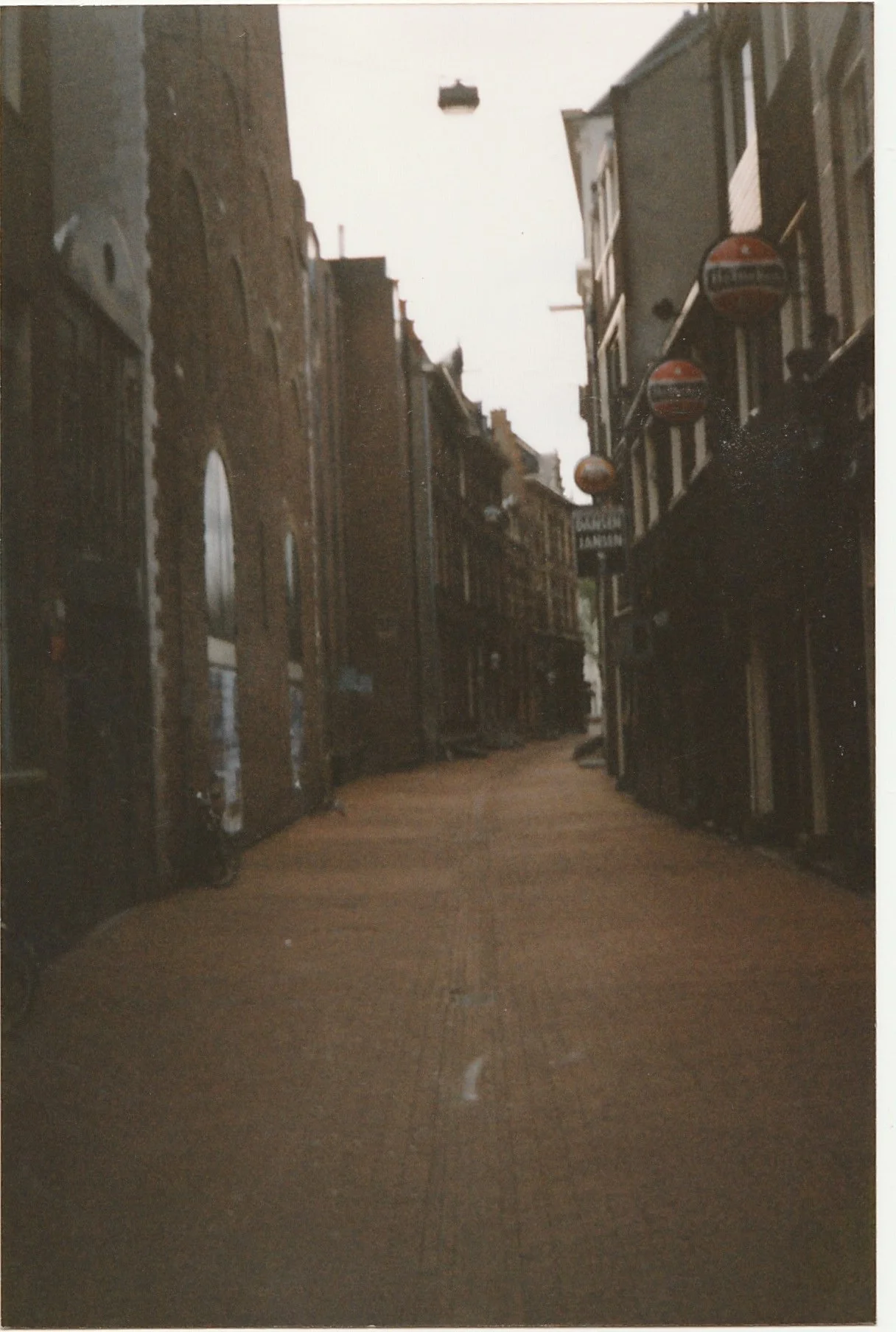
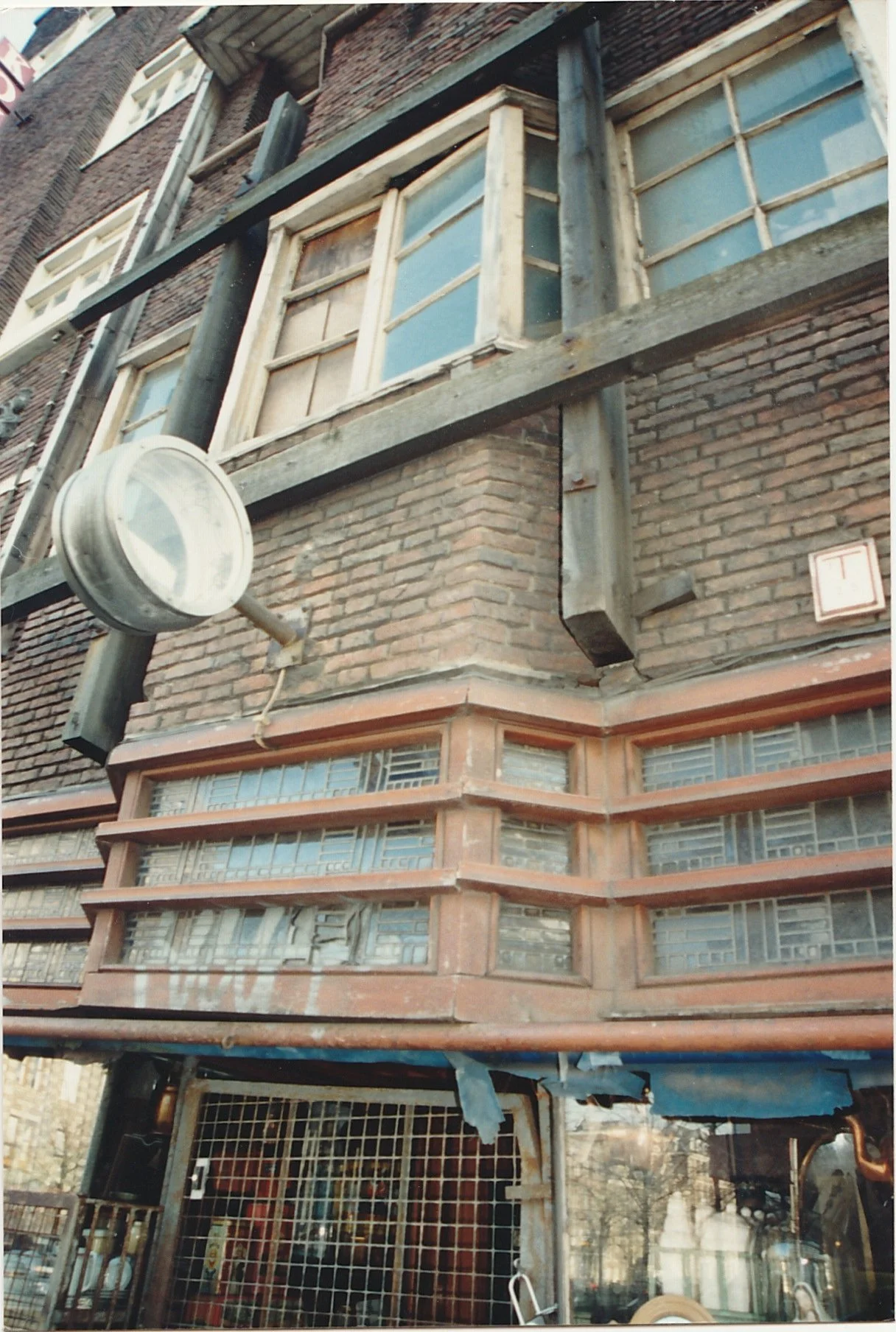
Rather than focusing solely on famous landmarks, Wolf was drawn to the ordinary details of urban life. His photographs capture train stations, canals lined with bicycles, residential streets, storefronts, and public spaces that reveal how people lived and interacted before technology became the center of daily experience. The images preserve a world where travel relied on paper maps, communication happened face to face, and public spaces were places of direct human engagement rather than digital distraction.
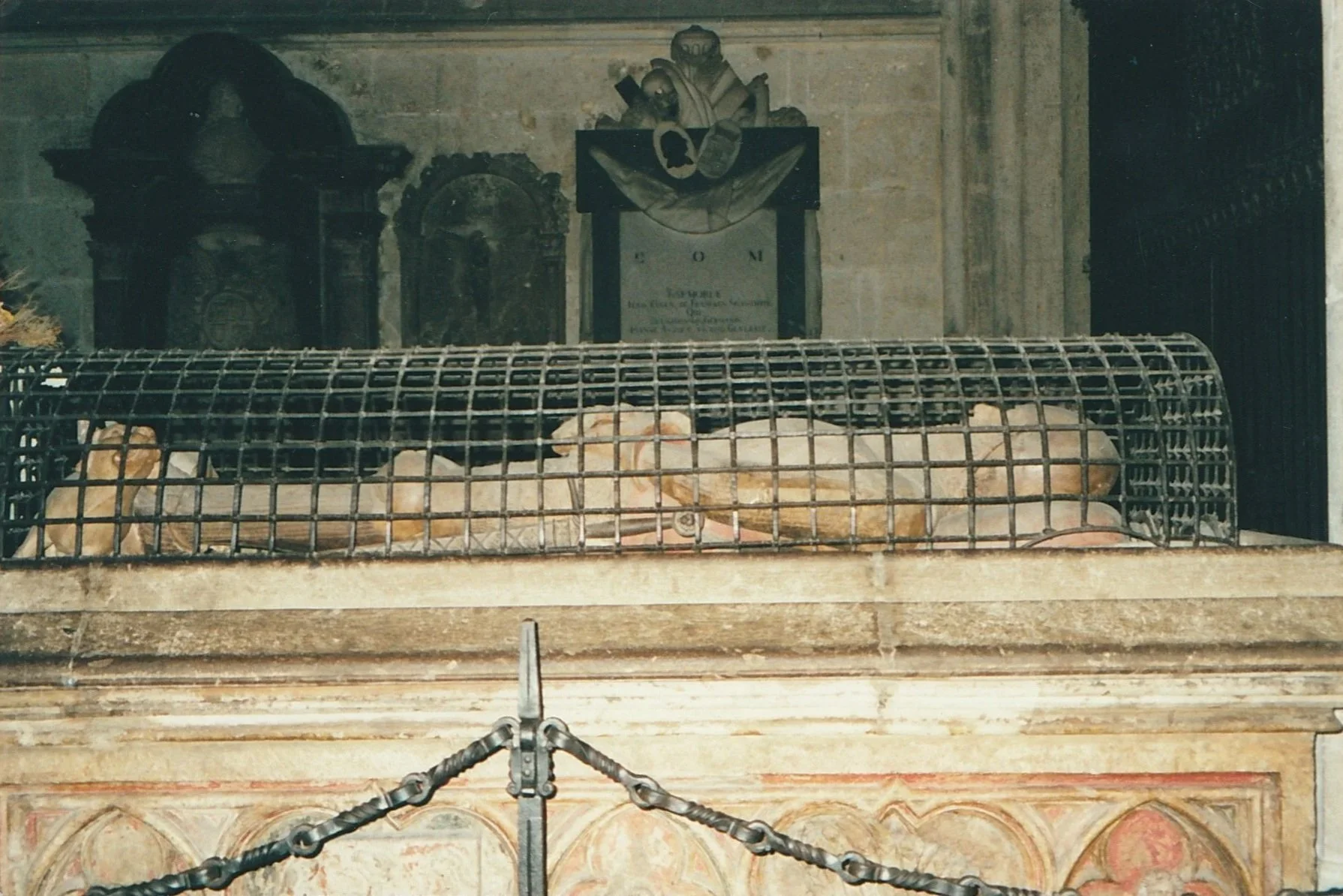
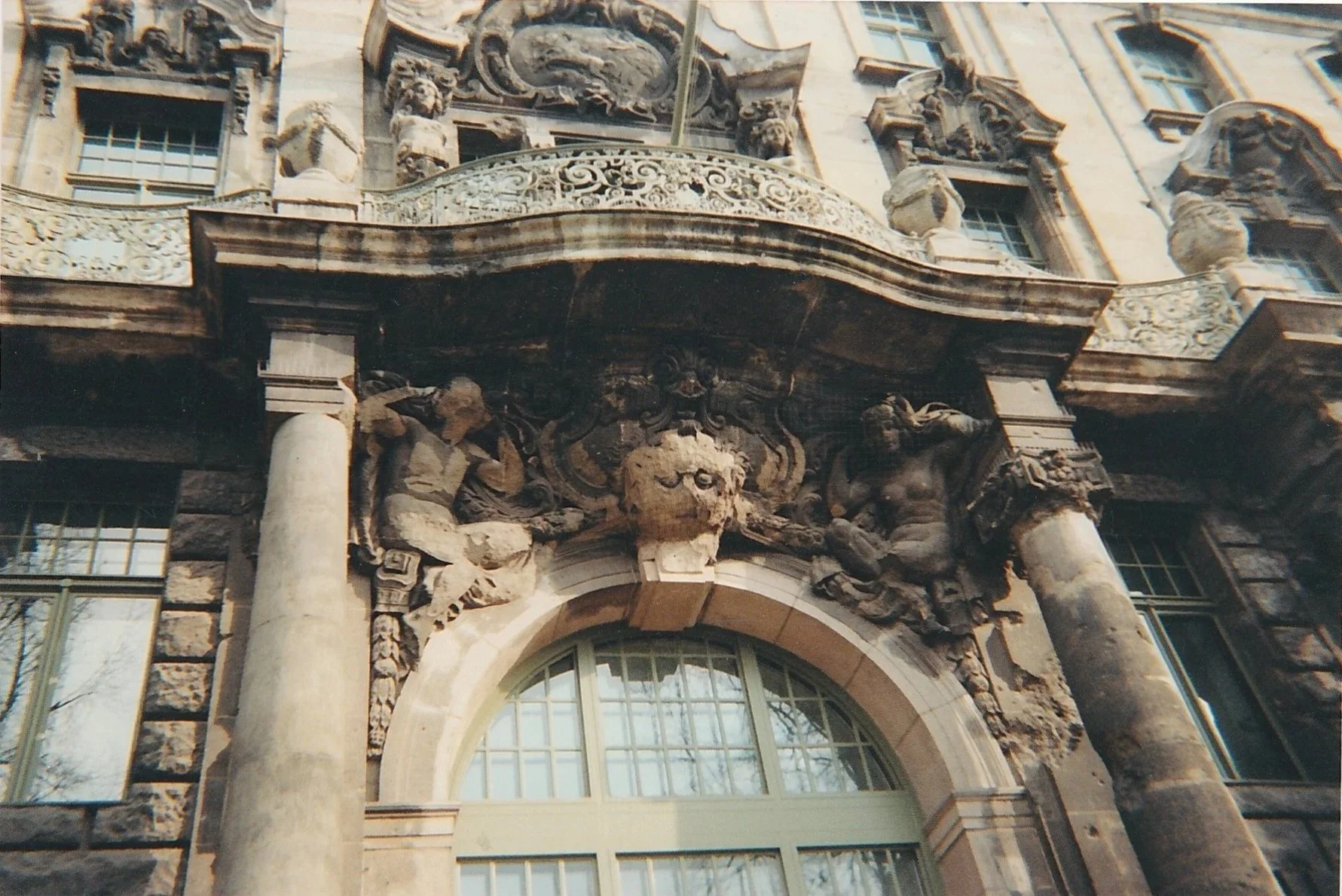
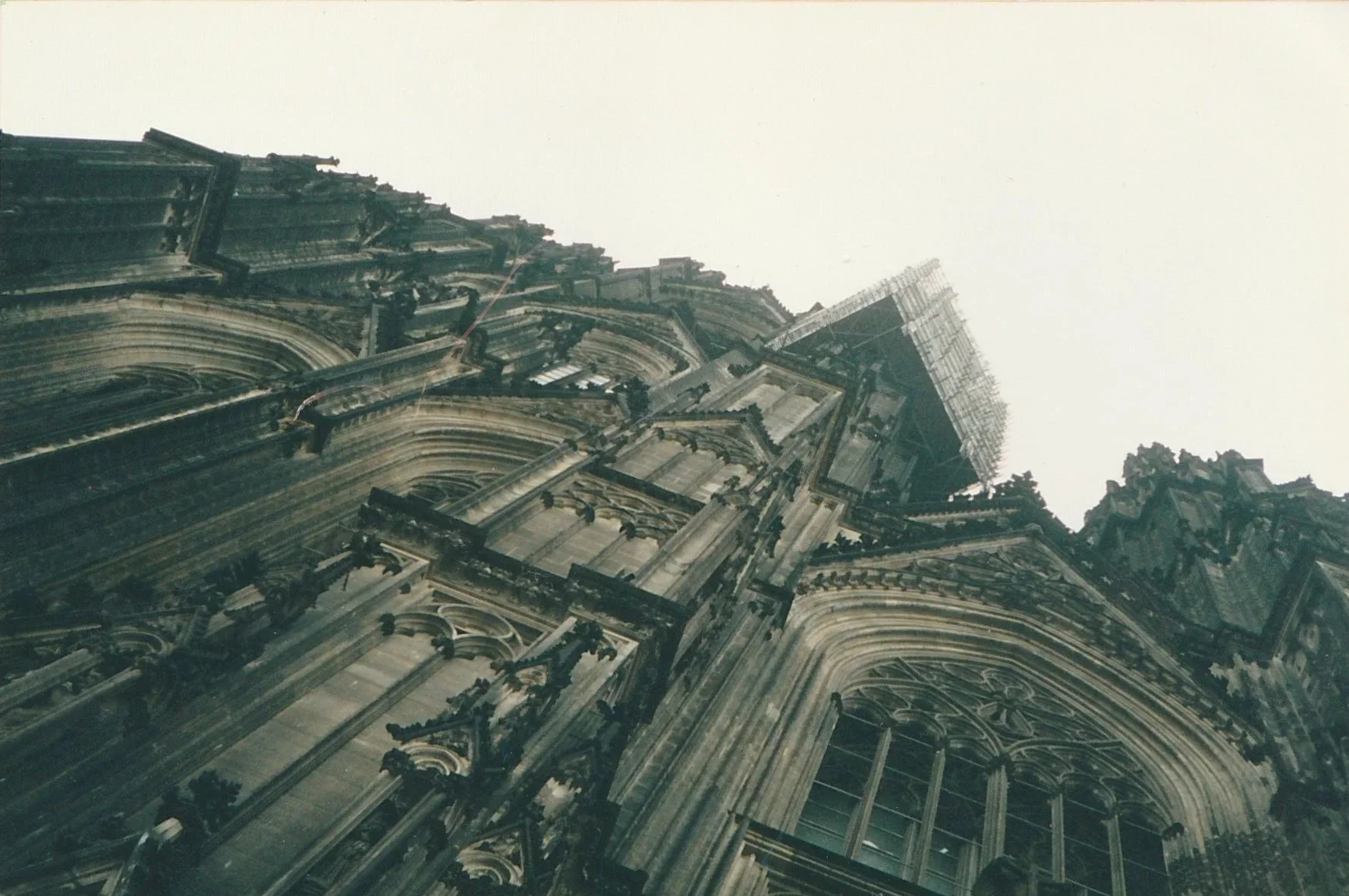
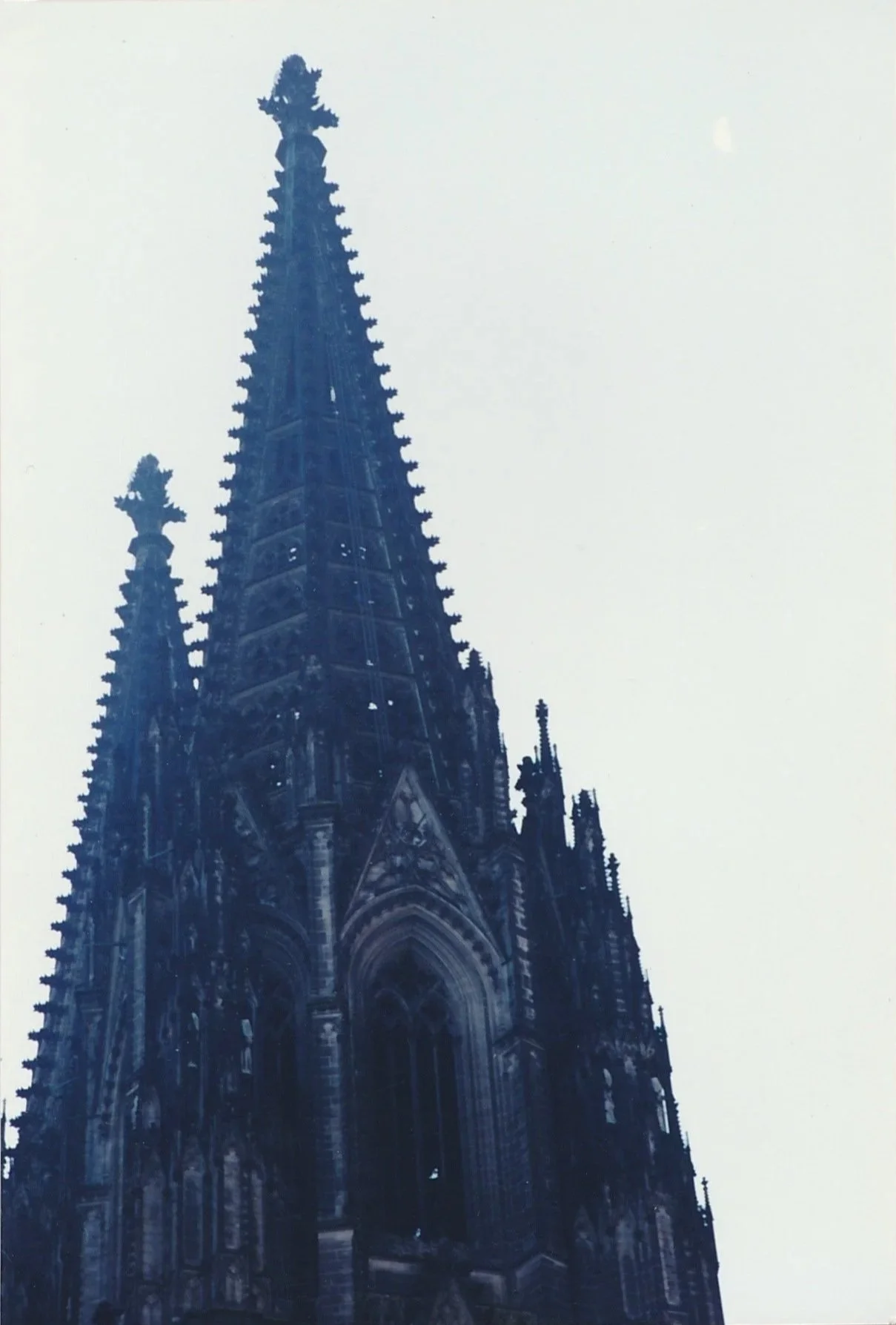
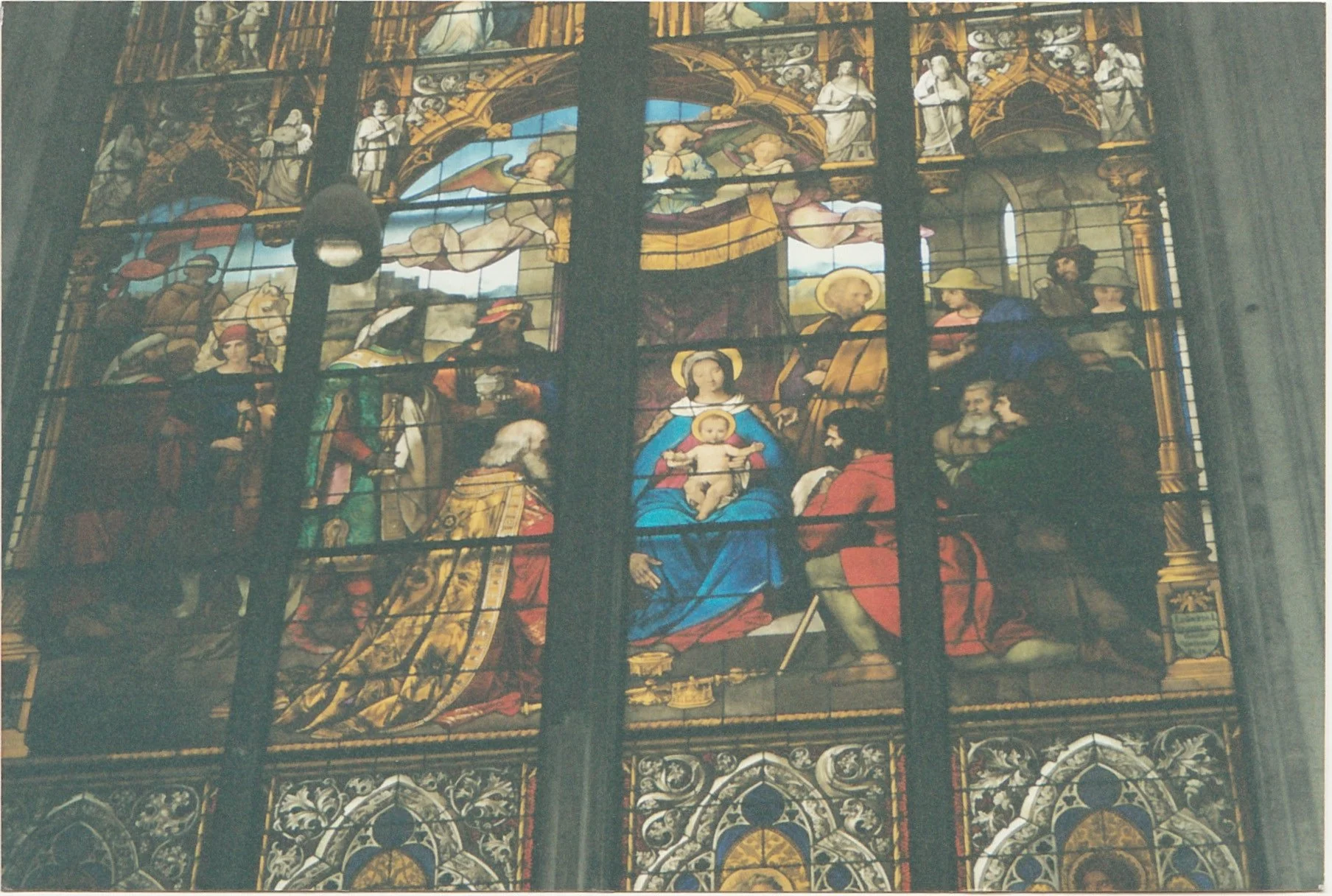
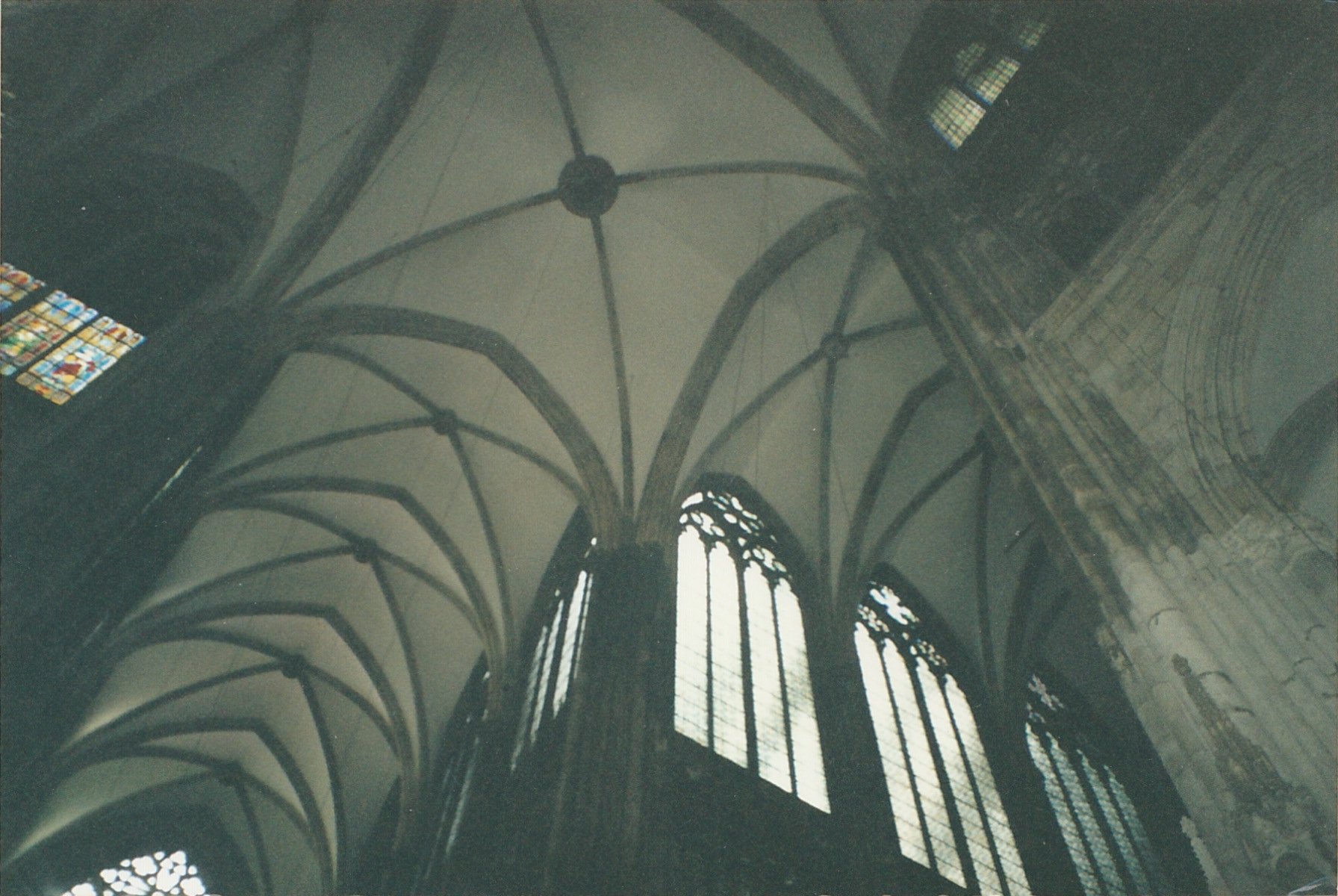
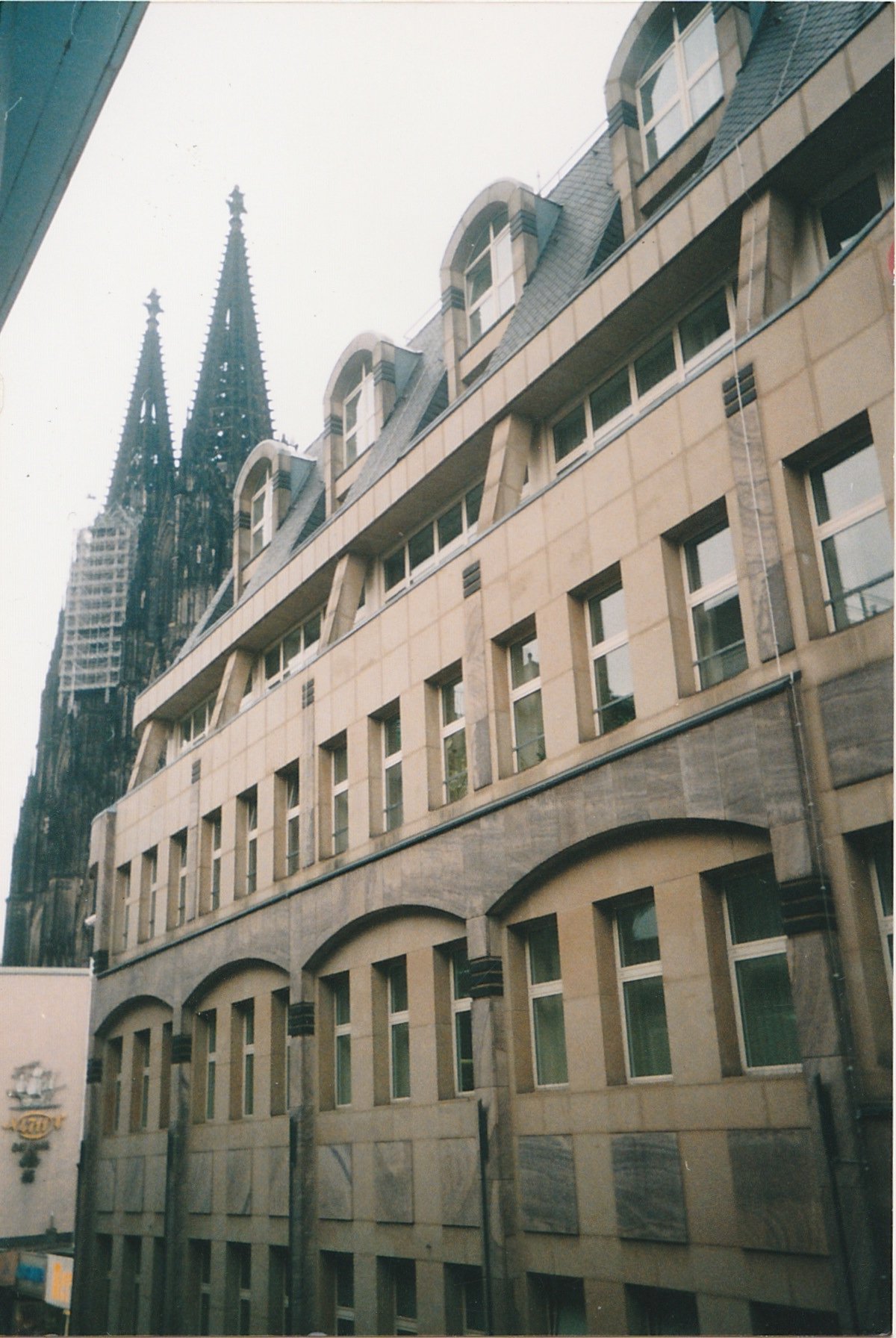
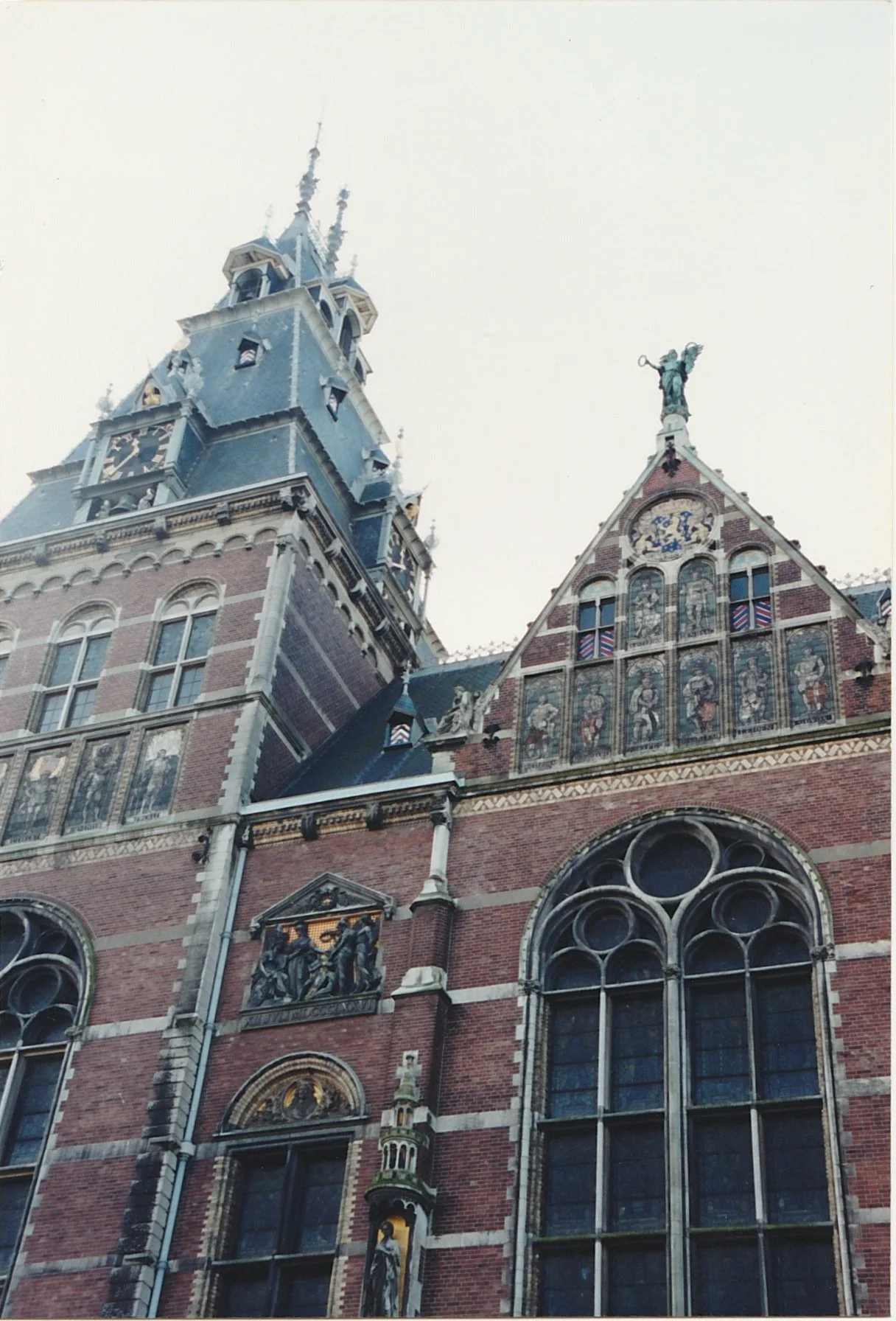
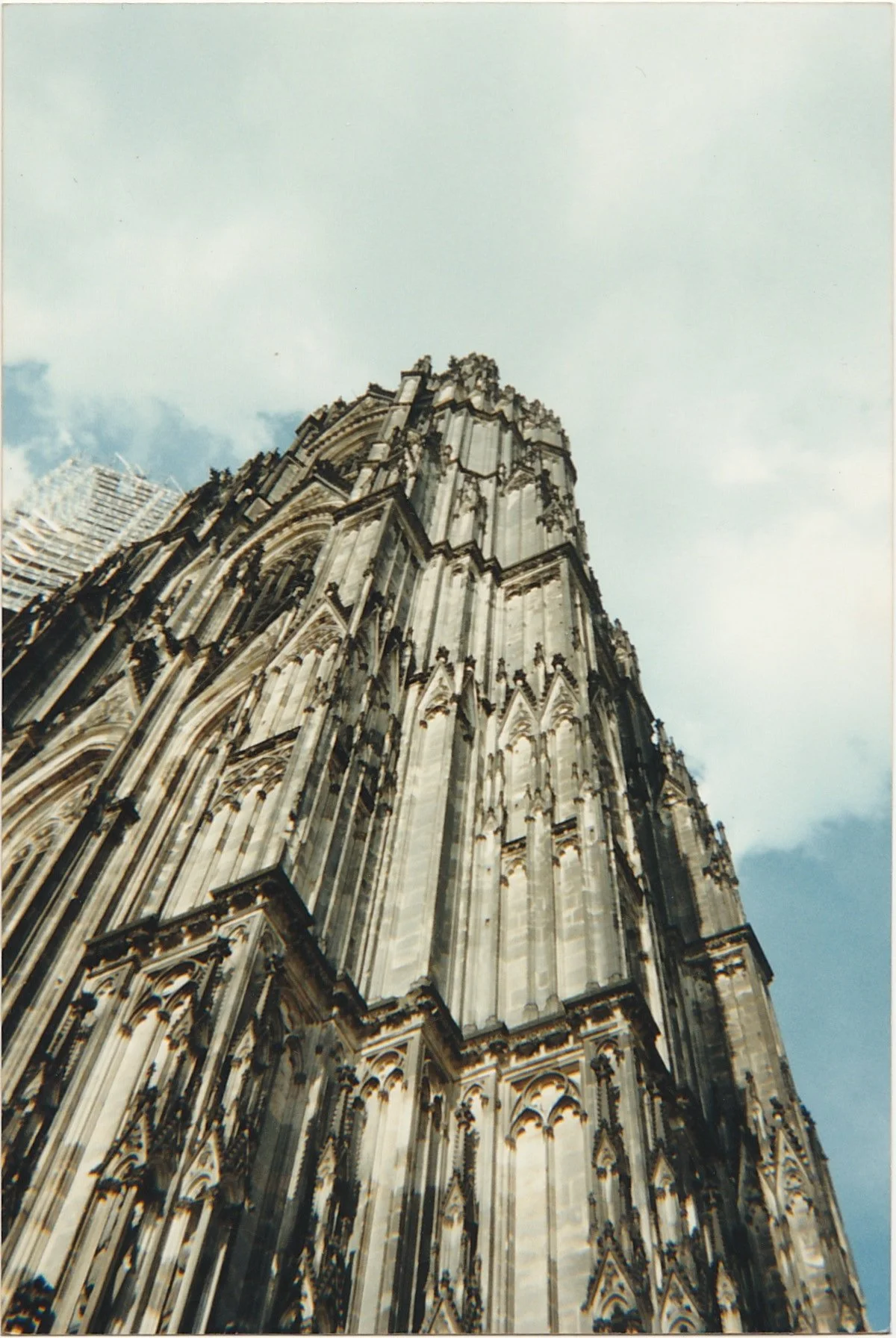
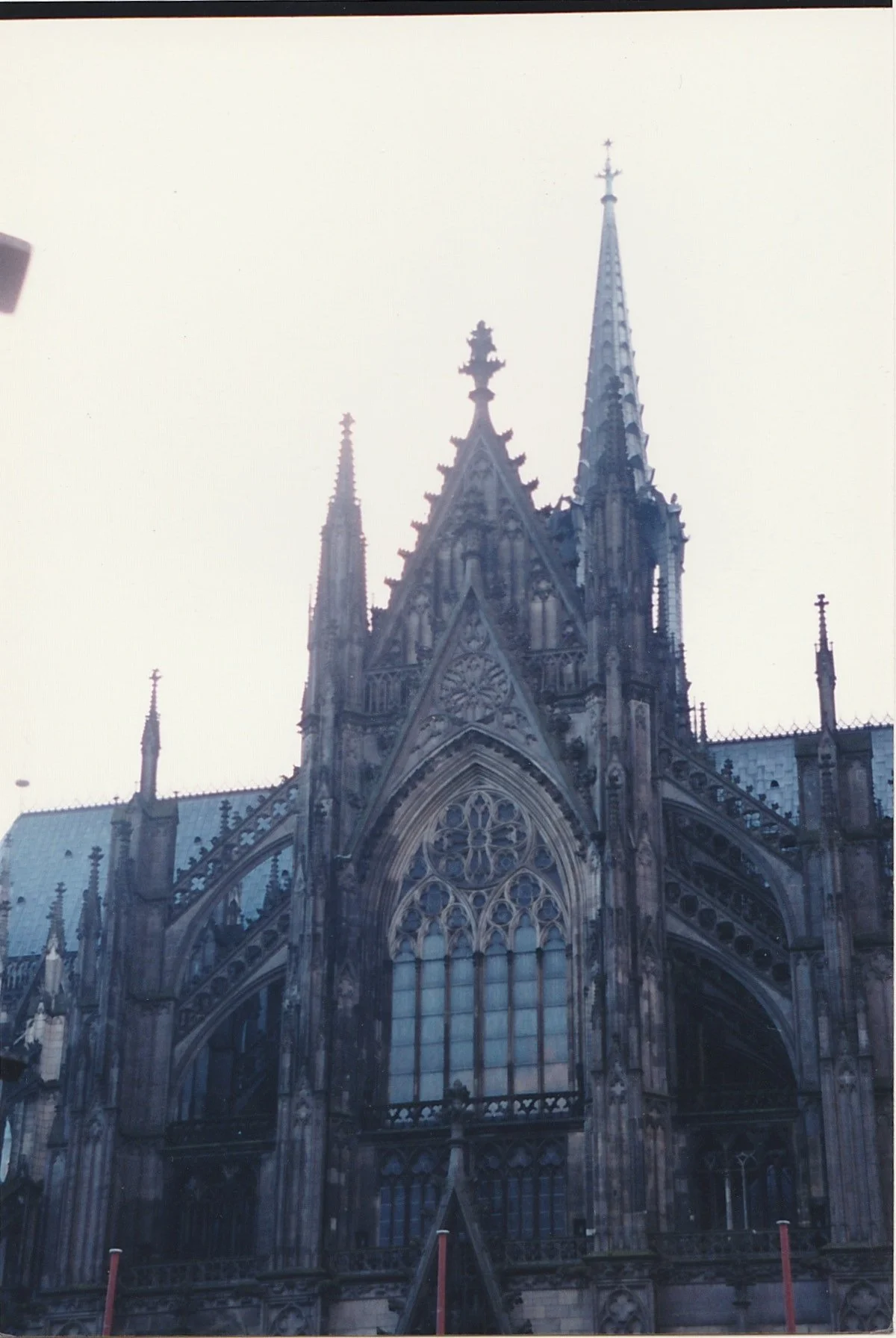
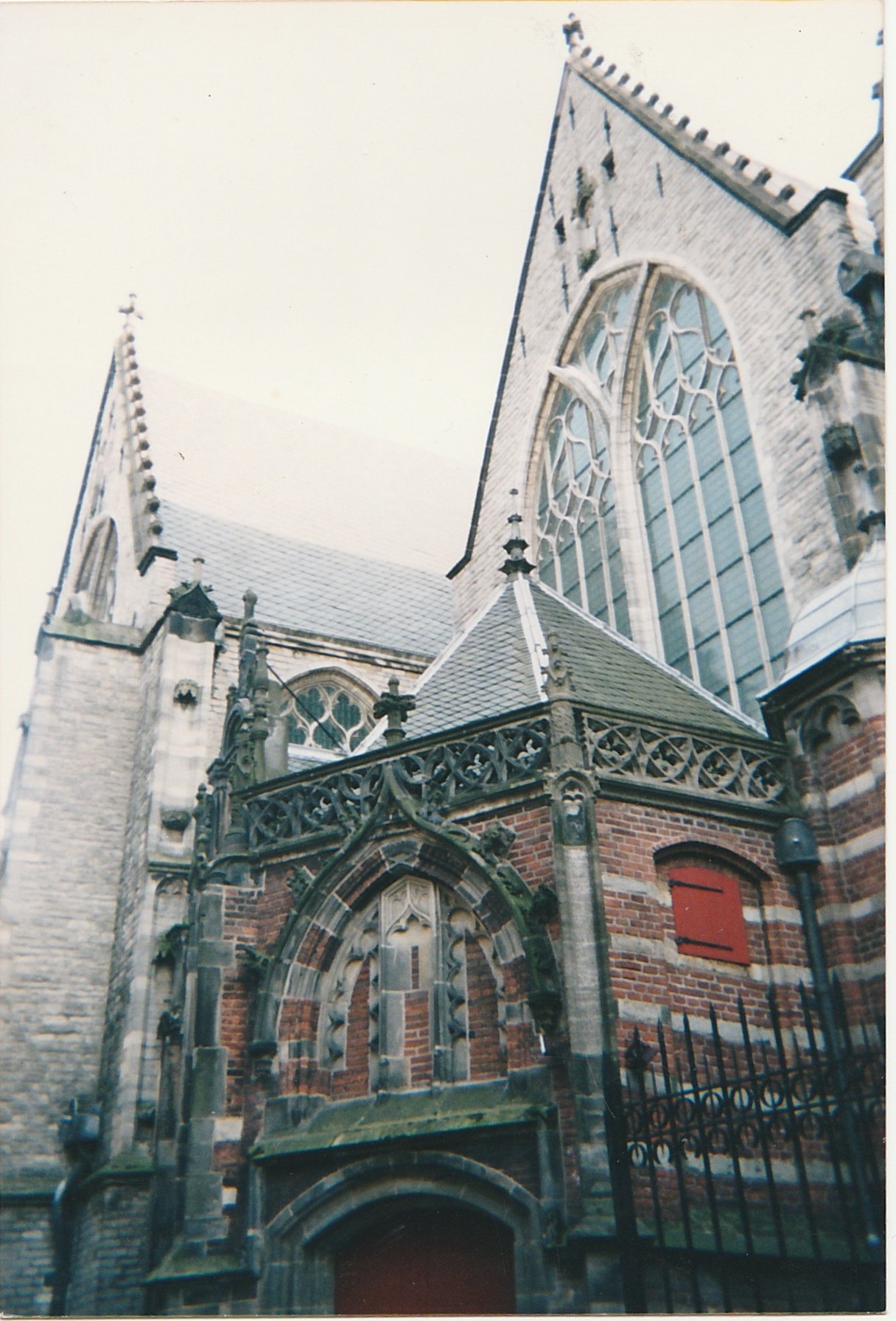
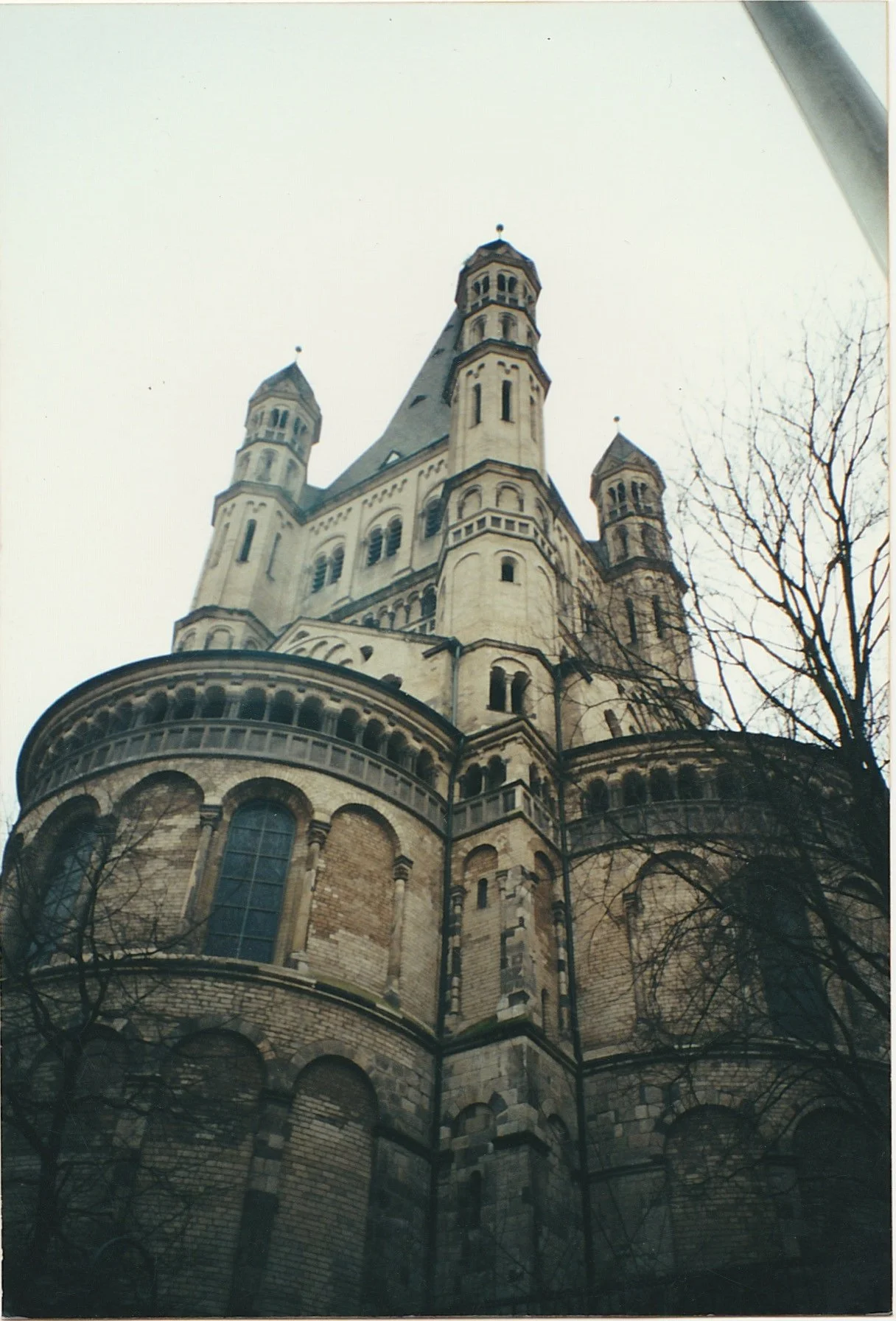
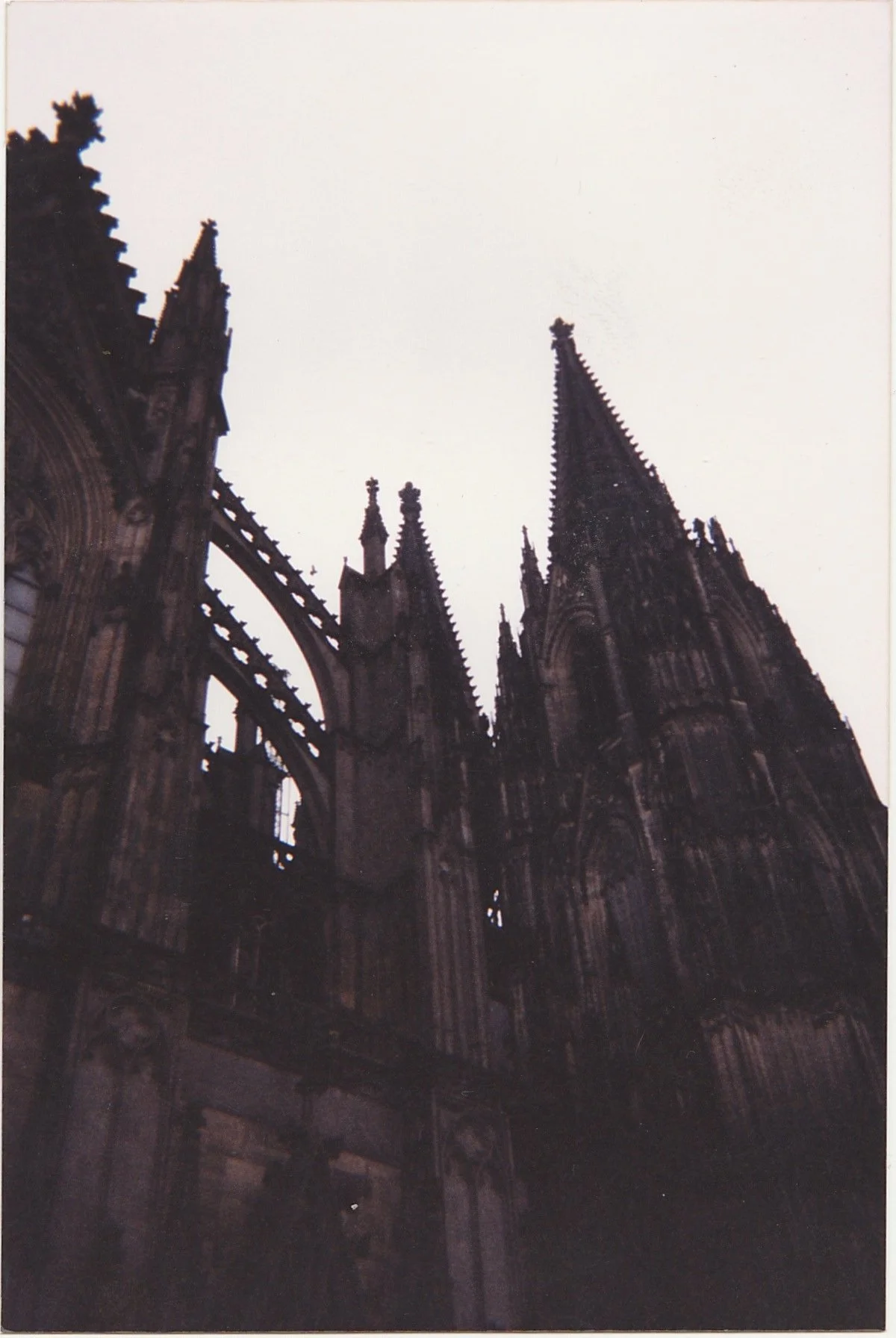
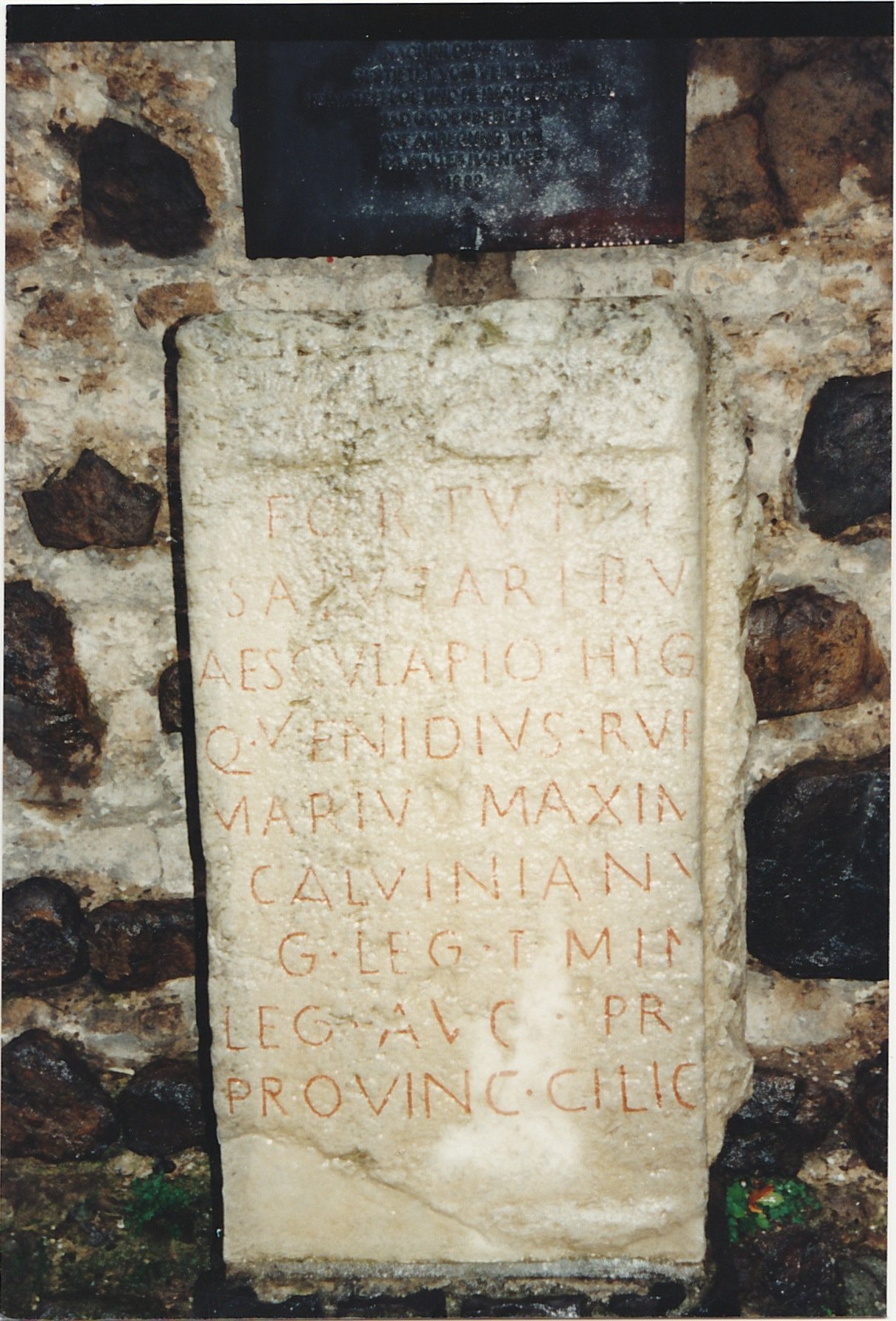
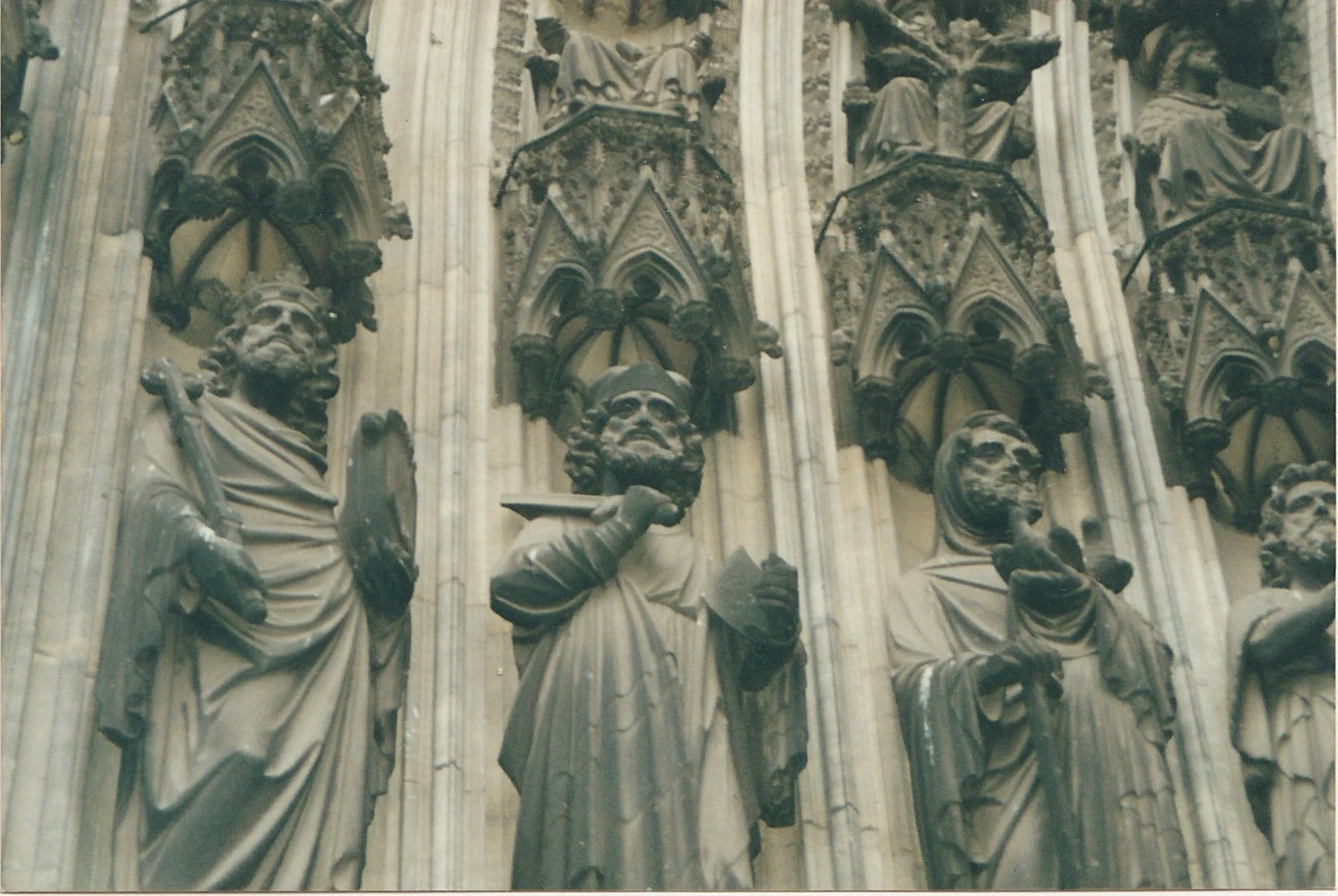
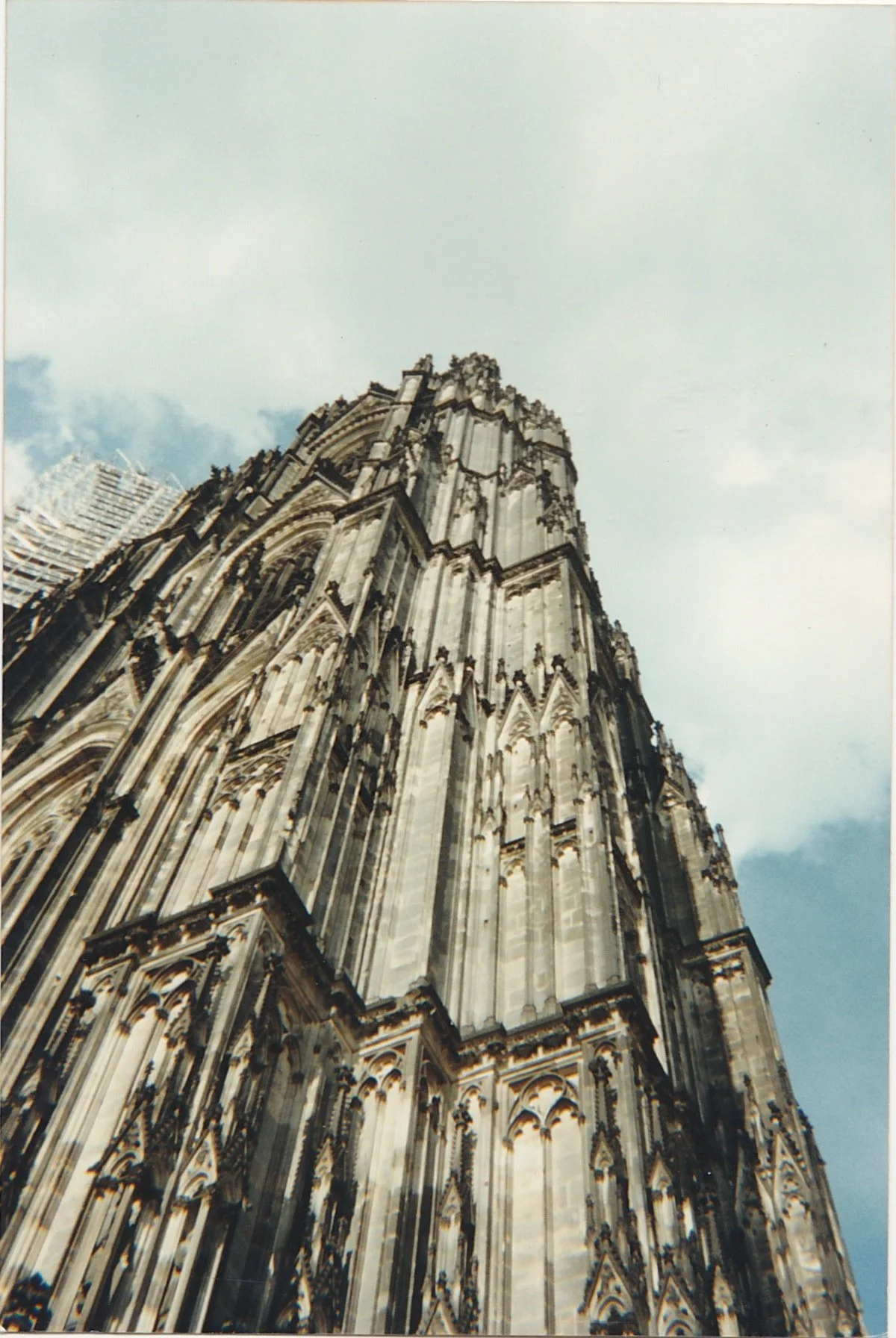
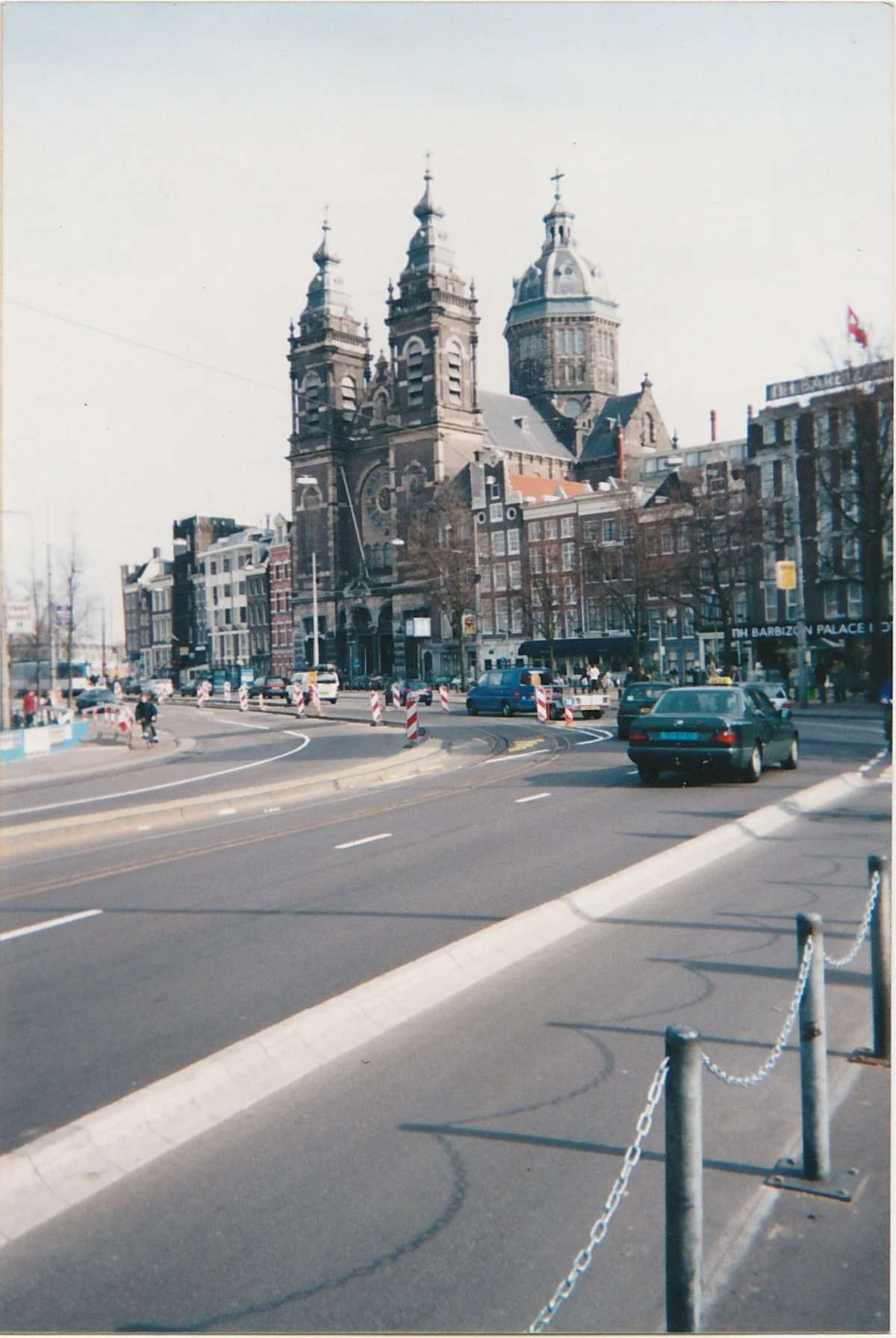
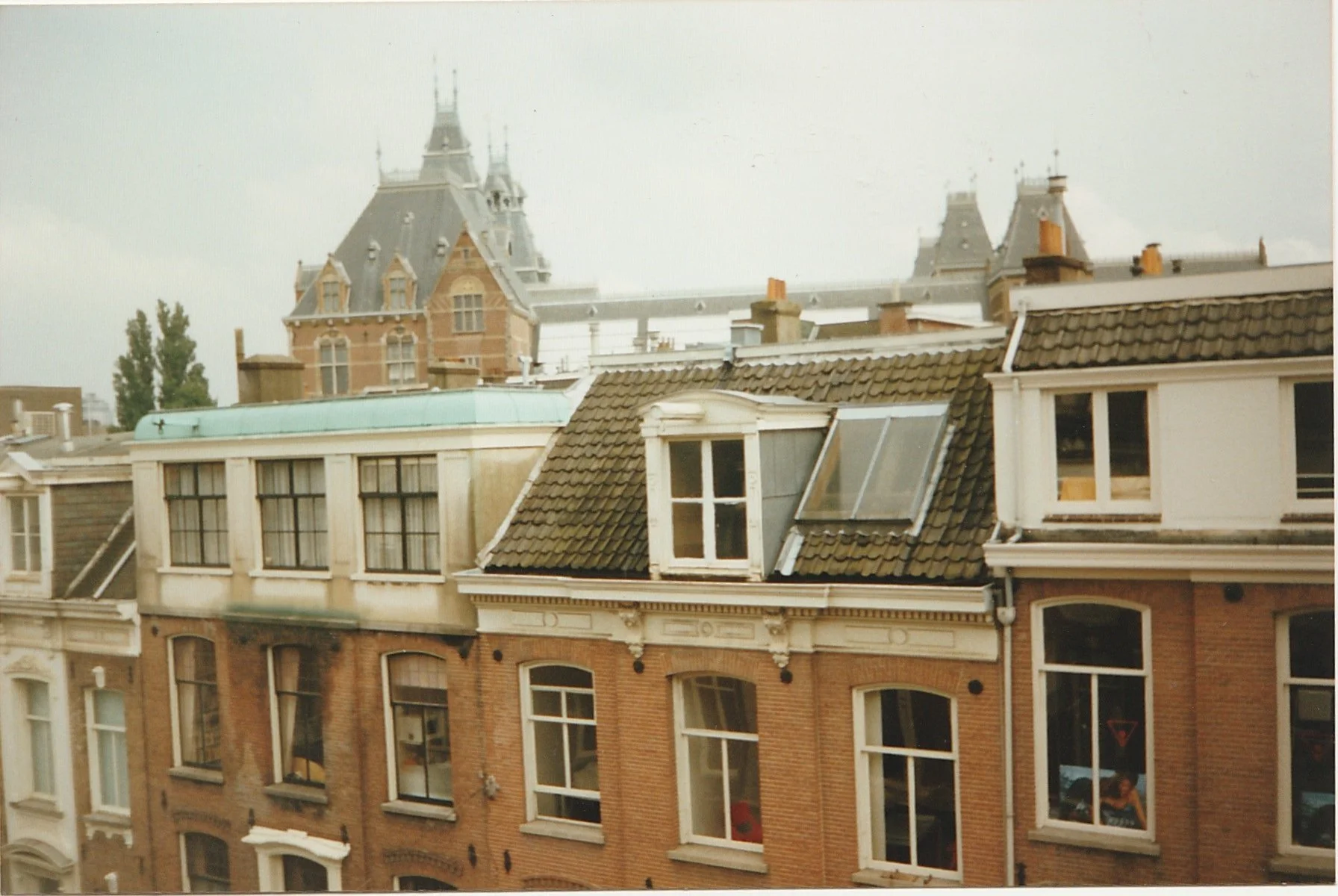
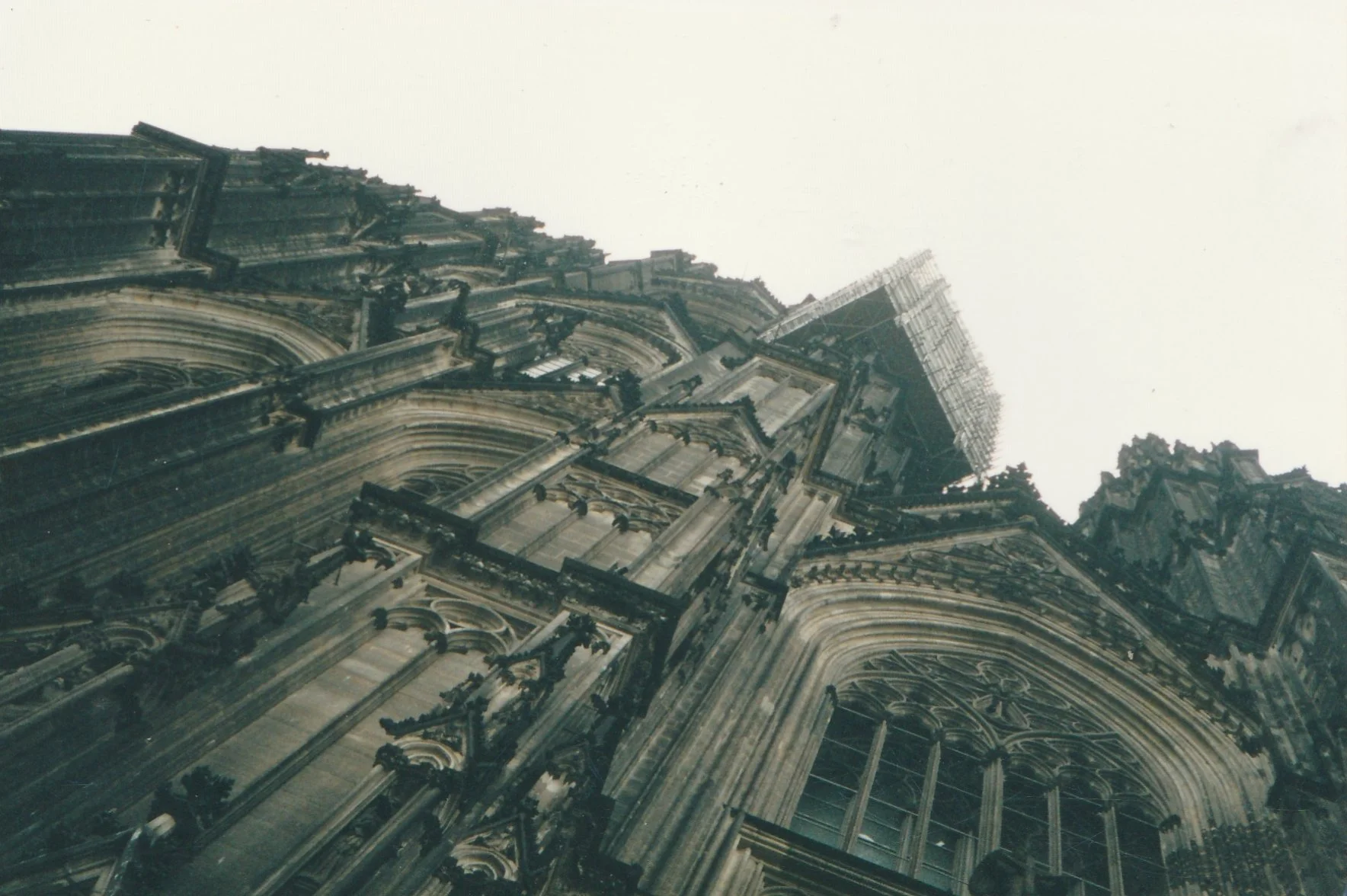
Architecture became one of Wolf's most important subjects, particularly the historic buildings and Gothic cathedrals he encountered throughout Europe. His photographs reveal a fascination with how civilizations express their ideas through design, craftsmanship, and public monuments. The towering cathedrals, centuries-old streets, and historic neighborhoods reflect the same interests in history, culture, and human achievement that would later appear throughout his sculpture, painting, and conceptual artwork.
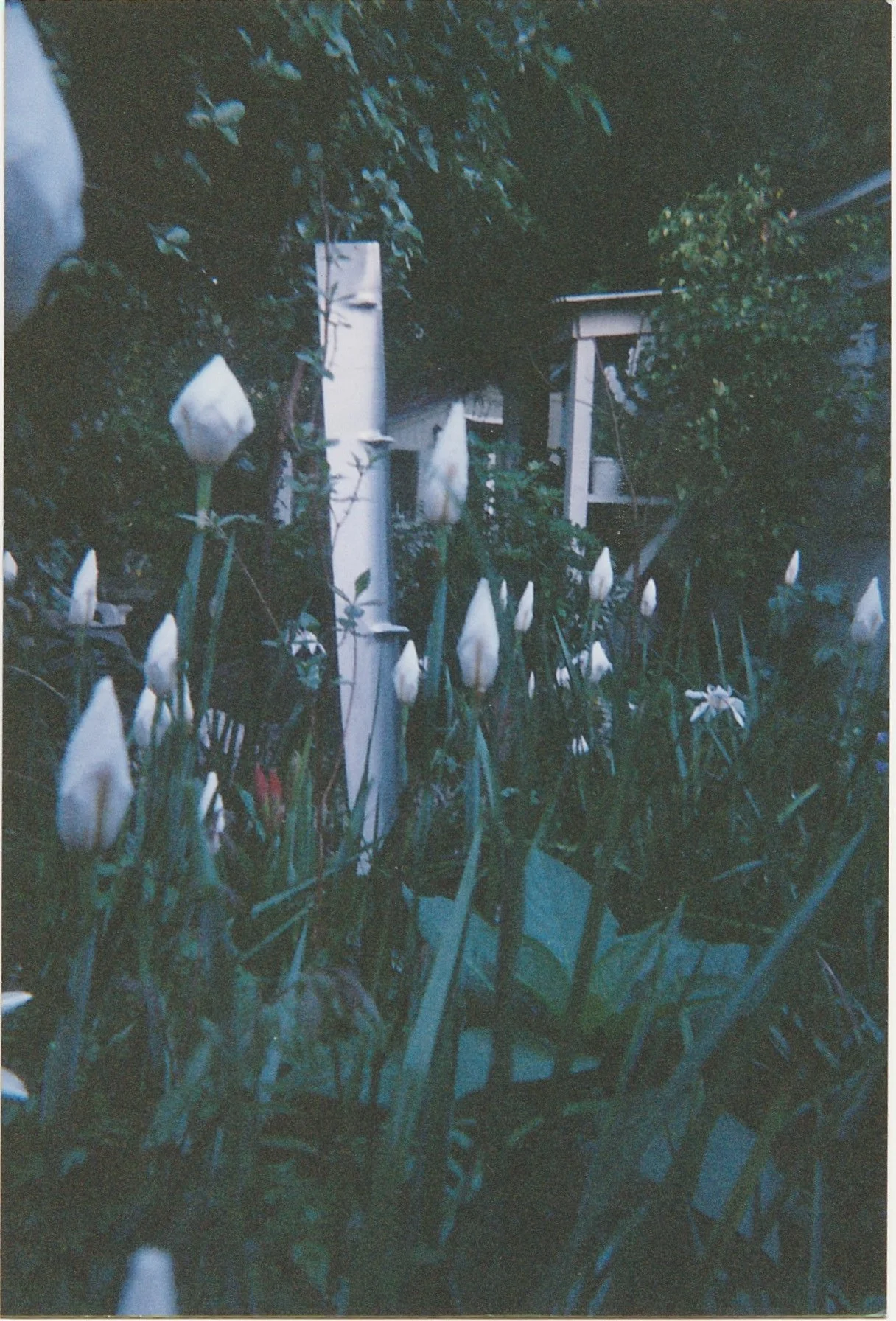
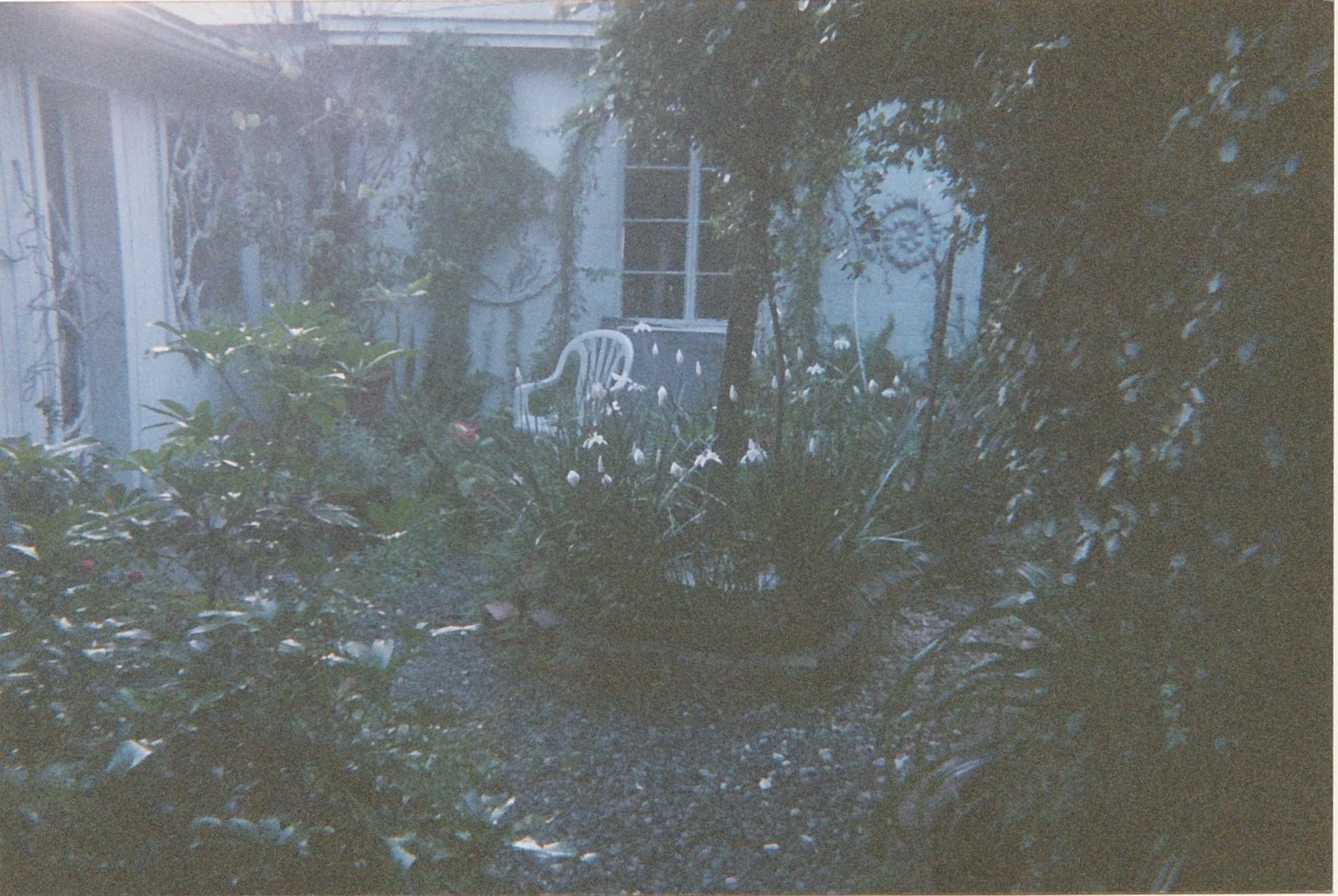
These images represent an early expression of Wolf's lifelong interest in interconnected systems. Through his camera, he documented the relationship between people, cities, nature, history, and culture at a moment when the world was undergoing rapid change. Viewed today, the photographs preserve not only the places he visited, but also a way of life that existed just before the digital revolution reshaped how people travel, communicate, and experience the world around them.