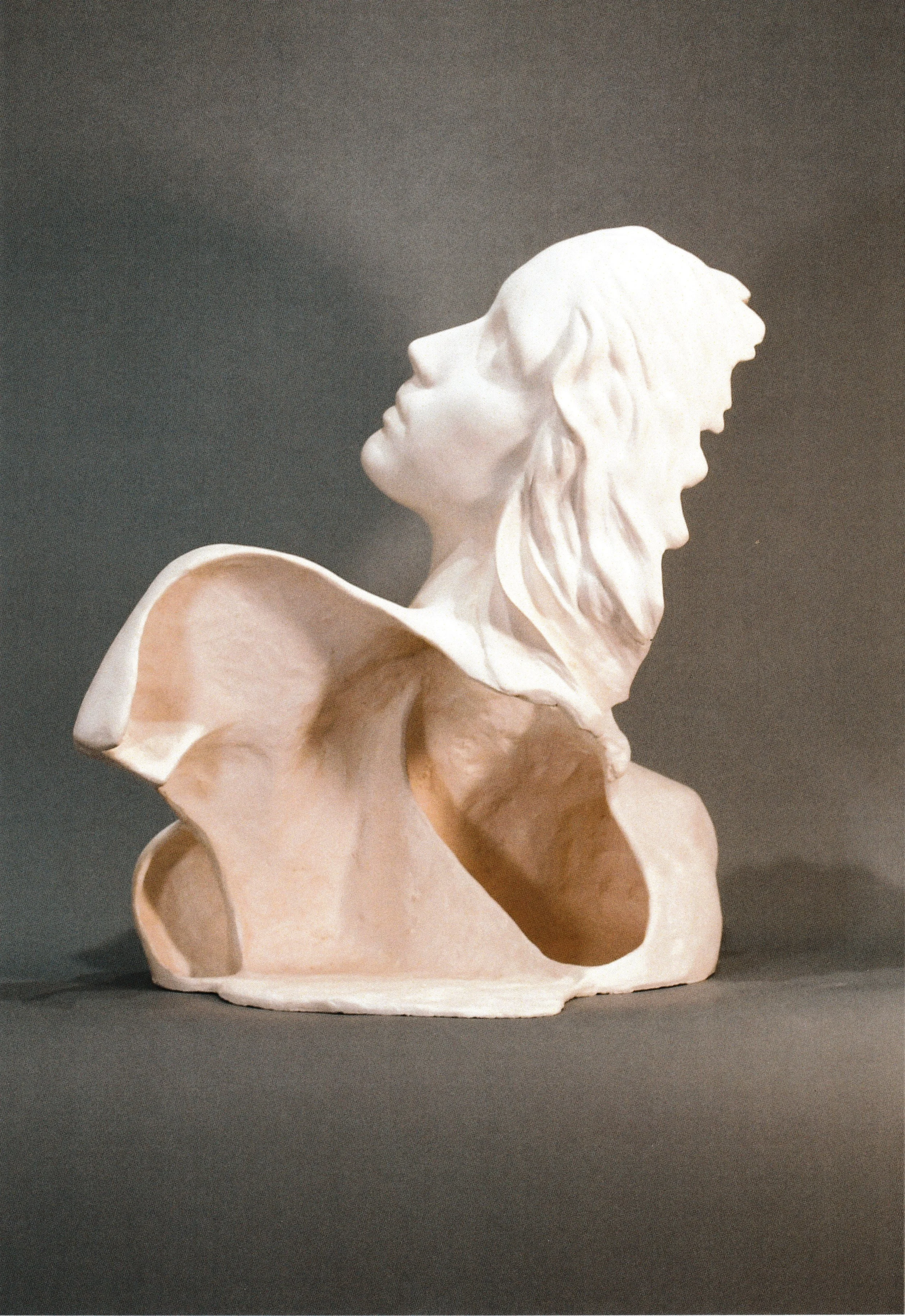
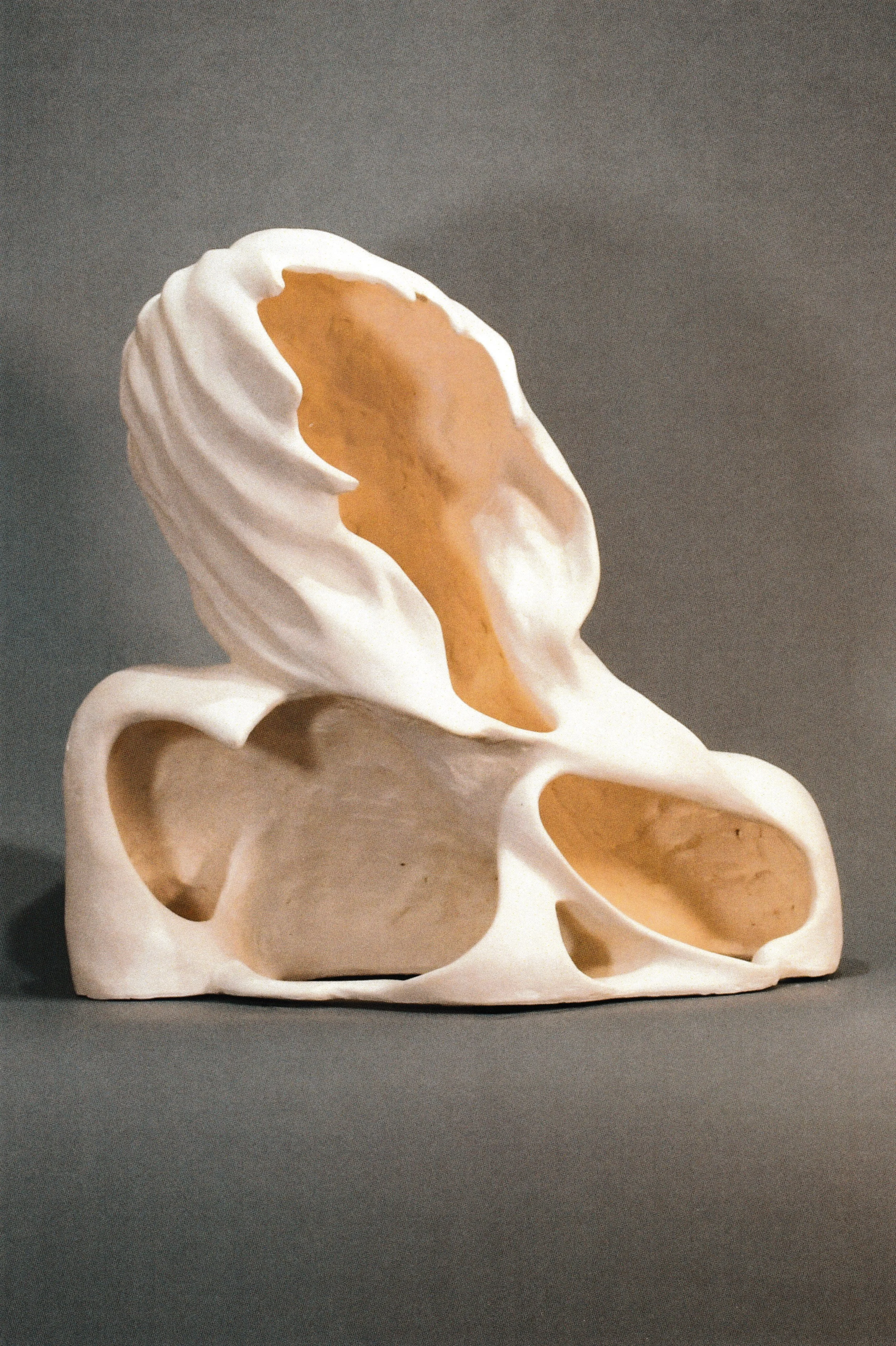
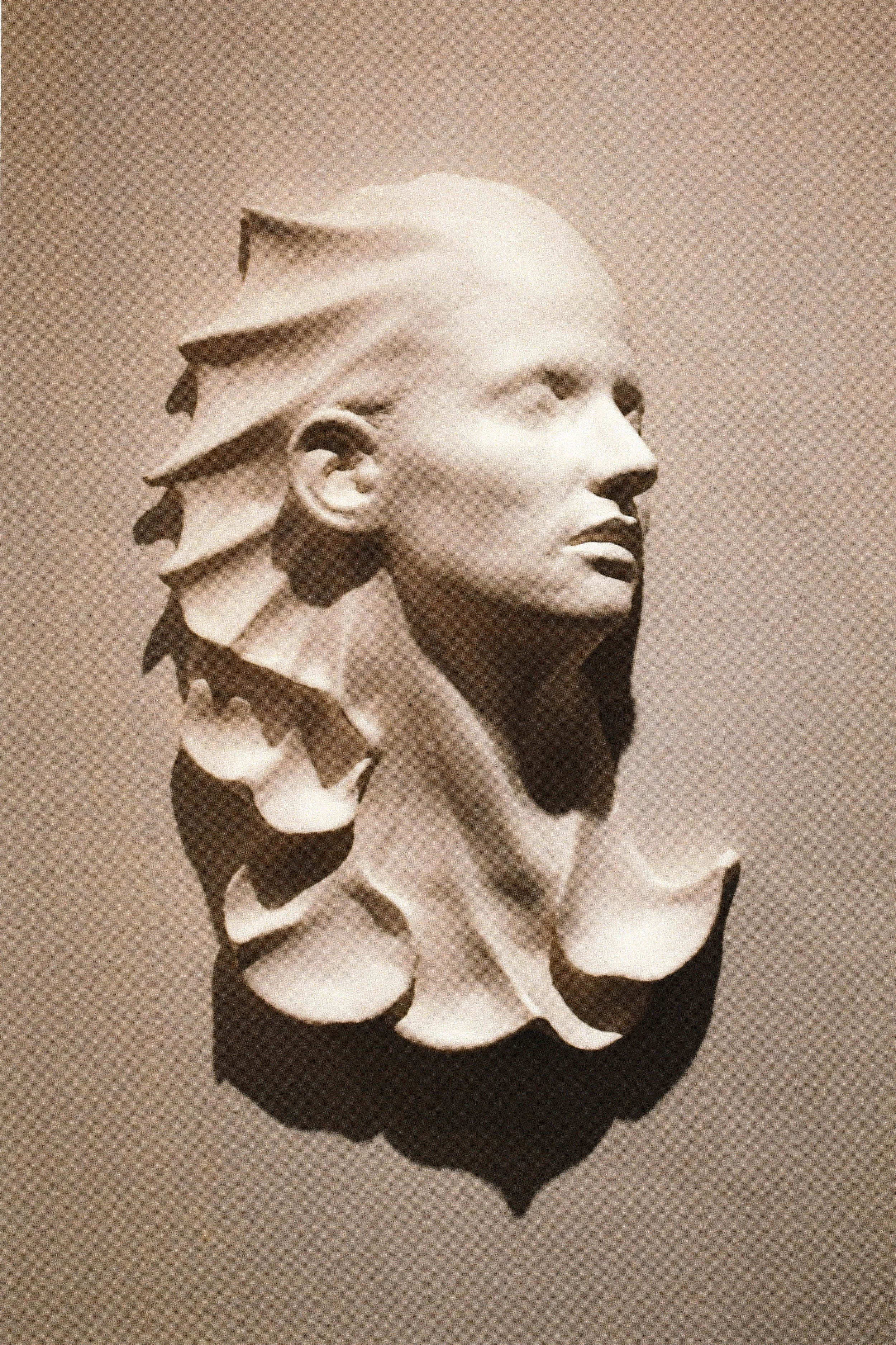
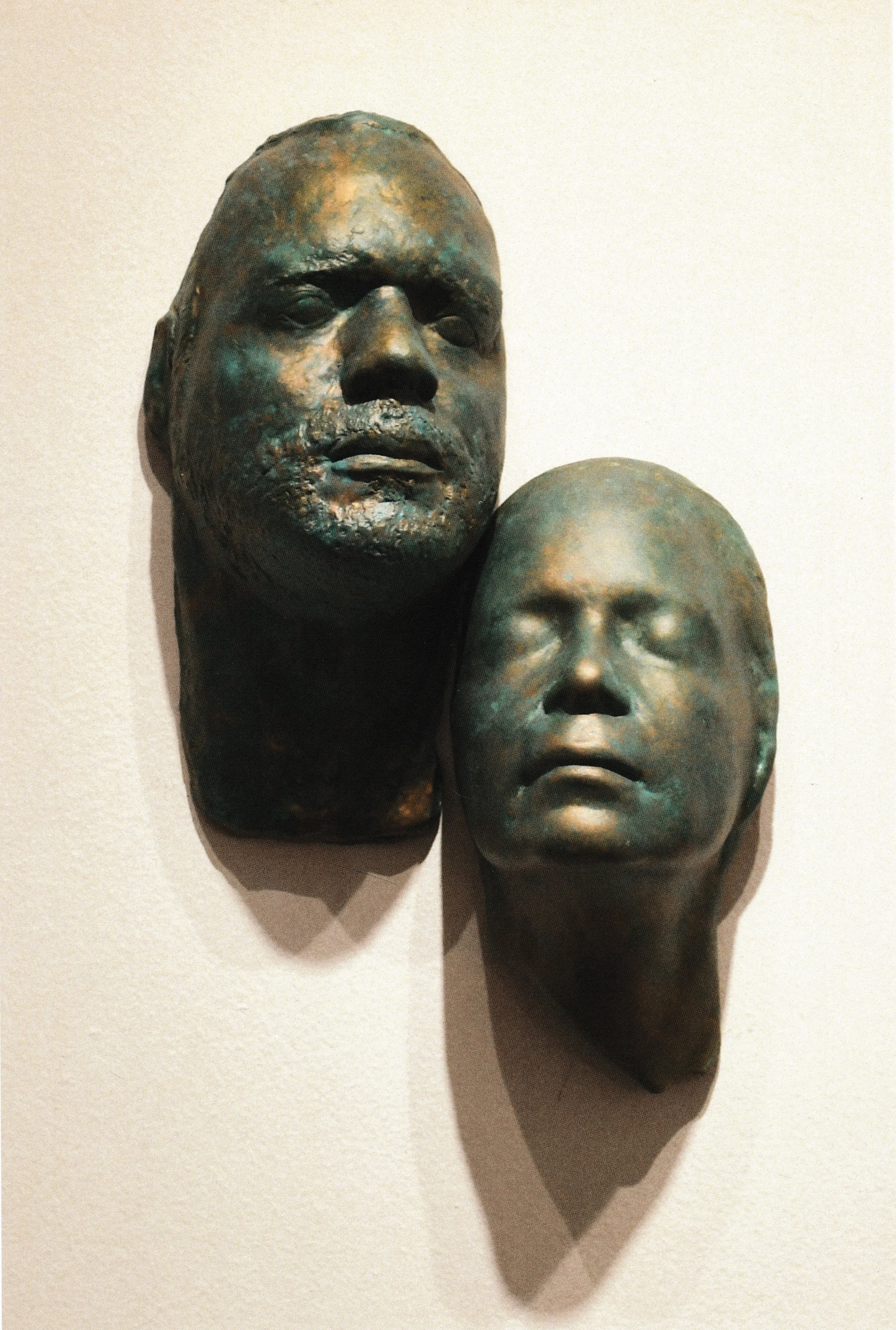
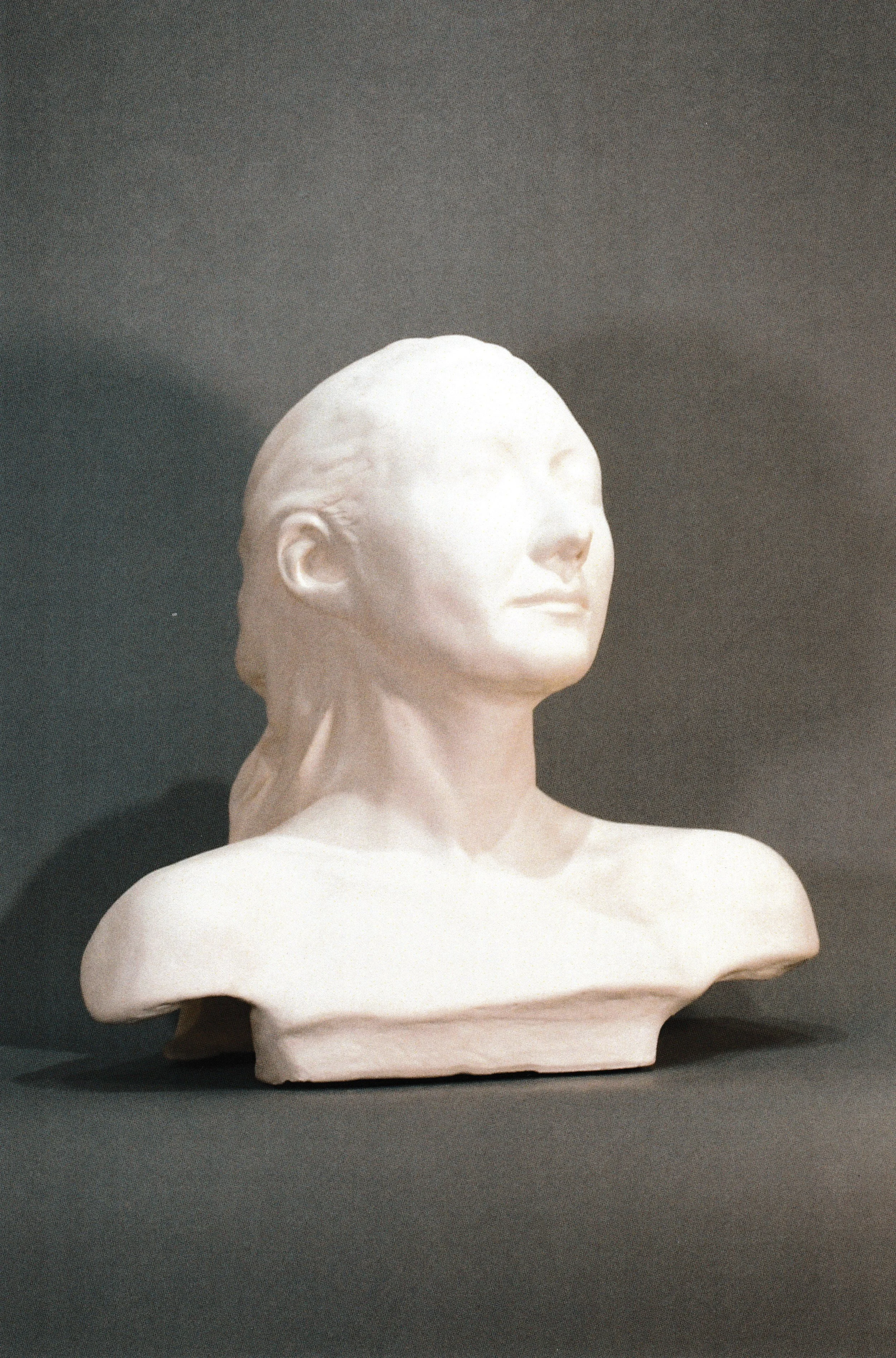
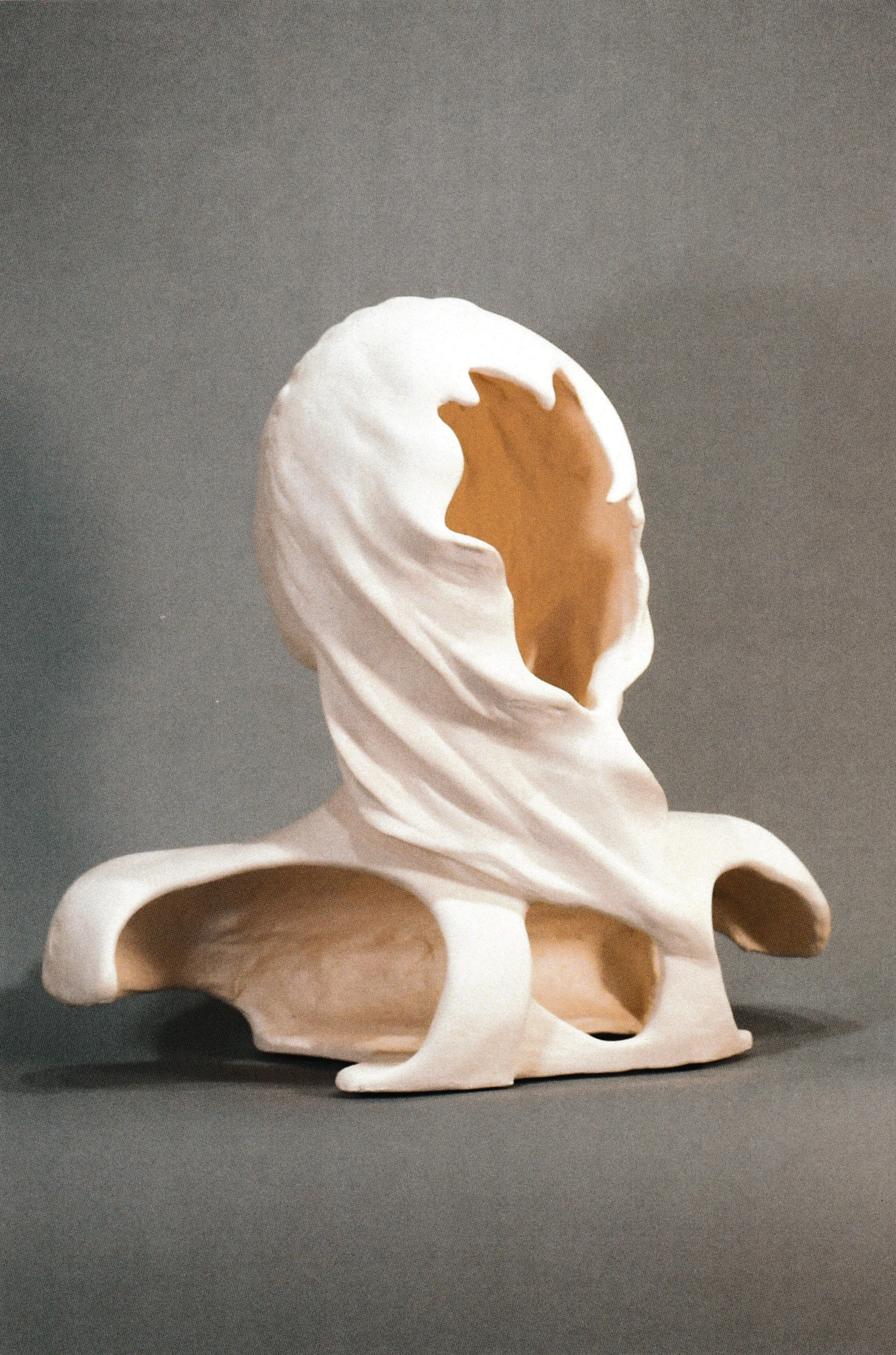
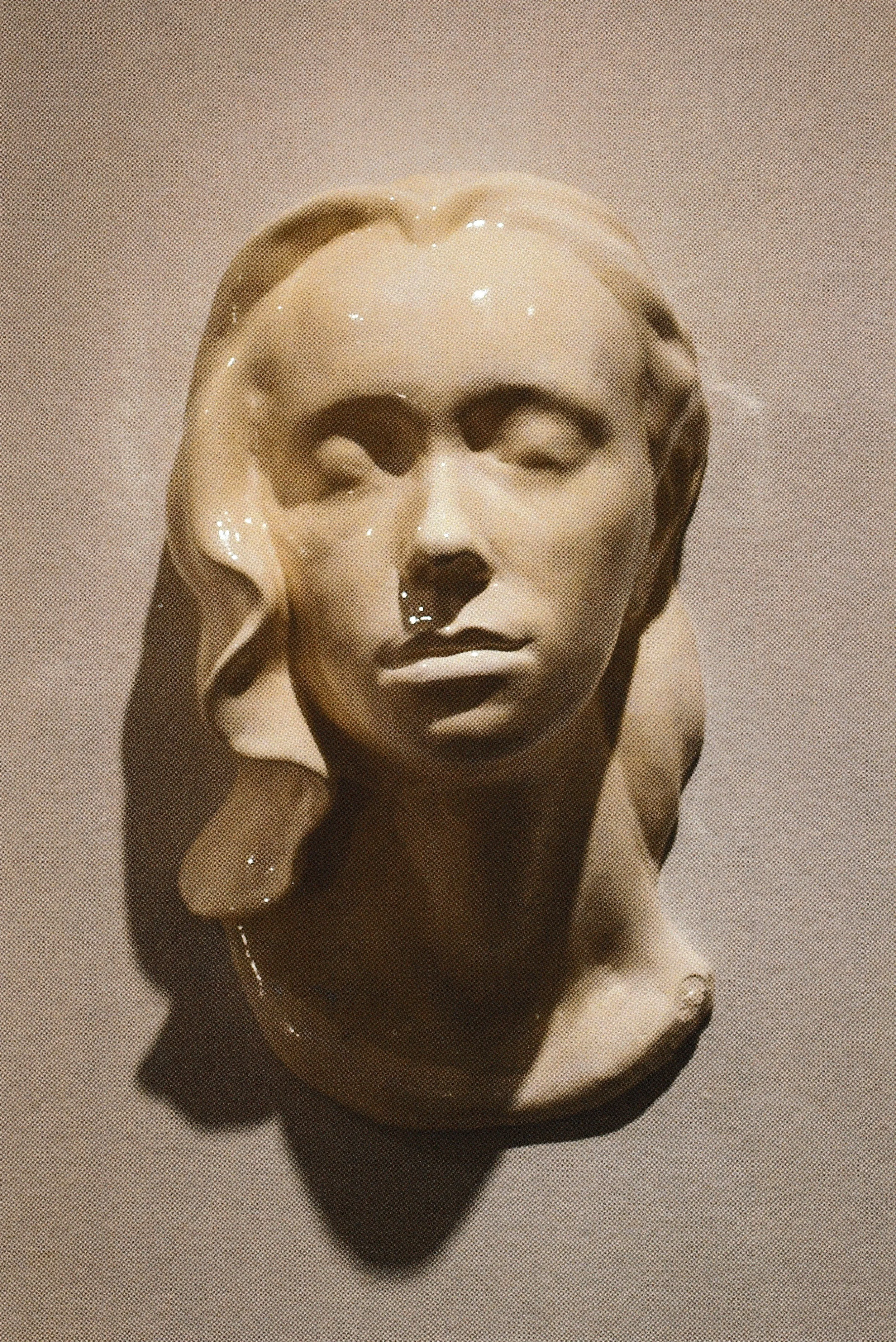
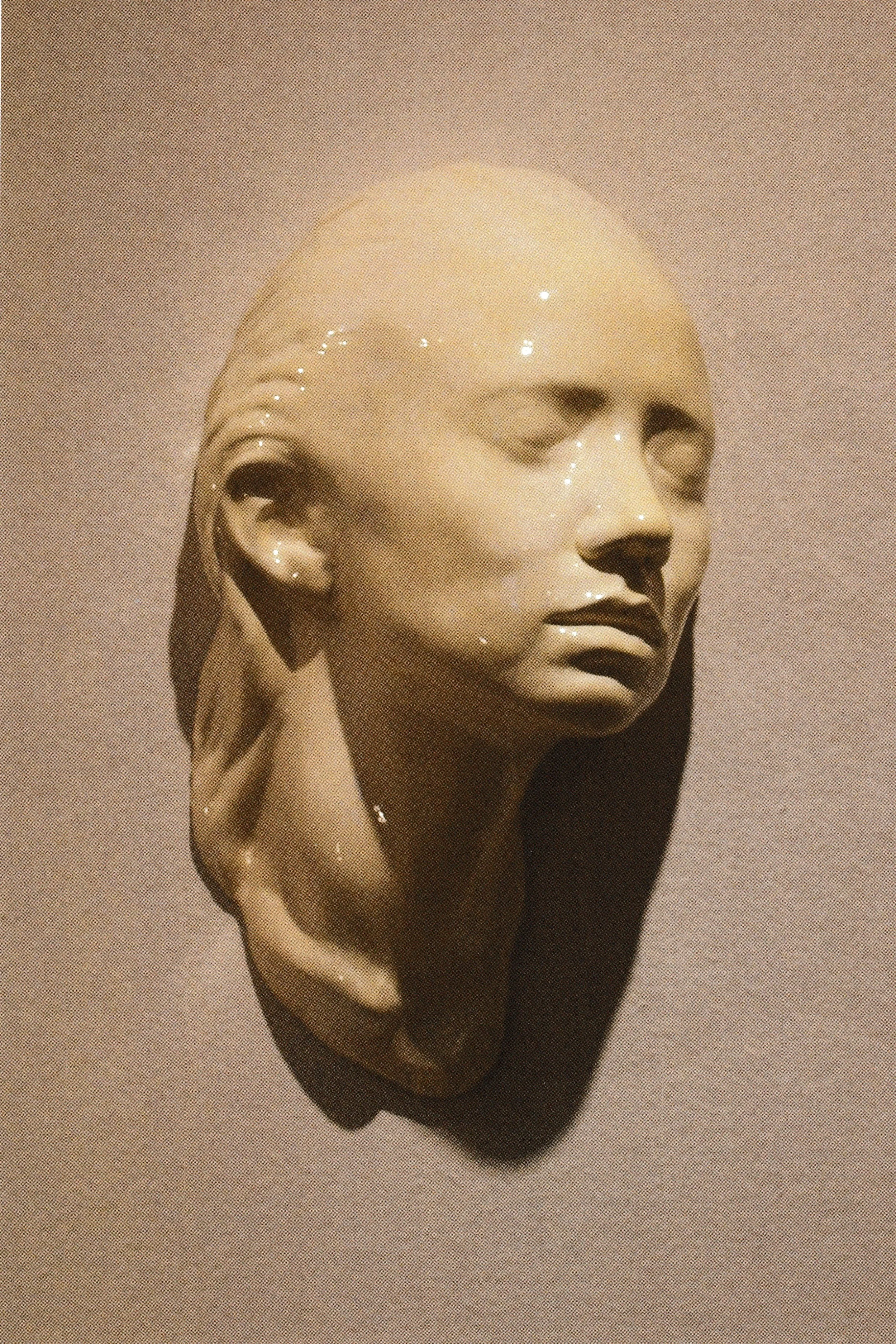
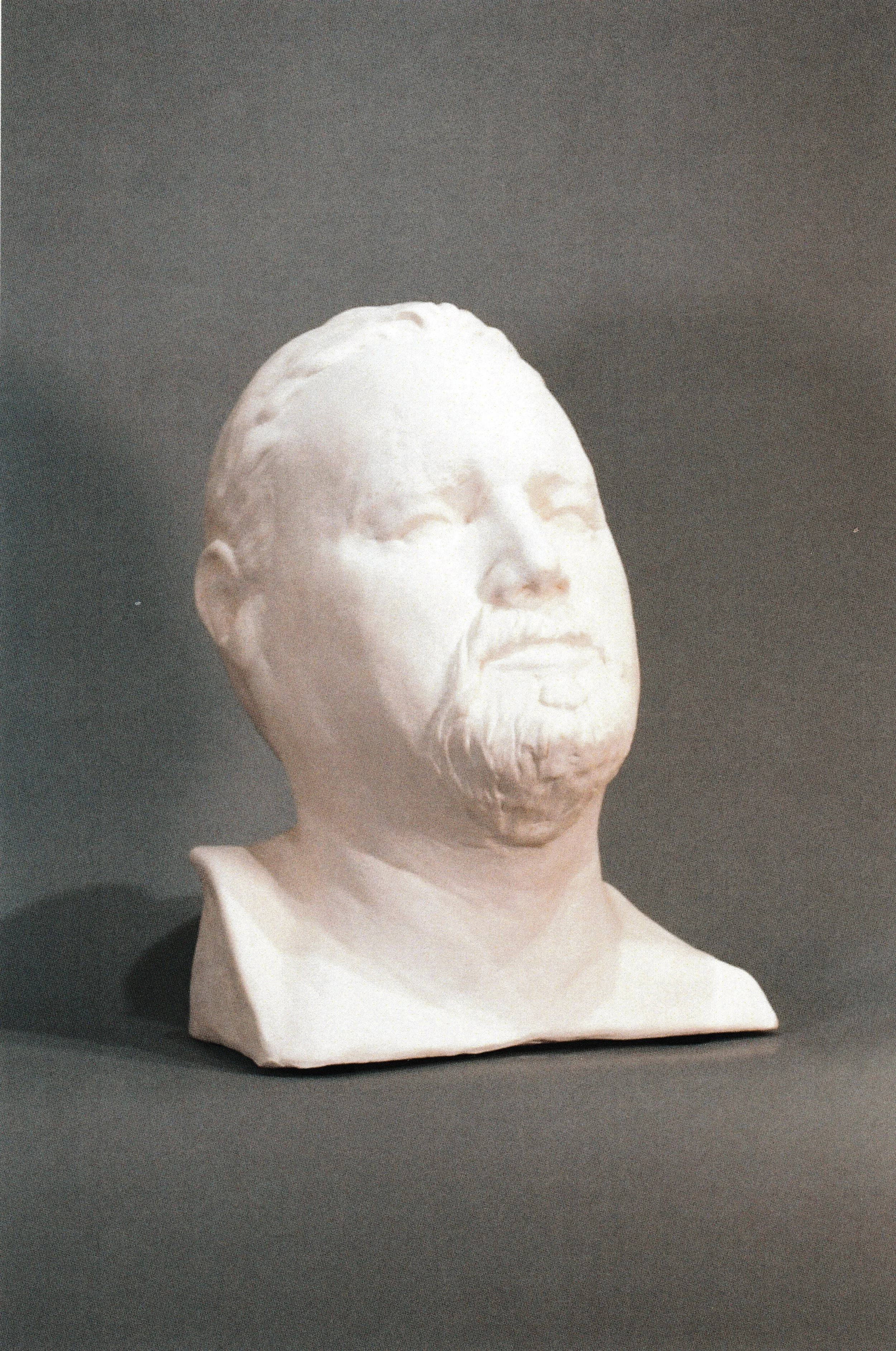
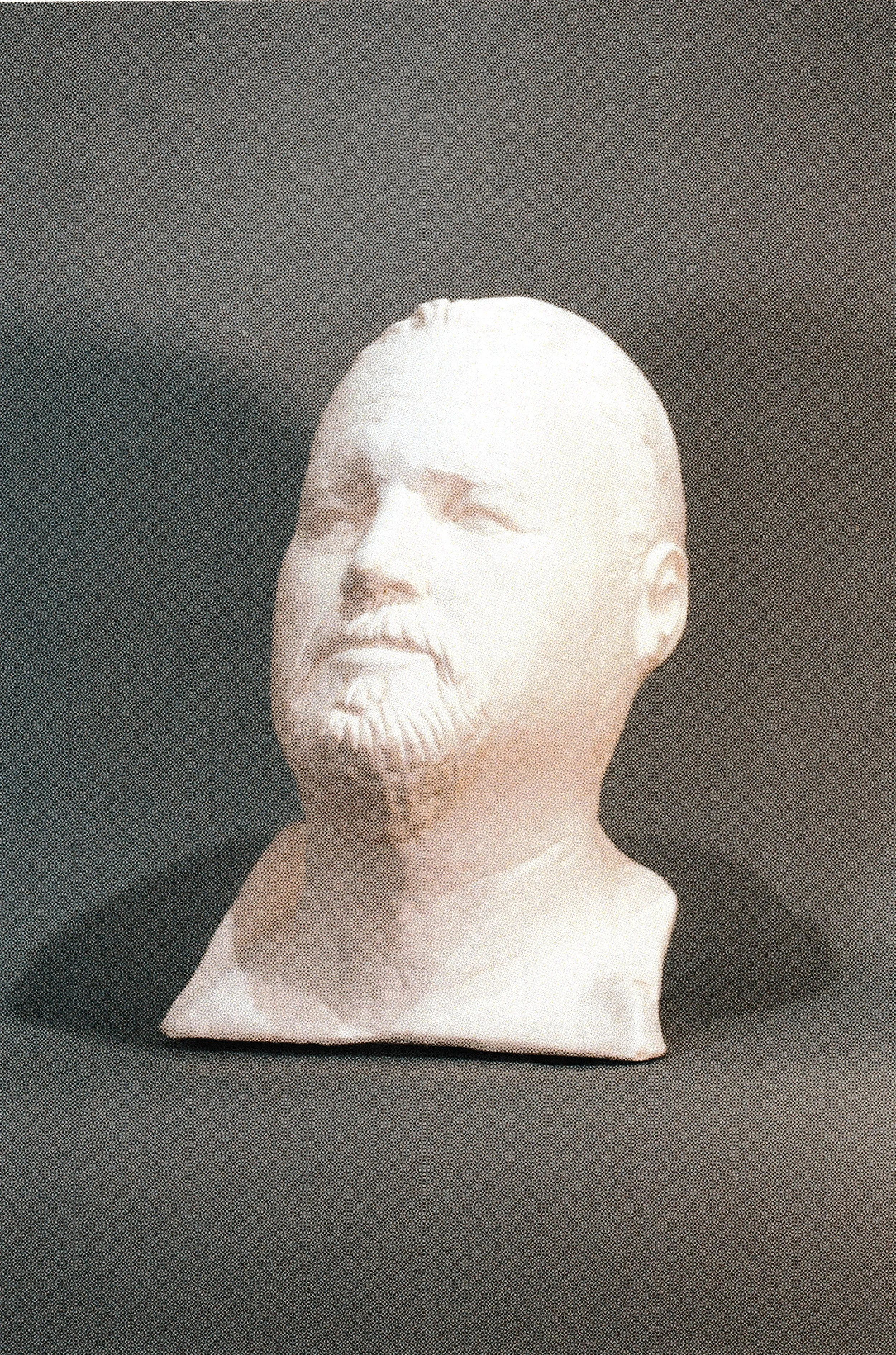
Life Masks
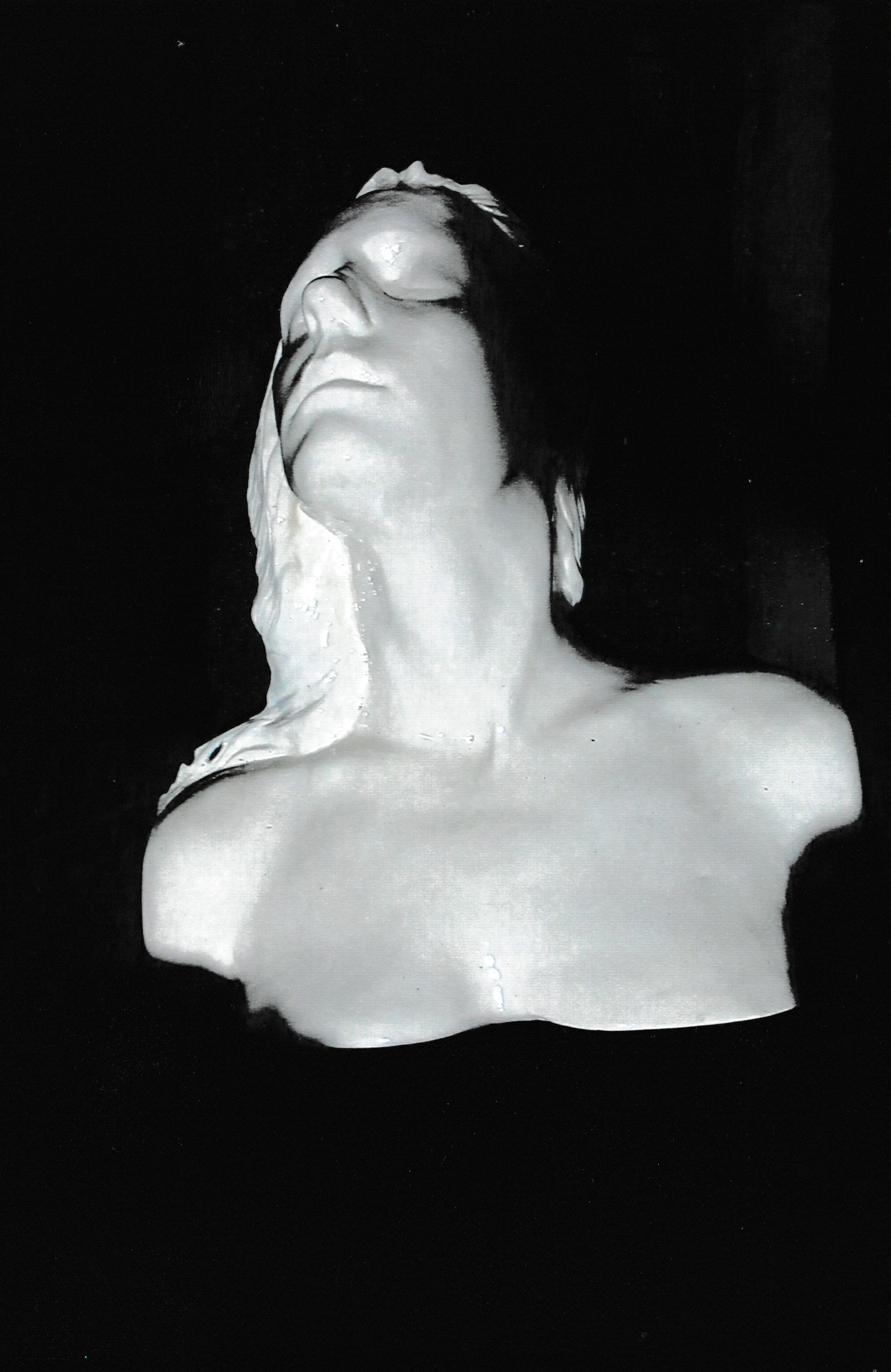
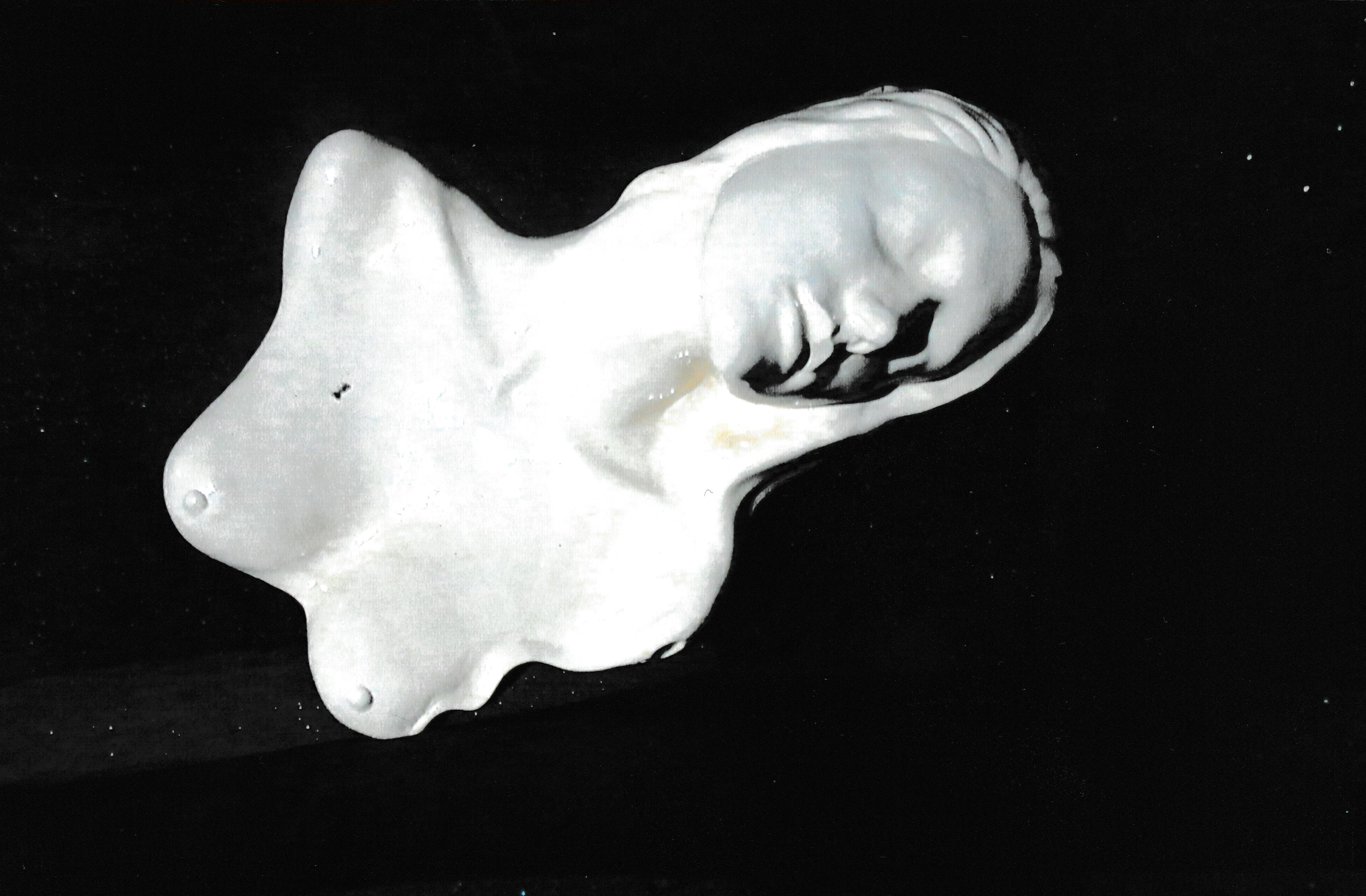
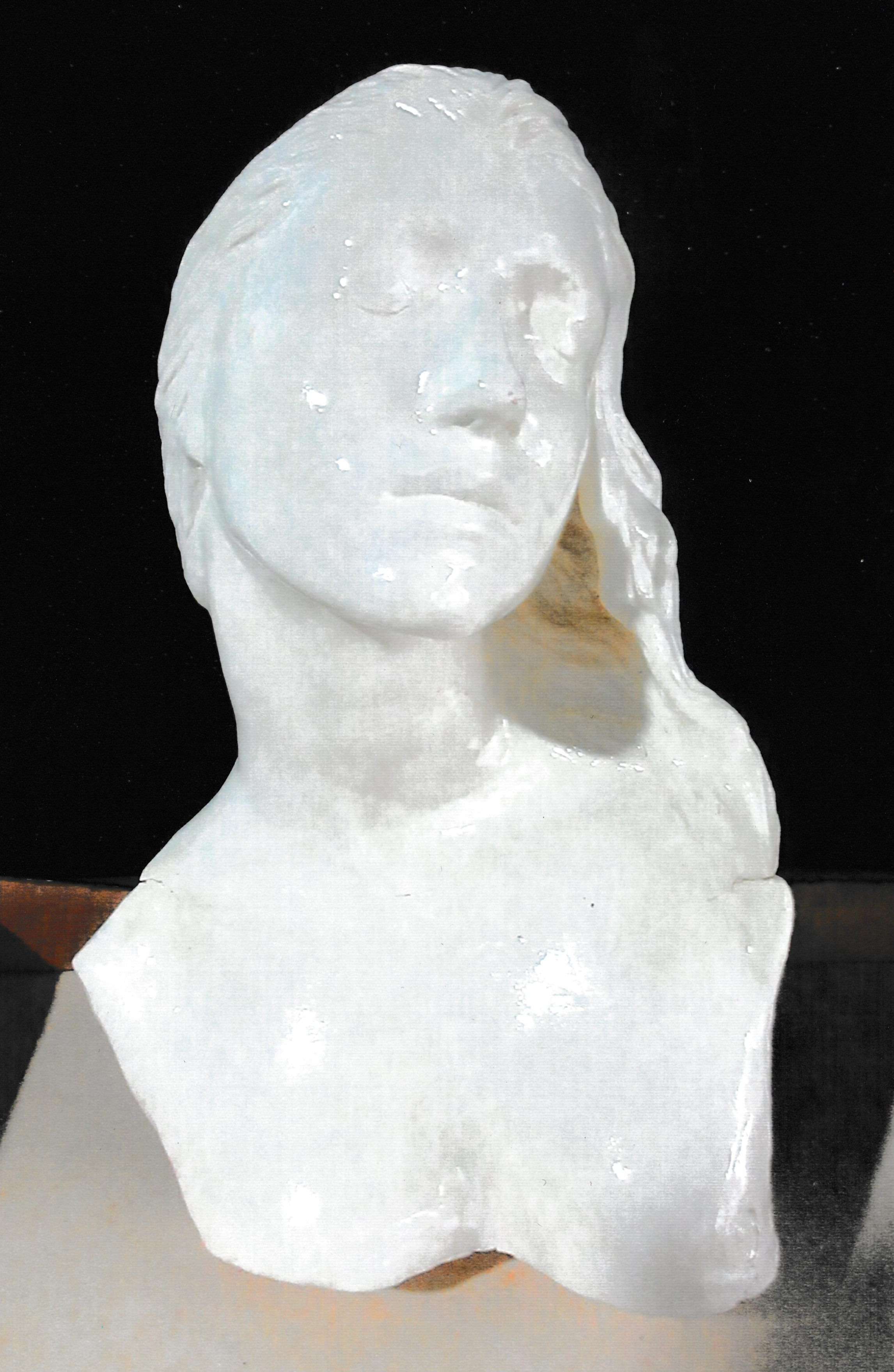
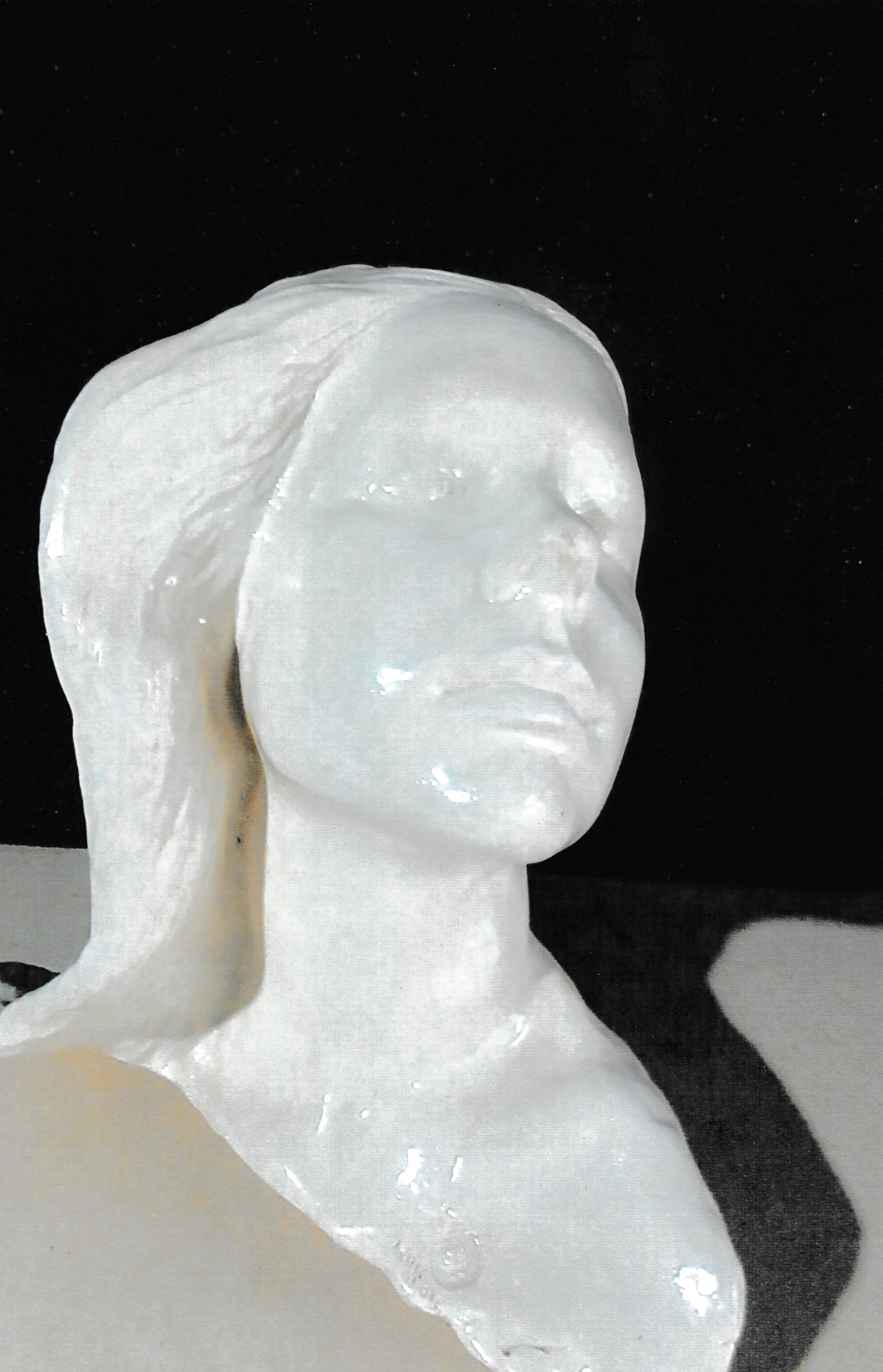
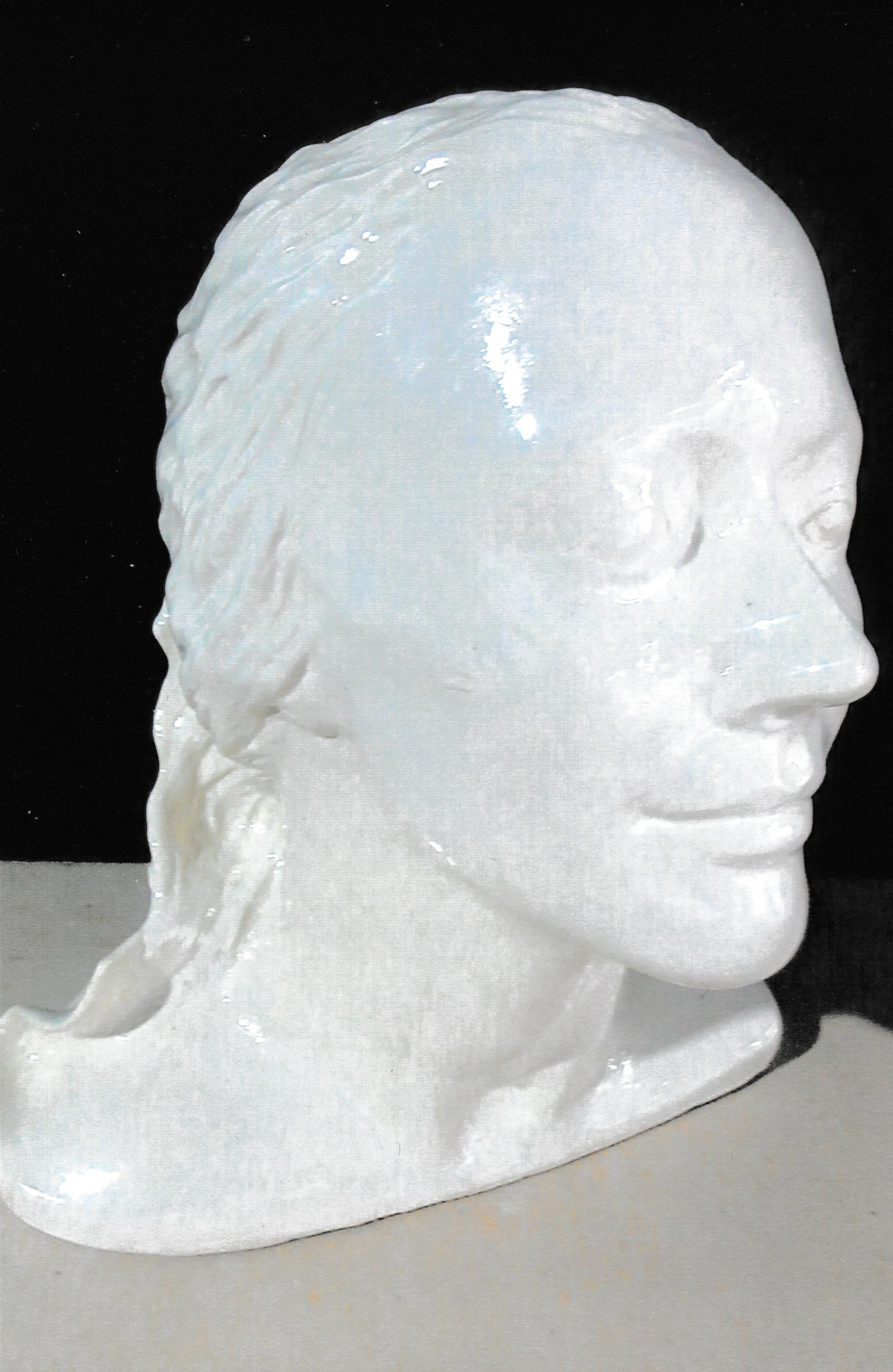
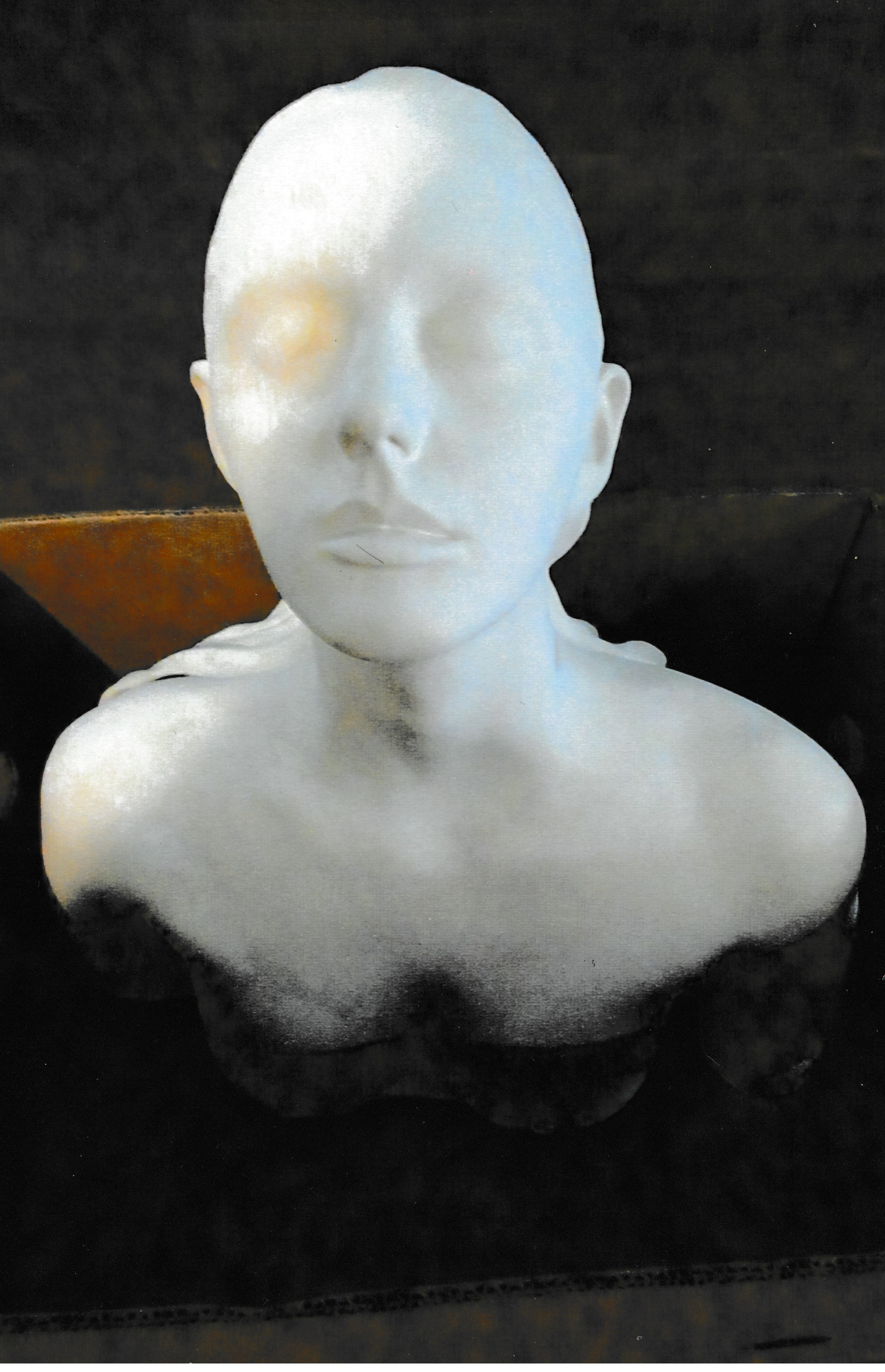
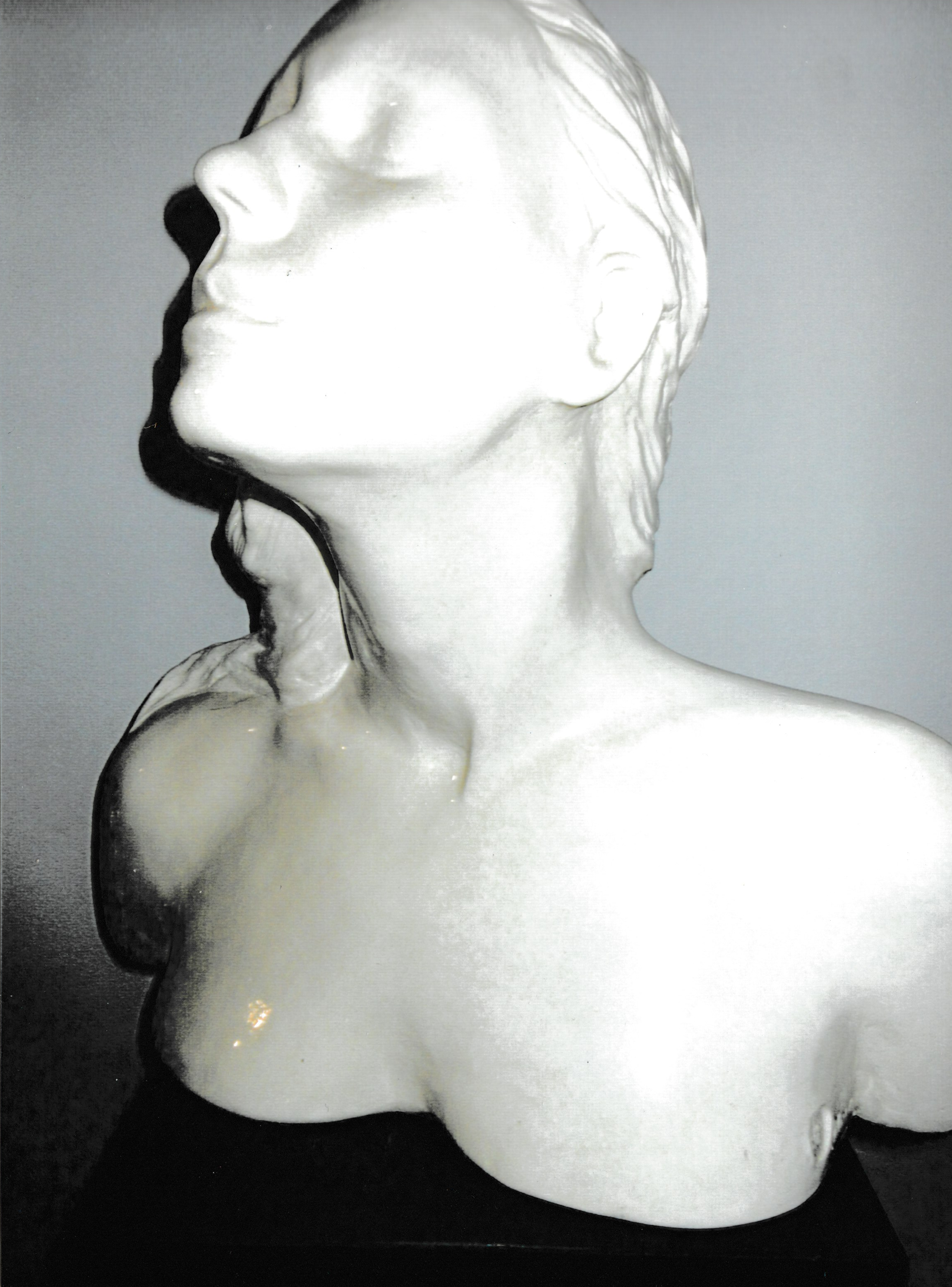
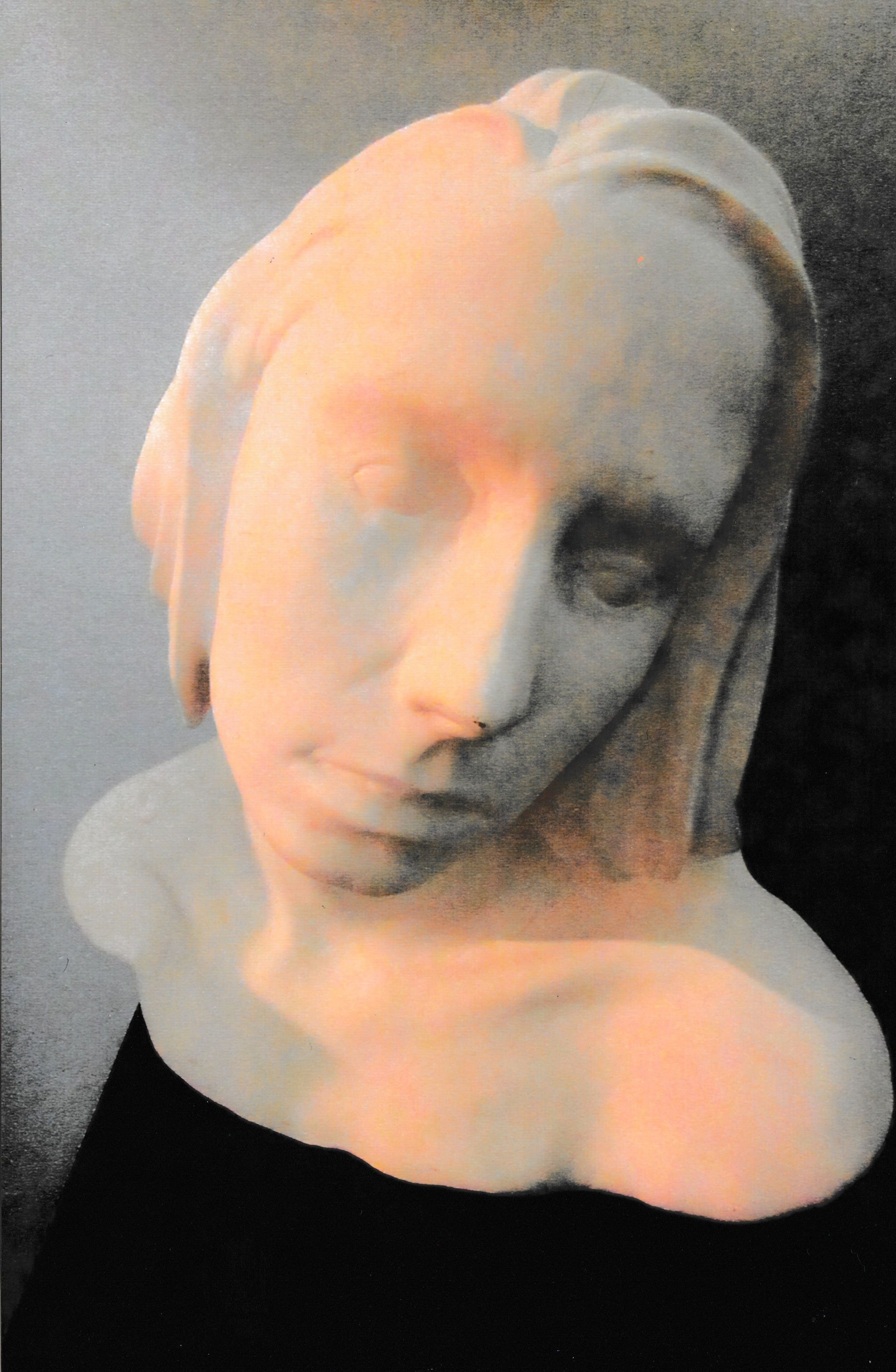
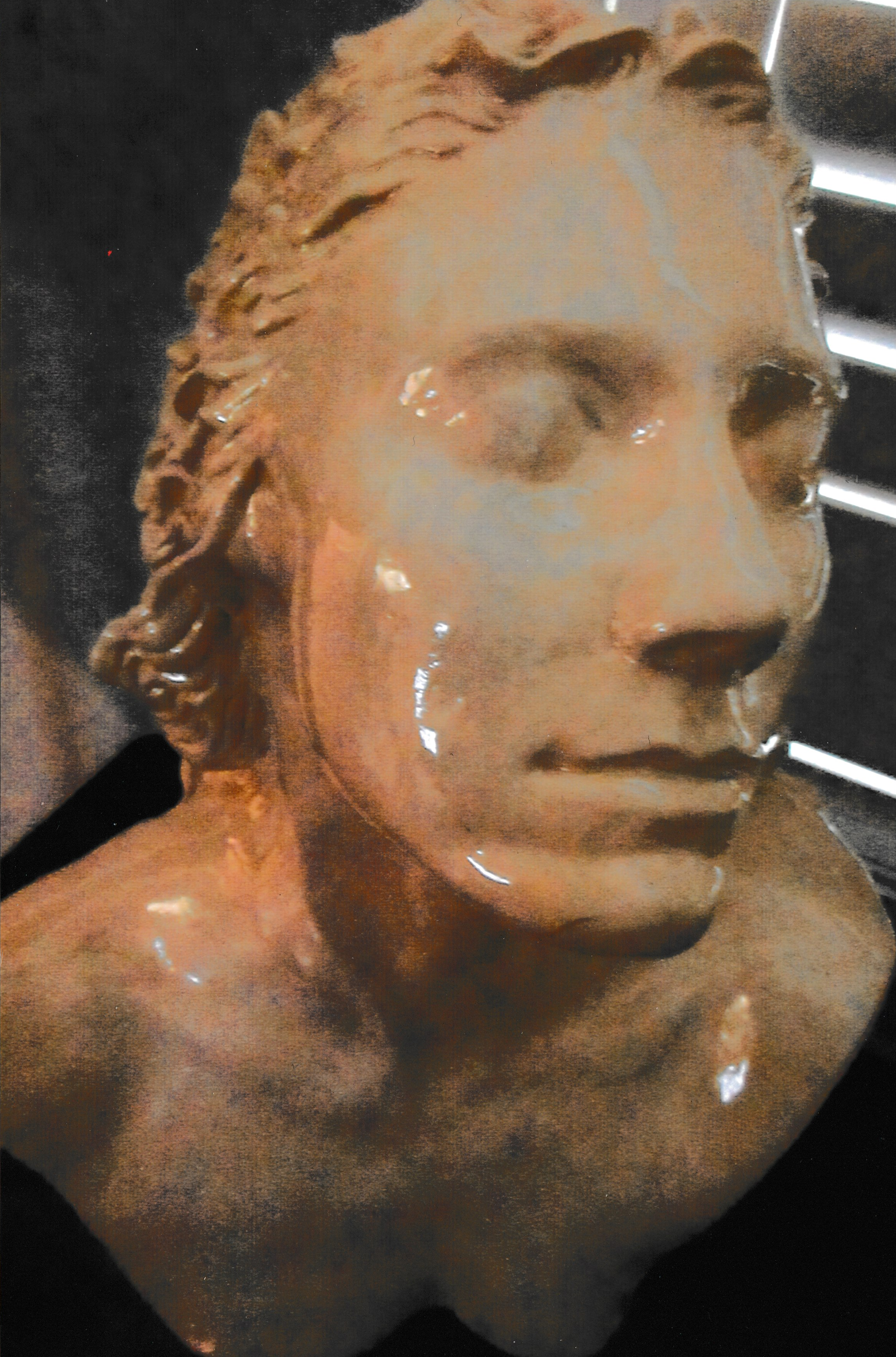
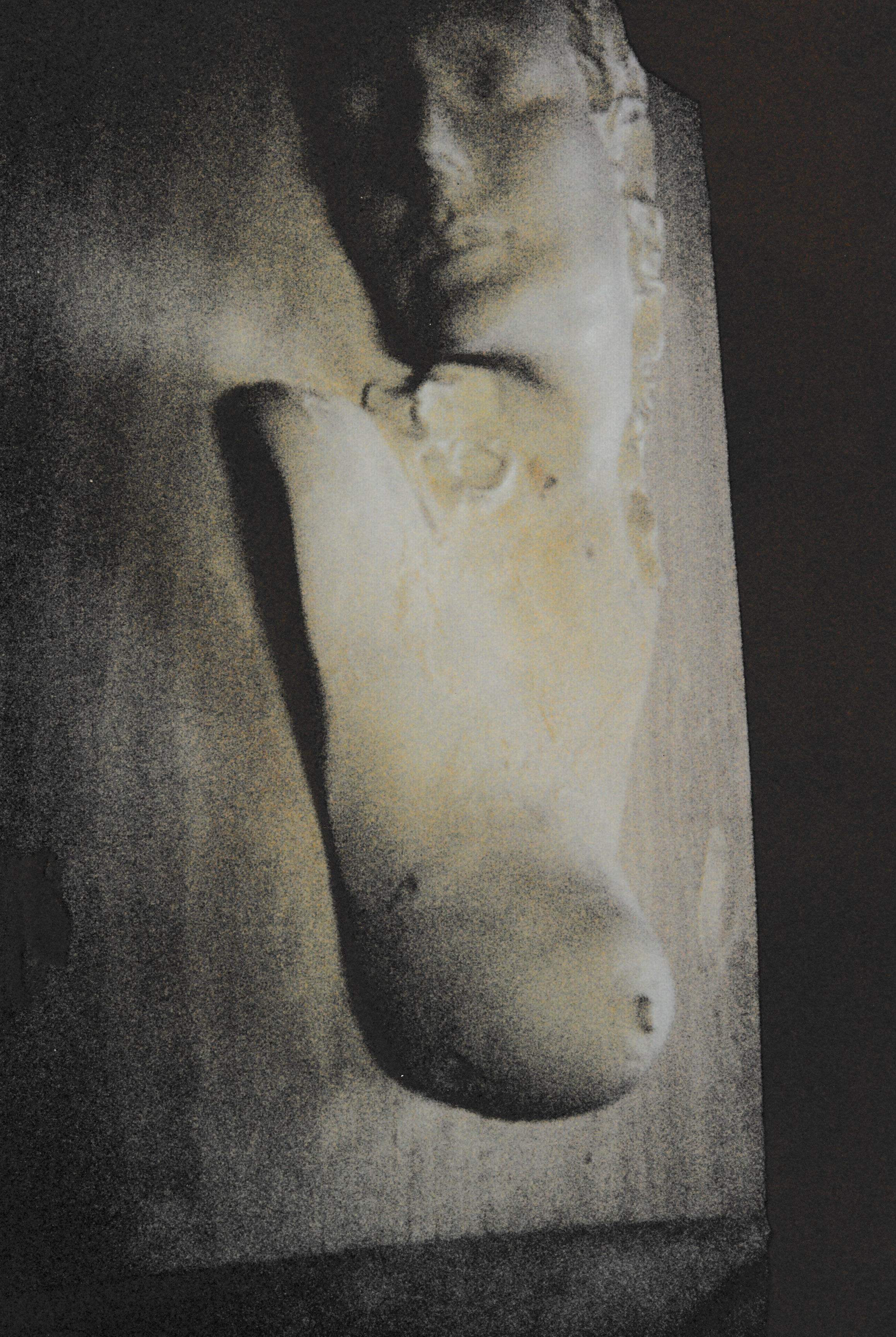
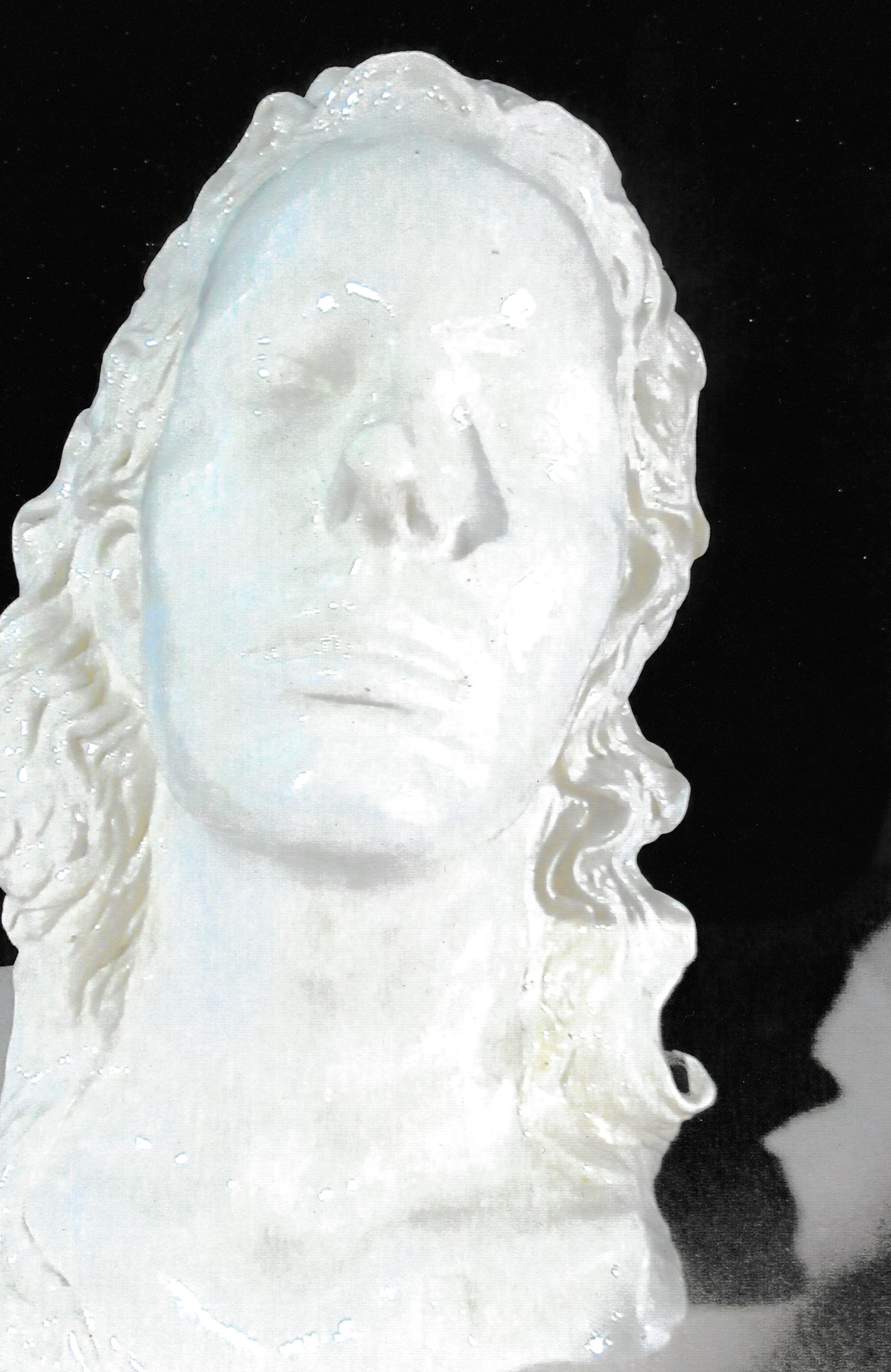
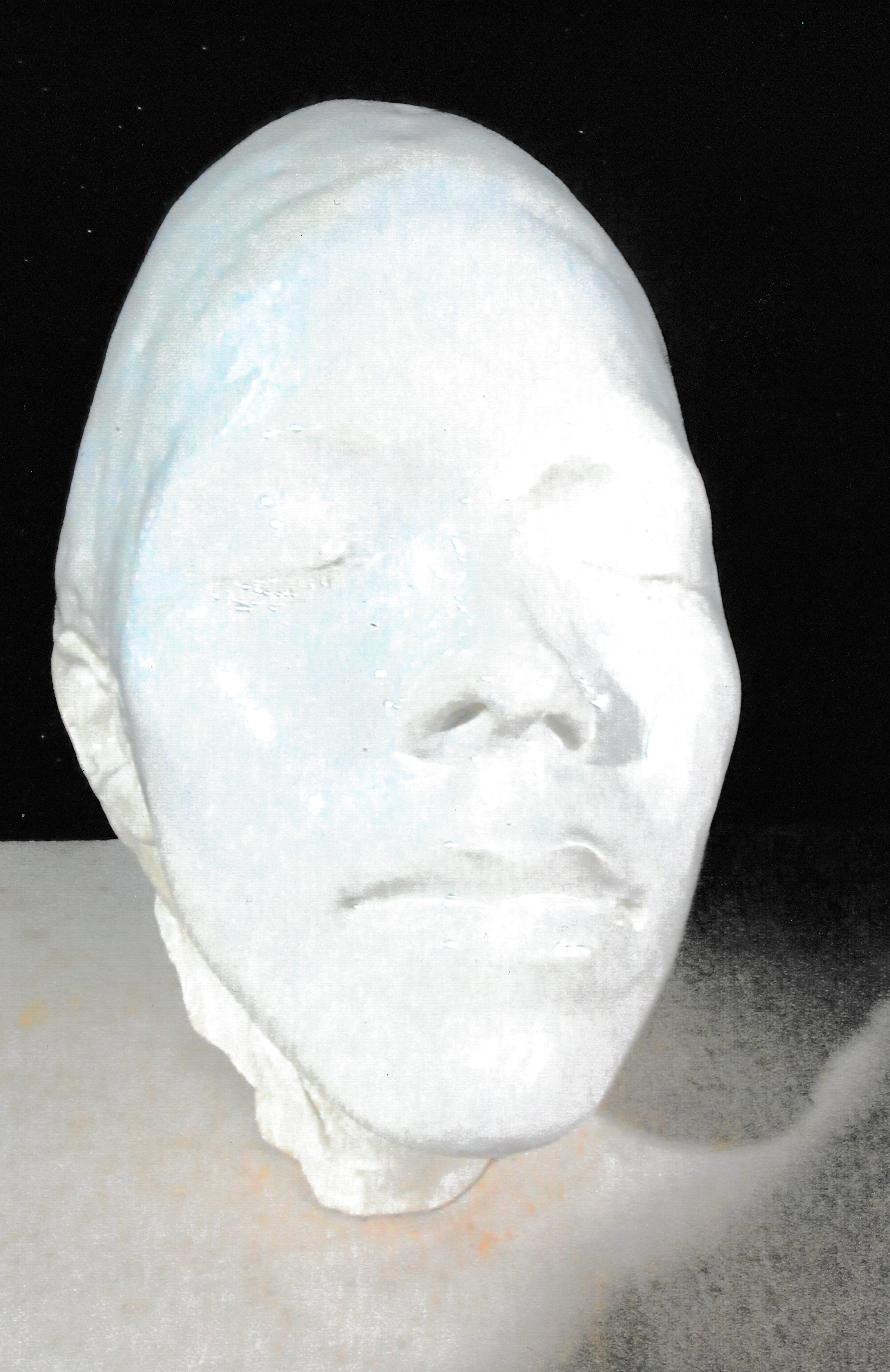
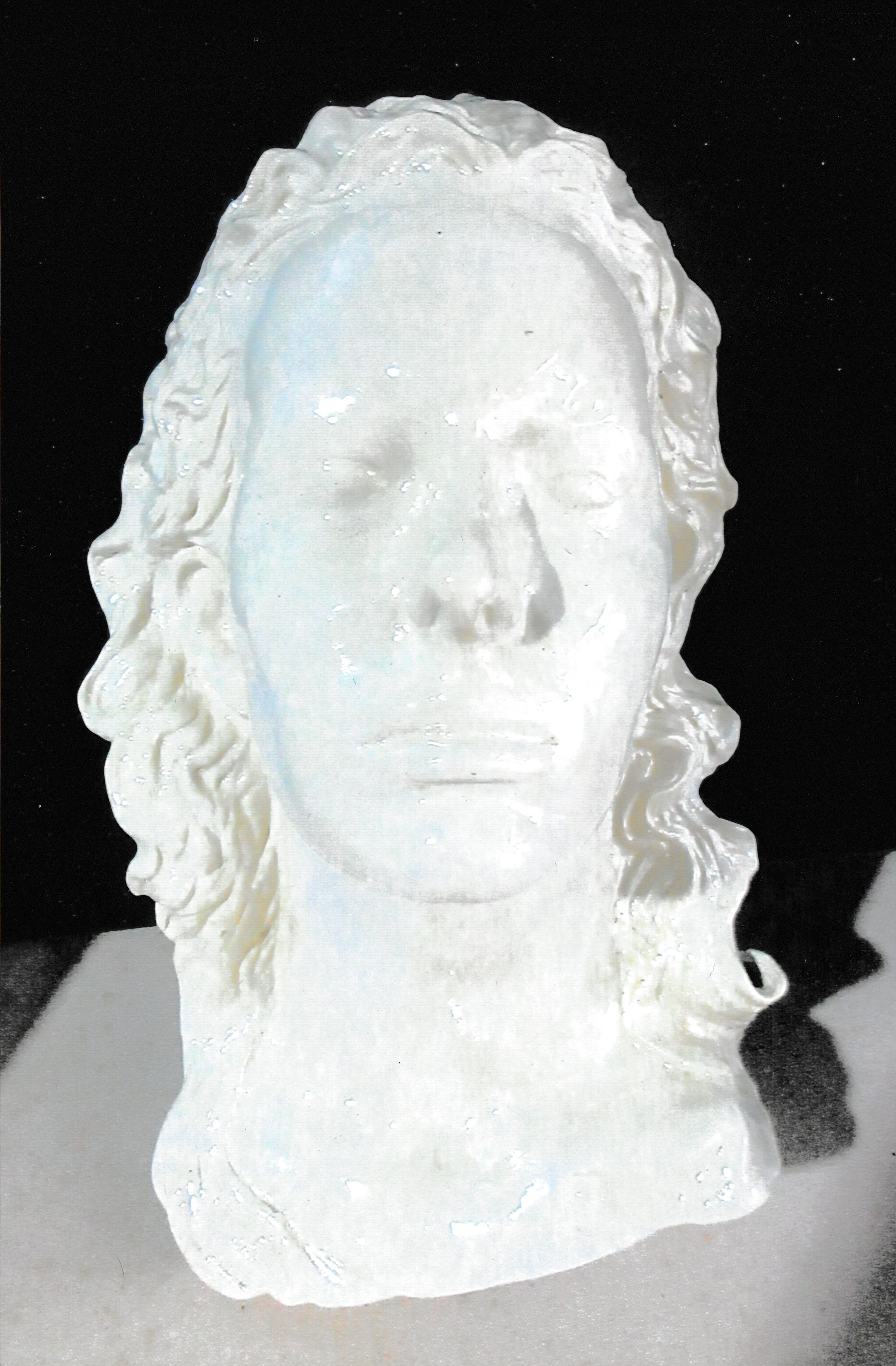
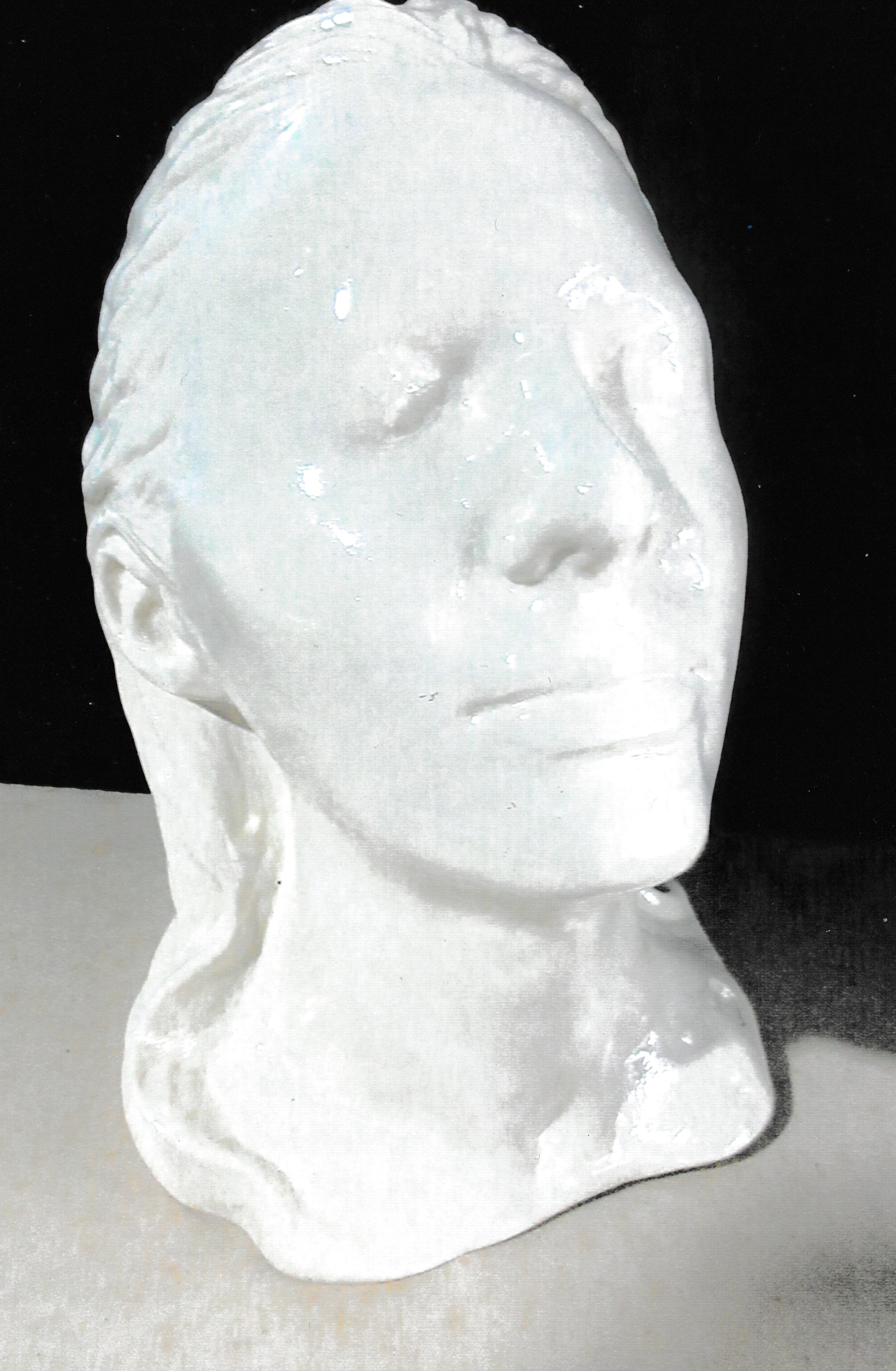
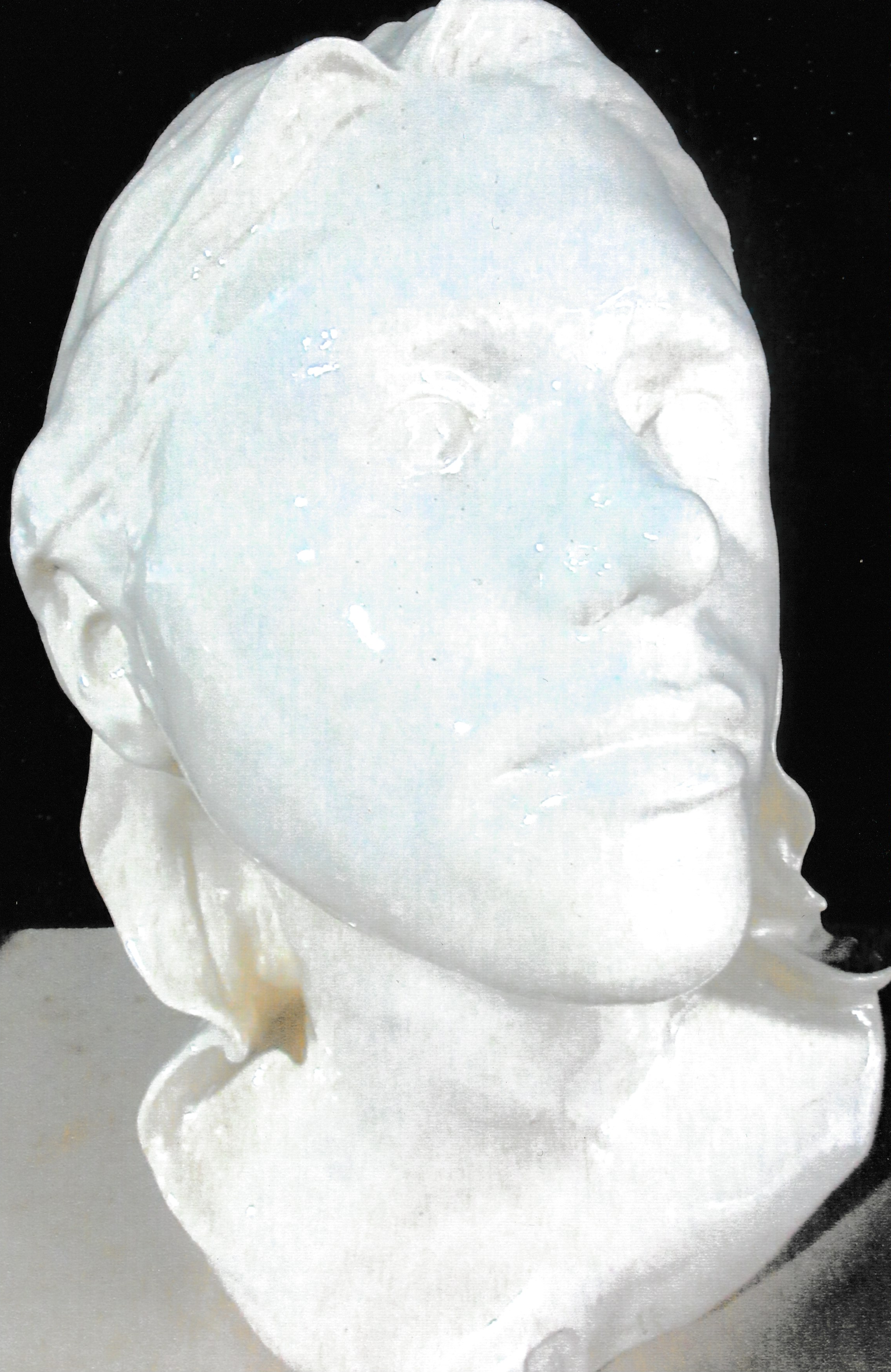
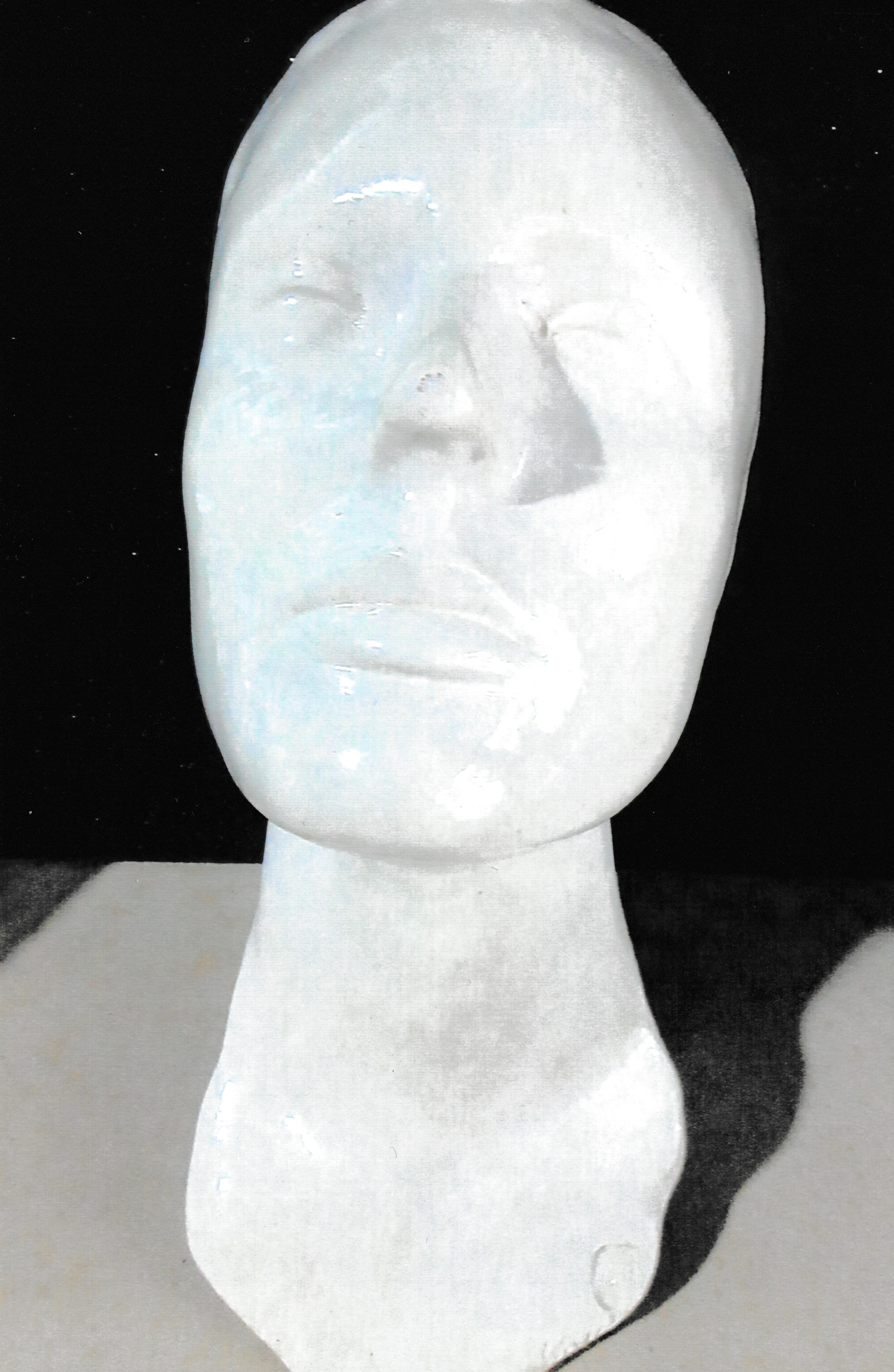
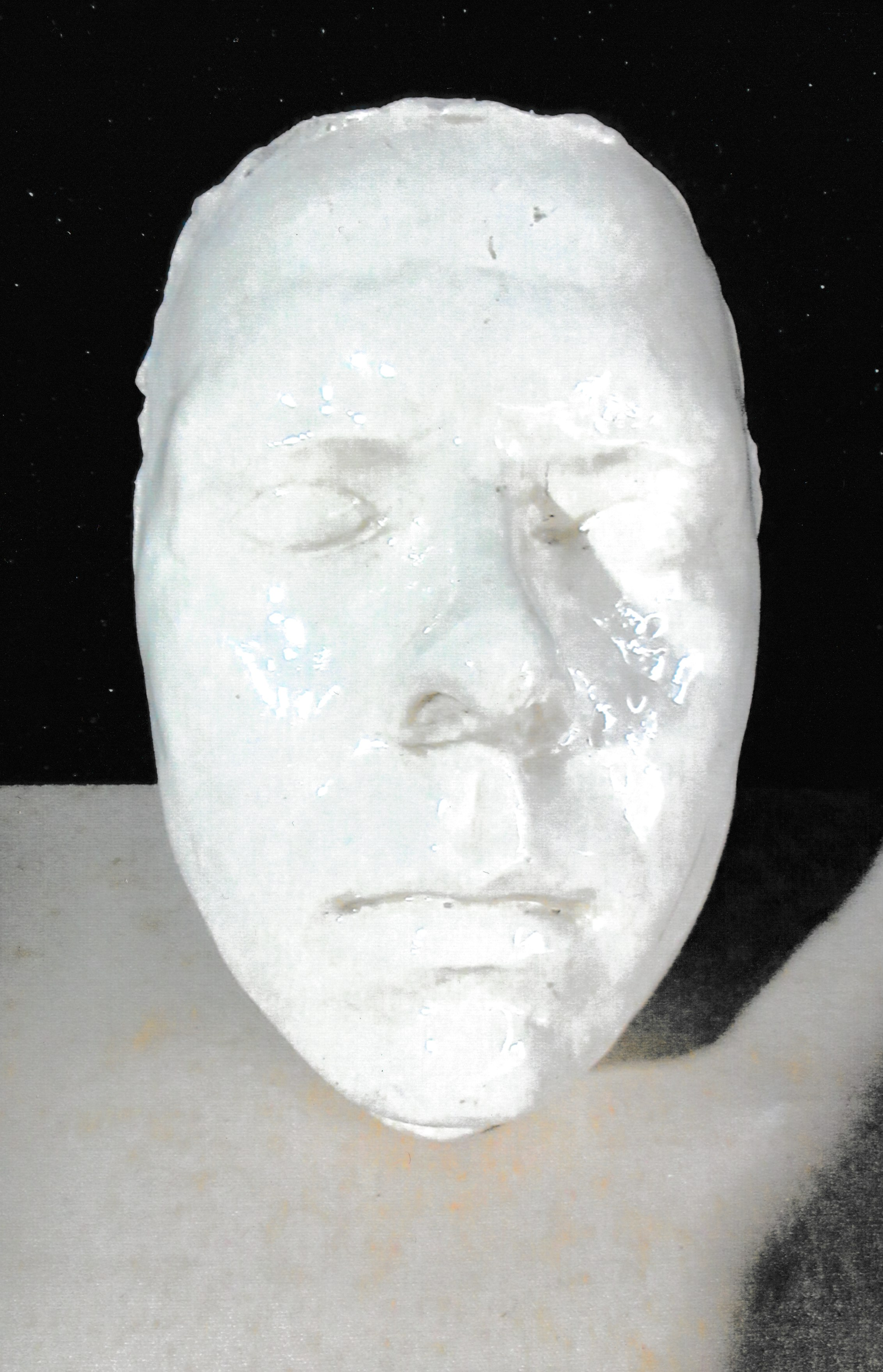
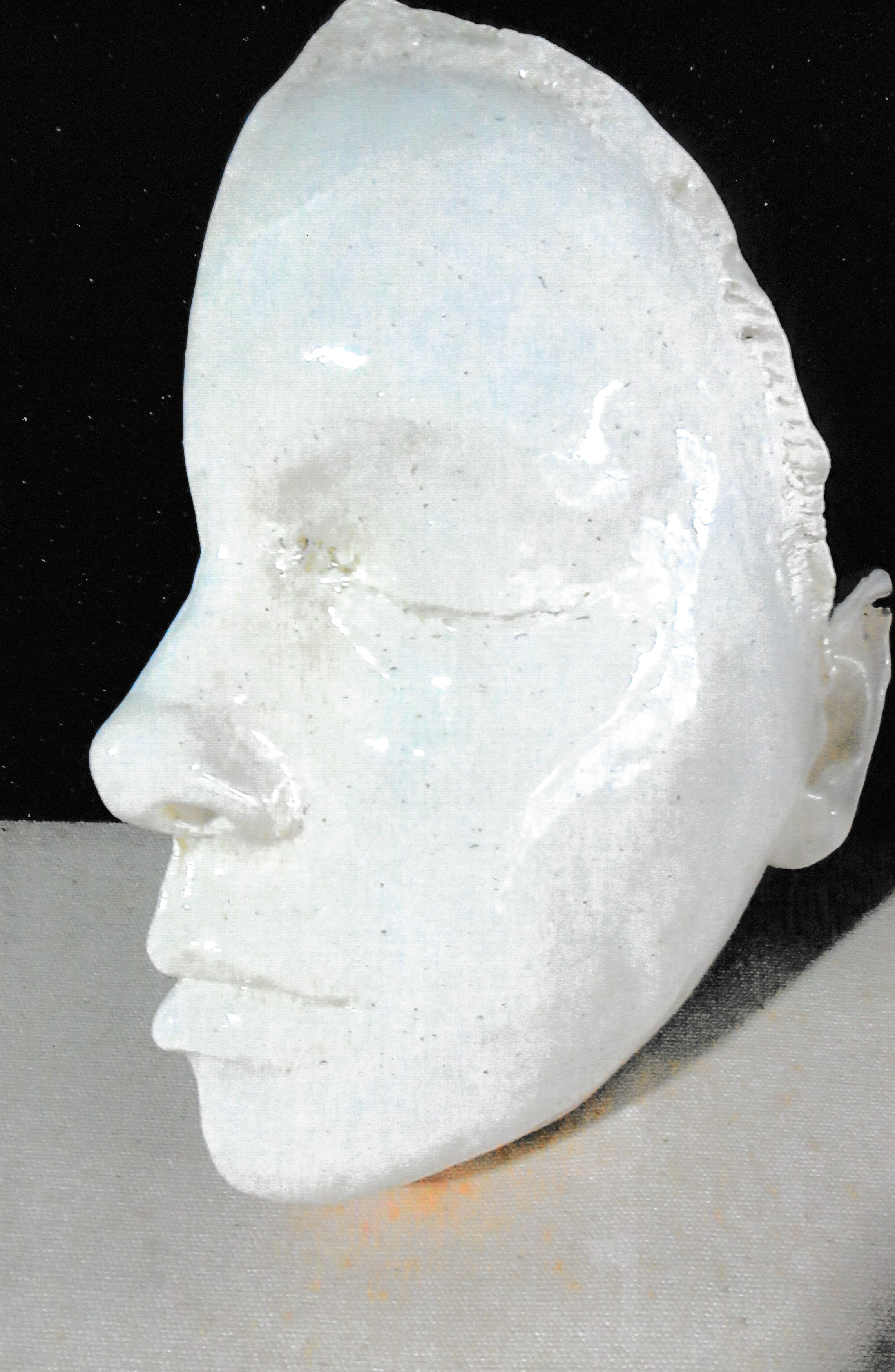
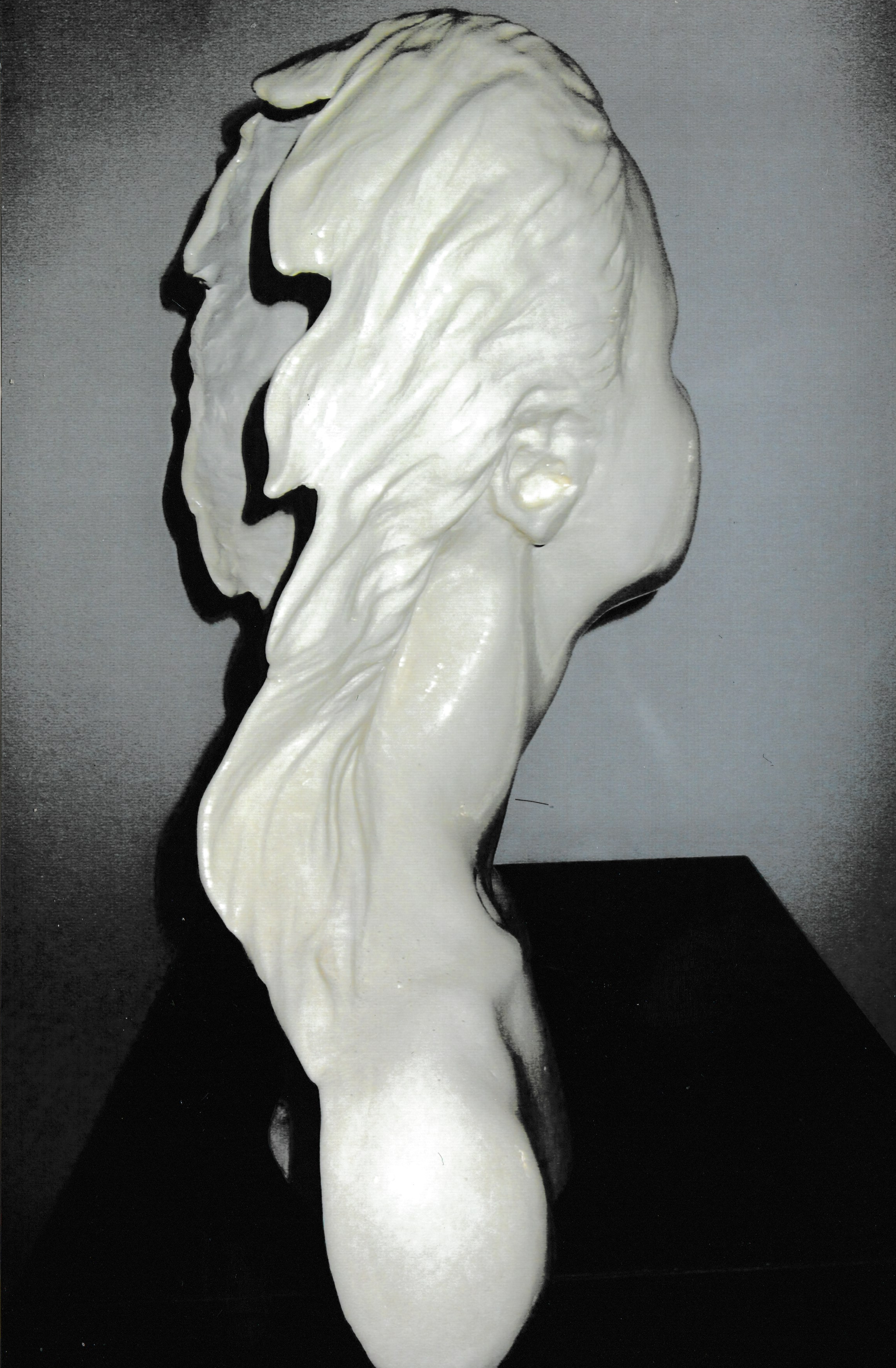
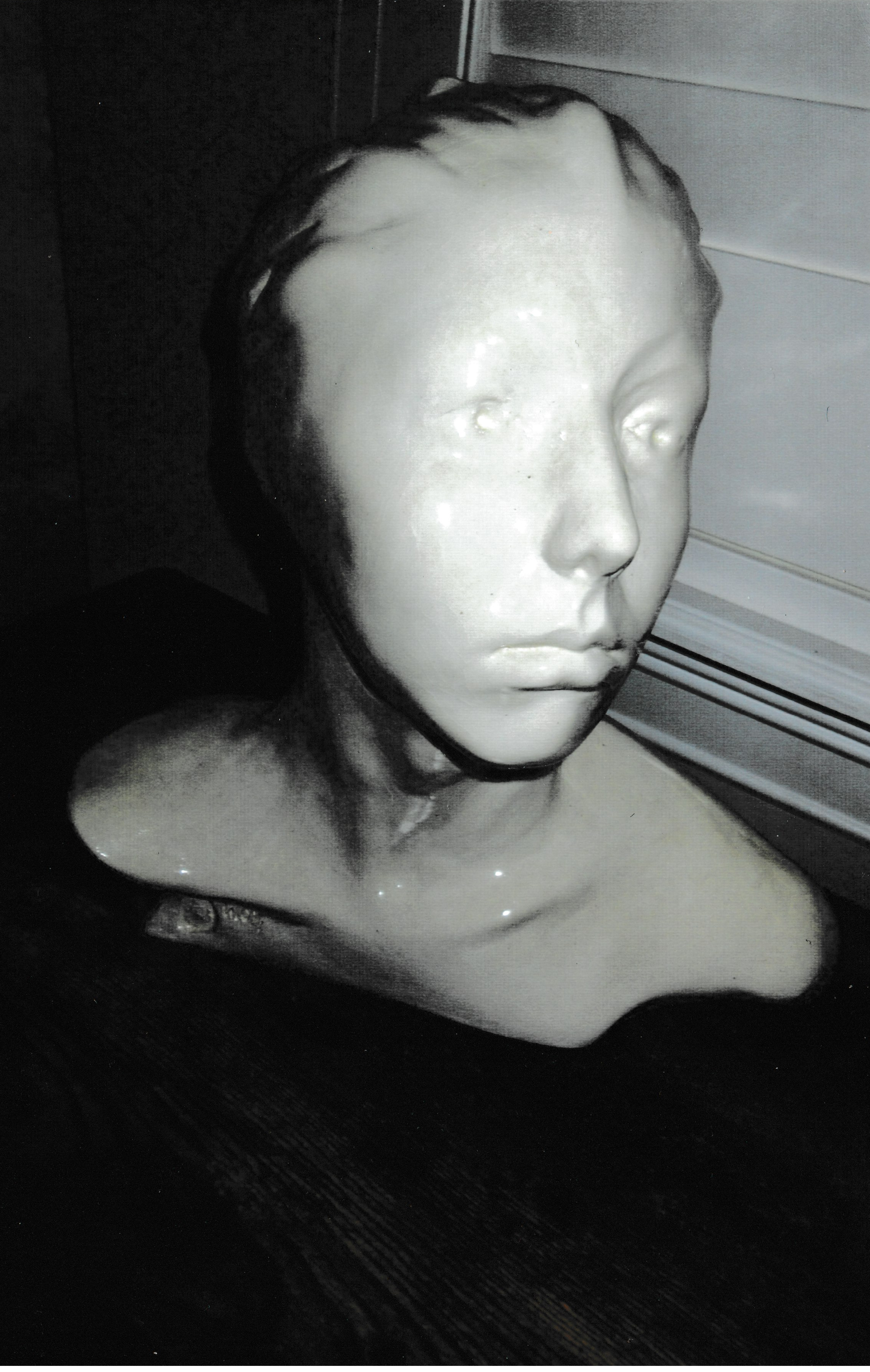
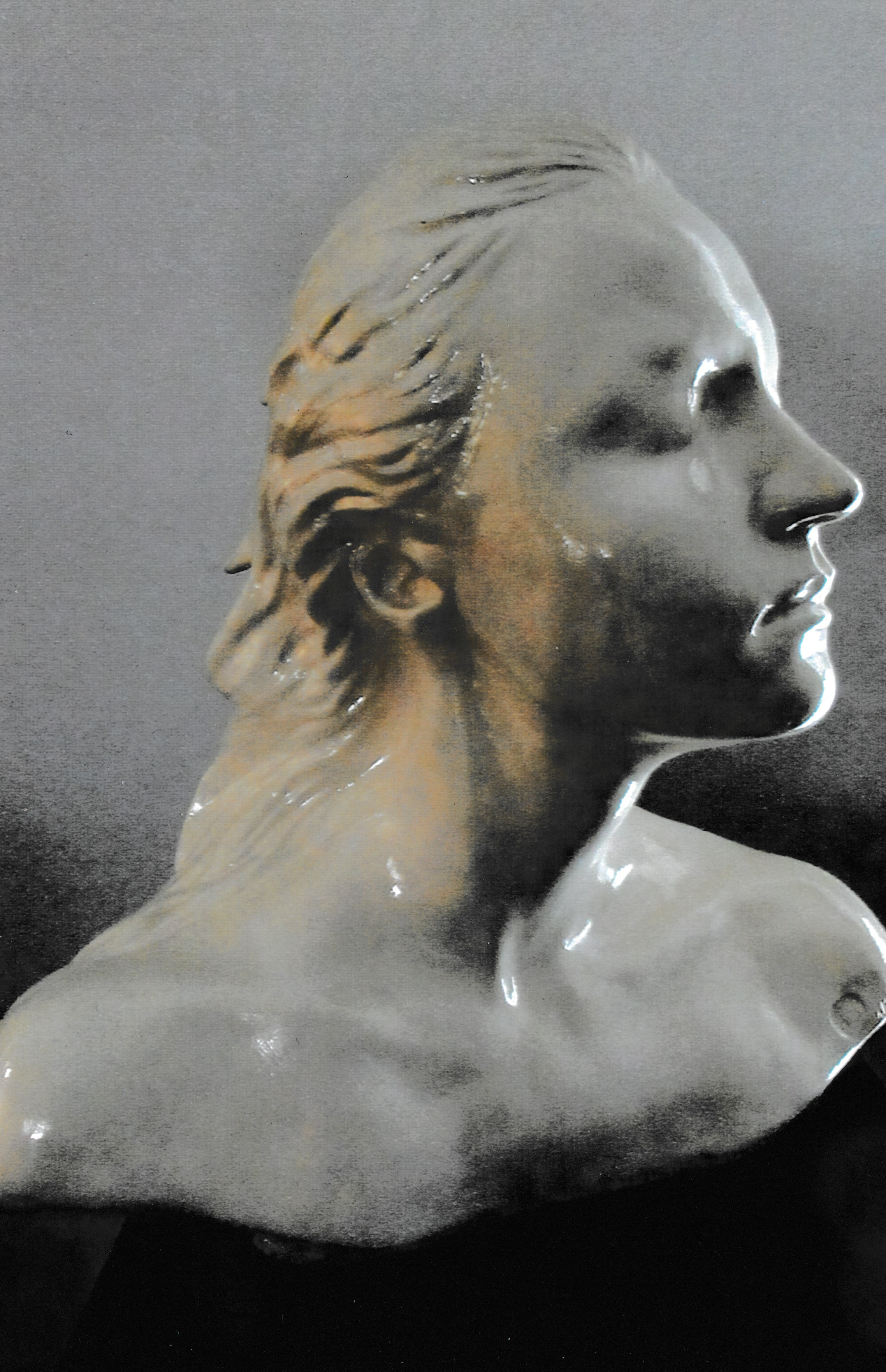
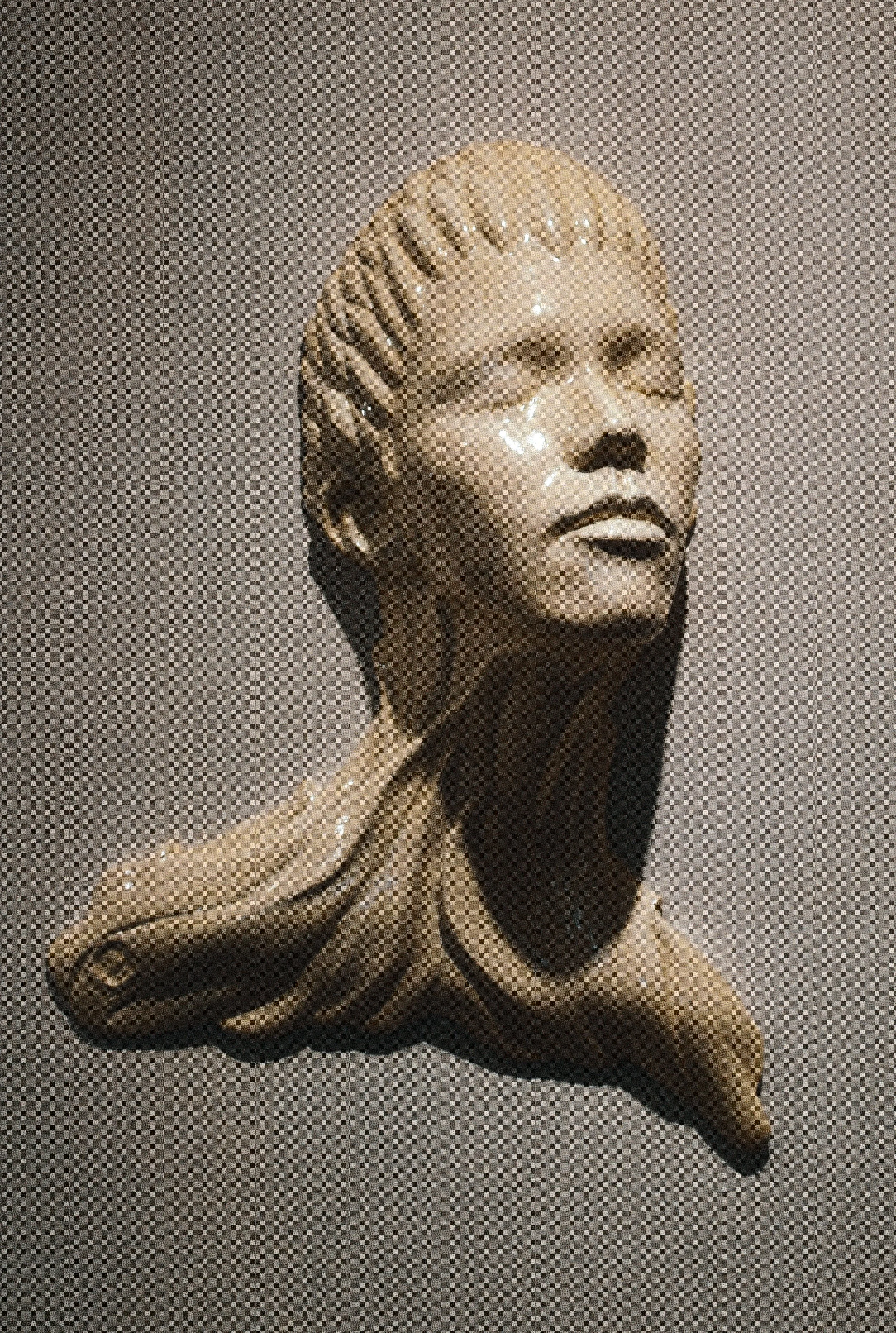
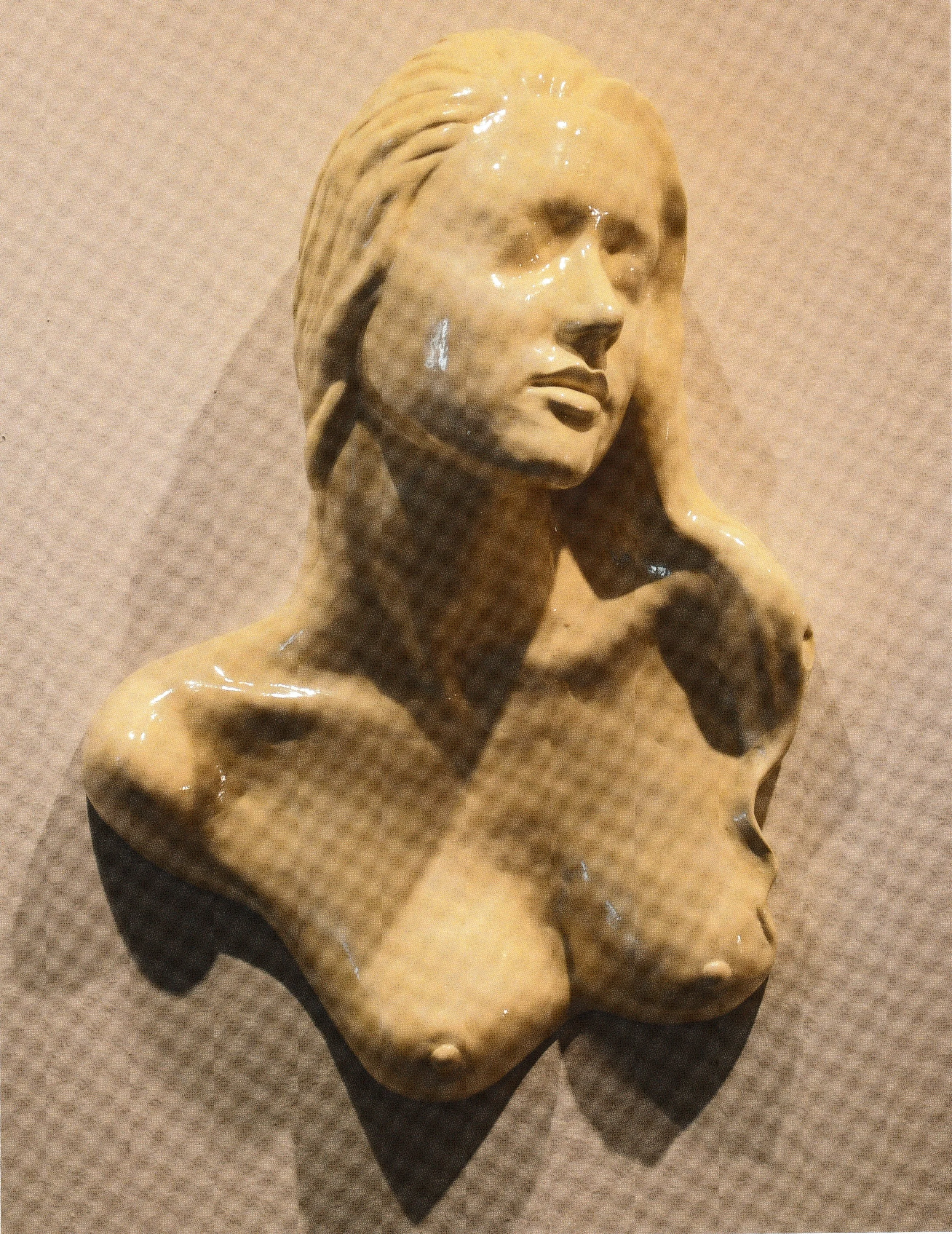
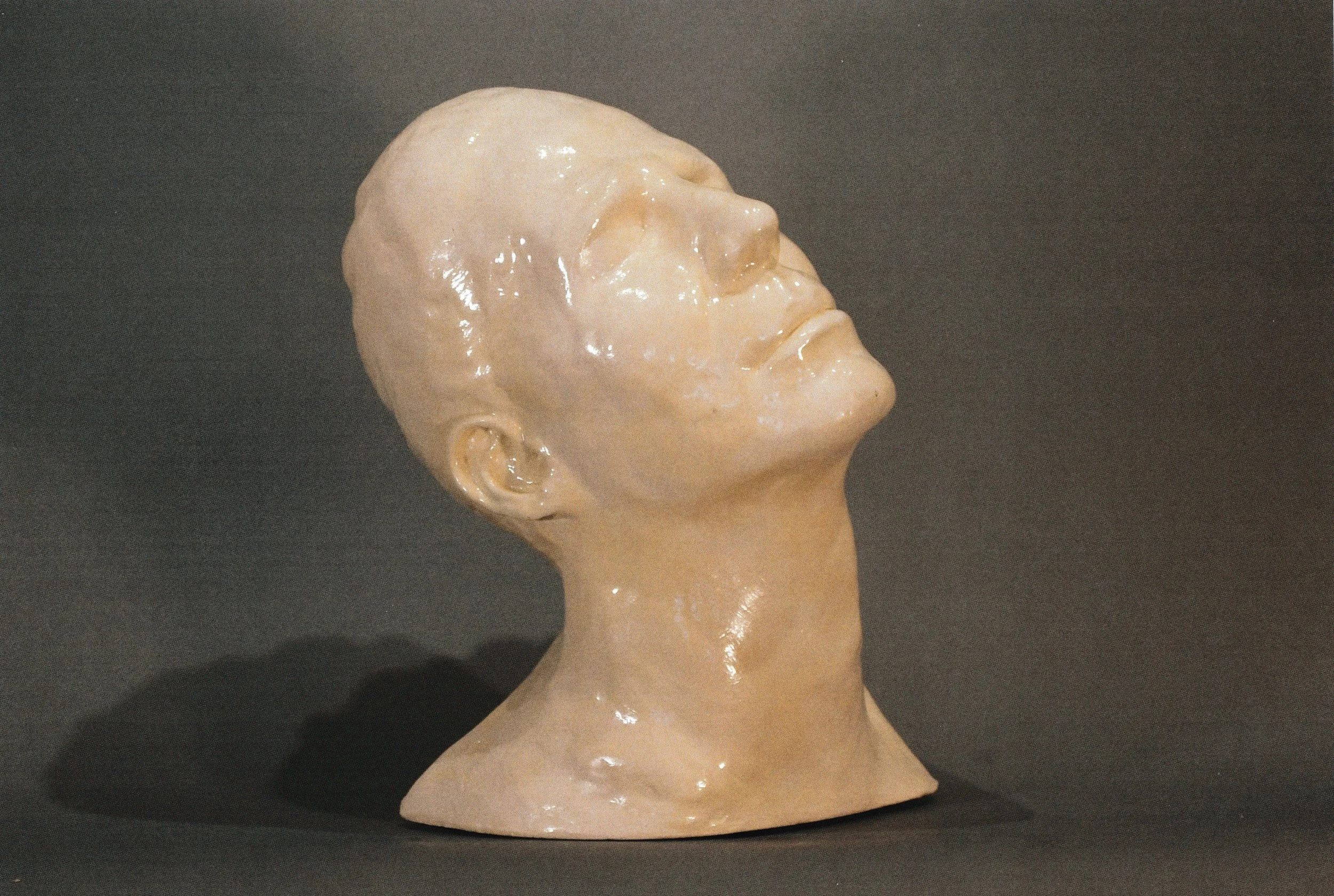
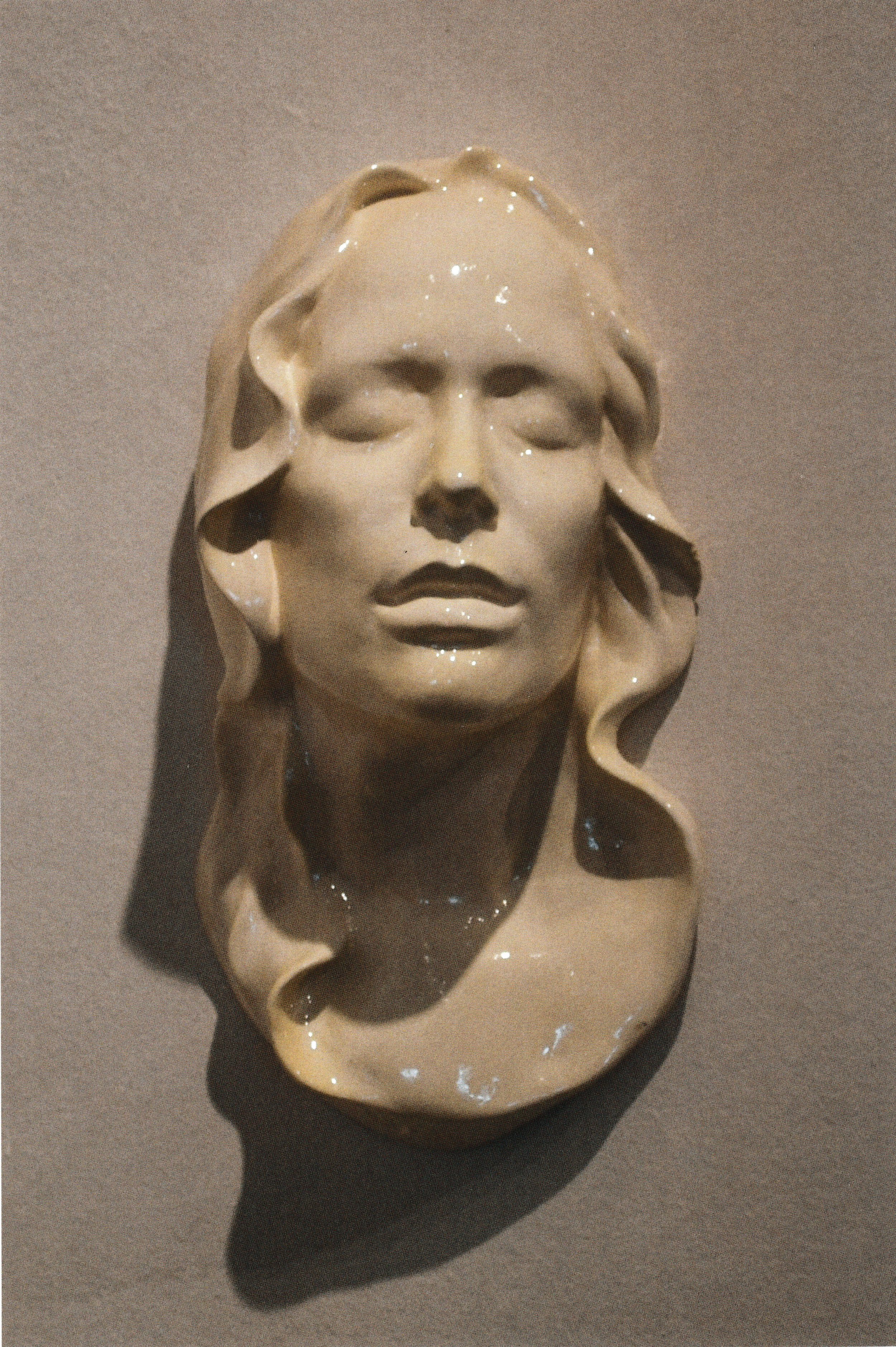
Life masks are direct casts taken from a living person’s face. A soft material such as plaster or alginate is applied to the skin and allowed to set, creating a mold that records the exact structure of the features. From this mold, a positive cast can be made in plaster, wax, or other materials. The result is a precise impression of the face, capturing subtle details that are difficult to achieve through observation alone. In art, life masks are often used as study tools rather than finished works, helping artists understand proportion, anatomy, and the complexity of human expression.
The practice of making life masks has roots in ancient civilizations. In ancient Egypt, artisans created plaster casts of faces that were used in preparing funerary objects and portraits. The Greeks and Romans also valued accurate likeness, though they more often relied on sculptural interpretation rather than direct casting. By the Renaissance, life casting became more common as artists sought greater anatomical accuracy. Workshops used casts of real faces and bodies to train students, allowing them to study form in a direct and repeatable way. This practice continued into the nineteenth and twentieth centuries, especially in academic settings where realism and observation were central to artistic training.
Closely related to life masks are death masks, which are casts taken shortly after a person has died. Death masks became especially important in Europe from the Middle Ages through the nineteenth century. They were used to preserve the likeness of notable individuals, including writers, political figures, and artists. Before the invention of photography, a death mask could serve as a reliable reference for portraits or memorial sculptures. Unlike life masks, which record a living face in motion and expression, death masks often capture stillness and finality. They carry a different emotional weight, reflecting the transition between life and memory.
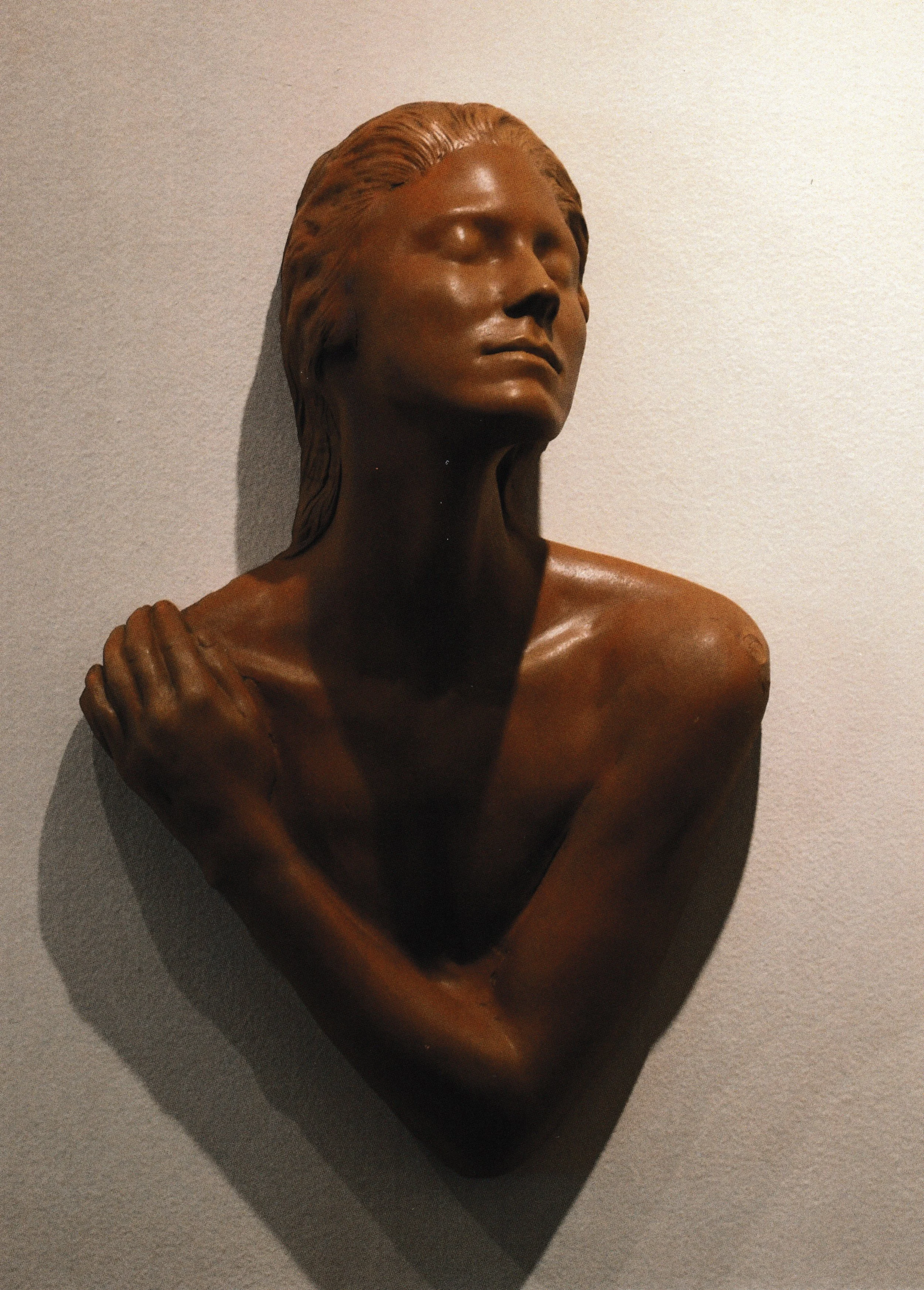
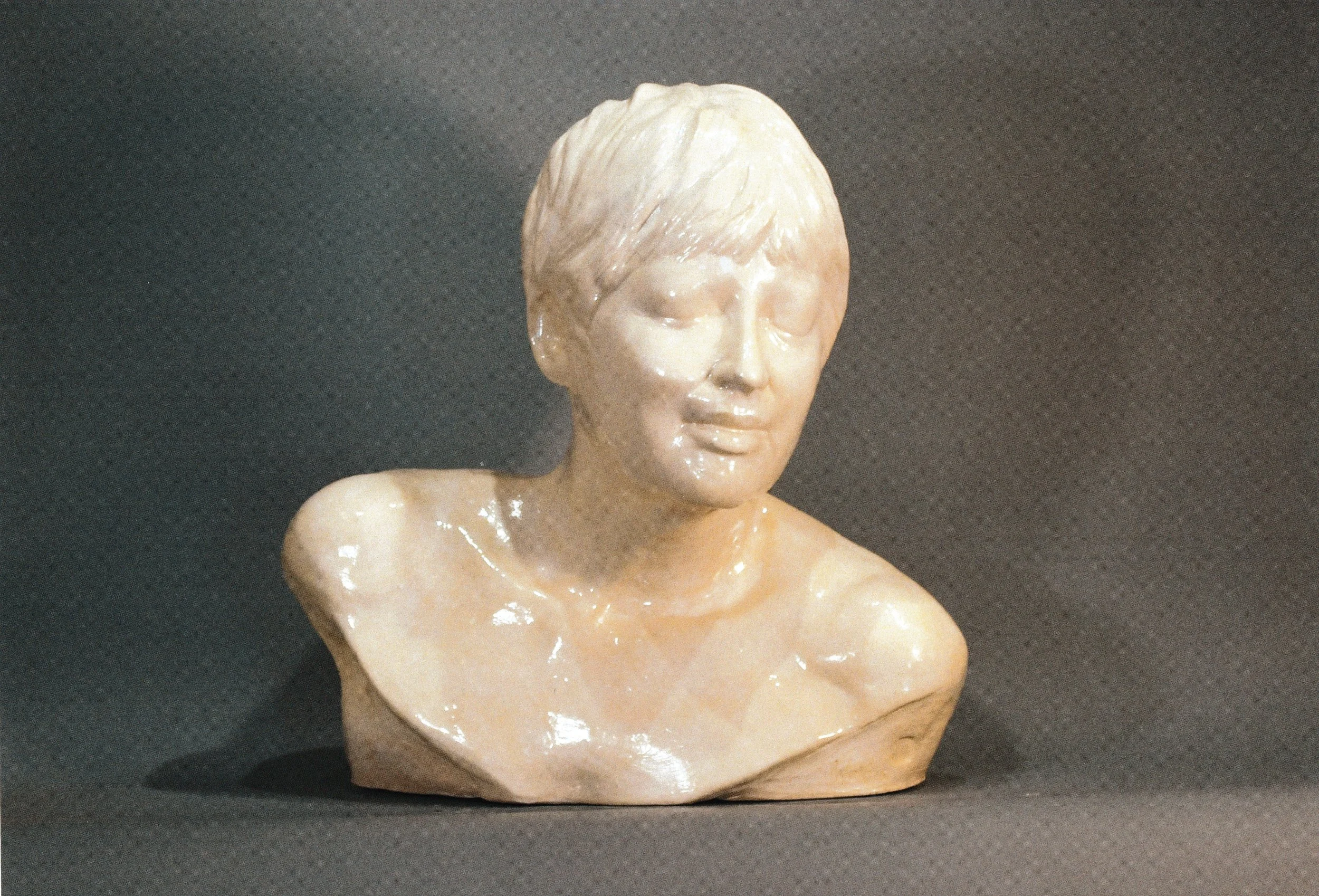
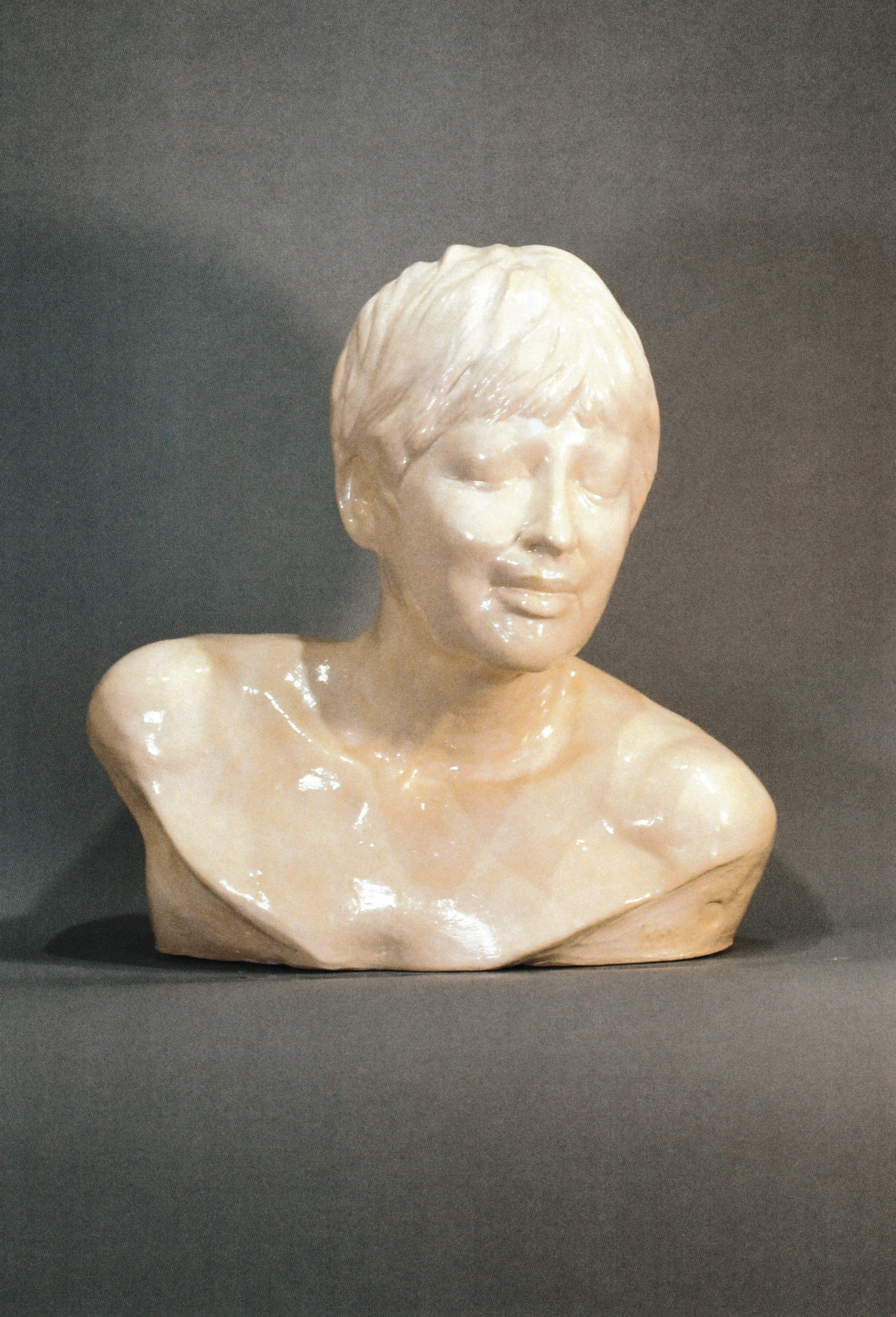
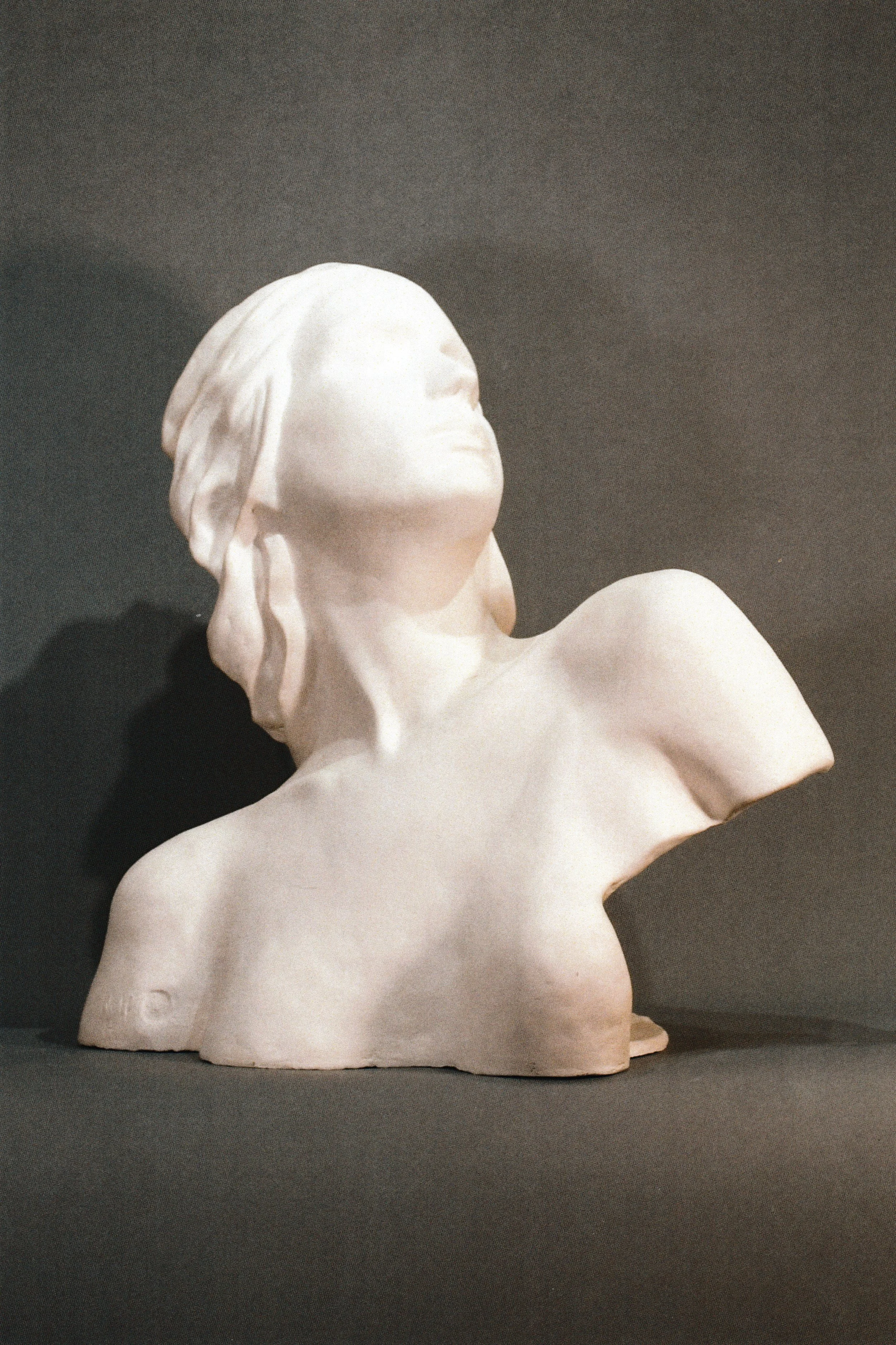
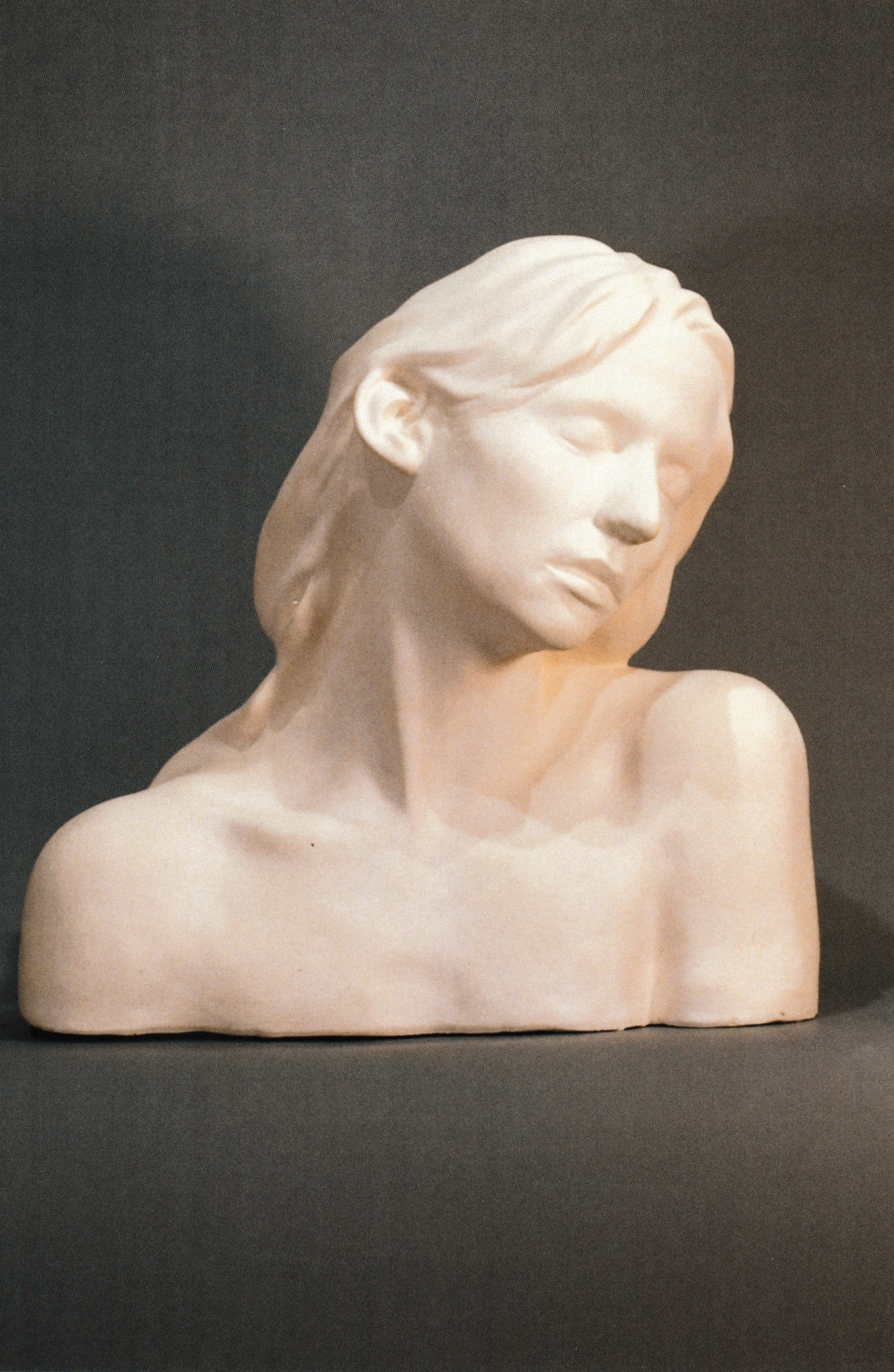
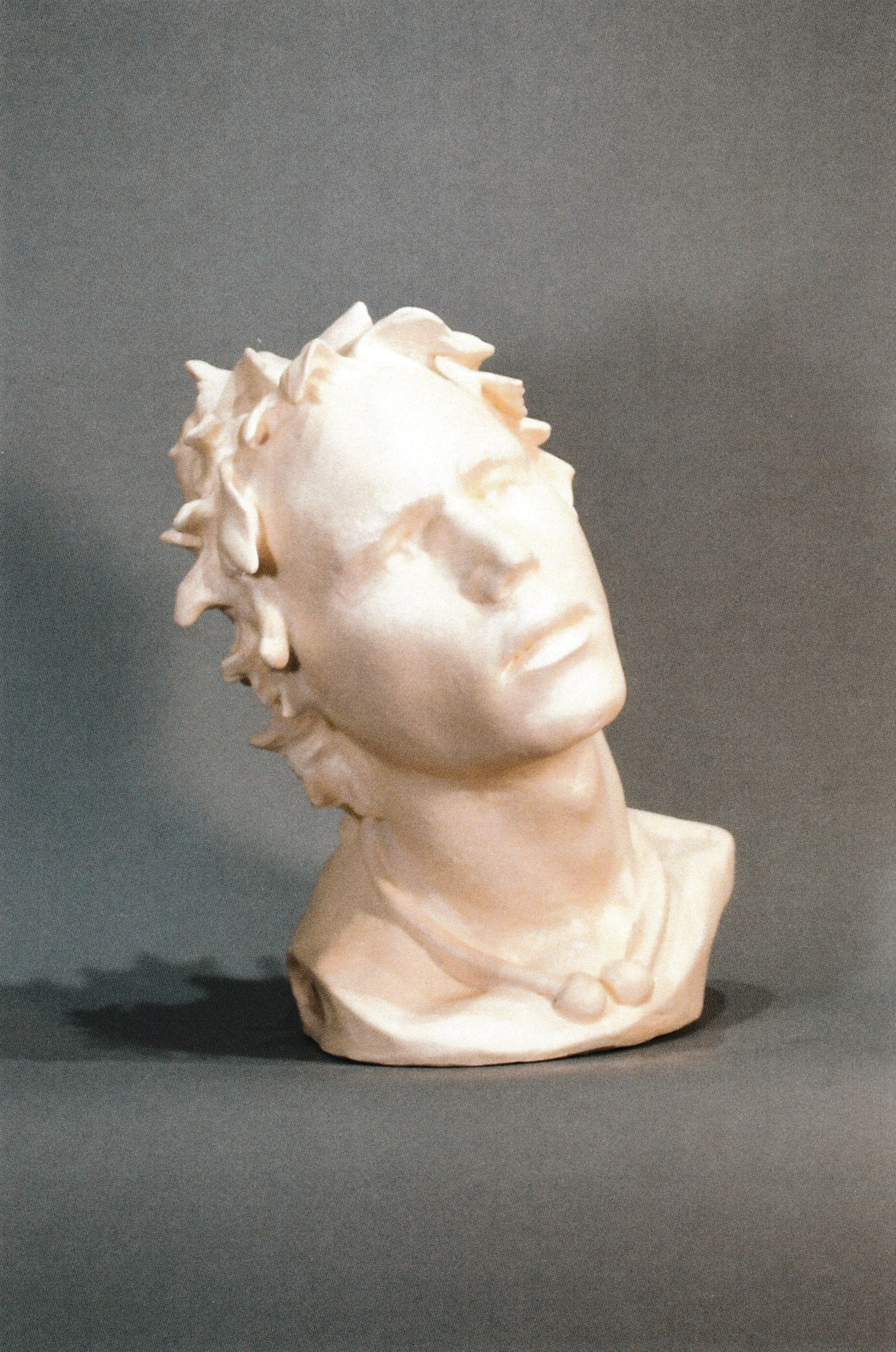
In modern art education, life masks continue to serve as valuable tools for learning. Whitney Wolf II used life masks as part of his teaching practice, introducing students to the fundamentals of sculpting the human face. By working from a direct cast, students could study structure, proportion, and surface detail without the difficulty of interpreting a moving subject. This method allowed them to build a strong foundation before moving into more interpretive or expressive work. For Wolf, the life mask was not only a technical exercise, but a way to connect students to a long tradition of studying the human form through direct contact and observation.