Red Lasers
Red laser technology began as part of early research into light and energy in the mid-20th century. The first working laser was created in 1960, and in the years that followed, scientists developed different types of lasers using gases and semiconductor materials. By the 1970s and 1980s, red lasers, especially helium-neon lasers and early diode lasers, were being used in laboratories, military equipment, and scientific instruments. They were not yet common in everyday life, and most people would not have seen them outside of specialized settings.
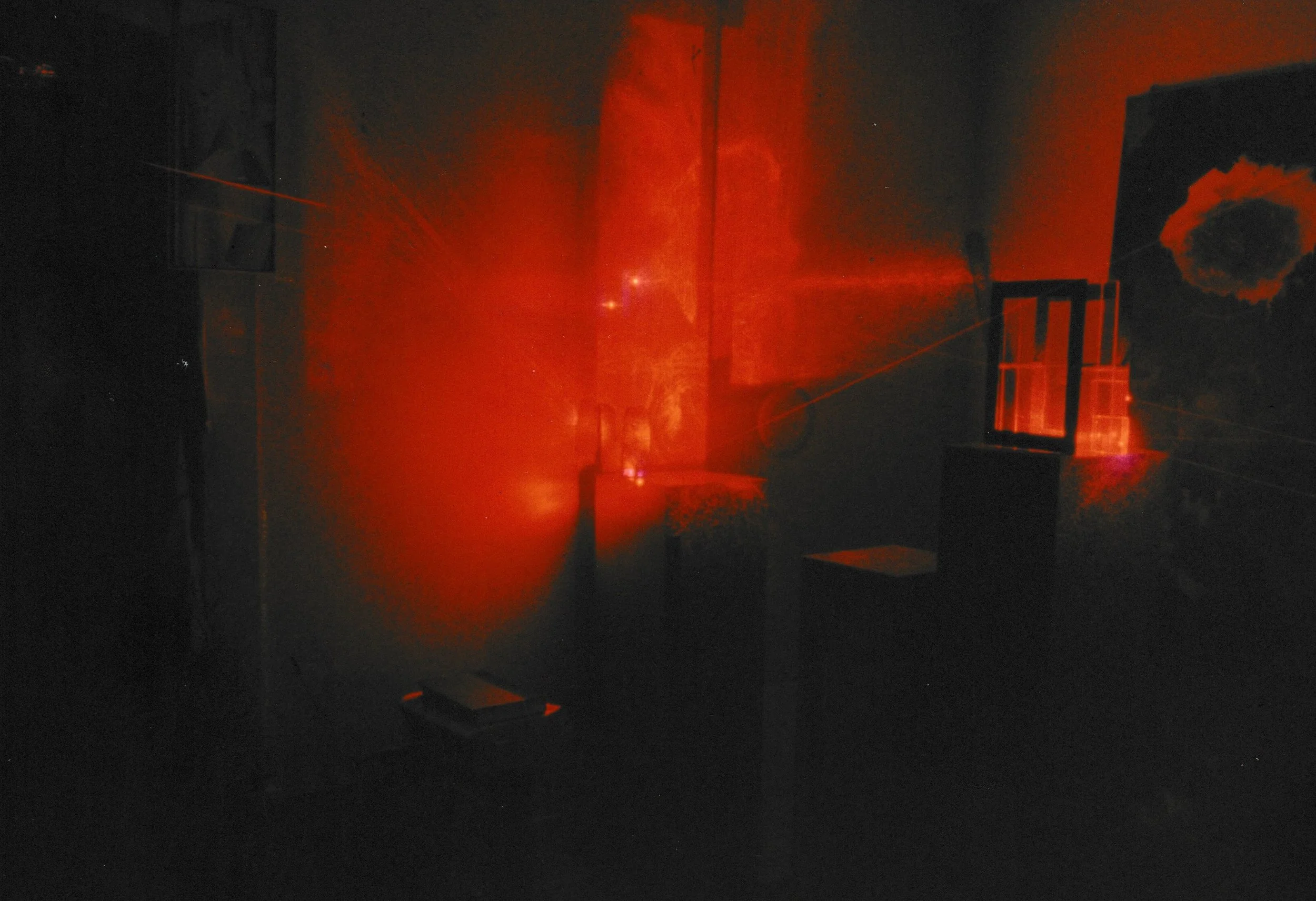
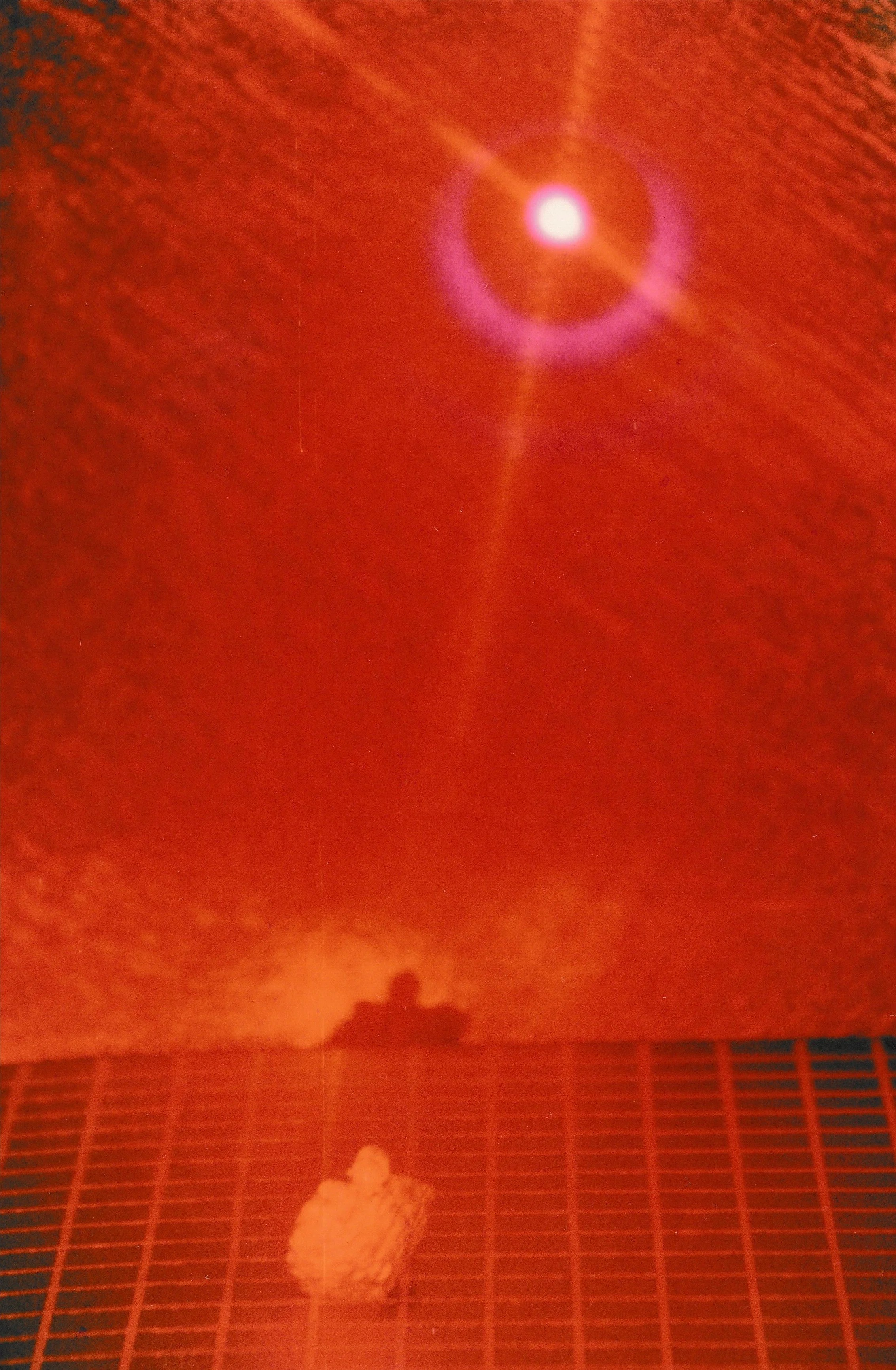
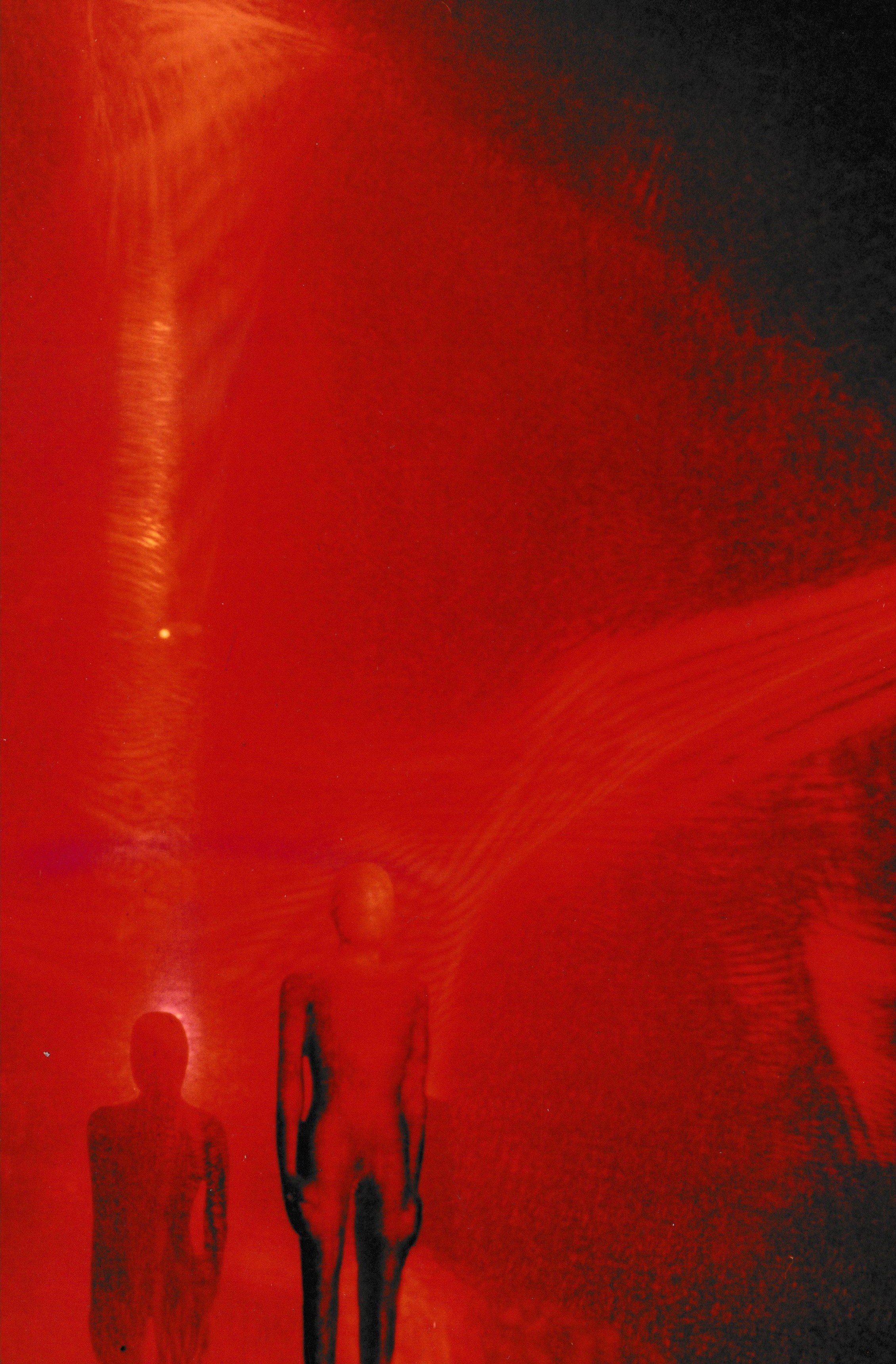
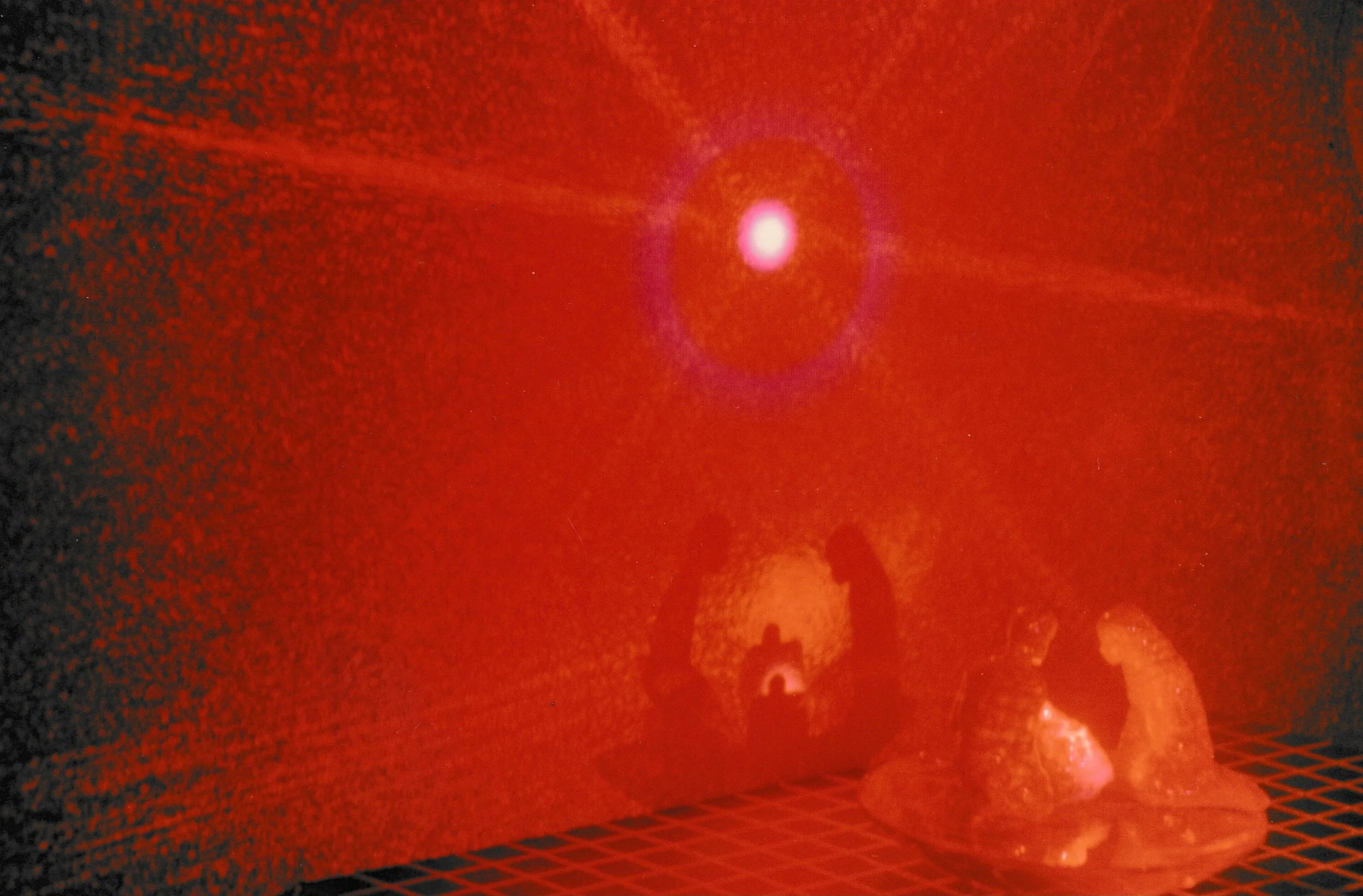
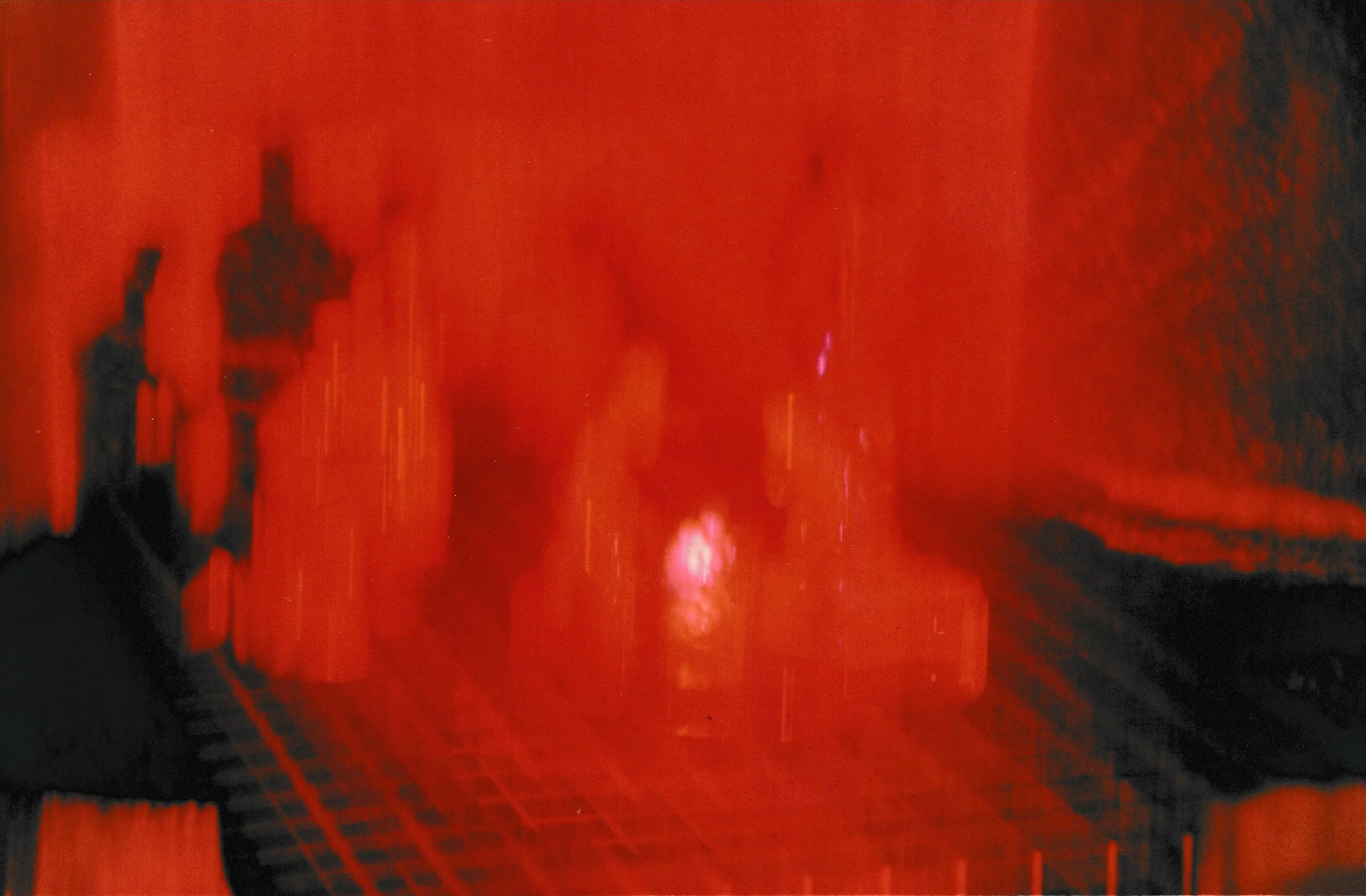
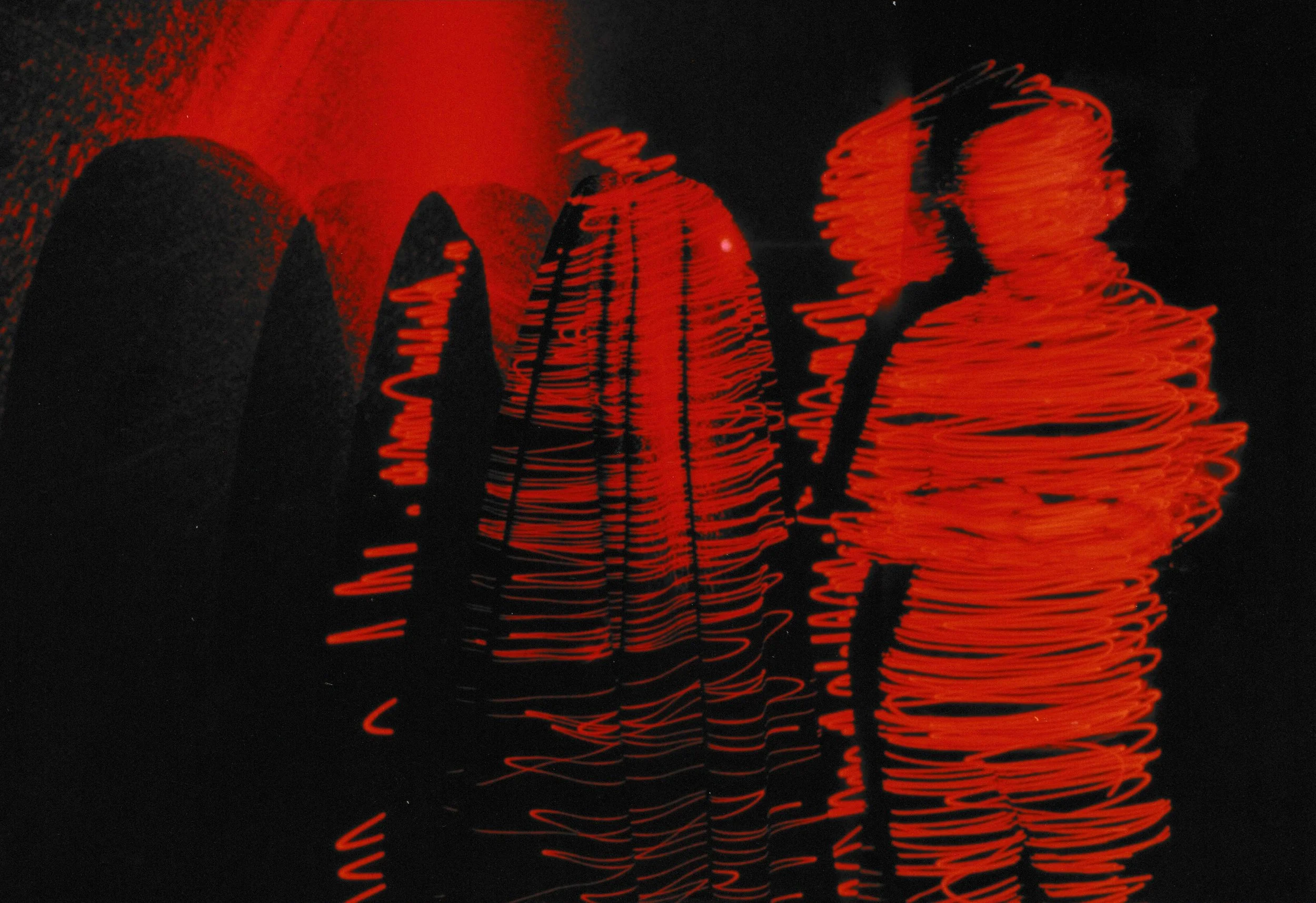
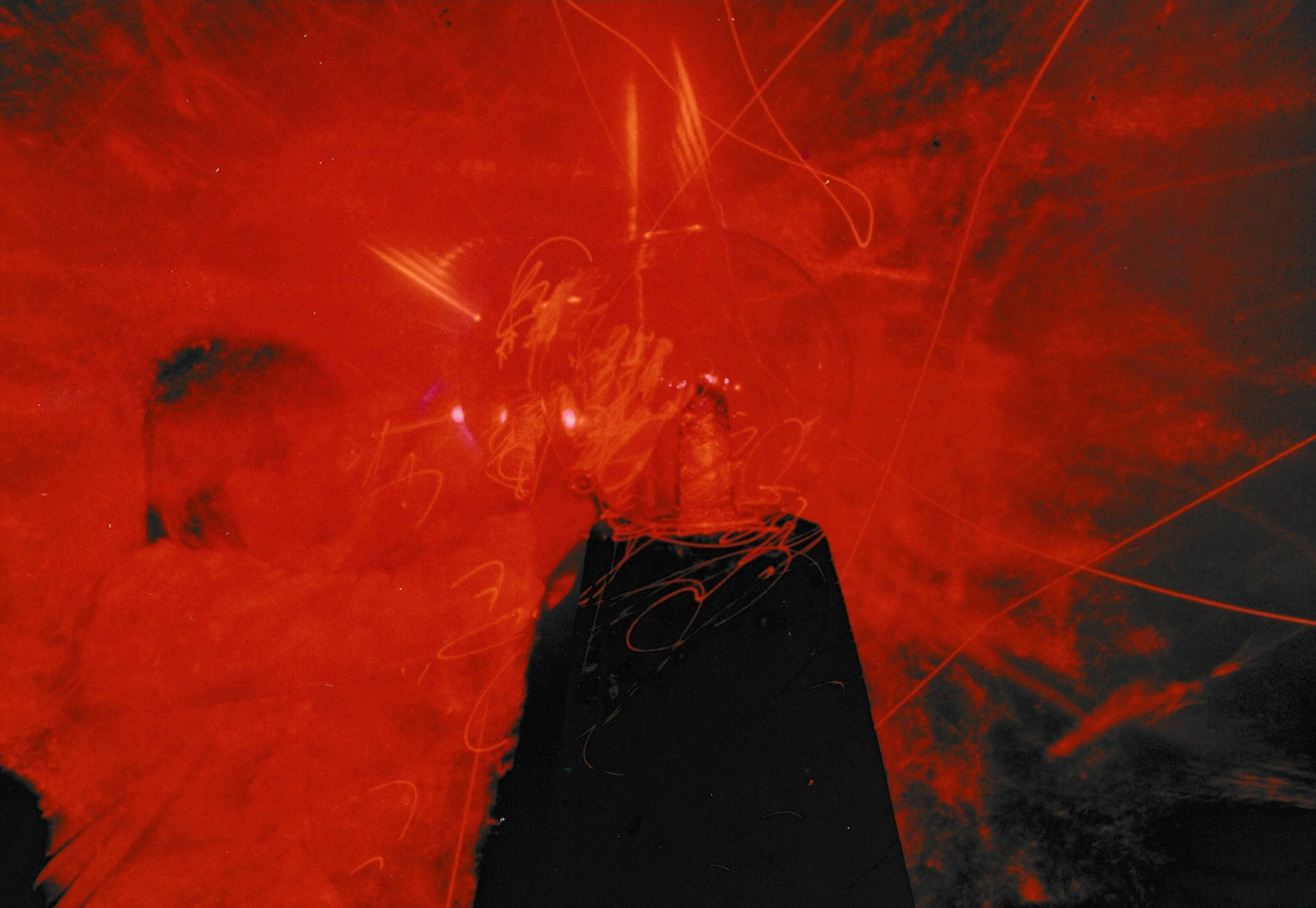
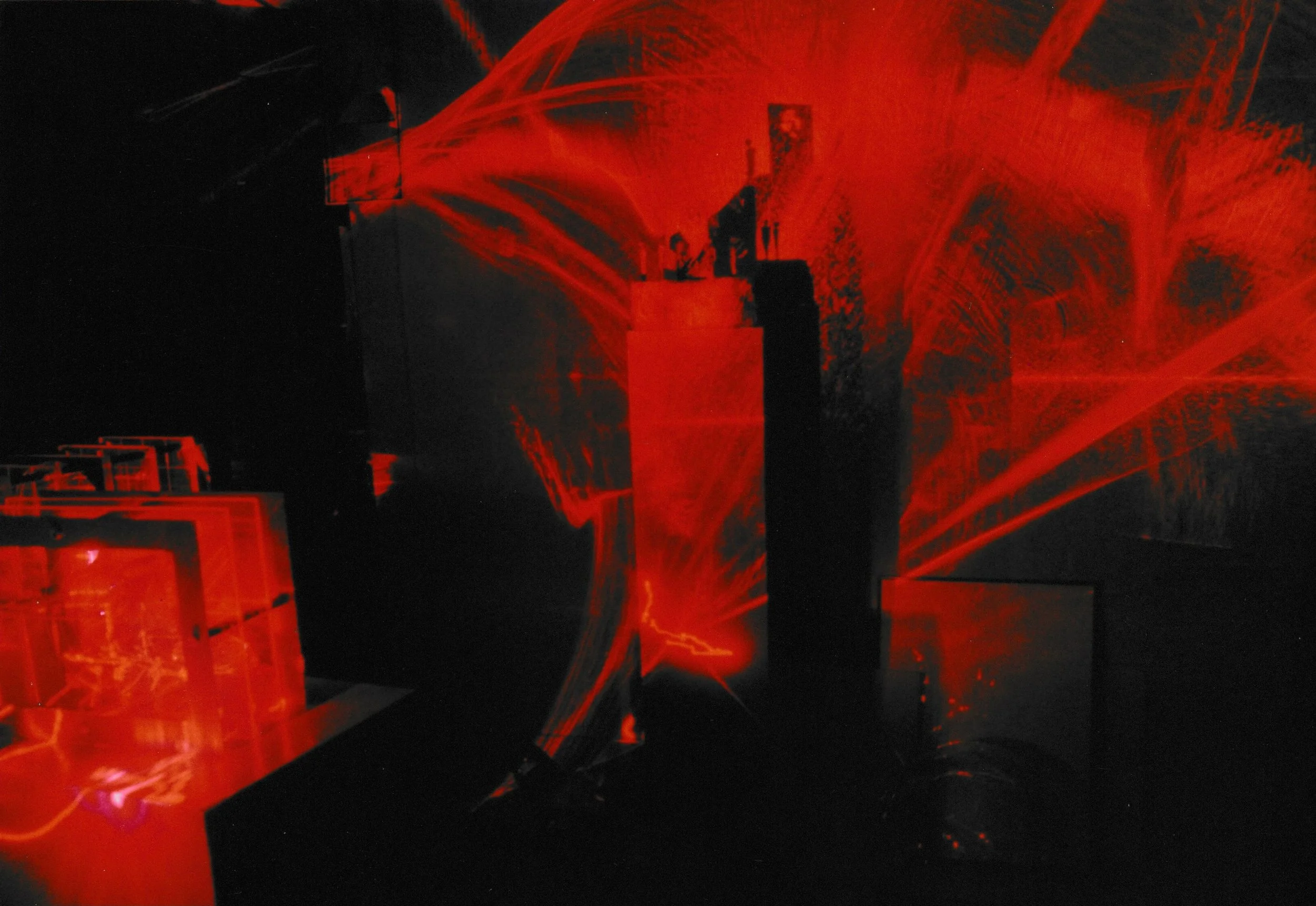
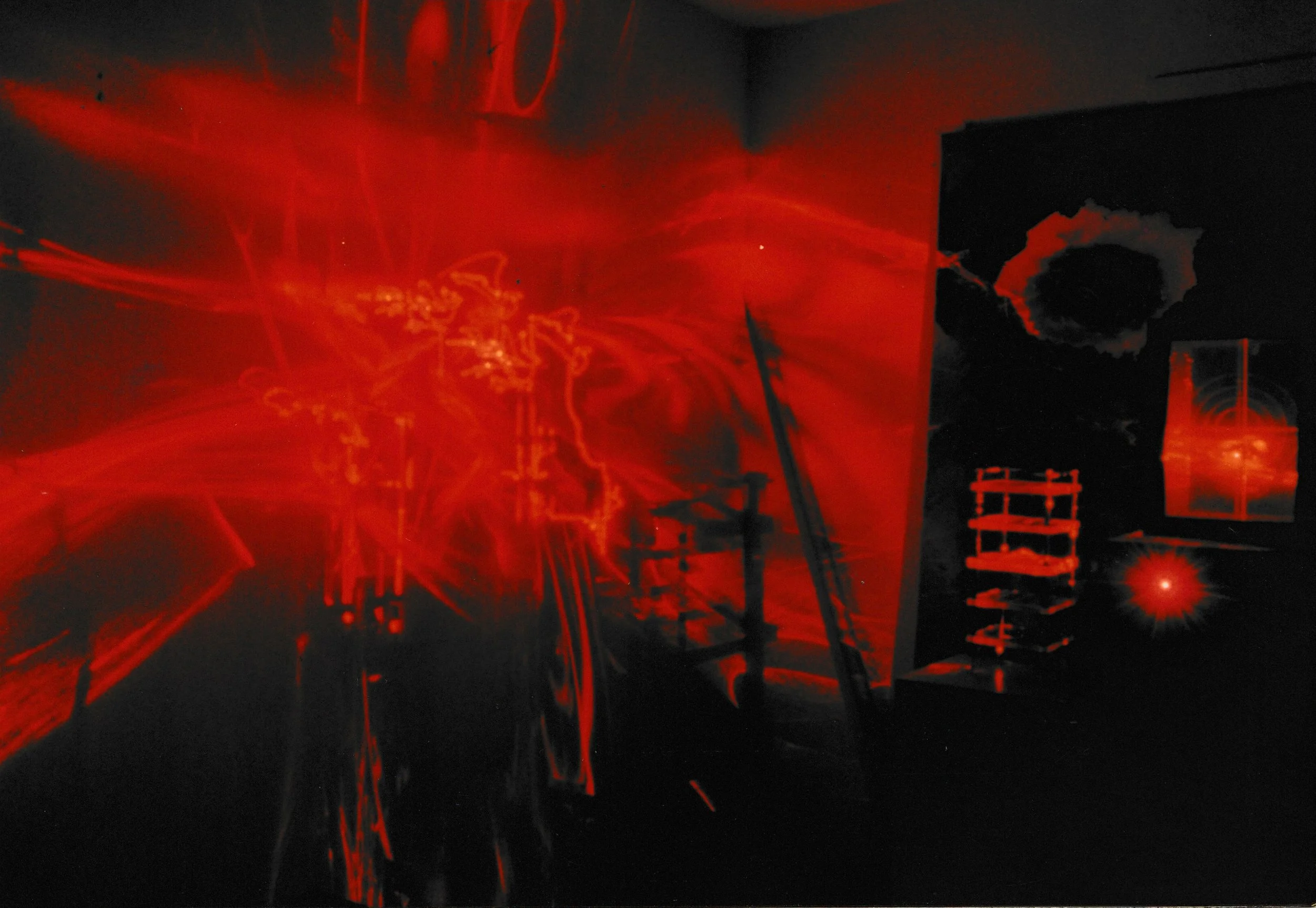
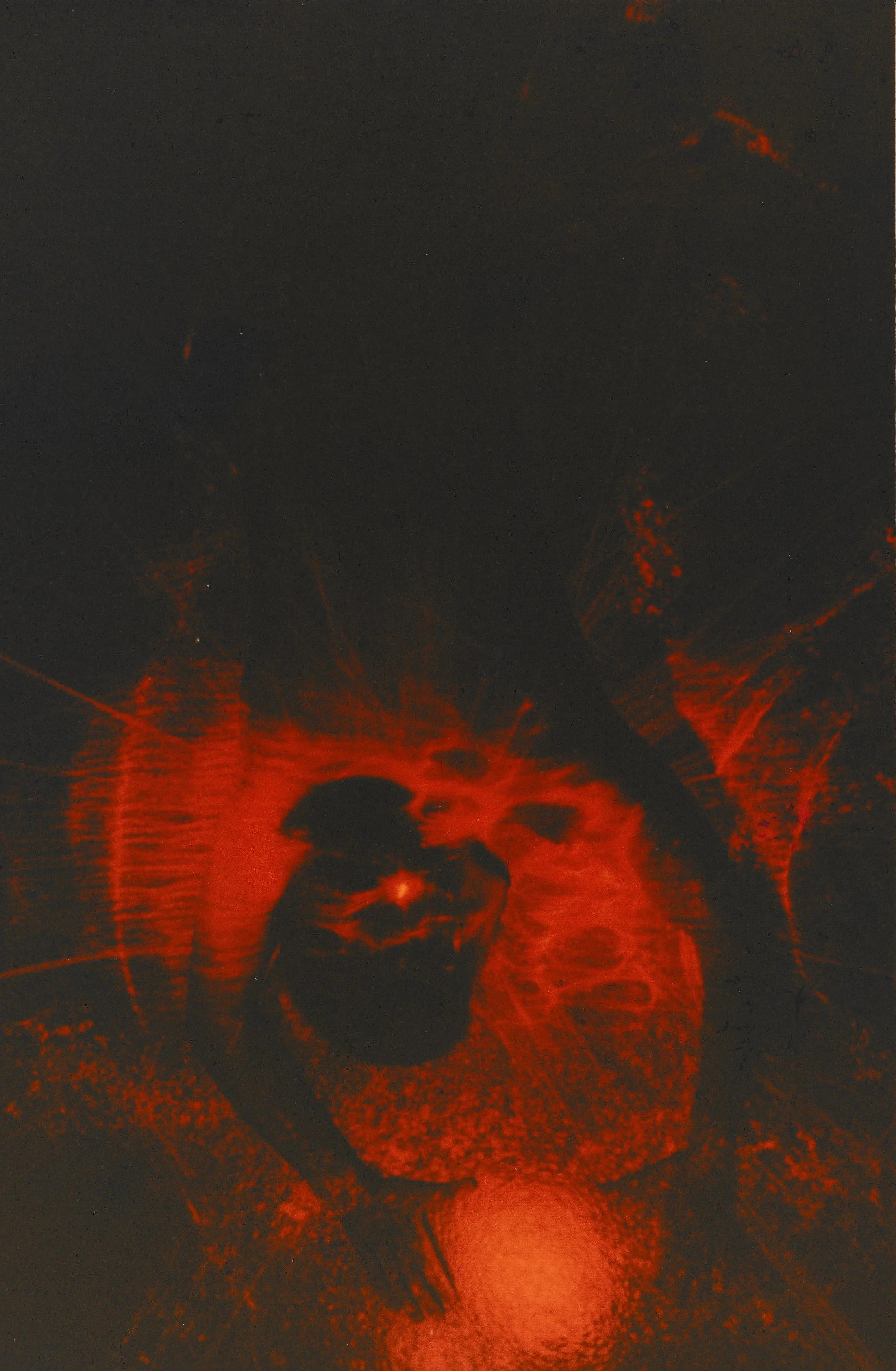
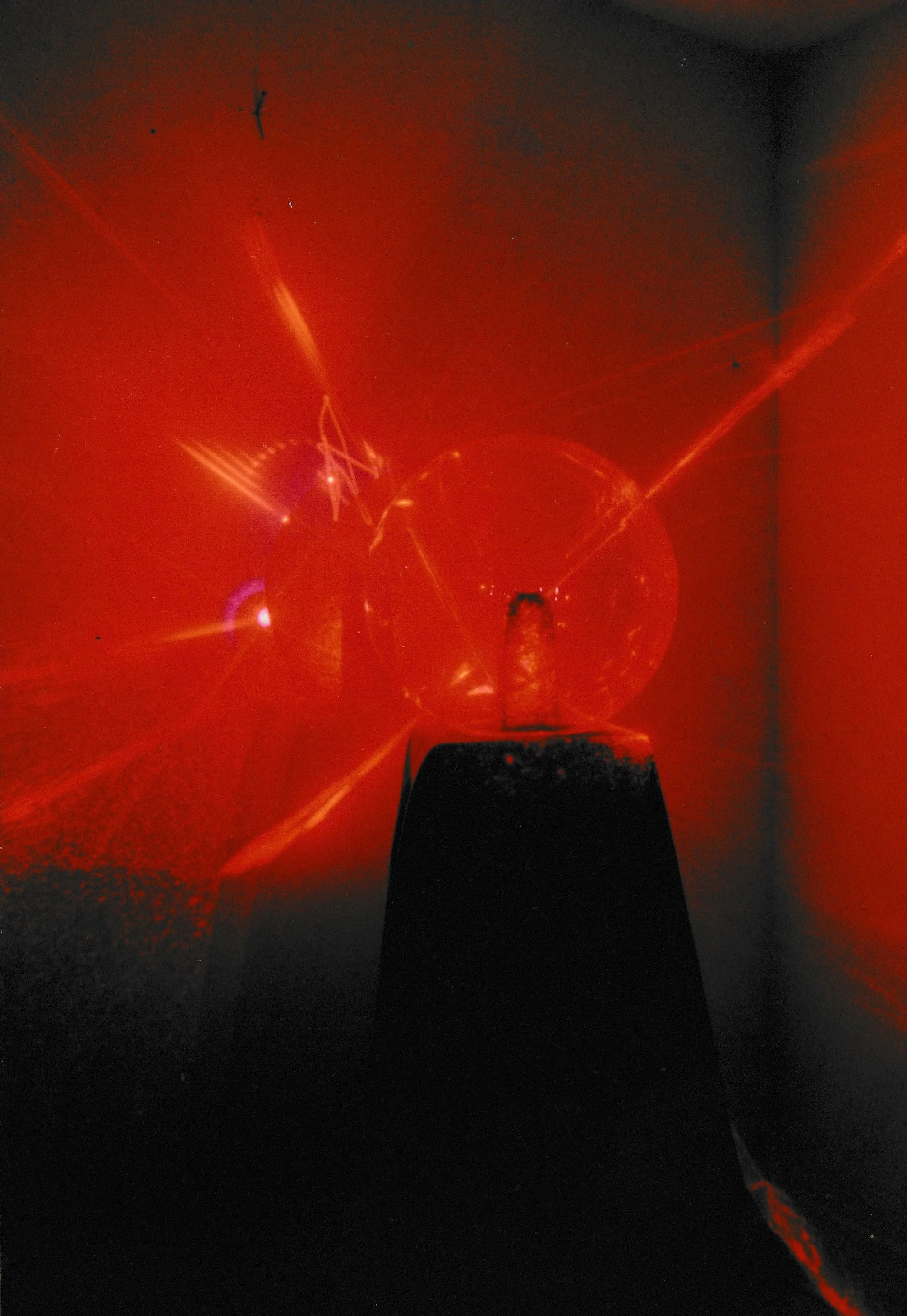
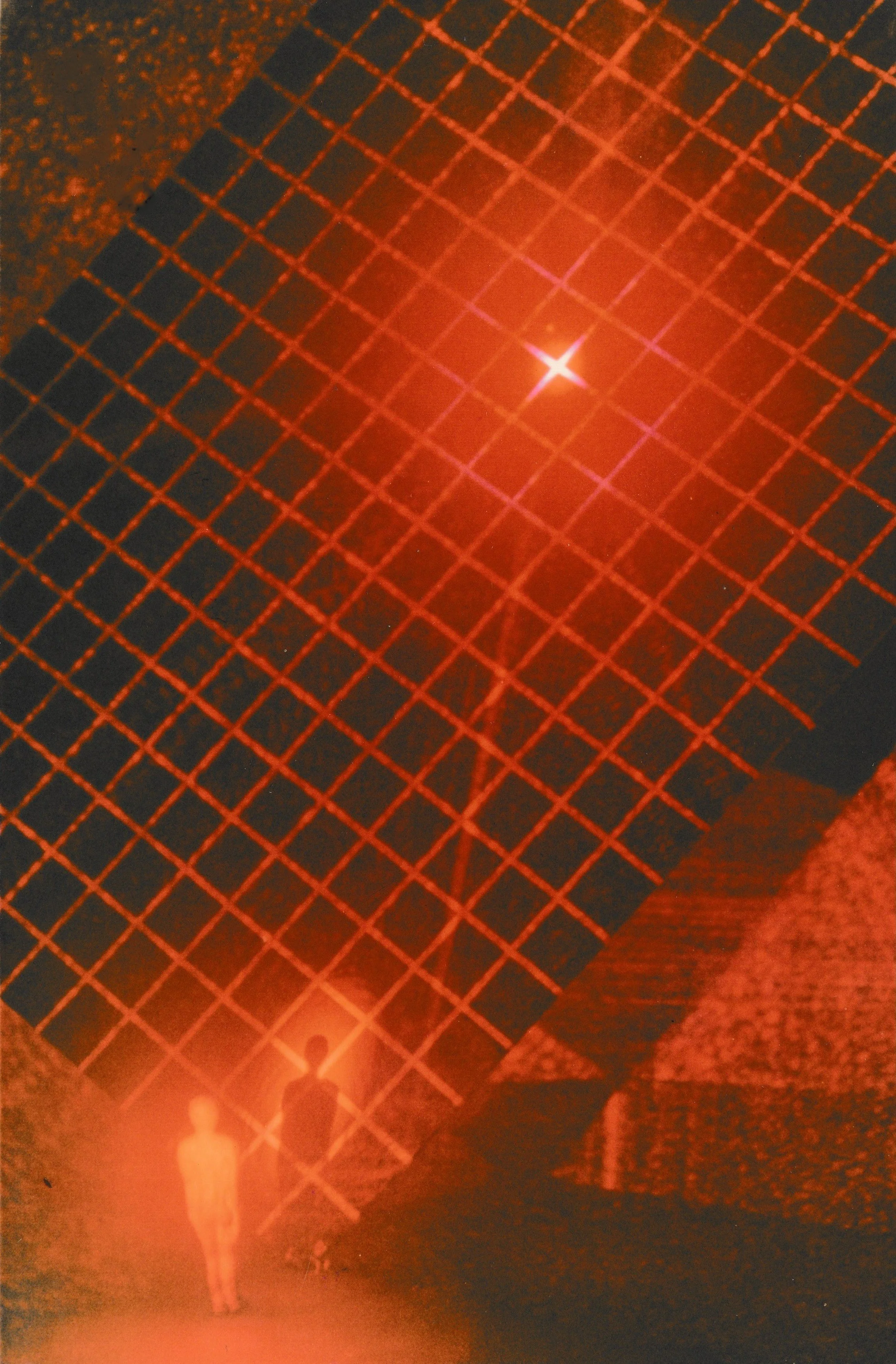
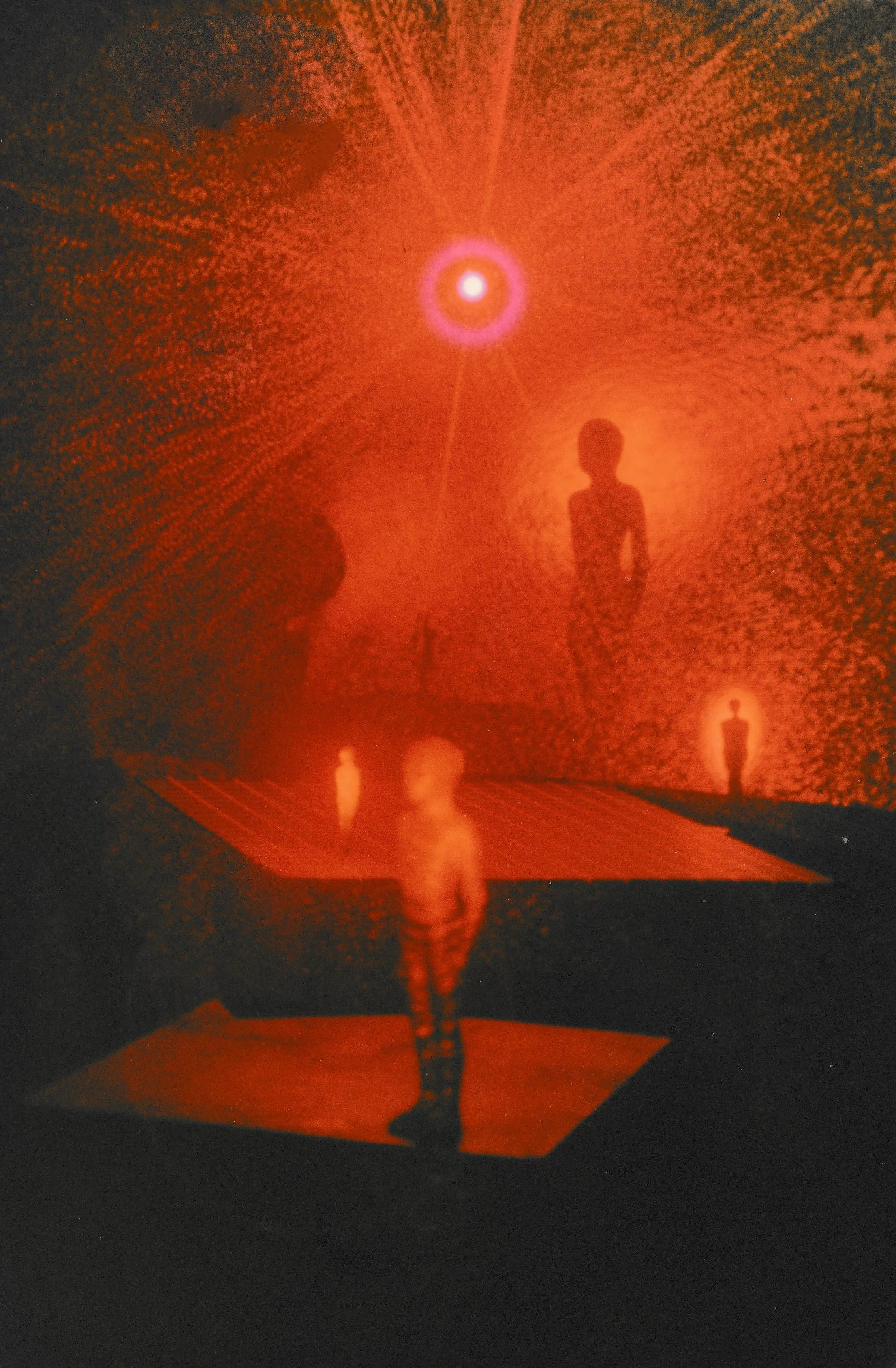
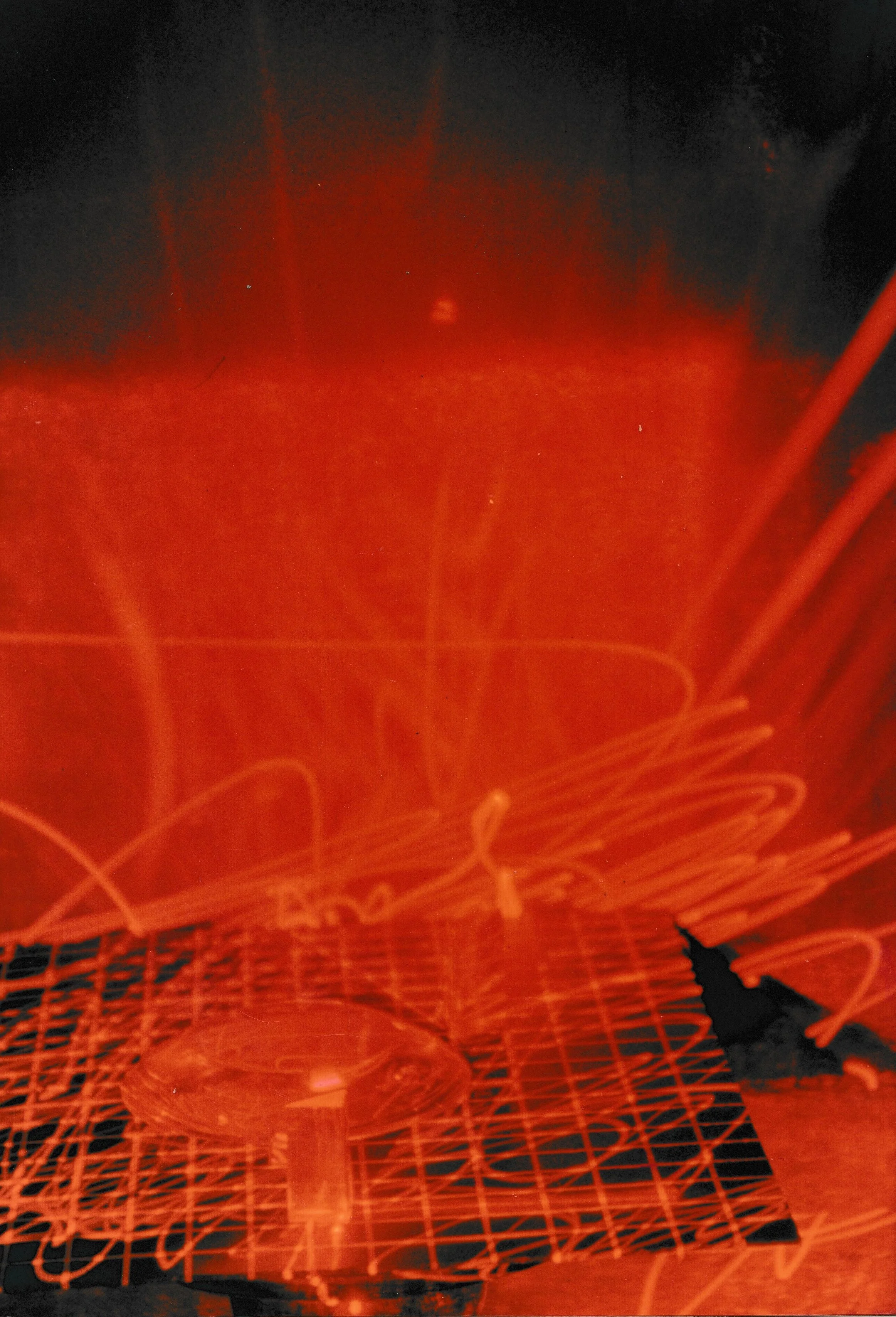
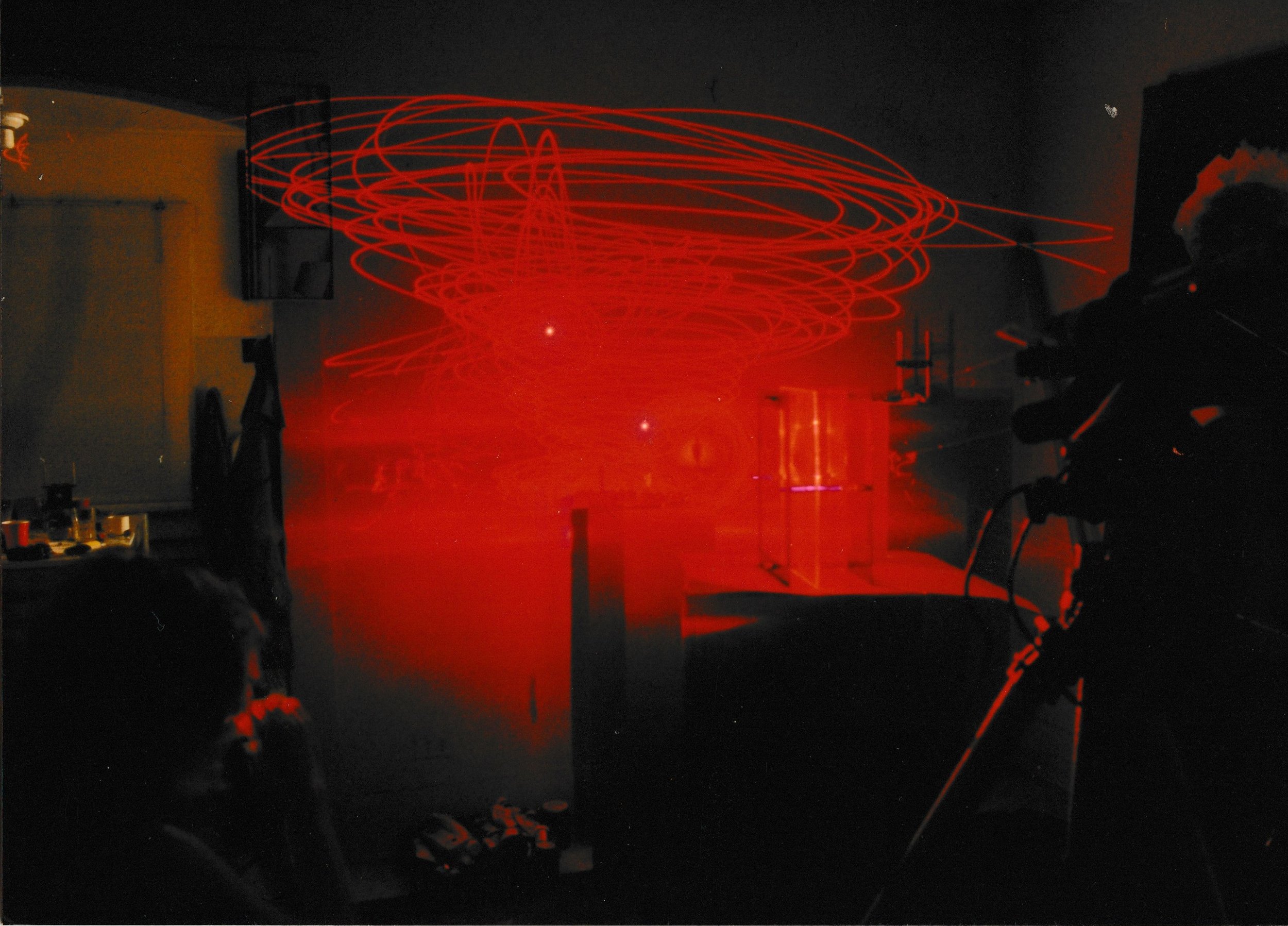
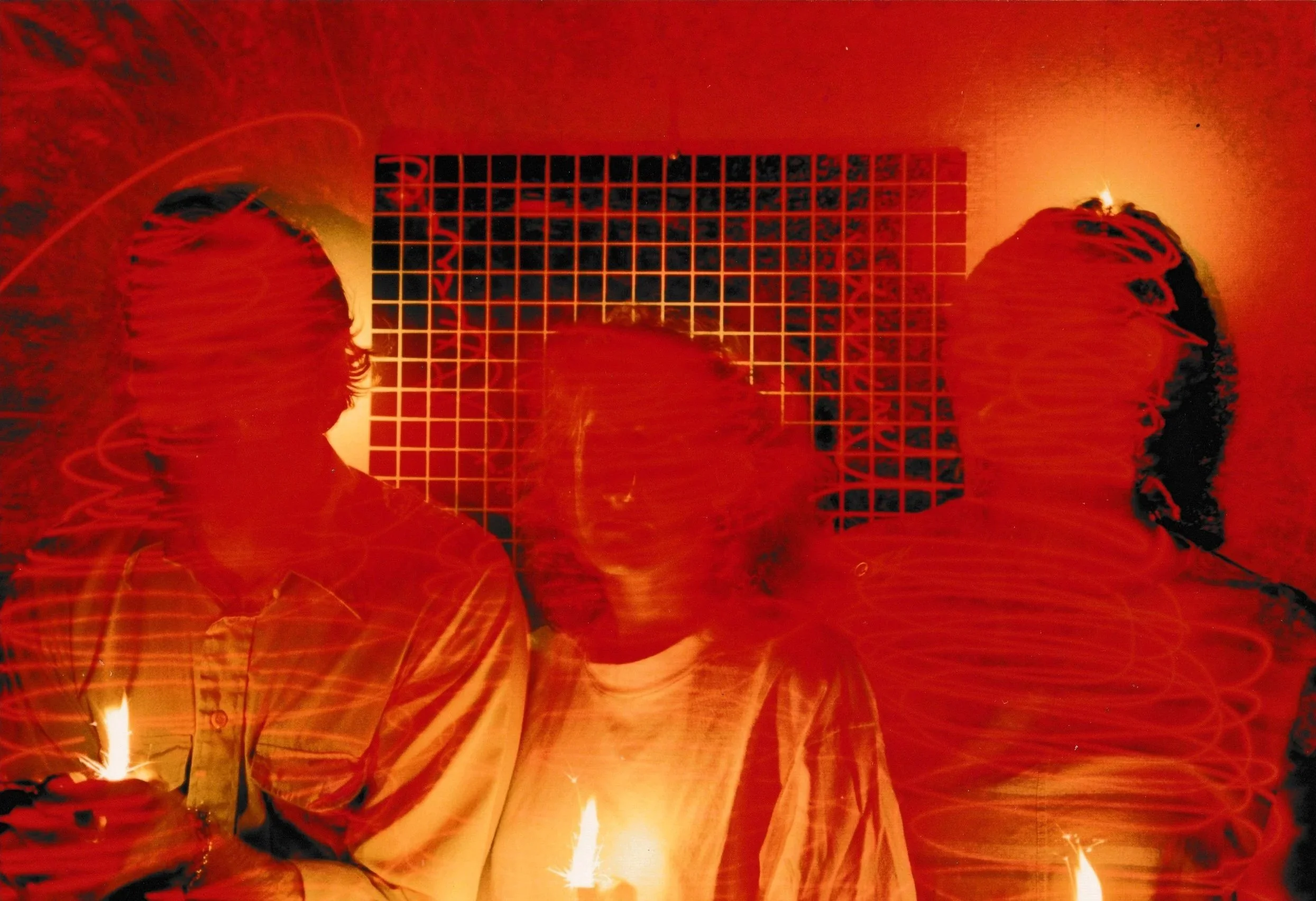
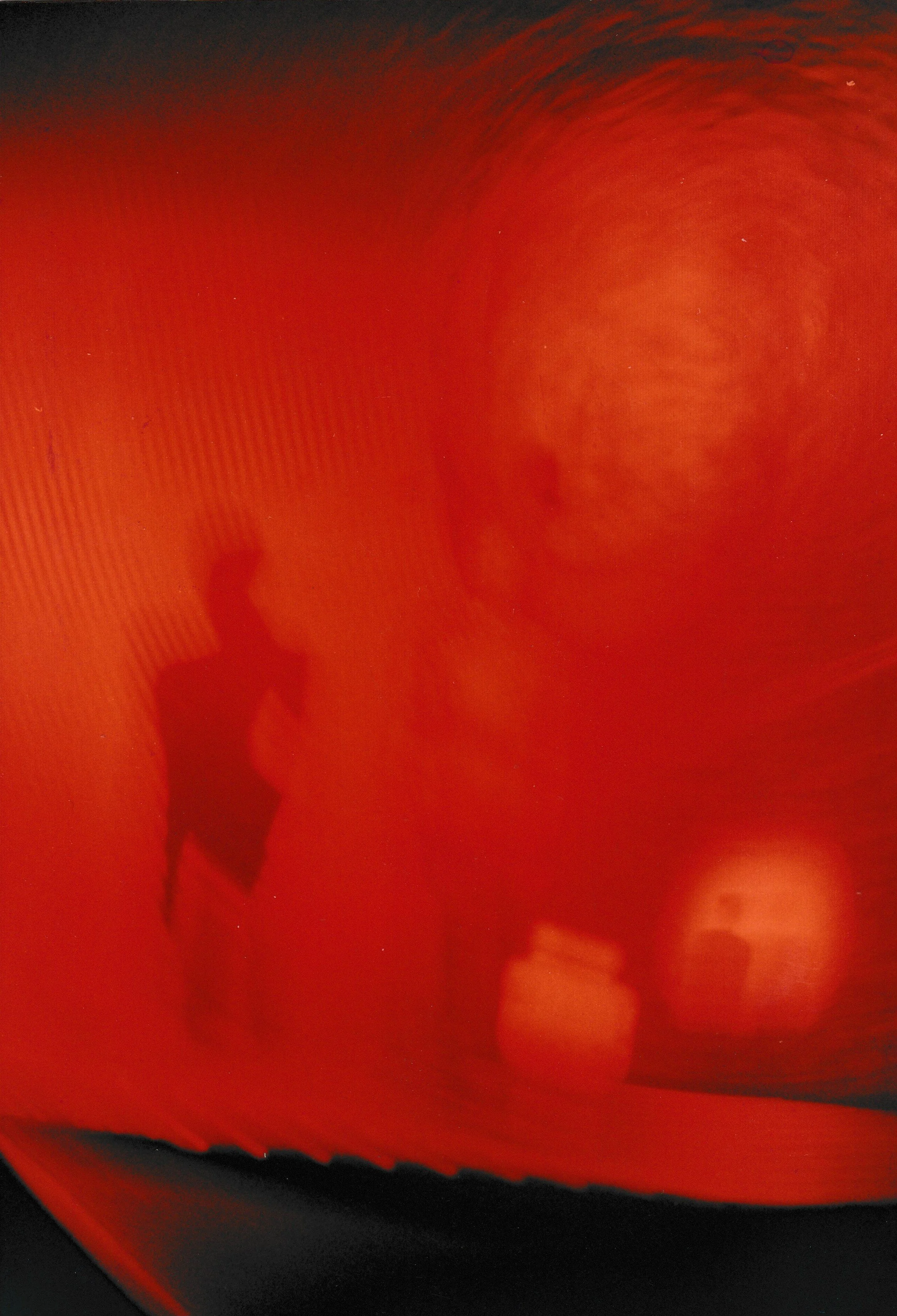
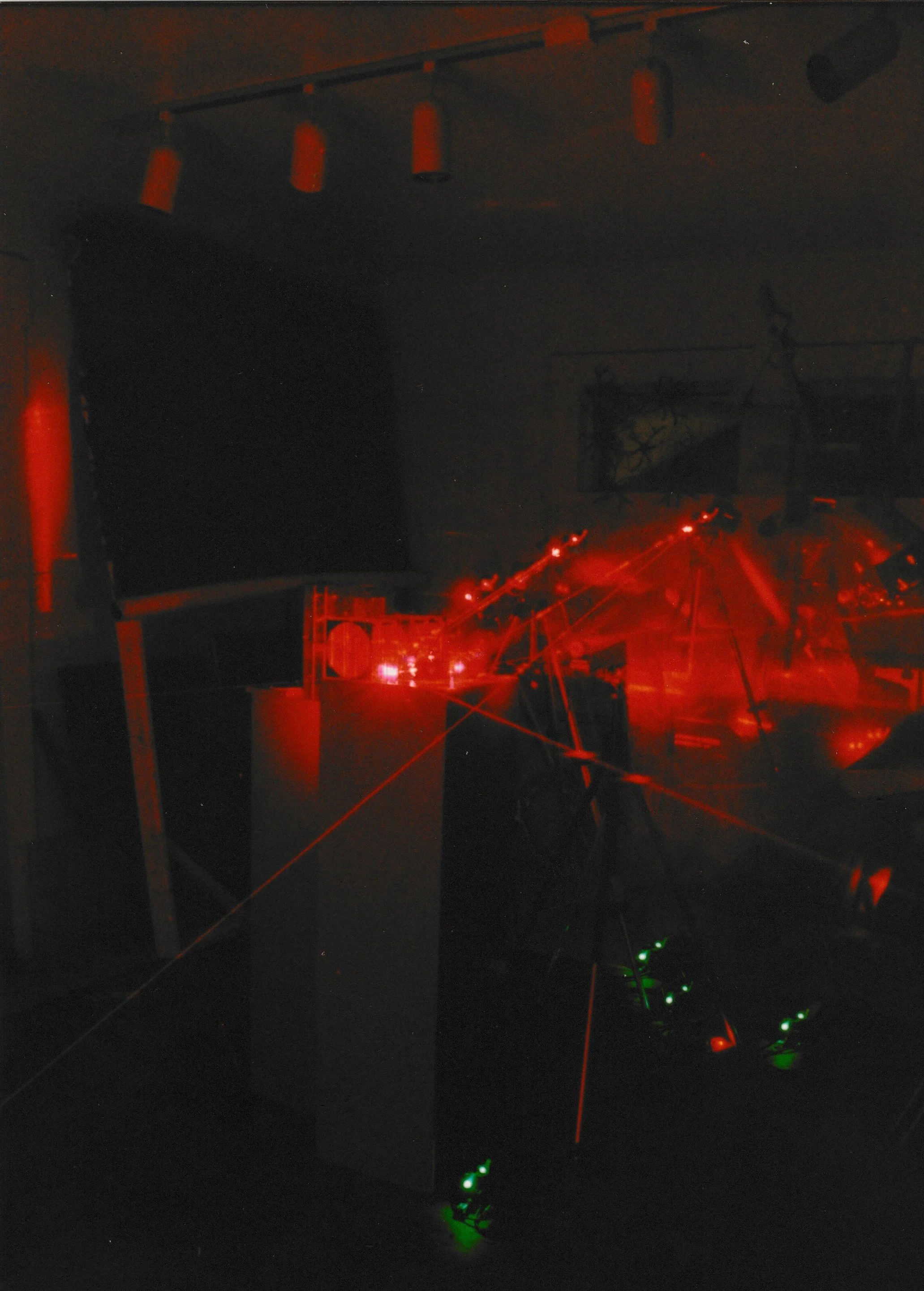
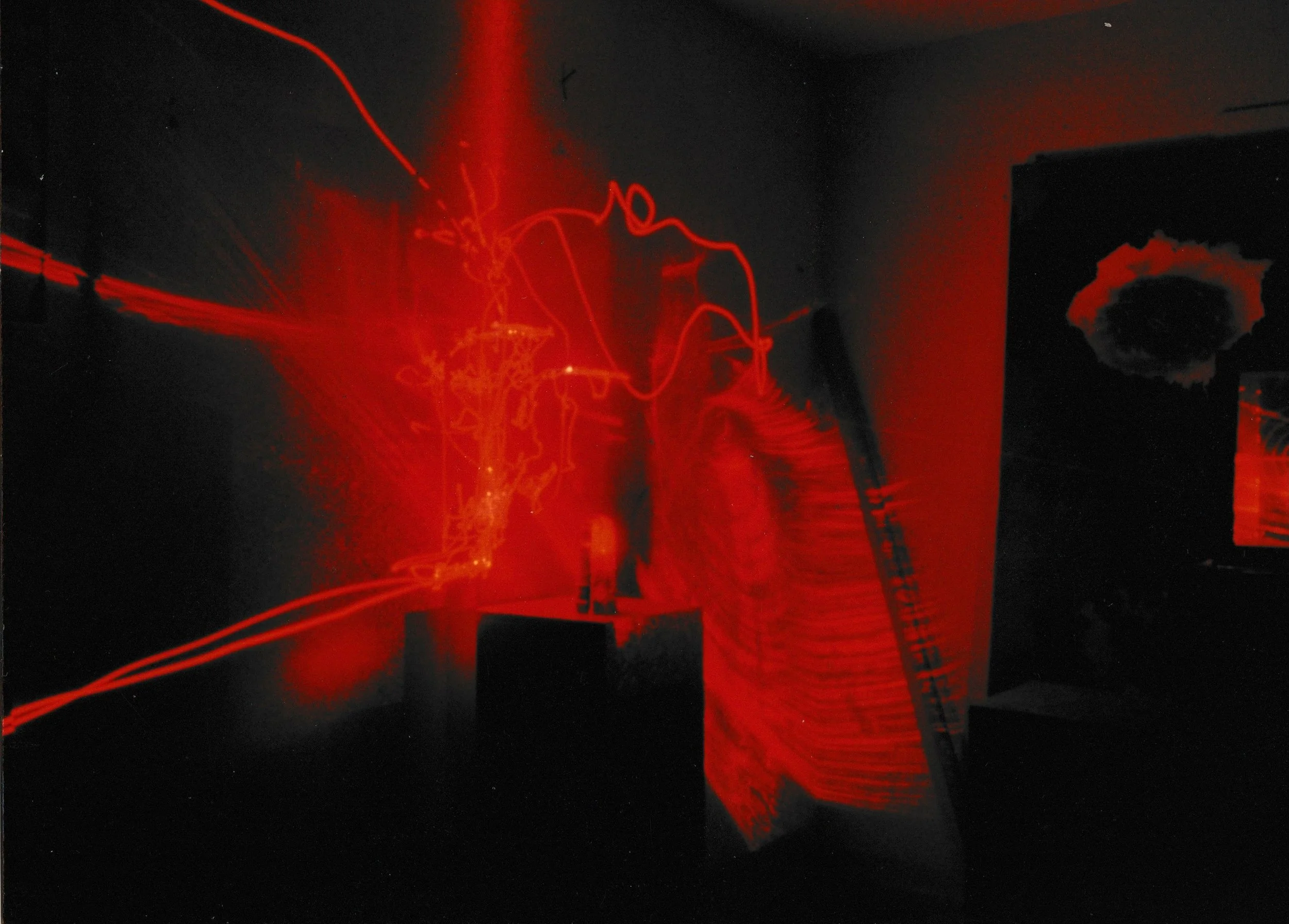
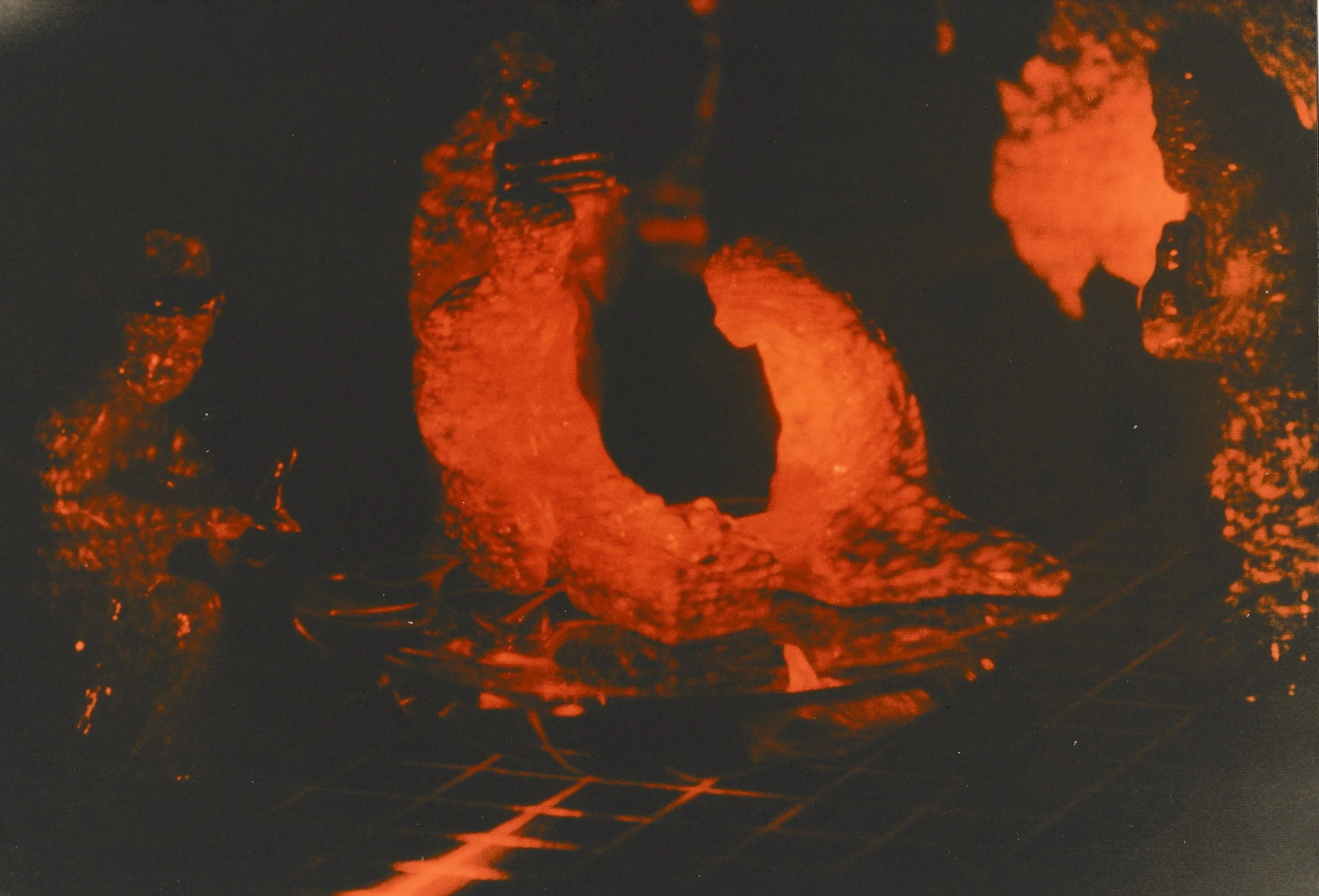
At that time, lasers were still understood mainly through the lens of Physics. They were used to study light, measure distance, and explore how energy moves in precise, controlled ways. The red beam itself became a symbol of accuracy and invisible forces made visible. It showed how energy could travel in a straight, focused line through space. This idea of controlled energy and direction became important not only in science, but also in how artists began to think about space and form. In 1988, Whitney Wolf II began experimenting with materials and ideas that reflected these developments. While red lasers were not widely accessible or commonly used in art at the time, he explored similar visual and conceptual ideas. In his sculptural work, bright red linear elements appear as controlled paths moving through space. These lines can be understood as references to beams of energy, similar to how a laser moves through a structured environment.
His work did not simply copy the technology but responded to the ideas behind it. The straight, precise red elements in his sculptures suggest direction, measurement, and flow. They move through geometric structures that resemble frameworks or systems, much like how a laser operates within a controlled space. This connects directly to principles in both Mathematics and physics, where lines, angles, and paths define how energy behaves. At the time, this kind of thinking was not common in mainstream art. Lasers would later become more widely recognized through things like barcode scanners, CD players, and laser pointers in the 1990s and 2000s. But in the 1980s, Wolf was already working with the visual language of this technology. He was exploring how energy could be represented, how space could be structured, and how scientific ideas could be expressed through physical form.