Quantum Realities
The idea of quantum realities comes from the development of quantum theory in the early 20th century. Scientists working in Physics began to discover that the world at very small scales does not behave in simple or predictable ways. Early figures like Max Planck and Niels Bohr found that energy moves in small packets, called quanta, rather than in smooth, continuous flows. This changed how people understood reality itself. As the theory developed, new ideas emerged. Particles could exist in more than one state at the same time, a concept known as superposition. Scientists like Erwin Schrödinger showed that particles behave like both waves and solid matter. Later, the idea of multiple possible outcomes led to the concept of parallel or layered realities. Instead of one fixed world, quantum theory suggested that many possibilities could exist at once, only becoming fixed when observed.
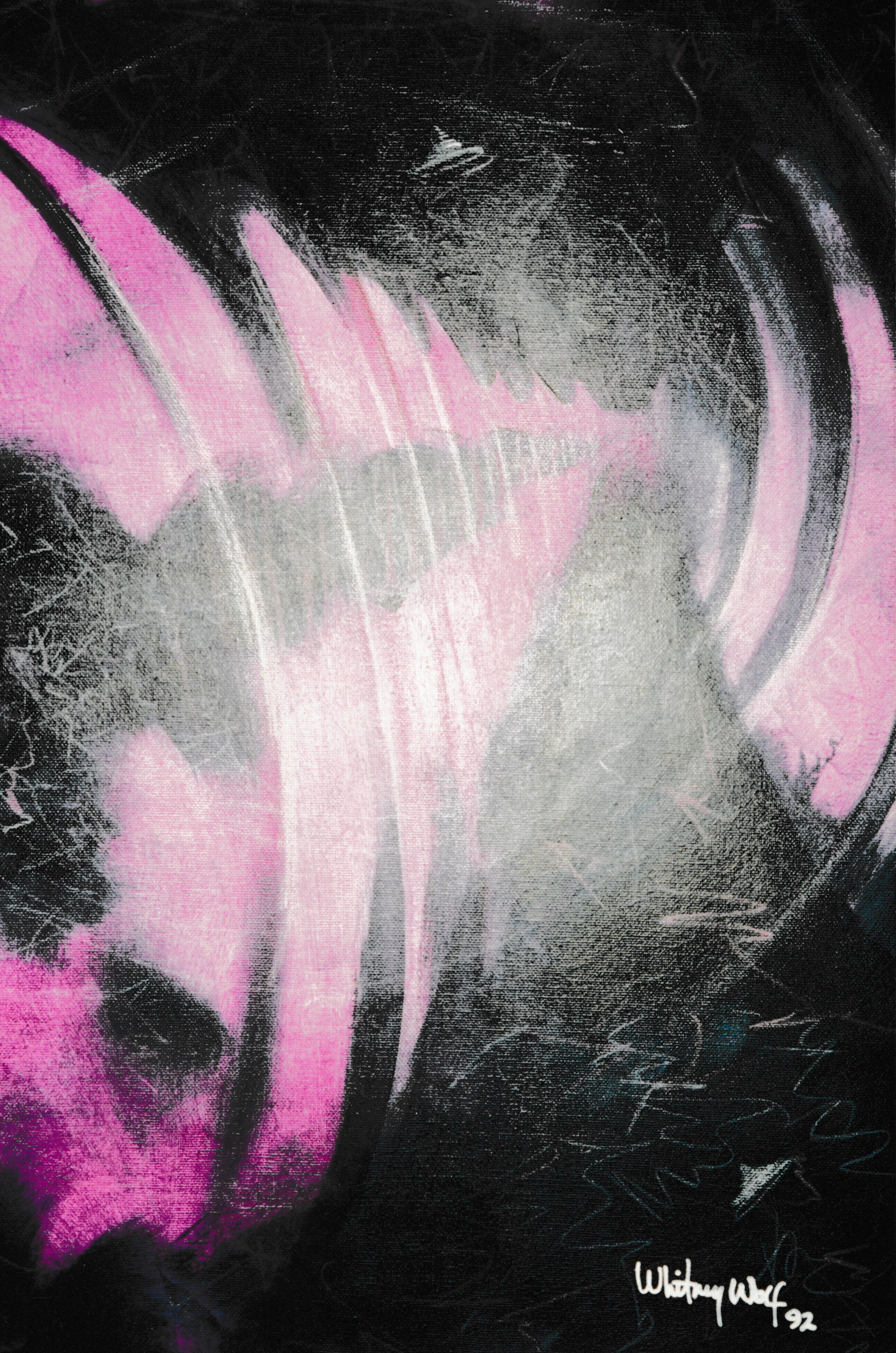
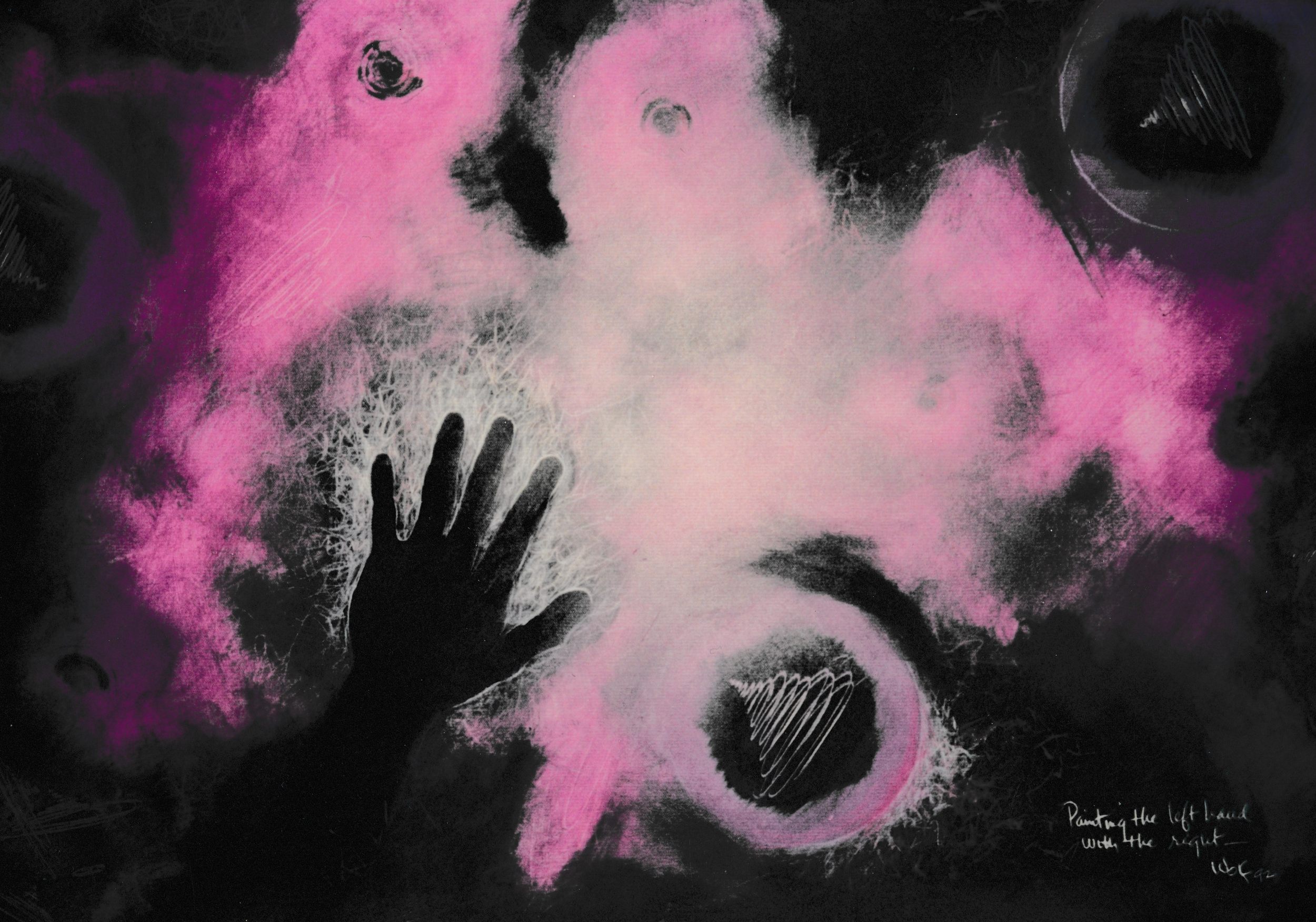
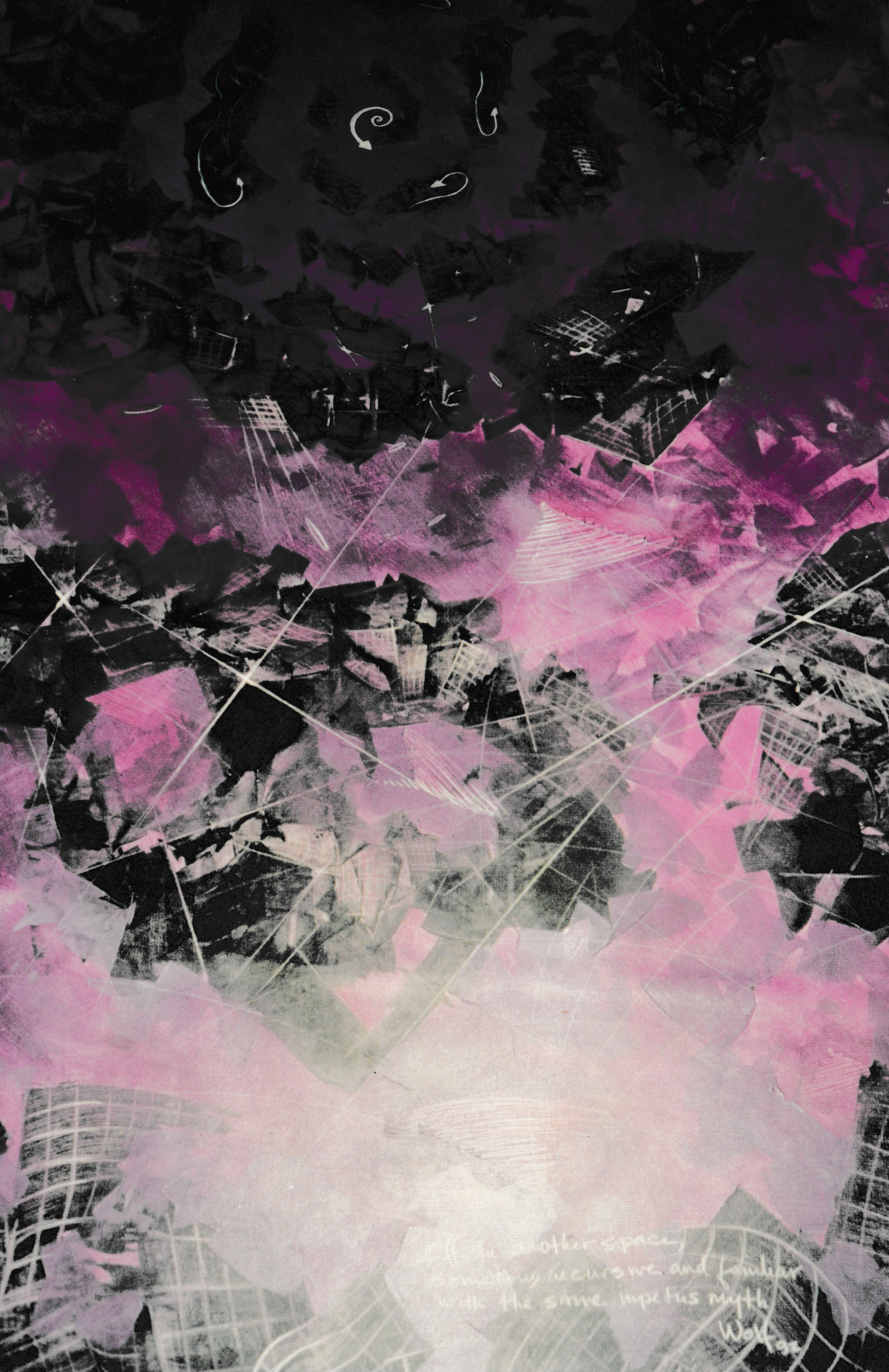
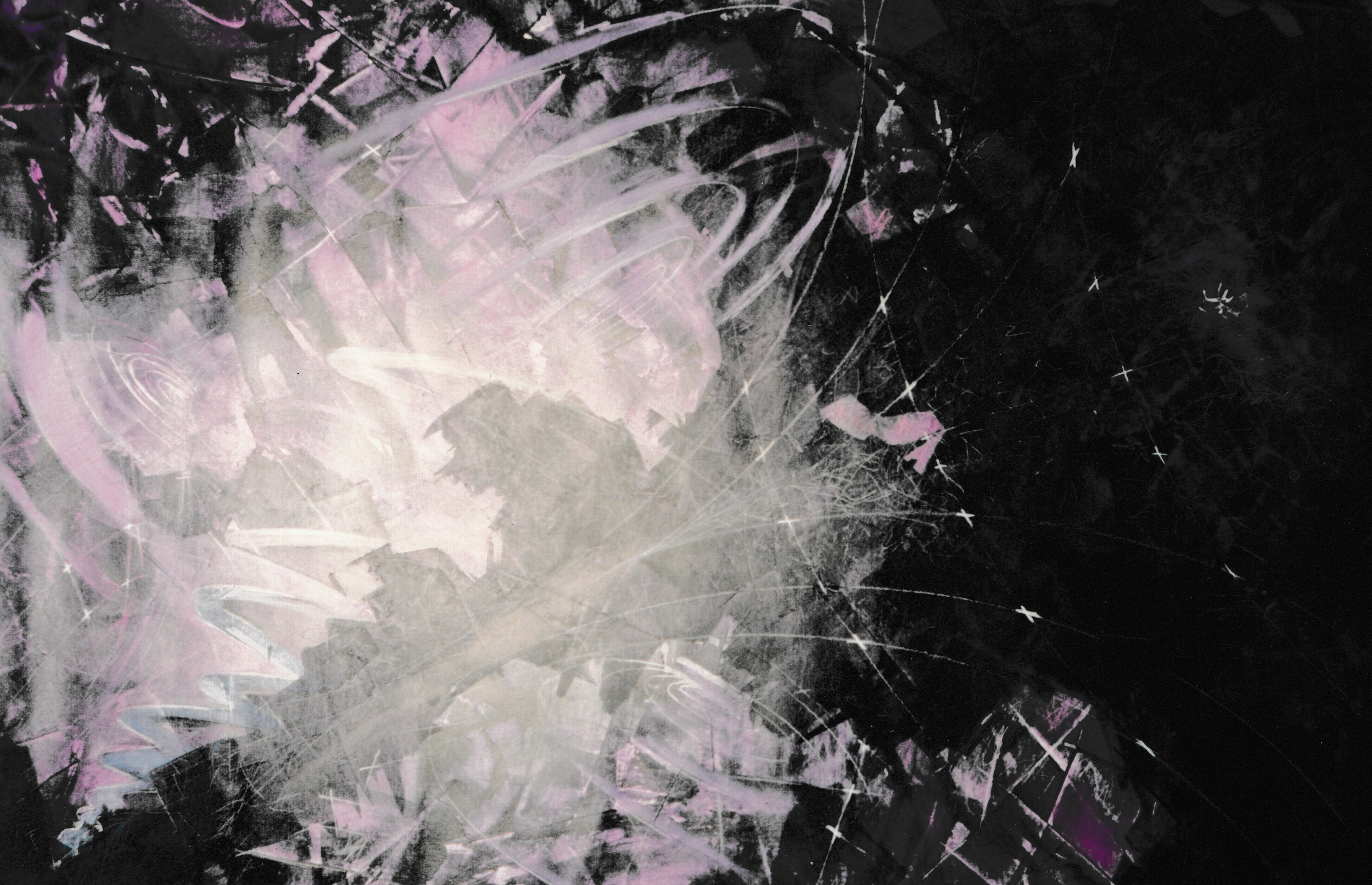
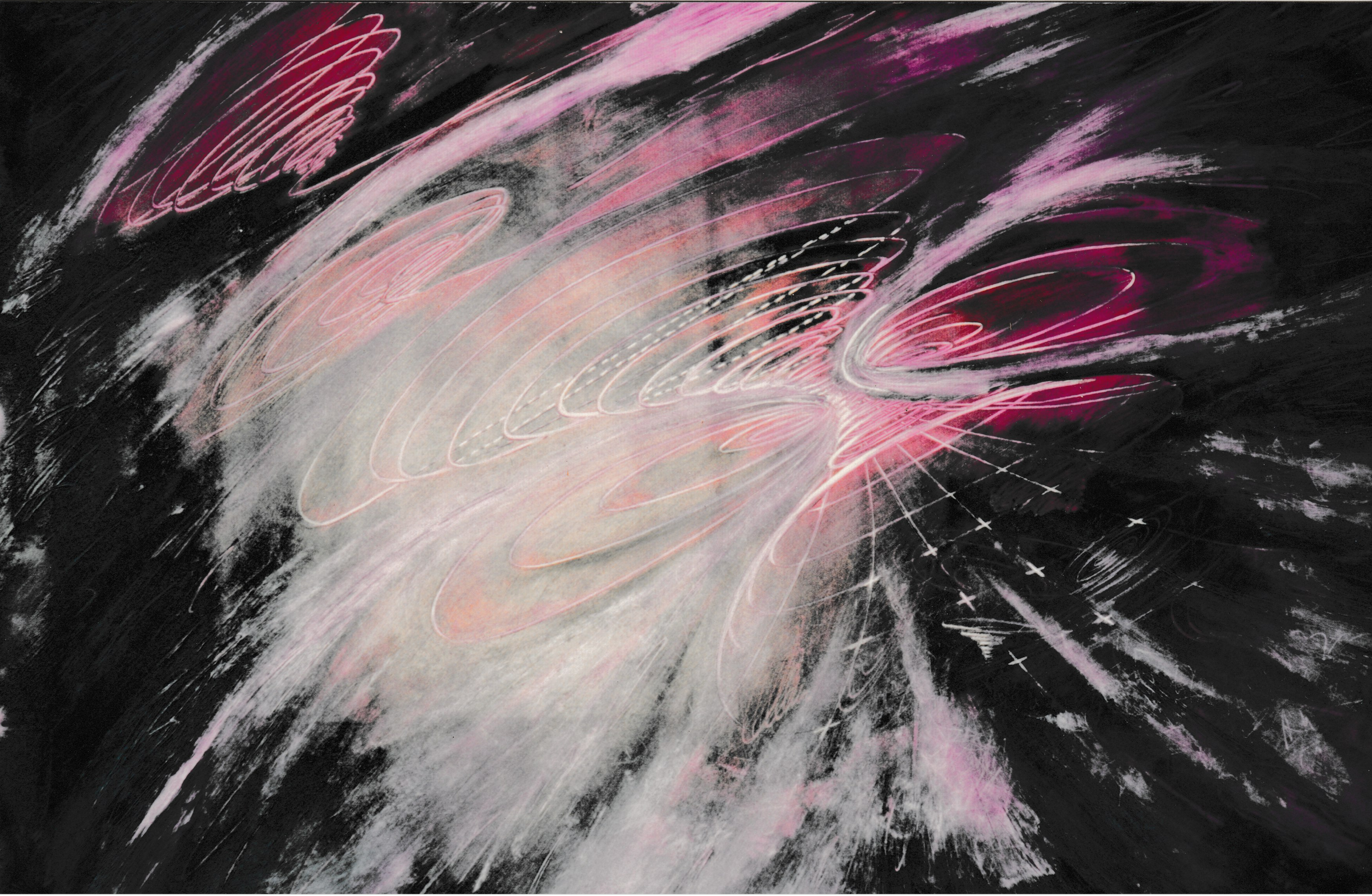
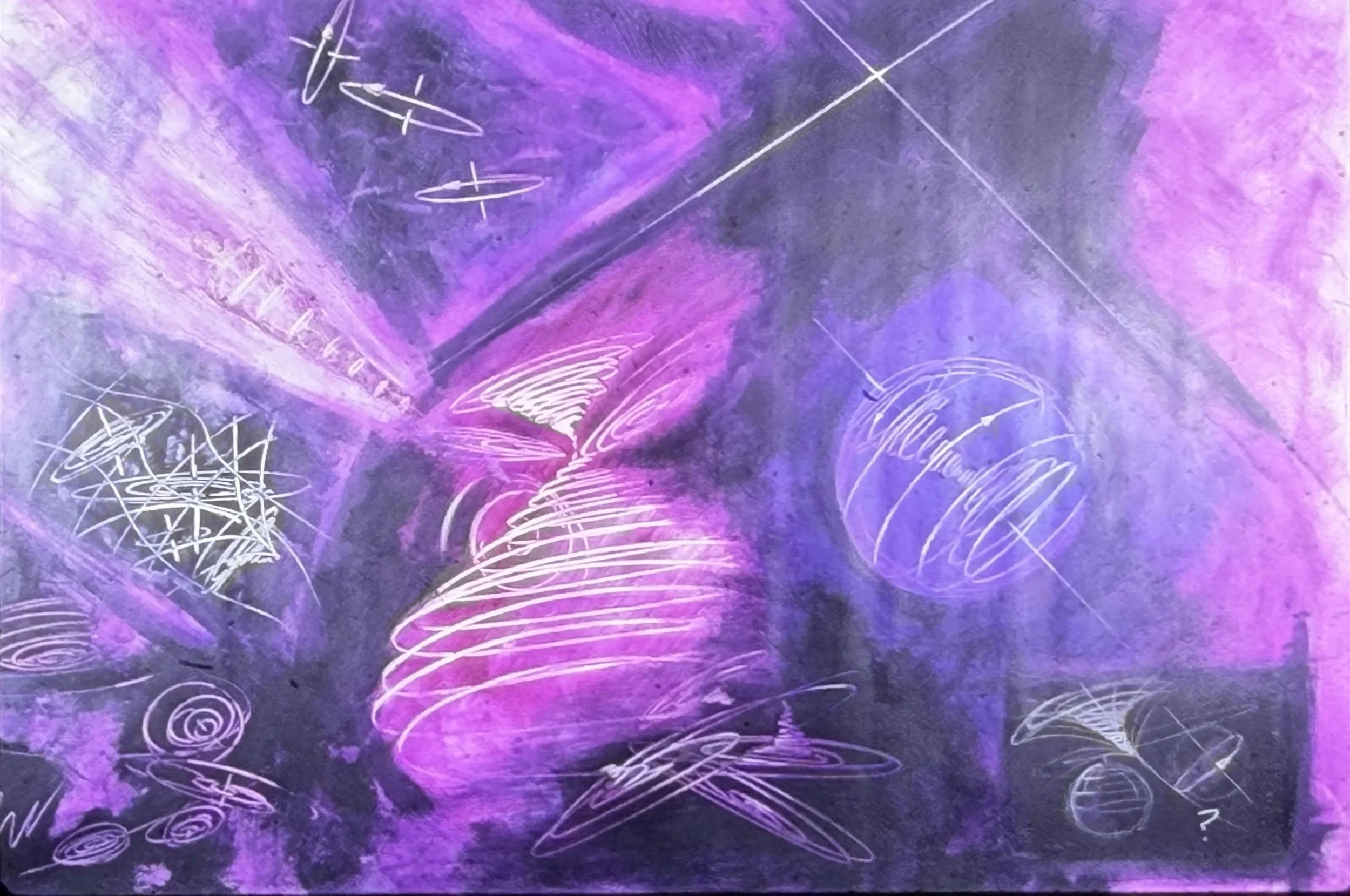
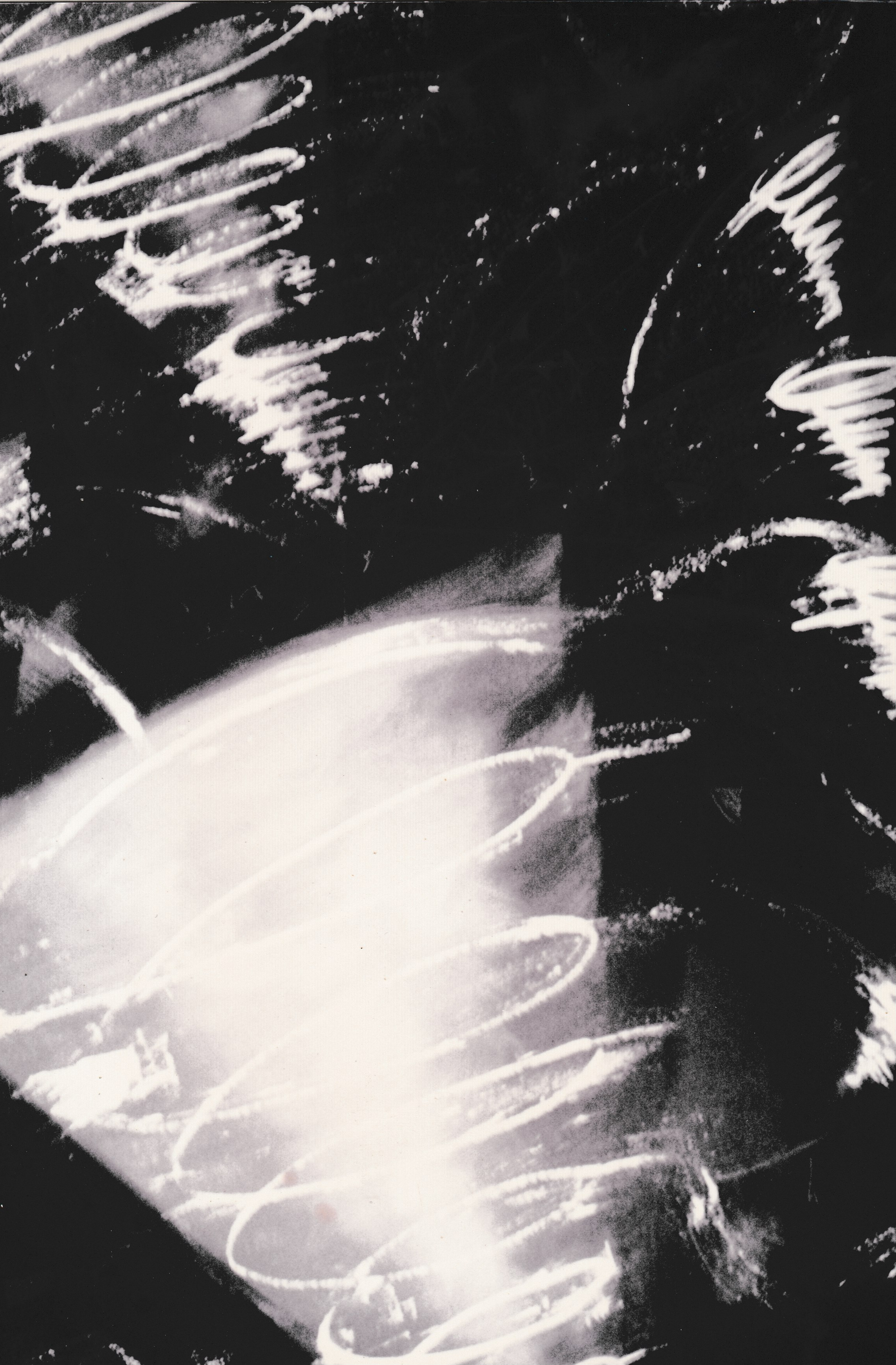
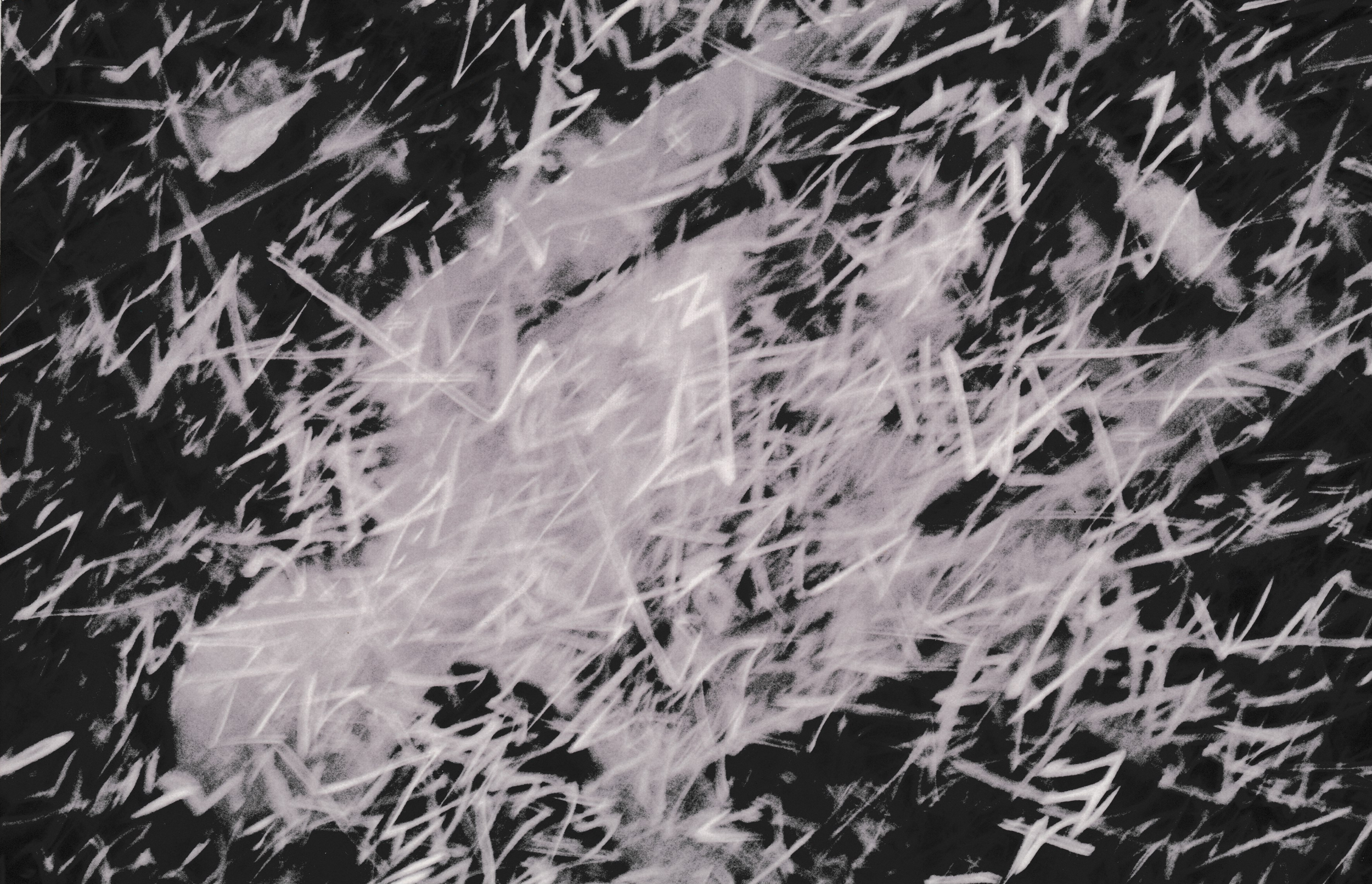
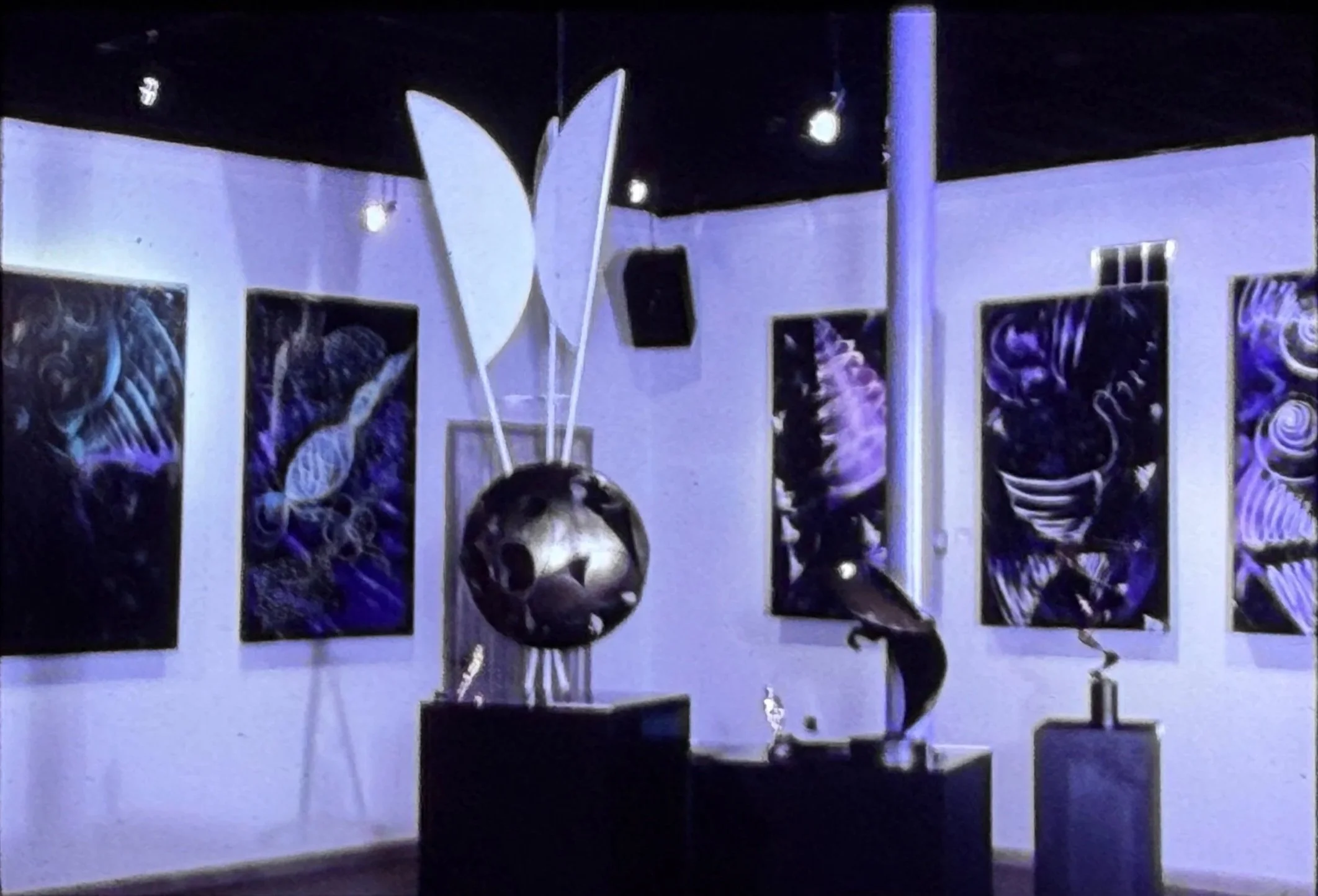
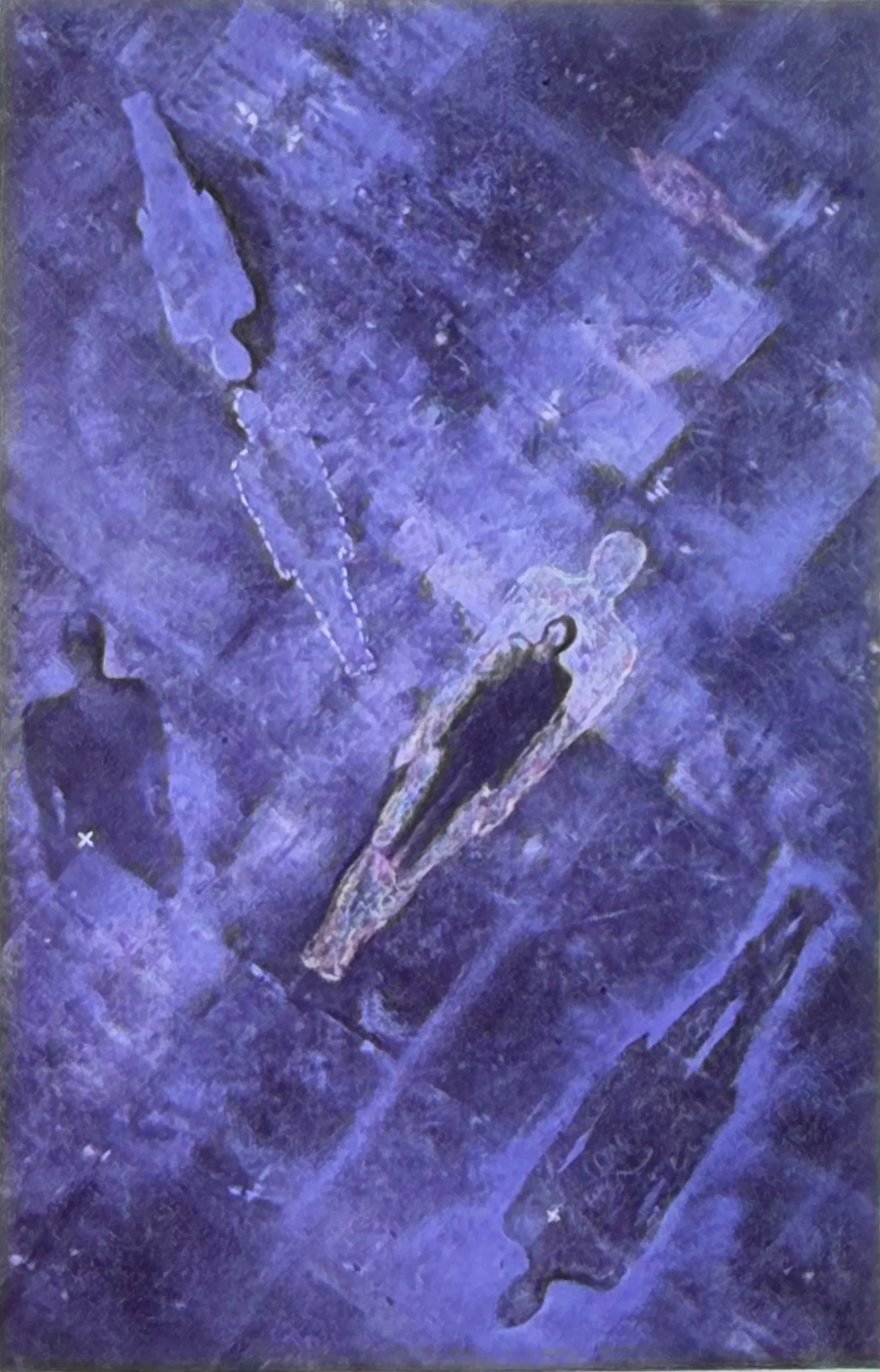
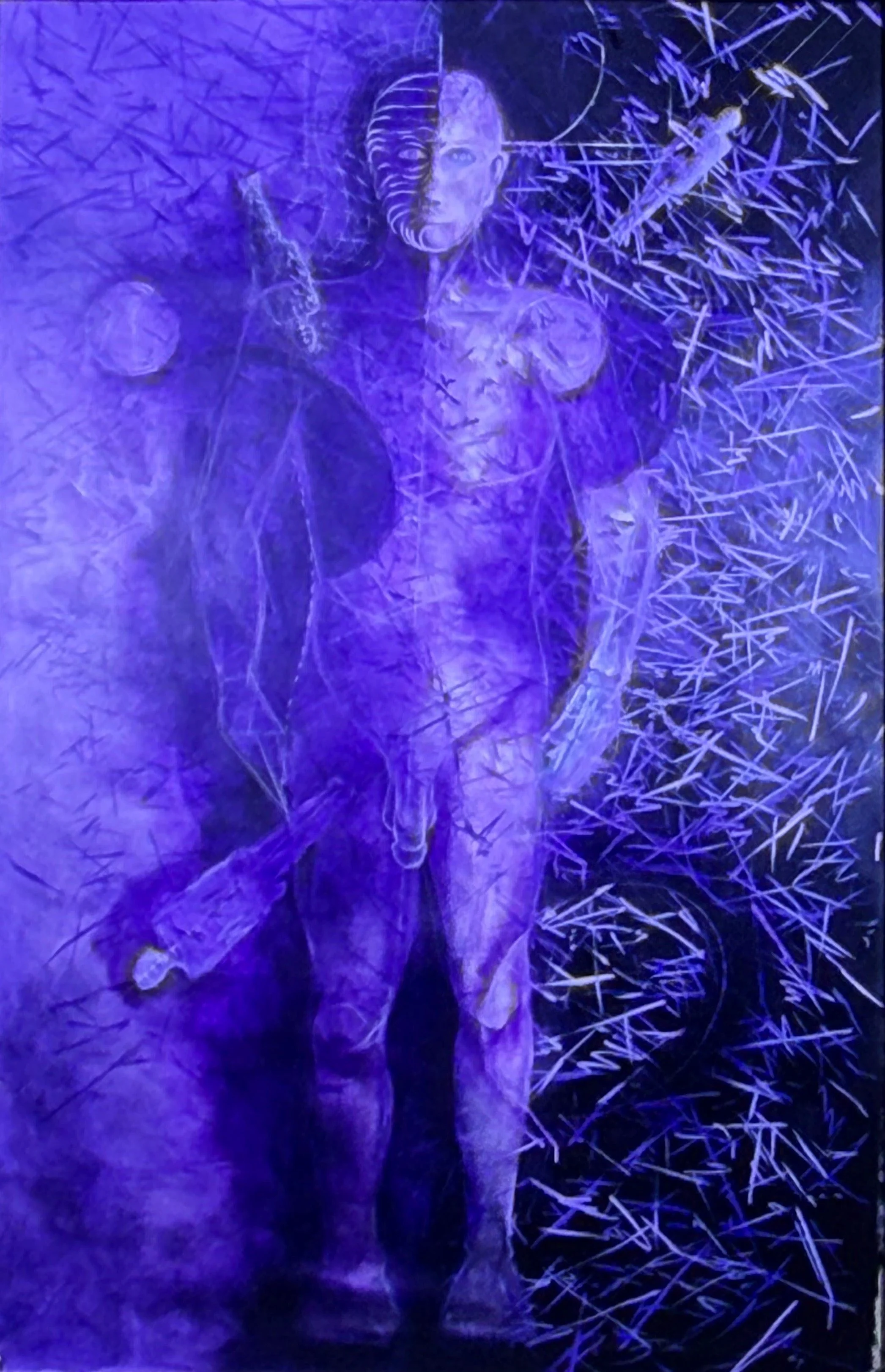
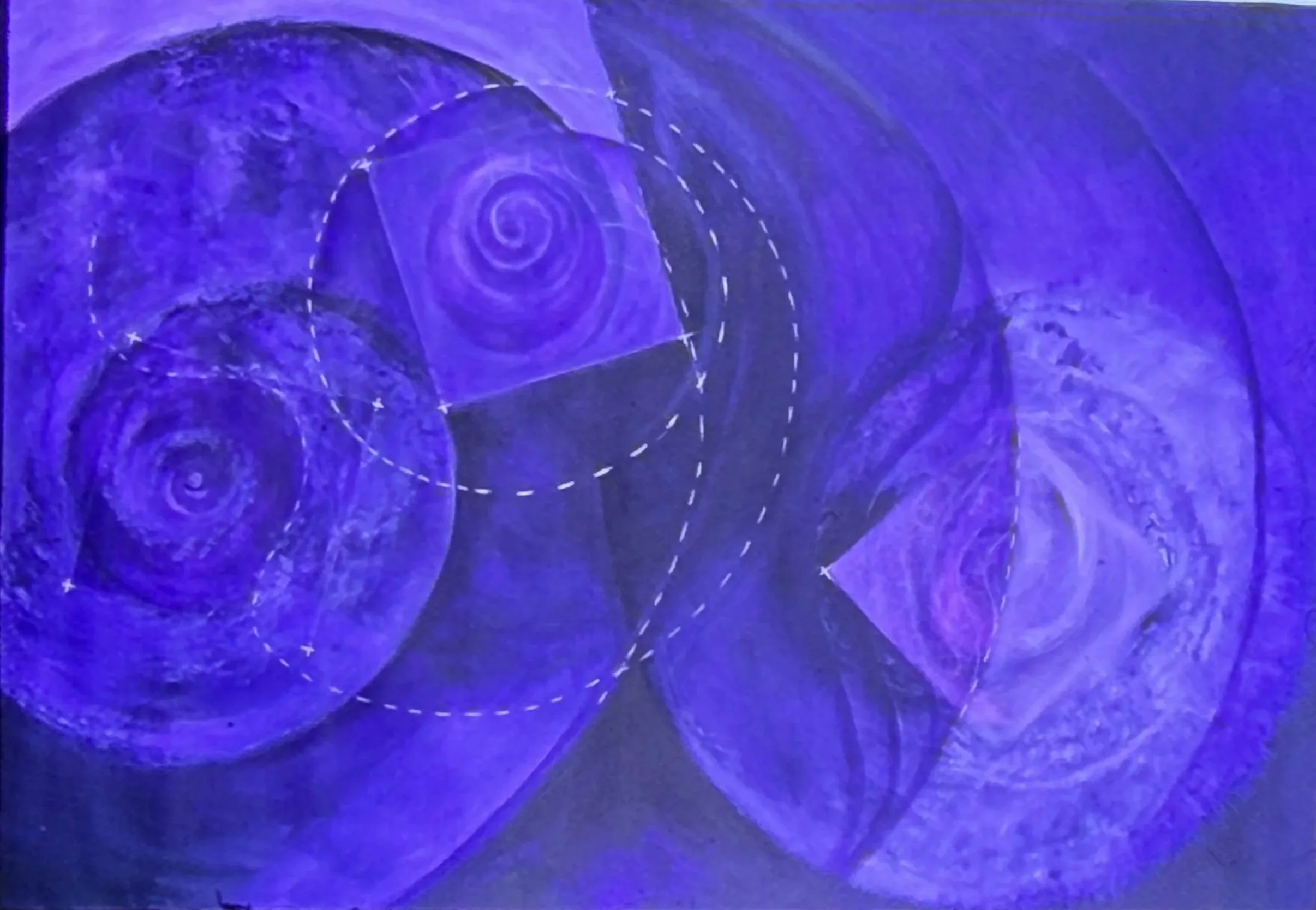
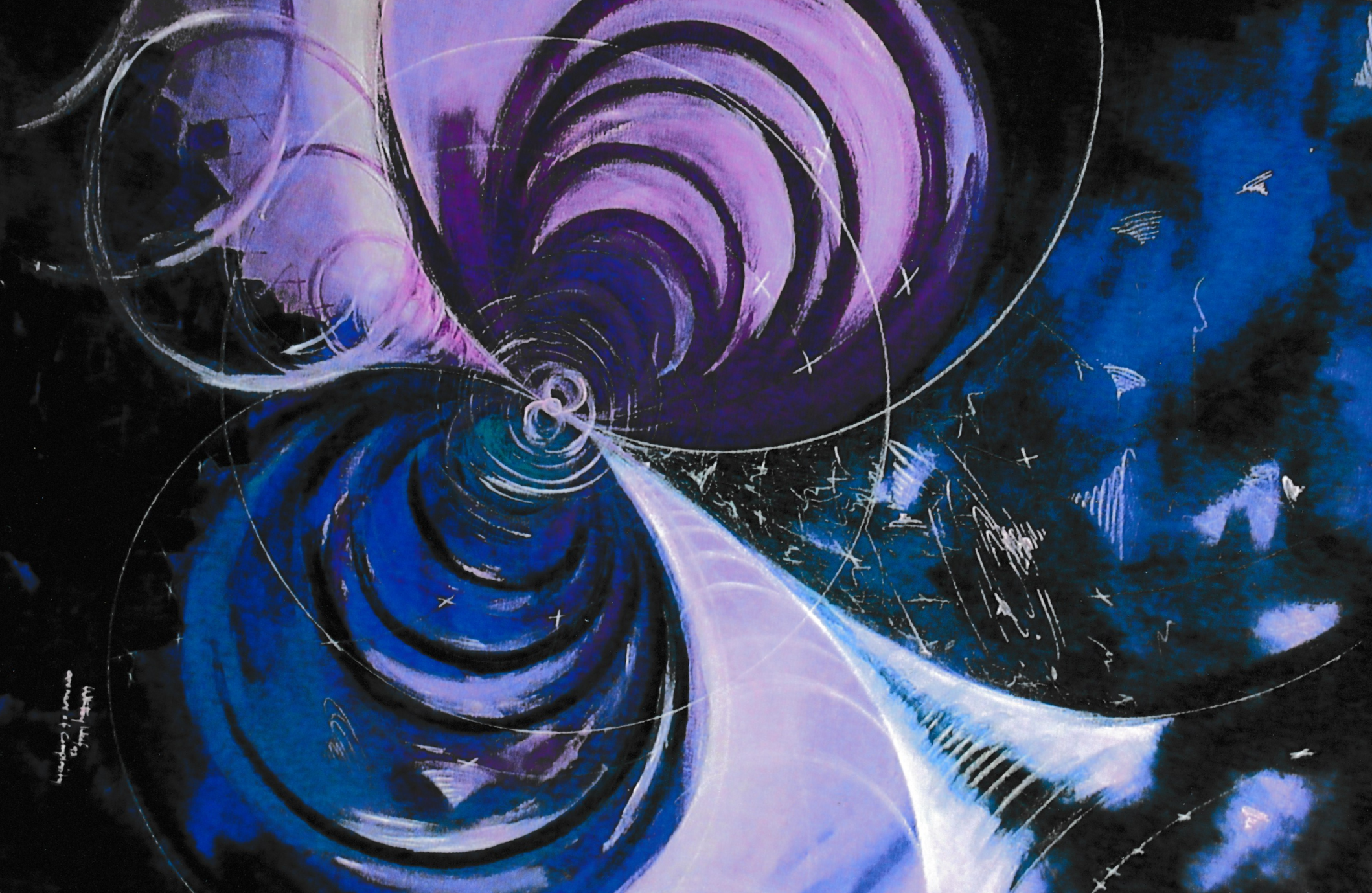
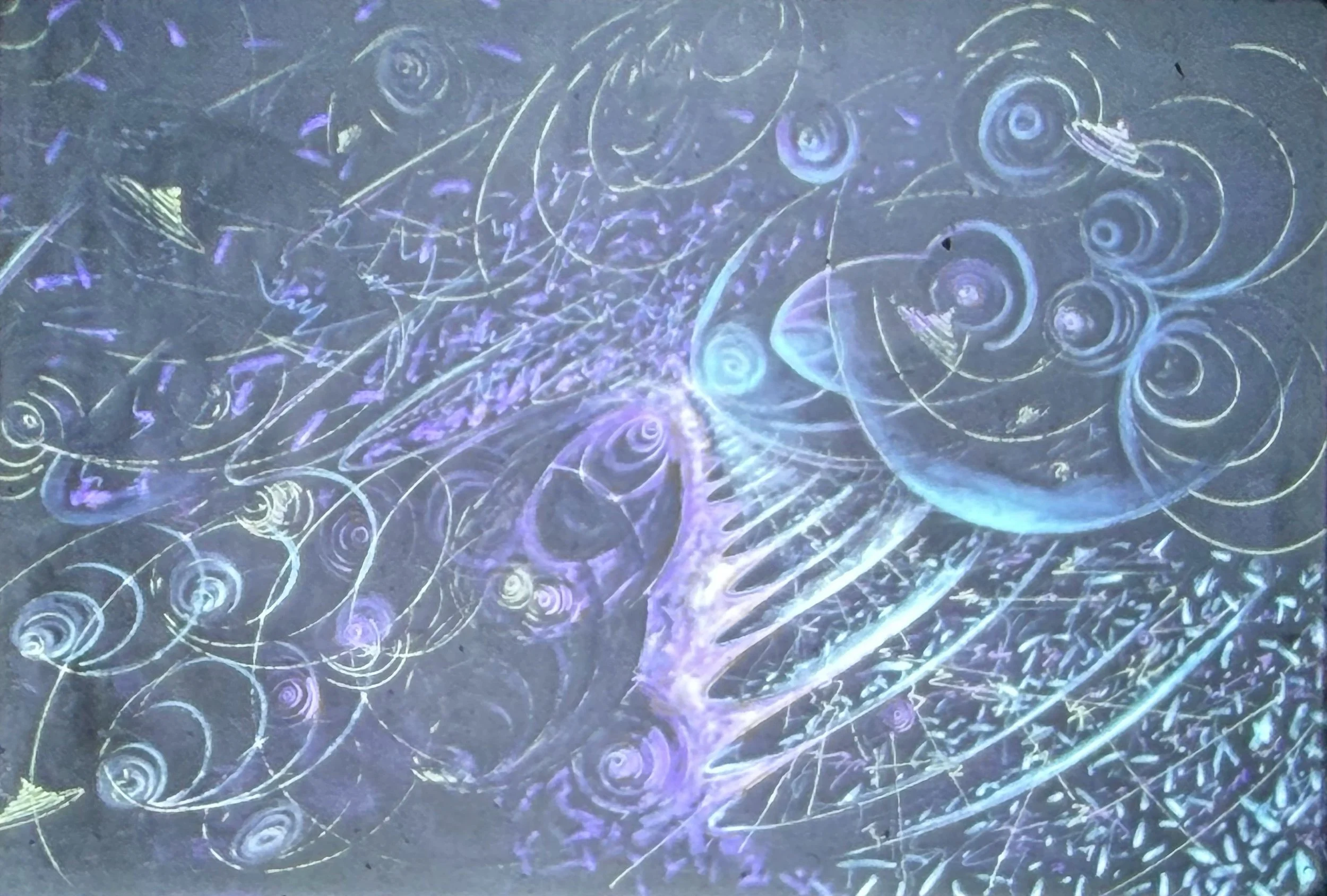
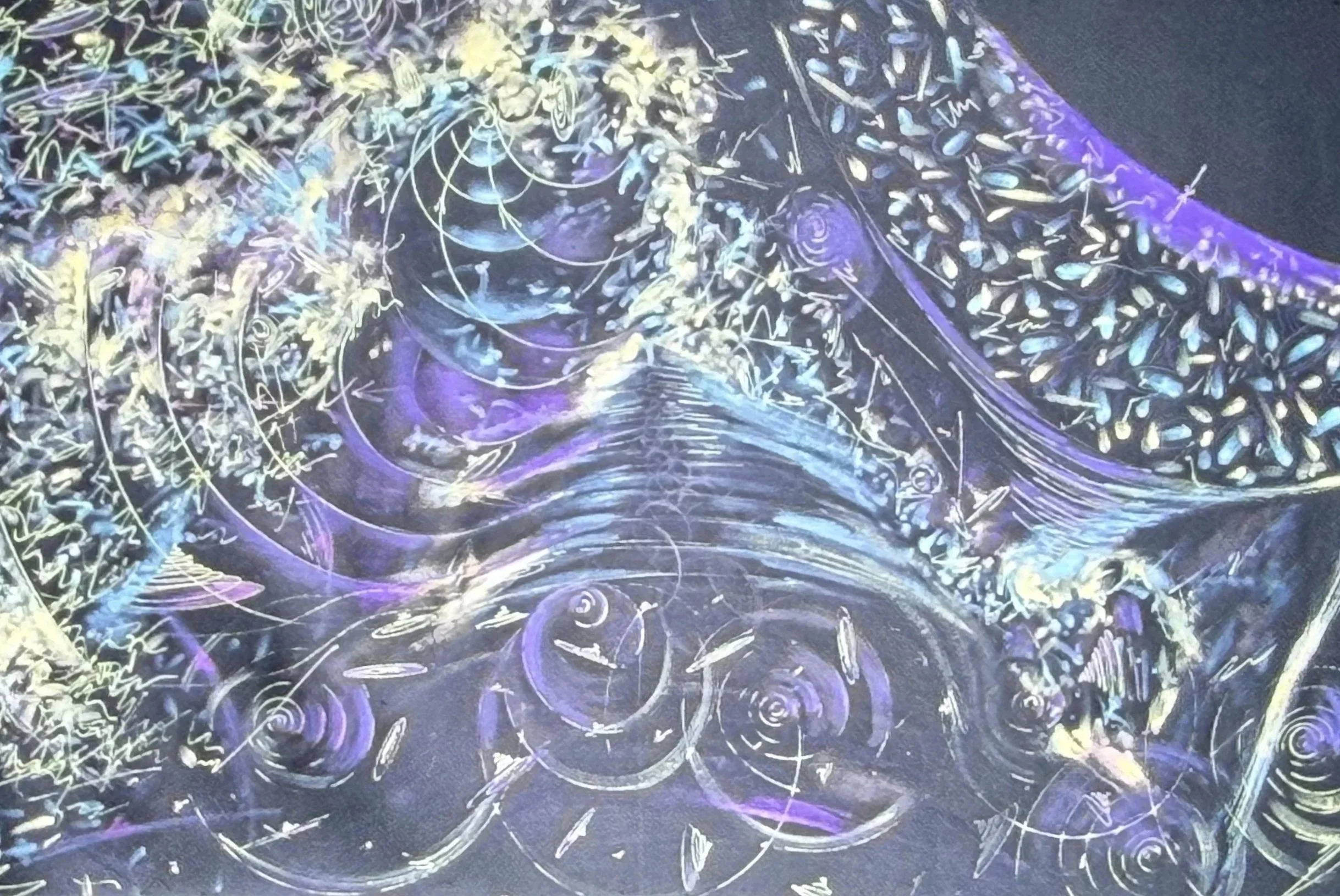
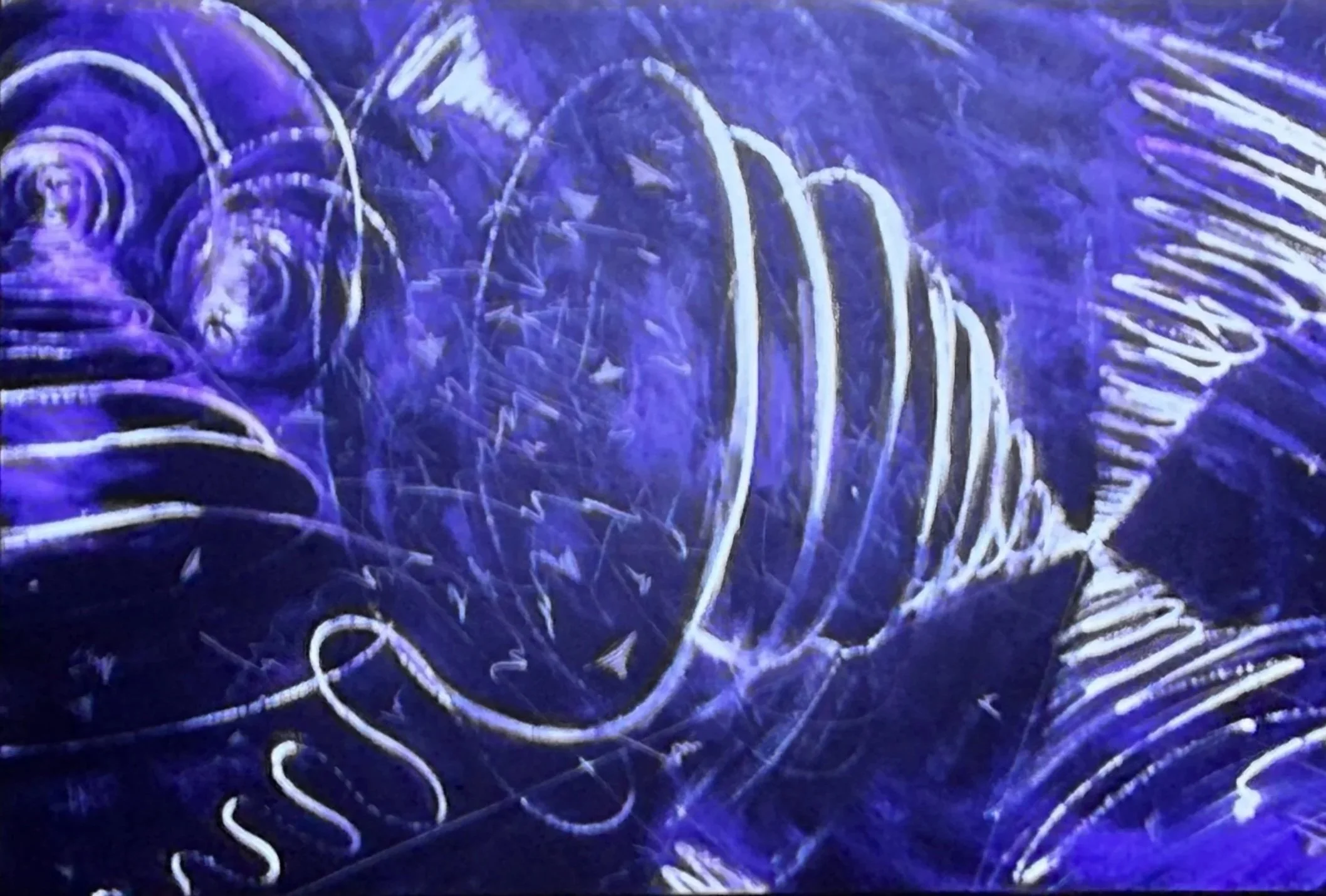
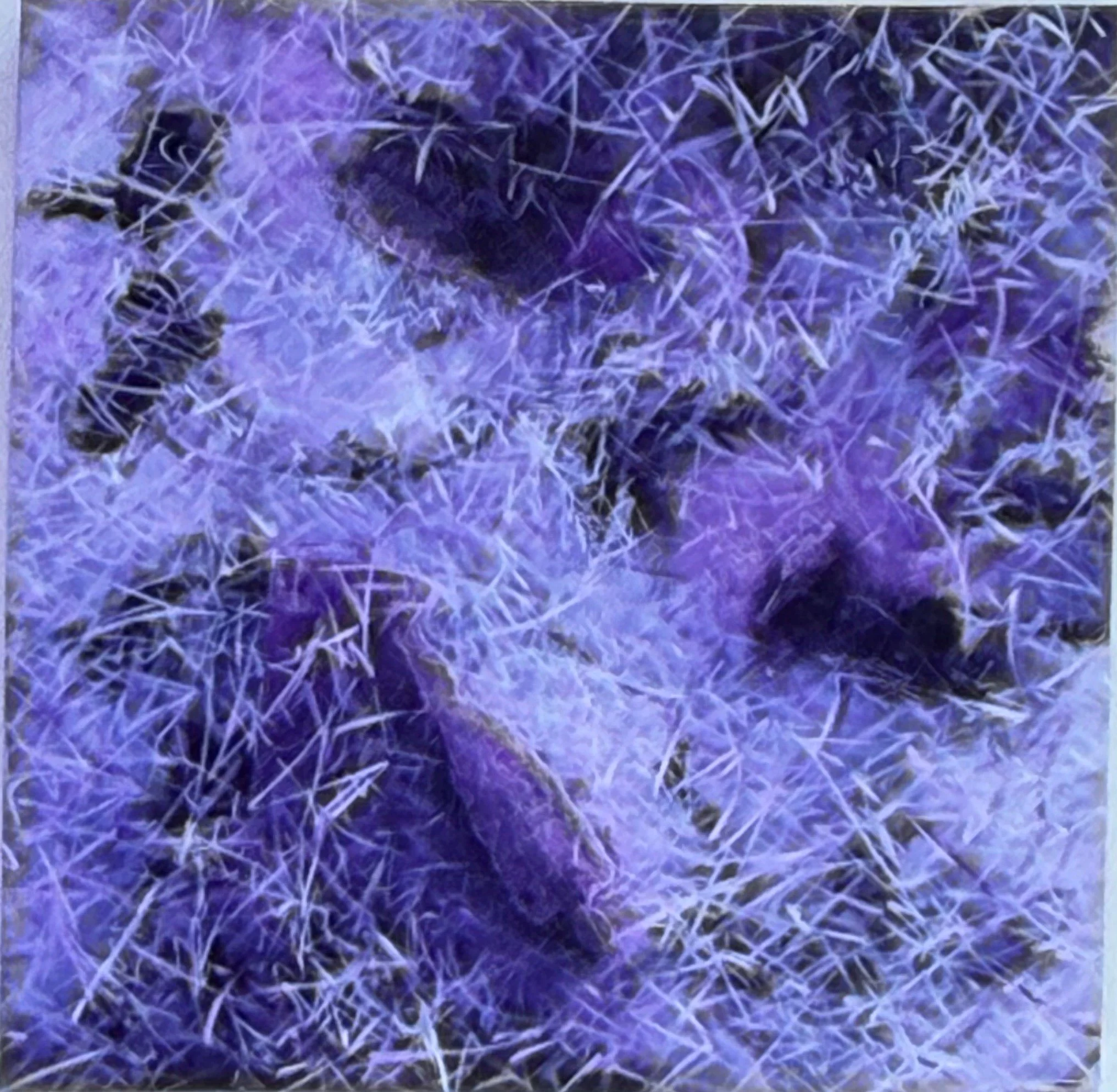
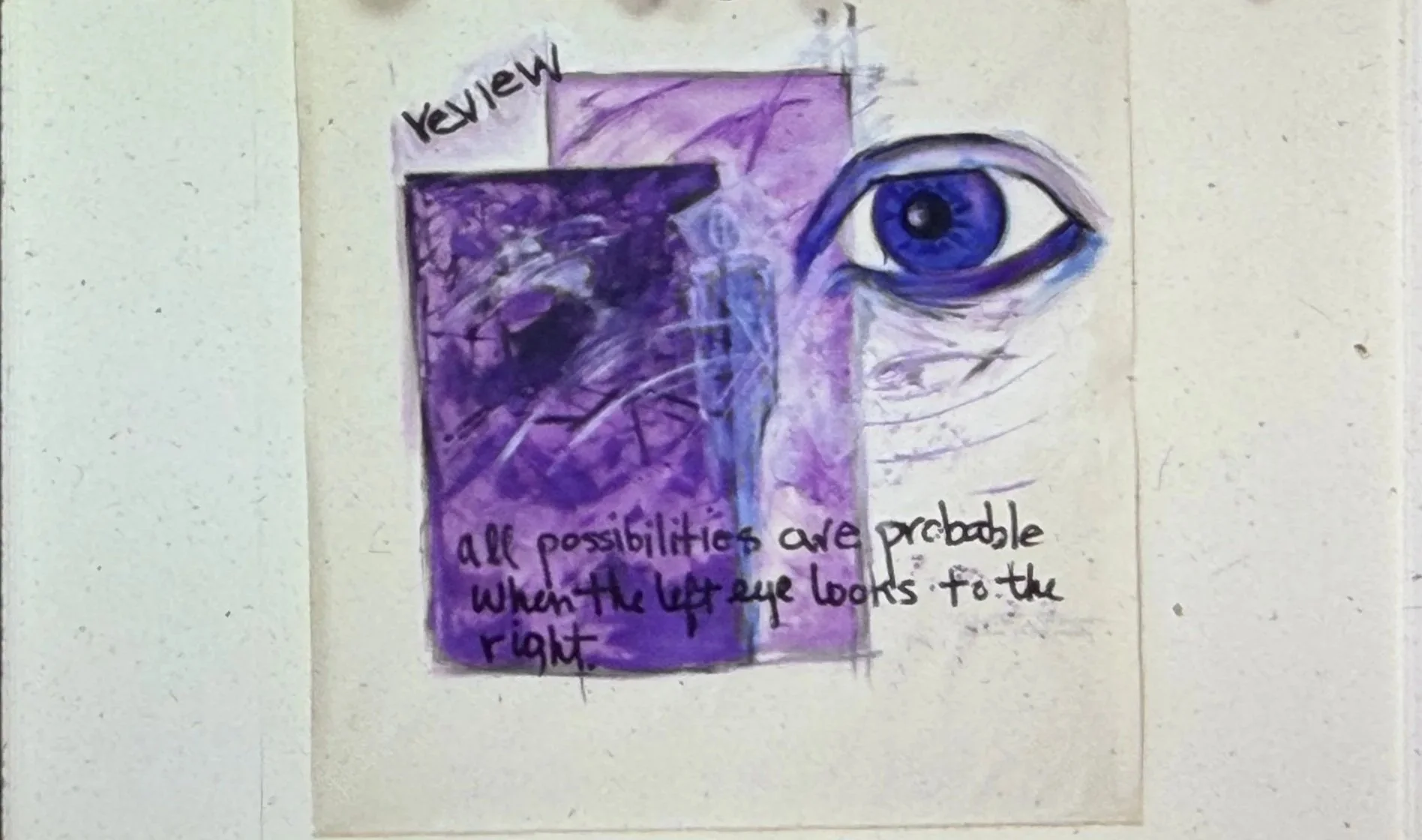
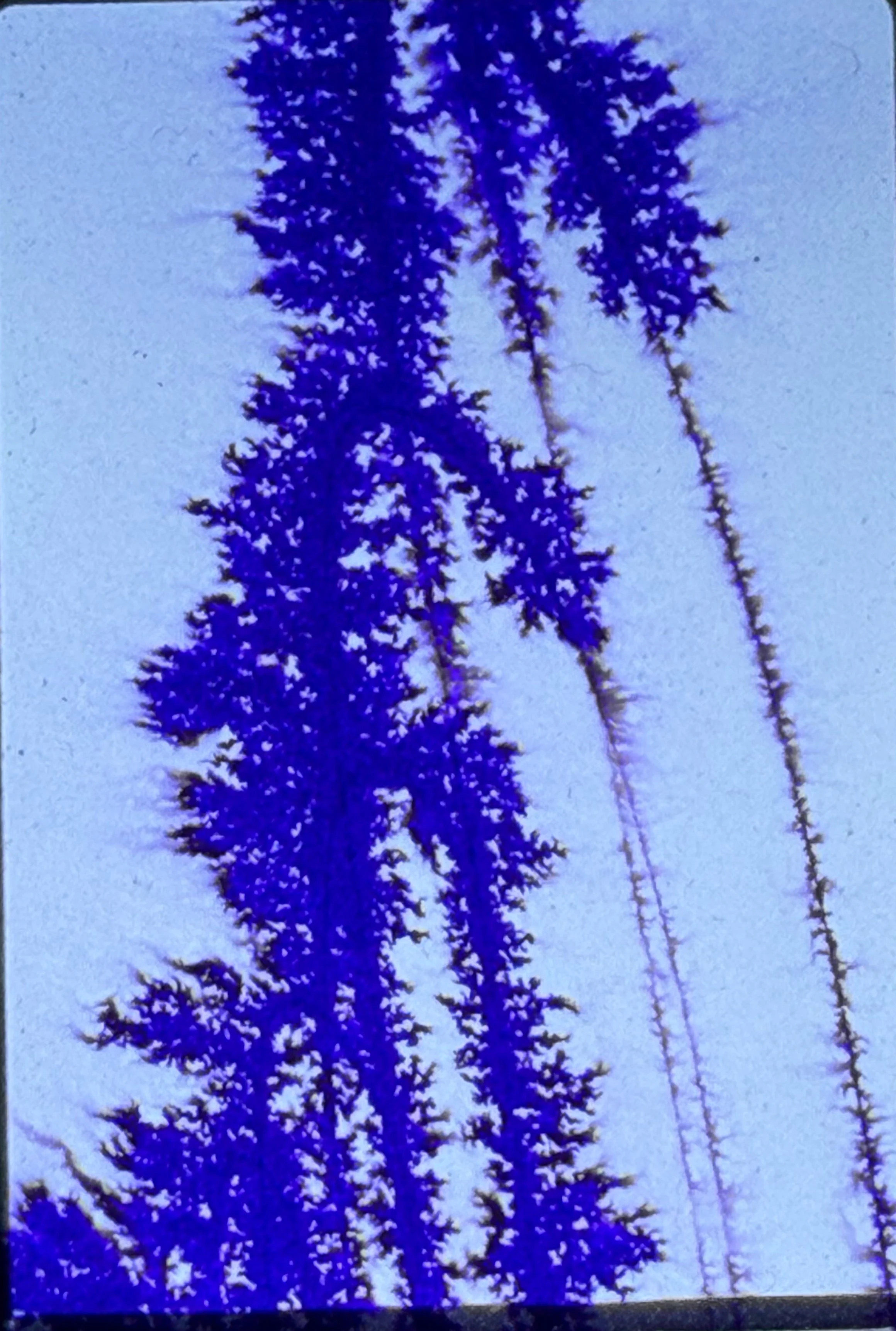
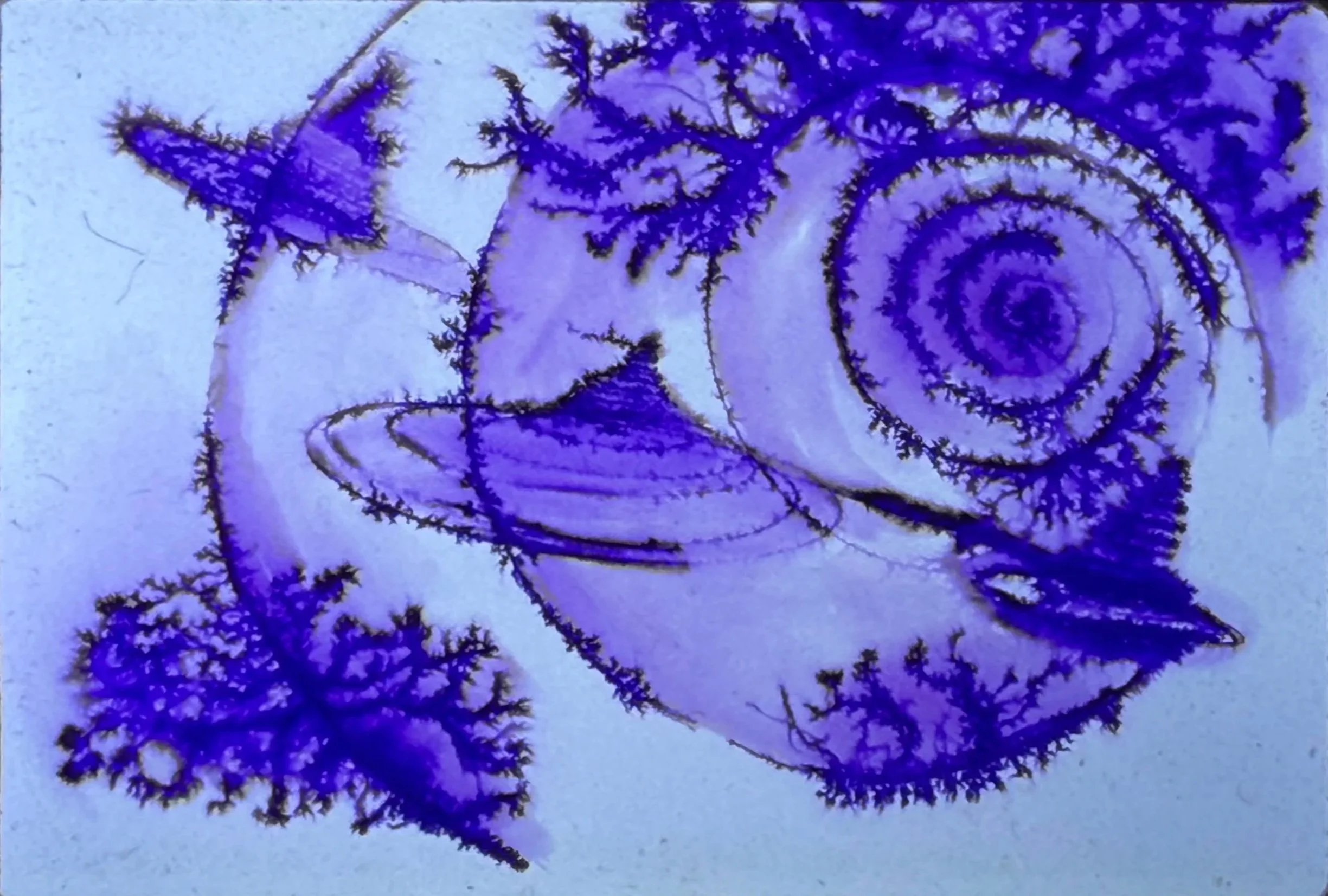
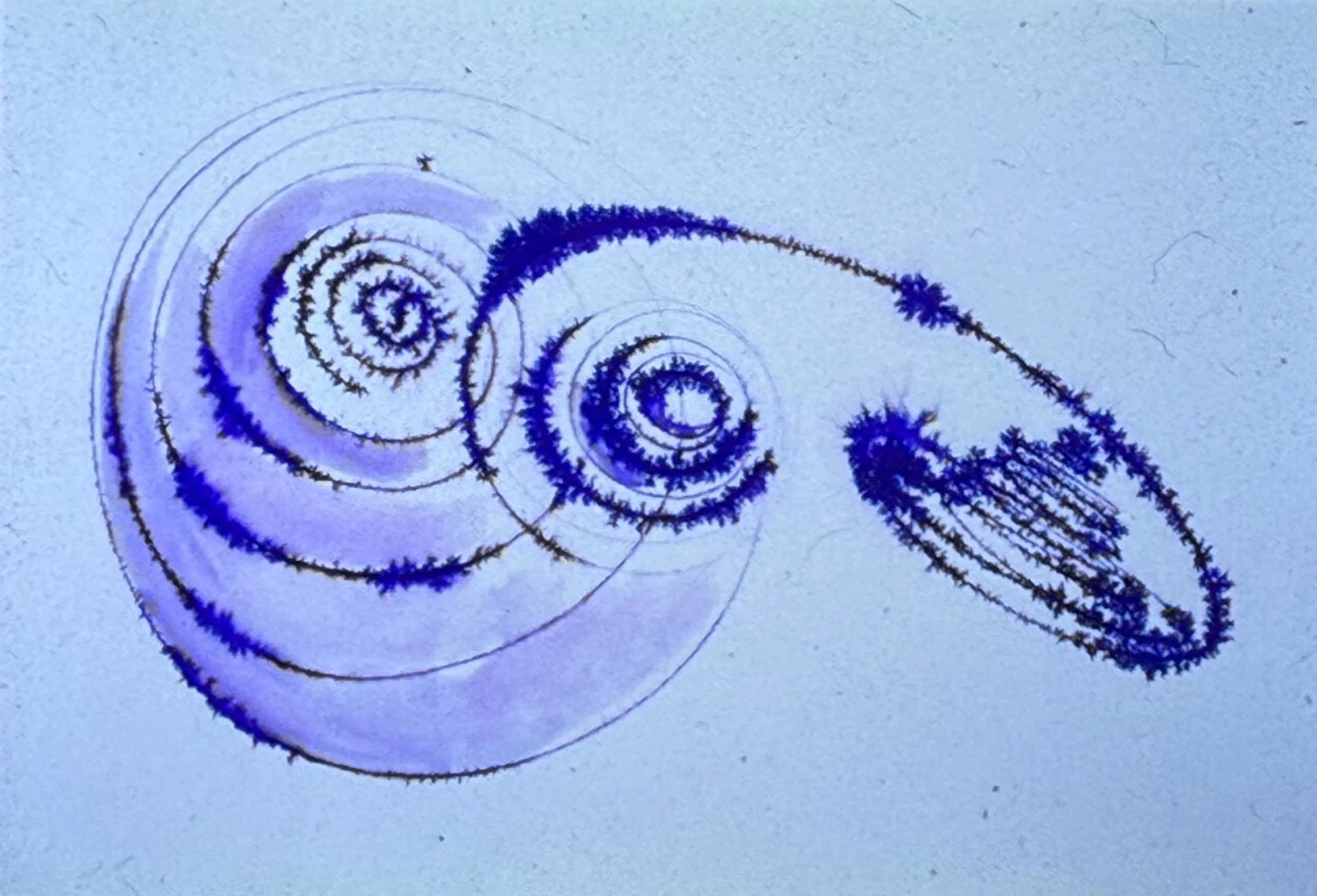
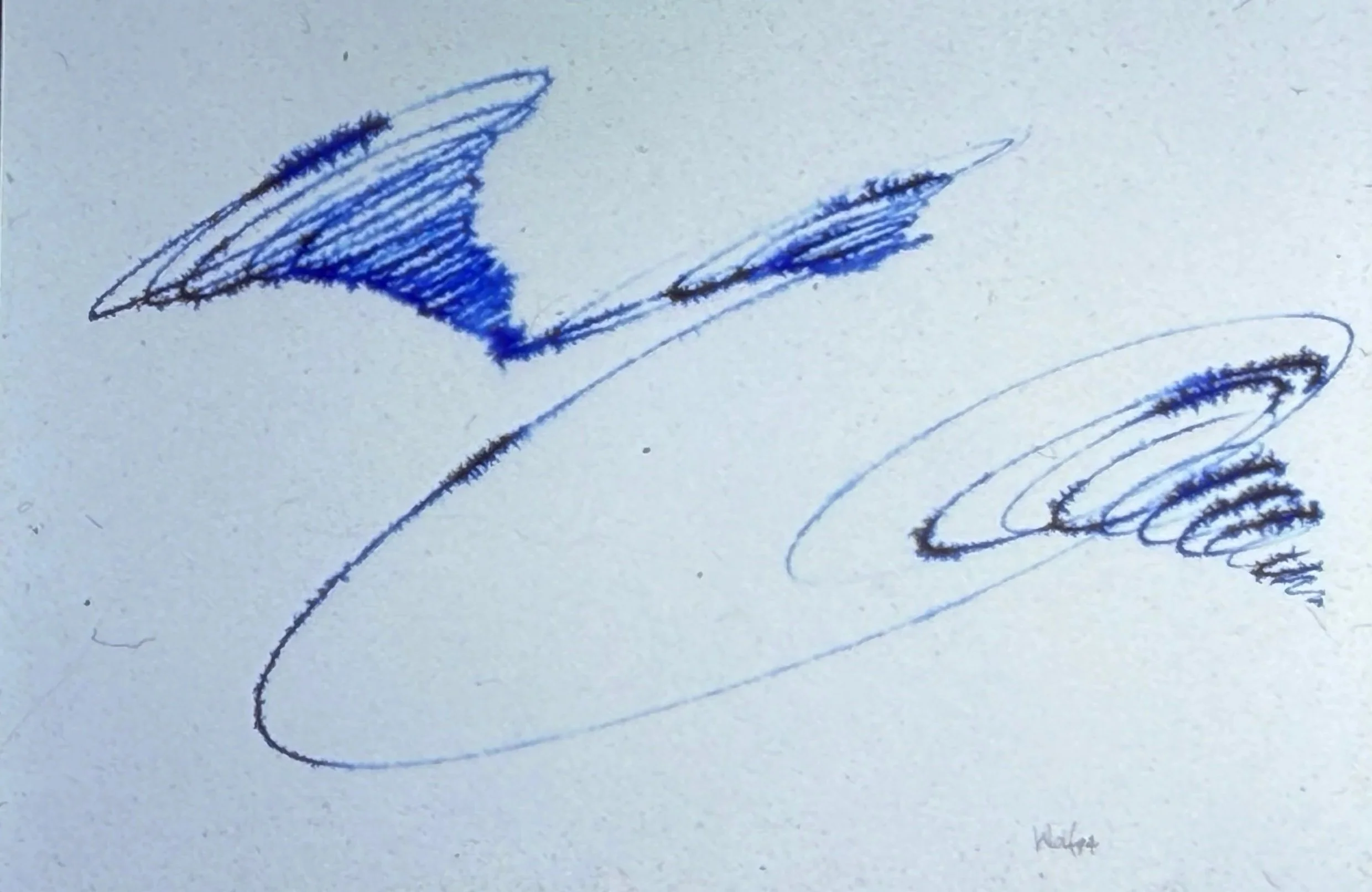
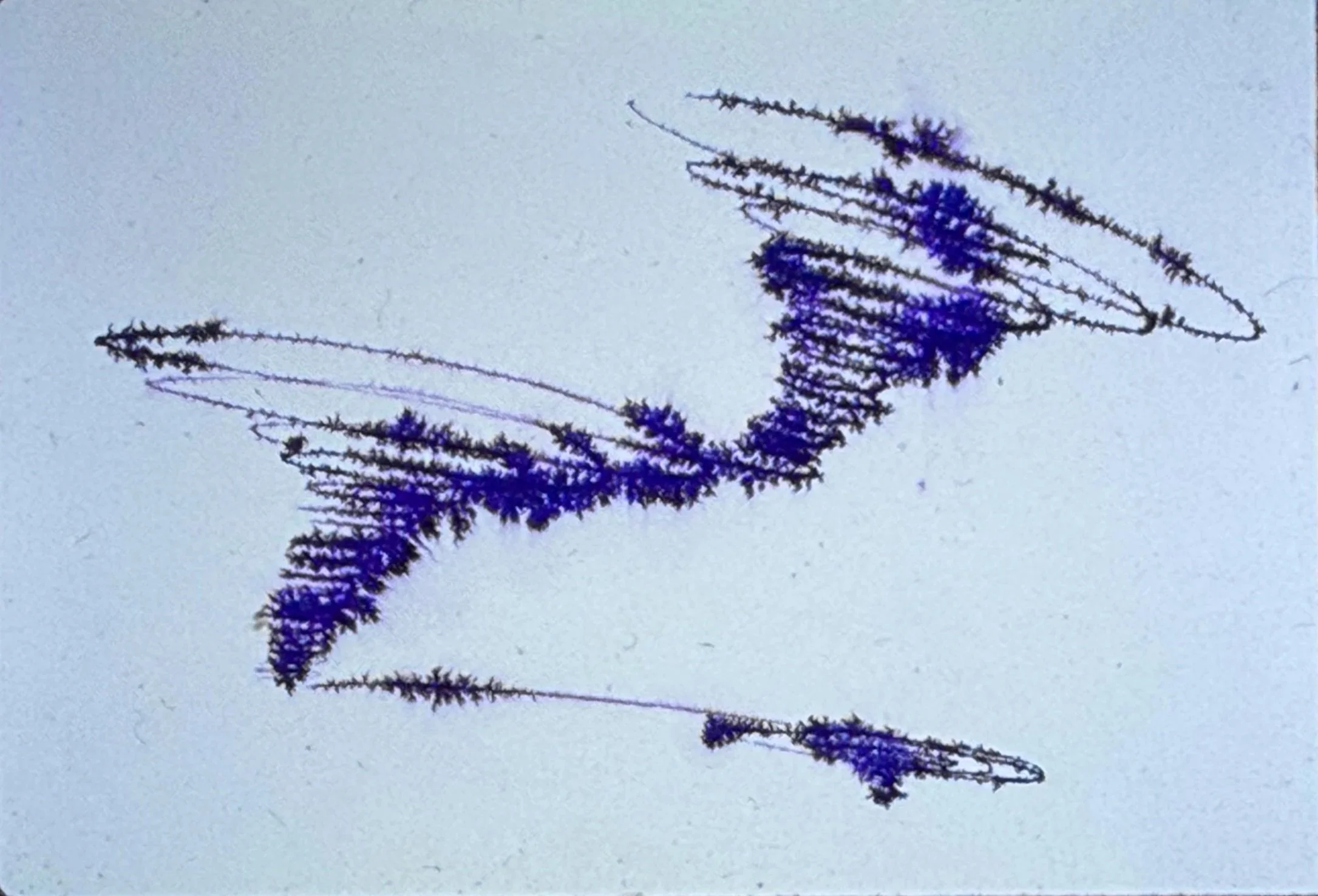
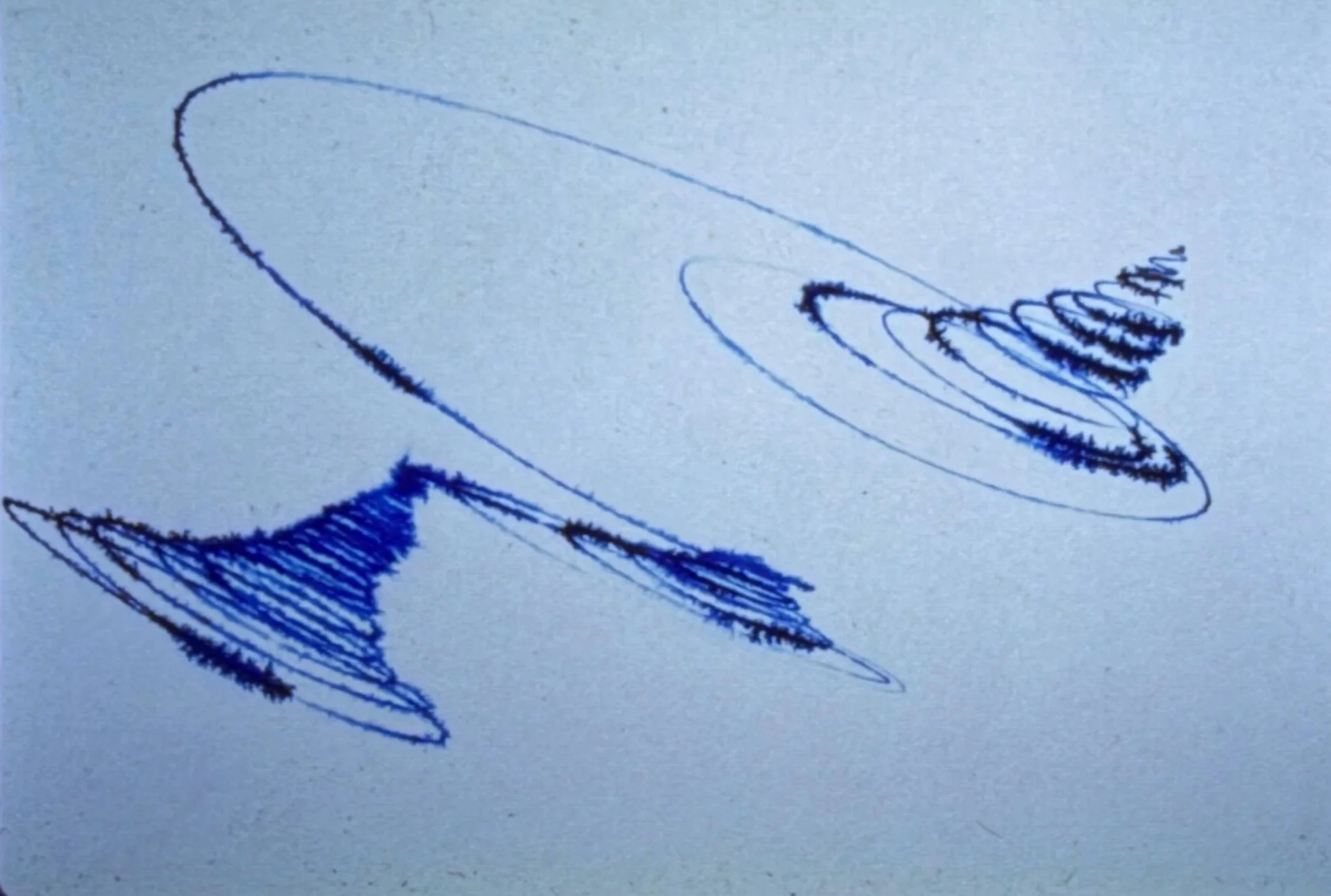
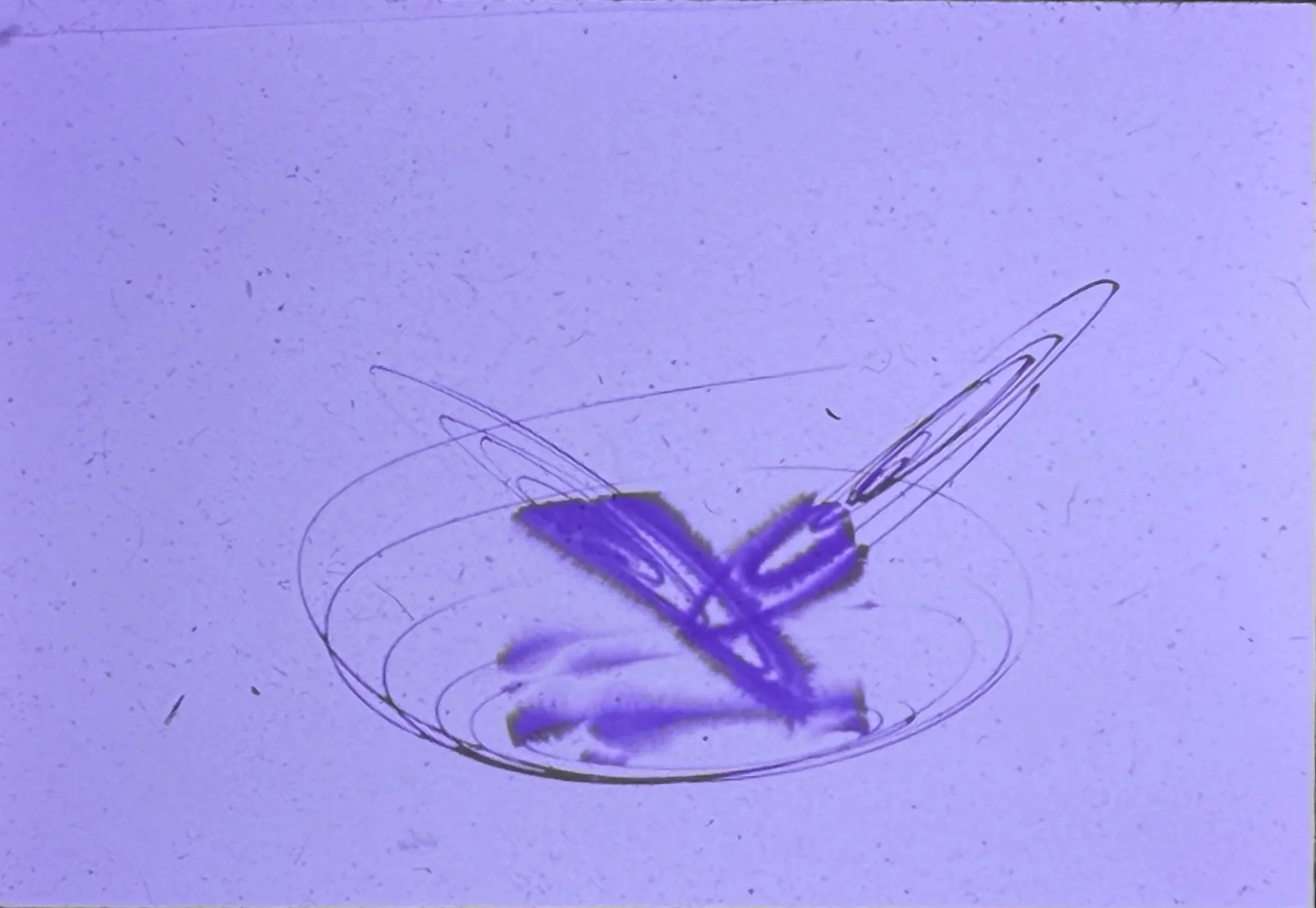
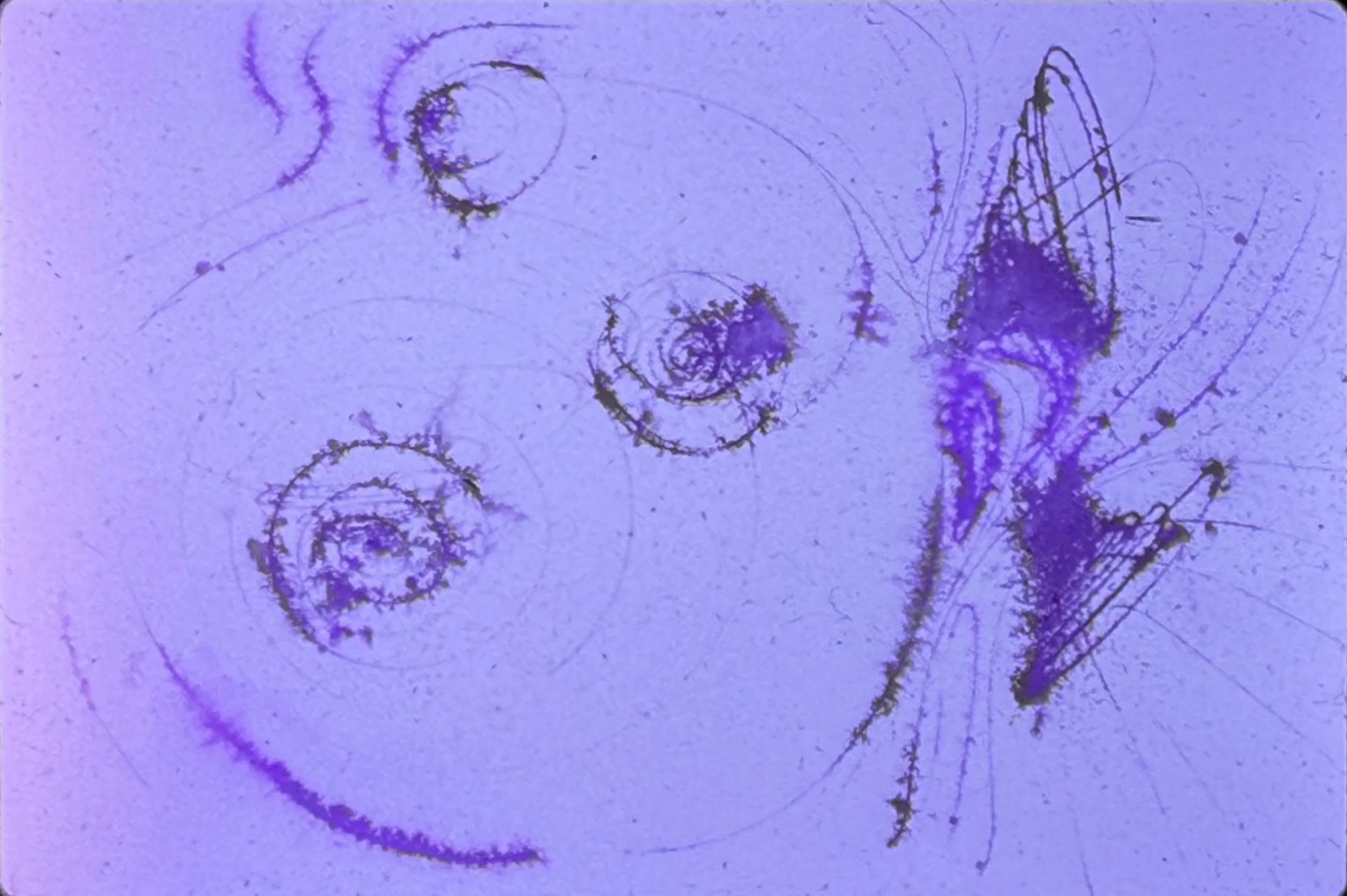
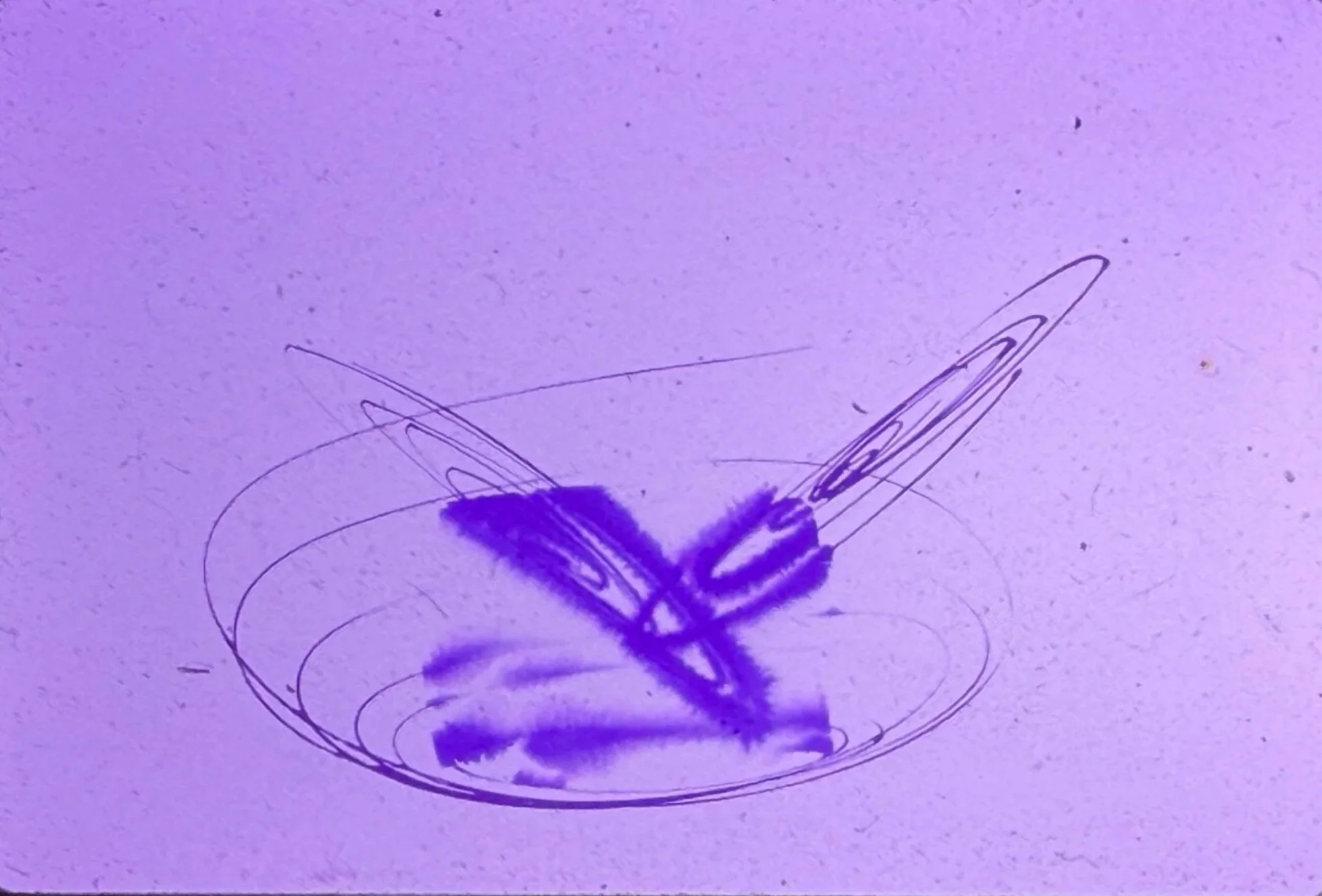
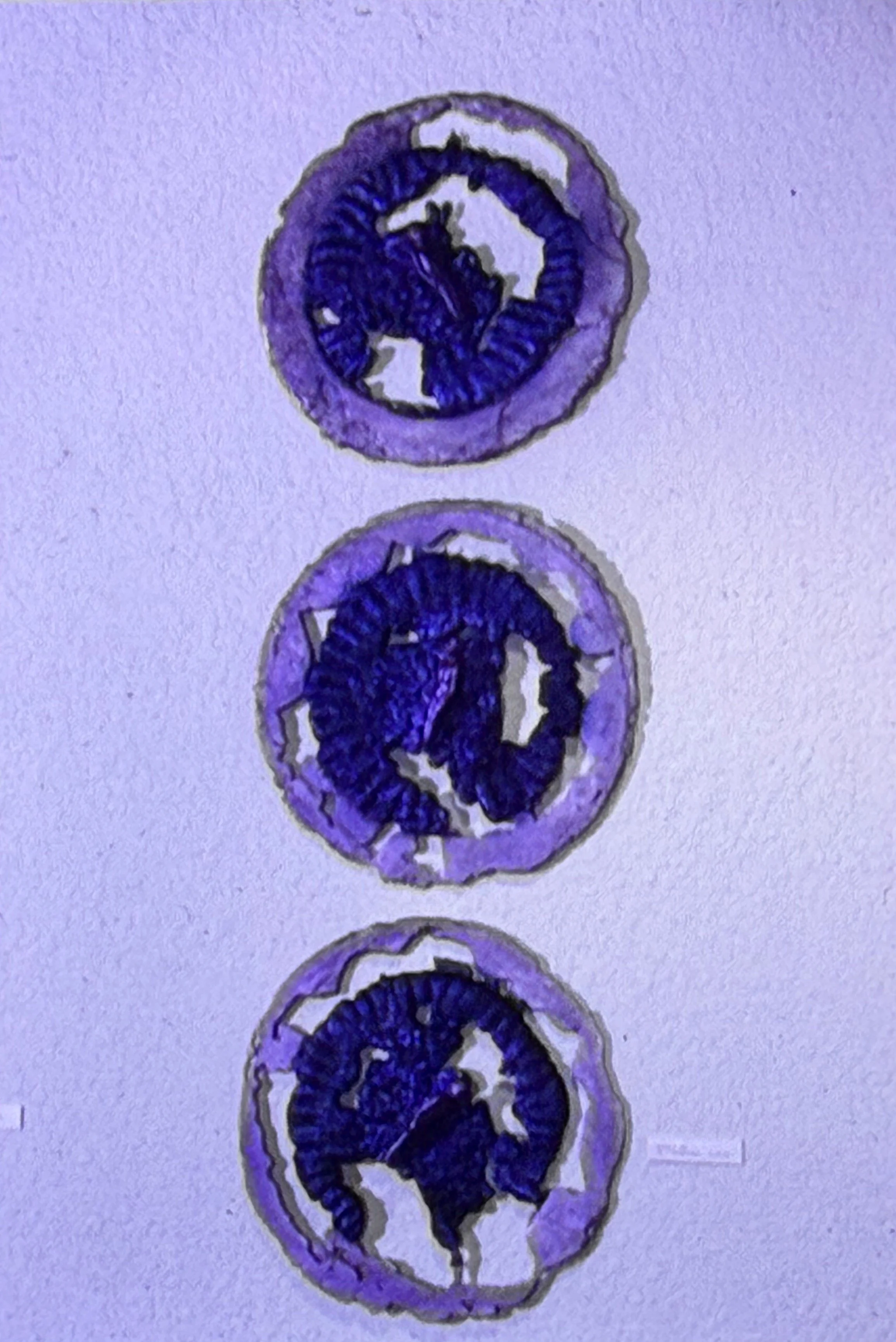
These ideas changed not only science, but also how artists and thinkers understood existence. Reality was no longer seen as stable and singular, but as complex, layered, and constantly shifting. This opened the door for artists to explore time, space, and existence in new ways. The concept of unseen forces, multiple states, and overlapping realities became a powerful source of inspiration. In the early 1990s, these ideas can be seen in Whitney Wolf II’s work, especially in his purple painting series. The layered textures and deep tones suggest multiple planes of space existing at once. Human-like forms appear embedded within these layers, almost as if they are moving through different states of being. The figures are not clearly defined, which reflects the idea that identity and position are not fixed. This connects to quantum concepts where particles exist in uncertain or shifting states.
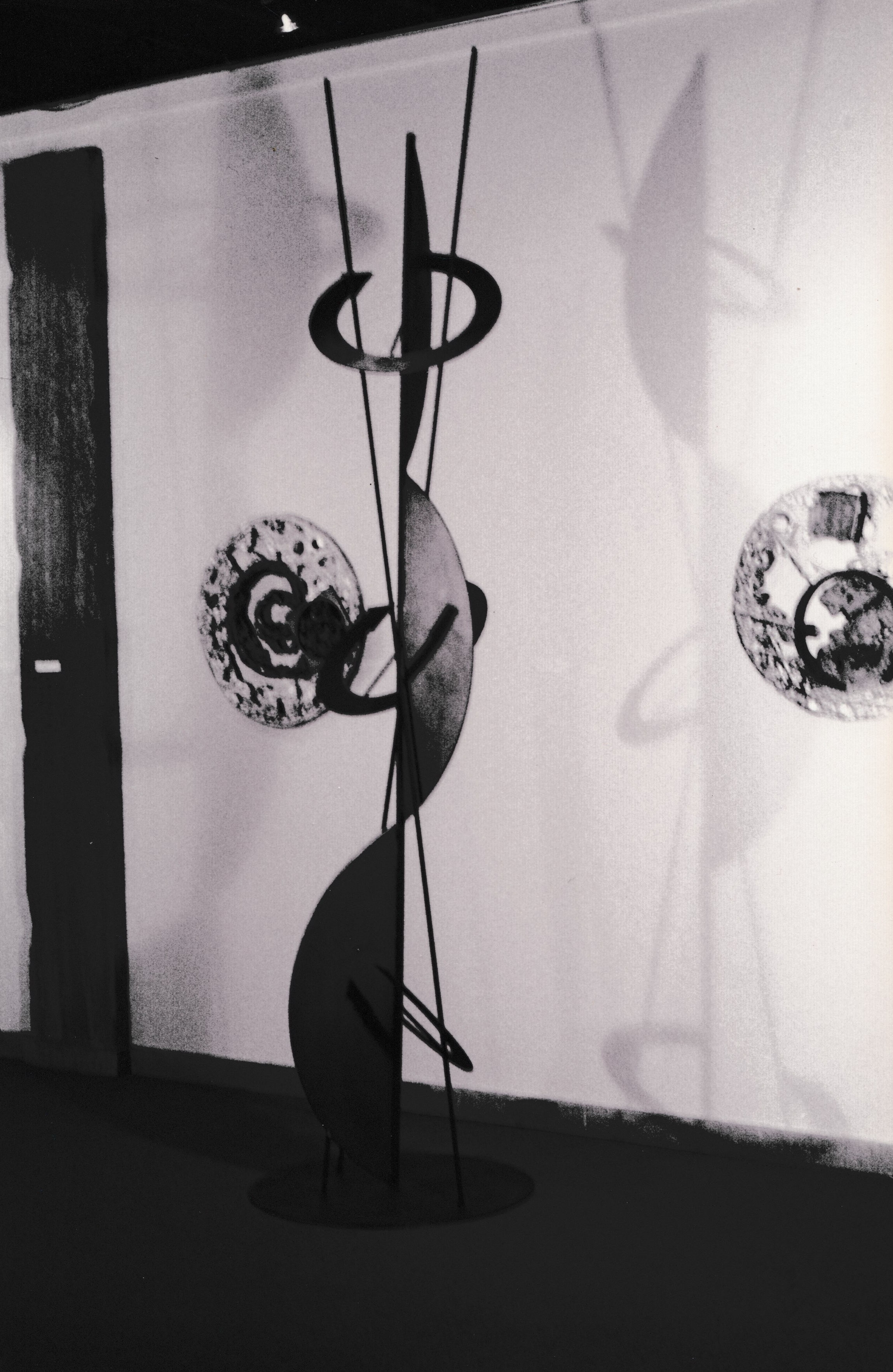
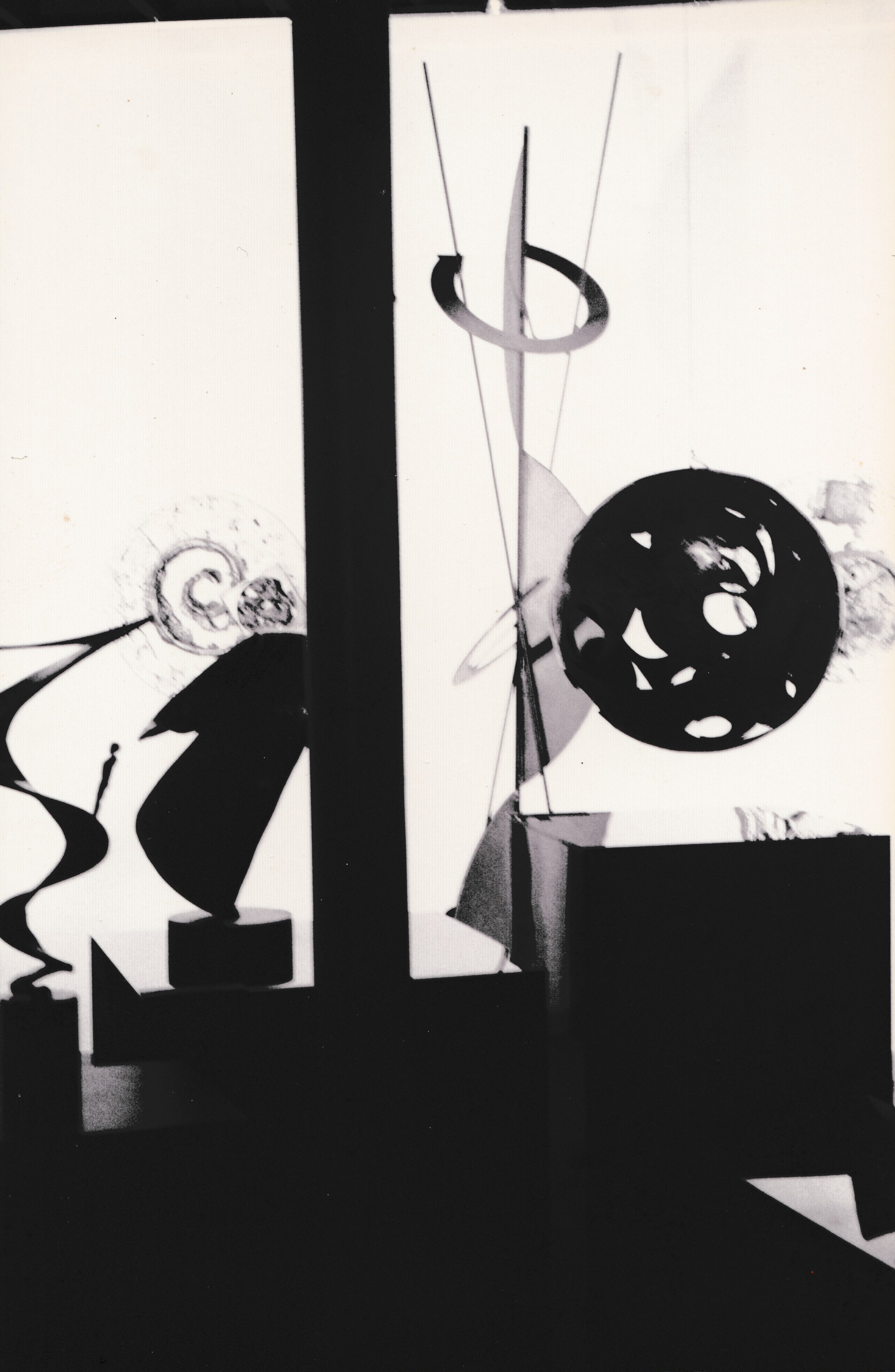
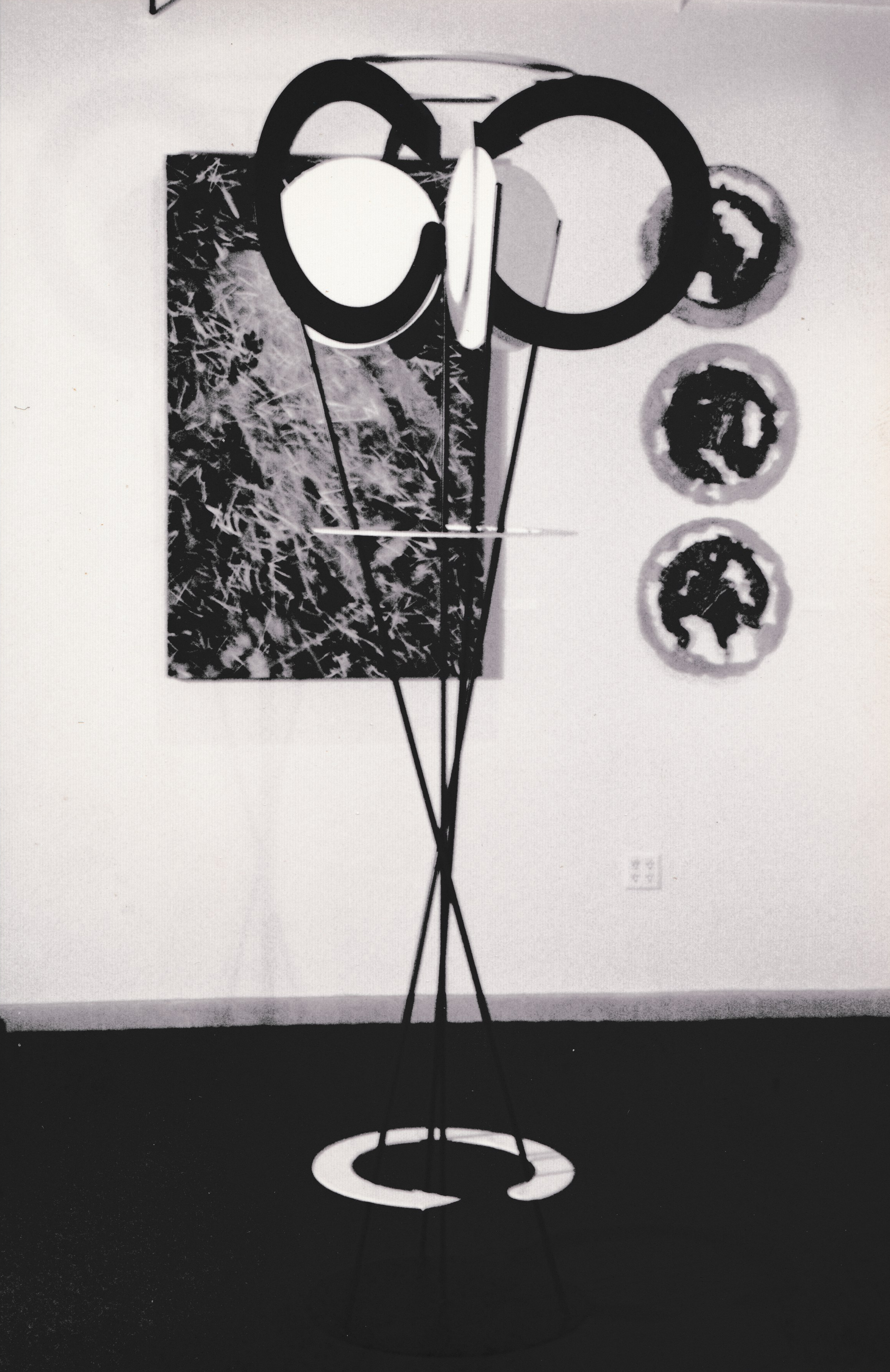
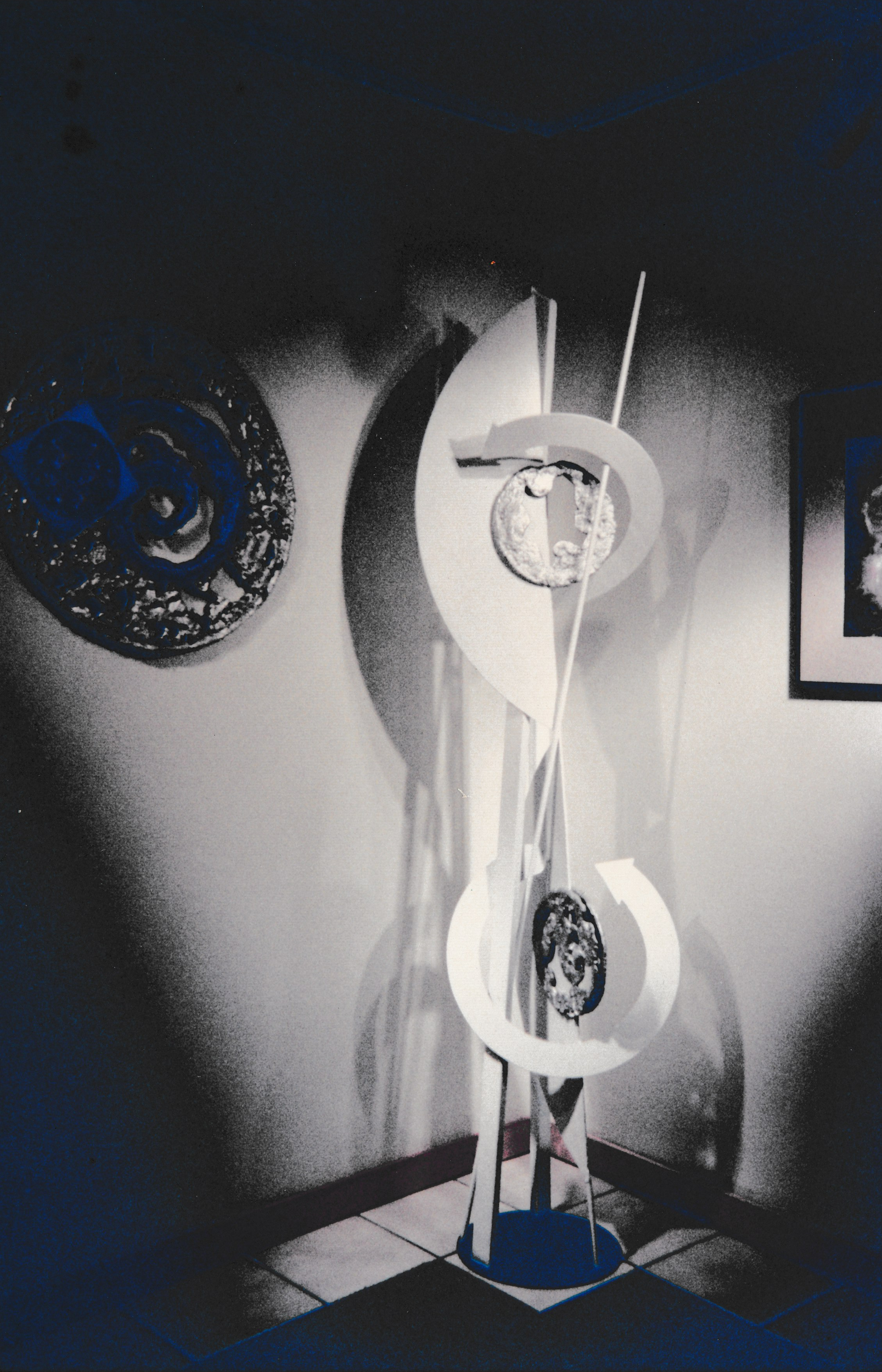
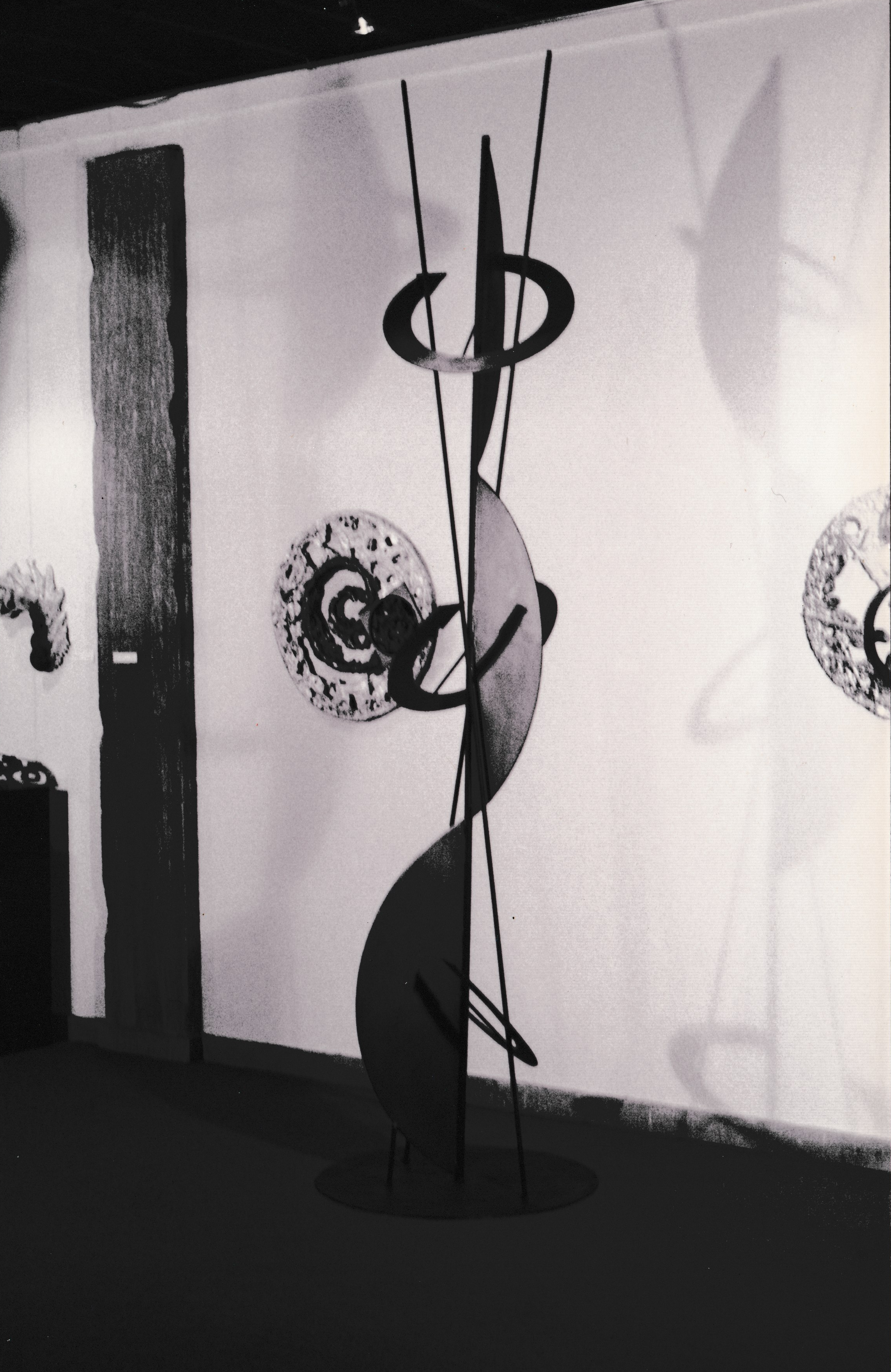
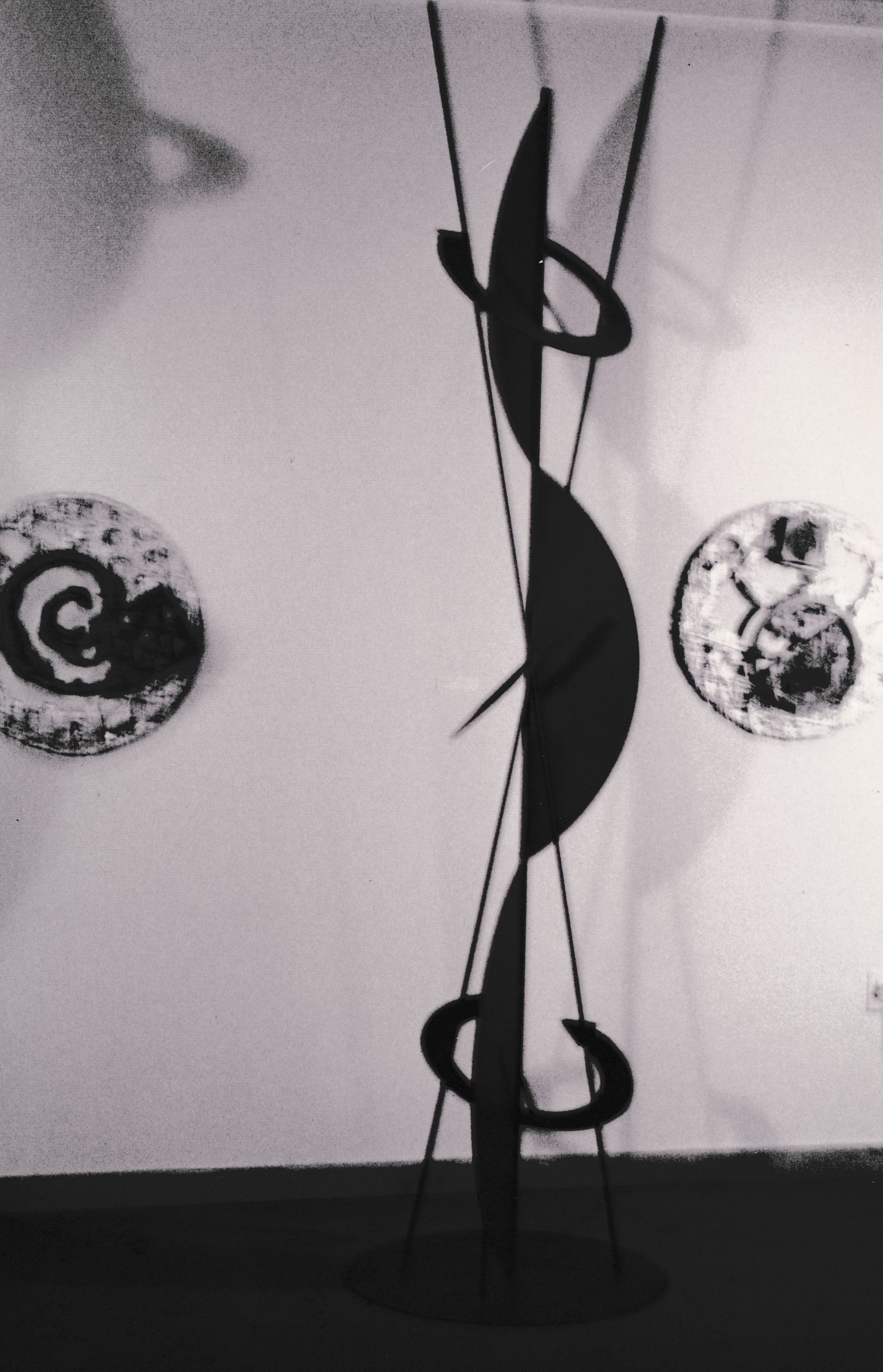
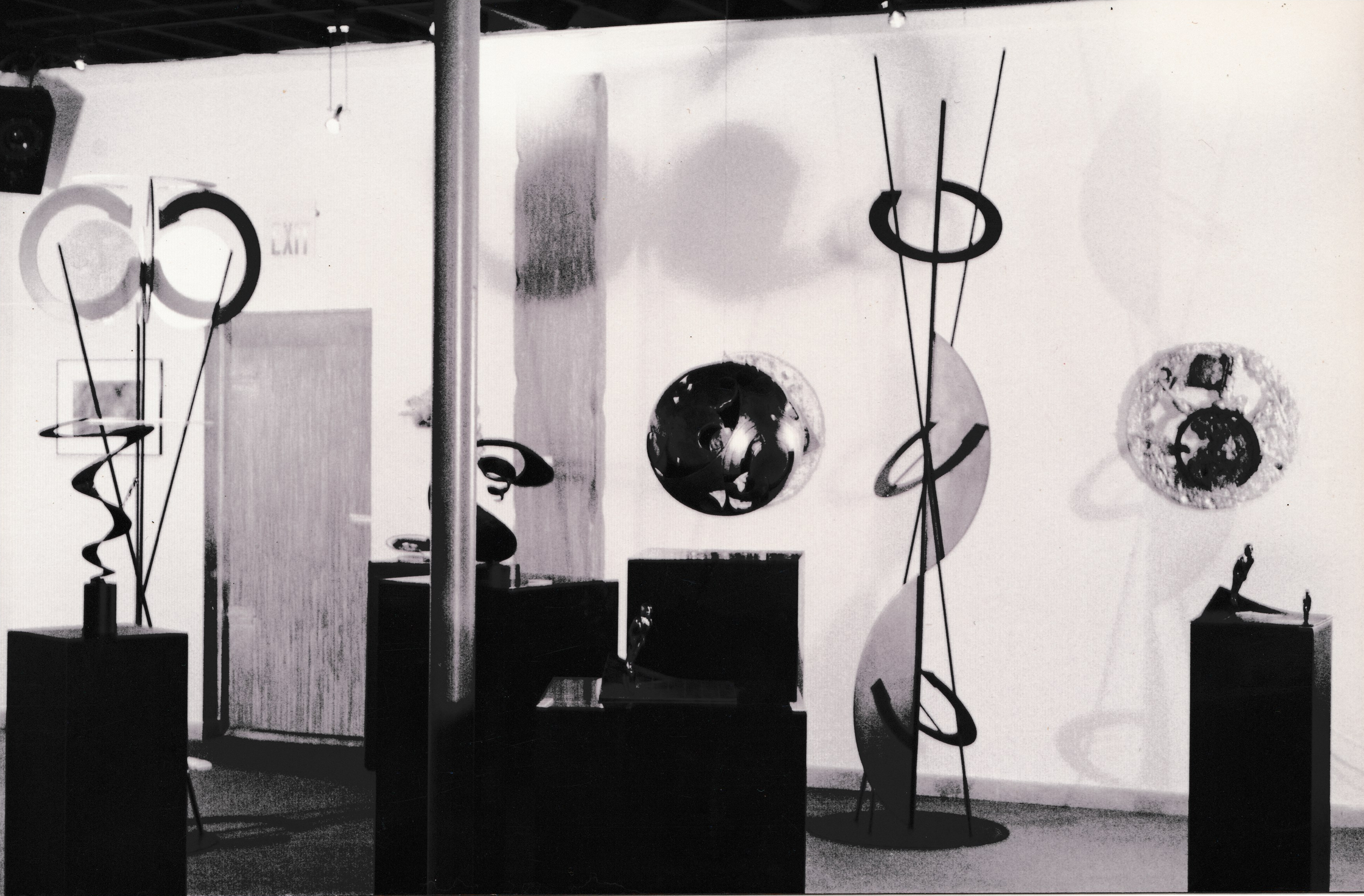
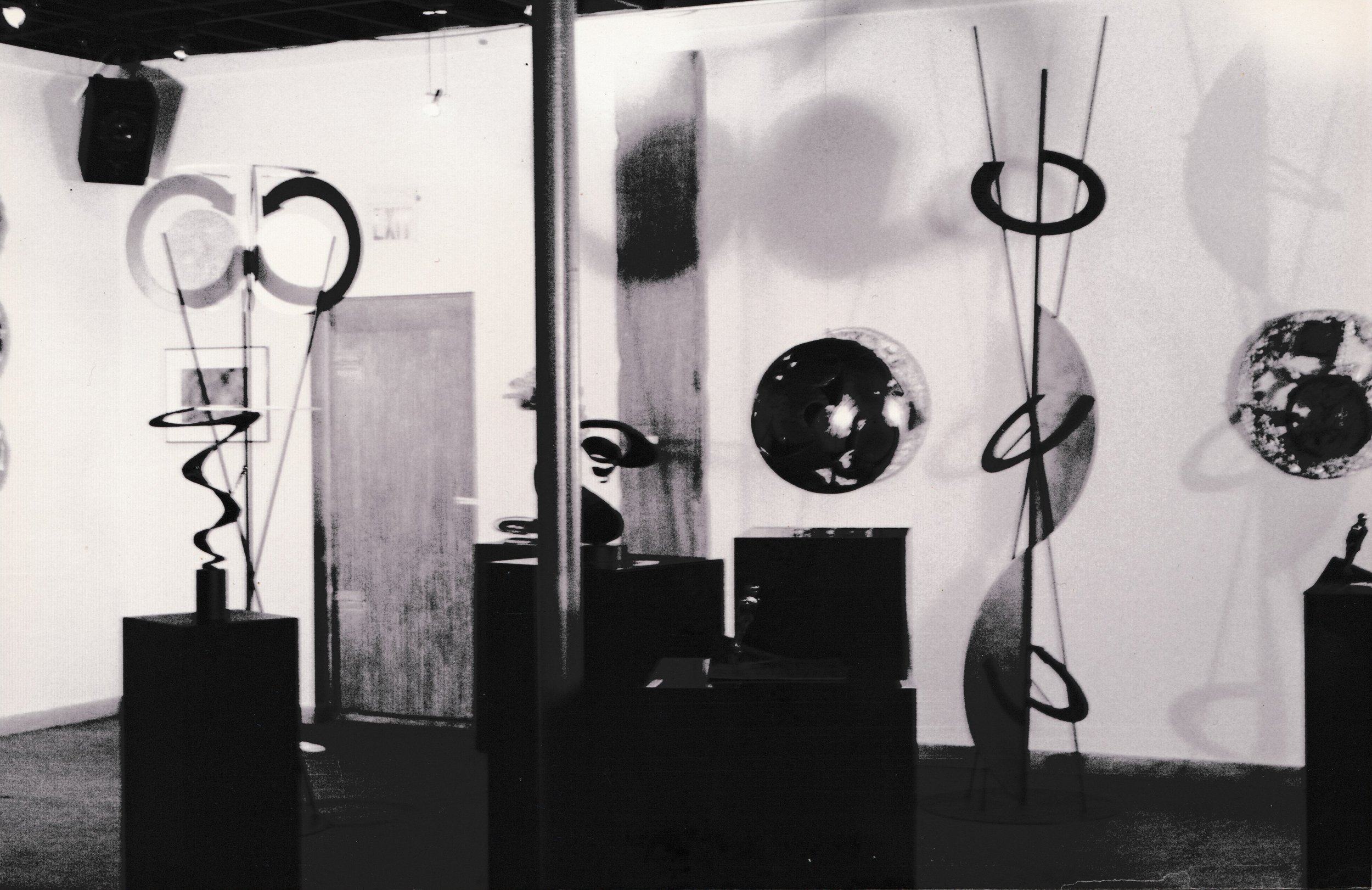
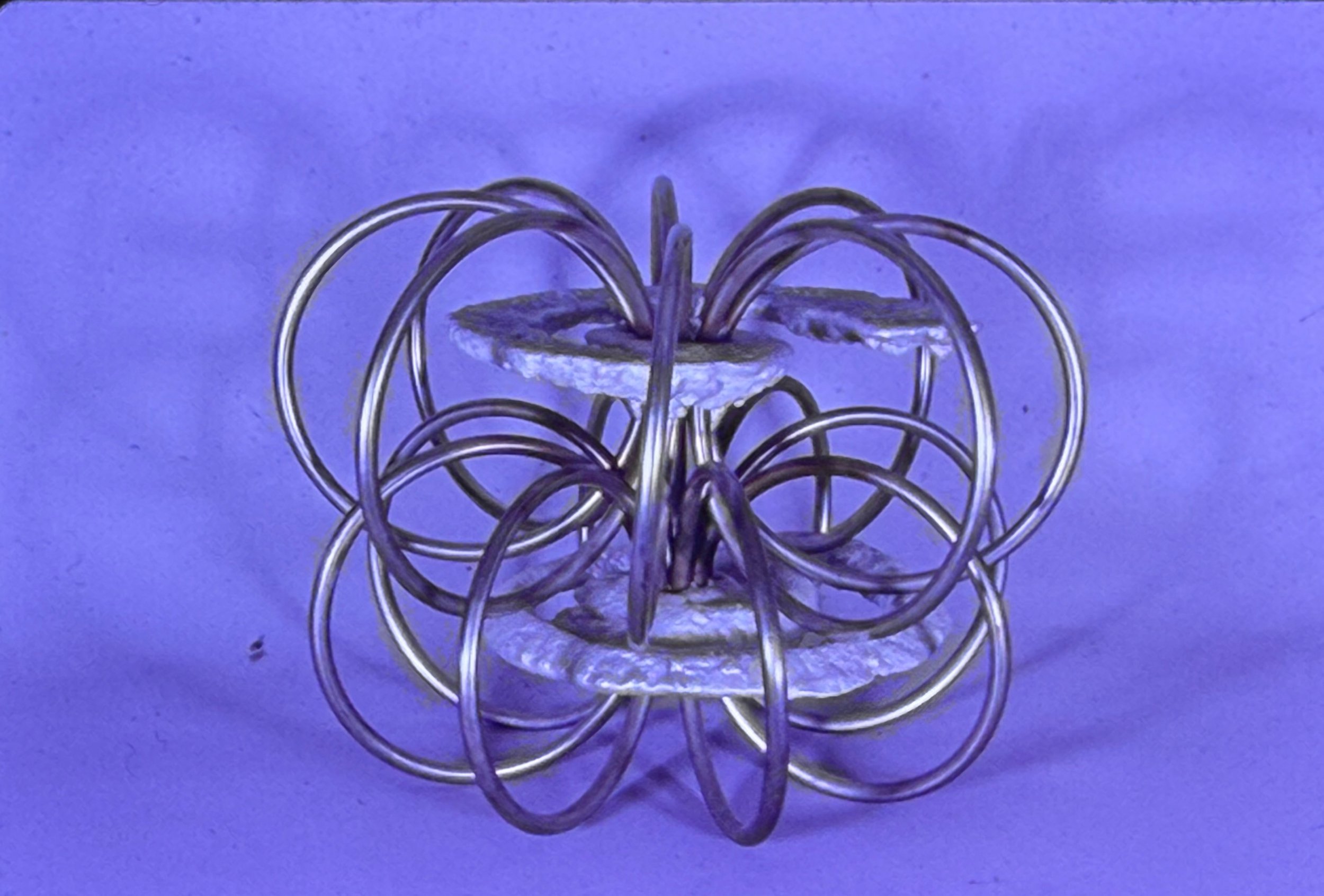
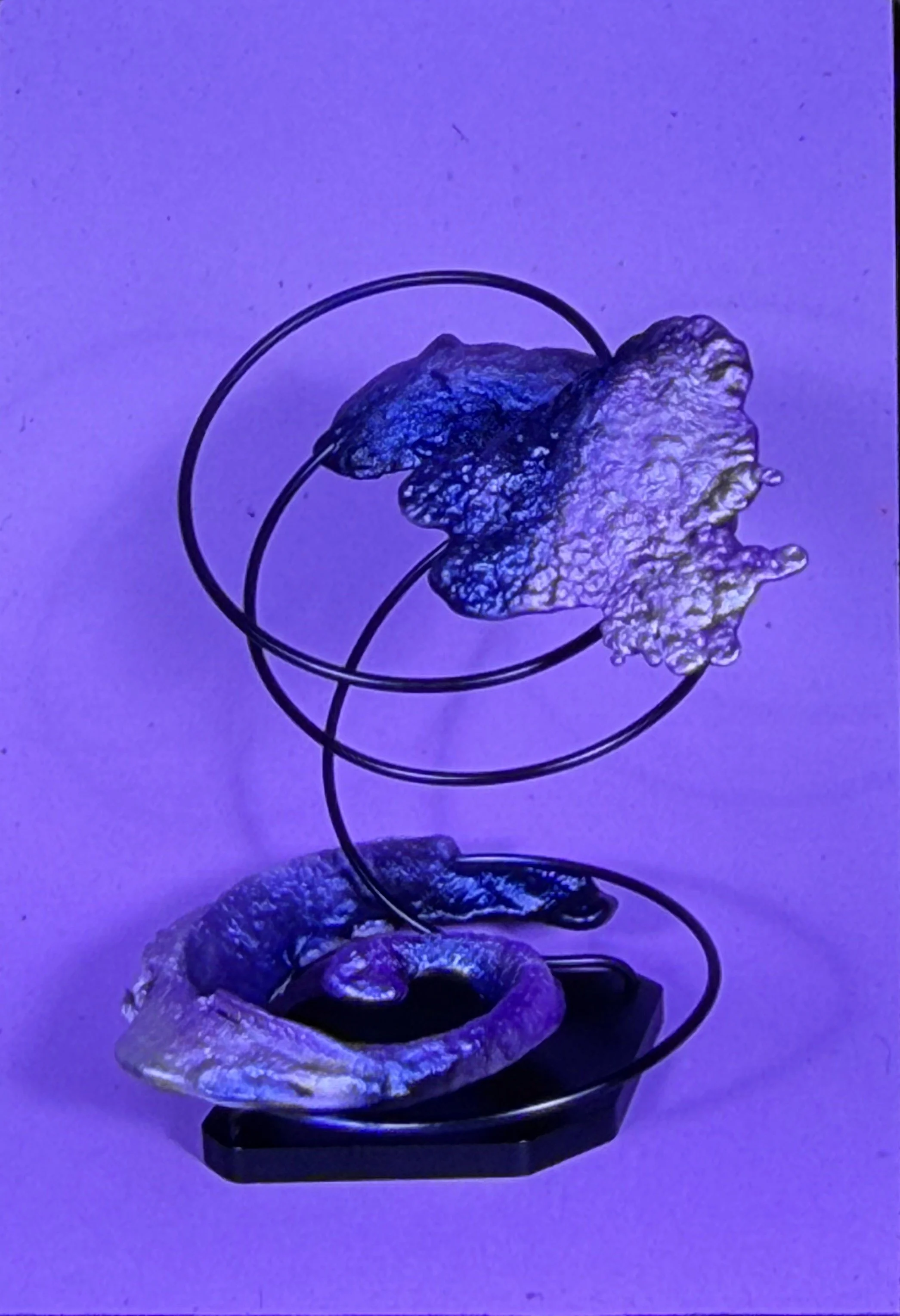
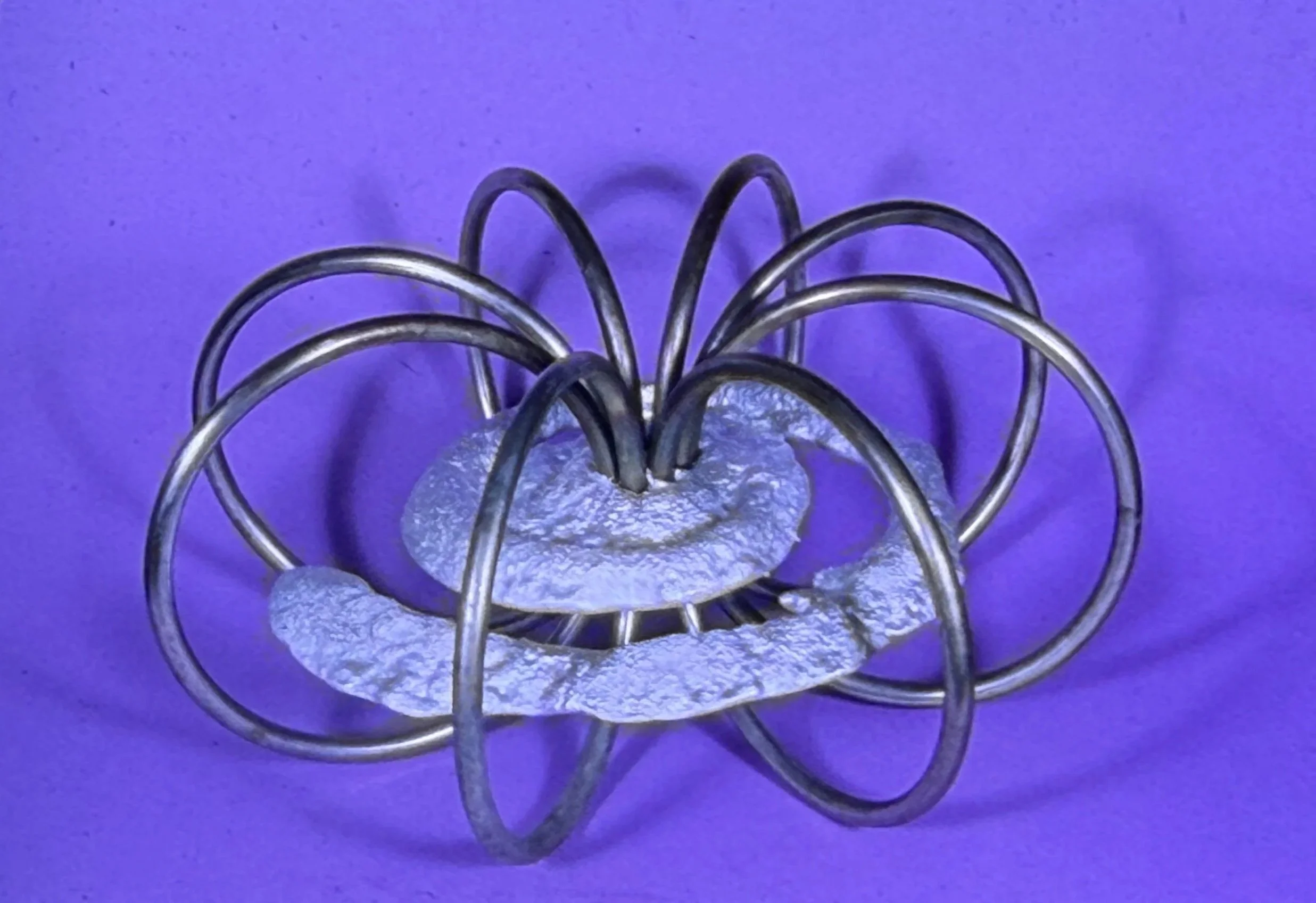
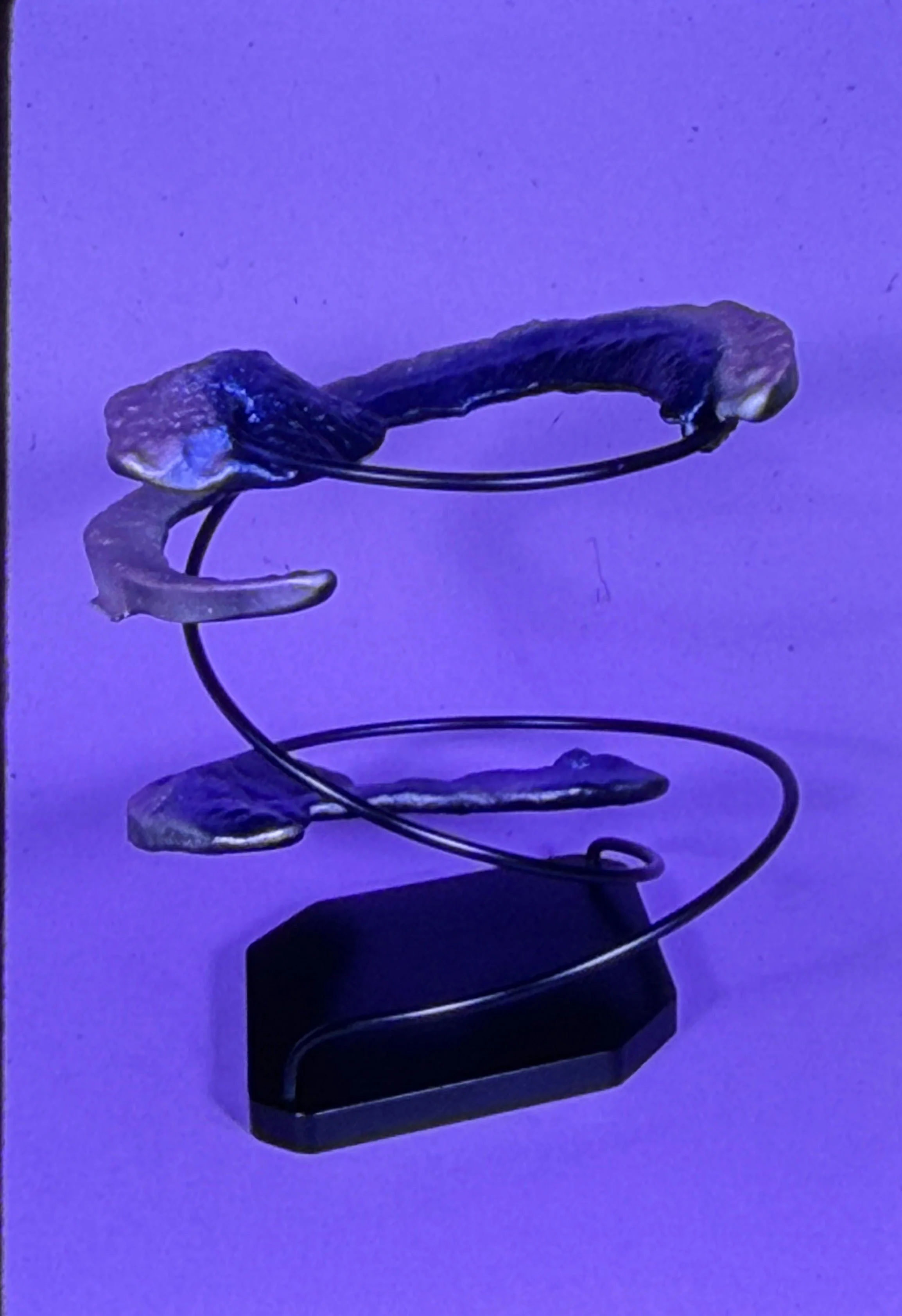
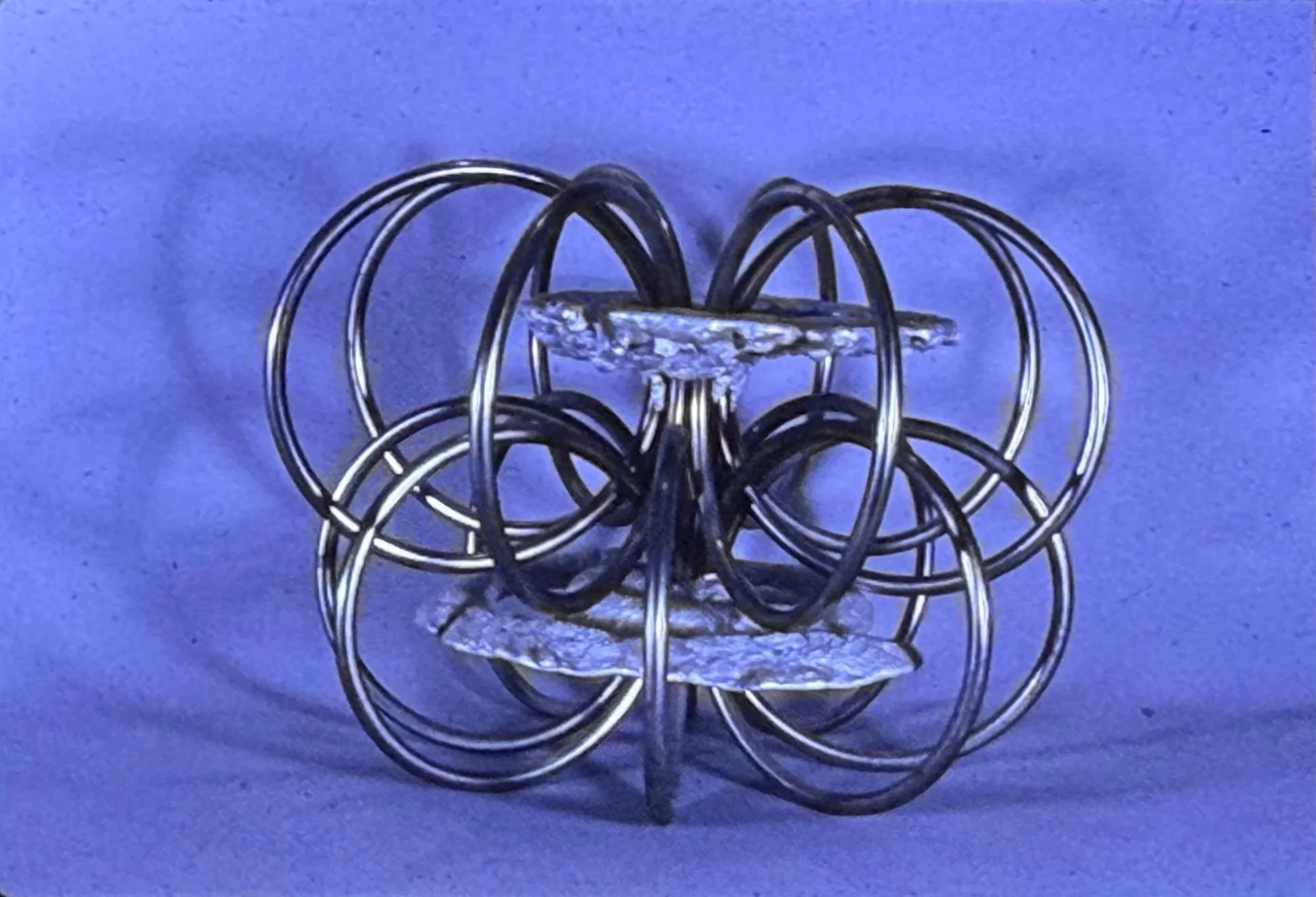
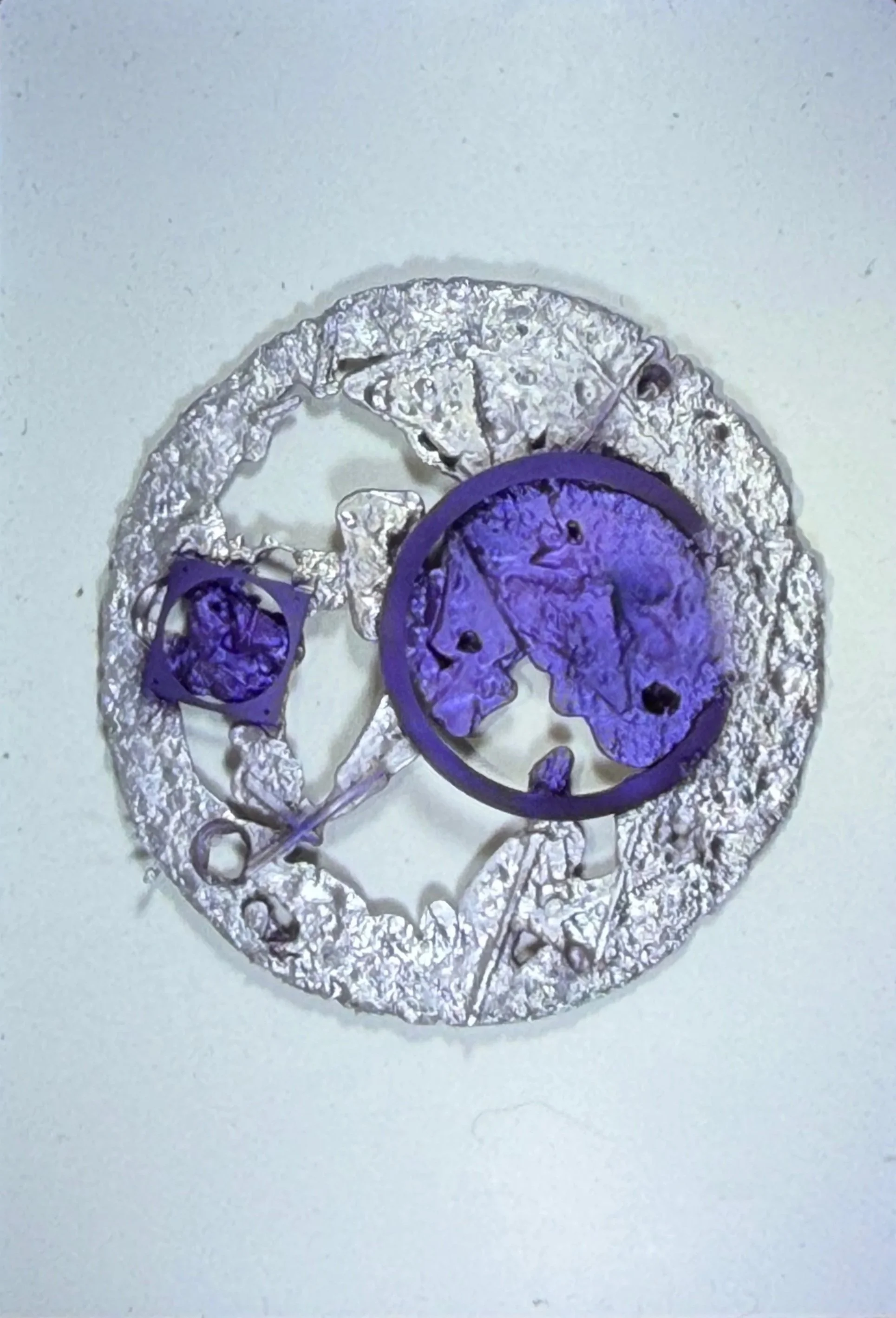
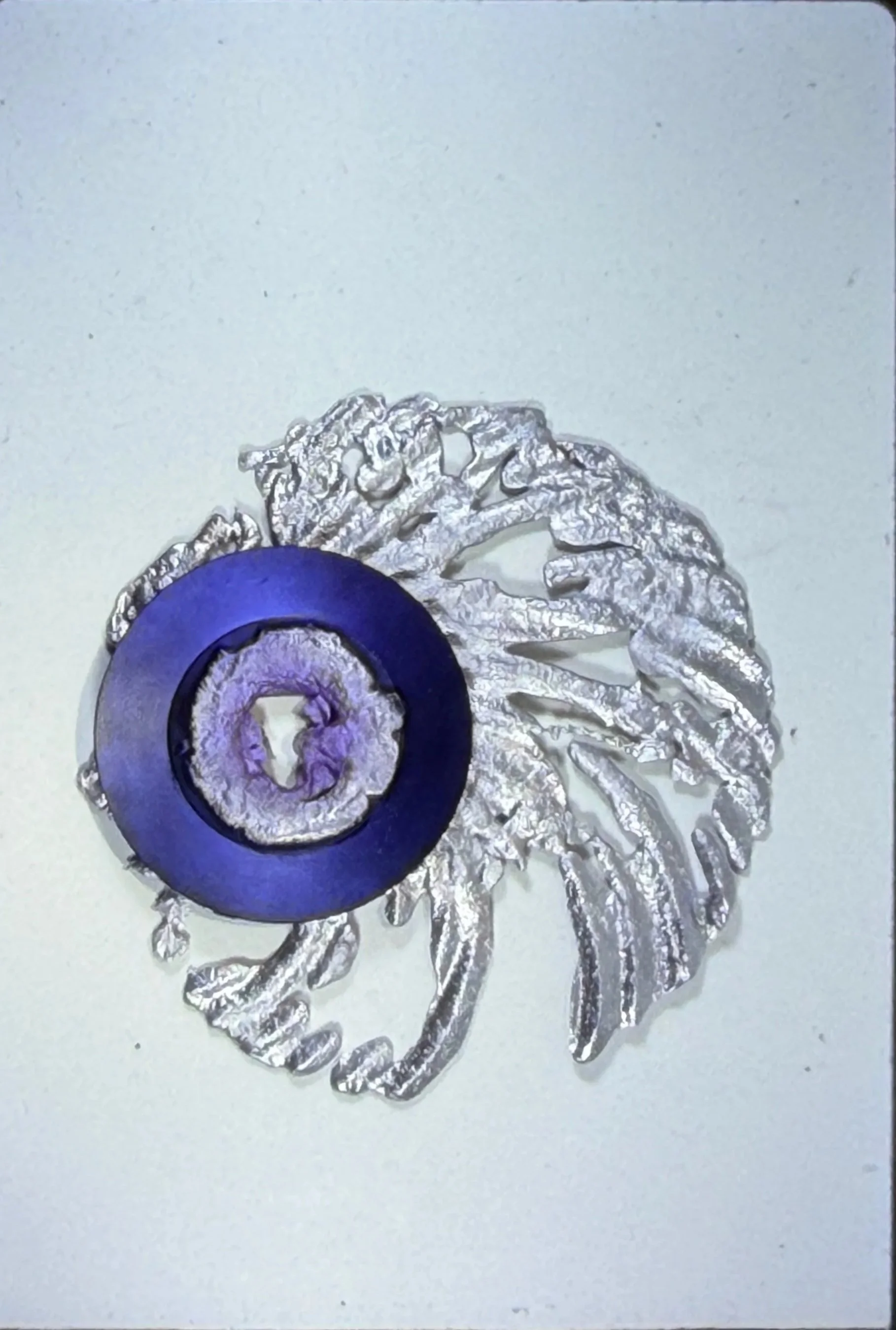
His sculptures from this period also reflect quantum realities. The circular and repeating metal forms resemble systems in motion, like particles orbiting or interacting within a field. The stacked layers and interconnected rings suggest multiple levels of structure existing at the same time. These forms can be seen as physical representations of invisible systems, similar to how quantum theory describes forces and interactions that cannot be directly seen. The use of repetition, layering, and balance in his sculptures reflects both Mathematics and physics. Patterns repeat but are not identical, suggesting variation within a system. The structures appear stable, yet complex, like a system held together by forces that are not immediately visible. This mirrors the idea that reality is built from interactions at levels we cannot fully see.
Whitney Wolf’s work shows how quantum ideas can be expressed through art. Instead of explaining these theories with equations, he creates forms and images that allow people to experience them visually. His purple paintings and sculptures suggest that reality is not singular or fixed, but layered and constantly changing. In this way, his work brings the concept of quantum realities into a form that can be seen, felt, and understood.