Genetically Modified
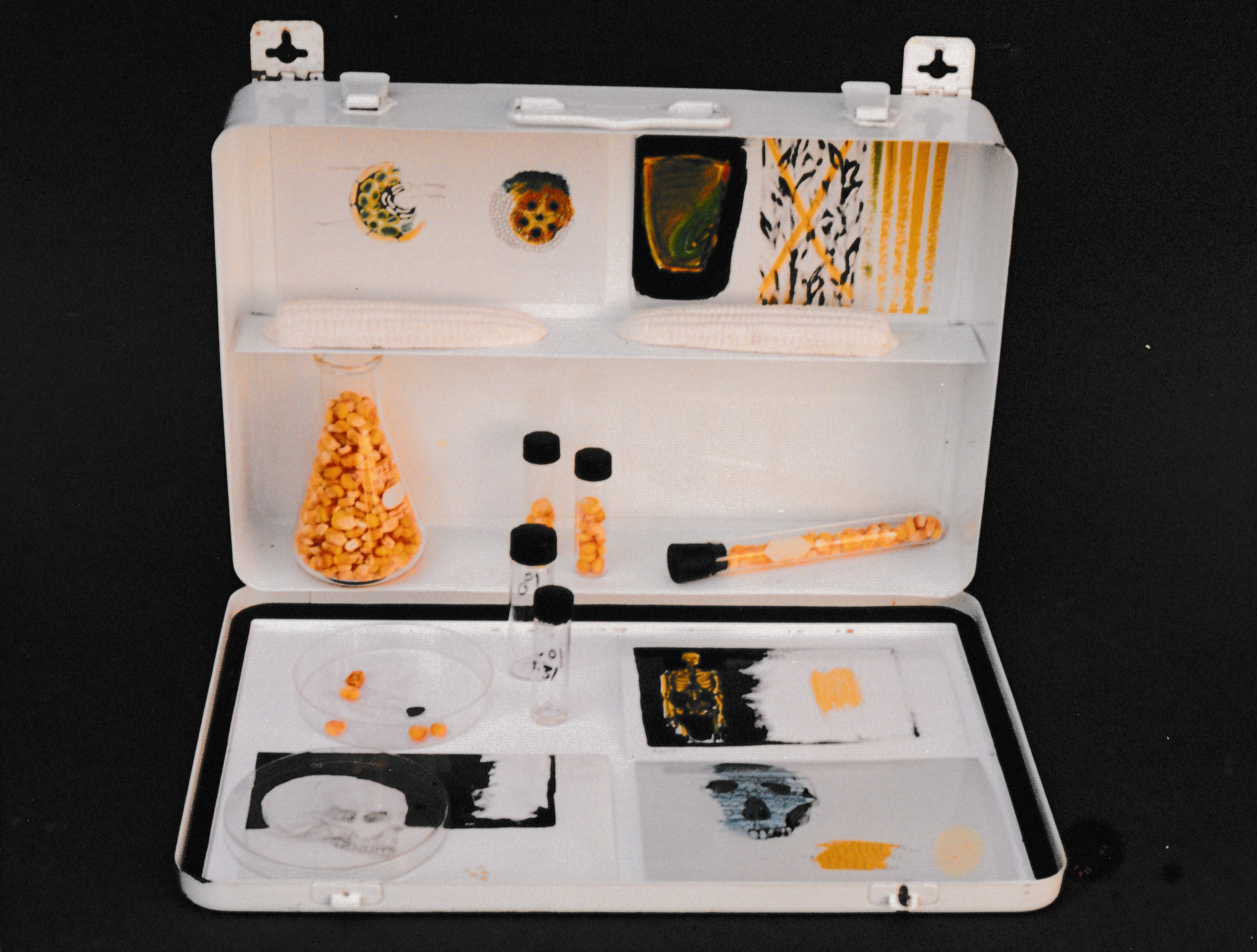
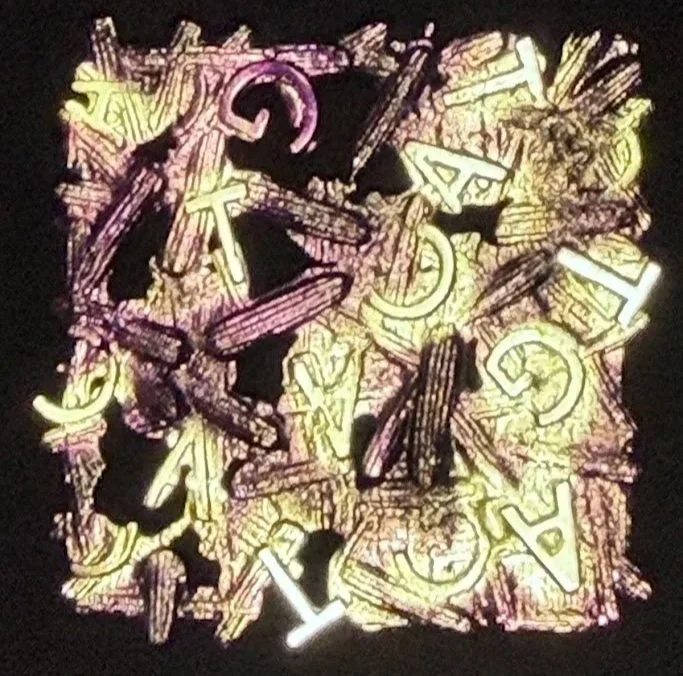
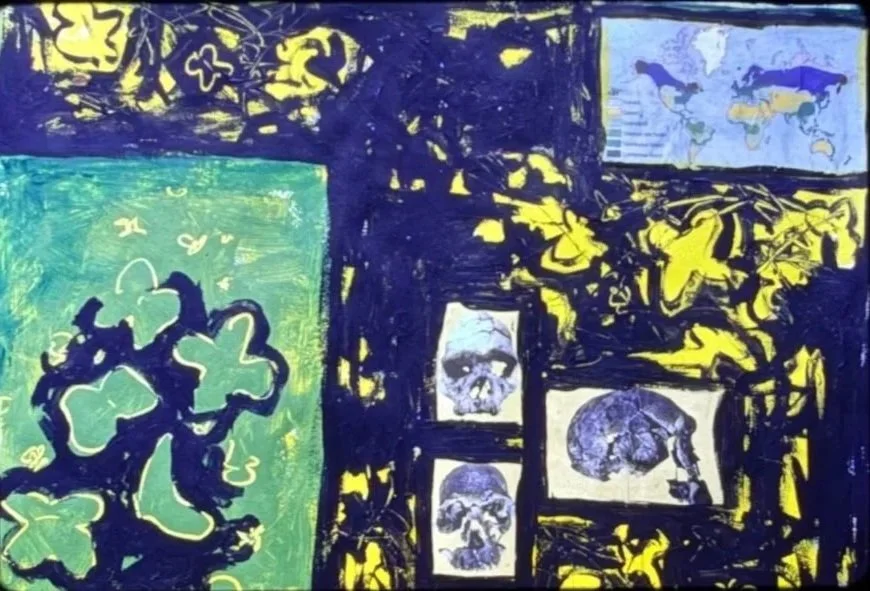
Genetically modified food, the expansion of agrochemical corporations, accelerating climate change, and the growing discussion of human extinction are often treated as separate concerns, but they are closely connected. Each reflects a shift in how humanity relates to the natural world, moving from participation within ecosystems to control over them. Genetic modification has increased efficiency in agriculture, yet it also introduces uncertainty about long term ecological balance and biodiversity. Industrial farming practices, supported by chemical fertilizers and pesticides, have reshaped landscapes on a global scale. These systems often reduce the variety of plant and animal life while placing stress on soil, water, and surrounding habitats. Climate change intensifies these pressures, altering temperature and weather patterns in ways that disrupt ecosystems that once remained stable over long periods of time.
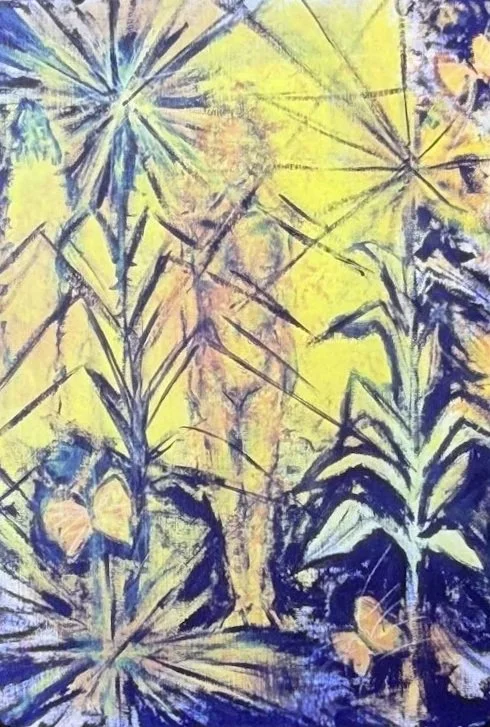
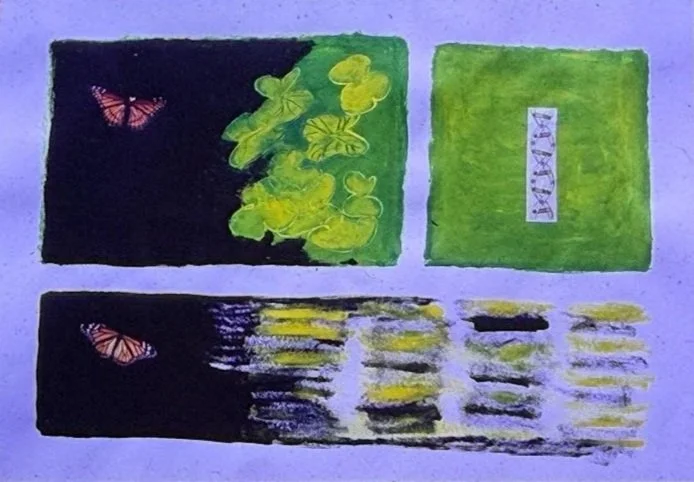
Within this larger pattern, extinction is no longer a distant or theoretical idea. It is an ongoing process that can be observed across many species. Pollinators, including bees and butterflies, have experienced noticeable declines due to habitat loss, chemical exposure, and changing environmental conditions. The decline of butterfly populations in particular has become a visible sign of ecological imbalance. Butterflies rely on specific plants and stable climates to survive, making them sensitive indicators of environmental change. As their numbers decrease, it reflects a broader weakening of the systems that support life. These changes do not occur in isolation. The loss of one species can affect many others, creating a chain reaction that moves through entire ecosystems. Humanity is part of this system and is affected by the same conditions it has helped to shape.
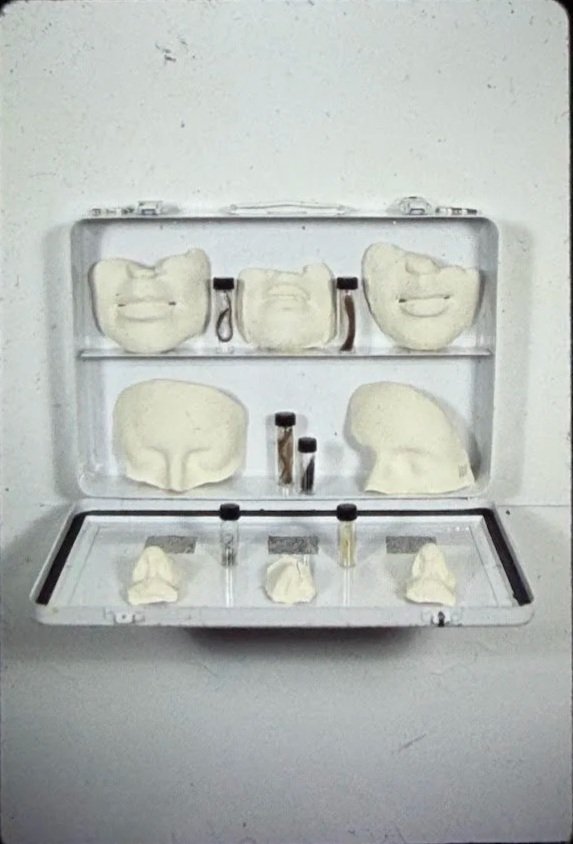
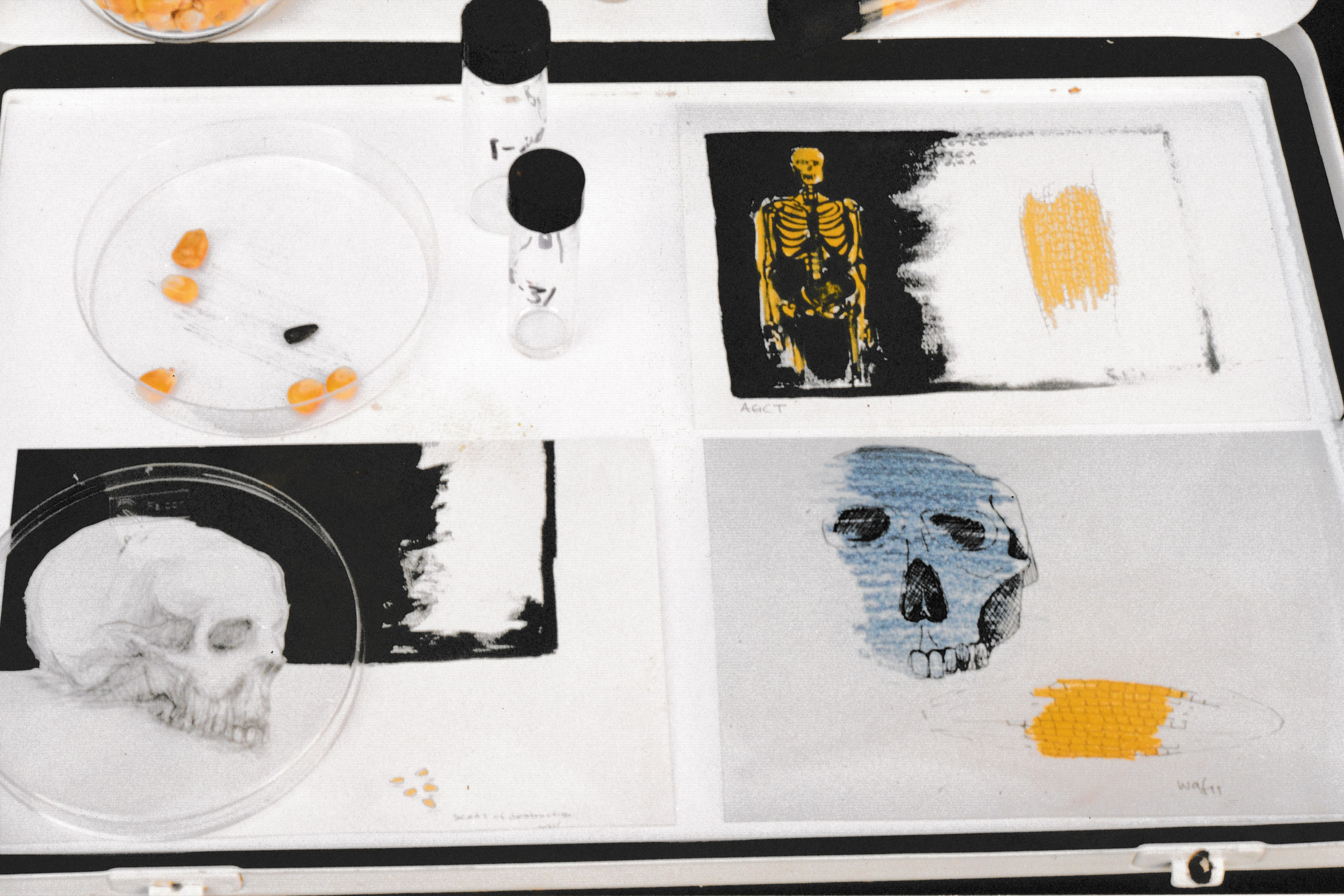
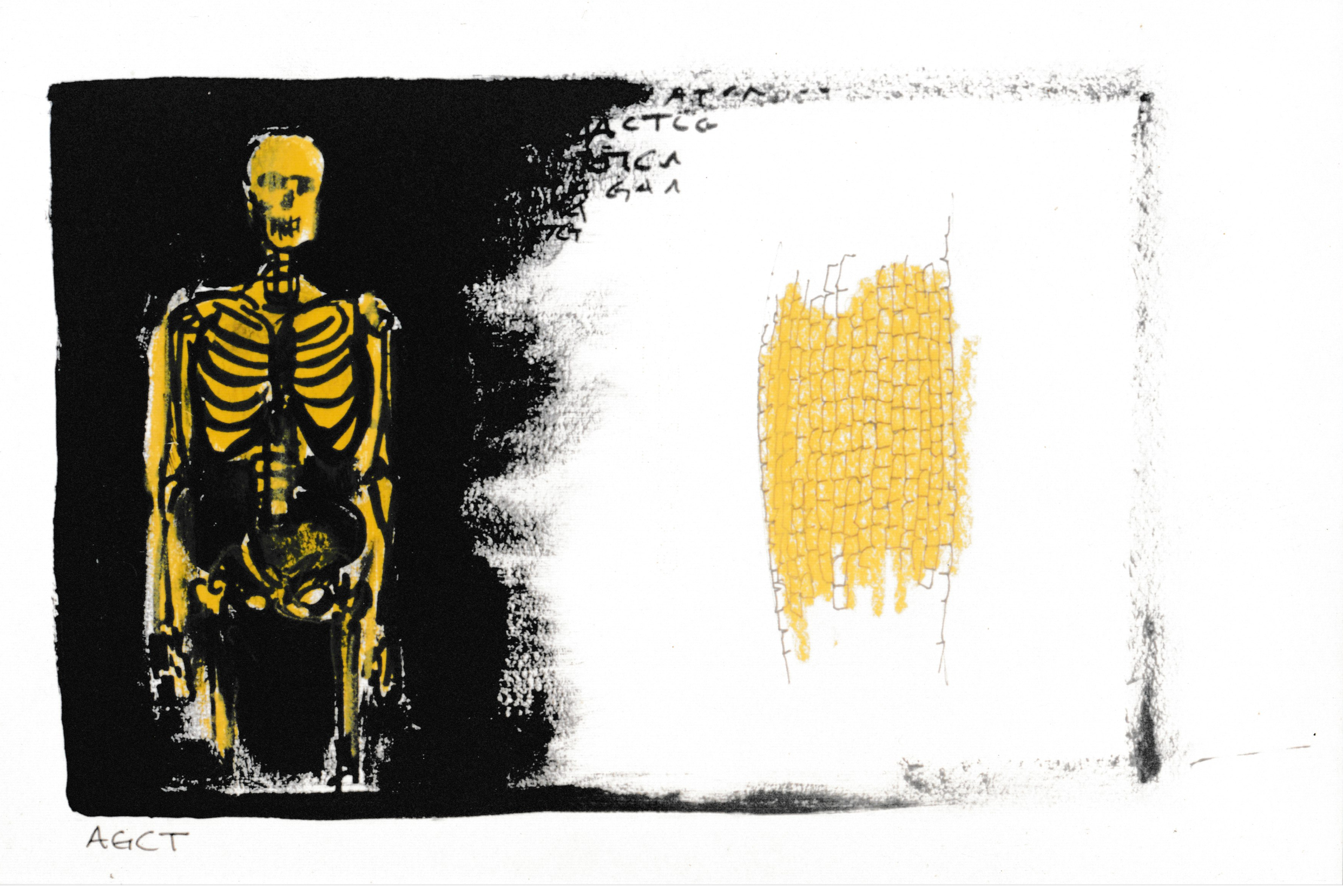
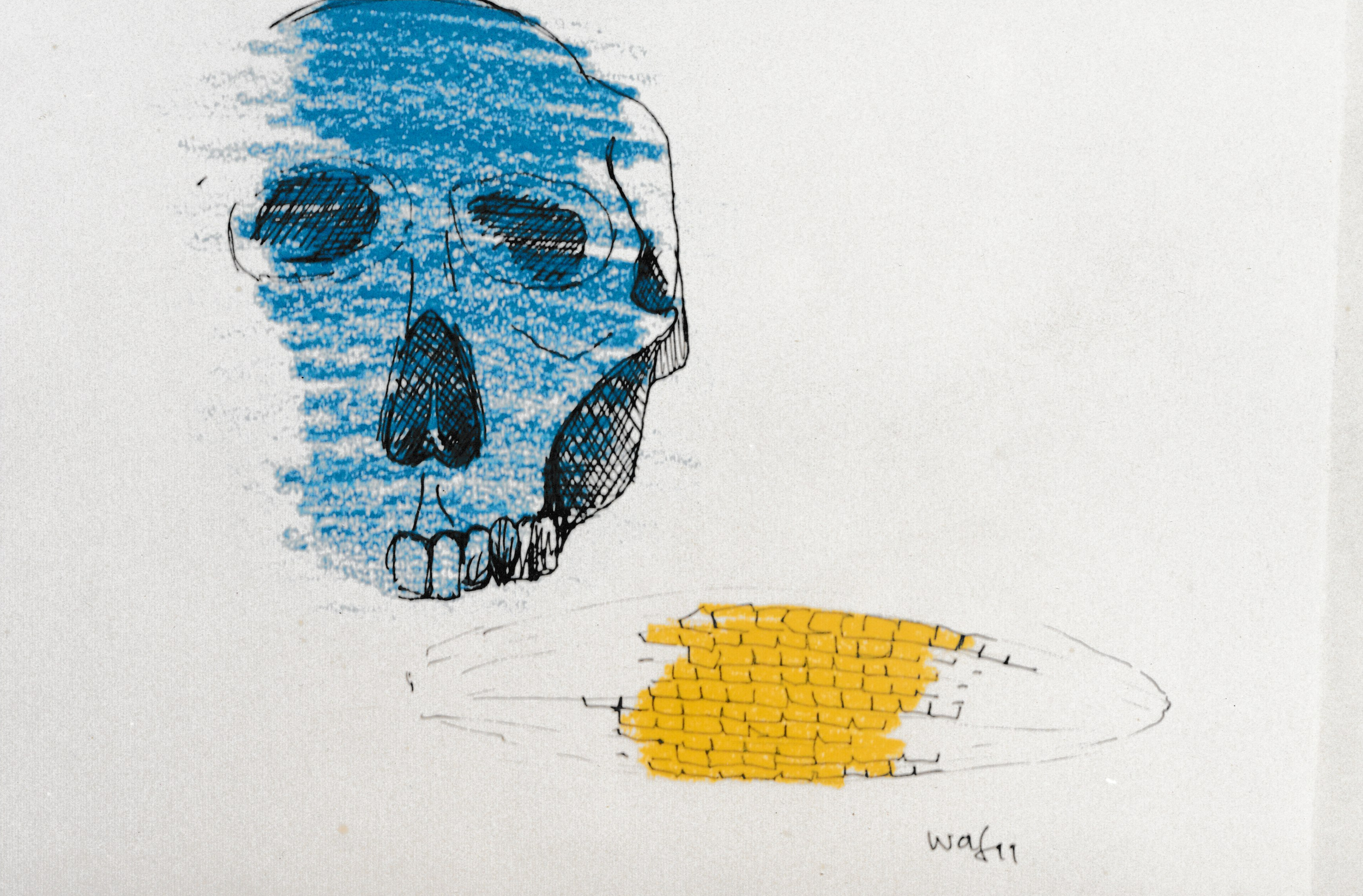
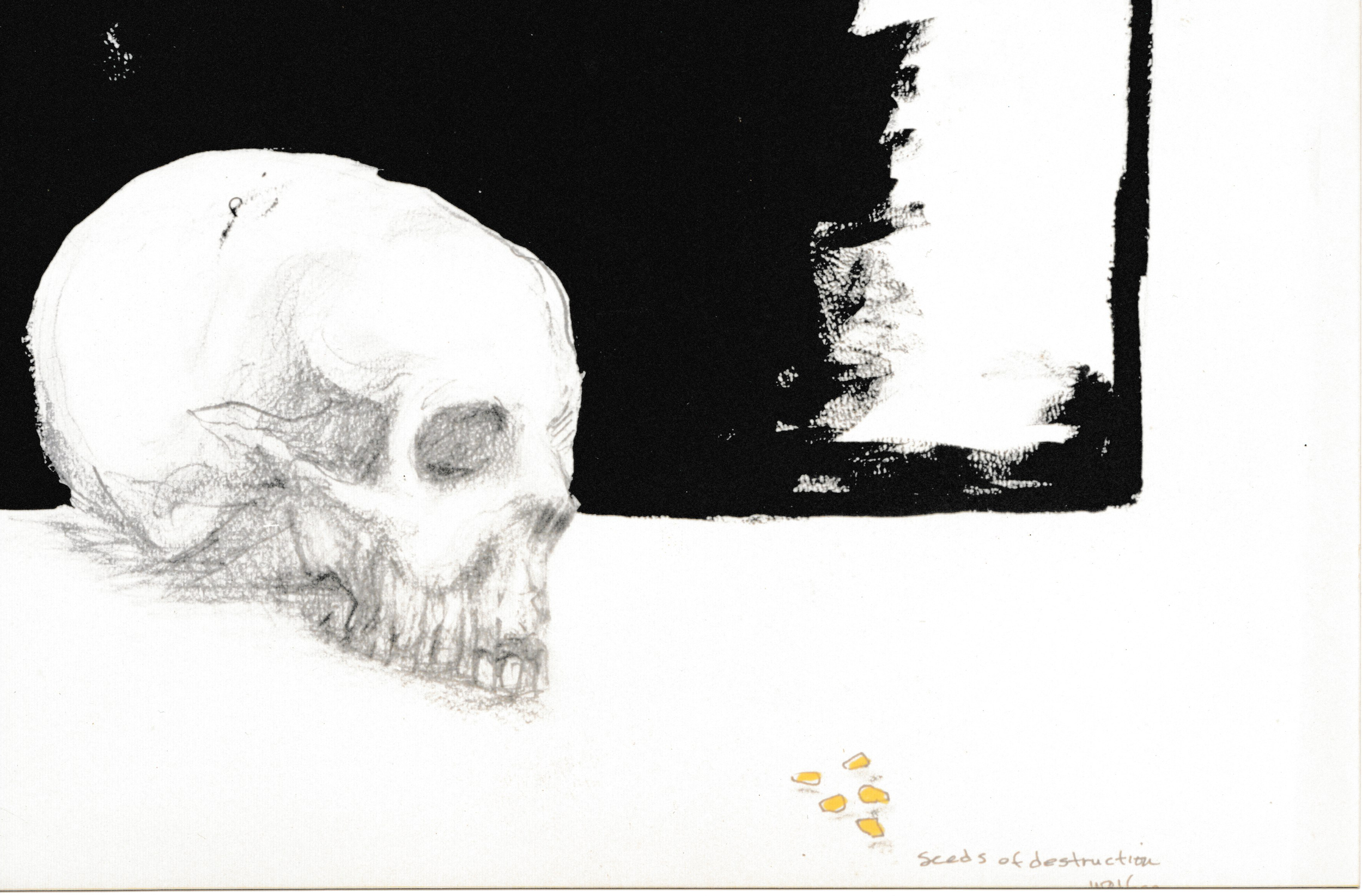
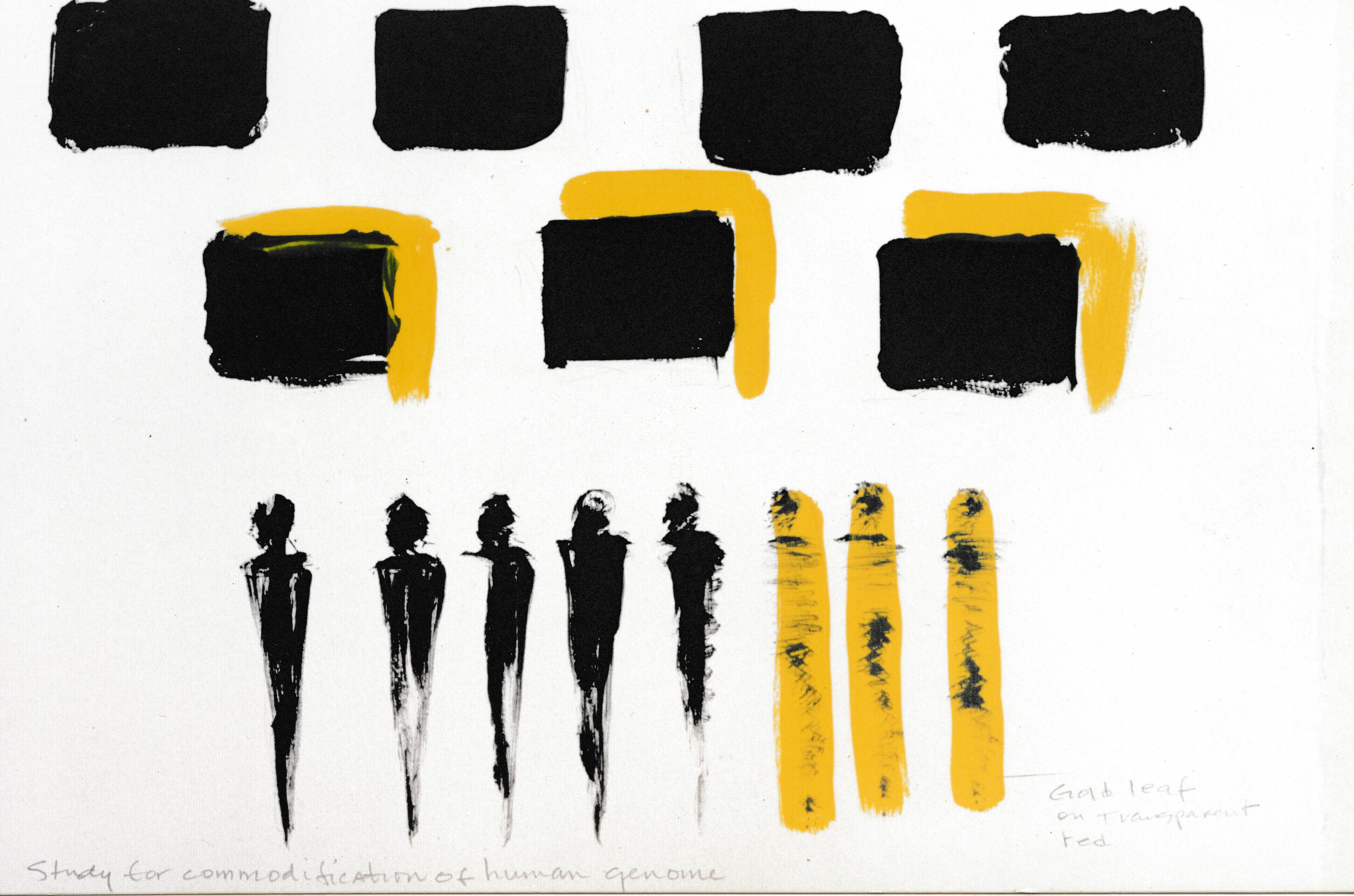
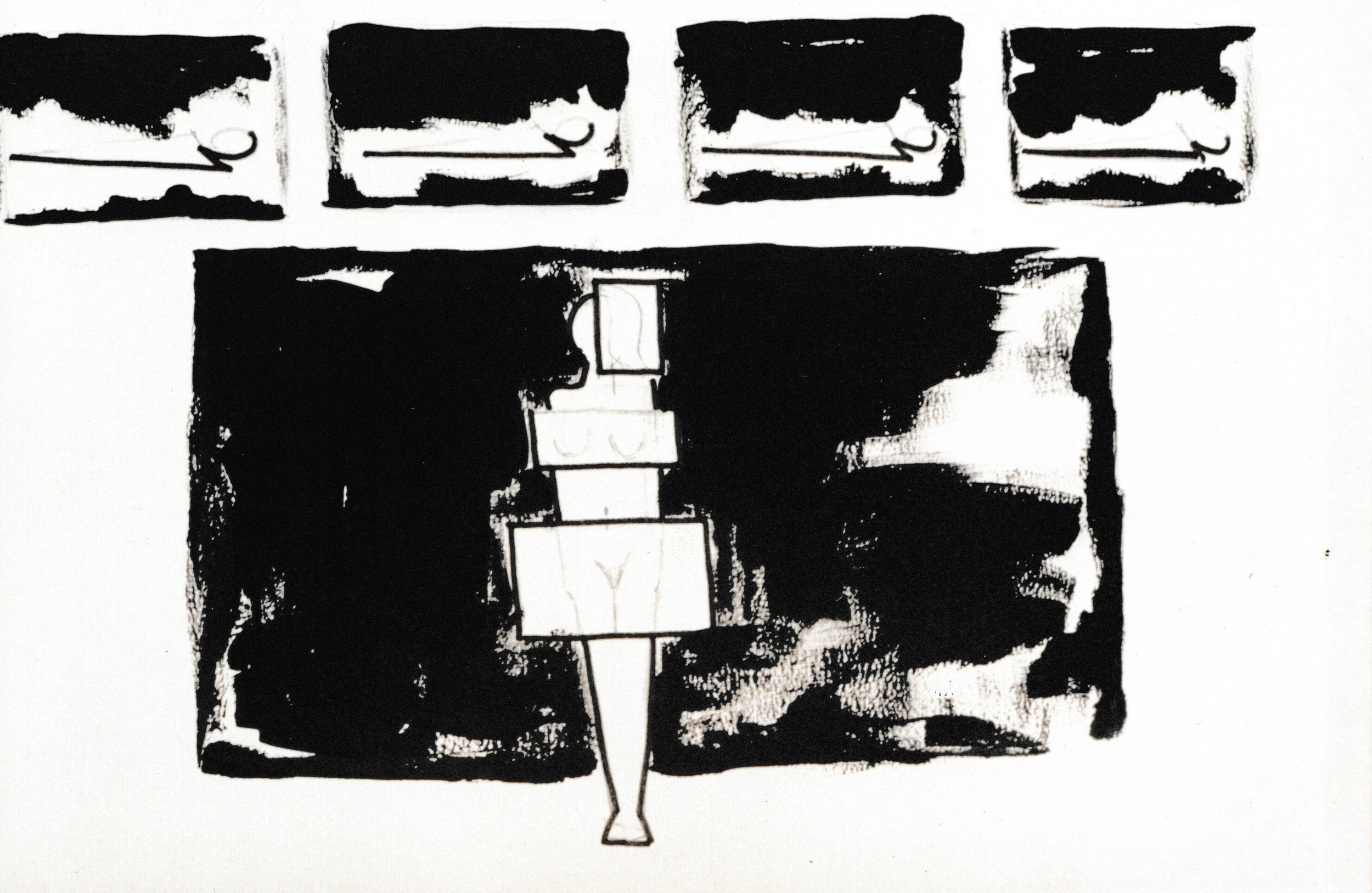
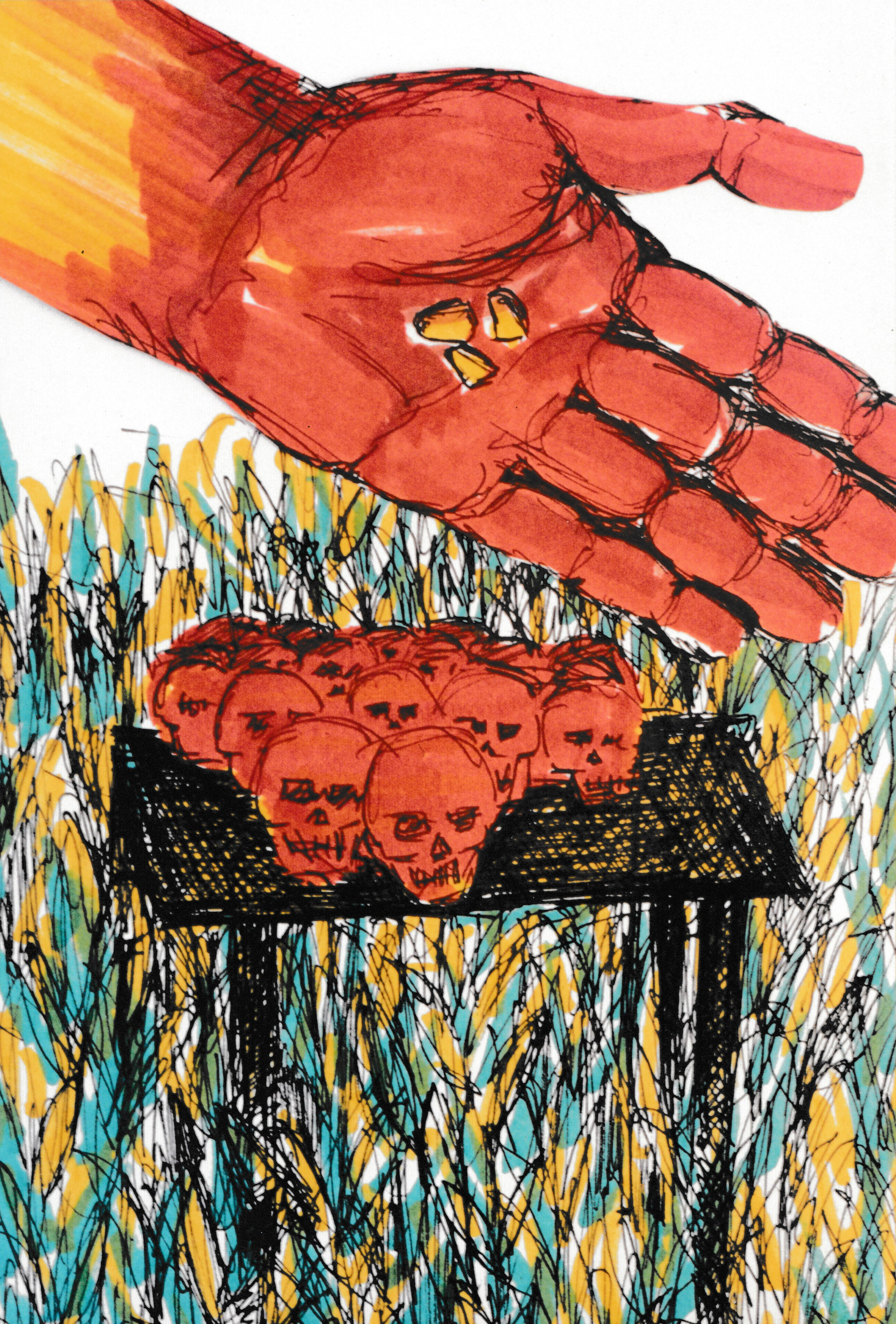
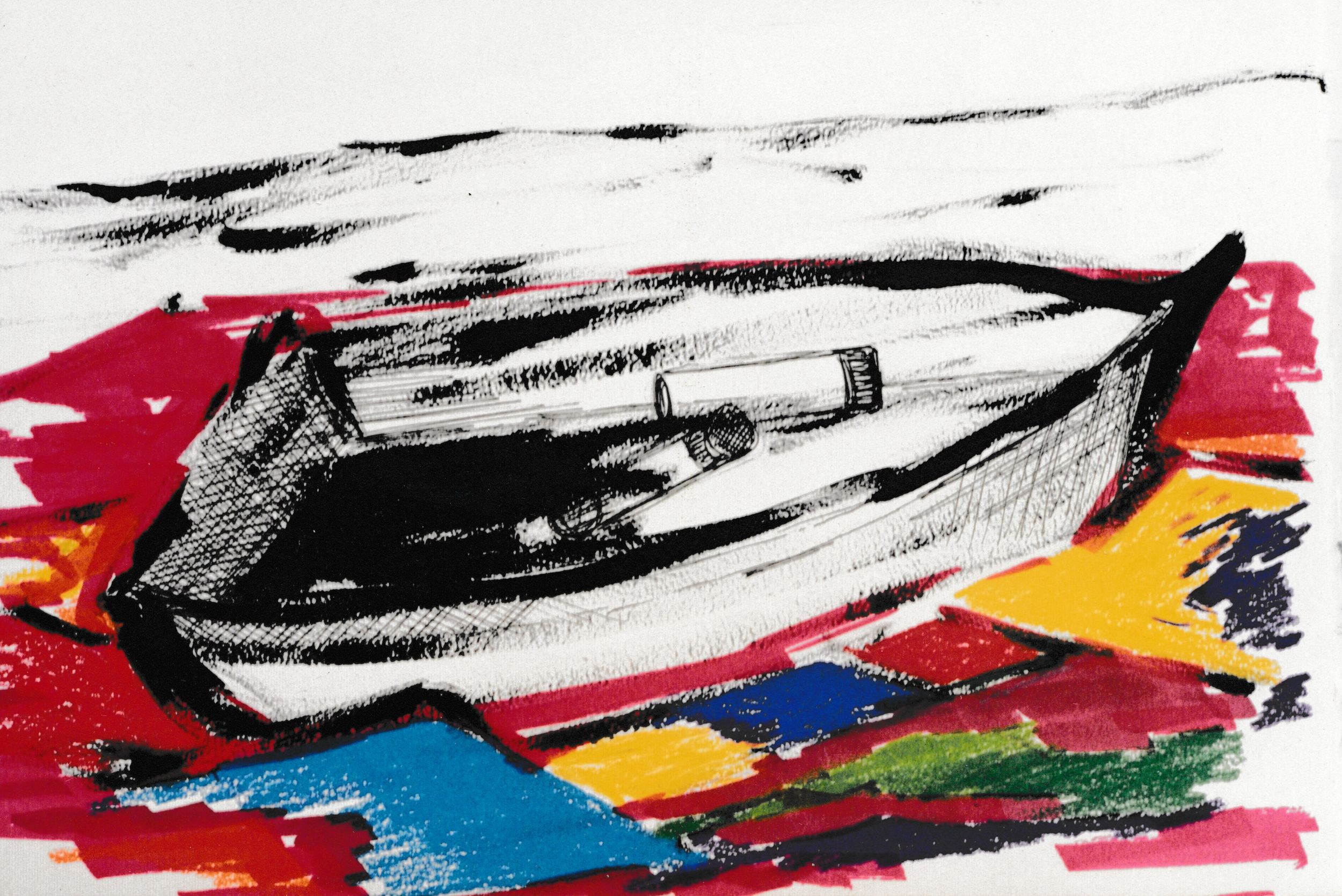
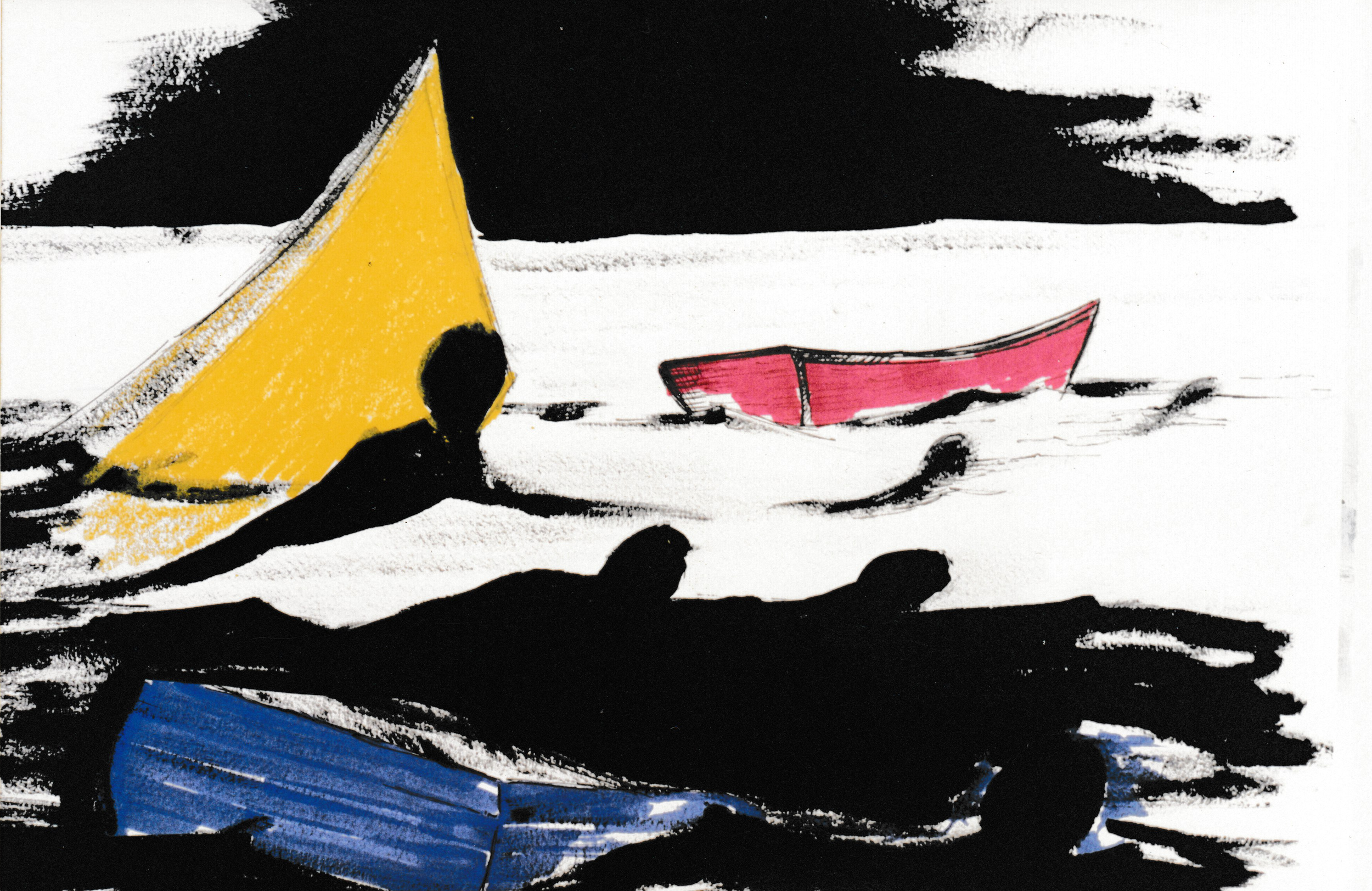
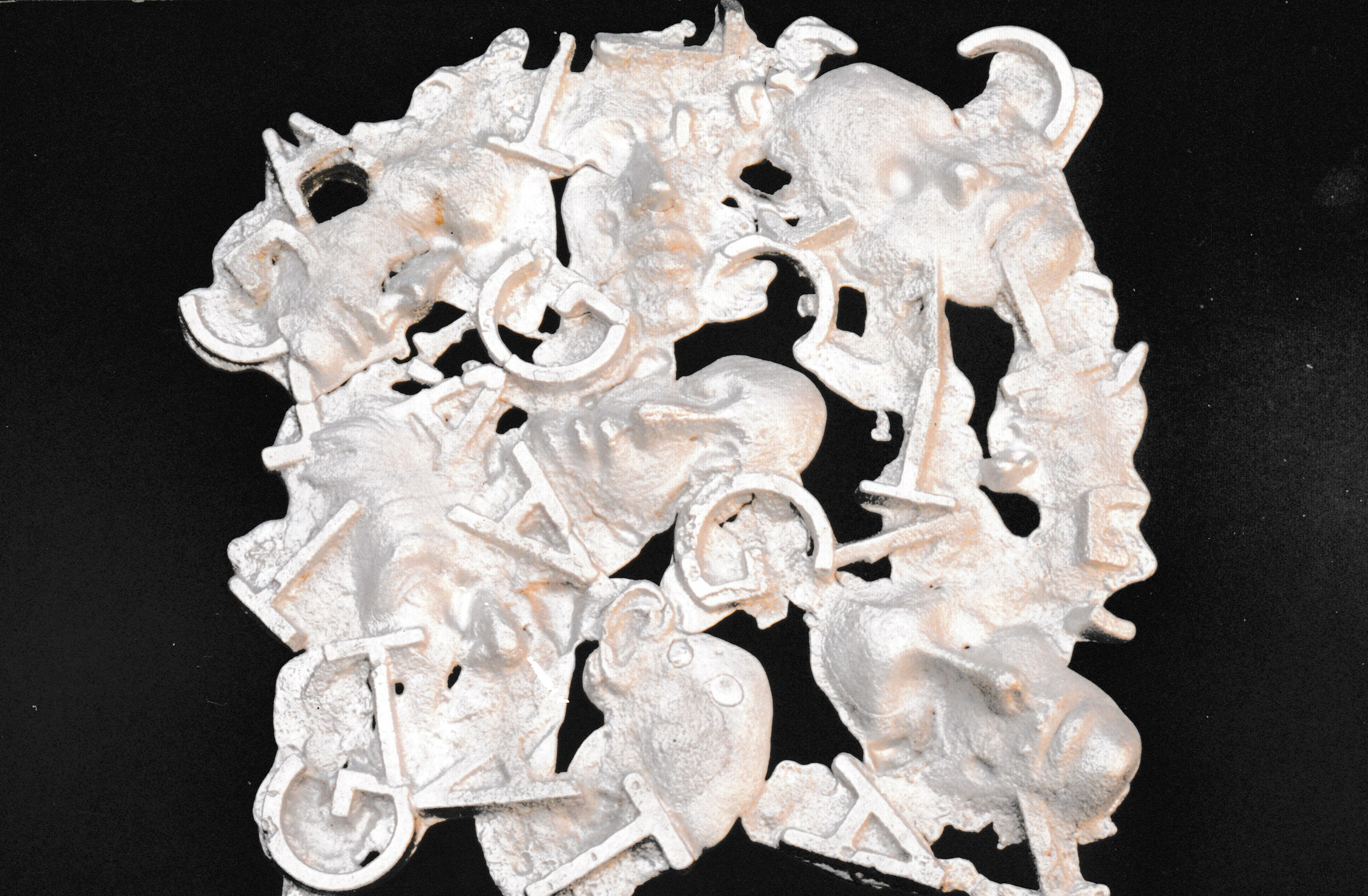
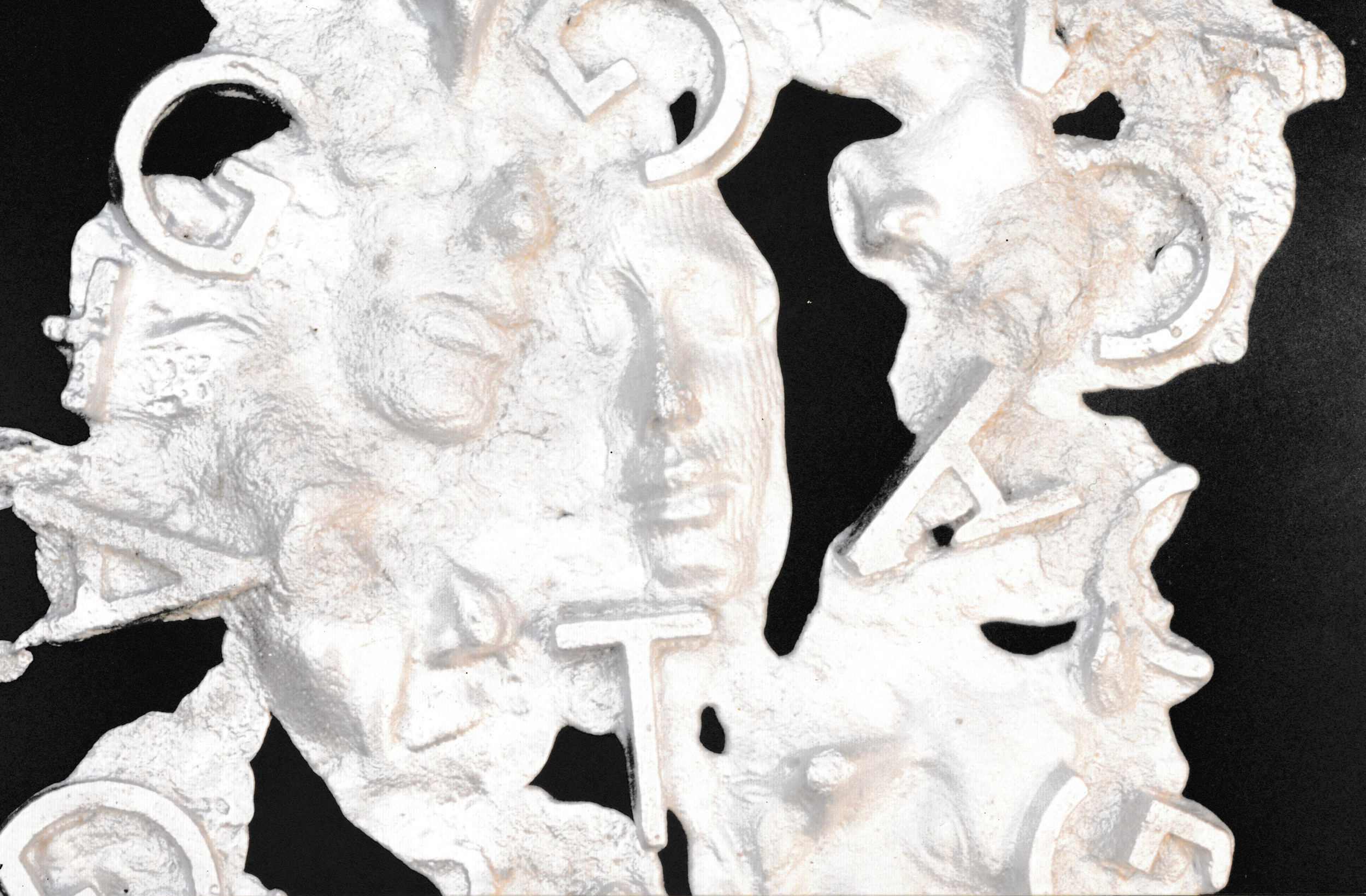
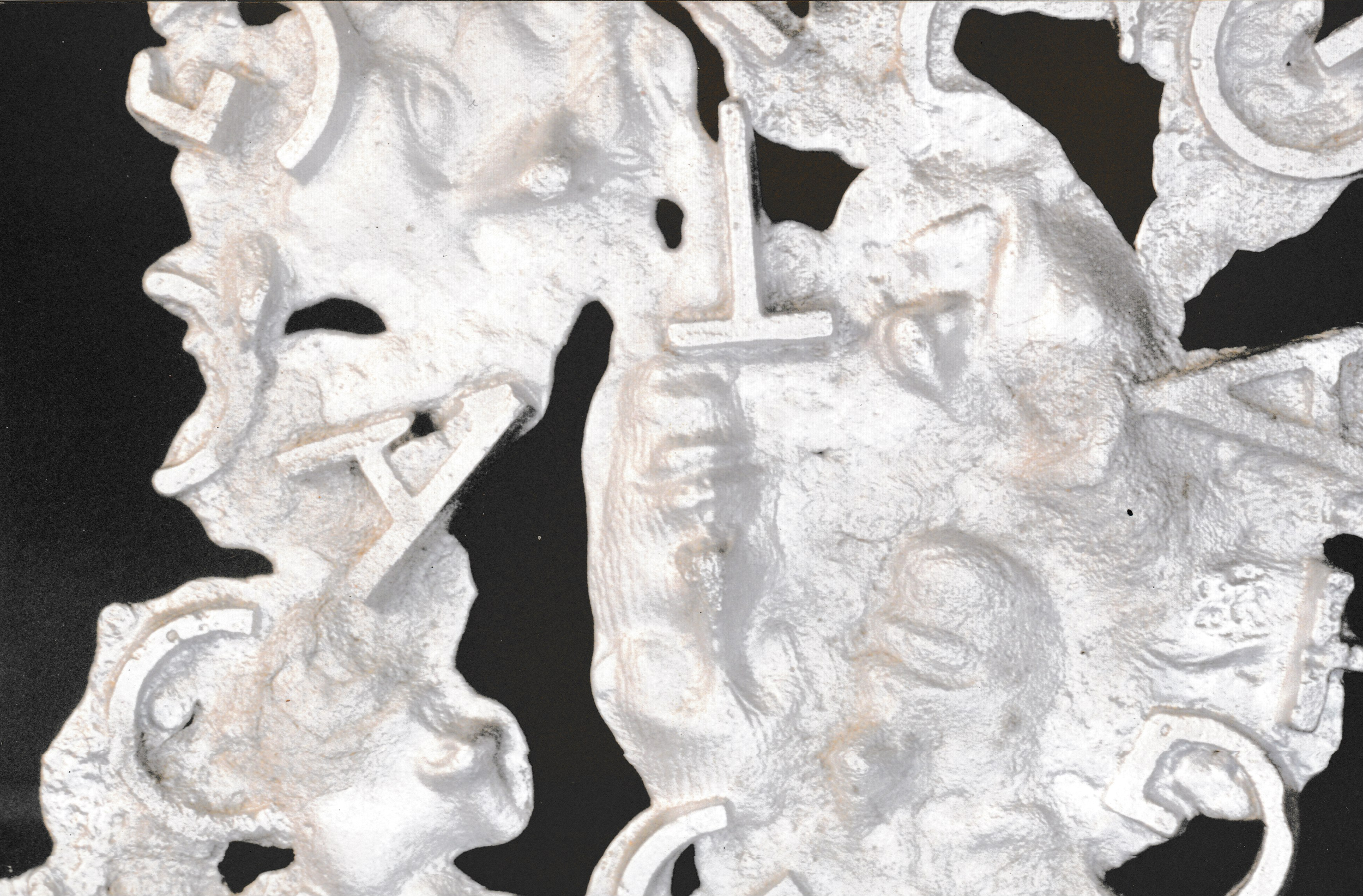
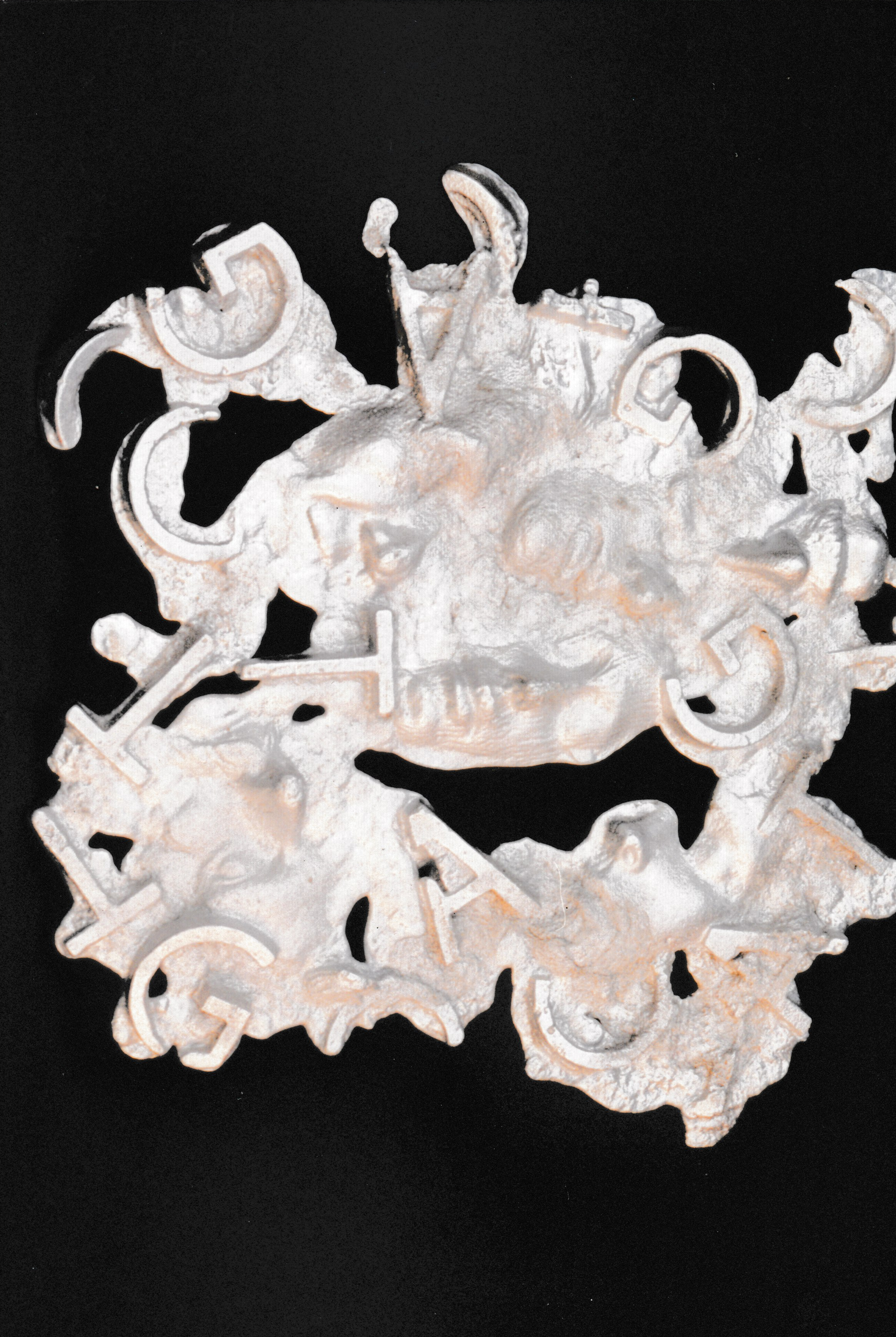
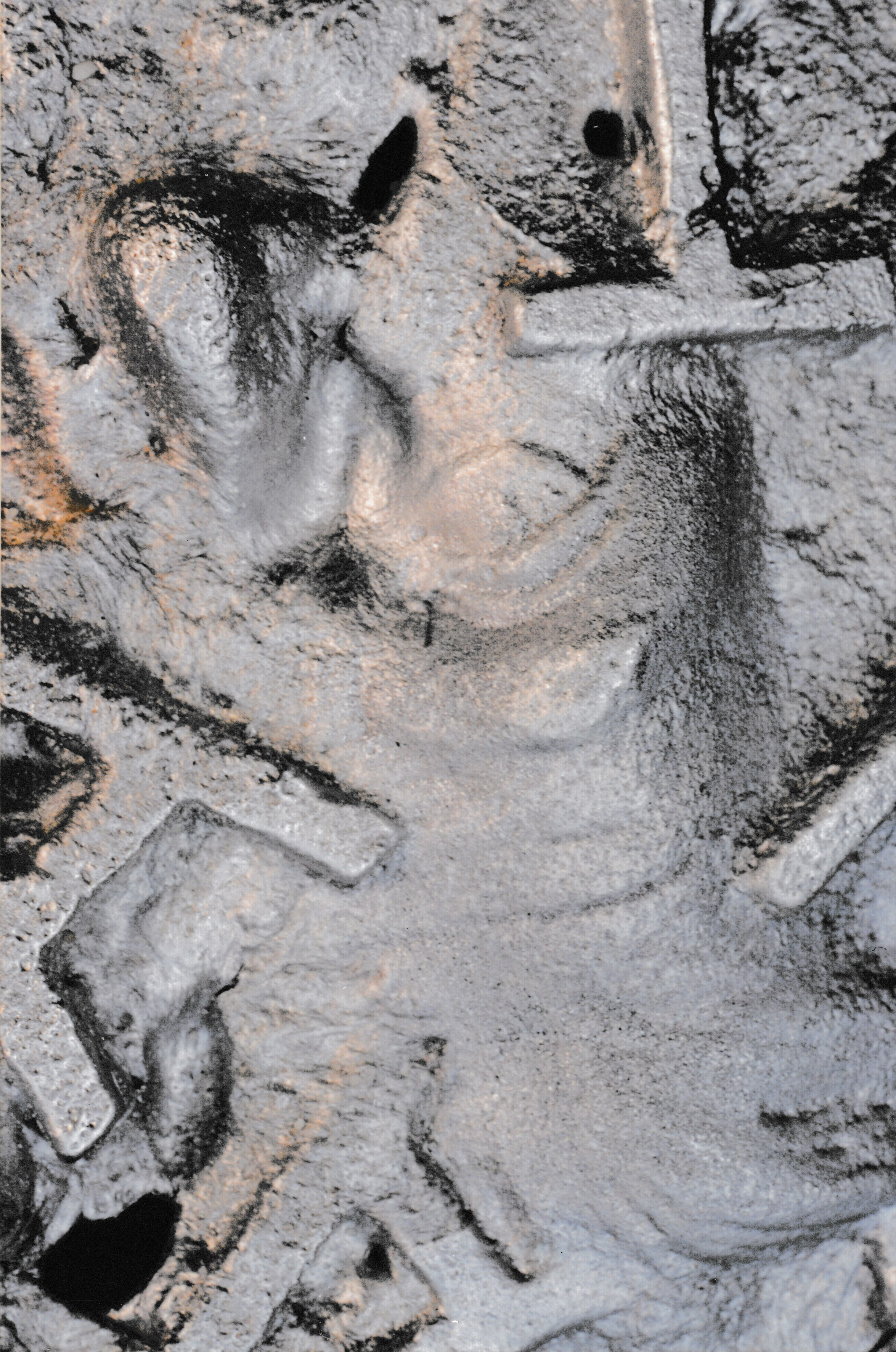
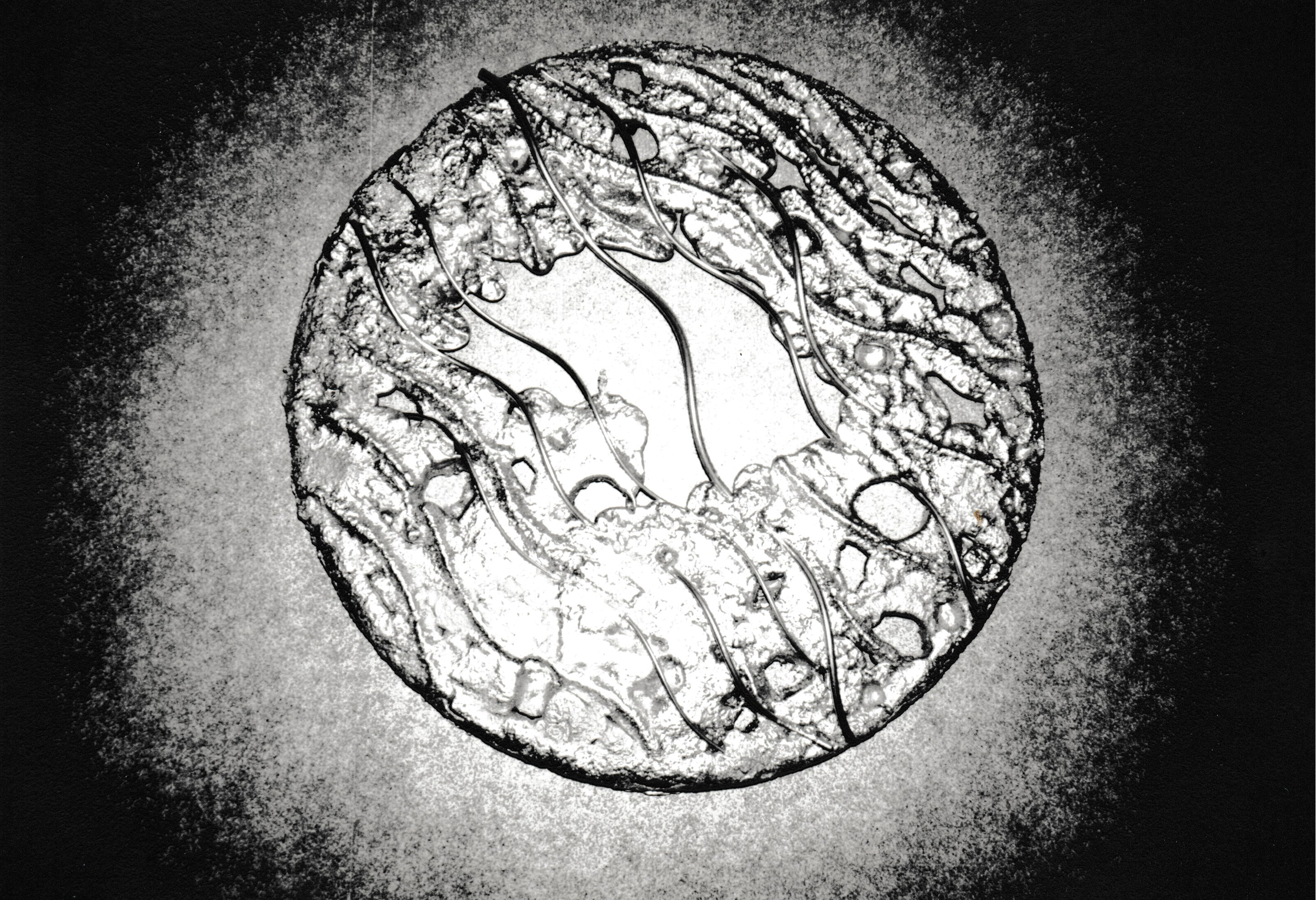
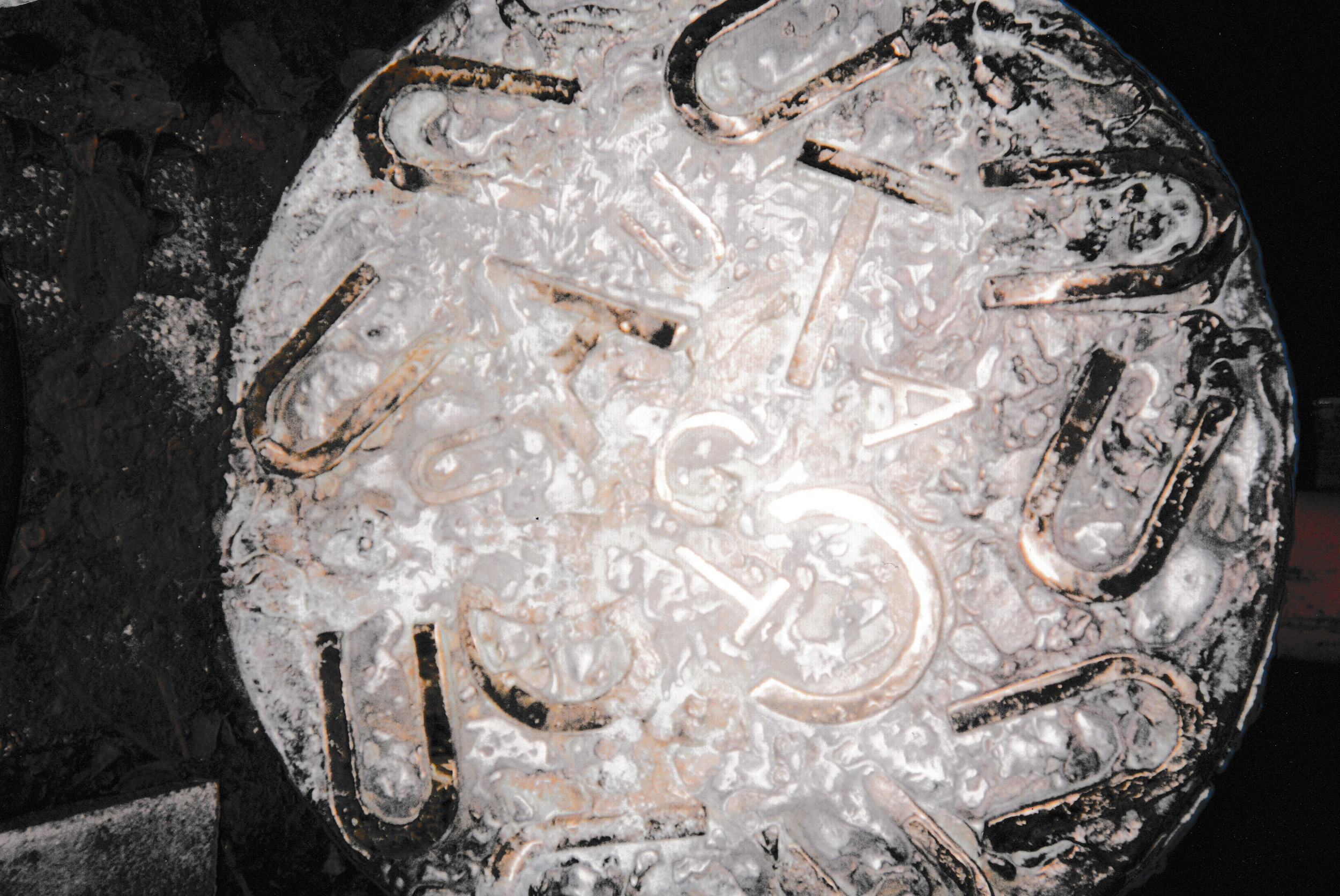
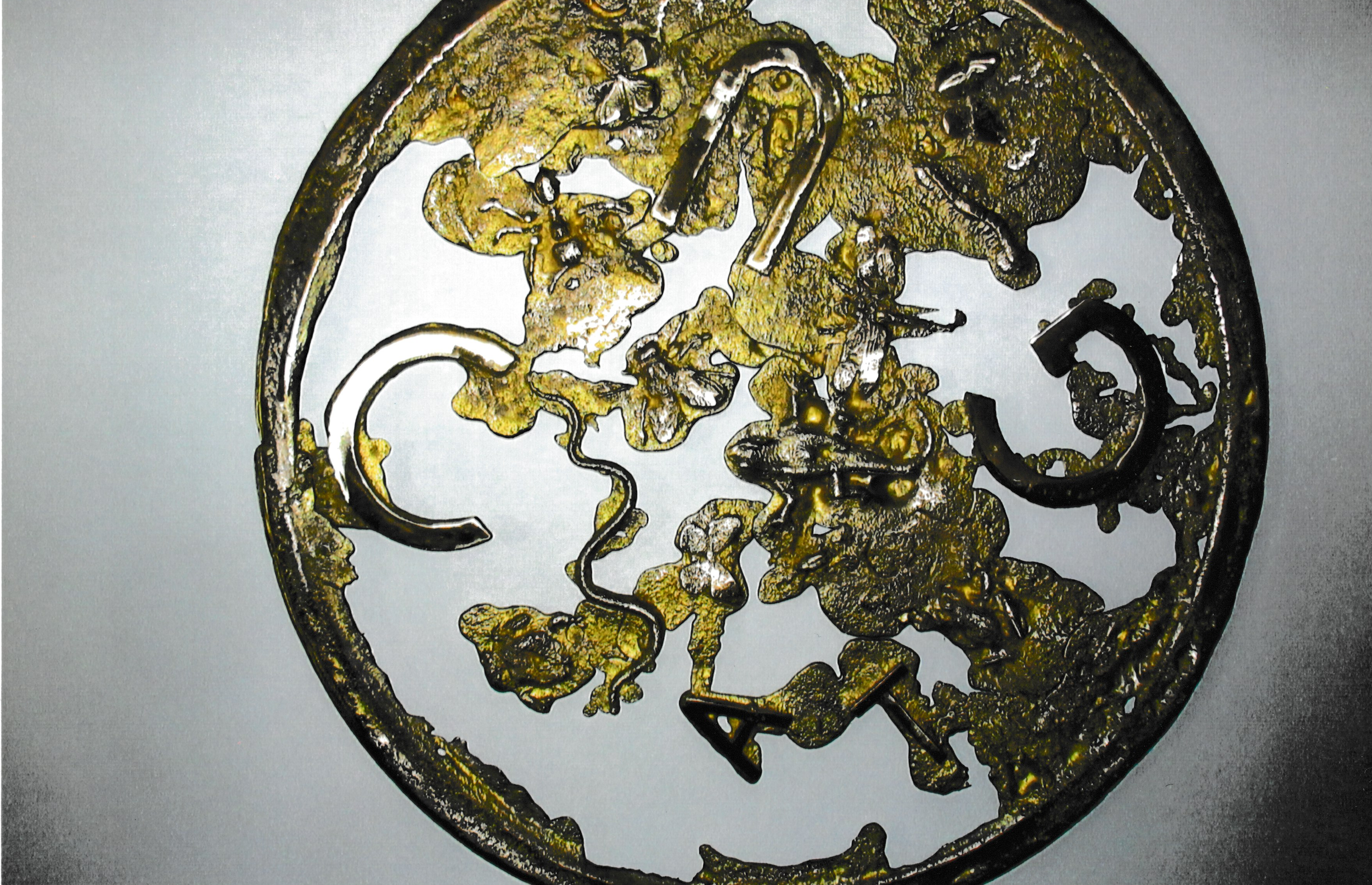
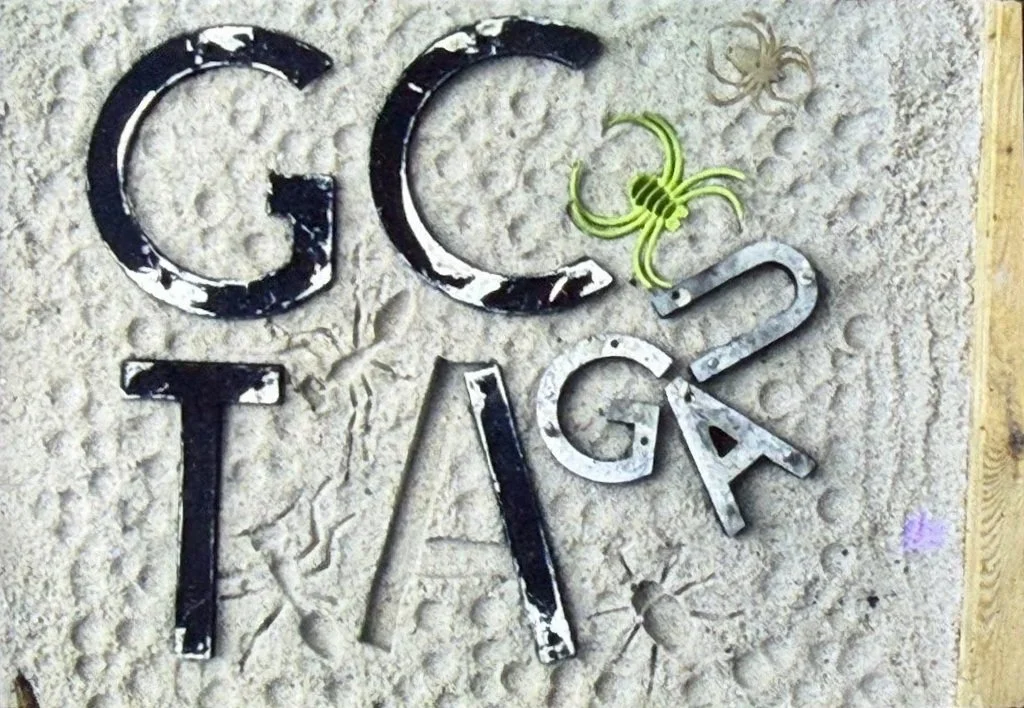
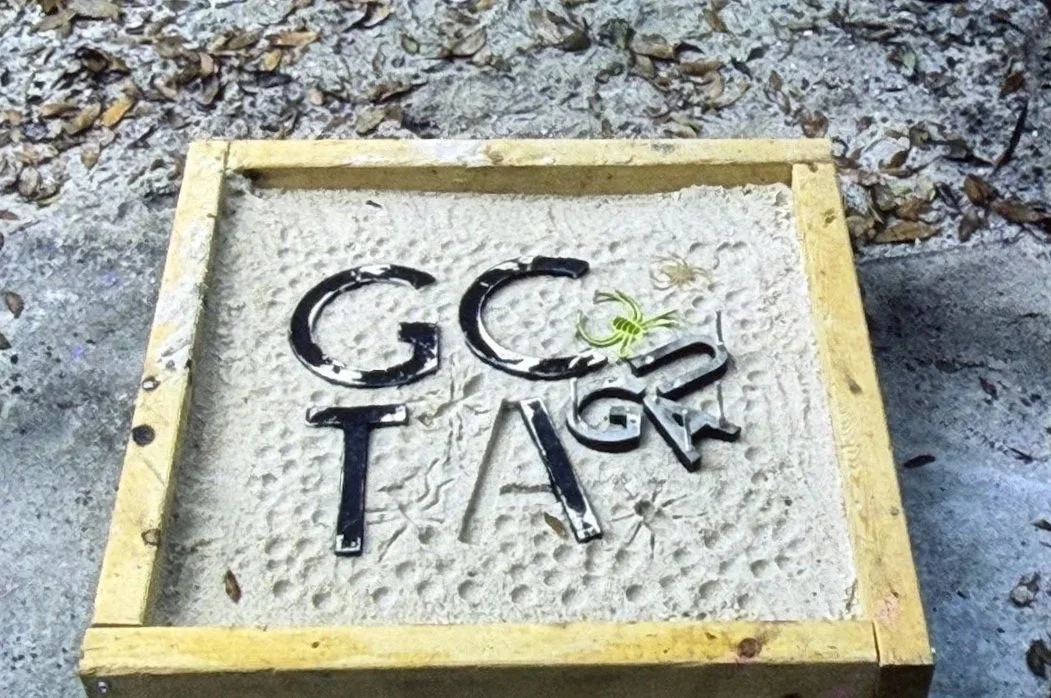
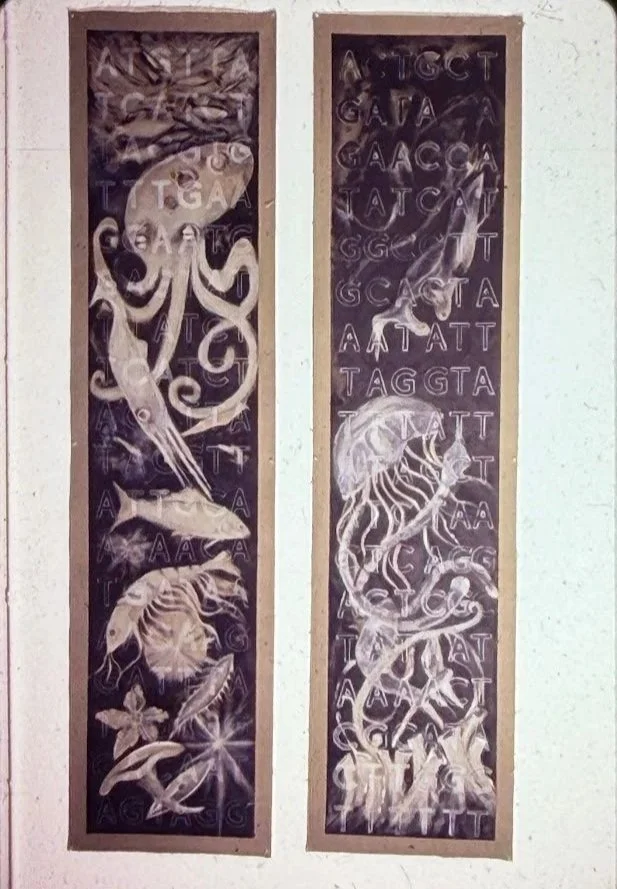
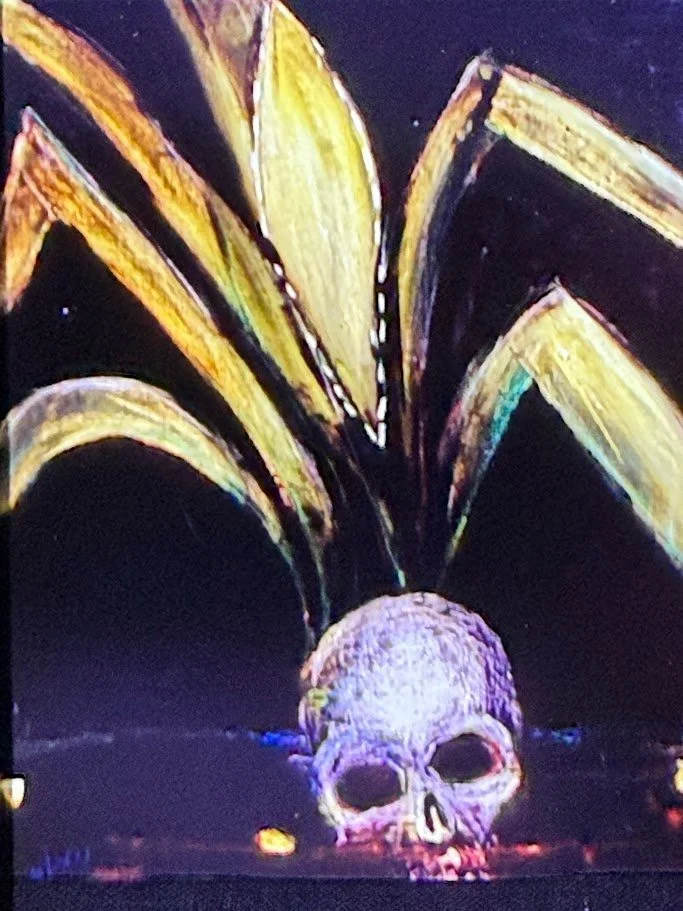
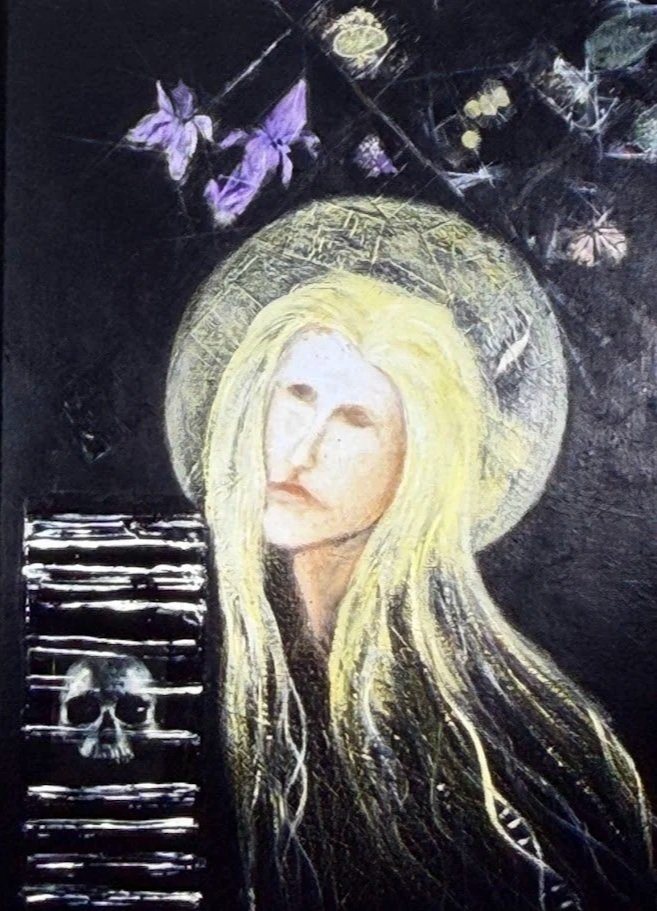
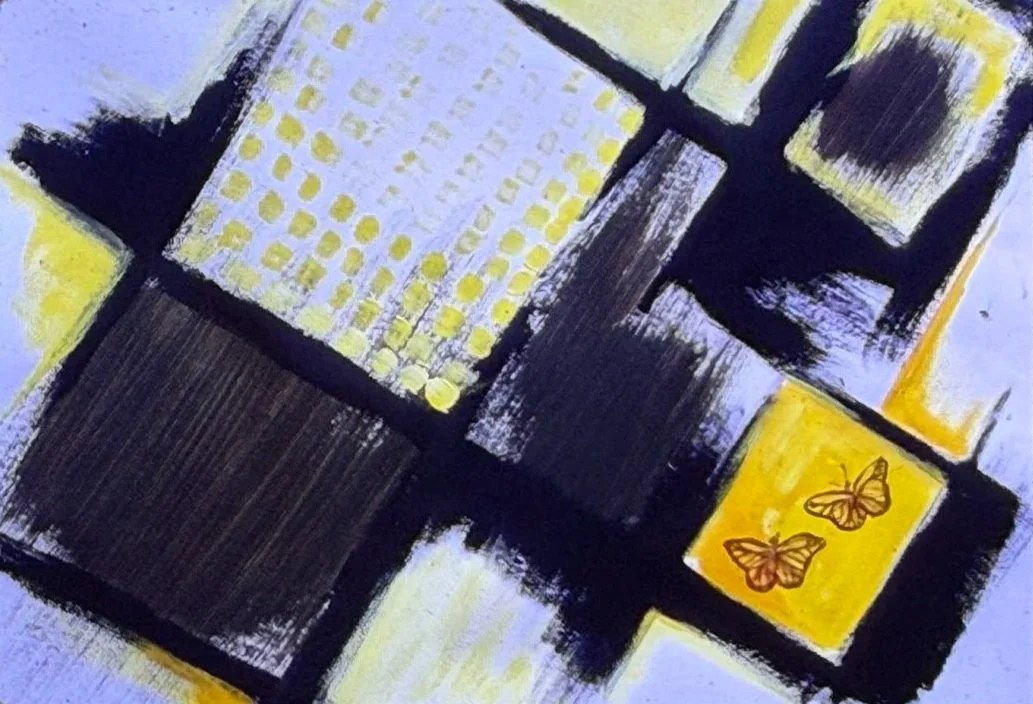
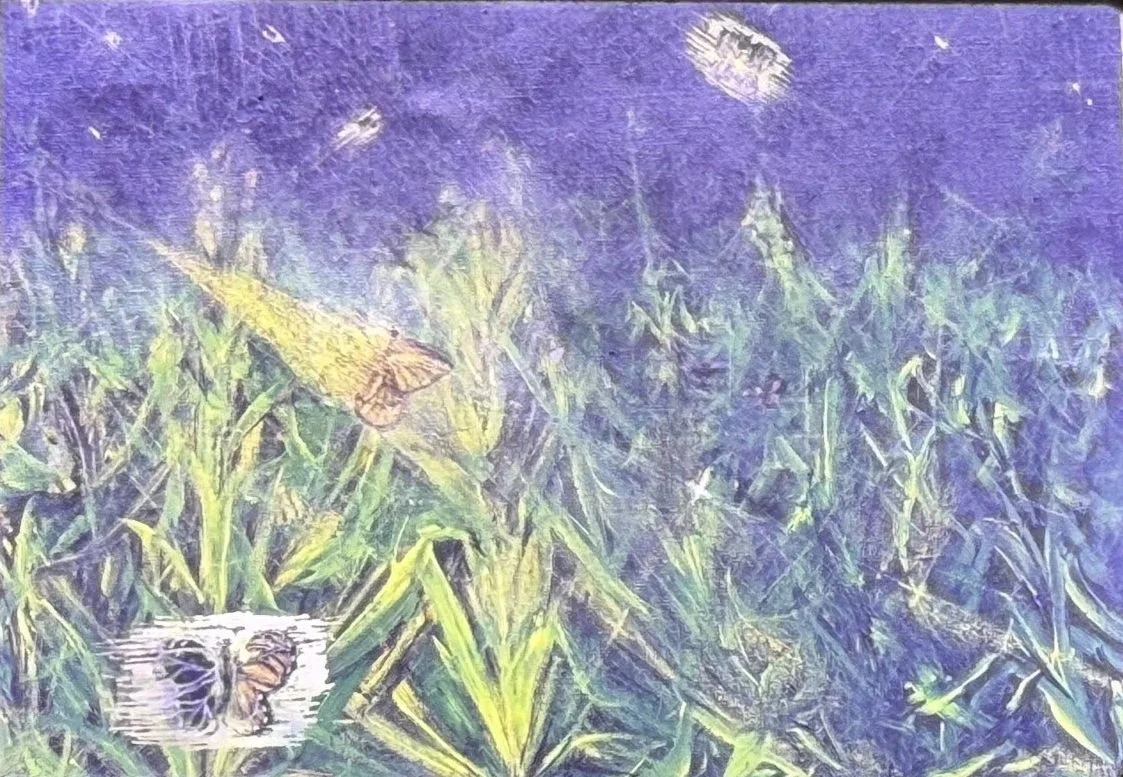
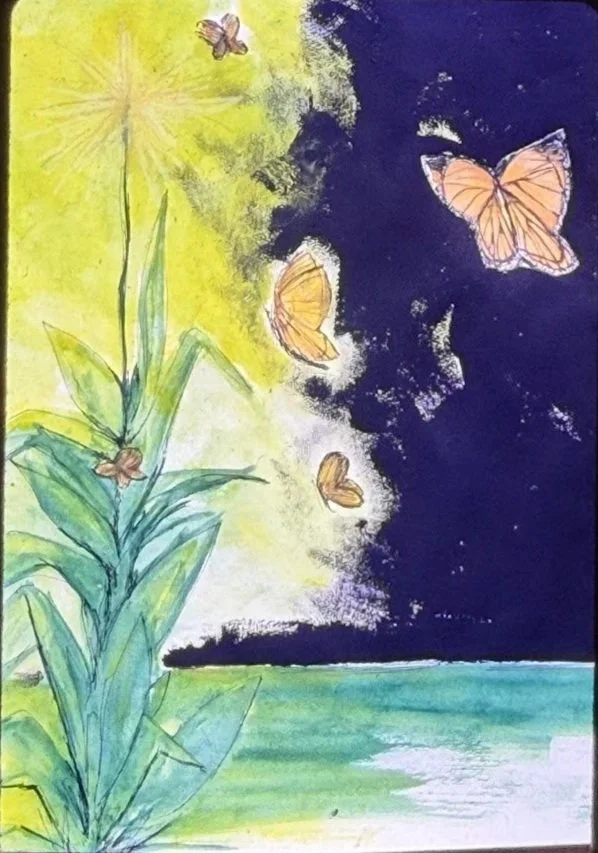
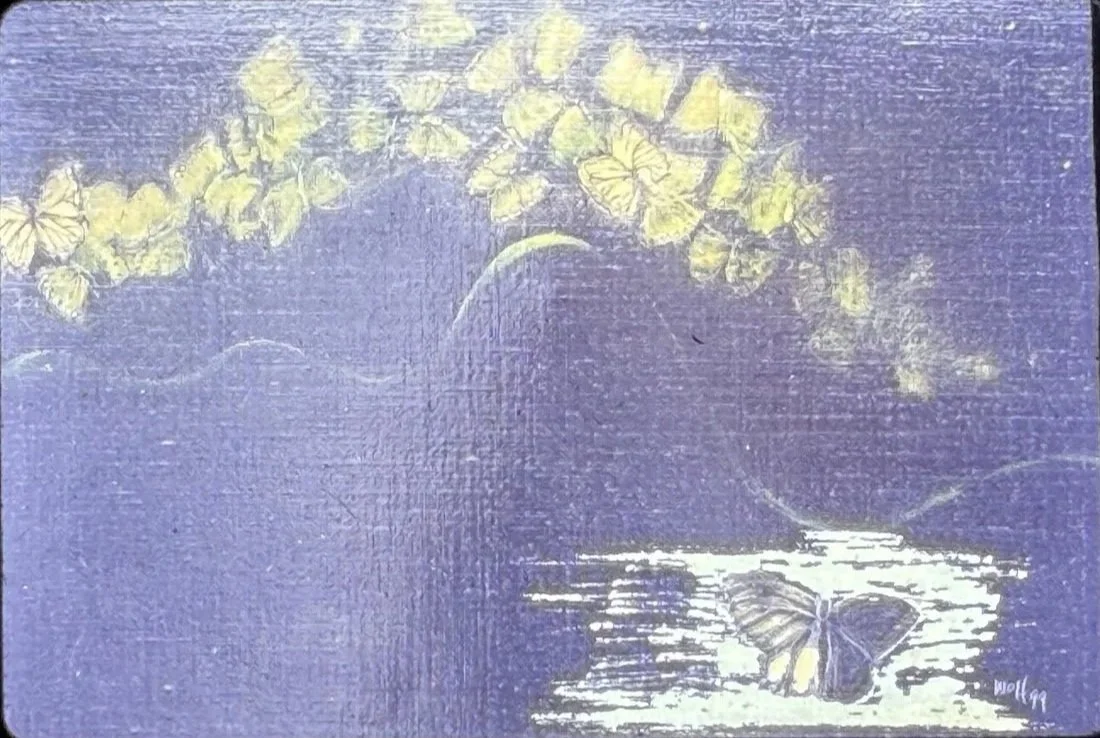
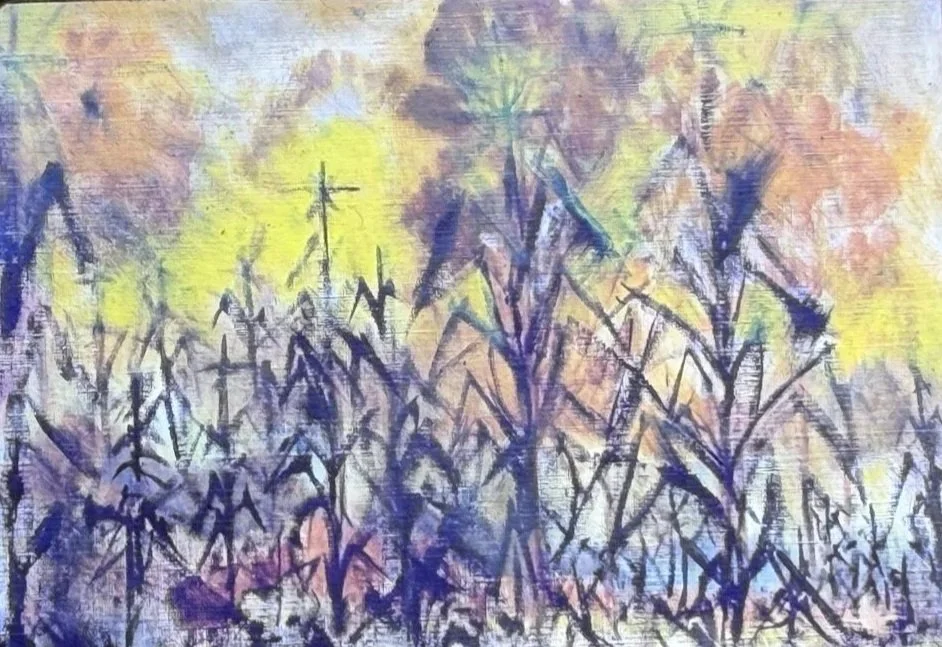
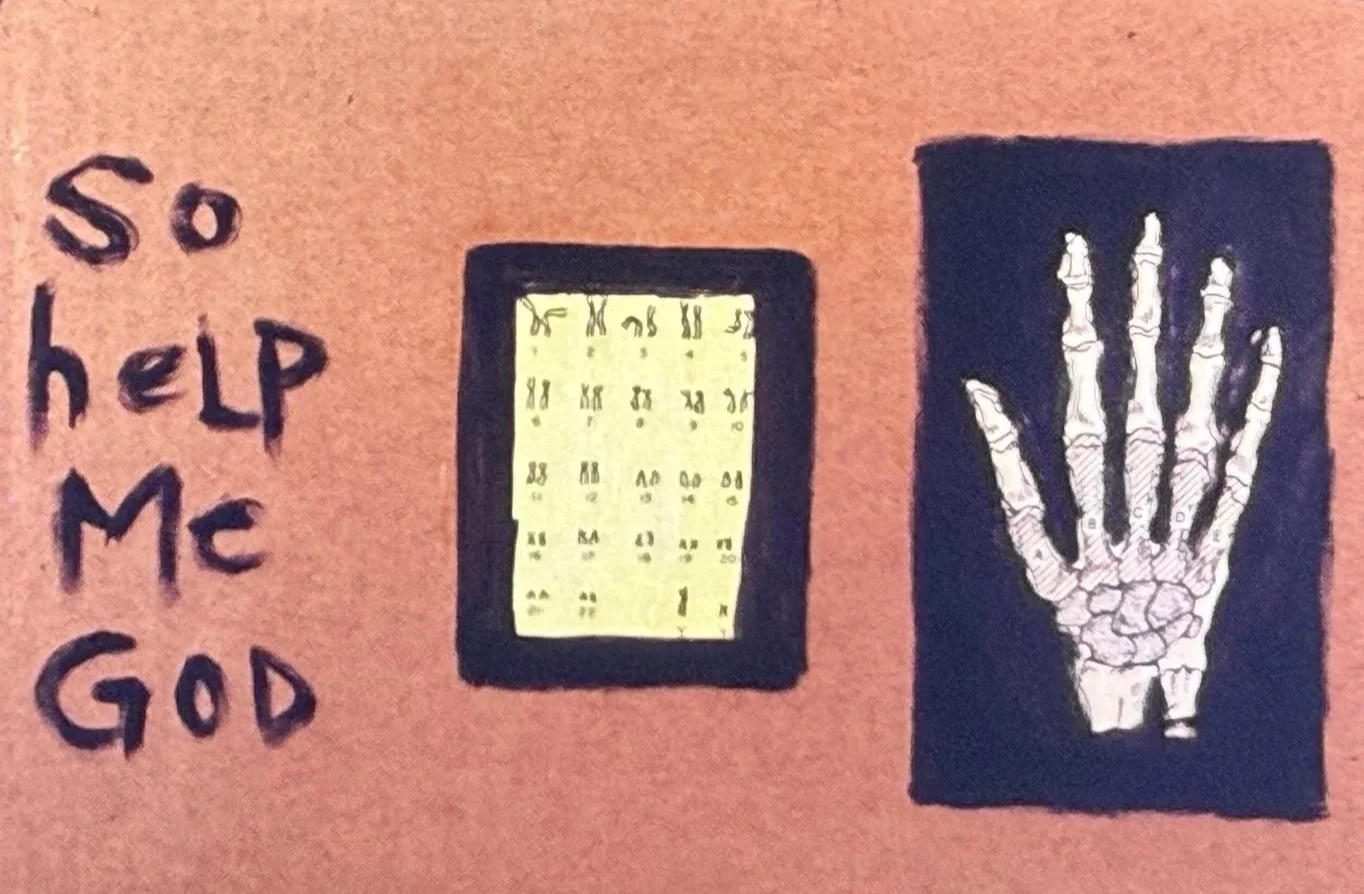
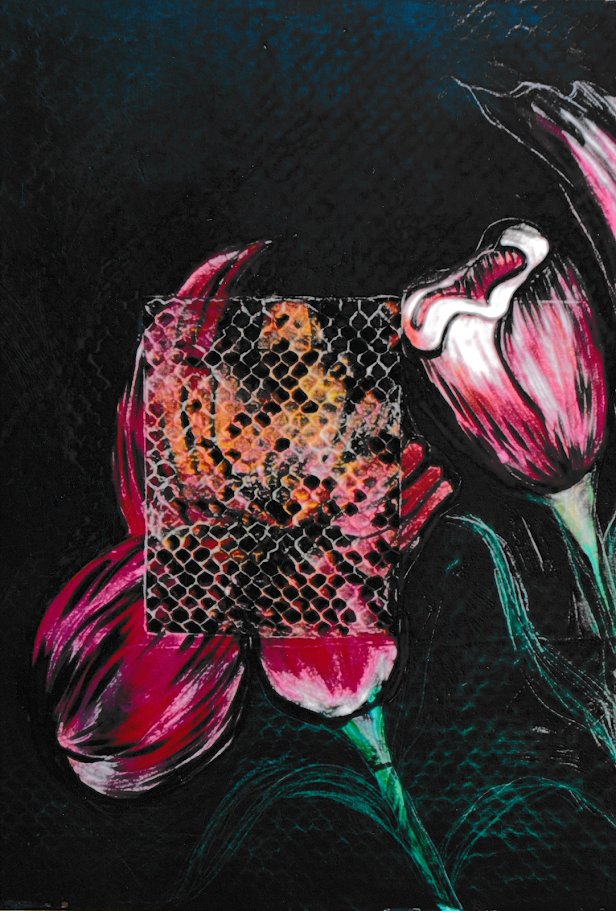
Whitney Wolf II’s work engages these issues as part of a larger exploration of life, change, and the relationship between natural and human made systems. Throughout his career, he has returned to imagery drawn from the natural world, including insects and organic patterns, to reflect both fragility and resilience. Butterflies appear in his work as symbols of transformation and vulnerability. Their life cycle suggests change and renewal, yet their decline reveals how easily that cycle can be disrupted. By focusing on these forms, Wolf draws attention to the quiet signals of environmental stress that often go unnoticed.