Extinction
The Sixth Extinction is often described as a period when Earth is losing species at an unusually rapid rate because of human activity. But it also raises a deeper question: what happens when the forces driving this extinction begin to threaten humanity itself? Scientists studying ecology, climate, and global systems warn that the same environmental changes affecting wildlife also put human civilization at risk. Unlike previous mass extinctions caused by natural disasters such as asteroid impacts or massive volcanic eruptions, this one is largely the result of human actions. Deforestation, pollution, climate change, habitat destruction, and the overuse of natural resources are altering the systems that all life, including our own, depends upon.
Evidence of these changes can be seen around the world. Rising temperatures are producing more frequent heat waves, stronger storms, prolonged droughts, and destructive flooding. Fresh water is becoming more difficult to secure in many regions, while fertile farmland is being lost through erosion, desertification, and changing weather patterns. Oceans are warming and becoming more acidic, reducing fish populations that millions of people rely upon for food. As ecosystems become less stable, societies face increasing challenges involving food production, migration, public health, and economic security. These changes are no longer viewed simply as environmental issues but as risks to the long-term survival of human civilization.
Scientists warn that human societies depend upon healthy natural systems for clean air, clean water, stable climates, and reliable food supplies. When these systems begin to fail, the effects extend far beyond the environment. Infrastructure, economies, governments, and communities all become more vulnerable. While humanity has adapted to many challenges throughout history, the pace and scale of today's global environmental changes present unprecedented risks. The question is no longer whether nature can survive without us, but whether we can continue to thrive without the stable natural systems that have supported civilization for thousands of years.
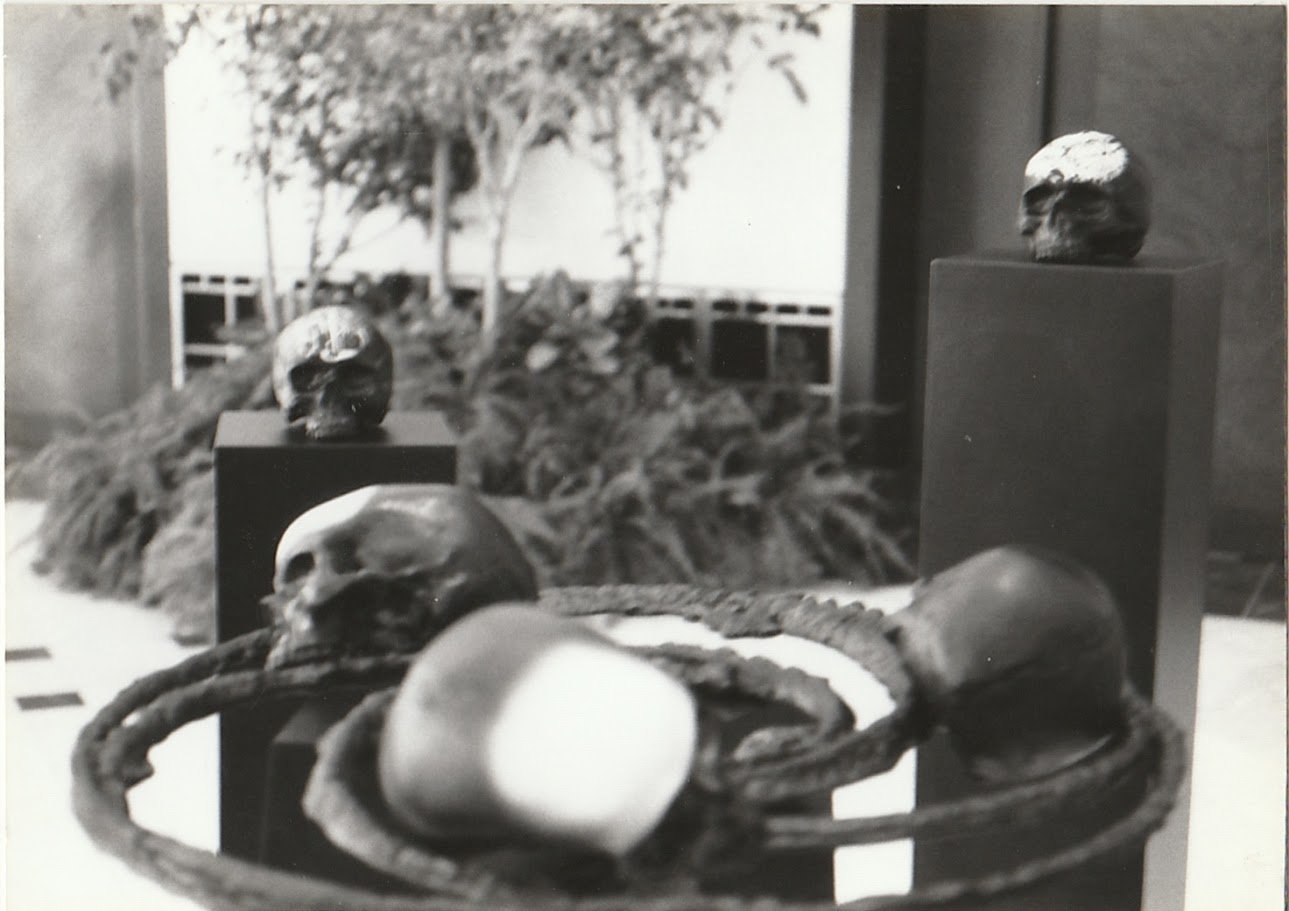
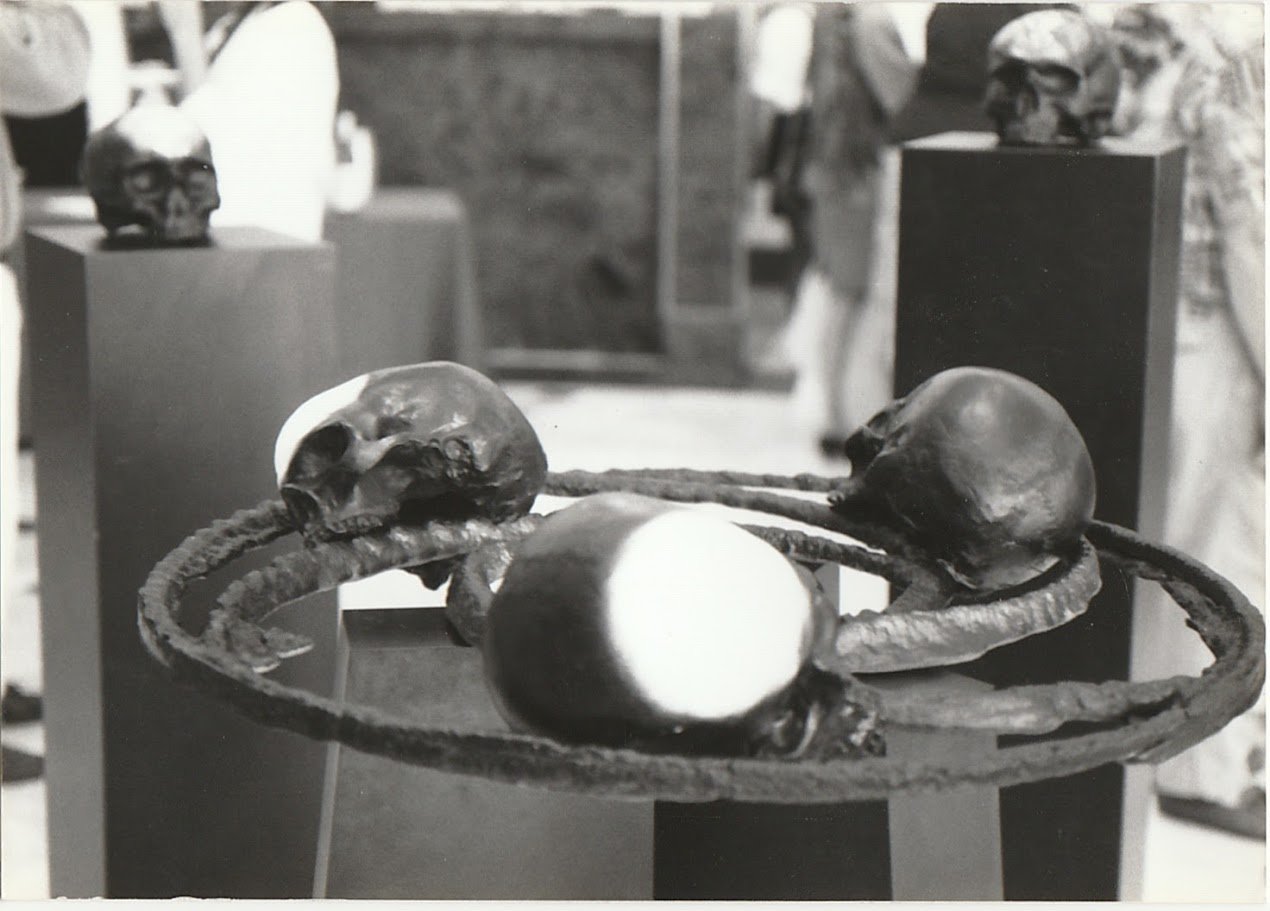
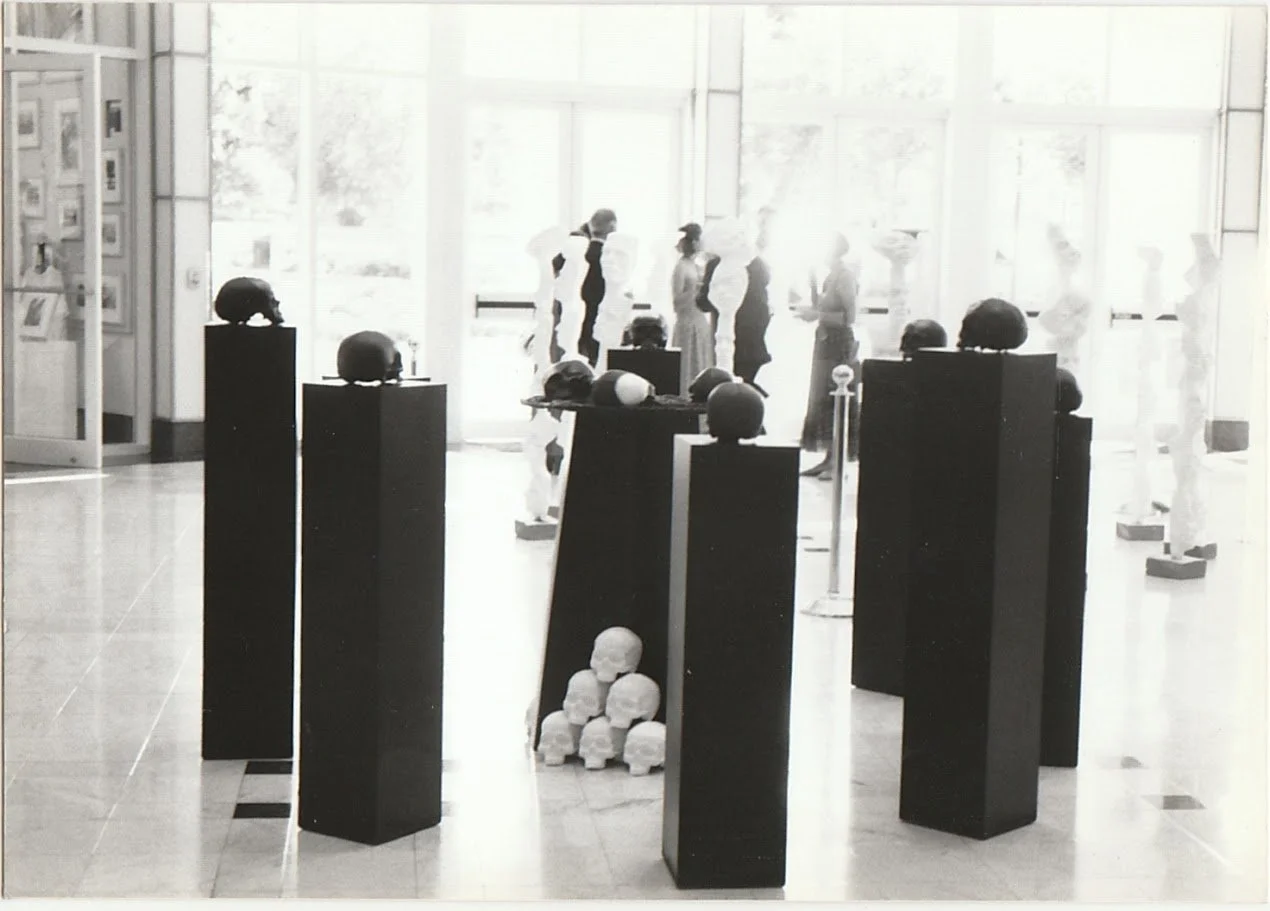
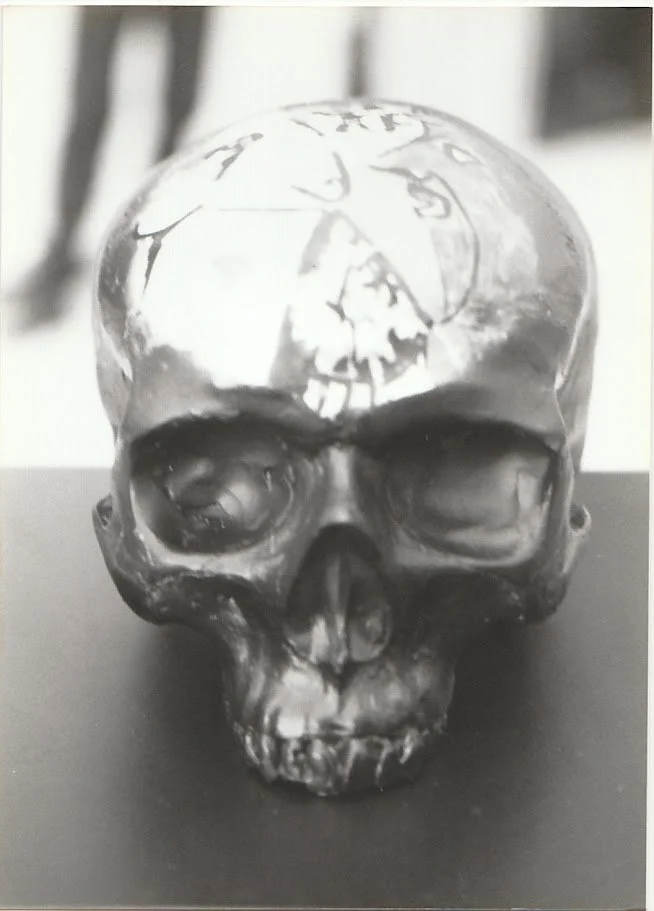
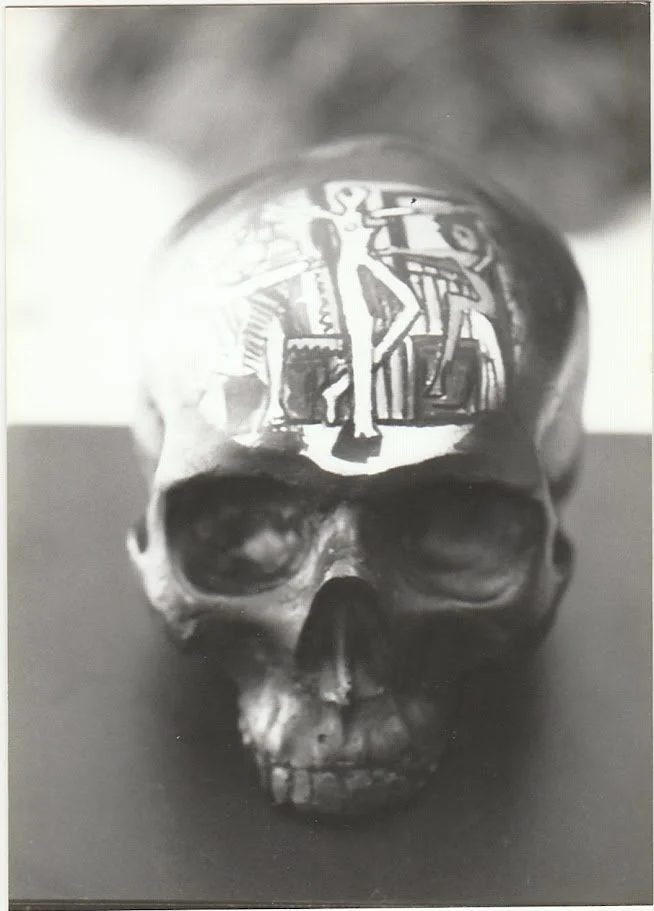
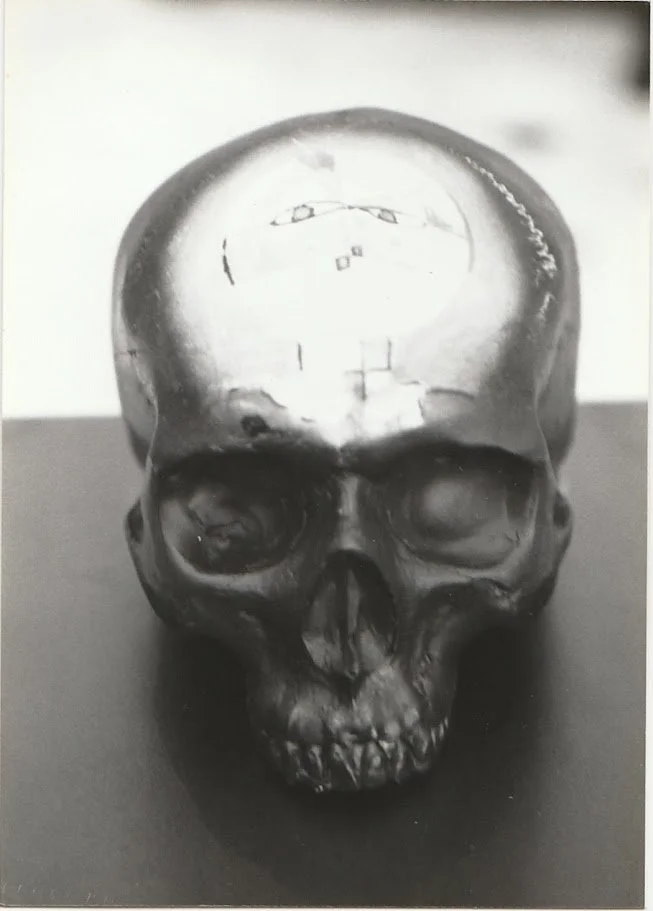
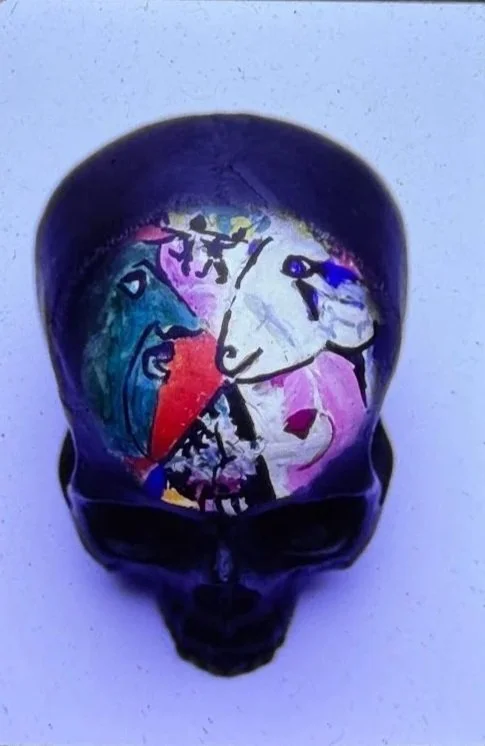
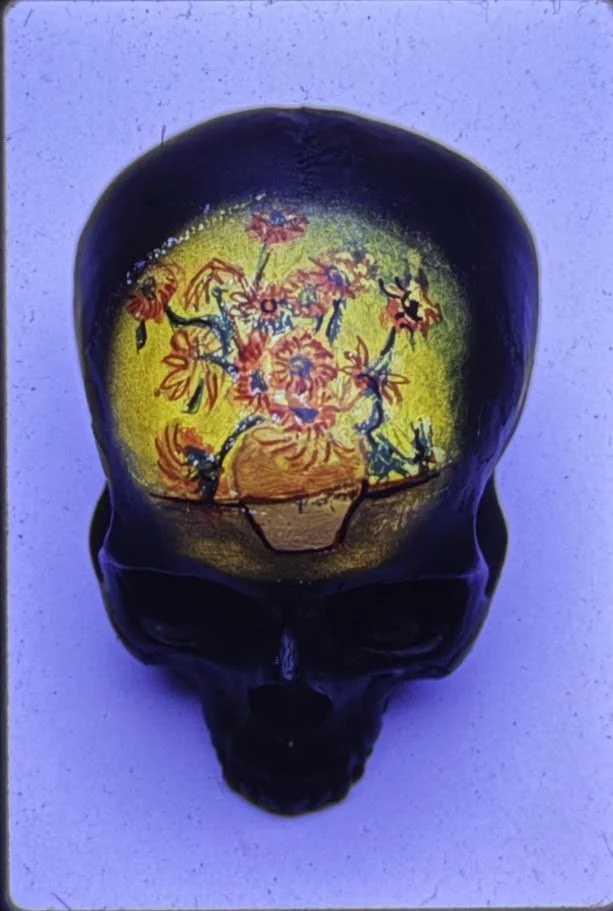
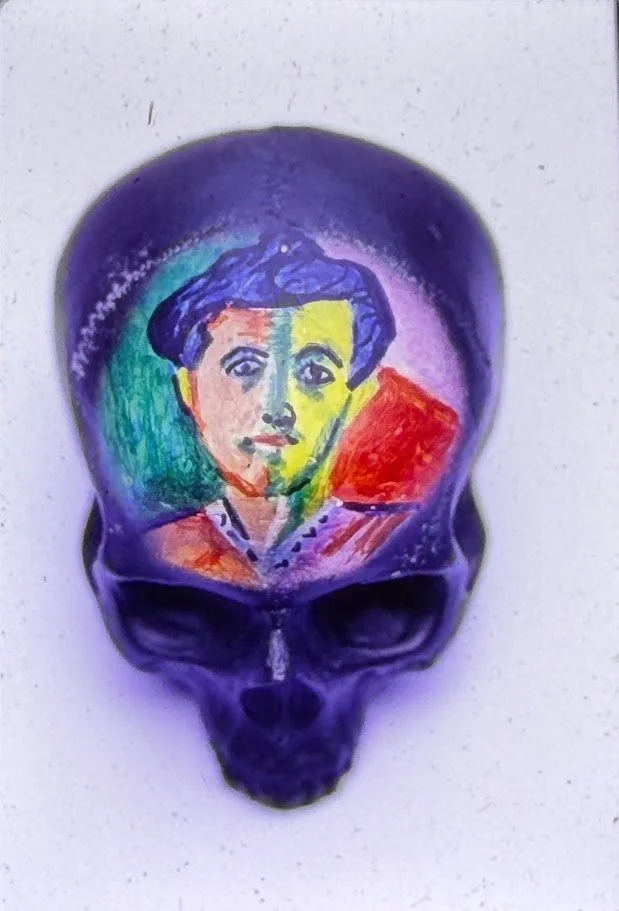
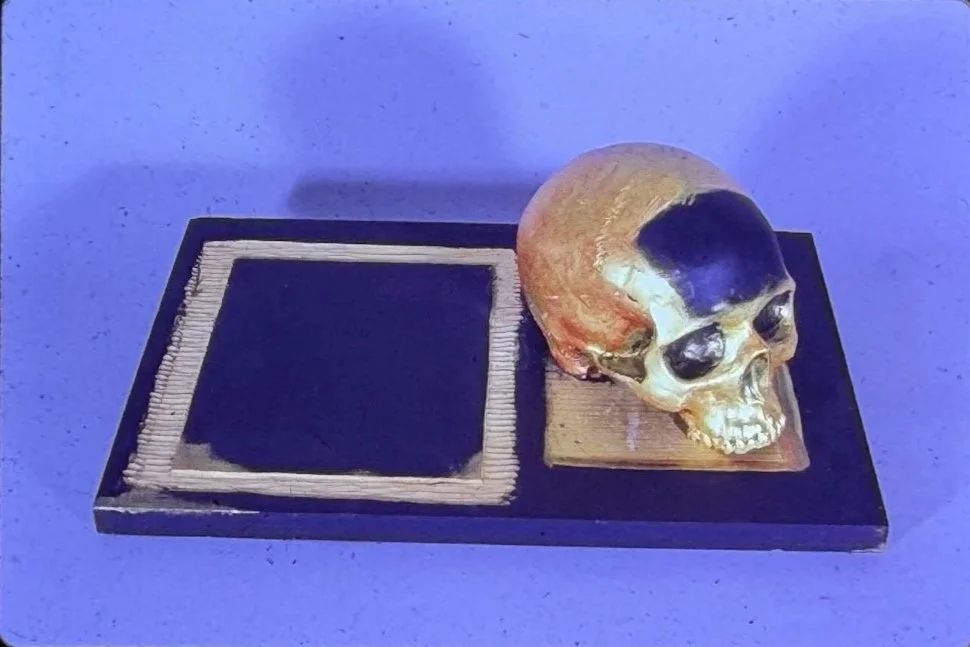
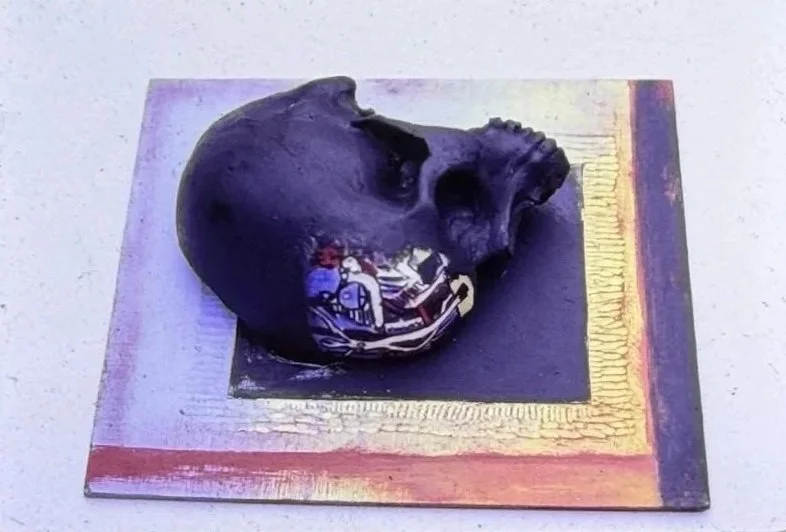
During the 2000s, these concerns began to influence the work of Whitney Wolf II. His art expanded beyond formal exploration to examine the relationship between humanity, technology, and the future of life on Earth. Rather than depicting environmental change as something distant or abstract, he explored humanity as an active participant in its own uncertain future. His work reflects questions about climate change, genetic modification, technological advancement, and the unintended consequences of human progress. Through scientific materials and imagery connected to both nature and industry, Wolf suggests that civilization itself exists within fragile systems that can be permanently altered.
Wolf's work from this period can be understood as a meditation on human extinction rather than simply environmental decline. Themes of survival, transformation, vulnerability, and collapse appear throughout the collection. His pieces explore the paradox that the same intelligence capable of extraordinary scientific achievement can also create conditions that threaten its own future. Rather than offering simple answers, his work asks viewers to consider humanity's place within Earth's larger systems and the responsibilities that accompany our influence over them. It reminds us that extinction is not only a chapter in Earth's distant past but also a possibility that challenges us to reconsider the future we are creating.