Art About Science
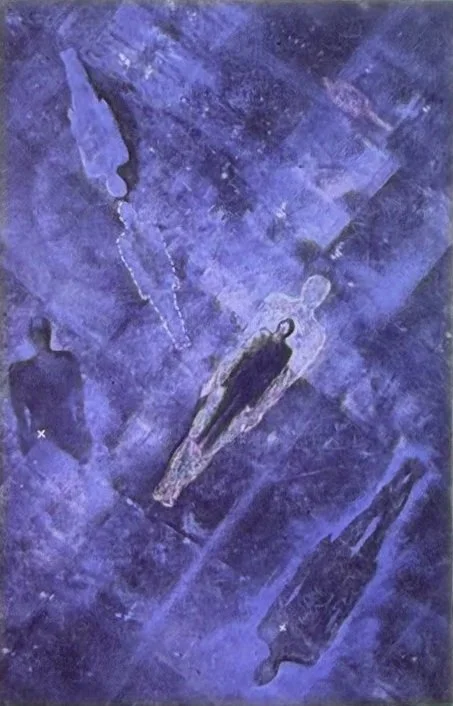
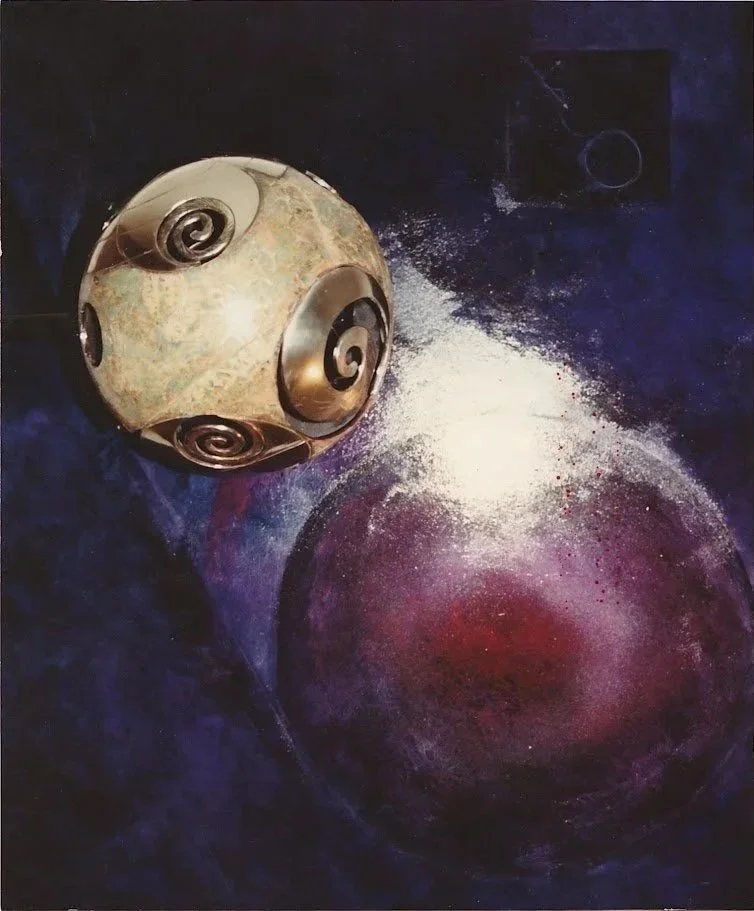
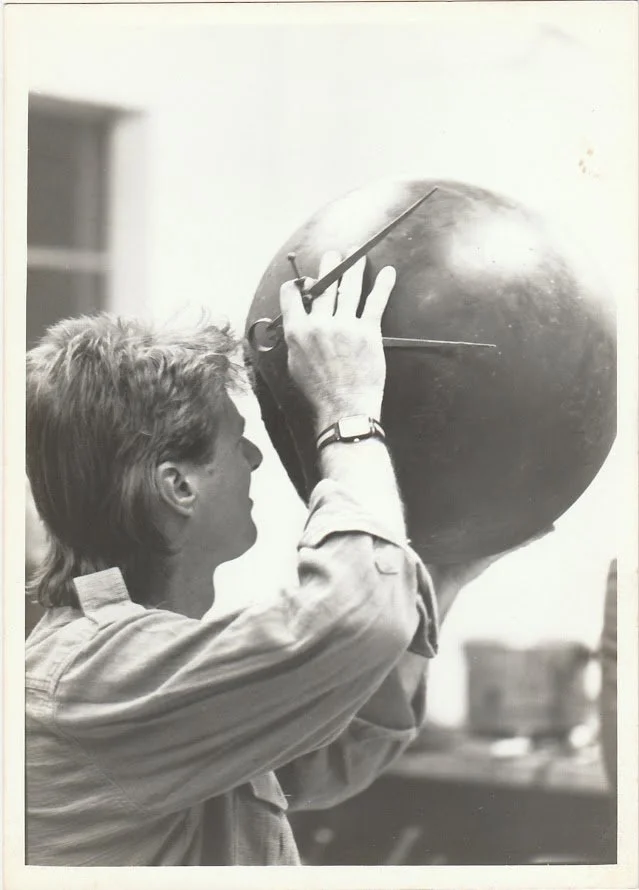
Throughout his career, Whitney Wolf II explored the relationship between art and science. While many artists focused on traditional subjects, Wolf became interested in scientific ideas that were reshaping how people understood the universe. Rather than treating science and art as separate fields, he viewed them as different ways of exploring the same questions about existence, change, and interconnectedness. His work examined concepts such as the fourth dimension, quantum reality, the multiverse, biodiversity, extinction, and genetic modification.
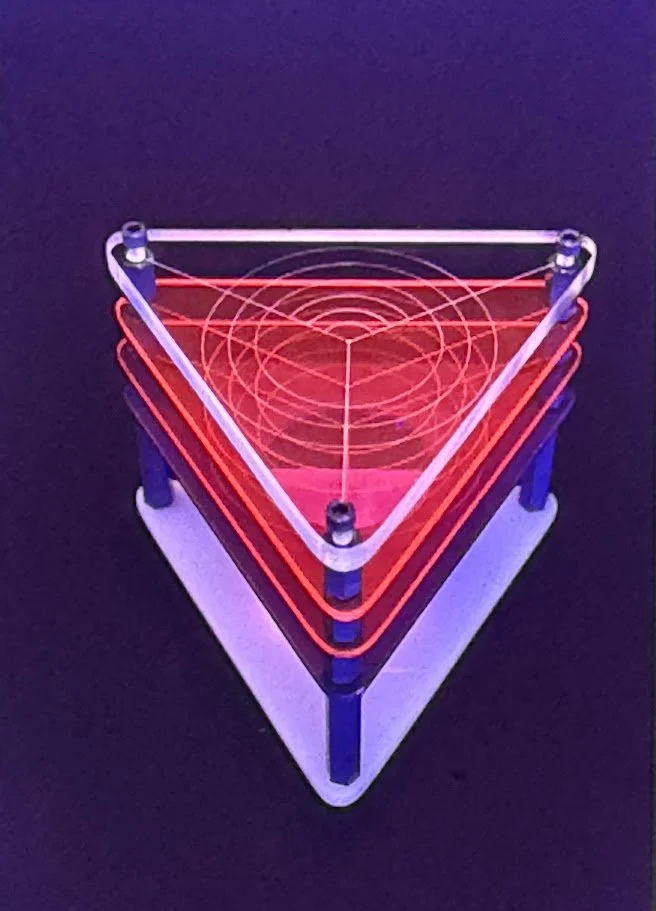
Wolf's work was influenced by the idea of consilience, the belief that knowledge from different disciplines can be brought together to create a more complete understanding of the world. His paintings, sculptures, and mixed-media works often combined artistic expression with concepts drawn from Physics, Biology, Mathematics, and environmental science. Through abstract forms, layered imagery, and symbolic structures, he sought to visualize ideas that are often difficult to see directly, including multiple dimensions, interconnected systems, and the hidden forces that shape reality.
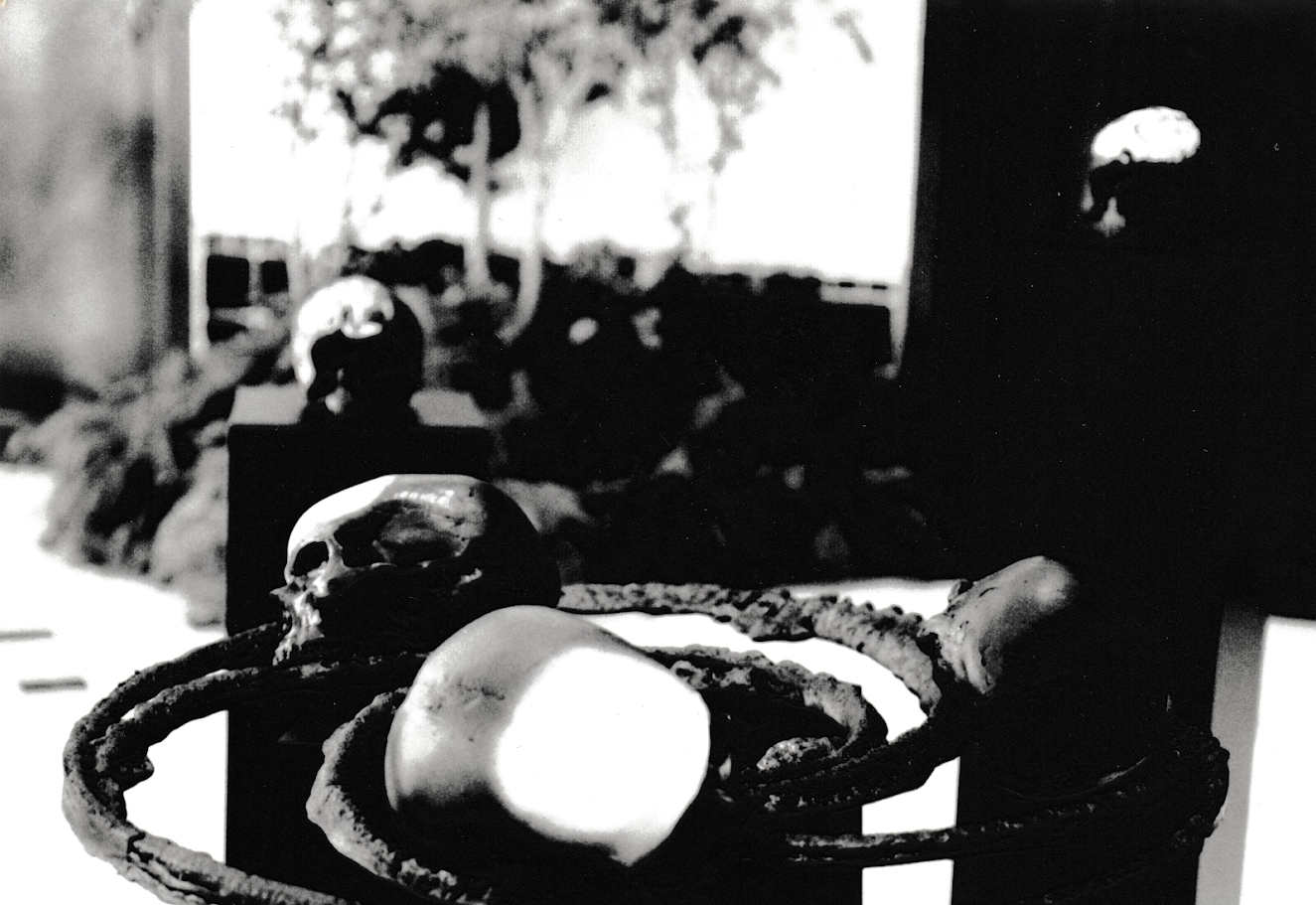
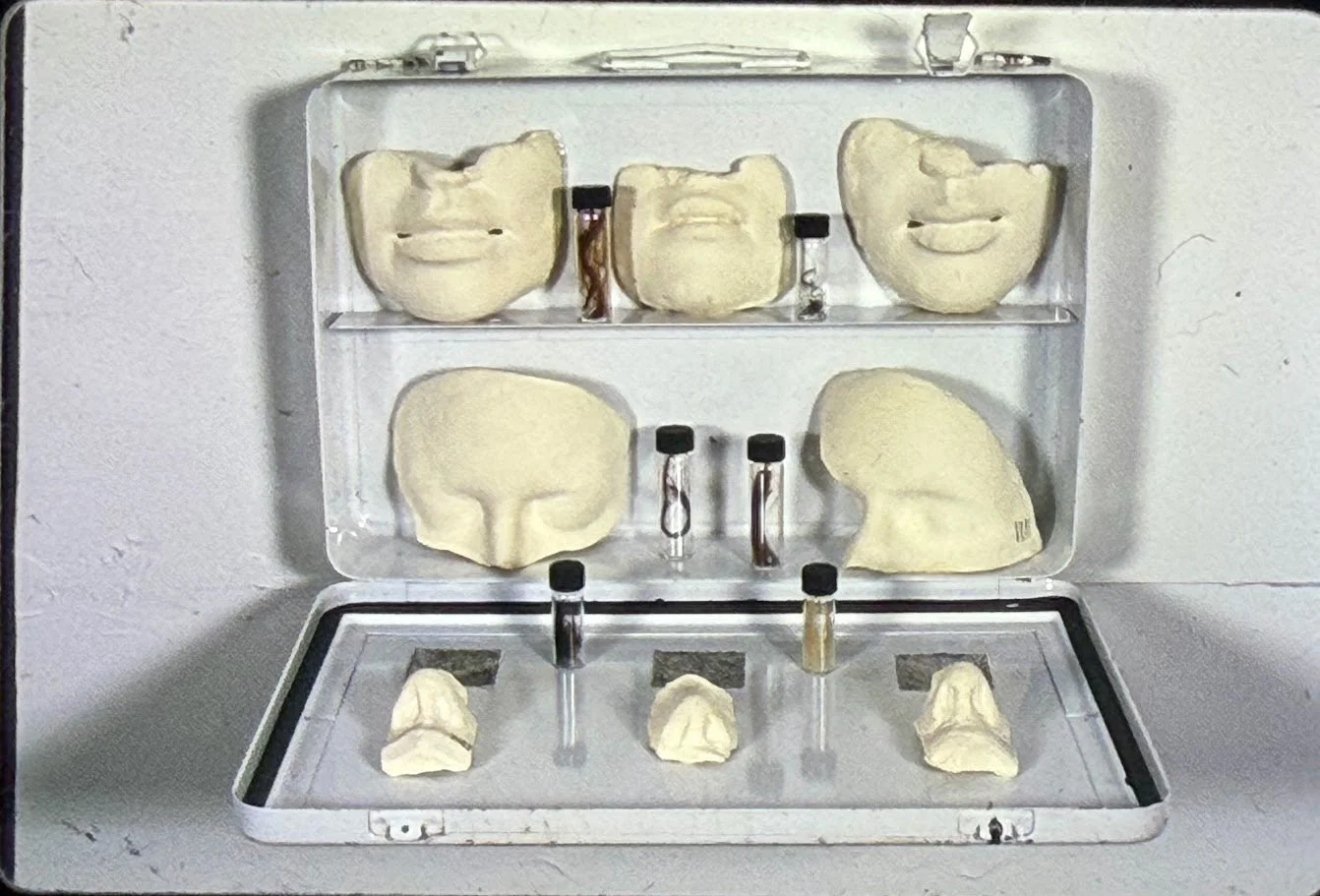
As environmental concerns became increasingly important during the late twentieth and early twenty-first centuries, Wolf turned his attention toward biodiversity, extinction, and humanity's impact on the natural world. His work explored the decline of butterfly populations, the loss of species, changing ecosystems, and the consequences of human intervention in nature. He also examined genetic modification and industrial agriculture, raising questions about how technology and scientific advancement influence the future of life on Earth. Many of these works feature imagery such as butterflies, skulls, skeleton hands, life rafts, and fragmented organic forms that symbolize both vulnerability and survival.
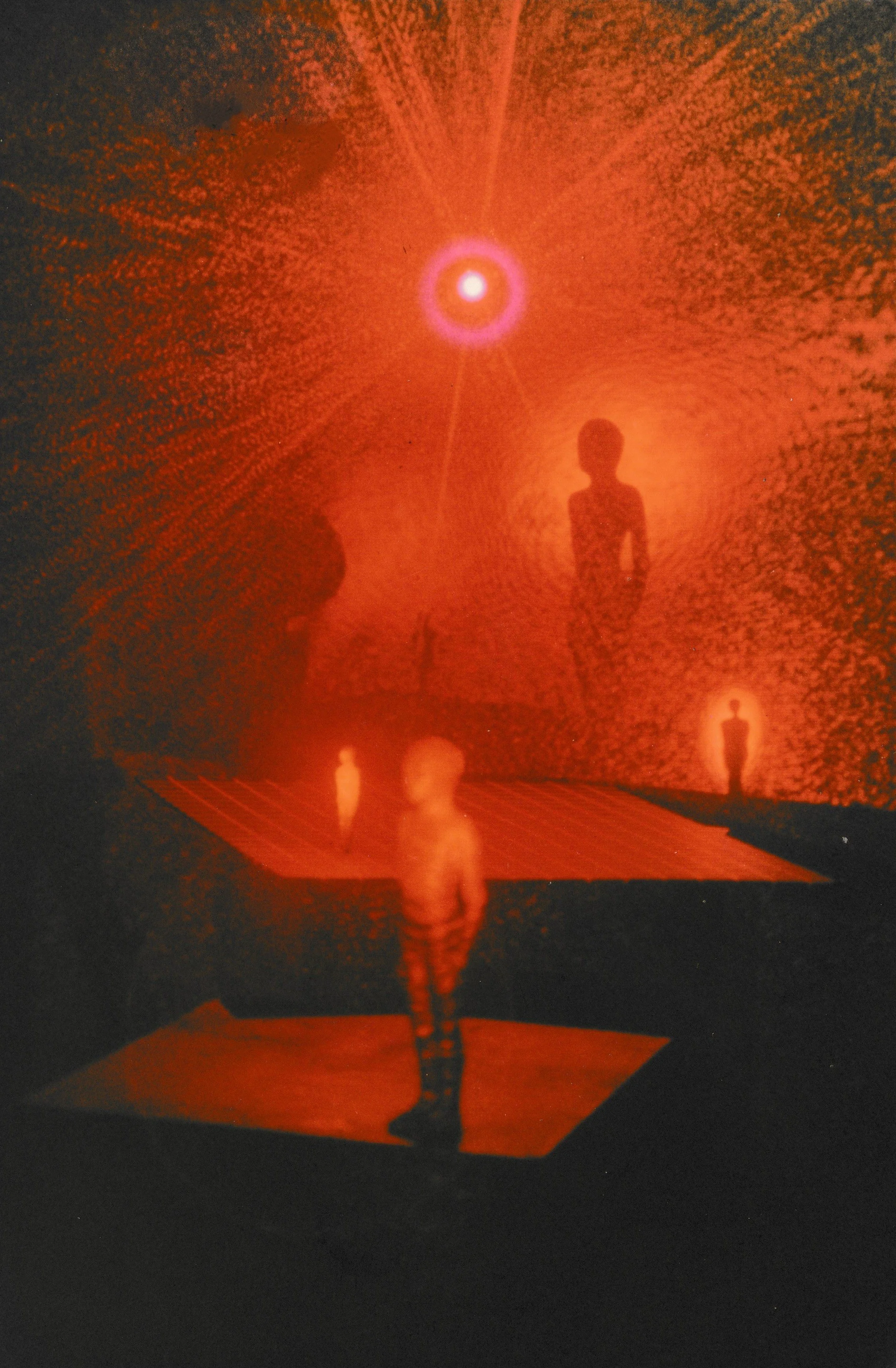
Although these subjects were scientific in nature, Wolf approached them through the lens of art. His goal was not simply to illustrate scientific theories but to encourage reflection on their broader meaning. Whether exploring quantum realities, the possibility of multiple universes, or the accelerating loss of biodiversity, his work sought to connect scientific knowledge with human experience. In doing so, Whitney Wolf II created a body of work that demonstrates how art can serve as a bridge between scientific discovery, environmental awareness, and philosophical inquiry.