Extinction
The Sixth Extinction is the idea that Earth is losing species at a very fast rate today. Scientists studying Ecology believe this loss is happening much faster than normal. In the past, mass extinctions were caused by natural events like asteroids or volcanoes, but this one is different. It is being driven mostly by human activity. Forests are cut down, oceans are overfished, and the climate is changing quickly. These changes make it hard for plants and animals to survive.
Real examples can be seen all around the world. Coral reefs are dying due to warming oceans, especially in places like the Great Barrier Reef. Insects are also declining, including butterflies, which are becoming harder to find in many places. Some species, like the Monarch butterfly, have seen major population drops due to habitat loss and changes in climate. Butterflies depend on specific plants and stable seasons, so when those change, they struggle to survive. Their decline is a warning sign because they are part of a larger system that supports pollination and plant life. Ocean life is also being affected in serious ways. Fish populations are shrinking due to overfishing, and large animals like whales and sea turtles are threatened by pollution and changing water temperatures. Coral reefs, which support thousands of species, are bleaching and dying. Plastic waste and chemicals are entering the oceans and harming marine life at every level. These changes show that the problem is not limited to land, but is happening across the entire planet.
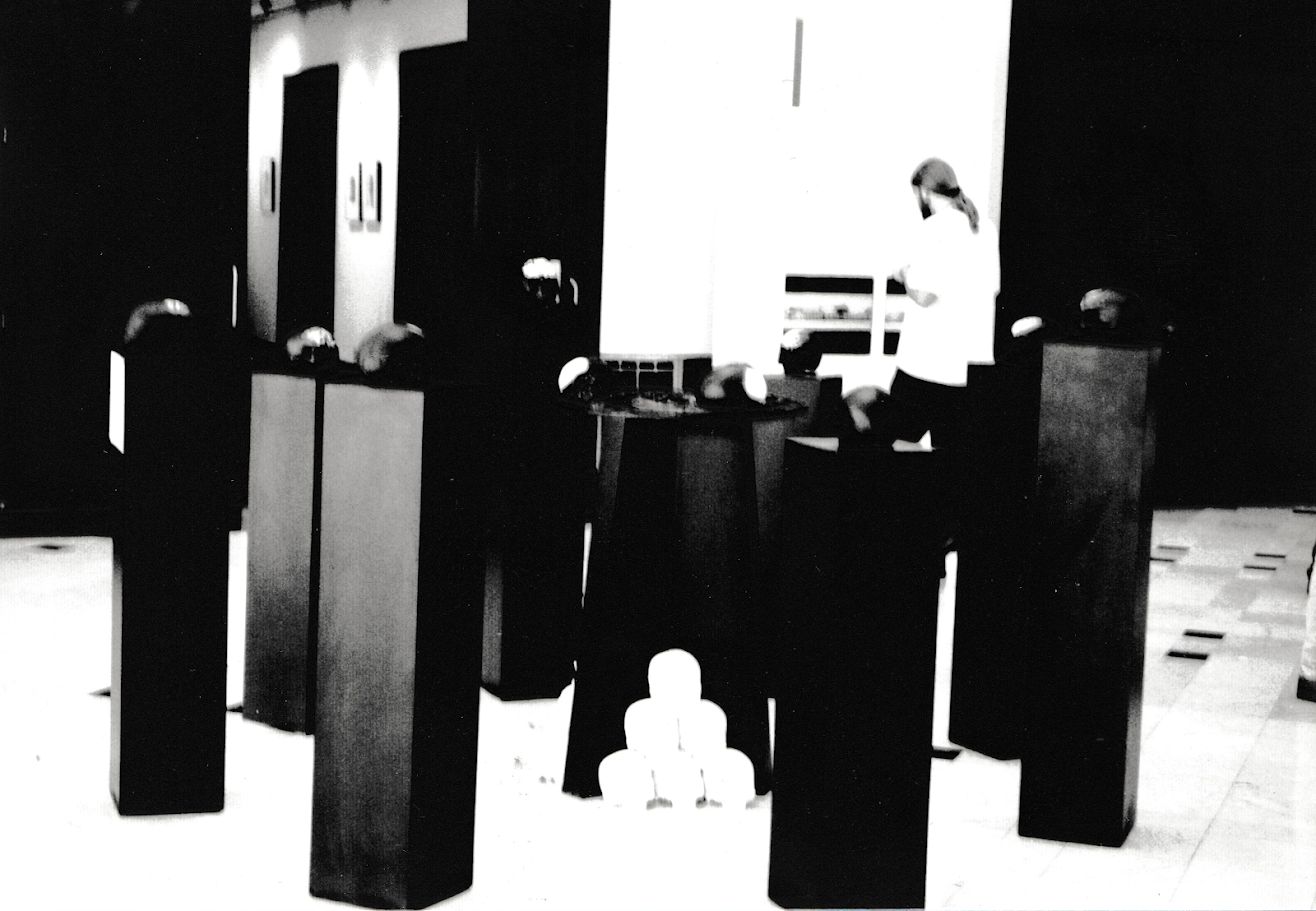
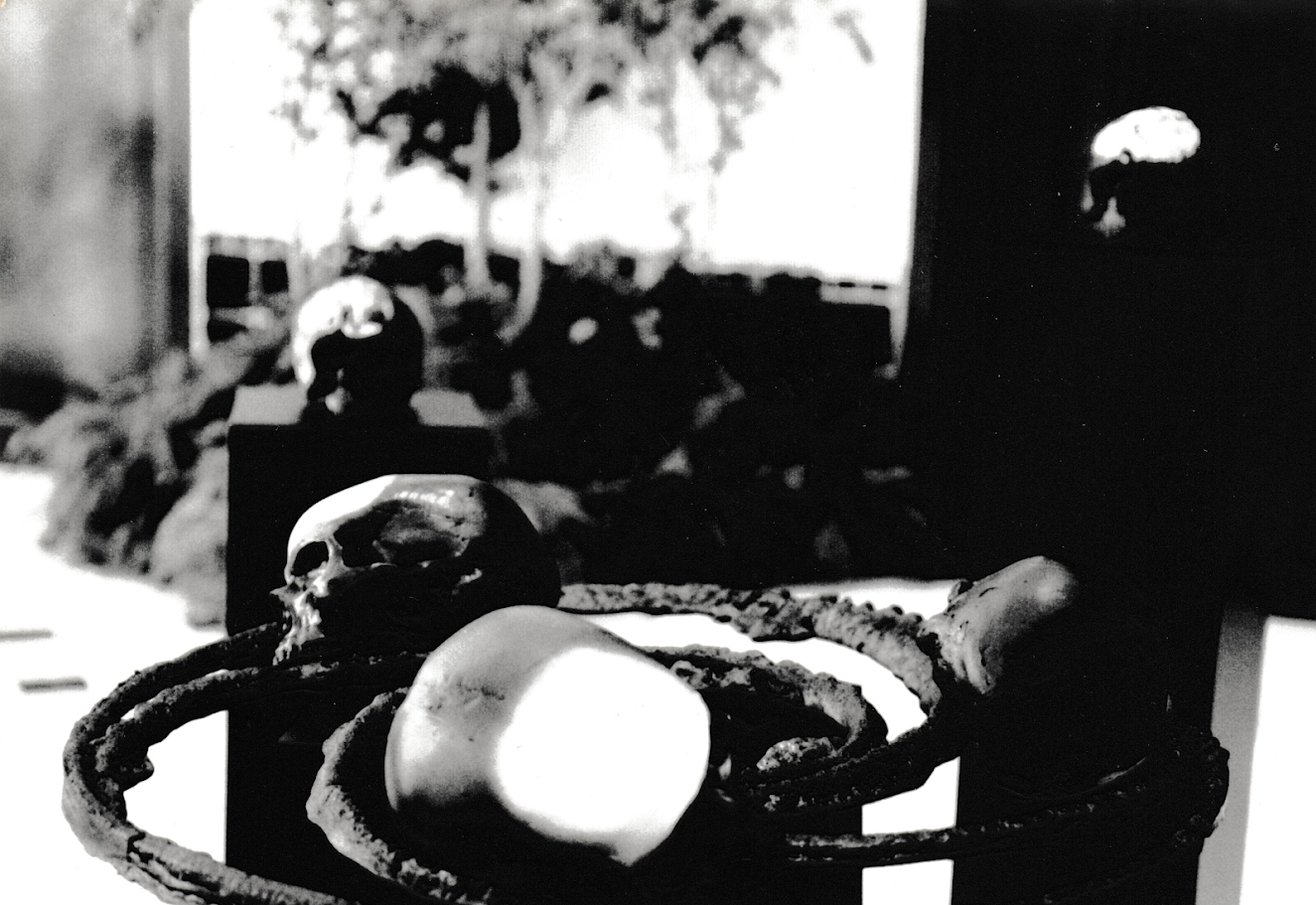
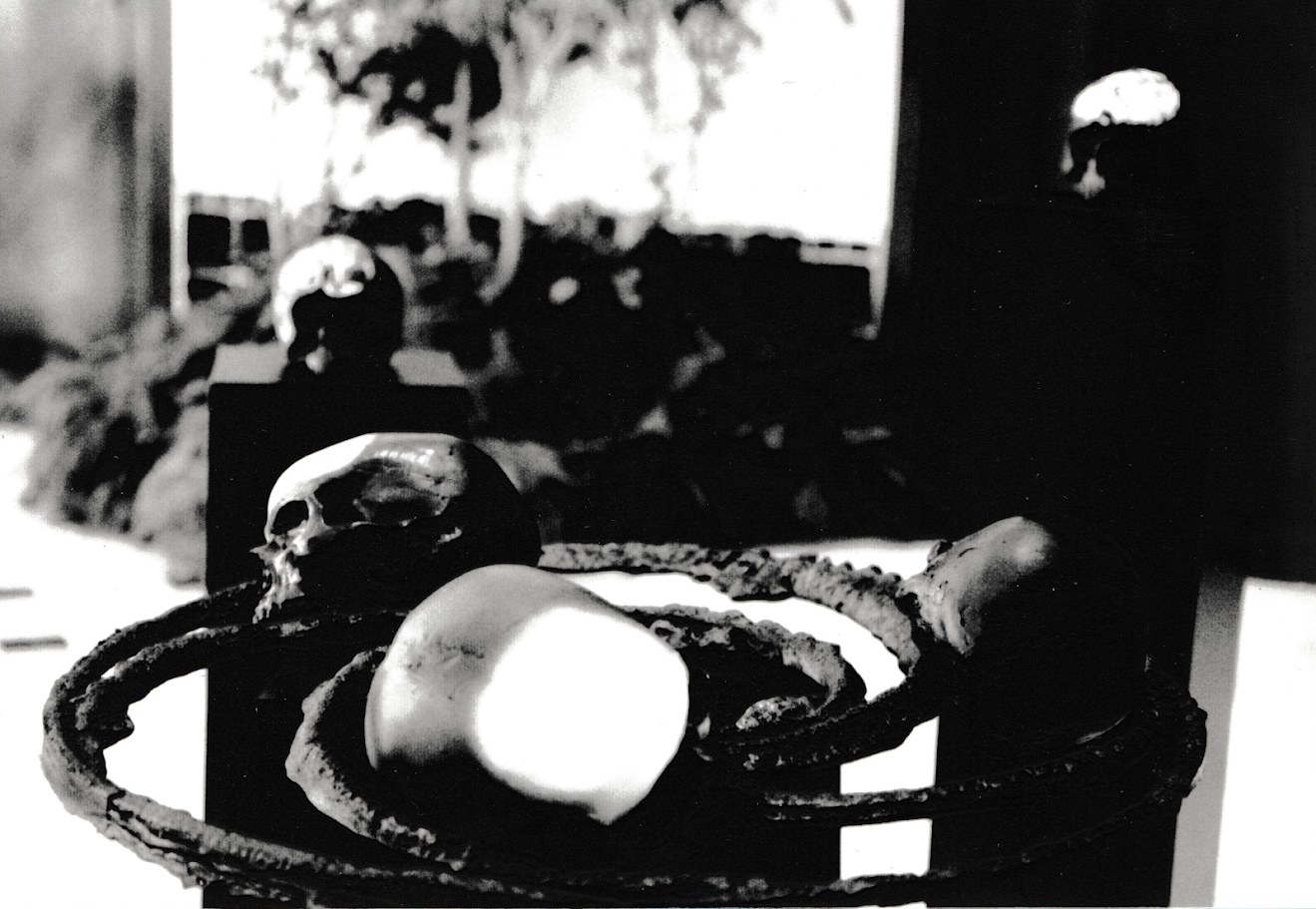
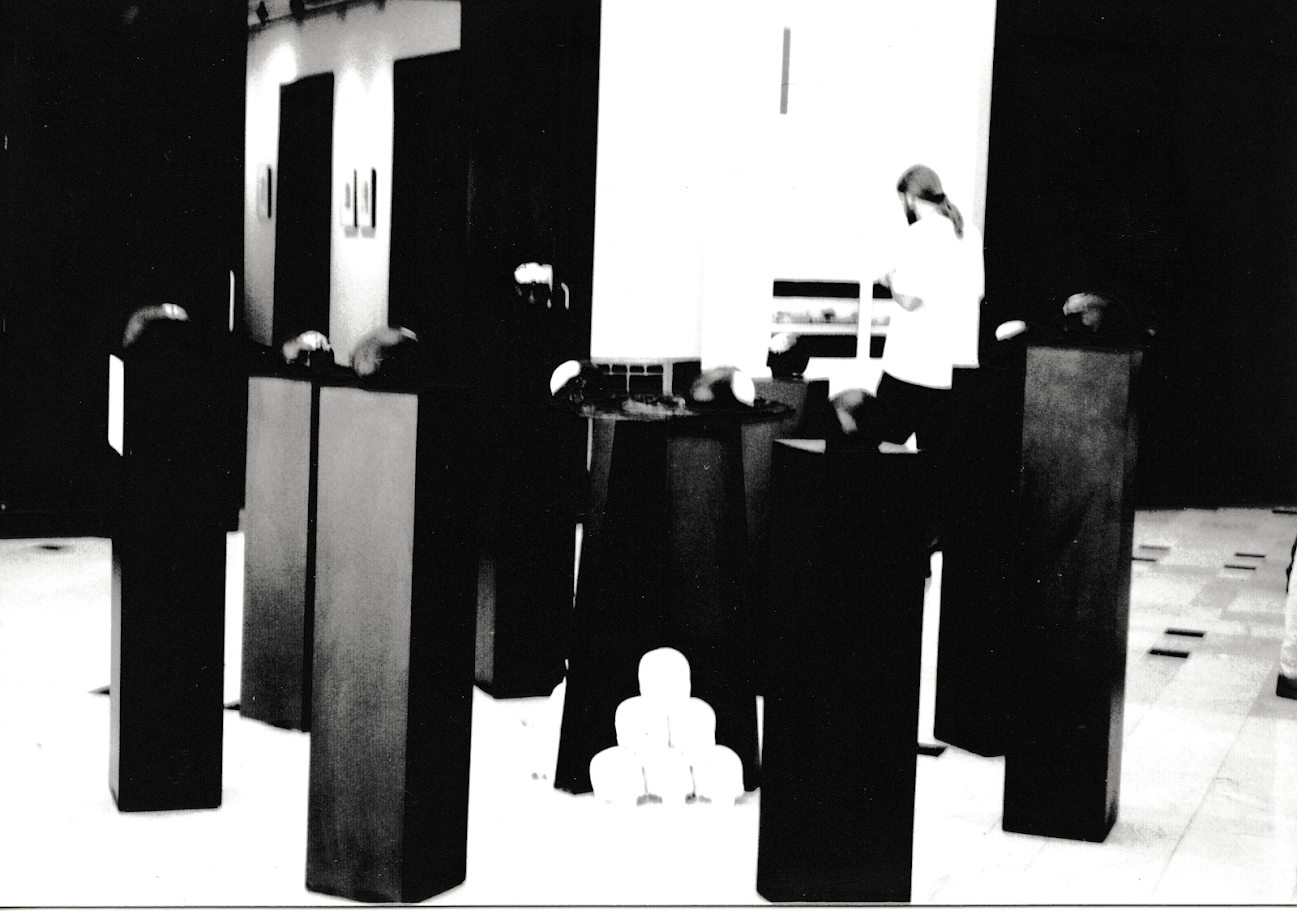
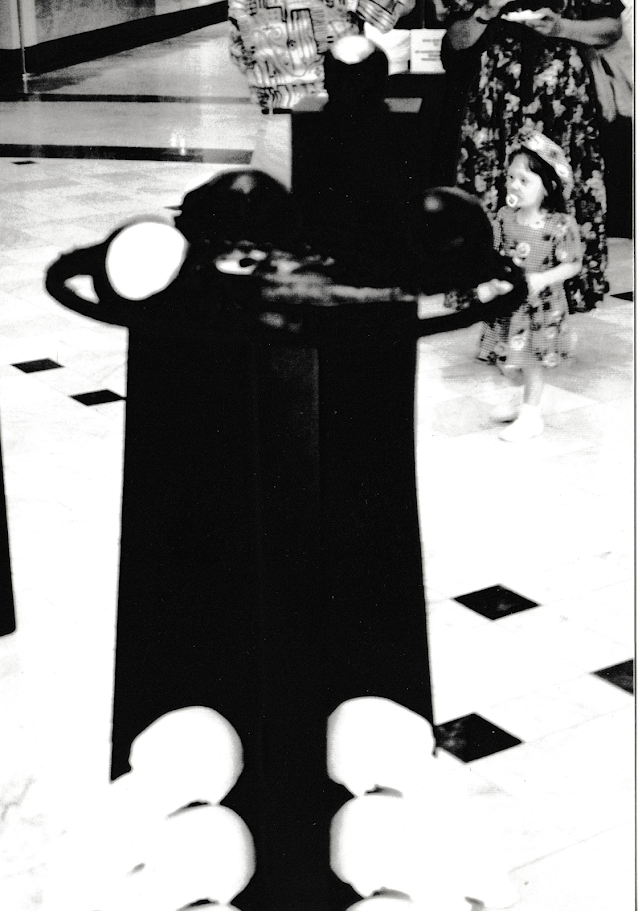
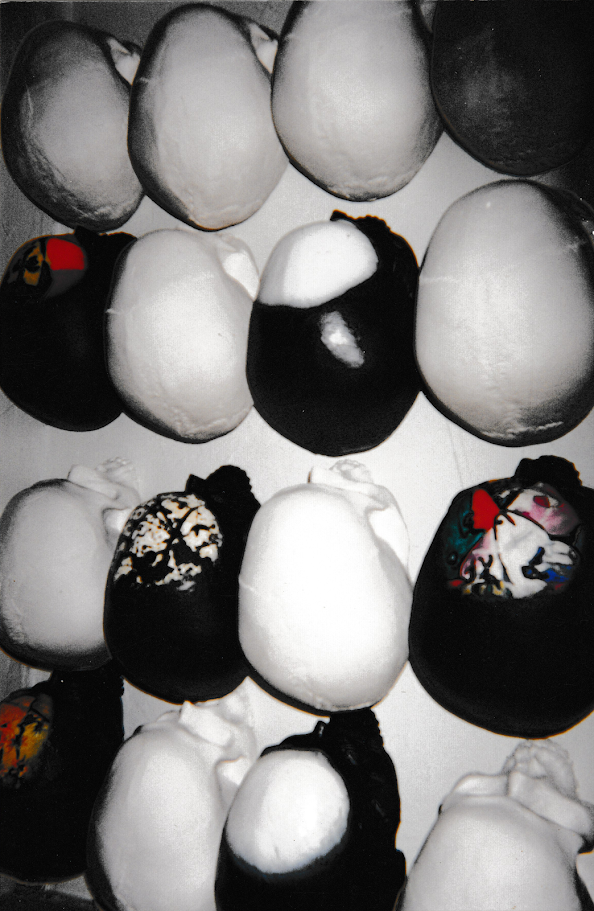
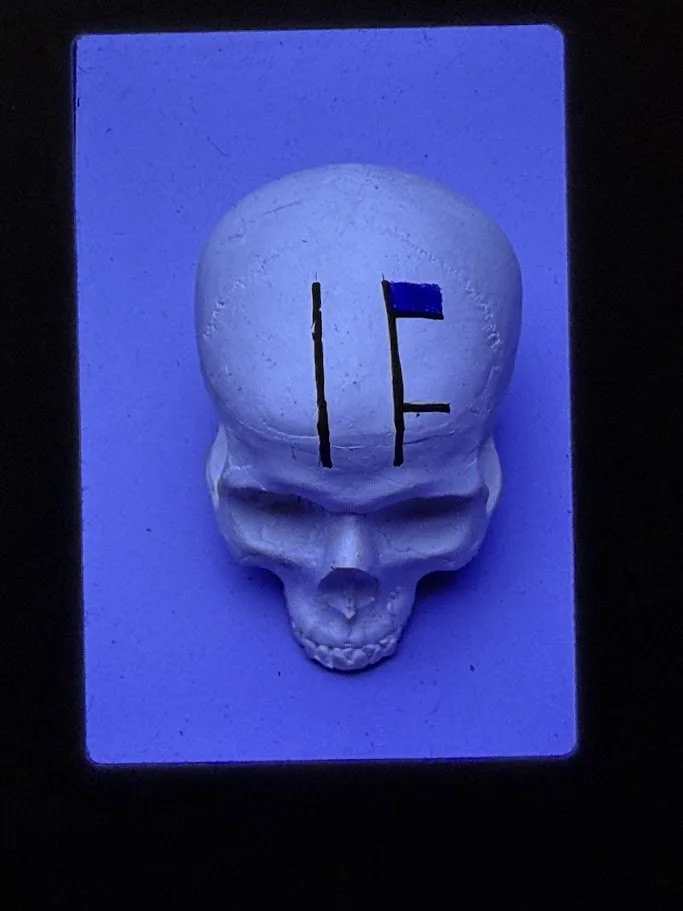
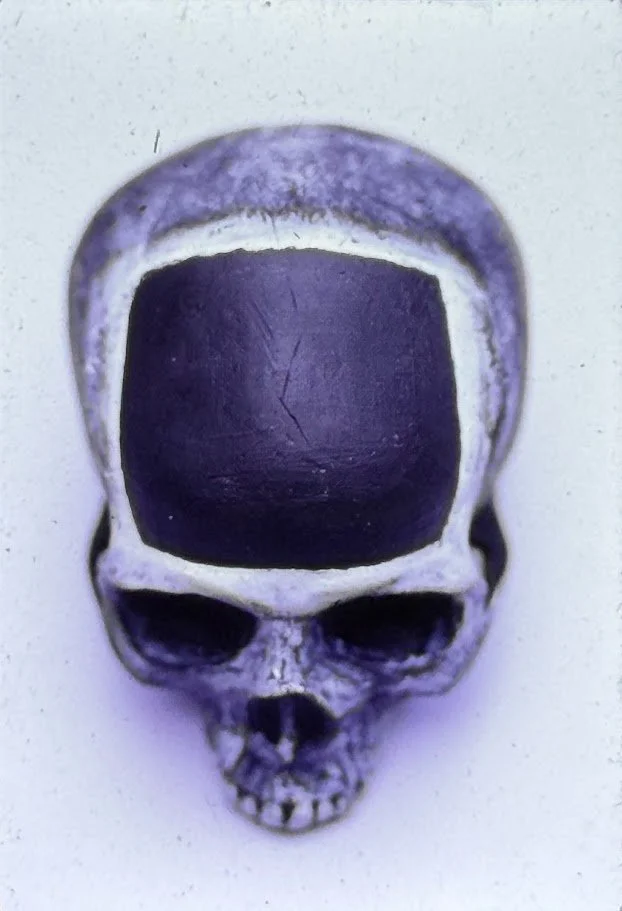
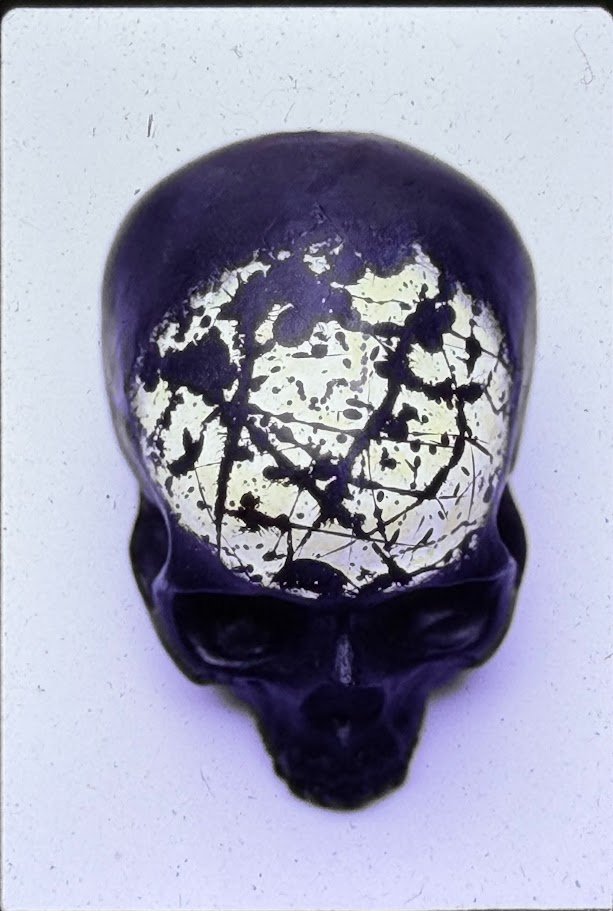
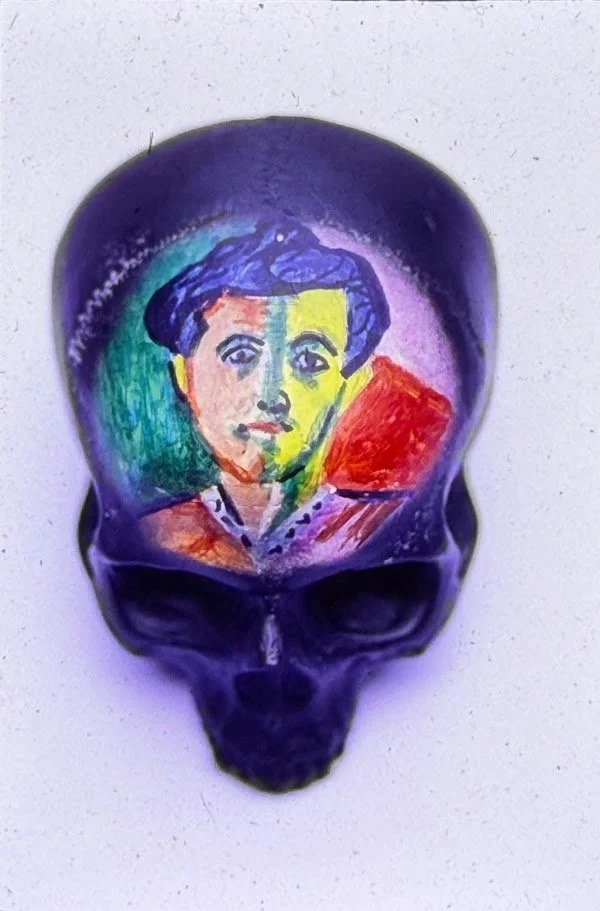
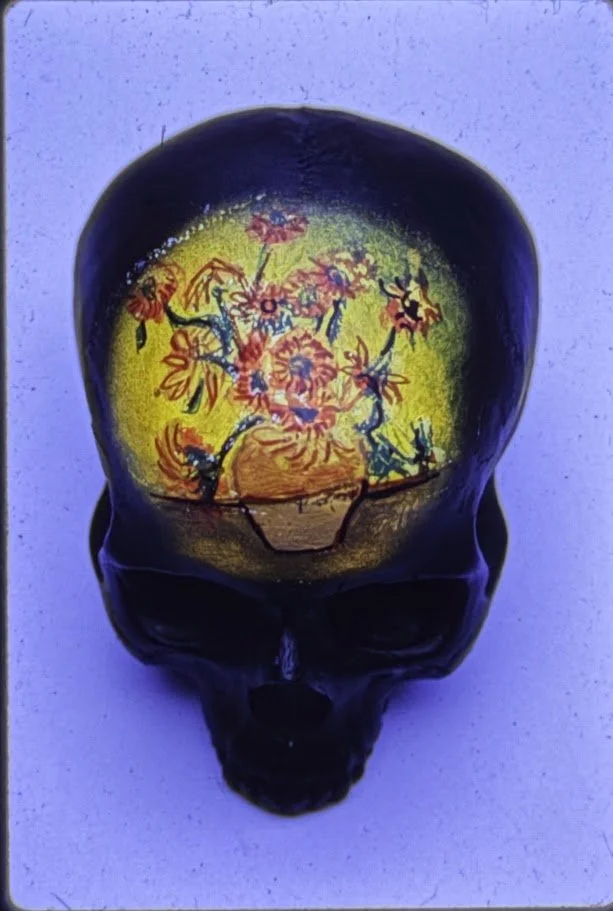
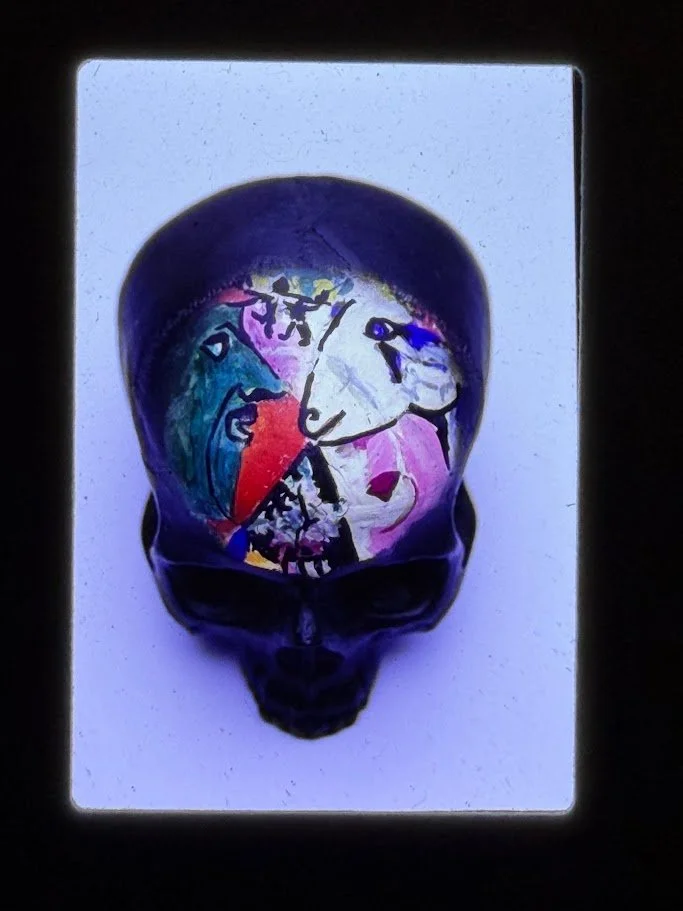
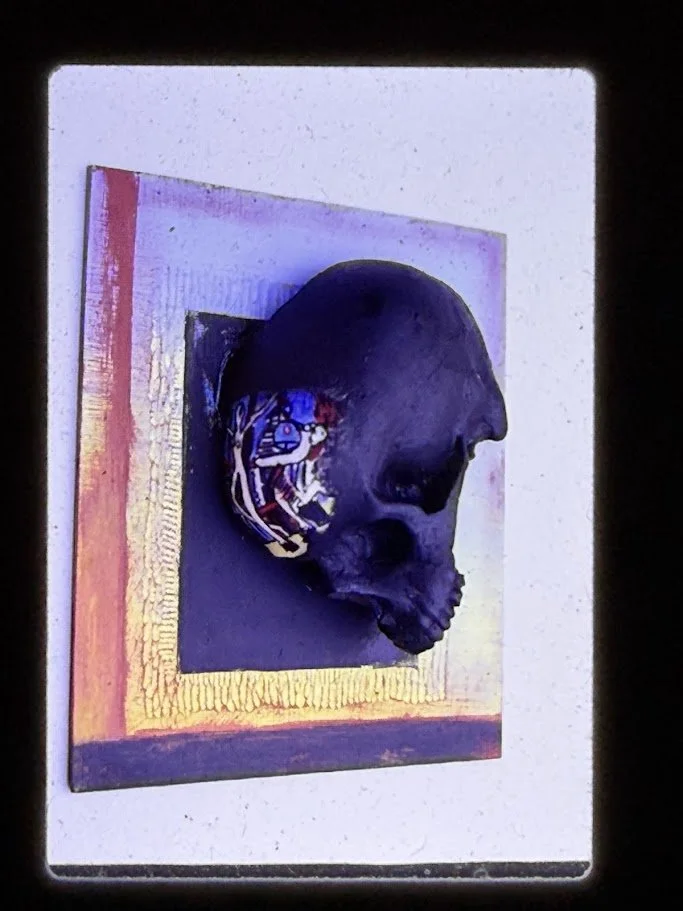
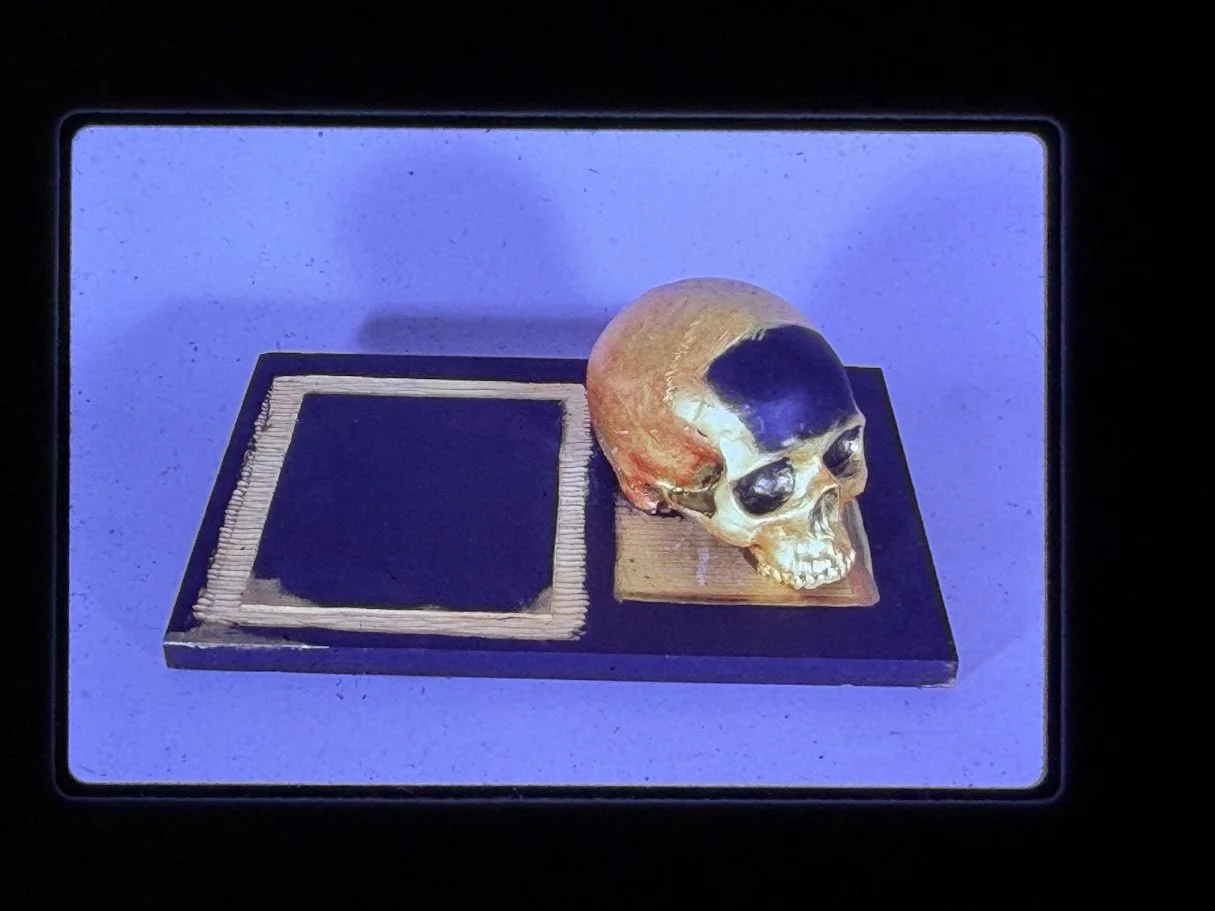
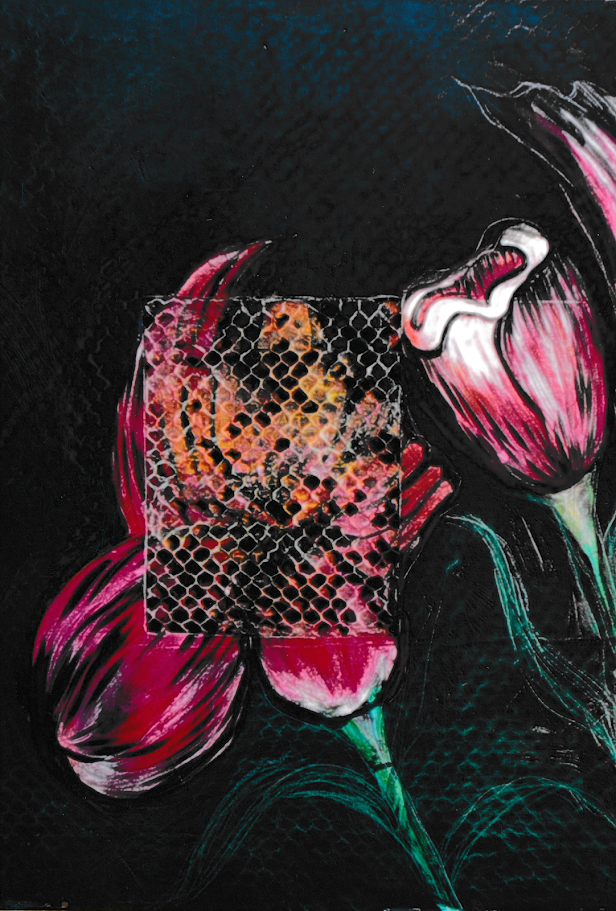
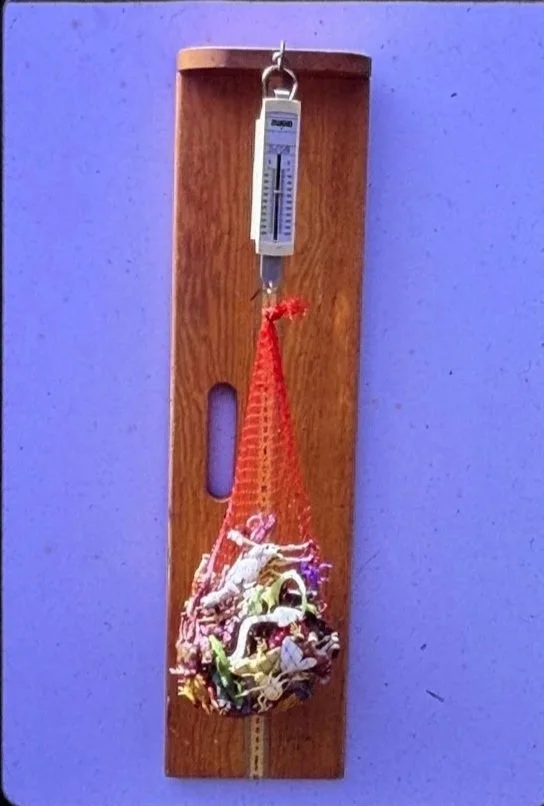
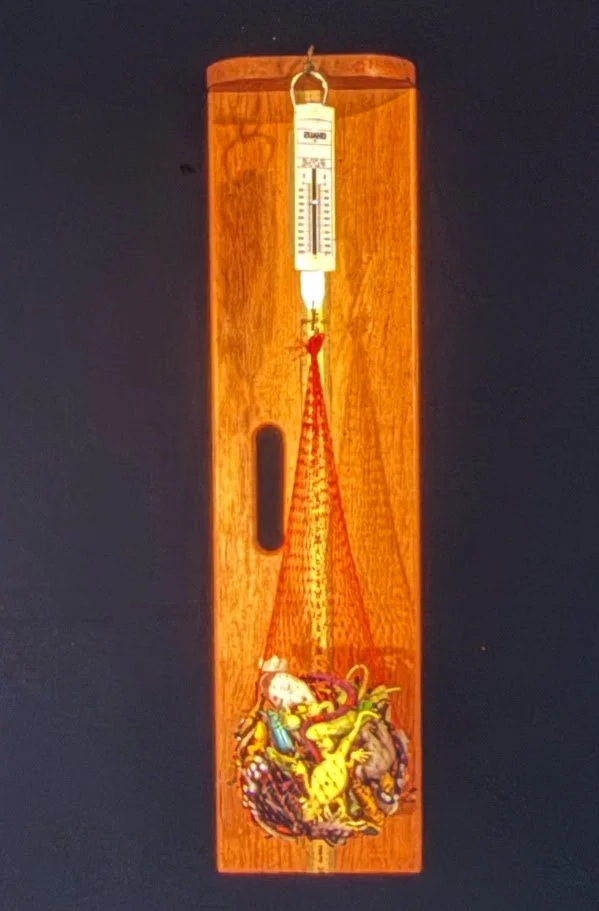
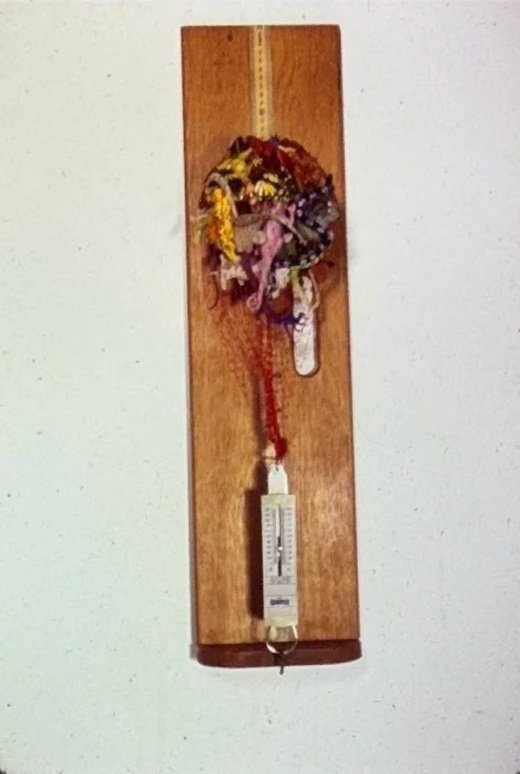
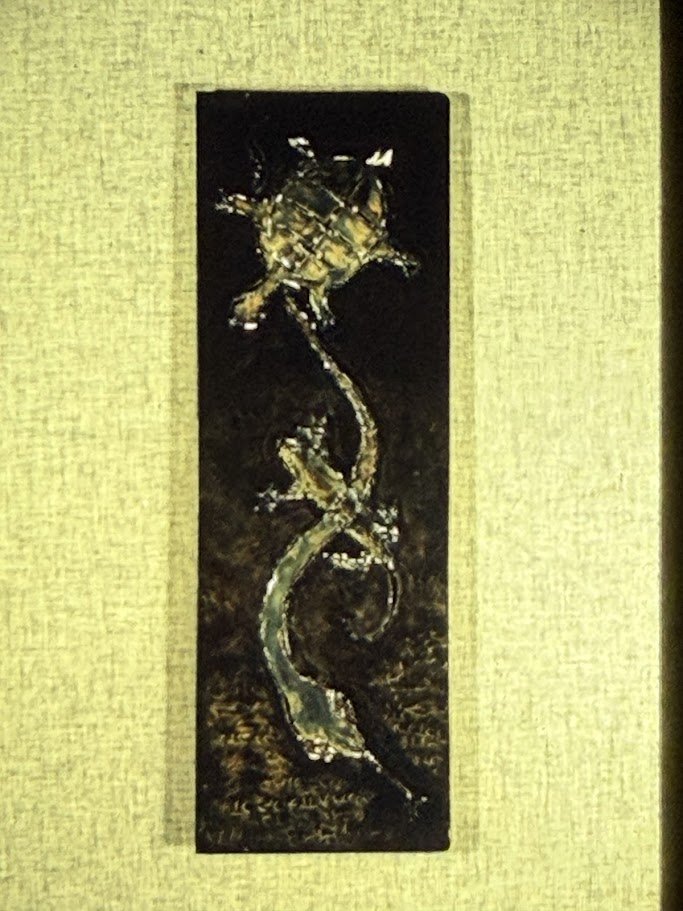
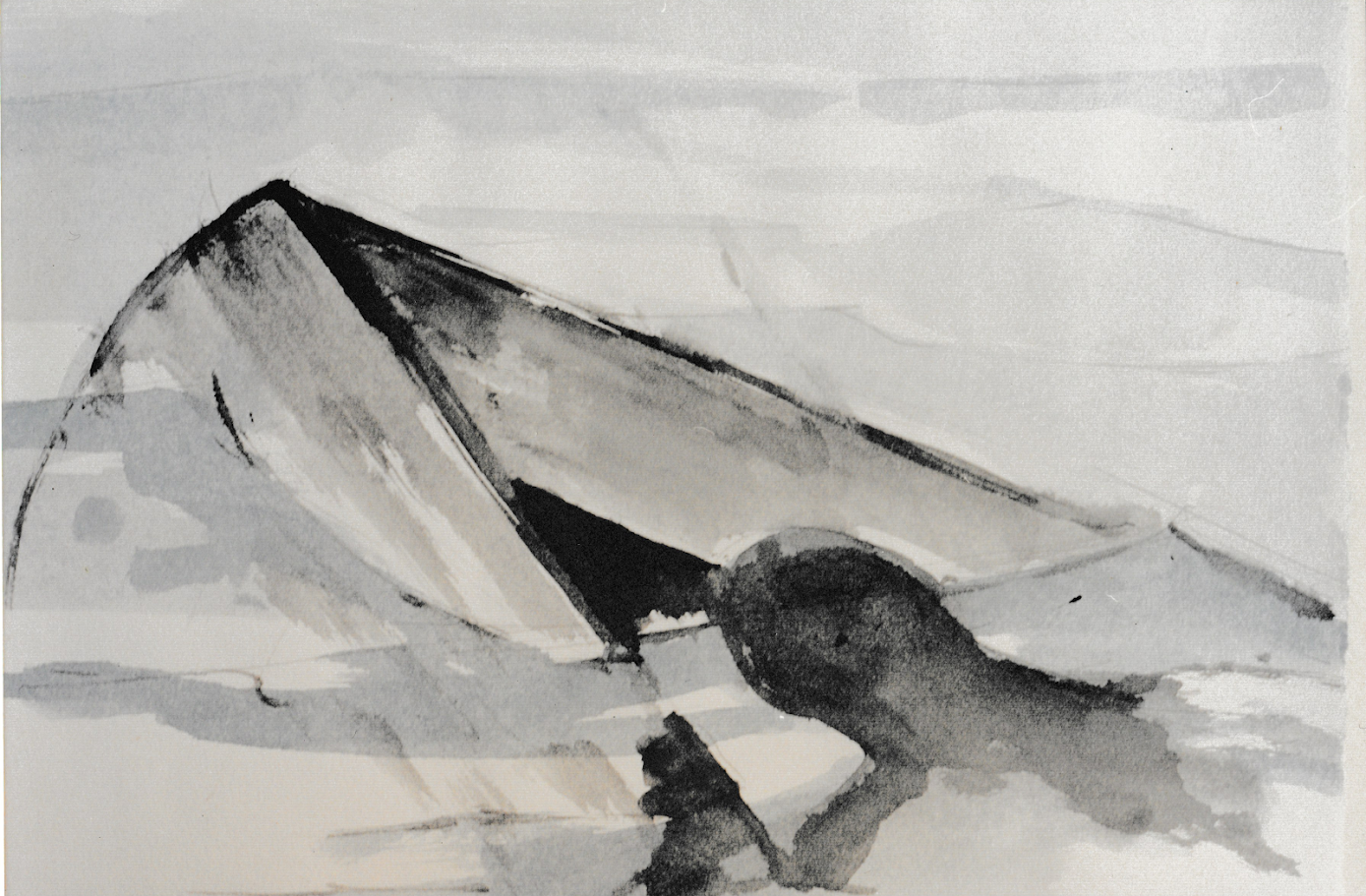
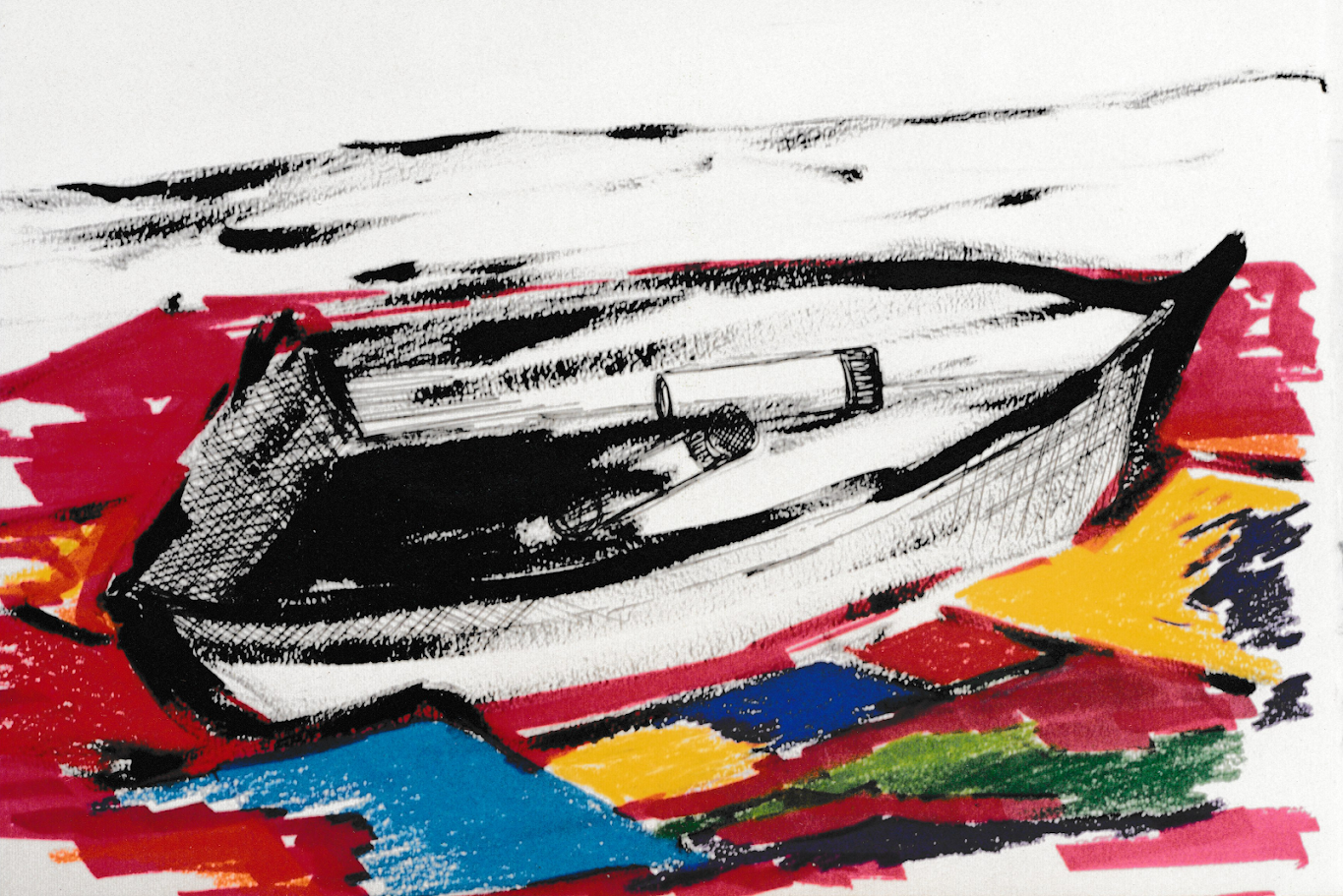
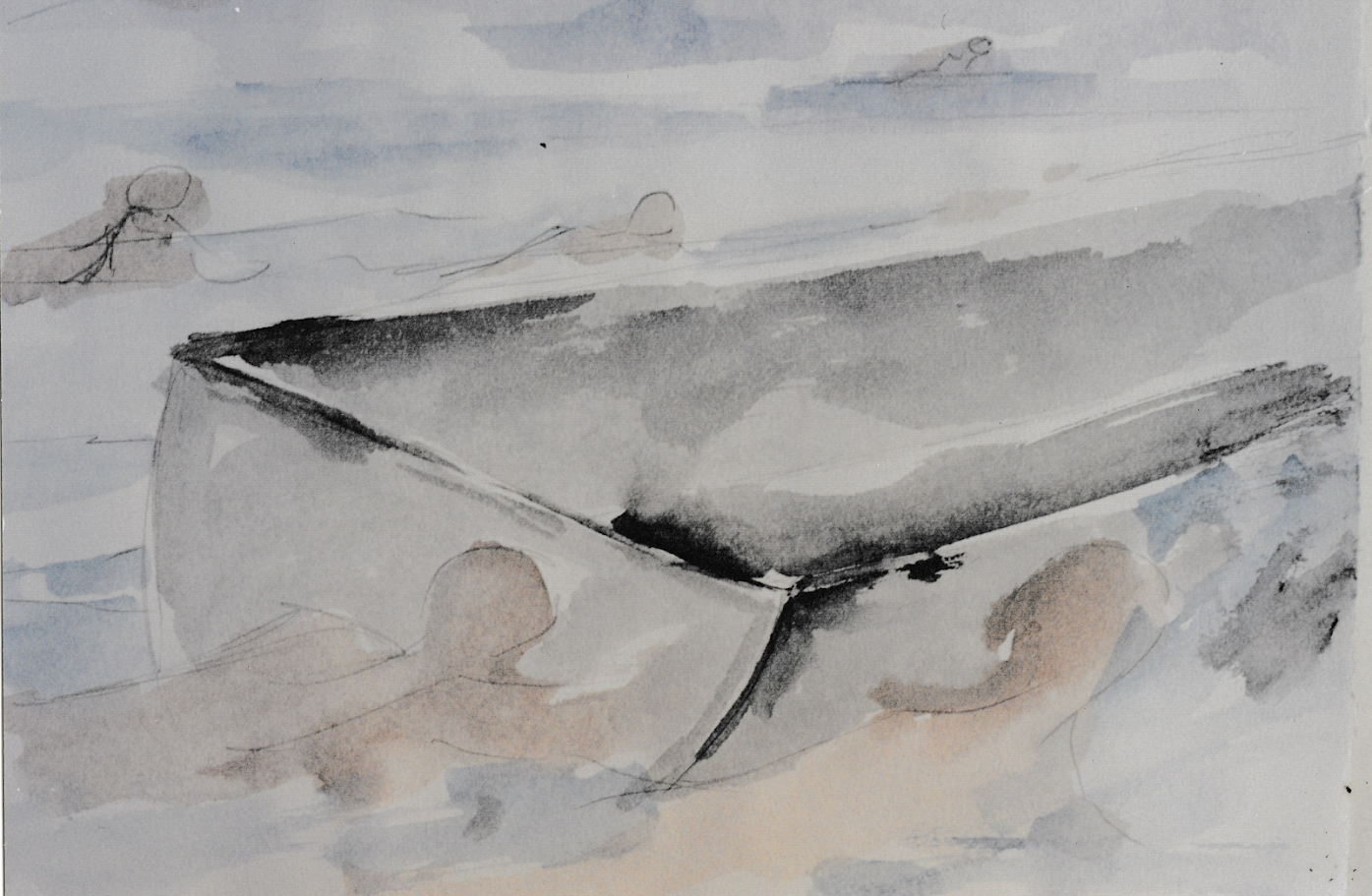
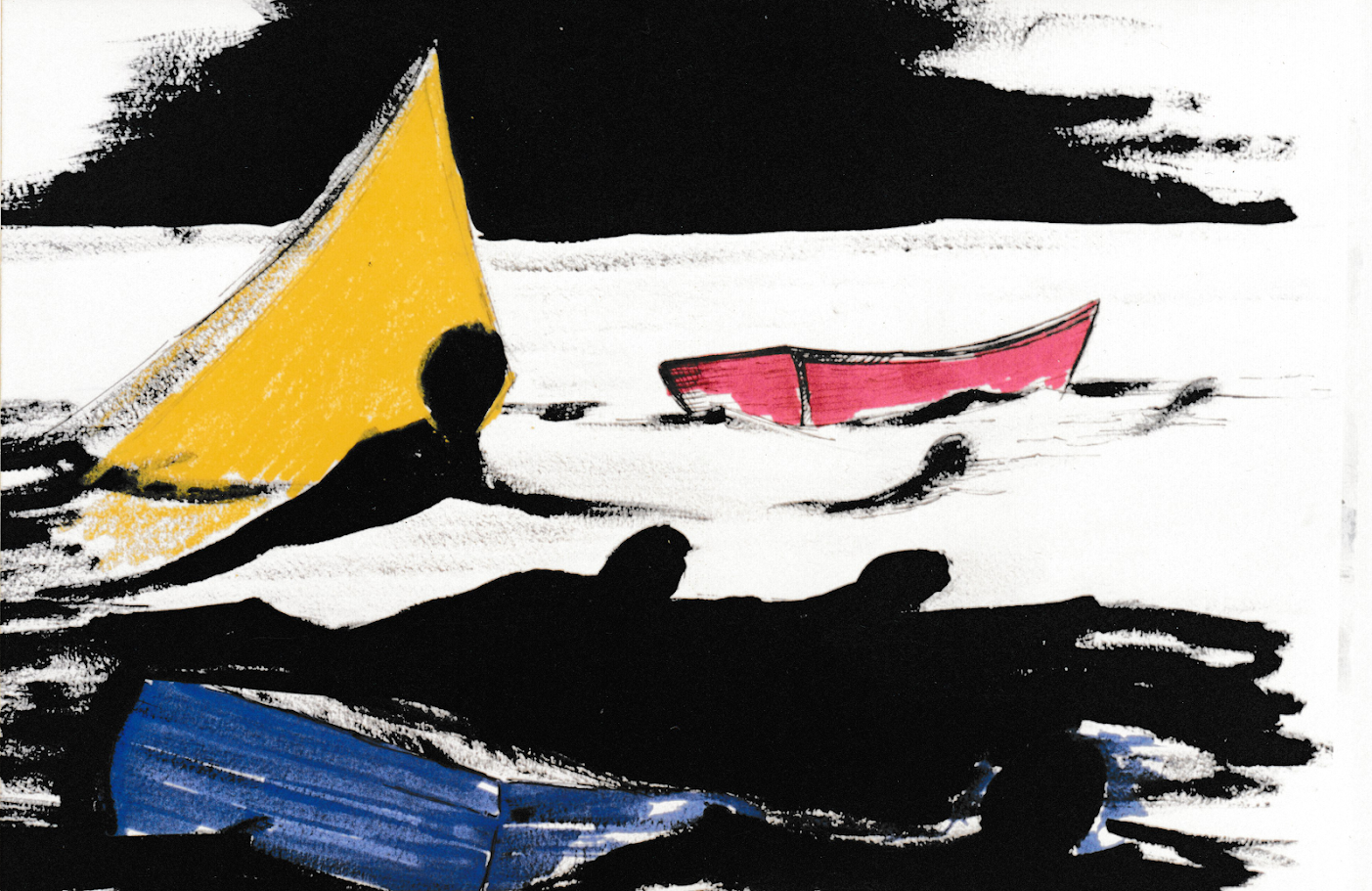
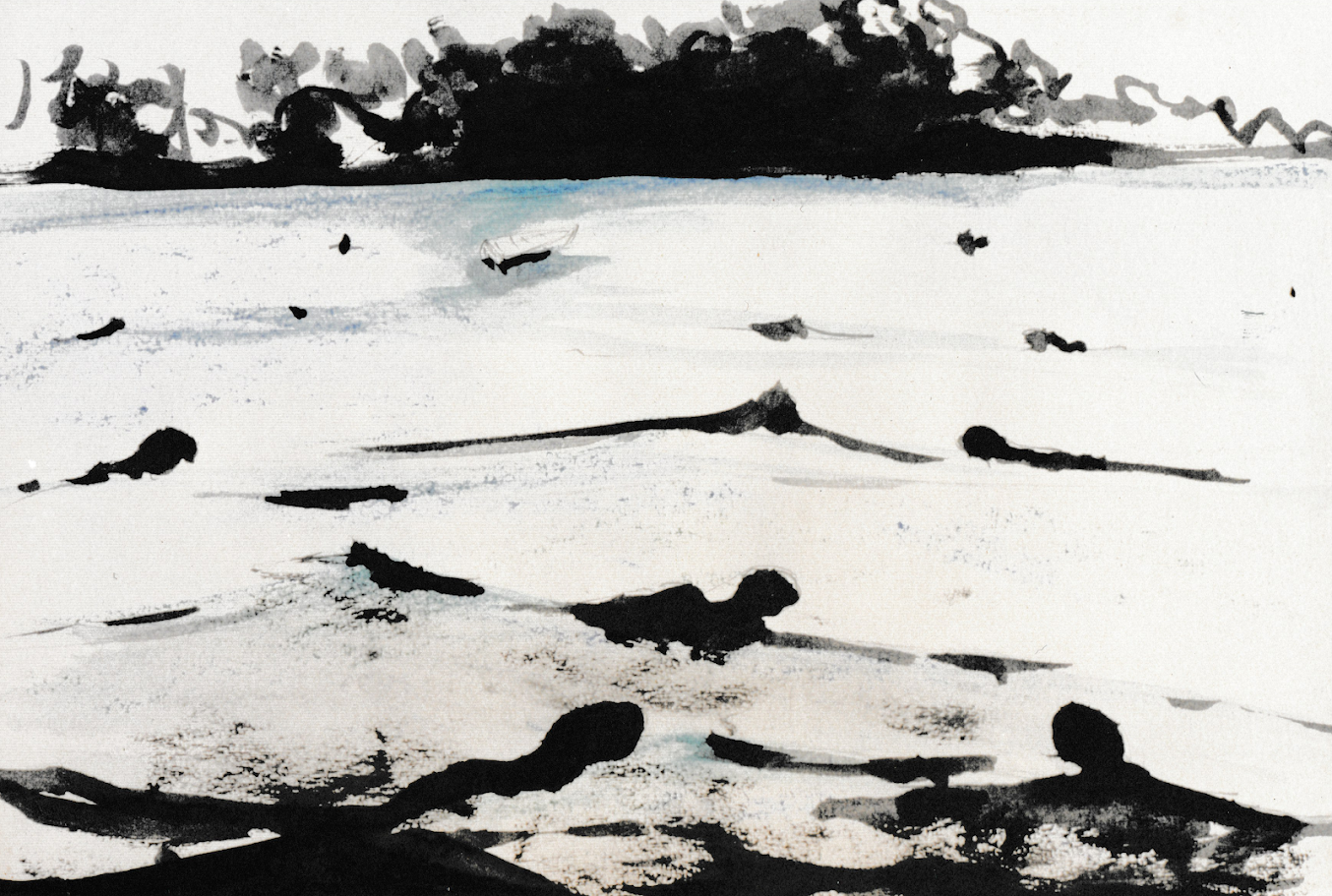
Even common species are becoming less common, which shows that the problem is widespread. Scientists warn that entire ecosystems could collapse if this continues. The loss of insects and sea life may seem gradual, but it affects food systems, ocean health, and the balance of nature. During the 2000s, these ideas began to influence the work of Whitney Wolf II. His art started to reflect concerns about climate change, genetic modification, and the future of life on Earth. Instead of focusing only on form, his work explored the idea that humanity is part of a larger system that is breaking down. He used materials and imagery connected to science and nature to show this relationship. His pieces often suggest that human actions are changing the natural world in permanent ways.
Wolf’s work from this period can be understood as a response to the Sixth Extinction. He was not just making art about nature, but about the loss of it. Themes of extinction, mutation, and survival appear throughout his work. He explored how technology and industry could both create and destroy life. This reflects a growing awareness in the 2000s that human progress has consequences. The Sixth Extinction is still happening today, and it raises serious questions about the future. Whitney Wolf’s art captures this moment in time, showing both the beauty of the natural world and the danger it faces. His work reminds us that extinction is not just a past event, but something unfolding in the present.