Consilience
Art and science have long existed as connected ways of understanding the world. Both seek to explain reality, but they do so in different forms. Artists use images and materials, while scientists use data and theory. Throughout history, these two approaches have often overlapped. Leonardo da Vinci combined careful observation with artistic skill in his anatomical drawings. Johann Wolfgang von Goethe studied color through both science and poetry. In the modern era, thinkers such as C. P. Snow described a divide between science and the humanities, while E. O. Wilson later argued for consilience, or the uniting of knowledge across fields. Within this idea, art does not simply illustrate science. It interprets it and gives it human meaning. Scientific ideas such as quantum theory, space, and consciousness can be difficult to understand, but art helps make them visible and emotionally real.
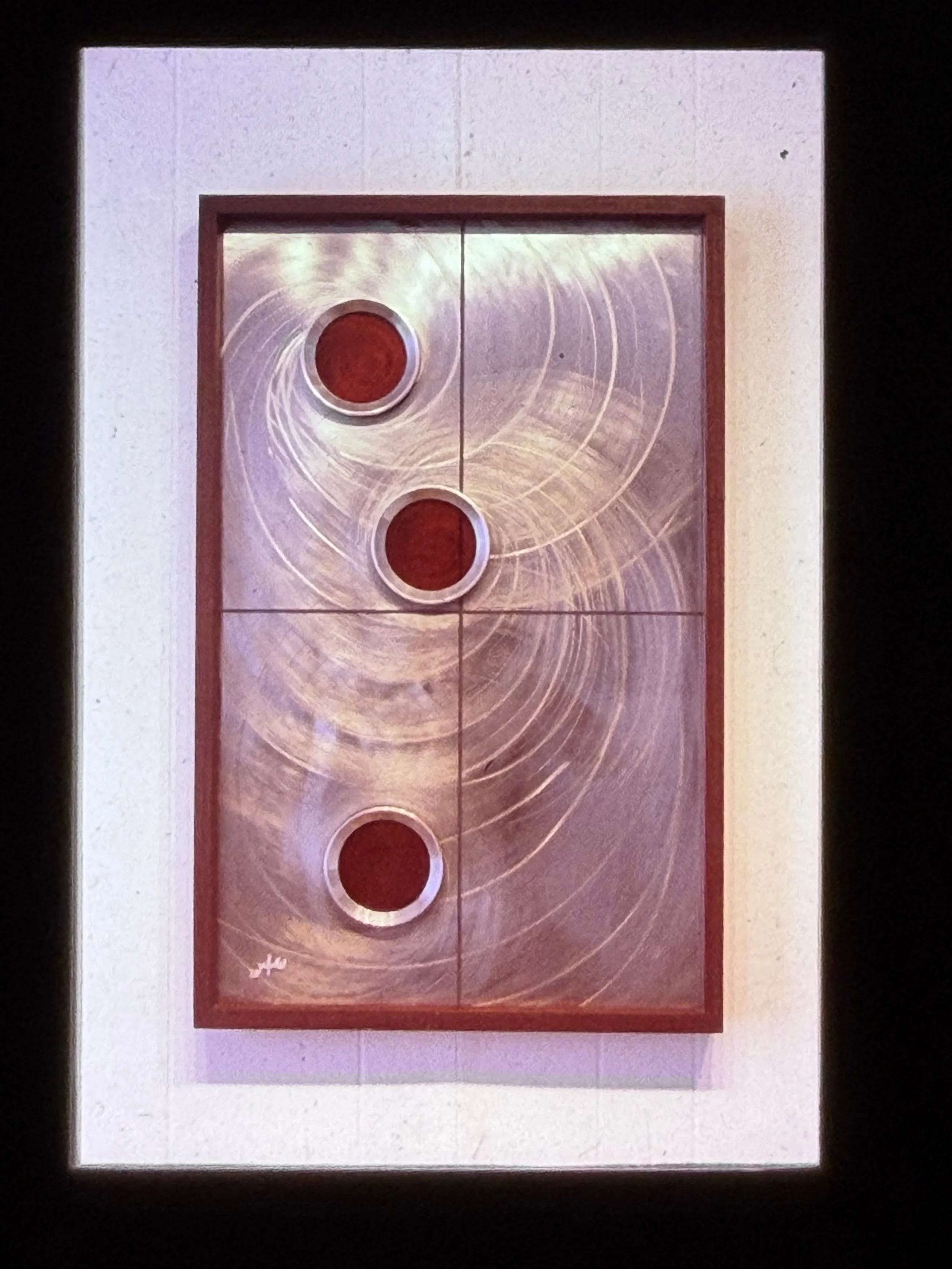
Whitney Wolf II works within this shared space between art and science. His work treats them not as separate subjects, but as part of one continuous effort to understand human existence. He often uses materials connected to technology, such as copper and conductive elements once used in early computers. By using these materials, he turns physical matter into a form of thought. His work explores ideas related to energy, time, and the structure of the universe, but it does not remain technical. Instead, it asks how these ideas relate to perception and awareness. Through this approach, Wolf uses science as a way to explore the experience of being human.
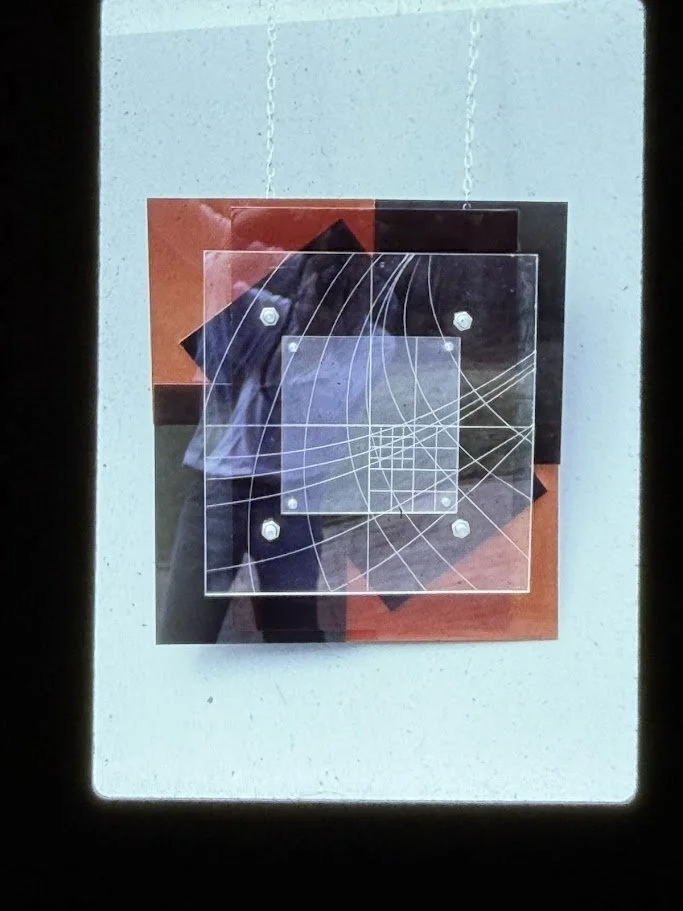
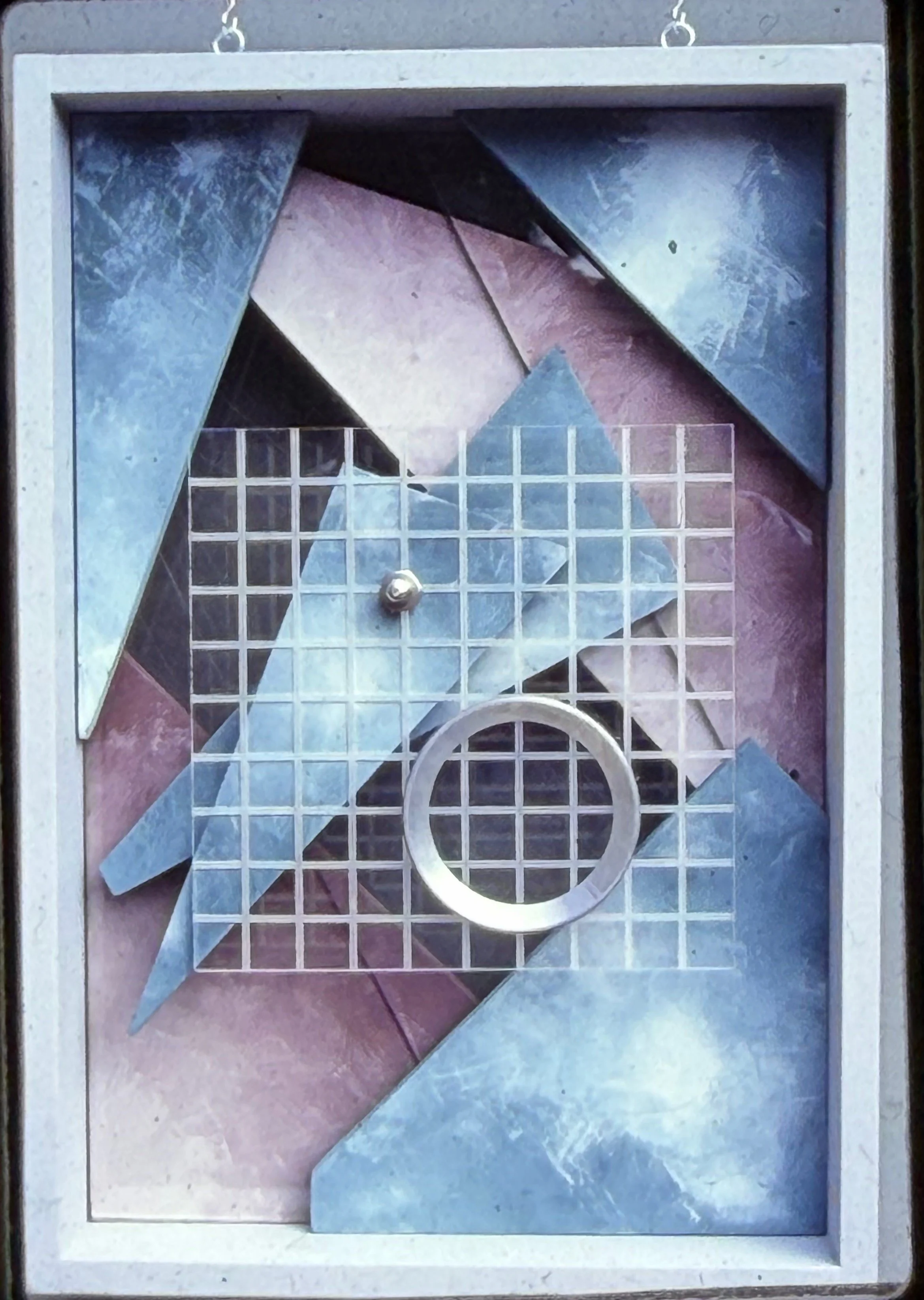
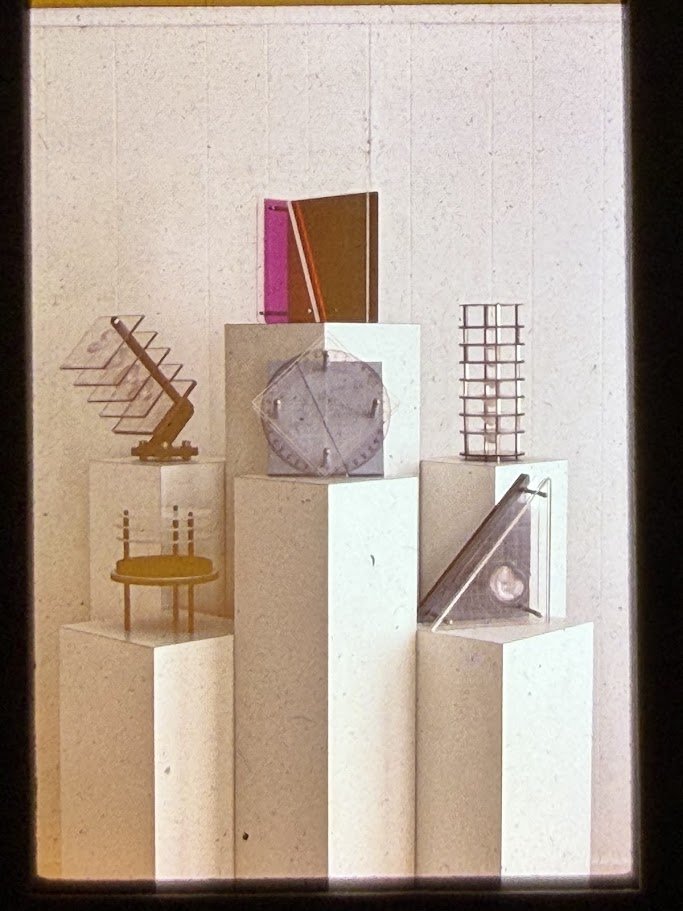
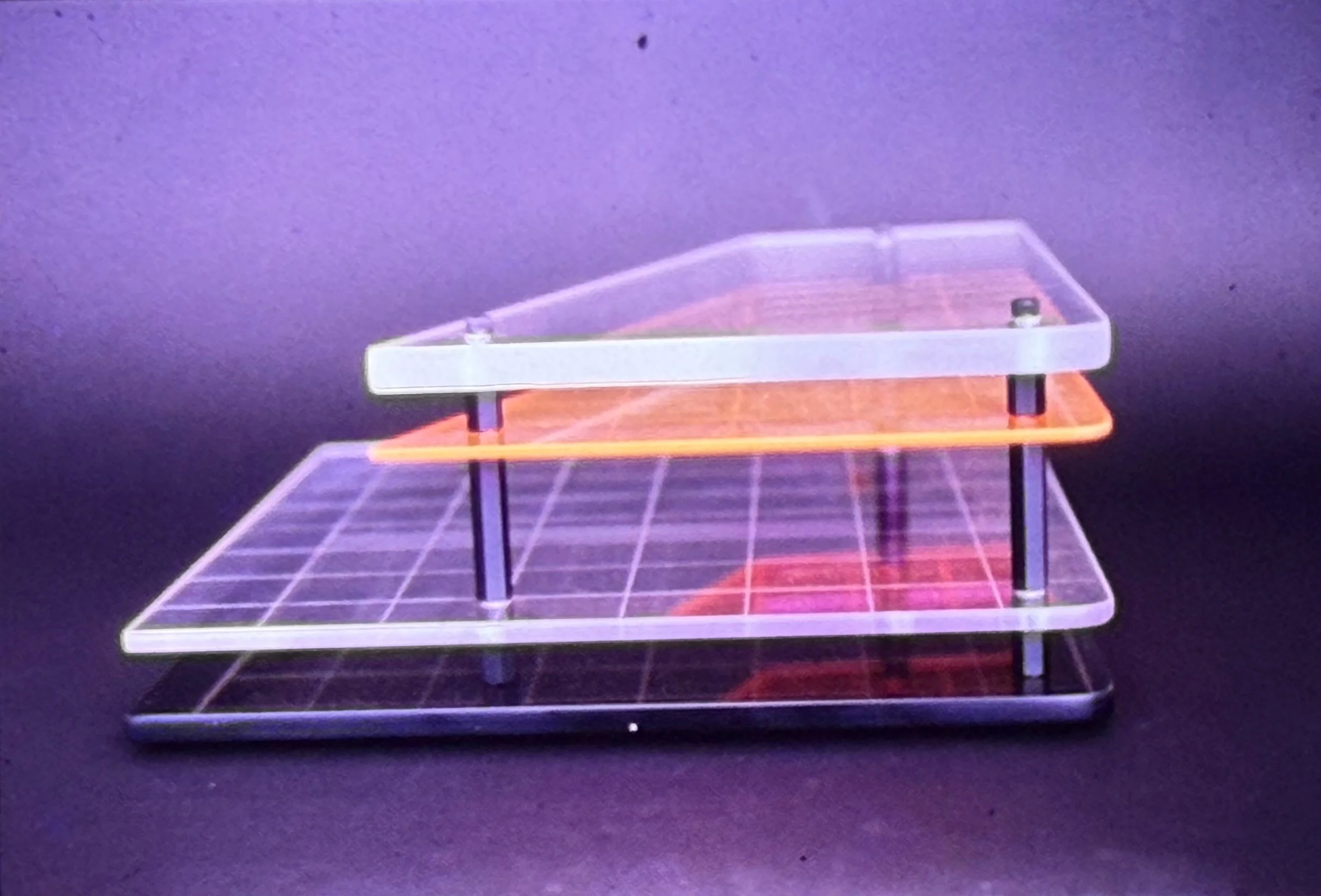
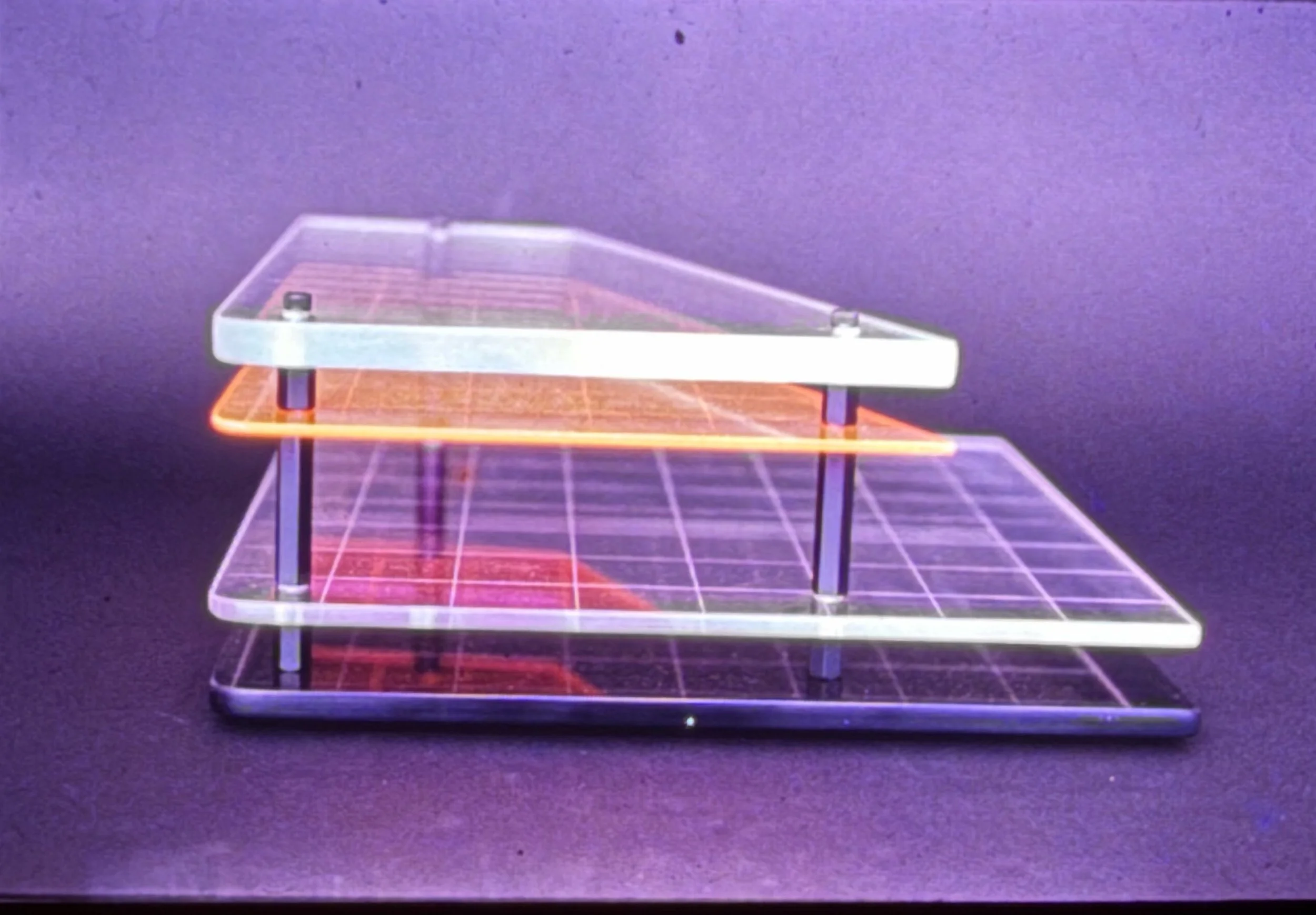
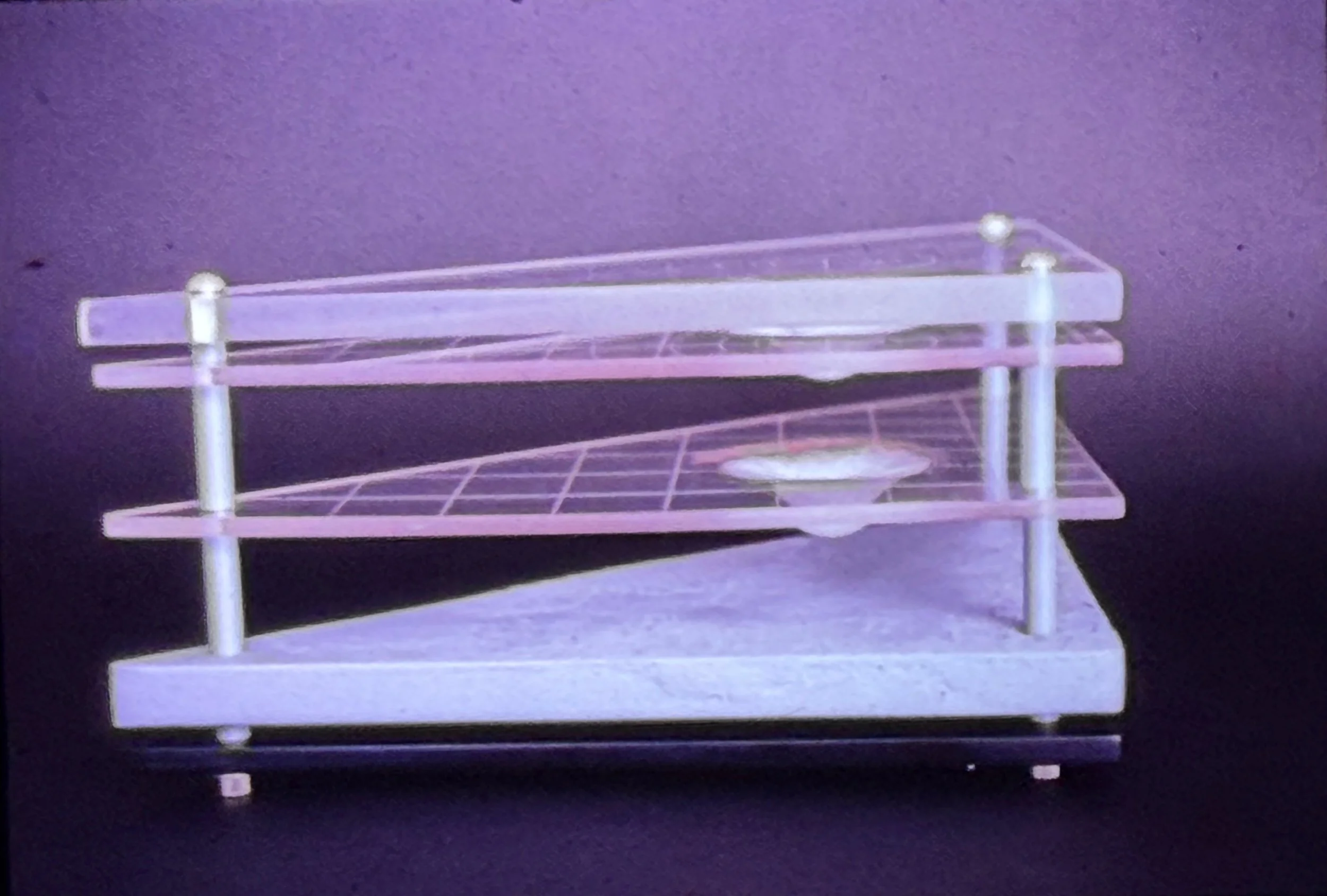
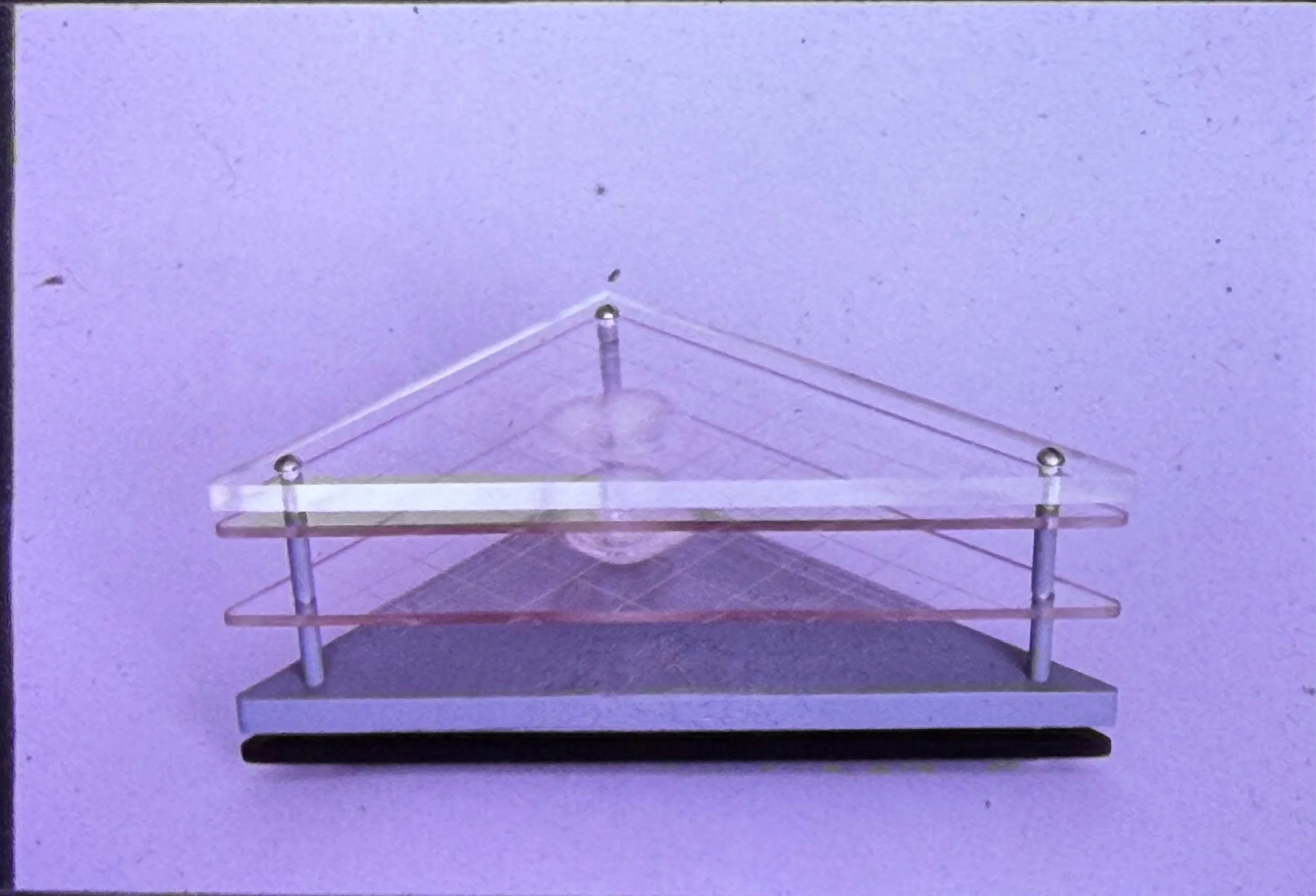
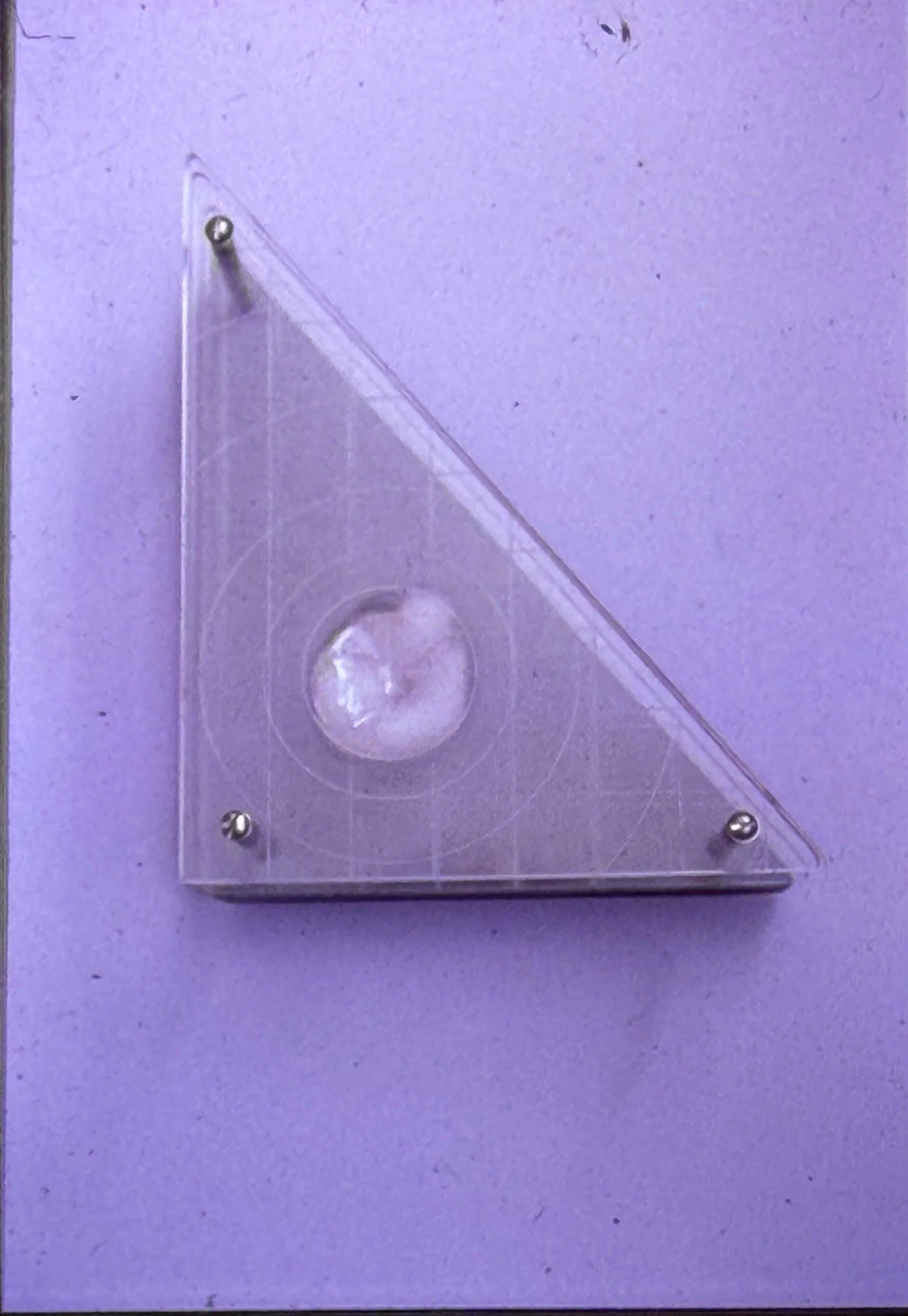
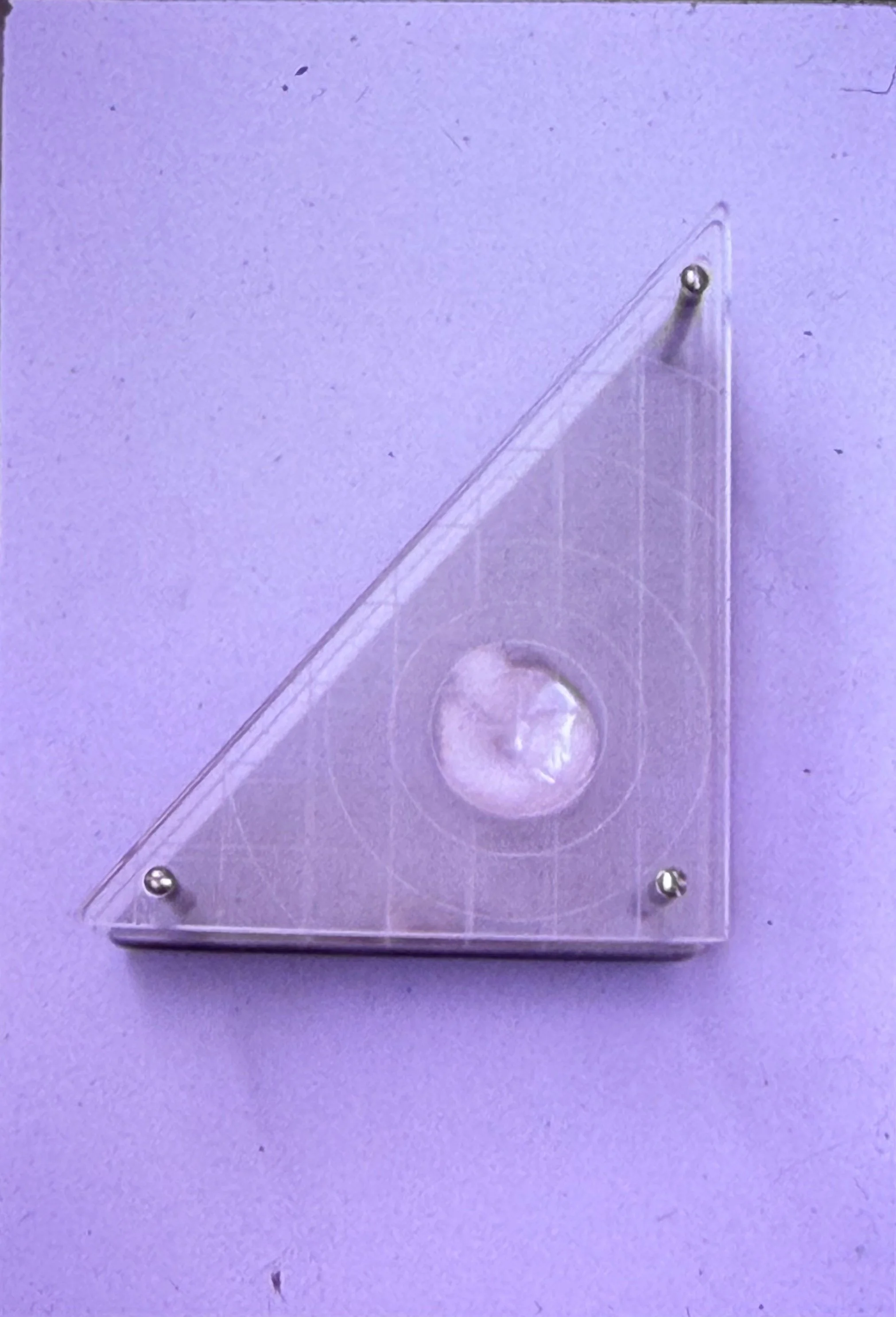
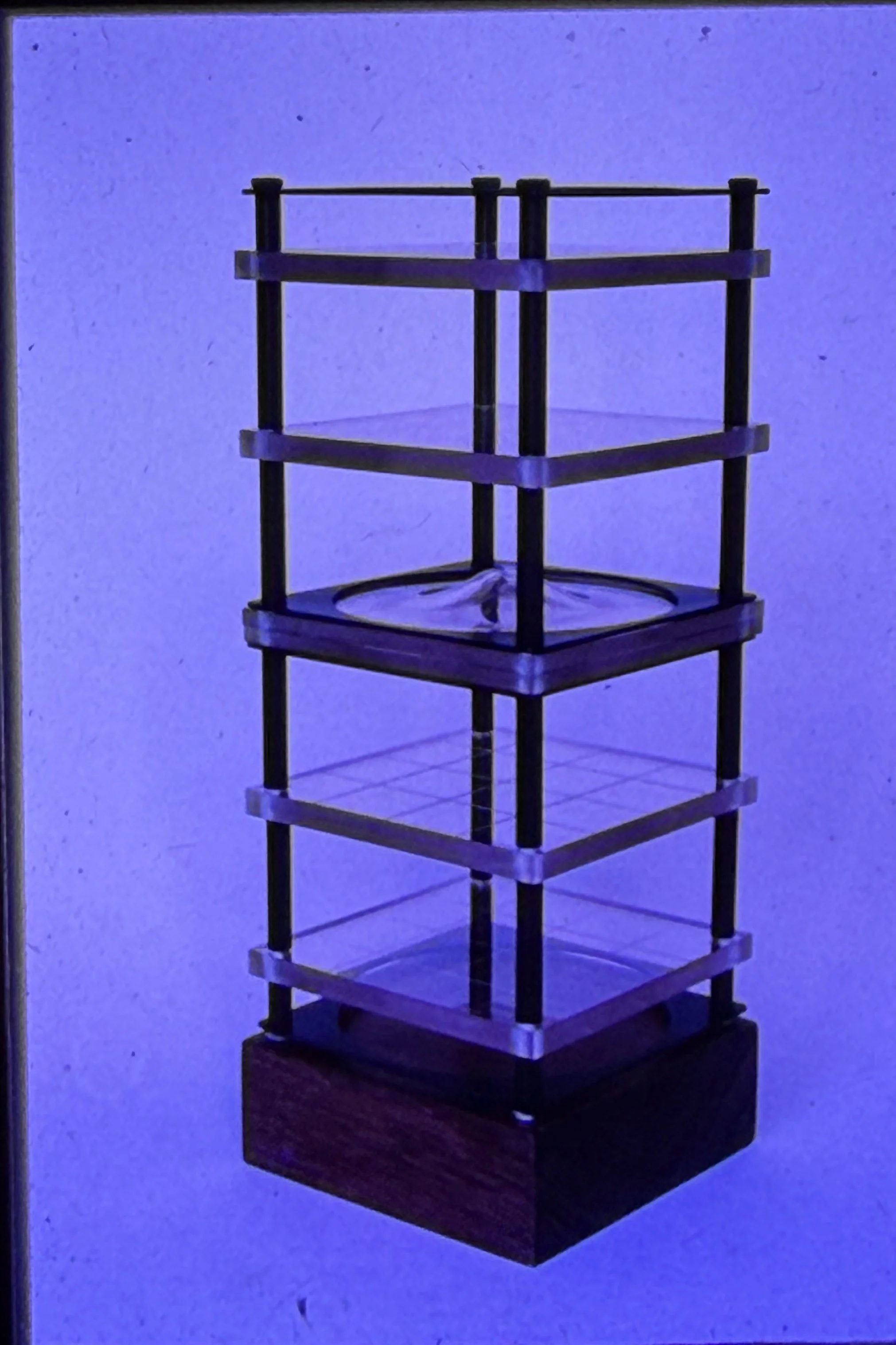
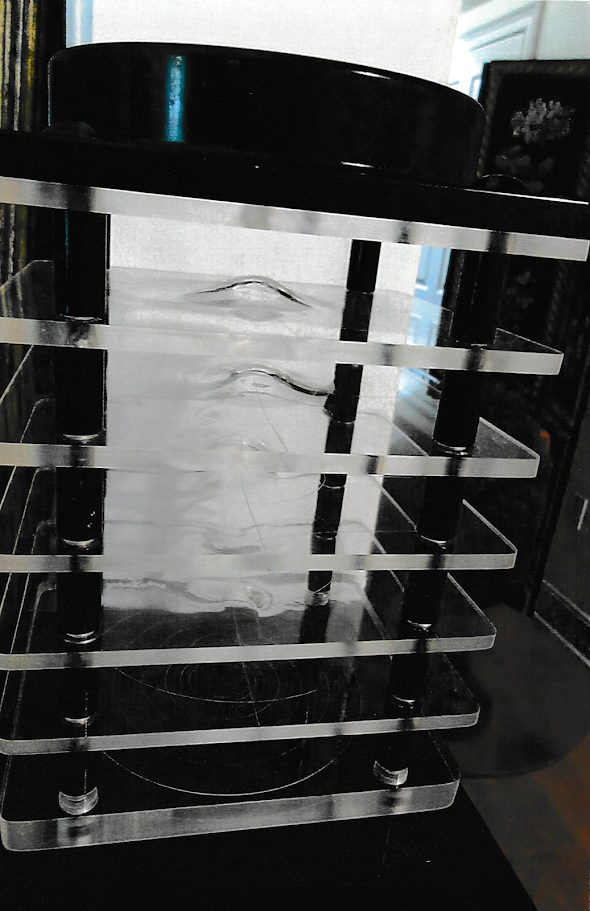
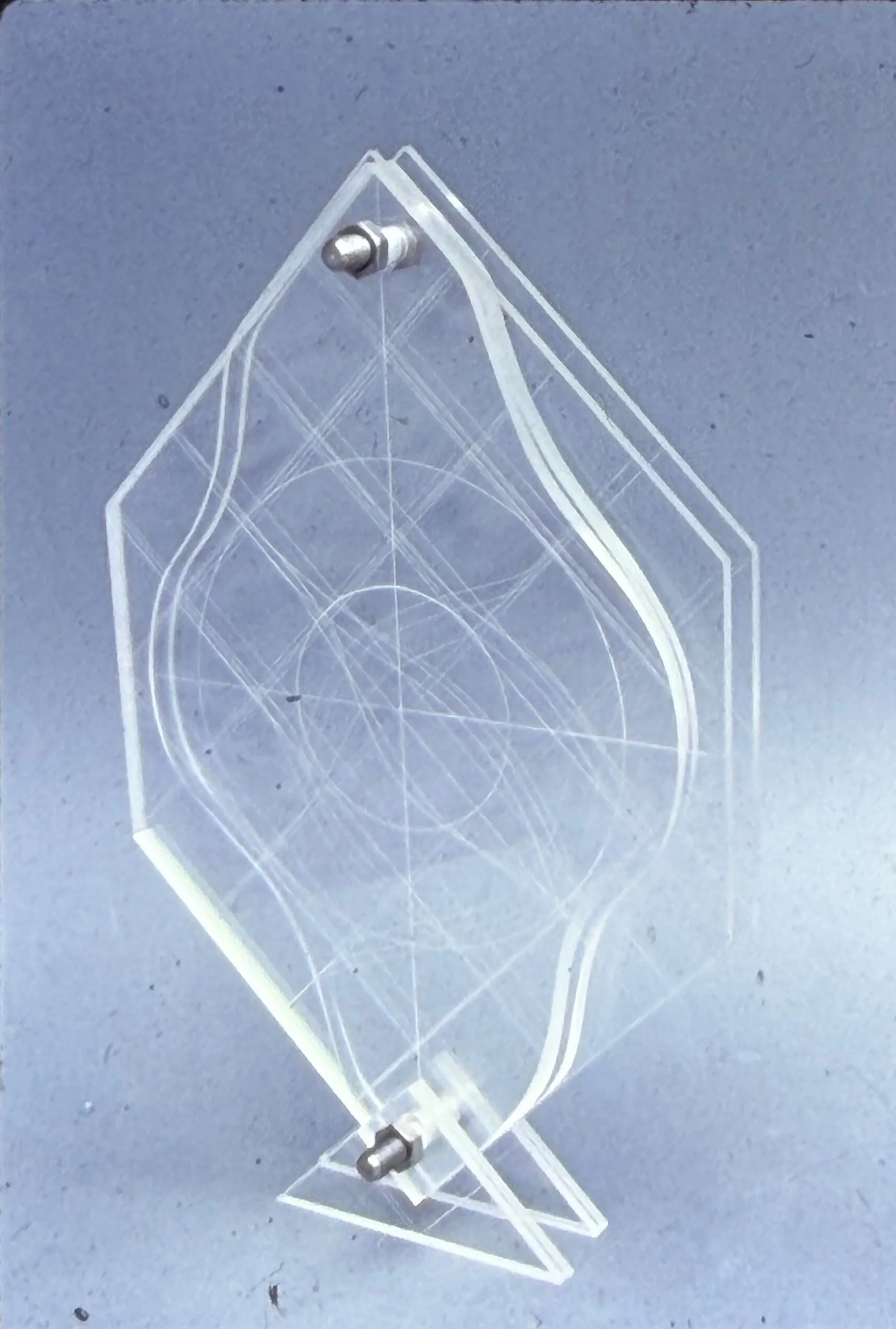
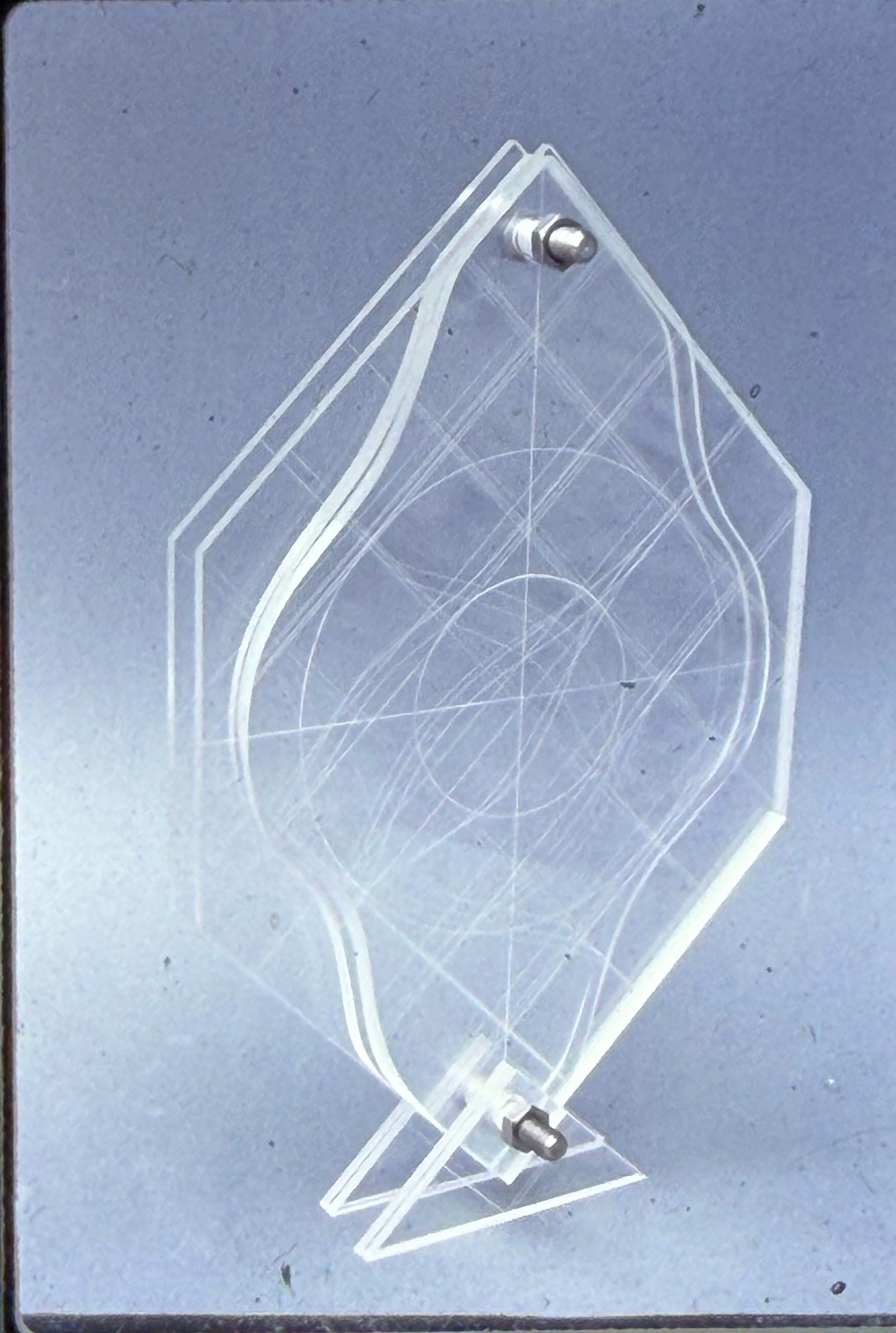
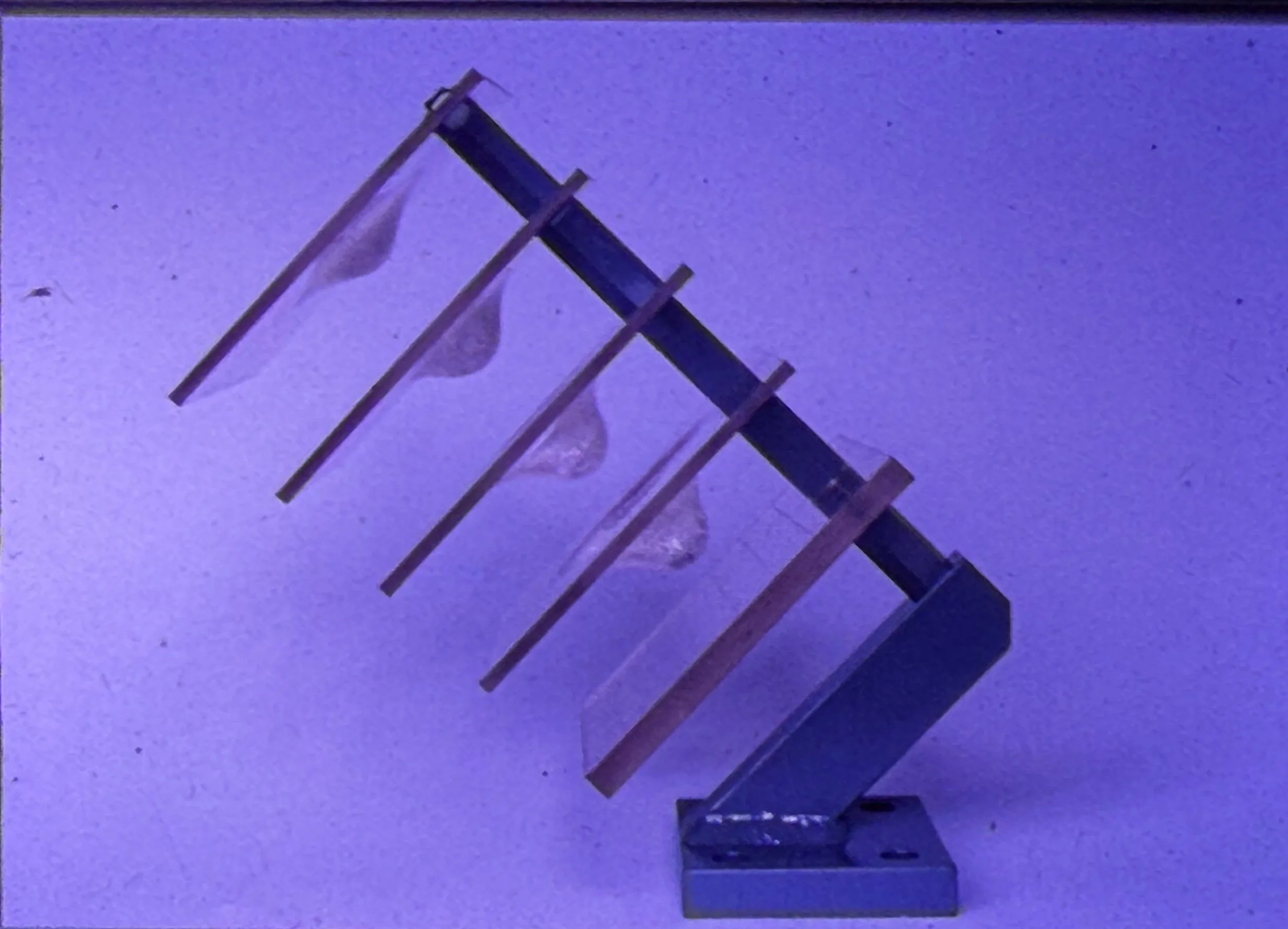
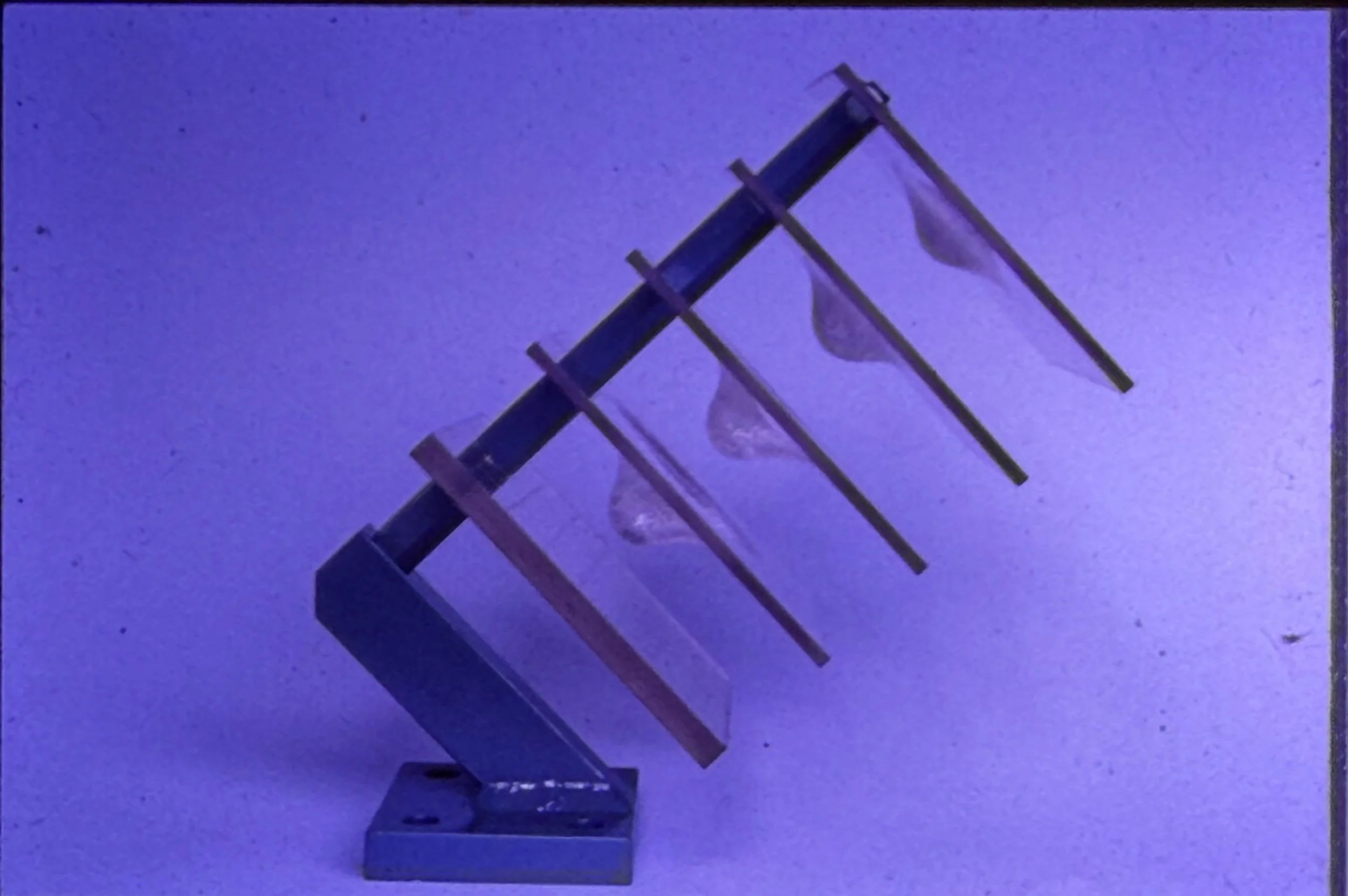
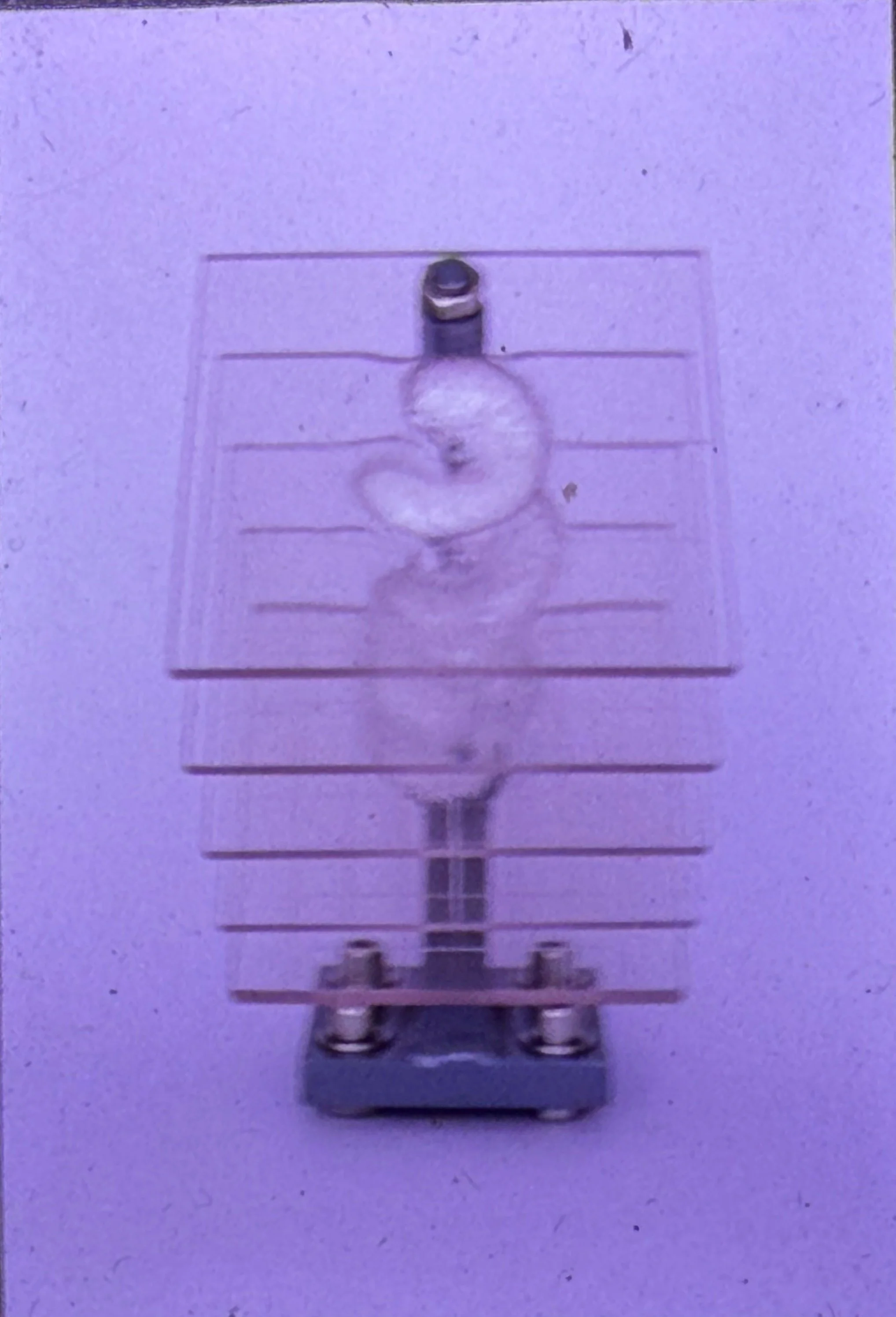
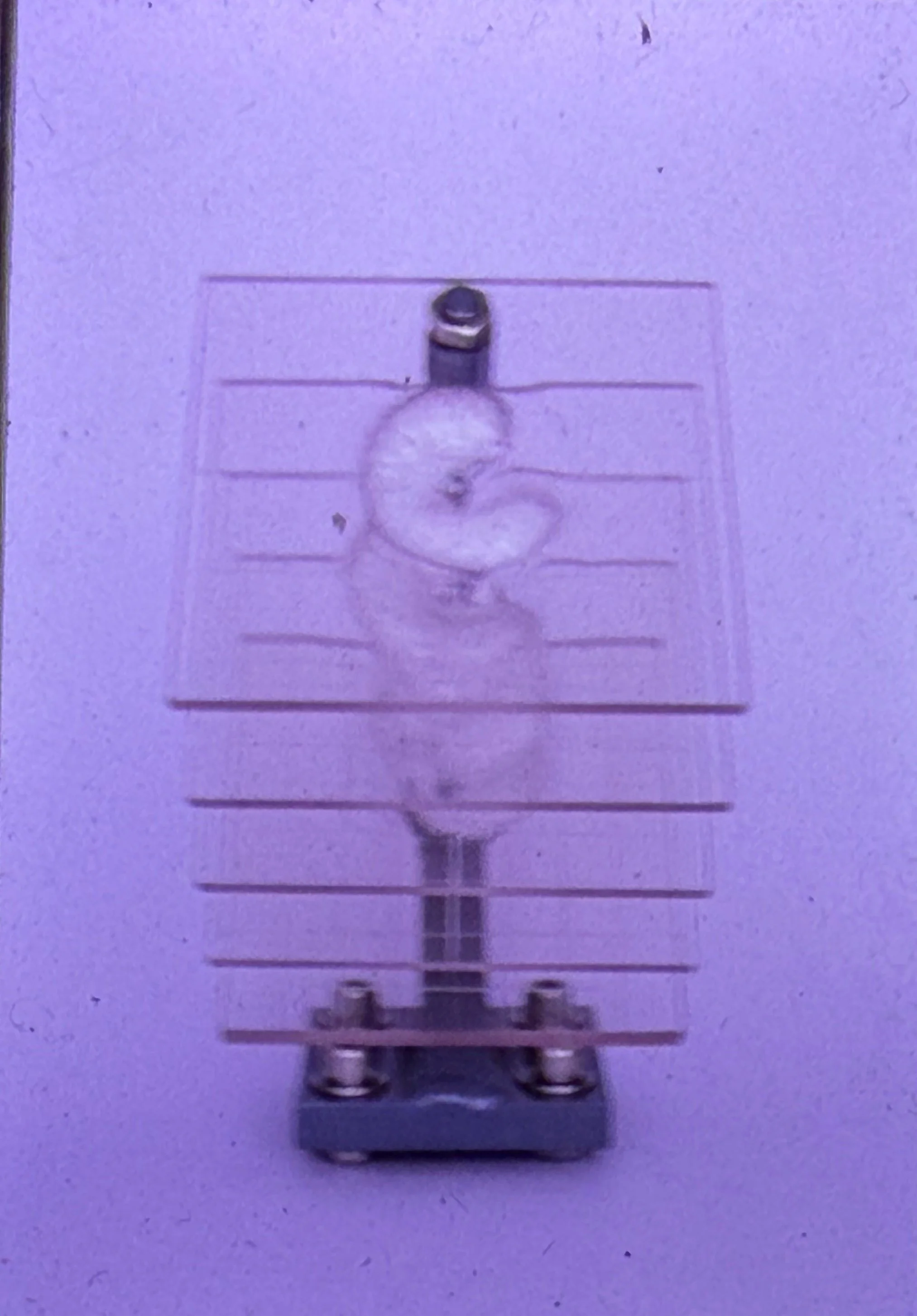
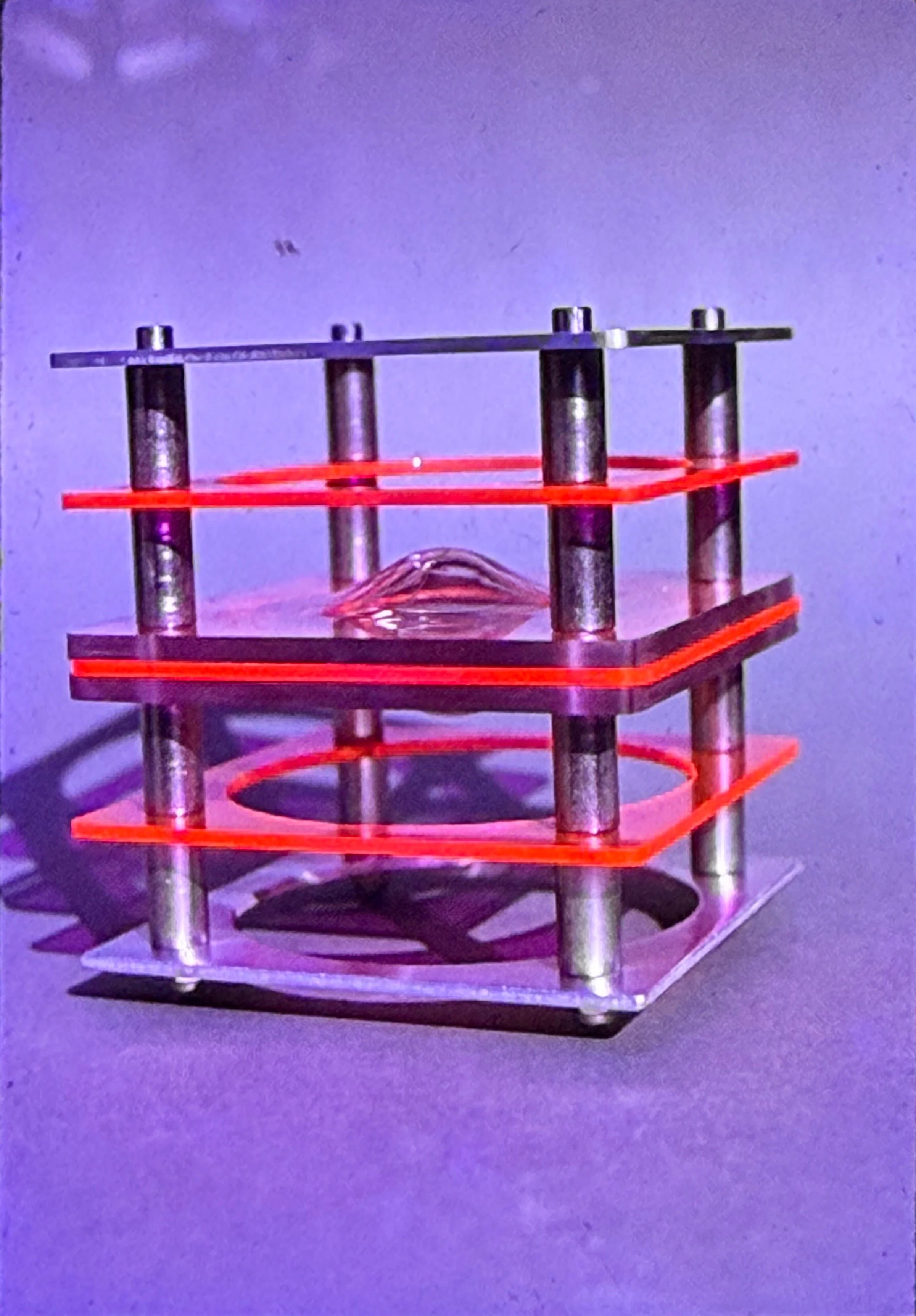
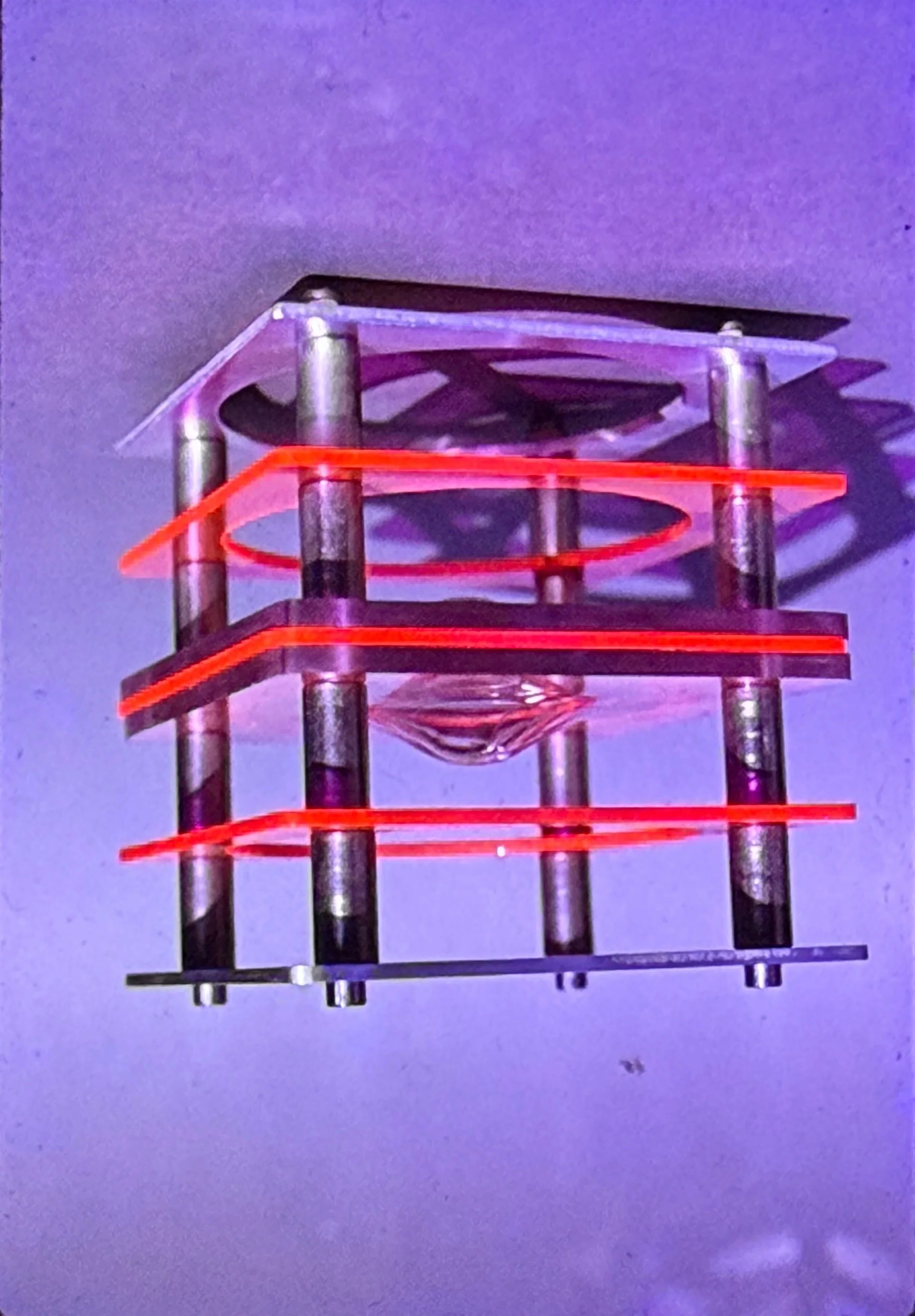
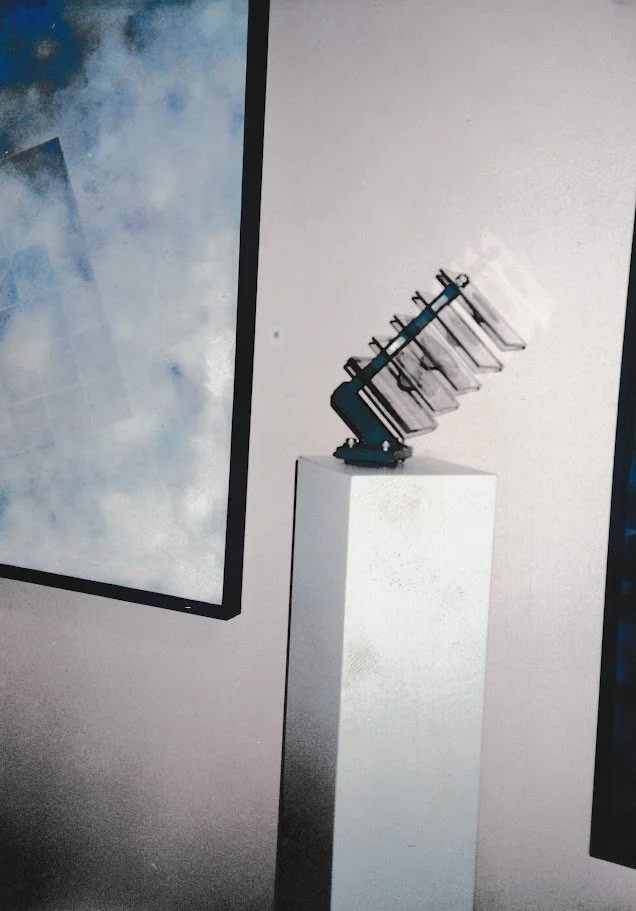
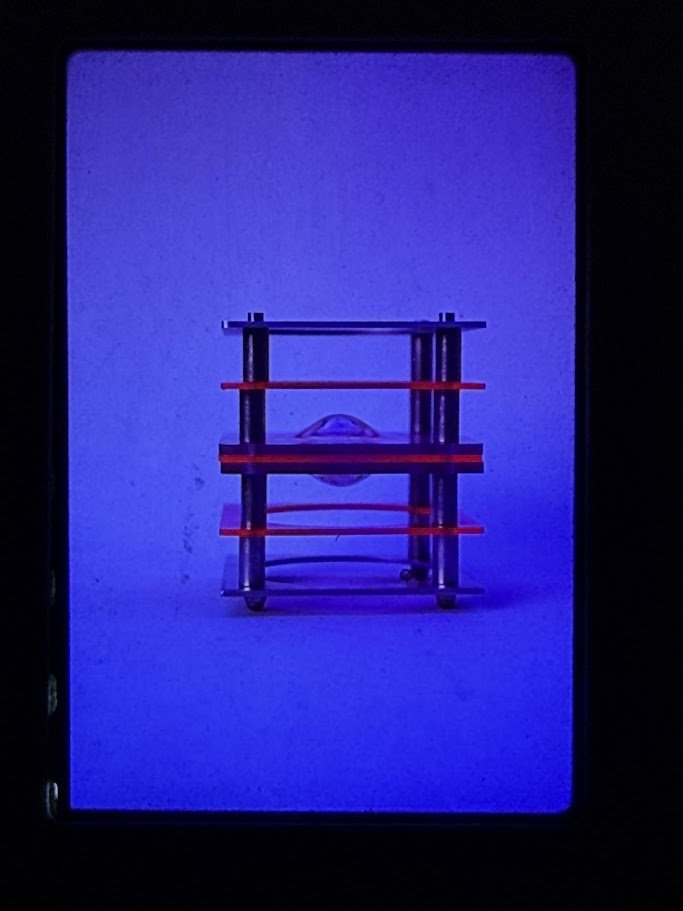
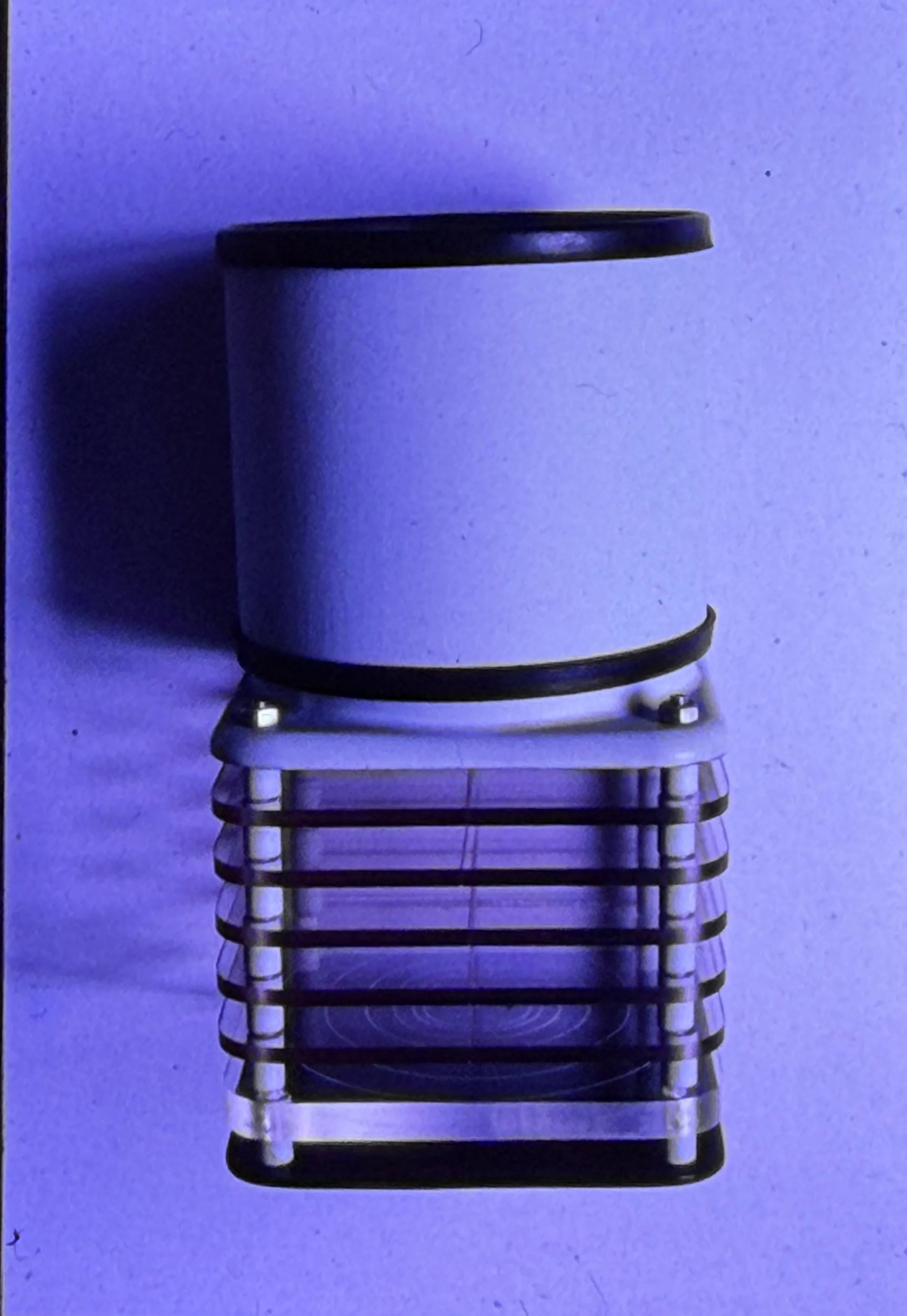
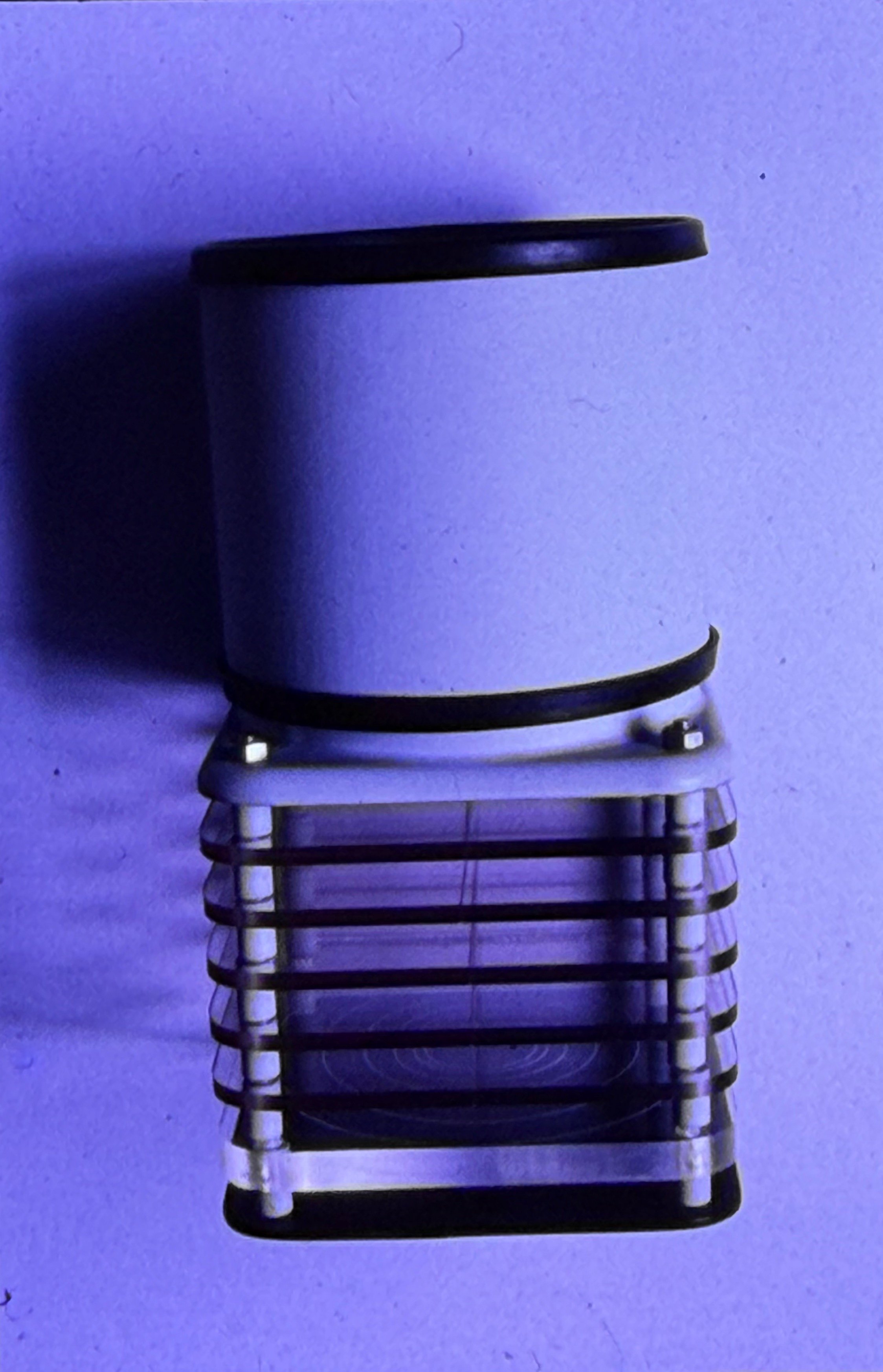
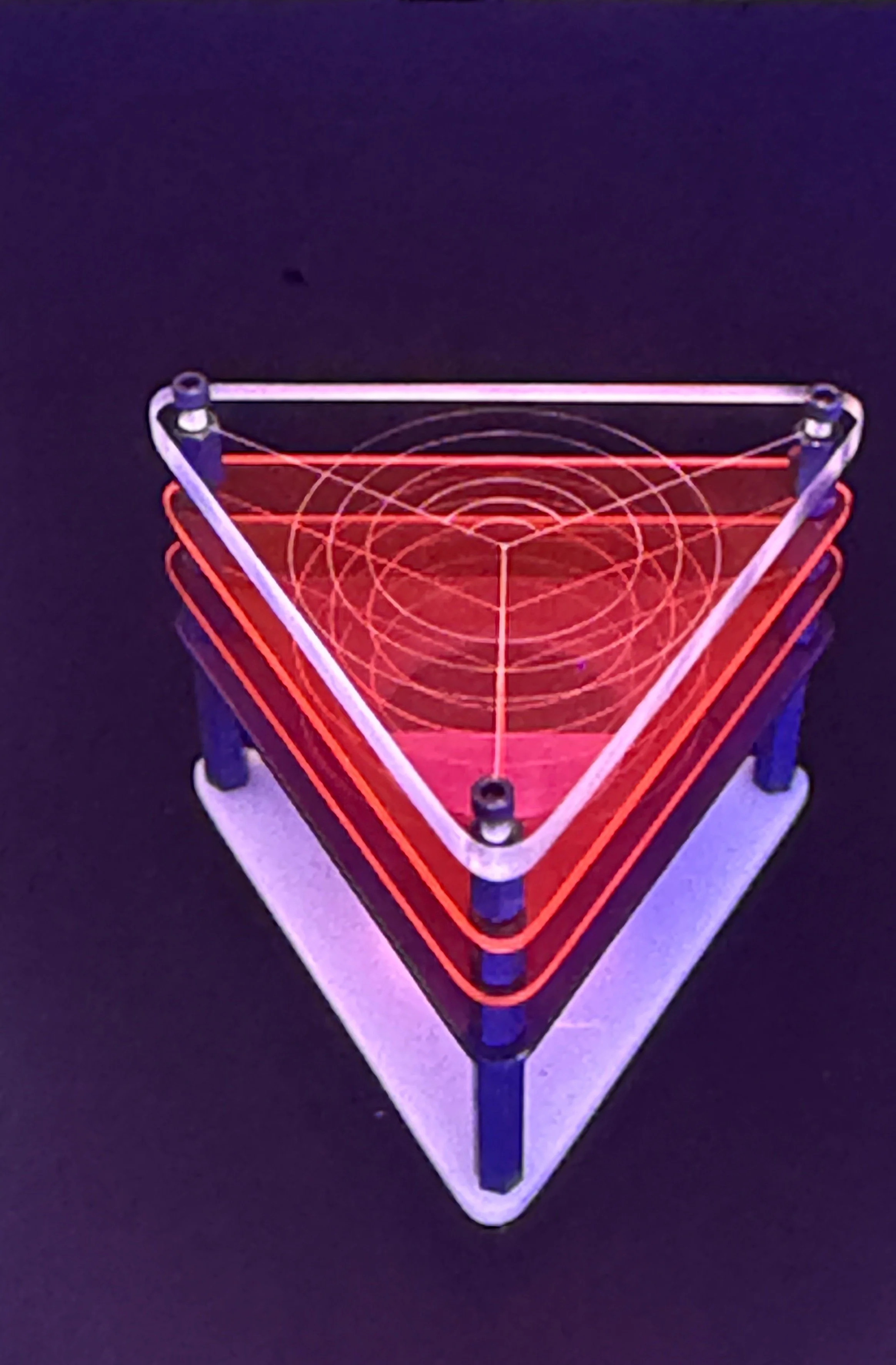
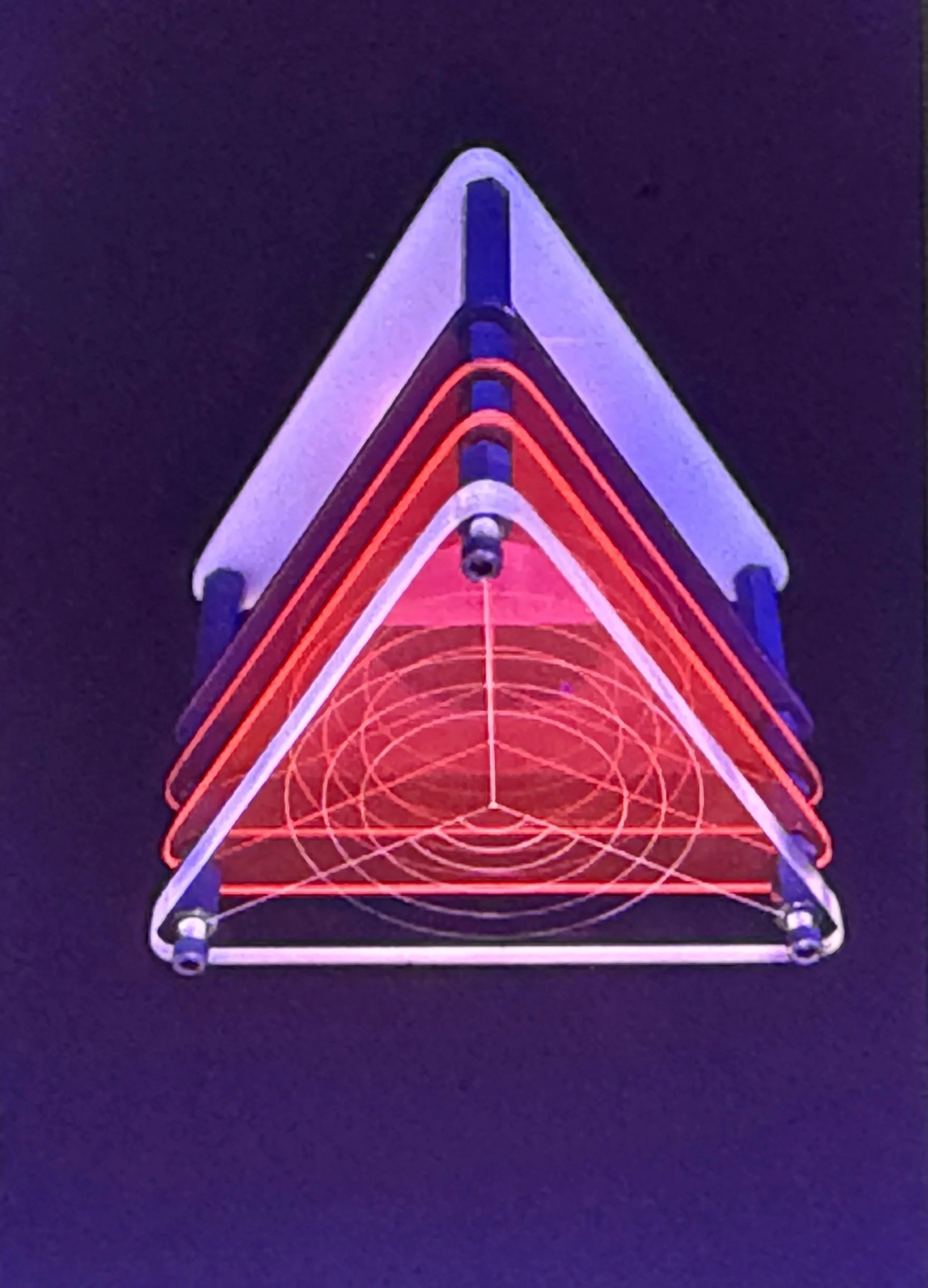
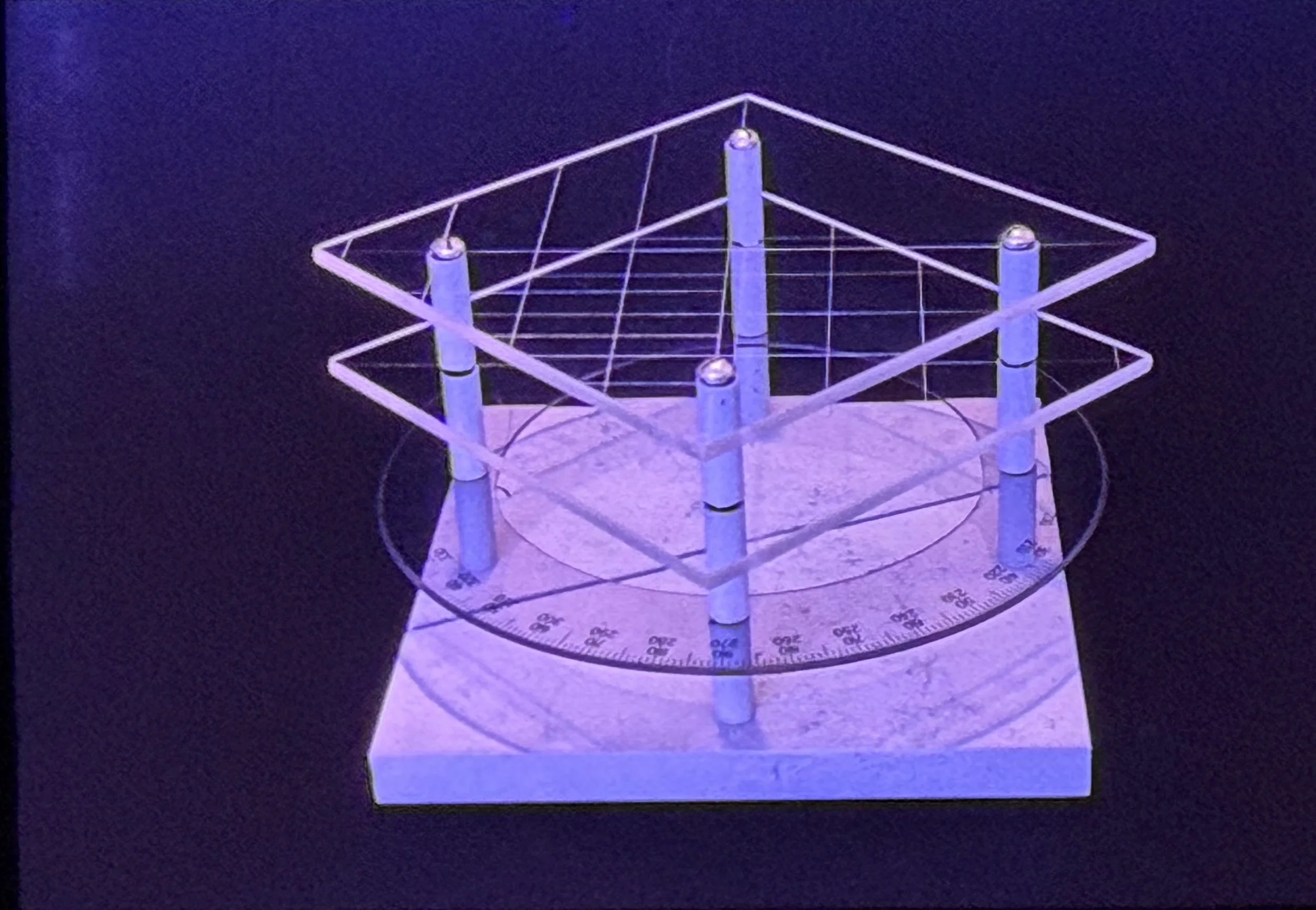
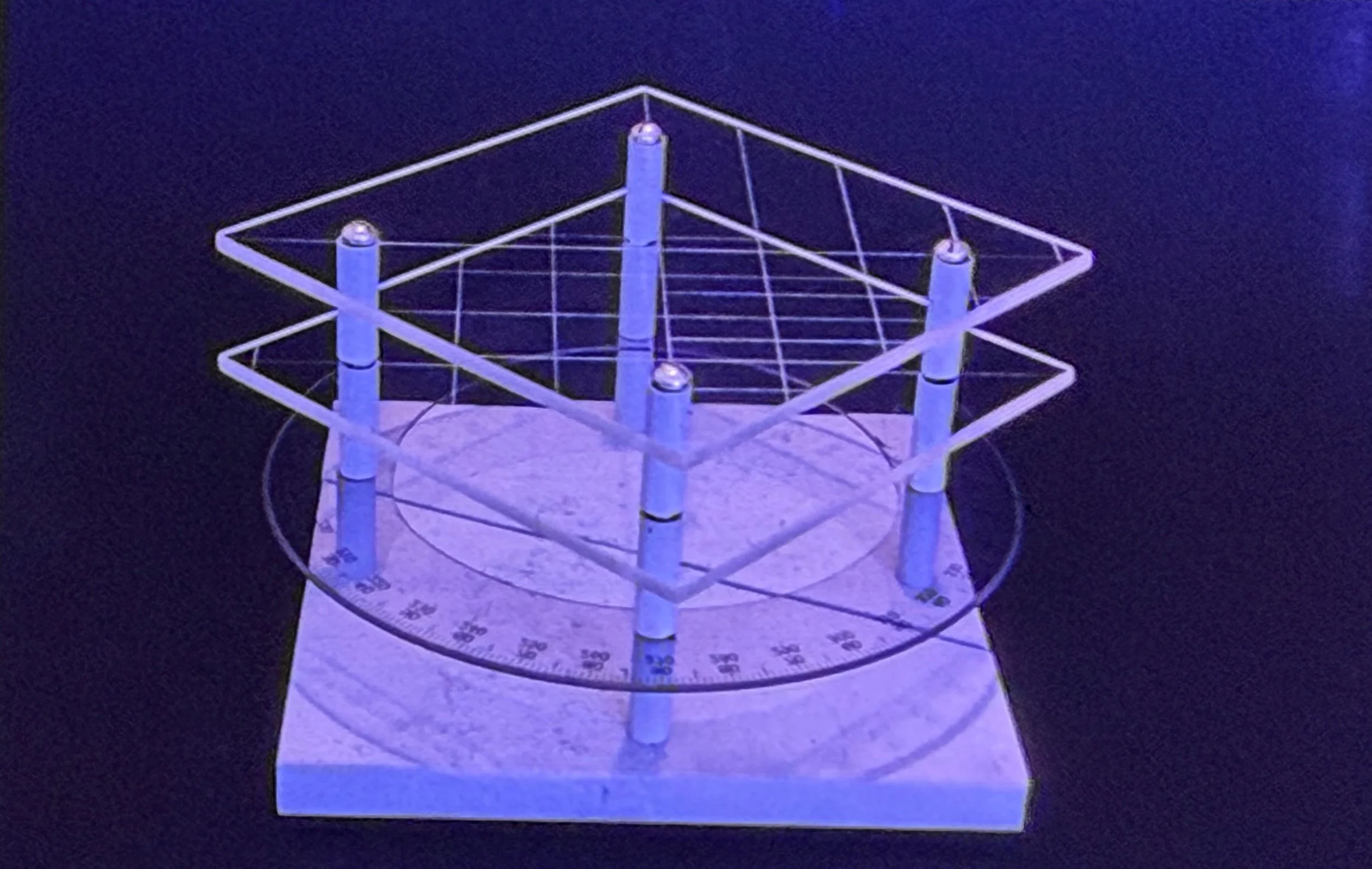
His sculptures show clear connections between art, math, and science. They are carefully structured and appear almost like physical models of ideas rather than decorative objects. Many of his works include repeated vertical rods that create rhythm, spacing, and symmetry. These arrangements resemble grids or coordinate systems found in mathematics. The stacked layers and geometric forms show balance and proportion. Shapes such as squares, angles, and triangles appear throughout his work, creating a sense of order and pattern.
There are also strong connections to physics in his sculptures. The way the materials are arranged shows ideas such as weight, tension, and stability. The vertical rods act as supports, holding the structure together. Some forms appear to balance or rest in space, drawing attention to gravity and how objects exist in relation to one another. Transparent and colored surfaces suggest layers, almost like different levels of space or dimensions. This gives the work a sense of depth beyond what is immediately visible.
The materials themselves reinforce these ideas. Metal, plastic, and clear surfaces resemble those used in technology and scientific equipment. This makes the sculptures feel like experiments or systems rather than traditional artworks. Lines and shapes within the structures can be seen as paths or flows of energy, similar to circuits or movement through space. Through this combination of form, material, and concept, Wolf creates work that reflects the unity of art and science, showing how both can come together to explore the structure of reality and the nature of human perception.