 Image 1 of 3
 Image 2 of 3
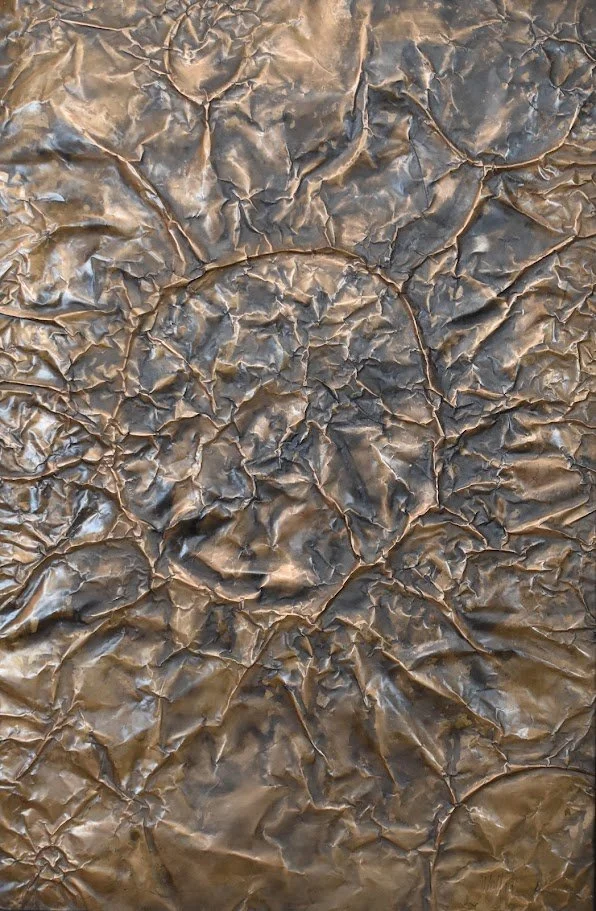 Image 3 of 3
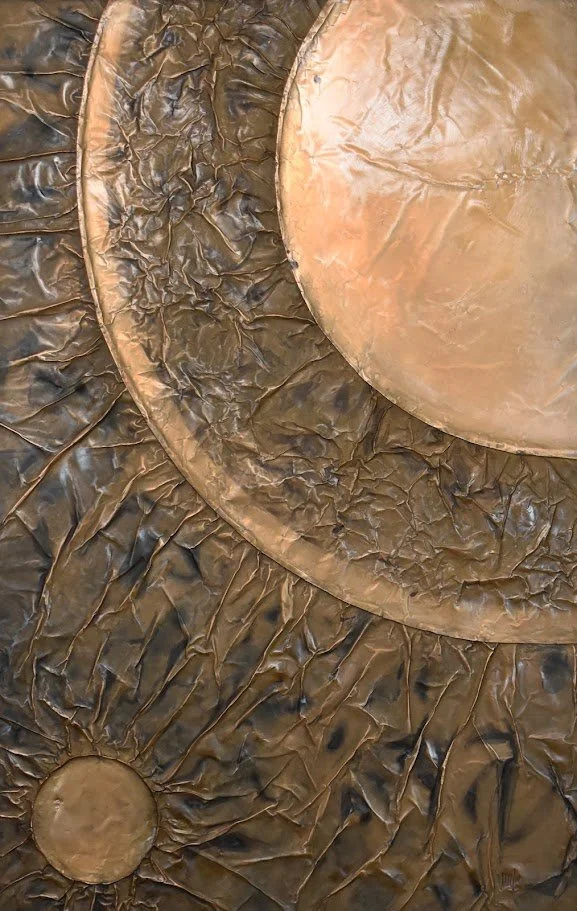
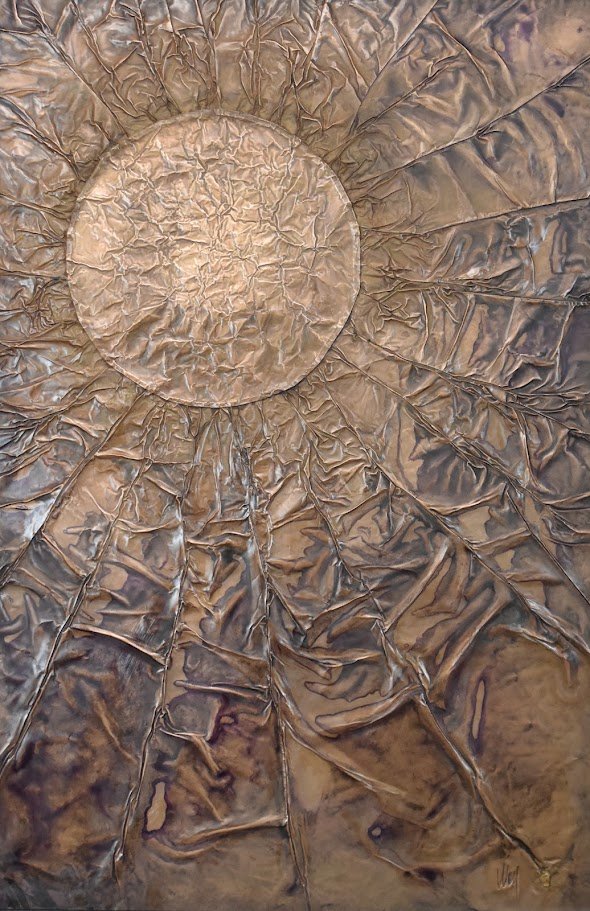
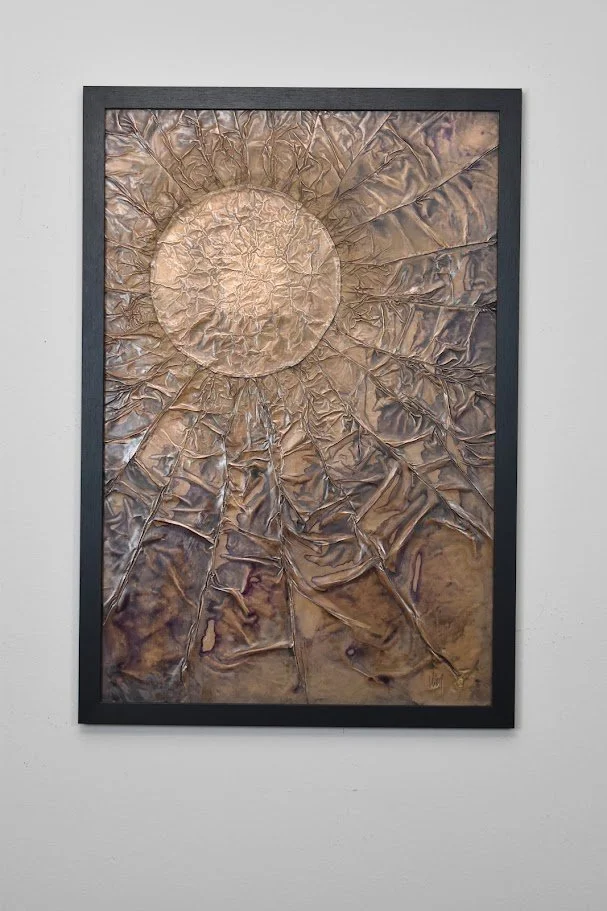
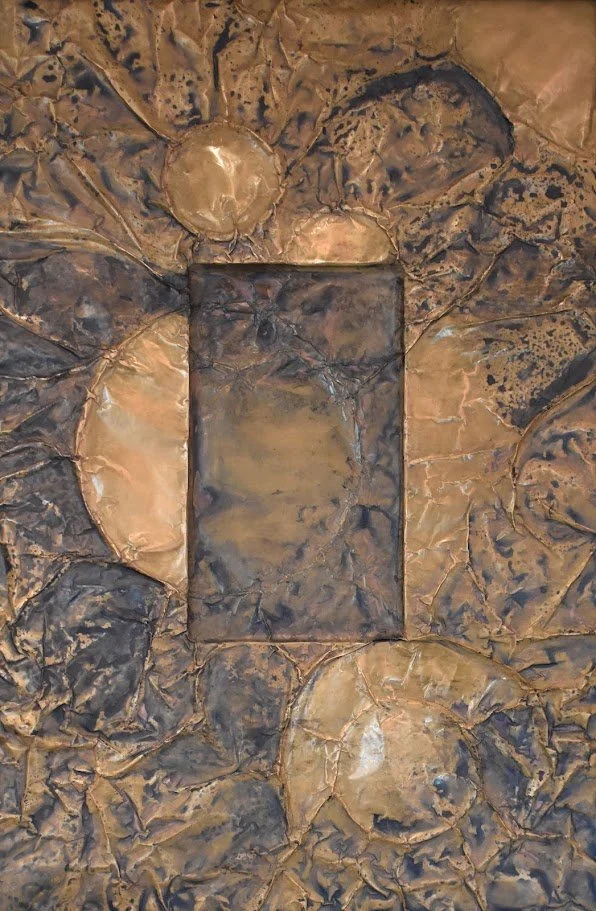
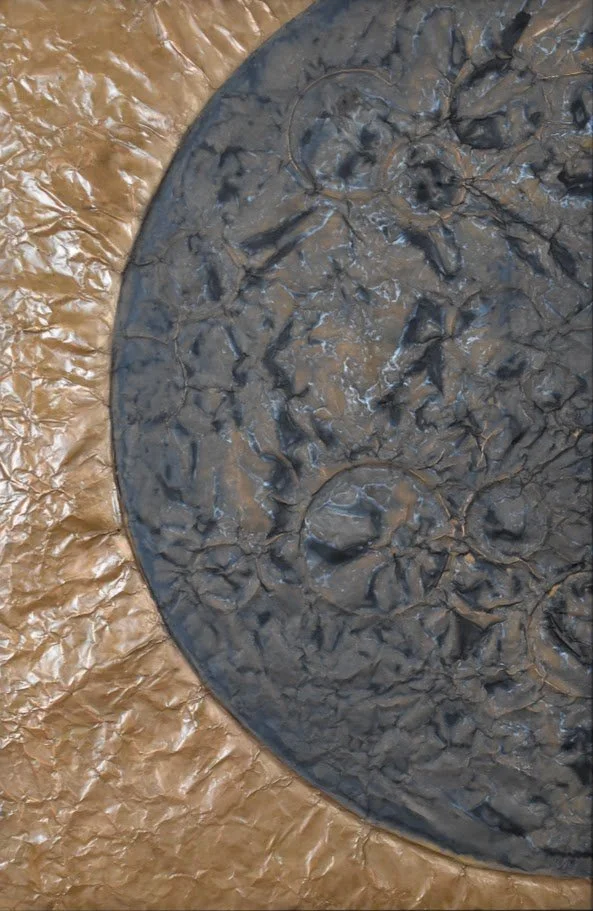
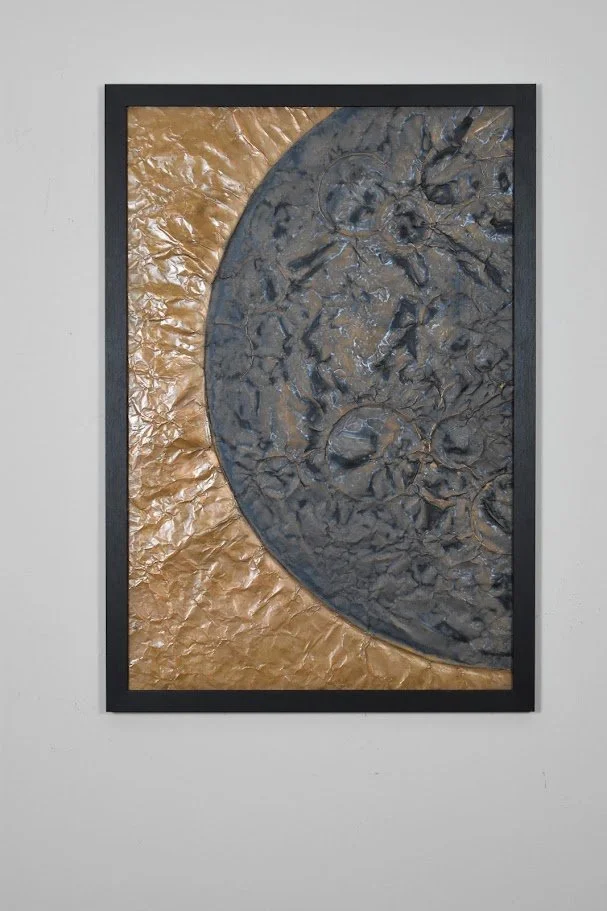
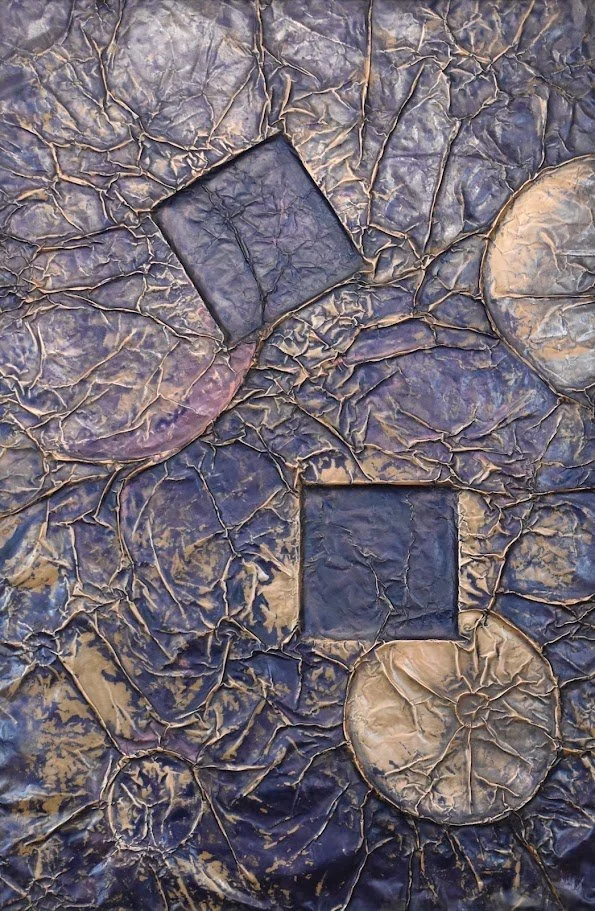
Celestial collapse is not one specific scientific term, but it describes real astronomical processes in which a celestial object contracts or falls inward under the force of its own gravity. The most important example is gravitational collapse, which occurs when gravity overwhelms the forces supporting a massive cloud, star, or stellar core. Collapsing clouds of gas can eventually form new stars, making collapse an essential part of cosmic creation. At the end of a massive star’s life, its core can collapse extremely rapidly, contributing to a supernova and leaving behind a neutron star or black hole.
Framing Note: Frames are selected by the artist and are included primarily to protect the artwork during handling and transit. Collectors are welcome to reframe the artwork after receipt according to their personal preference.
Material: Mixed Metal
Imperial
Piece: 20" × 30"
Frame: 22" × 32"
Weight: 2.68 lbs
Metric
Piece: 50.8 × 76.2 cm
Frame: 55.9 × 81.3 cm
Weight: 1.22 kg
Celestial collapse is not one specific scientific term, but it describes real astronomical processes in which a celestial object contracts or falls inward under the force of its own gravity. The most important example is gravitational collapse, which occurs when gravity overwhelms the forces supporting a massive cloud, star, or stellar core. Collapsing clouds of gas can eventually form new stars, making collapse an essential part of cosmic creation. At the end of a massive star’s life, its core can collapse extremely rapidly, contributing to a supernova and leaving behind a neutron star or black hole.
Framing Note: Frames are selected by the artist and are included primarily to protect the artwork during handling and transit. Collectors are welcome to reframe the artwork after receipt according to their personal preference.
Material: Mixed Metal
Imperial
Piece: 20" × 30"
Frame: 22" × 32"
Weight: 2.68 lbs
Metric
Piece: 50.8 × 76.2 cm
Frame: 55.9 × 81.3 cm
Weight: 1.22 kg