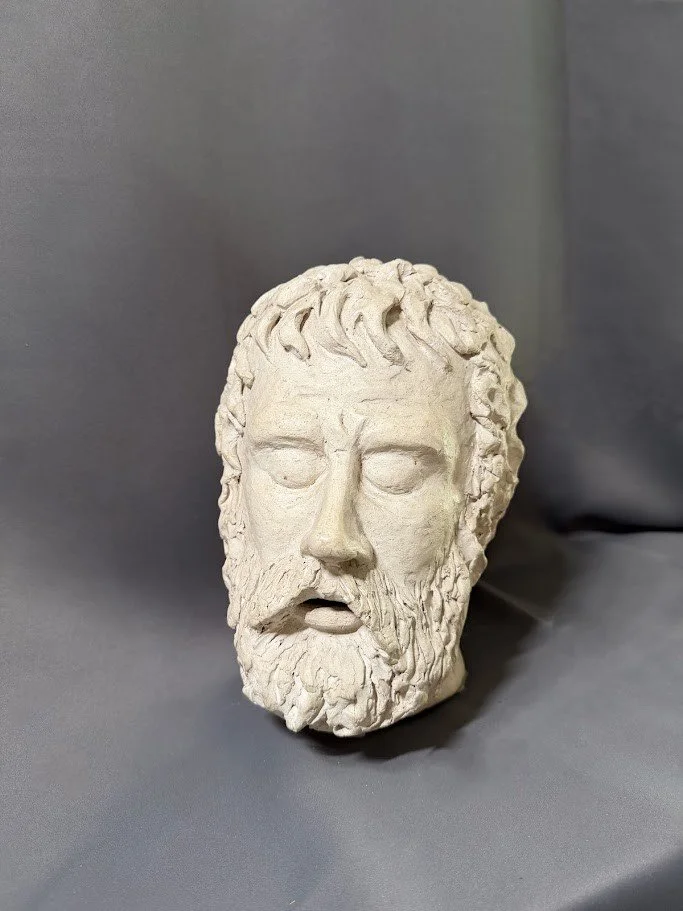
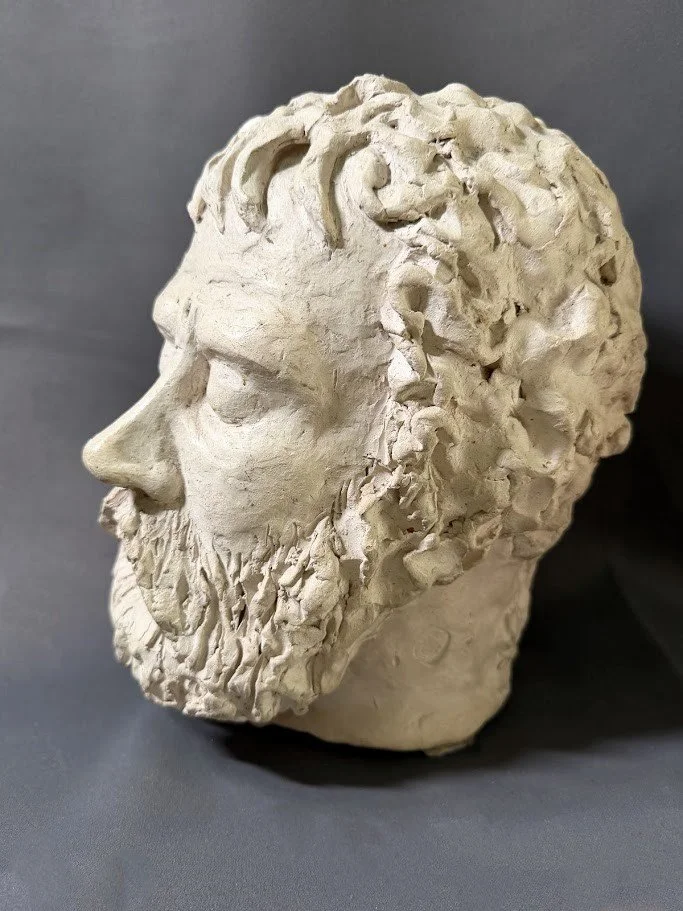
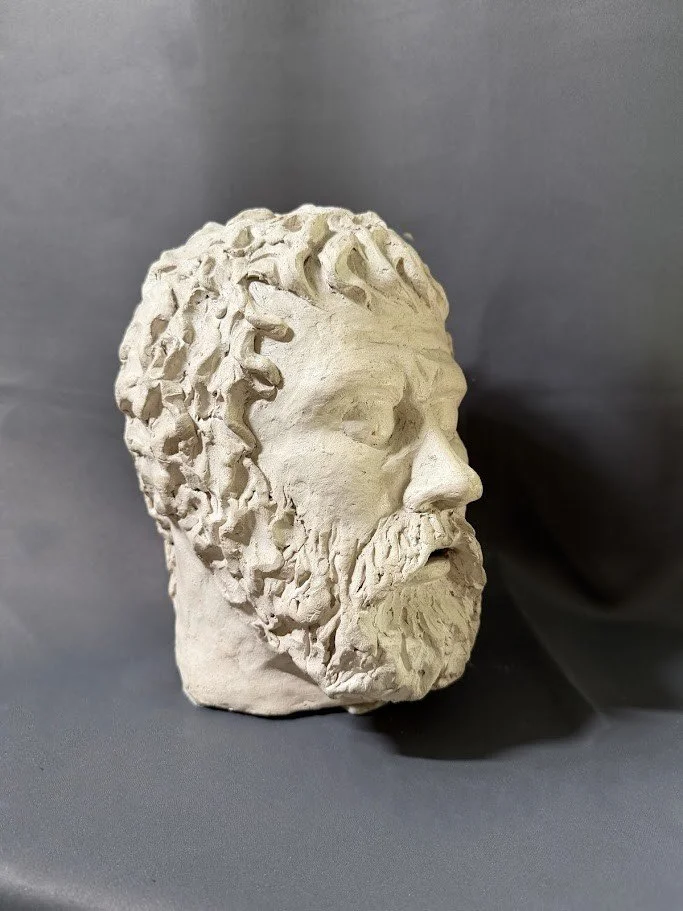
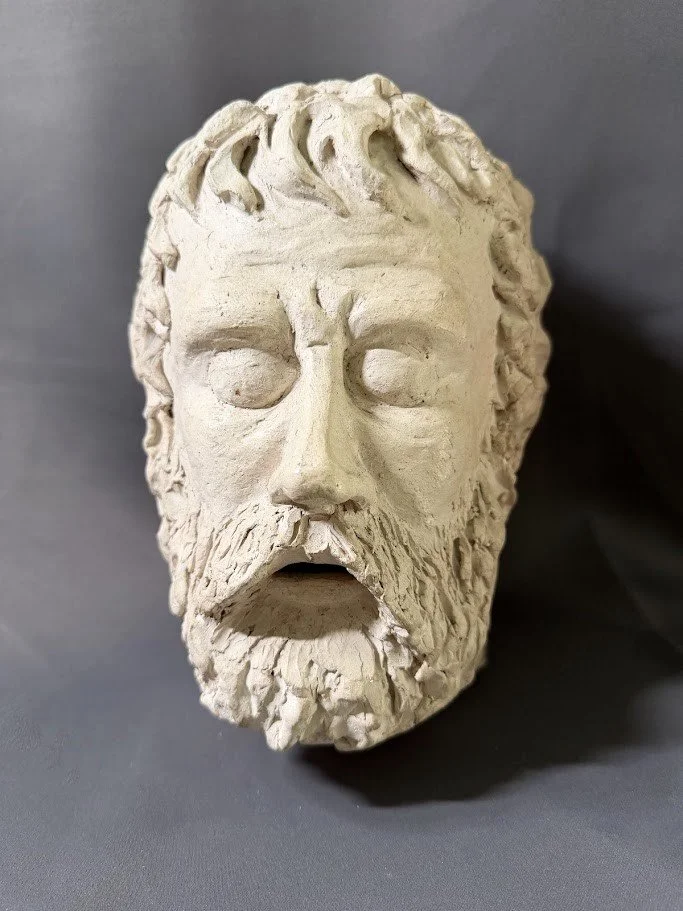
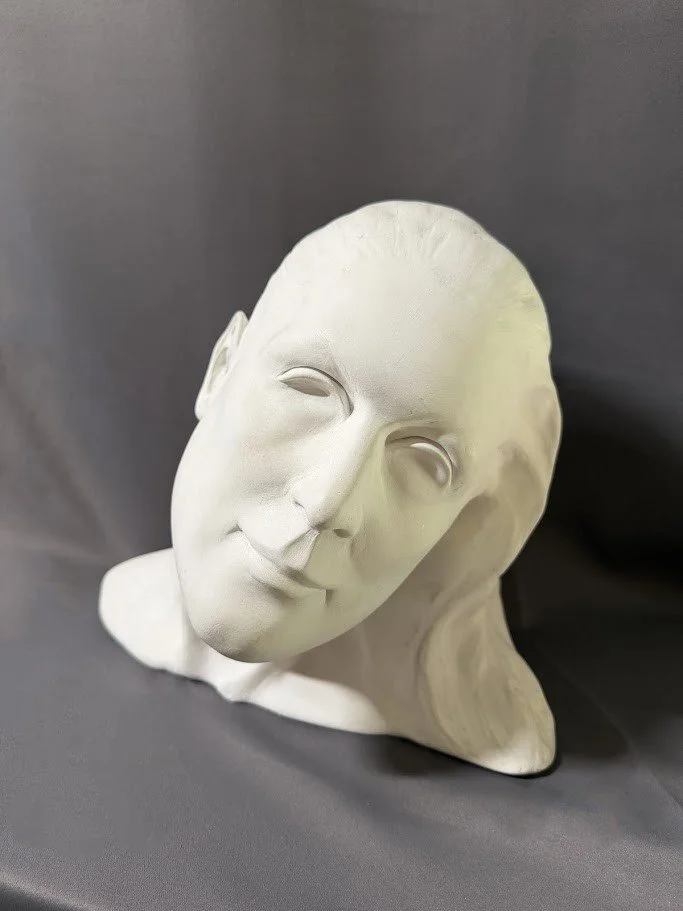
Classical Sculptures
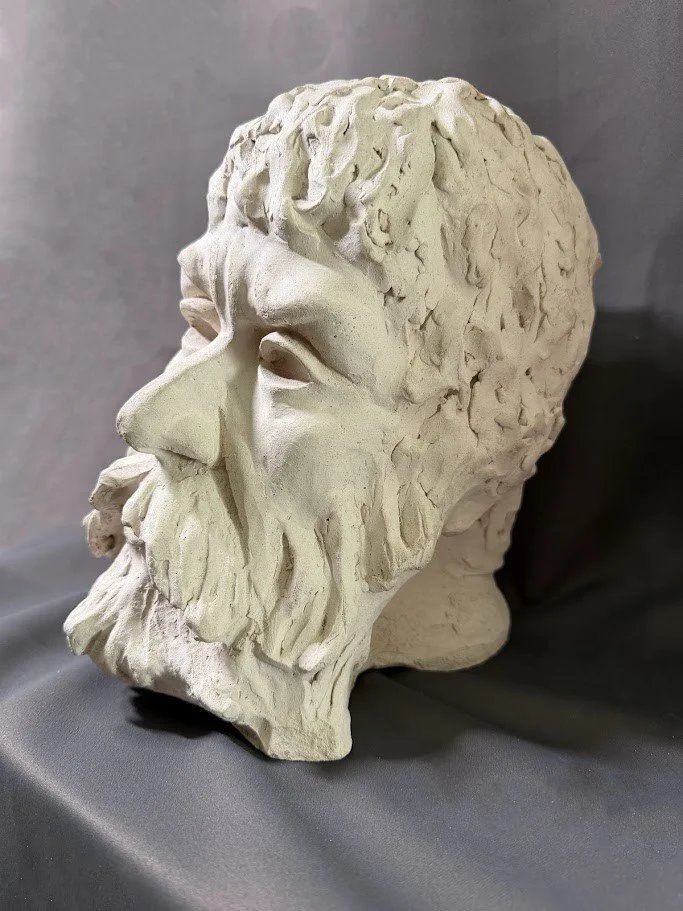
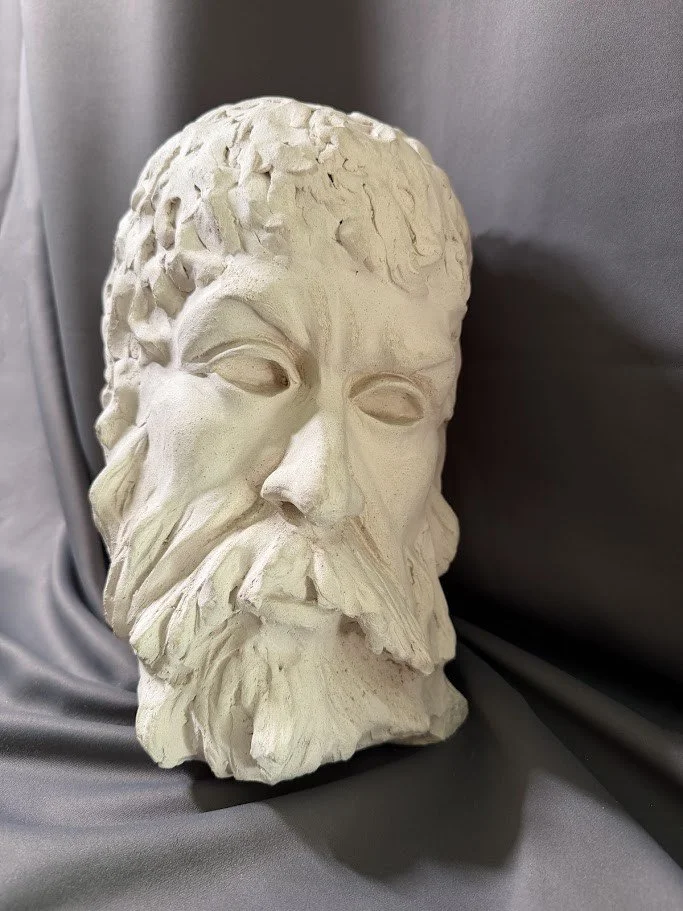
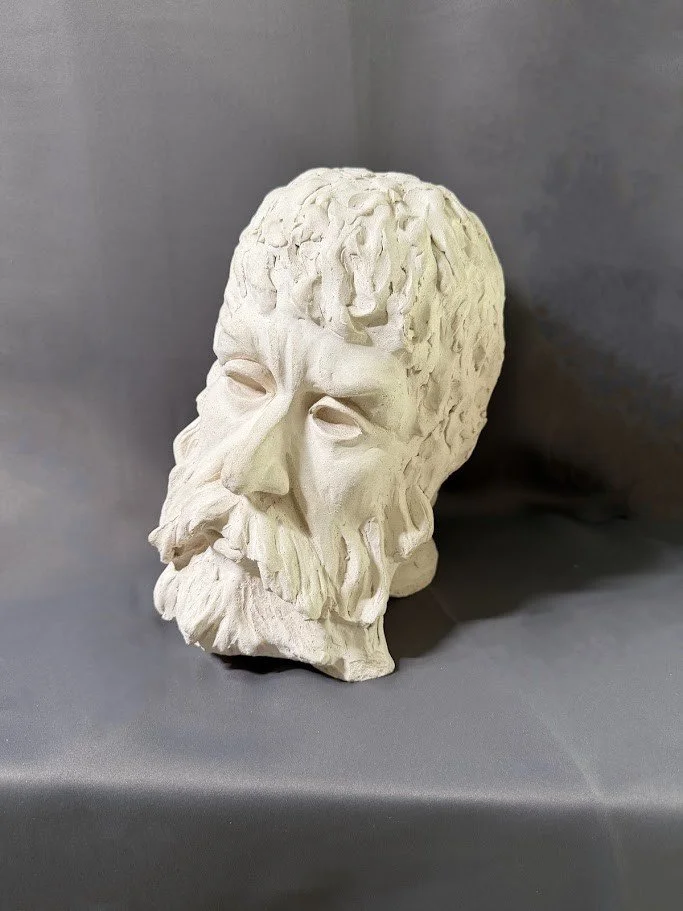
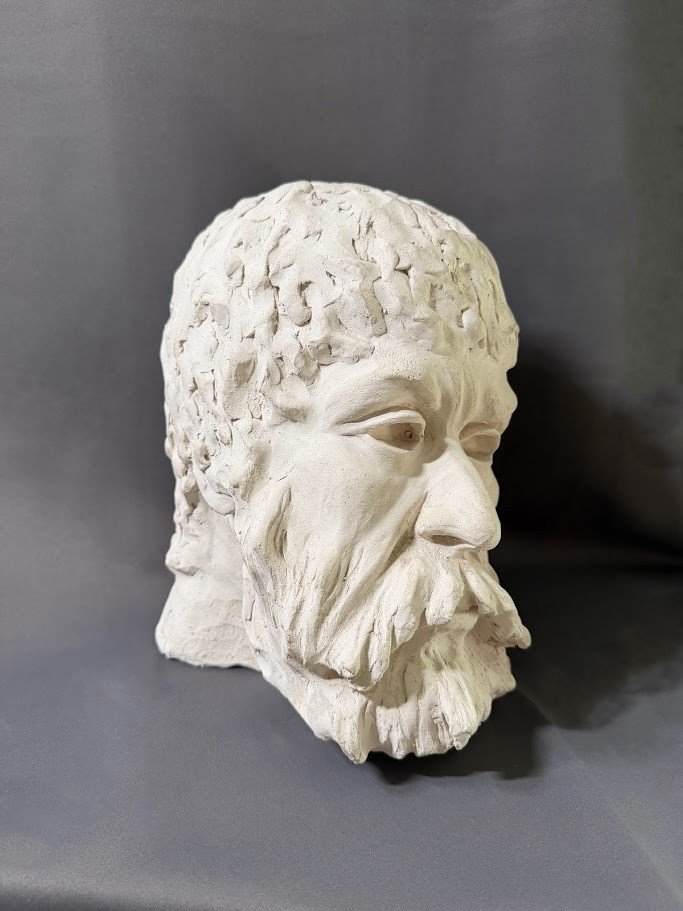
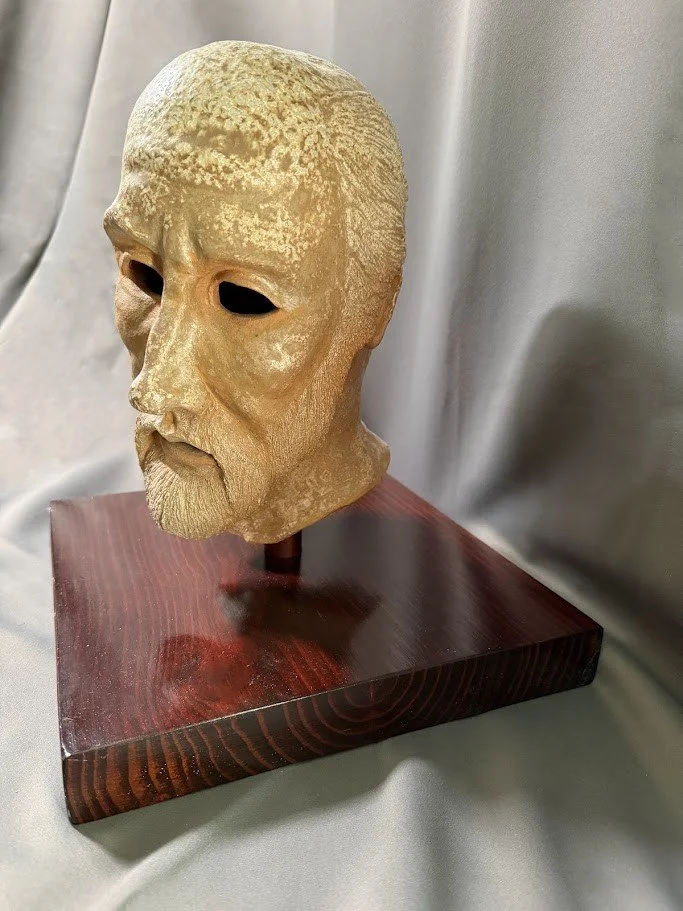
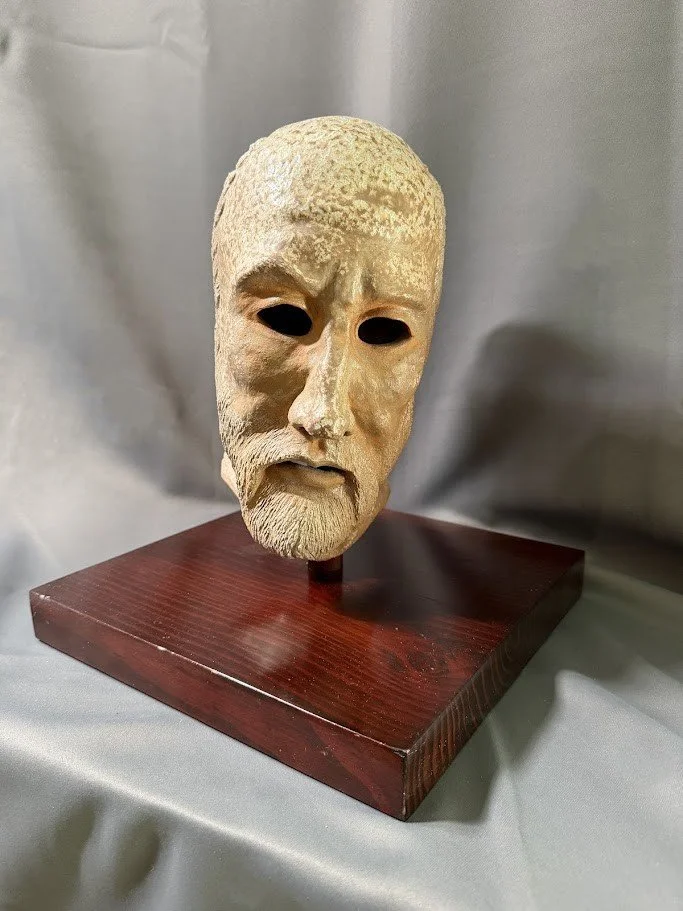
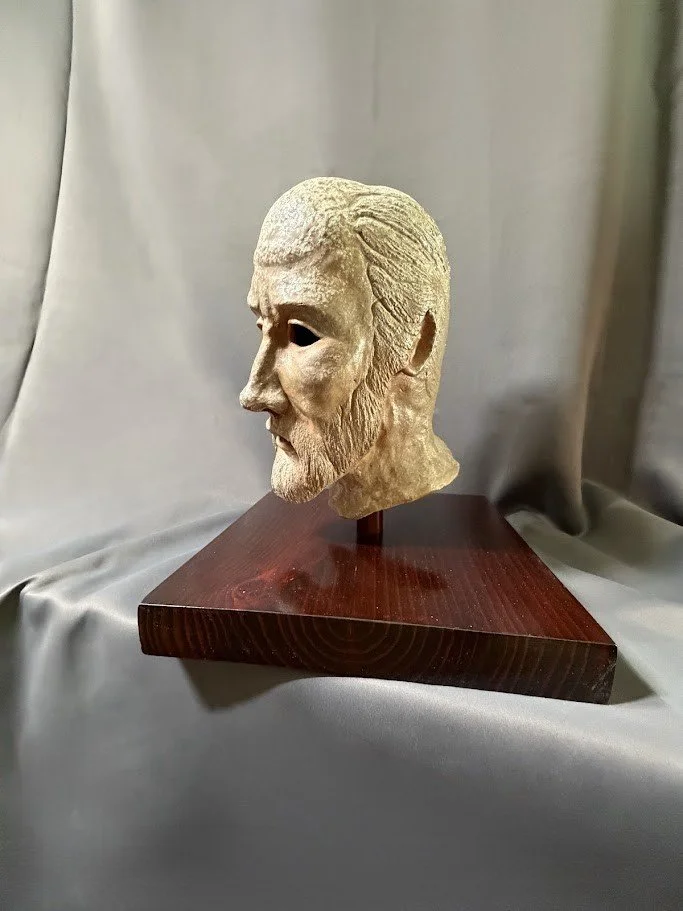
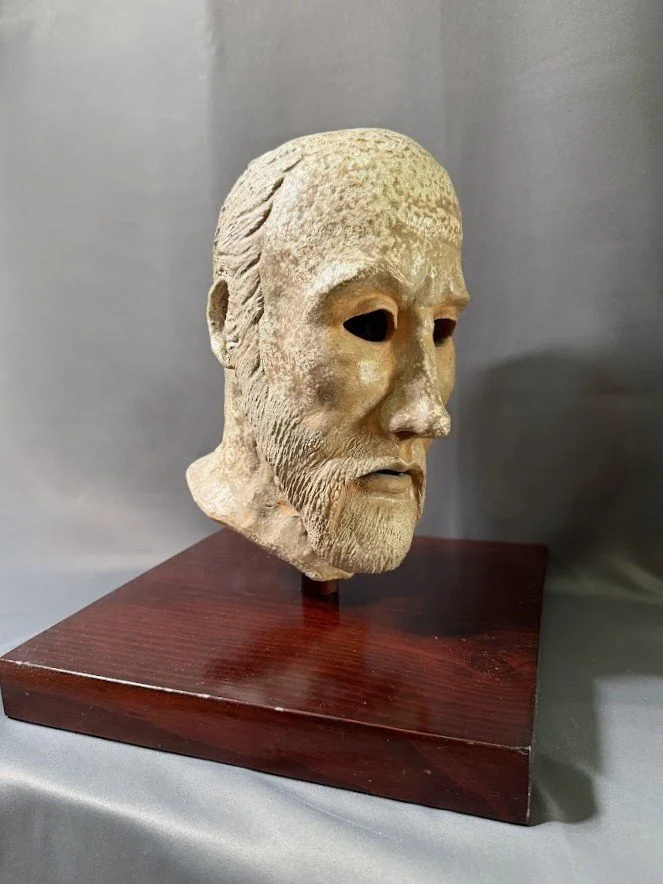
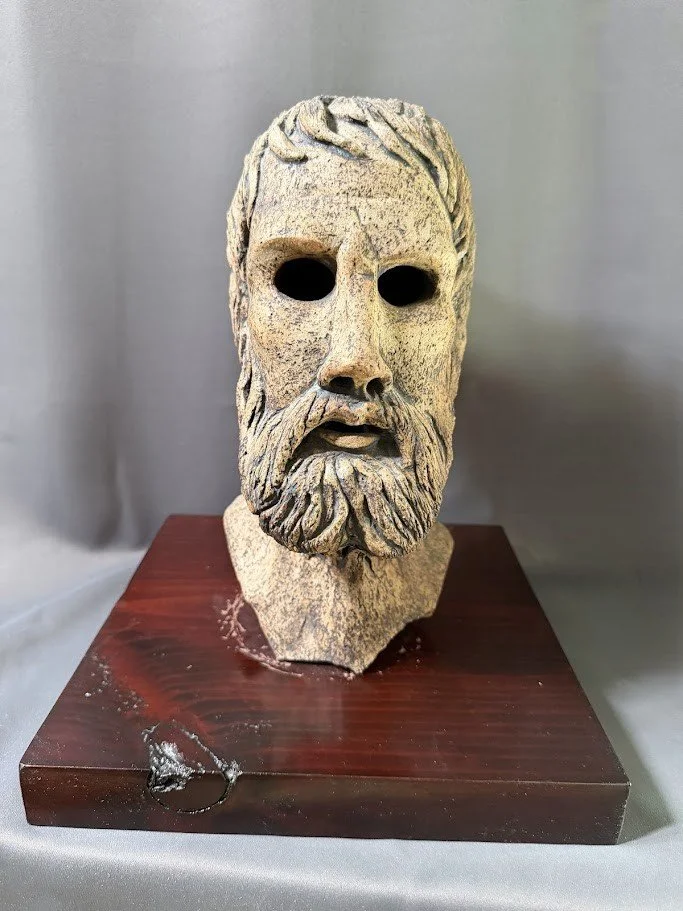
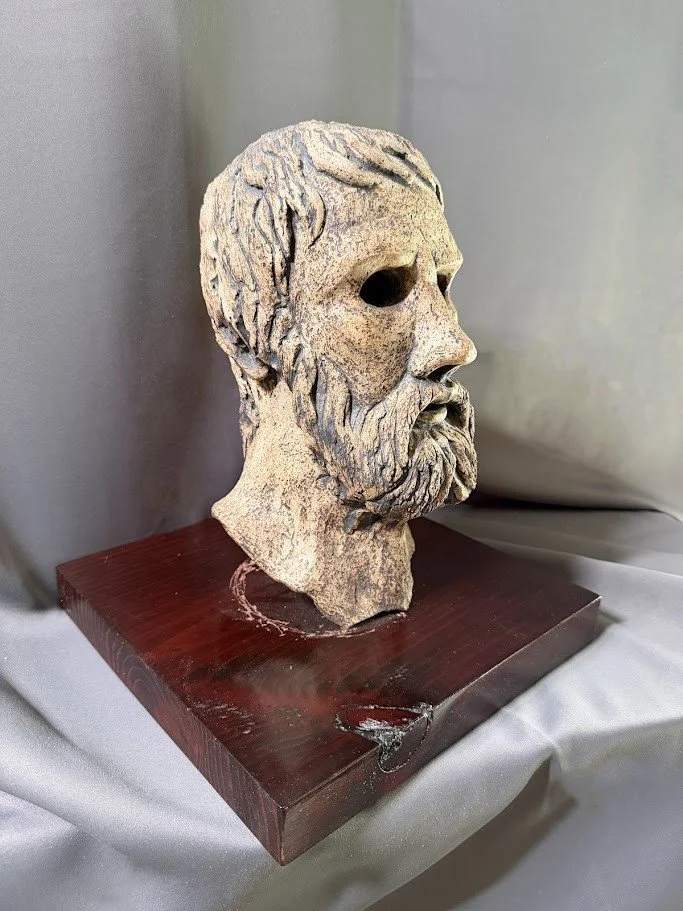
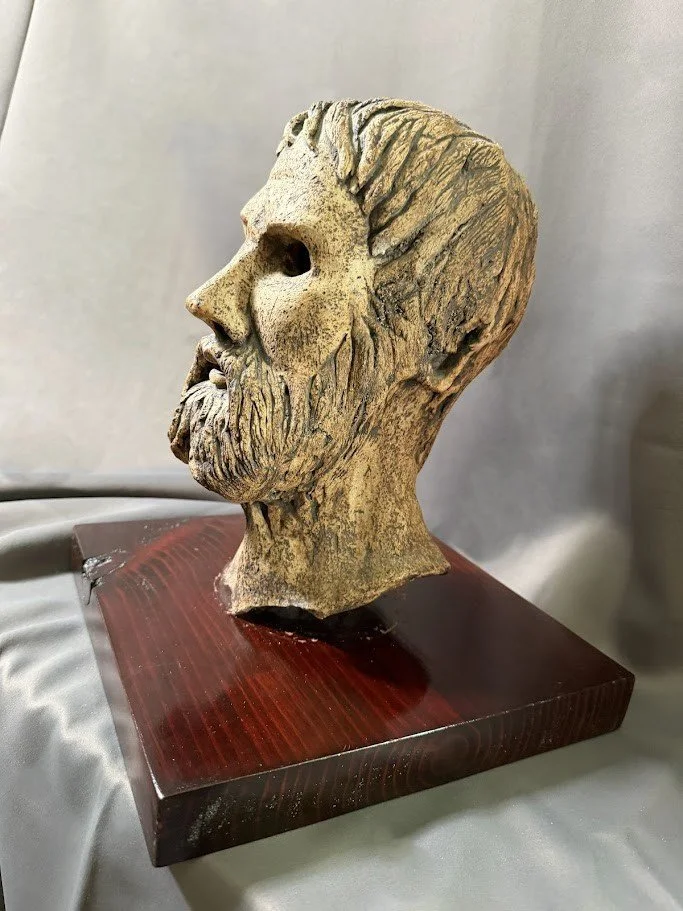
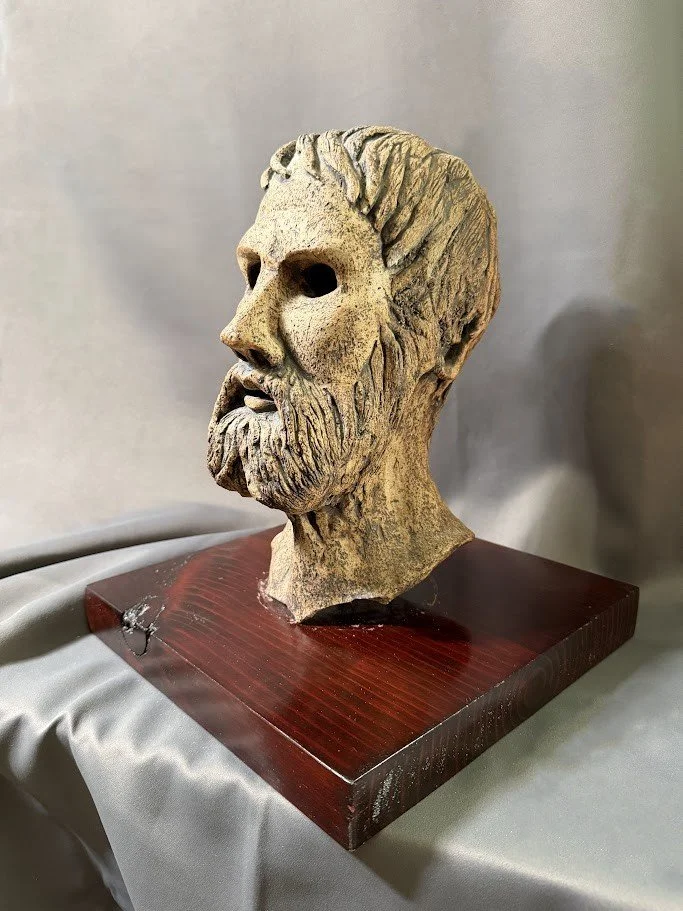
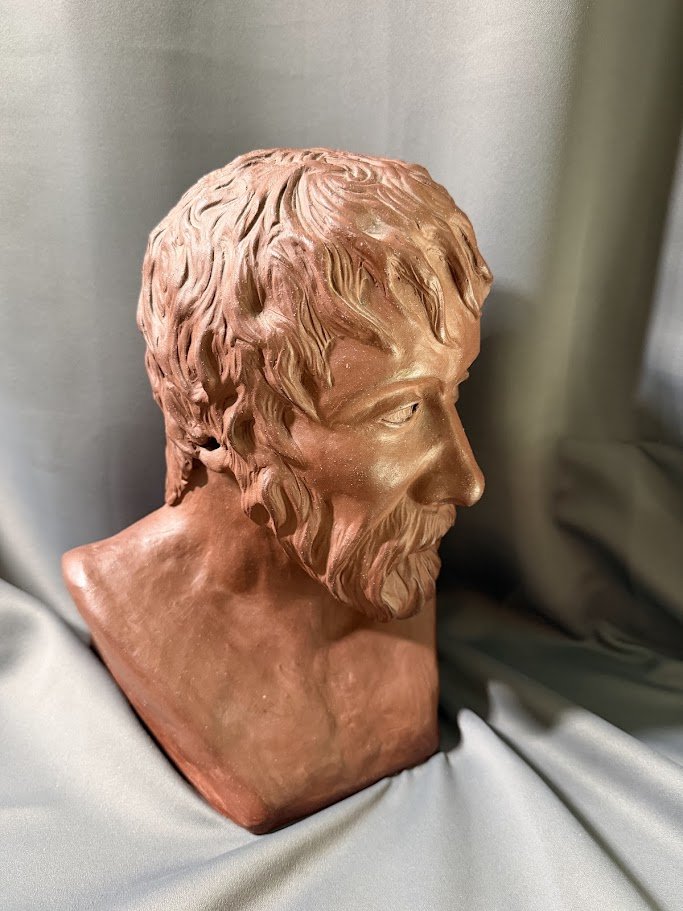
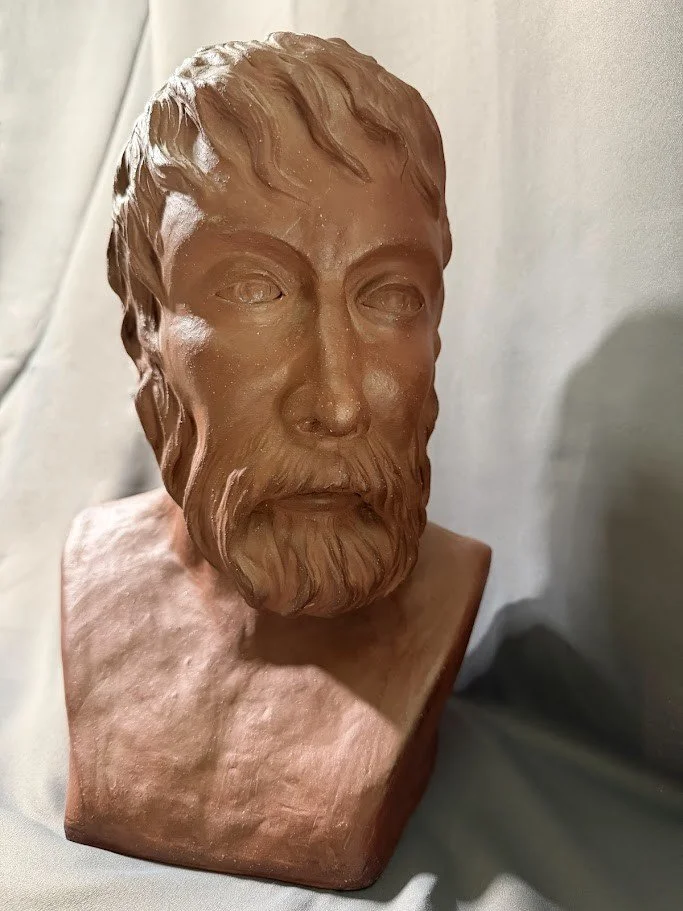
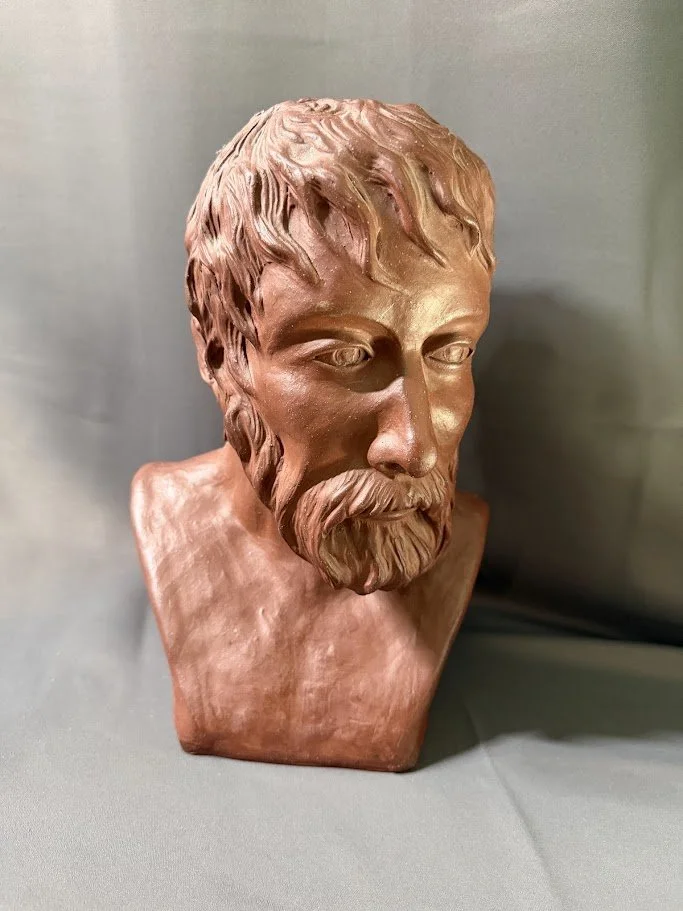
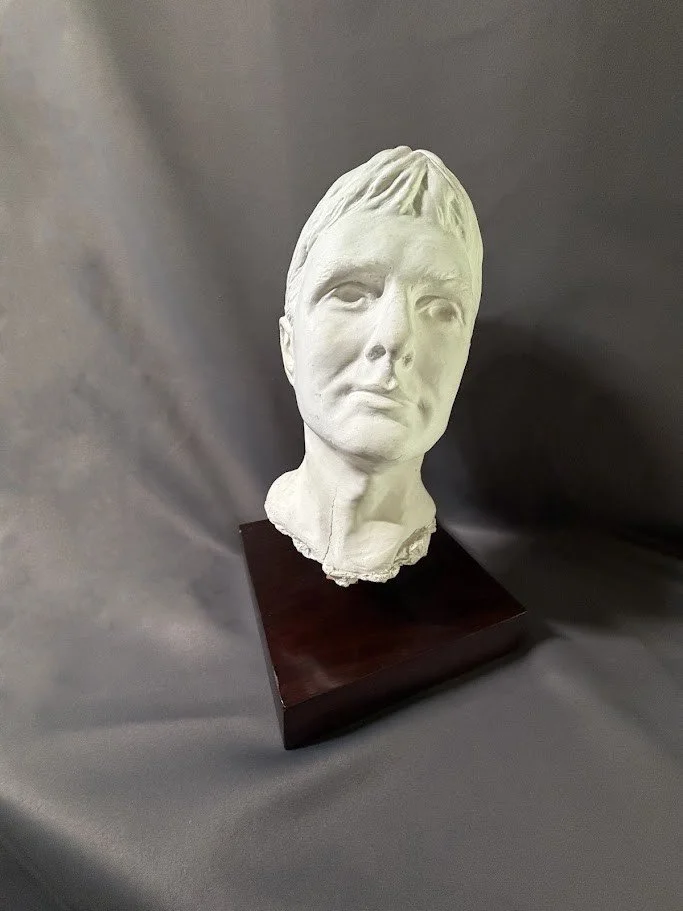
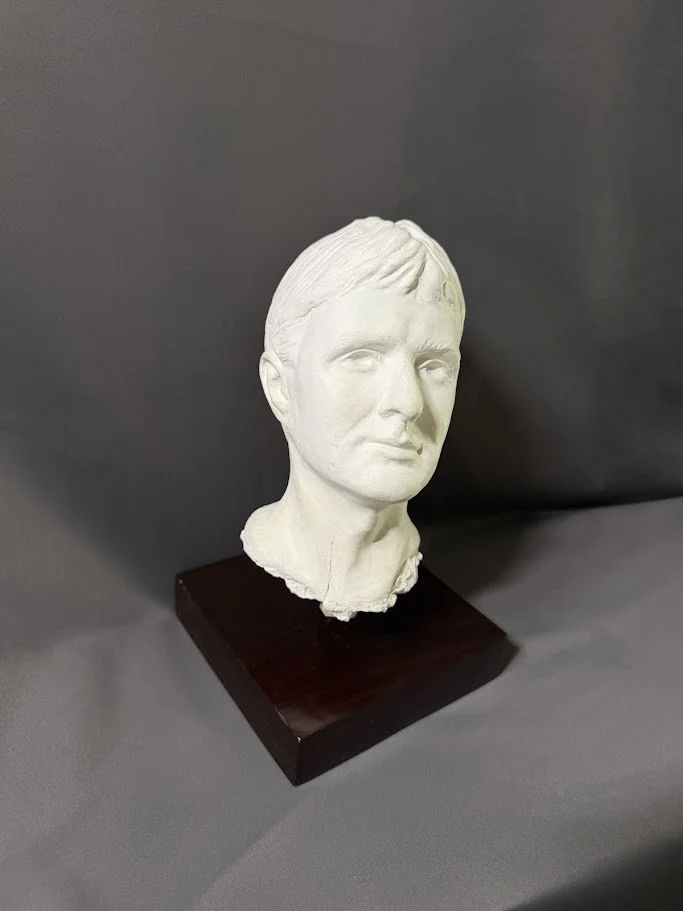
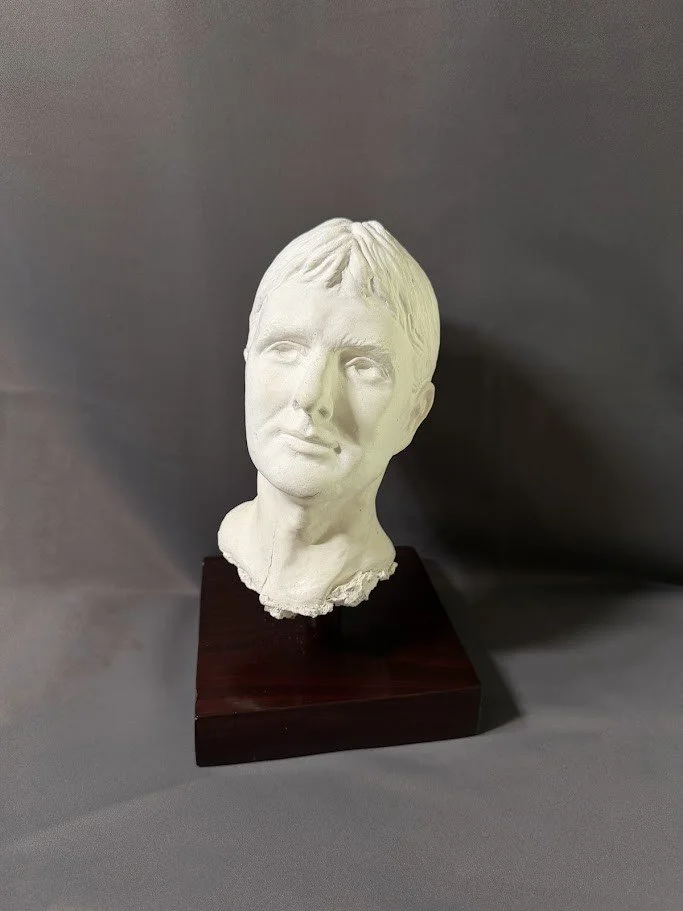
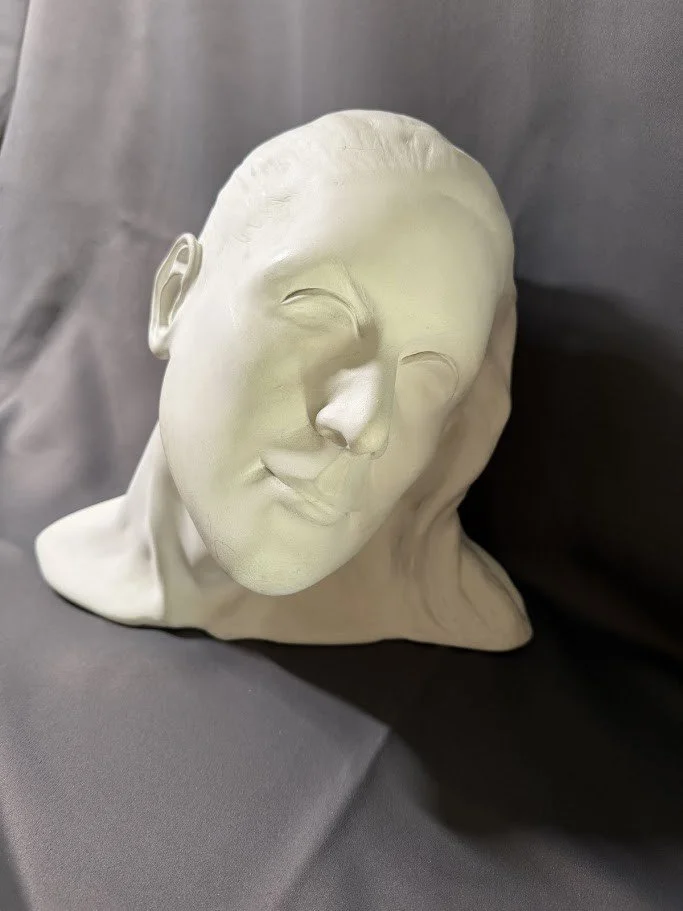
The tradition of classical heads and philosopher busts began in ancient Greece during the 5th and 4th centuries BCE. Greek artists moved away from stiff and symbolic figures and focused on the natural human form. They believed the face could reveal a person’s inner character, not just outward appearance. Philosophers such as Socrates were often shown with deep lines, heavy brows, and full beards to suggest wisdom and thought. These sculptures were not meant to idealize perfection, but to express the life of the mind.
During the Renaissance, artists returned to these classical forms. Sculptors such as Michelangelo studied ancient works and revived the use of marble heads to represent human thought and identity. These sculptures became important teaching tools in art academies and were used to study anatomy, proportion, and expression. Over time, classical heads came to represent knowledge, philosophy, and the enduring presence of the human mind.
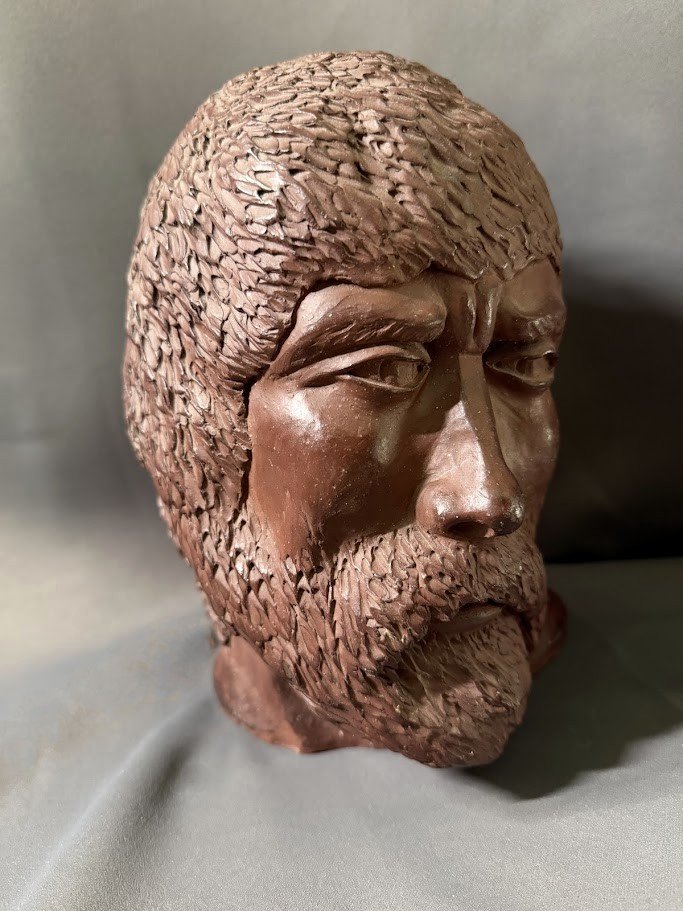
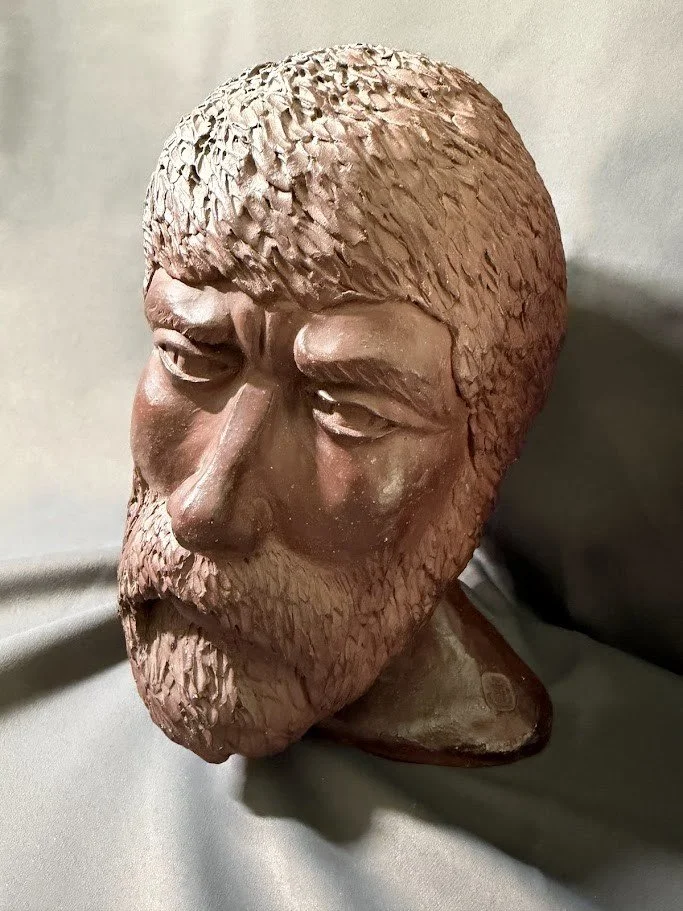
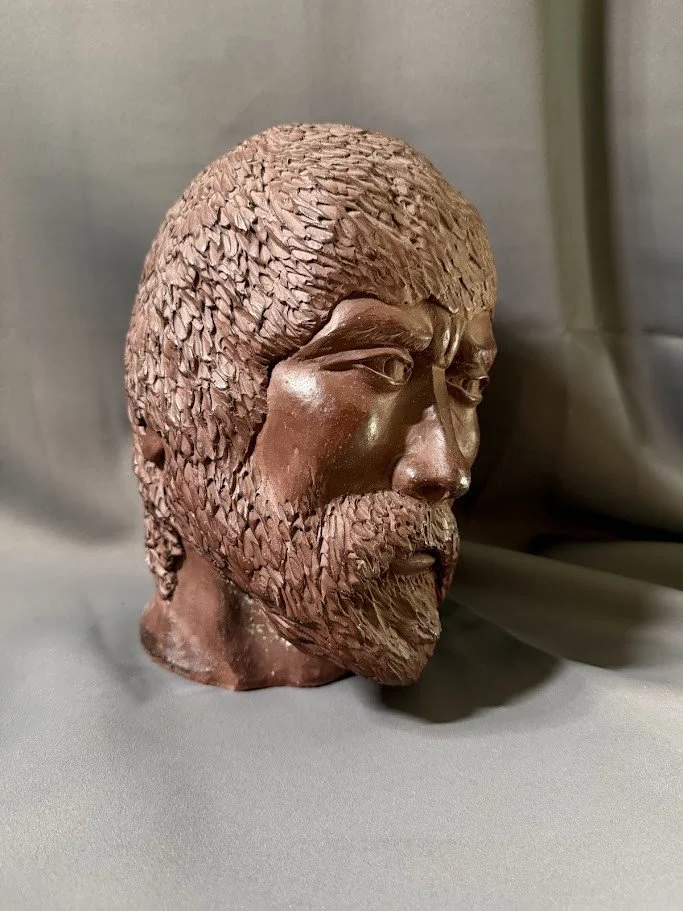
In the 1970s, Whitney Wolf II began working within this long tradition of sculpting the human head, but he approached it through modern materials and ideas. At a time when many artists were moving away from classical forms, he returned to the head as a way to explore deeper questions about human existence. His early work focused on bronze, a material associated with permanence and transformation, linking his practice to earlier sculptural traditions.