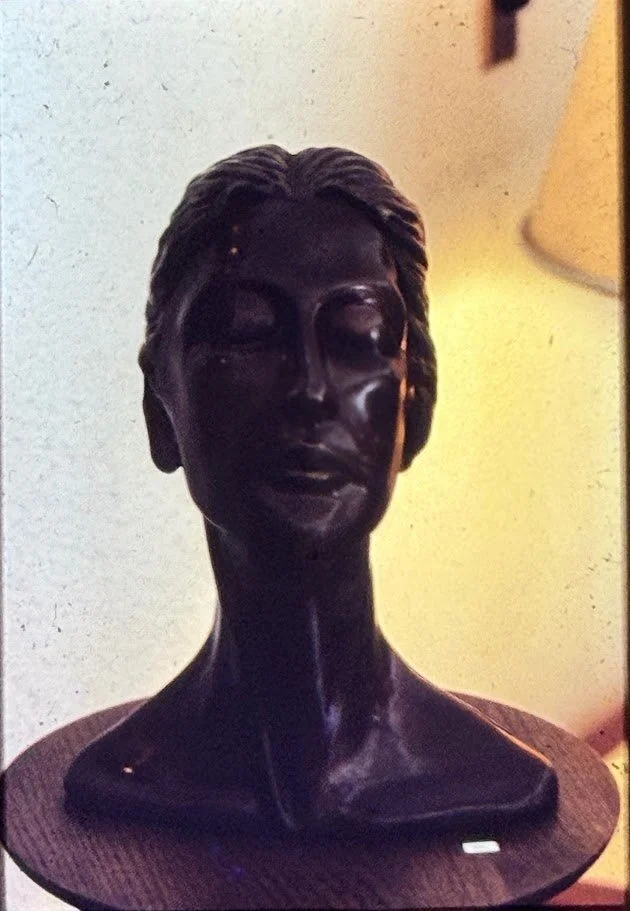
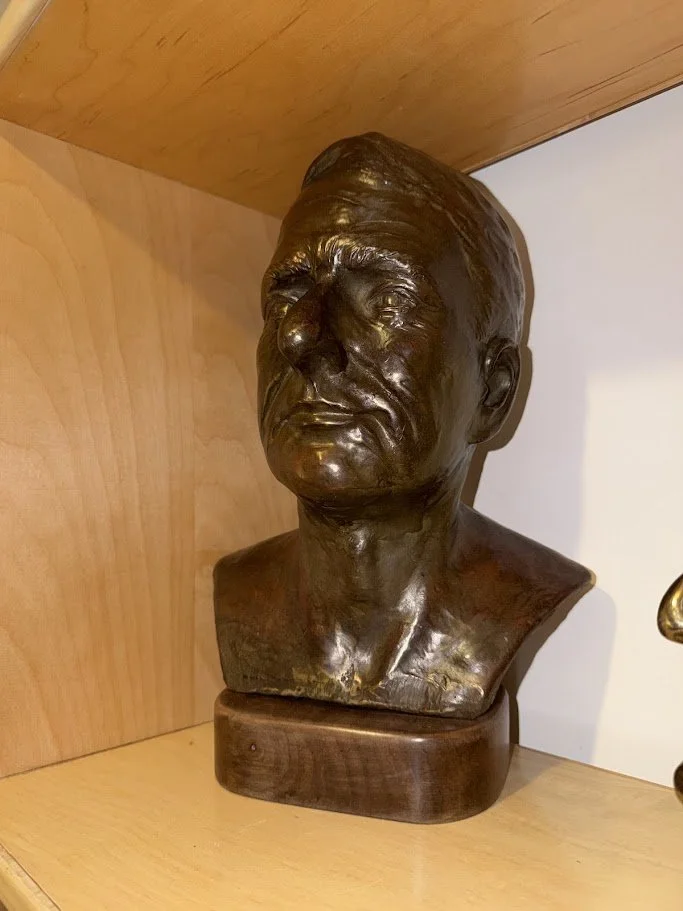
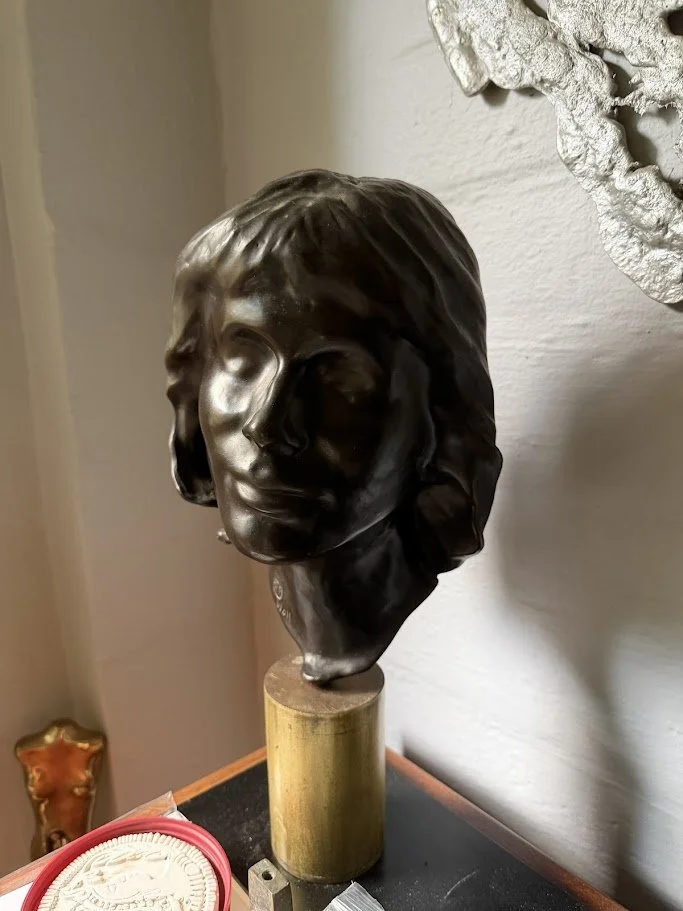
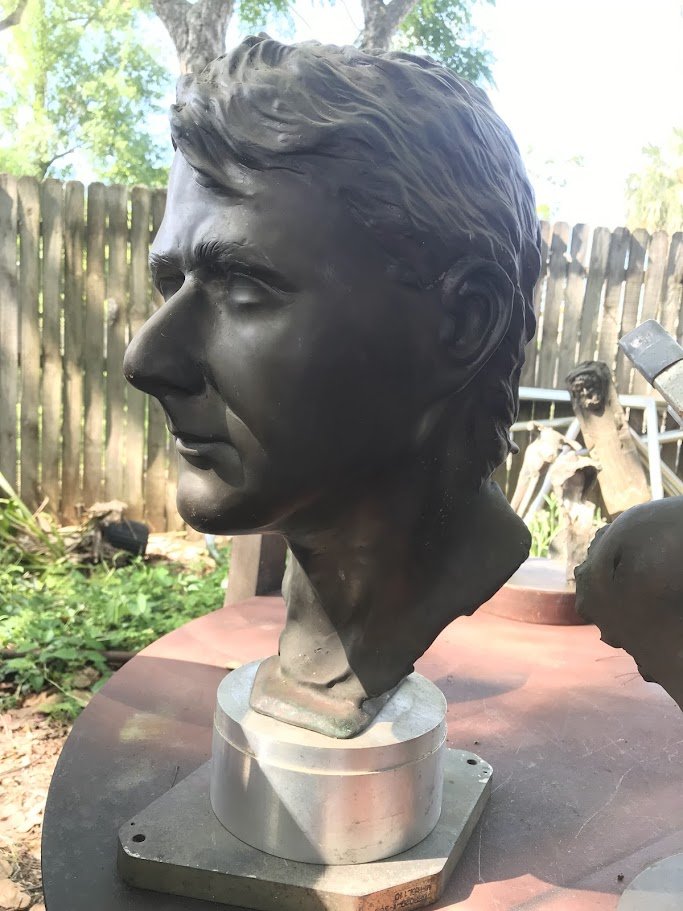
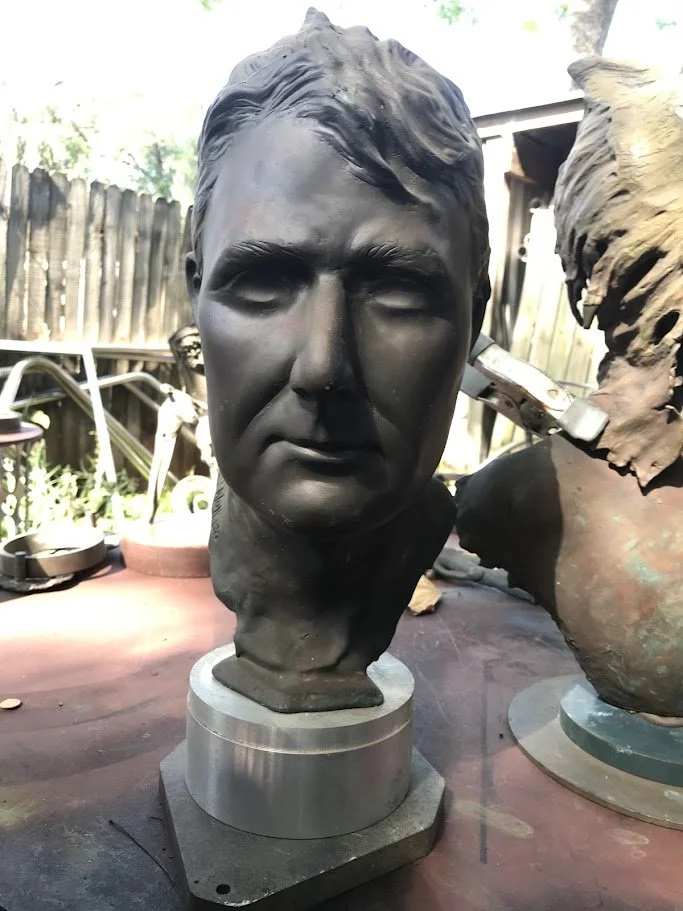
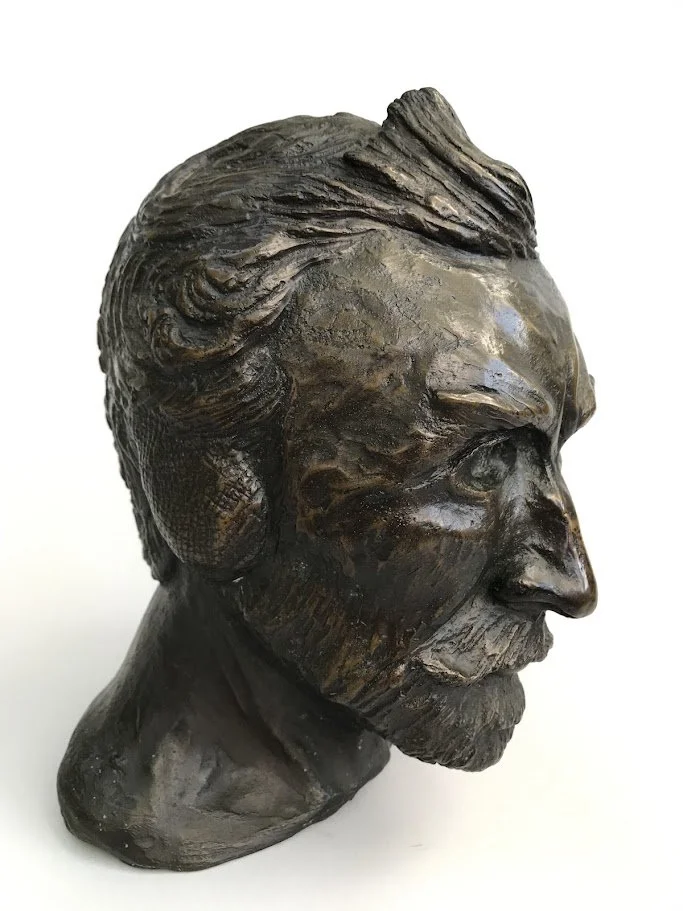
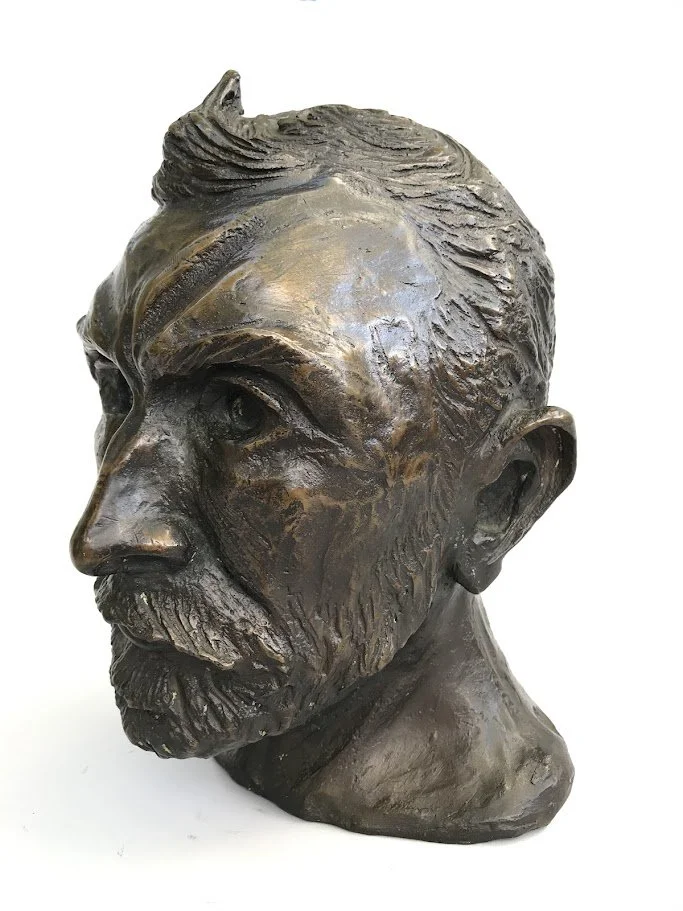
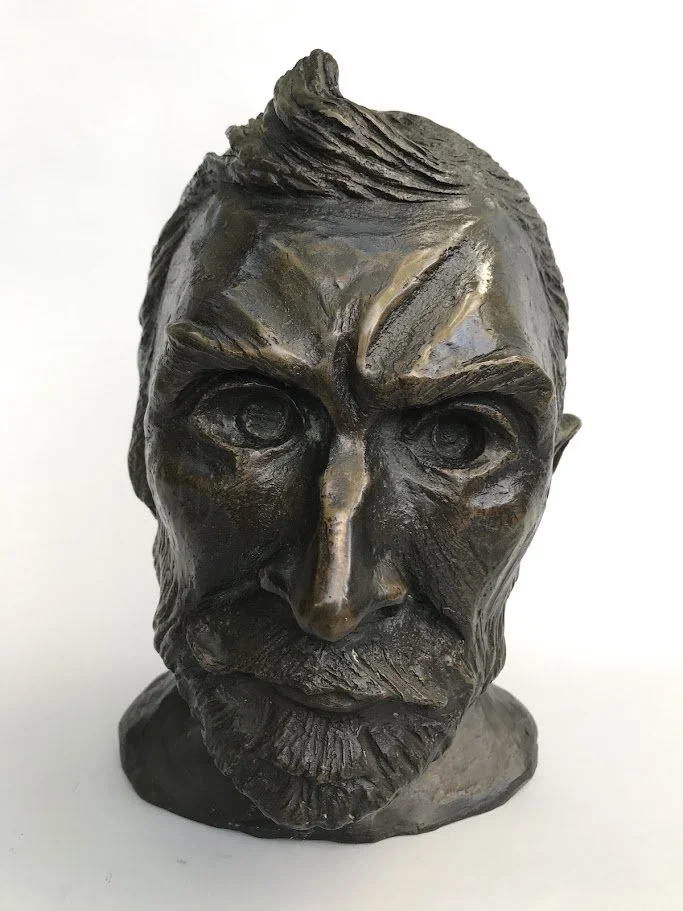
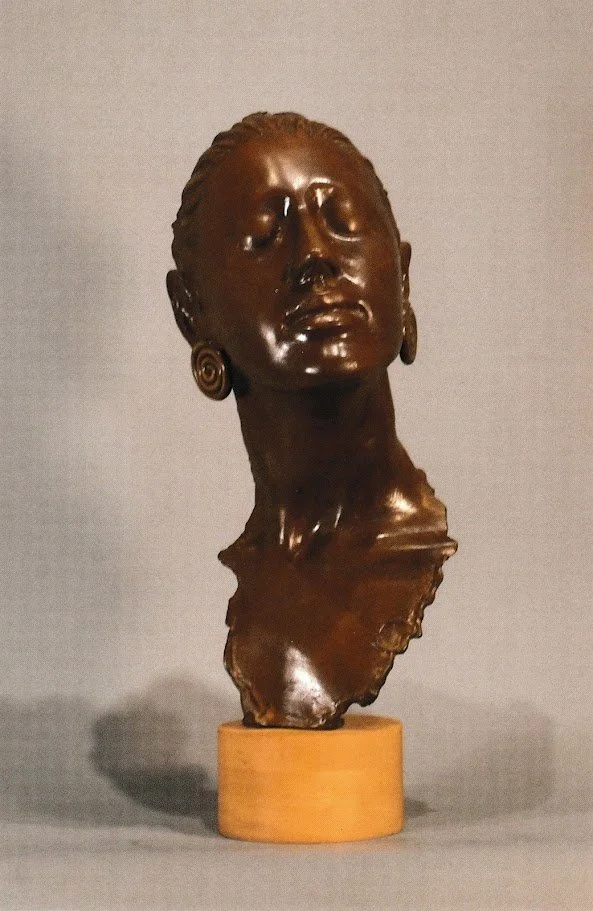
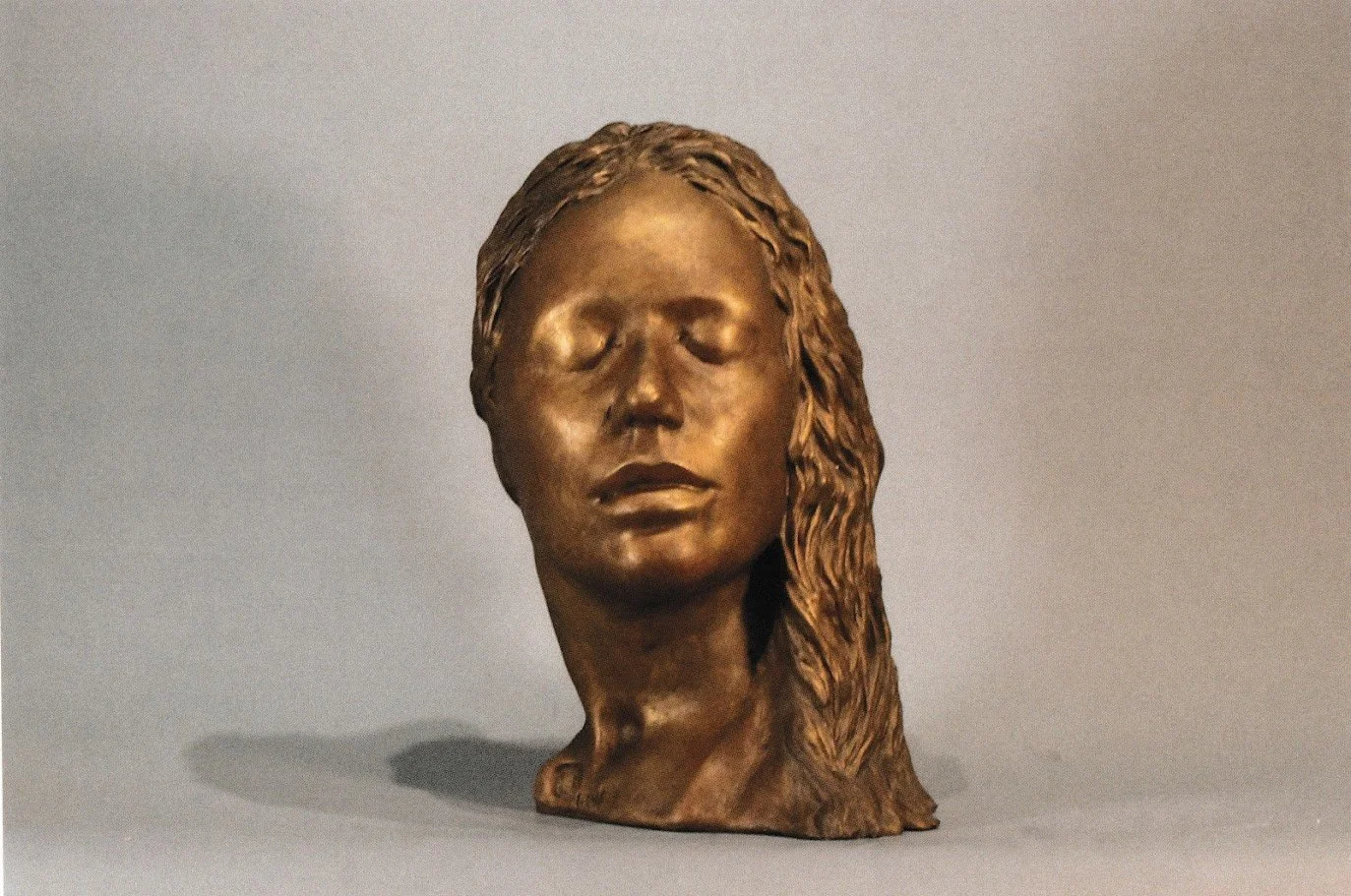
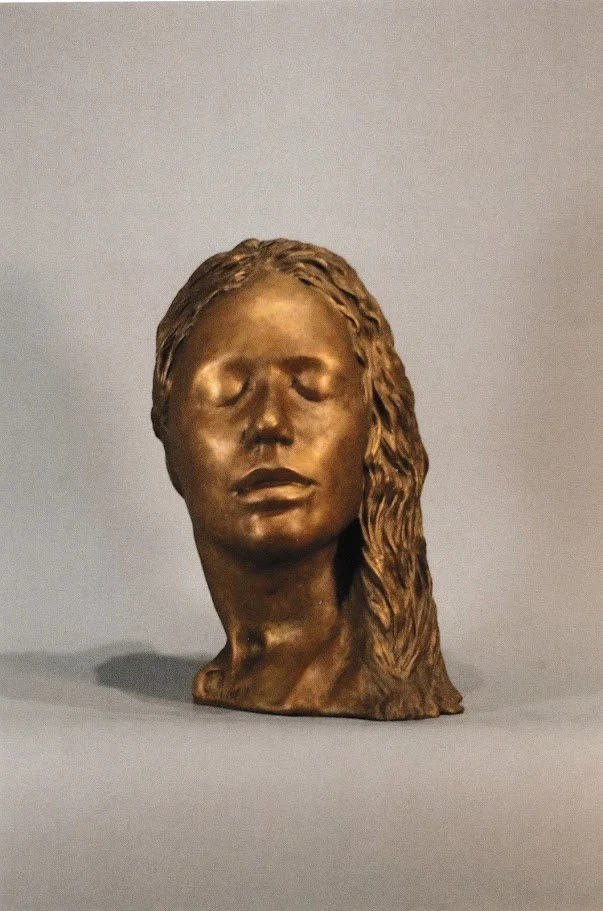
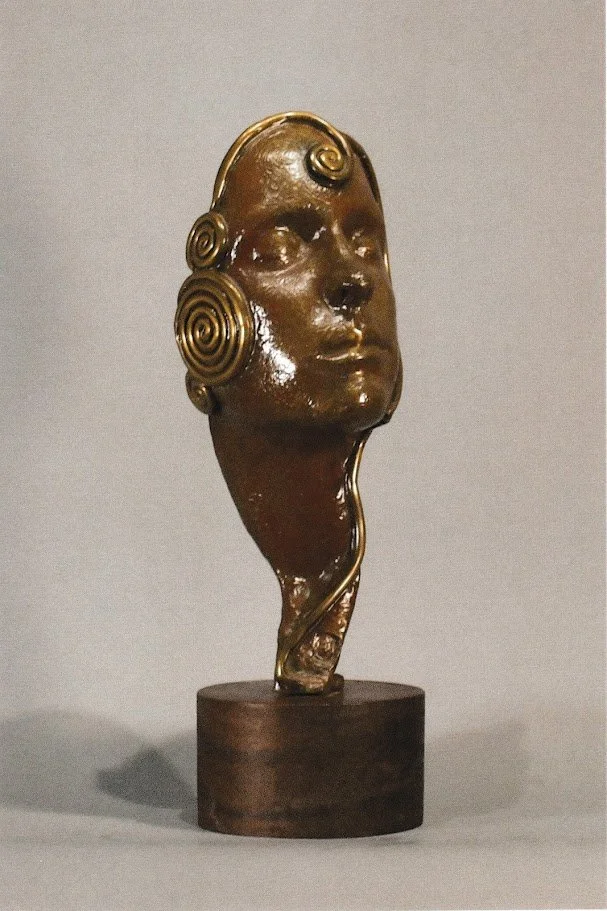
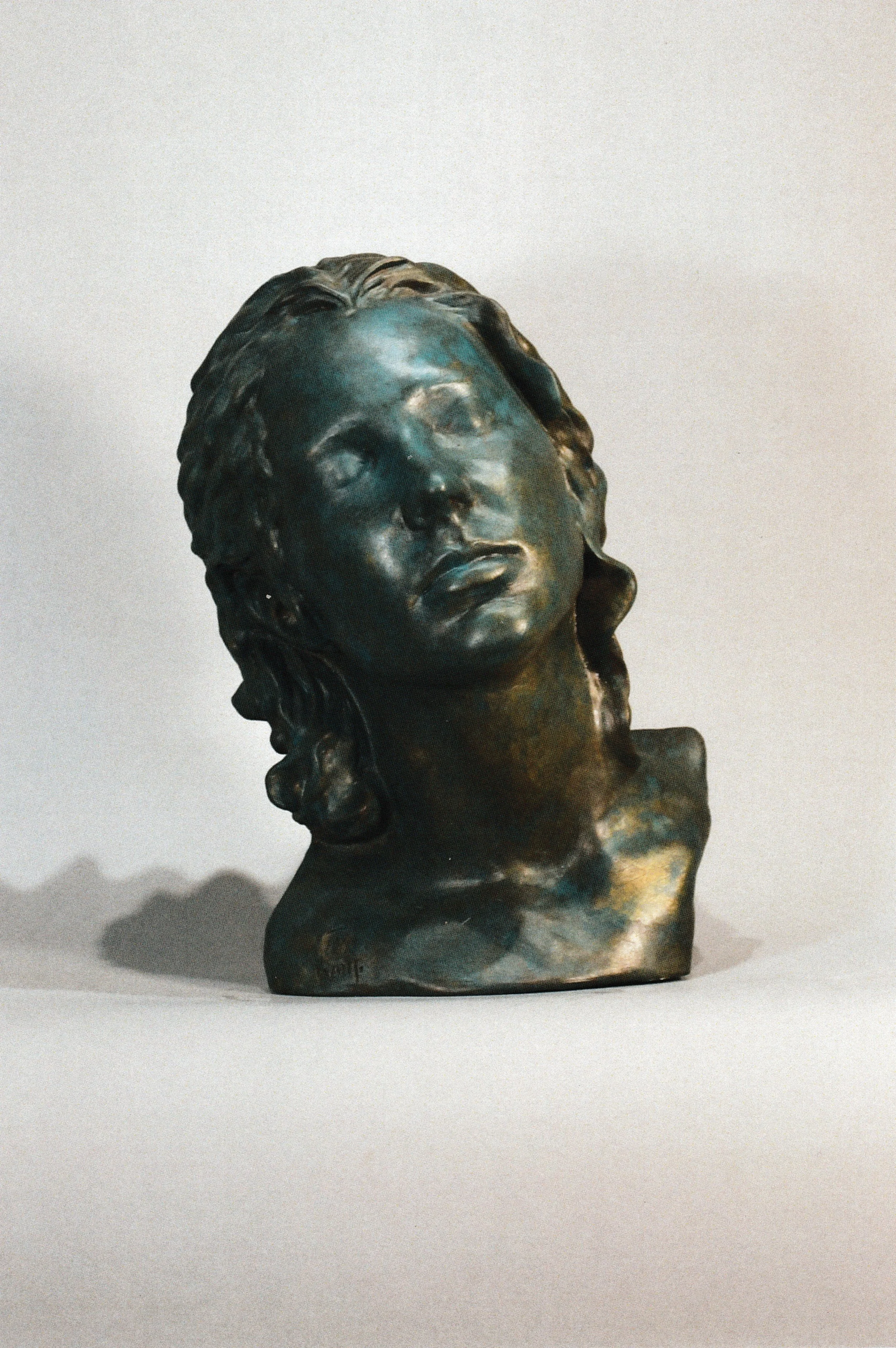
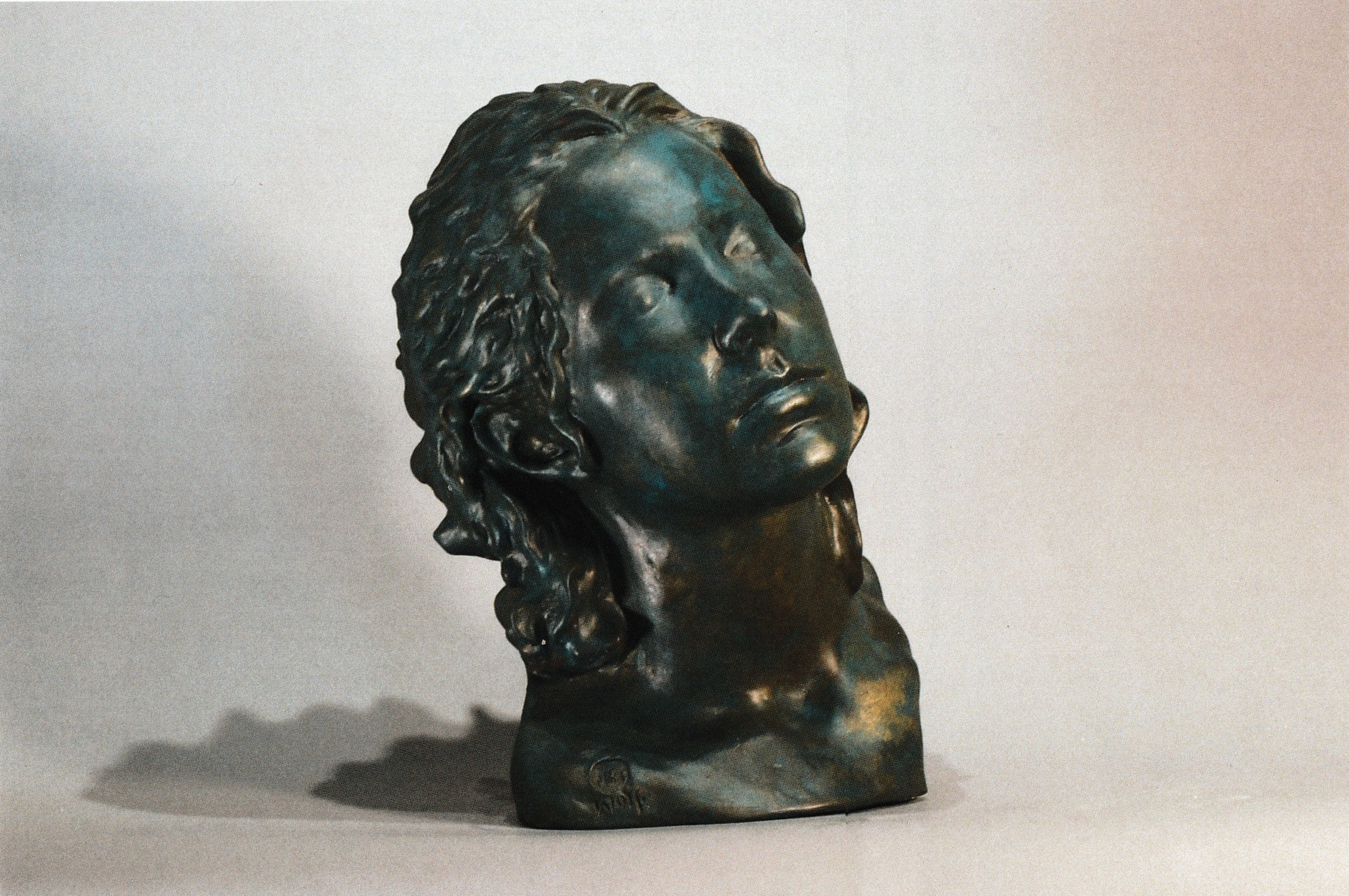
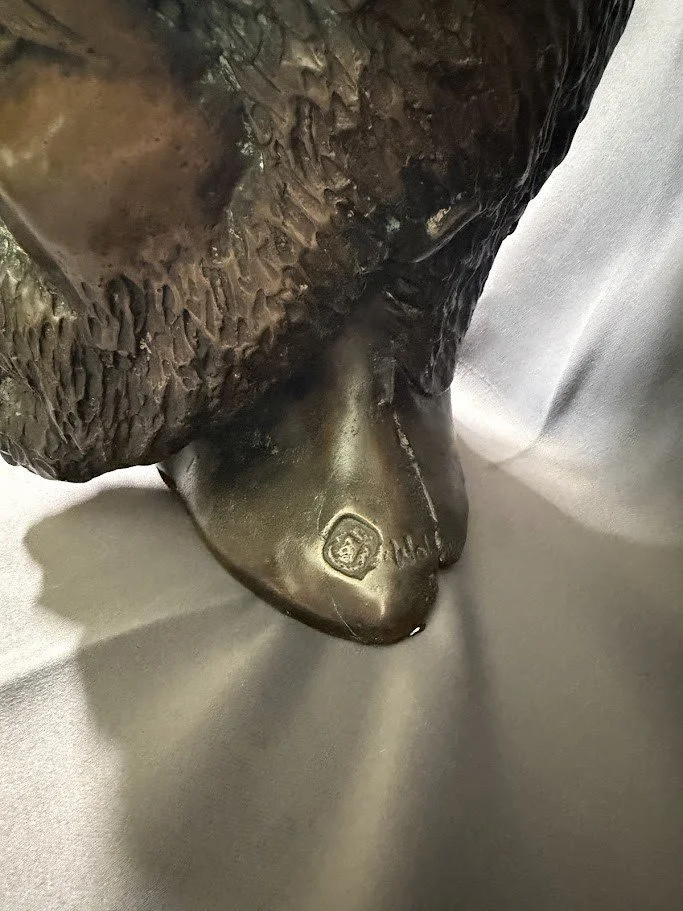
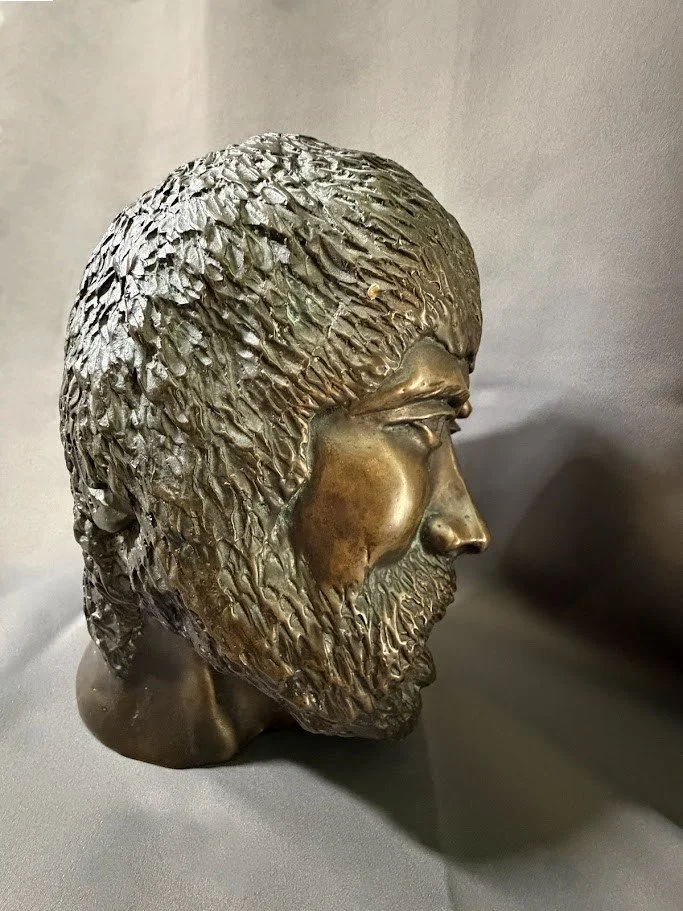
Bronze Busts
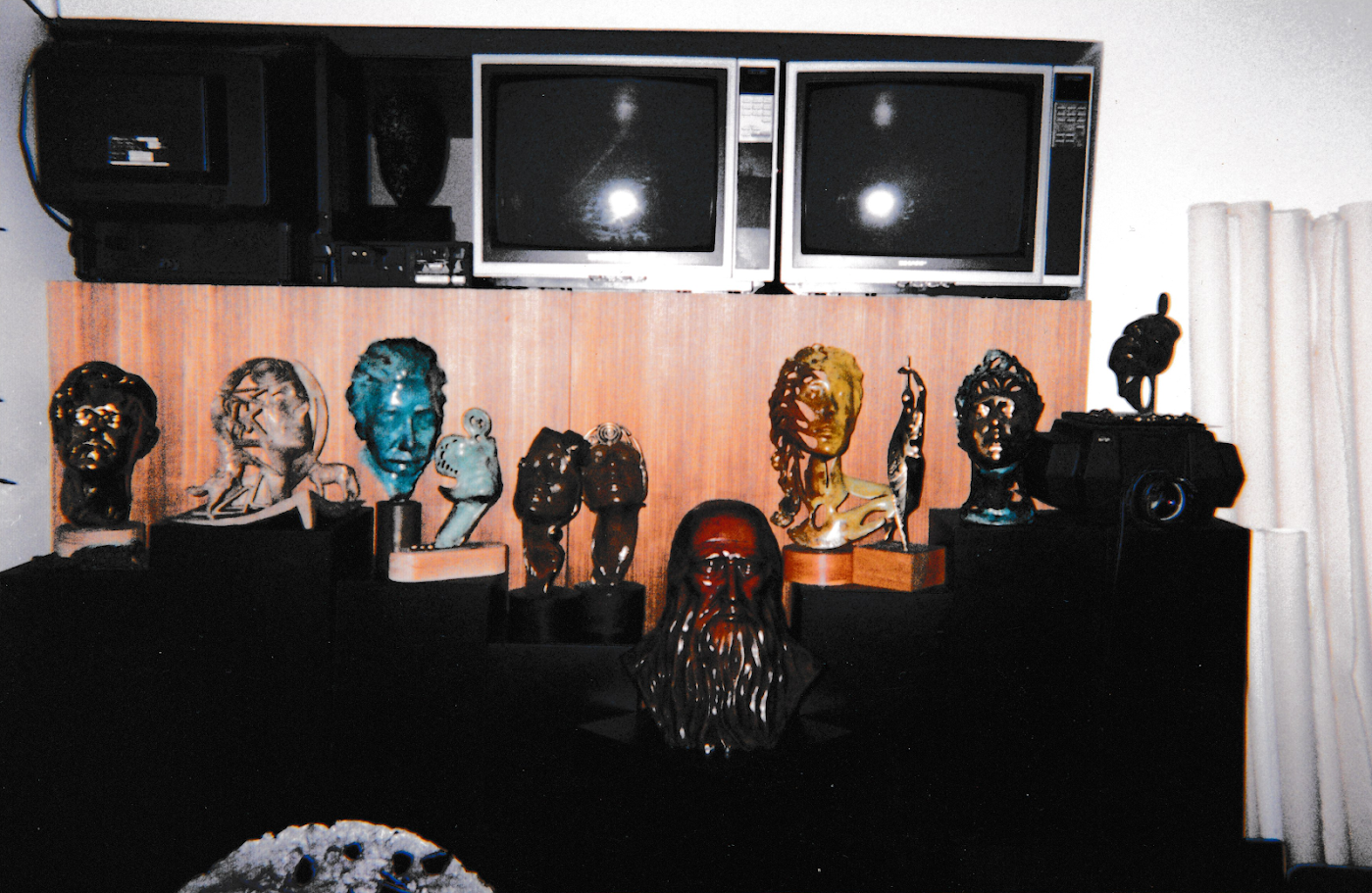
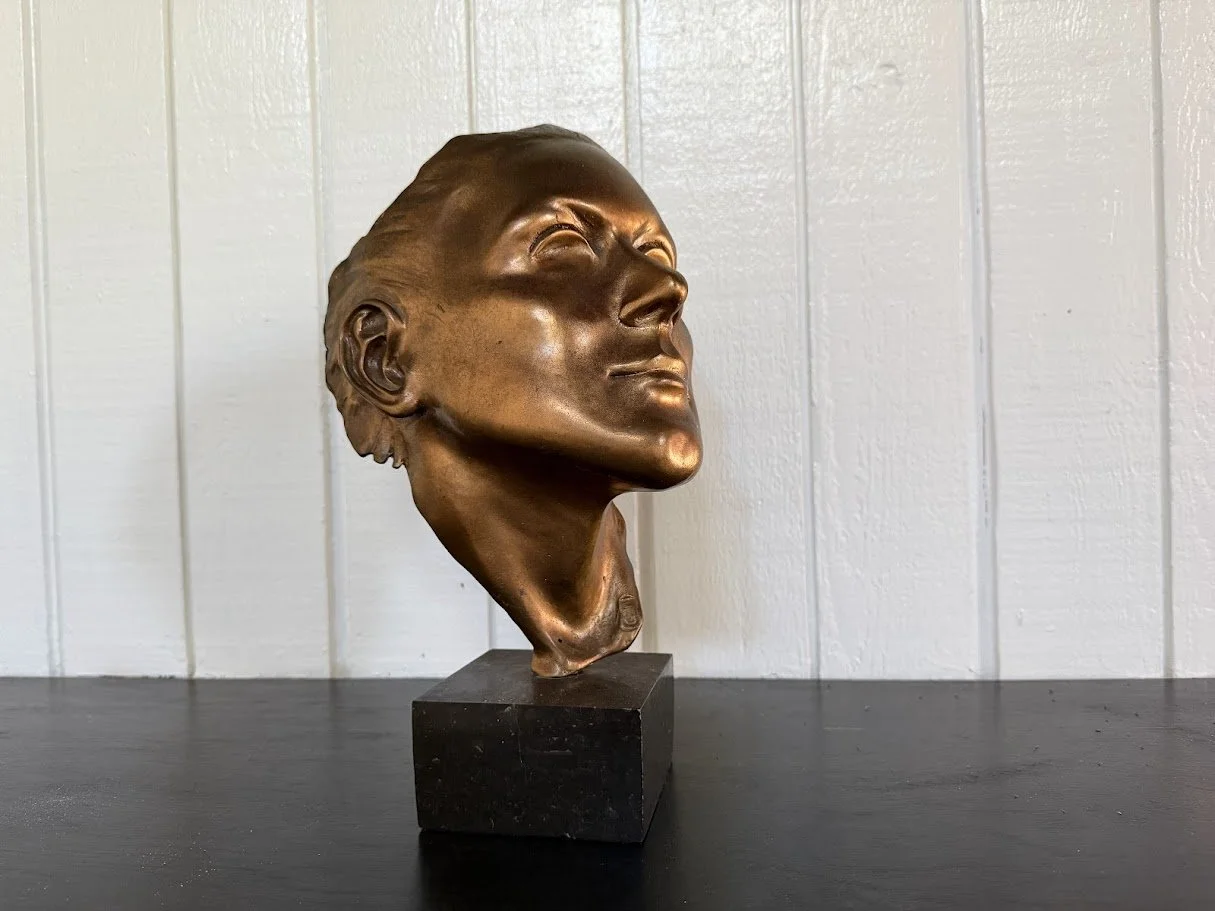
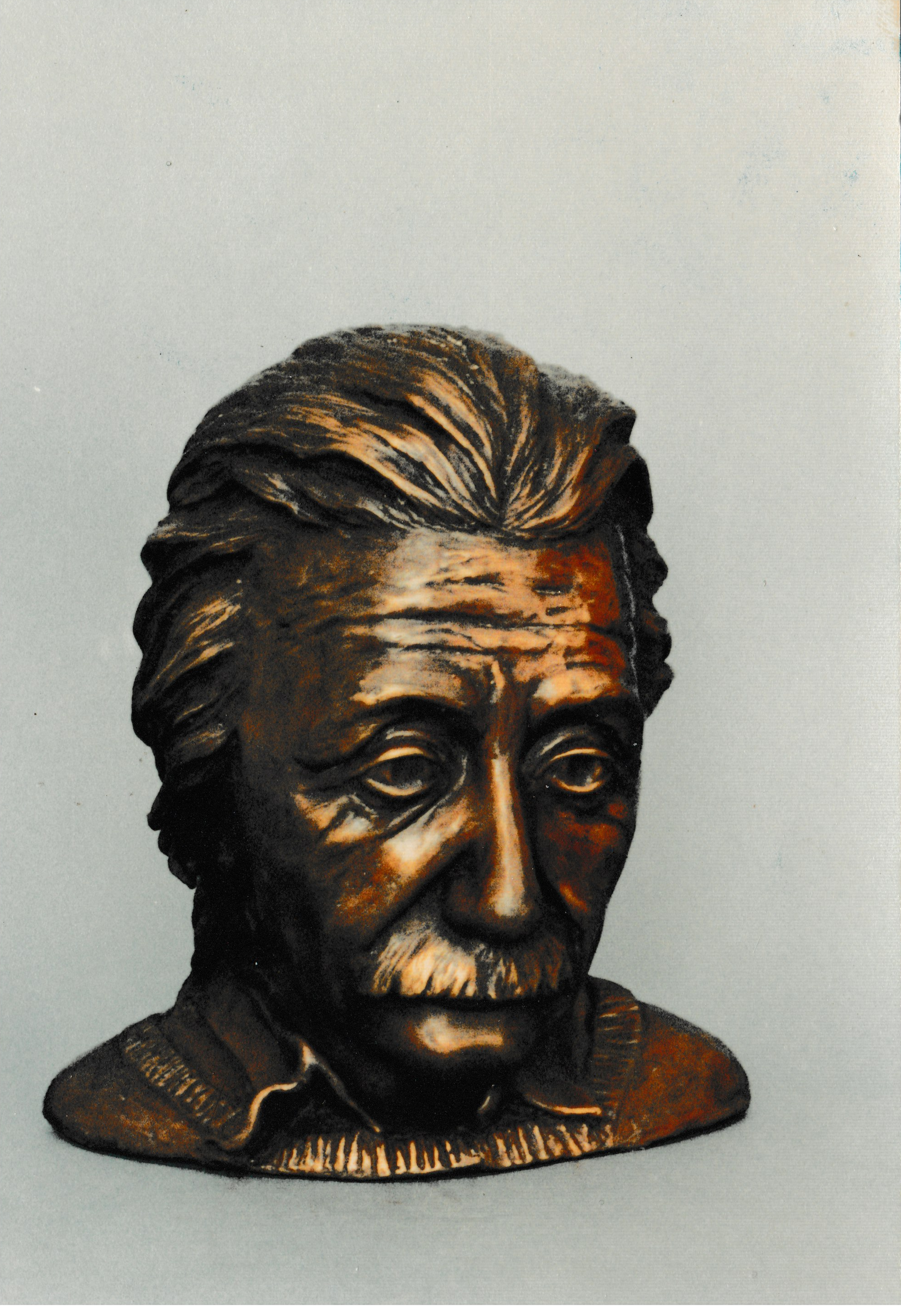
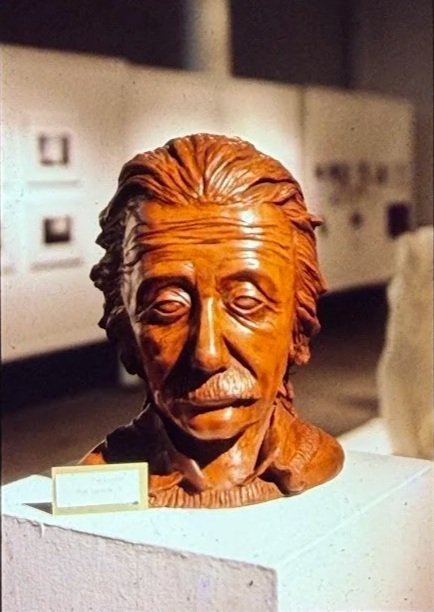
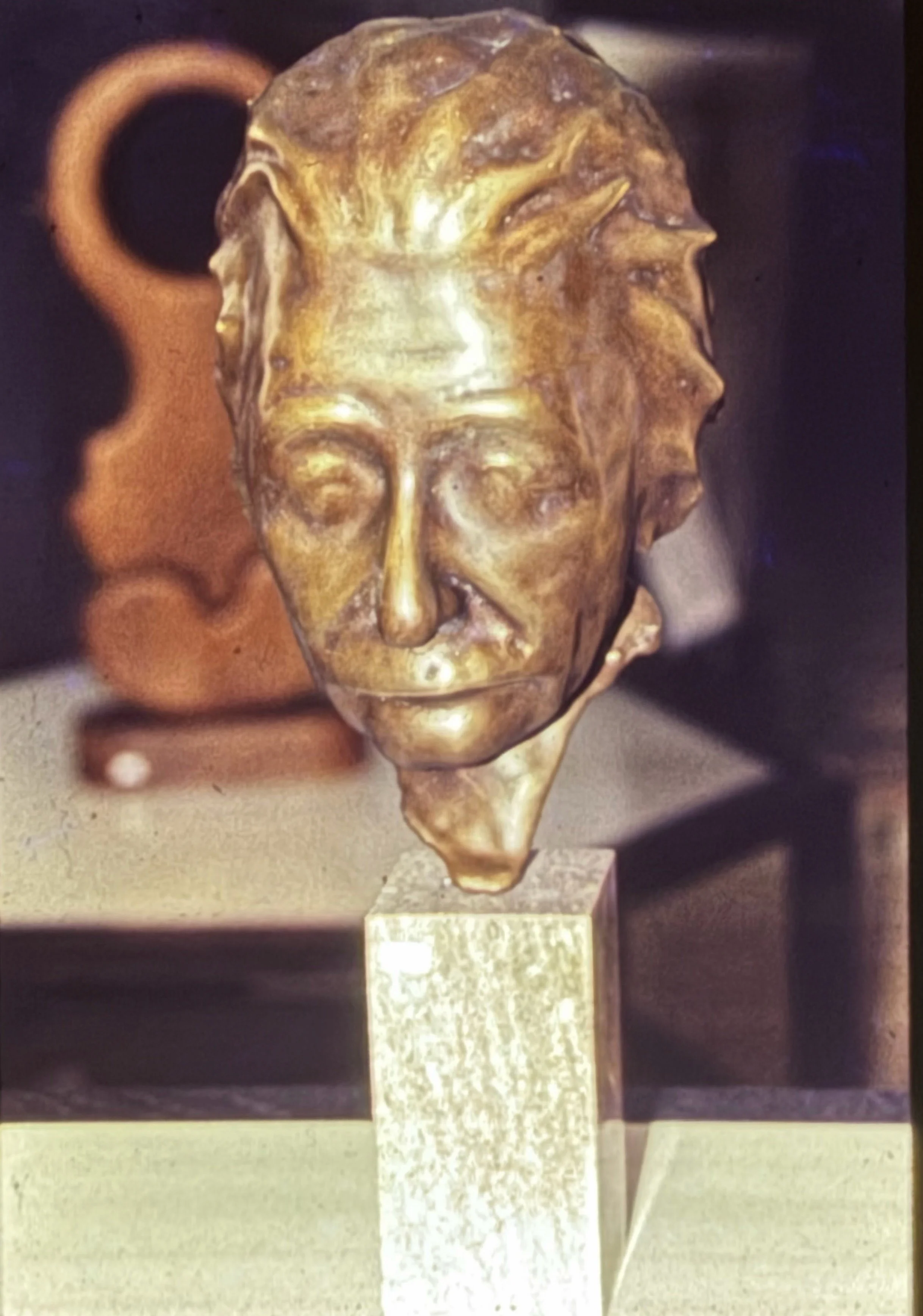
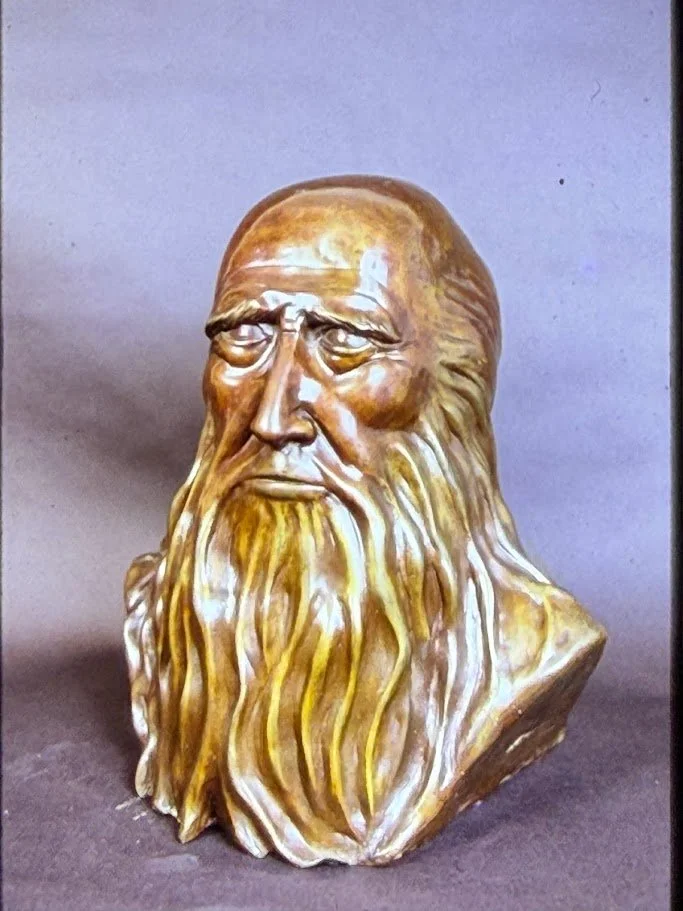
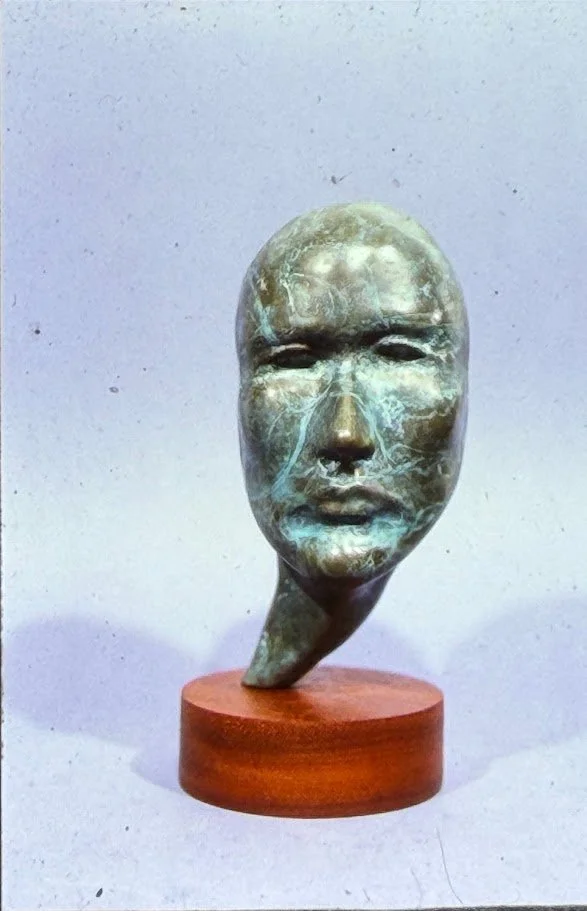
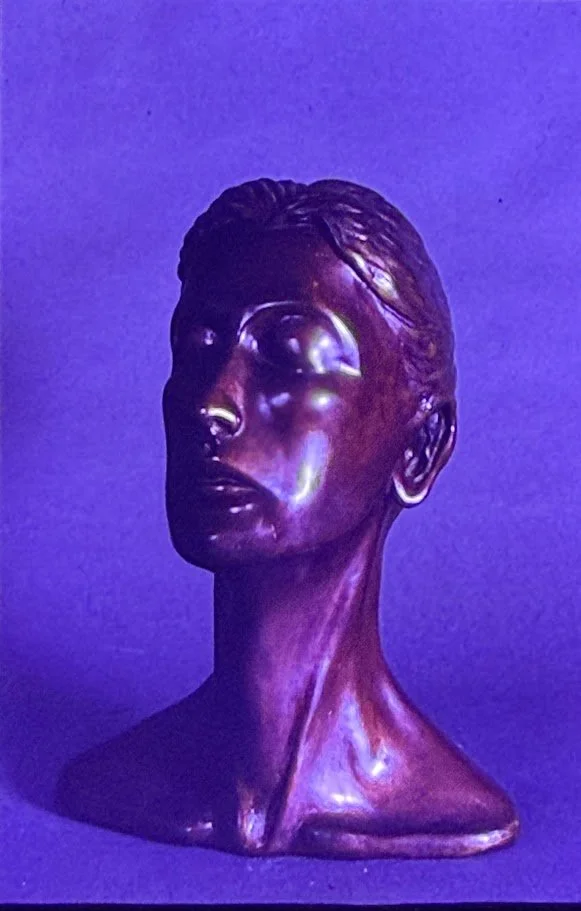
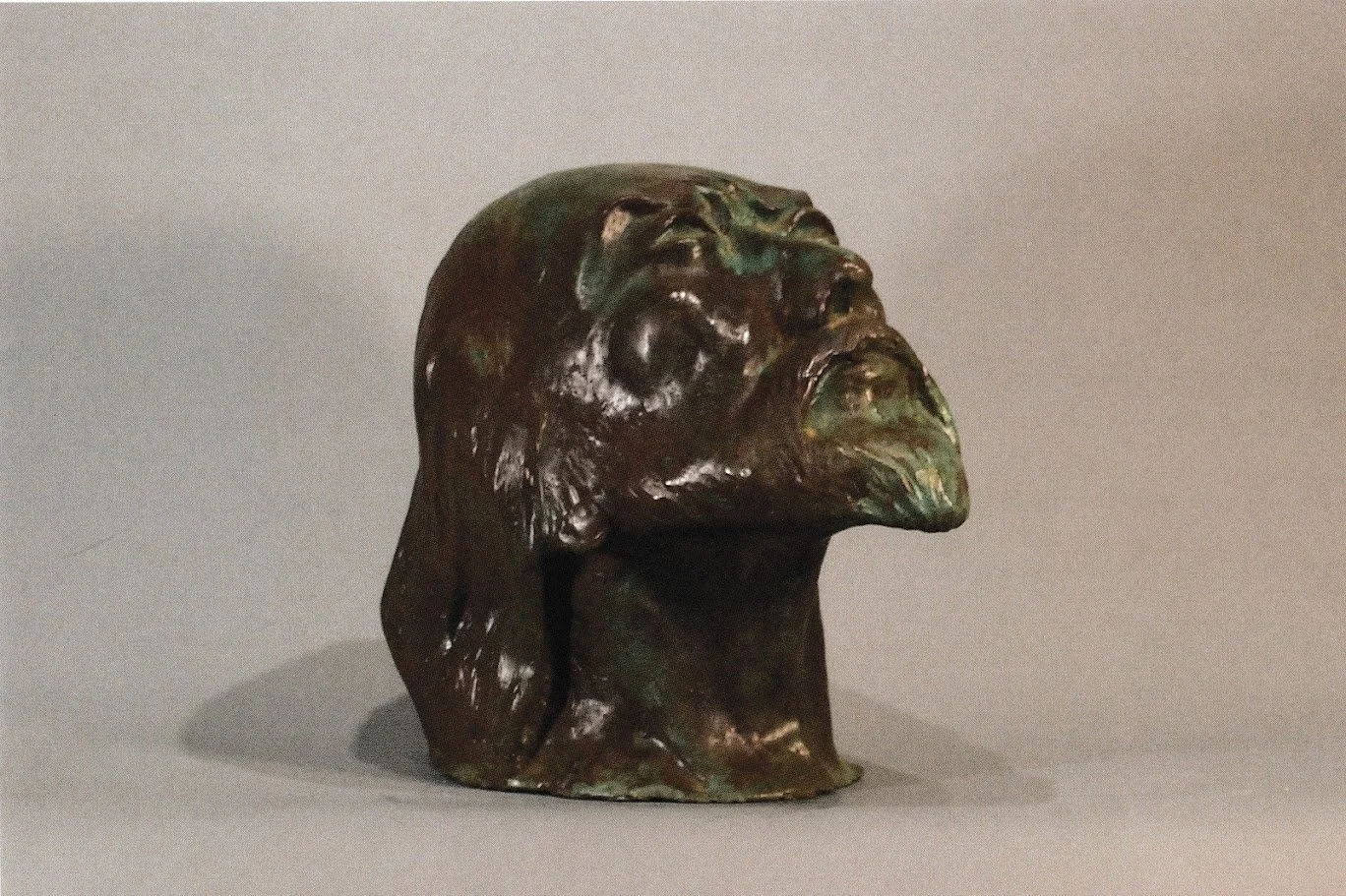
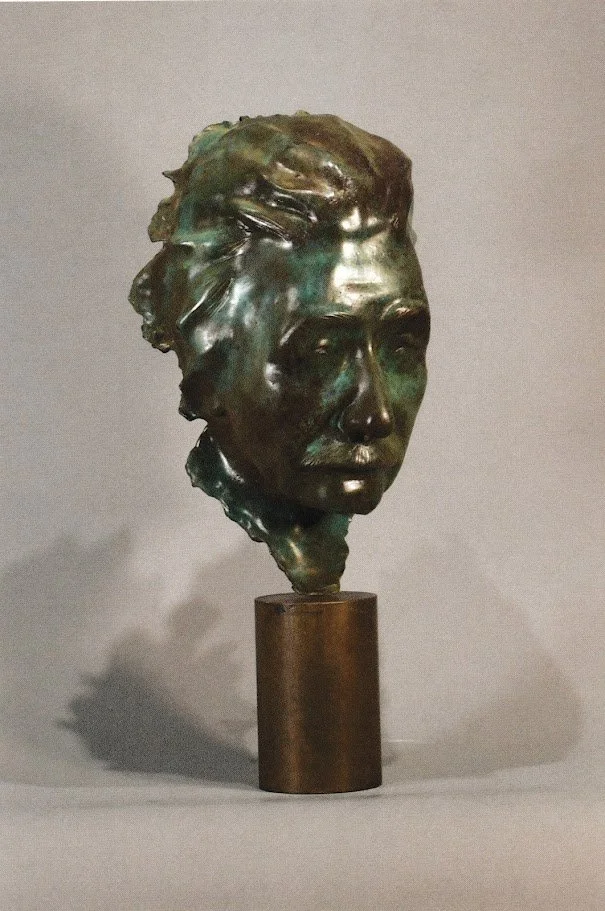
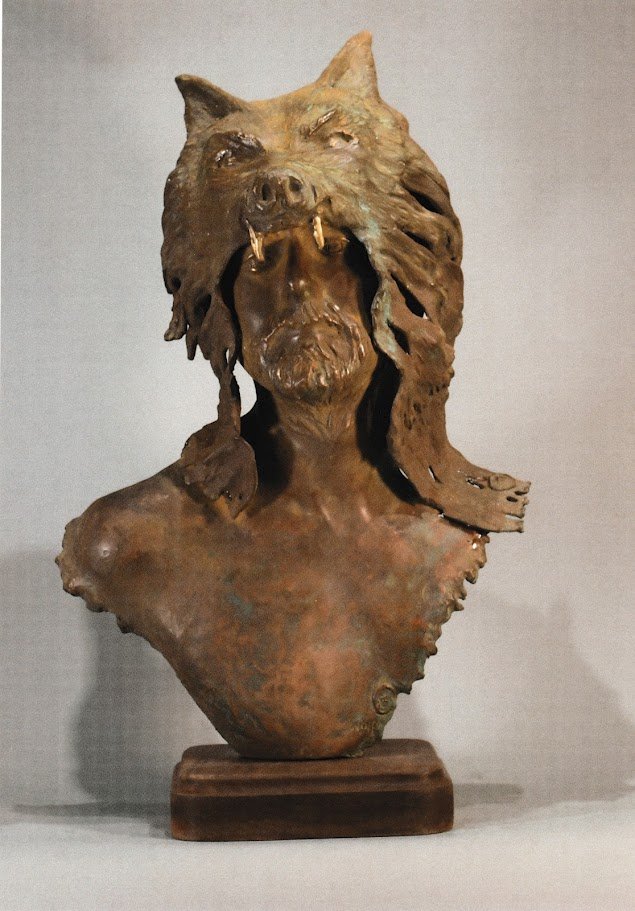
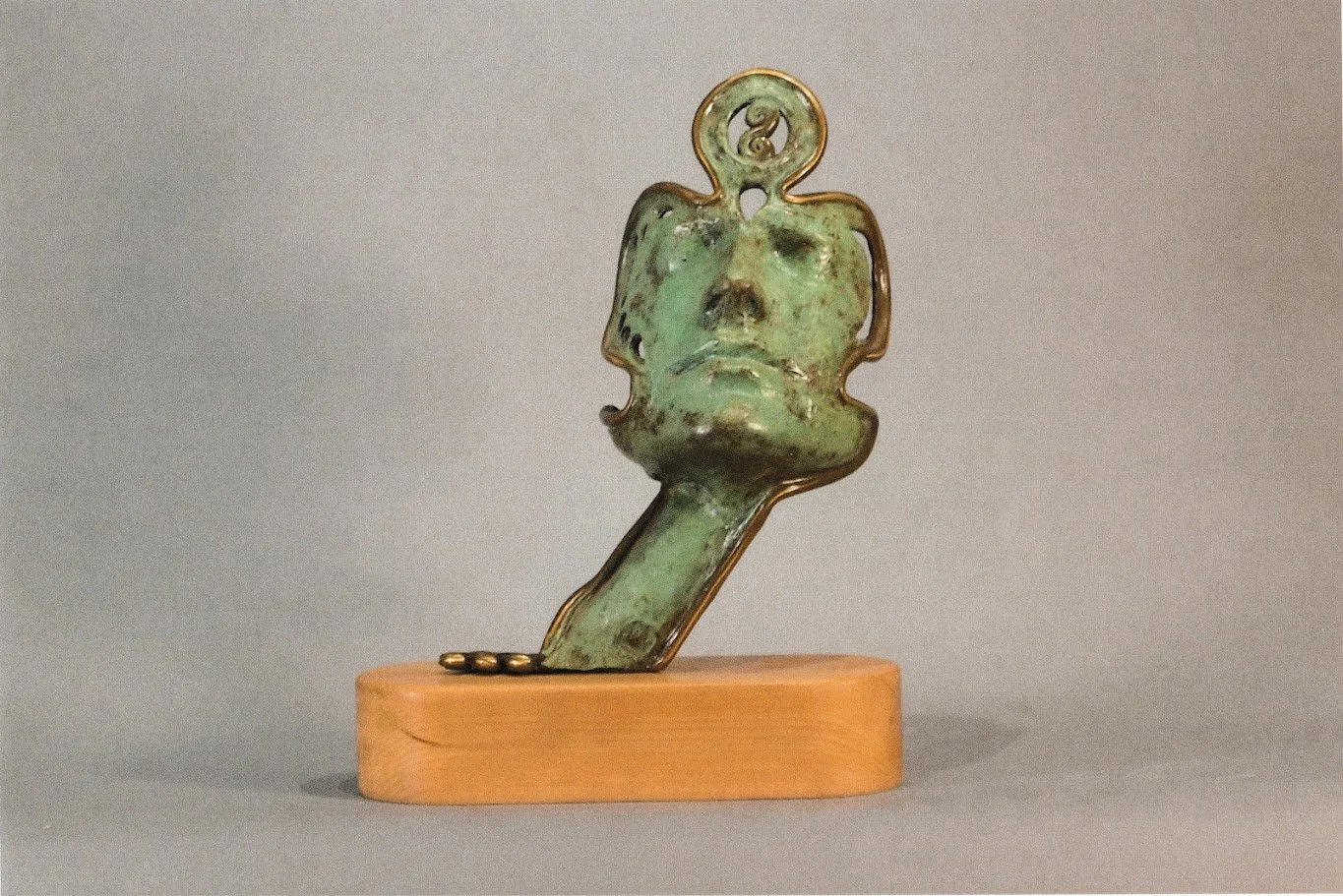
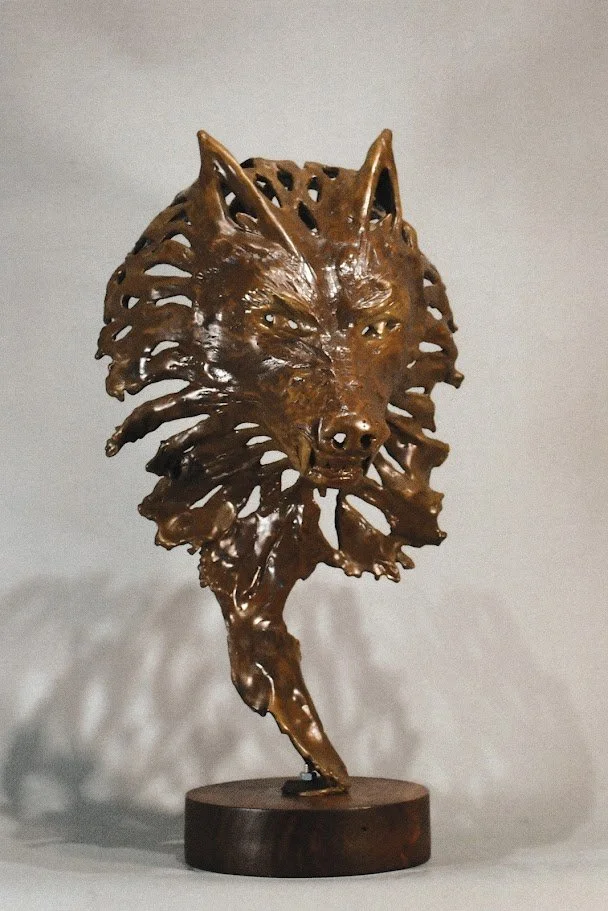
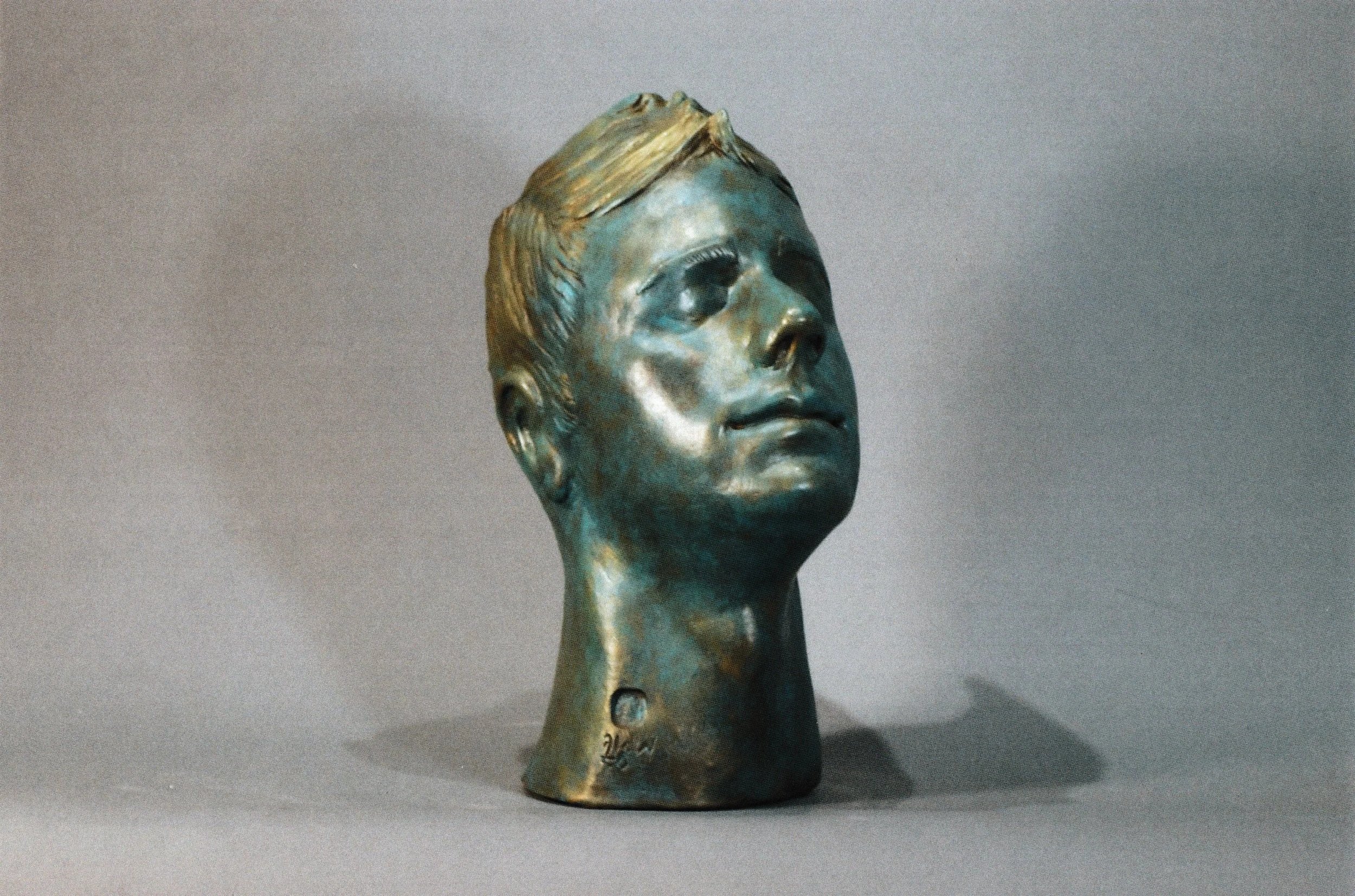
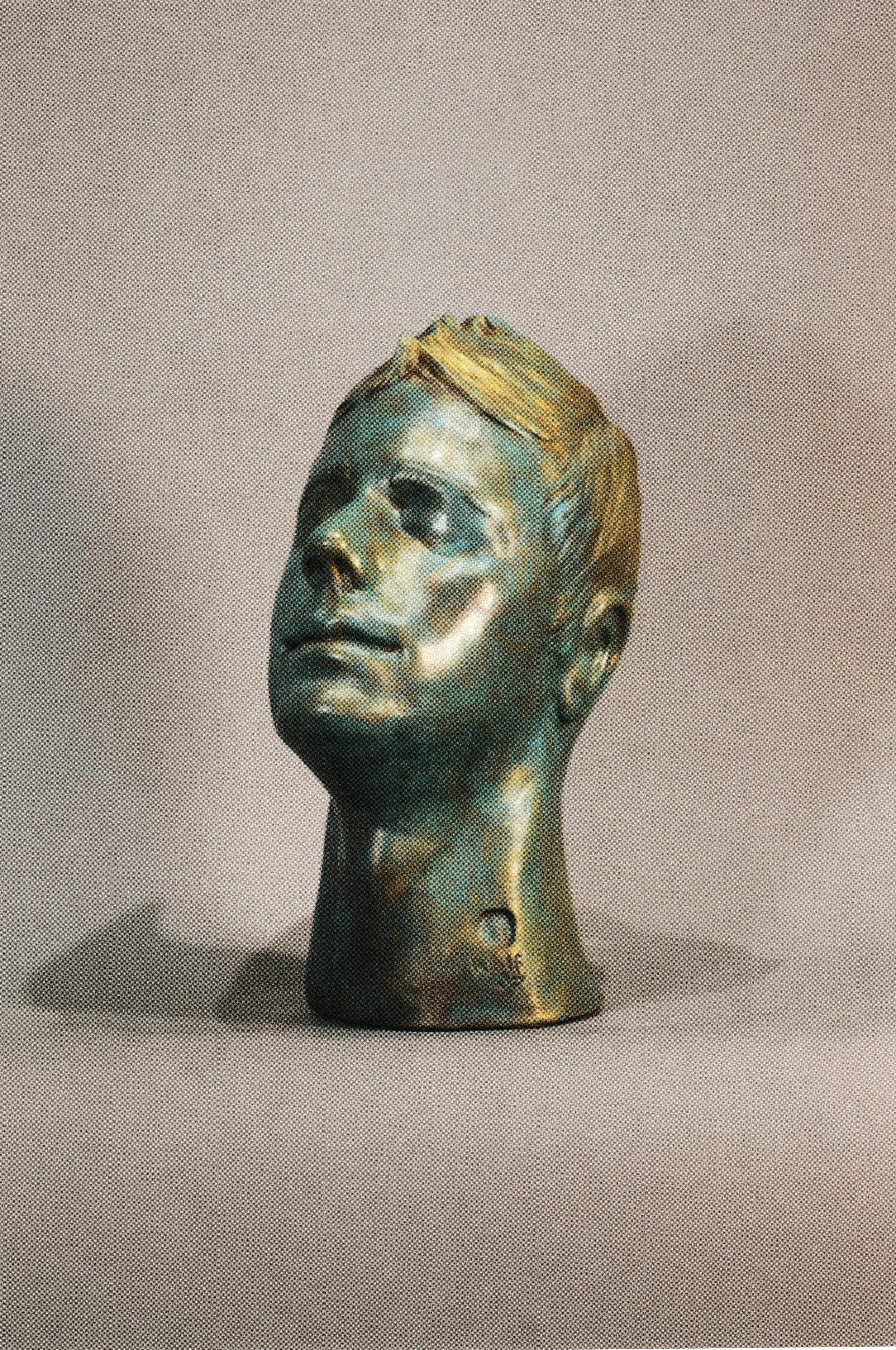
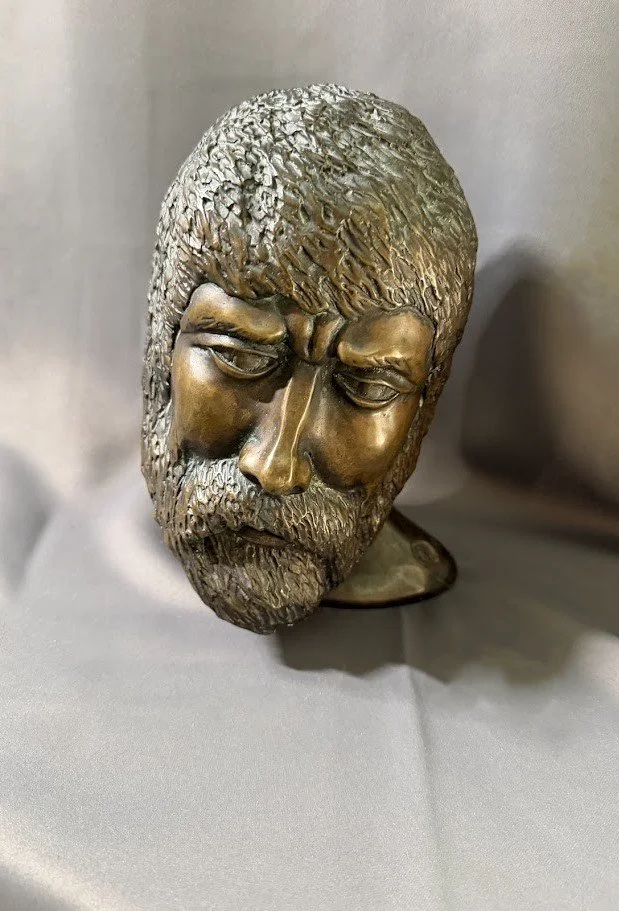
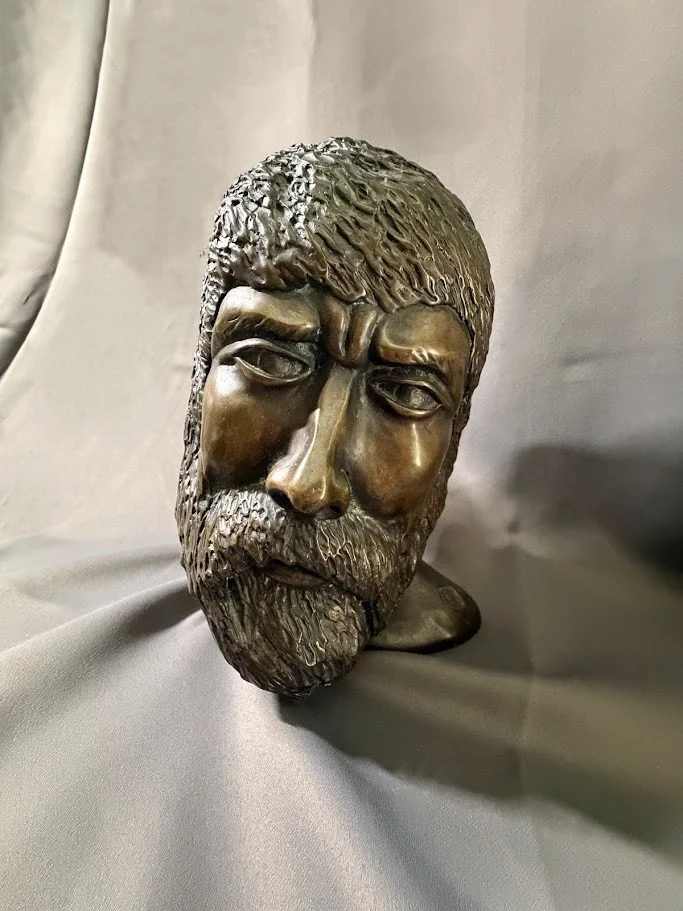
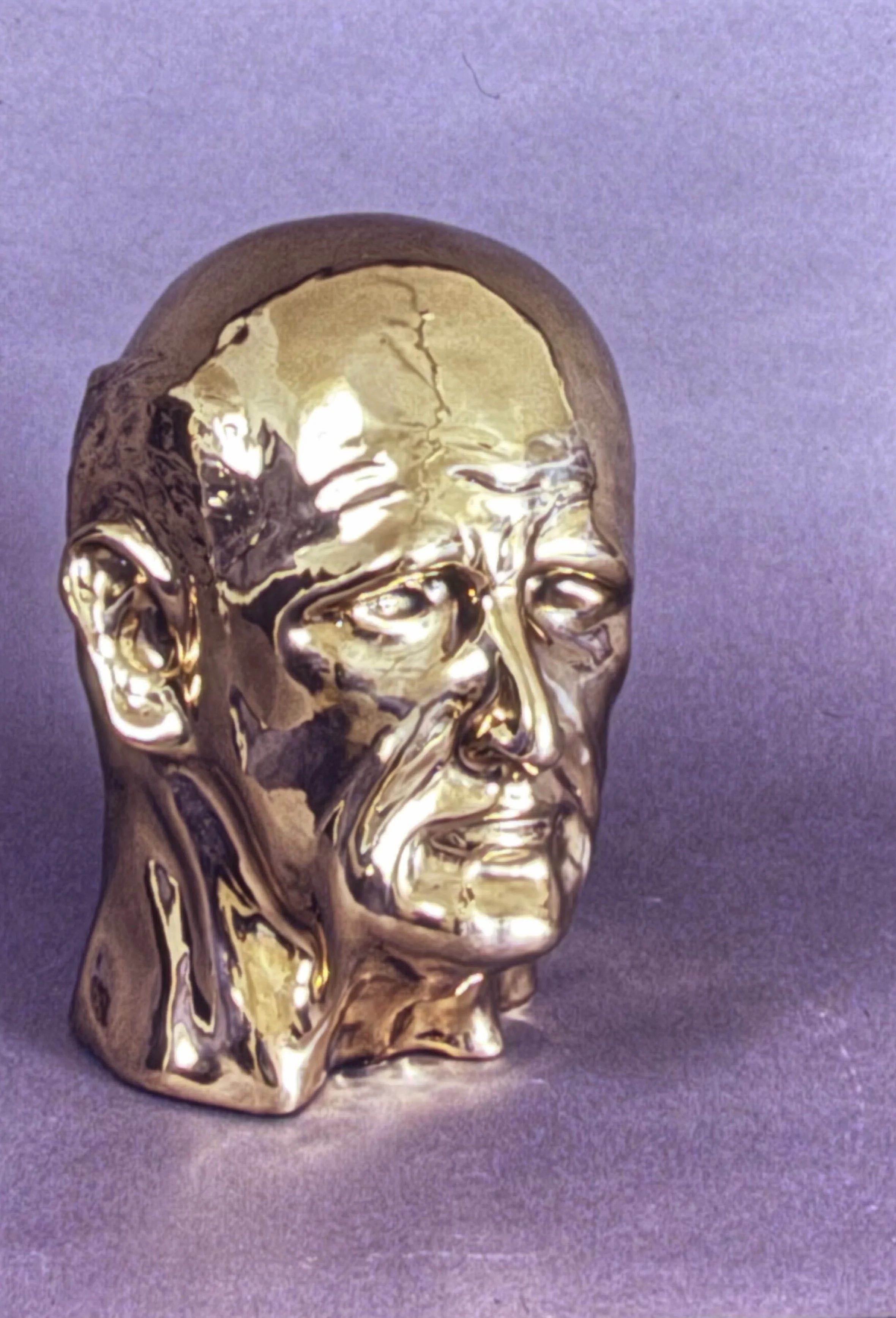
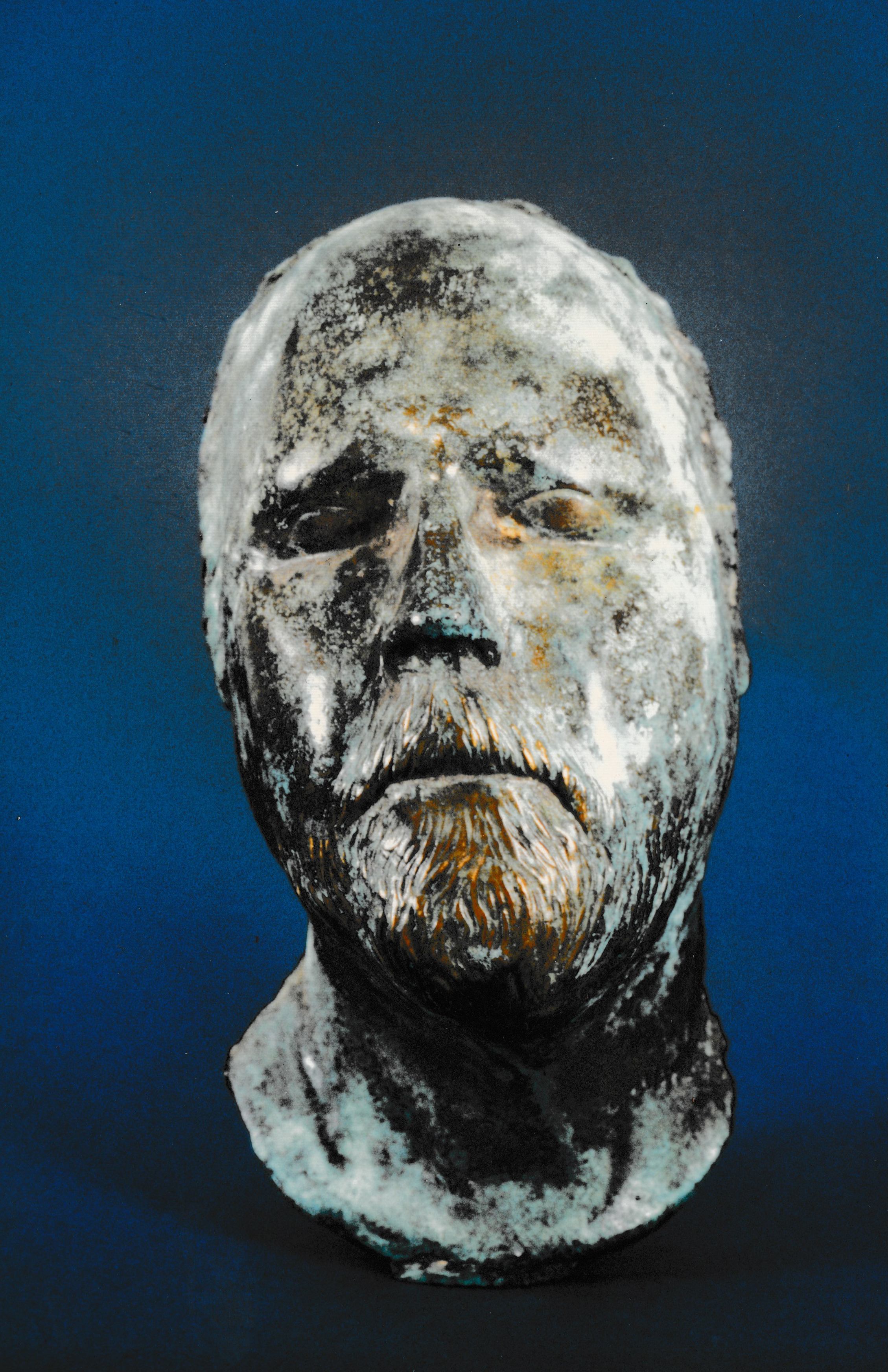
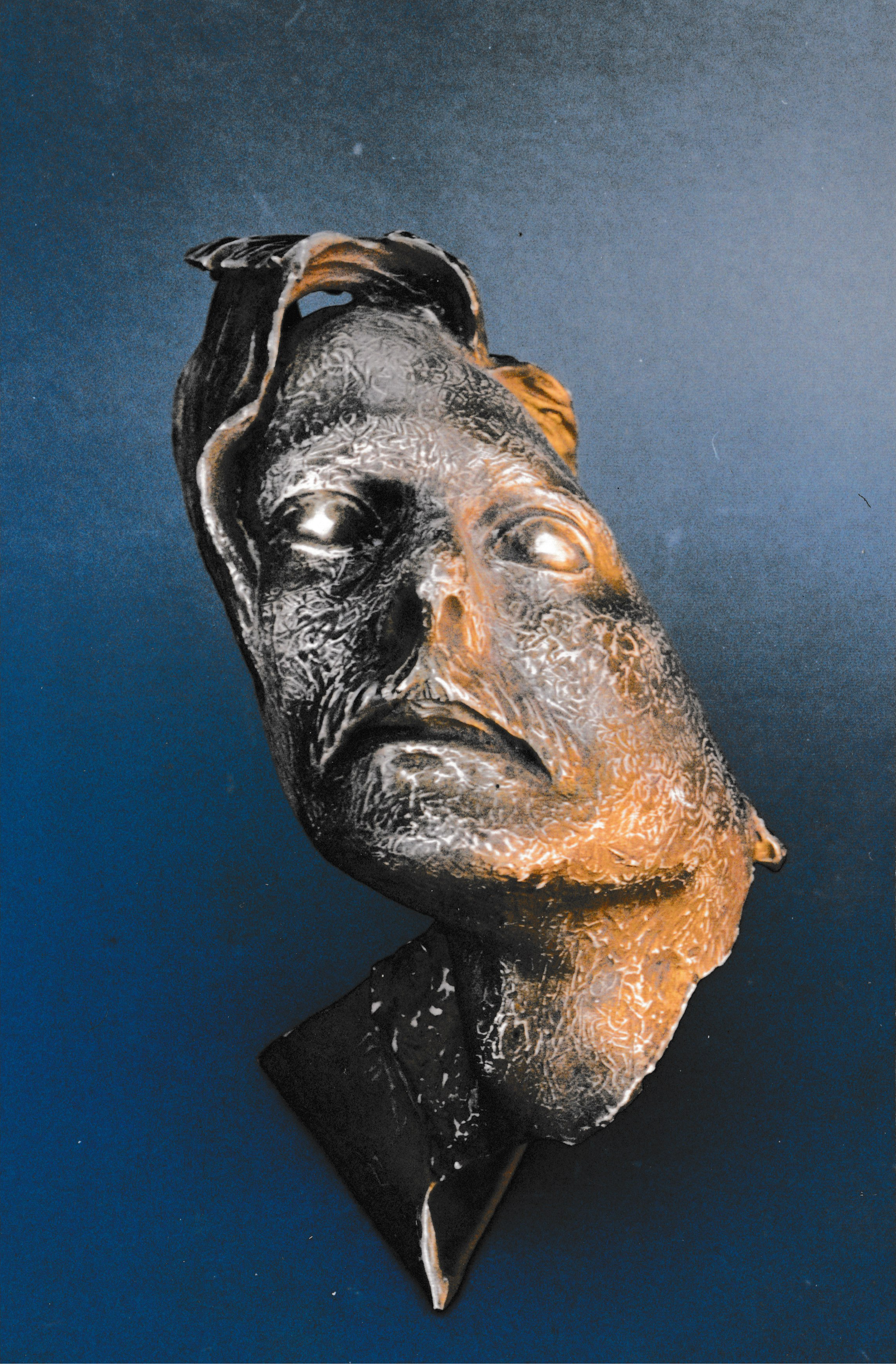
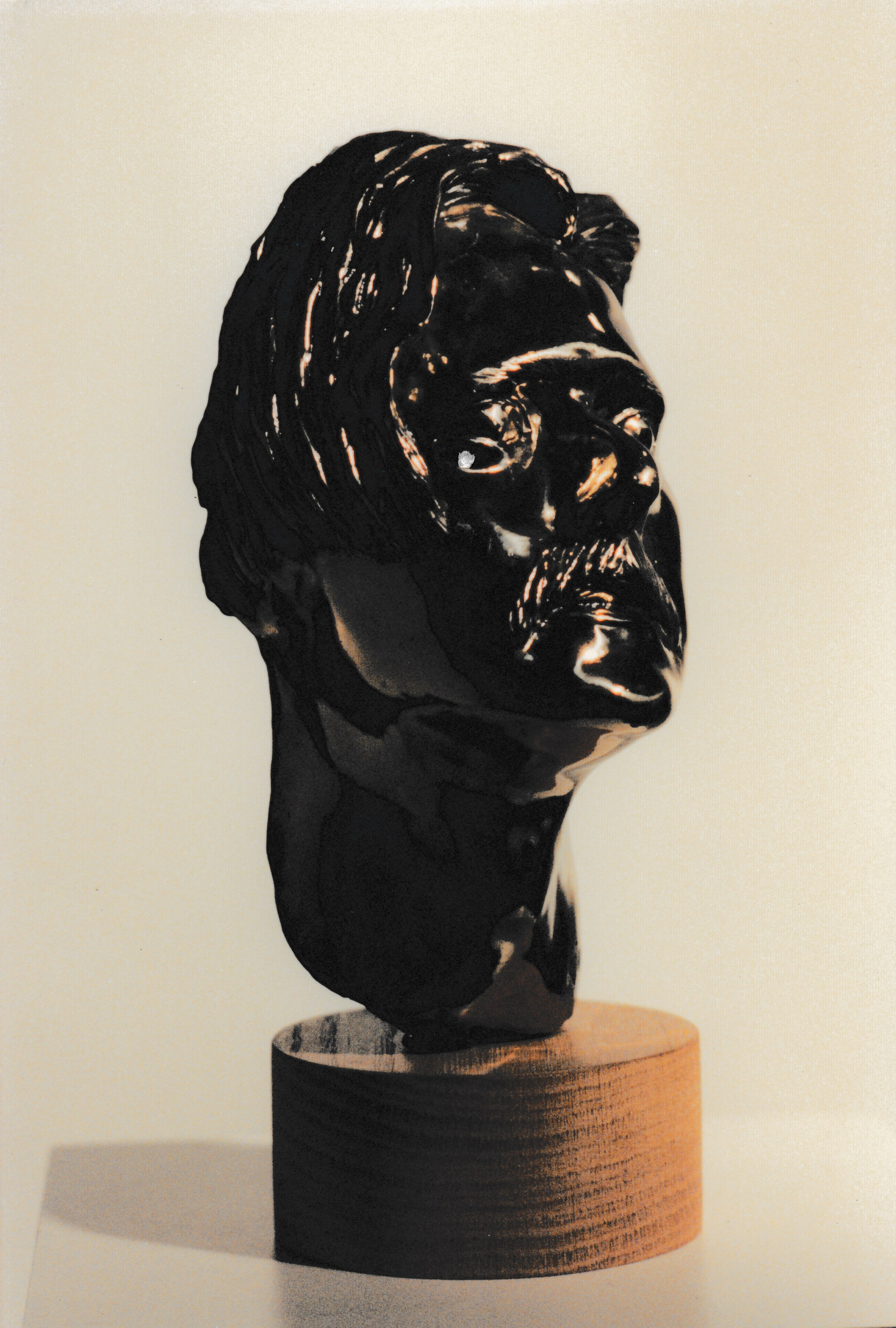
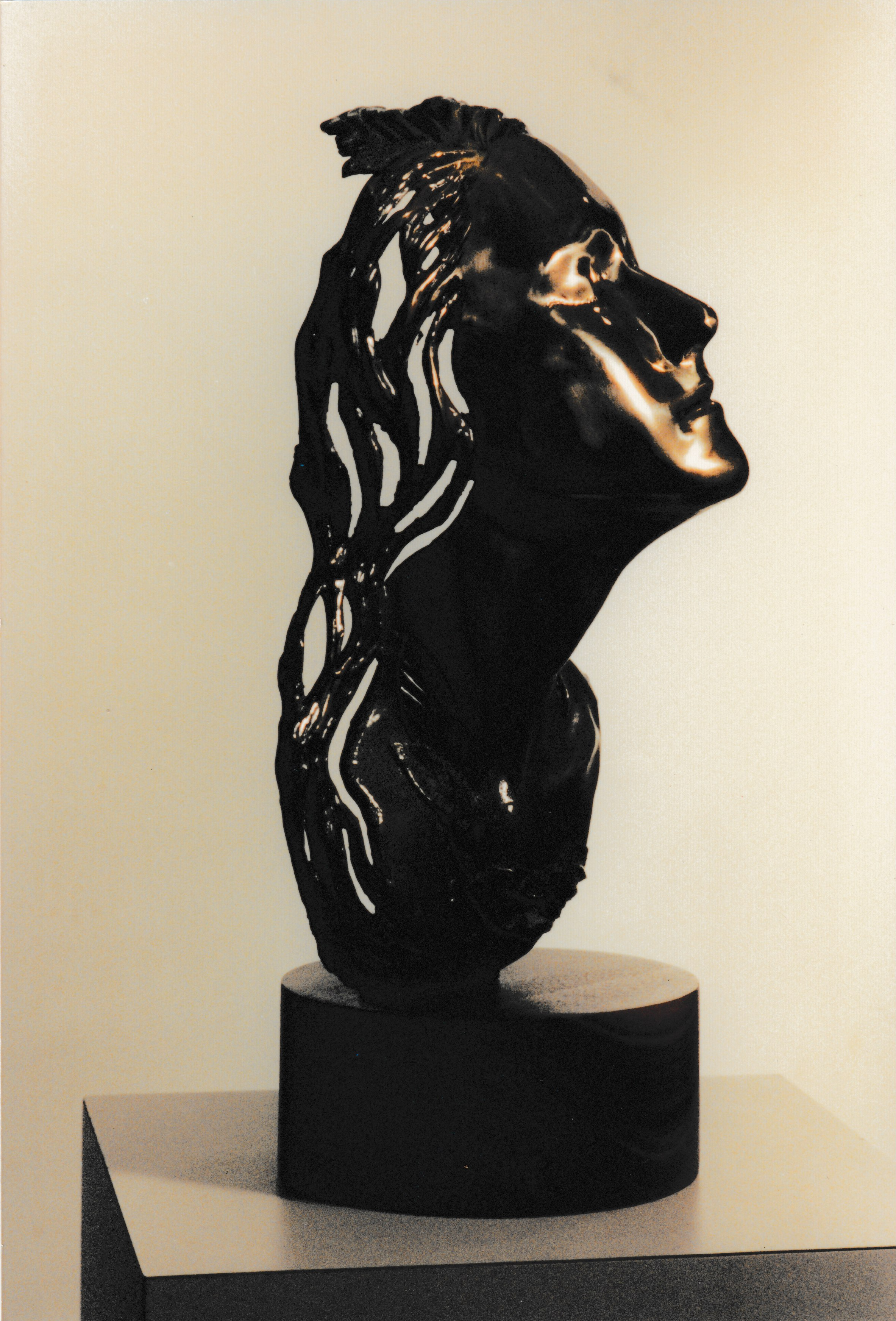
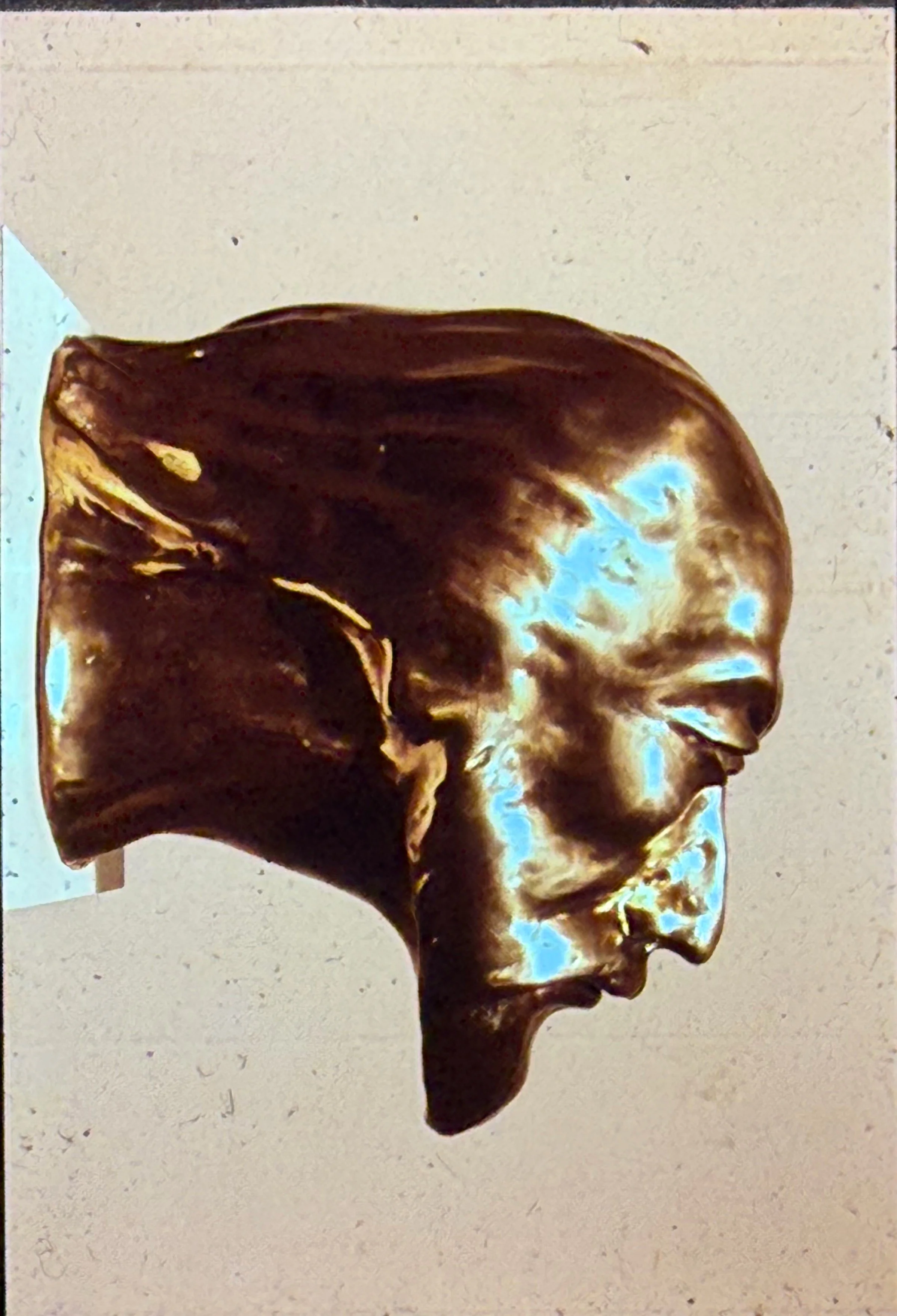
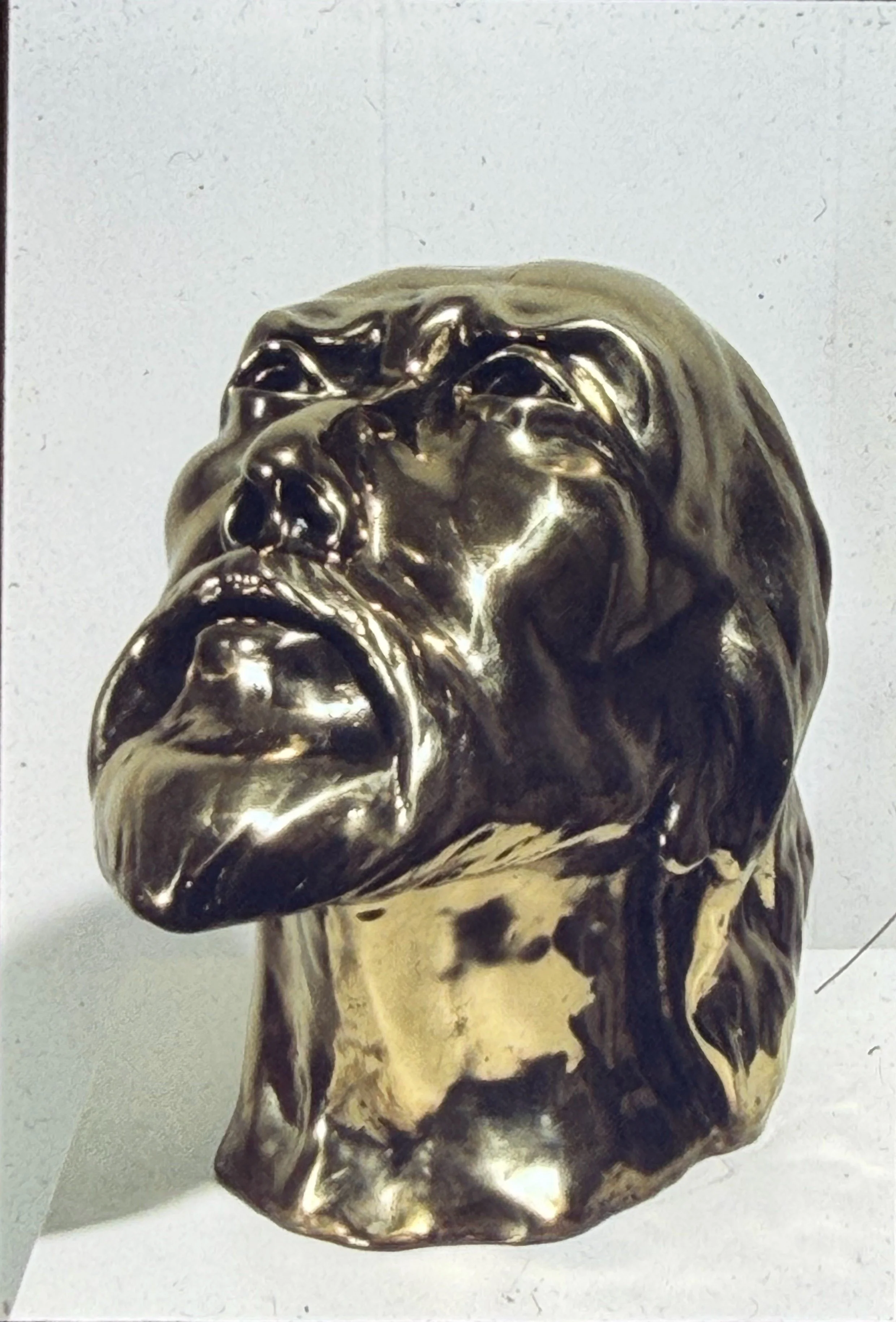
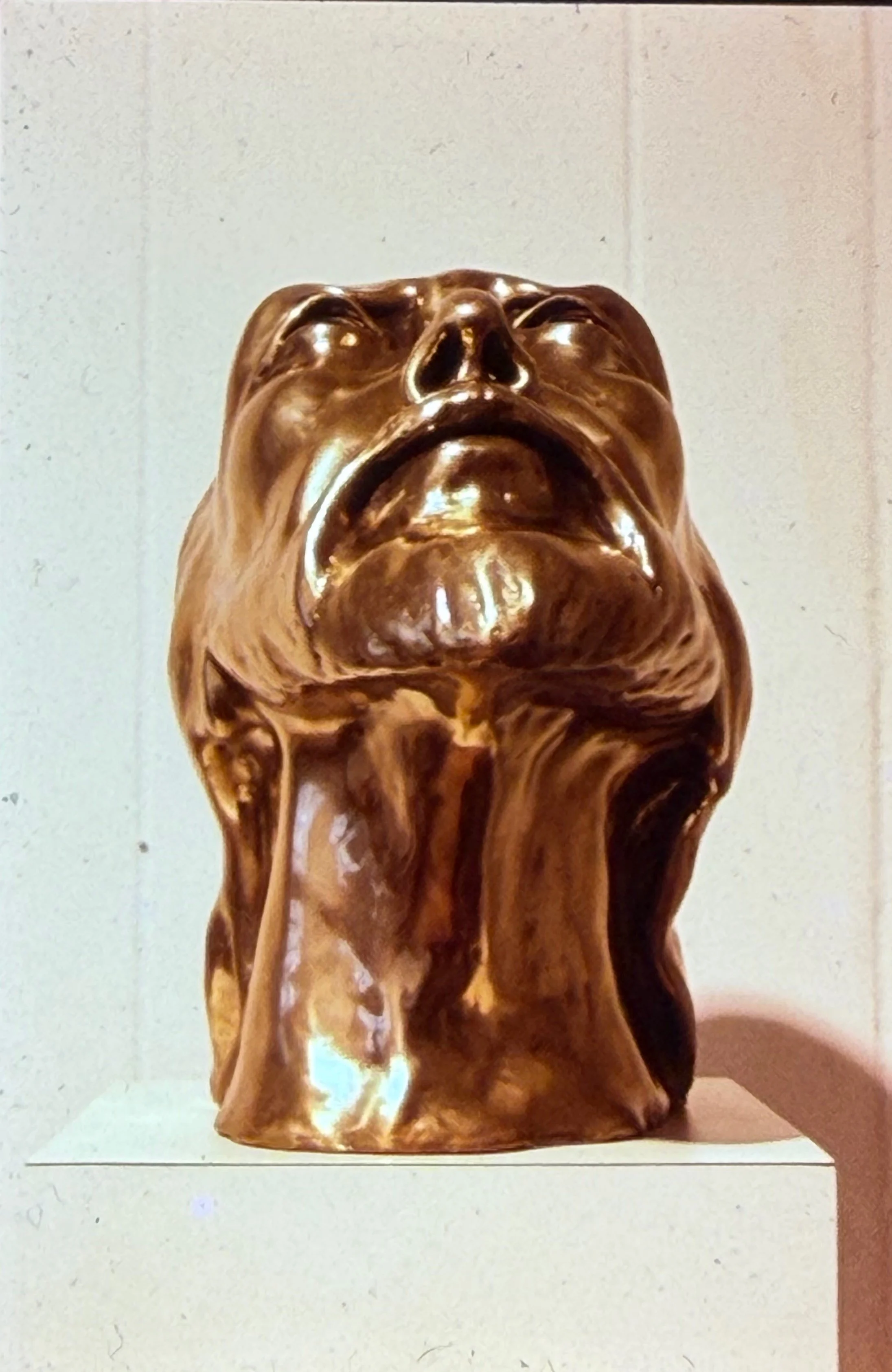
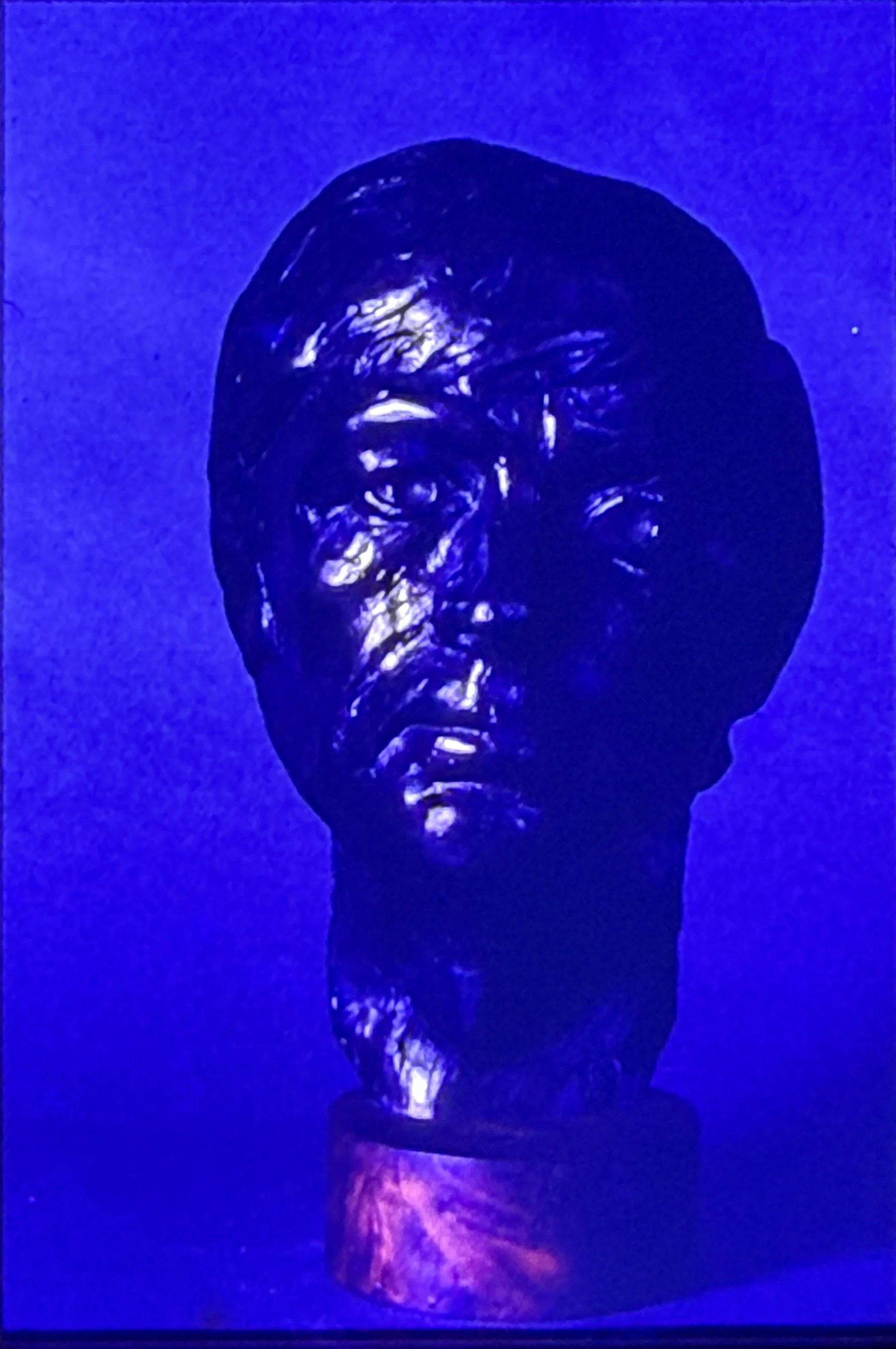
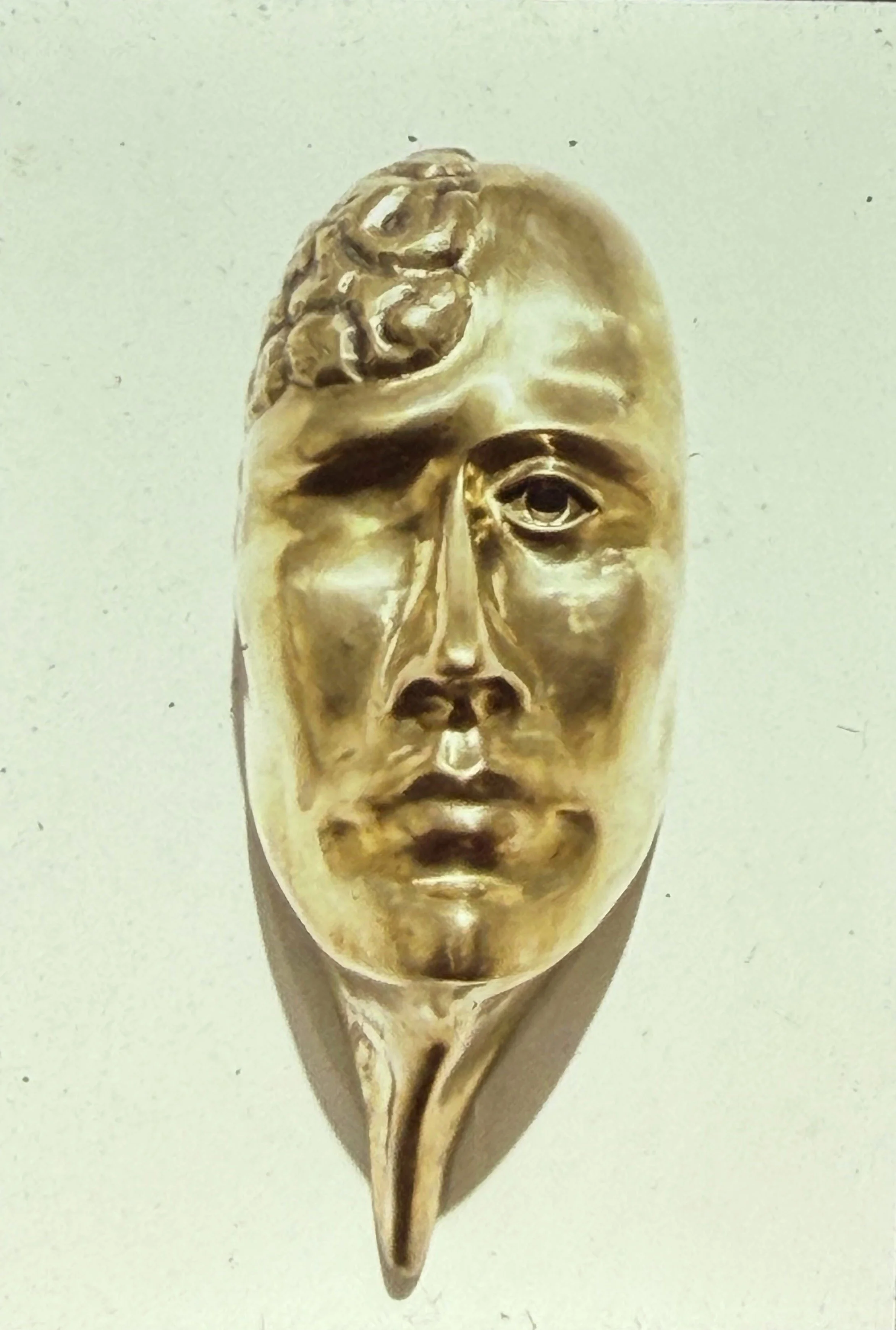
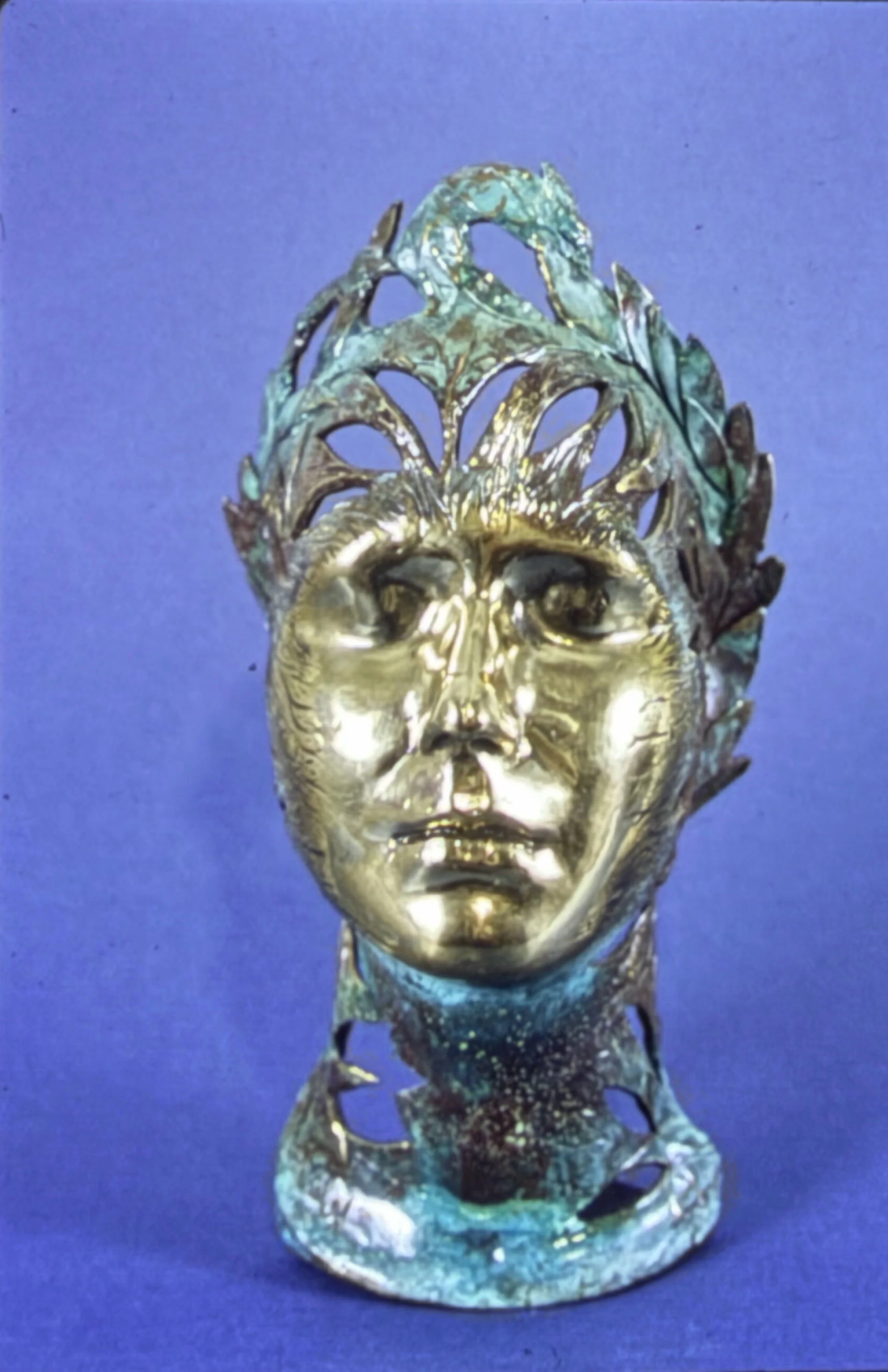
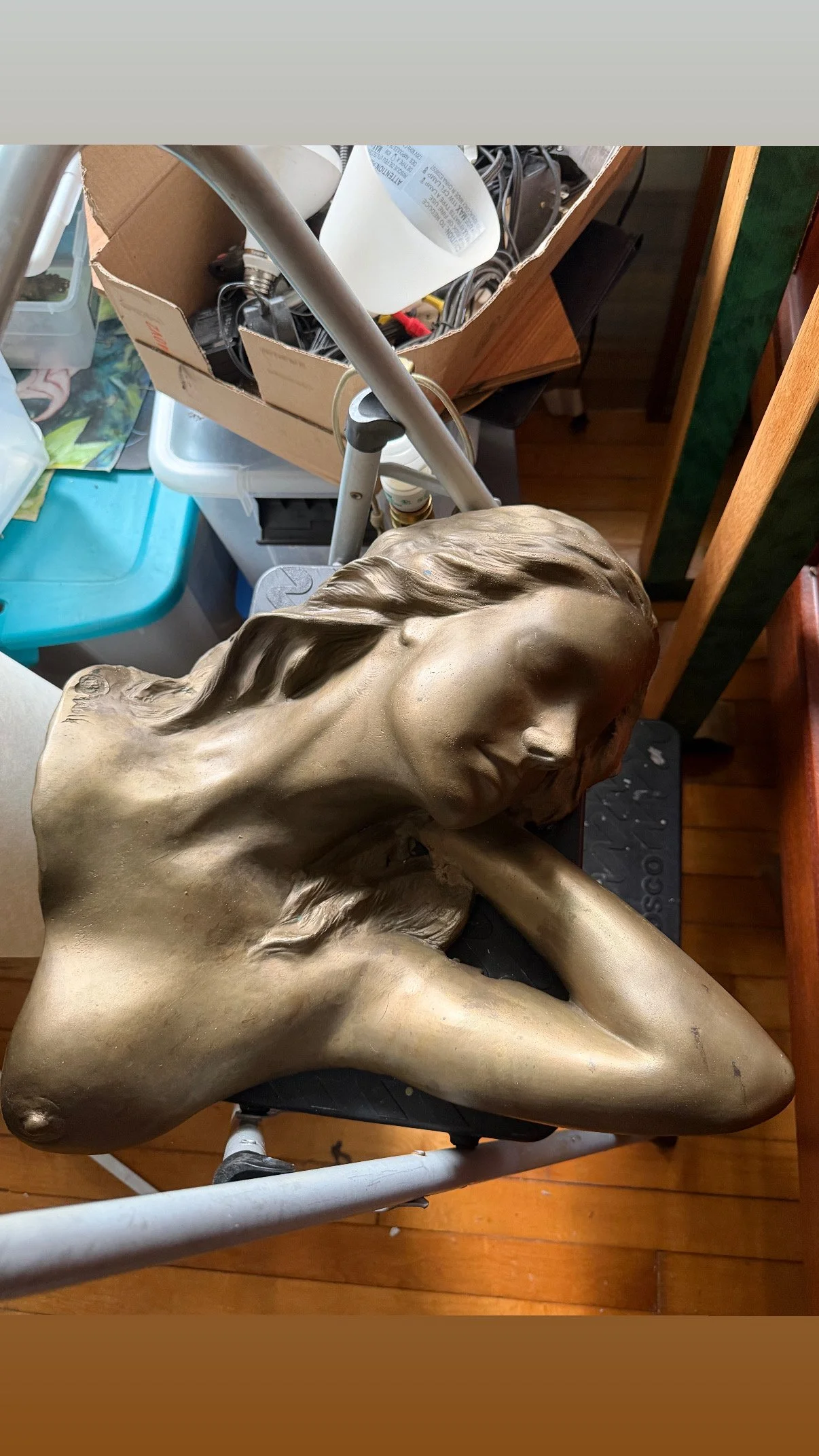
Bronze busts, which focus on the head and upper torso, have their roots in the ancient Mediterranean world. While early civilizations such as Egypt and Mesopotamia used metal for small figures, it was in ancient Greece, around the 5th century BCE, that bronze casting became a refined art. The Romans expanded the use of the bust and made it one of the most important sculptural forms in their culture. By the 1st century BCE, bronze busts were used to honor political leaders, philosophers, and family ancestors. Roman artists favored realism, often showing wrinkles, aging, and individual features. This style, known as verism, came from earlier traditions of preserving faces through wax masks. Bronze allowed for both durability and fine detail, making it ideal for recording identity and legacy.
Whitney Wolf II entered into bronze as a medium. In the early 1980s, when he trained under the renowned Duane Hanson at the Atlantic Center for the Arts in New Smyrna Beach. Hanson, known for his lifelike human figures, emphasized observation, presence, and the physical reality of the human form. This experience deepened Wolf’s understanding of the figure and reinforced his interest in the human head as a site of meaning, not only as a likeness, but as a record of lived experience.
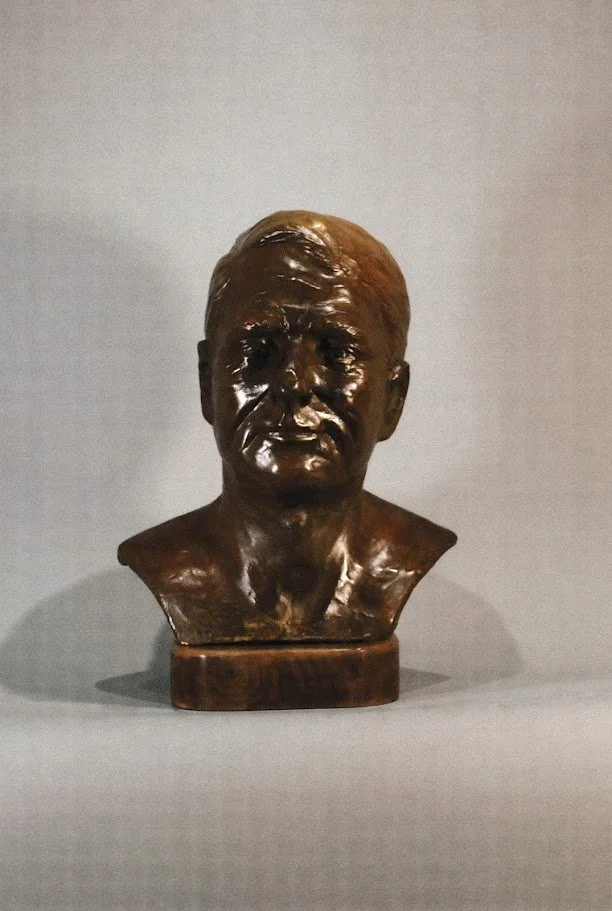
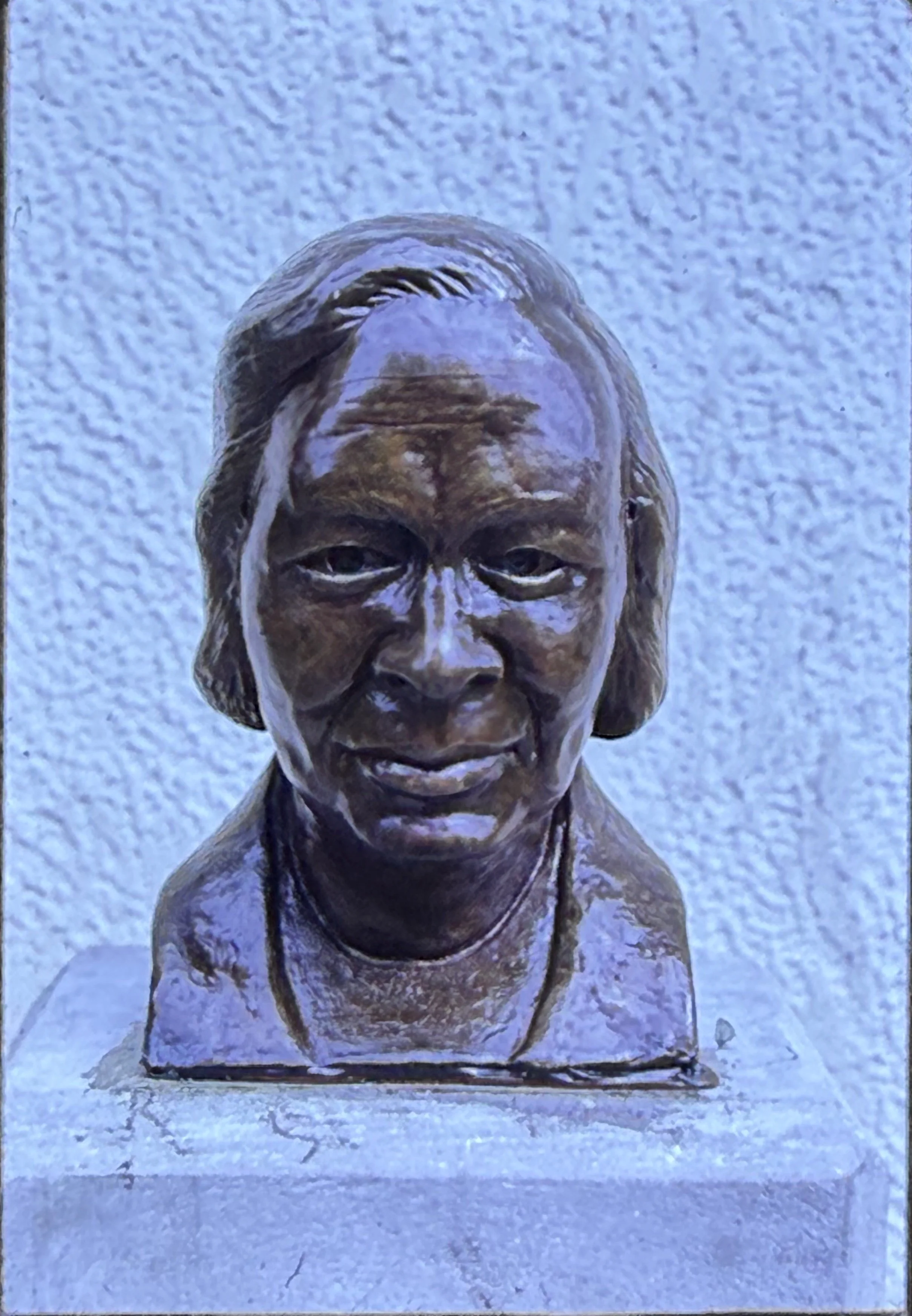
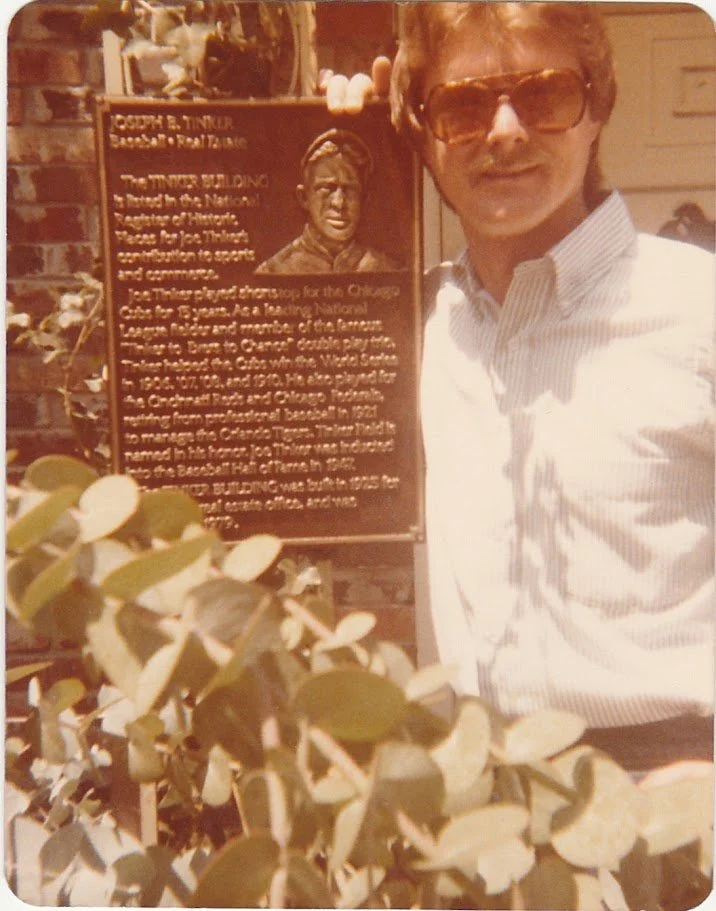
In 1985, Whitney Wolf II was commissioned by Winter Park's Citizens Memorial Group to create a bronze bust honoring Ruby M. Ball, a respected educator, civil rights advocate, and community leader who served Orange County schools for 42 years and helped establish the Winter Park Community Center. To create an accurate and meaningful likeness, Wolf spent dozens of hours studying photographs spanning four decades of Ball's life and interviewing her family, ultimately producing a portrait that sought to capture not only her appearance, but what he described as her "spiritual self." The completed bust was installed outside the Ruby M. Ball Amphitheater, preserving the legacy of a woman whom Wolf described as "a great woman" and an important leader in her community.