The Multiverse
The idea of a multiverse proposes that reality may consist of many universes existing simultaneously rather than a single, isolated world. While the concept has roots in theoretical physics, it became increasingly popular during the late twentieth century through discussions of quantum mechanics, cosmology, and parallel dimensions. Theories such as Hugh Everett's Many-Worlds Interpretation suggested that every possible outcome of an event could create a branching reality. Rather than one fixed universe, existence could consist of countless worlds unfolding alongside one another.
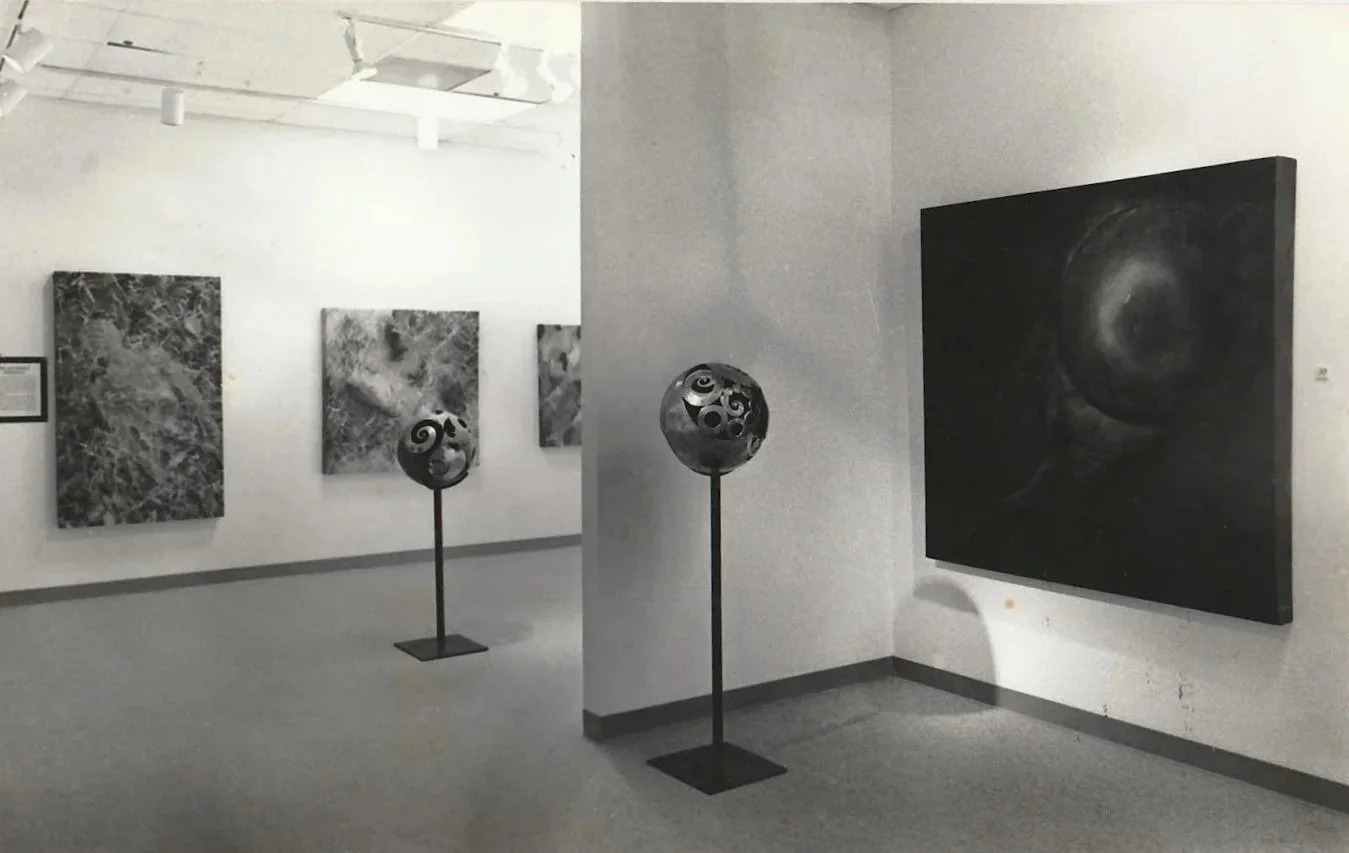
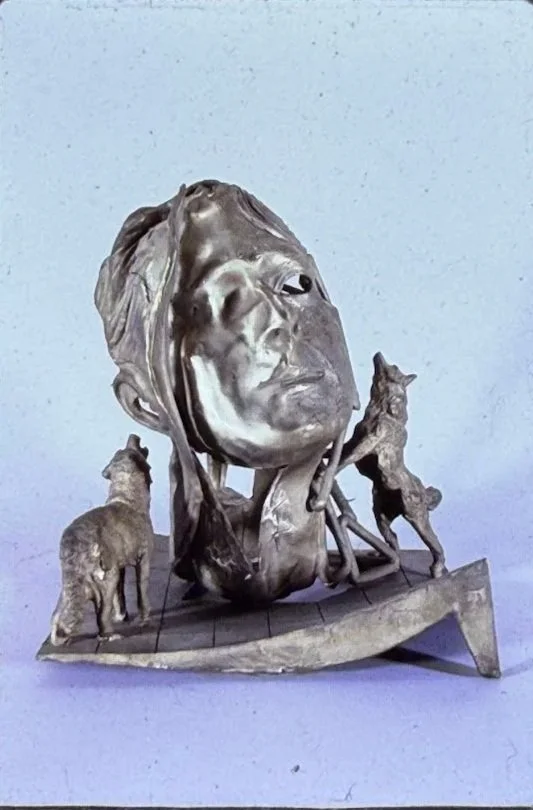
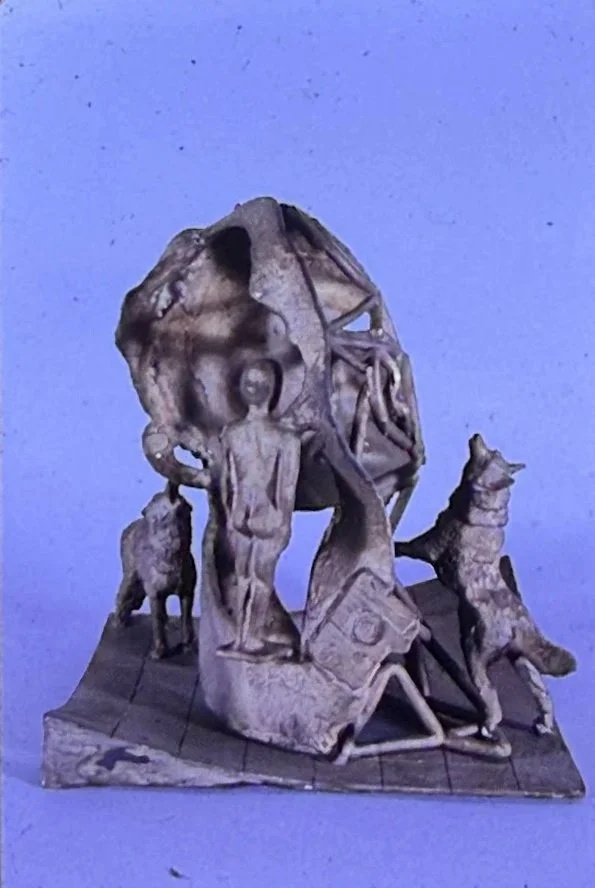
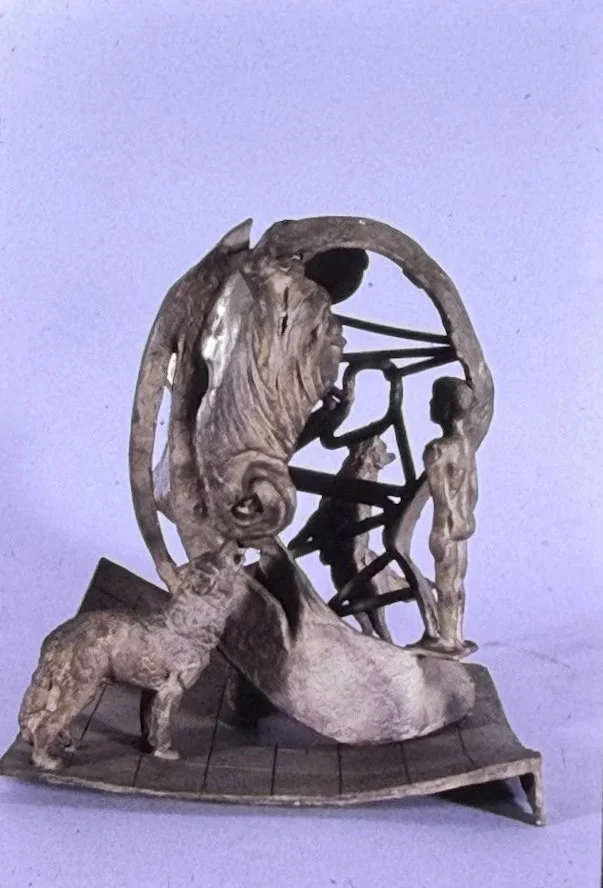
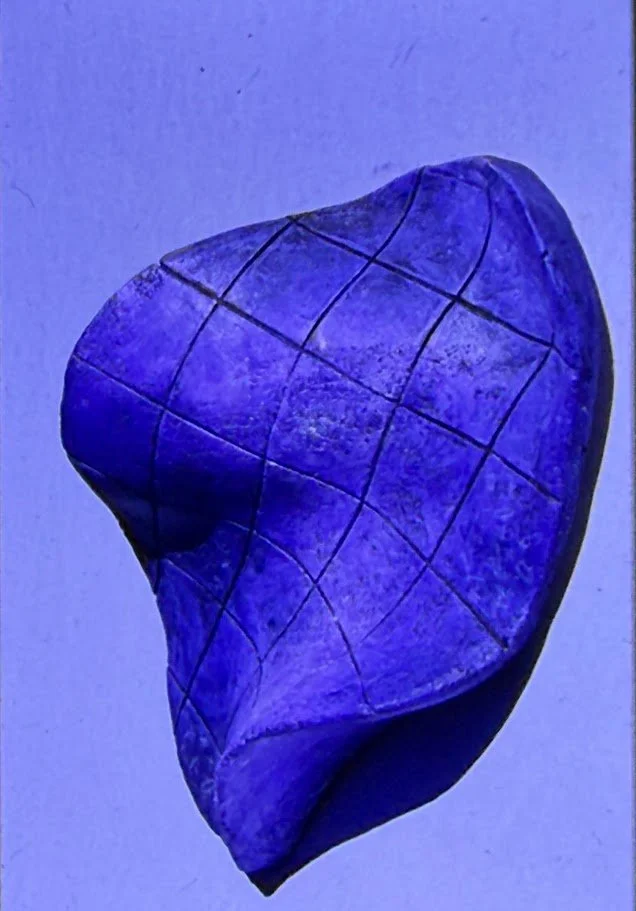
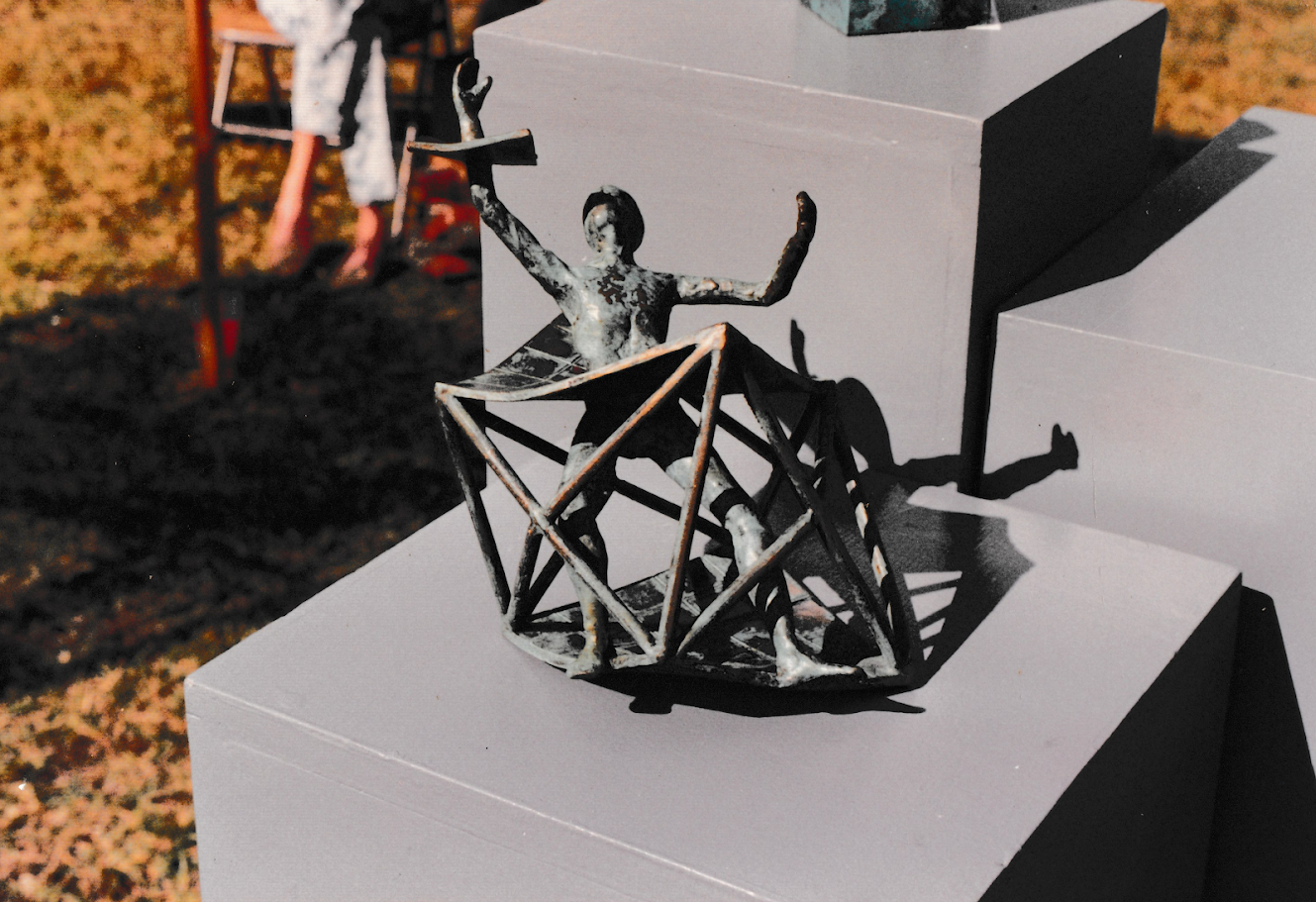
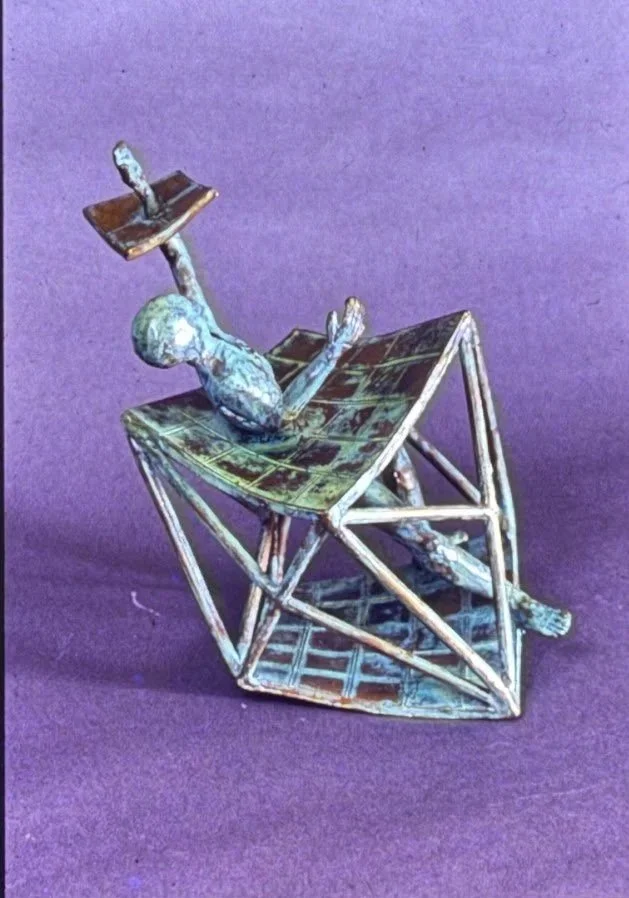
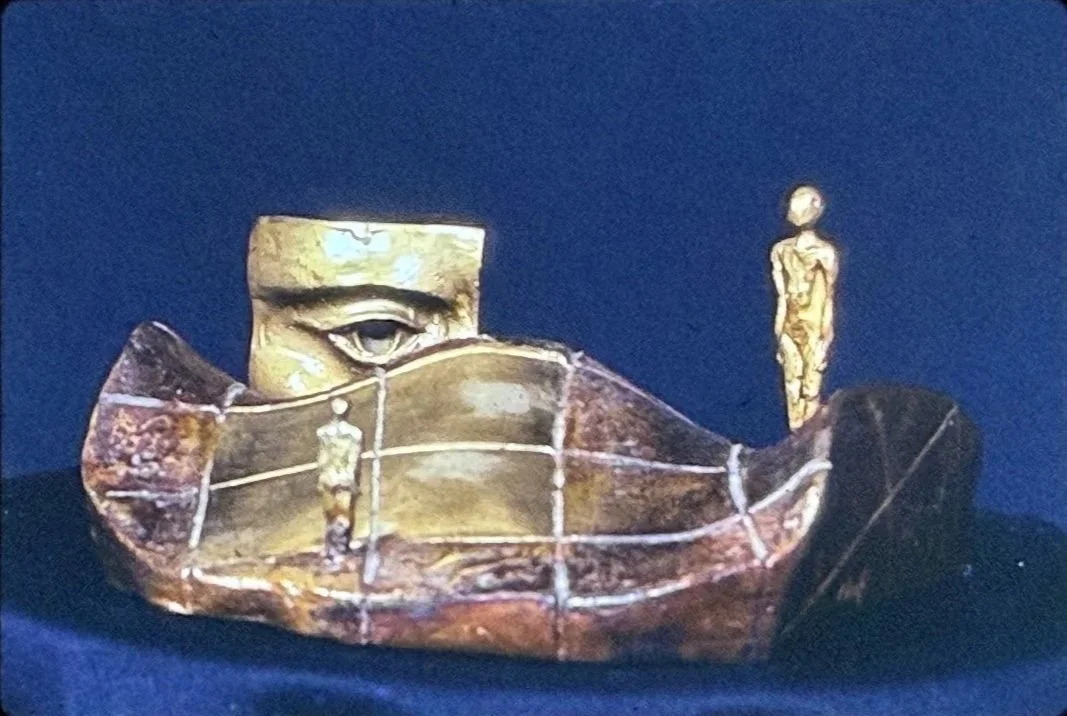
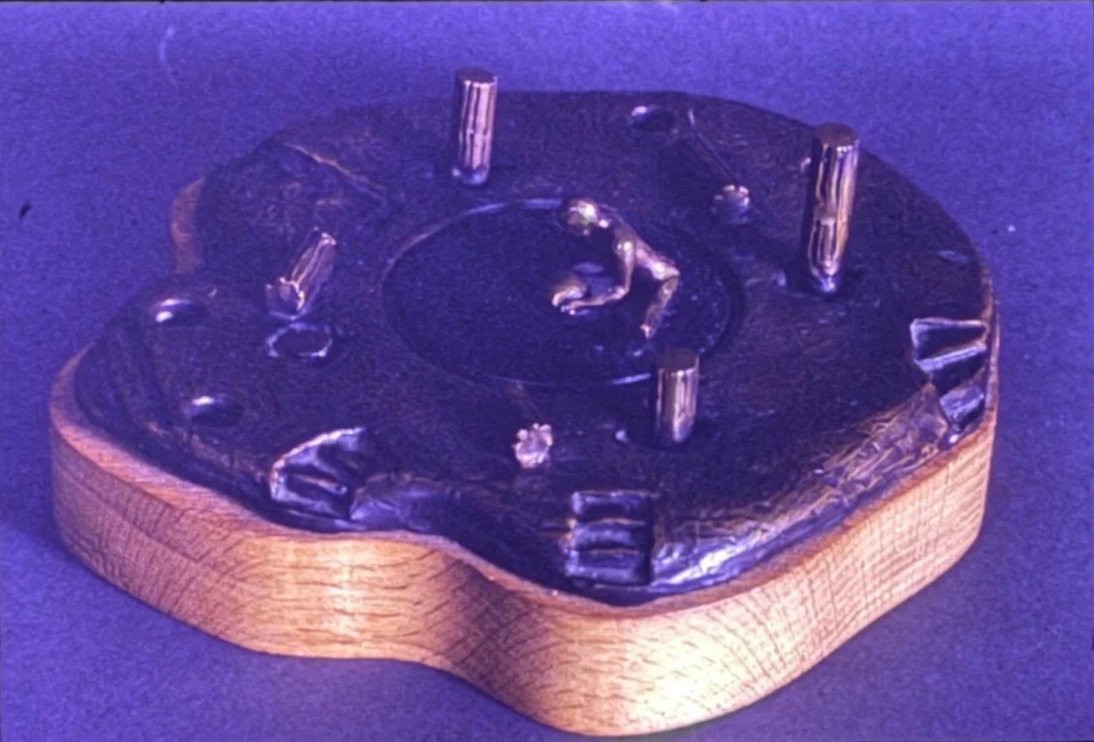
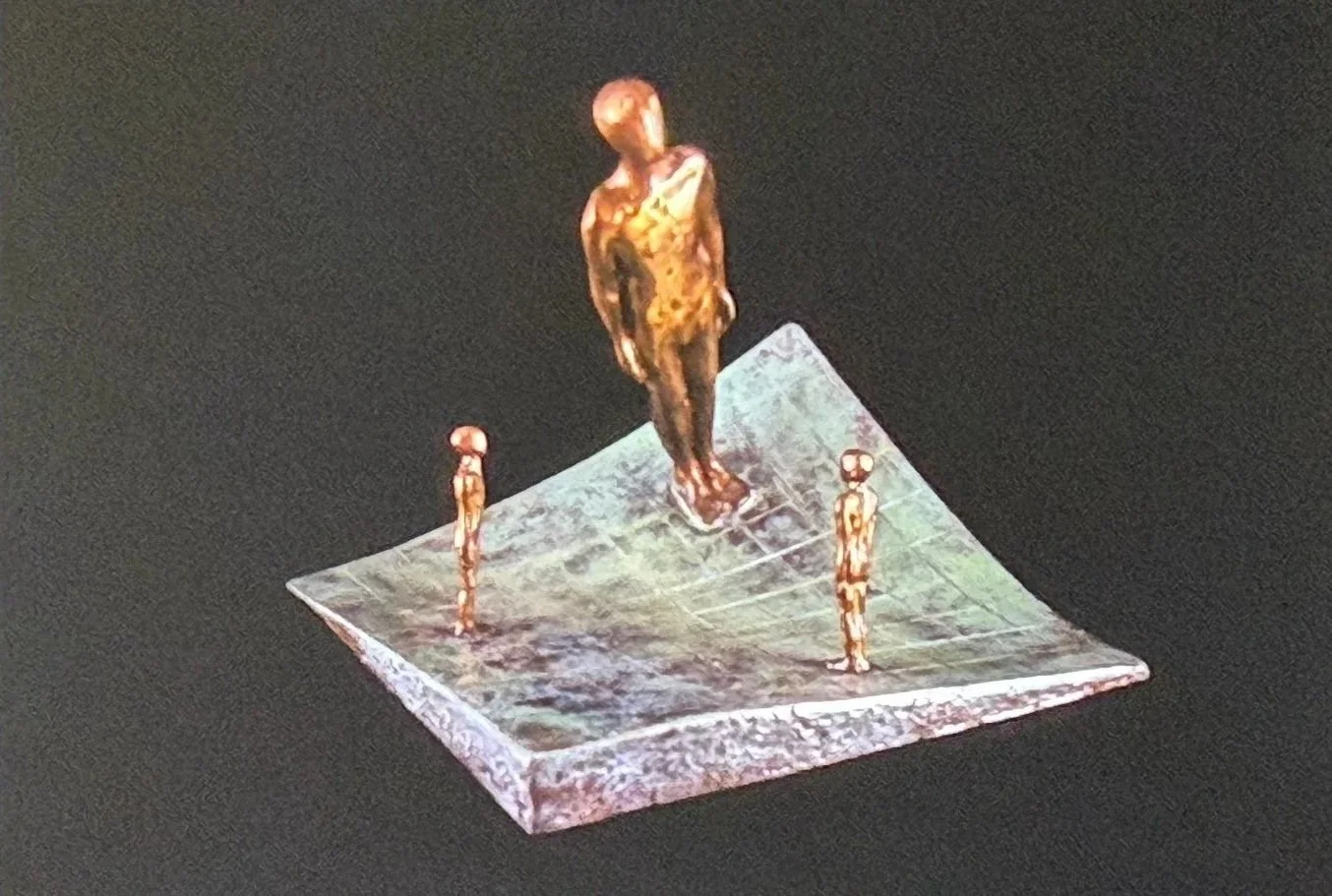
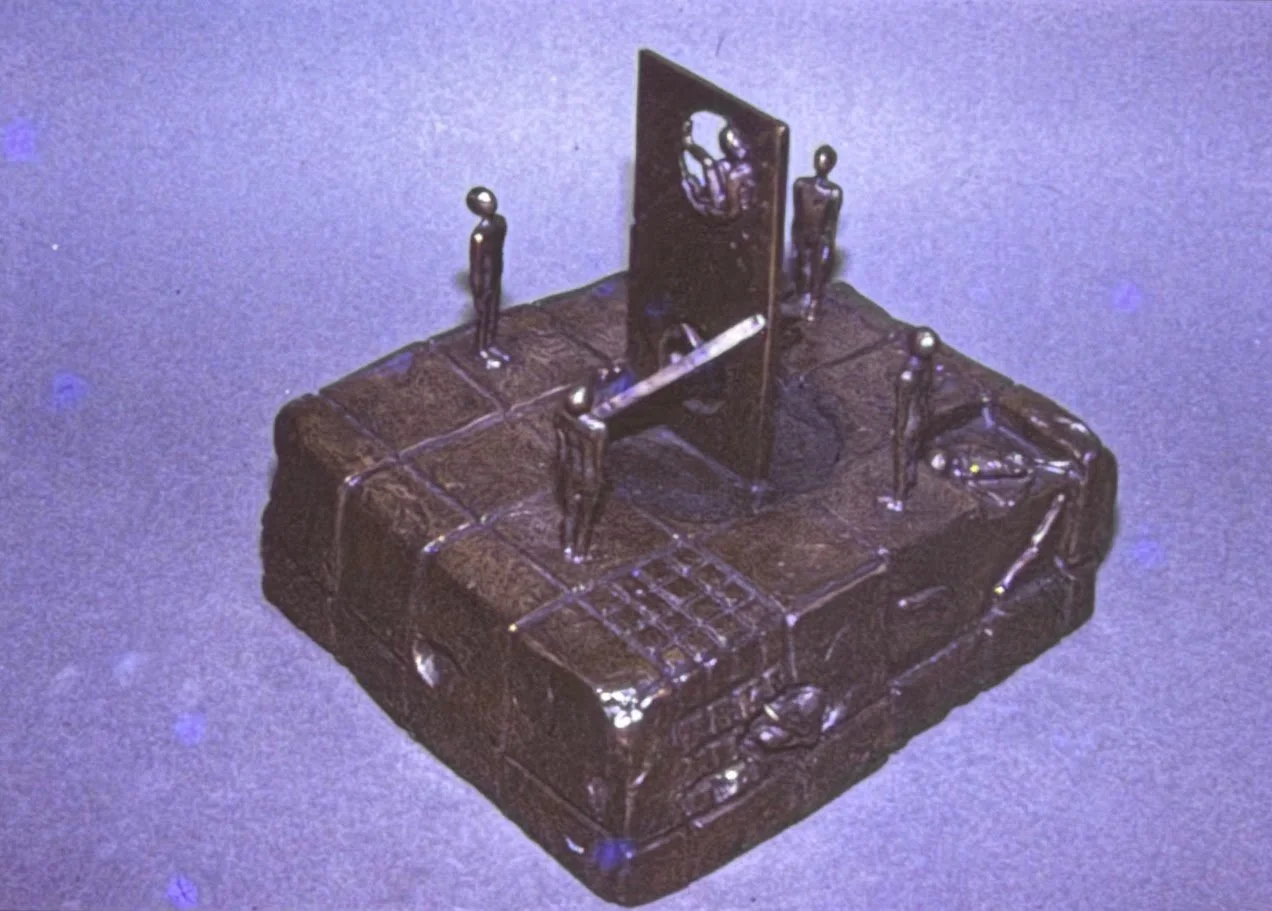
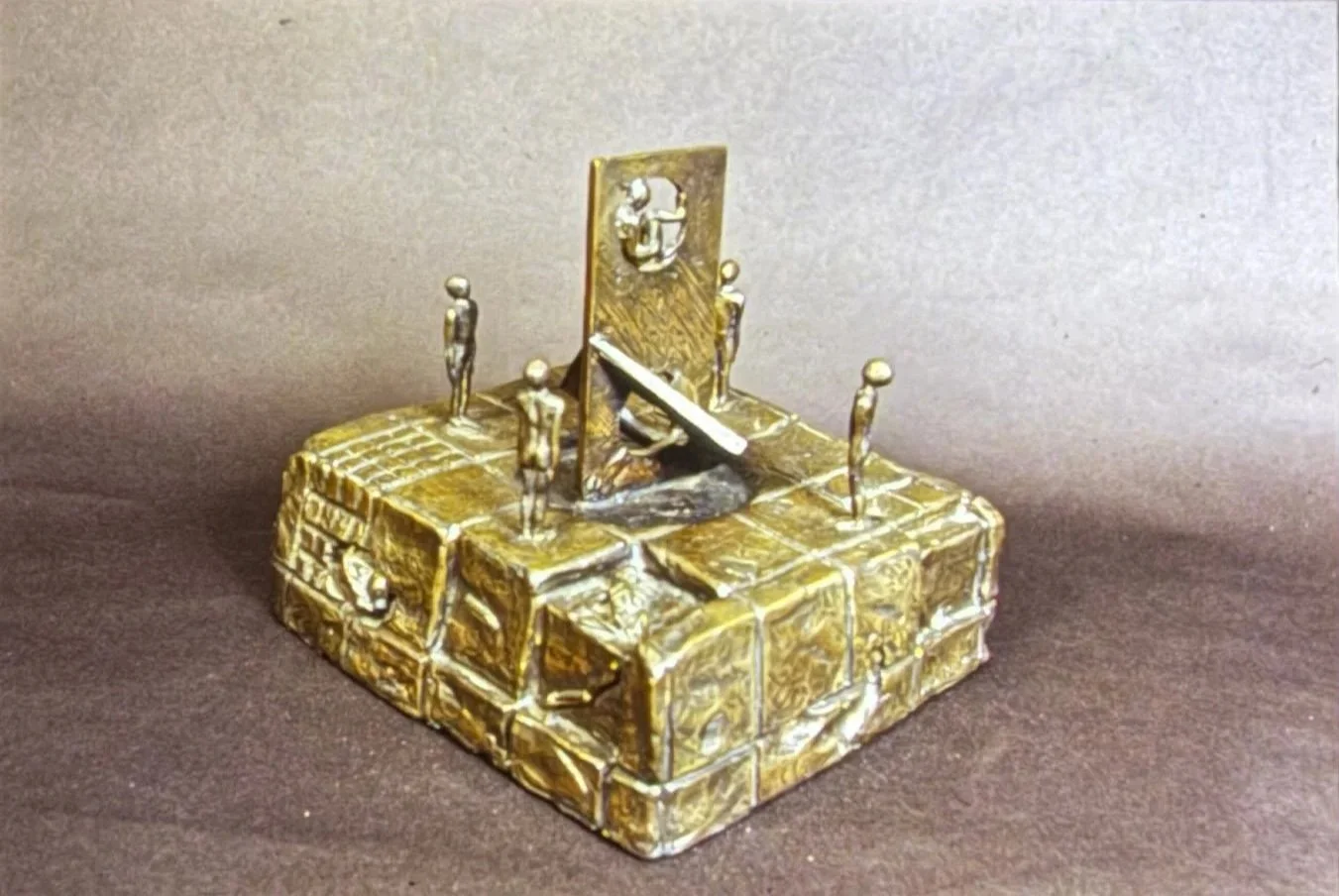
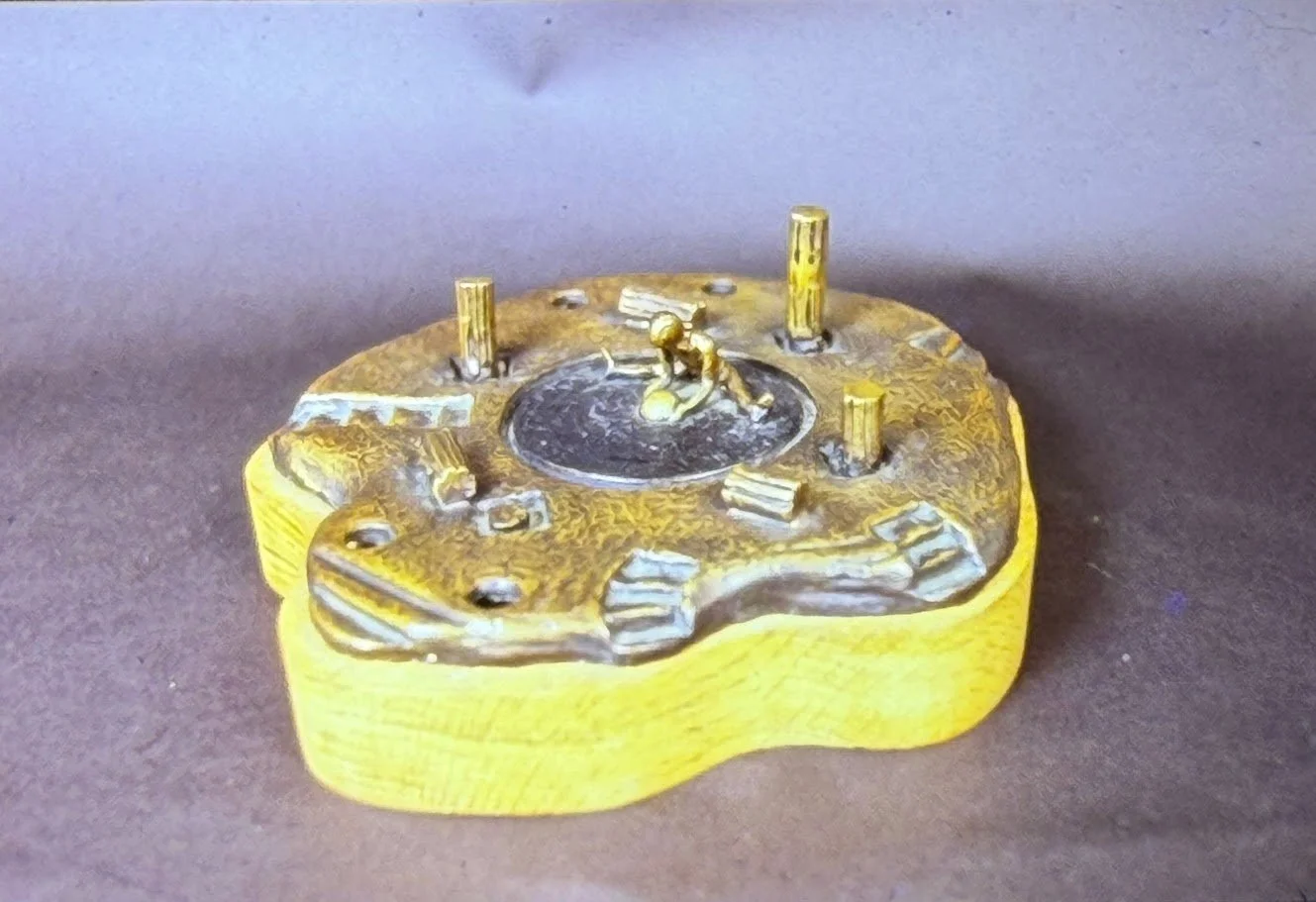
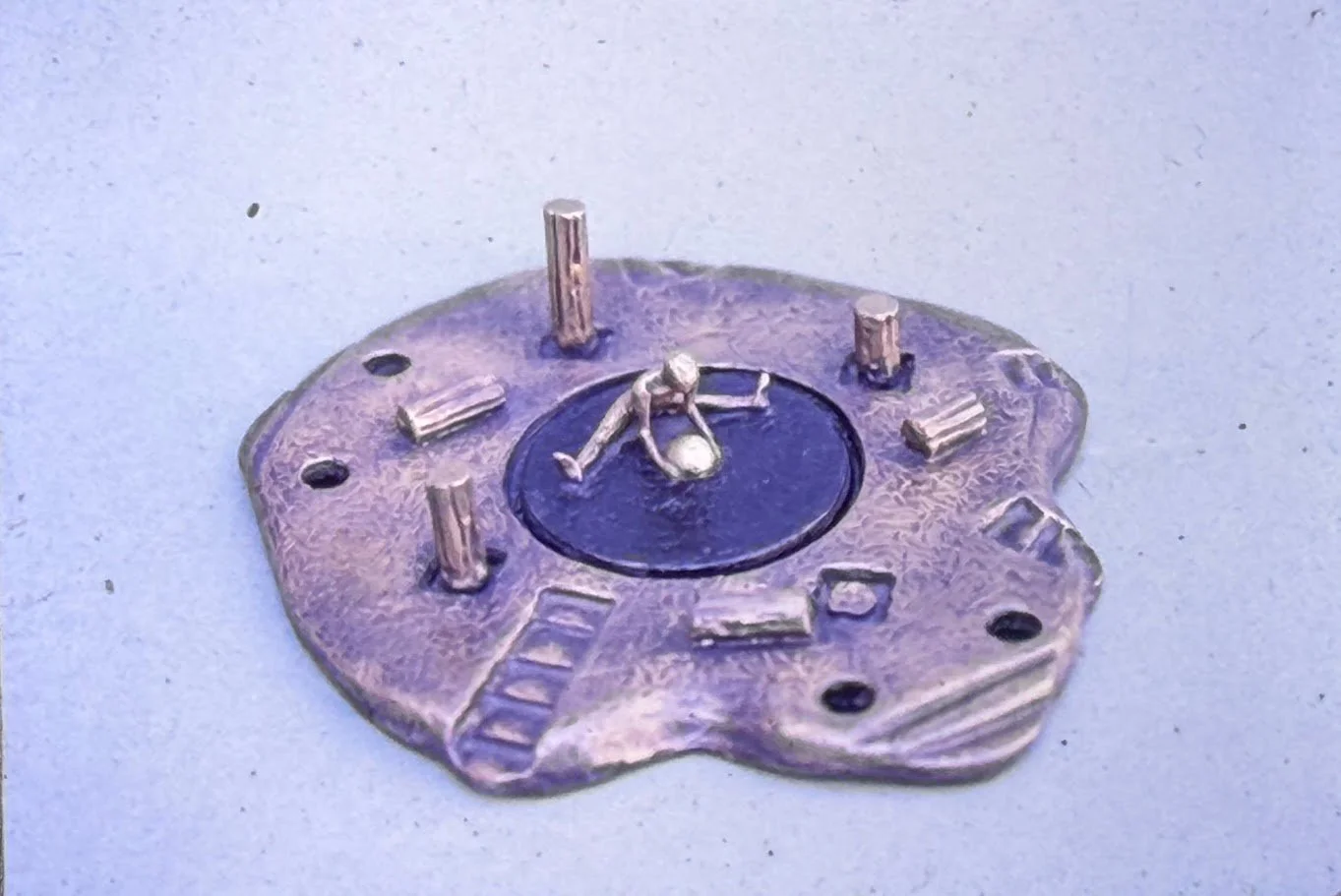
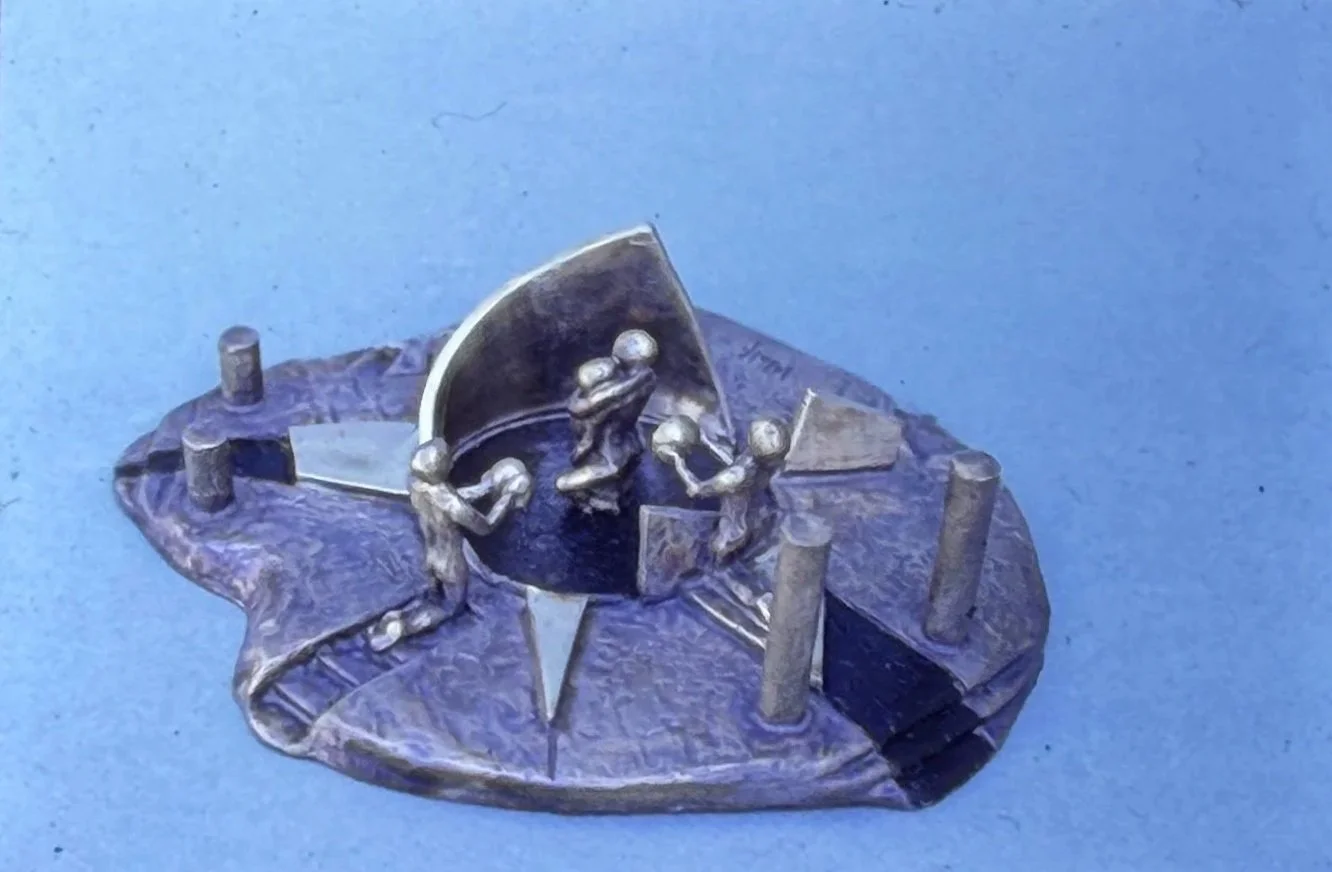
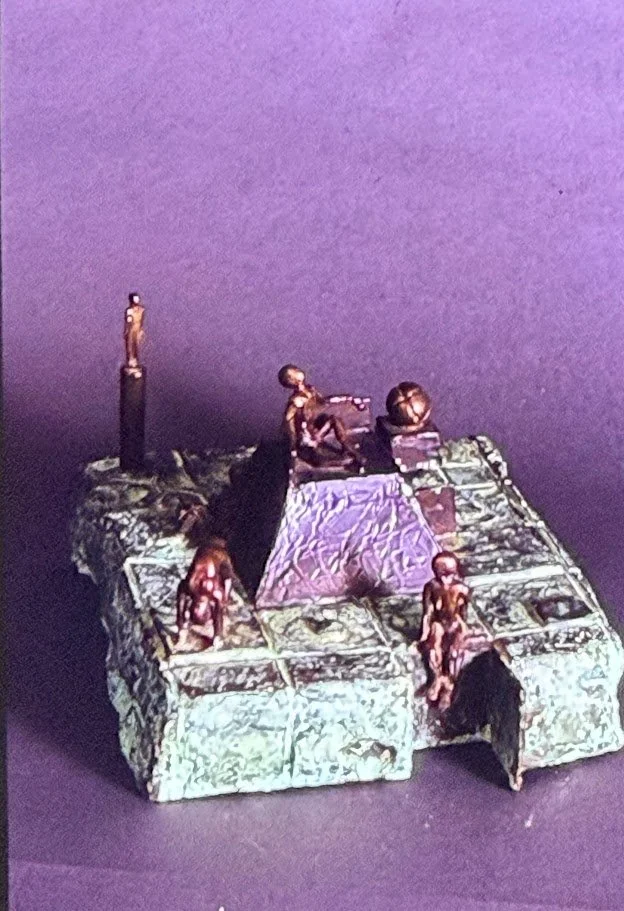
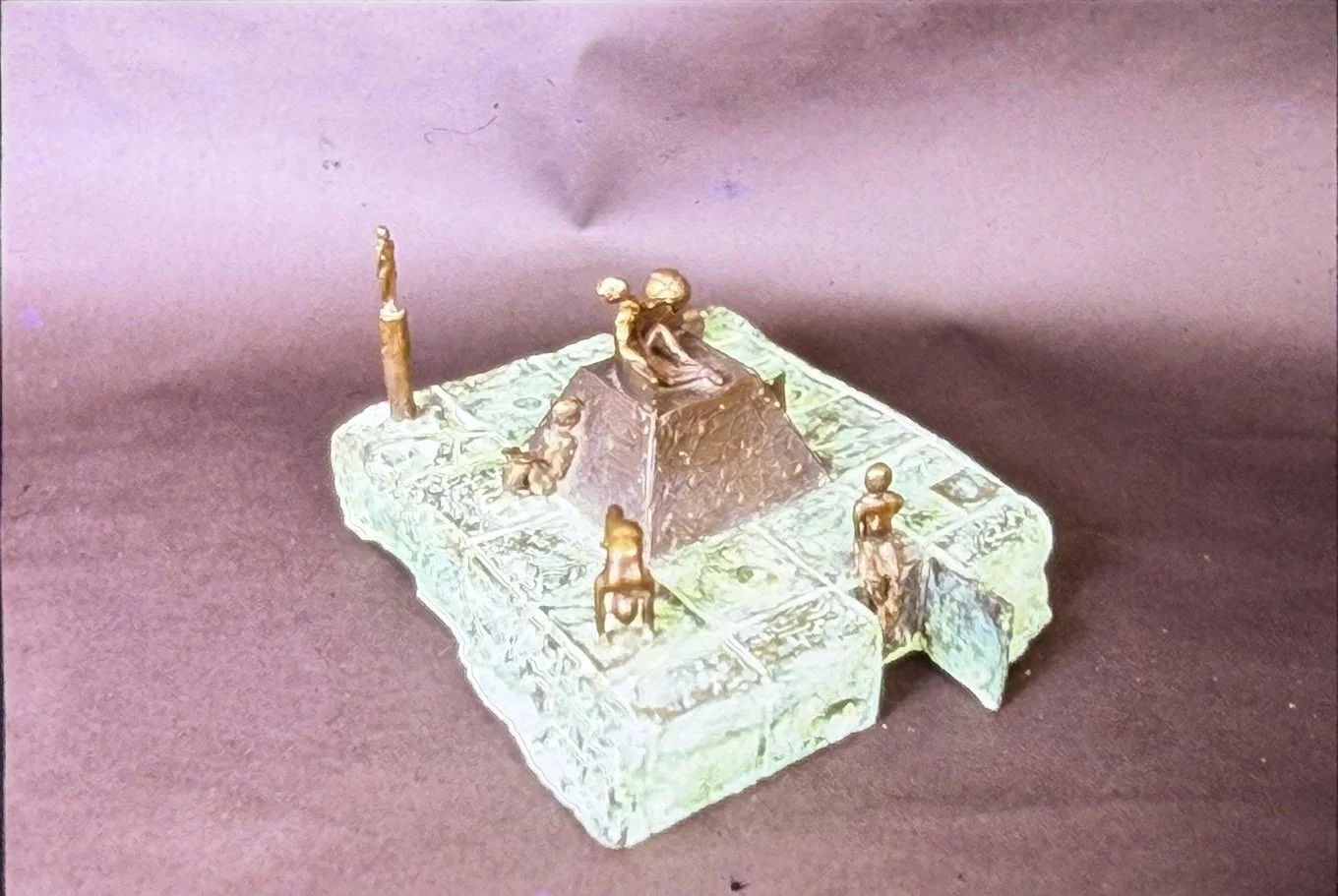
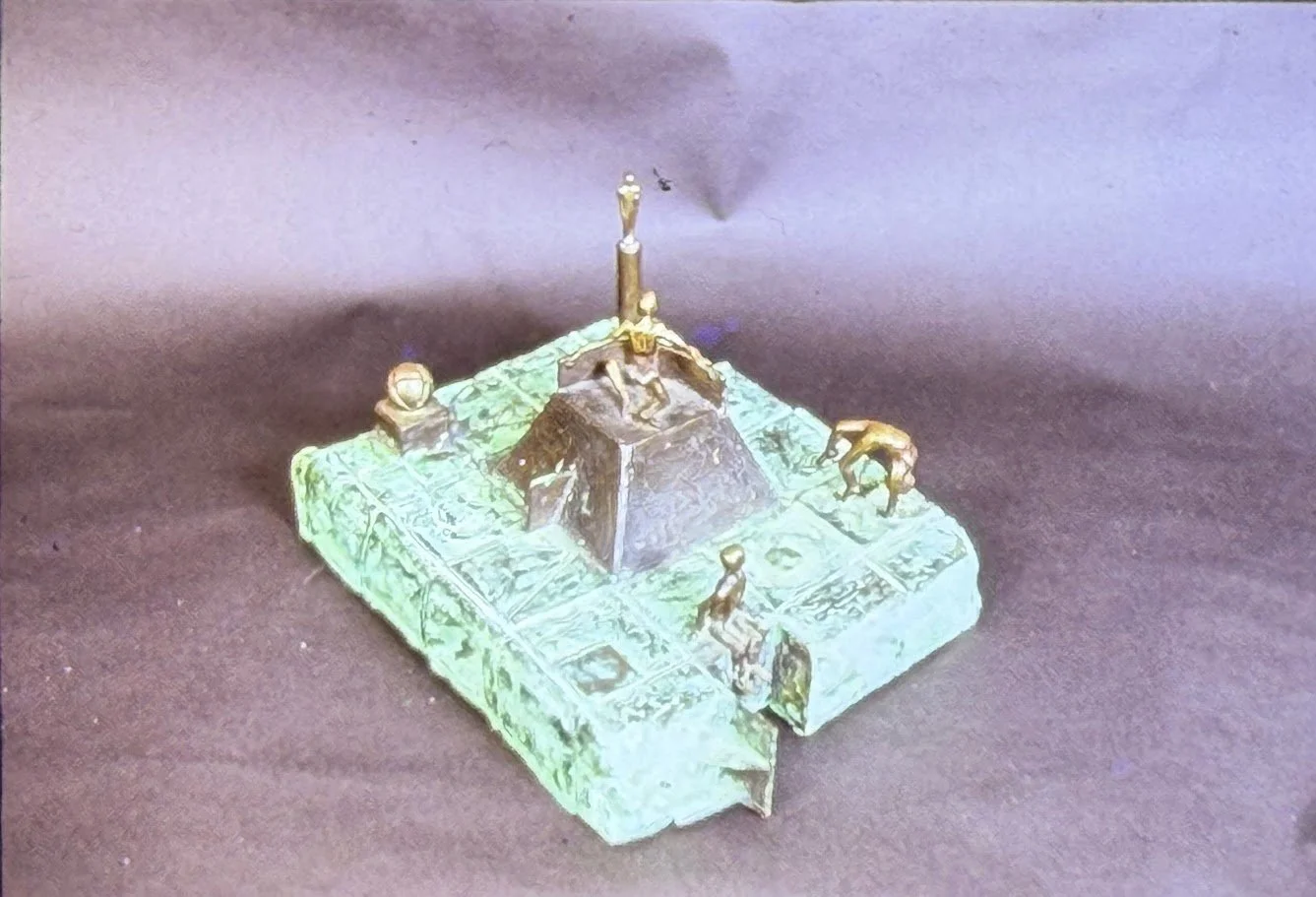
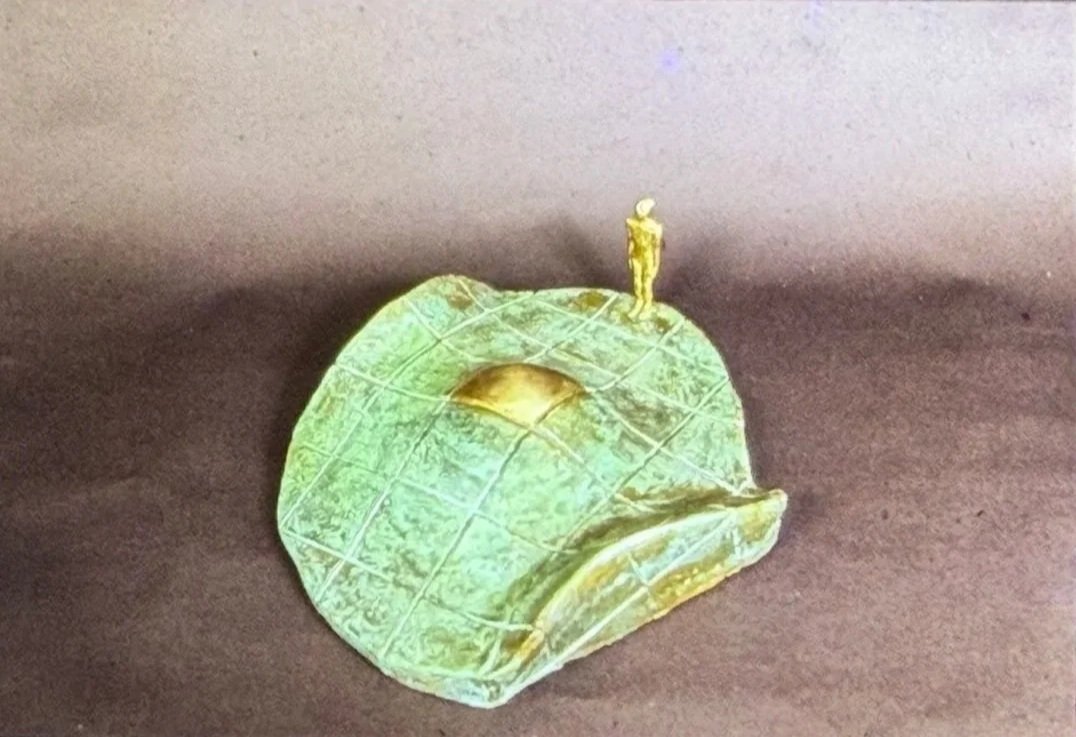
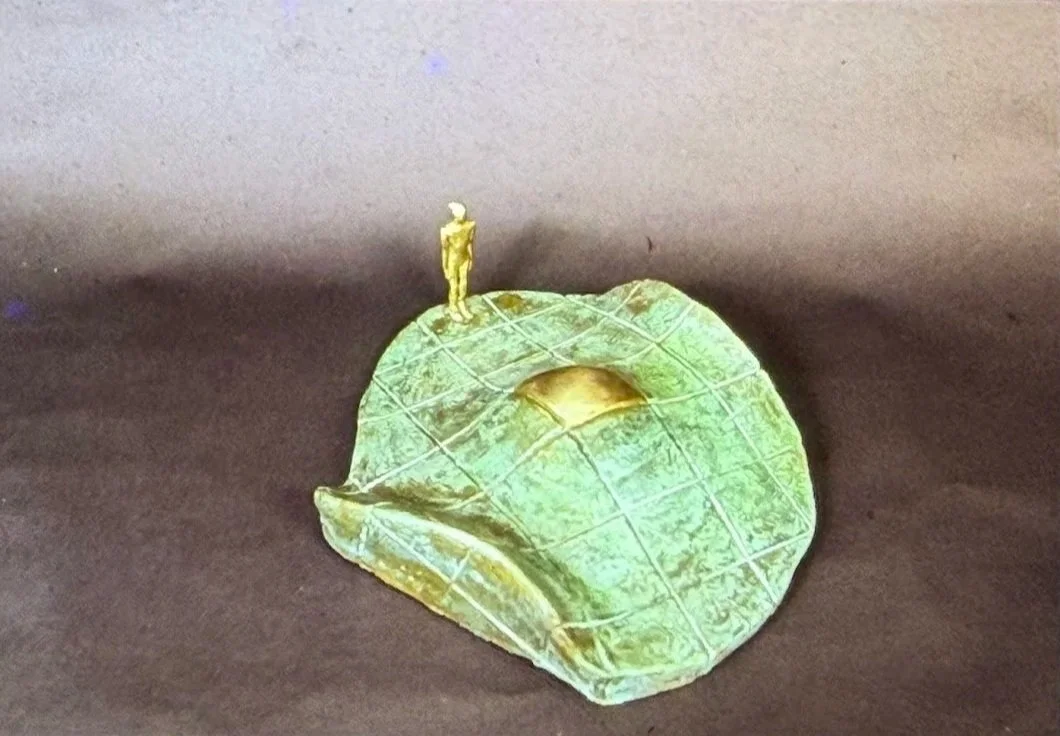
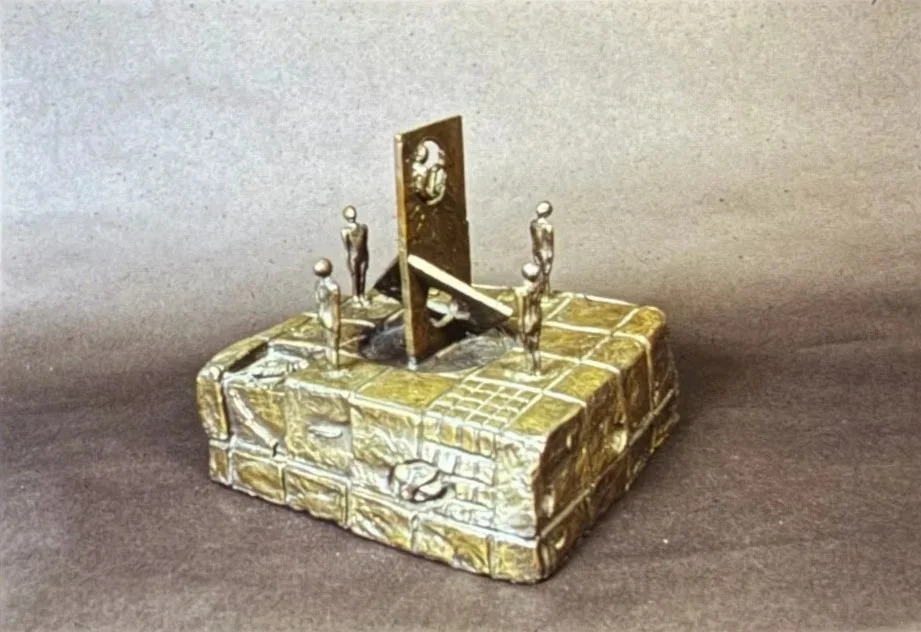
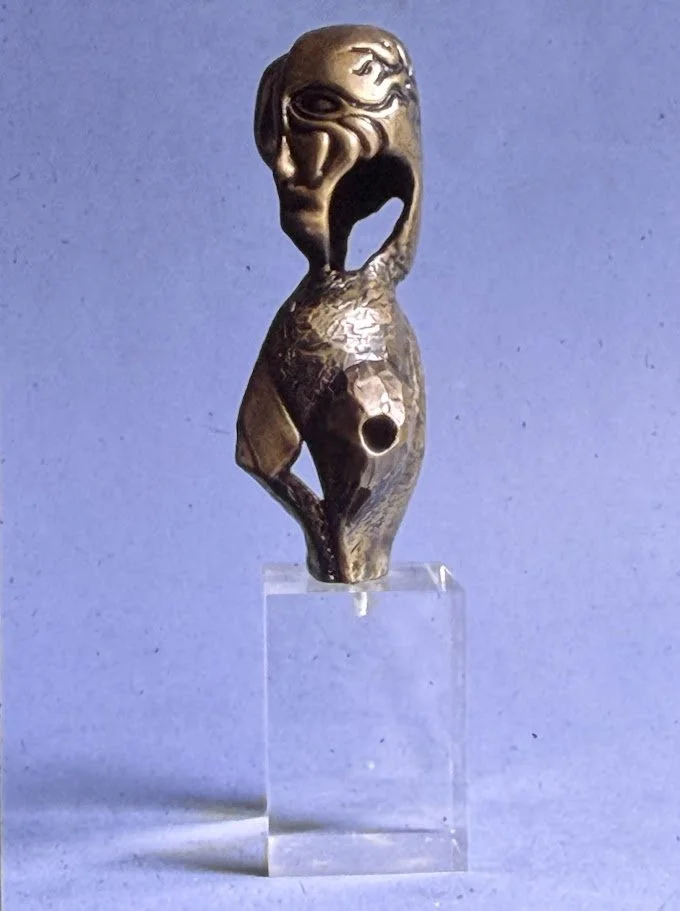
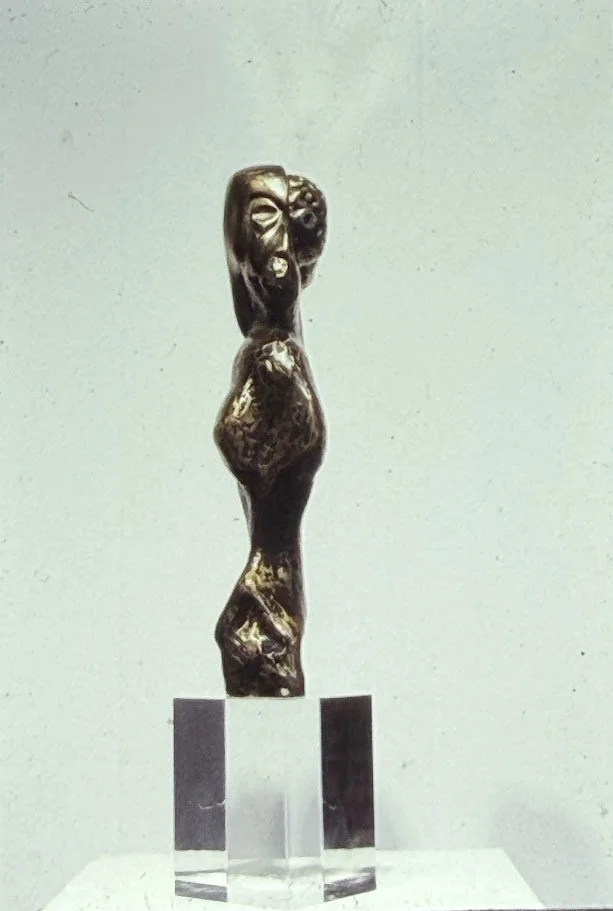
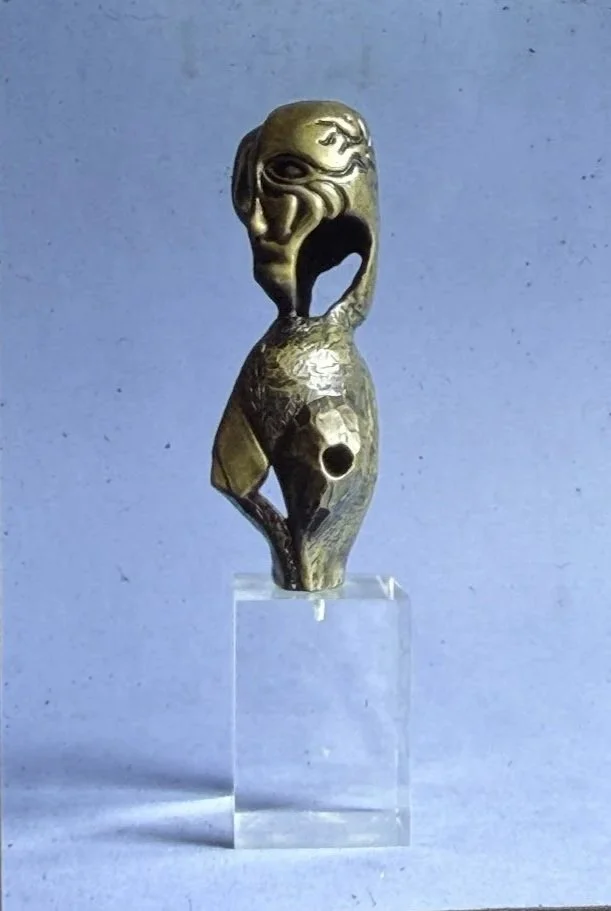
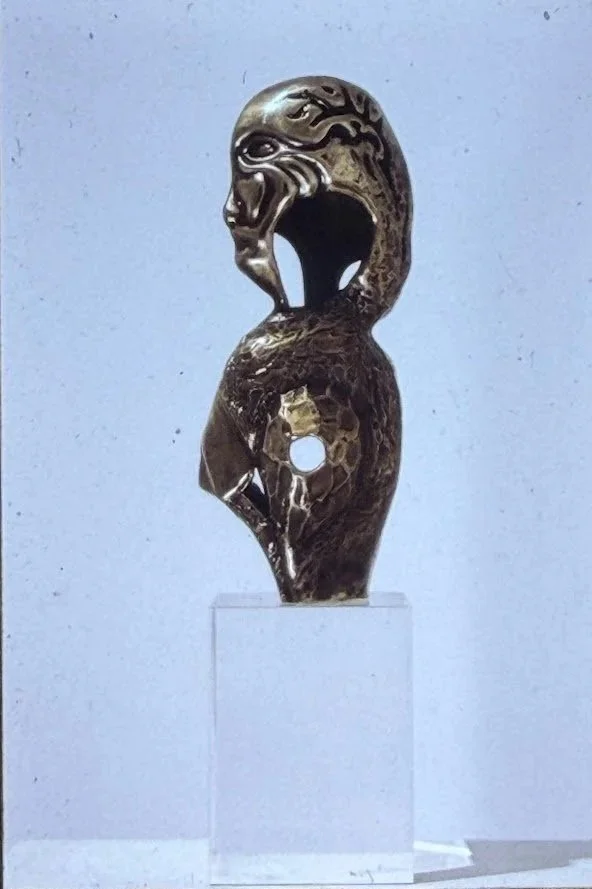
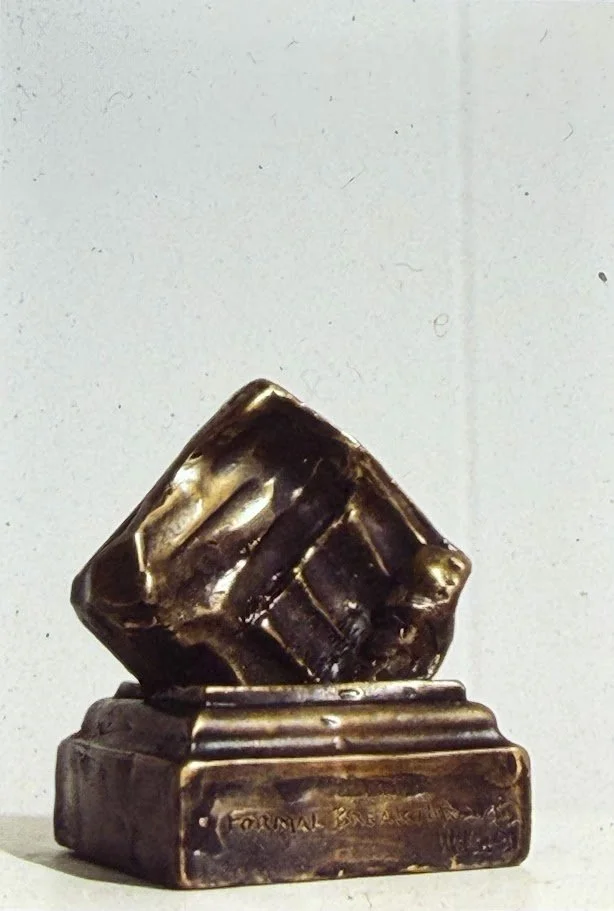
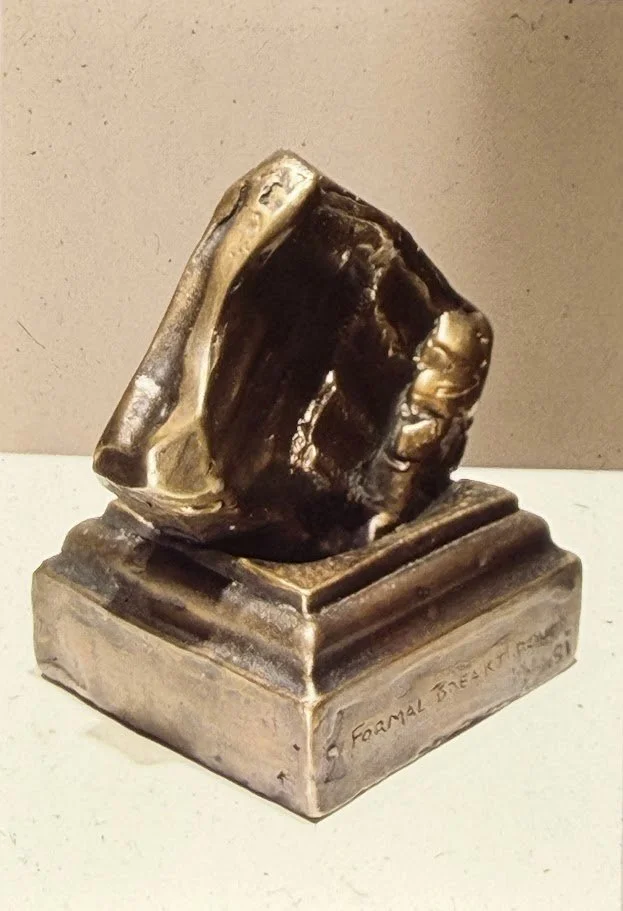
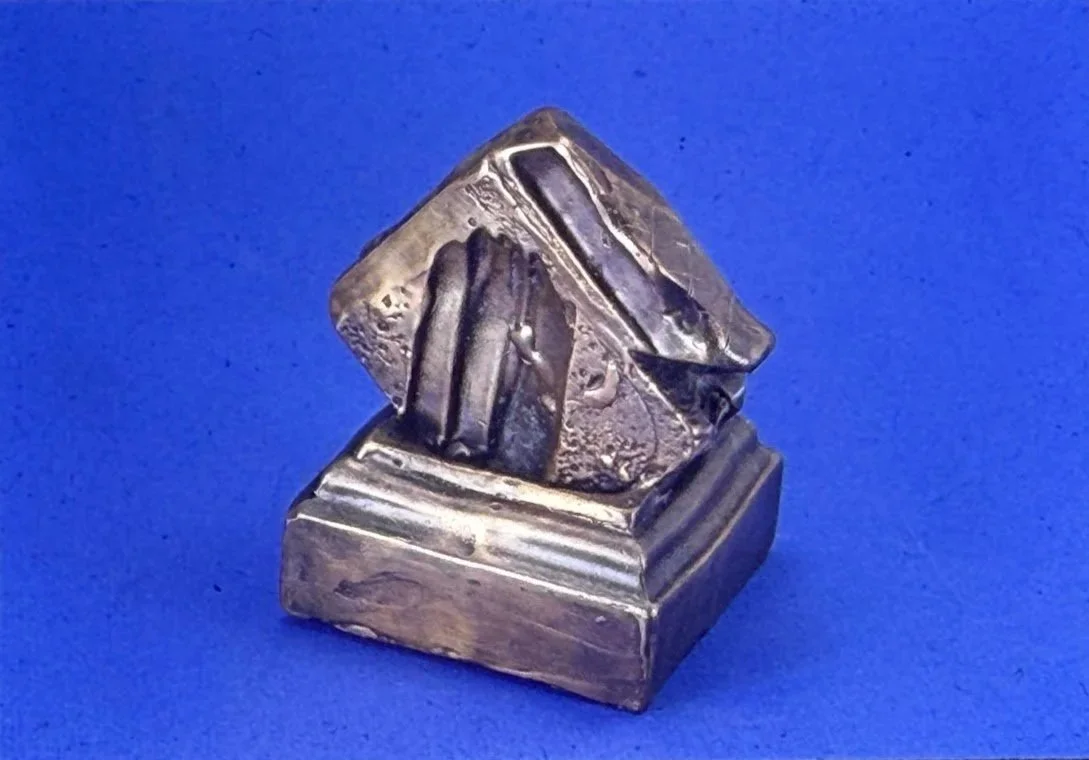
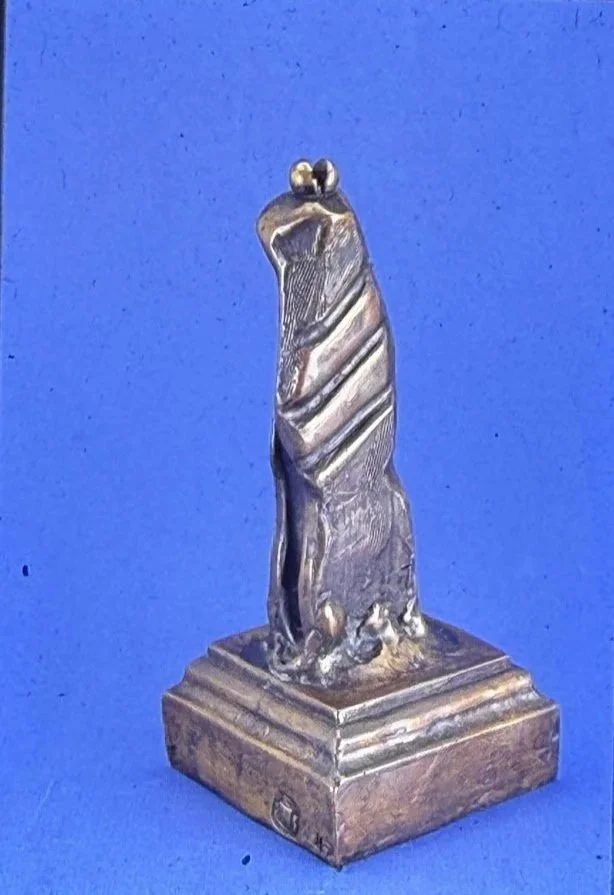
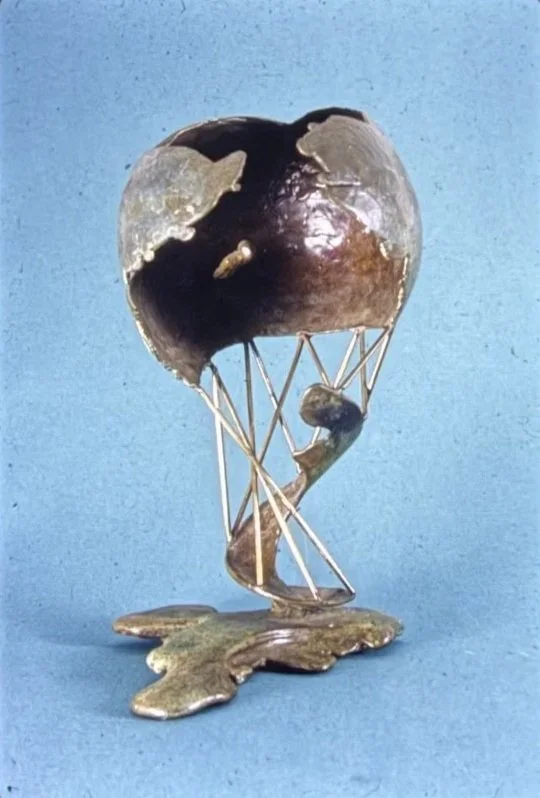
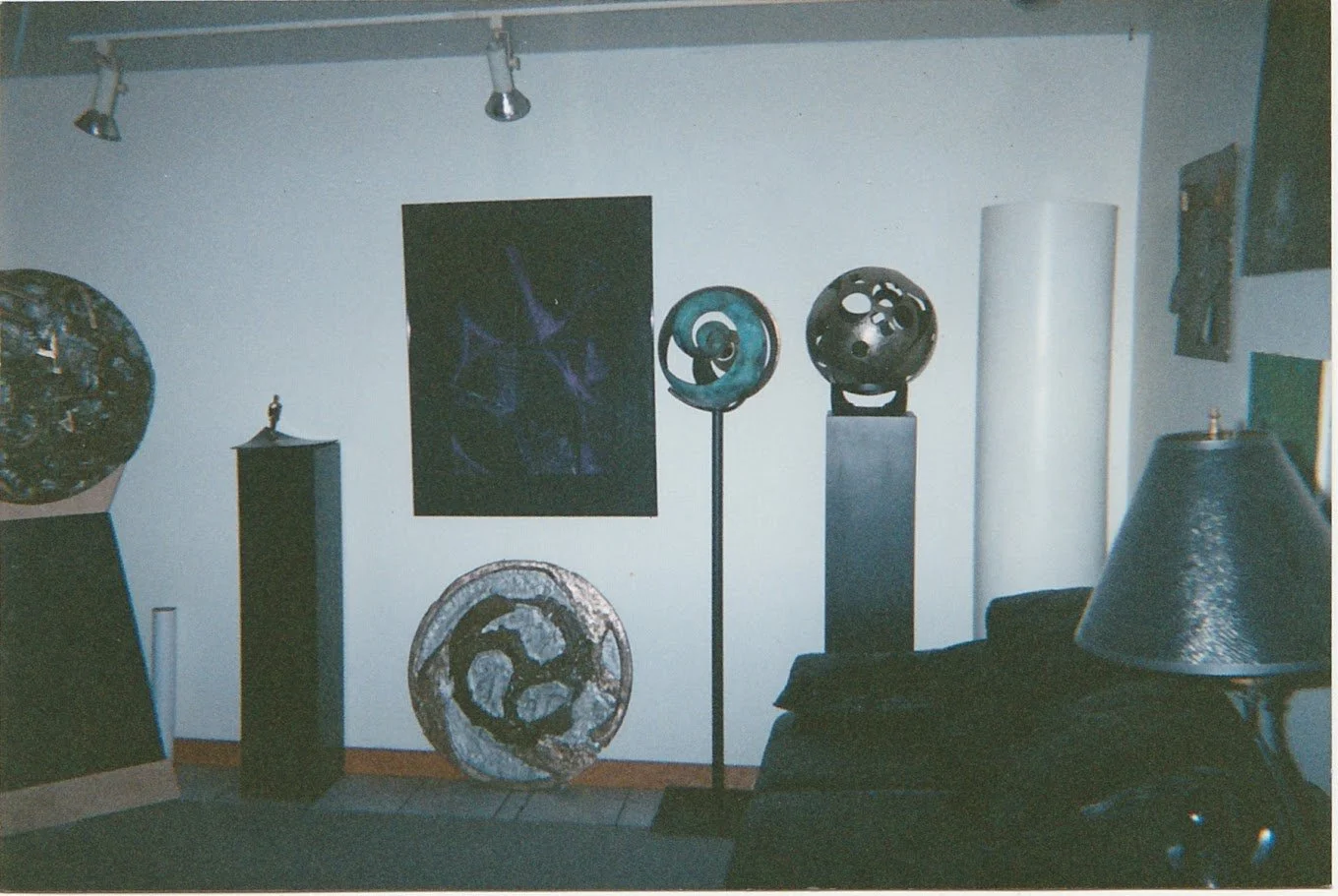
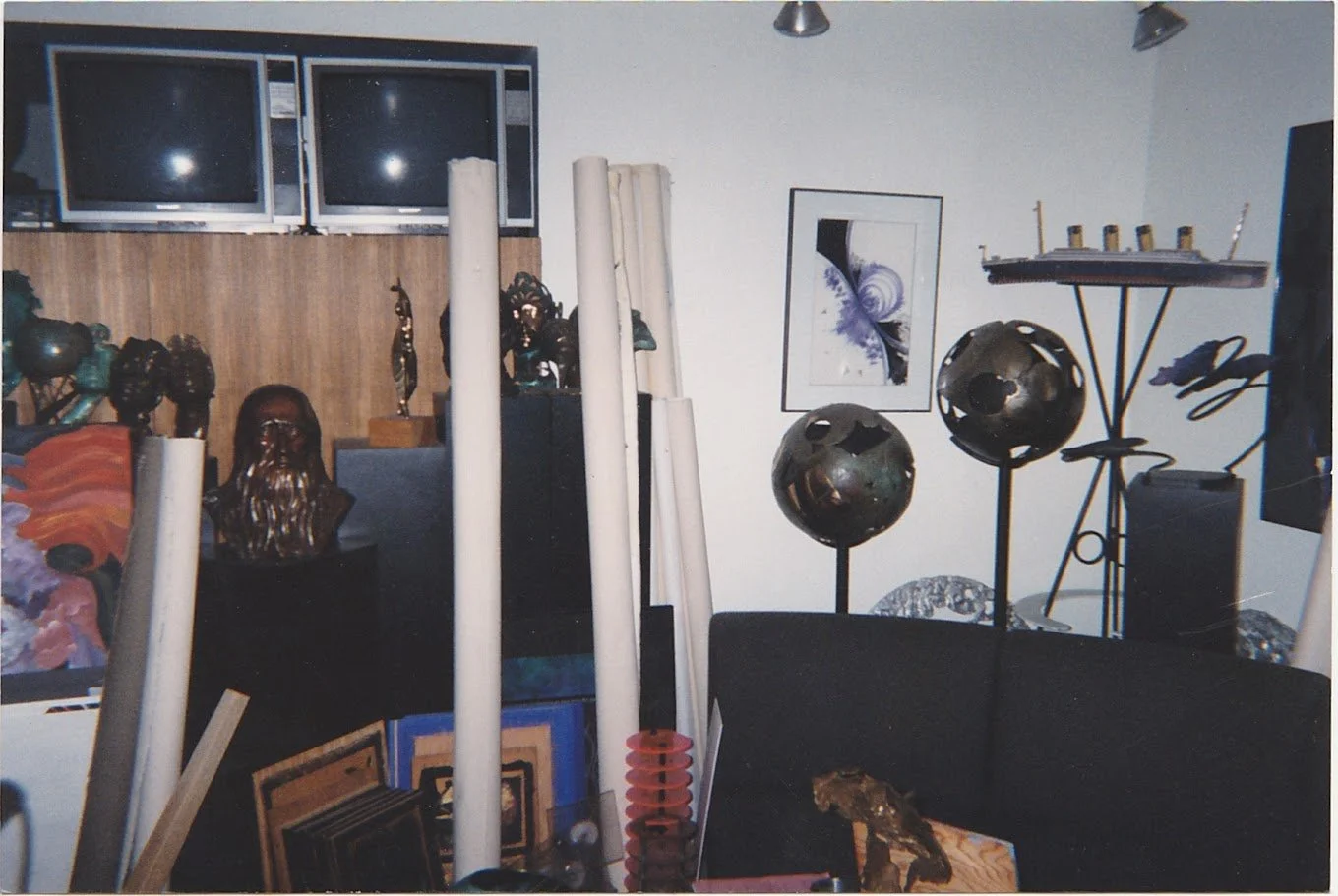
Whitney Wolf II's bronze sculptures from this period can be viewed through the lens of these multiverse concepts. Unlike his atmospheric paintings, the sculptures are highly structured and architectural. Geometric frameworks, platforms, grids, and interconnected spaces create miniature environments that resemble maps of reality itself. Human figures appear within these systems as travelers, observers, or participants moving through layered dimensions.
Several sculptures feature isolated figures positioned within geometric enclosures. The structures appear to define separate realms while simultaneously connecting them. Triangular frameworks, elevated platforms, and intersecting planes create visual metaphors for alternate worlds existing within a larger system. The figures often seem suspended between spaces, suggesting movement from one reality into another. Rather than depicting a single environment, the sculptures imply multiple domains linked through invisible relationships.
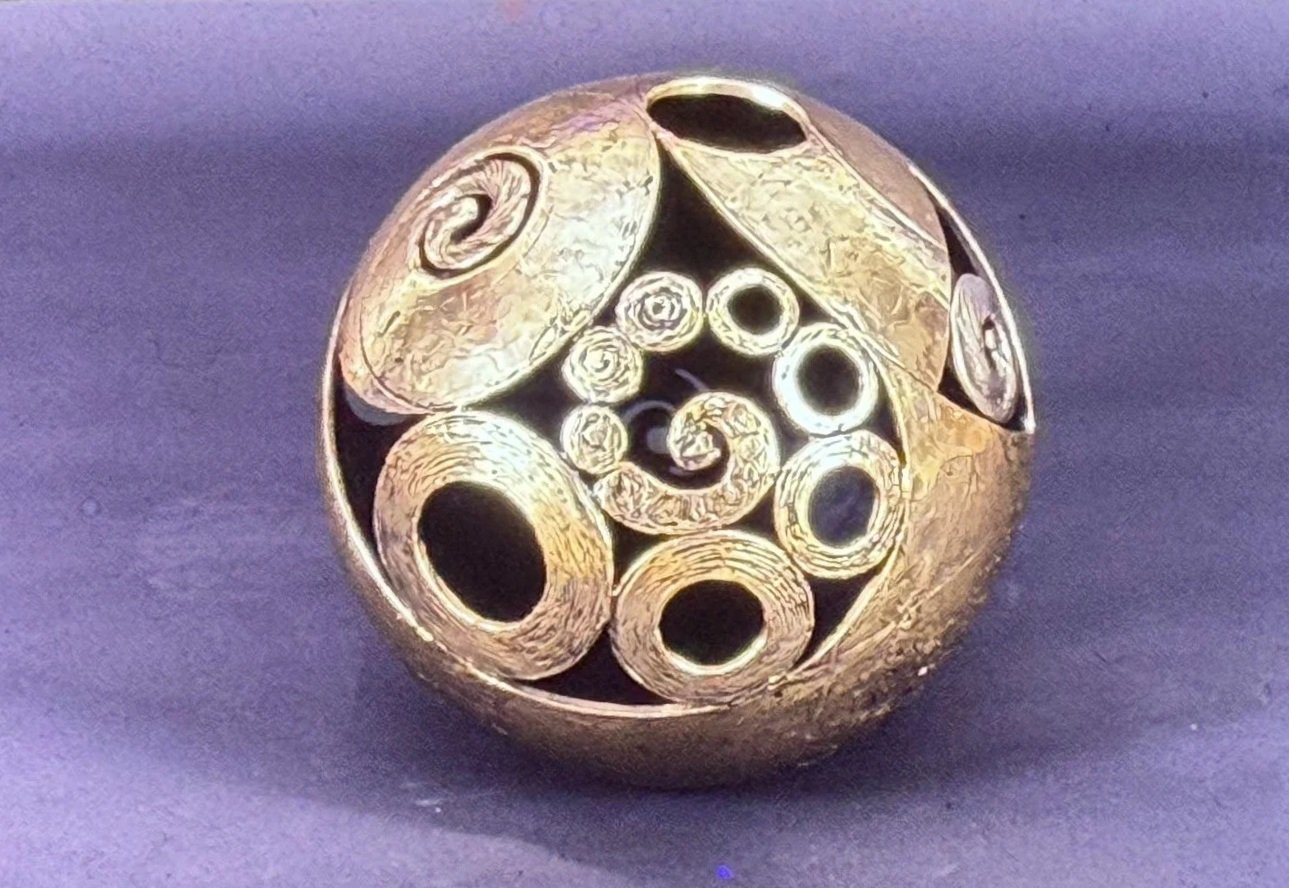
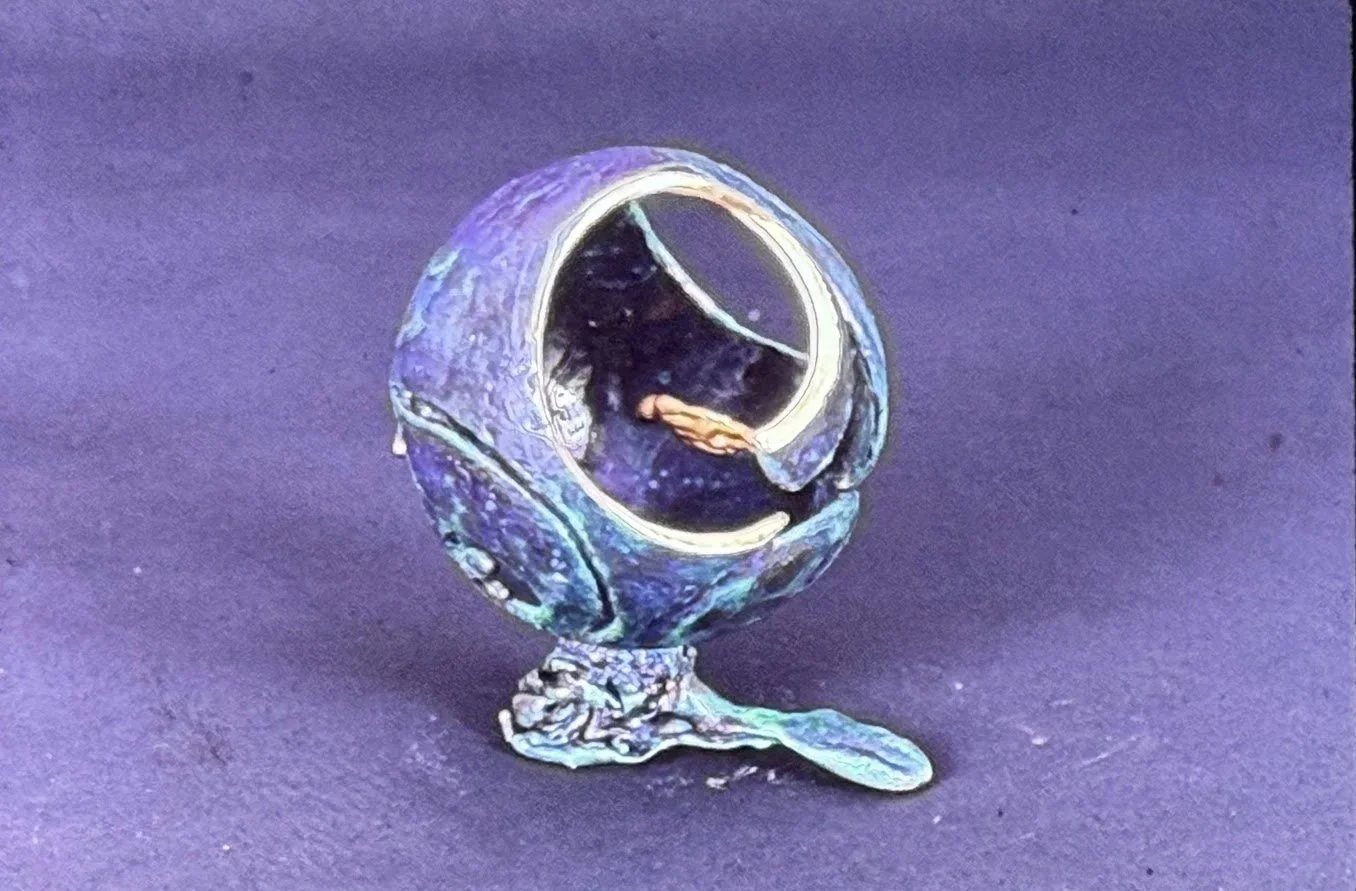
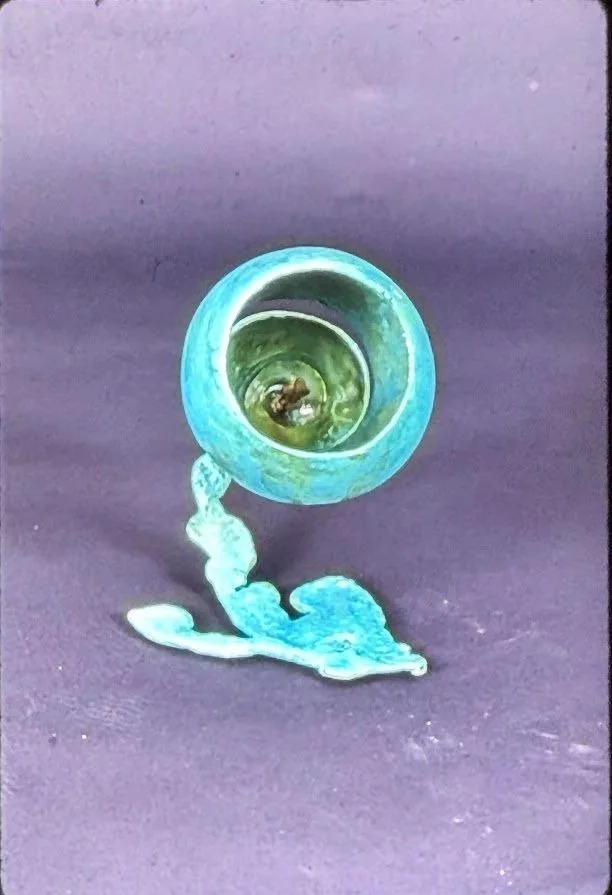
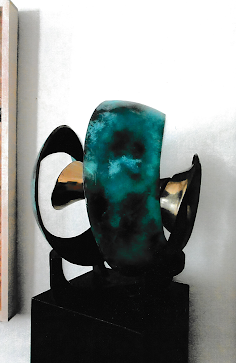
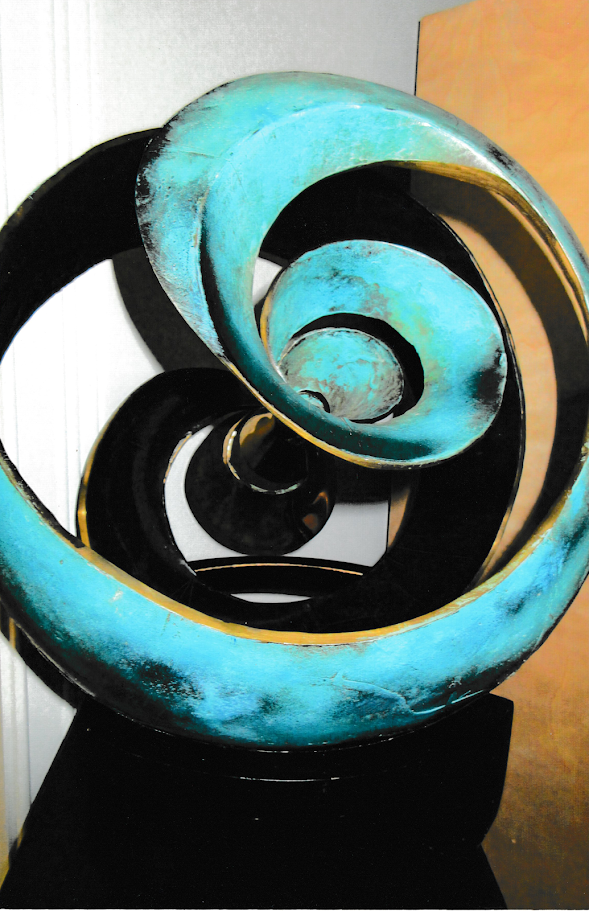
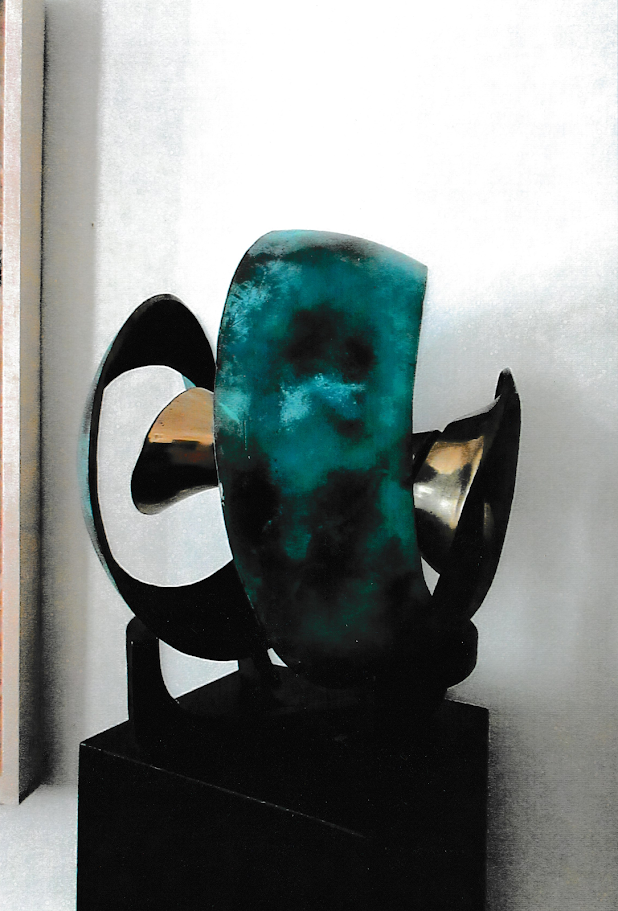
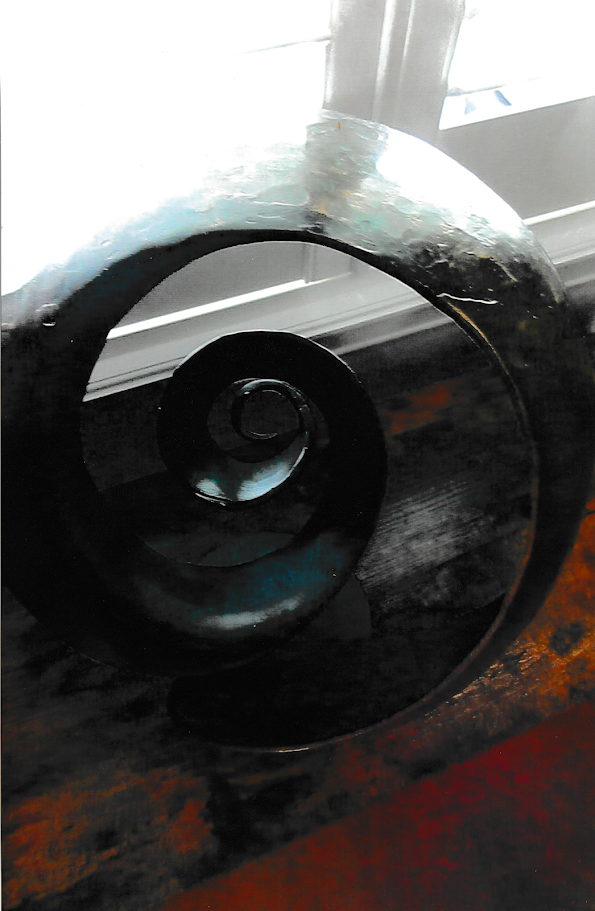
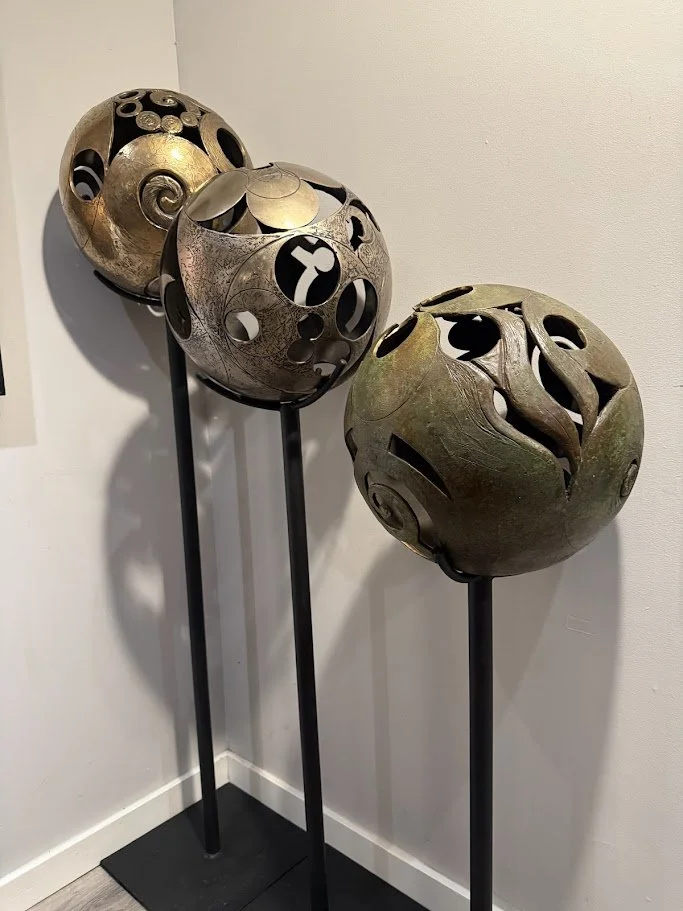
Other works introduce groups of figures interacting across segmented spaces. Circular forms, openings, and pathways suggest portals between dimensions. The sculptures can be interpreted as physical models of branching realities in which individuals occupy different positions within an interconnected network of worlds. Each figure appears to inhabit a unique perspective while remaining part of a larger structure. This reflects one of the central ideas of multiverse theory: that many versions of reality may coexist simultaneously, each representing a different possibility.
The use of bronze further strengthens these themes. Traditionally associated with permanence and monumentality, bronze allows Wolf to give physical form to ideas that are otherwise abstract and speculative. Concepts such as alternate dimensions, parallel realities, and interconnected universes become tangible objects occupying real space. The viewer can walk around them and experience multiple viewpoints, mirroring the idea that reality itself may contain many perspectives existing at once.