Classical Realism
Classical Realism is an artistic tradition based on the careful study of the natural world, especially the human figure. For centuries, artists learned their craft through observation, anatomy, portraiture, and sculpture. These methods helped artists develop the technical skills needed to accurately represent people and their surroundings. This tradition formed the foundation of Western art and continued to influence artists well into the twentieth century.
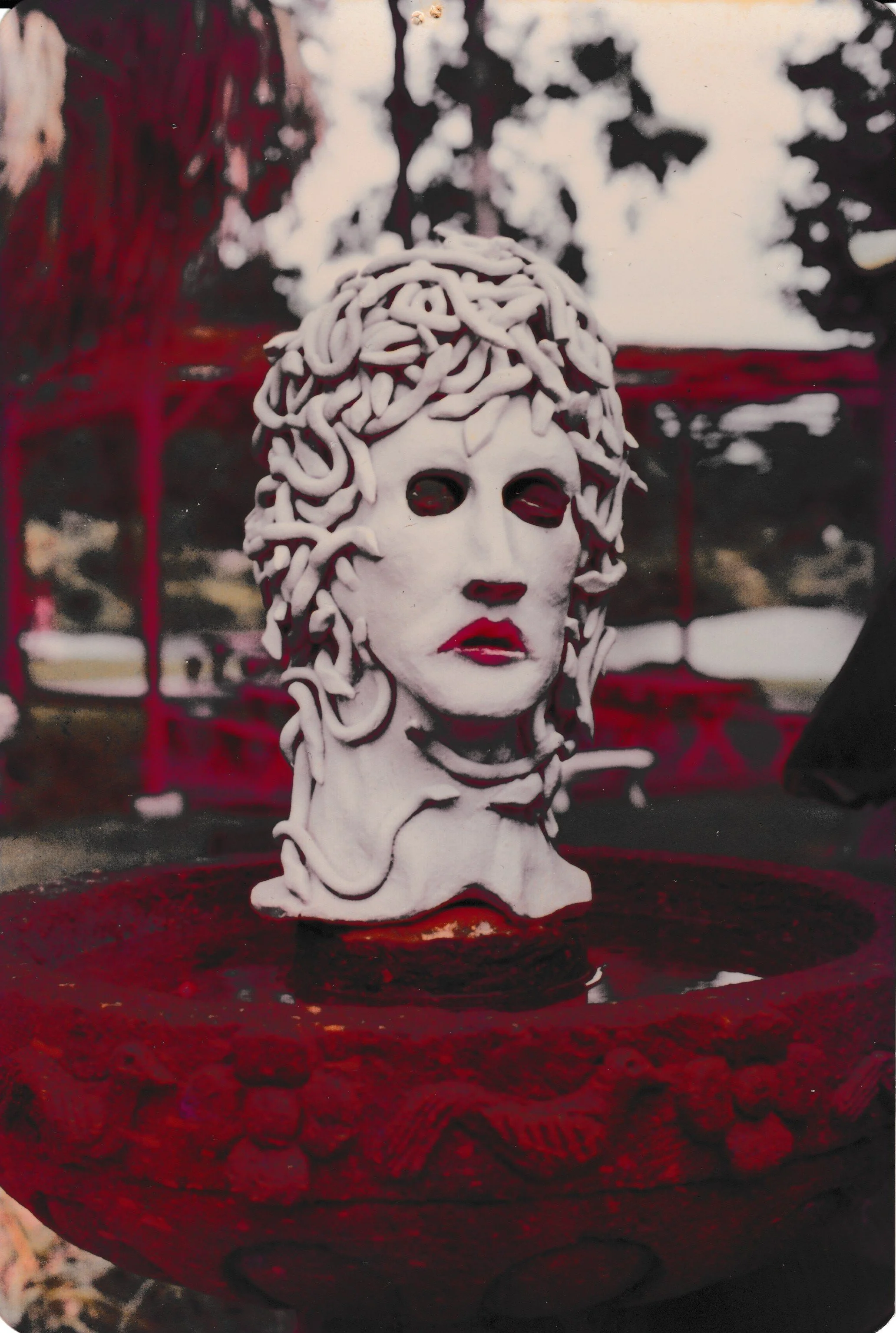
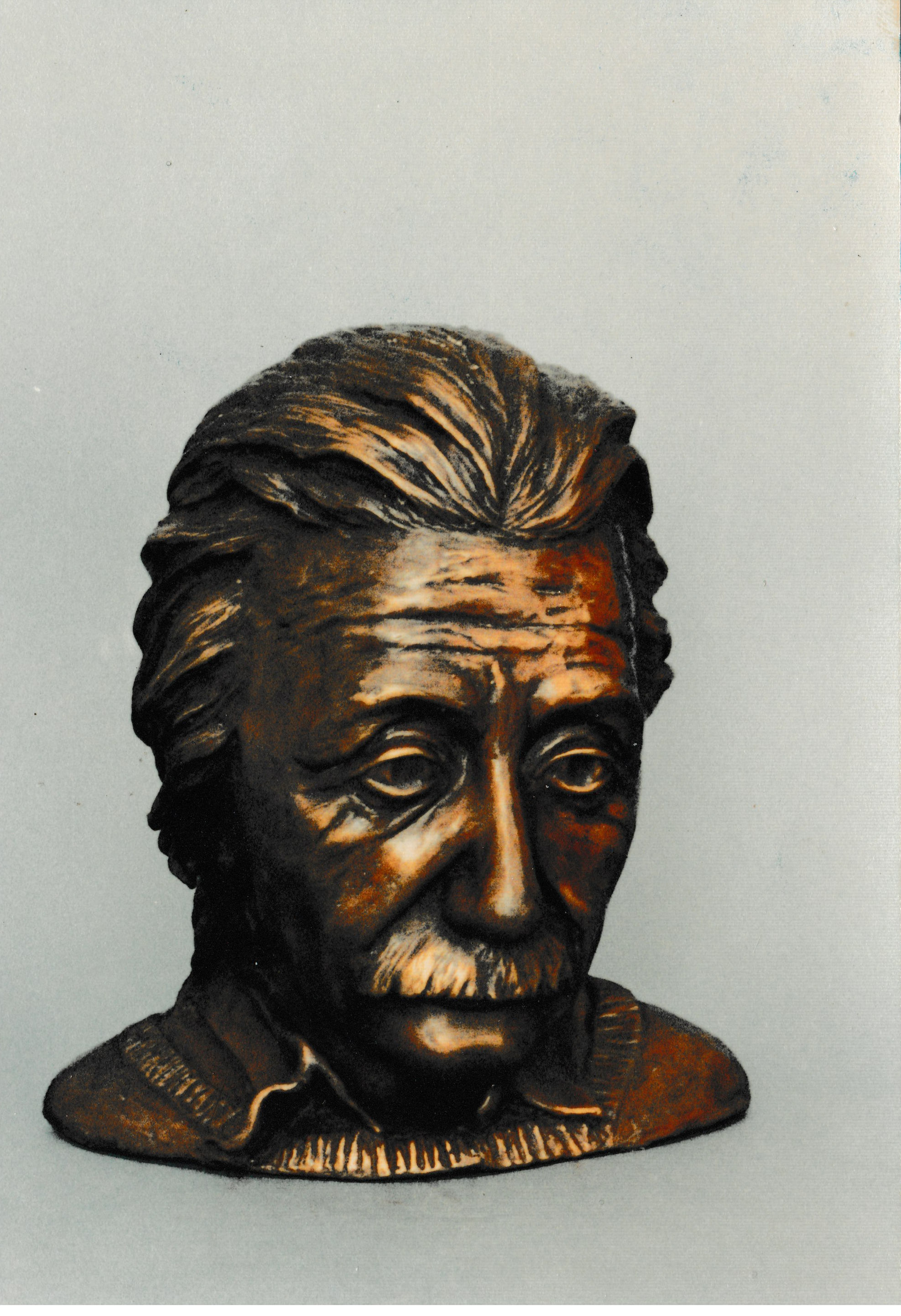
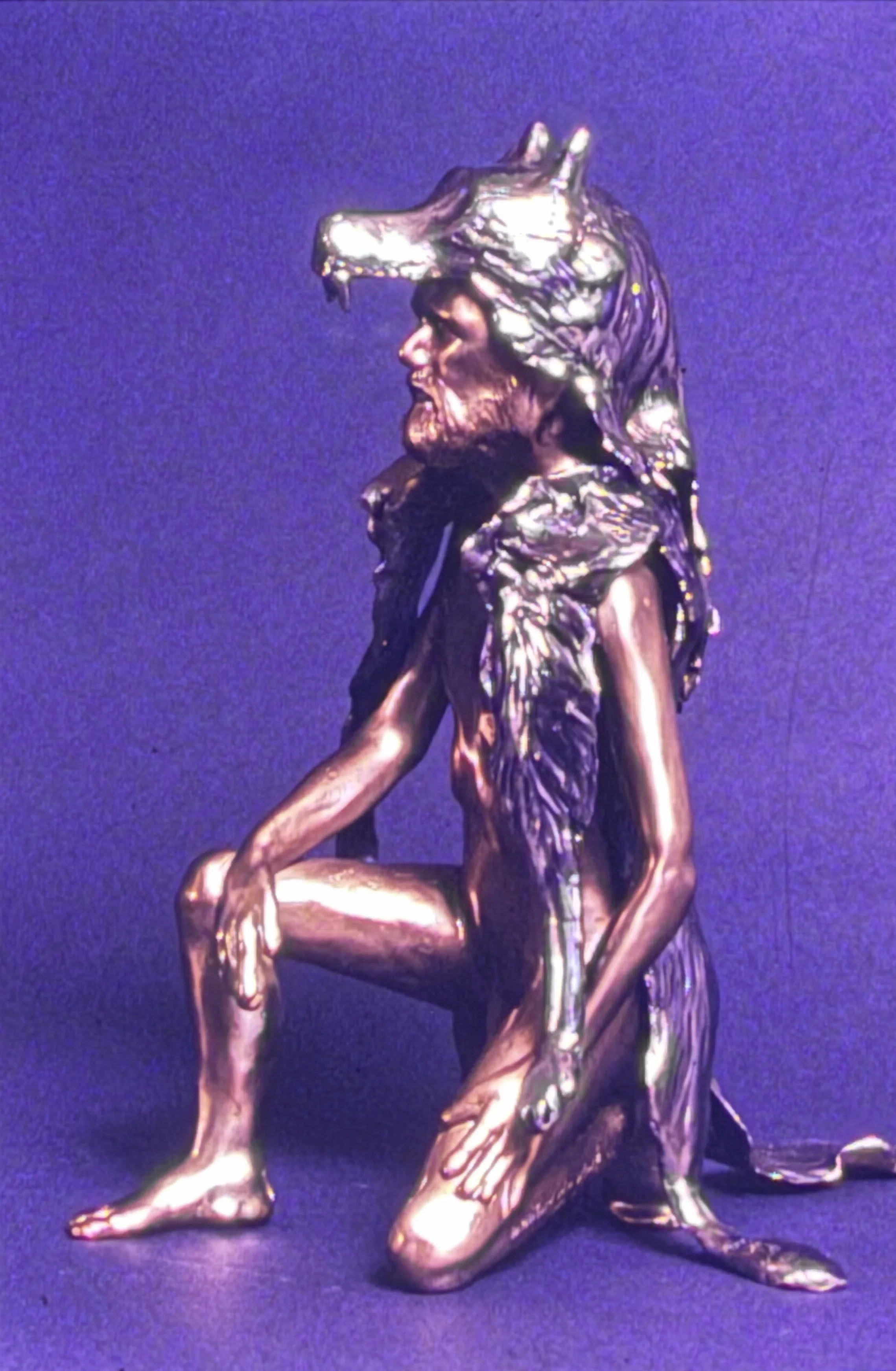
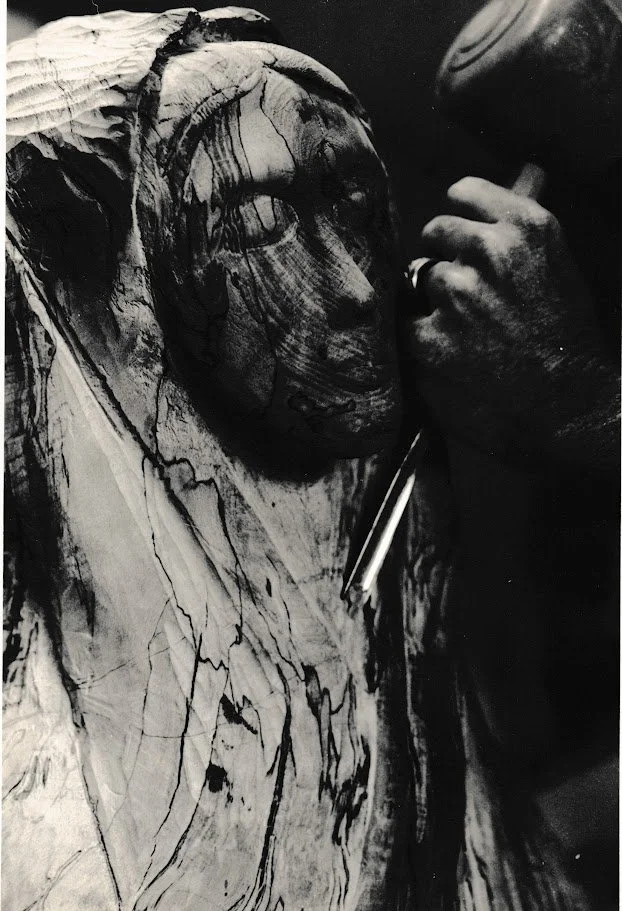
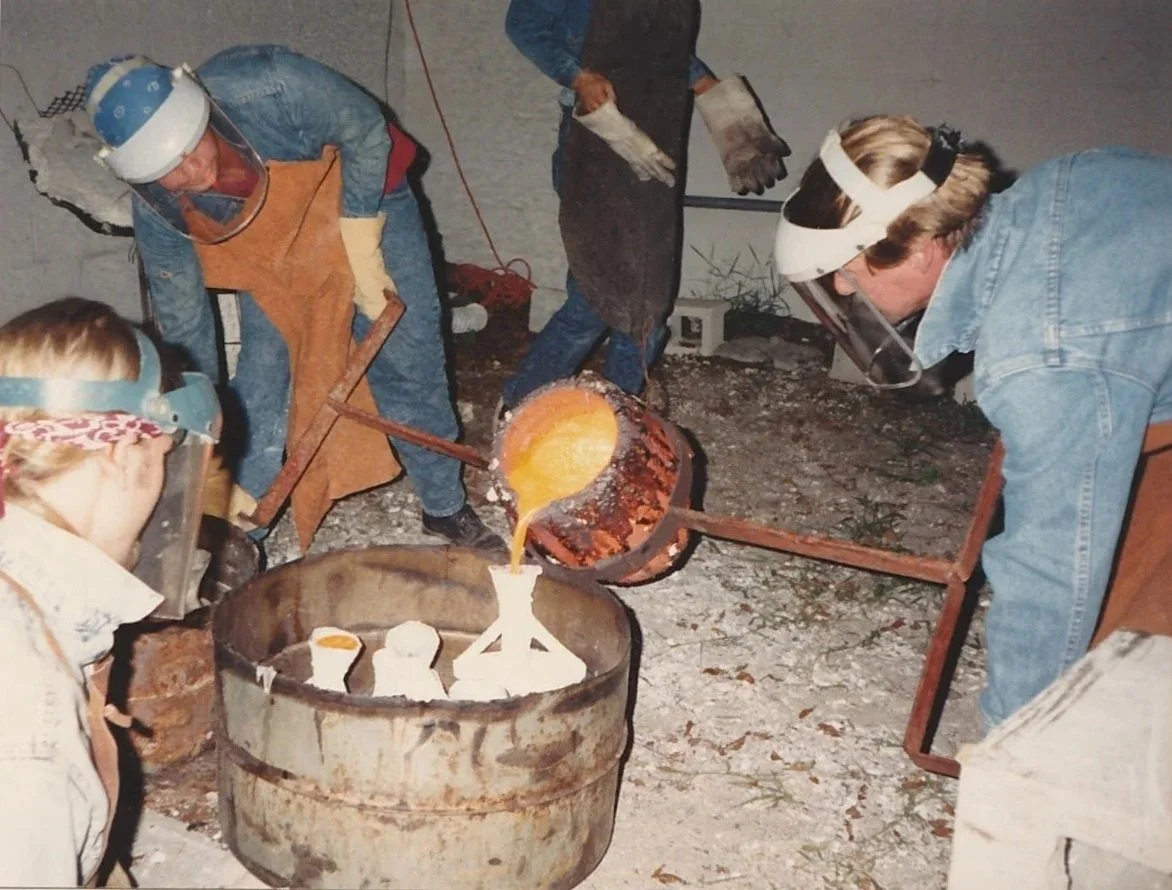
Whitney Wolf II's early artistic development was shaped by this classical approach. During the late 1970s and early 1980s, he created ceramic busts, figurative sculptures, and wood carvings that emphasized anatomy, proportion, and craftsmanship. As he expanded into bronze casting, he produced portrait busts and human figures that required both artistic vision and technical precision. Through these works, he participated in a sculptural tradition that spans thousands of years.
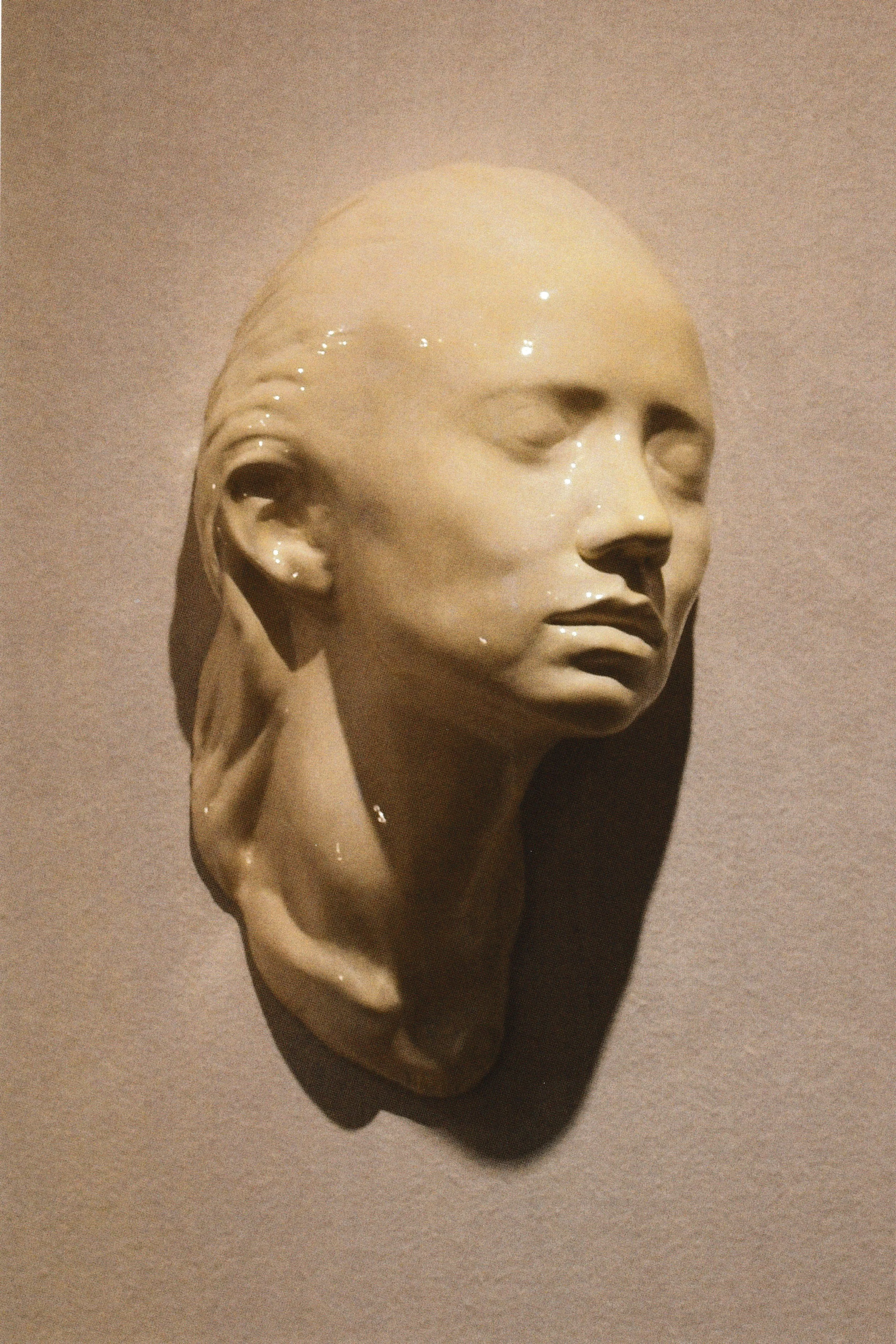
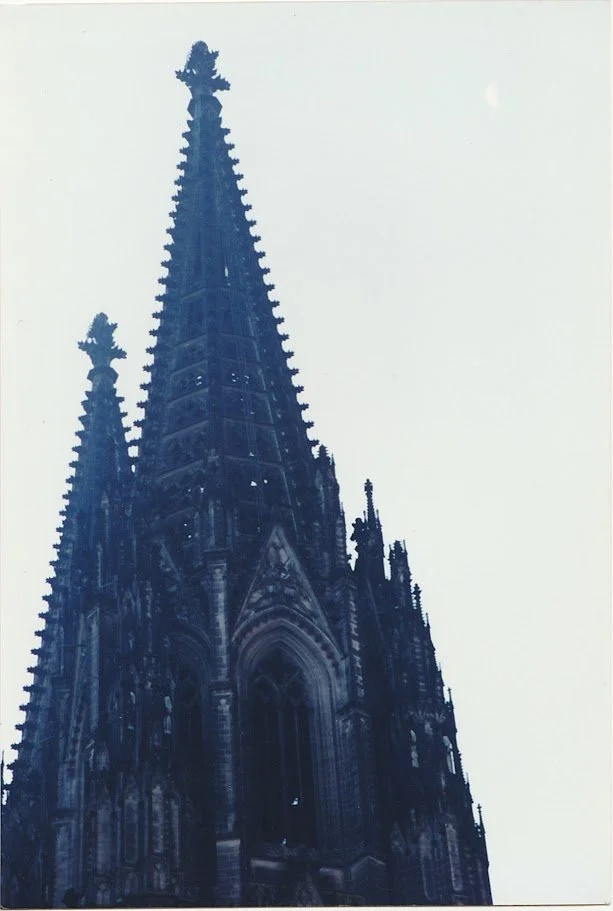
Wolf's commitment to observation extended beyond sculpture. Throughout his travels in Europe and North America, he documented architecture, landscapes, museums, and everyday life through photography. These photographs reflect the same attention to detail found in his sculptural work. During his years as an art instructor in Central Florida, he also created a series of life masks. These works preserved the features of living subjects with remarkable accuracy and continued his exploration of portraiture and the human form.
Although Wolf later became known for more experimental work involving abstraction, environmental themes, and scientific concepts, the influence of Classical Realism remained present throughout his career. His early sculptures, photographs, wood carvings, and life masks demonstrate a lifelong dedication to observation and craftsmanship, providing the technical and conceptual foundation for the diverse body of work that would follow.